Lunch Box 12V
Lunch Box 12V options make it easy to enjoy fresh meals wherever your day takes you. Designed for convenience and portability, these lunch boxes are ideal for busy professionals, travelers, or anyone looking for a practical way to keep food ready on the go. With a variety of designs and sizes available, finding the right Lunch Box 12V to suit your needs is simple. Explore choices that fit seamlessly into your daily routine and upgrade the way you enjoy lunch away from home.
Sort
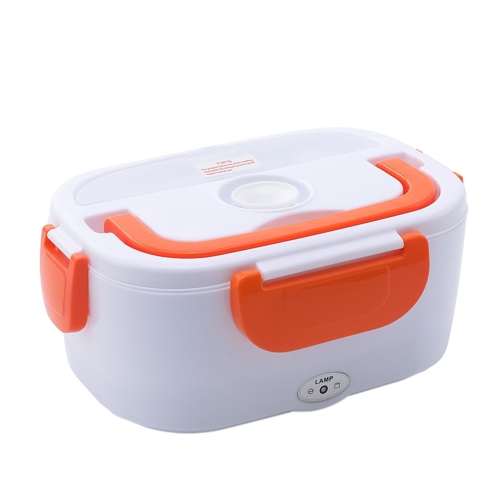
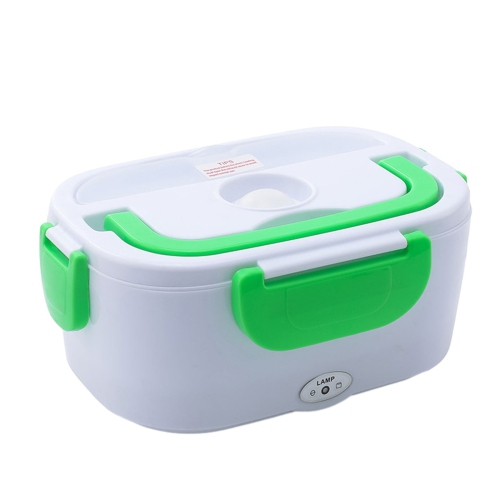
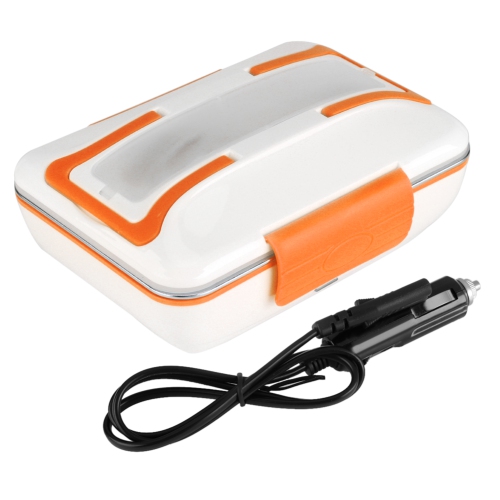
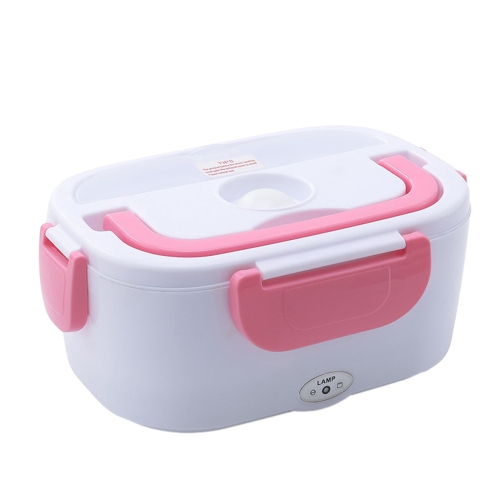
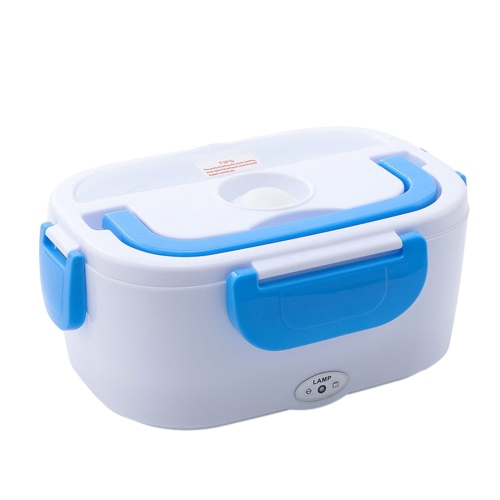
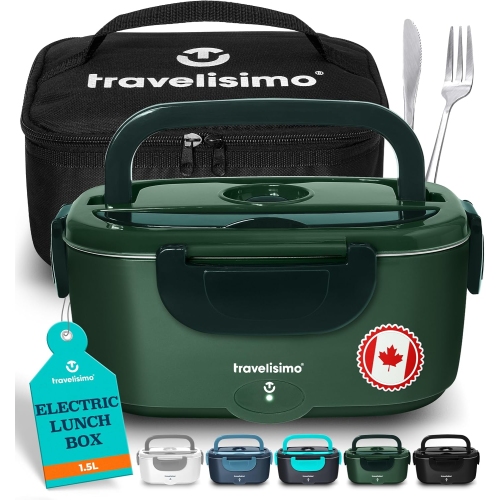
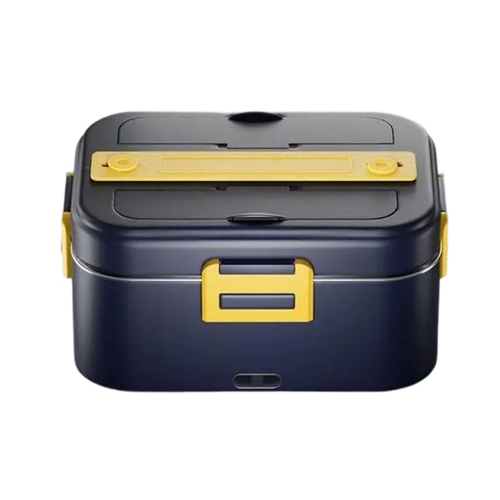
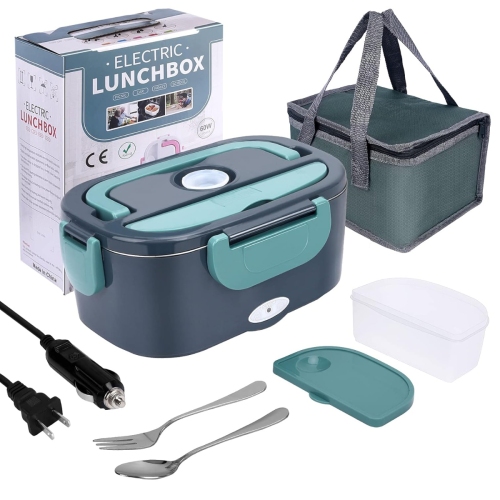
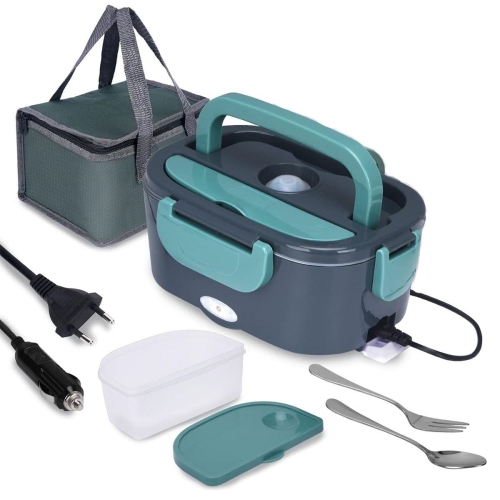
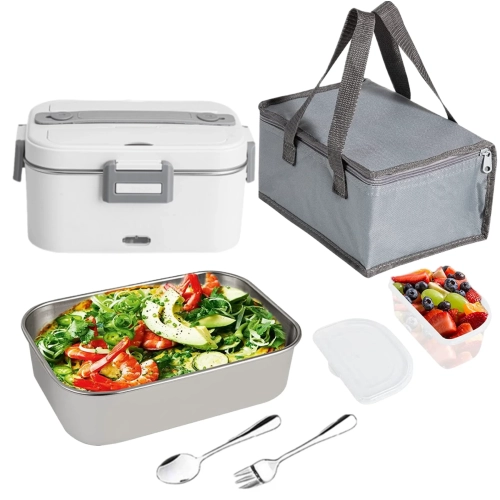

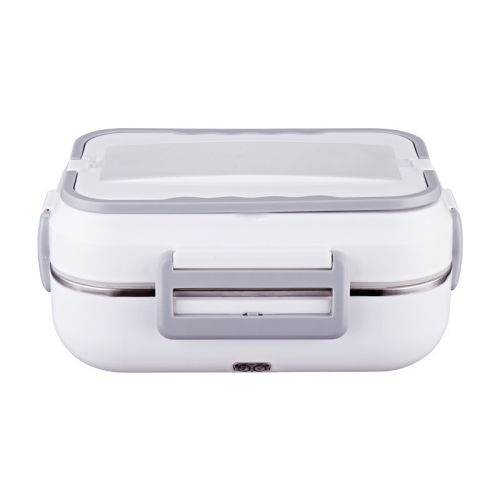
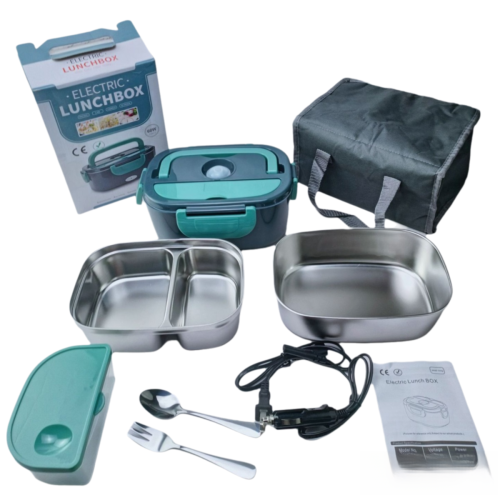
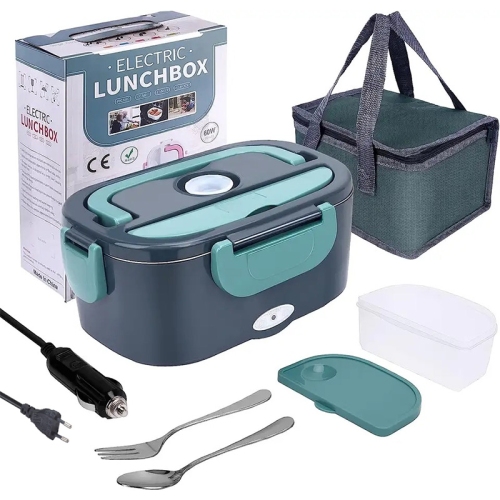
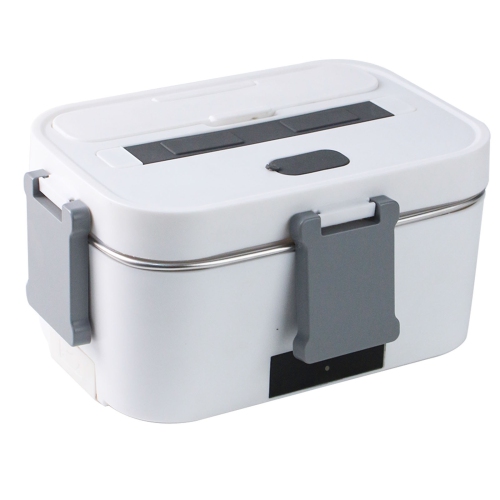
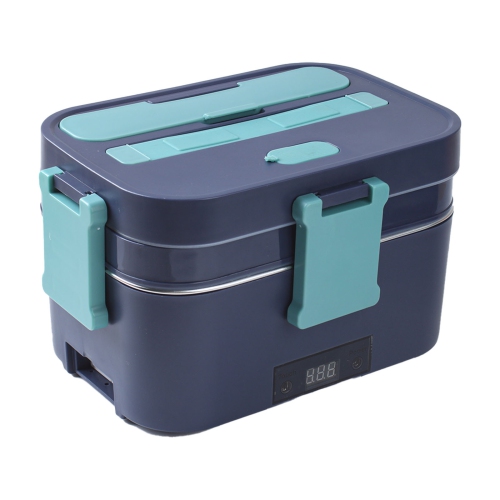
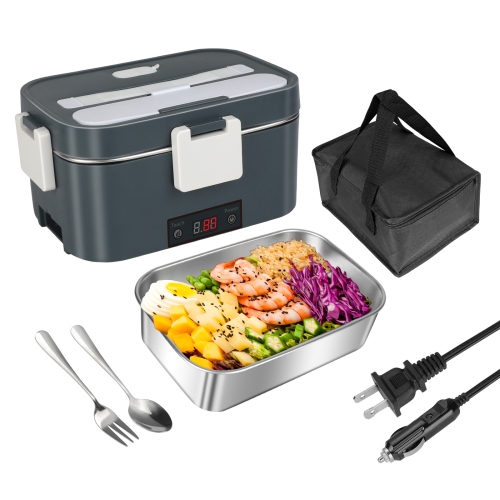
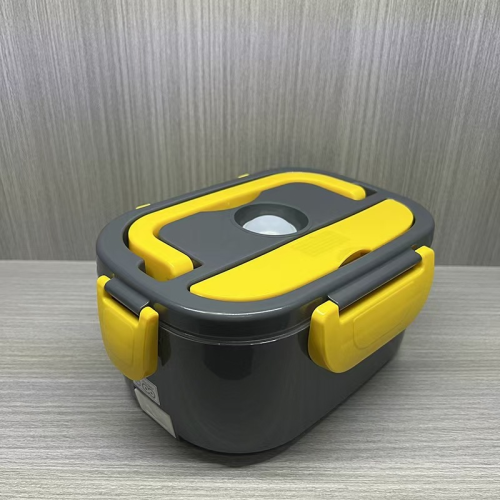
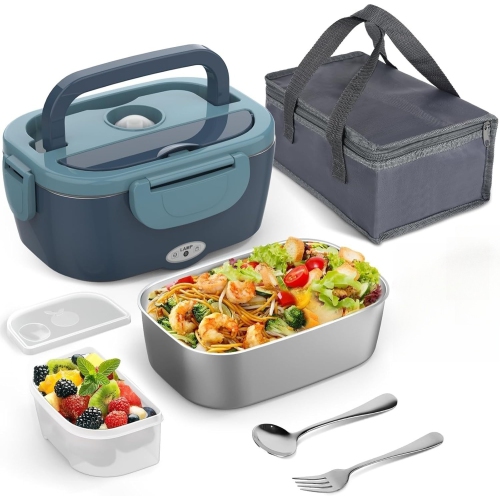
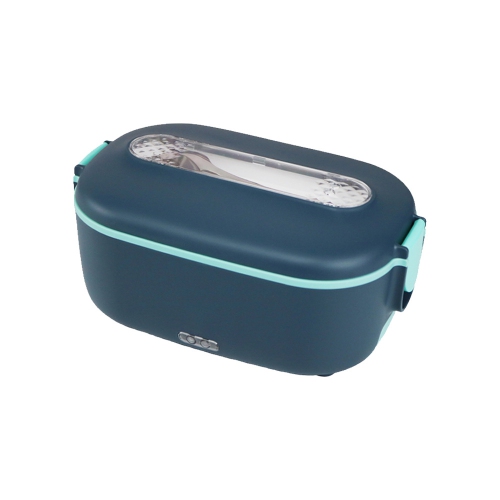
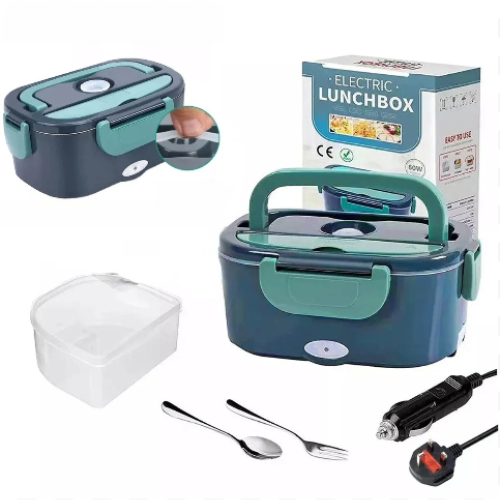
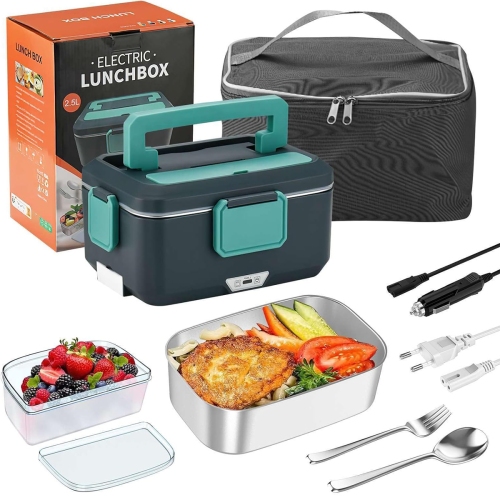
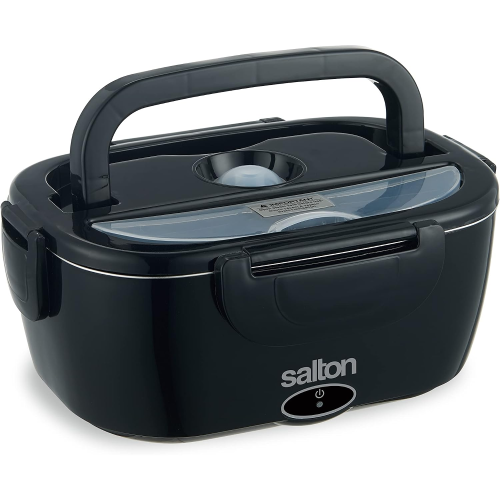
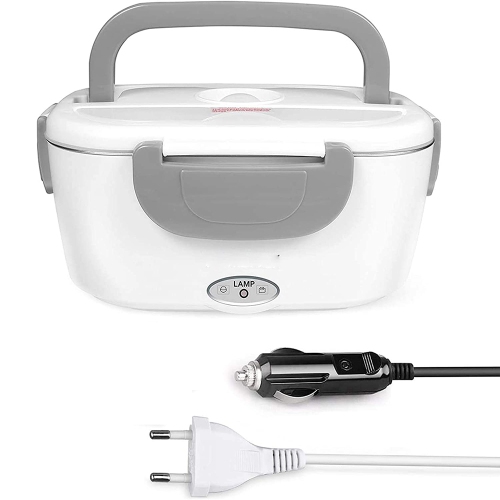
Warm lunches for workdays spent on the road
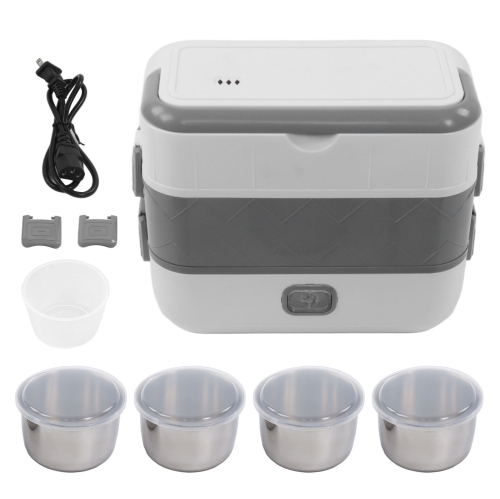
A 12V lunch box is an electrically heated food container that connects to a compatible vehicle accessory outlet to warm a meal away from a kitchen. It brings a different kind of convenience to a packed lunch: rice and vegetables can become a warm meal, pasta can be reheated without access to a shared microwave, and a portion of stew can travel in a container suited to a working day on the road. These lunch boxes are particularly relevant to tradespeople, delivery drivers, mobile technicians, and others whose lunch break happens near a vehicle rather than an office kitchen. Many designs are intended to reheat prepared food, while cooking from raw ingredients requires an appliance specifically designed and approved for that purpose. Construction varies, with some designs using a removable metal food tray inside a plastic outer housing and others taking the form of a compact heated chamber. Stainless steel trays provide a sturdy surface for everyday meals and can simplify serving and washing when they lift out of the base. Food-contact plastics should be suitable for the appliance’s intended use, and any separate container placed inside a heated chamber needs to be expressly permitted by the manufacturer. Capacity matters in practical terms, not just as a number: a deep tray may suit soup or a generous serving of chilli, while divided compartments can help keep rice, vegetables, and a main dish separate. The shape of the container also affects how easily food can be spread into an even layer for reheating. Exterior dimensions, carrying handles, lid fasteners, and cord storage all influence how comfortably a lunch box fits into a daily routine. A compact footprint may leave room beside a work bag, while a wider base needs a suitable flat surface during use. Secure closures help with transport, but a clipped lid should not be assumed to be leakproof, especially when carrying broth, sauces, or other liquids.
Electrical compatibility is central to choosing a 12V heated lunch box. A vehicle’s accessory socket, sometimes called a cigarette lighter socket, must provide the voltage and power required by the appliance. A matching plug alone does not establish compatibility, and a lunch box marked for 12V use should not be connected to a 24V supply unless its specifications explicitly support both. Designs intended for both vehicle and household use need the correct supplied or approved power connection for each setting; a household cord or adapter is not automatically interchangeable with another appliance’s. Cord length also affects placement, particularly when the outlet is low on the dashboard or inside a centre console. The cable needs a clear route away from pedals, seat tracks, and doors, and the lunch box needs to remain stable wherever its instructions permit operation. Heating performance depends on wattage, portion size, food density, starting temperature, and the design of the tray and heating surface. A dense serving of refrigerated rice will not necessarily warm at the same rate as a shallow portion of pasta with sauce. Lower-powered warmers generally need a planned heating period rather than delivering the speed of a microwave, so published heating times are best understood as estimates under stated conditions. A power indicator confirms operation, not that the centre of a meal has reached a safe temperature. Perishable food should remain chilled at 4°C or below until reheating, and reheated leftovers should reach 74°C throughout, checked with a food thermometer. Food held hot before eating needs to stay at 60°C or above. A heated lunch box does not replace chilled storage during the hours before lunch, making a separate insulated bag with adequate ice packs useful when no refrigerator is accessible. Vehicle outlets may switch off with the ignition or remain powered after the vehicle is parked; that distinction affects whether the appliance operates and whether it could draw down the battery. Use should follow the vehicle and appliance instructions, without distracting the driver or leaving cords where they interfere with vehicle controls.
Everyday usability often comes down to details that are easy to appreciate after several packed lunches. A removable tray can move from the lunch box to the table without bringing the powered base along, while a broad opening makes it easier to reach corners when washing away dried sauce or grains of rice. Dishwasher compatibility applies only to components specifically identified as dishwasher-safe; the powered housing, connector, and cord generally require separate care according to their instructions. A wipe-clean exterior is helpful when the lunch box shares space with work gear, and accessible lid seals are easier to inspect for trapped food. Heating vents must remain unobstructed during use, and lids or valves need to be positioned as directed rather than treated like those on an ordinary sealed storage container. Scratched trays, damaged cords, loose connectors, and cracked closures deserve attention because daily transport puts repeated stress on these parts. Durability also depends on handling: carrying the appliance by its handle rather than its cable, protecting the connection from spills, and letting components cool before cleaning can help preserve dependable operation. For someone comparing different ways to bring a warm lunch along, Portable Heating Lunch Boxes provide a related category to explore alongside vehicle-powered designs. The most useful format depends on where lunch is eaten, which power source is accessible, and how much space is available for carrying both the meal and its accessories. Separate storage for cutlery, a napkin, and food that should stay unheated can keep the main container focused on the portion being warmed. A 12V lunch box can also make a practical gift for someone who regularly packs meals and spends working hours near a compatible vehicle. Knowing that person’s usual portion size, access to chilled storage, and vehicle power setup makes the choice more personal than selecting by appearance alone. For the right routine, the appeal is straightforward: a familiar homemade meal, packed in a manageable container and warmed where the day’s work takes place.
Top selling and popular products
-
 Your price for this item is $684.88
-
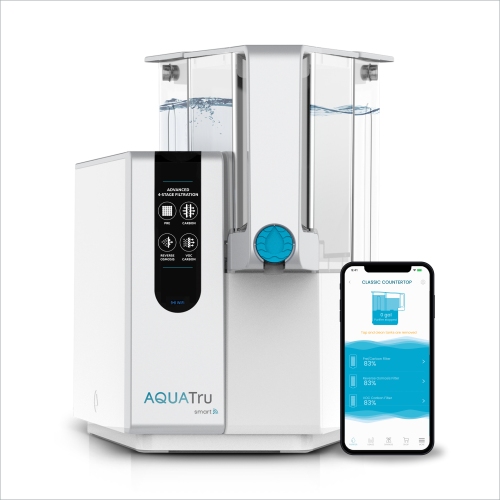 Your price for this item is $744.71
-
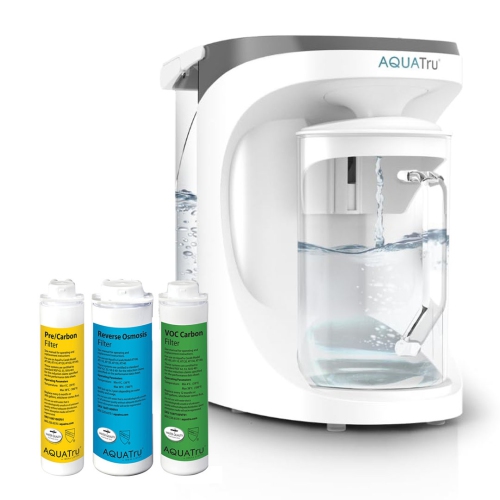 Your price for this item is $515.91
-
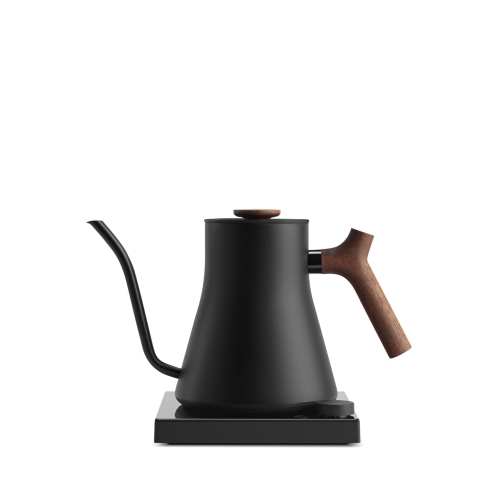 Your price for this item is $325
-
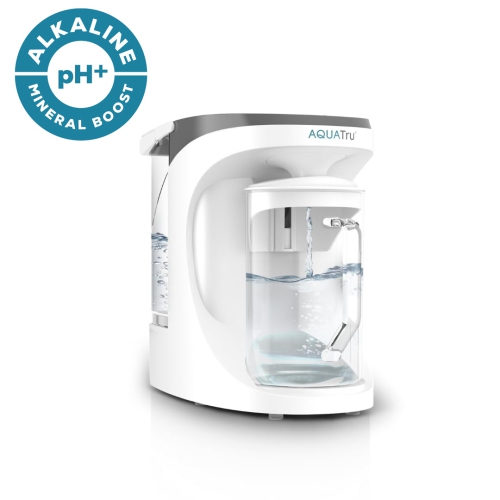 Your price for this item is $543.42
-
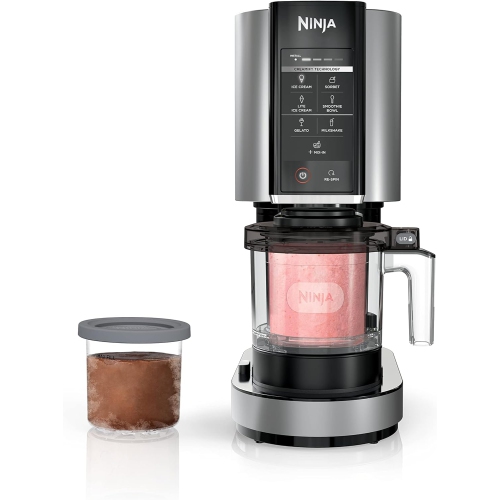 Your price for this item is $299
-
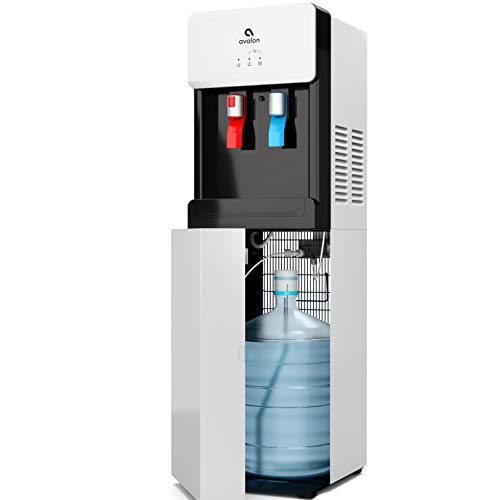 Your price for this item is $620
-
 Your price for this item is $499.99
Discover more categories related to Lunch Box 12V
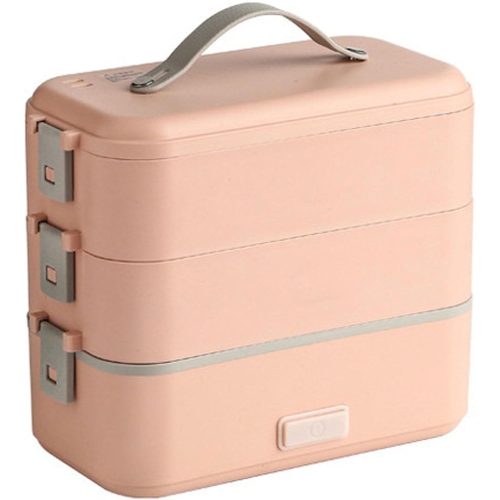
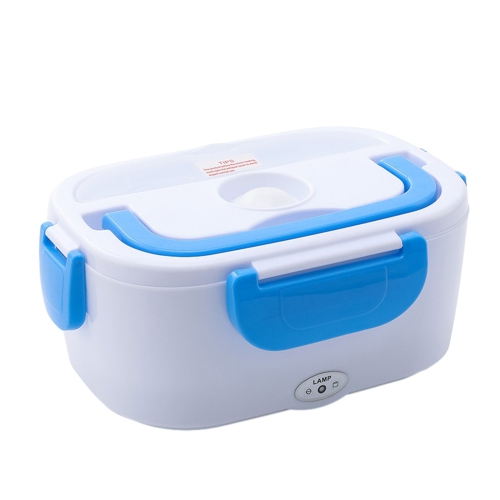

Top Collections:
Best Black Friday Deals This Year, Best Black Friday Deals On Electronics, Kindle Devices, Pokemon Centers, Best Black Friday Deals On Apple Products, Best Cameras for Sports Photography, Dyson Airwrap, Pokémon 30th Celebration Cards, Apple iPhone 17 Pro, Canon G7X Cameras
Some products may be subject to Environmental Handling Fees
(EHF) depending on your province.
Learn more about EHFs.