19 inch TV Wall Mounts

Find 19 inch TV wall mounts to position your screen and free up surface space. Compare mounting brackets by supported screen size, weight capacity, and VESA mounting pattern to find a fit for your TV, and check wall-type requirements before choosing.
Sort

A secure fit goes beyond your TV’s screen size

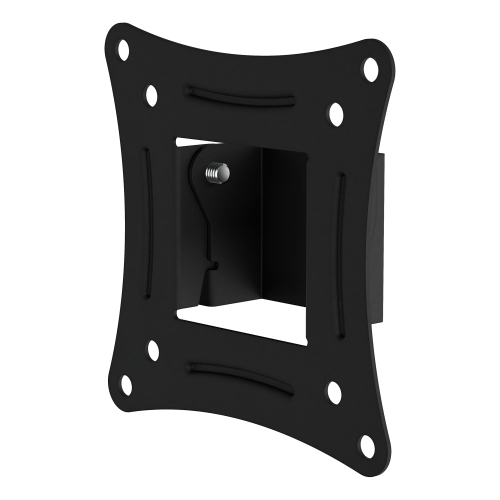
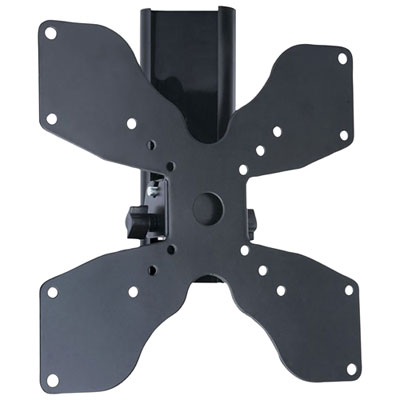
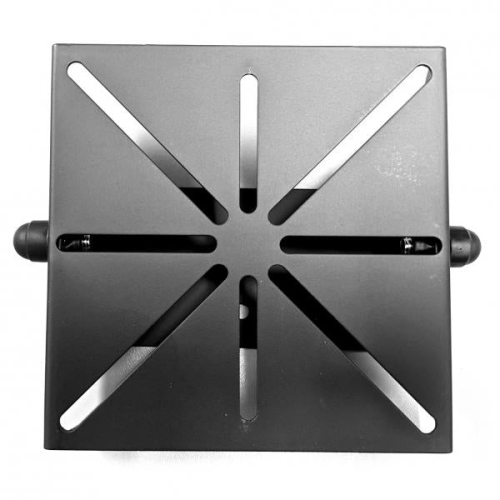
19-inch TV wall mounts are brackets designed to secure compatible compact televisions to a wall, freeing up space on a desk, dresser, or kitchen counter. A small screen can be especially useful in a bedroom, home office, or dining nook where a larger television would overwhelm the space. Wall mounting gives the screen a dedicated position without requiring a separate stand, although the right fit depends on more than the diagonal screen measurement. A television described as 19 inches is measured across the display, not across its outer casing, and that measurement does not identify its mounting-hole pattern or weight. Compatibility comes down to the television’s VESA mounting pattern, the mount’s supported patterns and load rating, and the clearance needed around the back of the screen. VESA measurements describe the horizontal and vertical distances between mounting holes in millimetres. Patterns such as 75 × 75 mm and 100 × 100 mm are common on compact displays, but the television’s manual or specifications should confirm the actual pattern. A bracket that supports a broad range of screen sizes may still be suitable for a 19-inch television when those measurements and its weight fall within the stated limits. Equally, a bracket labelled for small screens is not automatically a match. The attachment screws must have the correct thread and length for the television; screws that are too long can damage the housing, while screws that are too short may not provide adequate engagement. Recessed mounting holes or a curved rear casing may require approved spacers. The shape of the mounting plate also matters, particularly when HDMI inputs, power connections, or ventilation openings sit close to the attachment points. A well-matched bracket leaves those areas accessible and allows the television to sit securely without pressing cables against the wall. These details distinguish a genuinely compatible mount from one that merely looks proportionate to a small screen.

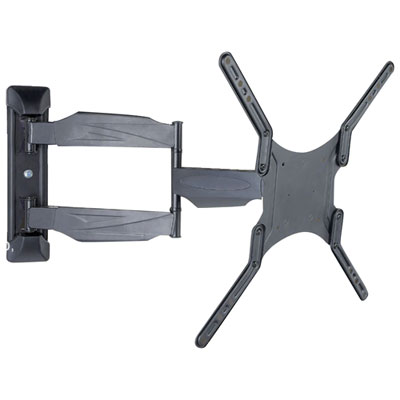
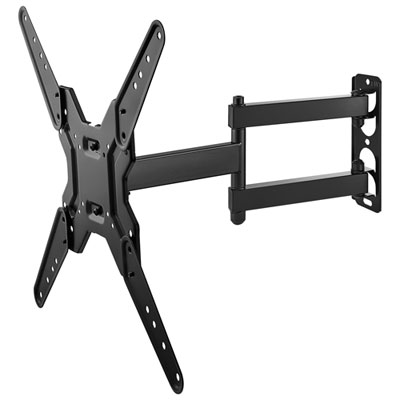
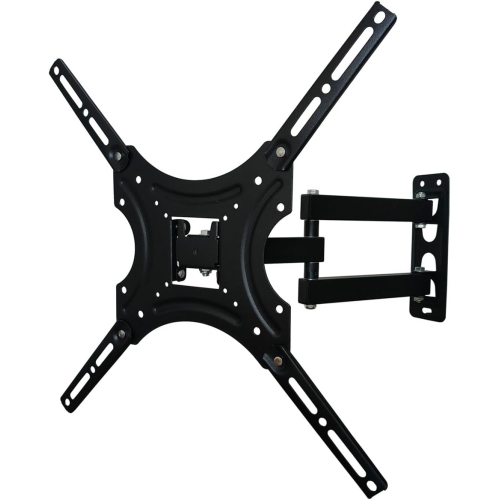
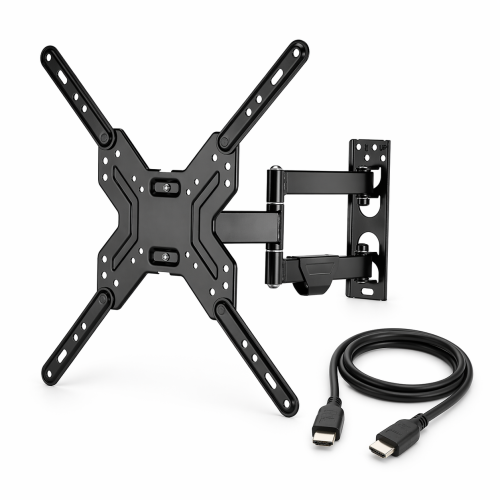
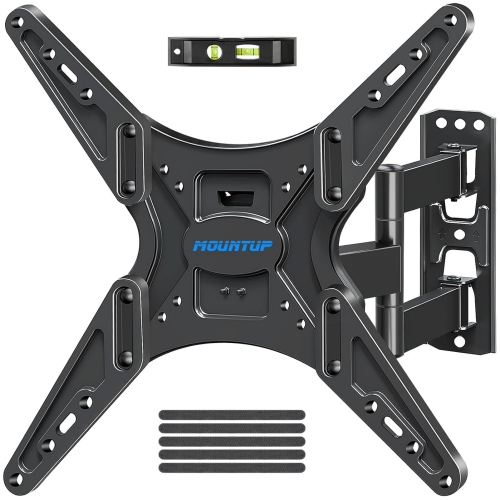
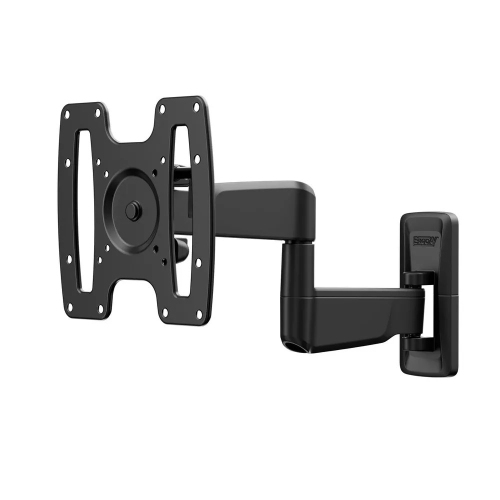
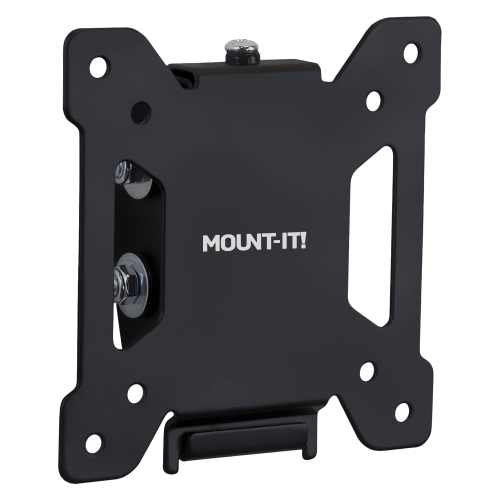
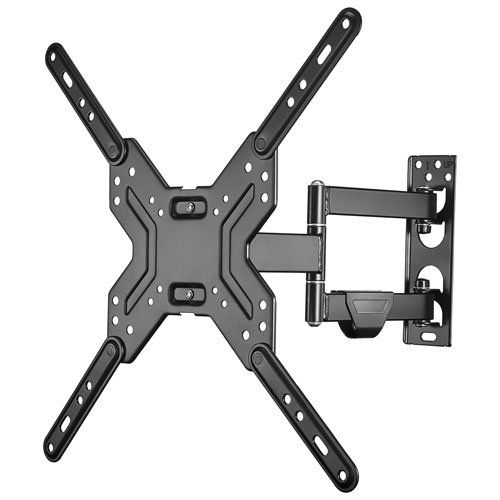
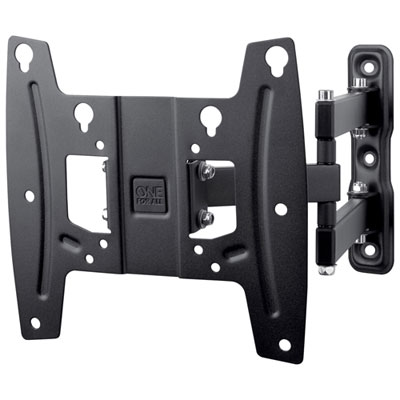
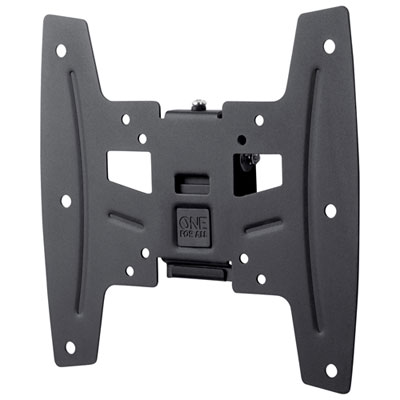
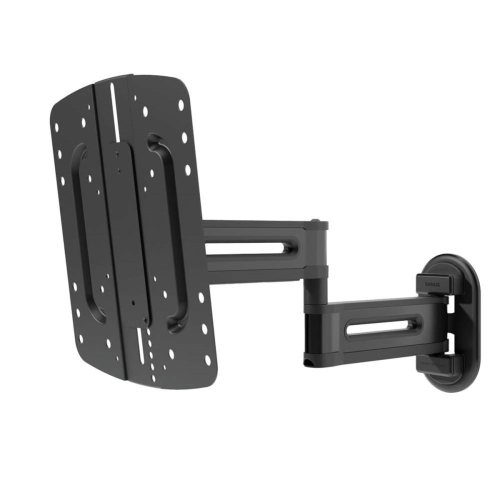
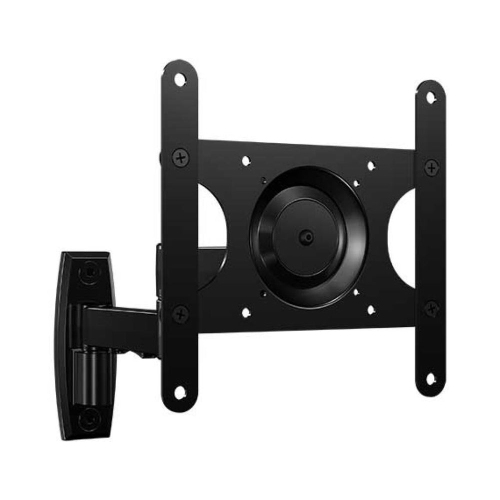
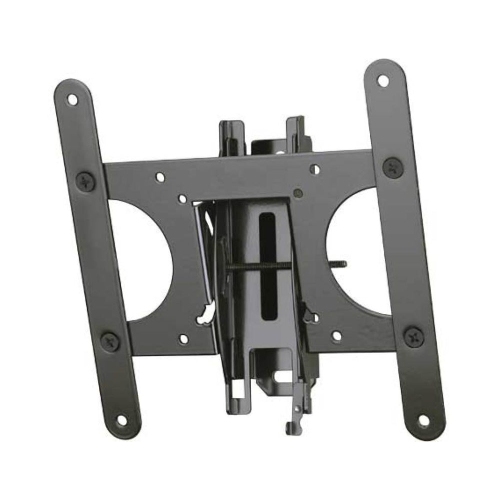
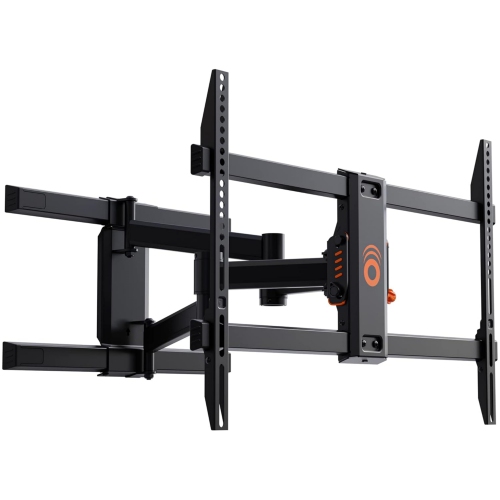
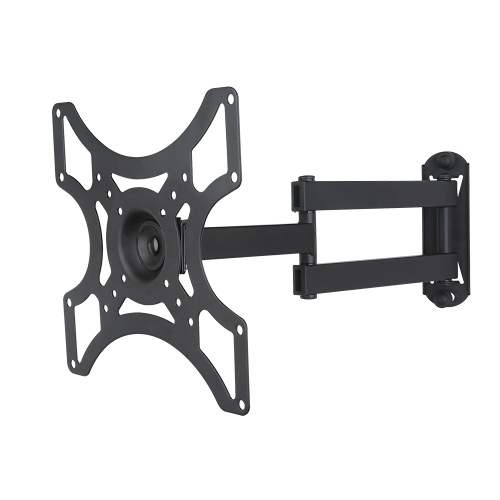
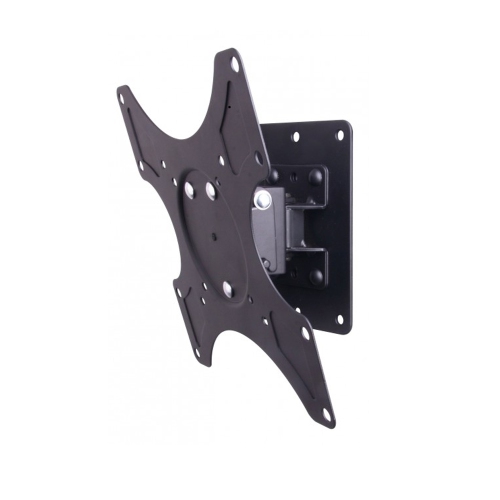
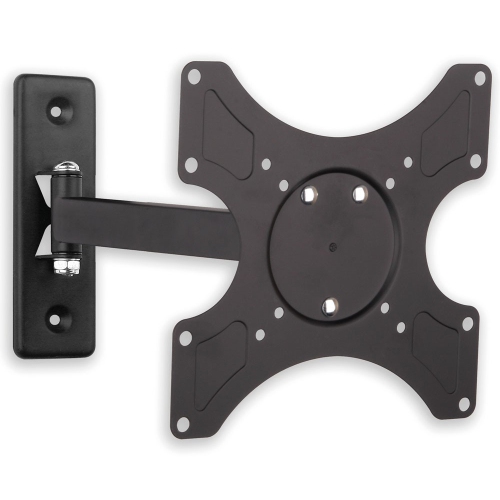
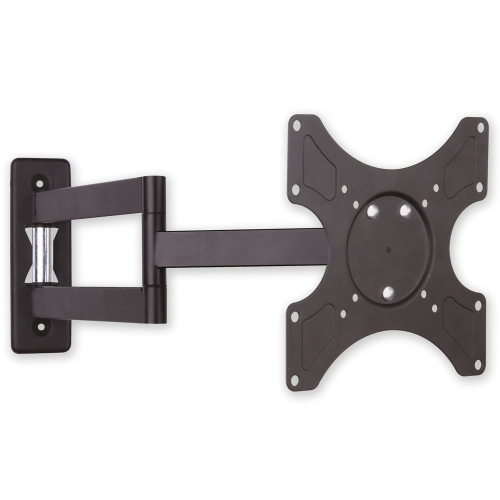
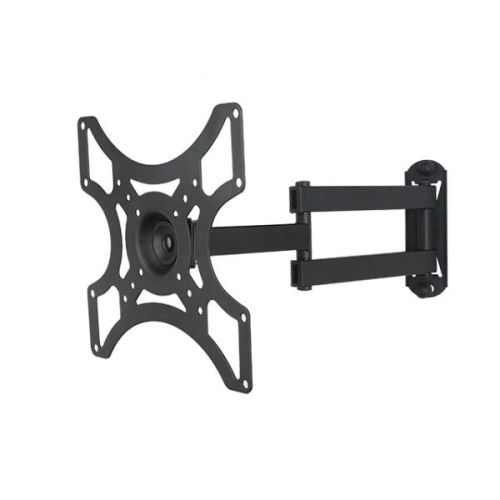
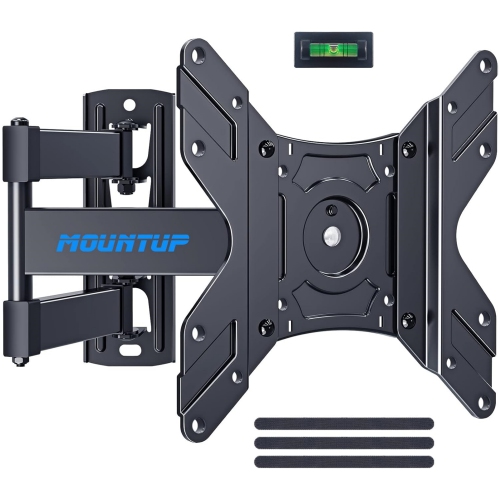
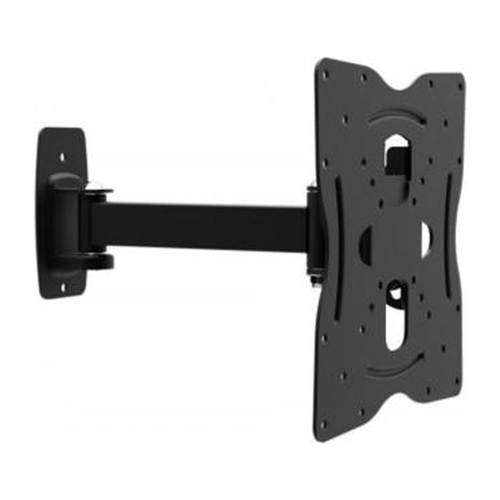
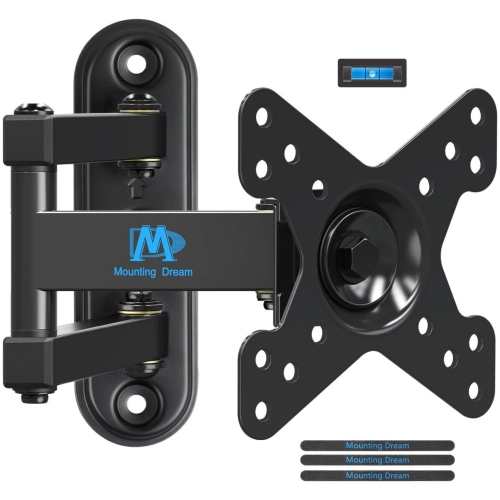
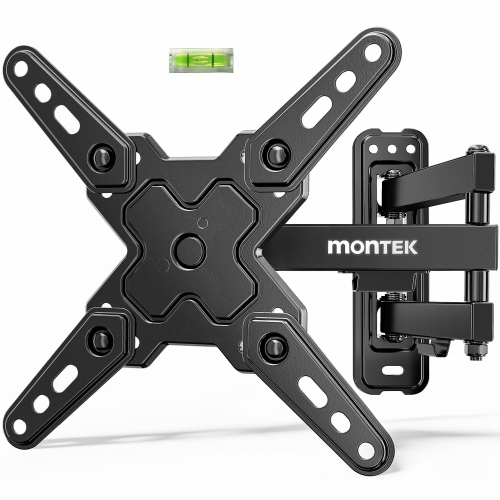
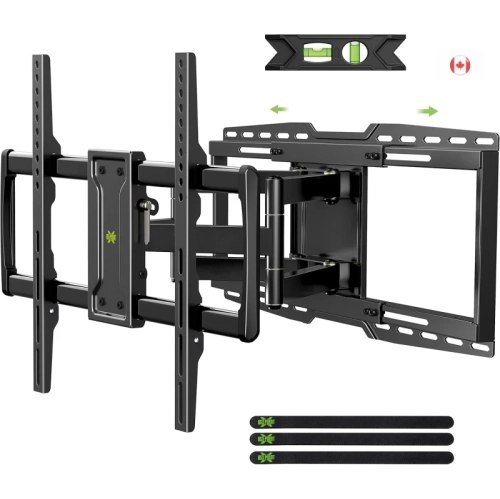
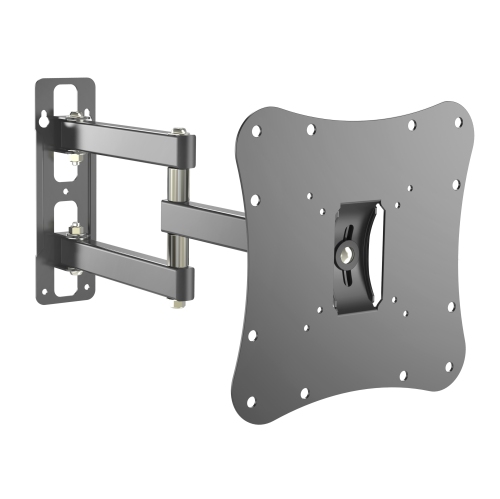
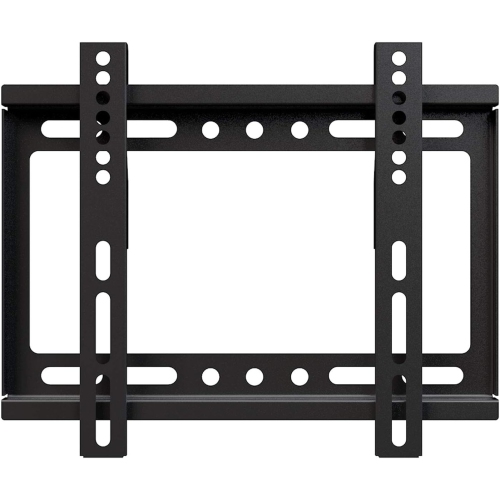
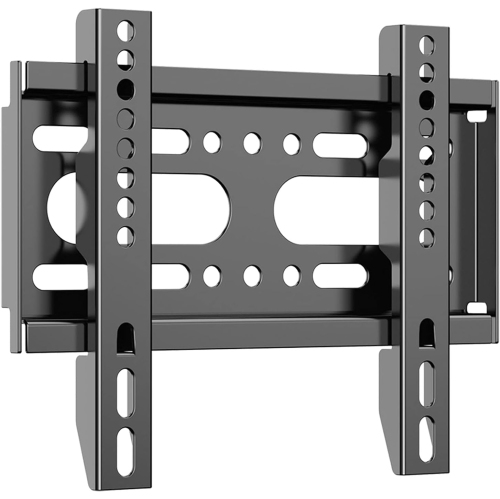
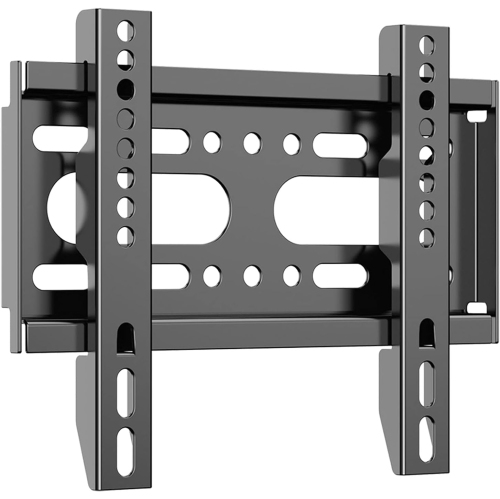
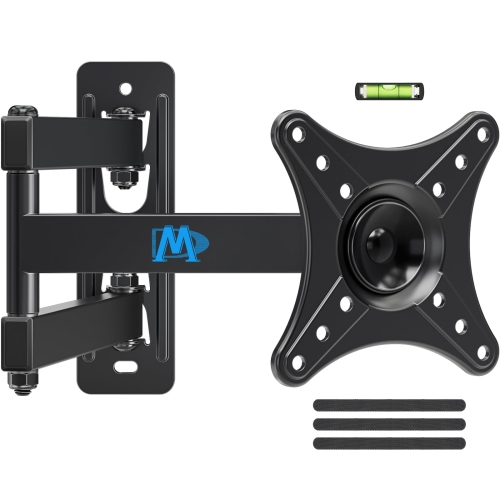
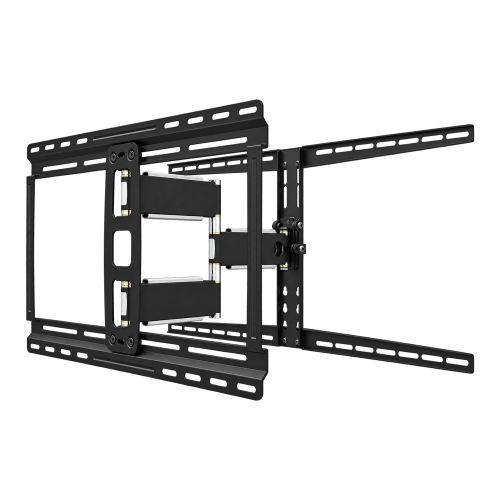
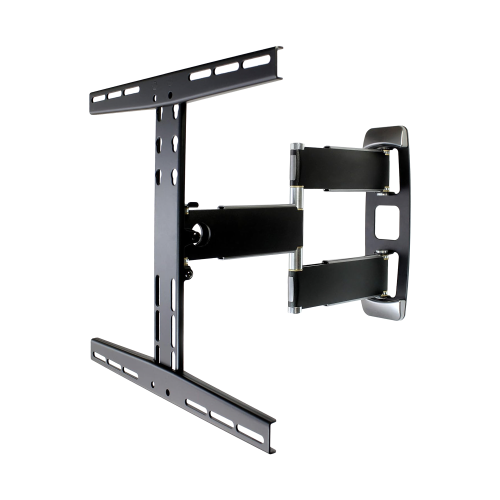
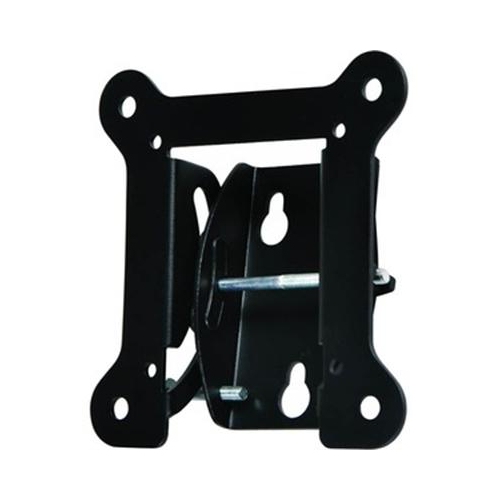
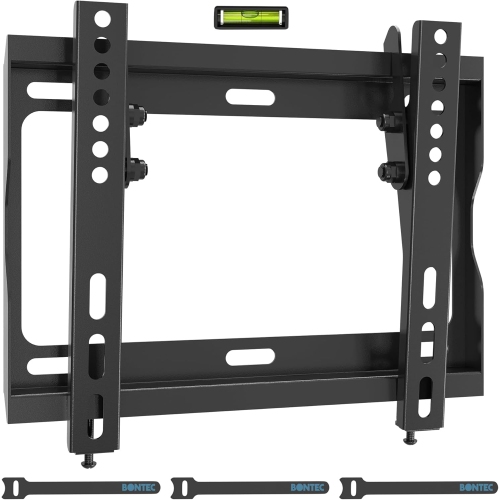
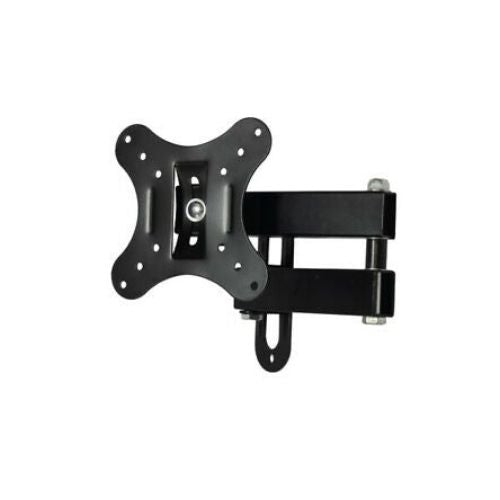
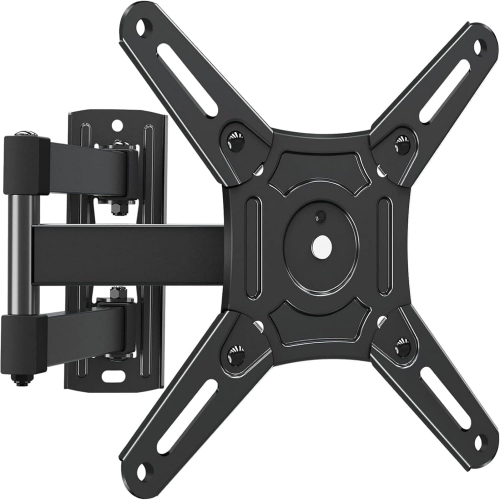
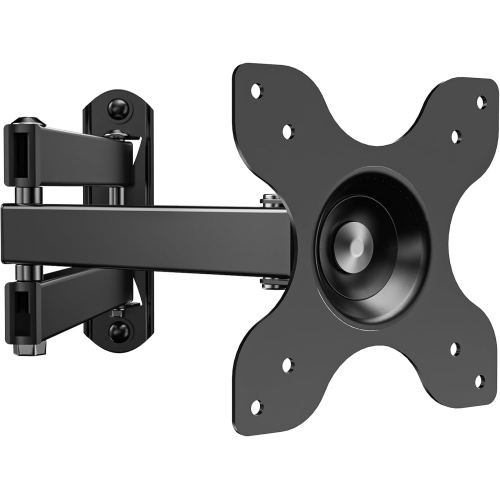
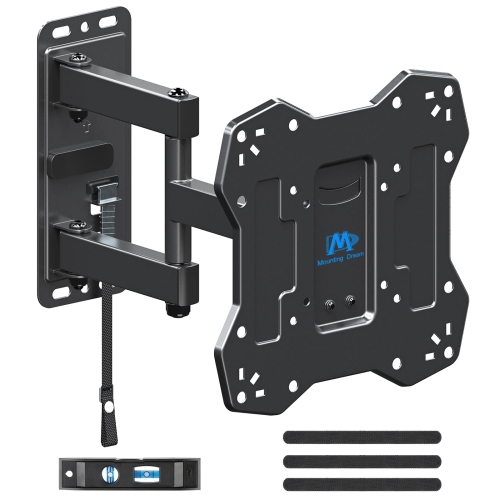
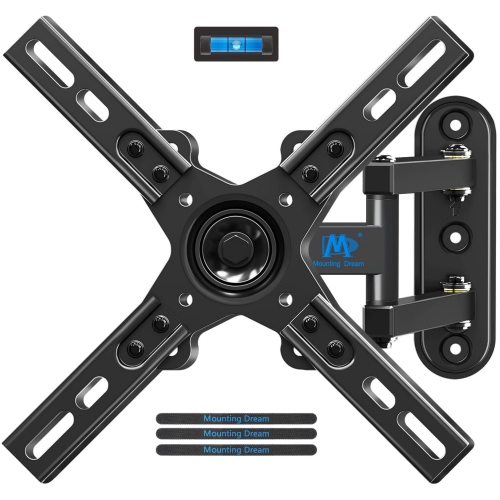
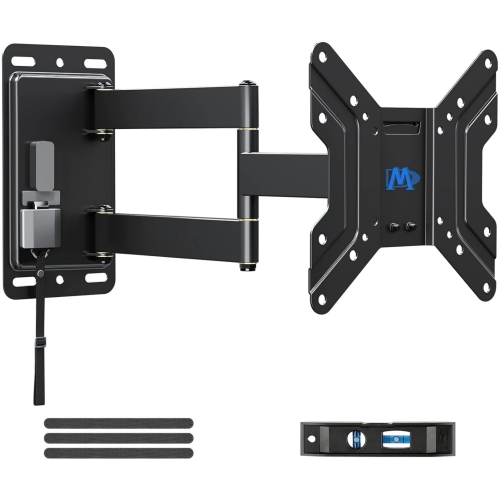
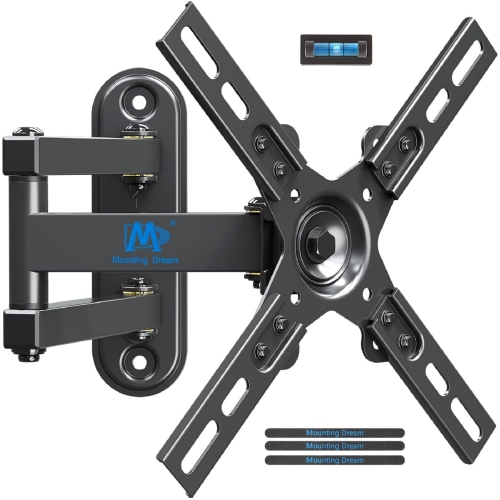
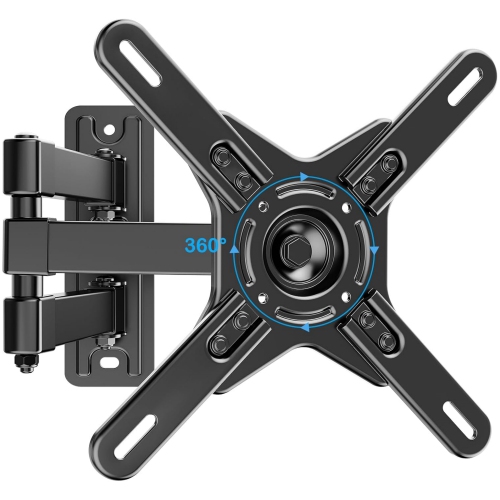
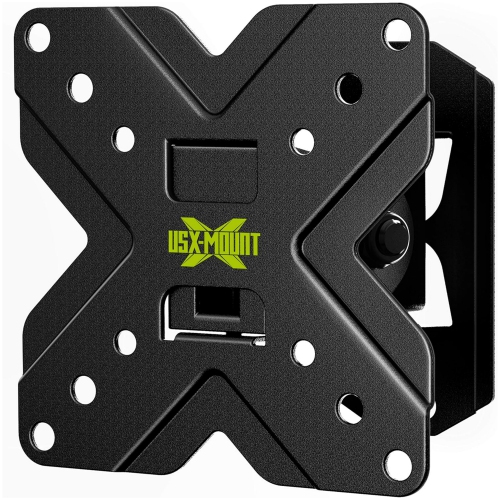
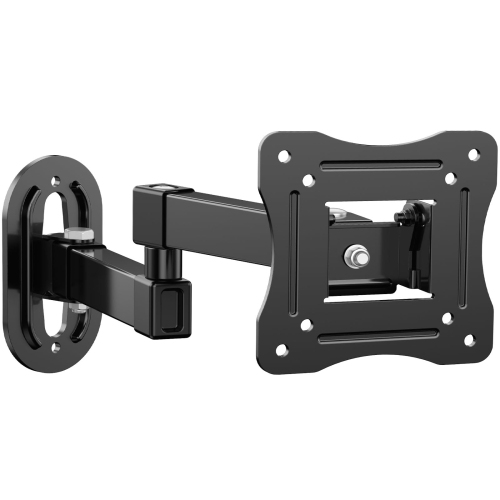
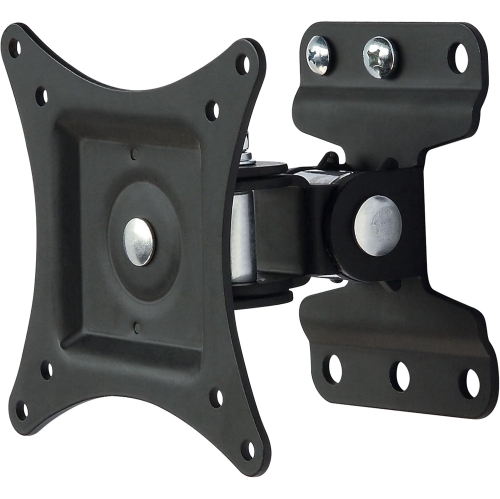
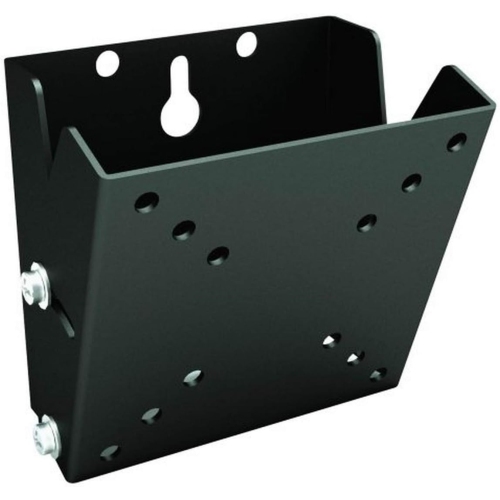
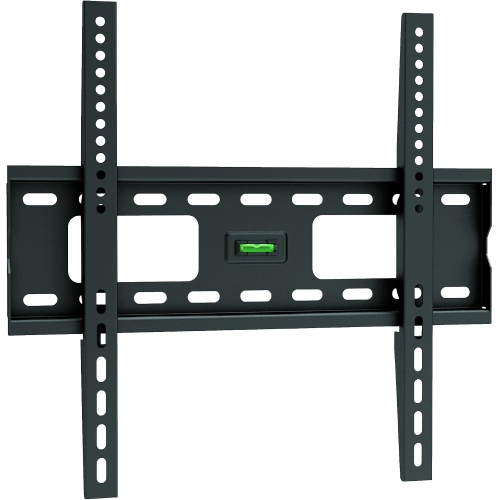
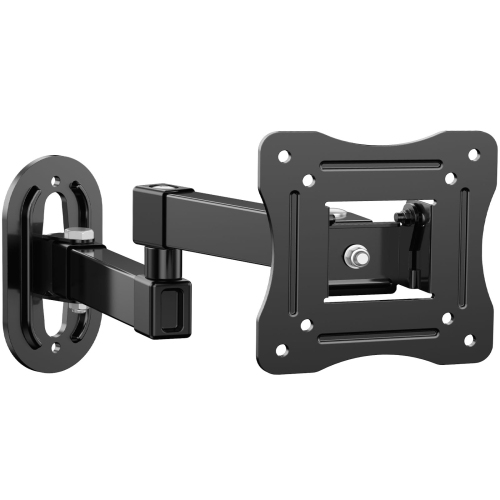
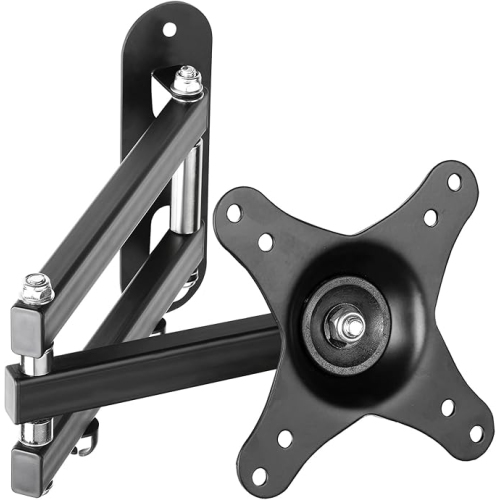
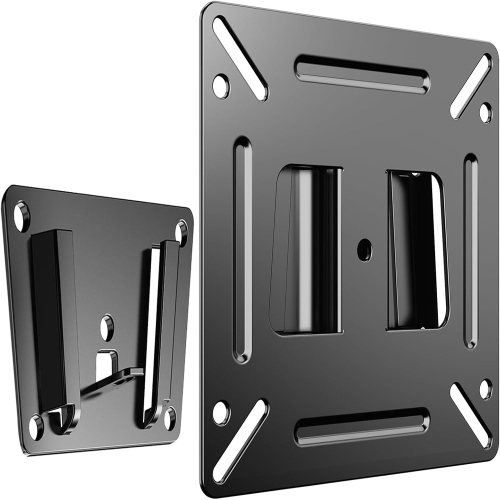
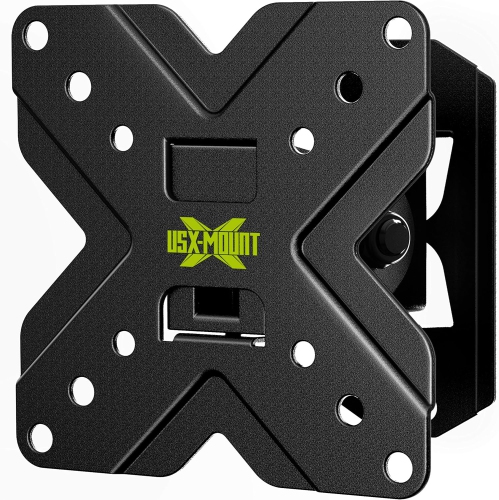
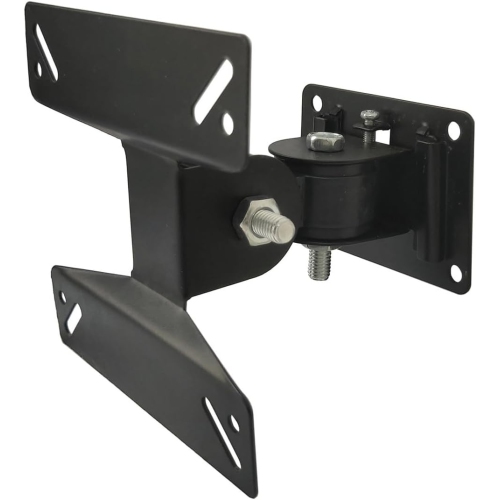
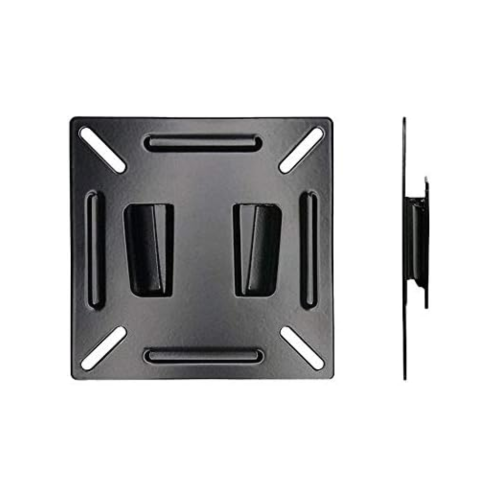
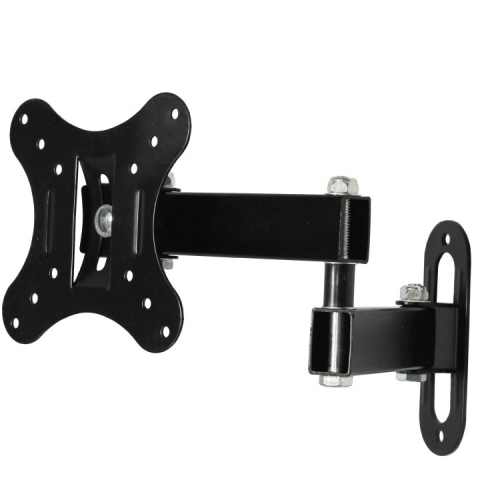
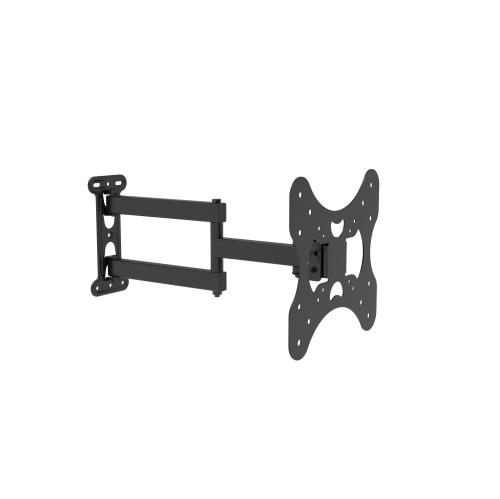
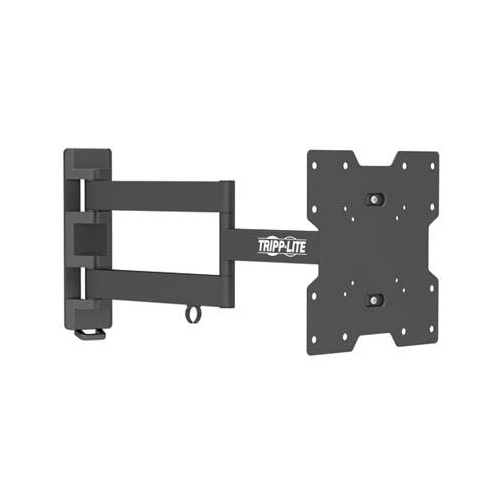
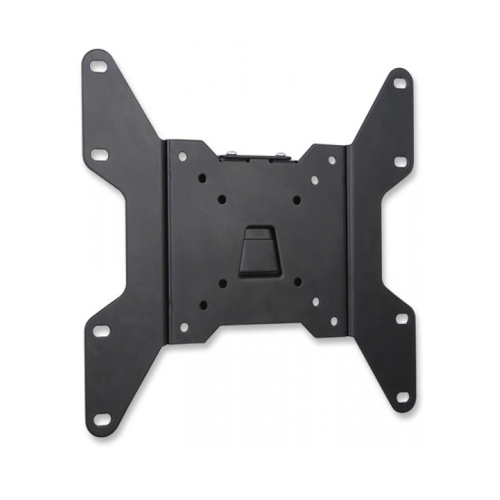
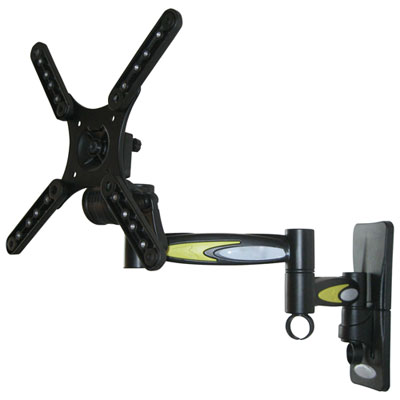
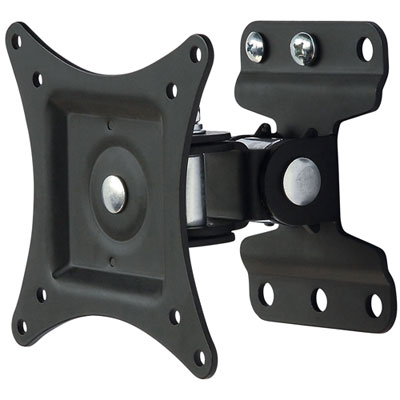
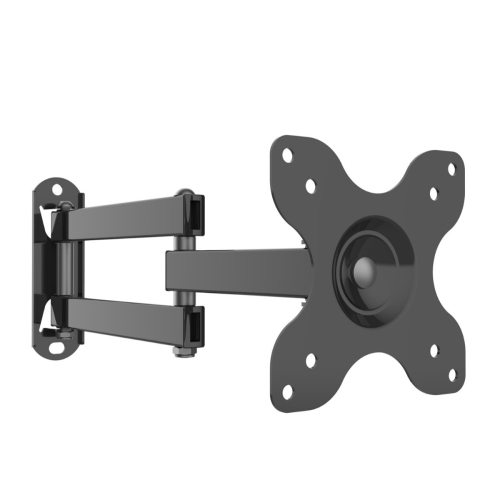
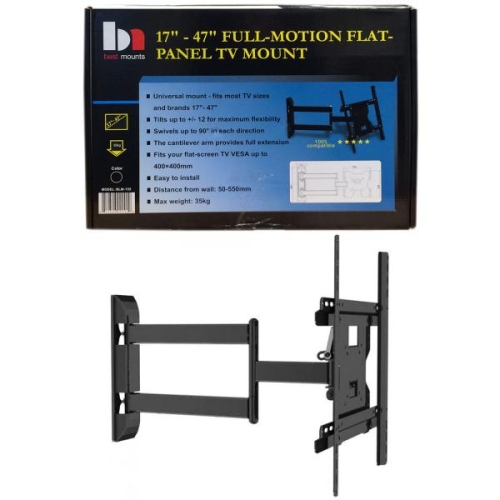
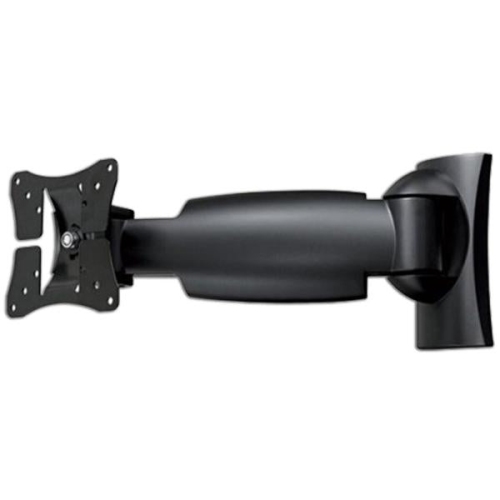
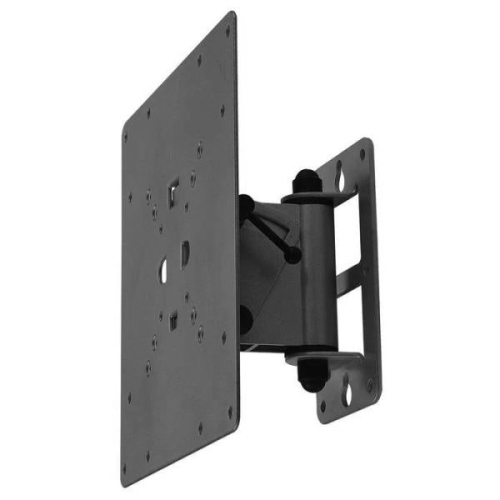
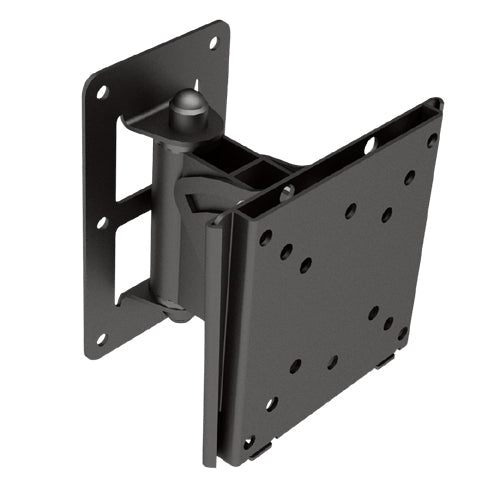
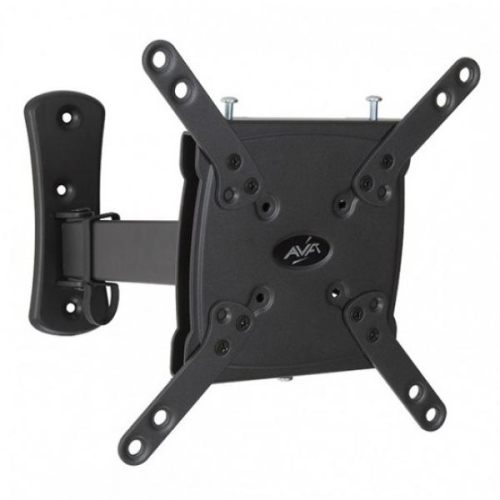
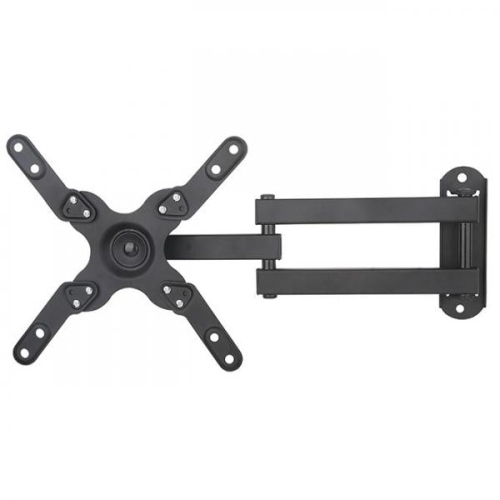
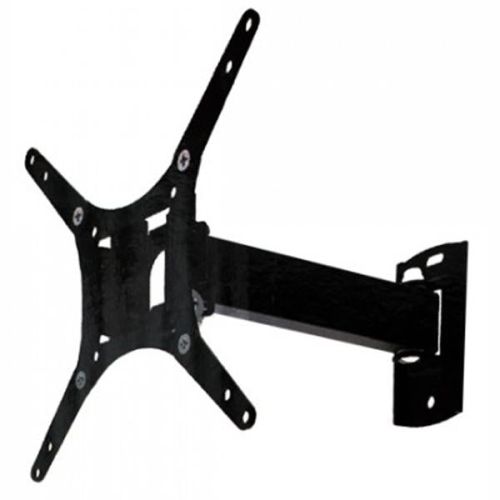
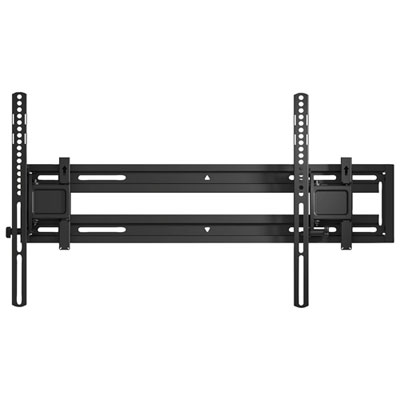
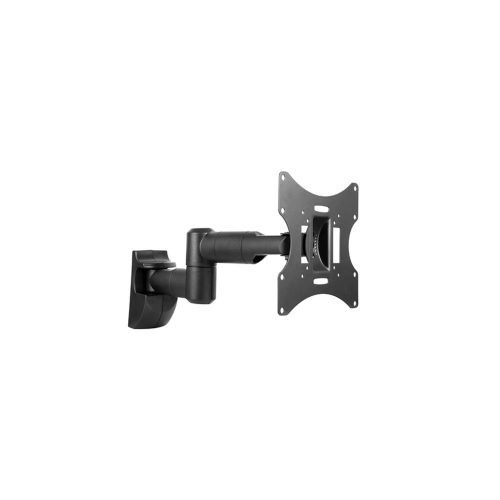
Fixed, tilting, and full-motion wall mounts offer different ways to position a 19-inch television, and the most useful design depends on how the room is used. A fixed mount holds the screen close to the wall and suits a viewing spot that stays consistent, such as a chair facing a television in a compact bedroom. Its low profile creates a neat appearance, but the limited space behind the screen can make rear-facing connections harder to reach. A tilting bracket adds vertical adjustment, which can help when the television needs to sit slightly above seated eye level. Tilt can improve the viewing angle, though placing a screen unnecessarily high still creates an uncomfortable position for extended viewing. Full-motion mounts use an arm to bring the television away from the wall and turn it towards different seating positions. That flexibility is useful in a home office where the screen faces a desk during one activity and a nearby chair during another, or in a kitchen where viewing positions vary between a table and a counter. The arm’s reach, swivel range, and folded depth all affect how it works in practice. A mount may offer a wide swivel range, yet the television’s casing can meet the wall before the advertised angle is reached. Corner placements also need enough clearance for the screen to turn without striking adjacent cabinets or shelving. Cable length should accommodate the arm’s full movement without pulling on plugs, and any cable-management clips should hold wires without pinching them. Related options such as Easy TV Wall Mounts can also be compared by their attachment design, adjustment range, and fit rather than screen size alone. Across these styles, the goal is a comfortable sightline and a screen position that works with the furniture already in the room. A compact television rewards careful placement: facing the main viewing position is often more useful than mounting it wherever there happens to be an empty patch of wall.
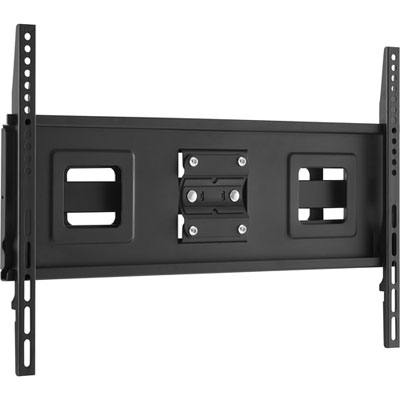
Materials, wall construction, and installation quality influence how securely a mount performs over time. Steel is common in TV brackets because it provides rigidity, while some designs use aluminium components to reduce the bracket’s weight. Painted or powder-coated finishes provide a tidy appearance and help protect the metal surface, but finish colour is less important than the mount’s construction, documented load rating, and suitability for the installation surface. Joints should hold the selected position as intended, and locking features should keep the television attached according to the manufacturer’s design. An extending arm places different demands on its wall attachment than a fixed bracket because the load moves farther from the wall when extended. Even a light 19-inch television therefore needs the correct fastening method. Wood studs, concrete, brick, and hollow walls require different hardware and installation approaches; the screws or anchors supplied with a bracket are not necessarily suitable for every surface. Attachment to structural framing or suitable masonry is common, while any hollow-wall installation must use a system expressly approved for that wall type and load. Rental properties may also require permission before holes are drilled. A qualified installer is helpful when wall construction is uncertain, wiring may be present, or an electrical outlet needs relocating. Power cords should not be concealed inside a wall unless the complete wiring arrangement is approved for that use. Once installed, the mount benefits from occasional checks for movement, loose fasteners, or cables that have shifted into a joint, particularly if the screen is repositioned frequently. A soft, dry cloth usually handles surface dust, with cleaning and adjustment following the manufacturer’s recommendations. Kitchen placements should stay clear of splashes, grease, and cooking appliances, and ventilation space around the television should remain unobstructed. For households with children, keeping hanging cables out of reach and avoiding furniture arrangements that encourage climbing are useful precautions. A suitable wall mount supports a compact viewing setup that feels settled, accessible, and easy to live with.
FAQ

Some products may be subject to Environmental Handling Fees (EHF) depending on your province. Learn more about EHFs.