Easy TV Wall Mounts
Easy TV wall mounts offer a convenient solution for creating a clean, organized entertainment space in your home. Designed to simplify the process of mounting your television, these options help you achieve a modern look while freeing up valuable floor space. Whether updating your living room, bedroom, or office, easy TV wall mounts provide an efficient way to display your screen at the perfect viewing angle. Explore a range of choices that make it simple to enhance your setup and enjoy your favorite shows and movies with ease.
Sort
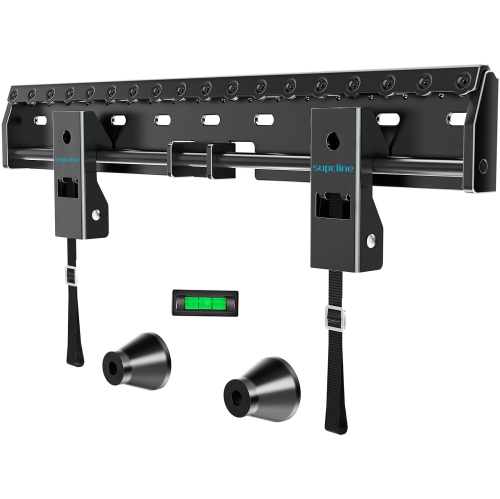

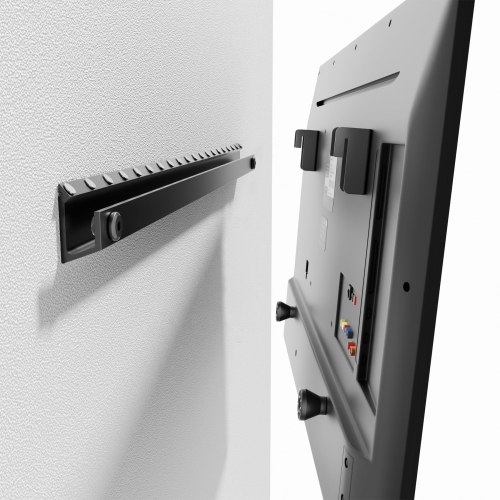
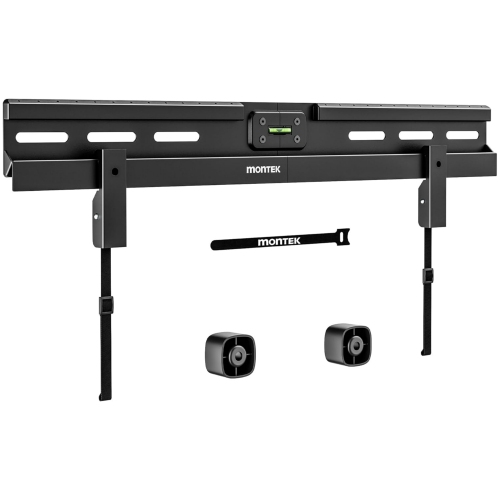
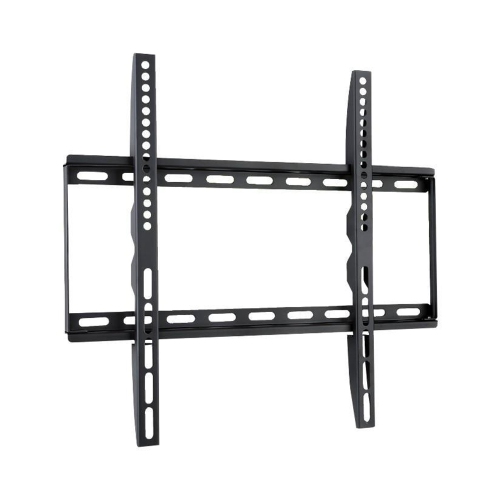
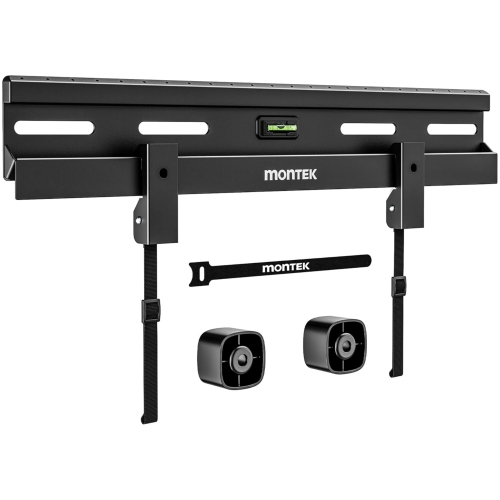

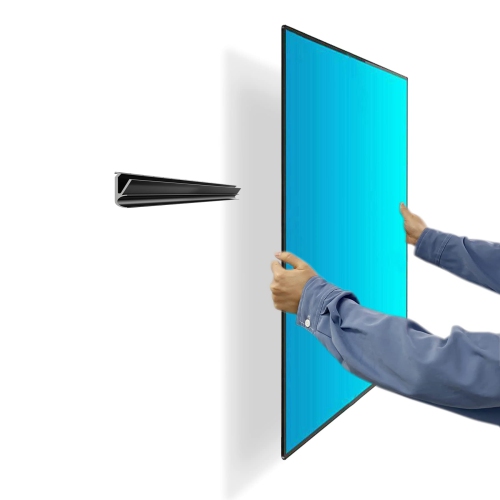
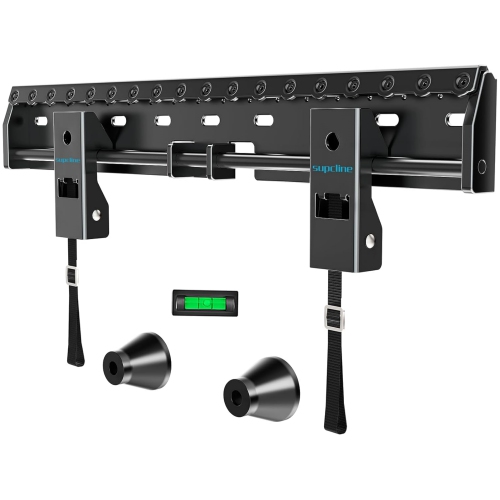
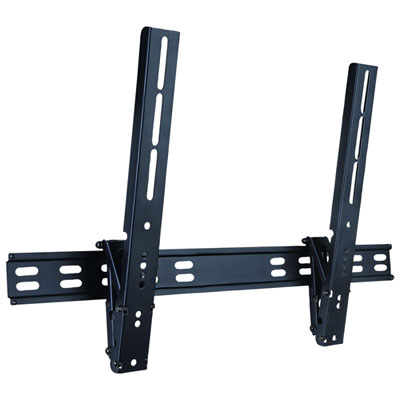
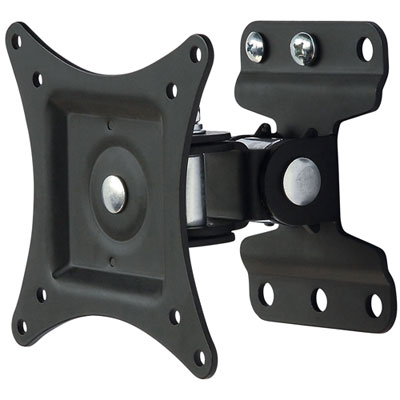

The right TV mount fits more than your screen
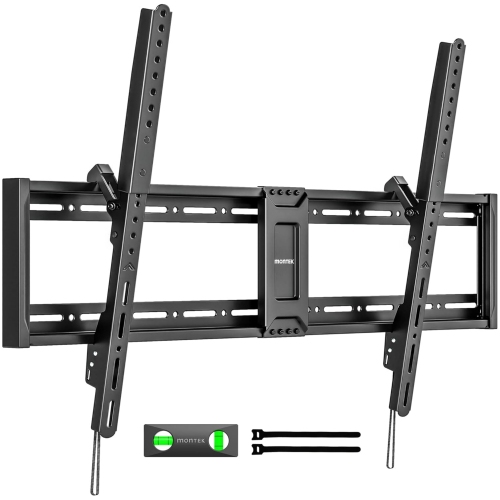
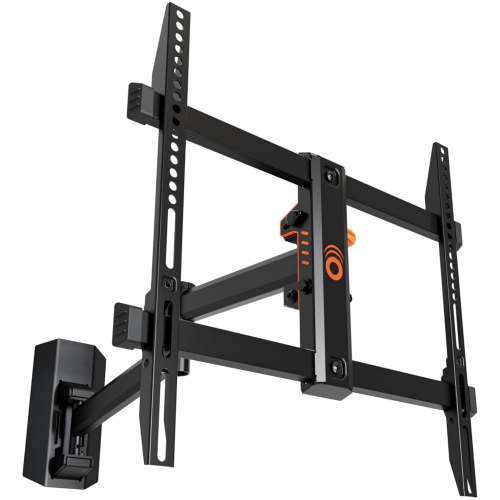
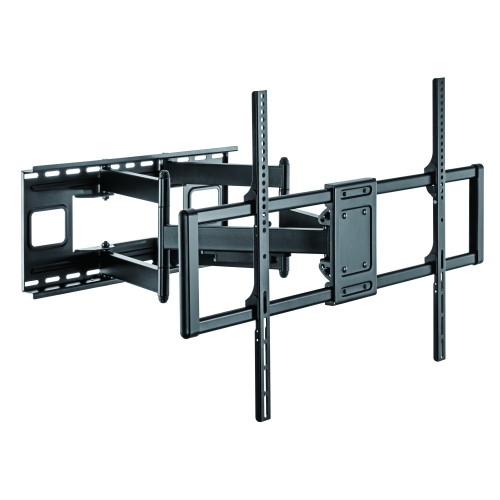
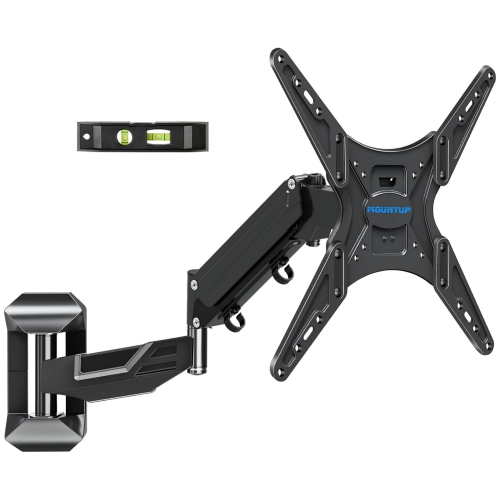
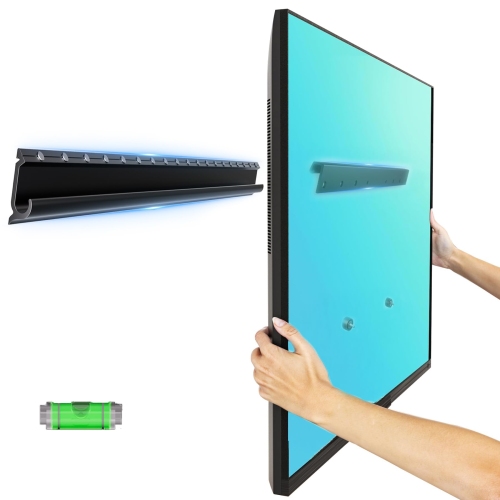
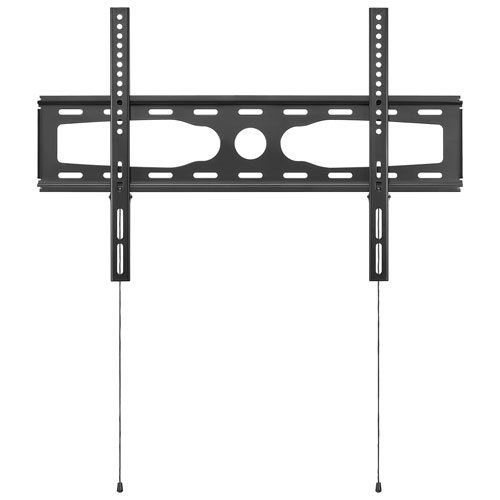
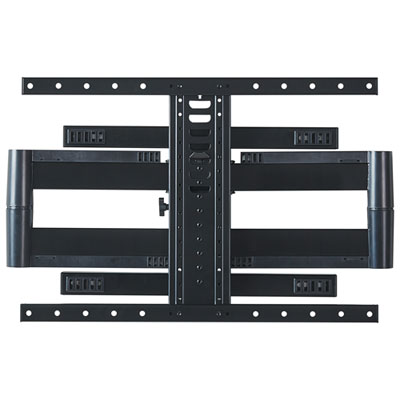
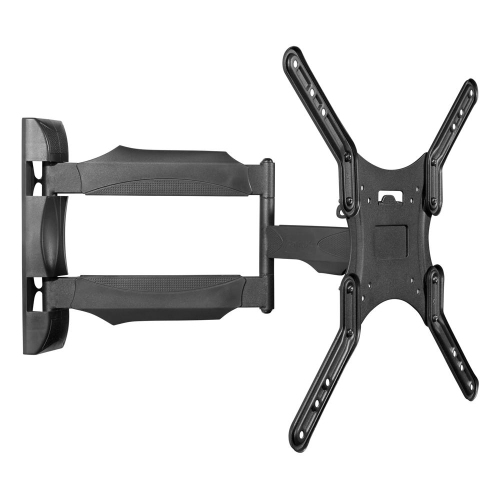
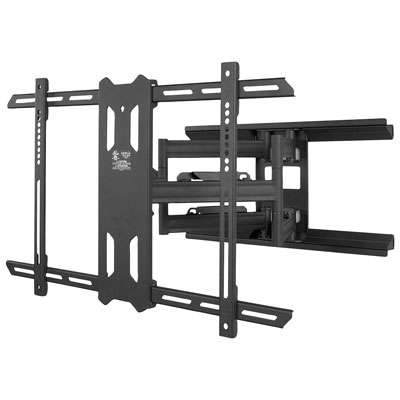
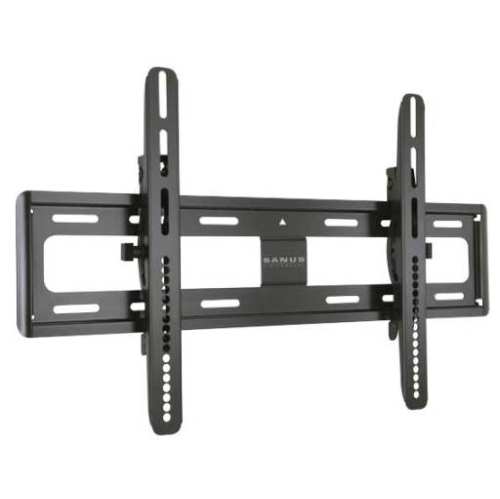
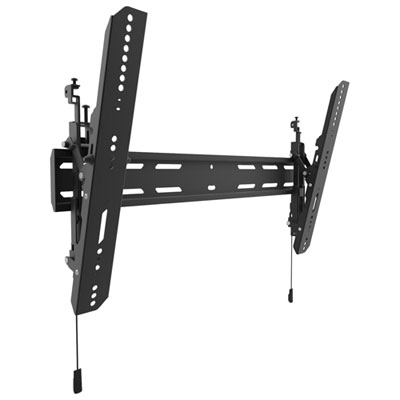
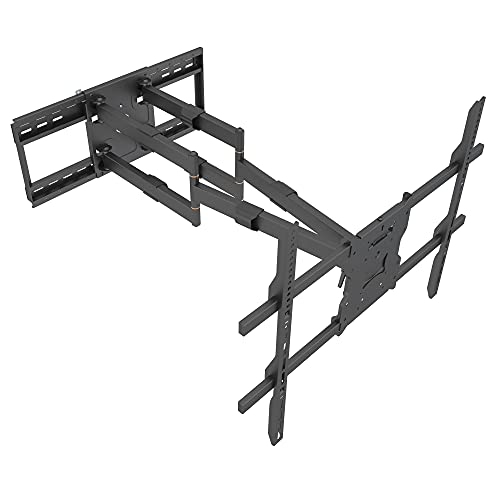
Easy TV wall mounts bring a cleaner look to a room while keeping the television securely positioned for everyday viewing. What makes a mount feel easy to use is often a combination of thoughtful details: clearly labelled hardware, an accessible wall plate, a mounting template, or brackets that attach to the television separately from the wall connection. Some designs include a built-in level or allow small adjustments after mounting, which can help a screen sit neatly above a media cabinet without making every initial measurement feel unforgiving. The right style depends on how the room is used. Fixed mounts hold the screen close to the wall and suit seating arrangements where the television is viewed straight on. Tilting mounts provide vertical angle adjustment, which can help improve the view when a screen sits higher than seated eye level. Full-motion mounts add extension and side-to-side movement, making them useful in rooms where viewing shifts between a sofa, an armchair, and a nearby dining area. Their added movement also means that the arm needs room to travel without touching furniture, shelving, or the edge of a recessed space. A slim profile can look particularly tidy in a narrow bedroom or compact living room, while an extending arm can make rear connections easier to reach when a streaming device or game console needs attention. Ease is not just about the mounting process; it also includes how comfortably the screen moves, whether adjustment points remain accessible, and how naturally the television fits into daily routines. A household that rarely changes its seating arrangement may appreciate the simplicity of a fixed position, whereas a shared living space may benefit from a screen that turns towards different viewing areas. A mount that matches those habits can feel unobtrusive, keeping attention on the picture rather than the hardware behind it.
Fit involves more than the screen size printed on the television box. Each mount has a supported weight range and mounting-pattern requirements, and both need to match the television. VESA measurements describe the horizontal and vertical spacing between the mounting holes on the back of the screen; televisions with similar screen sizes can have different patterns, rear-panel shapes, and connection layouts. The television’s weight without its tabletop stand is relevant when confirming compatibility, along with any additional load permitted by the mount manufacturer. Curved backs, recessed mounting holes, and connections that face directly towards the wall can affect the hardware, spacers, or clearance required. For a compact screen in a bedroom, home office, or kitchen, Small TV Wall Mounts can help narrow the focus to mounts intended for smaller televisions, although weight limits and mounting patterns still matter. Wall construction is equally important. Wood studs, concrete, and masonry can require different fasteners and mounting methods, and included hardware is not necessarily suitable for every surface. Drywall alone should not be assumed to provide adequate support, and metal-stud installations require hardware and methods specifically approved for that application. A broad wall plate may offer more positioning flexibility across suitable fixing points, but the mounting location must still follow the manufacturer’s requirements. Steel and aluminium are common construction materials, with rigid plates, well-fitted joints, and durable finishes contributing to a solid feel. Powder-coated surfaces can resist everyday scuffs, while smooth pivots and secure locking mechanisms help support repeated adjustments. These details are especially relevant for extending mounts, where movement places different demands on the assembly than a stationary installation. The simplest-looking bracket is not automatically the easiest fit: a design that matches the television, wall, and intended range of movement generally creates fewer compromises. Professional installation can be helpful where wall construction is uncertain, the television is awkward to handle, or power and cable placement require additional work.
A well-chosen mount also leaves room for everything around the screen. Rear-facing HDMI connections, power plugs, and other cables need enough clearance to connect without being sharply bent or pressed against the wall. With an articulating arm, cables need sufficient slack for the intended movement without hanging where they can snag, pull tight, or become pinched at the joints. Cable clips or channels built into some mounts can keep those runs orderly, though power cords should not be routed inside a wall unless they are part of a system approved for that use. A sound bar beneath the television, a nearby shelf, and the height of a media cabinet can all influence the final position. Seated eye level is a useful starting point for comfortable viewing, with the room’s layout and the manufacturer’s placement requirements shaping what works best. Mounting a television higher does not automatically make it more comfortable to watch, and tilt adjustment cannot fully compensate for an awkward viewing height. Heat sources, required ventilation space, and access to release tabs or locking screws also deserve consideration before the screen settles into place. In a busy family room, a secure installation can free the cabinet surface for other uses, but nearby furniture, accessible cords, and anything children might climb still need attention. Ongoing care is usually straightforward: exposed metal surfaces can be dusted with a soft, dry cloth, while hinges, fasteners, and locking points should be checked as directed by the manufacturer. Cleaning sprays and lubricants are best kept away unless the care instructions specifically allow them. A screen that begins to sag, drift, or move unevenly warrants attention rather than extra force on the arm. Over time, access to adjustment points and connections can matter as much as the original installation, particularly when devices are changed or furniture is rearranged. Easy TV wall mounts work best when convenience, compatibility, and secure support are treated as parts of the same choice, creating a tidy setup that remains practical long after the television is on the wall.
Top selling and popular products
-
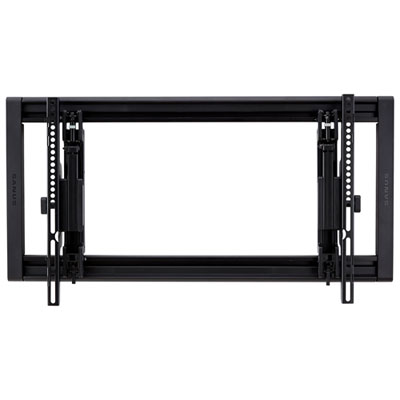 Your price for this item is $199.99
-
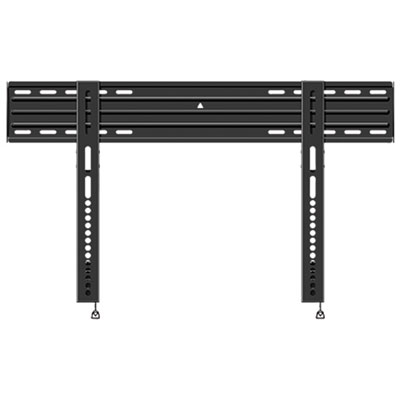 Your price for this item is $99.99
-
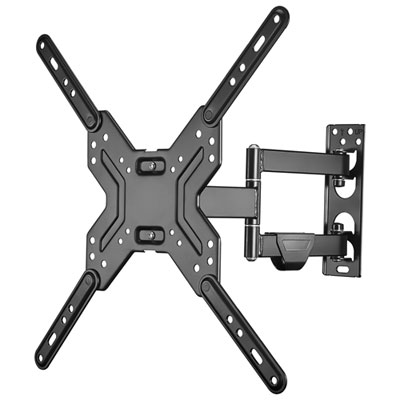 Your price for this item is $59.99
-
 Your price for this item is $79.99
-
 Your price for this item is $179.99
-
 Your price for this item is $18.97
-
 Your price for this item is $143
-
 Your price for this item is $99.99
Discover more categories related to Easy TV Wall Mounts
Top Collections:
Best Black Friday Deals This Year, Best Black Friday Deals On Electronics, Kindle Devices, Pokemon Centers, Best Black Friday Deals On Apple Products, Best Cameras for Sports Photography, Dyson Airwrap, Pokémon 30th Celebration Cards, Apple iPhone 17 Pro, Canon G7X Cameras
Some products may be subject to Environmental Handling Fees
(EHF) depending on your province.
Learn more about EHFs.