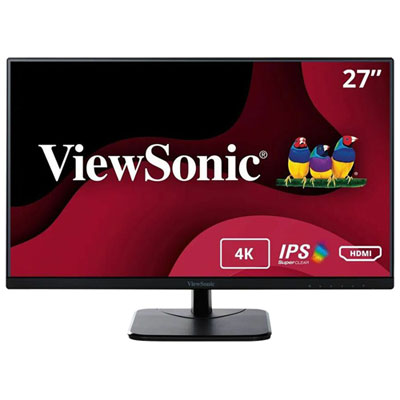
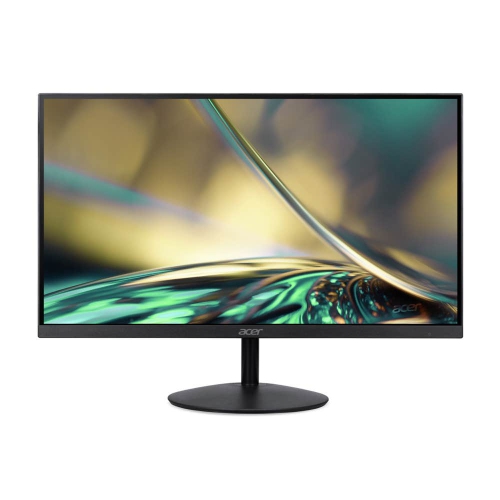
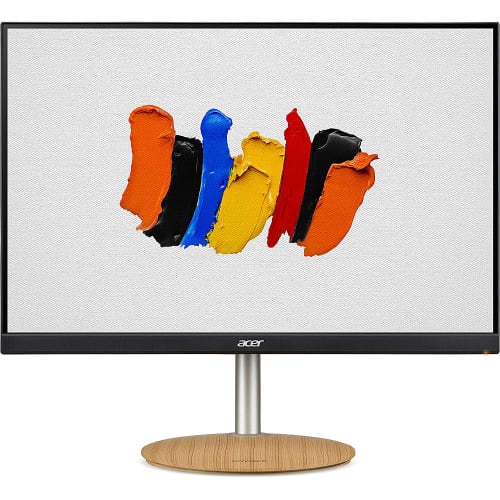
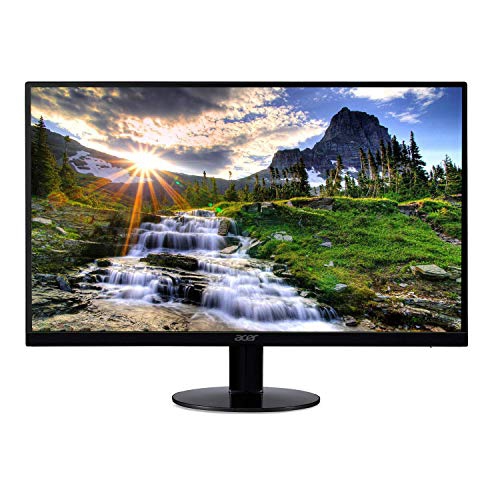
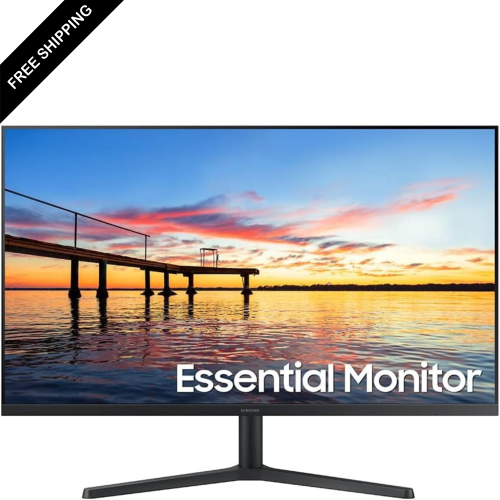
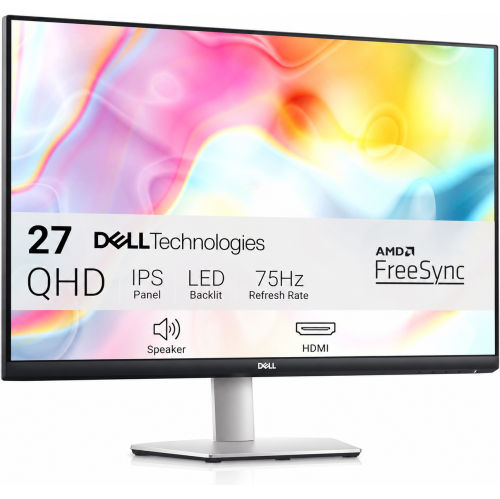
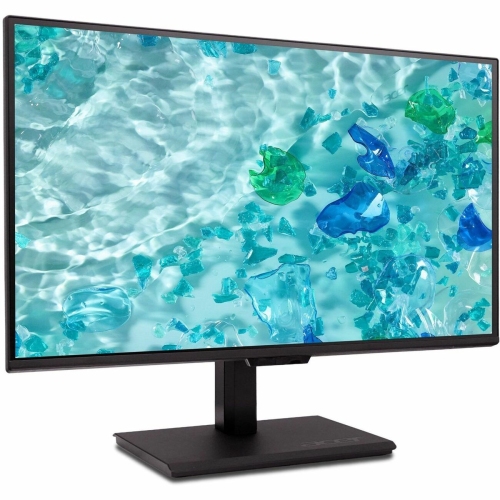
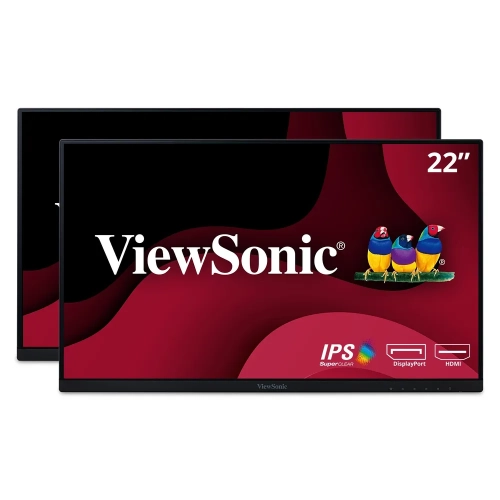
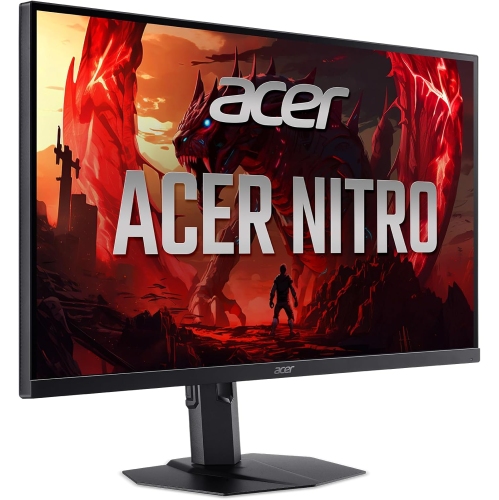
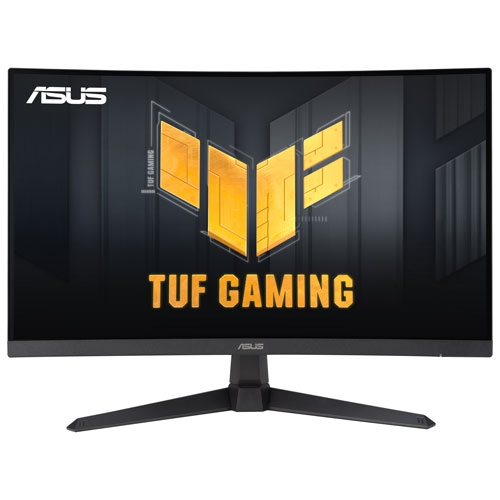
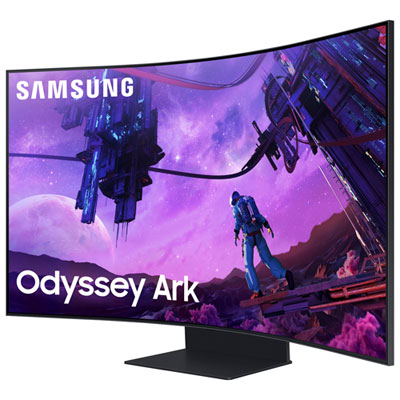
75Hz Monitors for Gaming

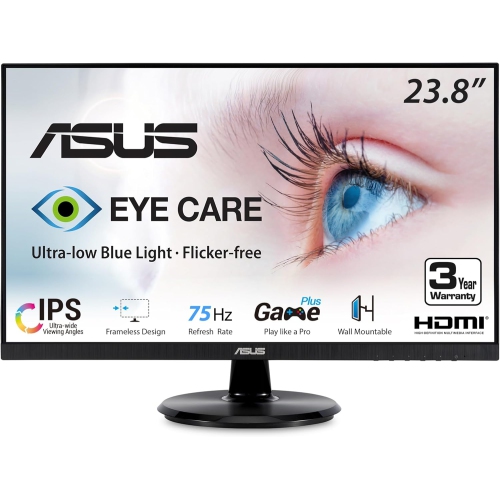
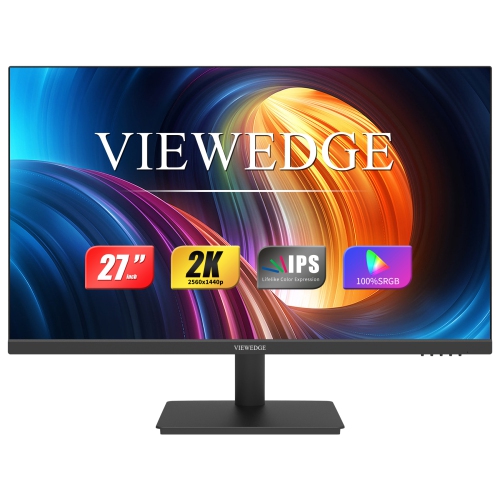
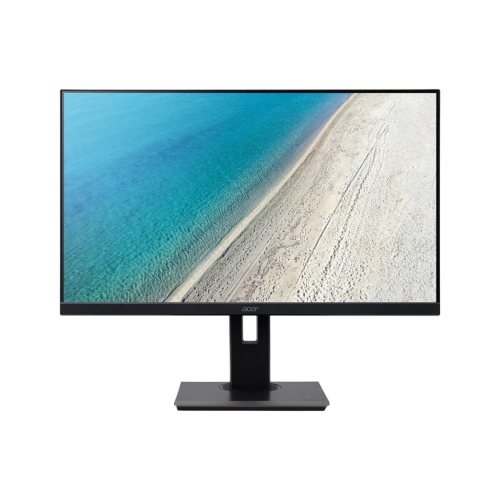
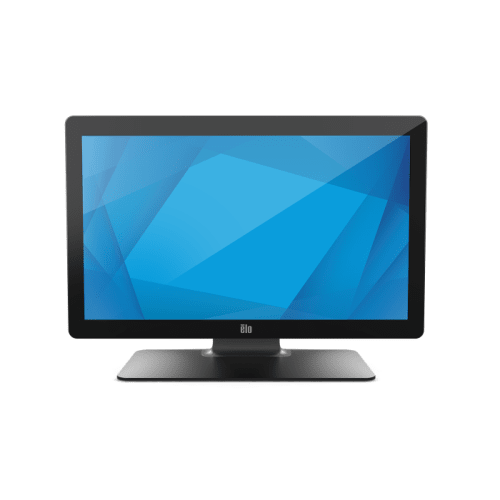
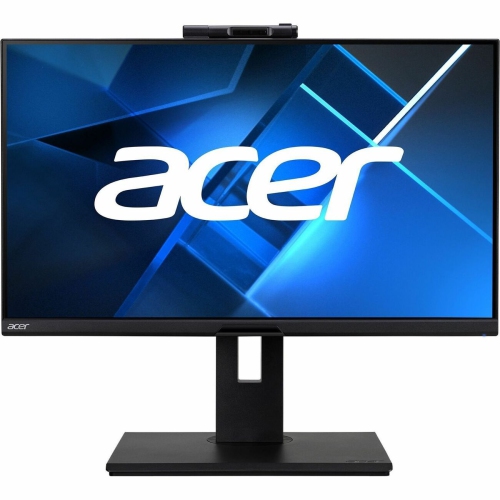
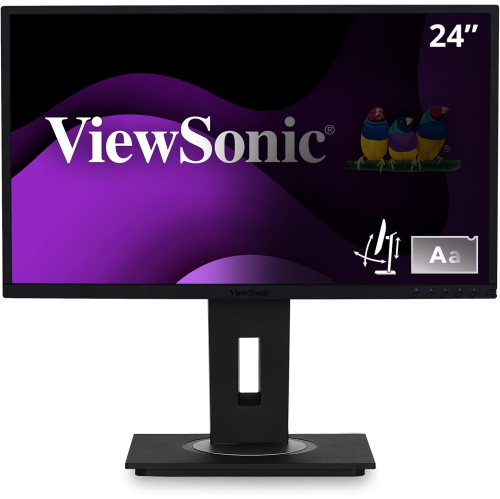
75Hz monitors for gaming offer a step up in refresh rate from 60Hz screens, displaying up to 75 frames per second when supported by your system. Compare screen sizes, resolutions, response times and connection options to find a display that suits your games, desk space and PC or console.
Read More

Sort

A modest refresh boost for casual gaming and work

75Hz monitors for gaming offer a modest step up from standard 60Hz displays, refreshing the image up to 75 times per second. When paired with a system that can deliver enough frames, that higher refresh rate can make movement look smoother in games and everyday desktop use. They can be a practical choice for casual players, first-time gaming setups, and shared desks used for both play and work. Slower-paced strategy games, simulation titles, and turn-based adventures generally place less emphasis on very high refresh rates, making 75Hz a reasonable option for players who prioritize image quality, screen size, or value. For fast-paced competitive games, higher-refresh-rate displays offer more frequent visual updates, so it helps to weigh the types of games you play against the other features that matter to your setup. A monitor’s refresh rate does not increase the frame rate produced by a computer or console; the visible result depends on both the display and the connected hardware.

When comparing 75Hz monitors for gaming, consider screen size and resolution together rather than treating either as a standalone feature. A larger screen can make game worlds and interface details easier to see, while a higher resolution can make text and fine textures look sharper at a given size. Higher resolutions also place greater demands on graphics hardware, which can affect how consistently games run near 75 frames per second. Desk depth and viewing distance matter, particularly if the screen will also be used for studying, browsing, or office tasks. Panel technology adds another point of comparison: IPS panels typically provide wide viewing angles and consistent colour, while VA panels often offer stronger contrast that can help dark scenes look more distinct. Actual performance varies by model, so look at the available specifications for brightness, viewing angles, and response time. Response time describes how quickly pixels change, not how often the screen refreshes, and an advertised response-time figure alone does not establish how clear moving objects will look during play.

Connection options and refresh-rate support are important when choosing a monitor for an existing PC, laptop, or console. Check that the display’s inputs match the outputs on your device and that the intended connection supports the monitor’s native resolution at 75Hz. Some displays support their maximum refresh rate only through particular inputs or settings, and a connected device may default to 60Hz until its display settings are adjusted. Console compatibility deserves particular attention because support for a 75Hz signal is not universal; a 75Hz monitor may run at 60Hz with a console rather than use its full refresh capability. Where specified, adaptive sync can help reduce screen tearing by matching the display’s refresh rate to the frame rate from compatible graphics hardware within a supported range. Confirm compatibility across the monitor, graphics hardware, and connection rather than assuming every 75Hz display includes the same gaming features.
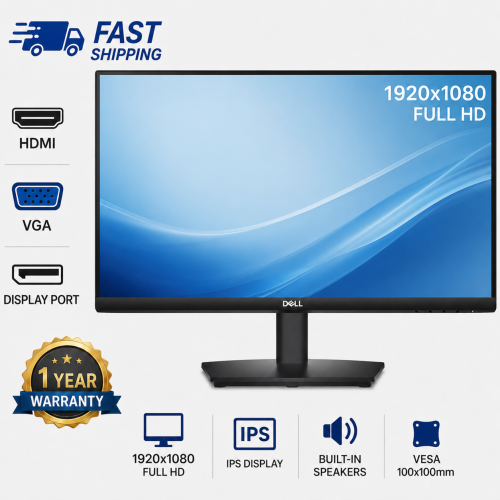
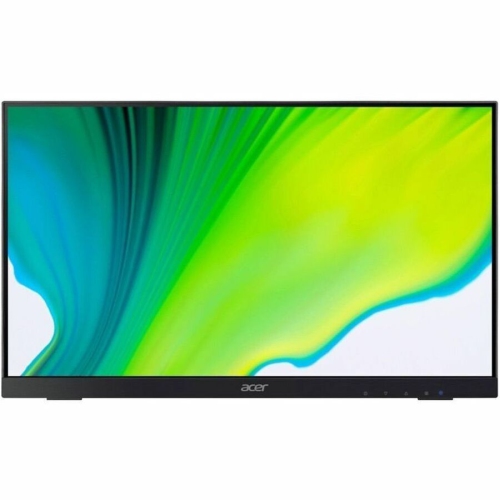
For a monitor that will serve several purposes, everyday comfort and convenience can be as important as gaming specifications. Compare stand adjustments, overall dimensions, and any stated VESA mounting compatibility to find an option that fits your desk and preferred viewing position. Height adjustment and tilt can help position the screen comfortably, while a compatible monitor arm may free up desk space if the display supports one. Audio features also vary: built-in speakers can be useful for a compact setup, but their presence, along with headphone connections, should be confirmed in the product details. If you plan to connect more than one device, the number and type of inputs can influence how easily you switch between work and play. For a gift or a first gaming station, matching the recipient’s hardware, available space, and main games is more useful than choosing by refresh rate alone. A well-matched 75Hz monitor can provide a balanced display for casual gaming and daily tasks without making features you will rarely use the centre of the purchase.

Read More

FAQ

Some products may be subject to Environmental Handling Fees (EHF) depending on your province. Learn more about EHFs.