80s Music Vinyl Records
Step into the vibrant sounds of a legendary decade with 80's Music Vinyl Records. Relive the era of iconic hits, unforgettable rhythms, and chart-topping artists that defined the 1980's music scene. Whether building your vinyl collection or searching for nostalgic favorites, discover a range of albums that bring the energy and excitement of the 80's right to your turntable. Explore timeless classics and dance anthems that continue to inspire music lovers of all generations.
Sort
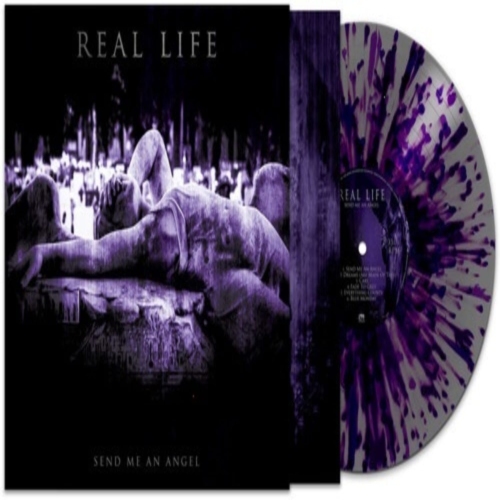
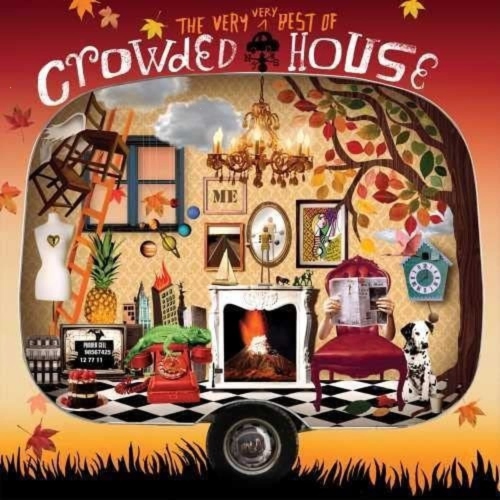






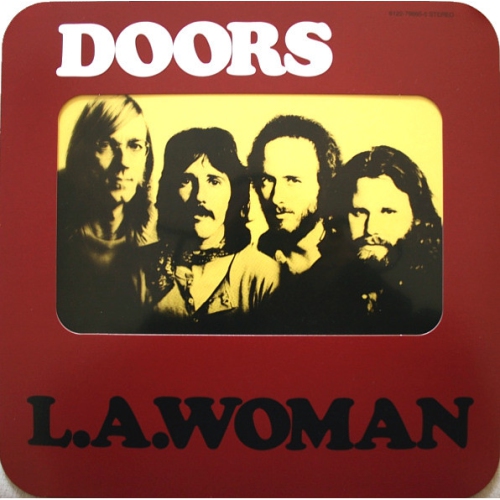
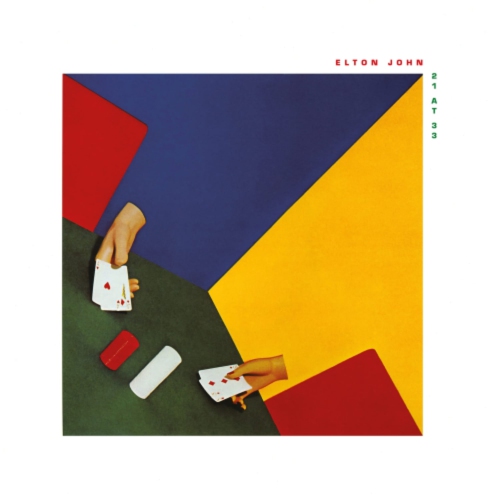
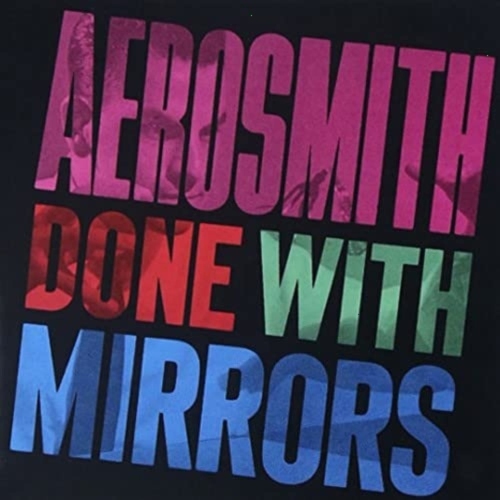

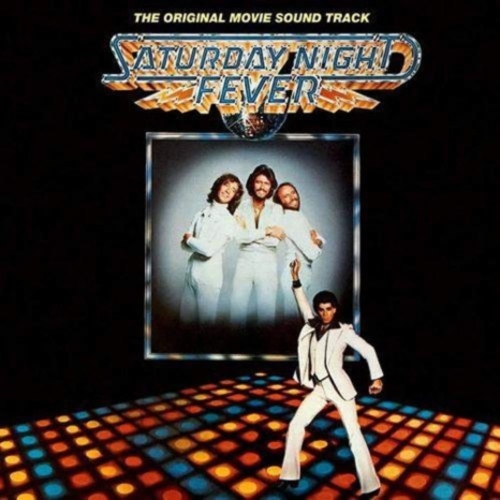

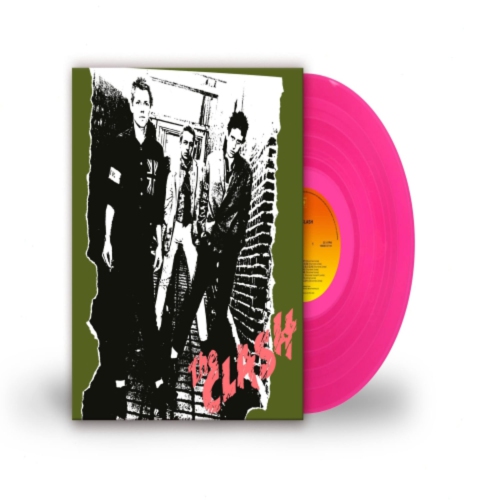


The decade’s sound went well beyond the singles
80s music vinyl records capture a decade when synthesizers, drum machines, electric guitars, and distinctive vocal styles reshaped popular music. Across synth-pop, new wave, rock, R&B, hip-hop, dance, and alternative music, records from the 1980s offer everything from tightly arranged radio hits to extended club tracks and adventurous full-length albums. The decade was not defined by one sound: bright electronic melodies shared space with gritty guitar riffs, layered harmonies, funk bass lines, and spare, rhythmic arrangements. That variety makes 1980s vinyl appealing both to listeners revisiting familiar songs and to those discovering the music behind later influences. A full album presents tracks in their intended sequence, including quieter songs and instrumental passages that may be less familiar than the singles. Compilations bring together a broader selection, making them well suited to casual listening, shared evenings, or a collection centred on a particular genre. Singles and extended mixes offer another perspective, with alternate arrangements, longer introductions, and instrumental sections that reveal how a song could move between radio and the dance floor. The physical presentation is part of the appeal, too. Large-format cover artwork, printed inner sleeves, lyric sheets, and liner notes can provide context about the recording and its visual identity, although these features vary by edition. For a listener who remembers studying an album sleeve while a record played, the format can feel familiar and personal. For someone raised on digital playlists, it offers a different relationship with music: selecting a record, setting the needle down, and letting one side unfold without constantly changing tracks. Whether the preference is glossy pop production, energetic rock, soulful vocals, or electronic experimentation, 80s vinyl records can support a collection built around a recognisable sound while leaving room for less familiar styles. They also suit different listening occasions, from a focused session through headphones to background music during dinner or a lively gathering with friends.
The main distinctions among 1980s music records are the release format, pressing, track selection, and physical condition. A standard LP is generally a 12-inch record played at 33⅓ revolutions per minute, while many 7-inch singles play at 45 revolutions per minute. Twelve-inch singles and some albums also use 45 revolutions per minute, so the speed printed on the label or sleeve matters more than the disc’s size alone. A turntable with the appropriate speed settings is essential, and singles with a large centre hole require a compatible adapter. Vinyl records are usually pressed from polyvinyl chloride, with differences in thickness, weight, and appearance between editions. Heavier pressings, including those described as 180-gram vinyl, may feel more substantial, but weight alone does not establish better sound. The recording source, mastering, pressing quality, record condition, and playback equipment all contribute to the result. Black vinyl, coloured vinyl, and picture discs offer different visual presentations; colour by itself is not a reliable measure of audio quality. Original pressings were manufactured around the album’s initial release, while reissues are later editions that may use different mastering, packaging, or track configurations. An original pressing is not automatically a first pressing, and a reissue is not necessarily remastered. Those distinctions are useful for listeners who care about a particular edition or want artwork and sequencing that closely reflect the original release. Music recorded during the 1980s used a range of analogue and digital techniques, so the decade alone does not establish how an album was recorded or mastered. For listening, the fit between the record and the playback system matters more than a broad claim about one format sounding better. A turntable needs a suitable phono stage, either built in or supplied separately, before its signal reaches compatible speakers or an amplifier. Correct cartridge alignment and tracking force help the stylus follow the groove properly. Clear vocals, steady pitch, and balanced playback depend on that setup as well as the record itself.
With sensible handling and storage, 80s music vinyl records can remain enjoyable through many repeat plays. The playing surface carries tiny grooves that the stylus traces, making dust, scratches, and residue more consequential than a scuff on the outer sleeve. Handling a record by its edges and label helps keep fingerprints away from those grooves, while an appropriate record brush can remove loose surface dust before playback. More thorough cleaning calls for products designed for vinyl and a method suited to the record; household cleaners and abrasive cloths can cause damage or leave residue. A clean stylus also matters, with cleaning carried out according to the cartridge manufacturer’s recommendations. Records are best stored upright in supportive shelving rather than stacked flat under heavy objects, and they should be returned to protective inner sleeves after listening. Direct sunlight and nearby heat sources can affect both the disc and its packaging. A well-kept outer sleeve protects artwork, while an inner sleeve helps limit contact with dust and rough surfaces. For previously played records, disc condition and sleeve condition describe different things: an attractive cover does not guarantee quiet playback, and a worn cover does not necessarily mean the grooves are damaged. Light surface marks may have little effect, while deeper scratches, warping, or groove wear can interfere with listening. These considerations matter for gift recipients as much as collectors. Someone who loves upbeat electronic pop may appreciate a different selection from a listener drawn to guitar-led albums or slow R&B tracks, and a familiar genre is often a more personal starting point than the decade alone. Record collectors may care about pressing details and packaging, while newer listeners may place more emphasis on the songs and compatibility with their turntable. For collections that connect the decade’s sounds with later releases, Modern Music Vinyl Records offers a complementary theme. The appeal of 1980s records ultimately lies in the combination of music, artwork, and a physical format that rewards attention, whether an album becomes a frequent favourite or a record reserved for a particular mood.
Top selling and popular products
-
 Your price for this item is $15.32
-
 Your price for this item is $5.99
-
 Your price for this item is $16.29
-
 Your price for this item is $15.32
-
 Your price for this item is $24.68
-
 Your price for this item is $15.32
-
 Your price for this item is $15.32
-
 Your price for this item is $15.91
Discover more categories related to 80s Music Vinyl Records


Top Collections:
Pokemon Centers, Best Cameras for Sports Photography, Kindle Devices, Samsung Galaxy Phones, Canon G7X Cameras, Pokémon 30th Celebration Cards, Refurbished Apple Laptops, iPhone 15 Apple, Laptops for Students, Budget Smartphones
Some products may be subject to Environmental Handling Fees
(EHF) depending on your province.
Learn more about EHFs.