Classical Music String Instruments
String instruments are the foundation of any classical music ensemble. They're also a great way to learn how to play music, and they're fun to play even if you're not a professional. Here are some great classical music string instruments.
Sort
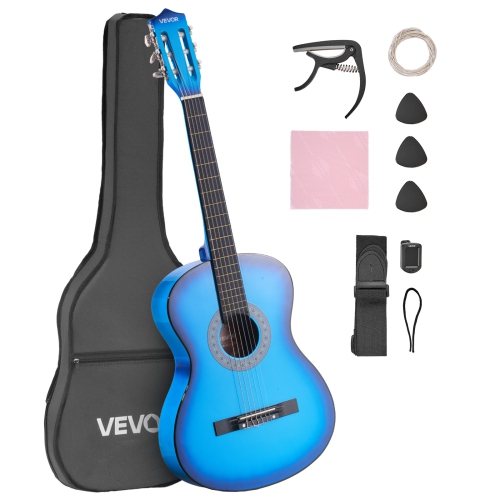
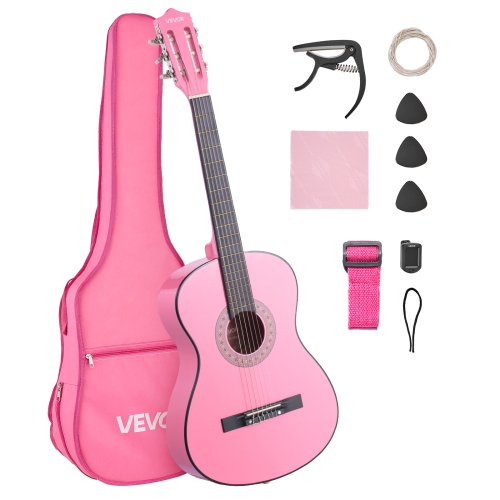
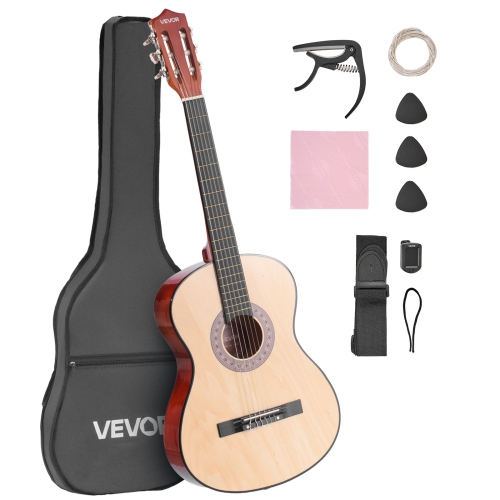
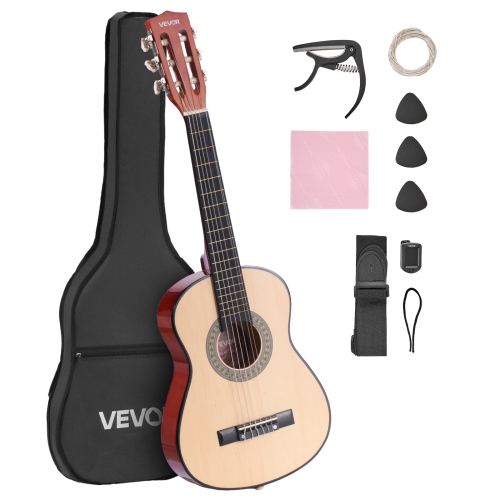
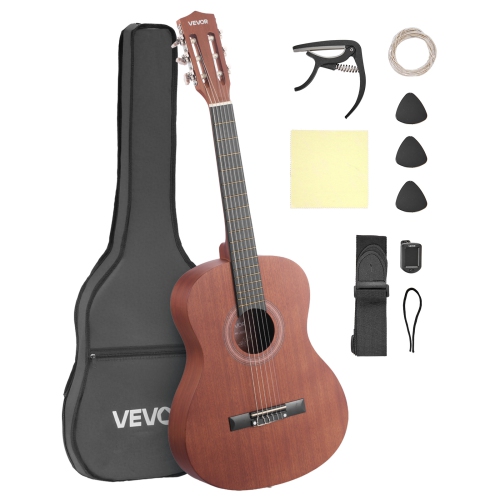
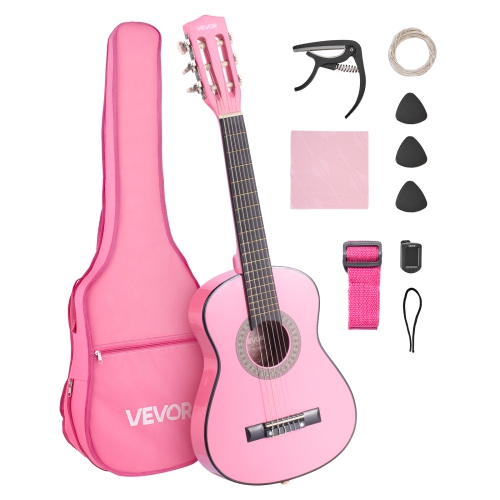
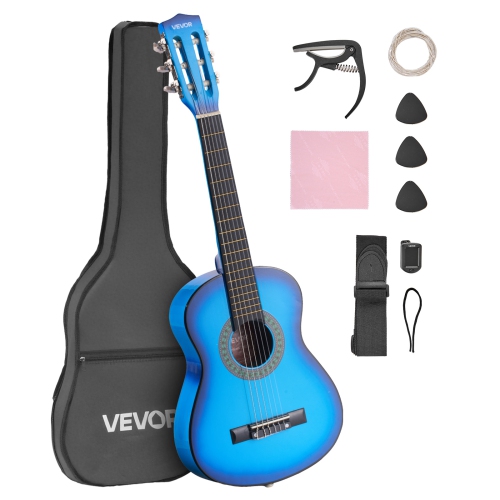
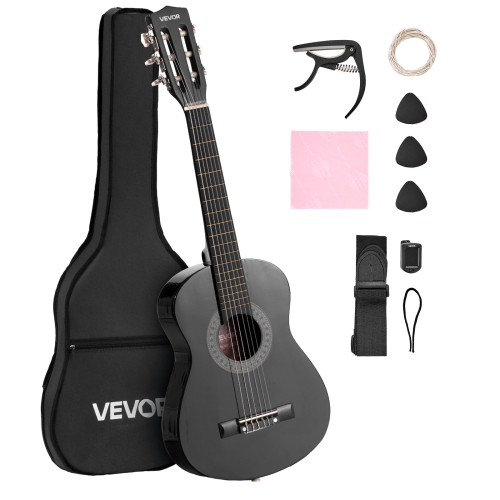
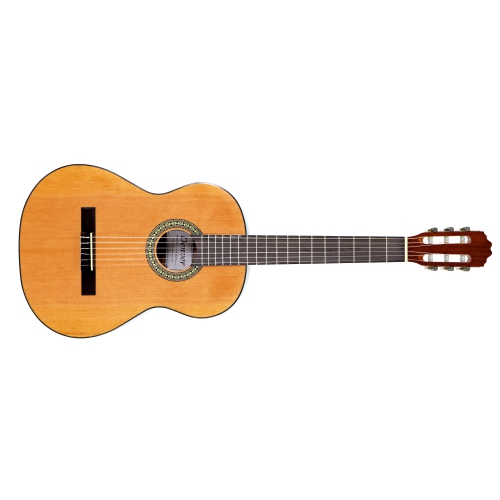

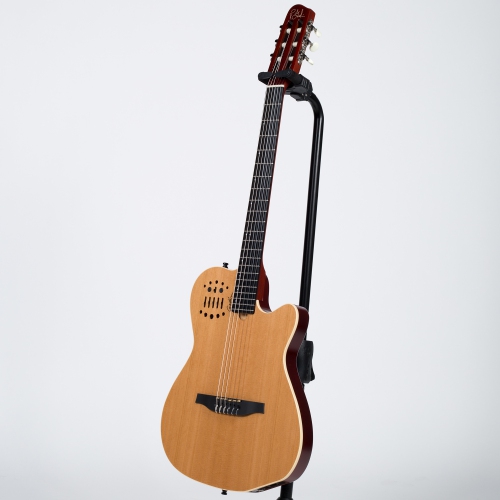
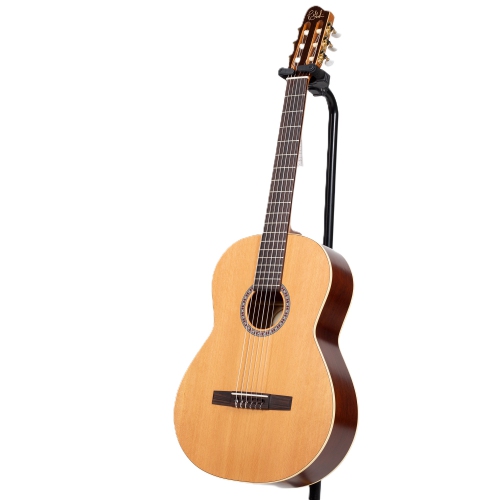
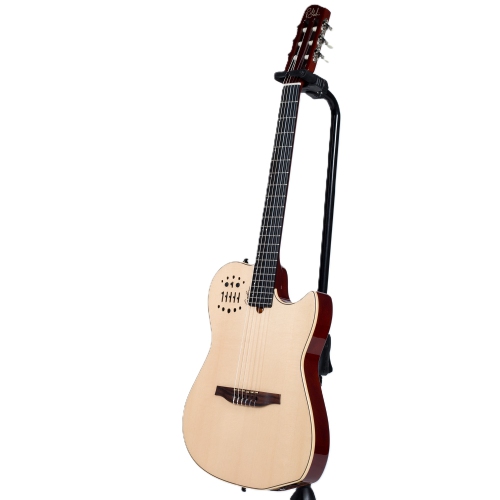
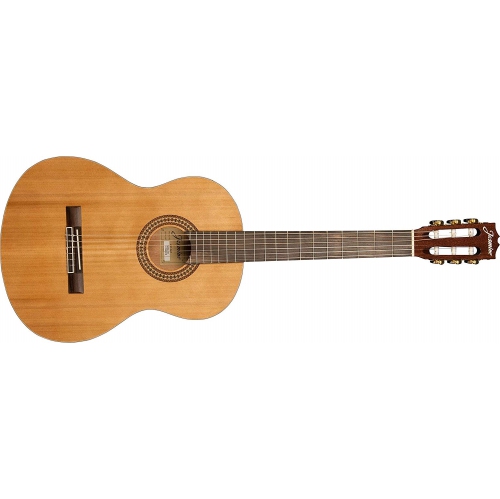
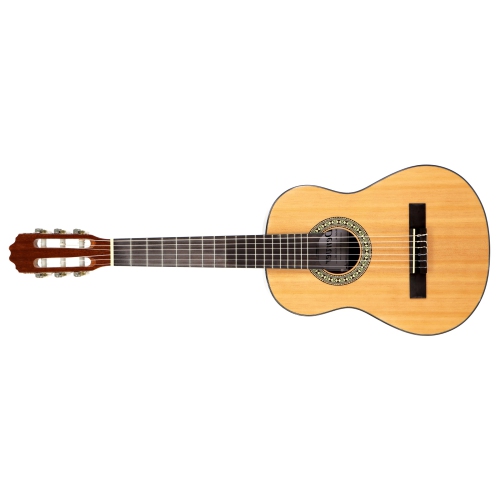
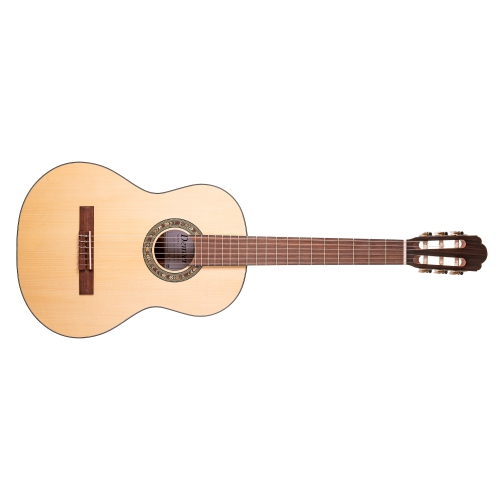
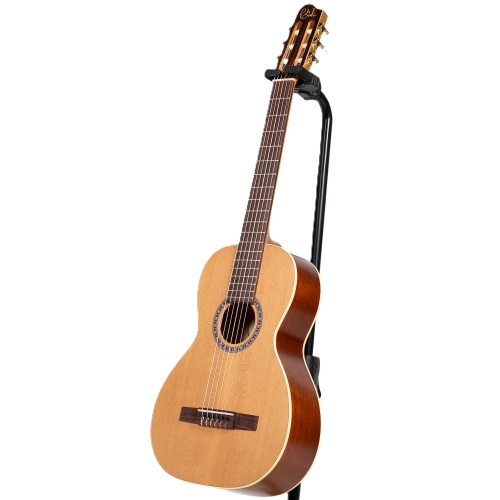
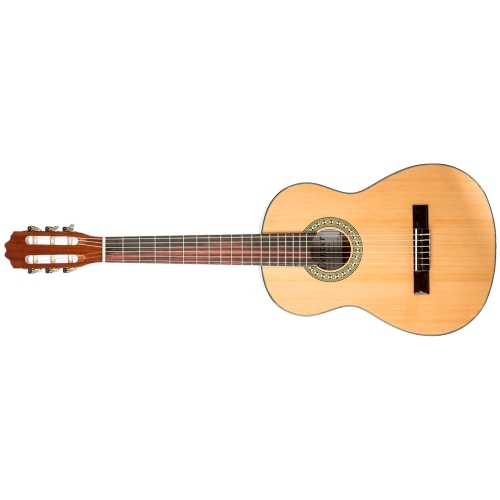
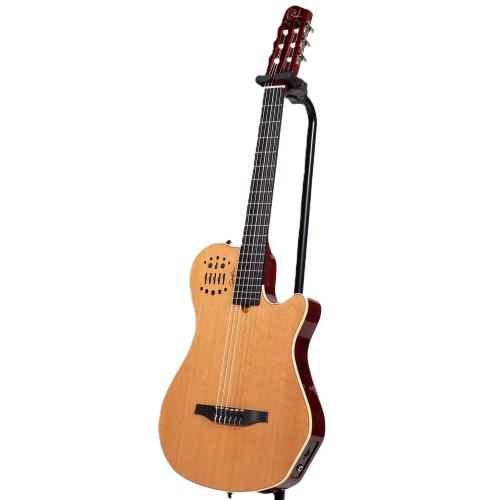
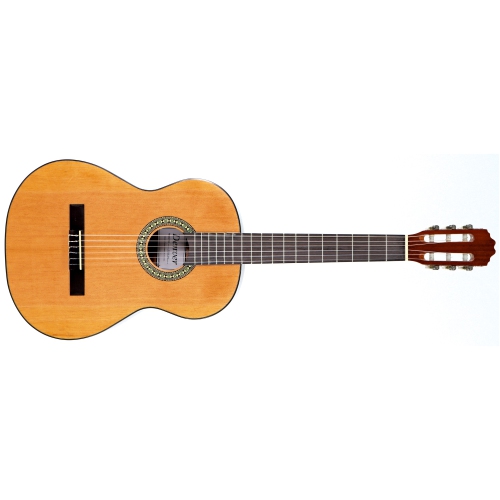
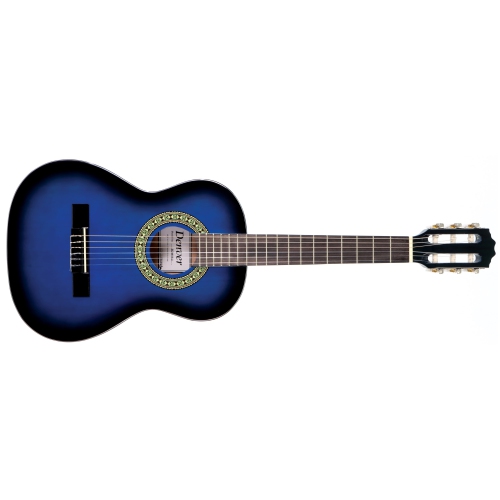
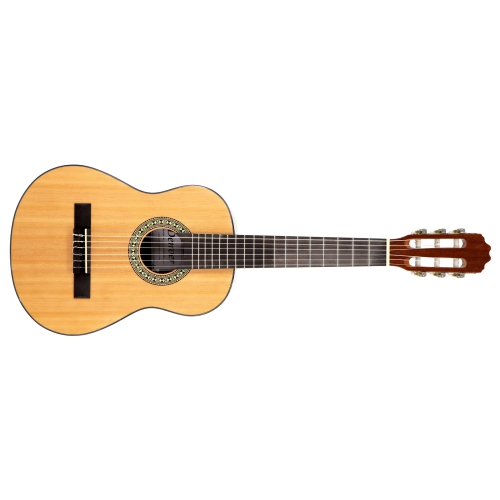
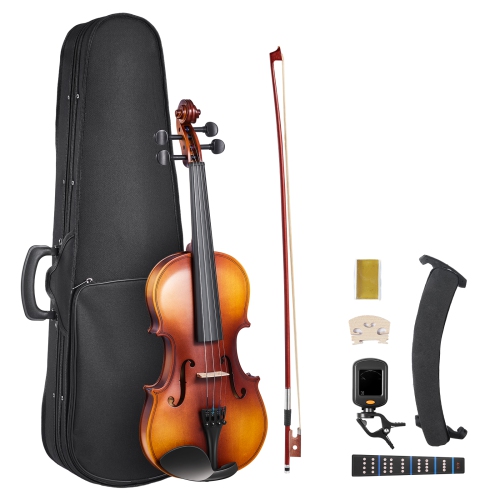
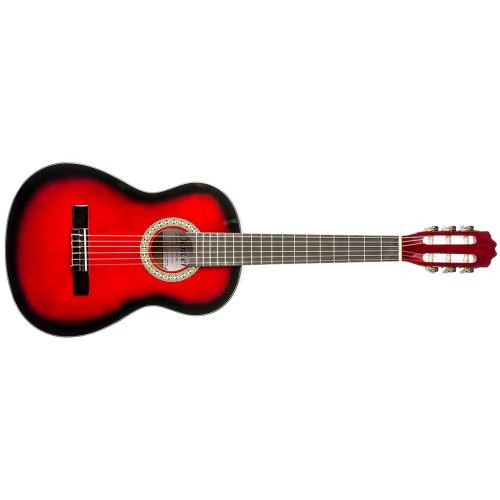
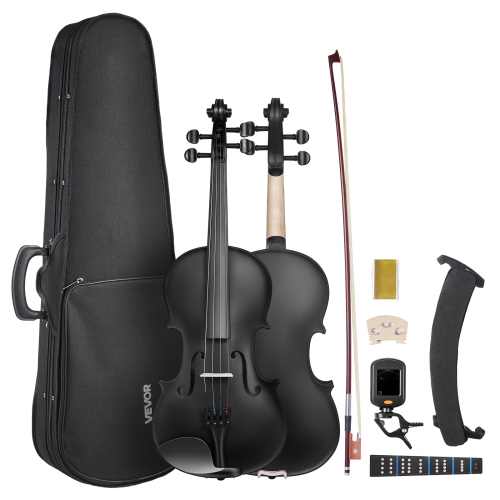
![JUST4GAMES Serenade Of Strings [Audio CD] Various Artists; Dvorak; Elgar; Ravel; Schumann; Vienna Symphony Orchestra; Br](https://multimedia.bbycastatic.ca/multimedia/products/500x500/150/15098/15098506.jpg)
![WARNER CLASSICS David Oistrakh - Great Violin Concertos By Oistrakh - (David Oistrakh) - [CD] In Multicolor](https://multimedia.bbycastatic.ca/multimedia/products/500x500/198/19804/19804408.jpeg)
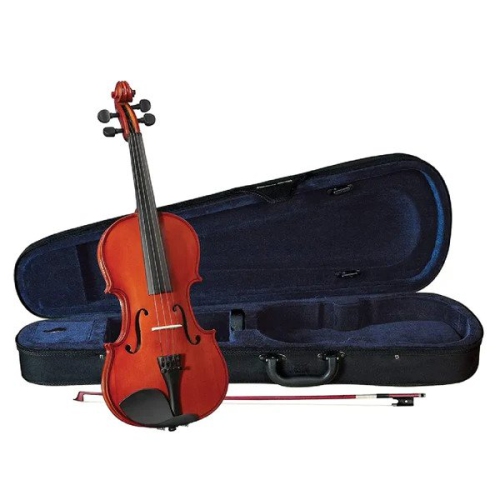
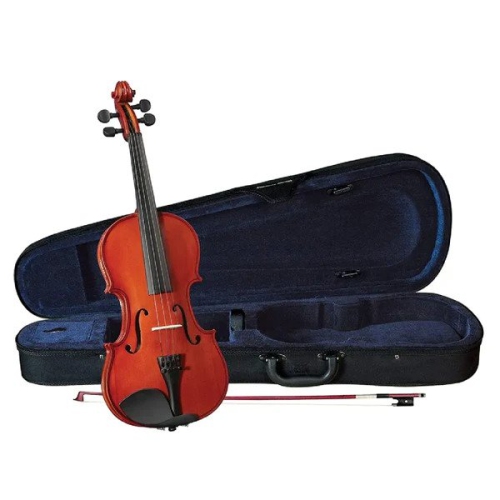
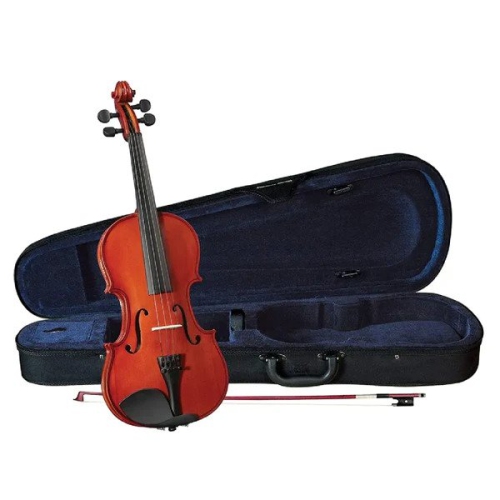
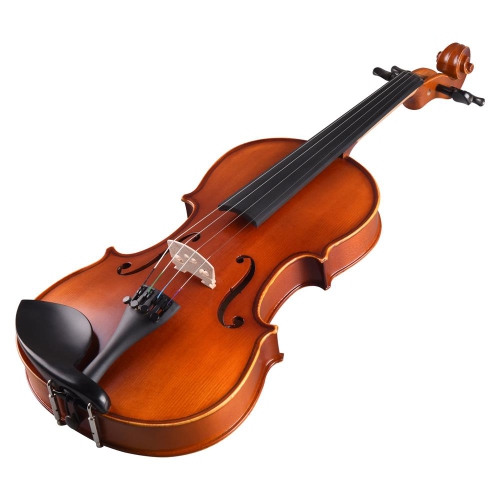
![JUST4GAMES Romantic Evening: Strings [Audio CD] Various](https://multimedia.bbycastatic.ca/multimedia/products/500x500/150/15096/15096313.jpg)
![ECM Danish String Quartet - Last Leaf - [CD]](https://multimedia.bbycastatic.ca/multimedia/products/500x500/192/19210/19210635.jpeg)
![ANALEKTA Collectif9 - Rituæls - [CD]](https://multimedia.bbycastatic.ca/multimedia/products/500x500/192/19232/19232470.jpeg)
![SONY Budapest String Quartet - Beethoven, - The Plays Beethoven - [CD]](https://multimedia.bbycastatic.ca/multimedia/products/500x500/188/18885/18885640.jpeg)
![SPI / SONY CLASSICAL Leonidas Kavakos - Violin Concertos - [CD]](https://multimedia.bbycastatic.ca/multimedia/products/500x500/192/19209/19209982.jpeg)
![JUST4GAMES Strings Attached: Sarod And Cello - Live At Royal Festival Hall London [Audio CD] Traditional](https://multimedia.bbycastatic.ca/multimedia/products/500x500/150/15091/15091874.jpg)
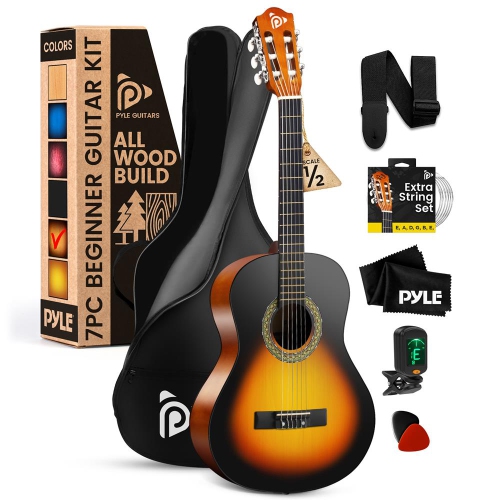
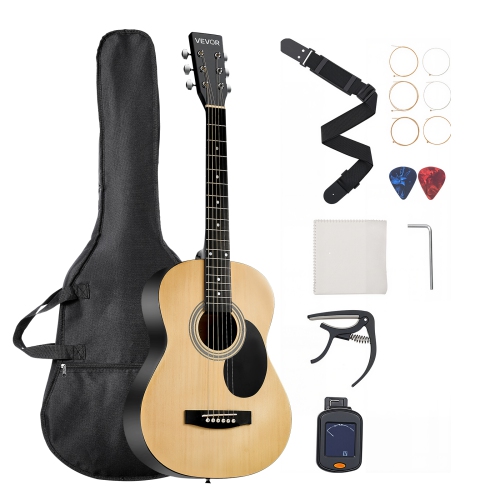
![DECCA Janine Jansen - 12 Stradivari - [CD]](https://multimedia.bbycastatic.ca/multimedia/products/500x500/174/17469/17469510.jpeg)
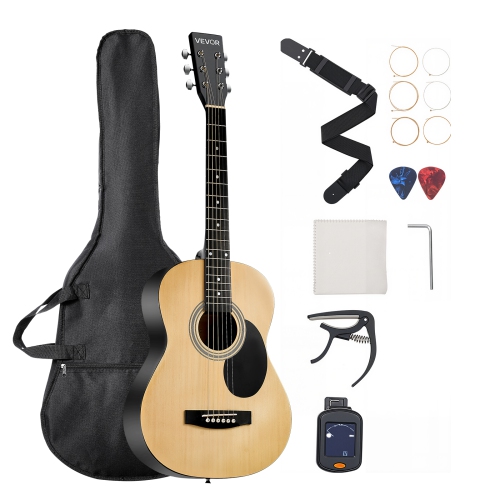
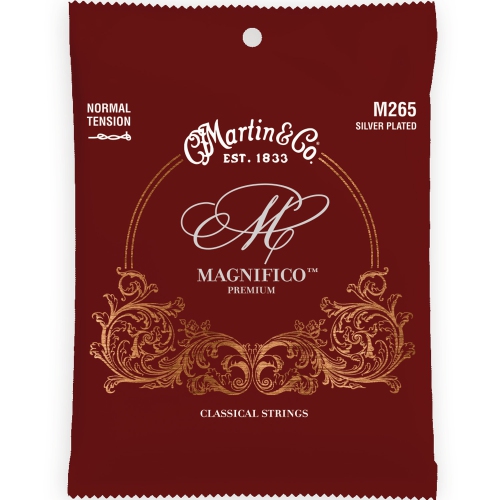
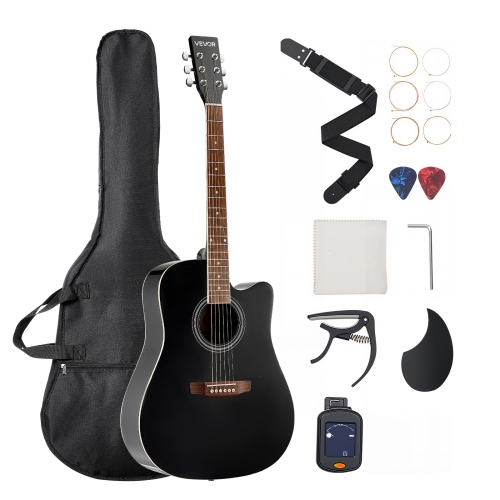
![JUST4GAMES Chamber Music [Audio CD] Mathieu, Rodolphe](https://multimedia.bbycastatic.ca/multimedia/products/500x500/150/15096/15096374.jpg)
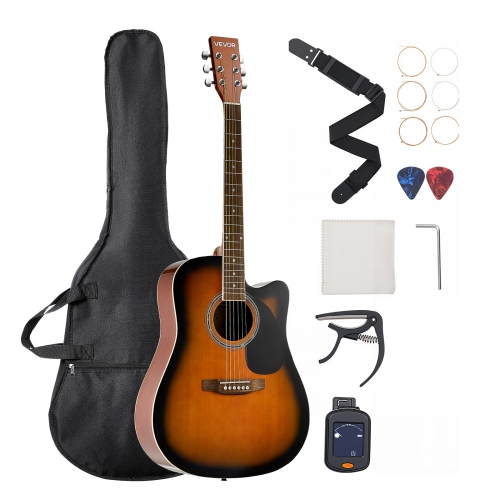
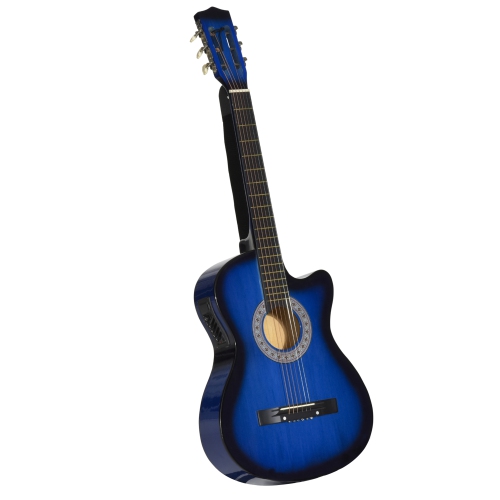
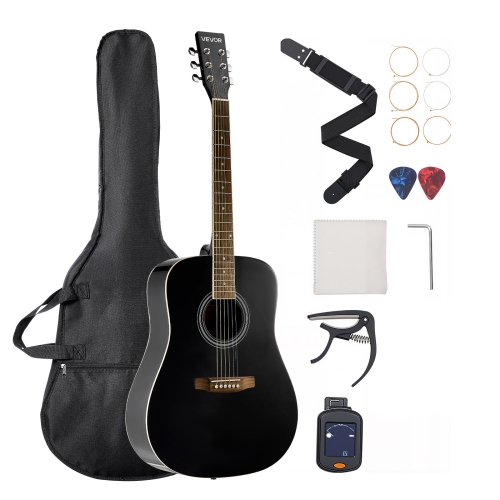

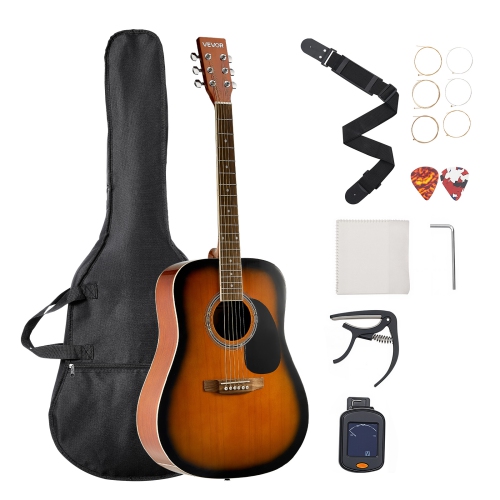
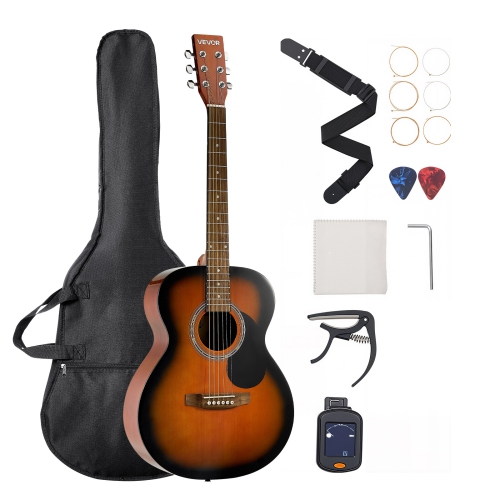
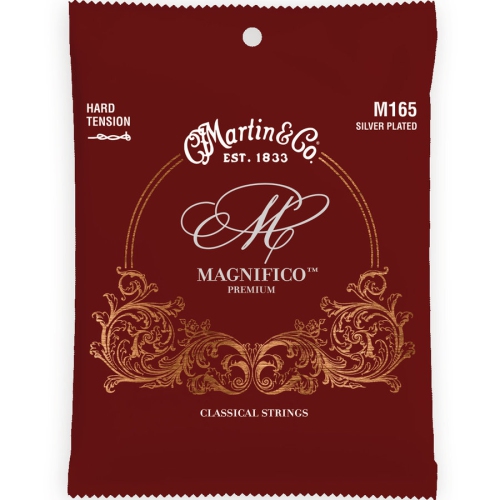
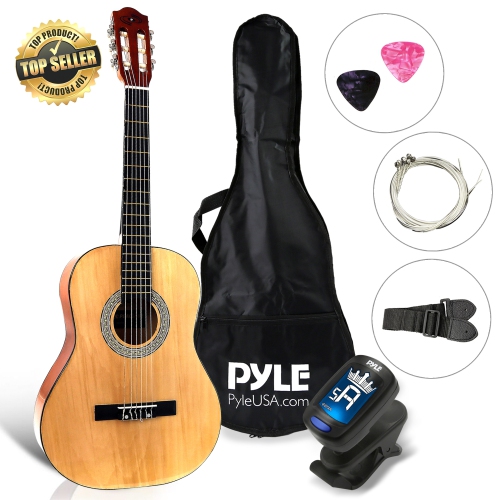
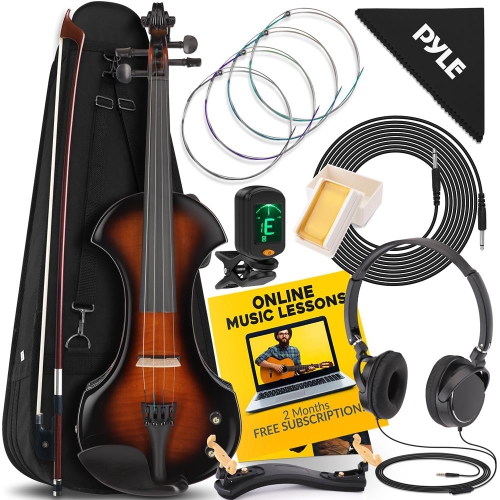
![JUST4GAMES Candlelight Romance: Strings [Audio CD] Various Artists](https://multimedia.bbycastatic.ca/multimedia/products/500x500/150/15097/15097335.jpg)
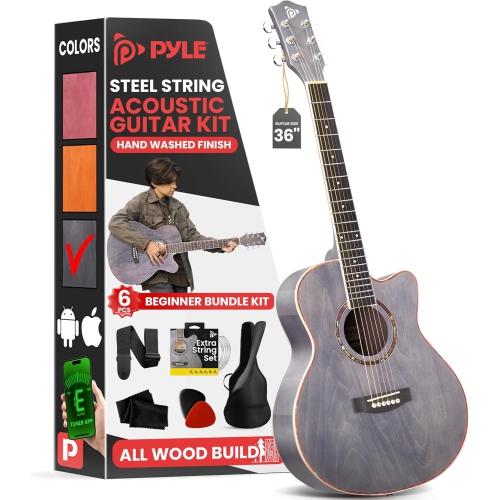
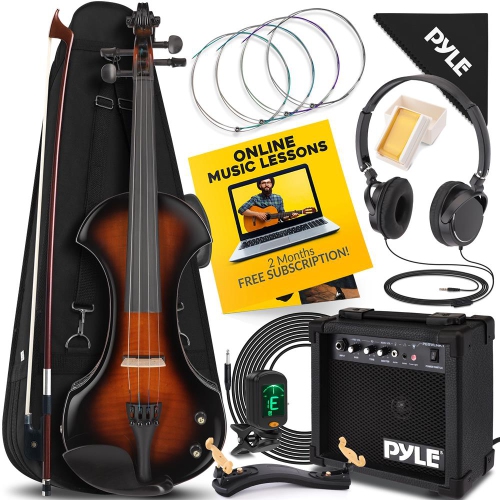
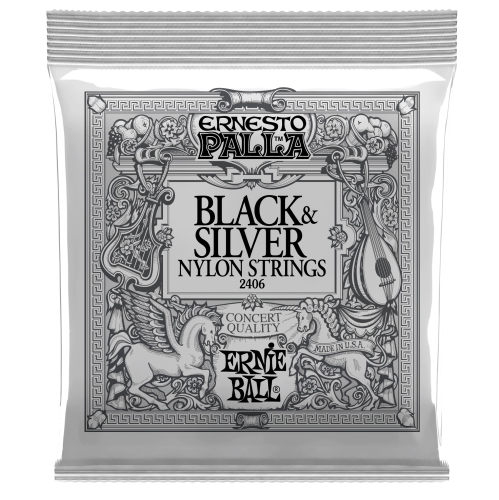
![JUST4GAMES Music Of The Evening [Audio CD]](https://multimedia.bbycastatic.ca/multimedia/products/500x500/150/15095/15095961.jpg)
![JUST4GAMES Romantic Strings [Audio CD] Romantic Strings](https://multimedia.bbycastatic.ca/multimedia/products/500x500/150/15096/15096232.jpg)
![PASSACAILLE Elinor Frey - Chamber Music - [CD]](https://multimedia.bbycastatic.ca/multimedia/products/500x500/186/18604/18604443.jpeg)
![JUST4GAMES Classical Tranquility [Audio CD] Royal Philharmonic Orches](https://multimedia.bbycastatic.ca/multimedia/products/500x500/150/15089/15089595.jpg)
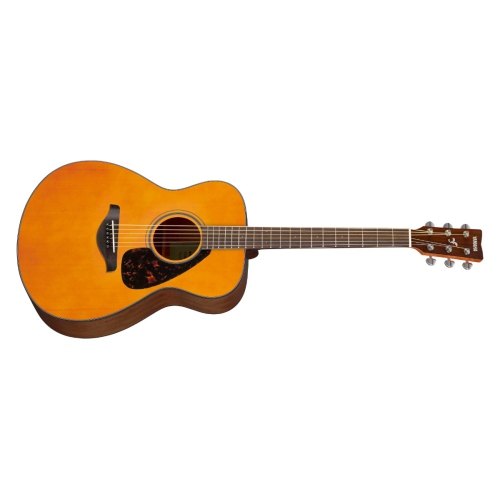
![UNIVERSAL MUSIC CANA Various Artists - Most Relaxing Classical Music In Universe / Various - [CD]](https://multimedia.bbycastatic.ca/multimedia/products/500x500/186/18603/18603631.jpeg)
![PLG CLASSICS UK Sara Andon - John Williams Reimagined - [CD]](https://multimedia.bbycastatic.ca/multimedia/products/500x500/186/18606/18606996.jpeg)
From bright melodies to deep foundations across the string family
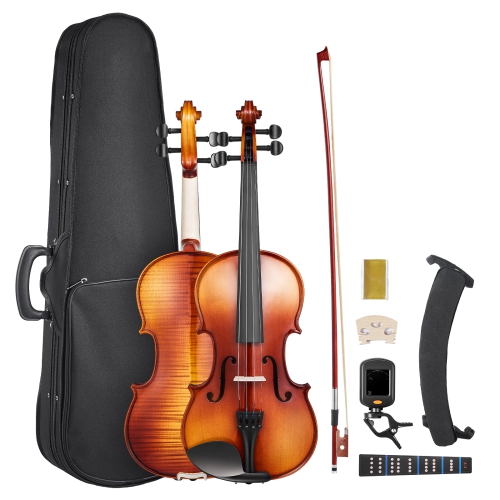
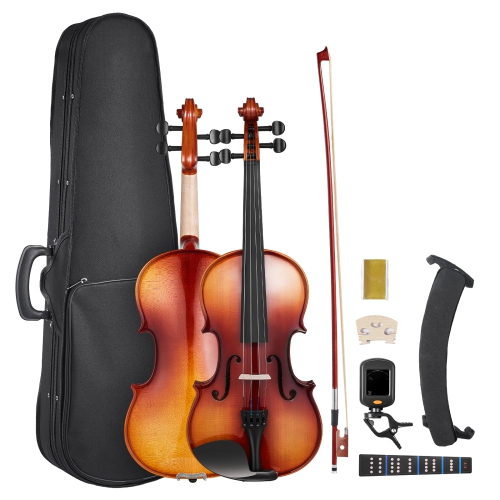
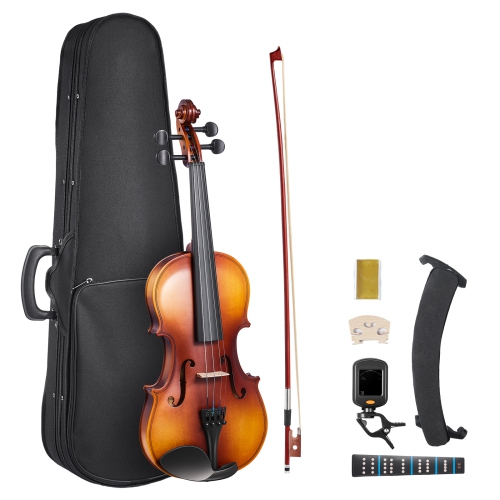
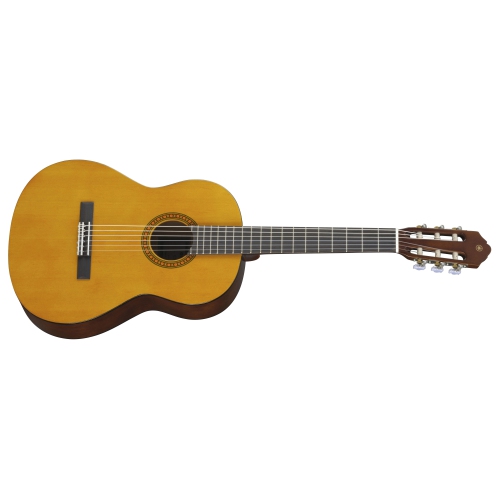
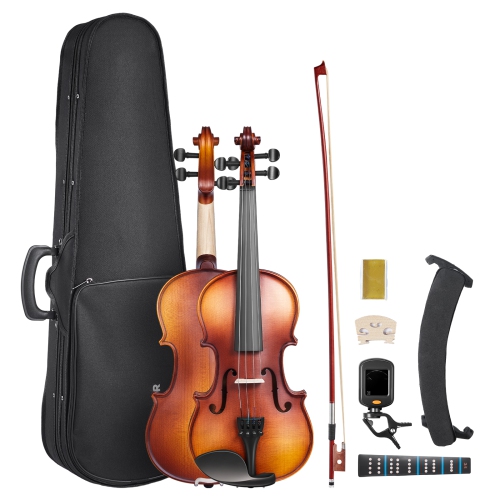
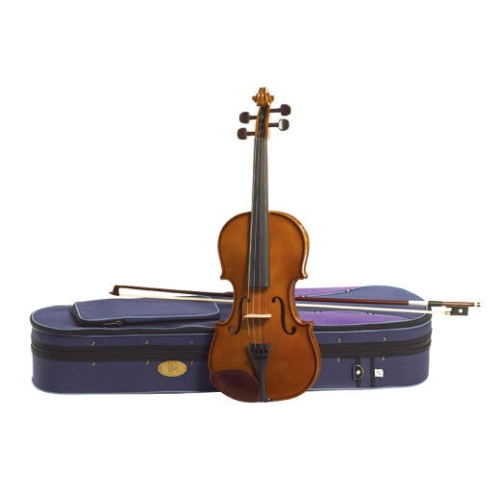
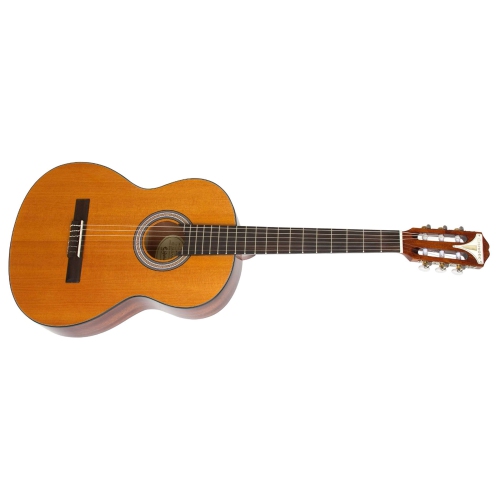
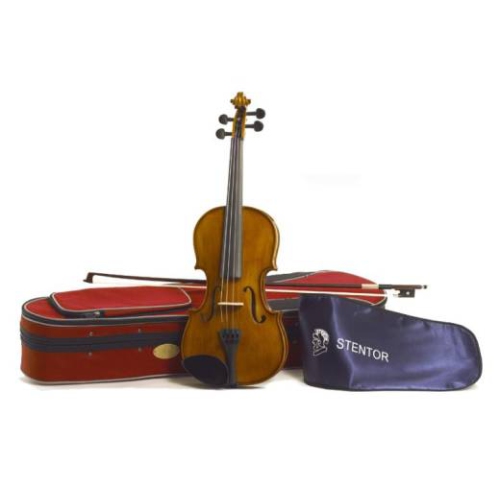
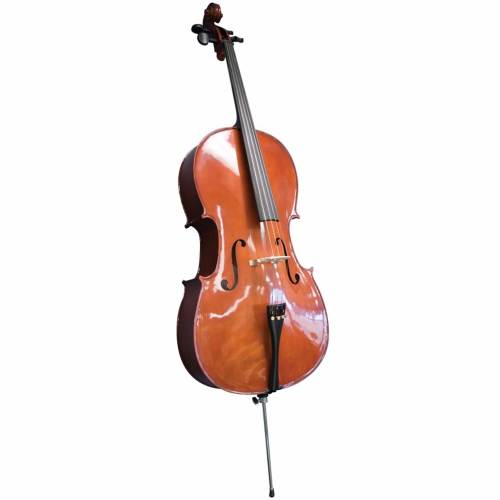
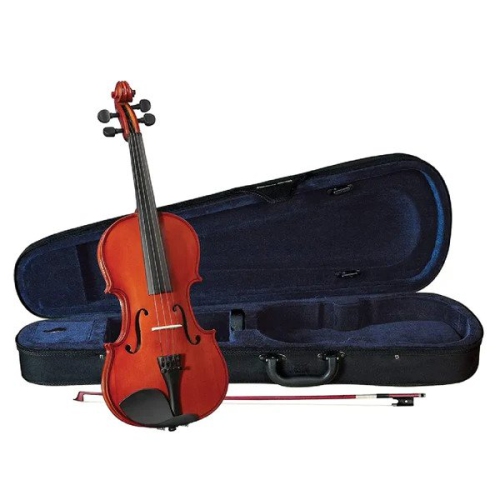
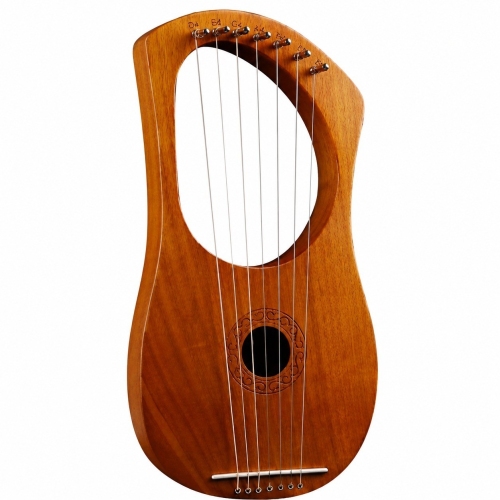
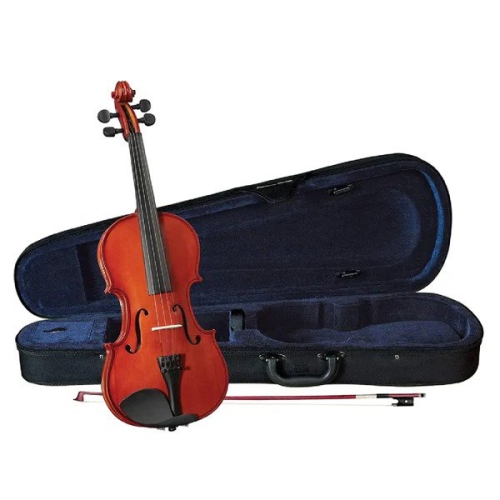
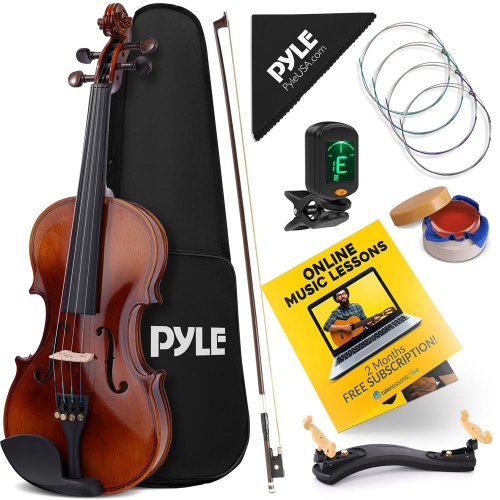
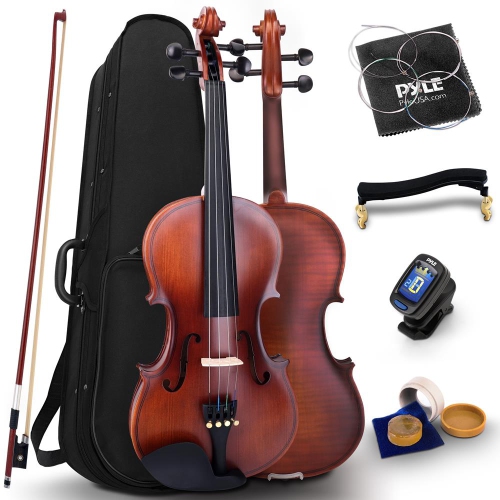
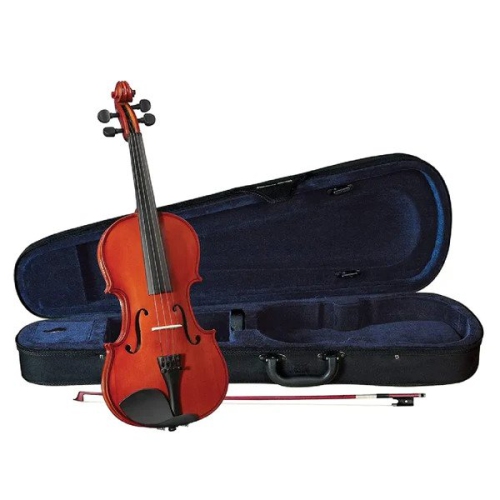
Classical music string instruments bring melody, warmth, depth, and movement to an ensemble through the vibration of strings. Some create sound with a bow drawn across the strings, while others are played by plucking with the fingers. Together, the orchestral string family includes the violin, viola, cello, and double bass, with the concert harp adding a distinctive plucked sound and an elegant visual presence. The violin is the smallest of the bowed string instruments and usually occupies the highest register, making it well suited to bright melodies, quick passages, and expressive solo lines. The viola is slightly larger and has a lower, fuller voice that often carries the rich middle range between the violin and cello. A cello is played while seated and supported on the floor, producing a resonant, singing tone that can sound intimate in a solo performance or powerful within an orchestra. The double bass provides the lowest foundation, reinforcing harmony and rhythm with a deep, spacious sound. The harp works differently from bowed instruments: its vertical strings are plucked by the fingers, creating shimmering tones that can suggest flowing water, moonlight, or the delicate motion of a dance. This range of voices is what gives classical ensembles their layered character, from a single clear melody to the broad, full sound of a concert hall. Browsing Orchestral Instruments can help shoppers explore related options and compare instruments suited to different roles, playing styles, and levels of experience.
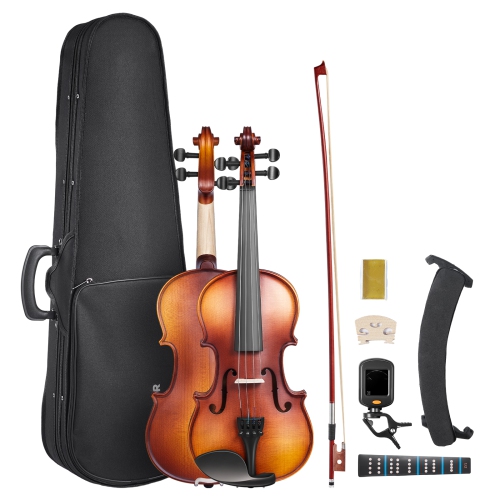
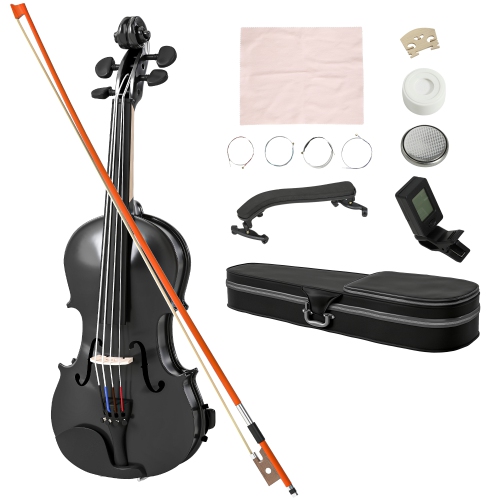
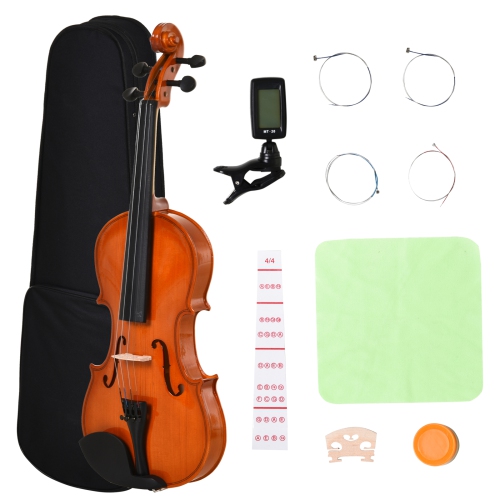
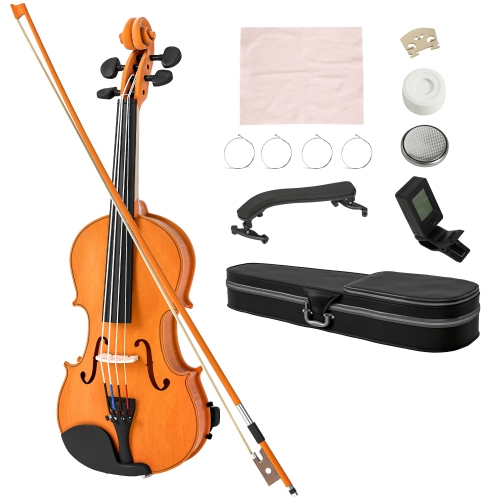
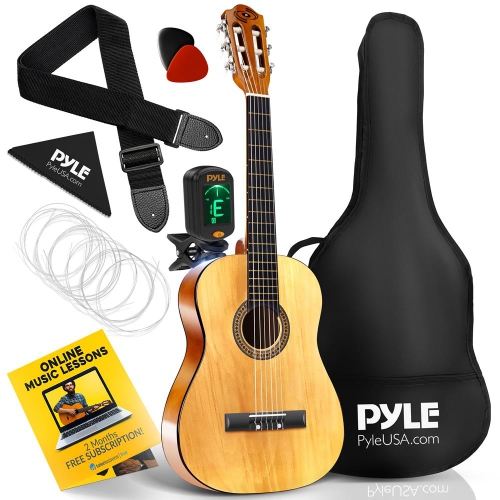
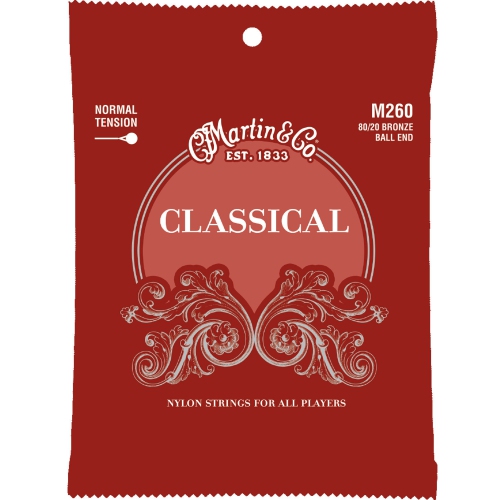
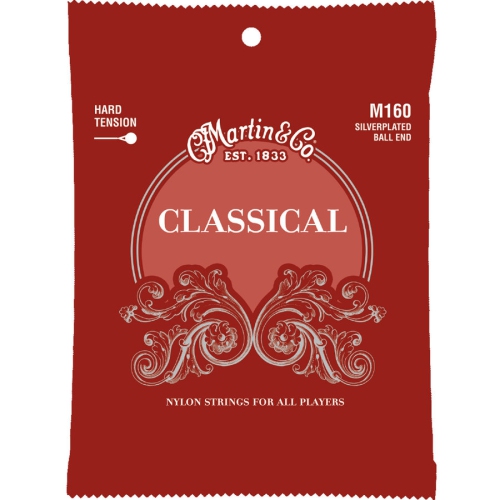
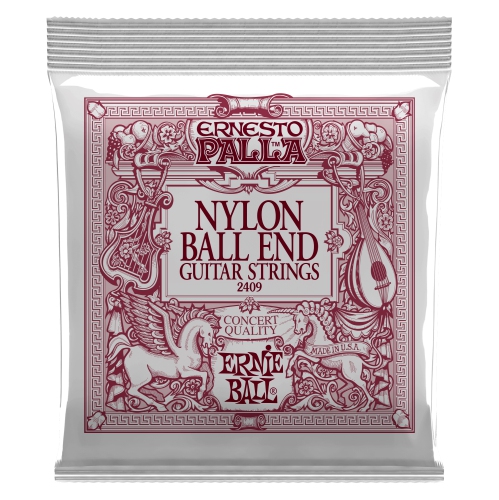
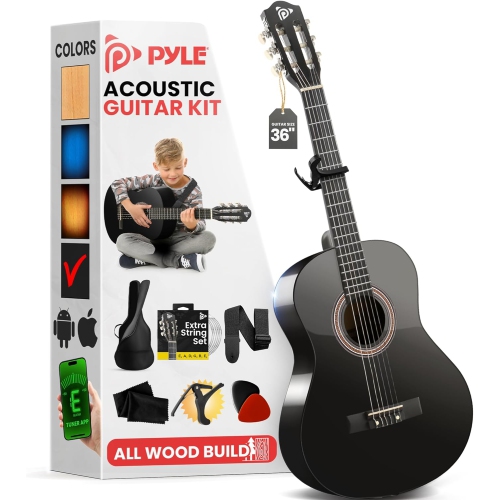
When choosing a classical string instrument, begin with the player’s experience, physical comfort, musical interests, and available space. A beginner may benefit from an instrument that feels manageable and encourages regular practice, while an advancing player may be looking for greater tonal range, responsive strings, or features that support more detailed technique. Size and posture matter, especially for younger musicians, as the instrument should allow the player to hold it securely without excessive tension in the shoulders, arms, wrists, or back. A violin and viola are held under the chin and played with one hand guiding the fingerboard while the other moves the bow; the cello is played from a seated position, and the double bass requires a standing or elevated posture. The right fit can make practice feel more natural and help a developing musician concentrate on intonation, rhythm, and expression rather than discomfort. Pay attention to the instrument’s construction, finish, bridge, fingerboard, tuning hardware, and the quality of the strings, as these details can influence projection, response, and playability. Bowed instruments also require a suitable bow and a way to maintain proper tension when stored, while a harp player may appreciate an instrument with a stable frame and clearly arranged strings. Tuning is another practical consideration: new players often benefit from a reliable tuner and guidance from a teacher, music shop professional, or experienced player. Storage should protect the instrument from knocks, dust, and sudden changes in temperature or humidity, particularly during cooler months when indoor heating can affect wooden instruments. A sturdy case, careful handling, and a consistent practice area can help keep the instrument ready for lessons, rehearsals, or relaxed playing at home.
Classical music string instruments can suit many kinds of musicians, from children beginning their first lessons to adults returning to music after years away. They are also thoughtful gifts for someone who has expressed an interest in orchestral music, wants to join a school or community ensemble, or enjoys learning through regular practice. A violin may appeal to a player drawn to prominent melodies and agile technique, while a viola can be a rewarding choice for someone who enjoys a warmer, less familiar orchestral voice. The cello’s broad range and expressive tone make it popular with musicians who like lyrical playing, film scores, chamber music, or the feeling of supporting a melody from within the ensemble. The double bass is especially important for players who enjoy rhythm, harmony, and the powerful foundation of orchestral and other ensemble music. The harp may attract someone who prefers fingerstyle playing and the sparkling, spacious sound of plucked strings. These instruments can be used for formal lessons, ensemble rehearsals, school performances, church music, chamber groups, or quiet practice in a living room during a rainy afternoon. Learning often starts with simple open-string exercises, bow control, finger placement, and short melodies before progressing to scales, studies, and more demanding repertoire. The contrast between arco, made by drawing the bow across the strings for a smooth, sustained sound, and pizzicato, made by plucking a string for a shorter, sharper note, gives players an early introduction to the expressive possibilities of the string family. With patience, appropriate instruction, and regular care, a classical string instrument can become part of a lasting musical routine—whether it is used to accompany family gatherings, prepare for an audition, explore well-known orchestral works, or simply fill a home with a warm and personal sound.
When choosing a classical string instrument, begin with the player’s experience, physical comfort, musical interests, and available space. A beginner may benefit from an instrument that feels manageable and encourages regular practice, while an advancing player may be looking for greater tonal range, responsive strings, or features that support more detailed technique. Size and posture matter, especially for younger musicians, as the instrument should allow the player to hold it securely without excessive tension in the shoulders, arms, wrists, or back. A violin and viola are held under the chin and played with one hand guiding the fingerboard while the other moves the bow; the cello is played from a seated position, and the double bass requires a standing or elevated posture. The right fit can make practice feel more natural and help a developing musician concentrate on intonation, rhythm, and expression rather than discomfort. Pay attention to the instrument’s construction, finish, bridge, fingerboard, tuning hardware, and the quality of the strings, as these details can influence projection, response, and playability. Bowed instruments also require a suitable bow and a way to maintain proper tension when stored, while a harp player may appreciate an instrument with a stable frame and clearly arranged strings. Tuning is another practical consideration: new players often benefit from a reliable tuner and guidance from a teacher, music shop professional, or experienced player. Storage should protect the instrument from knocks, dust, and sudden changes in temperature or humidity, particularly during cooler months when indoor heating can affect wooden instruments. A sturdy case, careful handling, and a consistent practice area can help keep the instrument ready for lessons, rehearsals, or relaxed playing at home.
Classical music string instruments can suit many kinds of musicians, from children beginning their first lessons to adults returning to music after years away. They are also thoughtful gifts for someone who has expressed an interest in orchestral music, wants to join a school or community ensemble, or enjoys learning through regular practice. A violin may appeal to a player drawn to prominent melodies and agile technique, while a viola can be a rewarding choice for someone who enjoys a warmer, less familiar orchestral voice. The cello’s broad range and expressive tone make it popular with musicians who like lyrical playing, film scores, chamber music, or the feeling of supporting a melody from within the ensemble. The double bass is especially important for players who enjoy rhythm, harmony, and the powerful foundation of orchestral and other ensemble music. The harp may attract someone who prefers fingerstyle playing and the sparkling, spacious sound of plucked strings. These instruments can be used for formal lessons, ensemble rehearsals, school performances, church music, chamber groups, or quiet practice in a living room during a rainy afternoon. Learning often starts with simple open-string exercises, bow control, finger placement, and short melodies before progressing to scales, studies, and more demanding repertoire. The contrast between arco, made by drawing the bow across the strings for a smooth, sustained sound, and pizzicato, made by plucking a string for a shorter, sharper note, gives players an early introduction to the expressive possibilities of the string family. With patience, appropriate instruction, and regular care, a classical string instrument can become part of a lasting musical routine—whether it is used to accompany family gatherings, prepare for an audition, explore well-known orchestral works, or simply fill a home with a warm and personal sound.
Top selling and popular products
-
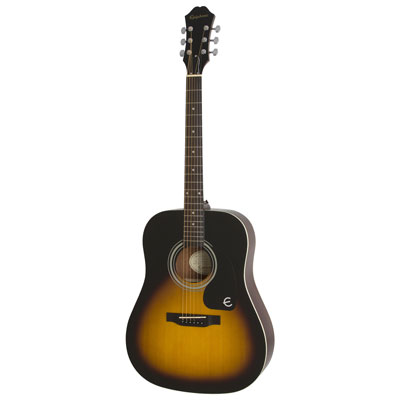 Your price for this item is $259.99
 -
 Your price for this item is $279.99
 -
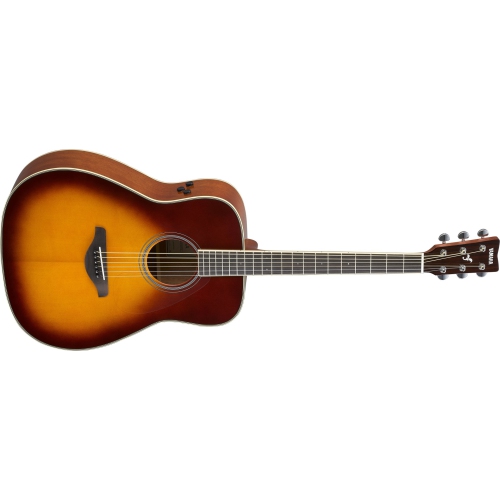 Your price for this item is $999.99
 -
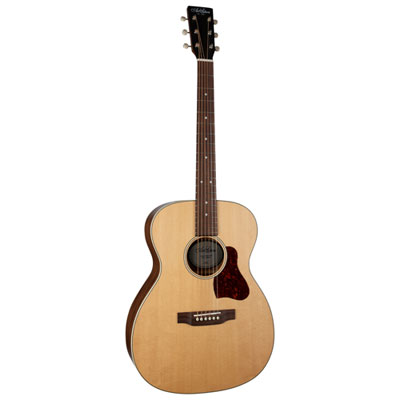 Your price for this item is $599.99
 -
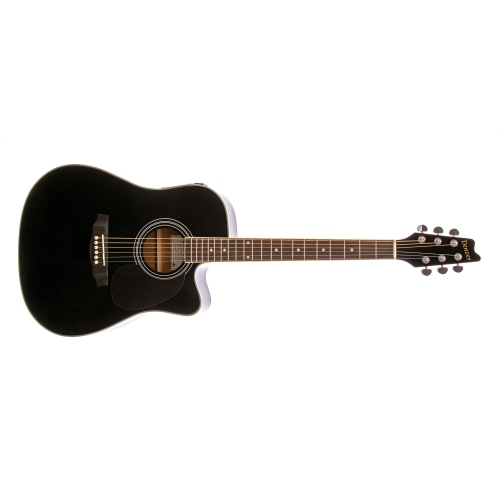 Your price for this item is $269.99
 -
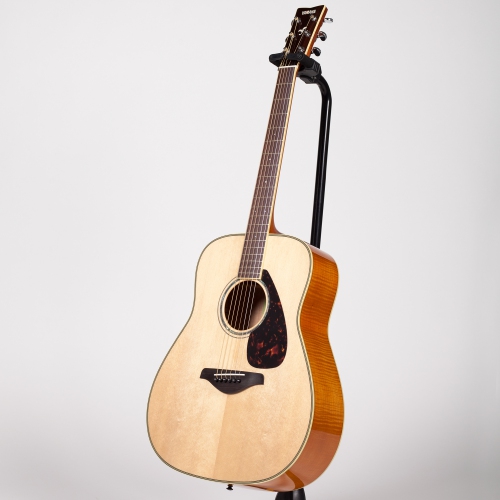 Your price for this item is $649.99
 -
 Your price for this item is $459.99
 -
 Your price for this item is $918.85
Discover more categories related to Classical Music String Instruments
Top Collections:
Pokemon Centers, Best Cameras for Sports Photography, Kindle Devices, Samsung Galaxy Phones, Canon G7X Cameras, Pokémon 30th Celebration Cards, Refurbished Apple Laptops, iPhone 15 Apple, Laptops for Students, Budget Smartphones
Some products may be subject to Environmental Handling Fees
(EHF) depending on your province.
Learn more about EHFs.