4 String Instruments
Whether you're a seasoned musician or just starting your musical journey, our collection of 4 string instruments is sure to strike the right chord with you. From the timeless elegance of a classical guitar to the rhythmic beats of a ukulele, these versatile and melodic instruments offer a world of musical possibilities. Explore our wide range of 4 string instruments and discover the perfect companion to express your creativity, whether you're strumming along to your favorite songs or composing your own melodies. With top-quality craftsmanship and exceptional sound, these instruments are designed to inspire and captivate musicians of all skill levels. Get ready to unleash your inner artist and let the music take center stage with our selection of 4 string instruments.


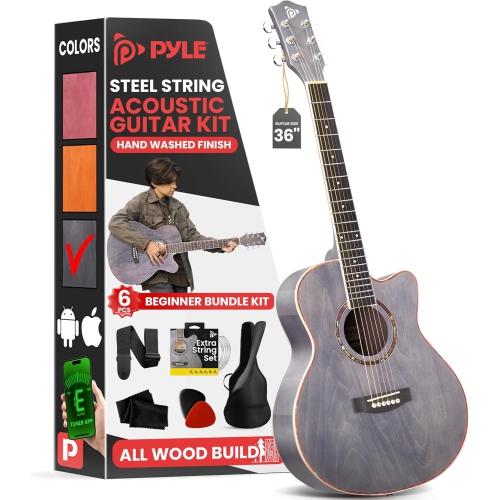
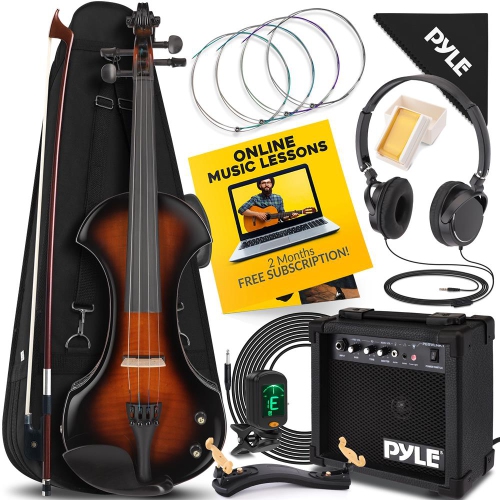
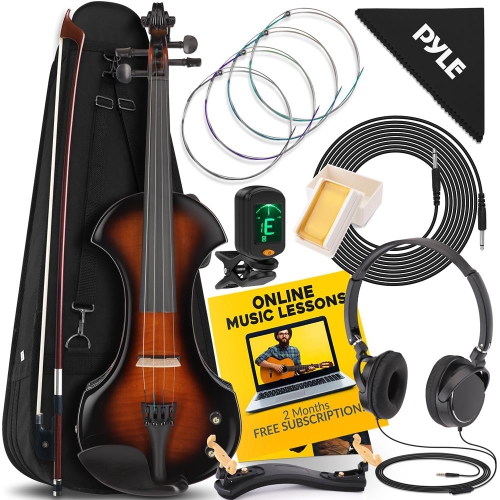
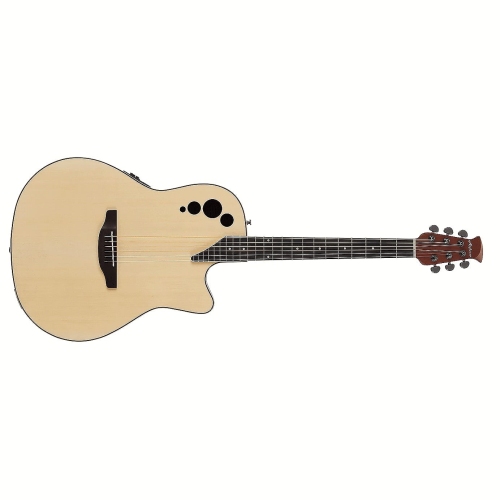
Musical voices from orchestras to campfire chords
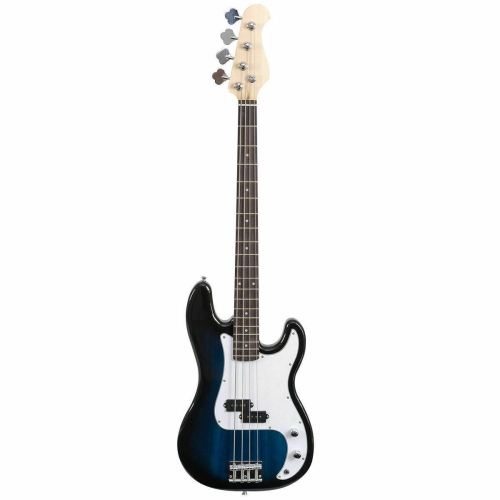
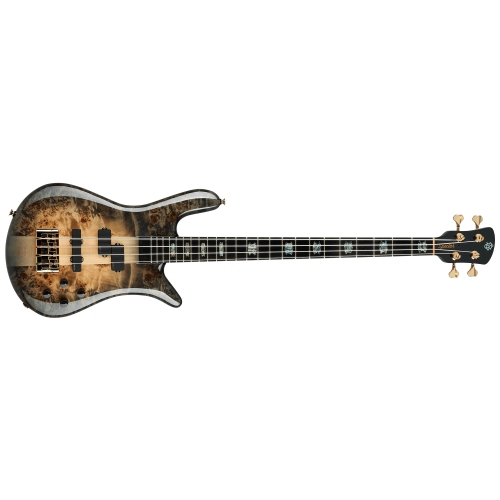
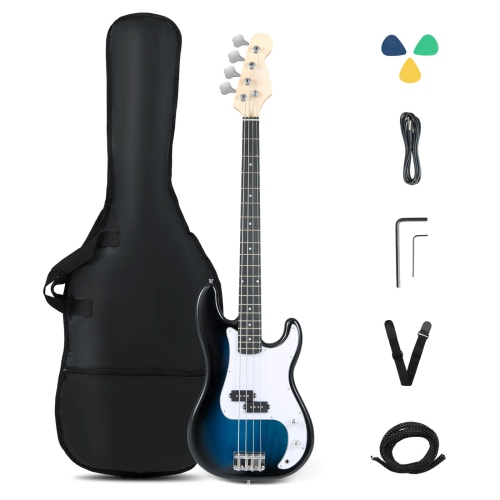
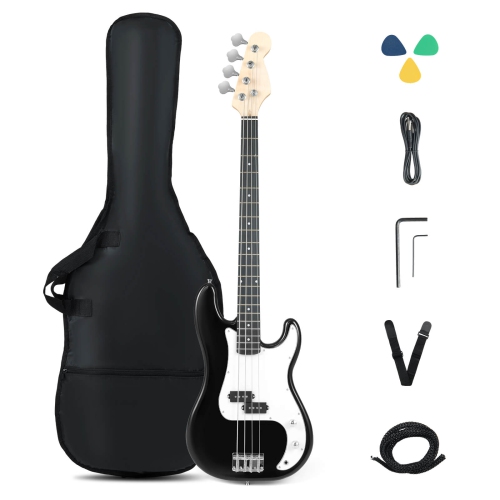
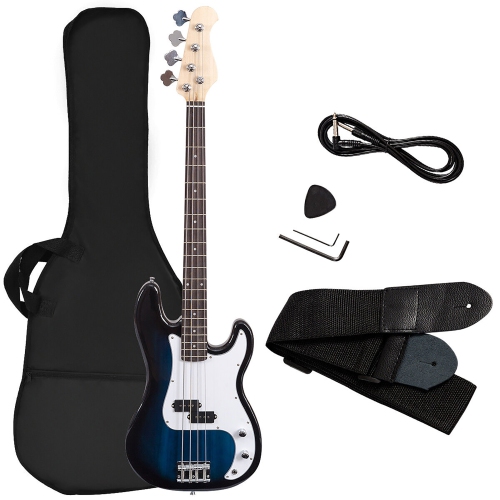
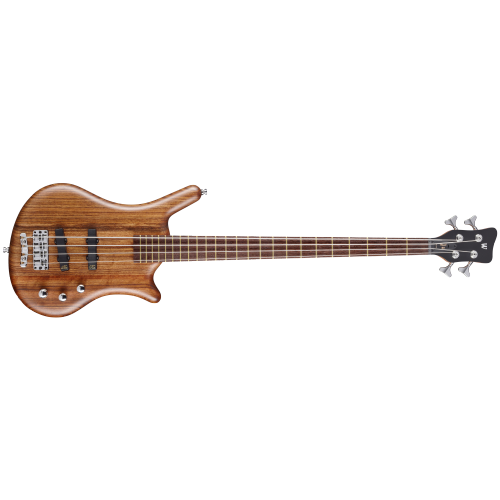
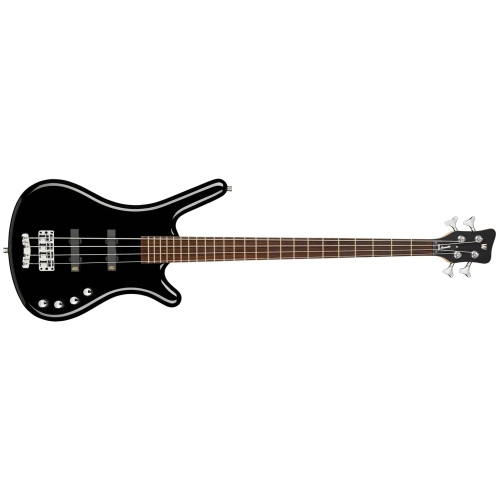
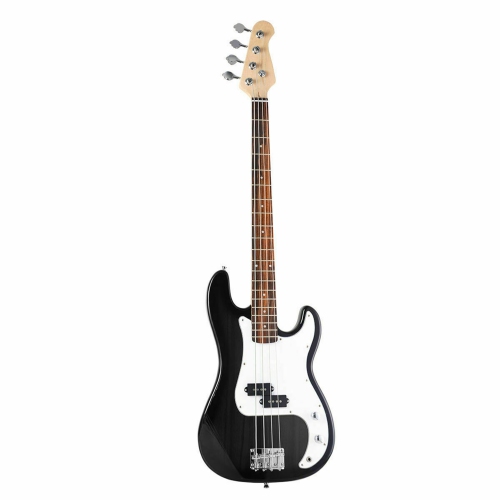
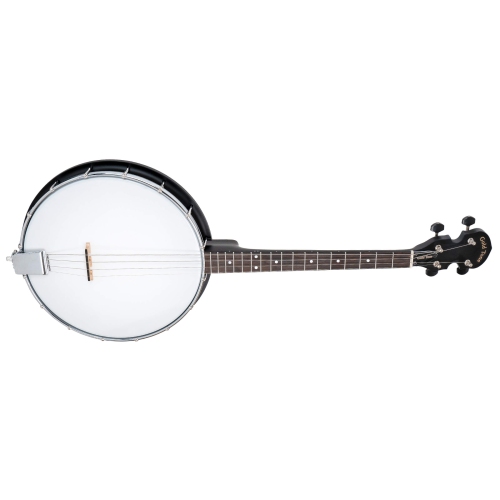
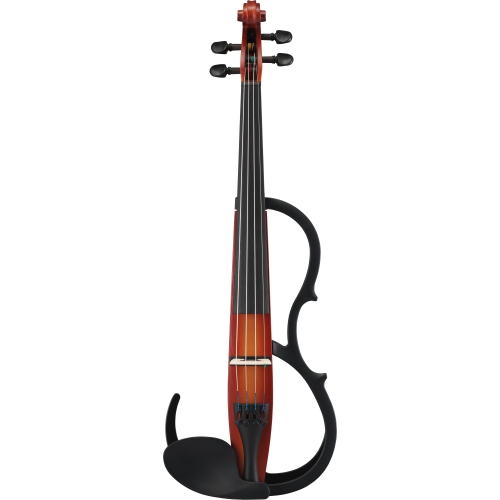
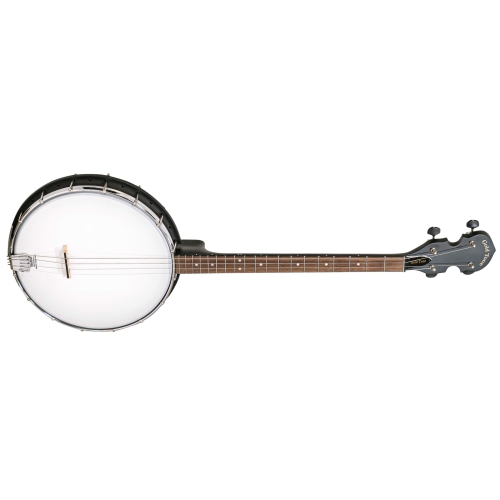
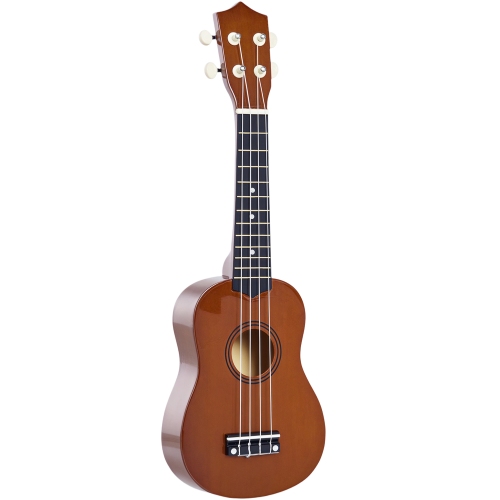
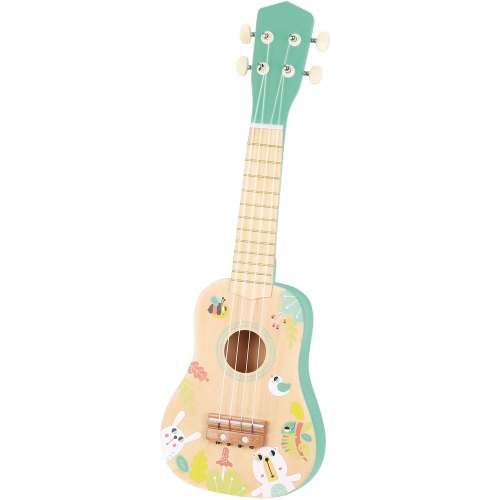
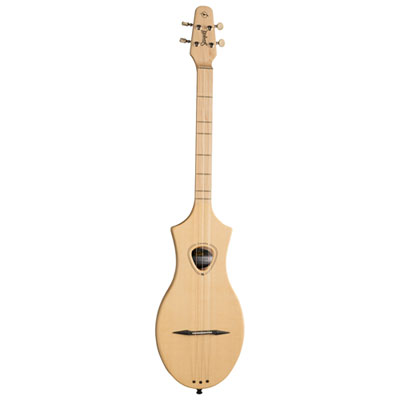
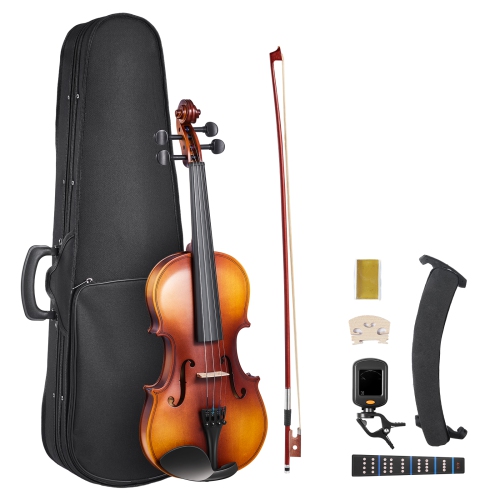
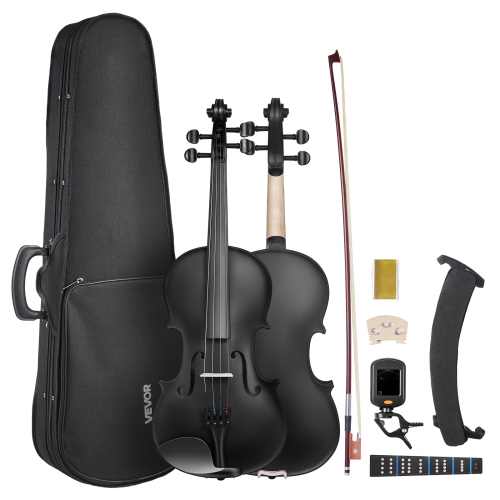
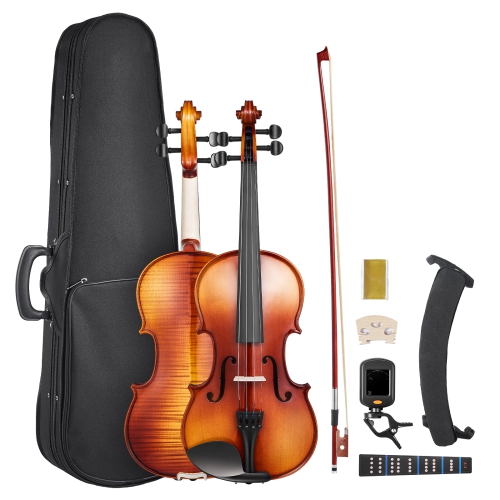
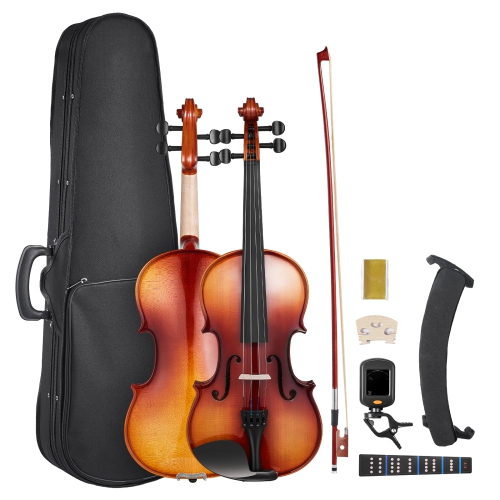
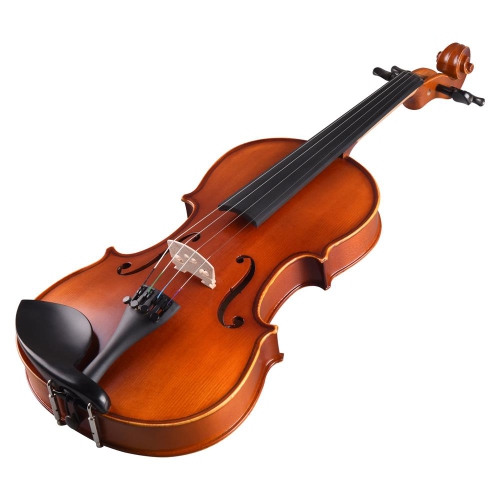
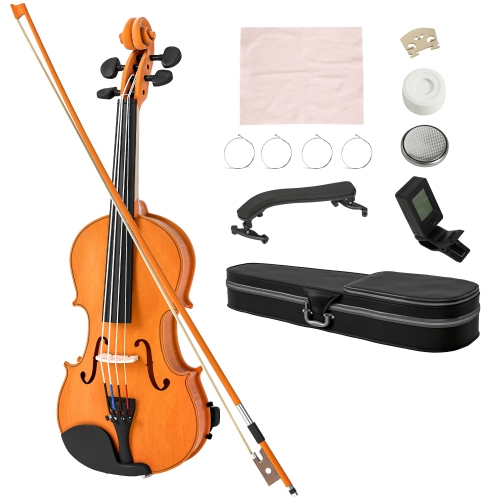
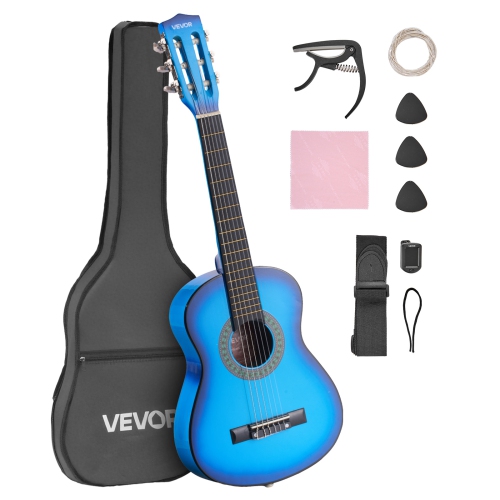
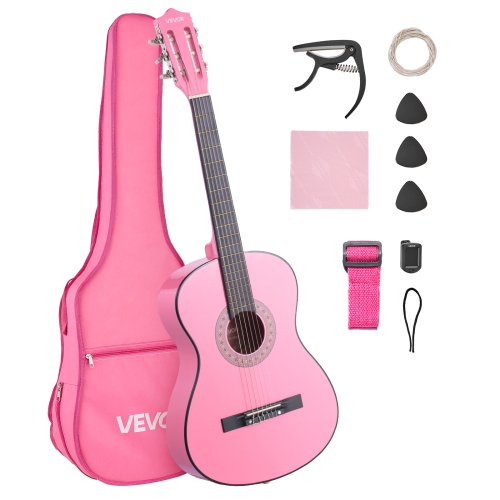
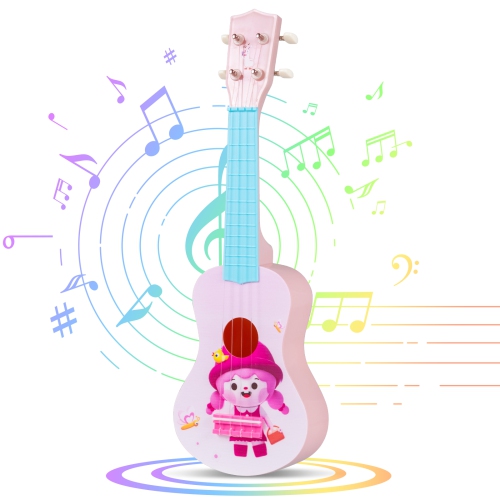
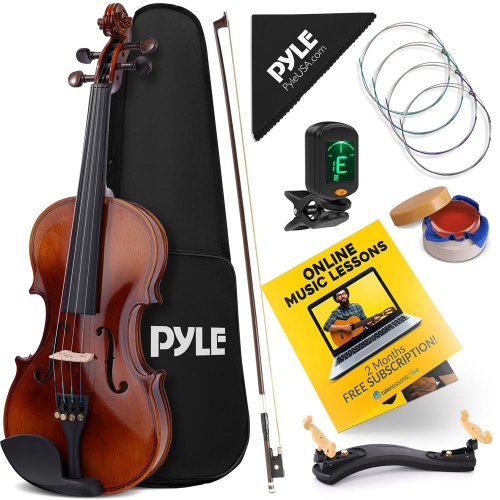
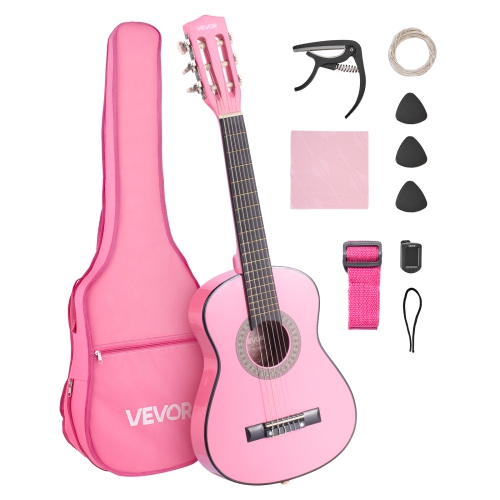
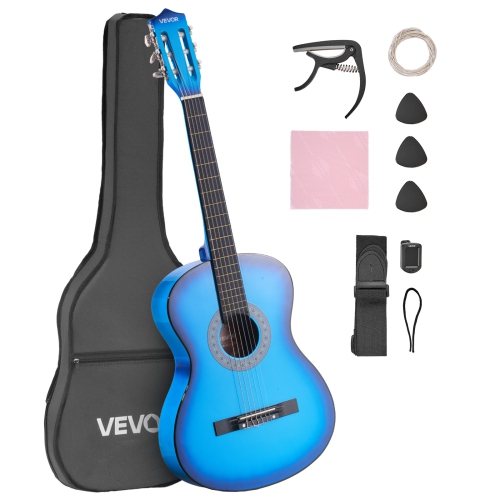
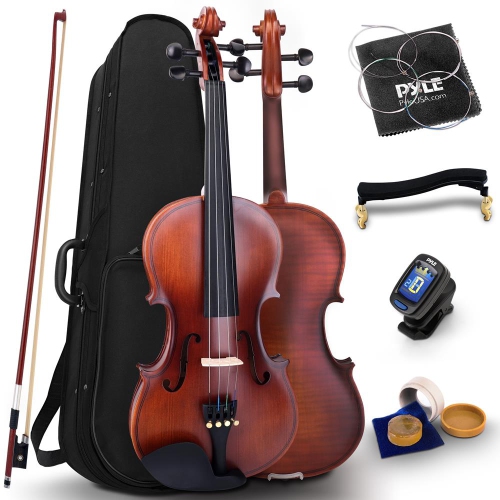
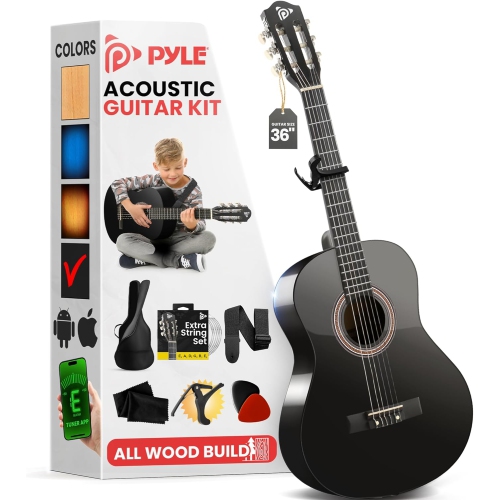
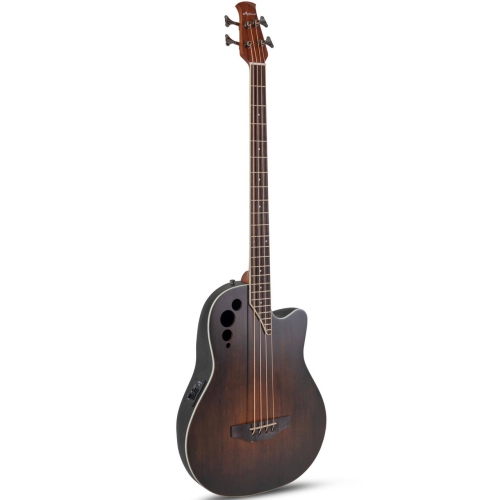
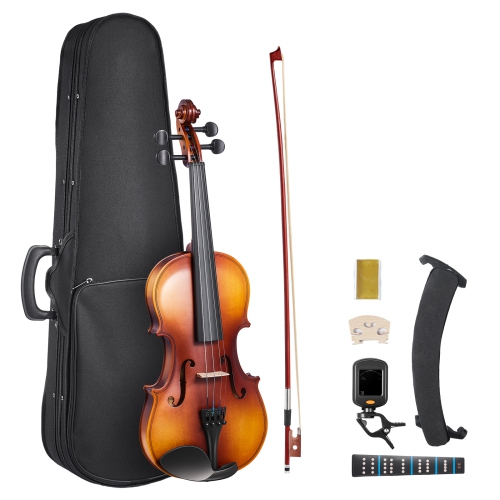
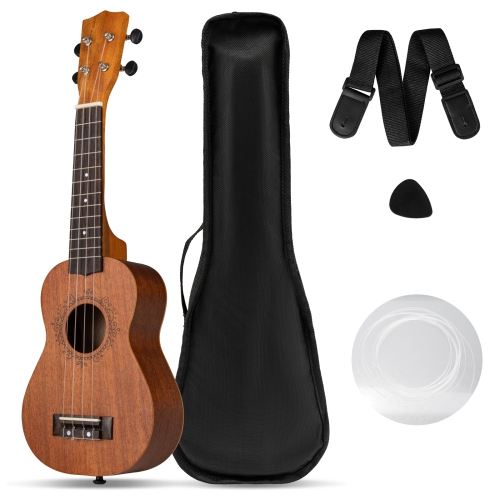
Choosing among four-string instruments begins with the kind of music the player hopes to make and the setting where the instrument will be used. Someone drawn to orchestral music may want to consider whether they are most interested in carrying a melody, supporting harmony, or anchoring the lowest register. Physical comfort also matters. A young beginner may find a full-sized cello or double bass difficult to hold, while smaller or fractional sizes can make learning more comfortable when selected with guidance from a teacher. Violin and viola players should pay close attention to shoulder, chin, and hand comfort, since a relaxed posture makes it easier to develop consistent bow control. For a player interested in casual music-making at home, campfires, gatherings, or travel, a ukulele offers a compact format with relatively simple chord shapes and a friendly learning curve. Bass guitar players should consider whether they prefer an electric setup that connects to an amplifier or an acoustic format for a more self-contained experience. The scale length, neck profile, body shape, string material, tuning stability, and overall weight can influence how natural the instrument feels after a longer practice session. Players who enjoy traditional music, fast melodic lines, or a crisp percussive attack may be drawn to a tenor banjo or another four-string folk instrument. It is also worth considering the accessories required for regular use, including a bow where appropriate, a case or gig bag, a tuner, a strap, a stand, picks, rosin, a shoulder rest, or an amplifier. A reliable tuner is particularly useful for beginners because developing an ear for pitch takes time; keeping each string accurately tuned helps every practice session sound more encouraging. A quiet evening spent matching strings to a tuner, followed by a clean open chord or a steady scale, can be one of the most satisfying early milestones for a new player.
Four-string instruments can make thoughtful gifts for children, teens, adults, and experienced musicians because they support many different ways of making music. A beginner may enjoy an instrument that feels inviting from the first strum, while a developing player may appreciate a more specialised choice that matches a favourite genre or ensemble. Before giving one as a gift, consider the recipient’s age, hand size, musical experience, preferred styles, and available storage space. An instrument that fits comfortably is more likely to be picked up regularly, whether that means a few minutes of scale practice before school, a quiet melody during the cooler months, or a lively accompaniment at a family gathering. For orchestral instruments, lessons are especially helpful because bow grip, posture, fingering, and tuning habits are much easier to establish with feedback from a qualified teacher. Players of ukulele, bass, banjo, and other four-string instruments can also benefit from instruction, though many begin with simple chord charts, online practice materials, or informal playing alongside friends. Durability and maintenance should be part of the decision as well. Strings eventually need replacing, instruments should be stored away from excessive heat and sudden changes in humidity, and cases or bags help protect them between rehearsals. Keeping replacement supplies close at hand makes it easier to continue playing when a string loses its brightness or breaks unexpectedly; browse Music Instrument Strings for options suited to different instrument families and playing styles. Whether the goal is to join an orchestra, learn a handful of songs, build a rhythm section, explore traditional music, or simply enjoy the tactile pleasure of making a note ring clearly, a four-string instrument can become a lasting part of a daily routine. Its compact set of strings offers plenty of room for progress, from the first carefully tuned note to confident performances shared with friends and family.
Top selling and popular products
-
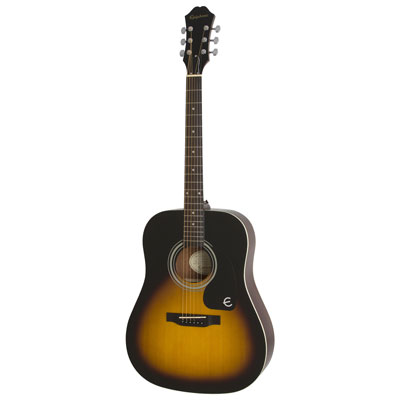 Your price for this item is $259.99
 -
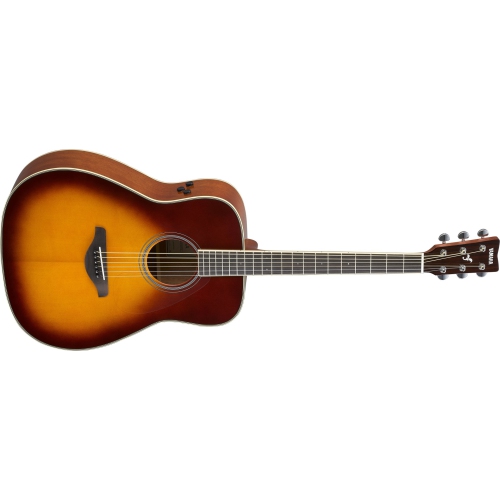 Your price for this item is $999.99
 -
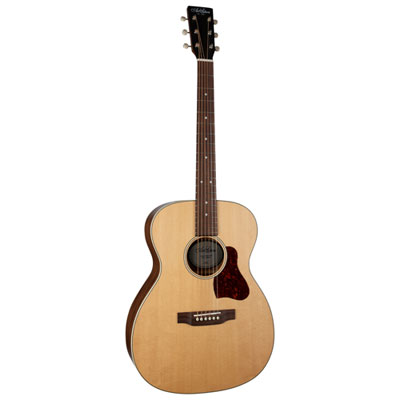 Your price for this item is $599.99
 -
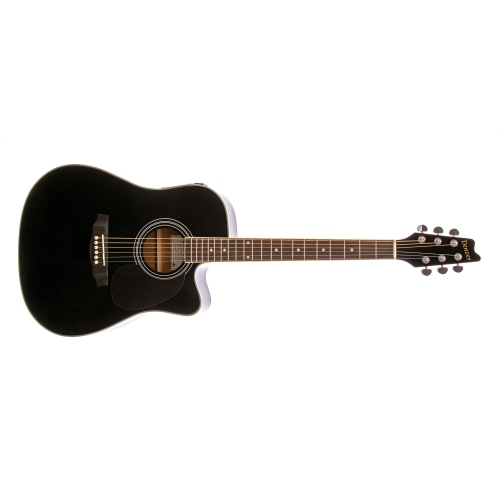 Your price for this item is $269.99
 -
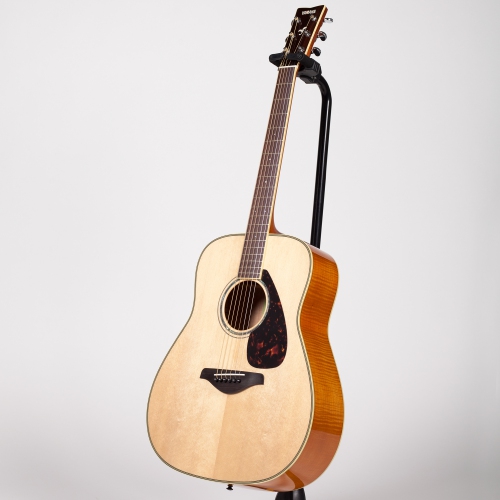 Your price for this item is $649.99
 -
 Your price for this item is $459.99
 -
 Your price for this item is $918.85
 -
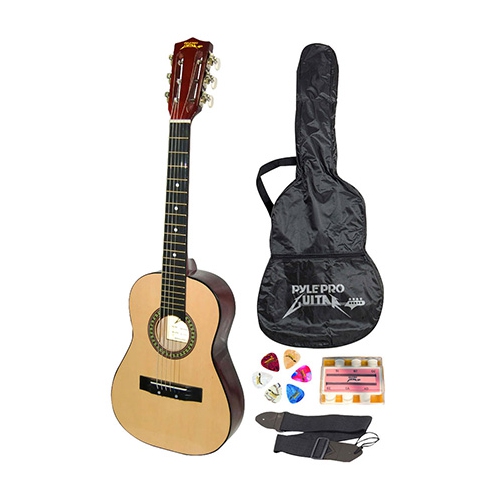 Your price for this item is $72.99