Bike Helmet Cameras

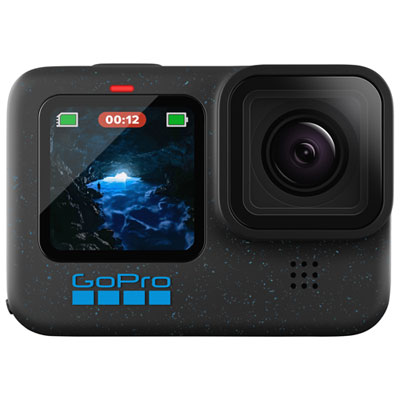
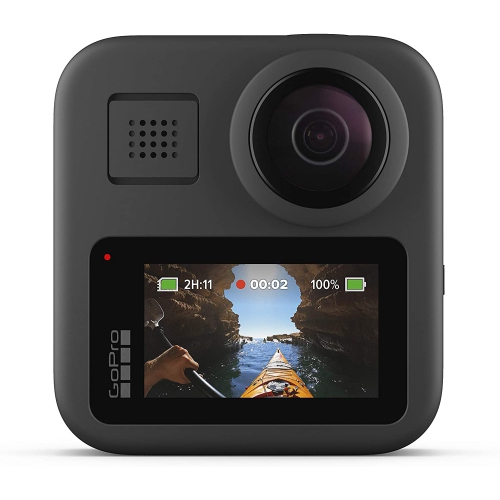
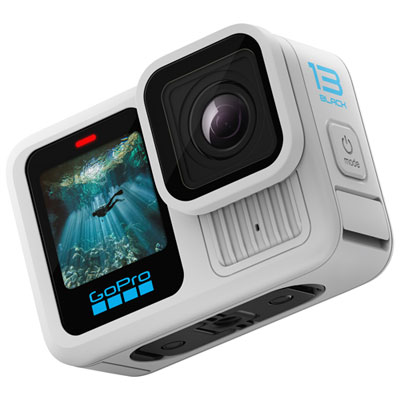
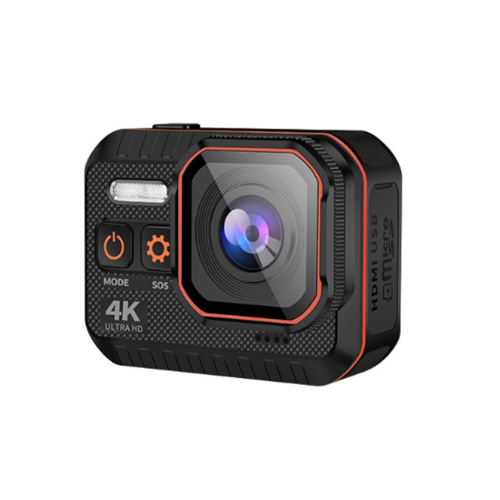
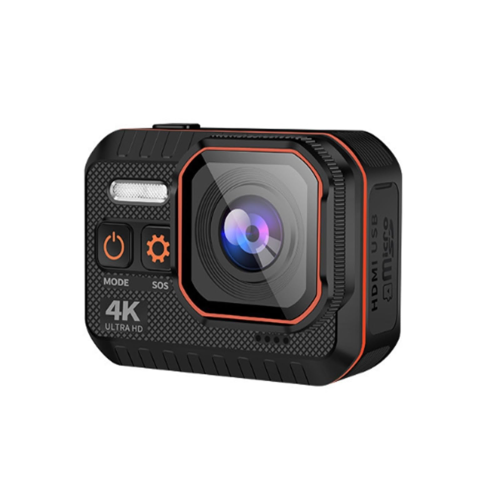
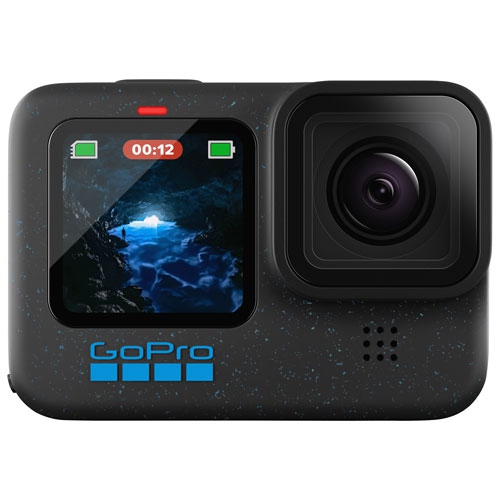
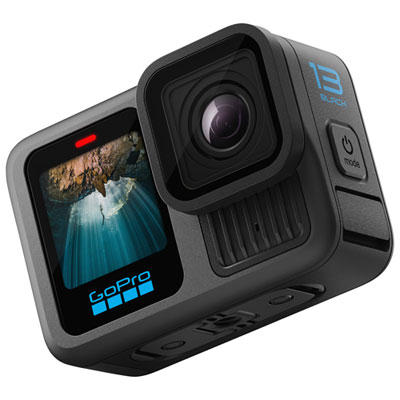
Bike helmet cameras let you capture rides from your point of view, whether you’re commuting or exploring new trails. Browse cameras for recording your route, and compare video resolution, image stabilization, battery life, and helmet-mount compatibility to find an option that suits your rides.
Read More

Sort

Bike Helmet Cameras

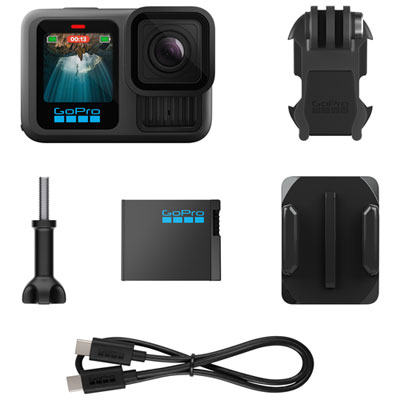
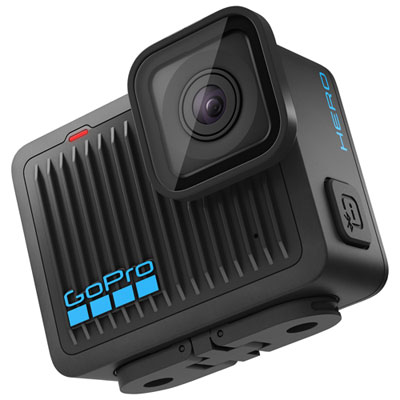
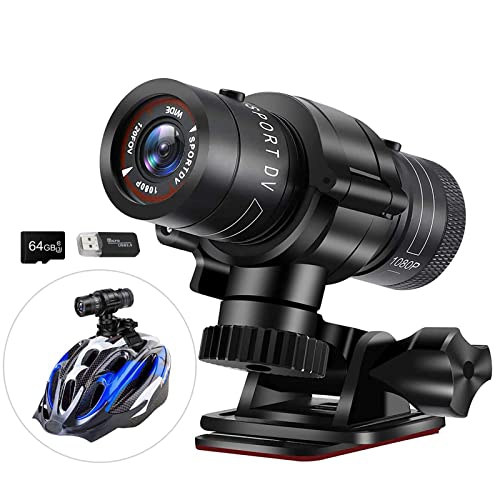
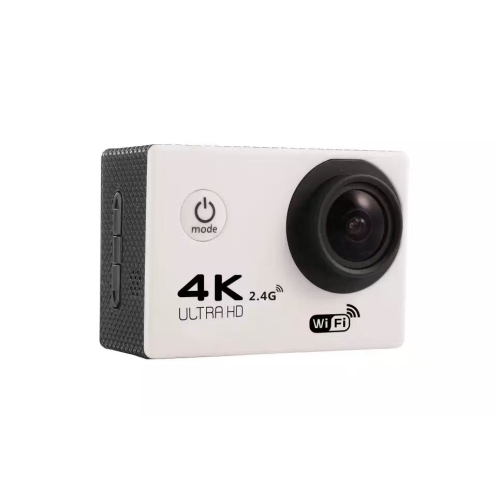
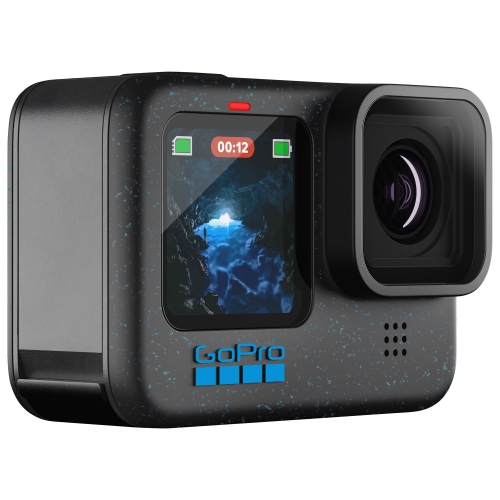
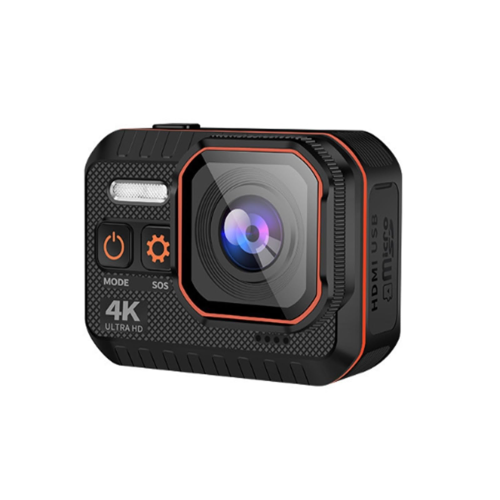
Bike Helmet Cameras let riders capture the route from their own point of view, from a quiet morning commute to a winding trail ride with friends. Mounted on a compatible helmet, a compact camera can follow the direction you look, bringing a sense of movement and perspective that differs from footage taken at the handlebars. For commuters, that might mean keeping a visual record of the daily ride; for mountain bikers and weekend cyclists, it could mean saving a memorable descent or sharing the scenery from a new route. Picture a stretch of lakeside path in the early morning, with sunlight breaking through the trees and the rest of the group riding just ahead. Those are the moments a camera can help preserve without requiring you to hold a phone. When comparing options, consider the kind of footage you actually want to watch afterwards. High resolution can bring out fine details, while higher frame rates can make fast-moving action look smoother and offer more flexibility for slow-motion playback. Neither tells the whole story on its own: image stabilization, low-light performance, and the quality of the mounting setup all influence how useful and enjoyable your footage will be.

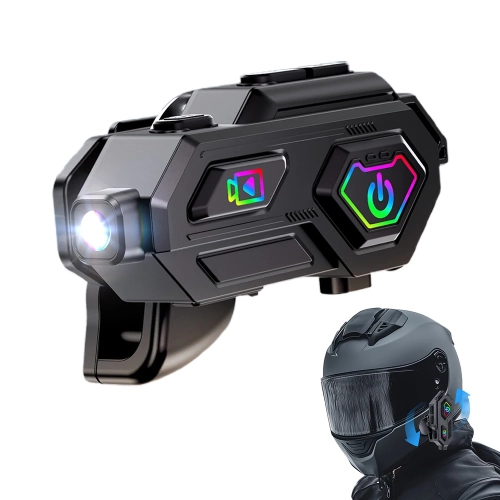
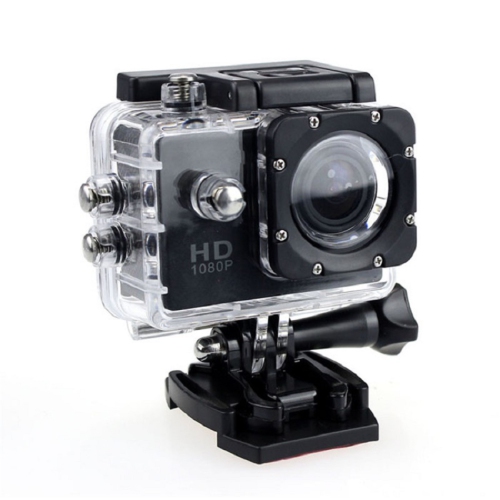
Fit and mounting compatibility deserve just as much attention as video specifications. A camera that feels light in your hand may become noticeable once it is attached to your helmet, particularly on longer rides or rough terrain. Look at the combined weight of the camera and mount, how far the setup projects from the helmet, and whether the position could obstruct vents, interfere with straps, or affect your field of view. Follow both the helmet and camera manufacturers’ mounting guidance, and avoid drilling, cutting, or making other changes that could compromise the helmet’s protective structure. A secure attachment matters, but so does choosing a setup approved for the helmet you use. Camera angle is another small detail with a big effect: your riding posture can point the lens lower than expected, leaving more front wheel than trail in the frame. A short test recording before setting out can help you find a useful view. For rides that include drizzle, puddles, or dusty paths, check the stated weather resistance and whether a separate protective housing is required. Controls that are easy to identify with gloves, along with clear recording indicators, can also make a camera more practical when you stop to adjust settings.

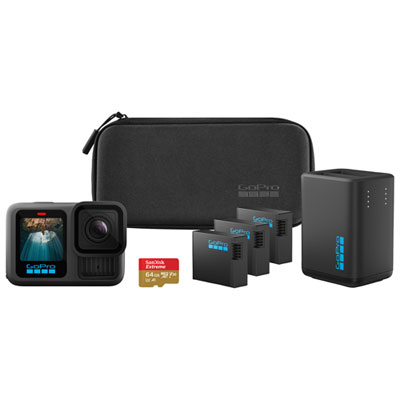
Battery life and storage capacity help determine whether a camera suits a quick trip across town or an afternoon away from home. Compare runtime at the resolution and frame rate you plan to use, since demanding recording modes can drain a battery faster, and cold Canadian mornings may reduce available runtime. Removable batteries can be useful for longer outings where supported, while memory card compatibility and recording bitrates affect how much footage you can store. Loop recording, available on some models, may appeal to commuters who want older clips overwritten as the card fills, though important recordings should be saved separately before that happens. If sharing clips is part of the appeal, consider how easily files transfer to your phone or computer and whether the camera’s app supports the editing tools you need. Bike helmet cameras can make thoughtful gifts for cyclists who enjoy documenting their rides, learning from their technique, or bringing friends and family along through video. For a gift, checking helmet compatibility and any required mounts or memory cards helps avoid an incomplete setup. Whatever the ride, start recording before you move, make adjustments only when safely stopped, and be mindful of other people’s privacy when saving or sharing footage.

Read More

FAQ

Some products may be subject to Environmental Handling Fees (EHF) depending on your province. Learn more about EHFs.