Cycle Helmet Cameras

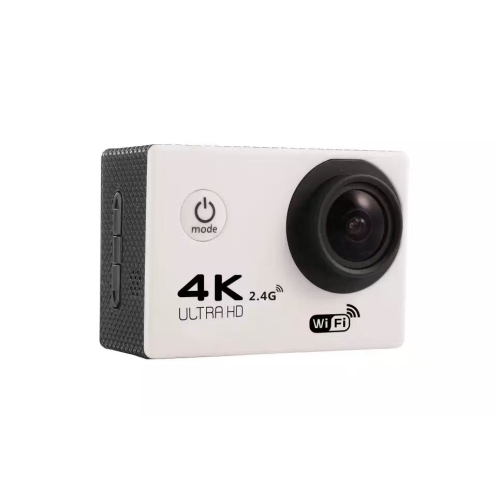
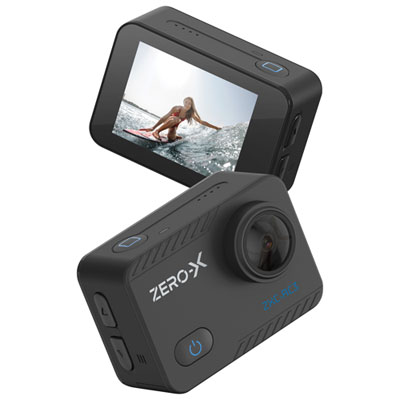
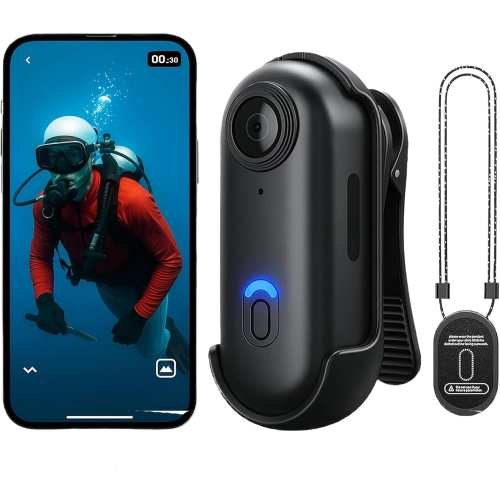
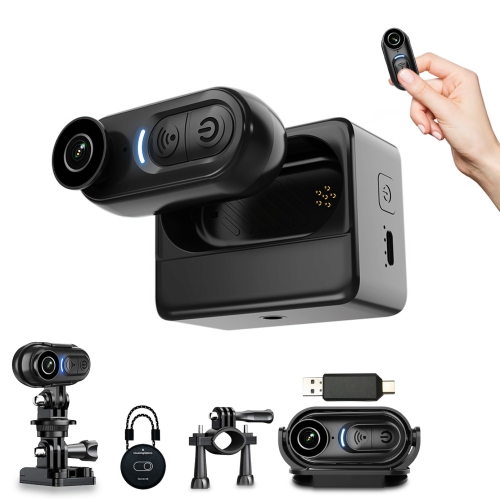
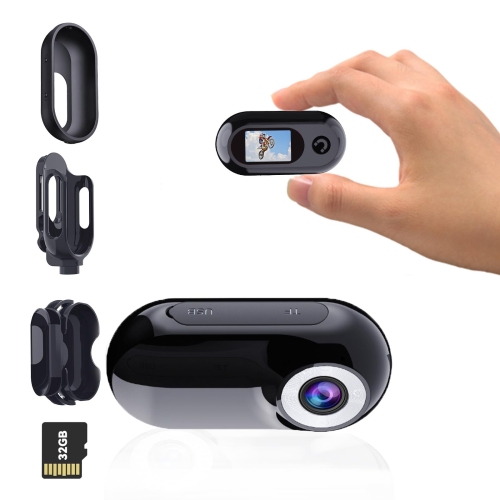
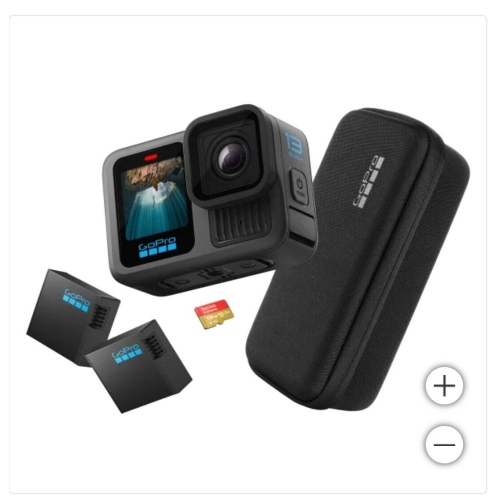
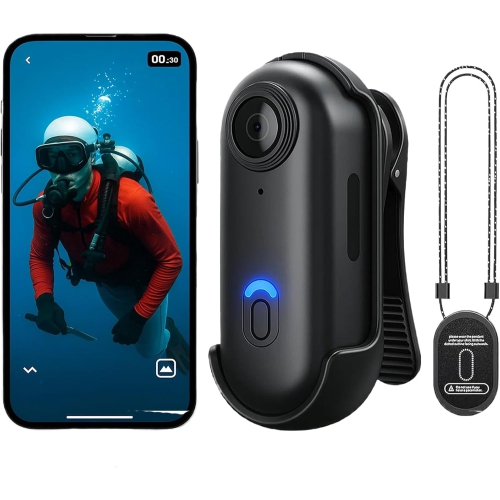
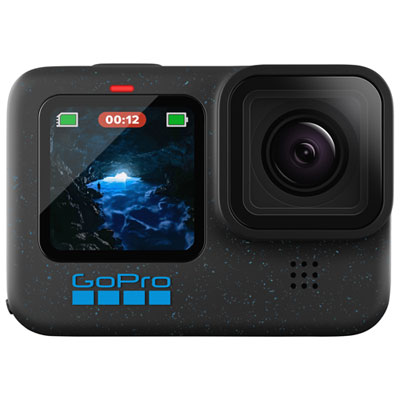
Cycle helmet cameras let you record rides from a rider’s perspective, whether you’re commuting or exploring new routes. Compare cycling cameras by video resolution, battery life, image stabilization and helmet-mount compatibility to find an option that suits your rides and recording needs.
Read More

Sort

Cycle Helmet Cameras

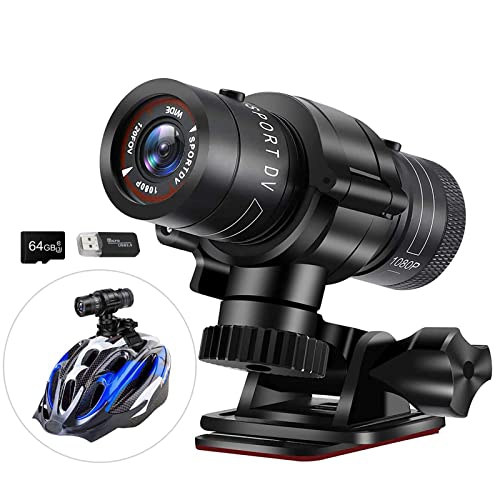
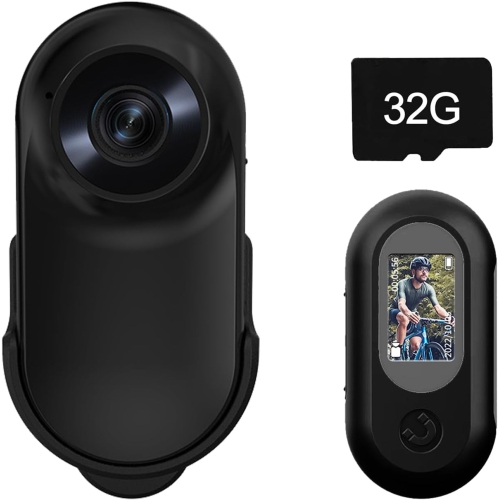
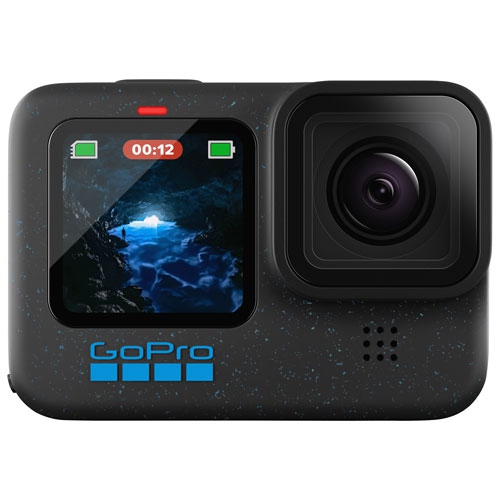
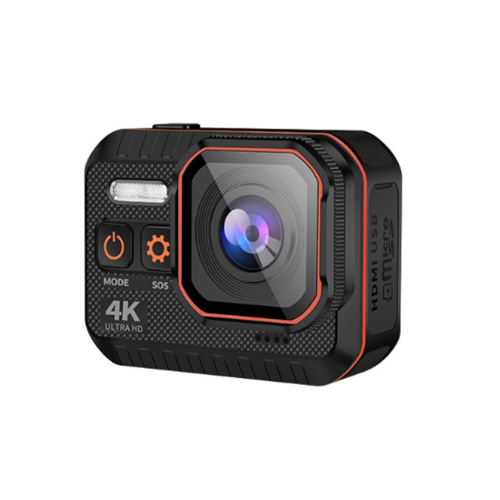
Cycle Helmet Cameras let cyclists capture a ride from their own point of view, whether that means a quiet morning commute, a winding gravel route or a weekend on the trails. Mounted on a compatible helmet, a compact camera can capture the changing scenery and the moments that are easy to miss while concentrating on the road ahead: sunlight spilling across a bridge, a friend cresting a hill or the final stretch of a long climb. For everyday riders, footage can provide a useful record of a journey, although what it captures depends on the camera’s position, settings and visibility. For recreational cyclists and mountain bikers, it offers a way to revisit favourite routes, share highlights and review riding technique. The right choice comes down to how you actually ride. A short trip across town calls for different battery life and storage capacity than an afternoon exploring backroads, while rough trails place greater demands on image stabilization and mounting security.

Image quality matters, but resolution is only one part of a useful cycling video. Higher resolutions can preserve more detail when cropping or viewing footage on a larger screen, while higher frame rates can make fast movement look smoother in suitable lighting. Stabilization helps reduce the vibration and jolts that come with uneven pavement, gravel and roots, though results vary by camera and shooting mode. If your usual ride starts before sunrise or ends after work in fading light, pay attention to low-light performance rather than resolution alone. A wide field of view can include more of the road and surrounding activity, but very wide settings may make distant details appear smaller and introduce distortion near the edges. Positioning deserves just as much thought: a camera aimed too low may capture mostly pavement, while one tilted too high can miss what is happening directly ahead. A short test clip before setting out is a practical way to check the angle. Wind can overwhelm built-in microphones at cycling speeds, so riders who want clear commentary should also consider audio options and any compatible accessories they require.

Comfort and compatibility are especially important when a camera will sit on your helmet for an entire ride. Compare the weight of the camera and mount together, and check that the mounting system is suitable for both your helmet and your intended activity. Follow the helmet and camera manufacturers’ mounting instructions; never drill into or modify a helmet, and avoid setups that interfere with its fit, straps or ventilation. Battery runtime should suit your longest outings, with some allowance for cold weather and power-hungry settings such as high-resolution capture and wireless connections. Check whether a memory card is included, which card specifications are required and how easily footage transfers to your phone or computer. Weather resistance is another practical consideration for Canadian rides, where a dry departure can turn into a wet trip home; confirm the camera’s stated protection and whether it needs a separate housing. Simple controls, clear status indicators and an easy-to-use companion app can make the difference between a camera that gets used regularly and one that stays in a drawer. As a gift, a helmet camera can be a thoughtful choice for a keen commuter, trail rider or cycling enthusiast who enjoys sharing their outings, particularly when the mounting accessories match their existing gear. Set up the camera before moving, stop safely to make adjustments and be mindful of other people’s privacy when sharing footage.

Read More

FAQ

Some products may be subject to Environmental Handling Fees (EHF) depending on your province. Learn more about EHFs.