Air Conditioners for High Humidity
Air Conditioners For High Humidity are designed to help create a more comfortable indoor space when moisture levels rise. Excess humidity can make rooms feel warmer and less inviting, so choosing the right air conditioner can make a noticeable difference in your home or workspace. Explore a selection of models that are well-suited for tackling high humidity, offering options for various room sizes and installation preferences. Find the right solution to maintain cool, pleasant air even during the most humid days.
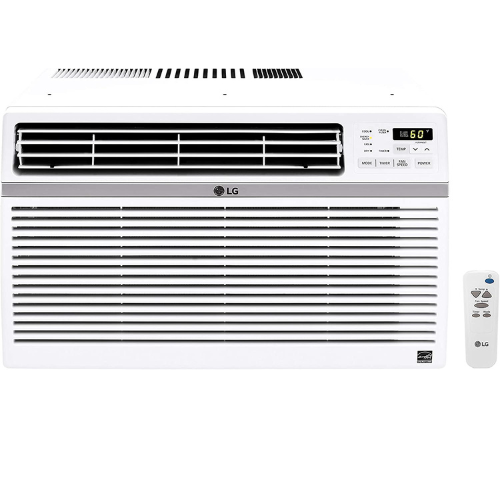
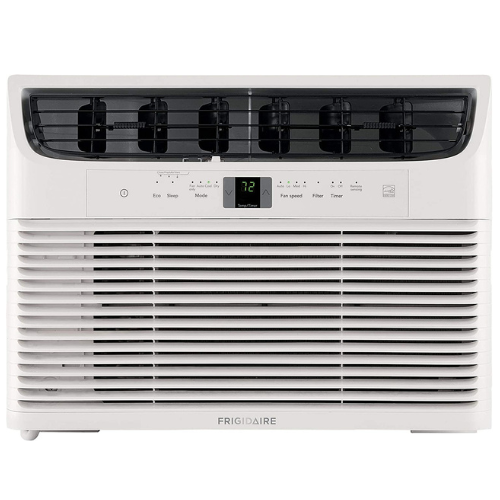

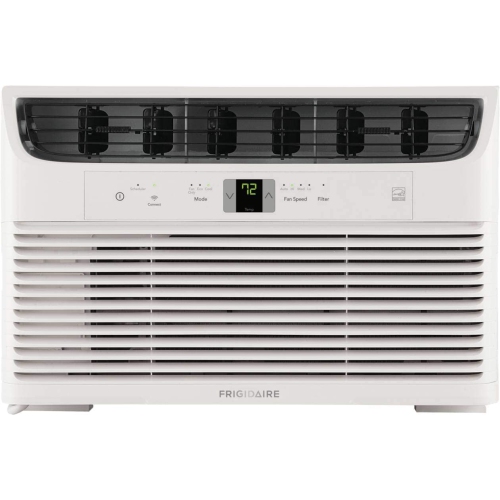
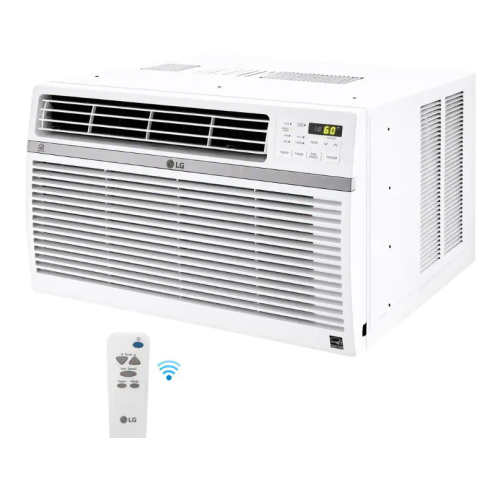
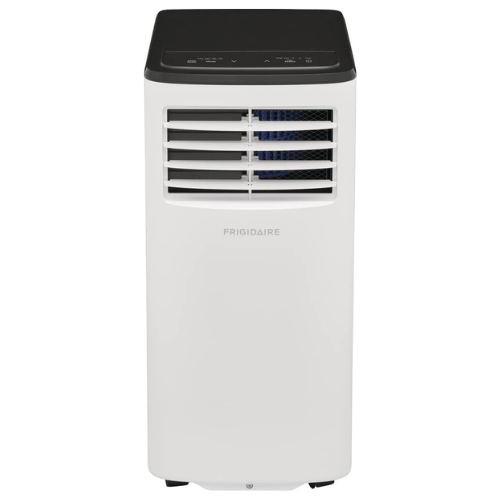
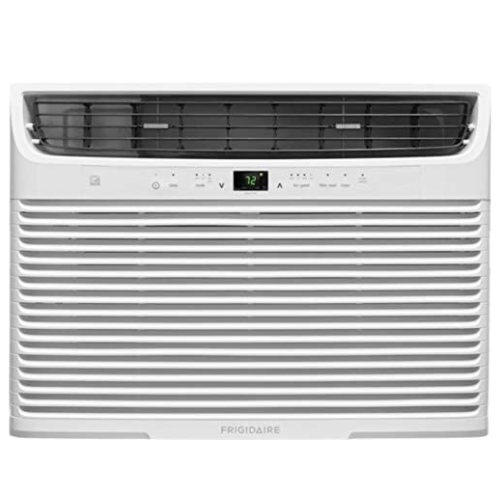
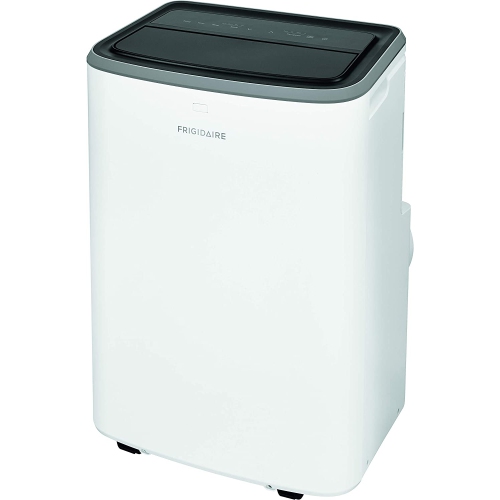
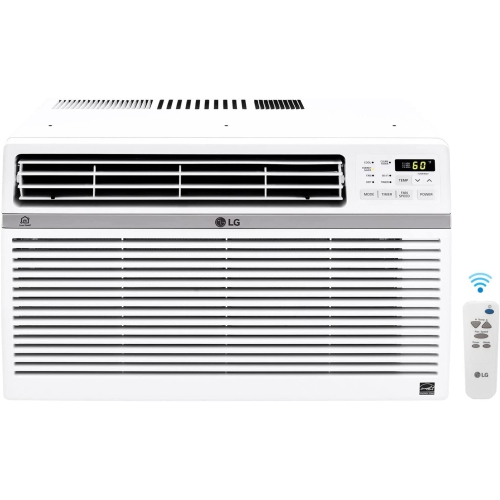
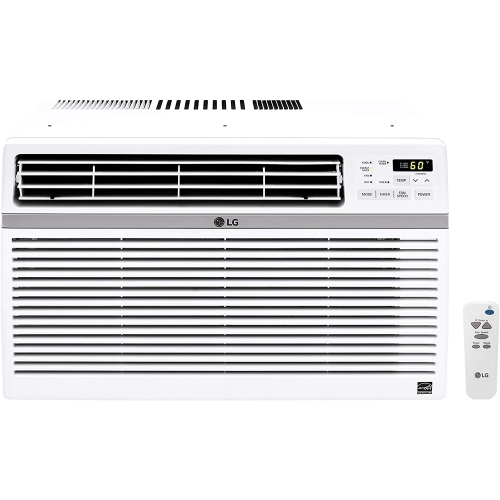
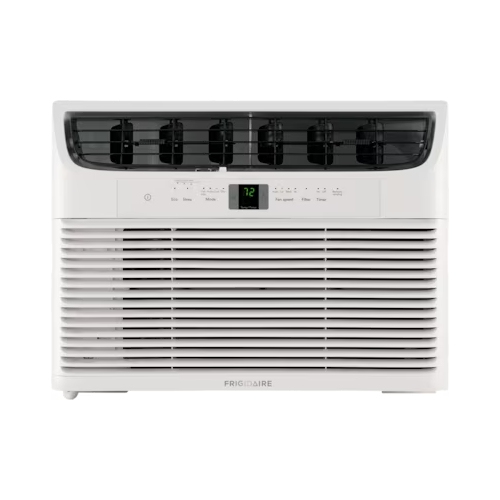
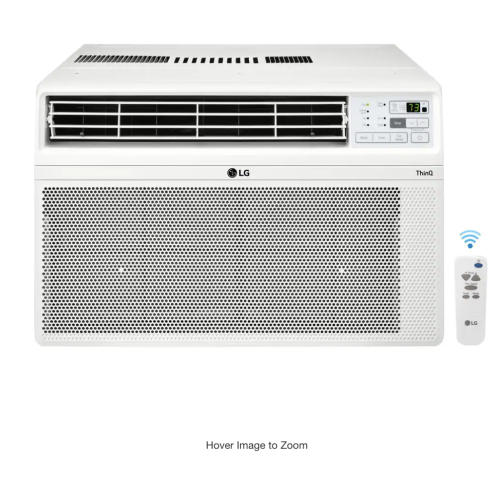
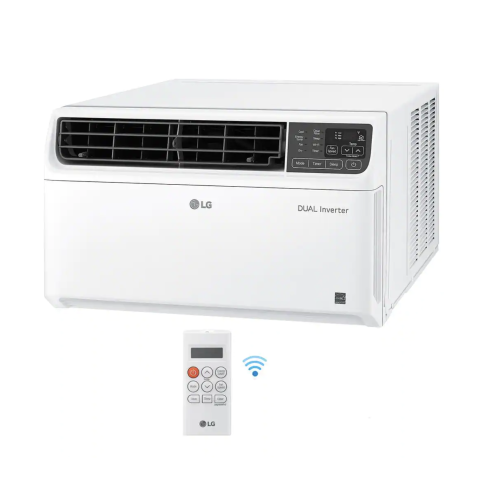

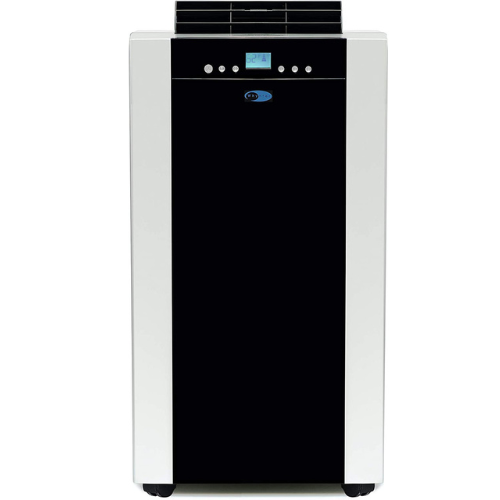
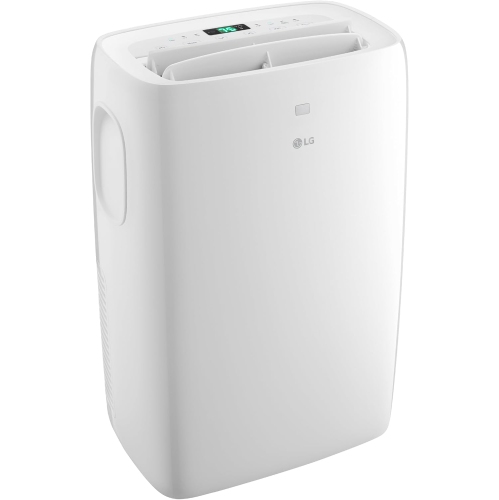
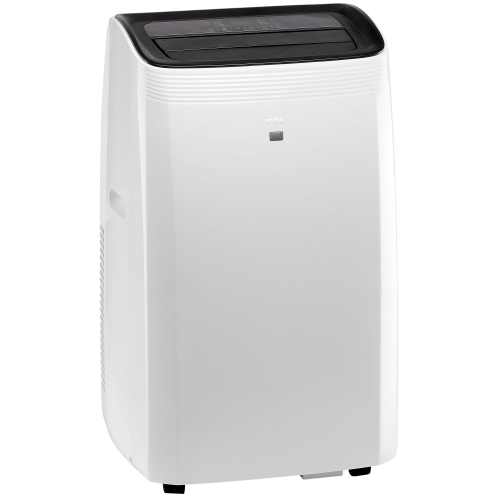


Cooler, drier rooms through the muggiest days and nights
When considering an air conditioner for high humidity, it’s important to think about the size of your space and the unit’s capacity to manage both temperature and moisture. Larger rooms or open-concept areas may require a more powerful model, while smaller bedrooms or offices can benefit from compact, energy-efficient options. Features like programmable timers, remote controls, and adjustable fan speeds allow for customized comfort, letting you set the perfect atmosphere for relaxing evenings, productive afternoons, or restful sleep. If you love entertaining, an efficient air conditioner ensures your guests stay comfortable even when the house fills with laughter and conversation. These units also make thoughtful gifts for new homeowners, students heading off to university, or anyone setting up a home office—practical, appreciated, and often essential in areas where humidity is a persistent concern. For those dealing with particularly damp environments, pairing your air conditioner with a dedicated moisture-control solution can be especially effective. Explore options like Dehumidifiers for High Humidity Areas to further enhance your indoor air quality and comfort.
As the seasons shift from the peak of summer toward the milder days of fall, humidity levels can remain high, particularly after a rainfall or during a stretch of warm weather. Having an air conditioner equipped to tackle both heat and humidity ensures your living spaces stay fresh and comfortable, no matter what the forecast brings. The relief of stepping into a cool, dry room after a day outdoors is hard to overstate—whether you’re unwinding after work, spending time with family, or simply enjoying a quiet moment to yourself. Many people find that managing indoor humidity helps protect their belongings too, from preserving wooden furniture to preventing musty odours in closets and basements. Investing in the right air conditioner is about more than just temperature control; it’s about creating a home that feels welcoming and comfortable all season long.
FAQ
What features should I look for in an air conditioner for high humidity areas?
When choosing an air conditioner for high humidity, look for models with built-in dehumidification modes, adjustable fan speeds, and energy-efficient ratings. Features like auto-evaporation systems and washable filters can also help maintain optimal indoor air quality.
How does an air conditioner help manage humidity indoors?
Air conditioners remove moisture from the air as part of the cooling process. As warm, humid air passes over the unit's cold evaporator coils, condensation forms and is drained away, reducing overall indoor humidity levels.
Can I use an air conditioner and a dehumidifier together in high humidity environments?
Yes, using both can be beneficial in extremely humid conditions. While many air conditioners have dehumidifying capabilities, a dedicated dehumidifier can provide additional moisture control if needed.
Are there specific maintenance tips for air conditioners used in humid climates?
In humid climates, it's important to regularly clean or replace filters, check and clear drainage lines to prevent clogs, and ensure the unit’s coils are free from dust and debris to maintain efficient operation.
Do all types of air conditioners work well in high humidity areas?
Most modern air conditioners are designed to handle varying humidity levels, but some types—like portable or window units with strong dehumidification settings—may perform better in consistently humid environments compared to basic models.
Top selling and popular products
-
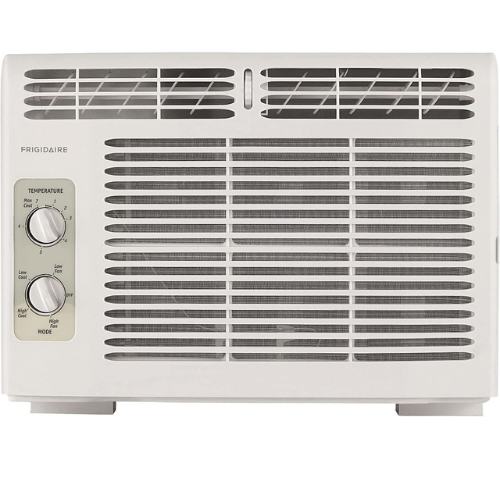 Your price for this item is $400
-
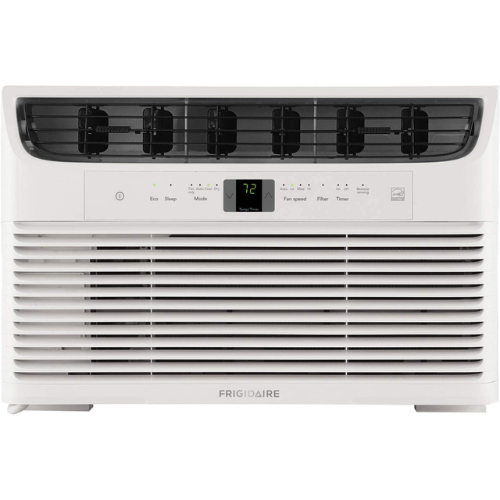 Your price for this item is $799
-
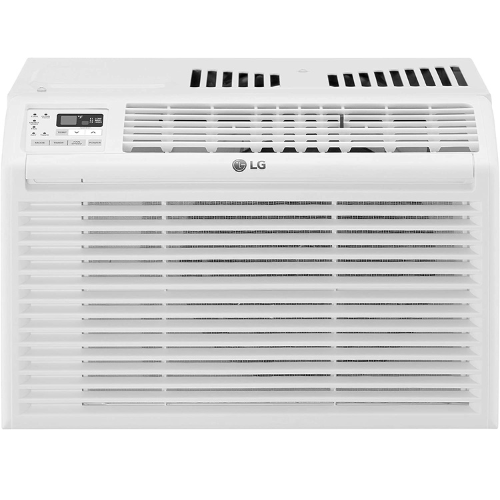 Your price for this item is $699
-
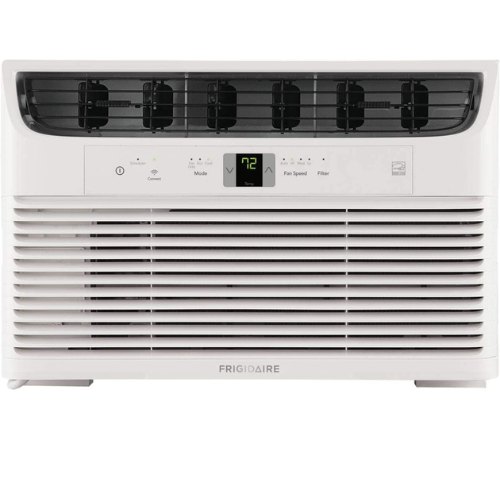 Your price for this item is $399
-
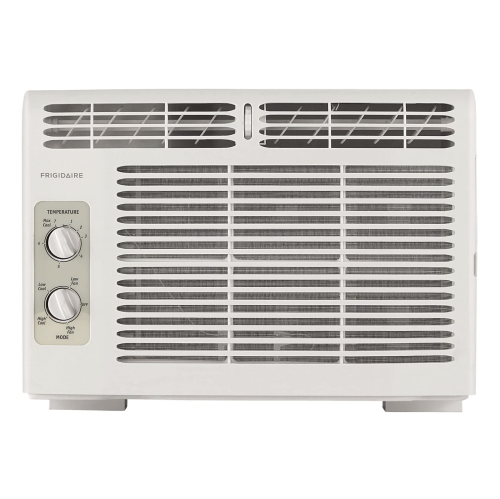 Your price for this item is $429
-
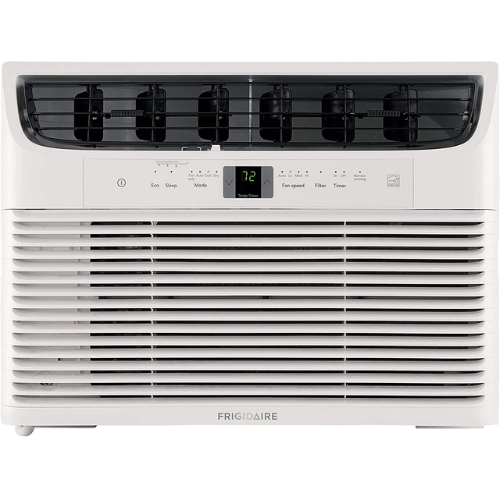 Your price for this item is $873.99
-
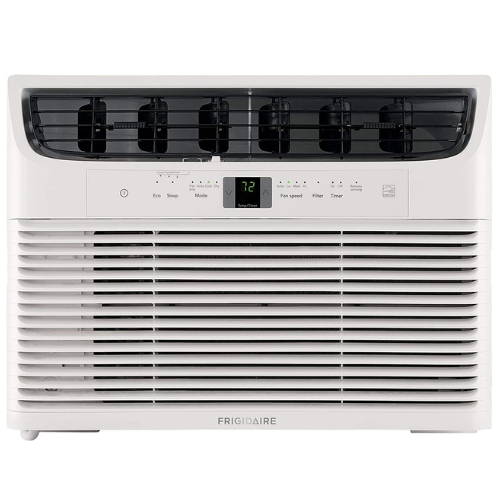 Your price for this item is $695
-
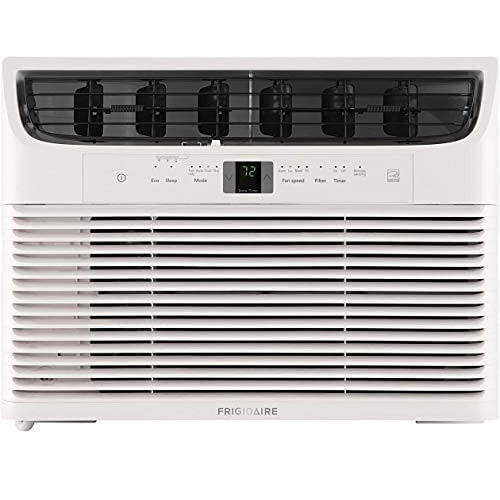 Your price for this item is $829