Quietest Window Air Conditioners
If you're looking for a window air conditioner that's quiet, you've come to the right place. We researched dozens of models and found that the quietest models are generally those with the smallest motors and fans, as well as those that use energy-efficient technology. Here are our top picks for the quietest window air conditioners. Looking for more features? Check our selection of windows air conditioners with Wi-fi connectivity.
Sort




Why quieter cooling takes more than a low decibel rating
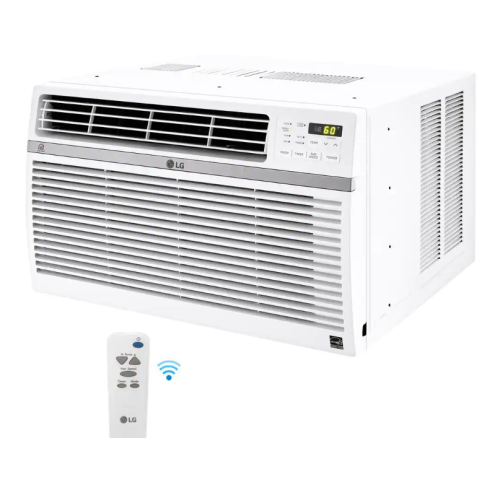
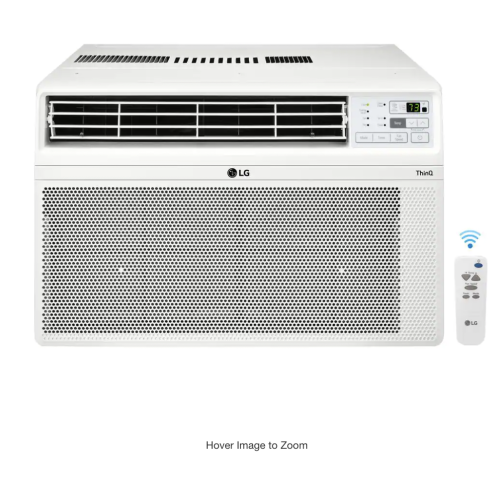
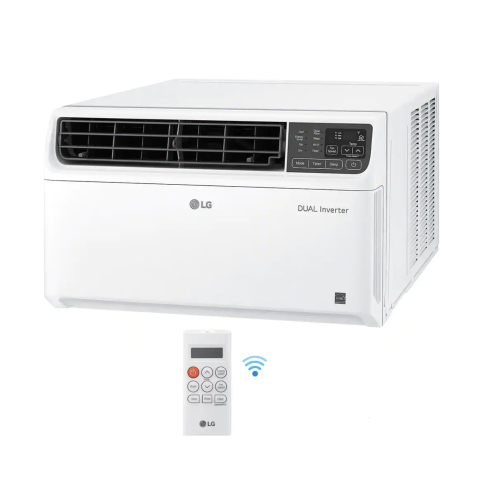
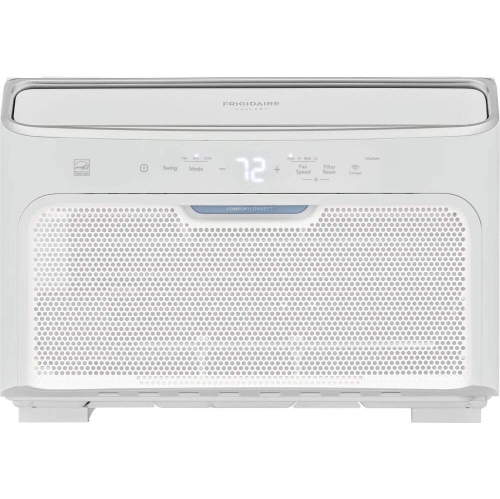
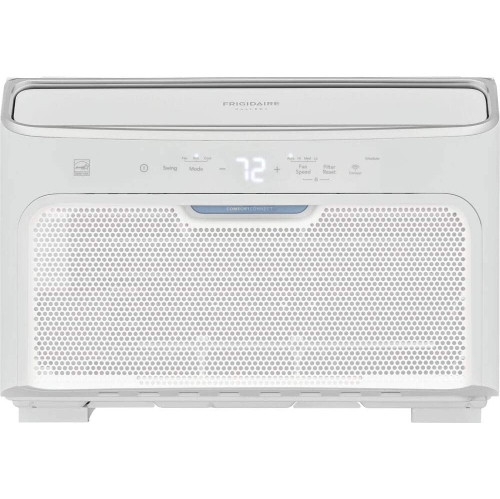
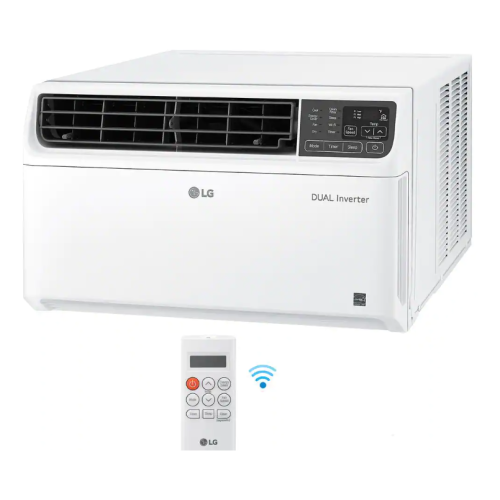
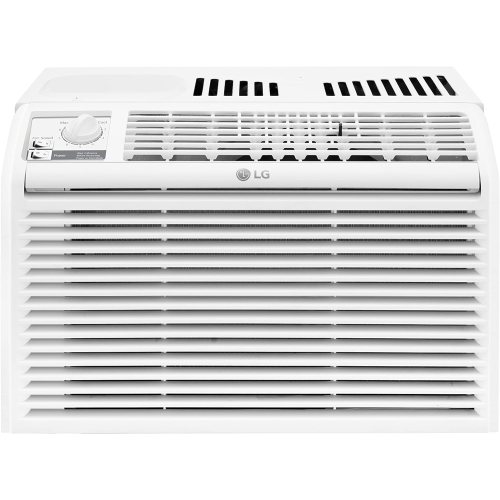
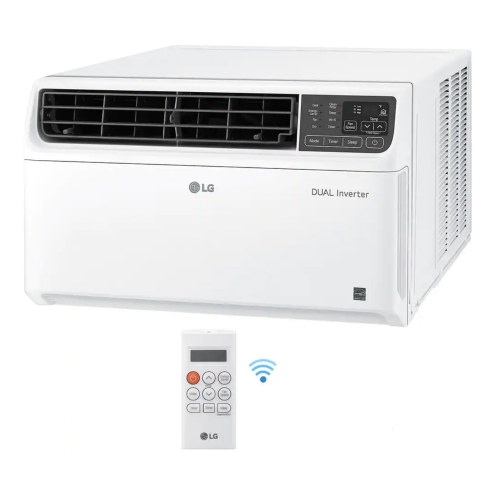
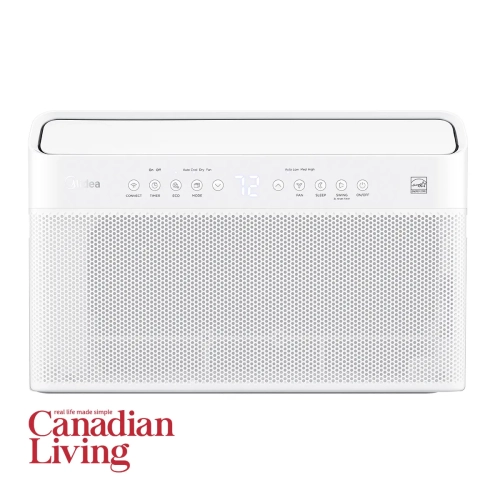
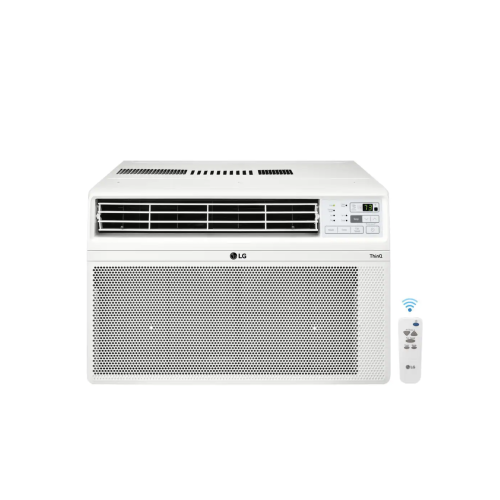
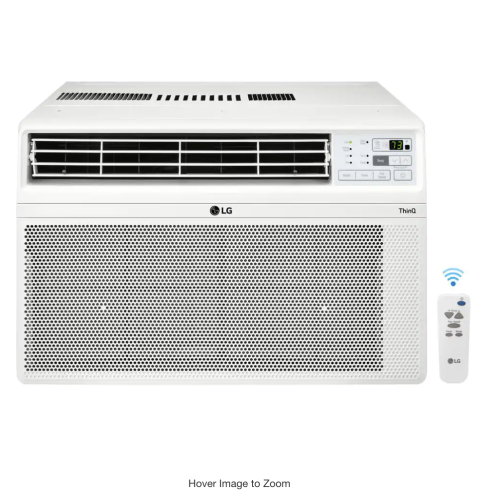
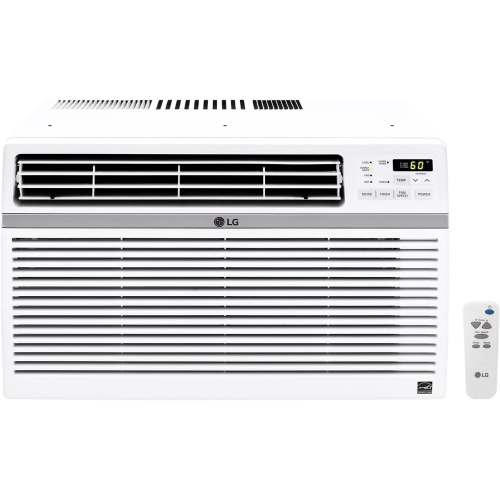
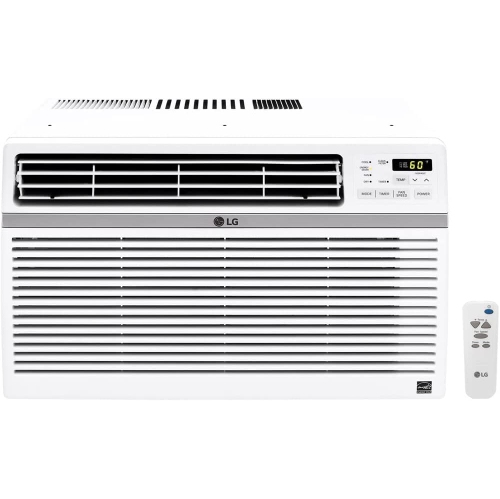
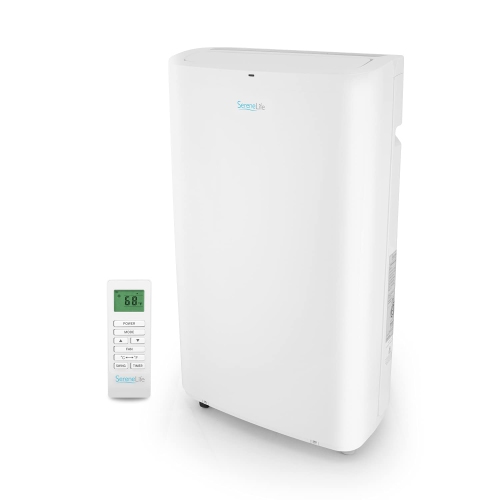
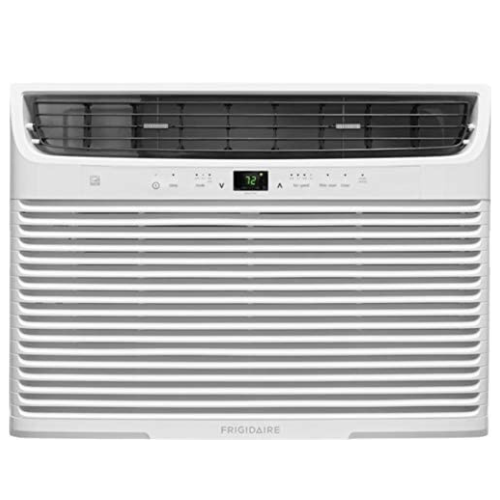
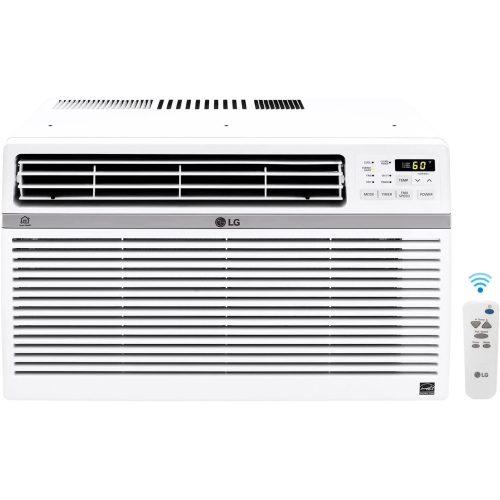
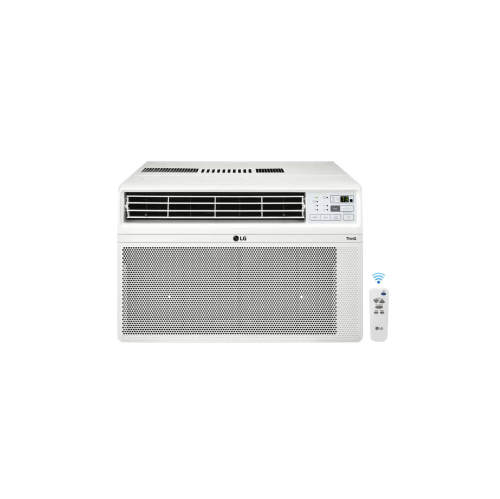
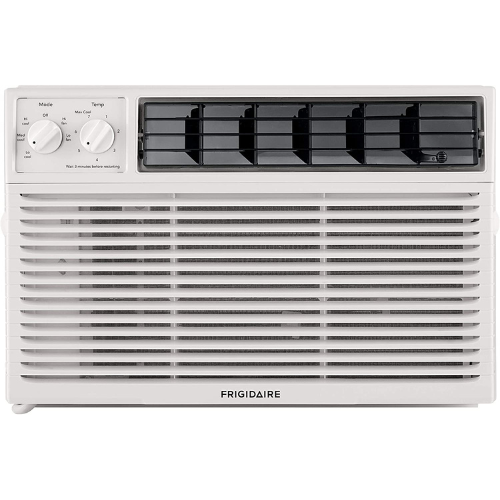
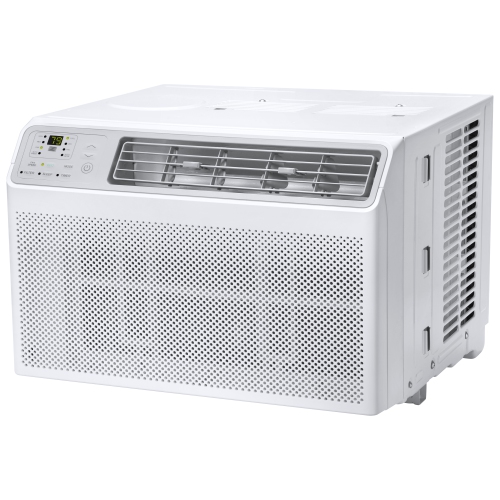
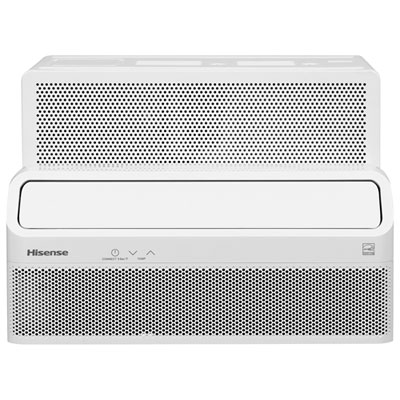
The quietest window air conditioners bring together low operating sound, steady cooling and a secure fit, making warm rooms more comfortable without a constant mechanical presence. In a bedroom, that can mean less disruption when the compressor starts during the night; in a home office, it can mean less background hum beneath a video call. Quiet performance depends on more than a single sound rating. Fan speed, compressor operation, airflow and installation all affect what reaches the listener, while loose window hardware can turn a modest vibration into an audible rattle. Manufacturer sound ratings expressed in A-weighted decibels, or dBA, offer a useful point of comparison when the operating mode and testing conditions are similar. A figure measured at the lowest fan speed does not describe how a unit will sound while working at full capacity, and indoor and outdoor sound measurements are not interchangeable. The character of the sound matters, too: a smooth rush of air may be less noticeable than repeated clicks, buzzing or abrupt changes in pitch. Inverter compressors can support quieter operation by adjusting their speed to cooling demand rather than relying solely on repeated full-power starts and stops. Variable fan speeds provide another way to balance airflow and sound as a room reaches the desired temperature. Some U-shaped and saddle-style designs position the compressor outside with the window sash between the indoor and outdoor sections, helping reduce the amount of compressor noise entering the room. These designs still produce sound, and their suitability depends on the window and installation requirements. For shoppers browsing Silent Window Air Conditioners, “silent” is best understood as a description of quieter operation rather than a promise of complete silence. The most meaningful match is a window air conditioner that stays unobtrusive during the activities that matter in that room, whether that is reading beside a lamp, settling a child for a nap or listening to dialogue at a comfortable television volume.
Cooling capacity and window fit are just as important as the sound specification when choosing a quiet window air conditioner. Capacity is commonly expressed in British thermal units per hour, usually shortened to BTU, with a recommended room area provided by the manufacturer. Floor area is a starting point rather than the whole picture: high ceilings, strong afternoon sunlight, several occupants and heat from cooking or electronics can increase cooling needs. A unit with too little capacity may spend long periods running at higher output, while an oversized conventional unit may cycle off before removing enough moisture, leaving the space cool but clammy. A correctly sized unit is better placed to maintain an even temperature without unnecessary changes in operation. Bedrooms, enclosed dens and compact offices are natural settings for window cooling, while open doorways and connected living spaces make temperature control less predictable. Physical compatibility deserves the same attention. Many window air conditioners are built for single-hung or double-hung windows that open vertically; horizontally sliding and casement windows generally need equipment specifically designed for those openings. The required opening width, opening height, sill clearance and permitted window construction all matter, especially with designs that extend below or around the sash. A sturdy metal cabinet, intact mounting hardware and properly fitted side panels help create a stable installation. Weather seals close gaps around the unit, while secure supports help limit movement that can cause rattling. Insulating foam should not substitute for structural support, and drainage positioning should always follow the manufacturer's directions rather than a general rule about tilting the cabinet. Window air conditioners can be heavy and awkward to lift, so installation may require two people or professional help. Rental agreements, condominium rules and access to required emergency exits can also affect placement. A suitable grounded outlet and the electrical supply specified for the unit are essential; extension cords and power bars are not appropriate substitutes for the required connection.
Everyday features determine how easily quiet cooling fits into a household's routines. A low fan setting can provide a gentler sound once the room is comfortable, while higher airflow may be useful when a sunlit room first needs cooling. Sleep modes often adjust temperature or fan behaviour overnight, although their exact operation varies, and a dimmable display can be especially welcome when the unit faces the bed. Programmable timers allow cooling to follow a regular schedule, while Wi-Fi controls on suitably equipped units can make adjustments possible without crossing the room. Remote controls are handy for someone working at a desk or relaxing in a chair, and adjustable louvers help direct airflow away from a pillow, paperwork or a frequently used seat. These conveniences do not establish which window air conditioner is quietest, but they can make it easier to use a comfortable setting consistently. Care also has a direct connection to sound and long-term performance. A clogged filter restricts airflow, and dust around accessible vents can interfere with normal operation. Filters should be checked and cleaned or replaced at the intervals specified in the manual; washable filters need to dry fully before being reinstalled. Cleaning should be done with the unit switched off and disconnected from power, using only the methods approved for its surfaces and components. Durable construction still benefits from periodic checks of seals, fasteners and brackets, particularly if a new rattle appears after a period of smooth operation. Outdoor airflow and drainage openings need to remain clear, without furniture, curtains or other obstructions crowding the indoor vents. During cooler months, removal or approved seasonal protection depends on the unit's design, local conditions and the manufacturer's instructions. A removed unit should be drained, dried and stored in the specified orientation to help protect its cabinet and internal parts. For light sleepers, apartment residents and people sharing a living space with someone on a different schedule, these practical details matter as much as a low advertised decibel figure. Quiet cooling is most satisfying when the sound remains steady, the airflow feels comfortable and the installation stays secure throughout daily use.
Cooling capacity and window fit are just as important as the sound specification when choosing a quiet window air conditioner. Capacity is commonly expressed in British thermal units per hour, usually shortened to BTU, with a recommended room area provided by the manufacturer. Floor area is a starting point rather than the whole picture: high ceilings, strong afternoon sunlight, several occupants and heat from cooking or electronics can increase cooling needs. A unit with too little capacity may spend long periods running at higher output, while an oversized conventional unit may cycle off before removing enough moisture, leaving the space cool but clammy. A correctly sized unit is better placed to maintain an even temperature without unnecessary changes in operation. Bedrooms, enclosed dens and compact offices are natural settings for window cooling, while open doorways and connected living spaces make temperature control less predictable. Physical compatibility deserves the same attention. Many window air conditioners are built for single-hung or double-hung windows that open vertically; horizontally sliding and casement windows generally need equipment specifically designed for those openings. The required opening width, opening height, sill clearance and permitted window construction all matter, especially with designs that extend below or around the sash. A sturdy metal cabinet, intact mounting hardware and properly fitted side panels help create a stable installation. Weather seals close gaps around the unit, while secure supports help limit movement that can cause rattling. Insulating foam should not substitute for structural support, and drainage positioning should always follow the manufacturer's directions rather than a general rule about tilting the cabinet. Window air conditioners can be heavy and awkward to lift, so installation may require two people or professional help. Rental agreements, condominium rules and access to required emergency exits can also affect placement. A suitable grounded outlet and the electrical supply specified for the unit are essential; extension cords and power bars are not appropriate substitutes for the required connection.
Everyday features determine how easily quiet cooling fits into a household's routines. A low fan setting can provide a gentler sound once the room is comfortable, while higher airflow may be useful when a sunlit room first needs cooling. Sleep modes often adjust temperature or fan behaviour overnight, although their exact operation varies, and a dimmable display can be especially welcome when the unit faces the bed. Programmable timers allow cooling to follow a regular schedule, while Wi-Fi controls on suitably equipped units can make adjustments possible without crossing the room. Remote controls are handy for someone working at a desk or relaxing in a chair, and adjustable louvers help direct airflow away from a pillow, paperwork or a frequently used seat. These conveniences do not establish which window air conditioner is quietest, but they can make it easier to use a comfortable setting consistently. Care also has a direct connection to sound and long-term performance. A clogged filter restricts airflow, and dust around accessible vents can interfere with normal operation. Filters should be checked and cleaned or replaced at the intervals specified in the manual; washable filters need to dry fully before being reinstalled. Cleaning should be done with the unit switched off and disconnected from power, using only the methods approved for its surfaces and components. Durable construction still benefits from periodic checks of seals, fasteners and brackets, particularly if a new rattle appears after a period of smooth operation. Outdoor airflow and drainage openings need to remain clear, without furniture, curtains or other obstructions crowding the indoor vents. During cooler months, removal or approved seasonal protection depends on the unit's design, local conditions and the manufacturer's instructions. A removed unit should be drained, dried and stored in the specified orientation to help protect its cabinet and internal parts. For light sleepers, apartment residents and people sharing a living space with someone on a different schedule, these practical details matter as much as a low advertised decibel figure. Quiet cooling is most satisfying when the sound remains steady, the airflow feels comfortable and the installation stays secure throughout daily use.
Top selling and popular products
-
 Your price for this item is $400
 -
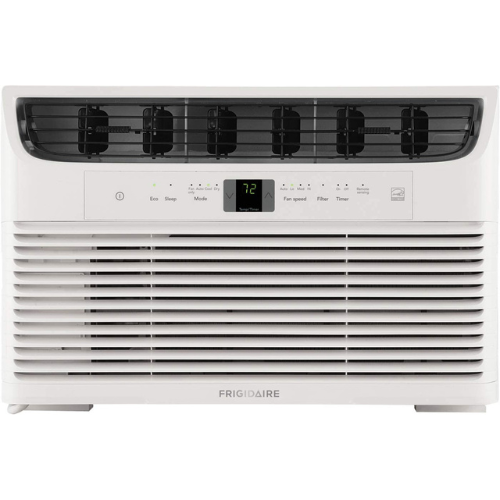 Your price for this item is $799
 -
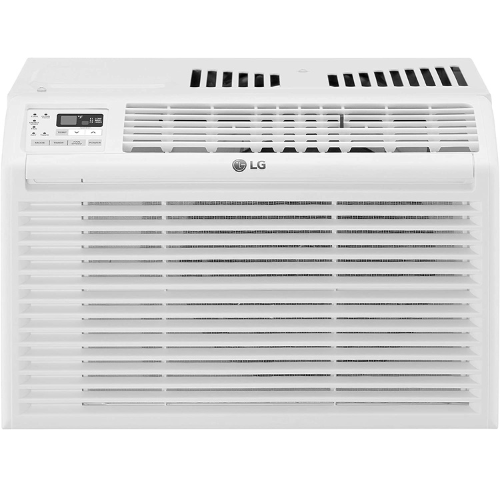 Your price for this item is $699
 -
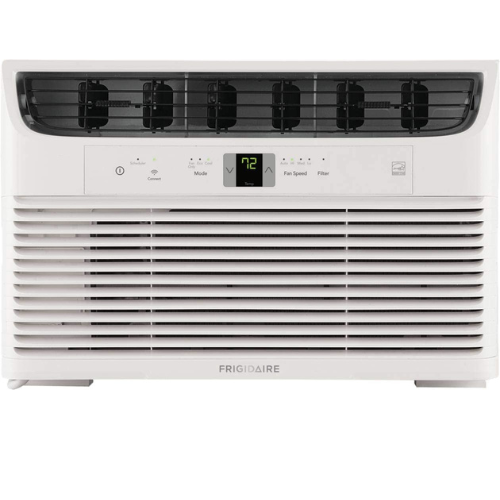 Your price for this item is $399
 -
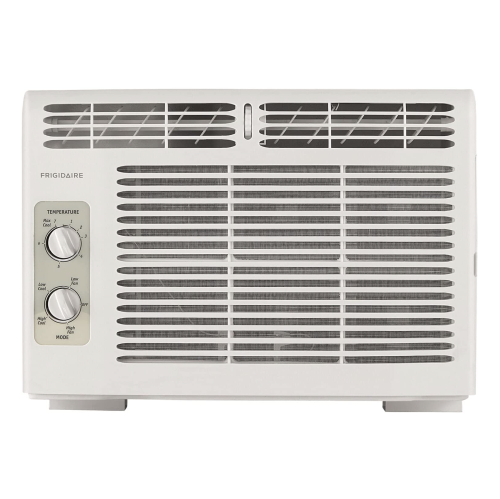 Your price for this item is $429
 -
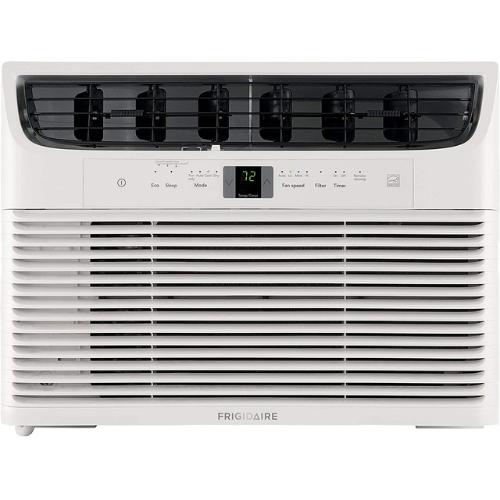 Your price for this item is $873.99
 -
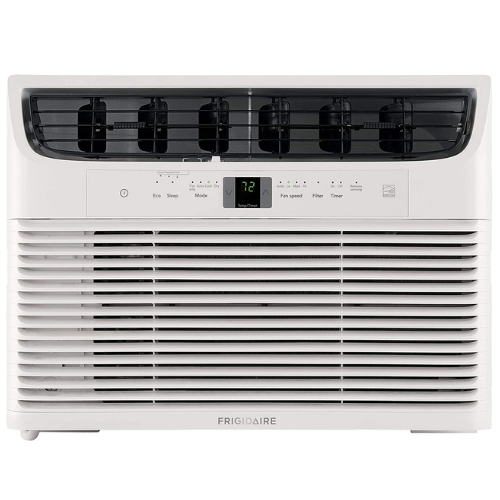 Your price for this item is $695
 -
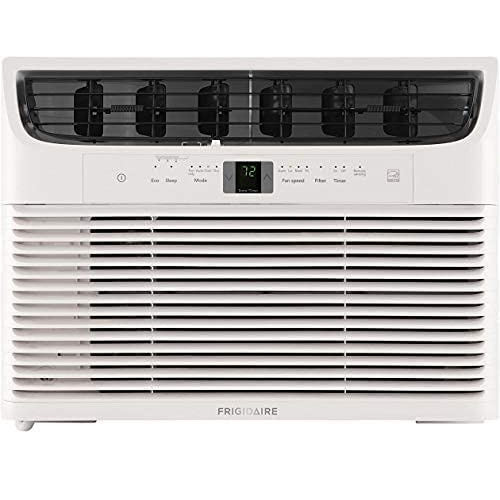 Your price for this item is $829
Discover more categories related to Quietest Window Air Conditioners

Top Collections:
Pokemon Centers, Kindle Devices, Best Budget Office Chairs, Apple iPhones 16, Best Laptops for Writers, iPhone 15 Apple, Canon G7X Cameras, Refurbished Apple Laptops, Alarm Clock, Motorola Razr Phones
Some products may be subject to Environmental Handling Fees
(EHF) depending on your province.
Learn more about EHFs.