Air Pumps for Inflatable Boats

Find air pumps for inflatable boats to help you inflate your boat before heading onto the water. Compare options by valve compatibility, power source, and pressure requirements to choose a pump that suits your boat and where you plan to use it.
Read More

Sort

Why airflow and pressure matter for boat inflation

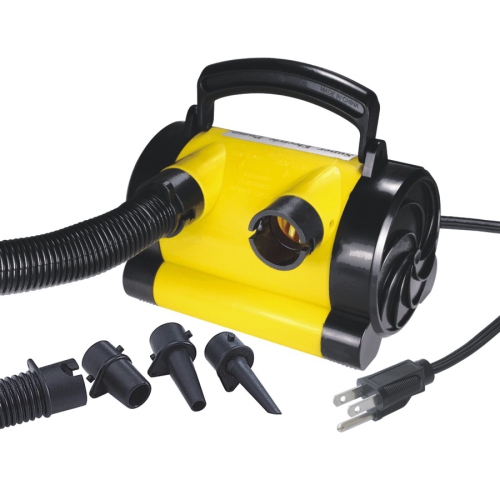
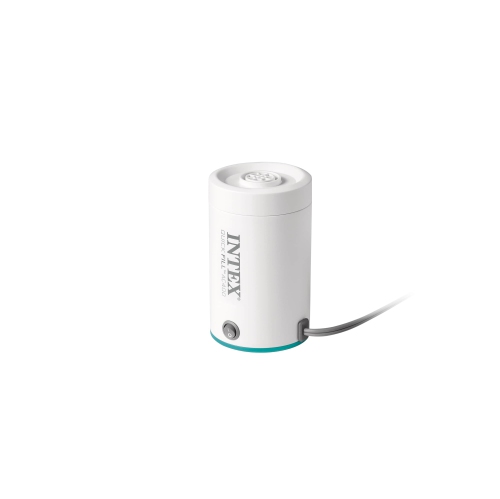
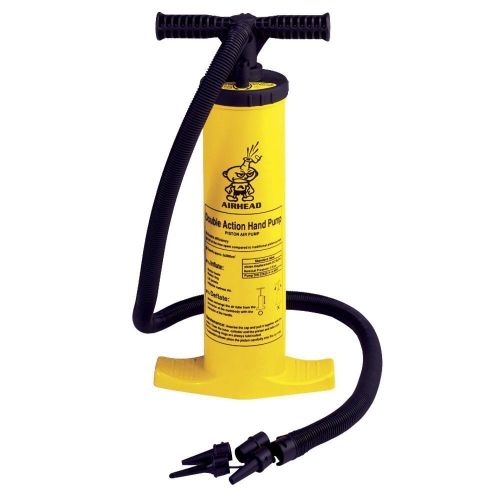
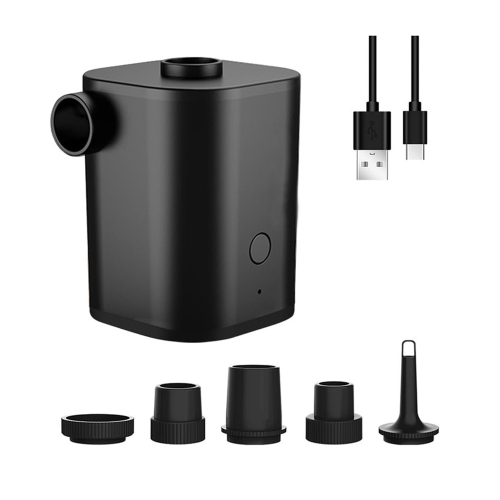
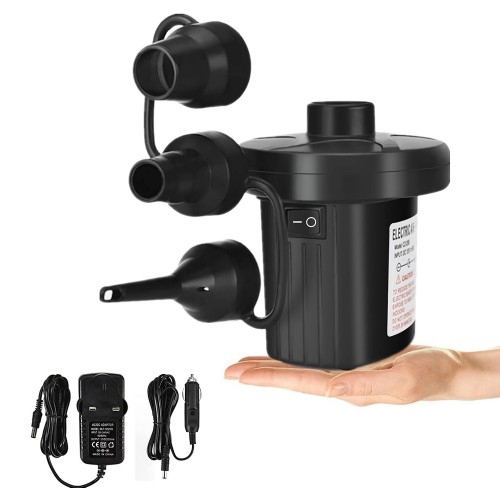
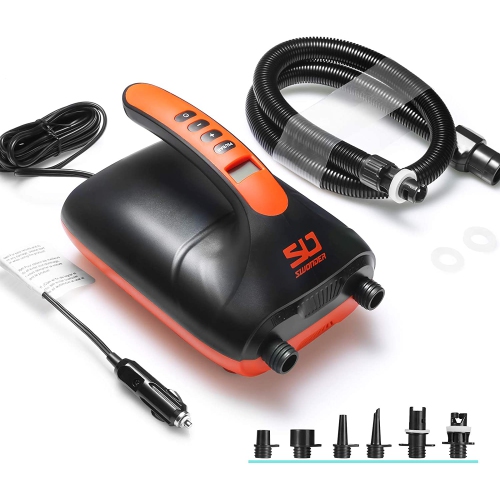
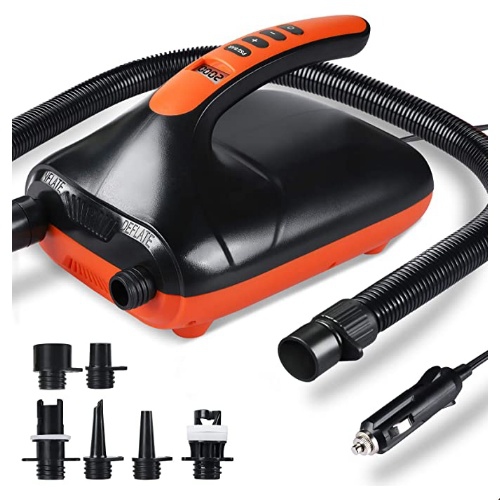
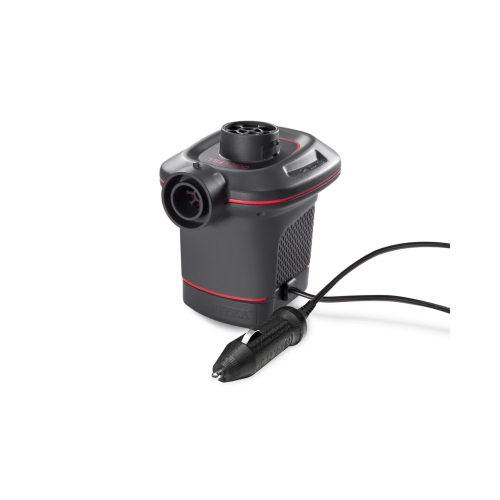
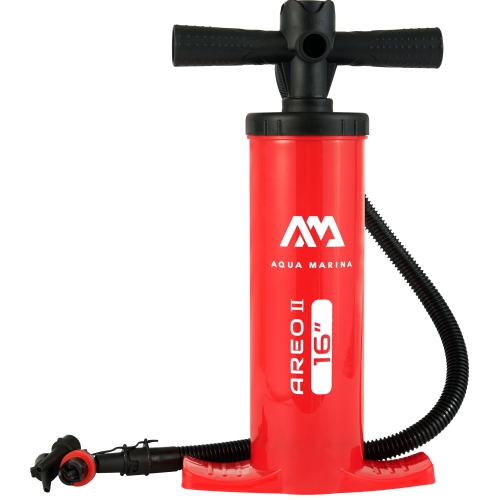
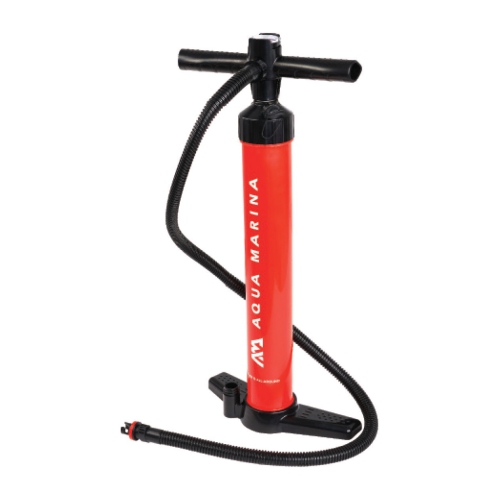
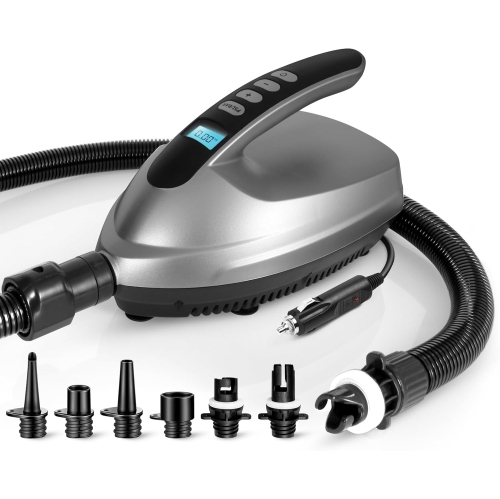
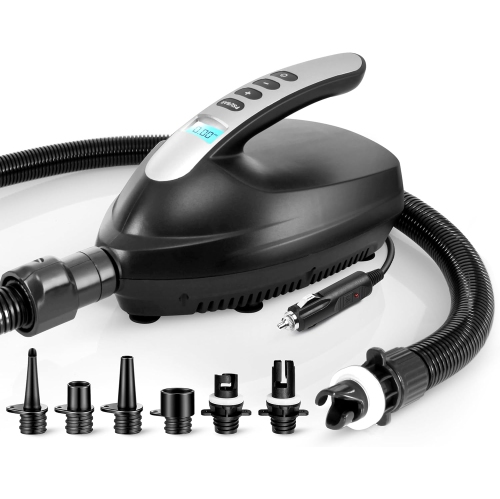
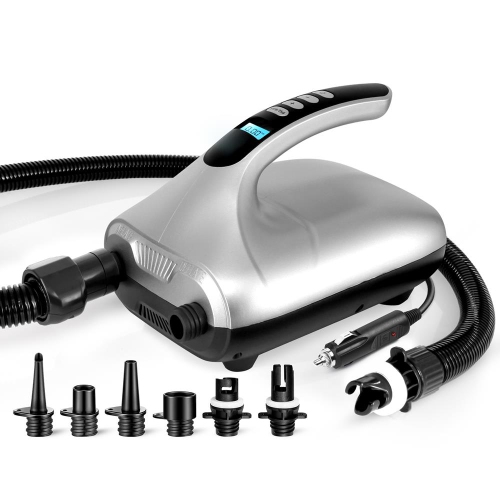
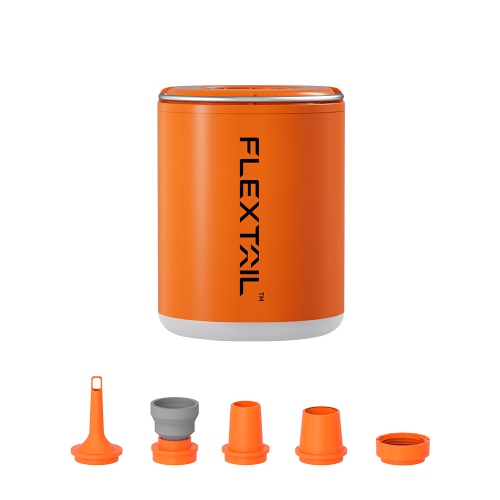
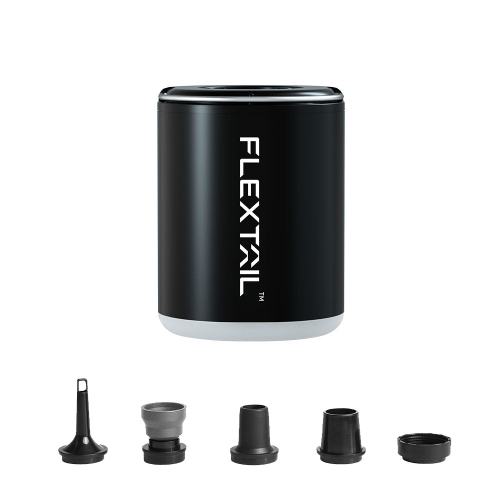
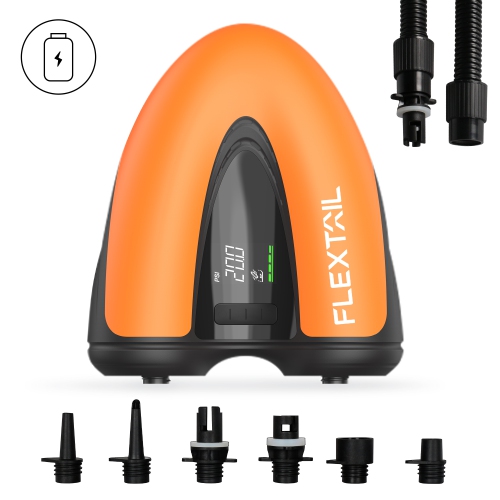
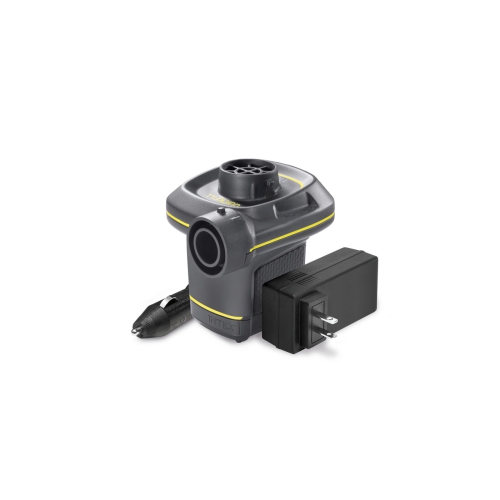
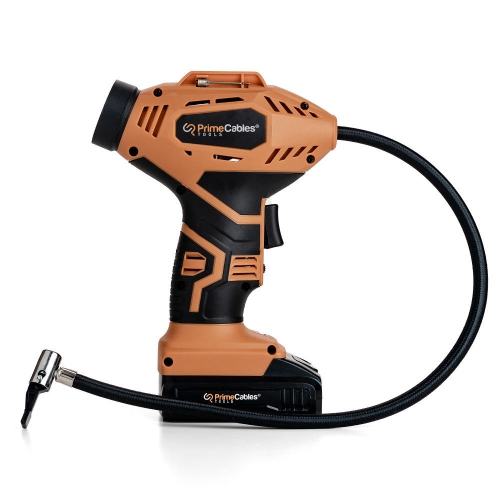
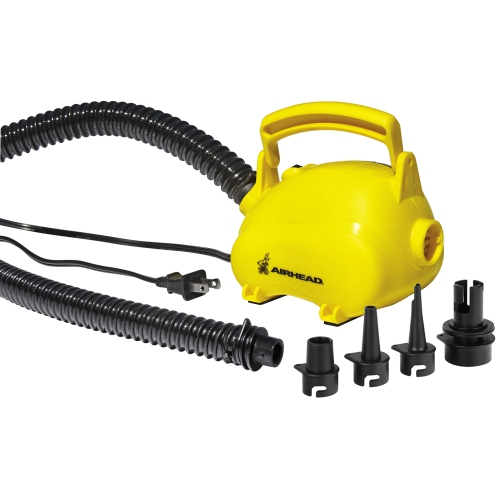
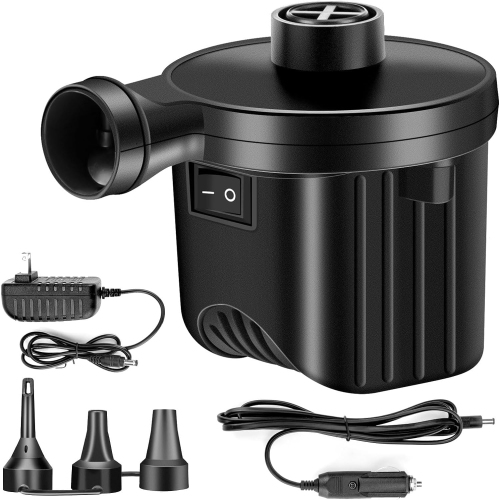
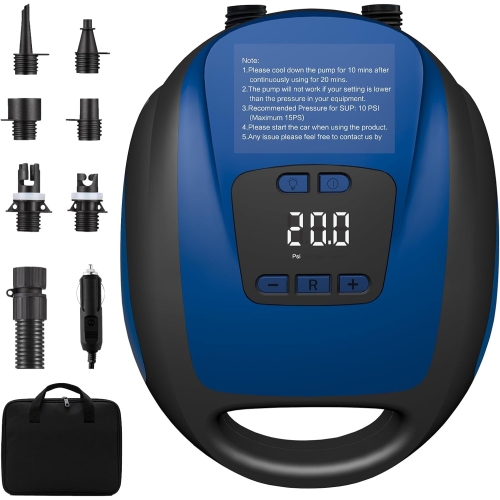
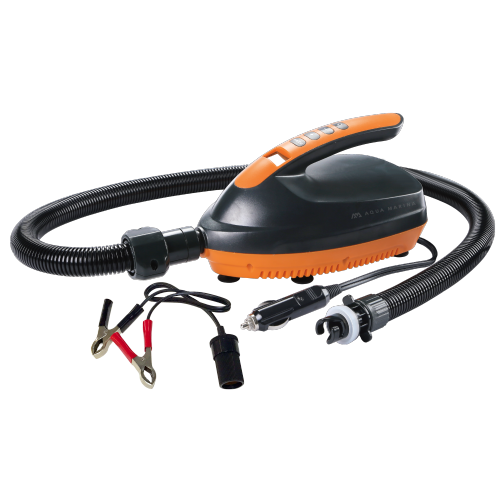
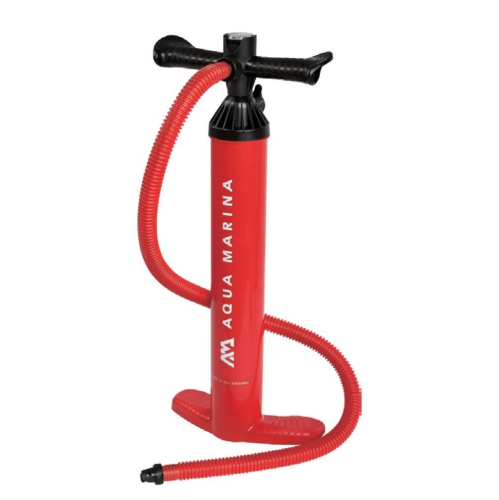
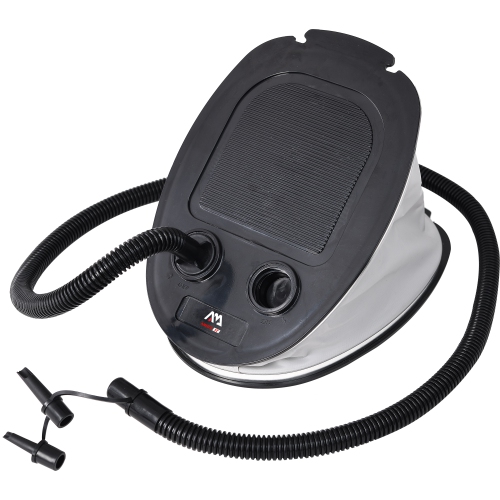
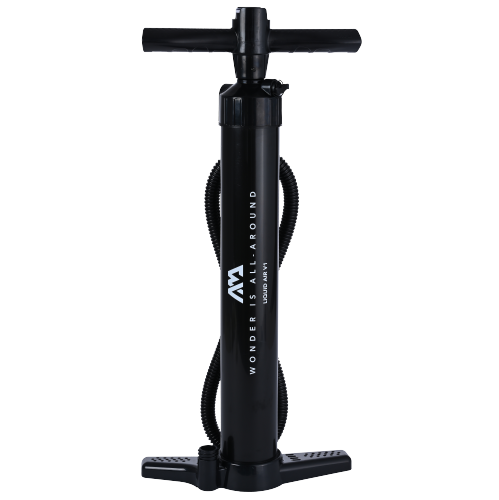
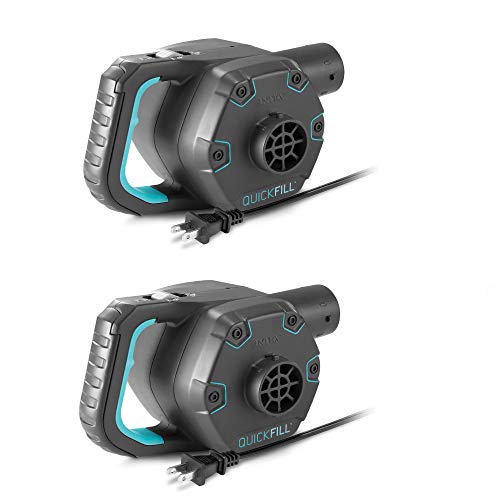
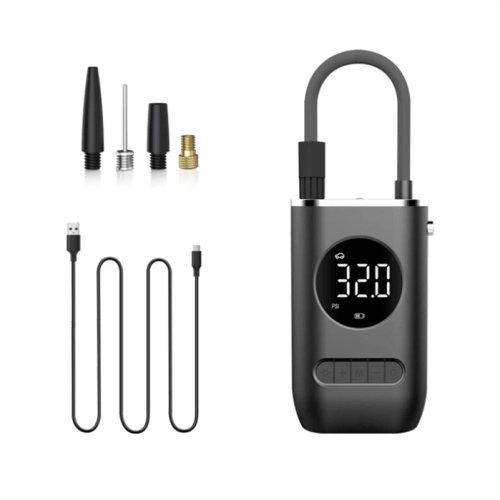
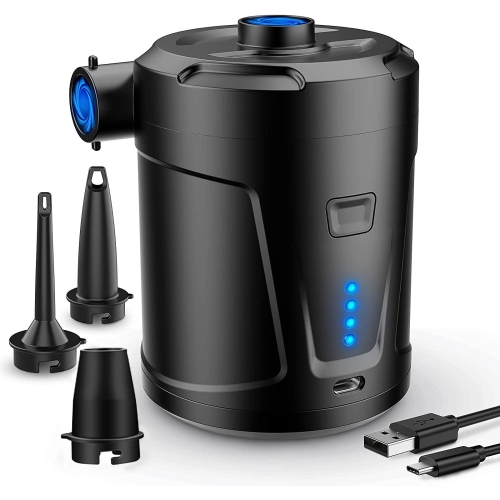
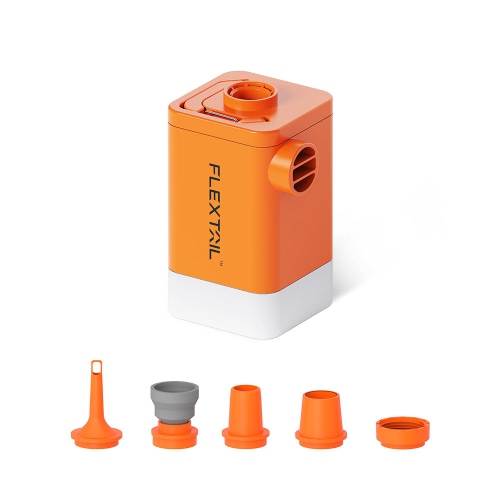
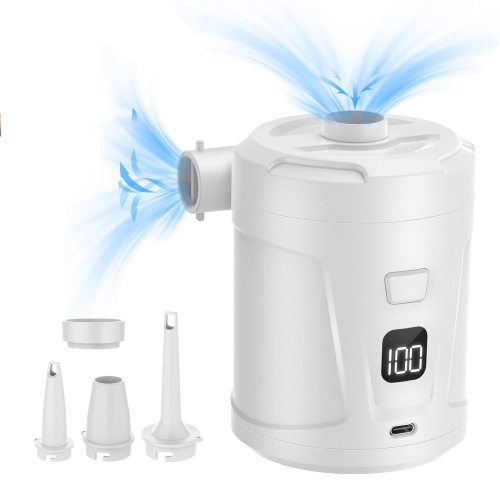
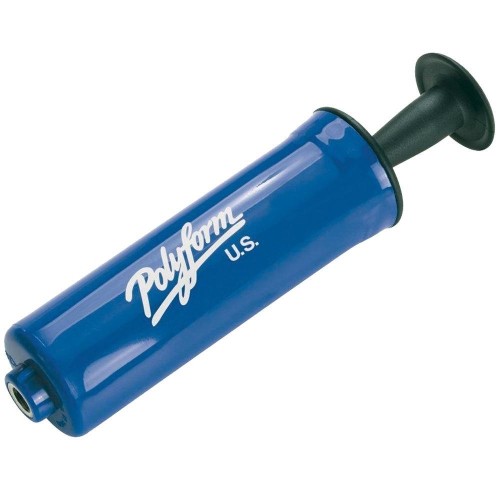
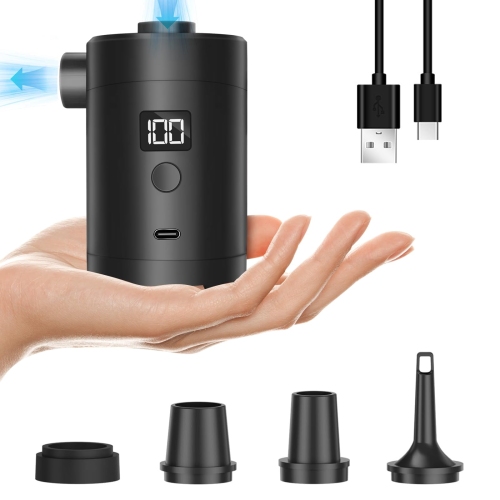
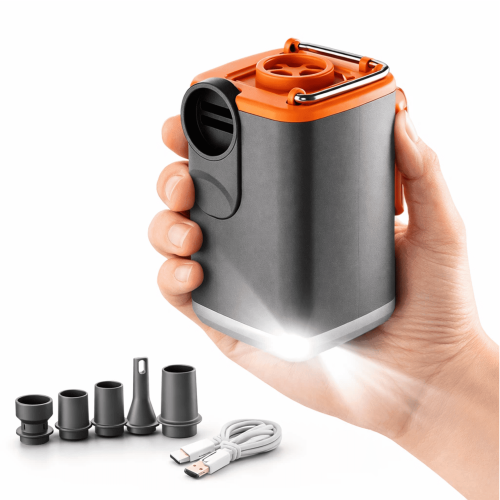
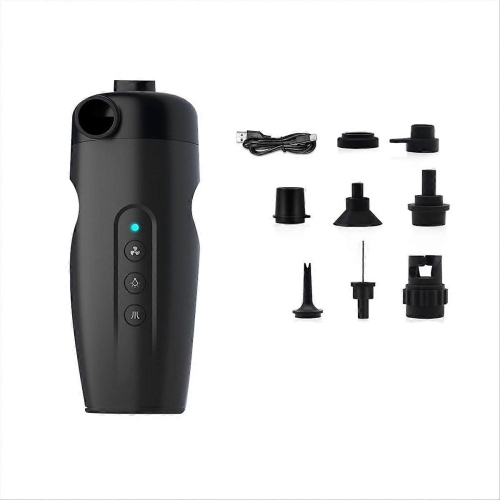
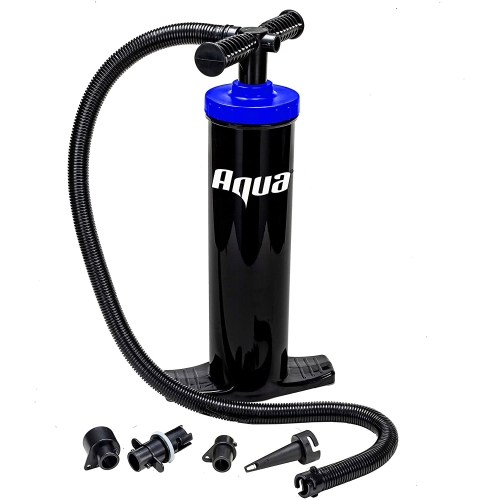
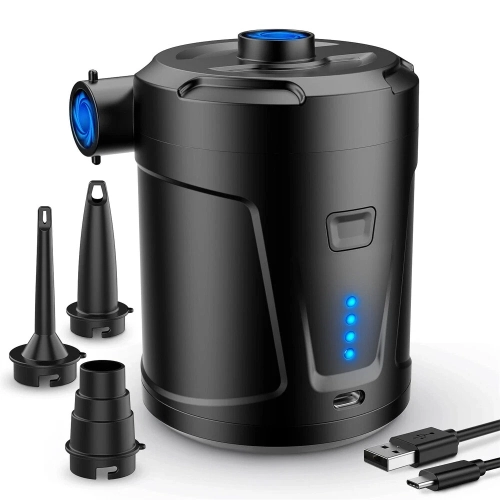
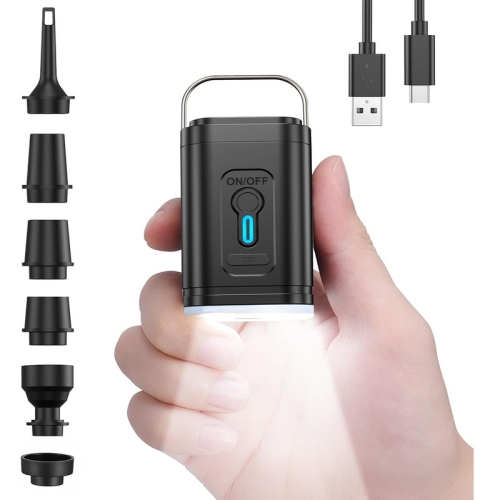
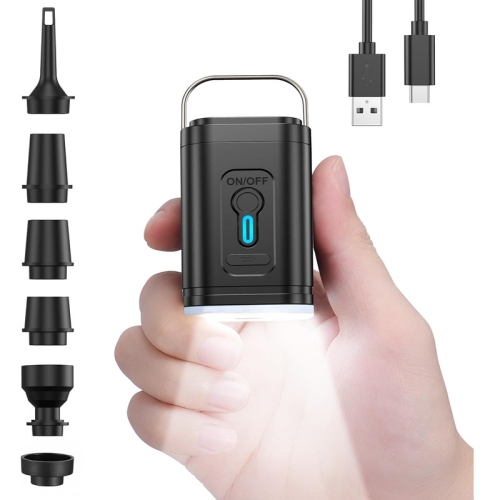
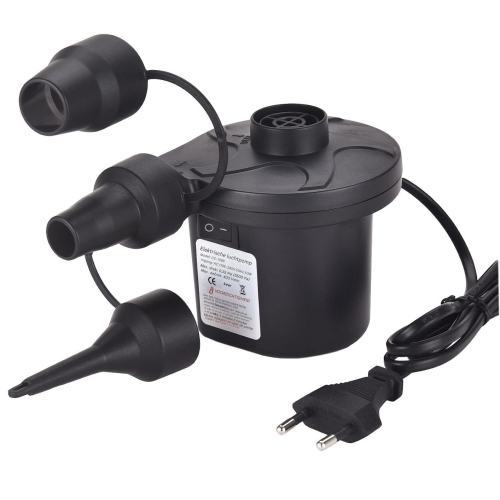
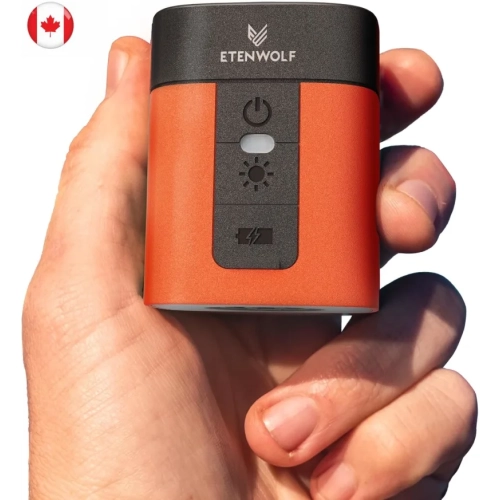
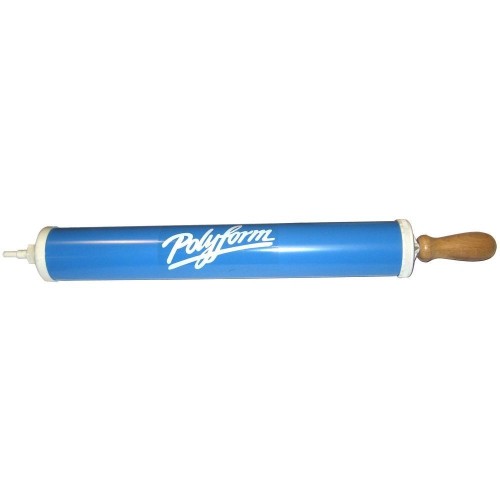
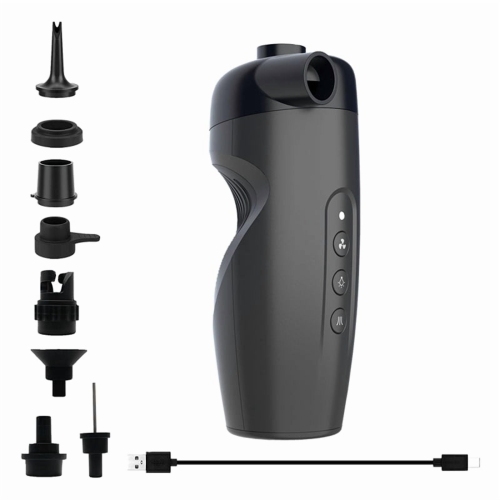
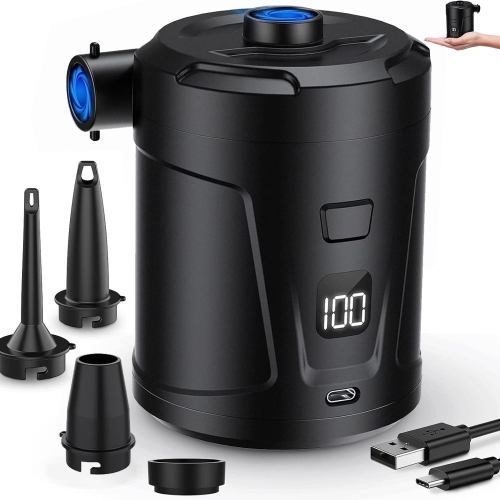
Air pumps for inflatable boats supply the air needed to fill buoyancy tubes, separate chambers, and inflatable floors, helping a packed-down craft take its intended shape and firmness before use. The most important distinction is between moving a large volume of air and reaching the boat’s required pressure: a pump that fills spacious tubes quickly may not deliver enough pressure for a rigid inflatable floor. Manual hand pumps, foot pumps, 12V electric pumps, and rechargeable pumps suit different setups, from inflating a small tender beside a dock to preparing a larger fishing boat at a launch ramp. A hand pump gives direct control over inflation, while a foot pump lets the user work from a standing position with the hose connected to the valve. Dual-action hand pumps move air on both the upward and downward strokes; some can switch to single-action operation as resistance increases. Manual pumps need no electrical connection and make practical backup equipment when boating away from a vehicle or powered dock. A 12V electric pump draws power from a compatible vehicle or boat connection and can reduce the effort involved in filling several large chambers. High-volume, low-pressure electric pumps are useful for bulk inflation, but a compatible manual pump may still be needed to reach the specified final pressure. Two-stage electric pumps combine rapid initial filling with a higher-pressure stage, and models with pressure presets and automatic shut-off can stop at a selected target within their operating range. Rechargeable air pumps offer portability when the boat is being assembled beyond the reach of a power cable, although battery capacity and pressure capability remain important. For a compact dinghy used on short outings, simplicity and easy packing may matter most. For a boat with multiple tubes and an air floor, the ability to handle both chamber volume and different pressure requirements becomes more significant. These differences make pump type, valve compatibility, and rated pressure more useful points of comparison than physical size alone.

Compatibility starts with the boat’s valves and the pressure specified for each inflatable section. Buoyancy tubes and high-pressure drop-stitch floors can have very different inflation requirements, so a pump suited to one part of a boat is not automatically suited to every chamber. Pressure ratings may be expressed in pounds per square inch, bar, or kilopascals; the gauge or digital display needs to support the relevant unit or allow an accurate conversion. A higher maximum pressure does not make a pump universally suitable, particularly if its airflow is too low to fill large tubes efficiently. Airflow, sometimes stated in litres per minute, describes how quickly air moves, while maximum pressure describes how firmly the pump can pressurize a chamber. Both matter, but they answer different needs. Valve adapters are equally important: threaded, twist-lock, and push-fit connections depend on the valve design, and a nozzle that looks close in size may still leak or fail to engage properly. A secure connection helps keep inflation consistent without requiring someone to hold the hose against the valve throughout the process. Hose length affects how comfortably the pump can sit beside the boat, while a flexible hose is easier to route around seats, floor panels, and other fittings. Reinforced hoses, robust connectors, sound seals, and impact-resistant housings contribute to durability during transport and repeated setup. Manual pumps also benefit from stable bases, comfortable handles or pedals, and mechanisms that move smoothly under load. For electric pumps, clearly marked controls and a readable pressure display make operation easier beside a bulky hull. Automatic shut-off is a useful convenience, but it does not replace the boat manufacturer’s pressure limits or the correct inflation sequence. A gauge reading should represent chamber pressure rather than a restriction caused by a kinked hose or poorly seated adapter. Household or workshop compressors can deliver unsuitable pressure or airflow and should not be treated as interchangeable with purpose-designed inflatable boat pumps unless the boat manufacturer explicitly permits their use.

Day-to-day usefulness often comes down to how neatly the pump fits into the rest of the boating equipment. A lightweight manual pump can travel with a repair kit and spare valve adapters, while an electric pump with a carry case keeps its hose, cable, and connectors together between outings. For a 12V pump, the connection type, cable reach, electrical requirements, and permitted operating time need to match the intended power source. Accessory-socket plugs and direct battery connections are not interchangeable arrangements, and the pump’s instructions determine which connection is appropriate. Continuous run time matters when several chambers need filling: a pump may require pauses between cycles rather than uninterrupted operation. Rechargeable models bring a different consideration, since the number of inflation cycles depends on battery capacity, chamber volume, and target pressure. A charged battery and a manual backup can be useful when setting up a tender at a mooring or preparing a fishing boat away from a vehicle. Deflation capability is another practical feature, helping remove air before a boat is folded into its storage bag, provided the pump and valve arrangement support it. Care is generally straightforward but important. Sand and grit should be kept away from intake openings and valve connectors, hoses should be stored without sharp bends, and equipment should be clean and dry before being packed away. Salt residue on exterior surfaces calls for cleaning according to the pump manufacturer’s instructions, with electrical components protected from water. Seals and adapters deserve occasional inspection because small cracks or wear can cause air loss during inflation. A well-matched pump can be a useful gift for someone who owns an inflatable tender, fishing boat, or recreational dinghy, especially when the recipient’s valve type and pressure requirements are known. Boat owners adding other fittings may also explore Bimini Tops for Inflatable Boats, with frame dimensions and mounting compatibility considered separately. Together, reliable inflation equipment, suitable connections, and organised storage support a smoother transition from a folded boat to a properly prepared craft.
Read More

FAQ

Some products may be subject to Environmental Handling Fees (EHF) depending on your province. Learn more about EHFs.