Electric Bilge Pumps for Boats
Electric bilge pumps for boats help remove water that collects in the bilge. Compare pumps by flow rate, voltage, dimensions, and hose connection size to find a suitable fit for your boat, and check whether each model supports automatic or manual operation.



FAQ
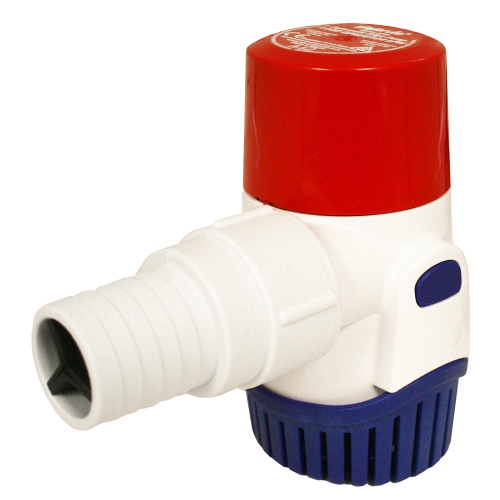
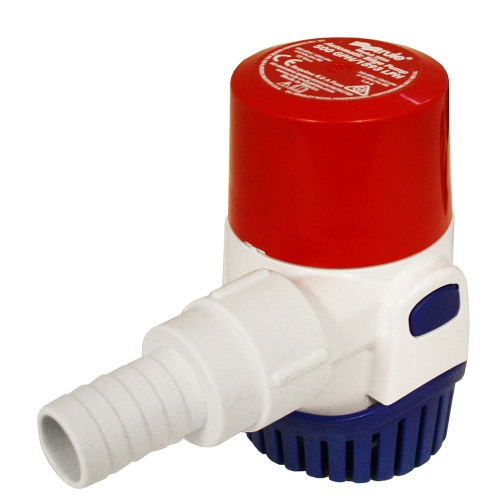
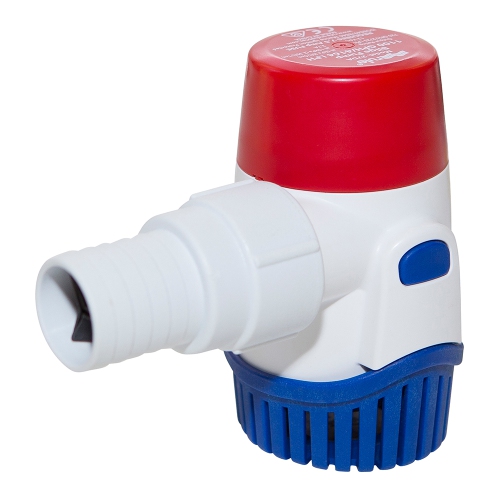
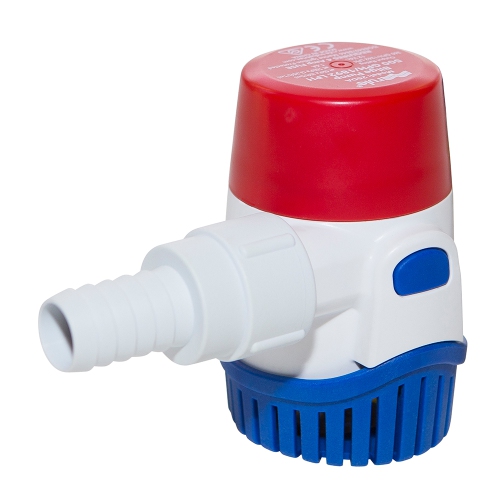
An electric bilge pump is a motor-driven pump used to move water from a boat’s bilge, the low interior area of the hull, through a discharge hose. It typically draws power from the boat’s DC electrical system.
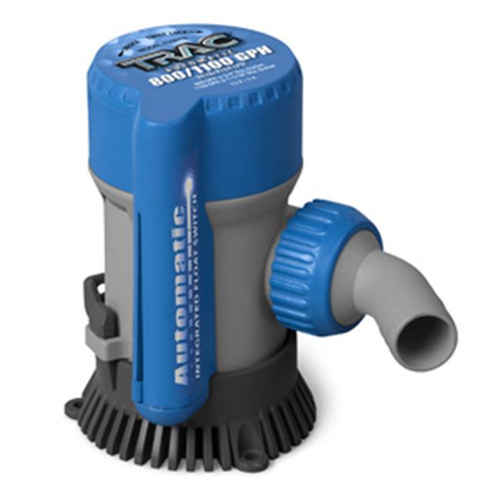
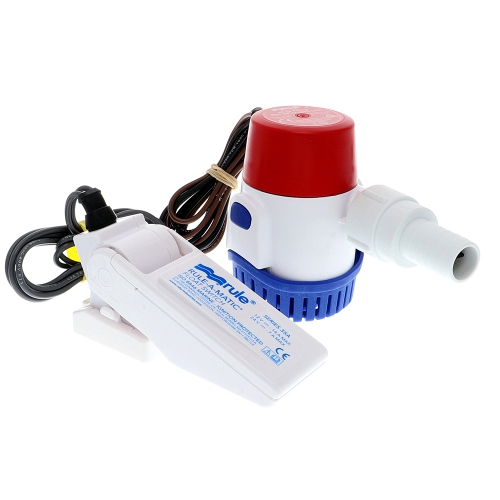
Automatic electric bilge pumps activate through a float switch, an electronic water sensor or a periodic sensing cycle. Manually controlled electric bilge pumps are turned on and off using a switch. Some setups combine automatic activation with a manual control option.
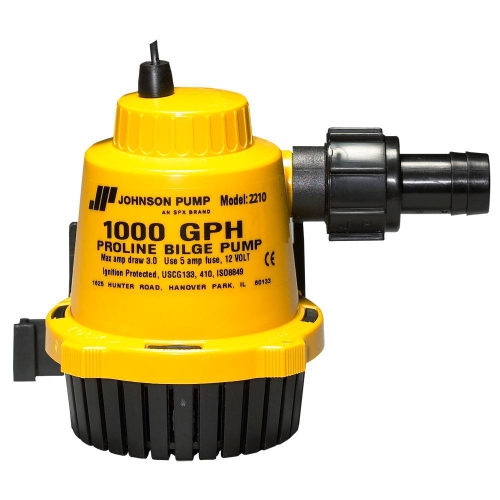
Many electric bilge pumps use 12-volt DC power, while others are designed for 24-volt DC systems. The pump’s specified voltage must match the boat’s electrical supply. Voltage and current requirements are typically listed in the pump’s specifications.
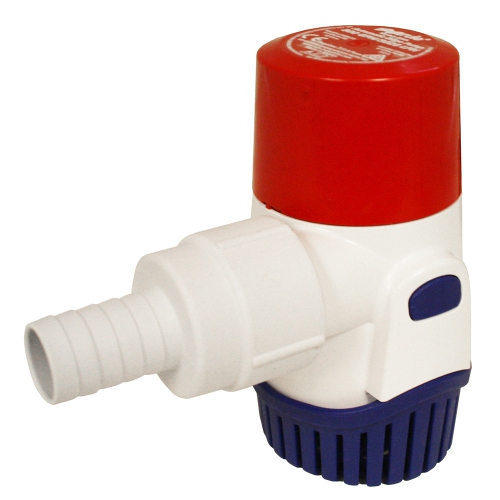
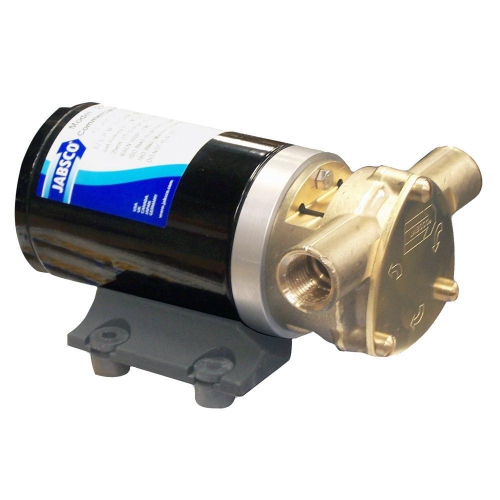
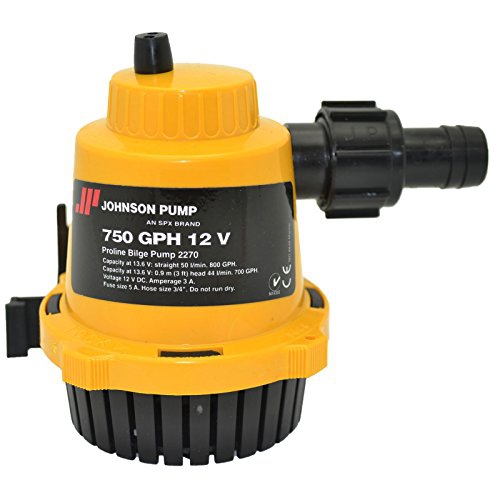
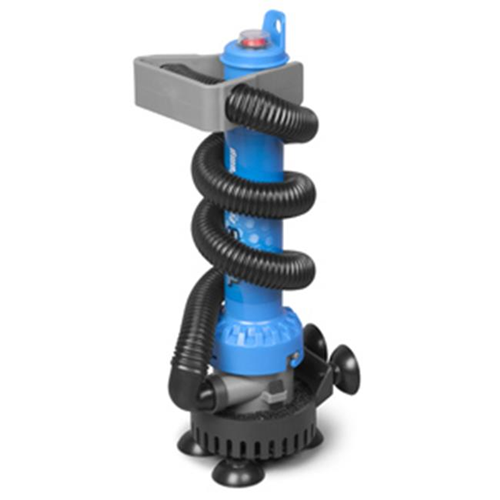
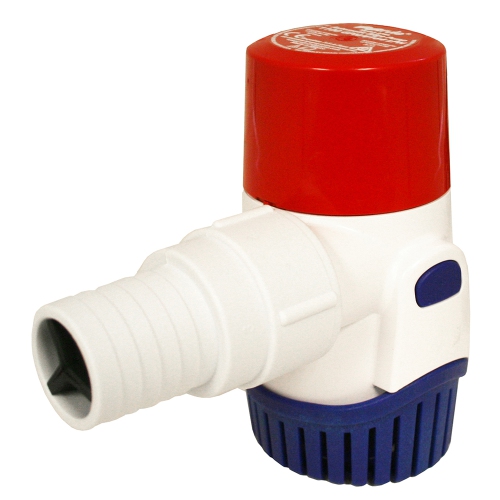
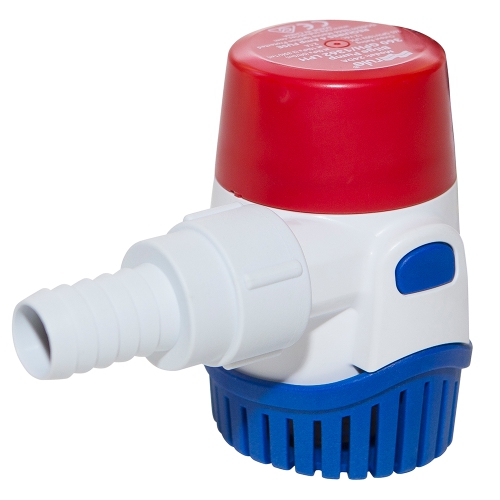
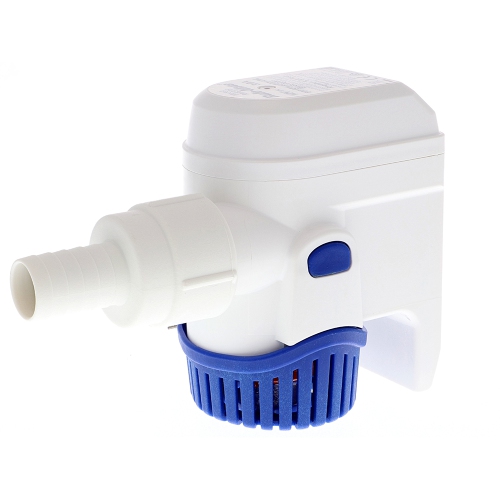
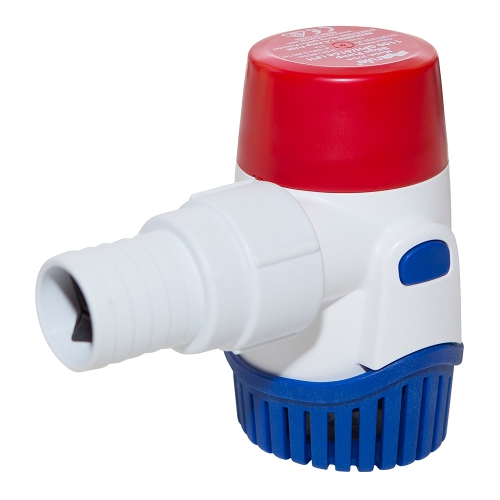
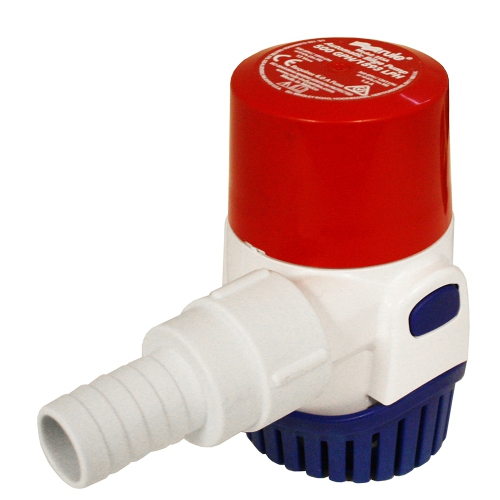
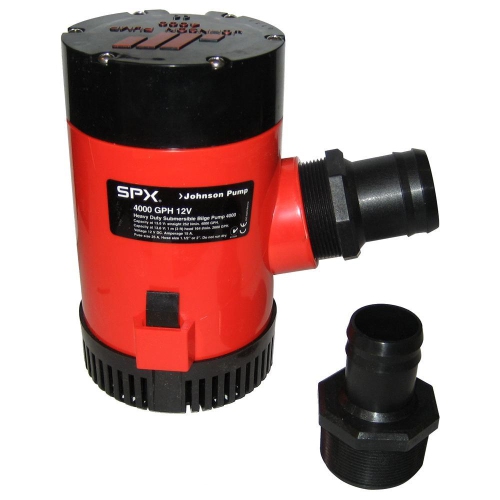
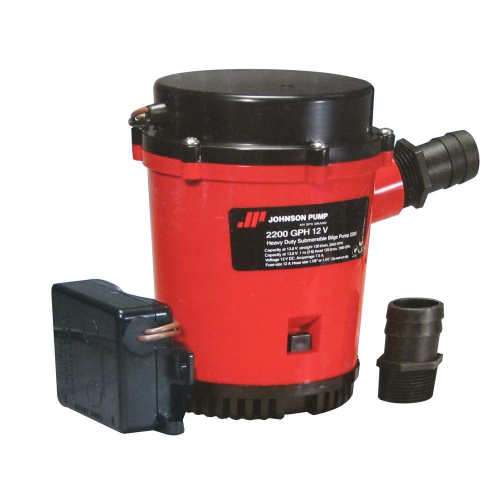
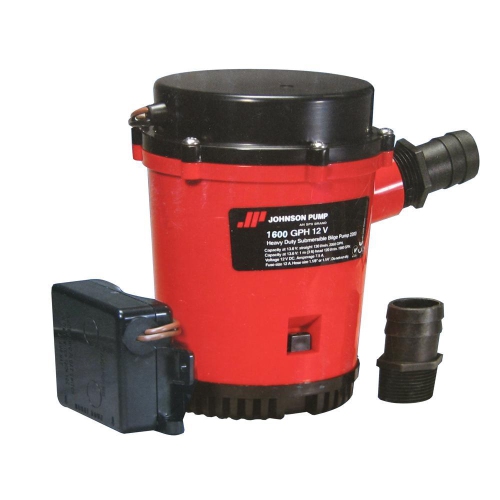
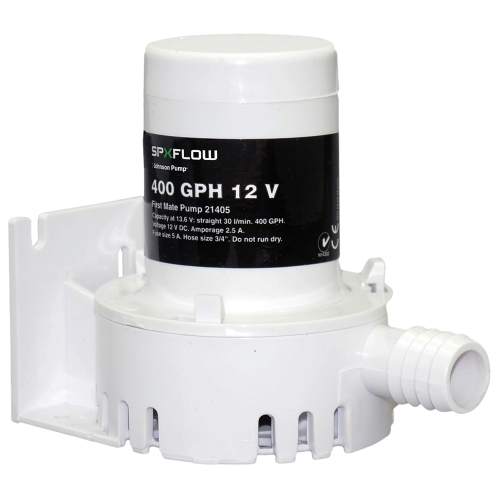
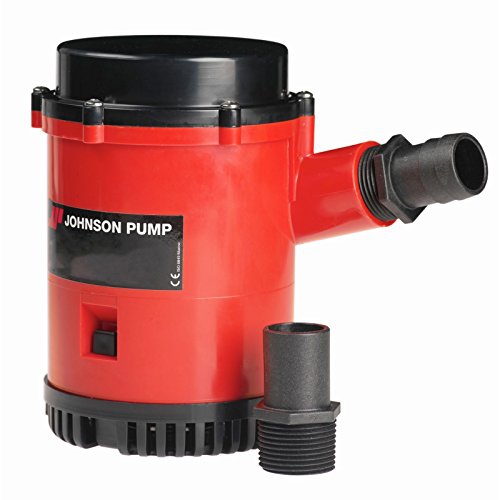
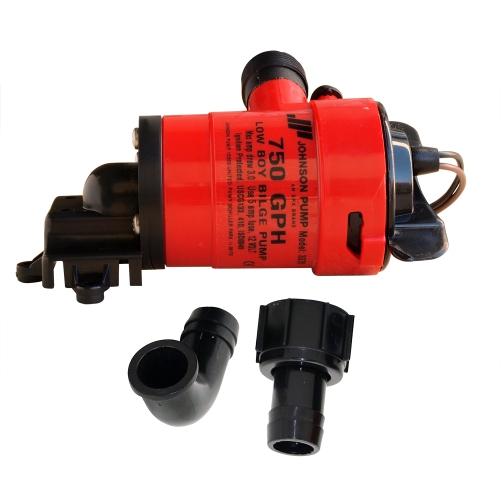
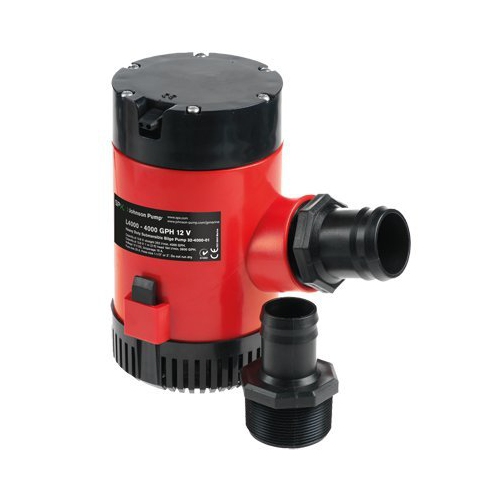
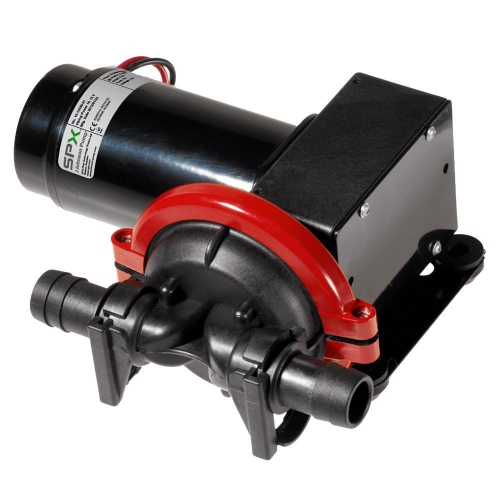
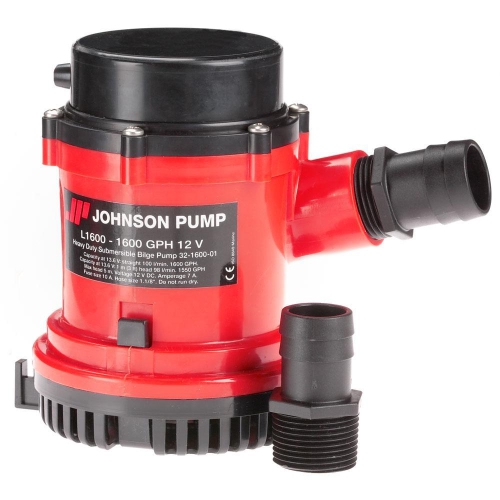
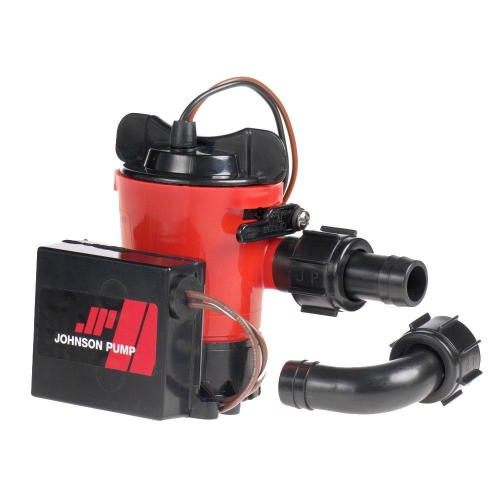
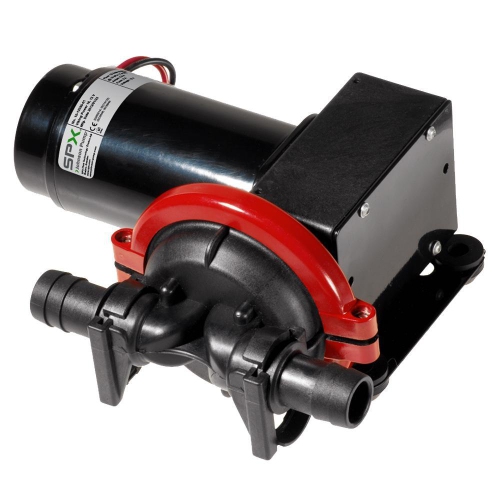
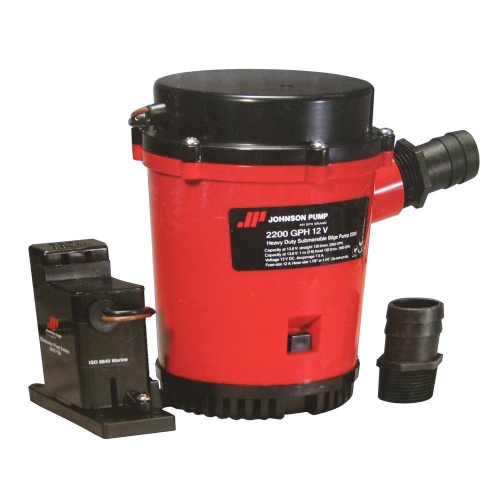
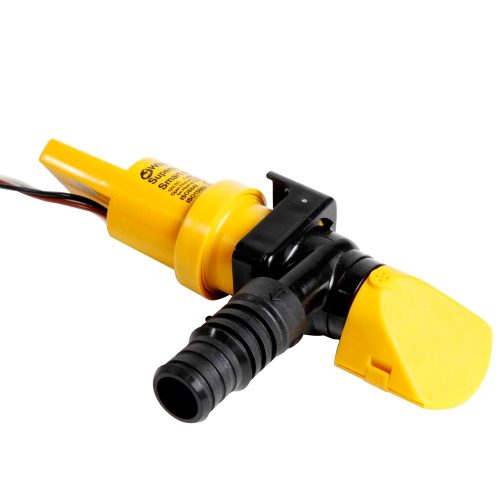
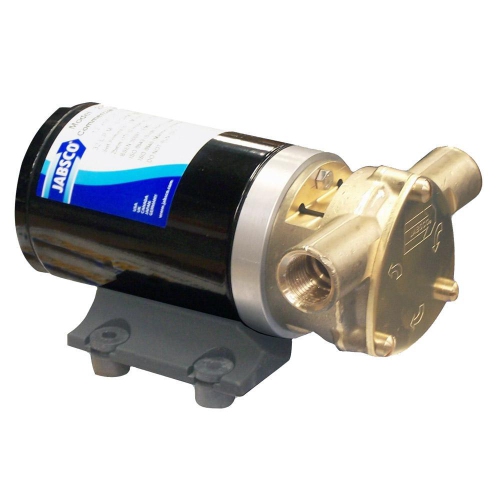
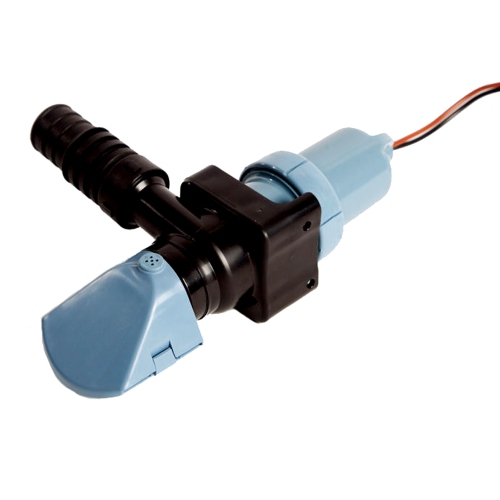
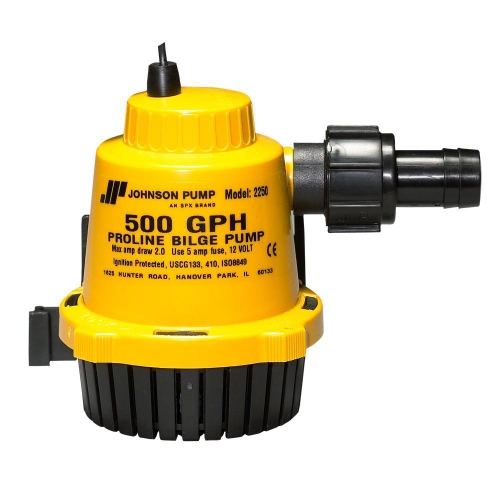
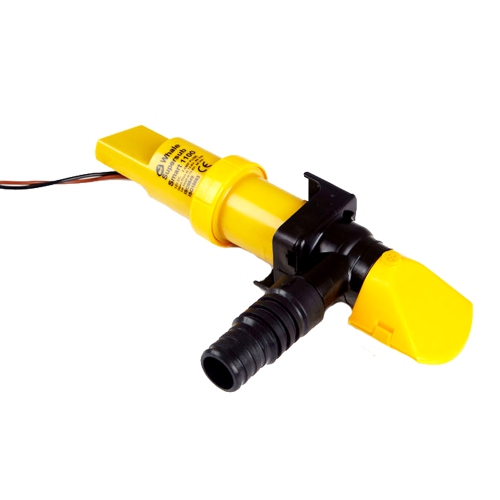
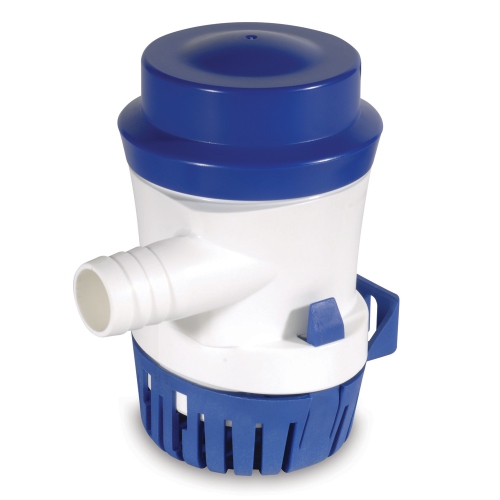
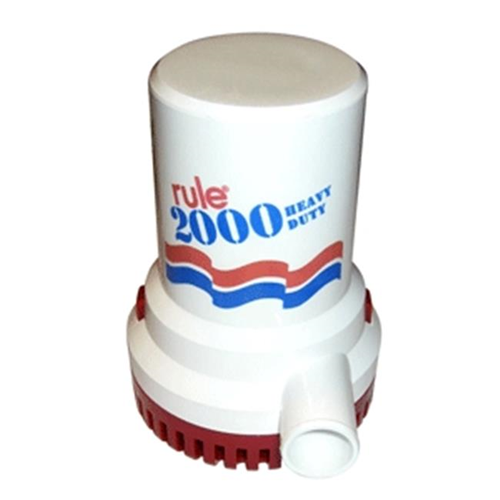
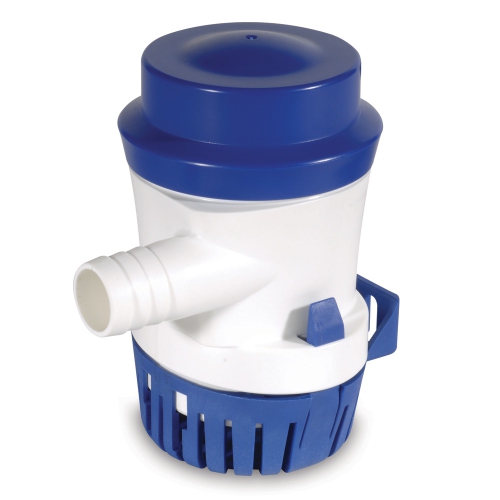
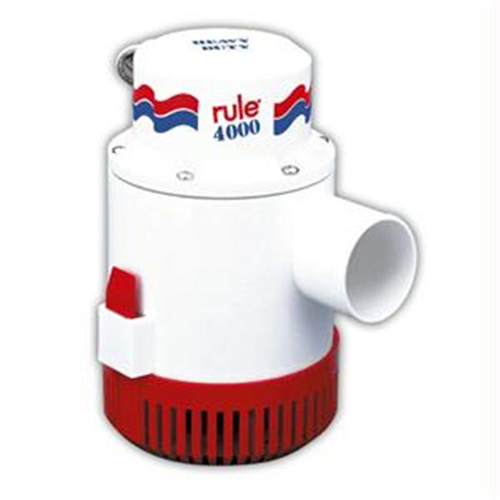
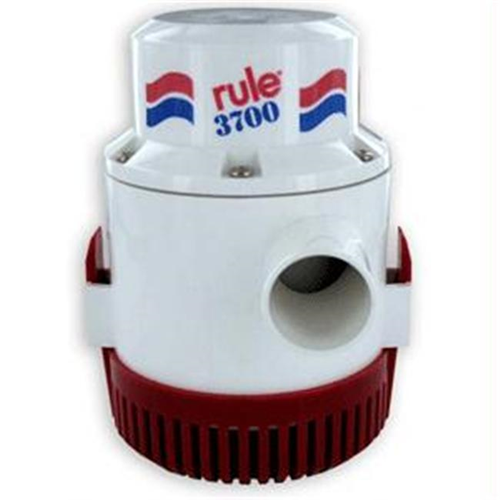
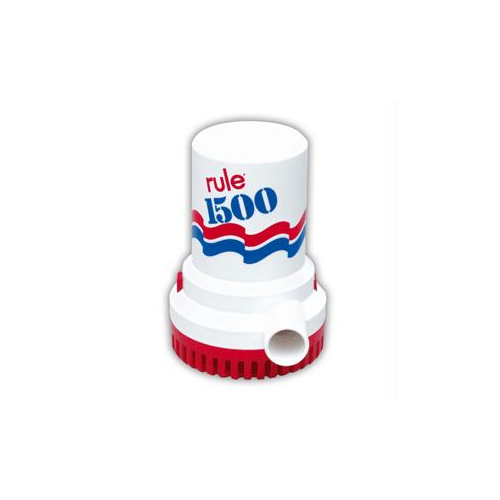
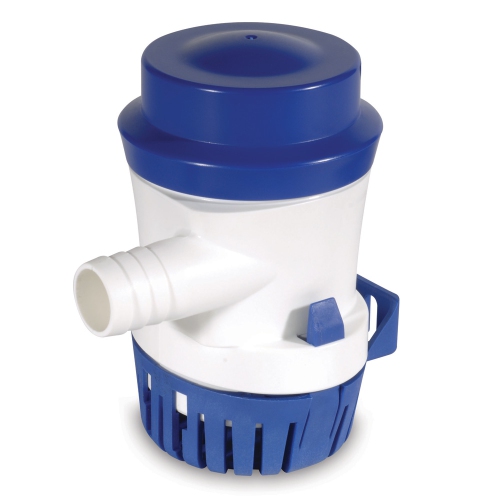
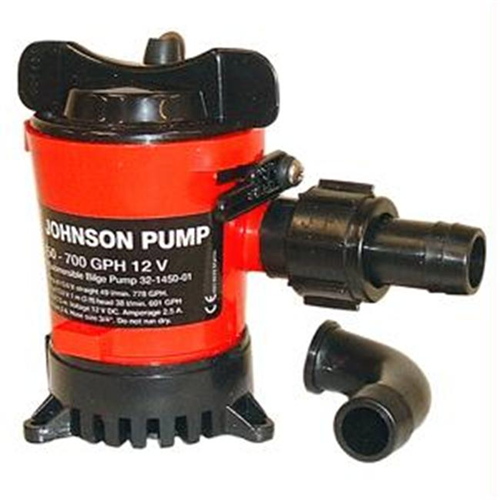
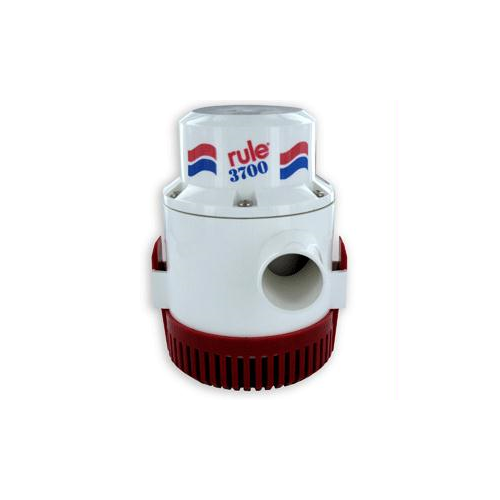
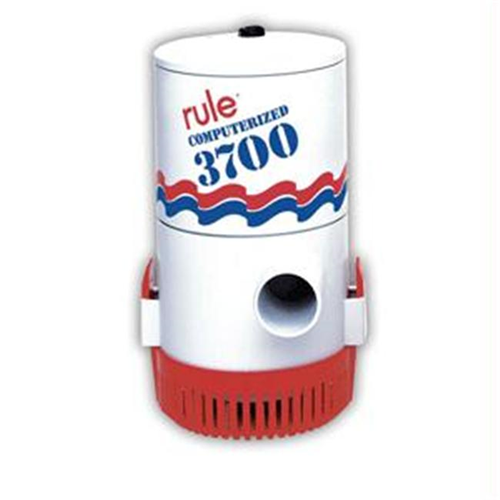
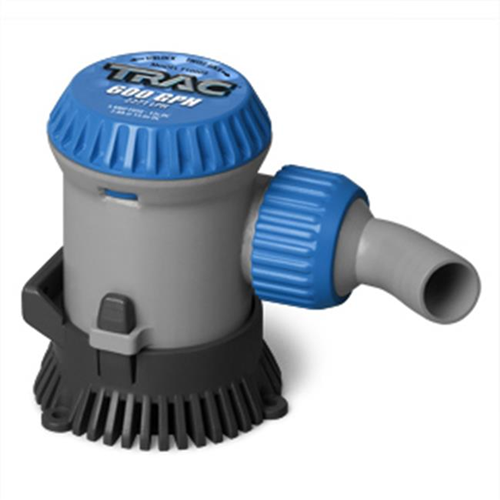
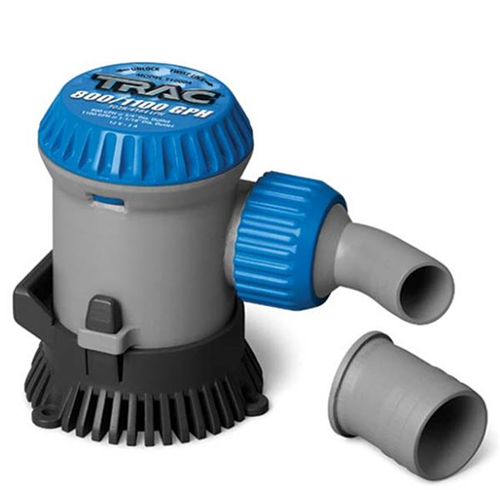
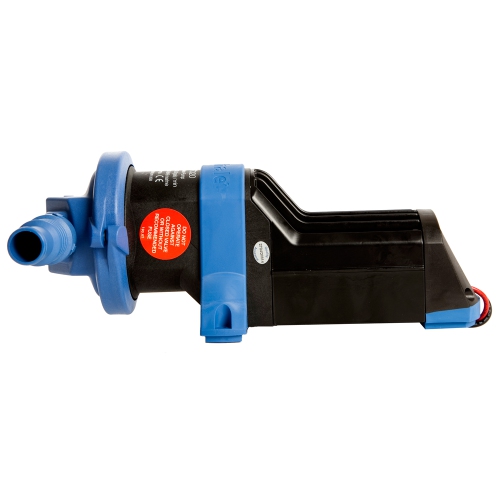
Submersible bilge pumps sit in the bilge and draw water through an inlet on the pump body. Remotely mounted pumps sit away from the collection point and draw water through an intake hose. Submersible models commonly use a centrifugal design, while remote setups may use diaphragm pumps.
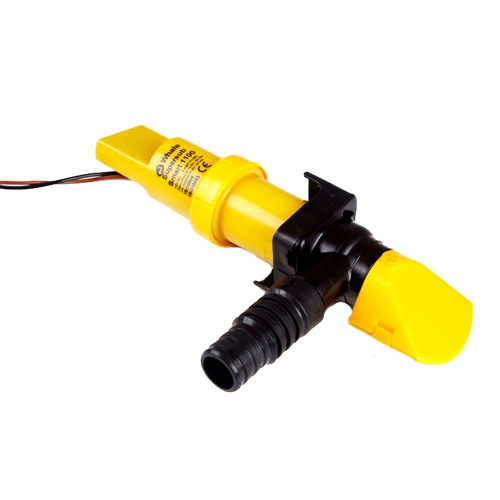
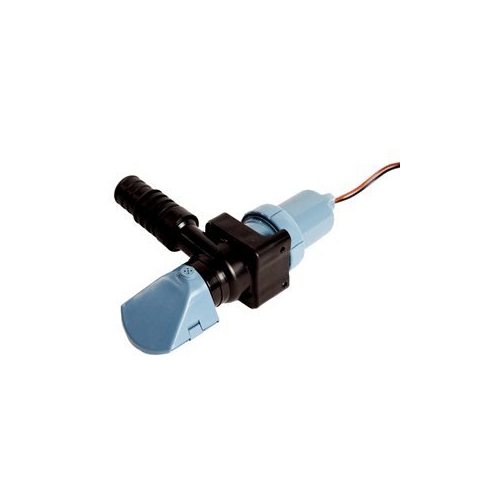
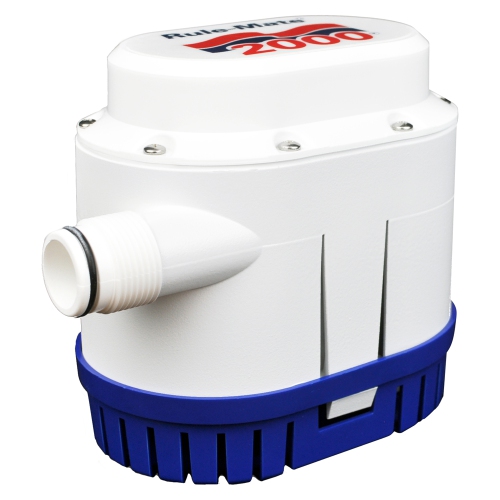
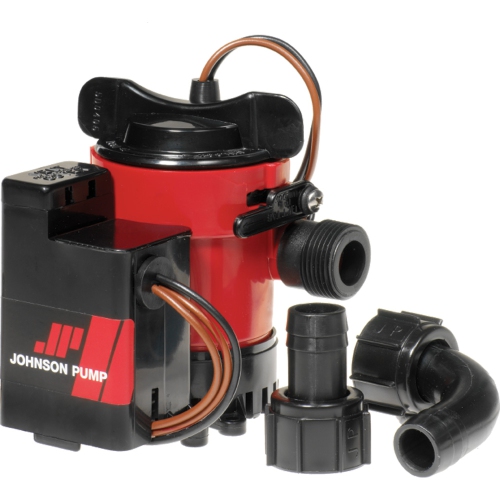
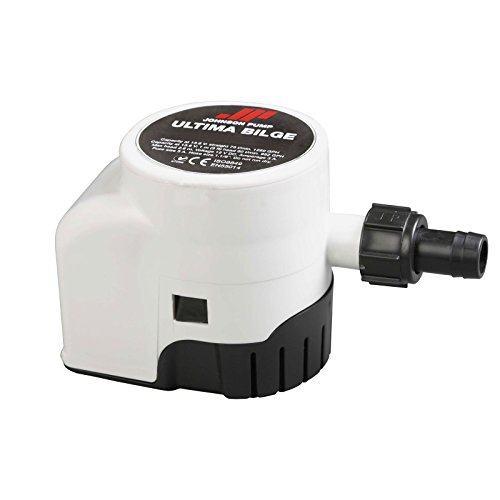
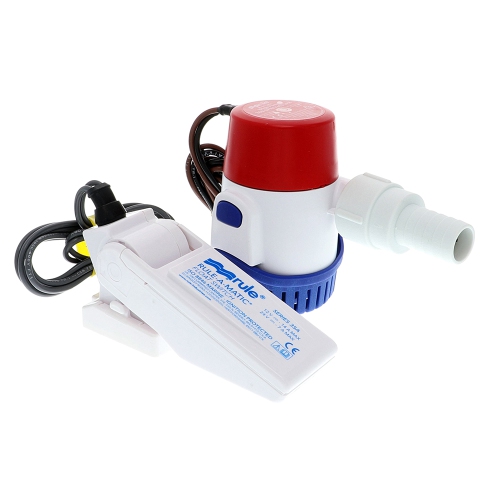
Some electric bilge pumps include a built-in float switch or electronic sensor, while others use a separate float switch. A built-in control combines the pump and activation mechanism in one unit. A separate switch is mounted independently and connected to the pump’s circuit.
Top selling and popular products
Discover more categories related to Electric Bilge Pumps for Boats
Some products may be subject to Environmental Handling Fees (EHF) depending on your province. Learn more about EHFs.