Bimini Tops for Inflatable Boats
Enhance your time on the water with bimini tops for inflatable boats, designed to add comfort and convenience to every adventure. Whether you’re fishing, cruising, or simply enjoying a sunny day, these versatile accessories help create a more enjoyable boating experience. Explore a wide selection of bimini tops for inflatable boats to find the perfect fit for your craft and lifestyle needs.
Sort
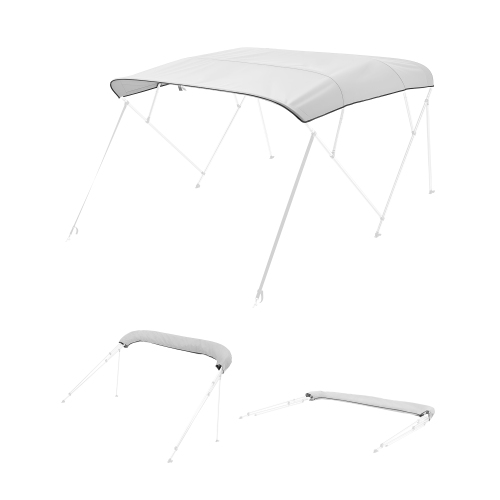
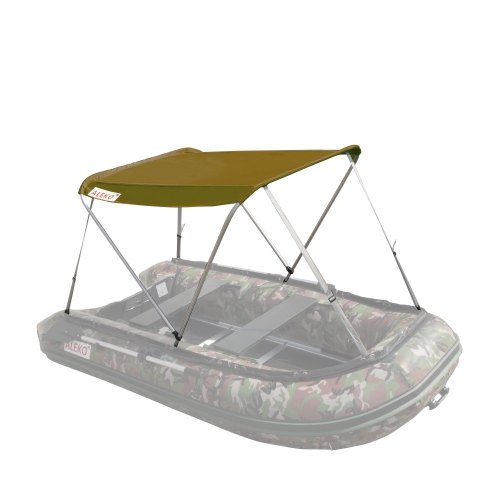
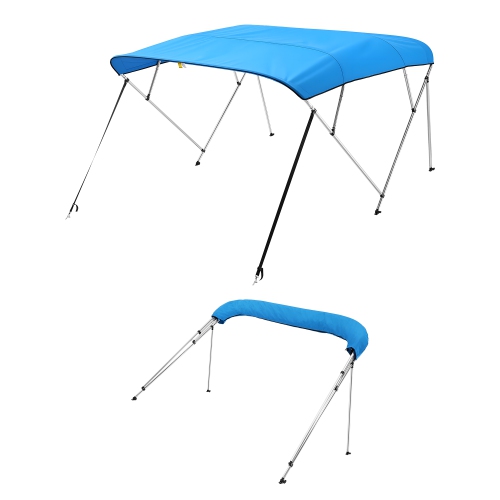
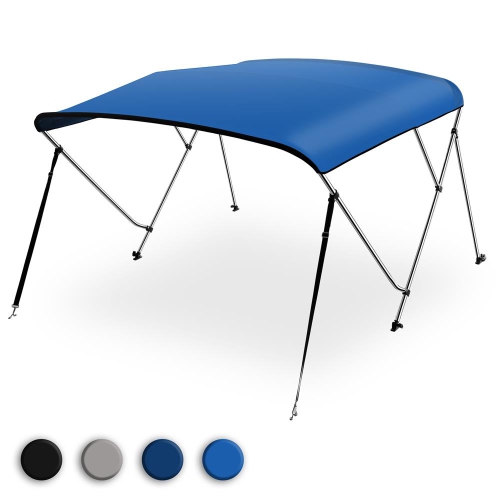
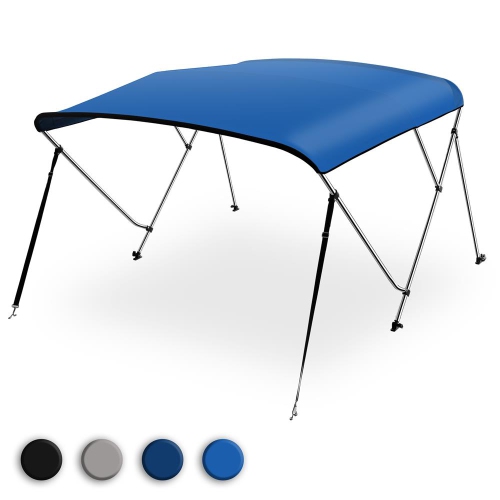
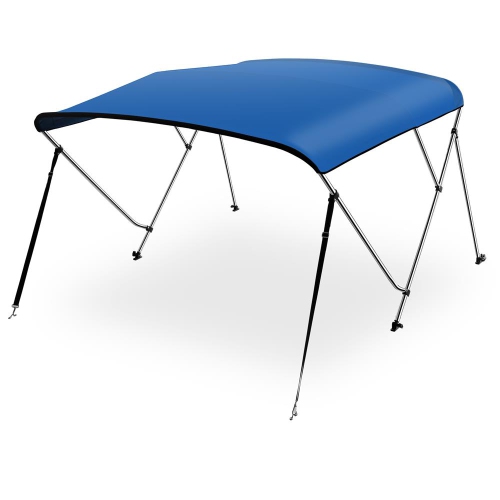
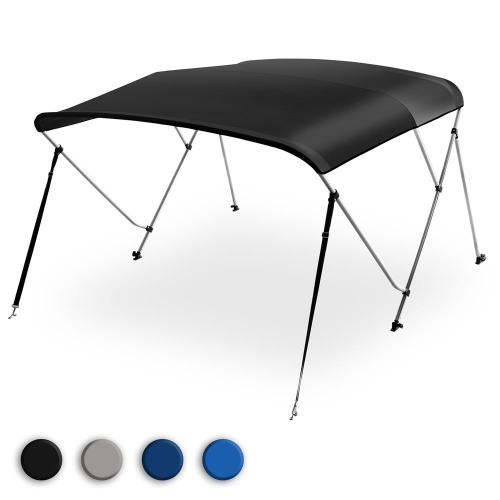
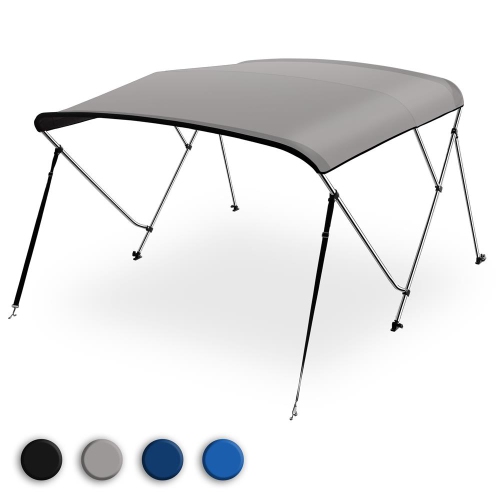
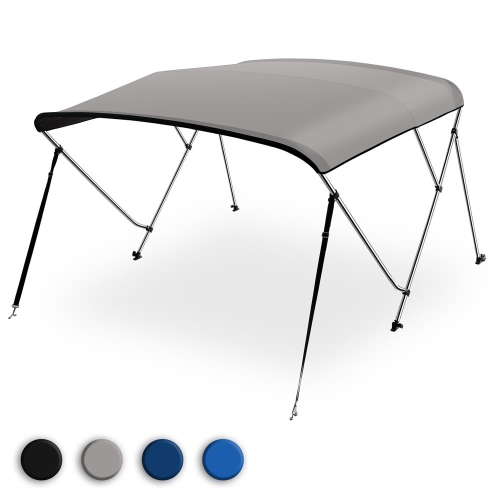
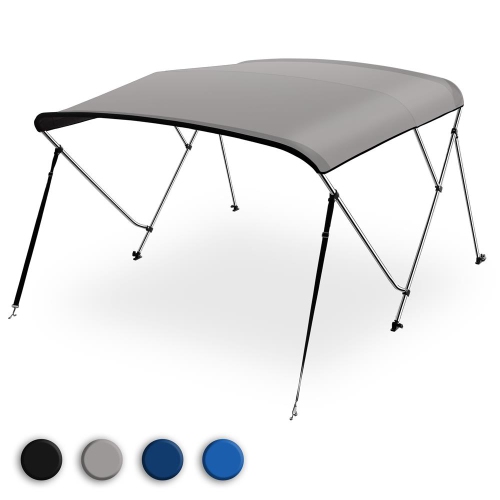
Overhead shade that leaves room to move aboard
Bimini tops for inflatable boats are raised fabric canopies that provide overhead shade while leaving the sides of the boat open for visibility, airflow, and access. Supported by a folding frame, they create a sheltered seating area without enclosing the cockpit or replacing a full boat cover. For a family taking a short trip across a lake, an angler spending time over a favourite fishing spot, or a tender operator carrying passengers between shore and a larger vessel, that patch of shade can make time aboard more comfortable. Their usefulness depends on how well the canopy suits the boat’s layout: passengers need room beneath the fabric, the operator needs a clear view, and paddles, oars, or an outboard tiller must remain easy to use. Common frame materials include aluminium and stainless steel. Aluminium offers relatively light weight for handling and transport, while stainless steel generally adds weight and can provide a sturdy structure with good corrosion resistance when properly maintained. Marine-grade polyester and acrylic fabrics are common canopy materials, with performance depending on the weave, finish, stitching, and construction rather than the material name alone. Fabric weight or a denier rating can help describe the cloth, but neither establishes waterproofness or UV protection by itself. Where sun protection is a priority, a stated UPF rating is more useful than an unsupported claim about shade performance. A canopy also cannot block all reflected sunlight or light entering from the sides, so it complements rather than replaces other sun protection. Water-resistant fabric may shed a passing shower, but an open-sided bimini top is not a storm shelter. Reinforced corners, neatly finished seams, and well-supported fabric help the canopy hold its shape during its intended use. The result should be a practical overhead covering that fits naturally into the boat’s working space, whether that means shaded bench seating or an open area where passengers can sit without crowding the operator.
Fit involves more than matching a bimini top to the boat’s overall length. The width between the intended mounting points, the desired fore-and-aft coverage, and the height above those mounting points all affect how the canopy sits. Inflatable tubes make these measurements especially important because the boat’s widest outside dimension may not match the span required by the frame. A suitable top leaves useful headroom while keeping the structure within its designed adjustment range; excessive height or an oversized canopy can add wind load and feel out of proportion on a small dinghy. Two-bow, three-bow, and four-bow designs describe the number of transverse frame supports, not a universal sizing system. More bows commonly support longer canopies, but bow count alone does not establish compatibility, strength, or suitability for a particular boat. Compact inflatables and larger rigid inflatable boats can have very different attachment requirements even when their lengths are similar. Some installations use purpose-made adhesive mounting pads on the tubes, others use approved strap systems, and boats with suitable rigid surfaces may accept deck-mounted hardware. Tube material matters: PVC and CSM, often referred to as Hypalon, require compatible mounting components and adhesive systems. Hardware should not be screwed directly into an air chamber, and an attachment method intended for a rigid hull should not be assumed suitable for a flexible tube. Mounting pads need appropriate placement and preparation, with adhesive curing completed according to the relevant instructions before the structure is loaded. A well-planned layout also keeps straps away from inflation valves, grab handles, boarding routes, and moving controls. For a fishing setup, the canopy’s edges and support straps should leave workable space for casting and handling a landing net. For passenger trips, access to seating and safety equipment deserves the same attention as shade coverage. Fully inflating the boat to its specified working pressure helps establish its intended shape before checking measurements and clearances. Compatible Air Pumps for Inflatable Boats support that setup, with valve compatibility and pressure requirements remaining specific to the boat.
Everyday convenience often comes down to how the top folds, where it rests, and how easily it can be secured. A collapsible frame can suit an inflatable boat that is packed into a vehicle or stored between outings, but folded dimensions matter just as much as the size of the open canopy. Some arrangements allow the frame to fold aft onto supports, while others need removal before the boat can be deflated and rolled. A storage boot can help contain the folded fabric, although it does not automatically make the assembly suitable for road transport. Quick-release fittings may simplify removal, provided they are correctly engaged during use and cannot work loose unnoticed. On the water, speed ratings and operating restrictions are specific to the top, its mounting system, and the boat; there is no single safe speed limit that applies to every inflatable-boat bimini. Wind direction, gusts, and boat movement can increase the load on the canopy and its attachment points. Lowering and securing the top when required by its instructions, or when conditions make its use unsuitable, helps avoid treating a shade accessory as a permanent overhead structure. The frame should not serve as a handrail, towing point, or support for hanging heavy gear unless explicitly designed for that purpose. Care is usually straightforward but important for long-term durability. Fresh-water rinsing after salt-water exposure helps remove deposits from tubing, joints, and fittings, while gentle cleaning with a fabric-compatible cleaner helps prevent dirt from becoming embedded in the canopy. Fabric should dry thoroughly before being enclosed in a boot or packed away. Periodic checks around hinges, fasteners, stitching, straps, and adhesive pads can reveal looseness, chafing, or lifting edges before they affect use. During storage, keeping metal fittings from rubbing against the inflatable tubes helps protect both the boat and the canopy assembly. For someone who regularly carries passengers, fishes from a compact inflatable, or uses a tender for shore trips, a properly matched bimini top adds a useful shaded space without sacrificing the boat’s portable character. It can also be a thoughtful boating gift when the recipient’s exact fit and mounting requirements are known.
Fit involves more than matching a bimini top to the boat’s overall length. The width between the intended mounting points, the desired fore-and-aft coverage, and the height above those mounting points all affect how the canopy sits. Inflatable tubes make these measurements especially important because the boat’s widest outside dimension may not match the span required by the frame. A suitable top leaves useful headroom while keeping the structure within its designed adjustment range; excessive height or an oversized canopy can add wind load and feel out of proportion on a small dinghy. Two-bow, three-bow, and four-bow designs describe the number of transverse frame supports, not a universal sizing system. More bows commonly support longer canopies, but bow count alone does not establish compatibility, strength, or suitability for a particular boat. Compact inflatables and larger rigid inflatable boats can have very different attachment requirements even when their lengths are similar. Some installations use purpose-made adhesive mounting pads on the tubes, others use approved strap systems, and boats with suitable rigid surfaces may accept deck-mounted hardware. Tube material matters: PVC and CSM, often referred to as Hypalon, require compatible mounting components and adhesive systems. Hardware should not be screwed directly into an air chamber, and an attachment method intended for a rigid hull should not be assumed suitable for a flexible tube. Mounting pads need appropriate placement and preparation, with adhesive curing completed according to the relevant instructions before the structure is loaded. A well-planned layout also keeps straps away from inflation valves, grab handles, boarding routes, and moving controls. For a fishing setup, the canopy’s edges and support straps should leave workable space for casting and handling a landing net. For passenger trips, access to seating and safety equipment deserves the same attention as shade coverage. Fully inflating the boat to its specified working pressure helps establish its intended shape before checking measurements and clearances. Compatible Air Pumps for Inflatable Boats support that setup, with valve compatibility and pressure requirements remaining specific to the boat.
Everyday convenience often comes down to how the top folds, where it rests, and how easily it can be secured. A collapsible frame can suit an inflatable boat that is packed into a vehicle or stored between outings, but folded dimensions matter just as much as the size of the open canopy. Some arrangements allow the frame to fold aft onto supports, while others need removal before the boat can be deflated and rolled. A storage boot can help contain the folded fabric, although it does not automatically make the assembly suitable for road transport. Quick-release fittings may simplify removal, provided they are correctly engaged during use and cannot work loose unnoticed. On the water, speed ratings and operating restrictions are specific to the top, its mounting system, and the boat; there is no single safe speed limit that applies to every inflatable-boat bimini. Wind direction, gusts, and boat movement can increase the load on the canopy and its attachment points. Lowering and securing the top when required by its instructions, or when conditions make its use unsuitable, helps avoid treating a shade accessory as a permanent overhead structure. The frame should not serve as a handrail, towing point, or support for hanging heavy gear unless explicitly designed for that purpose. Care is usually straightforward but important for long-term durability. Fresh-water rinsing after salt-water exposure helps remove deposits from tubing, joints, and fittings, while gentle cleaning with a fabric-compatible cleaner helps prevent dirt from becoming embedded in the canopy. Fabric should dry thoroughly before being enclosed in a boot or packed away. Periodic checks around hinges, fasteners, stitching, straps, and adhesive pads can reveal looseness, chafing, or lifting edges before they affect use. During storage, keeping metal fittings from rubbing against the inflatable tubes helps protect both the boat and the canopy assembly. For someone who regularly carries passengers, fishes from a compact inflatable, or uses a tender for shore trips, a properly matched bimini top adds a useful shaded space without sacrificing the boat’s portable character. It can also be a thoughtful boating gift when the recipient’s exact fit and mounting requirements are known.
Top selling and popular products
-
 Your price for this item is $31.43
 -
 Your price for this item is $30.54
 -
 Your price for this item is $38.85
 -
 Your price for this item is $92.99
 -
 Your price for this item is $844.91
 -
 Your price for this item is $909.33
 -
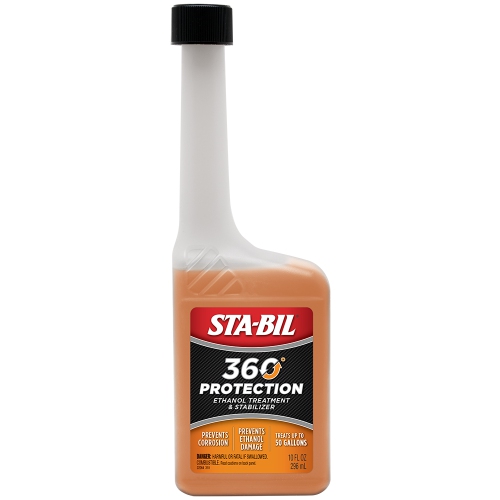 Your price for this item is $31.46
 -
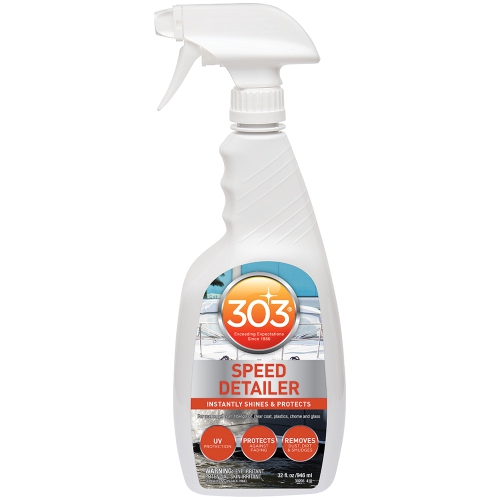 Your price for this item is $35.35
Discover more categories related to Bimini Tops for Inflatable Boats
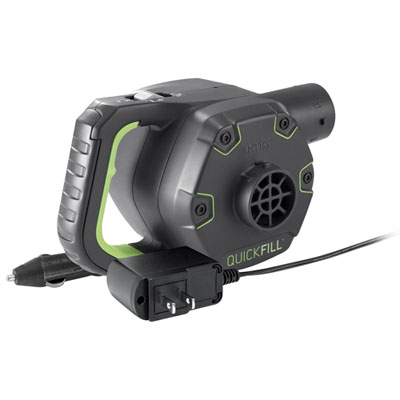
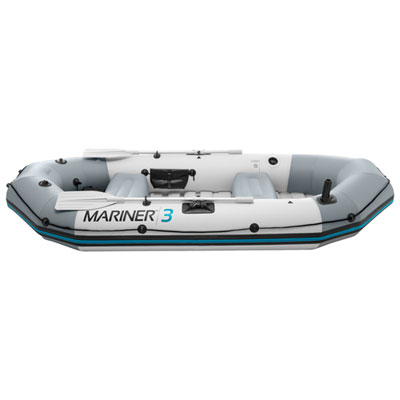
Top Collections:
Pokemon Centers, Kindle Devices, Apple iPhones 16, Samsung Galaxy Phones, Canon G7X Cameras, iPhone 15 Apple, Flip Phones, Apple Wired Earphones, Best Budget Office Chairs, Refurbished Apple Laptops
Some products may be subject to Environmental Handling Fees
(EHF) depending on your province.
Learn more about EHFs.