House Air Purifiers
Air purifiers are a great way to improve the air quality in your home. They're easy to install, and they can be used in any room of your house. Here are some of the best air purifiers on the market today.
Sort
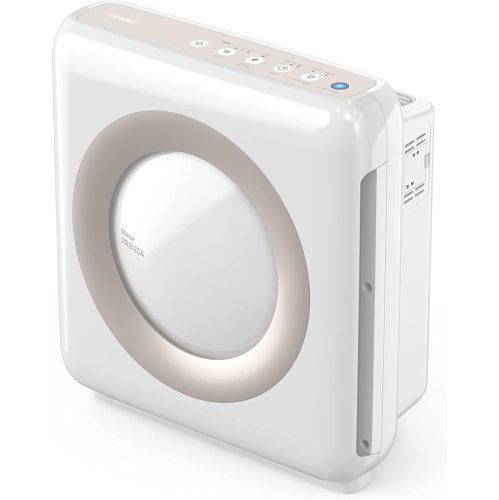
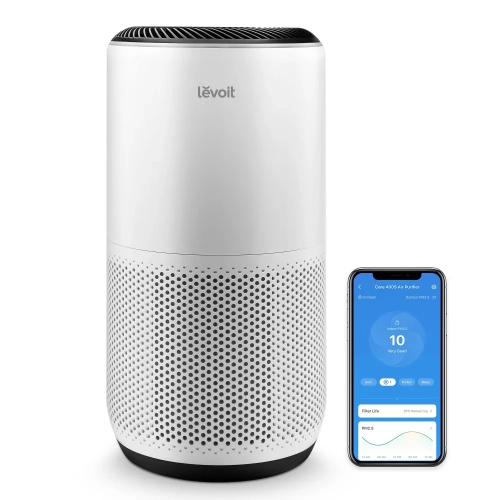
![LEVOIT Core 300 True Hepa Air Purifier In White [Employee of bestbuy] Still run great ,love it](https://multimedia.bbycastatic.ca/multimedia/products/500x500/171/17157/17157111.webp)

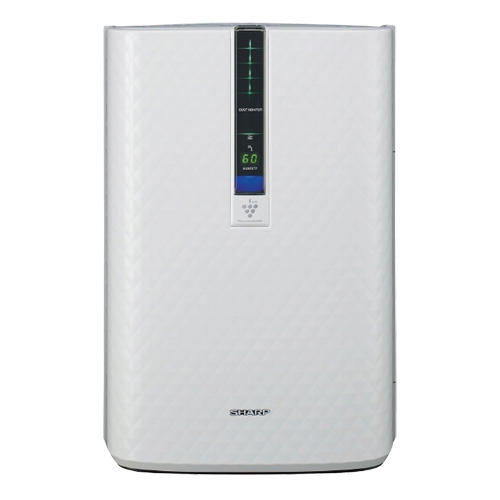
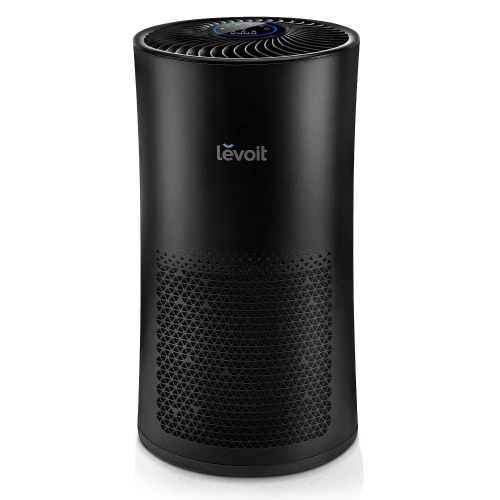
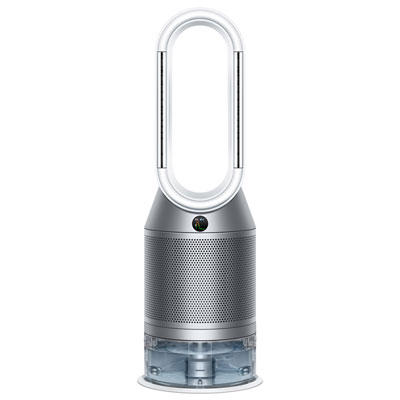
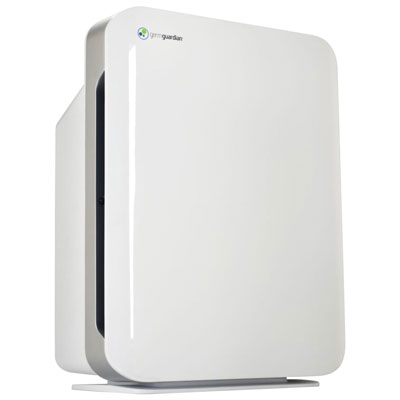
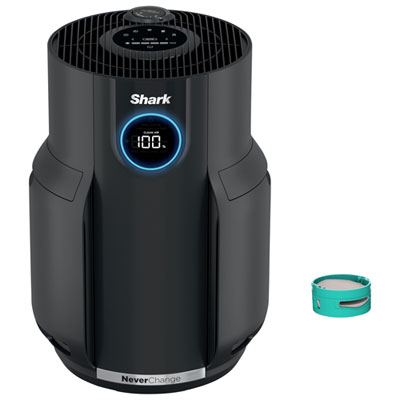
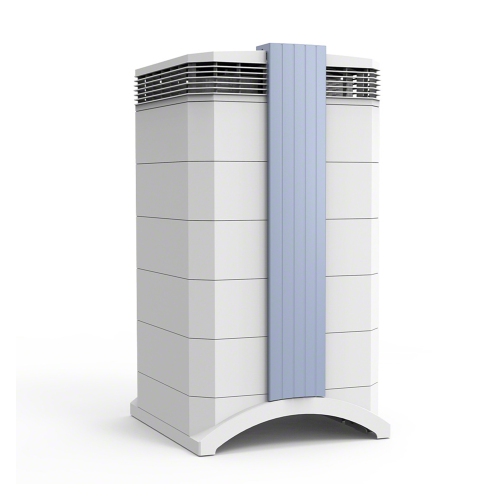
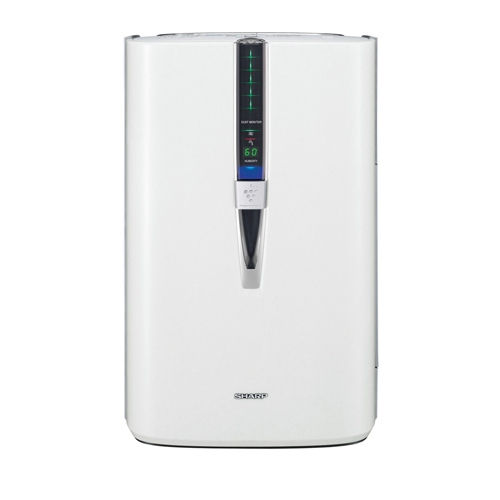
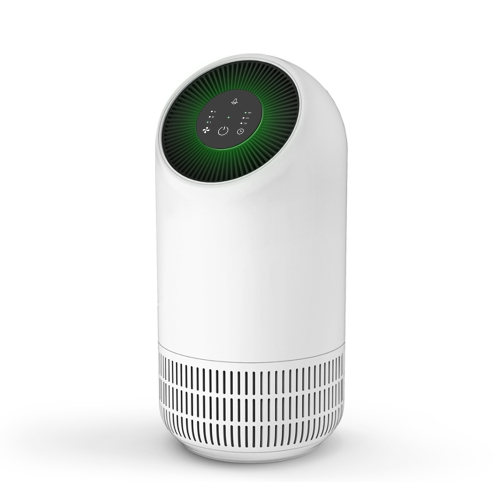
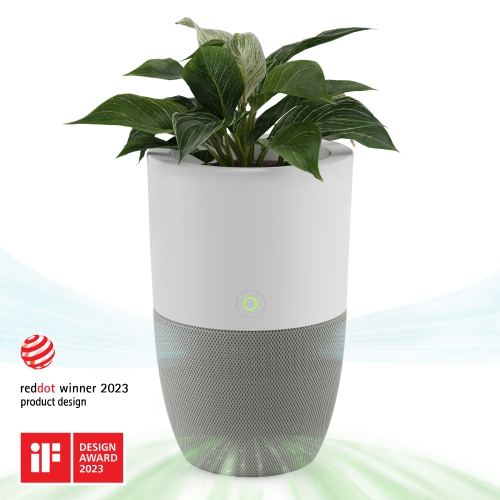
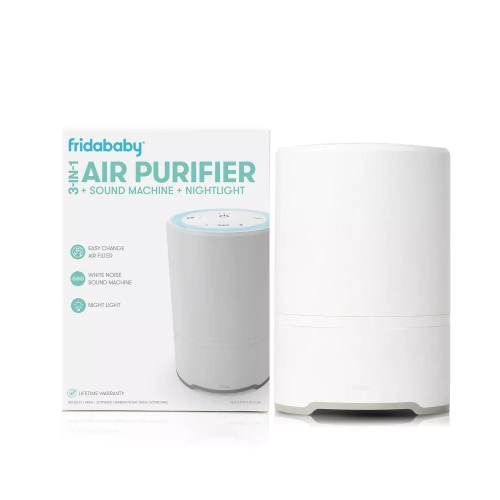
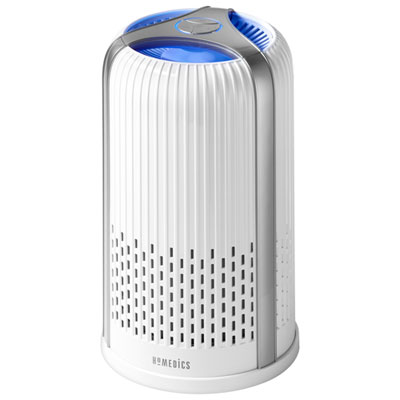
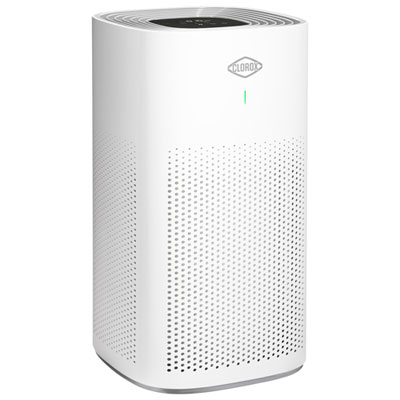
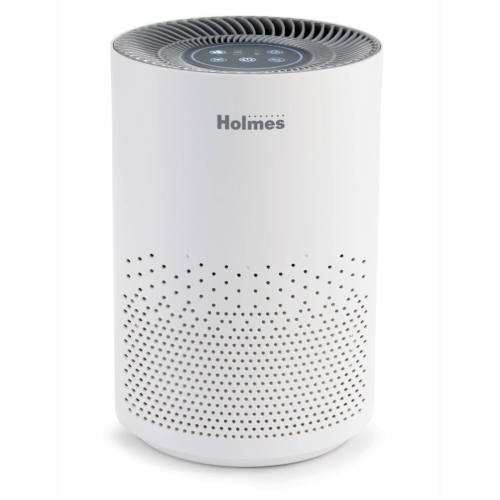
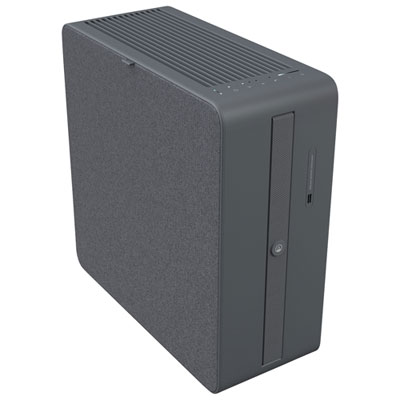
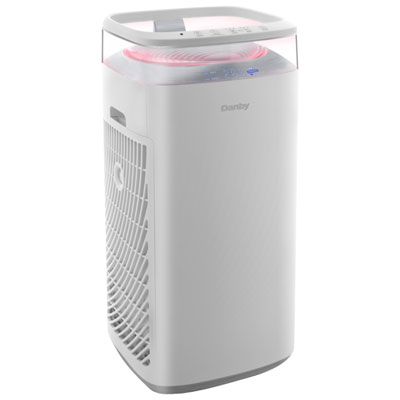
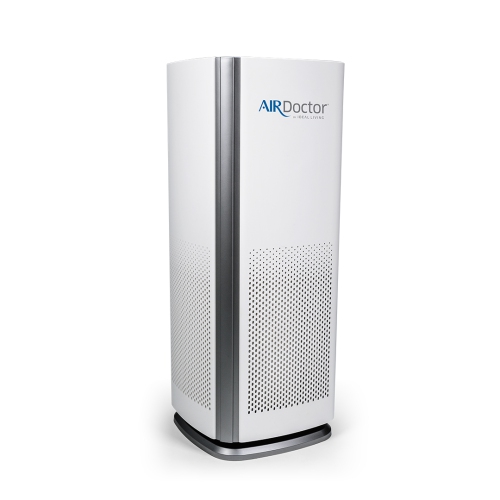
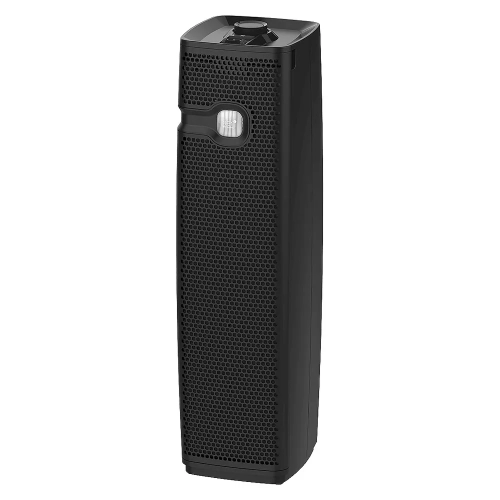
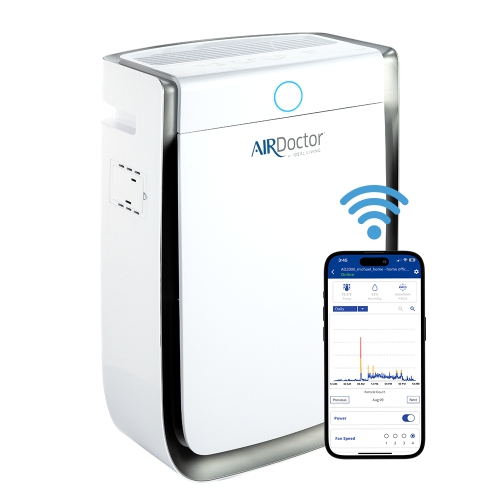
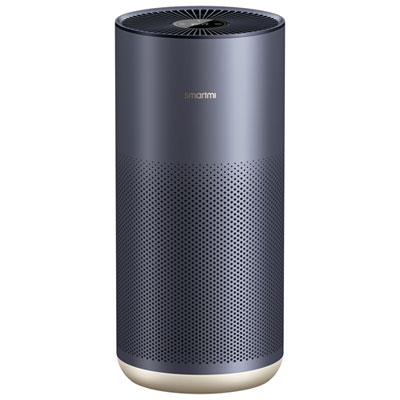
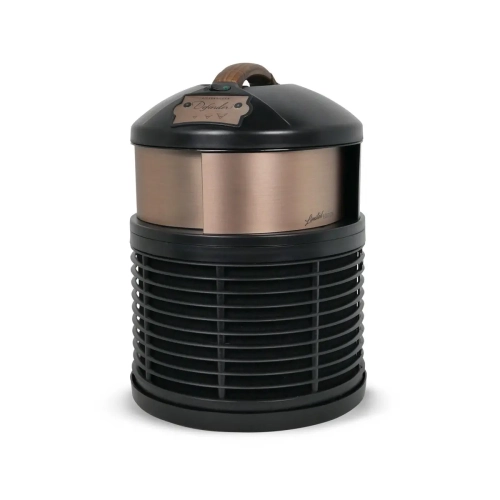
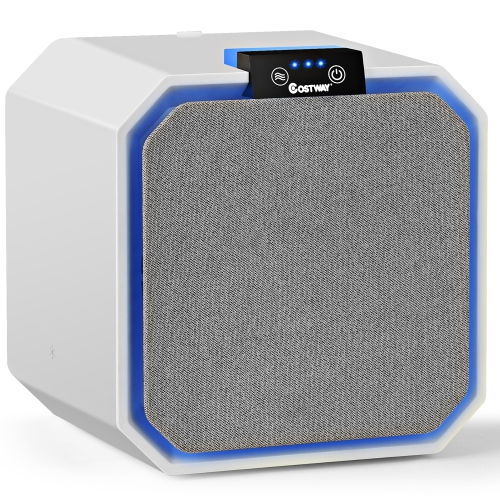
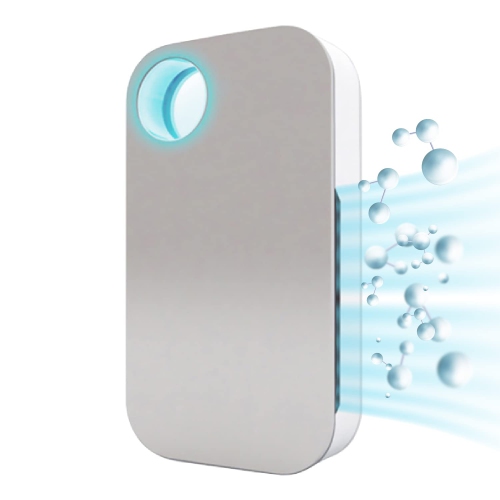
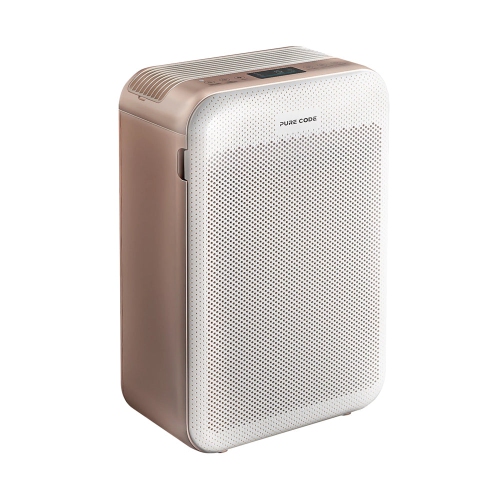
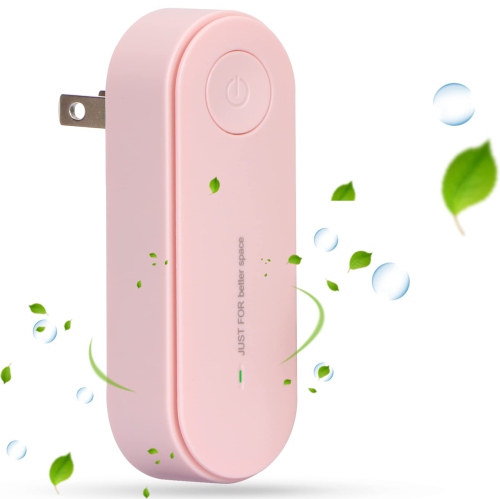
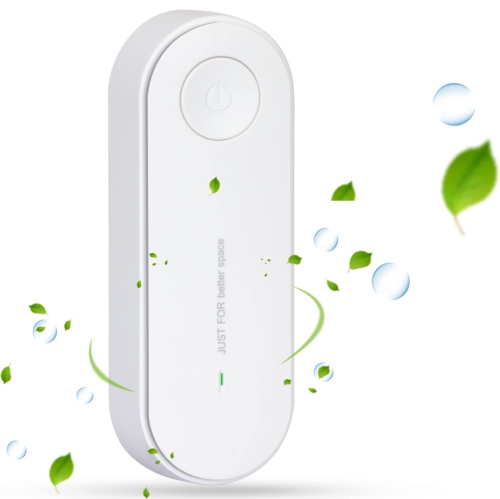
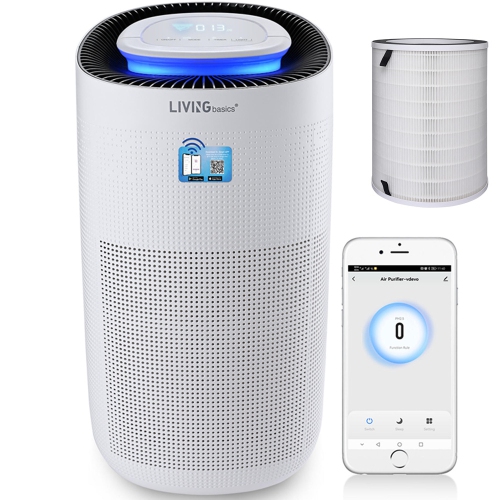
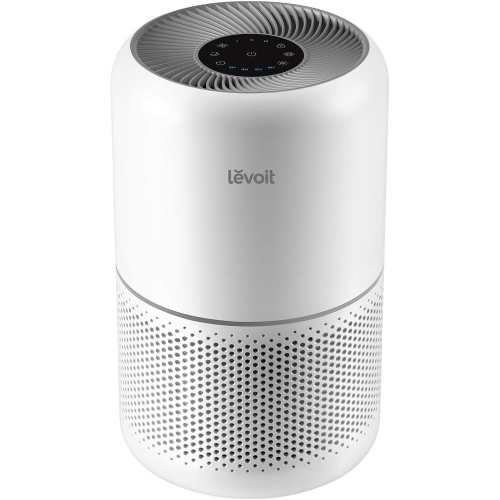
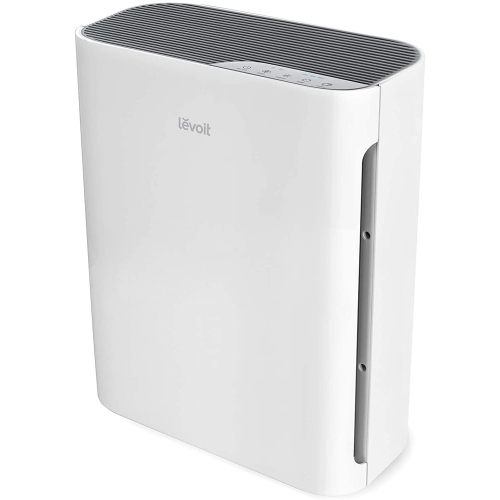
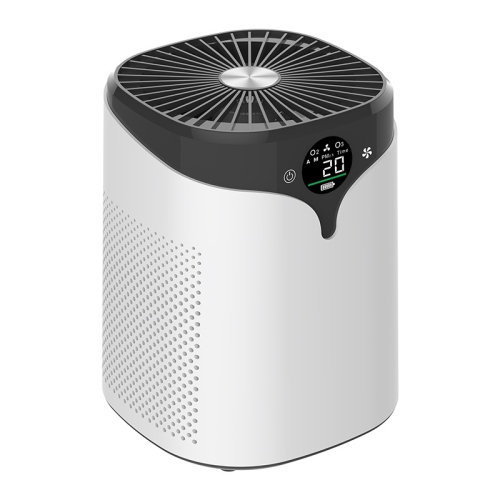
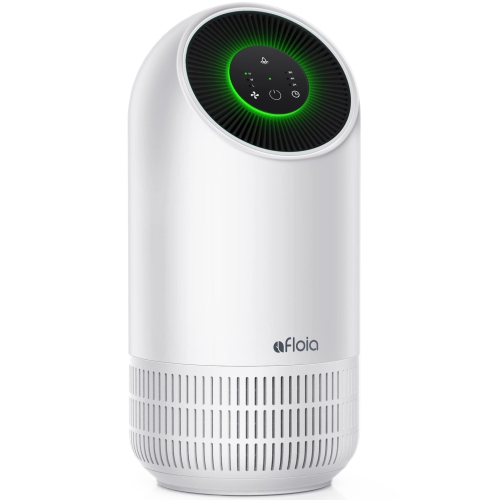
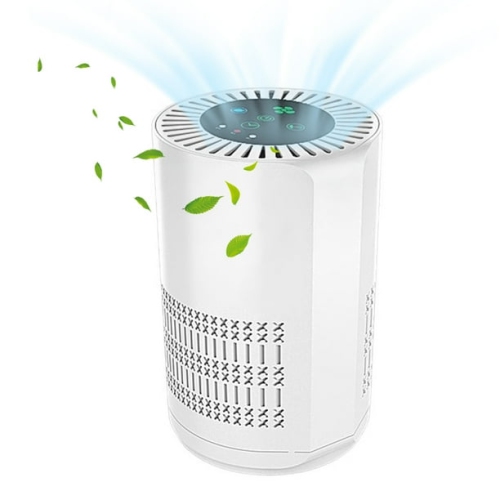
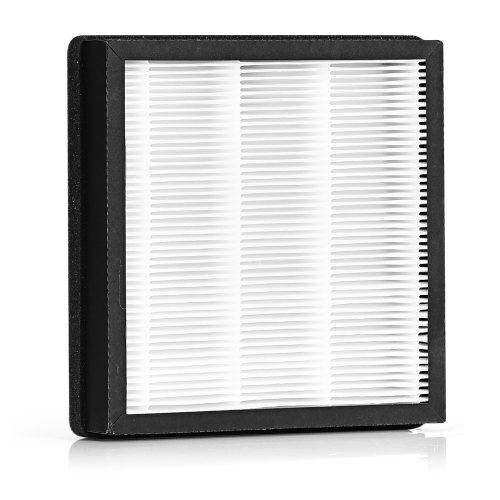
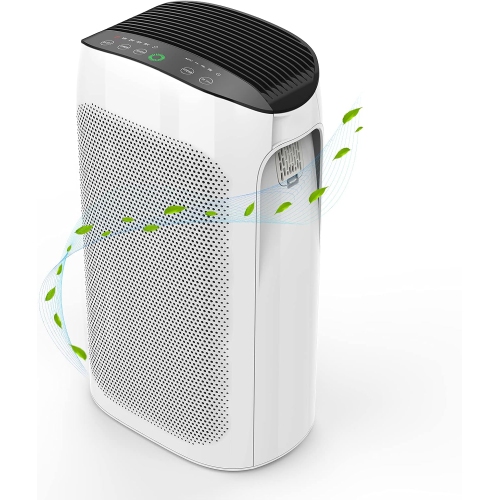
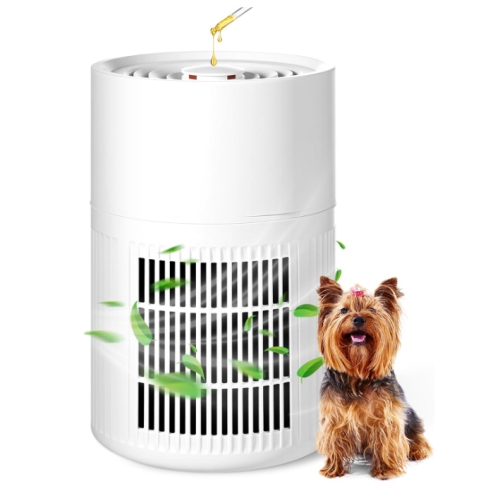
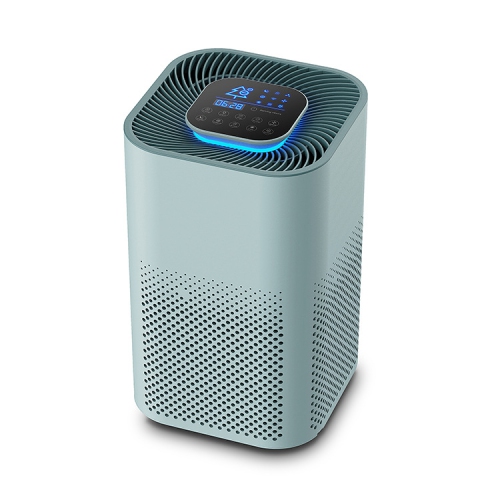
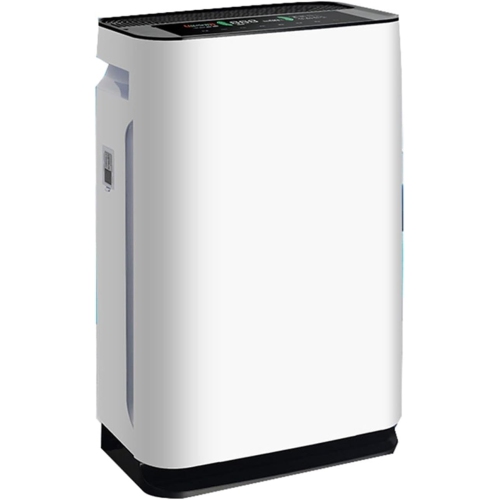
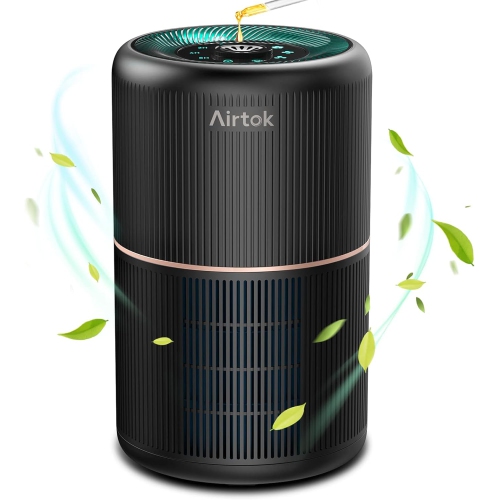
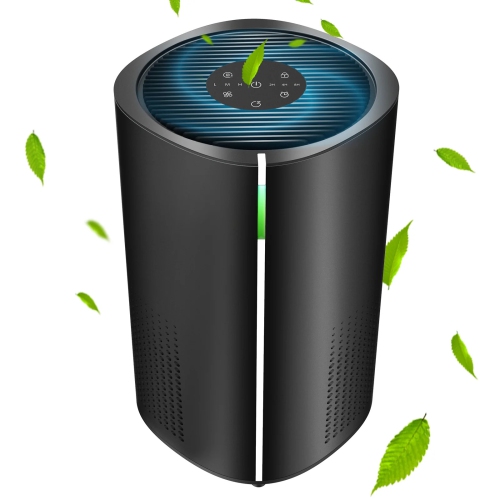
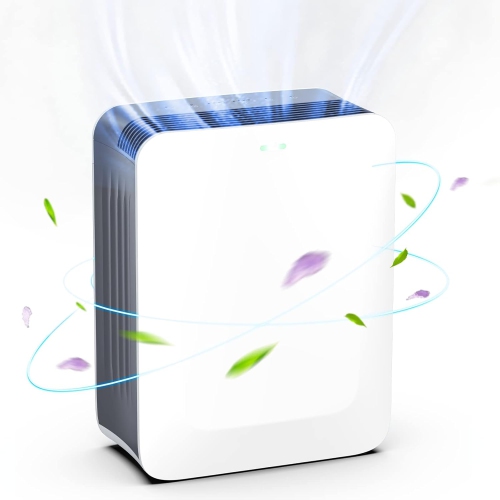
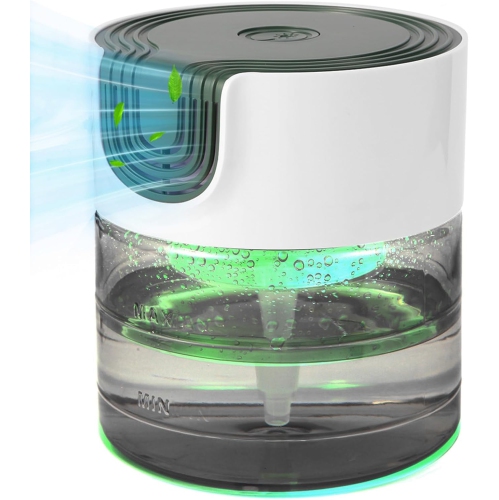
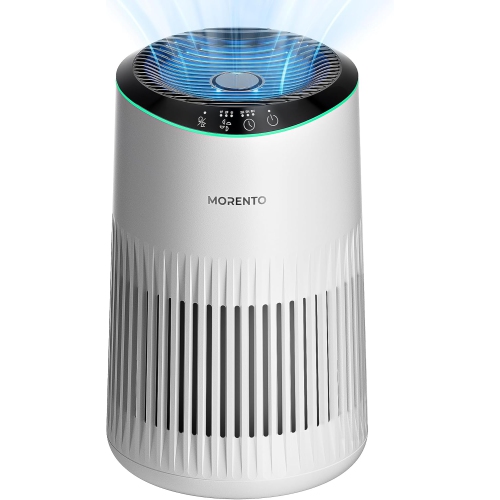
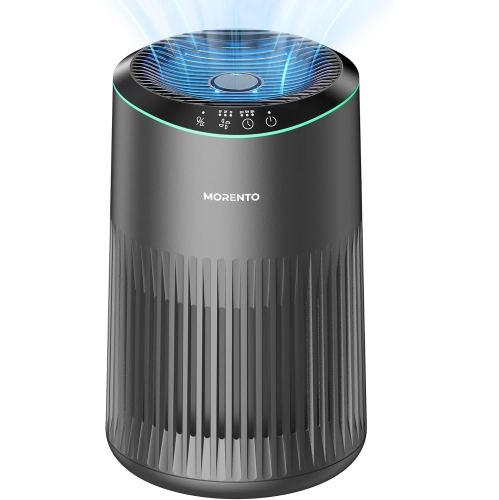
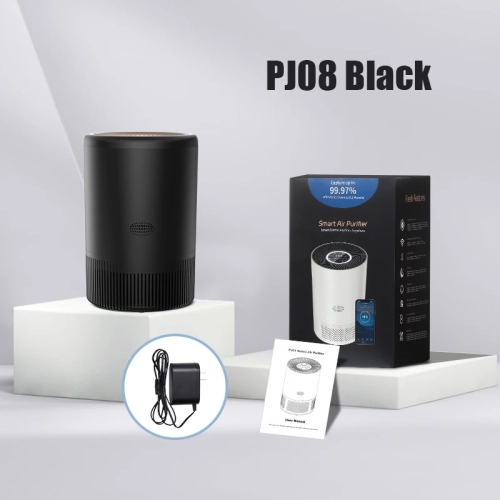
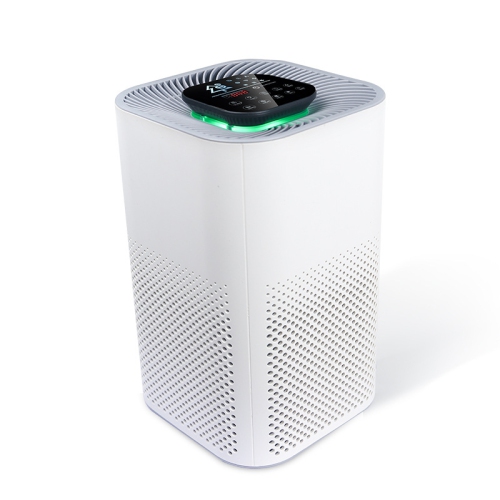
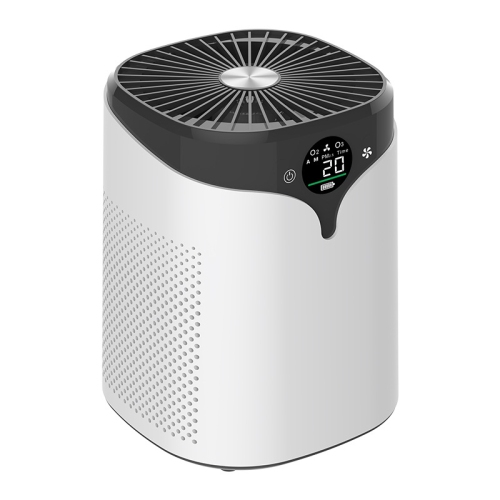
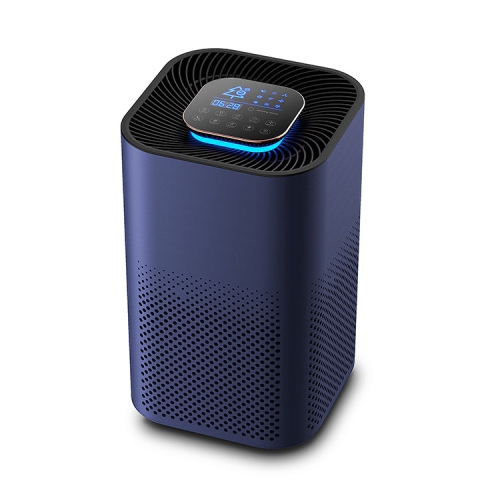
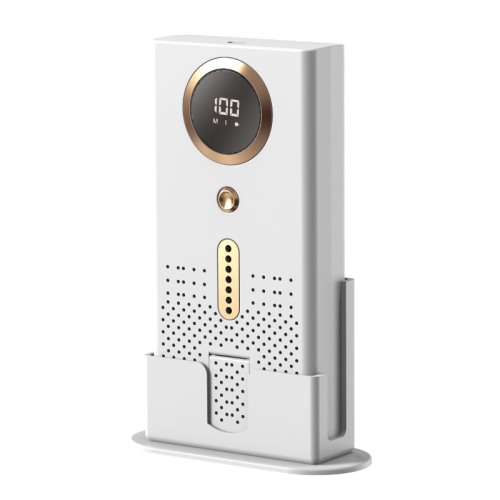
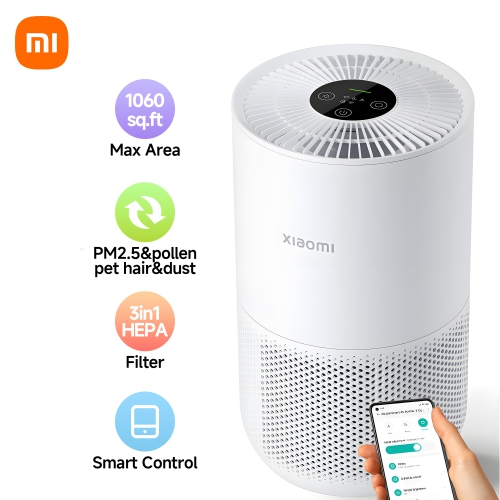
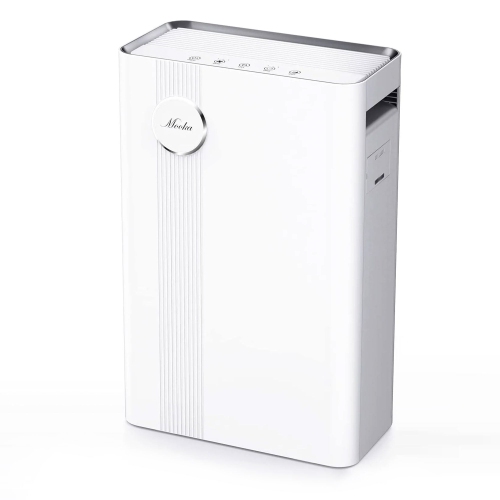
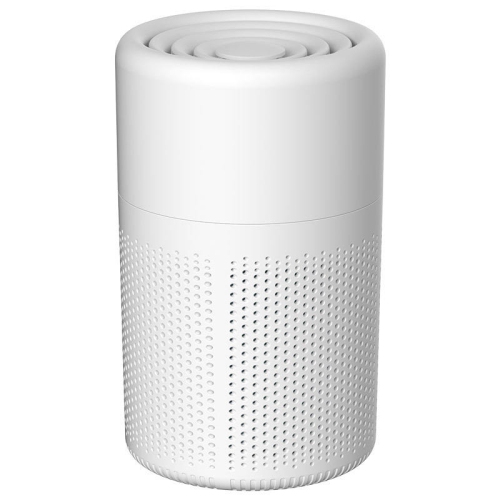
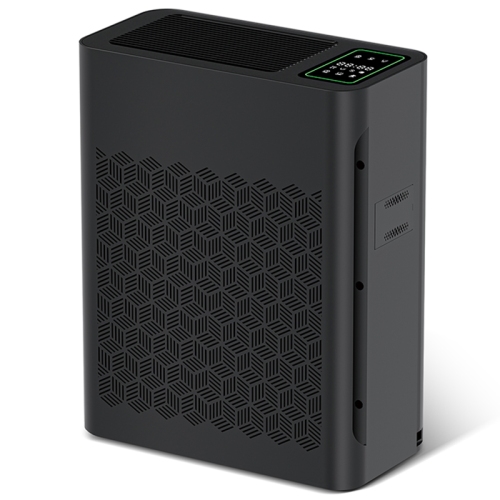
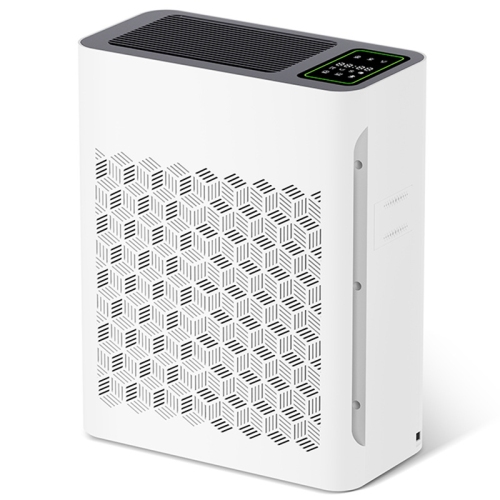
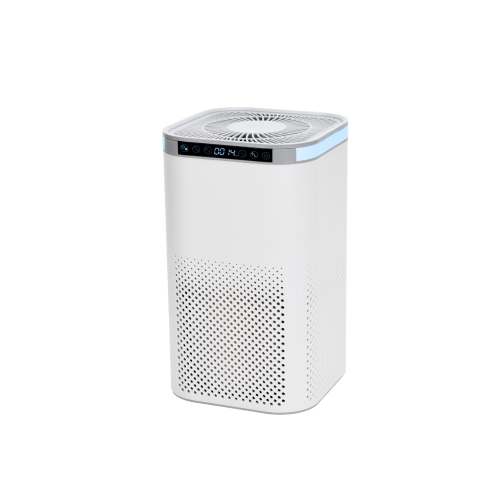
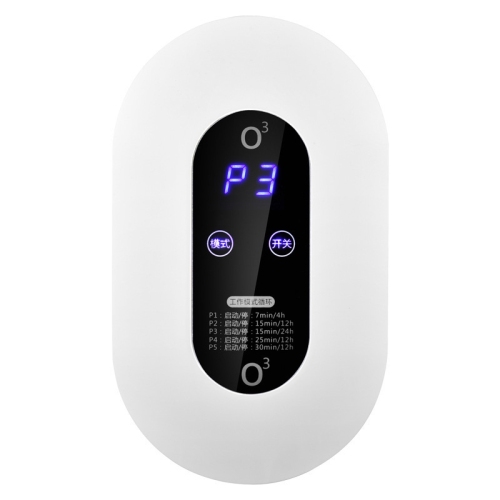
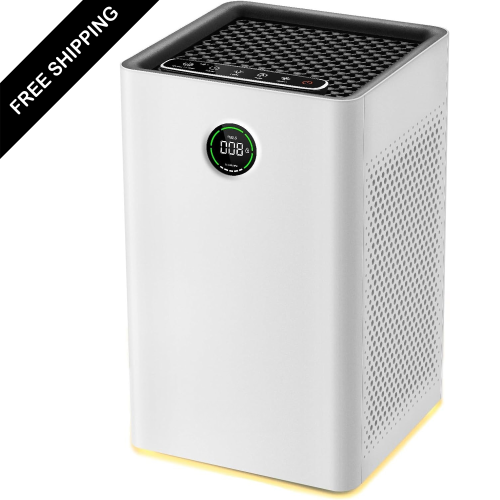
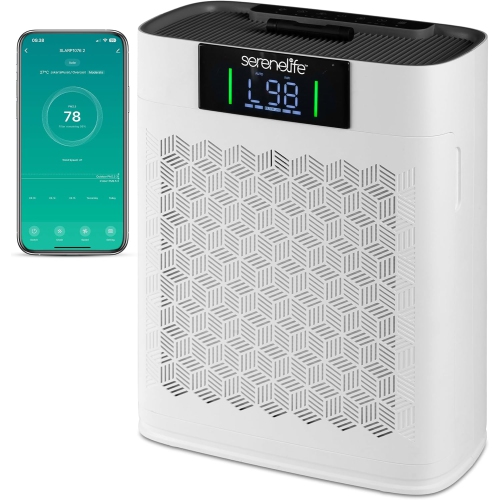
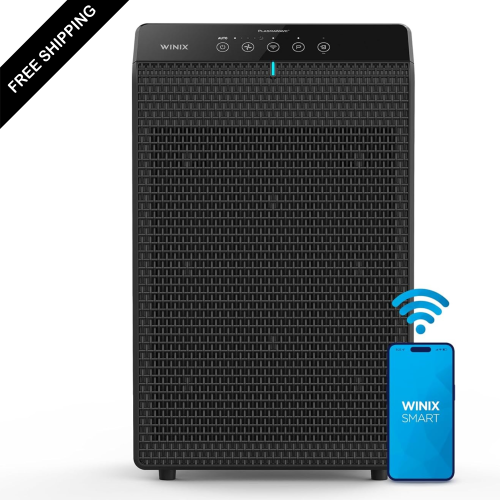
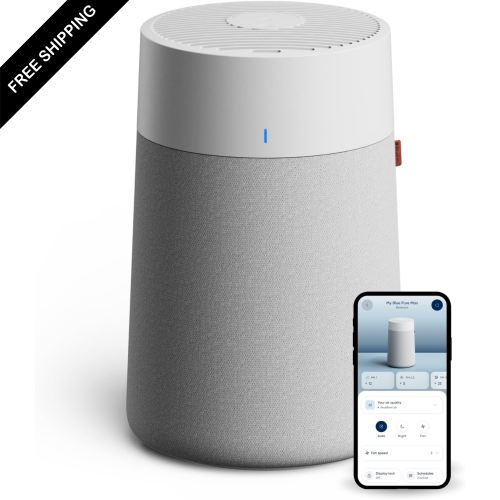
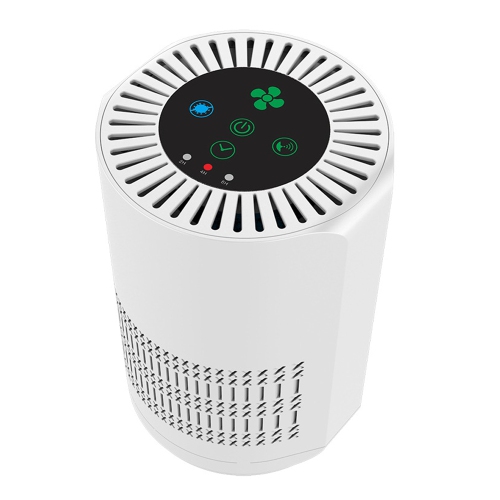
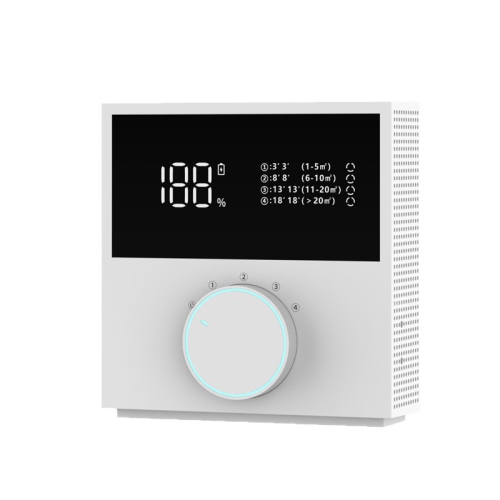
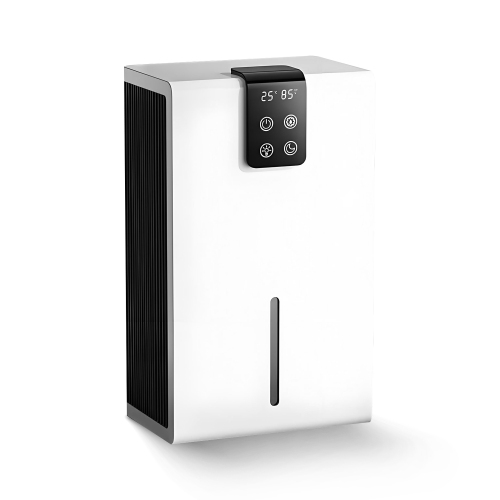
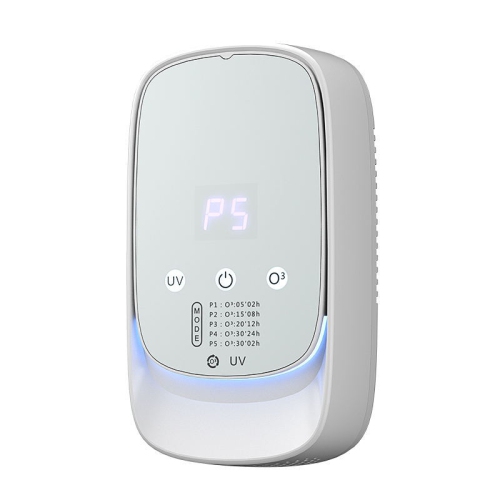
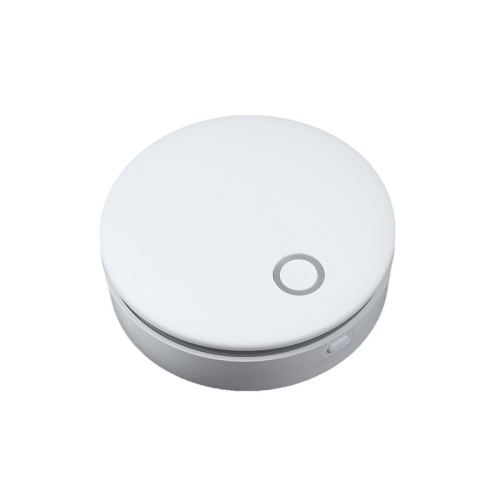
What to know about filters, coverage, placement, and care
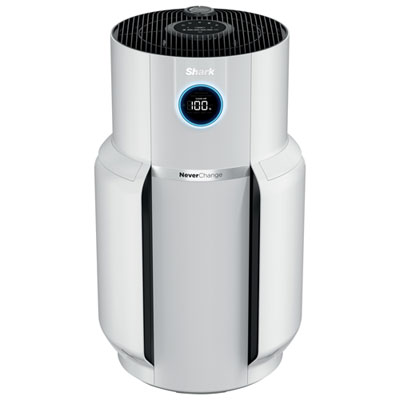
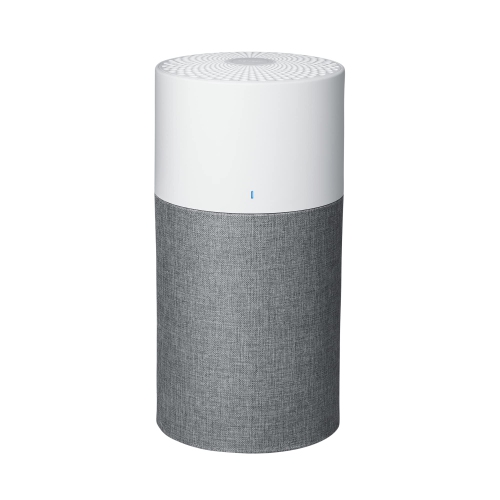
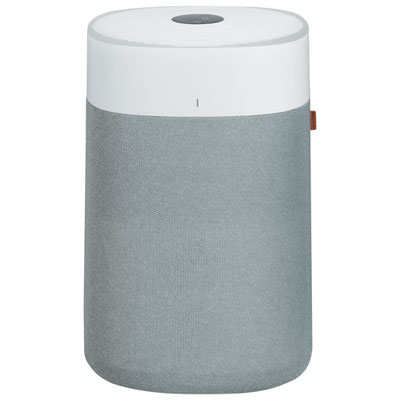
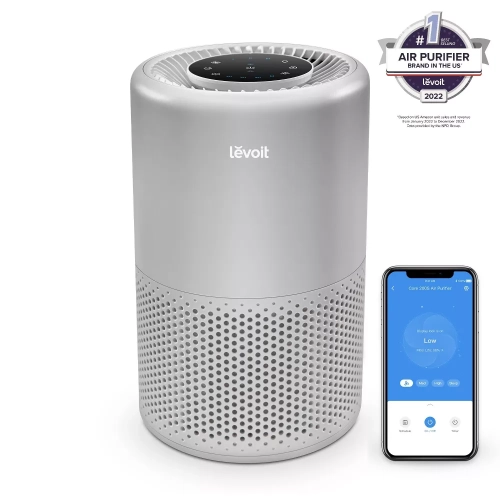
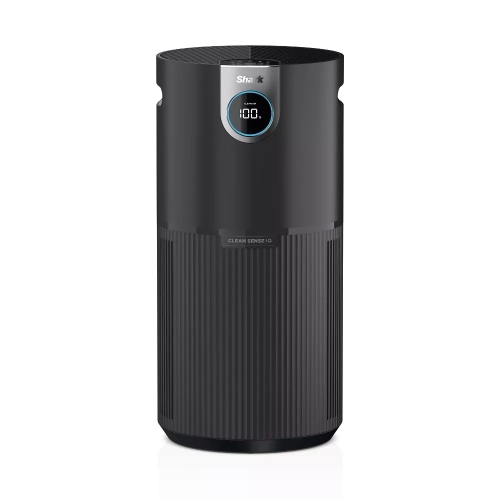
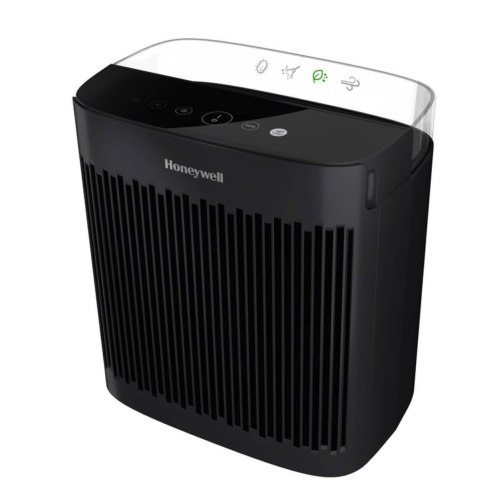
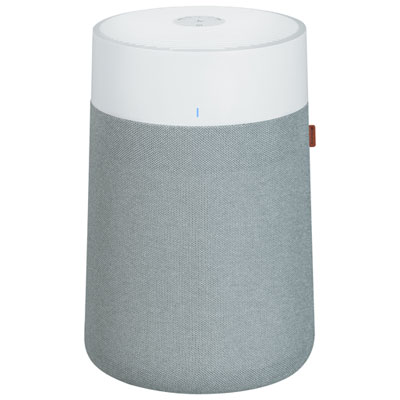
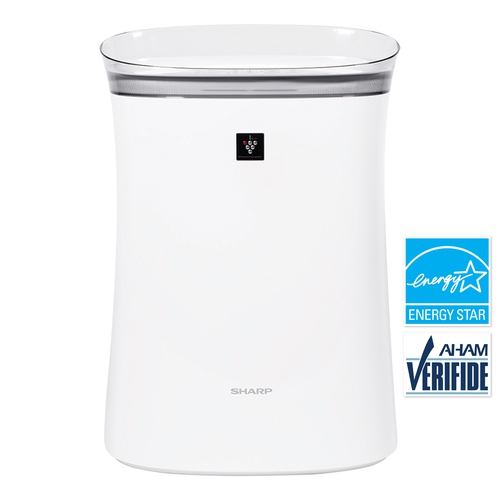
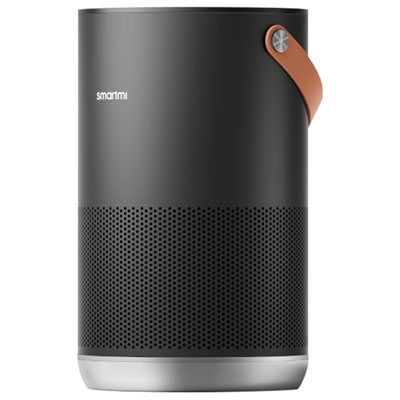
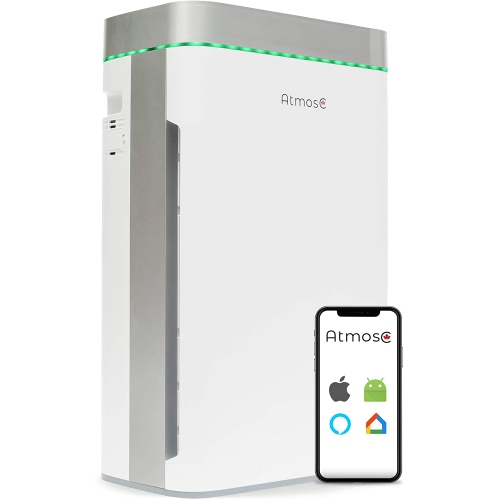
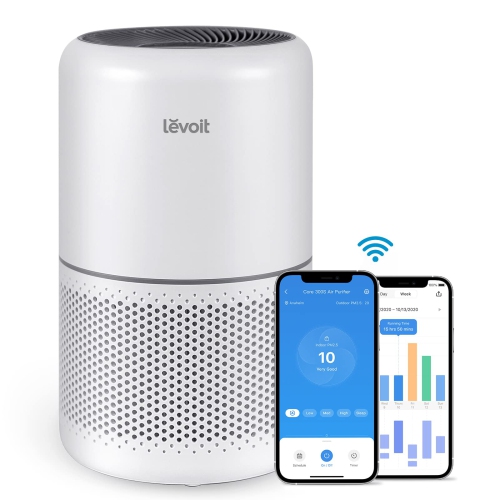
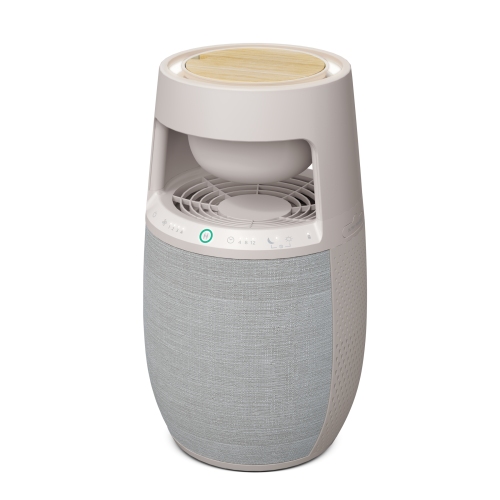
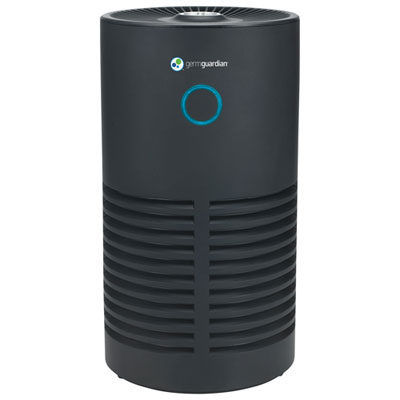
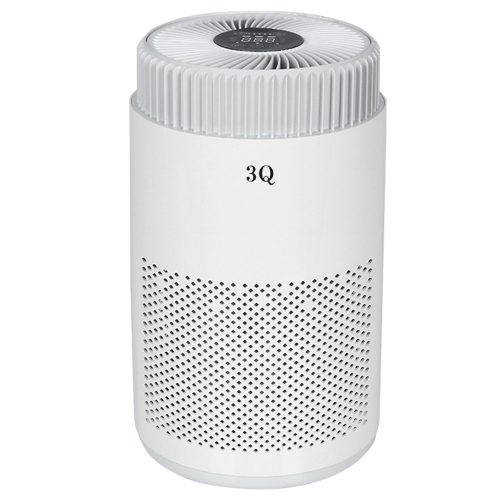
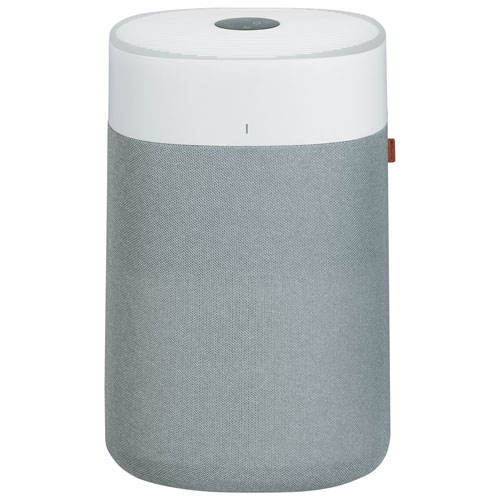
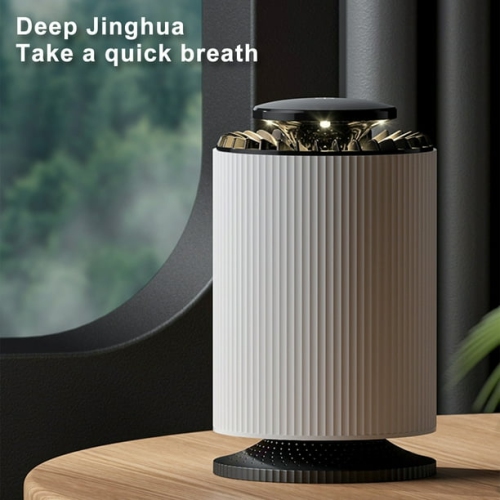
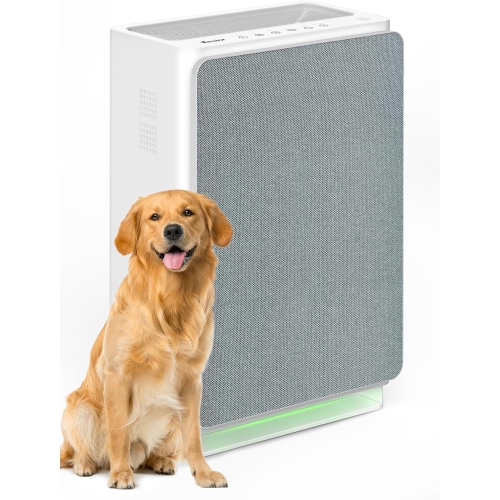
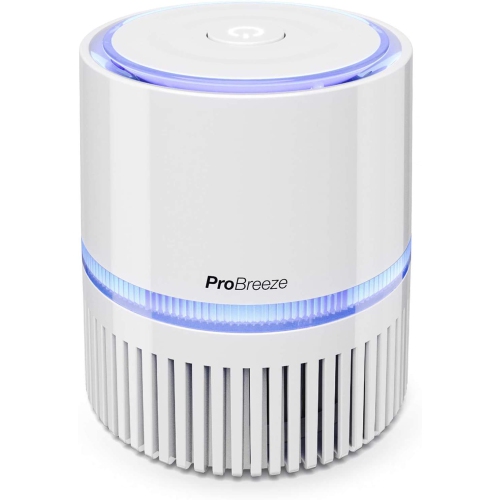
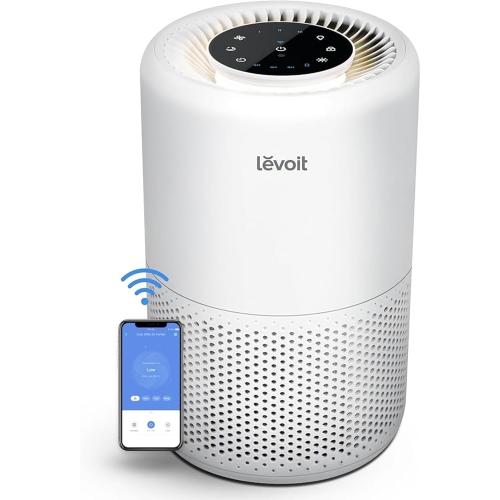
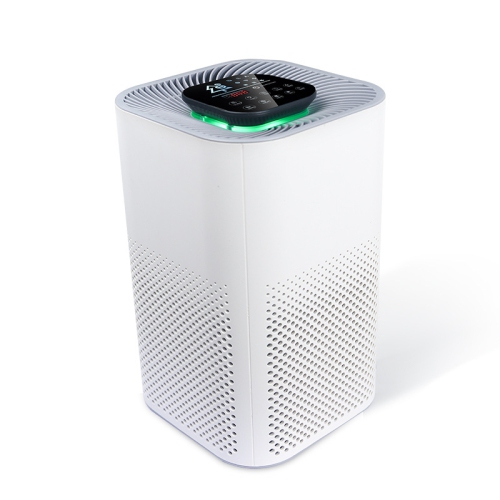
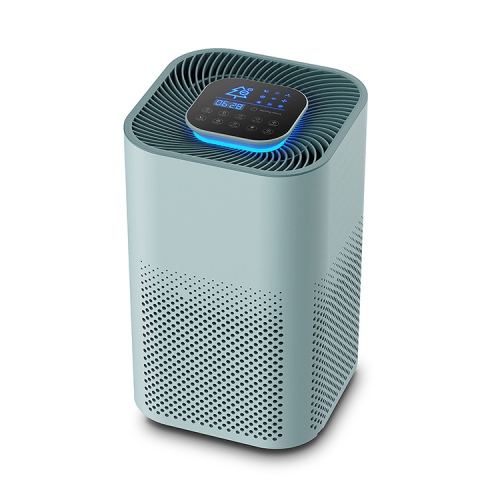
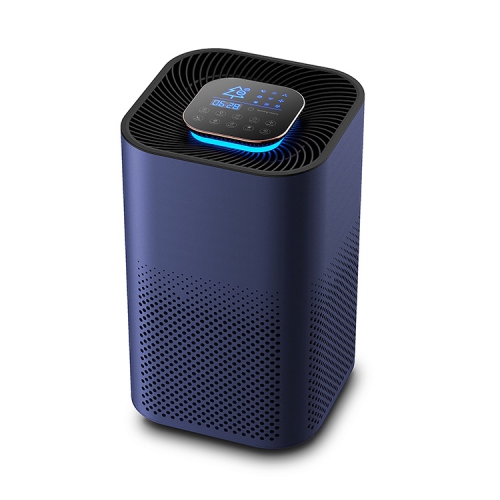
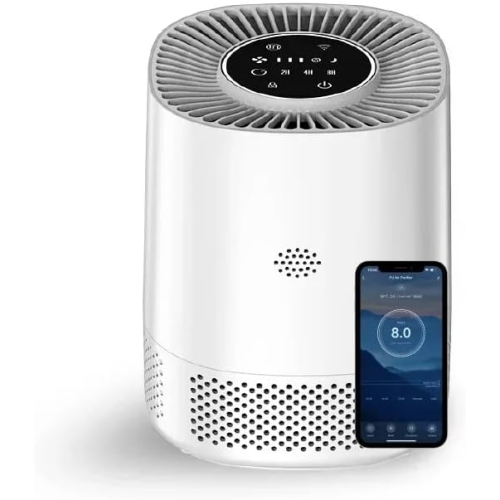
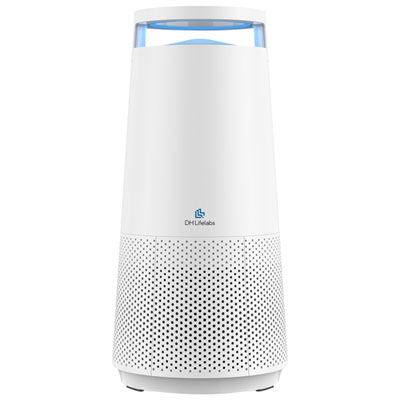
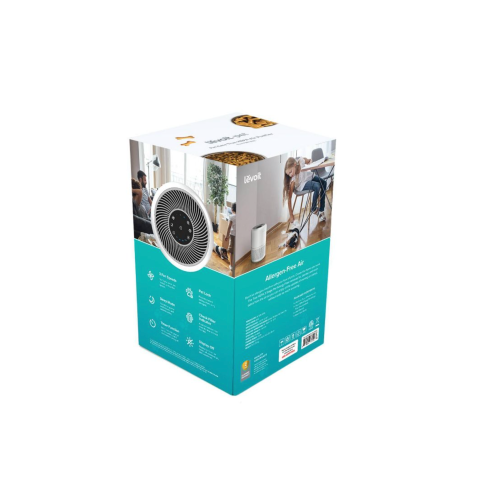
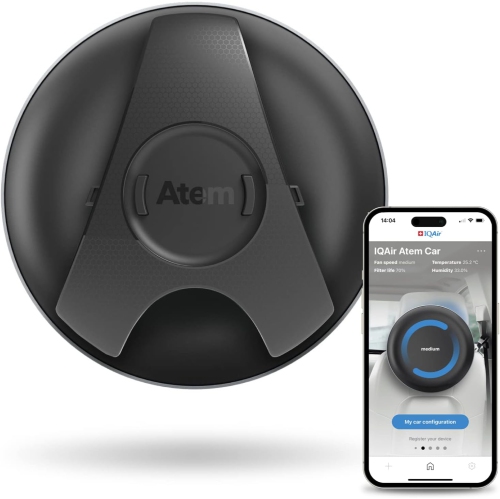
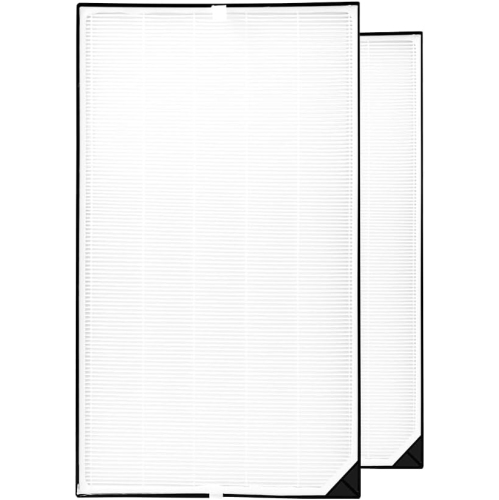
House air purifiers can help make indoor spaces feel fresher by circulating room air through filters designed to capture common airborne particles. They are often used to reduce dust, pollen, pet dander, smoke particles, and other fine matter that can settle on furniture or linger in the air. During the cooler months, when windows may stay closed and heating systems circulate air throughout the home, a purifier can be a useful addition to bedrooms, living rooms, home offices, nurseries, and other frequently used spaces. A typical unit draws air through one or more filter stages, traps particles, and returns filtered air to the room. Many models use a pre-filter to catch larger particles such as hair and lint, a True HEPA filter to capture very fine particles, and an activated carbon layer to help reduce household odours and certain volatile organic compounds. A True HEPA filter is commonly rated to capture up to 99.97% of particles as small as 0.3 microns under specified test conditions, making it an important feature for households managing seasonal pollen, everyday dust, or pet-related dander. Activated carbon can be especially helpful near litter boxes, cooking areas, entryways, or rooms where odours tend to collect. For a broader selection, explore Clean Air Purifiers and compare filter types, coverage ratings, controls, and features suited to the rooms in your home.
Room size is one of the most important considerations when choosing a house air purifier. Check the manufacturer’s recommended coverage area and compare it with the size of the room where the unit will operate, rather than selecting a model based only on its appearance or fan settings. A compact purifier may be well suited to a bedroom, nursery, or small office, while a larger open-concept living area may need a unit with a higher Clean Air Delivery Rate, or CADR. CADR indicates how quickly a purifier can deliver filtered air, and higher ratings generally suit larger rooms or households that want faster air circulation. Ceiling height, open doorways, and connected spaces can also affect performance, so a purifier rated for a particular square footage may work differently in an open-plan area than in a closed room of the same size. If dust or pollen is the main concern, prioritize a genuine HEPA filter and check the replacement schedule and ongoing filter availability before buying. If pets are part of the household, look for a washable or replaceable pre-filter that can handle fur and larger debris, along with activated carbon for odours. For smoke or strong household smells, carbon capacity and airflow matter, although no residential purifier should be treated as a substitute for ventilation, source control, or a properly functioning range hood. People who are sensitive to noise may appreciate a sleep mode, low fan settings, dimmable displays, and sound levels around the quiet hum of a bedroom fan. Air-quality sensors, automatic modes, remote controls, and Wi-Fi connectivity can add convenience by adjusting operation as conditions change, while a simple manual control panel may be preferable for a straightforward setup.
Placement and routine care have a noticeable effect on everyday results. Set the purifier on a stable, level surface with clear space around the air intake and outlet, keeping it away from curtains, walls, furniture, and corners that could restrict airflow. In a bedroom, positioning it where air can circulate without blowing directly across the bed may provide comfortable overnight operation; in a living room, an open area near the centre of activity can help the unit process more of the room’s air. Avoid covering the intake or placing the unit where it could be exposed to spills, excessive moisture, or heavy grease. Close doors and windows when using a purifier for a specific room if outdoor pollen or smoke is entering freely, while still following normal household ventilation practices. Filters gradually fill with captured particles, so check indicator lights or follow the care instructions for cleaning and replacement. Washable pre-filters can often be vacuumed or rinsed as directed, but HEPA and carbon filters generally need to be replaced rather than washed. Homes with pets, smokers, renovation dust, fireplaces, or frequent cooking may require more frequent filter changes than quieter households. A house air purifier can also make a thoughtful gift for someone moving into a new home, welcoming a baby, adopting a pet, setting up a home office, or preparing a guest room. It is a practical choice for anyone who spends long hours indoors and wants a more comfortable-feeling space, particularly when outdoor air is smoky, pollen is high, or dust becomes more noticeable during heating season. Choosing the right model comes down to matching the purifier’s coverage and filtration system to the room, then selecting controls and noise levels that fit naturally into the recipient’s daily routine.
Room size is one of the most important considerations when choosing a house air purifier. Check the manufacturer’s recommended coverage area and compare it with the size of the room where the unit will operate, rather than selecting a model based only on its appearance or fan settings. A compact purifier may be well suited to a bedroom, nursery, or small office, while a larger open-concept living area may need a unit with a higher Clean Air Delivery Rate, or CADR. CADR indicates how quickly a purifier can deliver filtered air, and higher ratings generally suit larger rooms or households that want faster air circulation. Ceiling height, open doorways, and connected spaces can also affect performance, so a purifier rated for a particular square footage may work differently in an open-plan area than in a closed room of the same size. If dust or pollen is the main concern, prioritize a genuine HEPA filter and check the replacement schedule and ongoing filter availability before buying. If pets are part of the household, look for a washable or replaceable pre-filter that can handle fur and larger debris, along with activated carbon for odours. For smoke or strong household smells, carbon capacity and airflow matter, although no residential purifier should be treated as a substitute for ventilation, source control, or a properly functioning range hood. People who are sensitive to noise may appreciate a sleep mode, low fan settings, dimmable displays, and sound levels around the quiet hum of a bedroom fan. Air-quality sensors, automatic modes, remote controls, and Wi-Fi connectivity can add convenience by adjusting operation as conditions change, while a simple manual control panel may be preferable for a straightforward setup.
Placement and routine care have a noticeable effect on everyday results. Set the purifier on a stable, level surface with clear space around the air intake and outlet, keeping it away from curtains, walls, furniture, and corners that could restrict airflow. In a bedroom, positioning it where air can circulate without blowing directly across the bed may provide comfortable overnight operation; in a living room, an open area near the centre of activity can help the unit process more of the room’s air. Avoid covering the intake or placing the unit where it could be exposed to spills, excessive moisture, or heavy grease. Close doors and windows when using a purifier for a specific room if outdoor pollen or smoke is entering freely, while still following normal household ventilation practices. Filters gradually fill with captured particles, so check indicator lights or follow the care instructions for cleaning and replacement. Washable pre-filters can often be vacuumed or rinsed as directed, but HEPA and carbon filters generally need to be replaced rather than washed. Homes with pets, smokers, renovation dust, fireplaces, or frequent cooking may require more frequent filter changes than quieter households. A house air purifier can also make a thoughtful gift for someone moving into a new home, welcoming a baby, adopting a pet, setting up a home office, or preparing a guest room. It is a practical choice for anyone who spends long hours indoors and wants a more comfortable-feeling space, particularly when outdoor air is smoky, pollen is high, or dust becomes more noticeable during heating season. Choosing the right model comes down to matching the purifier’s coverage and filtration system to the room, then selecting controls and noise levels that fit naturally into the recipient’s daily routine.
Top selling and popular products
-
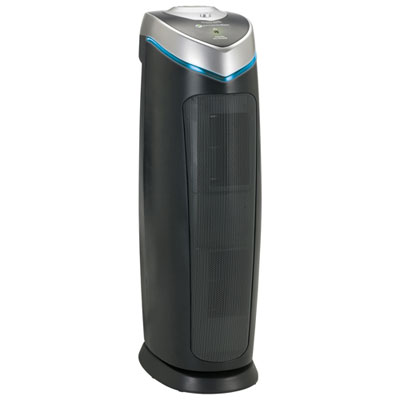 Your price for this item is $139.99
 -
 Your price for this item is $296.99
 -
 Your price for this item is $999.99
 -
 Your price for this item is $729.99
 -
 Your price for this item is $534.99
 -
 Your price for this item is $659.99
 -
 Your price for this item is $699.99
 -
 Your price for this item is $989.99
Discover more categories related to House Air Purifiers
Top Collections:
Pokemon Centers, Kindle Devices, Best Budget Office Chairs, Apple iPhones 16, Best Laptops for Writers, iPhone 15 Apple, Canon G7X Cameras, Refurbished Apple Laptops, Alarm Clock, Motorola Razr Phones
Some products may be subject to Environmental Handling Fees
(EHF) depending on your province.
Learn more about EHFs.