Clean Air Purifiers
If you're looking for a way to improve the air quality in your home or if you want to make sure that your family is breathing clean air, an air purifier is a great place to start. These machines can help reduce airborne particles that can trigger allergies and asthma symptoms. They also remove dust, pollen, pet dander, mold spores, and other contaminants from the air. Here are some of our favorites.
Sort
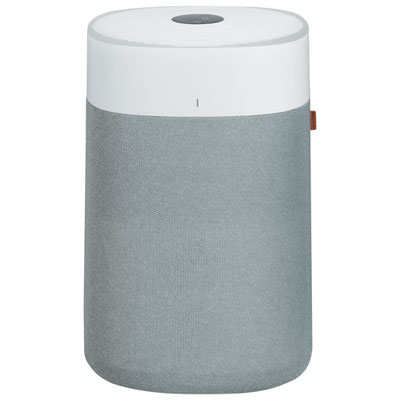
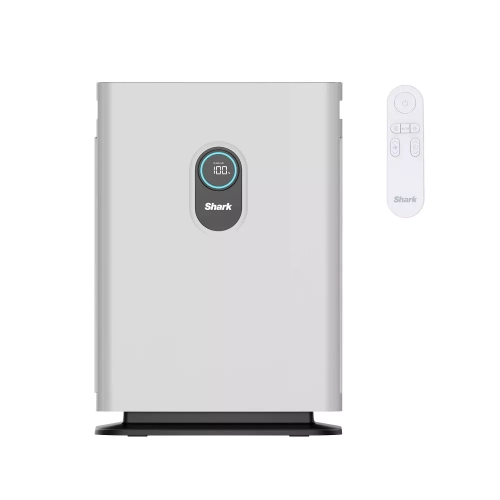
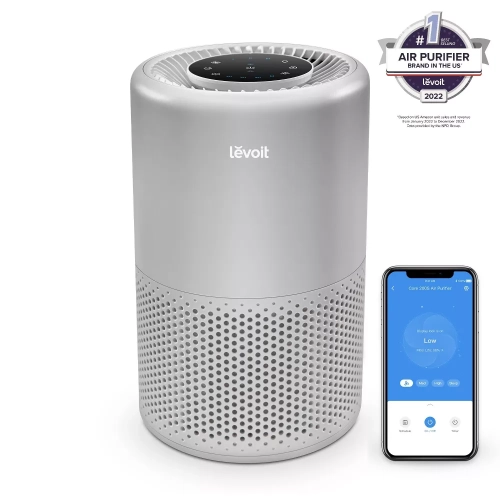
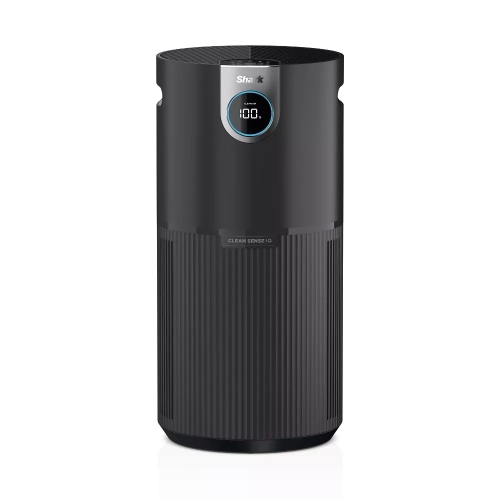
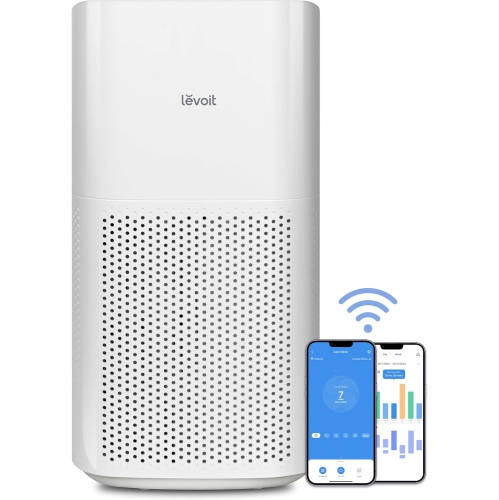
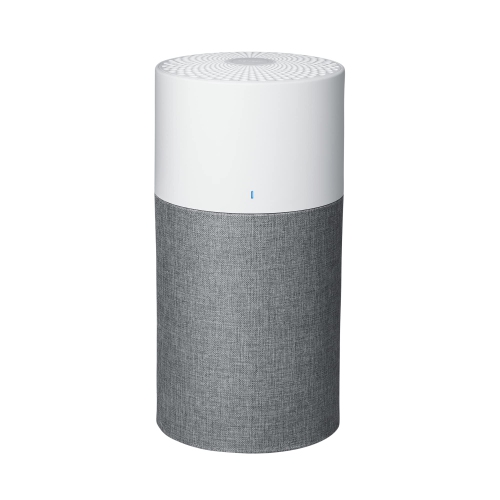
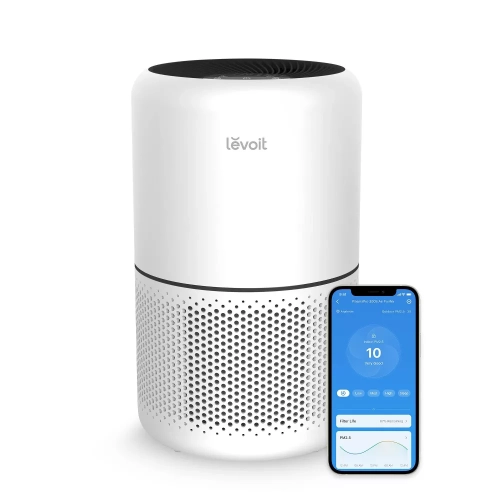
![LEVOIT Core 300 True Hepa Air Purifier In White [Employee of bestbuy] Still run great ,love it](https://multimedia.bbycastatic.ca/multimedia/products/500x500/171/17157/17157111.webp)


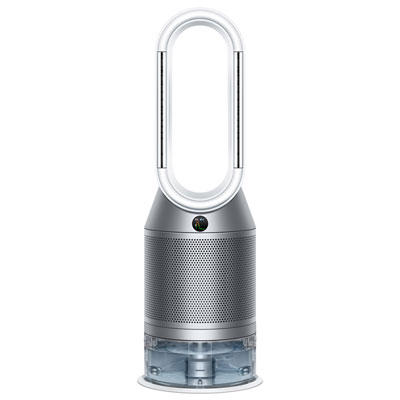
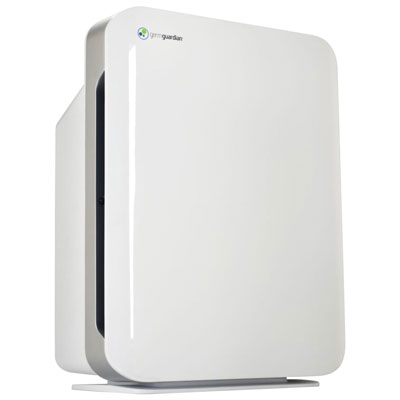
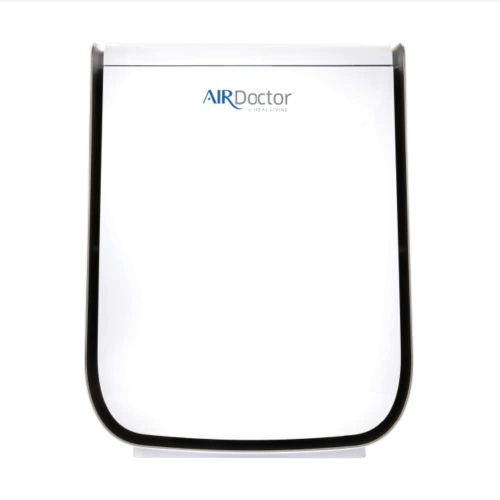
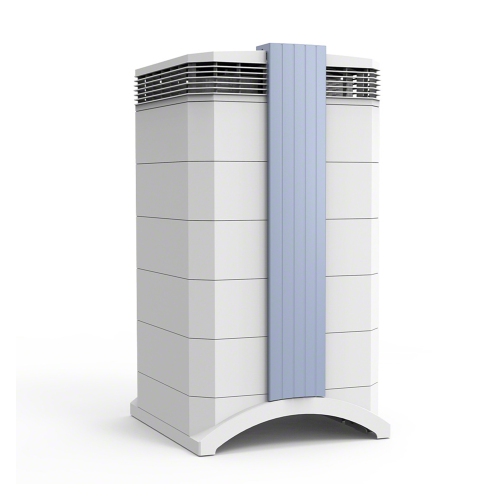
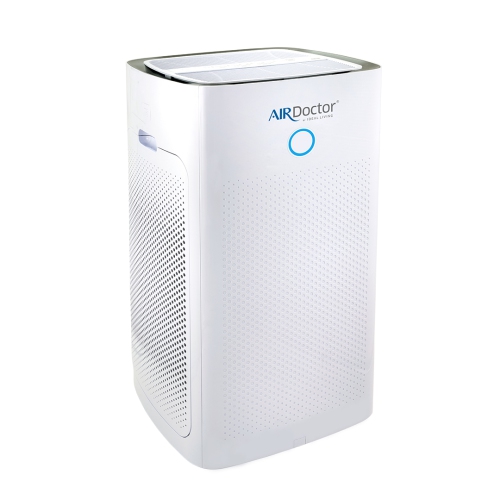
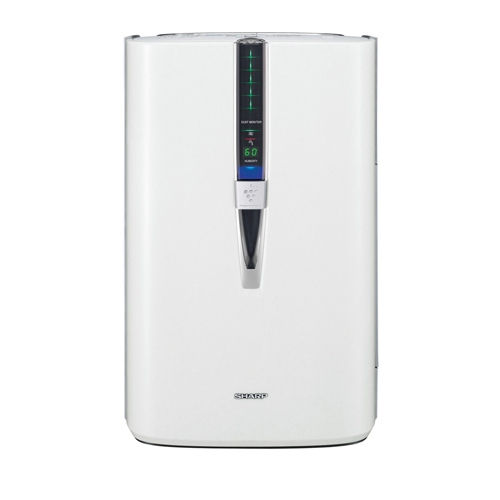
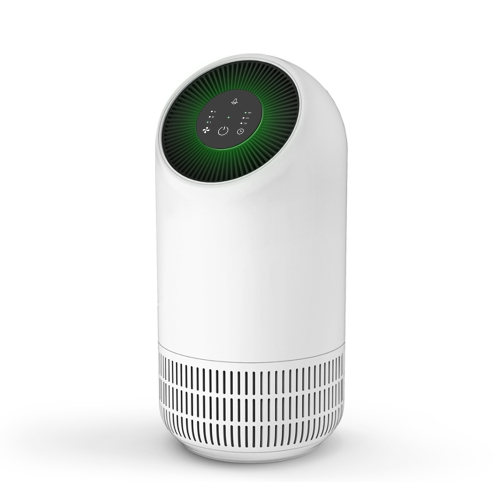
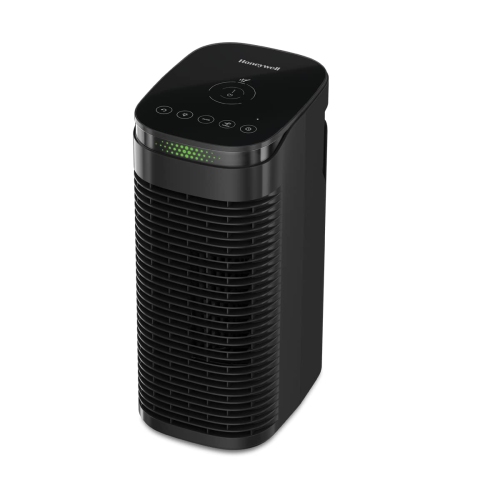
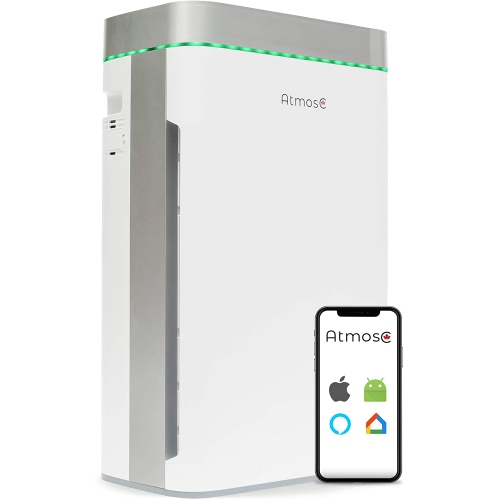
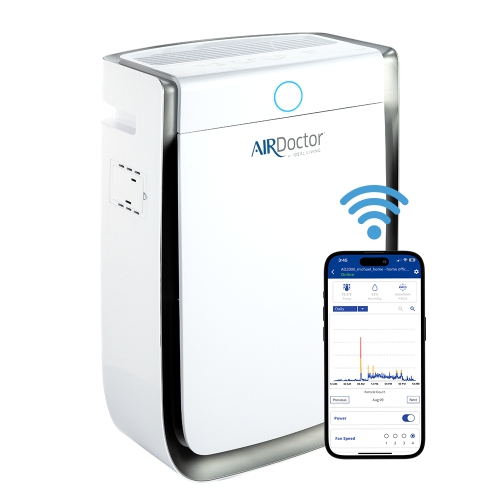
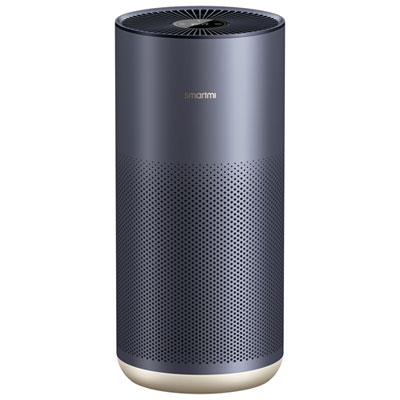
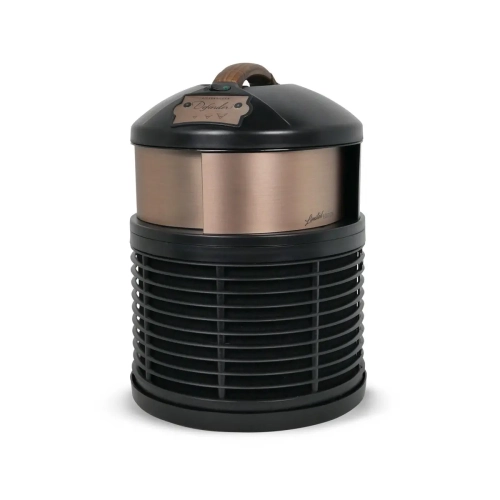
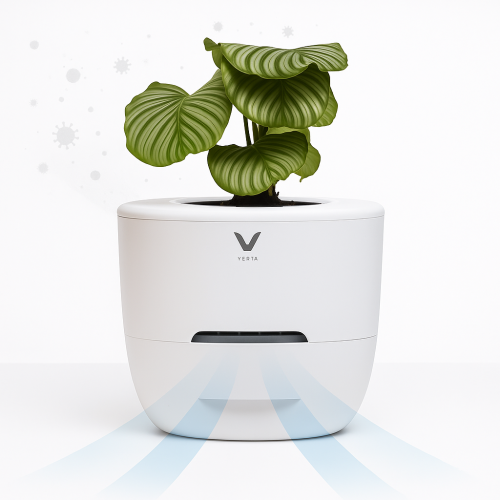
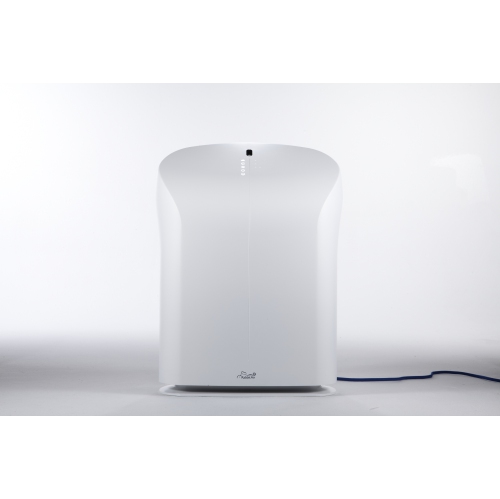
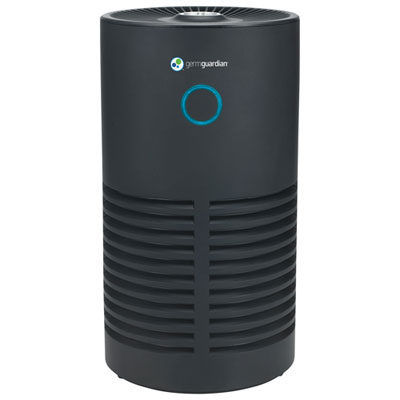
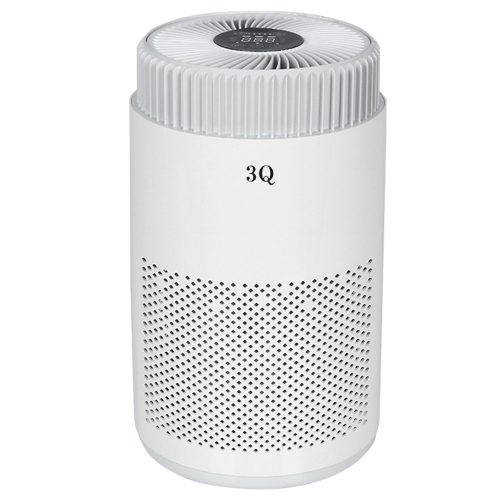
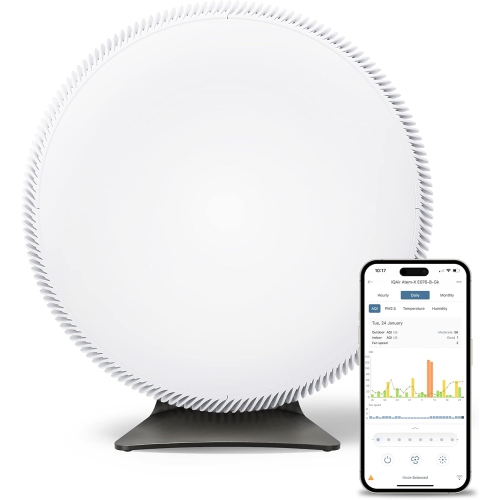
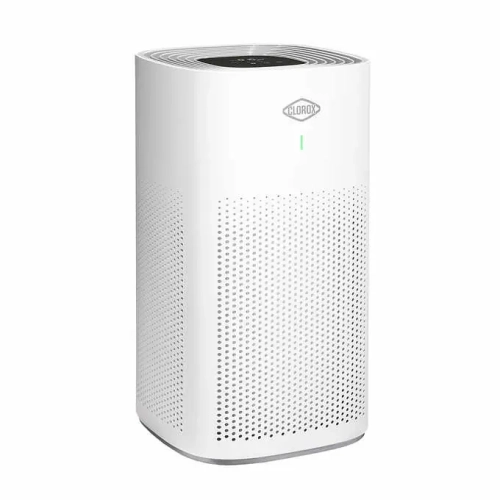
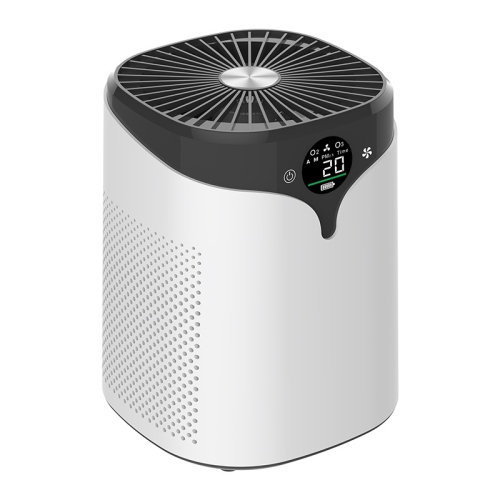
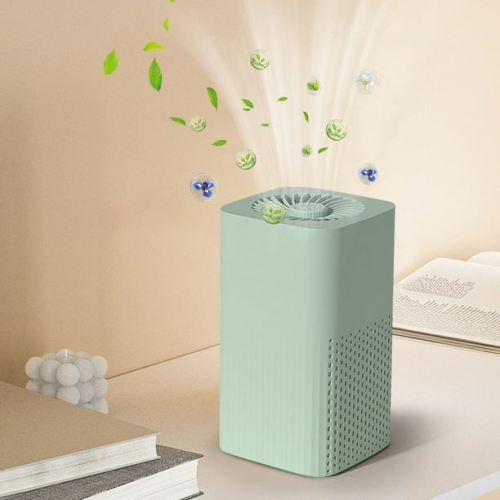
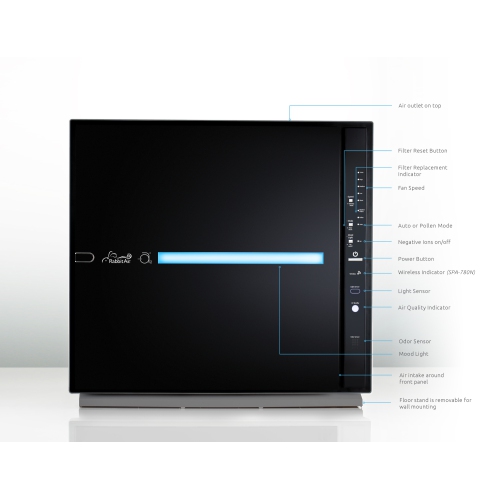
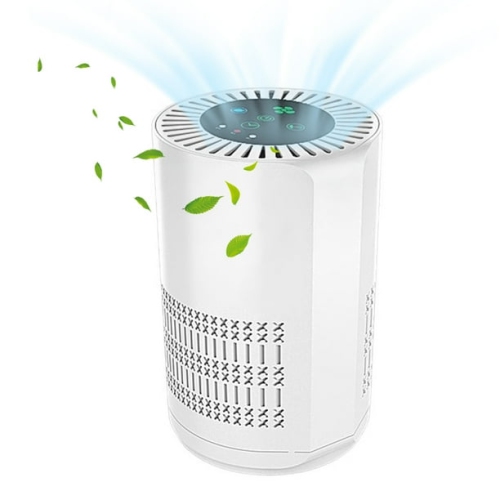
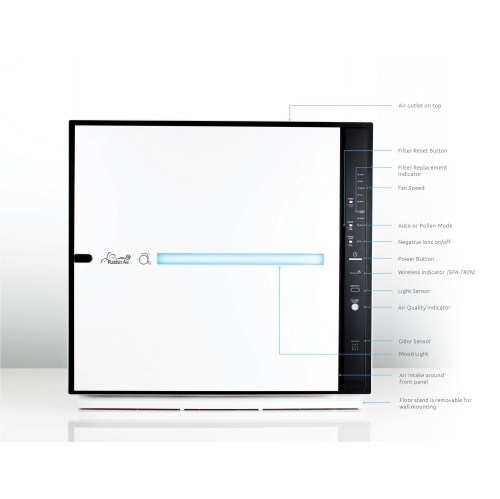

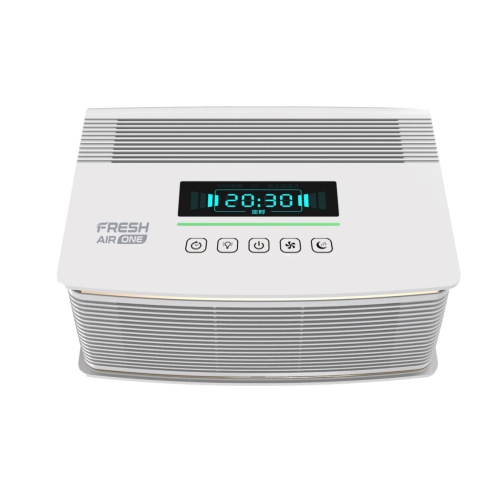
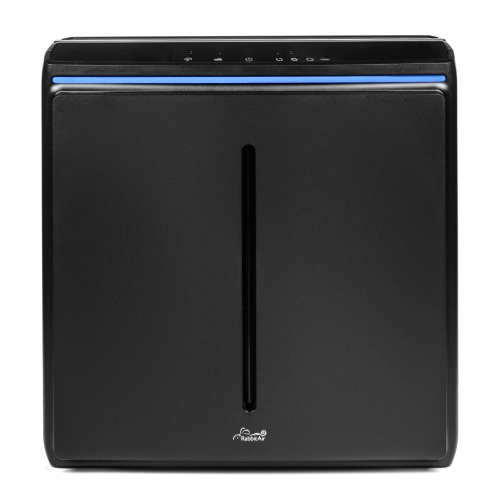
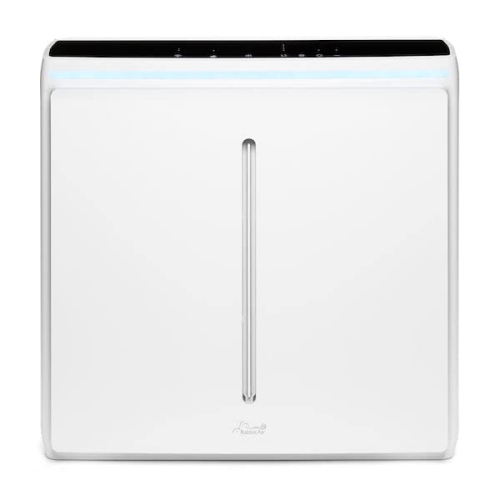
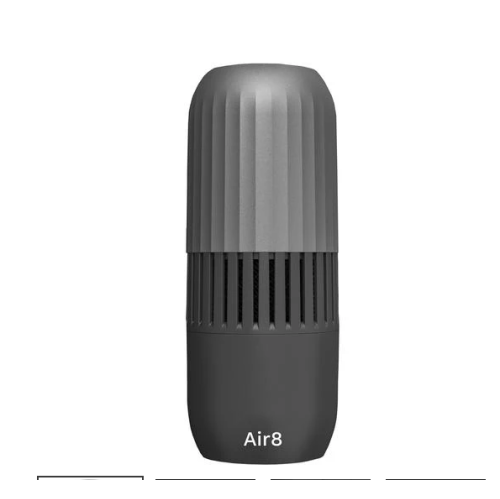
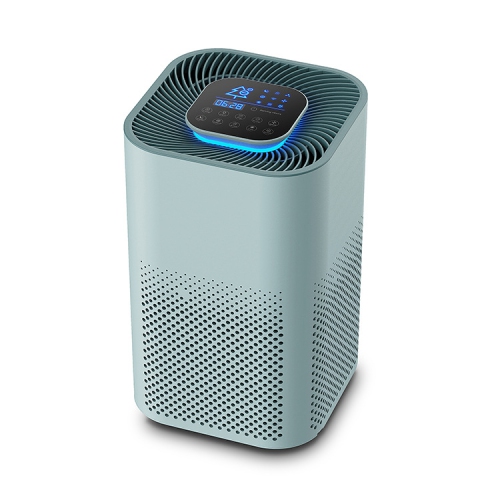



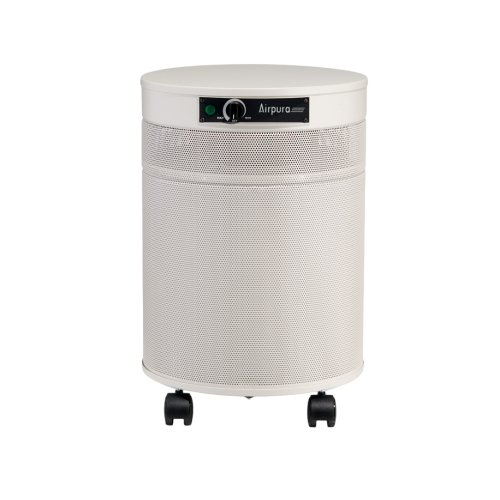
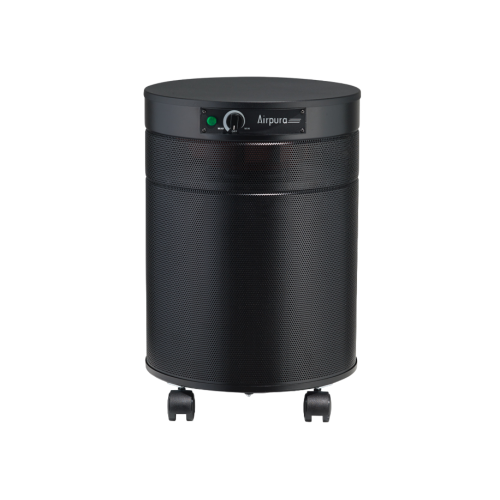
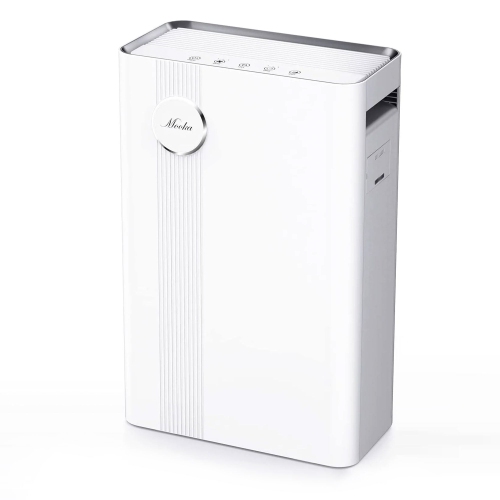
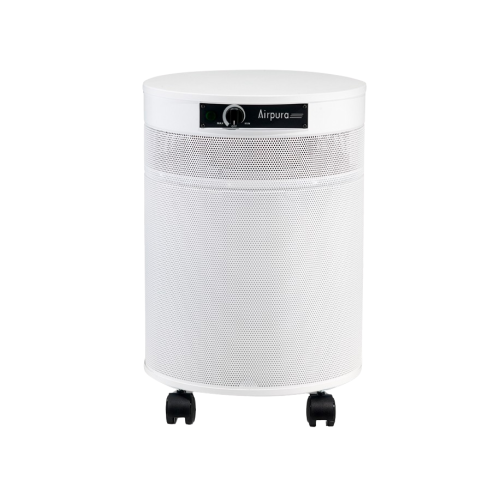
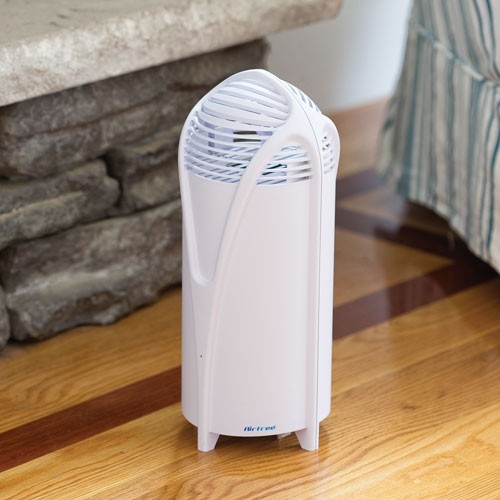
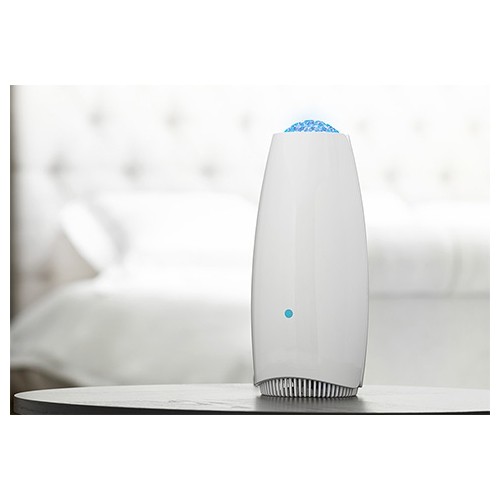
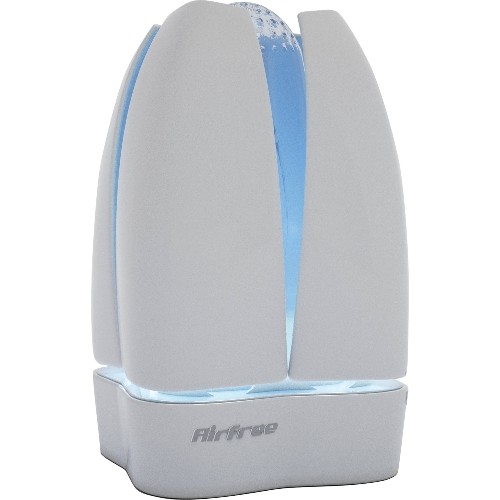
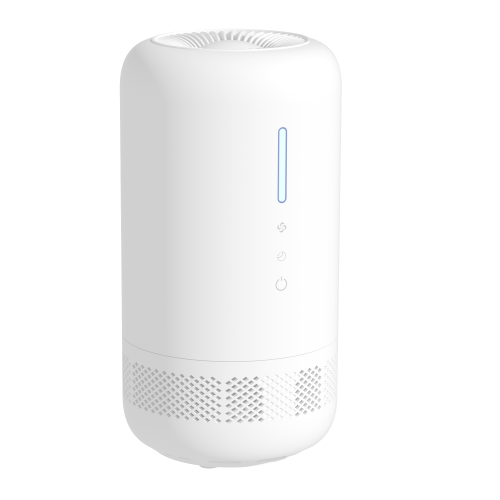
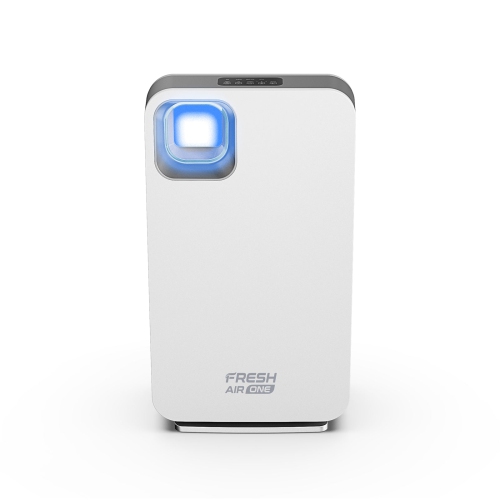
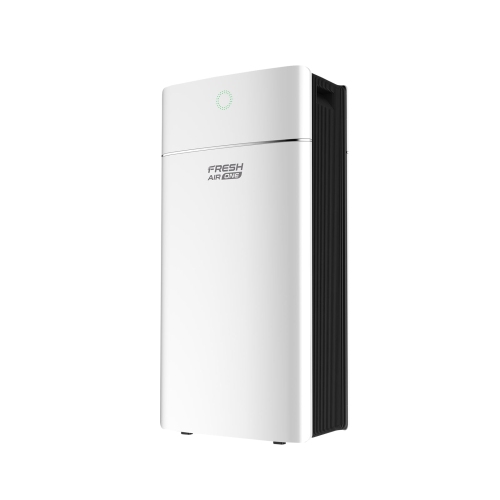
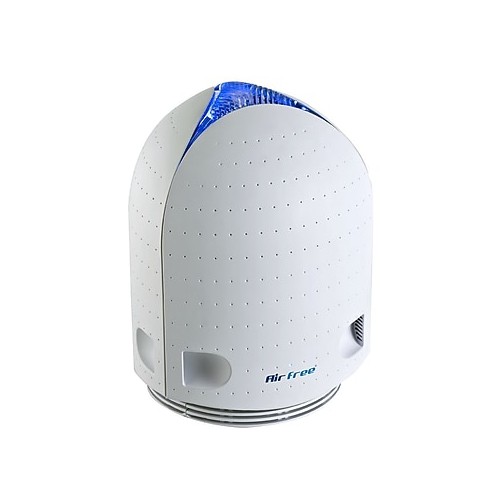
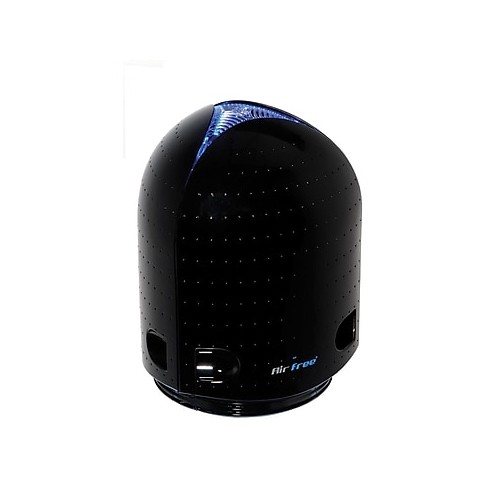

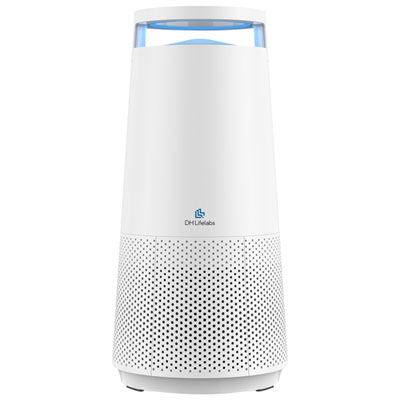
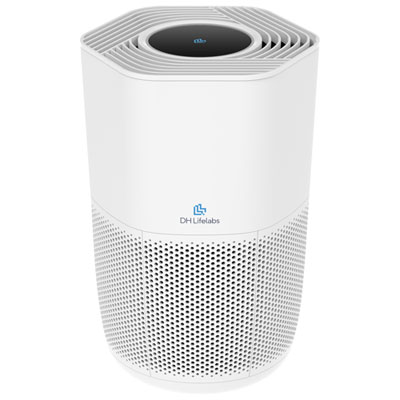
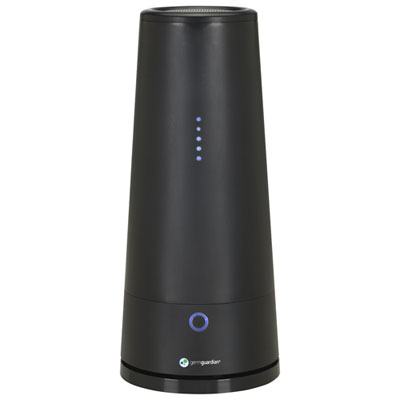
Why room size matters as much as filtration
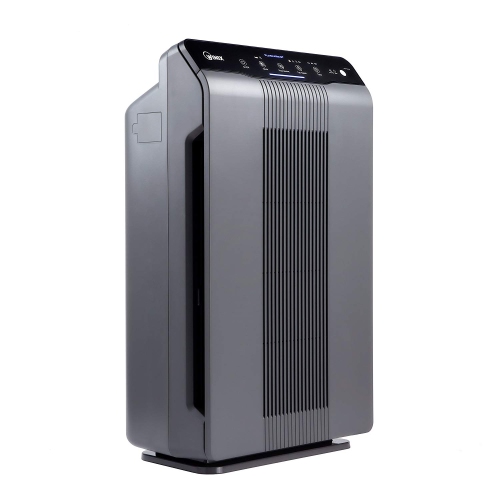
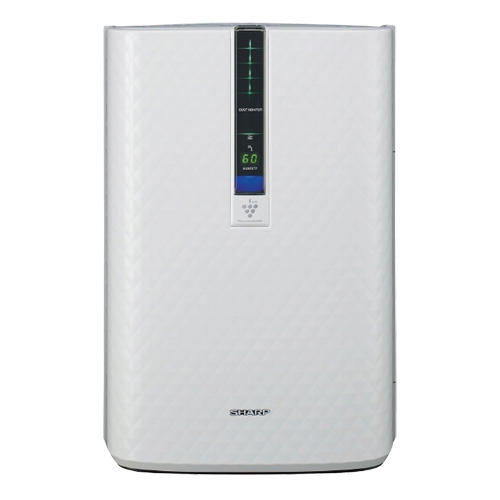
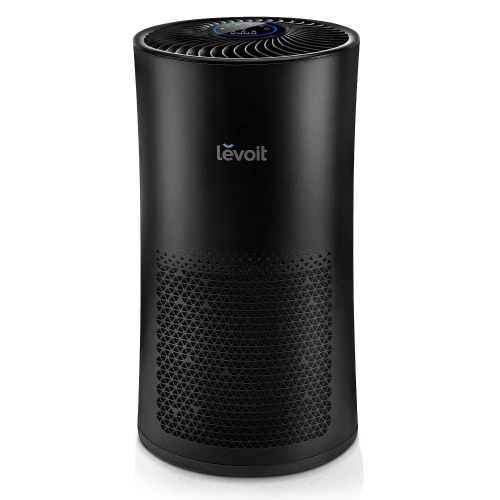
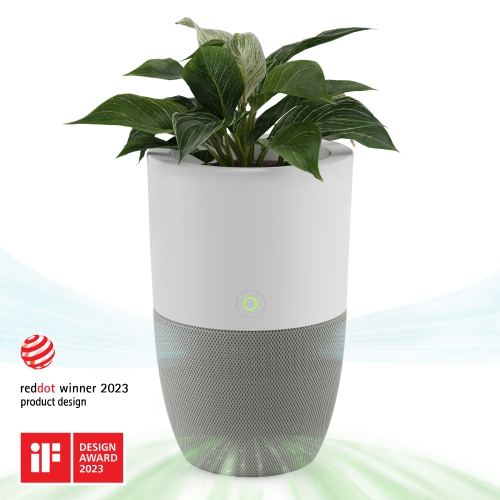
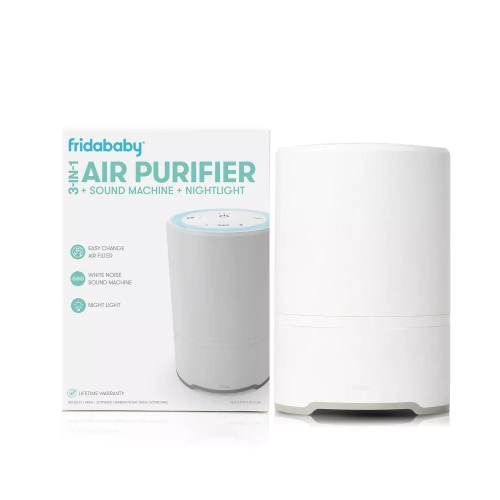
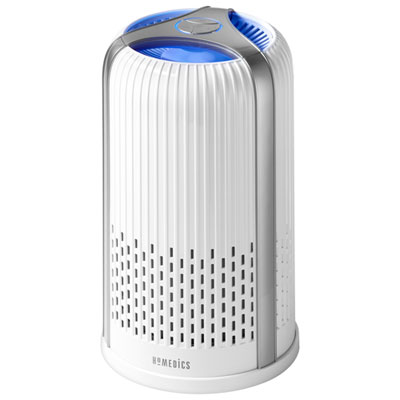
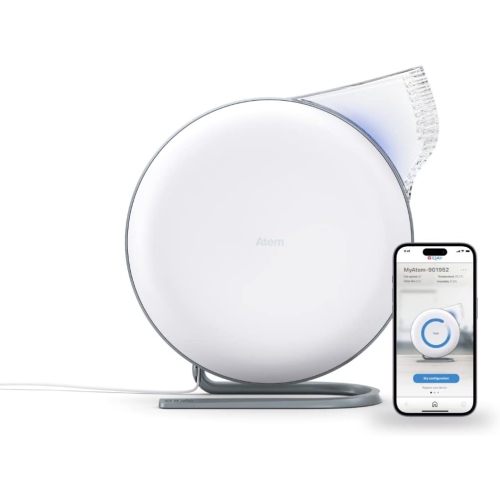
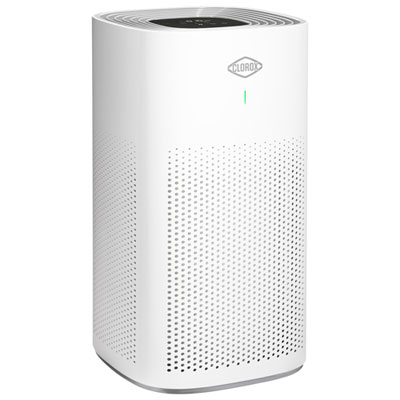
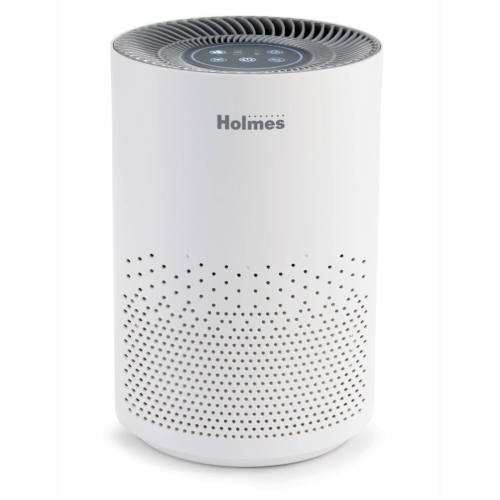
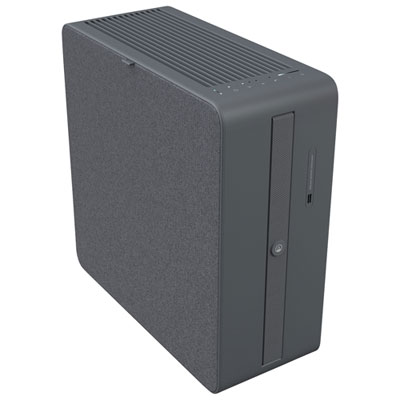
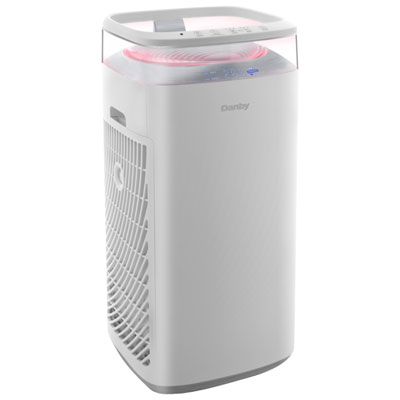
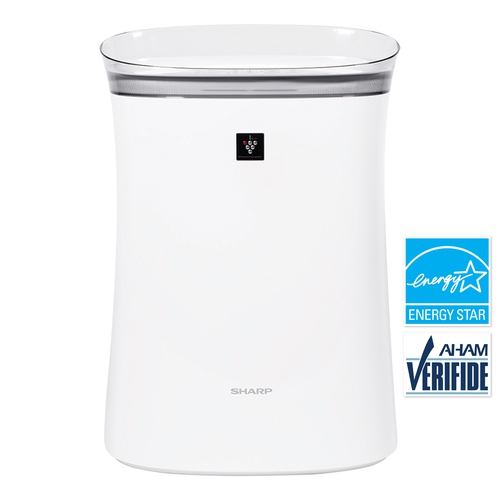
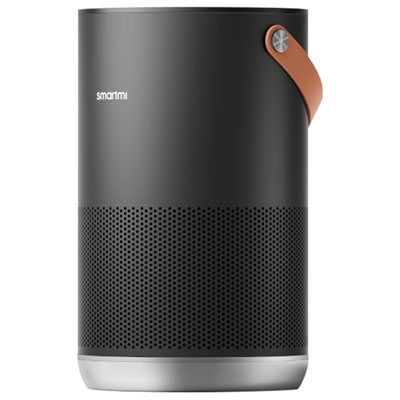
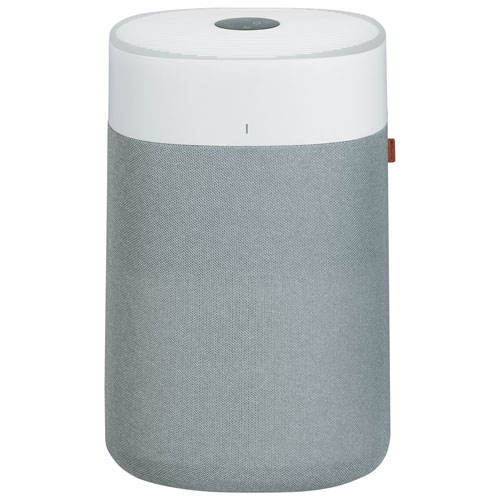
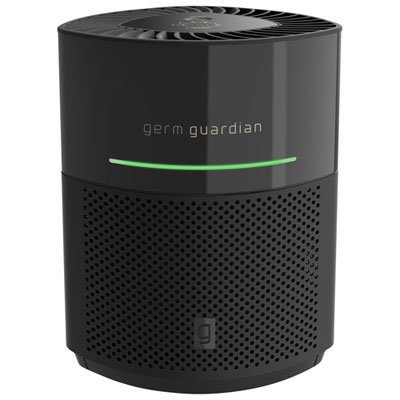
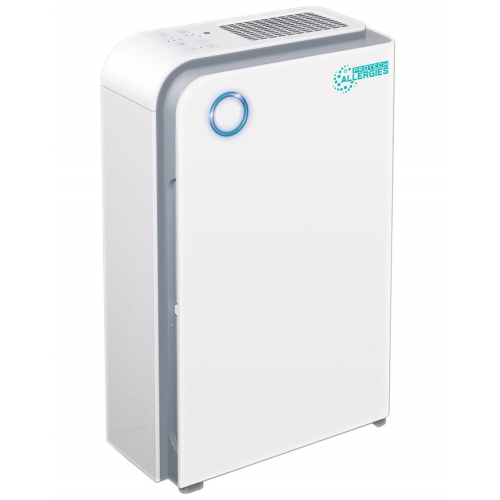
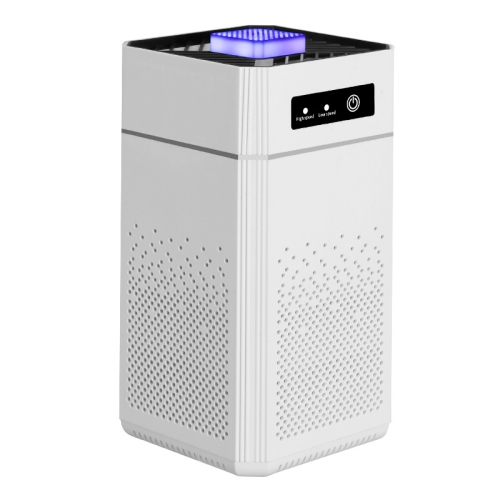
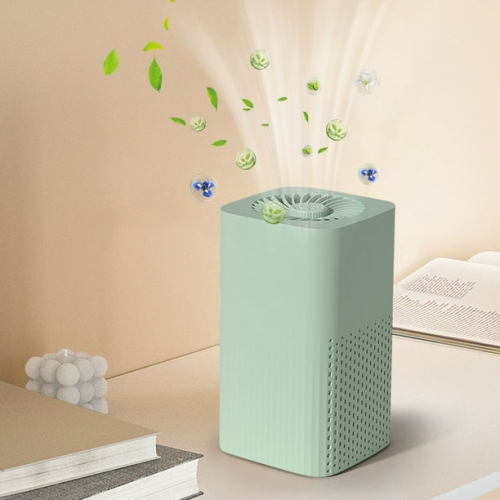
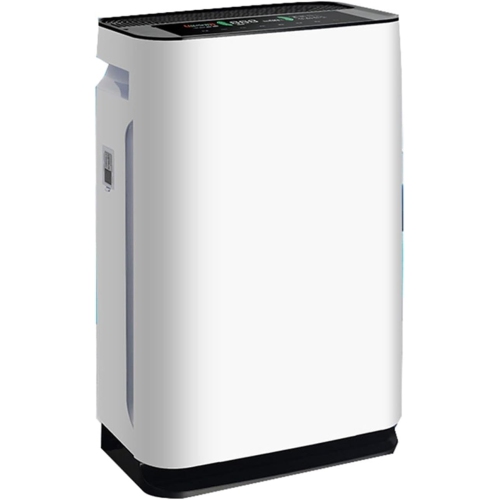
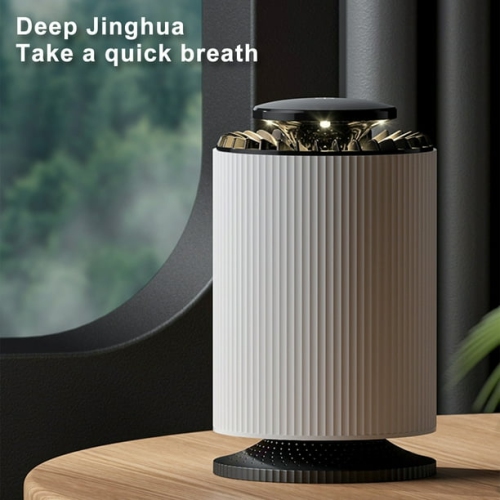
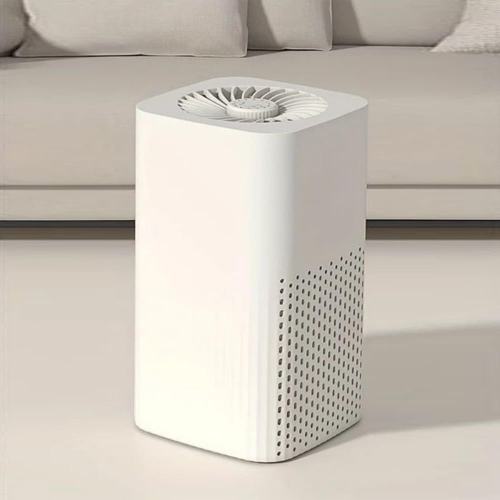
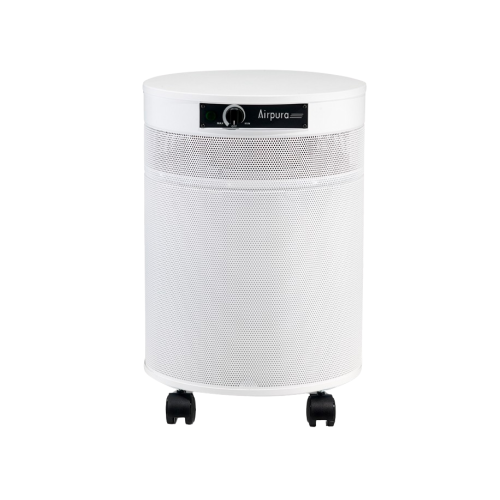
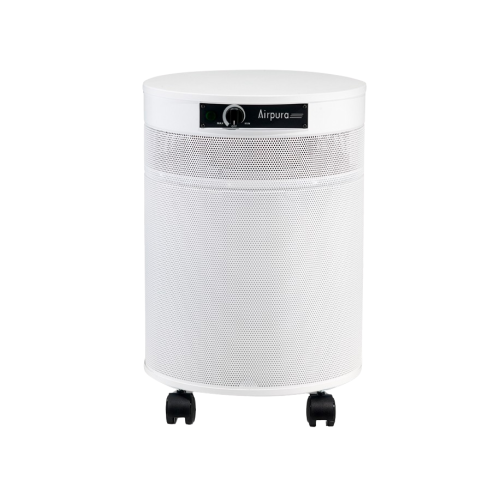
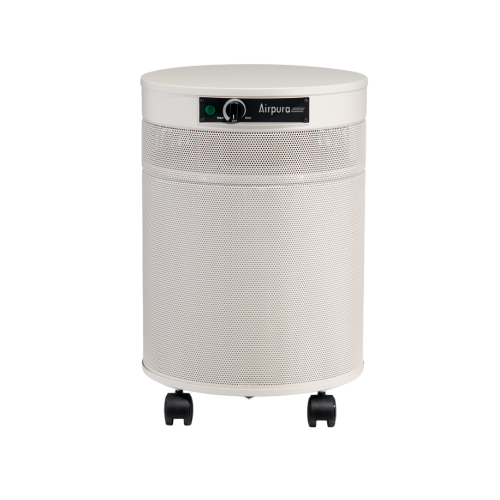
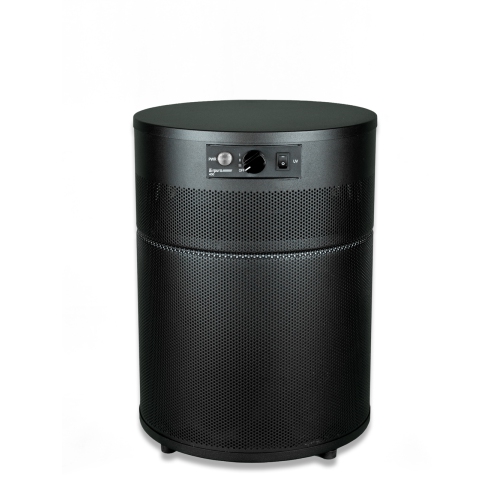
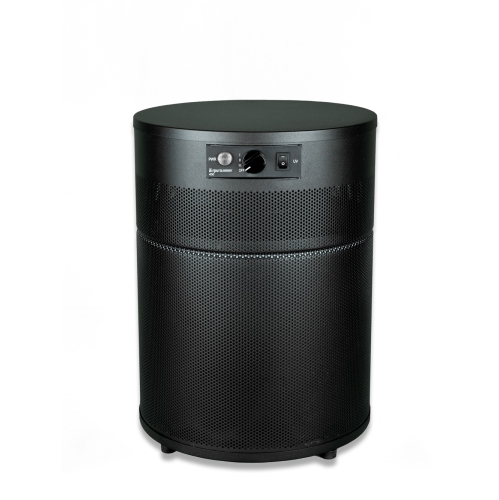
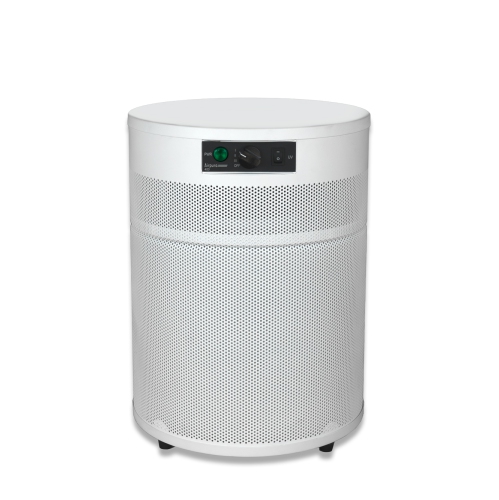
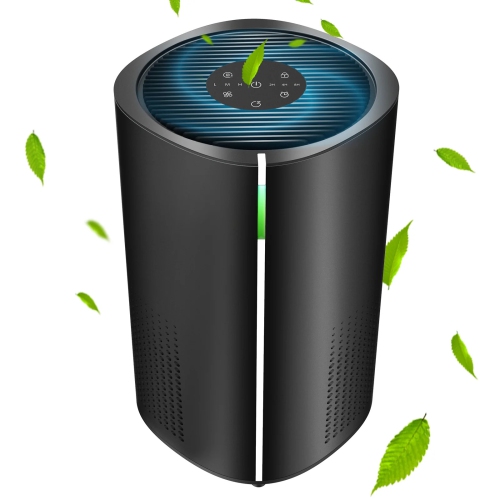
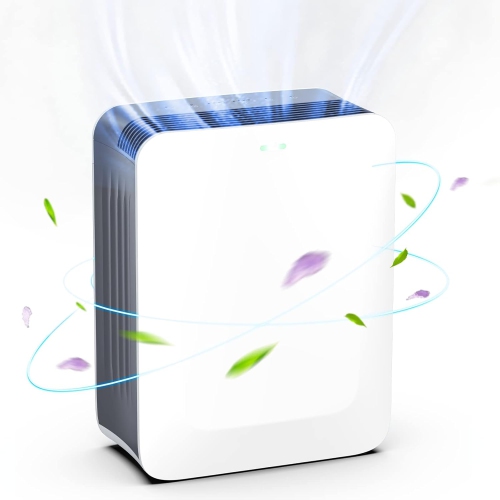
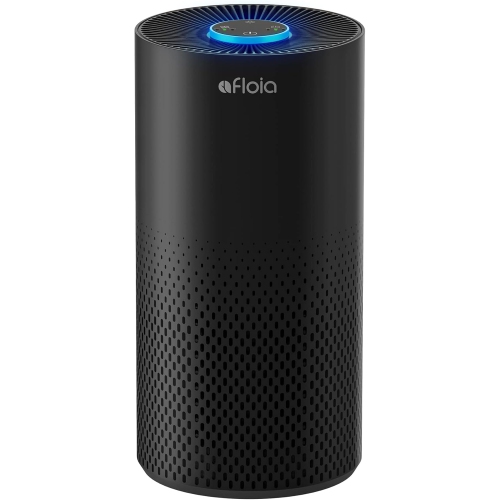
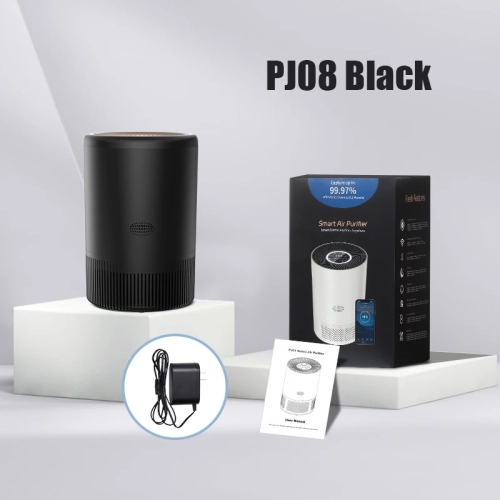
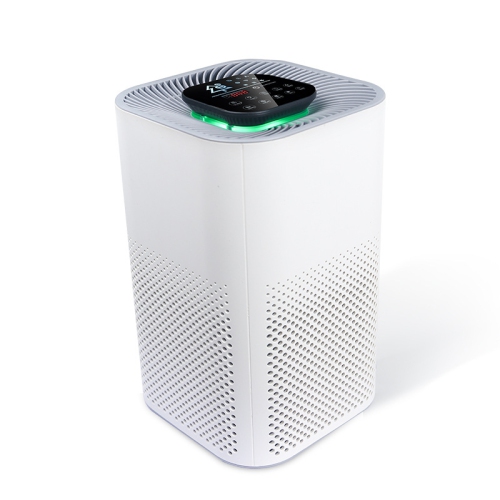
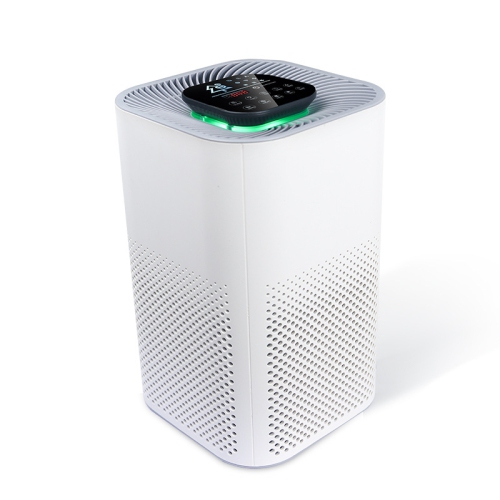
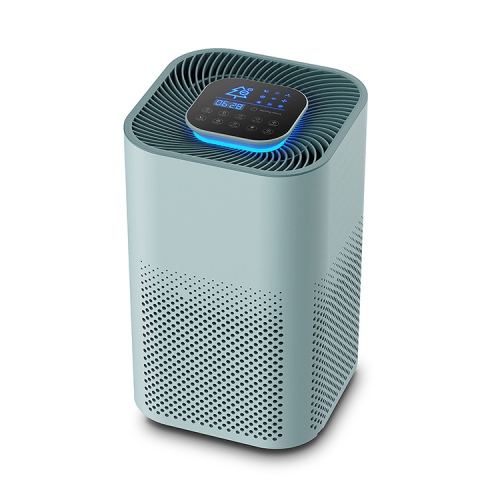
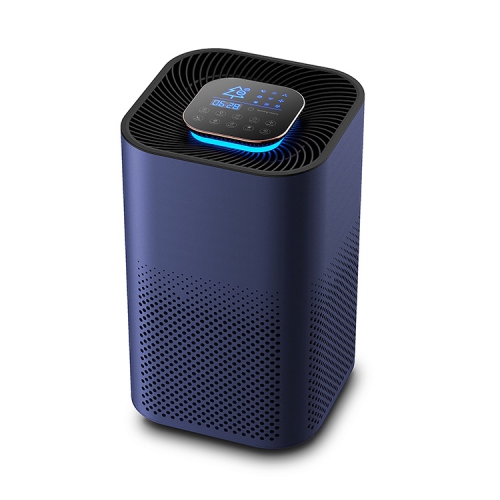
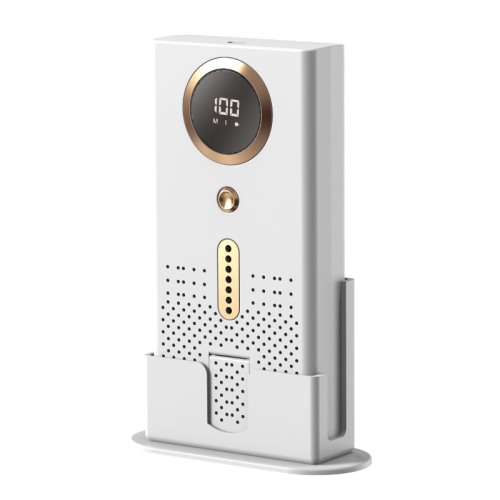
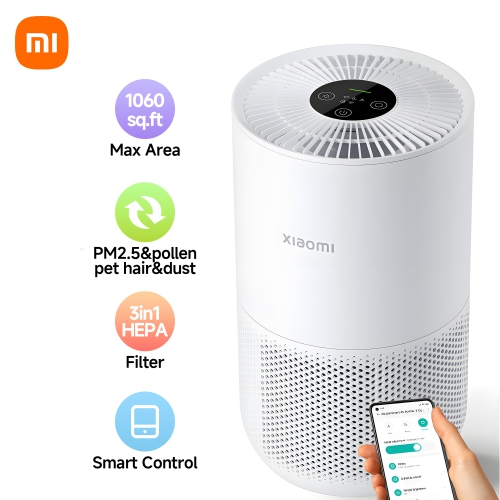
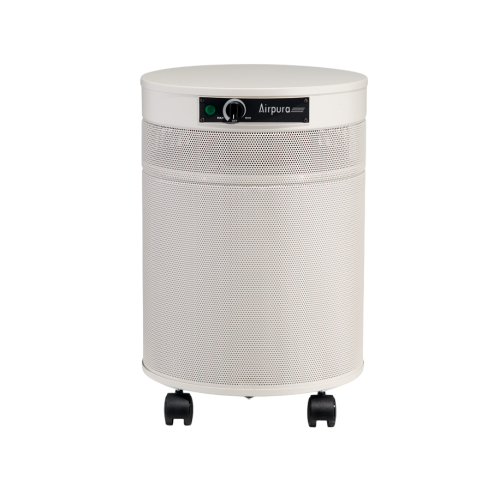
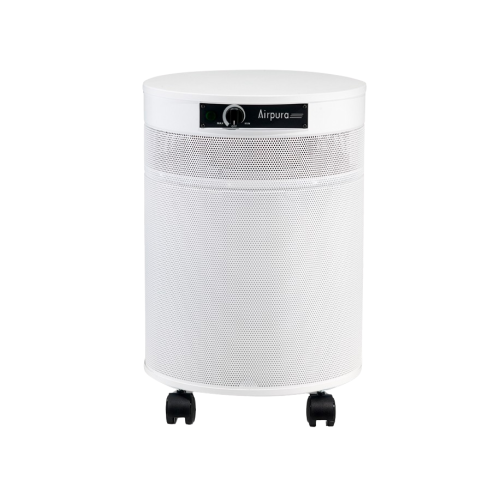
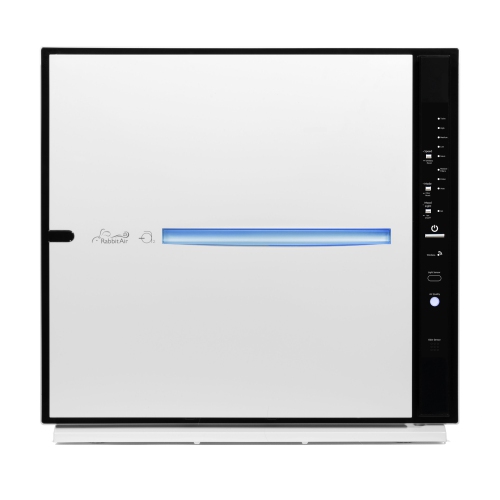
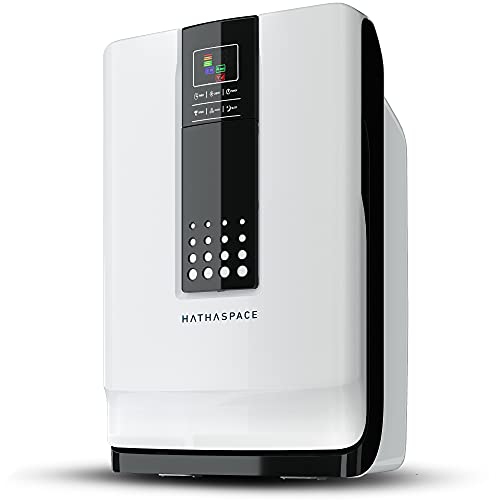
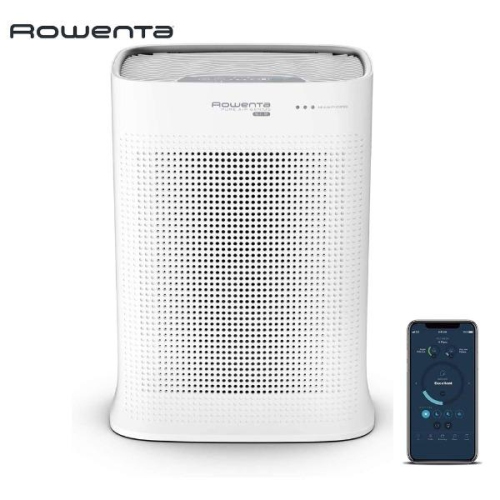
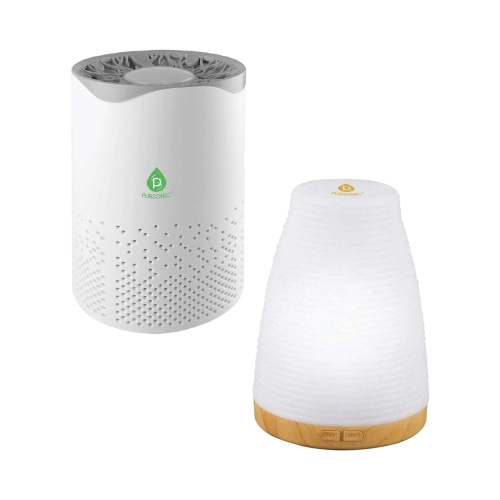
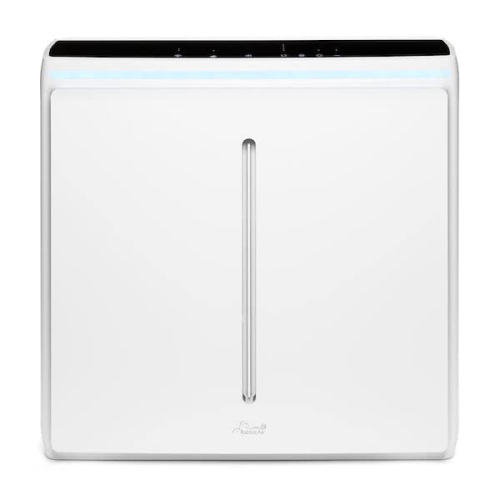
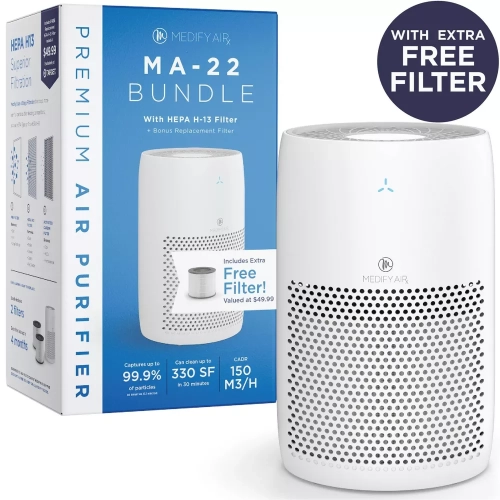
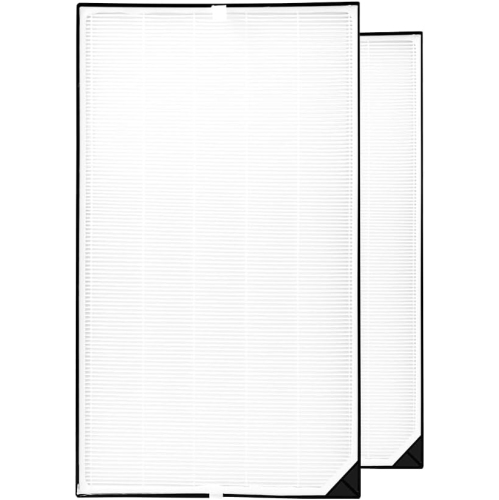
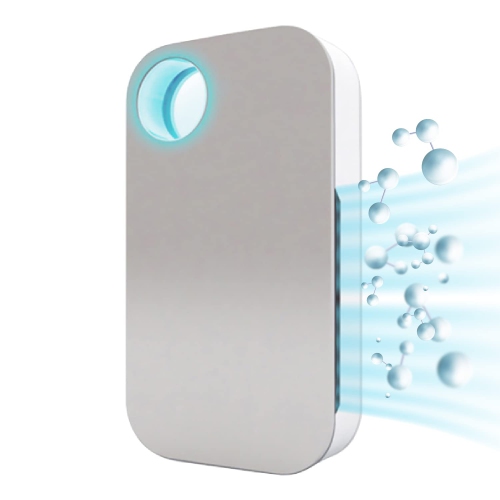
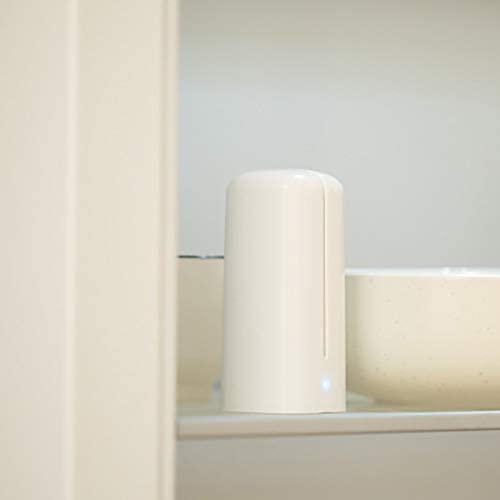
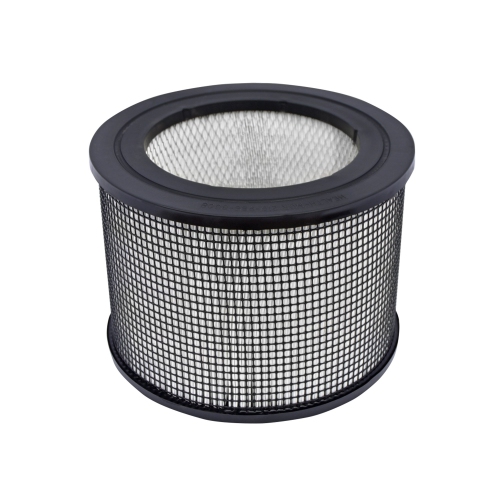
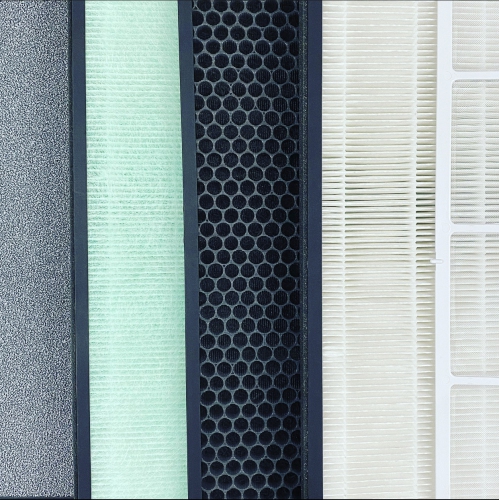
Air purifiers help improve indoor air quality by drawing room air through filters that capture airborne particles such as dust, pollen, pet dander, and some smoke particles. They can be useful in bedrooms, living rooms, home offices, and other spaces where people spend extended periods of time. A purifier beside a home office desk serves a different space from one in an open-plan living area, so room size and airflow matter as much as the unit’s appearance. Clean air purifiers work best when their filtration system and output match the room and the particles being addressed. HEPA filters capture fine airborne particles, while pre-filters catch larger debris, such as hair and lint, before it reaches the main filter. Activated carbon filters can help reduce certain odours and gases, though their effectiveness depends on the amount of carbon, the substances present, and how long the filter has been in use. A thin carbon layer does not provide the same odour-control capacity as a substantial carbon filter. For a household with a shedding dog, a readily accessible pre-filter can make routine upkeep easier; for a bedroom, particle filtration paired with unobtrusive operation may be the greater priority. Air purifiers supplement regular cleaning and appropriate ventilation rather than replacing them. They do not remove dust that has already settled on shelves, resolve the source of mould growth, or replace a carbon monoxide alarm. Their role is to filter the air that passes through them, with results influenced by placement, fan speed, filter condition, and room layout. Mechanical filtration is a straightforward option for shoppers focused on particle removal. Features described as ionization or other electronic air treatments deserve a closer look at their operating details and whether they produce ozone, a lung irritant. For another way to browse this category, Top Air Purifiers brings related options together, with room suitability and everyday features remaining useful points of comparison.
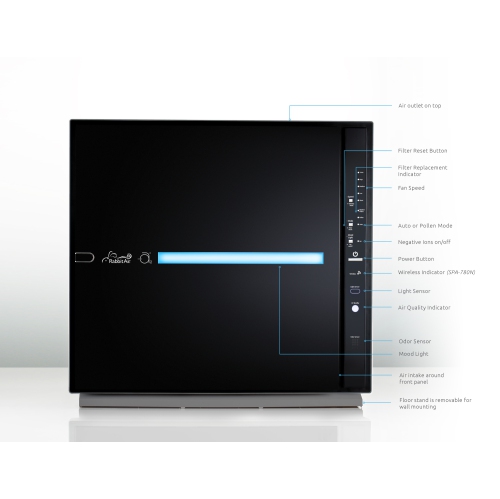
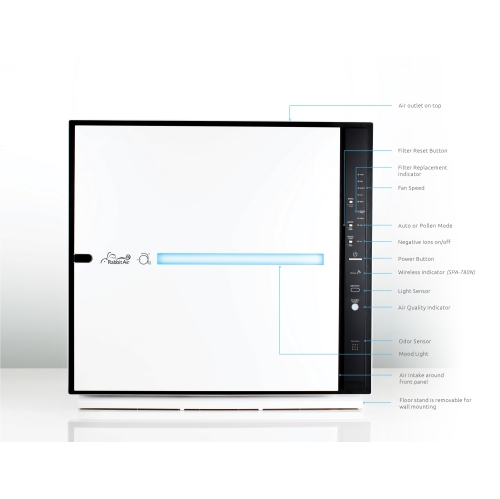
The physical fit of an air purifier includes its footprint, height, clearance requirements, and the path air takes through its intake and outlet. A compact unit may sit neatly in a small bedroom, while a larger floor-standing design can suit a shared living space without taking up a tabletop. Neither size nor a large coverage claim tells the whole story. Clean Air Delivery Rate, usually shortened to CADR, indicates how quickly a purifier delivers filtered air for particular test particles; a higher rating generally supports faster particle removal in a given space. Coverage figures are most useful when considered alongside the stated ceiling height and air changes per hour, since a claim based on one air change per hour differs considerably from one based on several. An open doorway, a long hallway, or a connected dining area can also make the space harder to serve than a single enclosed room. Positioning the unit behind a sofa or beneath a crowded desk may restrict airflow, even if it fits neatly there. An unobstructed spot with the clearances specified by the manufacturer usually makes better use of the fan and filters. Noise deserves similar attention, especially beside a bed, near a television, or in a room used for video calls. Sound ratings at different fan speeds are more informative than a general description of quiet operation, because the lowest setting often moves less air than the setting used to measure maximum performance. Sleep modes, dimmable displays, and the ability to switch off indicator lights can make a meaningful difference in a dark bedroom. Automatic modes may adjust fan speed in response to readings from built-in sensors, but those sensors typically measure only certain pollutants, not every aspect of air quality. Timers, clear controls, and optional Wi-Fi connectivity can add convenience, while simple on-unit buttons remain useful for anyone who prefers operation without a phone. Carry handles and a manageable weight also help when moving a purifier between rooms, although one portable unit cannot provide equal filtration to several separate rooms at once.
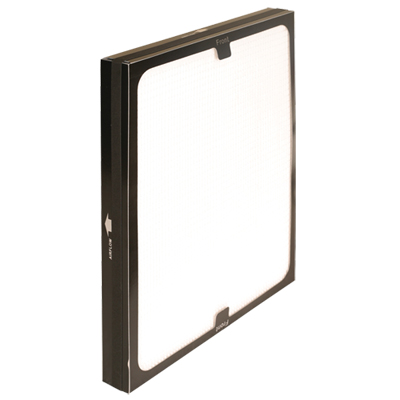
Filter care is central to keeping an air purifier working as intended. Dust accumulation can restrict airflow, and a saturated odour filter may no longer provide noticeable odour reduction even while the fan continues running. Accessible filter compartments, clearly marked replacement parts, and a housing that is easy to wipe down all contribute to practical, long-term use. Many units combine a moulded plastic exterior with mesh pre-filters, pleated particle filters, and carbon-containing layers. The exterior finish and colour affect how the purifier blends with furniture, but secure panels, a stable base, and straightforward filter access have a greater bearing on day-to-day handling. Before any cleaning or filter maintenance, turn the purifier off and unplug it. Loose dust on exterior intake grilles can usually be removed gently with a soft brush attachment if the manufacturer permits it, and the housing can be wiped with a slightly damp microfibre cloth while keeping moisture away from controls, openings, and electrical parts. Pre-filter care varies: some are washable, some can be vacuumed, and others need replacement. A washable component must be completely dry before it goes back into the unit. Disposable HEPA filters should not be washed unless the manufacturer explicitly identifies them as washable, since water can damage their fine fibres and compromise filtration. Activated carbon filters also generally require replacement rather than rinsing. The manufacturer’s replacement schedule provides a starting point, but a home with substantial airborne dust or pet hair may need more frequent attention. Filter reminders are helpful prompts, though some track elapsed time rather than directly measuring filter condition. Correctly fitted filters and firmly closed access panels help prevent air from bypassing the intended filtration path. For a busy family room, easy pre-filter access can make upkeep less of a chore; for someone using a purifier every day in a bedroom, simple controls and dependable access to compatible replacement filters may matter most. A well-matched purifier combines suitable airflow, manageable sound, durable construction, and care requirements that fit comfortably into the household’s routine.
The physical fit of an air purifier includes its footprint, height, clearance requirements, and the path air takes through its intake and outlet. A compact unit may sit neatly in a small bedroom, while a larger floor-standing design can suit a shared living space without taking up a tabletop. Neither size nor a large coverage claim tells the whole story. Clean Air Delivery Rate, usually shortened to CADR, indicates how quickly a purifier delivers filtered air for particular test particles; a higher rating generally supports faster particle removal in a given space. Coverage figures are most useful when considered alongside the stated ceiling height and air changes per hour, since a claim based on one air change per hour differs considerably from one based on several. An open doorway, a long hallway, or a connected dining area can also make the space harder to serve than a single enclosed room. Positioning the unit behind a sofa or beneath a crowded desk may restrict airflow, even if it fits neatly there. An unobstructed spot with the clearances specified by the manufacturer usually makes better use of the fan and filters. Noise deserves similar attention, especially beside a bed, near a television, or in a room used for video calls. Sound ratings at different fan speeds are more informative than a general description of quiet operation, because the lowest setting often moves less air than the setting used to measure maximum performance. Sleep modes, dimmable displays, and the ability to switch off indicator lights can make a meaningful difference in a dark bedroom. Automatic modes may adjust fan speed in response to readings from built-in sensors, but those sensors typically measure only certain pollutants, not every aspect of air quality. Timers, clear controls, and optional Wi-Fi connectivity can add convenience, while simple on-unit buttons remain useful for anyone who prefers operation without a phone. Carry handles and a manageable weight also help when moving a purifier between rooms, although one portable unit cannot provide equal filtration to several separate rooms at once.
Filter care is central to keeping an air purifier working as intended. Dust accumulation can restrict airflow, and a saturated odour filter may no longer provide noticeable odour reduction even while the fan continues running. Accessible filter compartments, clearly marked replacement parts, and a housing that is easy to wipe down all contribute to practical, long-term use. Many units combine a moulded plastic exterior with mesh pre-filters, pleated particle filters, and carbon-containing layers. The exterior finish and colour affect how the purifier blends with furniture, but secure panels, a stable base, and straightforward filter access have a greater bearing on day-to-day handling. Before any cleaning or filter maintenance, turn the purifier off and unplug it. Loose dust on exterior intake grilles can usually be removed gently with a soft brush attachment if the manufacturer permits it, and the housing can be wiped with a slightly damp microfibre cloth while keeping moisture away from controls, openings, and electrical parts. Pre-filter care varies: some are washable, some can be vacuumed, and others need replacement. A washable component must be completely dry before it goes back into the unit. Disposable HEPA filters should not be washed unless the manufacturer explicitly identifies them as washable, since water can damage their fine fibres and compromise filtration. Activated carbon filters also generally require replacement rather than rinsing. The manufacturer’s replacement schedule provides a starting point, but a home with substantial airborne dust or pet hair may need more frequent attention. Filter reminders are helpful prompts, though some track elapsed time rather than directly measuring filter condition. Correctly fitted filters and firmly closed access panels help prevent air from bypassing the intended filtration path. For a busy family room, easy pre-filter access can make upkeep less of a chore; for someone using a purifier every day in a bedroom, simple controls and dependable access to compatible replacement filters may matter most. A well-matched purifier combines suitable airflow, manageable sound, durable construction, and care requirements that fit comfortably into the household’s routine.
Top selling and popular products
-
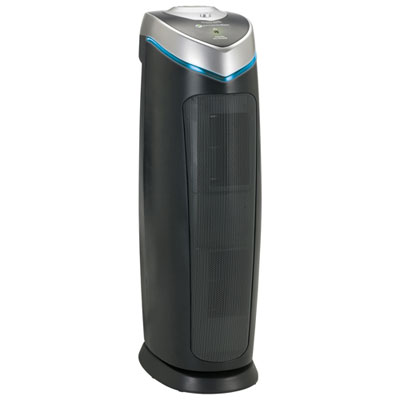 Your price for this item is $139.99
 -
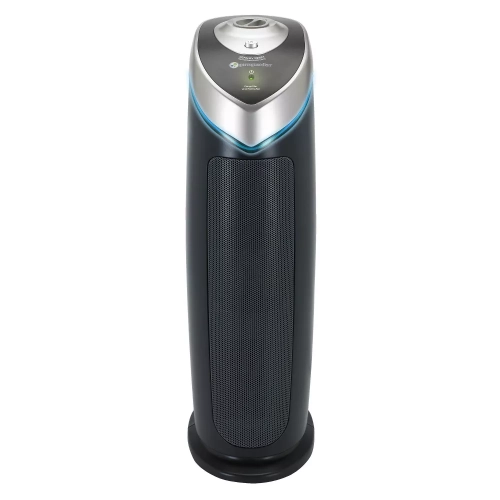 Your price for this item is $296.99
 -
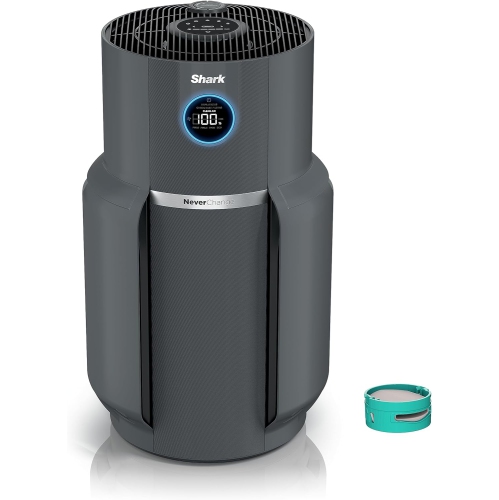 Your price for this item is $999.99
 -
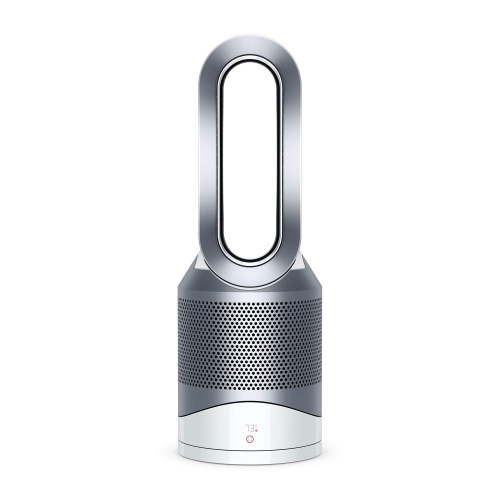 Your price for this item is $729.99
 -
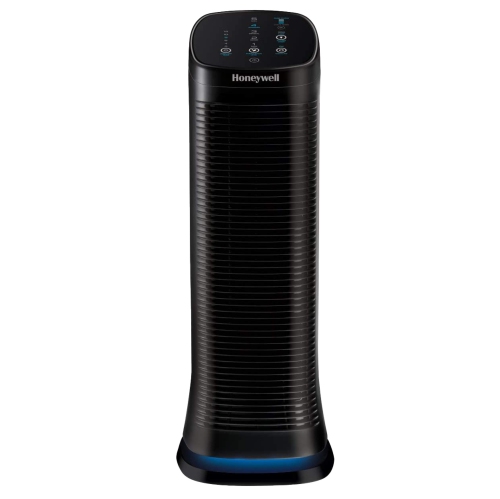 Your price for this item is $534.99
 -
 Your price for this item is $659.99
 -
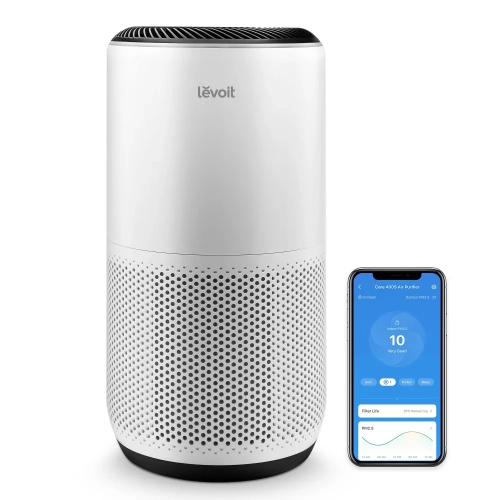 Your price for this item is $699.99
 -
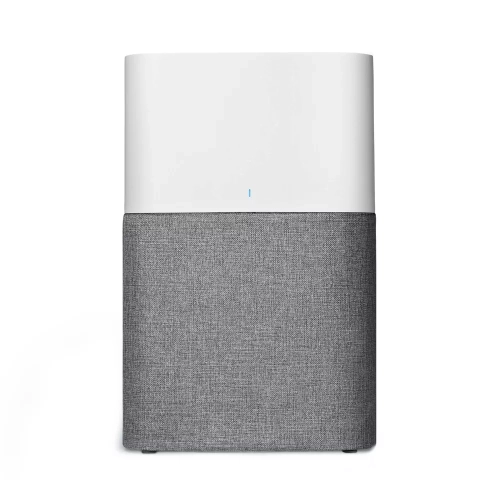 Your price for this item is $989.99
Discover more categories related to Clean Air Purifiers
Top Collections:
Pokemon Centers, Kindle Devices, Best Budget Office Chairs, Apple iPhones 16, Best Laptops for Writers, iPhone 15 Apple, Canon G7X Cameras, Refurbished Apple Laptops, Alarm Clock, Motorola Razr Phones
Some products may be subject to Environmental Handling Fees
(EHF) depending on your province.
Learn more about EHFs.