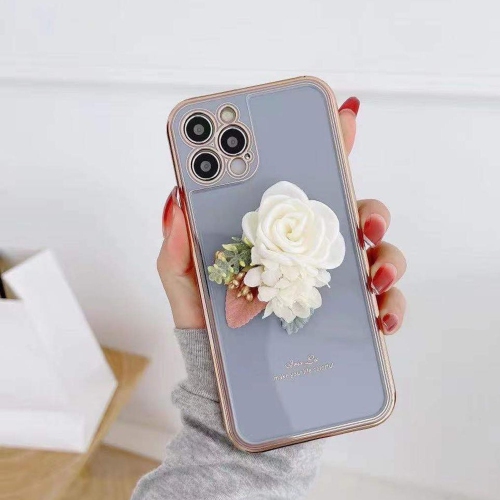
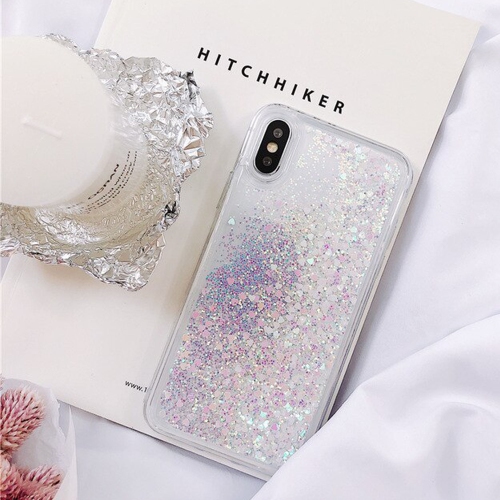
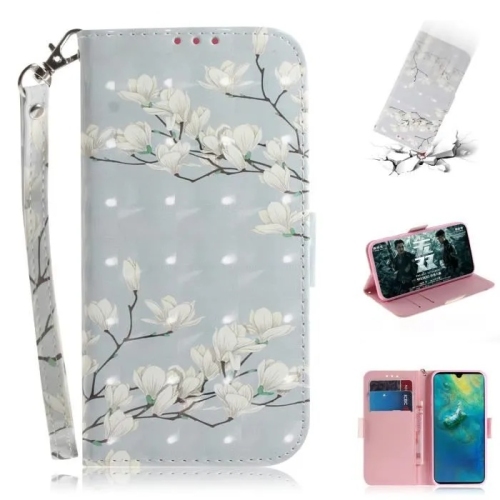
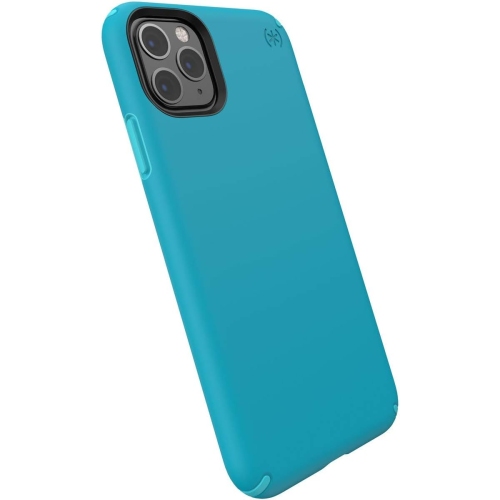
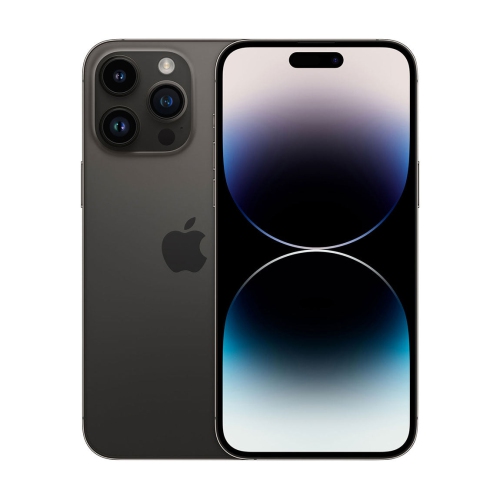
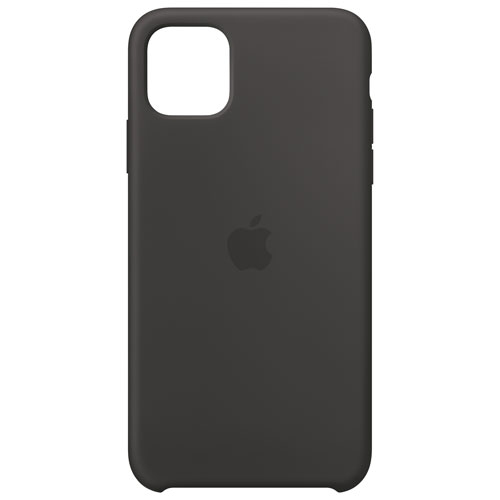
Apple Case iPhone 11 Pro Max

Find a case for your Apple iPhone 11 Pro Max to help protect your phone from everyday wear. Browse cases designed for this model, and compare fit, coverage, and access to buttons, ports, and cameras to choose one that suits how you use your phone.
Read More

Sort

Why a precise case fit matters every day

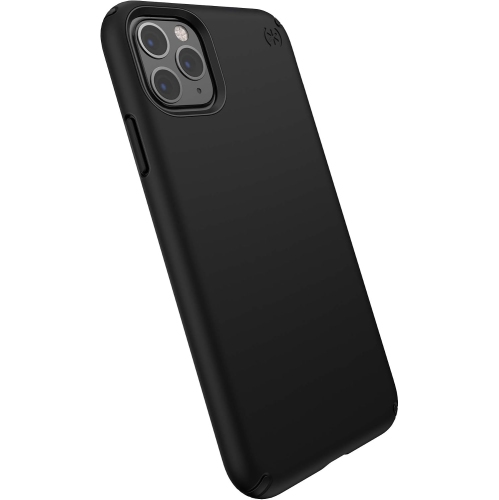
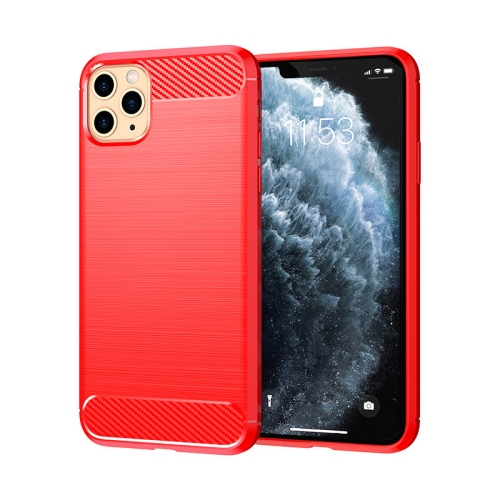
A well-fitted phone case makes a large-screen handset easier to carry, hold, and place on everyday surfaces without covering the controls that make it useful. For the iPhone Pro Max 11, compatibility means more than choosing a case that looks approximately the right size. The shape of the enclosure, camera opening, button covers, and charging-port cut-out all need to match the device. Cases designed for a different generation or a similarly named model may leave controls misaligned or fail to hold the corners securely. A properly shaped case should sit evenly around the phone, with no loose edges that catch on a pocket or lift during normal handling. Button covers should allow a clear, comfortable press, while openings should leave enough room to reach the silent-mode switch and connect a charging cable without forcing the connector. Around the back, the camera opening needs to leave the lenses and flash unobstructed. Raised edges around the screen and camera can help keep those surfaces from resting directly against a table, although the amount of clearance varies and may change when a screen protector is added. Corner coverage is another useful detail: reinforced corners can provide cushioning at common impact points, while an open-sided design may prioritize a slimmer feel over coverage. Protection should always be considered in context, since no case can prevent every crack, scratch, or impact-related problem. A case is also not a substitute for keeping the phone away from liquids unless it has an appropriate, clearly stated water-protection rating. For everyday use, the most practical fit is one that feels secure in the hand, leaves essential functions accessible, and does not need frequent adjustment after being taken out of a bag or pocket.

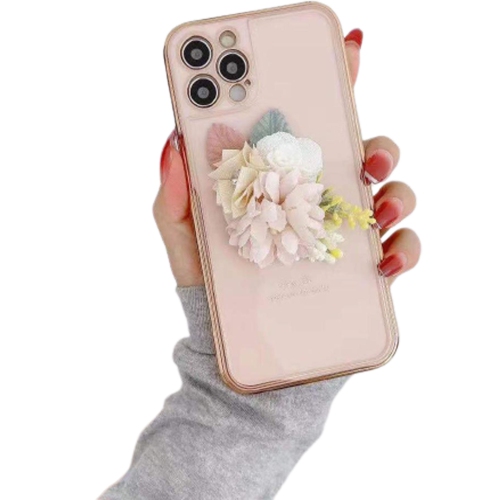
Materials influence how a case feels from the first touch and how it changes with regular use. Silicone often has a soft, slightly grippy surface that can make the phone feel steadier when reading a message with one hand or taking a photo. Depending on its finish, it may also pick up pocket lint or create more friction against a fabric lining. Flexible thermoplastic polyurethane, often called TPU, bends enough to make installation relatively straightforward and can provide cushioning without a particularly bulky profile. Rigid polycarbonate shells tend to feel firmer and can offer a smooth outer surface, while layered designs combine a harder exterior with a more flexible inner section. The balance between those layers matters more than thickness alone; a substantial-looking case is not automatically better suited to every kind of drop. Leather brings a different texture and may develop a patina through contact with hands and daily handling, while fabric-covered finishes can add texture but may need extra attention around seams and edges. Clear cases leave the phone’s colour visible, though scratches, oils, and discolouration may become more noticeable over time. Matte finishes can make fingerprints less obvious, whereas glossy surfaces may show smudges sooner. For routine care, removing the phone makes it easier to check for grit trapped between the case and the device, particularly near the corners and camera opening. A soft, lint-free cloth is a useful starting point for cleaning, with any additional cleaning method chosen according to the material’s care directions. Harsh cleaners, abrasive pads, and prolonged soaking can affect coatings, adhesives, or flexible parts. Any cleaned case should be completely dry before the phone goes back inside. Periodic checks also help identify stretched corners, cracks, peeling layers, or loose fittings that could affect how securely the case holds the device.

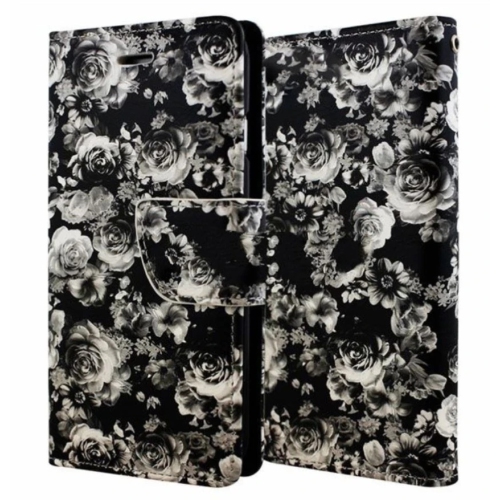
The best balance of coverage, grip, and convenience depends on how the phone moves through a typical day. A slim shell may suit someone who carries the device in a fitted pocket and wants minimal added bulk, while a more substantial case may feel reassuring for a person who frequently handles the phone while commuting, travelling, or moving between work sites. Textured sides can make a difference when lifting the phone from a smooth desk, and rounded edges may feel more comfortable during longer calls or reading sessions. For anyone who regularly watches videos or joins hands-free calls, a built-in stand can provide a useful resting angle, provided its hinge feels stable and its position suits the way the phone will be used. Wallet-style cases offer another approach by keeping a few essentials together, but the number of card slots, the closure, and the added thickness all affect everyday handling. Overfilling a card compartment can prevent a cover from closing properly or put extra pressure on its stitching. Wrist straps and attachment points may appeal to people who take frequent photos or want an additional way to keep hold of the phone; those features should be designed for the case rather than improvised through a charging-port opening. Charging habits deserve attention as well. Wireless charging compatibility depends on the case’s construction and thickness, and metal plates, attached accessories, or stored cards can interfere with charging. A case that leaves the port accessible should also accommodate the cable connector actually used, including any wider housing around it. For a gift, confirming the recipient’s exact phone model is more useful than relying on a remembered screen size or colour. Their preference for a visible phone finish, a discreet neutral shade, or a textured surface can then guide the choice without sacrificing fit. Whether the priority is a comfortable grip, easier carrying, or more coverage around vulnerable edges, a case earns its place by working naturally with the phone and the person using it.
Read More

FAQ

Some products may be subject to Environmental Handling Fees (EHF) depending on your province. Learn more about EHFs.