Apple HomePods

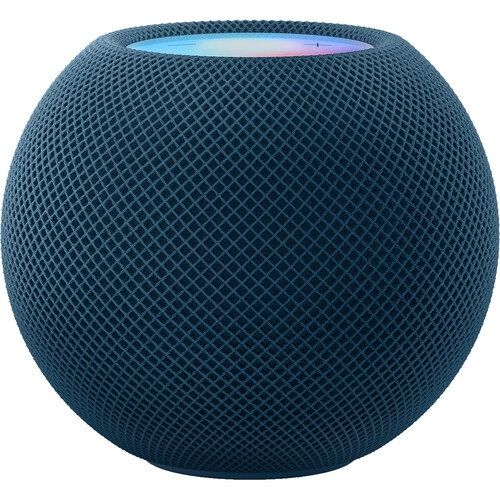
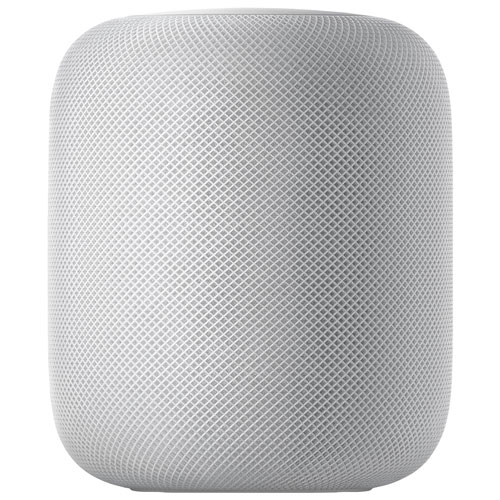
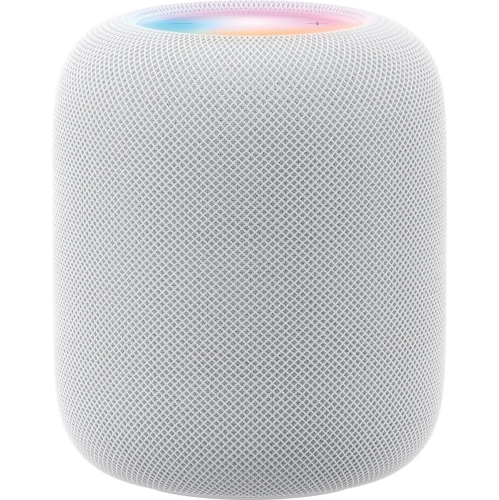
Explore Apple HomePods to find a smart speaker for listening to music, using Siri, and controlling compatible smart home devices. Compare available options by size, sound features, and compatibility with your Apple devices to choose a HomePod that fits your space and everyday needs.

Read More

Sort

Room-filling sound meets hands-free help around the home

Smart home speakers combine music playback, voice assistance, and connected-home control in a compact format that fits naturally into everyday living spaces. They can provide a soundtrack for cooking, play a podcast while someone gets ready for work, or keep a shared playlist going during dinner with friends. Compact designs suit bedside tables, desks, and smaller rooms, while larger speakers generally have more room for drivers that deliver deeper bass and greater output. Size alone does not determine sound quality: driver placement, internal processing, and the room itself all influence what reaches the listener. Designs that distribute sound around the speaker can make listening less dependent on sitting directly in front of it, which is useful in spaces where people move between a kitchen, dining area, and living room. On supported speakers, room-sensing technology adjusts playback to account for nearby surfaces and placement, helping balance sound without requiring manual equalizer changes. Spatial audio support can add a greater sense of width and separation to compatible recordings, although the effect depends on the speaker, music source, and listening arrangement. A single speaker offers a straightforward setup for casual listening, while two matching, compatible speakers can form a stereo pair with distinct left and right channels. Stereo pairing usually requires the same model and may also depend on generation and software compatibility; simply placing two wireless speakers beside each other does not create a stereo system. Multi-room playback serves a different purpose, allowing compatible speakers in separate spaces to play together rather than acting as left and right channels. For a household that listens throughout the day, that distinction matters: a stereo pair can make a living room feel more immersive, while a coordinated speaker in the kitchen keeps the same music audible during meal preparation. Clear vocals, balanced bass, and useful volume at everyday listening levels are often more meaningful than maximum loudness, particularly in apartments, shared homes, and rooms used for conversation as well as entertainment.

Voice control adds convenience when reaching for a phone is awkward, whether hands are covered in flour or a timer needs to be set from across the room. Supported requests can include playing music, adjusting volume, checking a calendar, creating reminders, and controlling compatible connected accessories. The range of functions depends on the speaker platform, linked accounts, language settings, and services used by the household. Some systems can distinguish between household members’ voices and personalize responses, but voice recognition is not a substitute for reviewing access settings, especially when personal messages or calendar details are involved. Shared listening also benefits from clear account arrangements so that one person’s requests do not unintentionally interrupt another person’s playback. A compatible phone or tablet is often needed for initial setup, software updates, and management, making the household’s existing devices an important part of the fit. A stable Wi-Fi connection supports streaming and coordination between rooms; a speaker placed where the network signal is weak may respond inconsistently even when it sounds excellent nearby. Wireless playback should not be confused with universal Bluetooth compatibility, since some speakers rely primarily on network-based streaming and supported device connections. Music-service integration varies too, with certain features depending on a linked account or a separate subscription. For connected-home use, selected speakers can also act as a home hub, supporting compatible lights, plugs, locks, and other accessories. Hub capabilities and accessory requirements differ, so support for one connected device does not automatically mean every device in the home will work with the same setup. Useful routines can be as simple as dimming compatible lights for a film or switching off a group of lamps with one spoken request. Supported intercom features can also help household members communicate between rooms without shouting down a hallway. Television audio is another possibility on some systems, though it may require a compatible streaming device and a particular speaker configuration rather than a direct connection to any television. These distinctions help separate an everyday voice-controlled music speaker from a setup intended to handle several household roles.

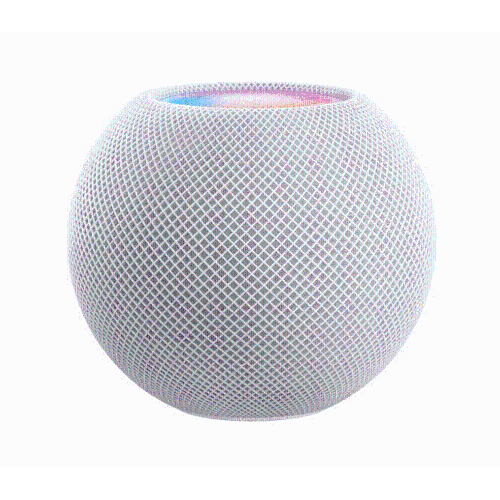
Physical design matters because a home speaker is often left in plain sight rather than tucked away between uses. Fabric or mesh coverings soften its appearance and allow sound to pass through, while a stable base and accessible touch controls support everyday handling. Neutral colours can blend into shelving and bedside furniture, whereas brighter finishes can make a compact speaker a deliberate accent on a desk or sideboard. Footprint deserves as much attention as height: a speaker needs a secure, level surface, room for its cable, and placement that does not crowd other frequently used objects. Although many models stream wirelessly, they still require continuous mains power, so a nearby outlet is part of a practical arrangement. Keeping a speaker clear of a sink, cooking splashes, and the edge of a counter helps protect it from accidental damage. These are generally indoor listening products, not substitutes for rugged portable speakers designed for water exposure or travel. Everyday care is usually straightforward, with a soft, dry cloth for routine dusting and the manufacturer’s directions taking priority for any marks on the covering. Cleaning sprays applied directly to the speaker, abrasive tools, and liquid near openings can damage finishes or internal components. Placing the unit on a firm surface rather than soft fabric also helps keep it stable and avoids obstructing its base. For gift giving, compatibility is more useful than novelty: a recipient who already uses supported devices and enjoys music, spoken audio, or connected-home features is more likely to make regular use of it. Someone working from home might value easy background listening, while a household sharing several rooms may appreciate coordinated playback and voice-controlled timers. The wider Smart Home Speakers category includes different approaches to sound, device support, and household control. A suitable choice brings those elements together in a size and finish that feels at home in the intended space, with functions that match how the household actually listens and lives.
Read More

FAQ

Some products may be subject to Environmental Handling Fees (EHF) depending on your province. Learn more about EHFs.