18 Inch Fans
Find the perfect cooling solution for your home, office, or workshop with an 18 inch fan. Designed to deliver powerful airflow and reliable performance, these fans are ideal for keeping larger spaces comfortable throughout the year. Whether you need to cool down a living room, enhance air circulation in a workspace, or add comfort to a garage, an 18 inch fan offers versatile options to meet your needs. Explore a range of models to discover the right fit and enjoy improved comfort wherever you need it most.
Sort



There’s more to fan airflow than blade size
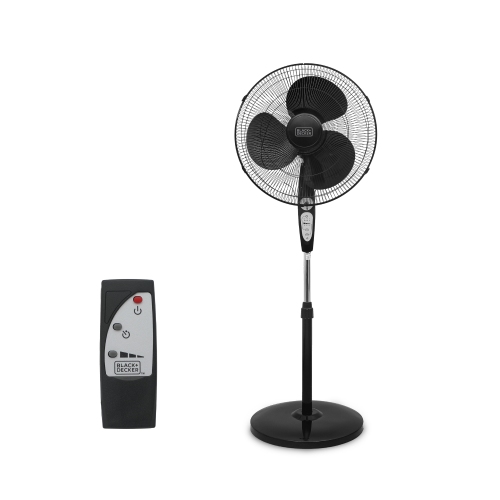
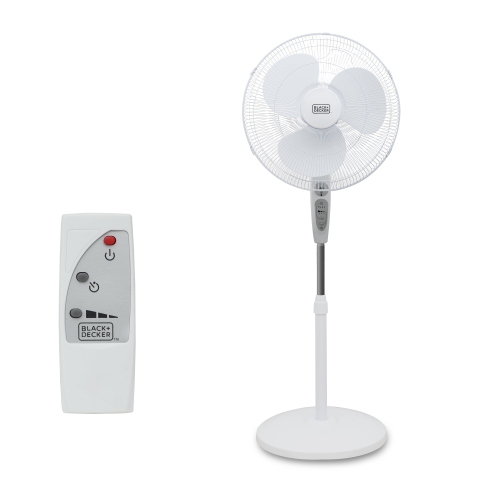
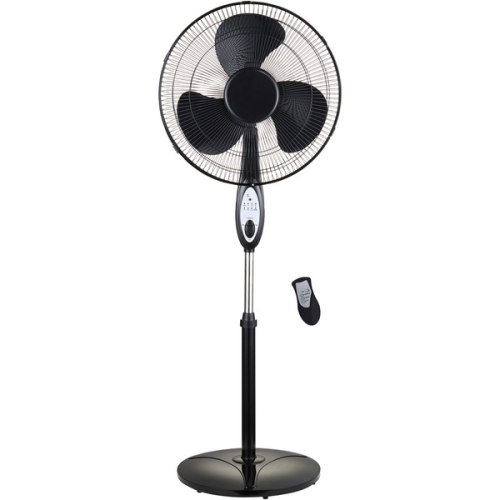
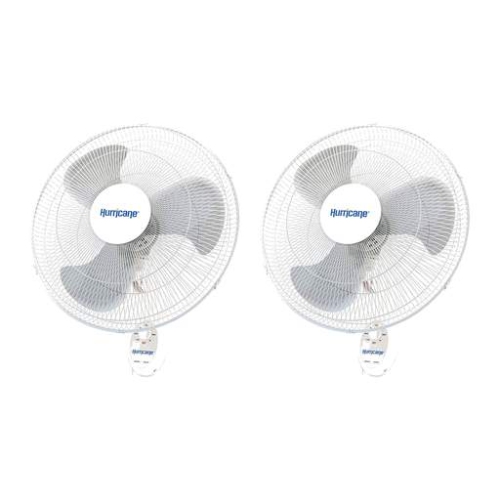
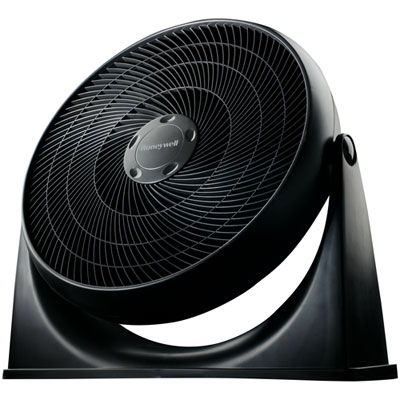
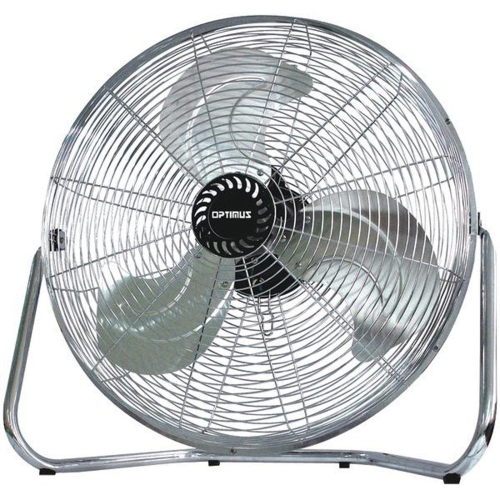
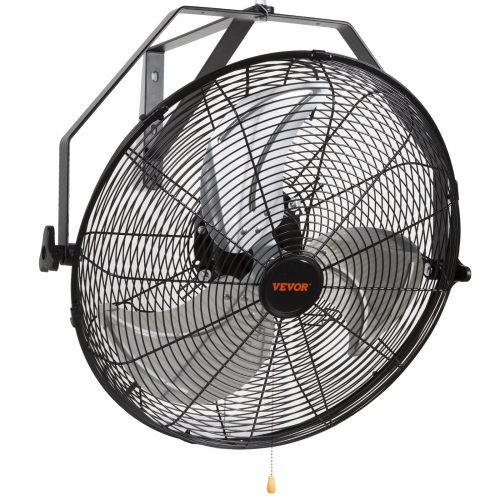
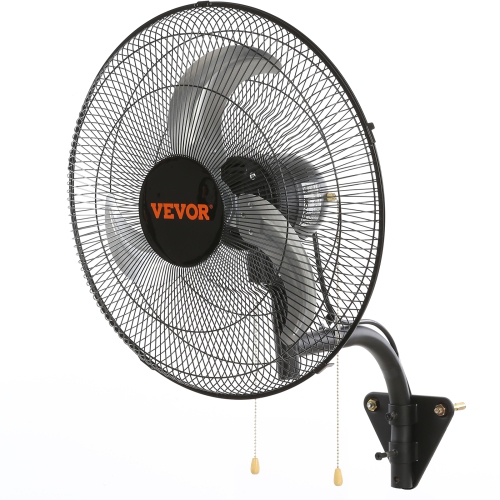
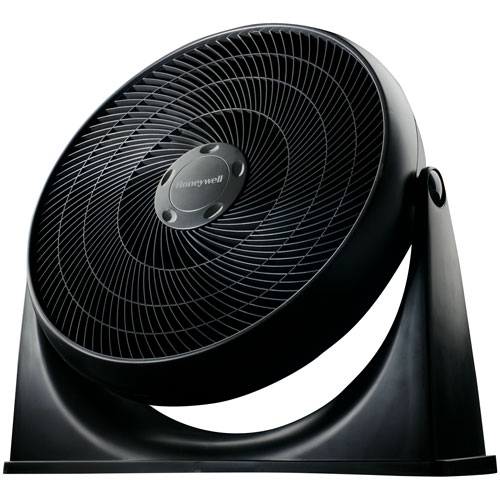
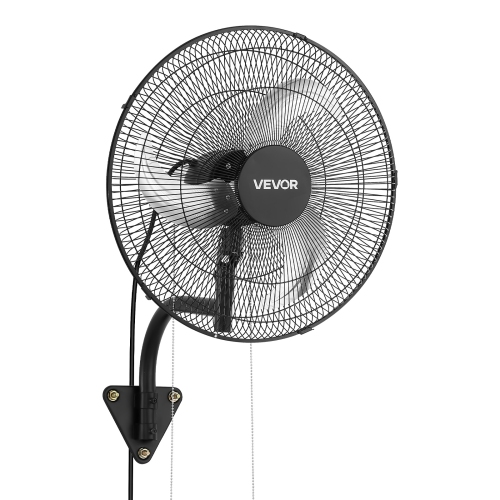
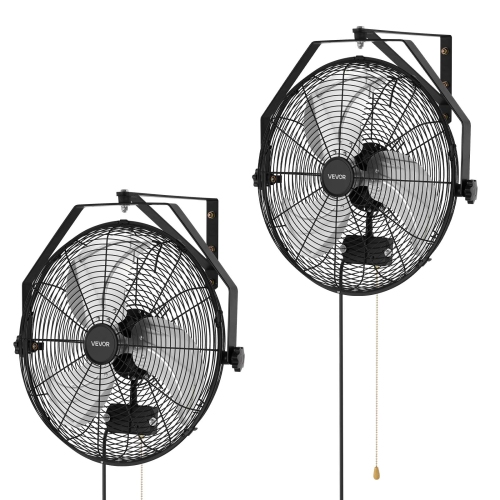
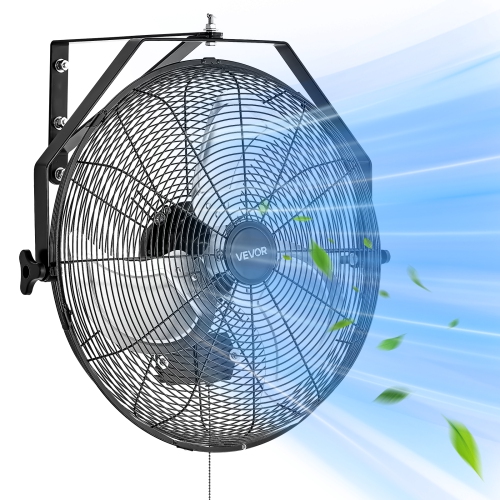
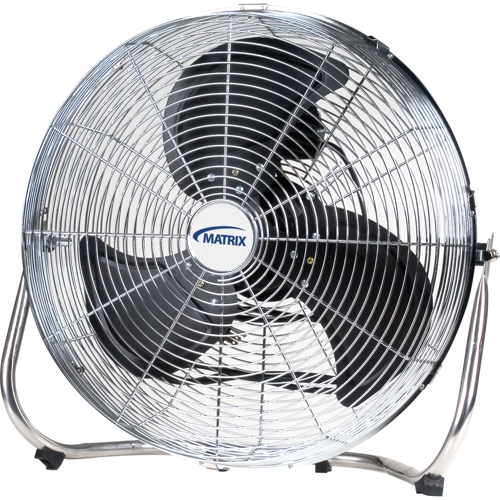
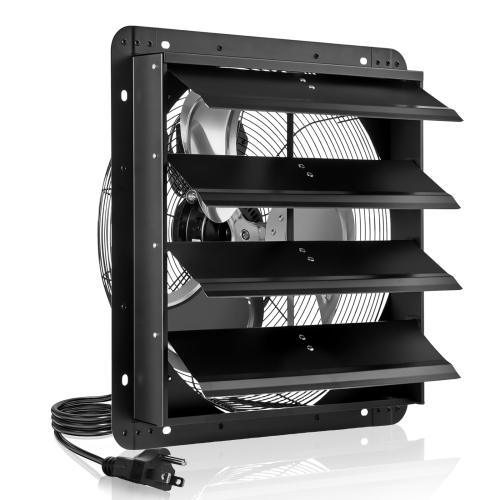
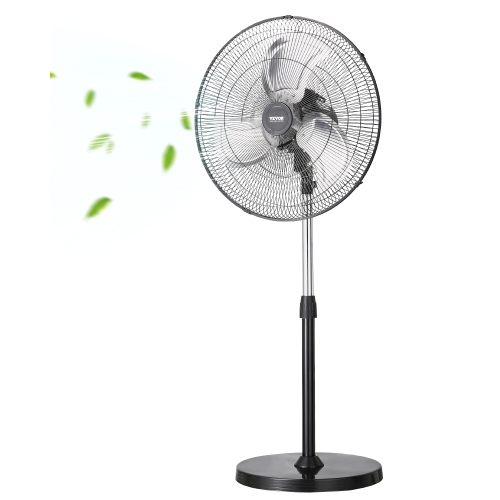
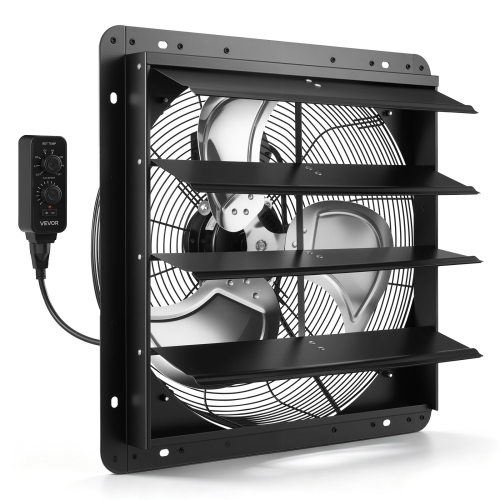
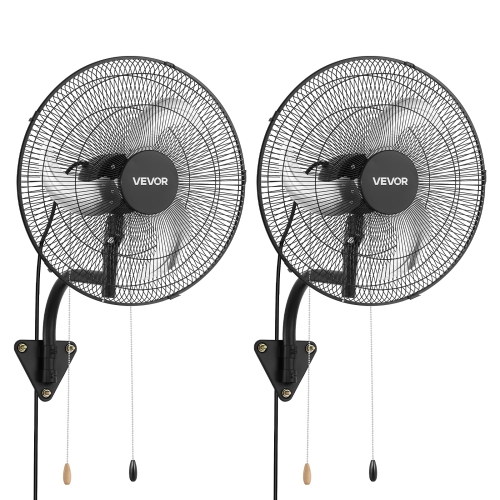
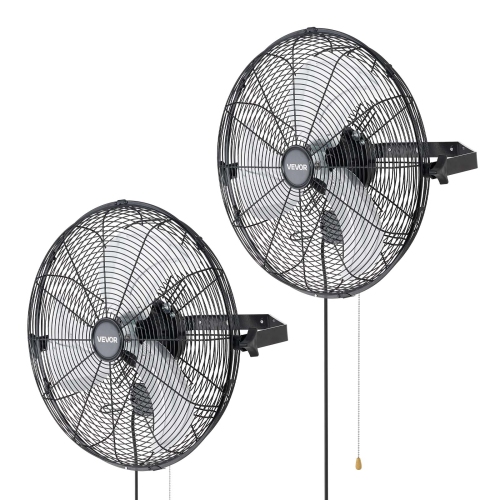
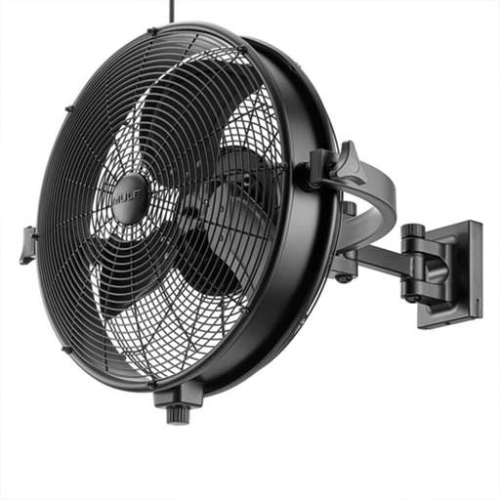
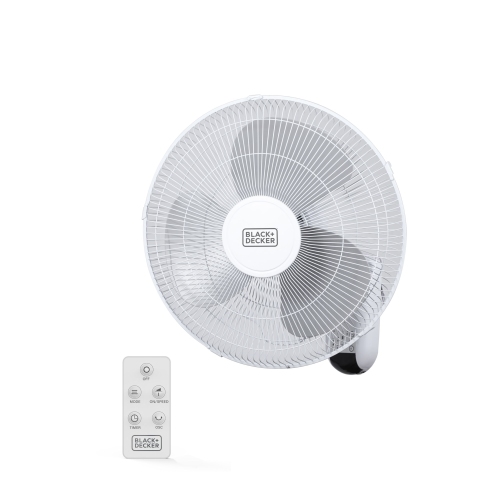
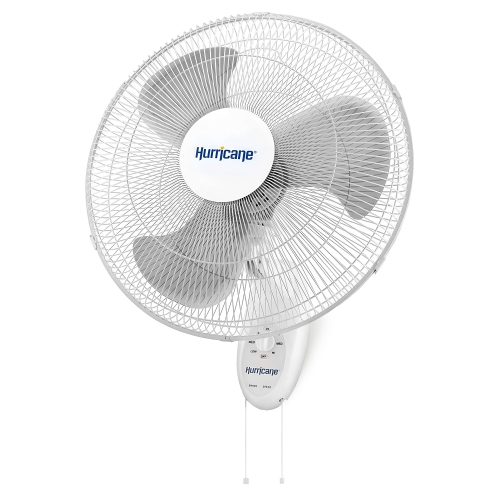
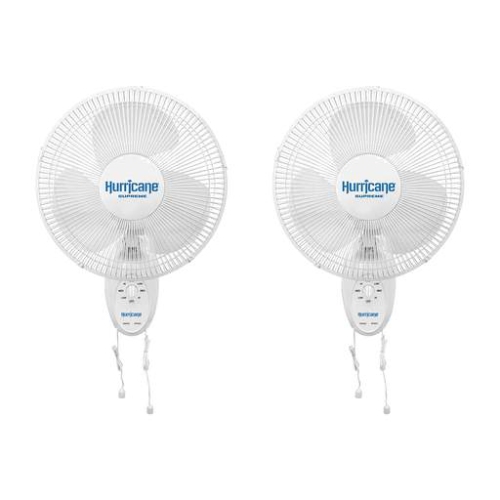
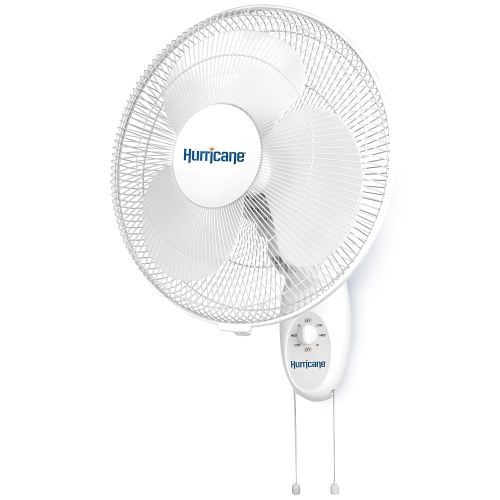
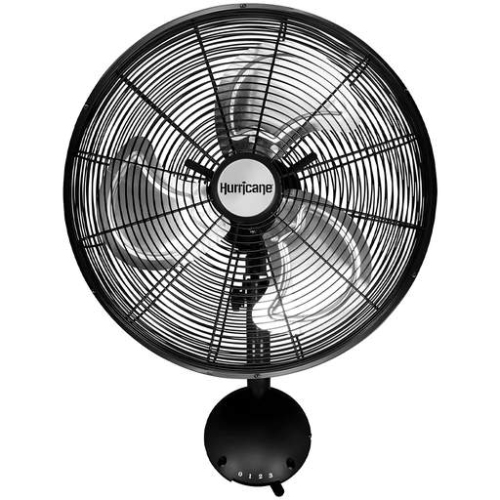
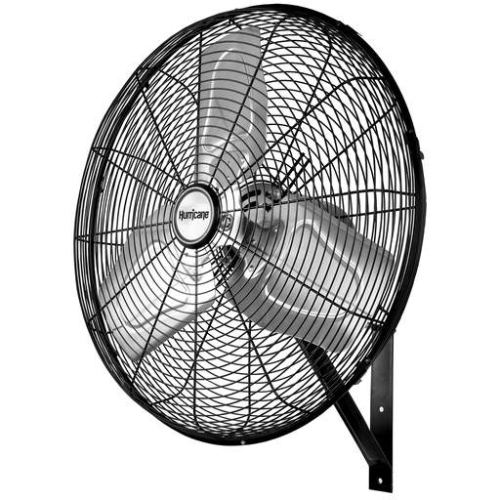
18-inch fans provide directed air circulation in several common formats, including pedestal, wall-mounted, and floor or cradle designs. The size generally refers to the nominal blade diameter, not the overall width of the grille, stand, or base, so the space a fan occupies can be noticeably larger than its size designation suggests. These fans suit a range of everyday settings, from living rooms and home offices to exercise spaces and workshops, with appropriately rated models also serving commercial spaces. A pedestal fan raises the airflow above floor level, making it useful beside a seating area or across a room where furniture would interrupt a lower air stream. Adjustable height, where included, adds flexibility when moving between a desk and a standing work area. Wall-mounted fans leave the floor clear and can provide circulation in rooms where a freestanding base would take up valuable space, although they require a suitable mounting surface and secure installation. Floor fans sit closer to the ground, while cradle designs typically support the fan head within a frame that allows the airflow angle to change. These styles can direct air towards a particular activity area without the tall profile of a pedestal. Some 18-inch fans are designed for broad, gentle circulation; others emphasize a stronger, more concentrated air stream. Blade diameter alone does not determine which experience a fan delivers. Motor performance, blade shape, grille design, and speed settings all influence airflow, while the distance between the fan and the person using it changes how that airflow feels. Fans circulate existing air rather than lowering room temperature in the way an air conditioner does. Their practical appeal lies in moving air where it is wanted, whether across a shared living space, towards an exercise mat, or alongside a work surface.
The differences between 18-inch fans become especially noticeable in rooms used for more than one purpose. In a home office that doubles as a reading space, a lower speed may be more comfortable for extended use, while a stronger setting may suit an indoor workout. Oscillation, when offered, moves the fan head from side to side to distribute airflow across a wider area; a fixed position keeps the air directed towards one spot. A tilting head adds another form of adjustment, allowing air to pass above nearby furniture rather than directly against it. Noise matters as much as airflow in spaces used for calls, conversation, or television. A high-velocity design intended for a workshop may be more audible than a household fan, and the lowest setting can be more relevant to everyday comfort than maximum output. Published airflow figures, often expressed in cubic feet per minute, are useful context, but comparisons are most meaningful when test conditions and measurement methods are comparable. Construction also shapes the experience of using a fan. Steel frames and guards can offer a sturdy feel, aluminium components can reduce weight, and moulded plastic housings can make a fan easier to move between rooms. Material alone does not establish durability: secure joints, a stable base, well-fitted guards, and a dependable adjustment mechanism matter too. Controls should be easy to reach in the intended position, especially on a wall-mounted unit or a floor fan placed beside furniture. Depending on the design, features may include a remote control, a timer, or several speed selections. Carry handles and cord-storage features can be useful when a fan moves between a home office and an exercise space. For a smaller footprint and airflow concentrated around a desk or bedside table, 6 Inch Fans offer a more compact alternative; an 18-inch format is better suited to situations where broader coverage is the priority.
Everyday placement and routine care help an 18-inch fan remain useful over time. The overall dimensions deserve attention alongside the blade size: a pedestal base needs clear floor space, an oscillating head needs room to turn, and a tilted floor fan may extend farther backwards than expected. A stable, level surface reduces the chance of movement or tipping, while clearance around the intake and grille allows air to pass freely. Long curtains, loose paper, and trailing cables should remain away from the fan, and its cord should not cross a busy walkway. In a room with children or pets, a secure guard, stable construction, and thoughtful positioning are particularly important; a guard is not a reason to allow fingers or objects near the blades. Wall-mounted designs need installation that follows the manufacturer’s requirements for the supporting surface, mounting hardware, and clearance. Household fans also should not be assumed suitable for damp locations, heavy dust, or industrial processes simply because they have metal blades or a robust frame. The intended-use rating is what establishes suitability, and an ordinary circulation fan is not a replacement for dust extraction or required ventilation. Cleaning requirements vary by construction, but dust commonly collects on grilles and blade surfaces, where it can affect airflow and add to cleaning around the room. Before cleaning, the fan should be switched off and unplugged, with grille removal or other access limited to what the manufacturer permits. A soft brush, vacuum attachment, or lightly dampened cloth may be appropriate for accessible surfaces when allowed by the care instructions; the motor housing and electrical components should stay dry. Unusual vibration, rattling, a damaged cord, or a loose adjustment point calls for attention rather than continued operation. With suitable placement, careful handling, and maintenance matched to its design, an 18-inch fan can provide dependable circulation without getting in the way of daily activities.
Top selling and popular products
-
 Your price for this item is $564.99
-
 Your price for this item is $72.99
-
 Your price for this item is $192.99
-
 Your price for this item is $112.99
-
 Your price for this item is $197.99
-
 Your price for this item is $111.99
-
 Your price for this item is $202.99
-
 Your price for this item is $234.99
Discover more categories related to 18 Inch Fans
Top Collections:
Best Black Friday Deals This Year, Best Black Friday Deals On Electronics, Kindle Devices, Pokemon Centers, Best Black Friday Deals On Apple Products, Best Cameras for Sports Photography, Dyson Airwrap, Pokémon 30th Celebration Cards, Apple iPhone 17 Pro, Canon G7X Cameras
Some products may be subject to Environmental Handling Fees
(EHF) depending on your province.
Learn more about EHFs.