36 Inches Under Cabinet Range Hood
36-inch under-cabinet range hoods are the perfect solution for kitchens that require a powerful and efficient ventilation system. These hoods are designed to fit underneath kitchen cabinets, providing a space-saving solution for those with limited kitchen space. Here are some great options available.
Sort
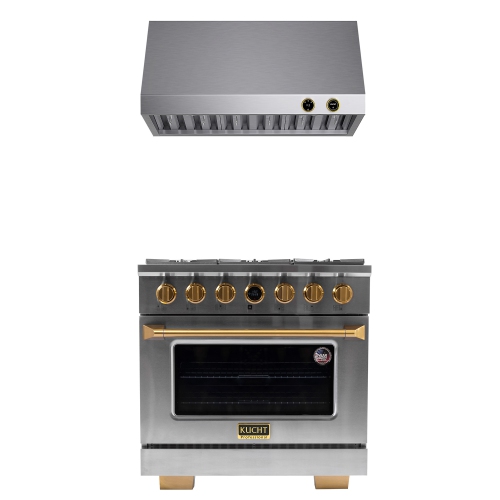
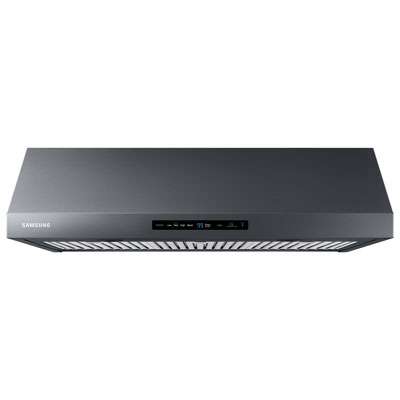
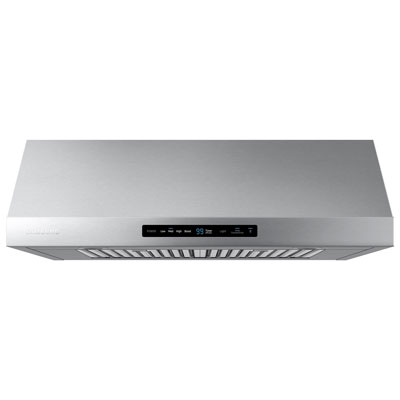
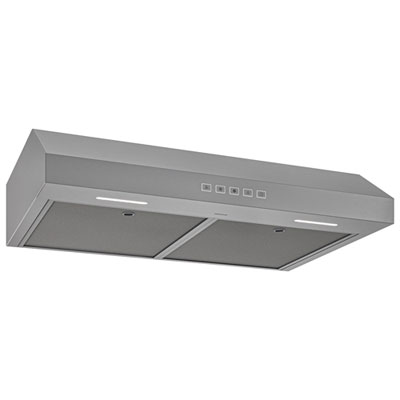

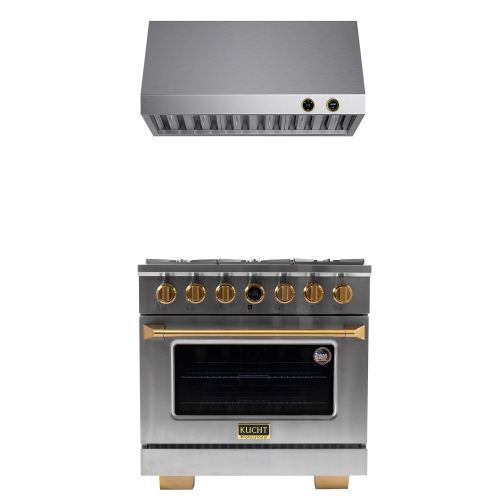
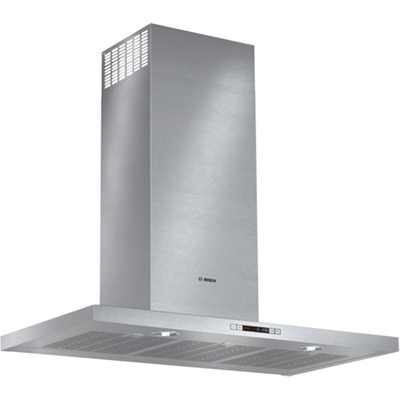
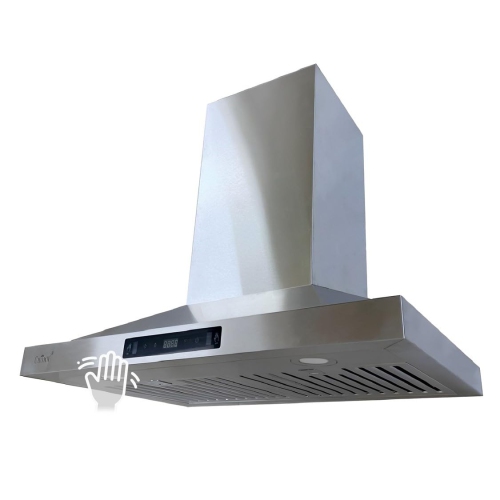
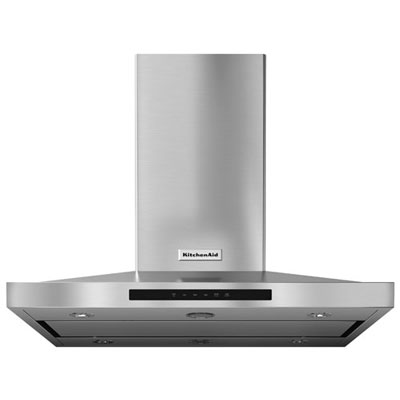
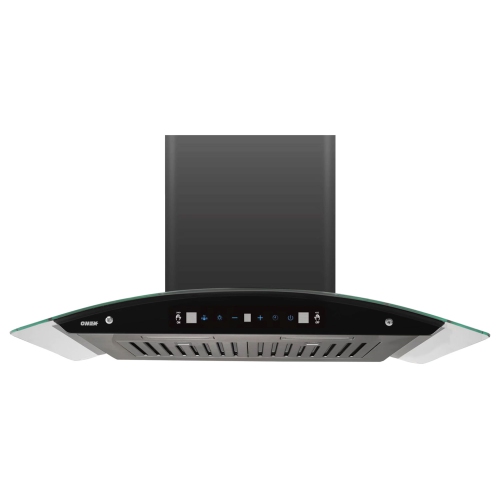
Why range hood fit goes beyond width
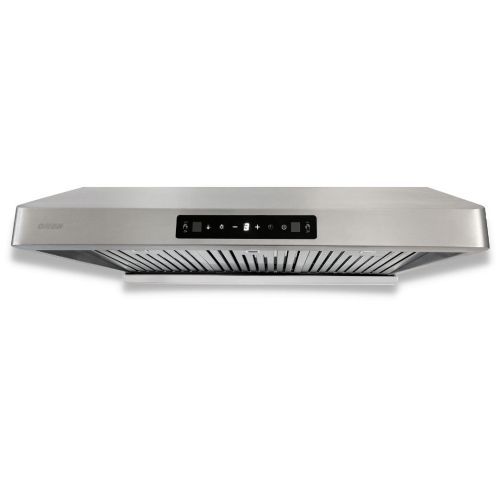
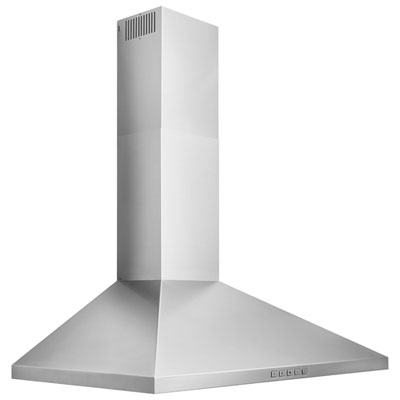
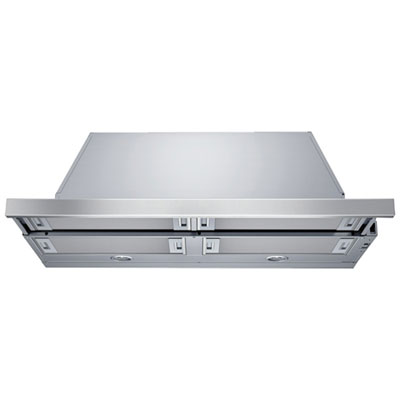
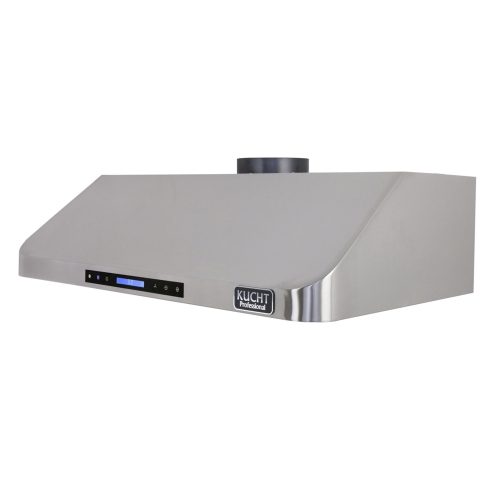
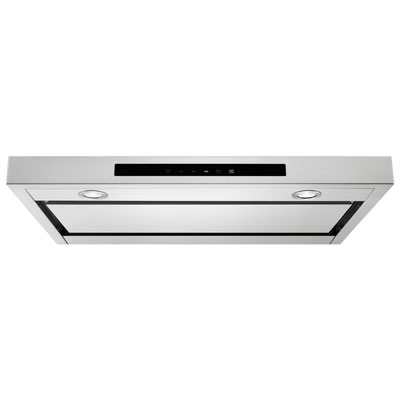
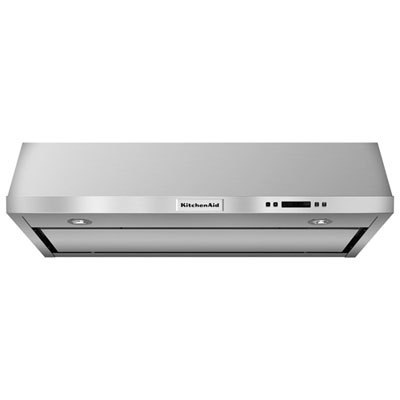
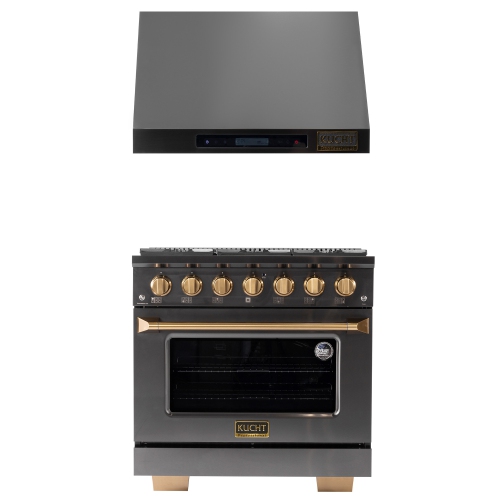
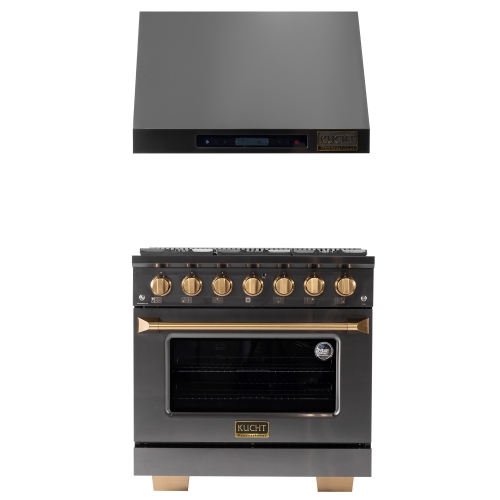
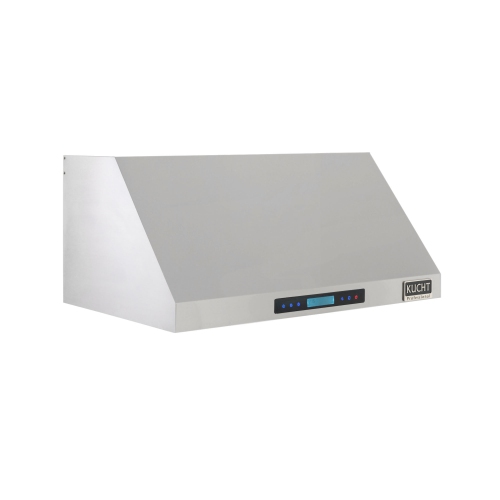
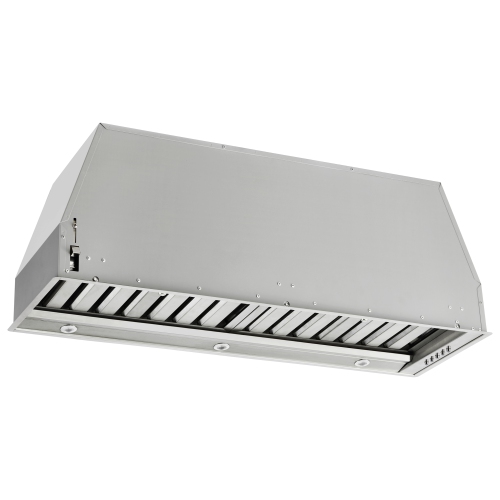
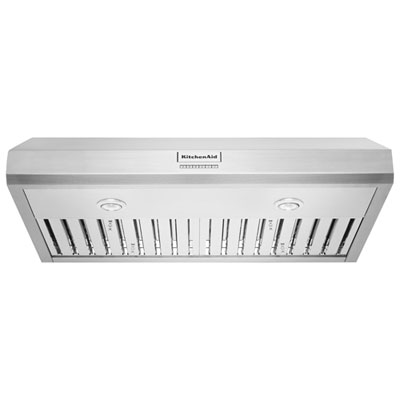
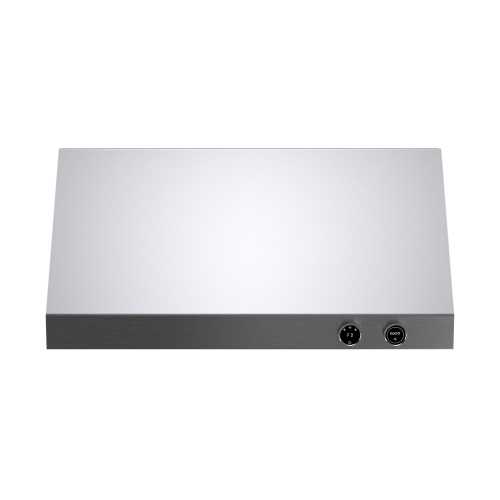
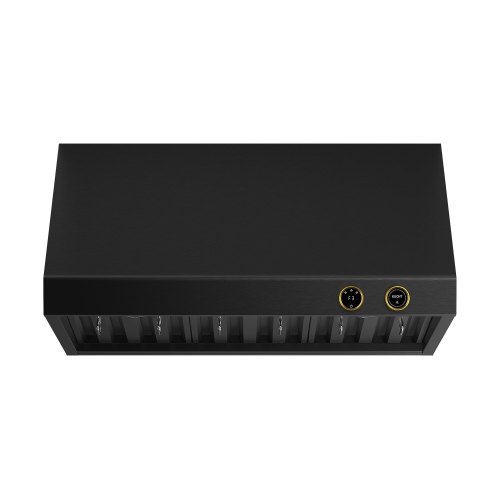
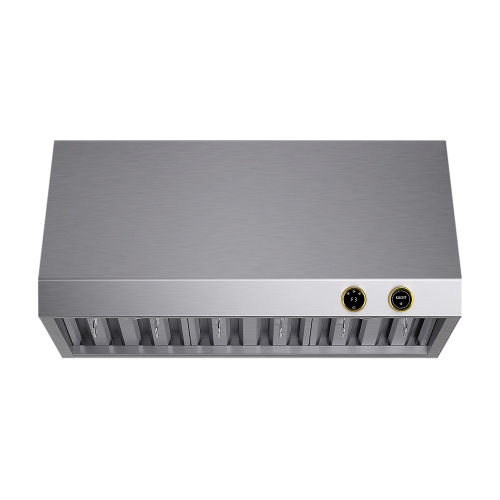
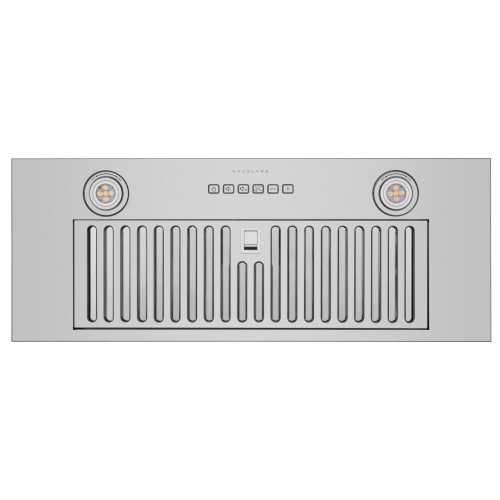
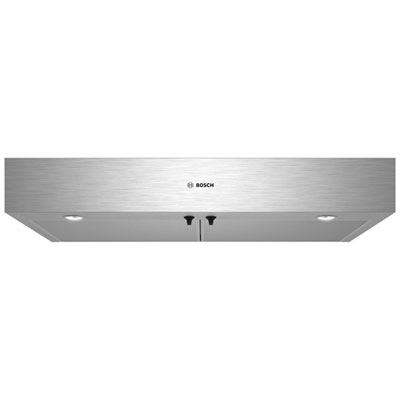
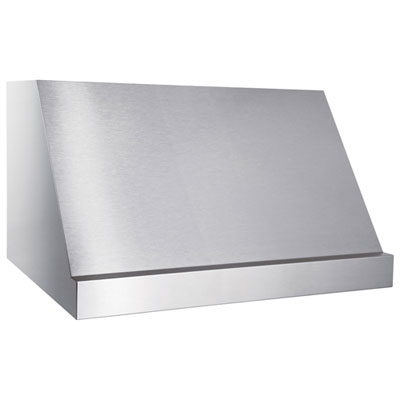
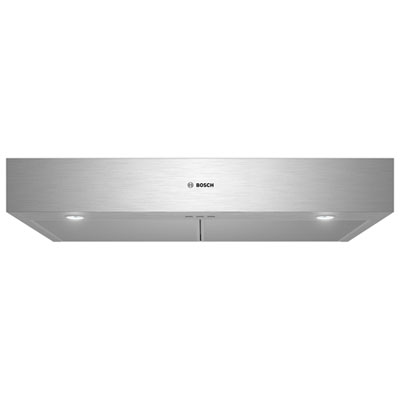
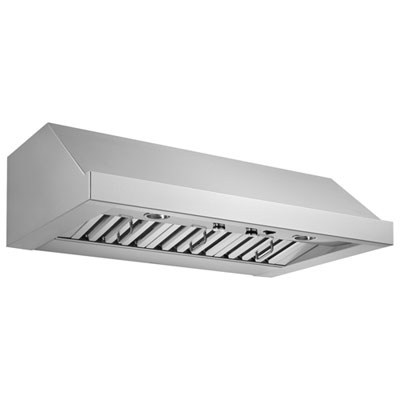
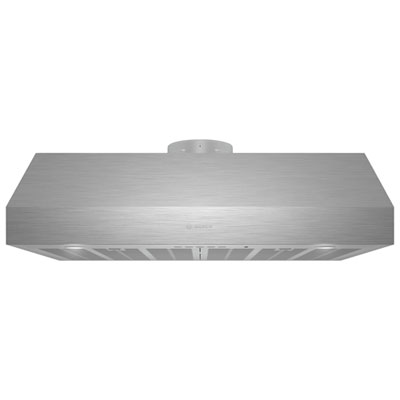
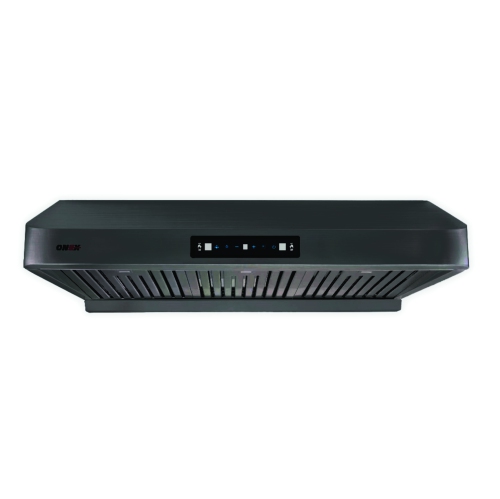
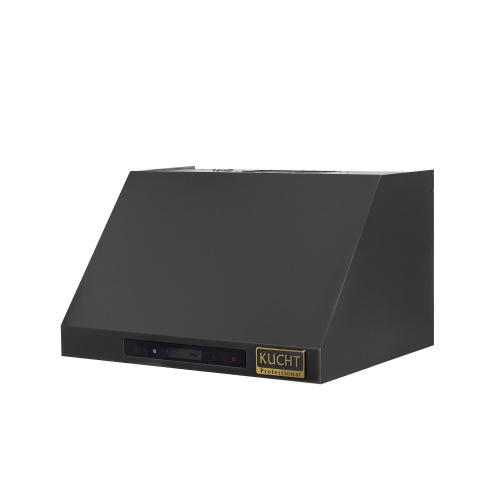
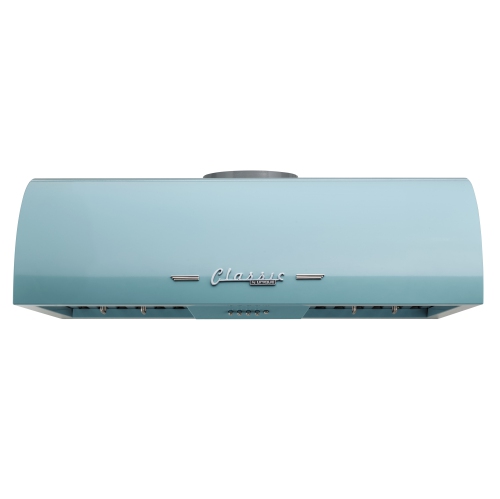
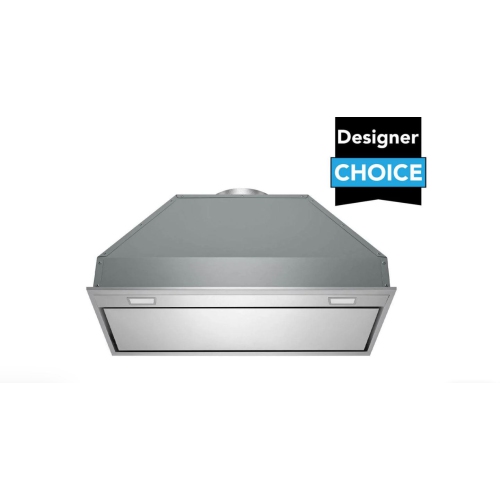
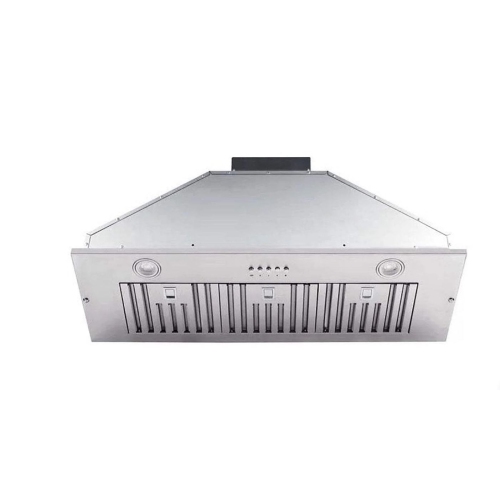
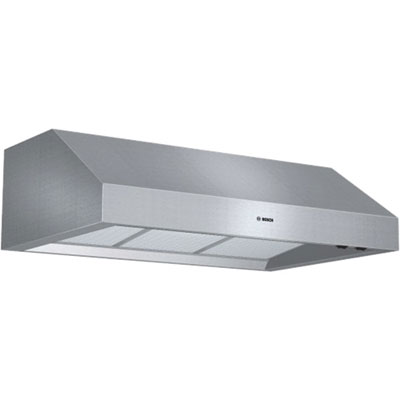
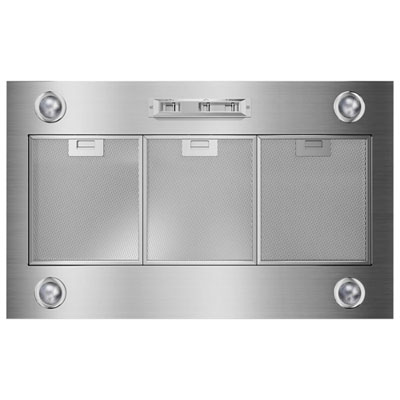
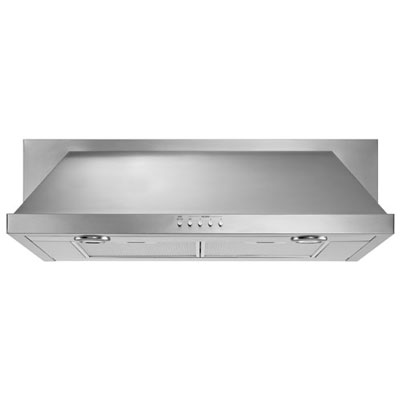
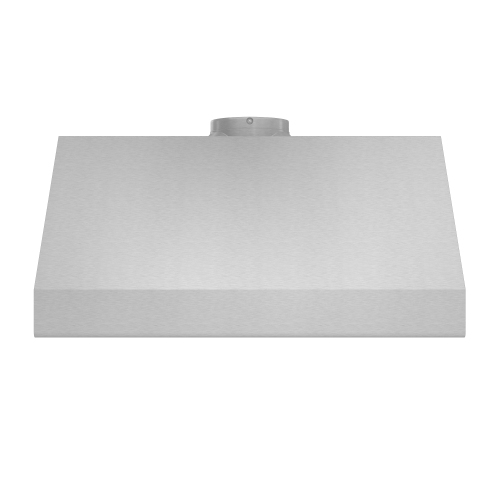
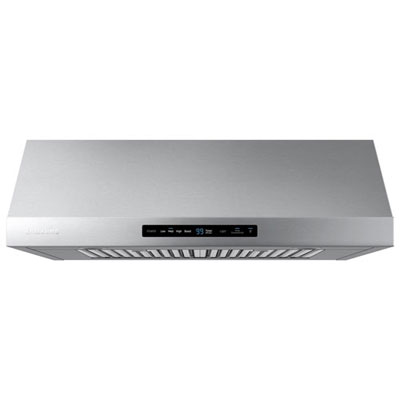
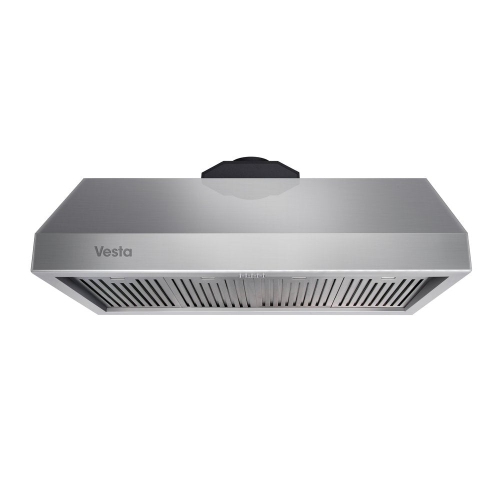
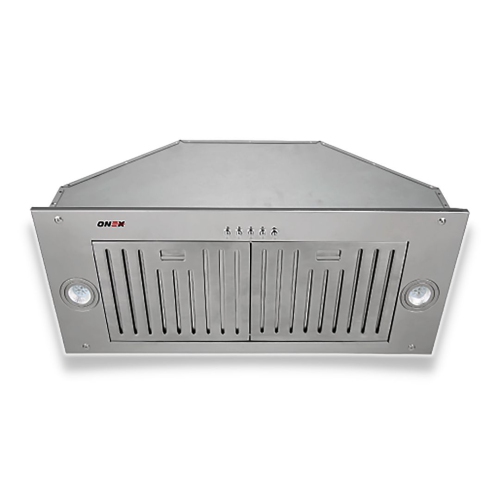
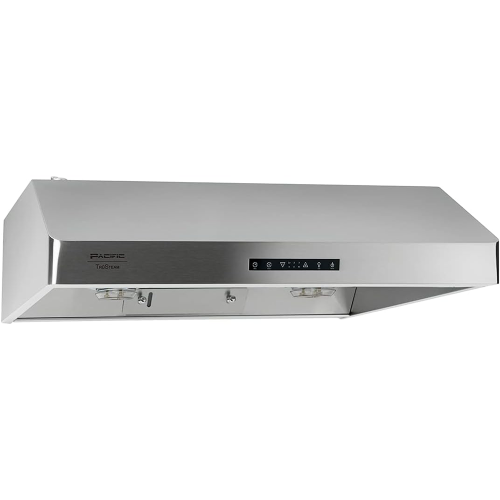
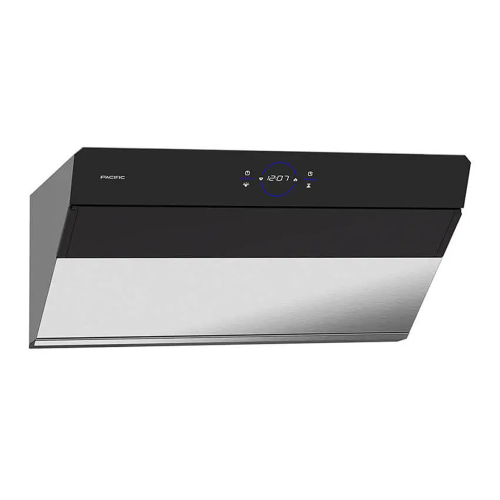
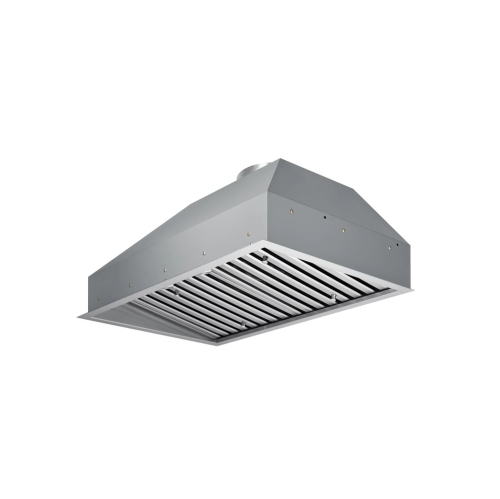
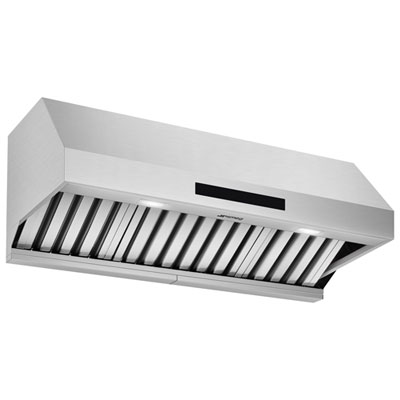
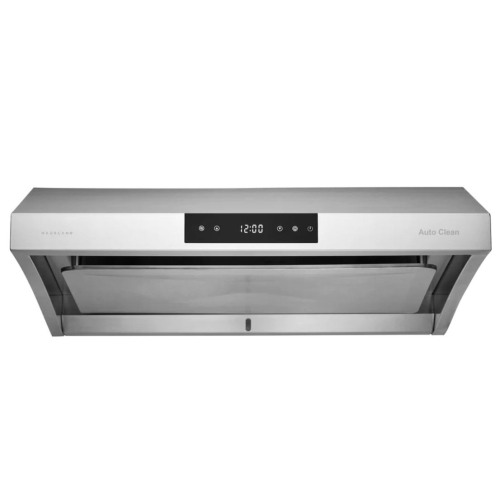
A 36-inch under-cabinet range hood is a kitchen ventilation appliance designed to mount beneath an upper cabinet above a range or cooktop. Its nominal width makes it a common match for a 36-inch cooking surface, although actual dimensions and installation requirements vary by model. This style keeps the ventilation system integrated with existing cabinetry rather than making it a separate feature above an island or along an open wall. For households that regularly sauté vegetables, sear meat, simmer sauces, or prepare several dishes at once, an appropriately sized hood helps capture cooking grease, smoke, and odours near their source. Ducted versions also carry cooking moisture outdoors, which can be particularly useful when a large pot has been bubbling through a lengthy meal preparation. Width is only part of the fit: hood depth, underside shape, and mounting position affect how well rising cooking fumes enter the unit, especially from the front burners. A shallow profile can look tidy beneath a cabinet, but its capture area still needs to suit the cooking surface below. The hood should generally be at least as wide as the range or cooktop, with final sizing confirmed against the appliance manufacturers’ requirements. Measuring the cabinet opening, the space above the cooking surface, and the existing duct connection helps establish whether a replacement will fit without substantial changes. Even when two hoods share a 36-inch designation, their housings, mounting points, and vent outlets may differ. The required clearance above the cooktop must follow the hood and cooking appliance instructions as well as applicable local requirements; there is no single mounting height that suits every installation. For a wider look at this size across different mounting styles, 36 Inch Range Hoods provides a related category. An under-cabinet design is particularly relevant when preserving an established kitchen layout is a priority, whether the project involves replacing an older fan or coordinating ventilation with a new cooking appliance.
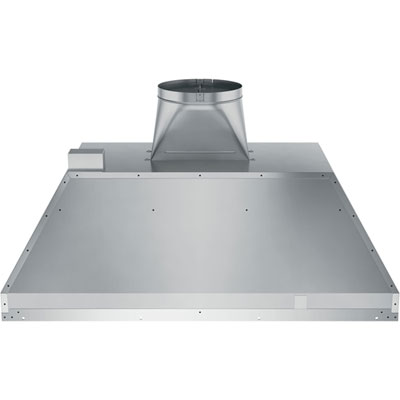
Ventilation configuration is a defining consideration for 36-inch under-cabinet range hoods. A ducted hood sends captured air outside through a dedicated duct, carrying away smoke, odours, and some of the heat and moisture produced during cooking. A ductless hood draws air through grease filters and an odour-filtering medium, commonly activated charcoal, before returning it to the kitchen. This arrangement can suit certain spaces without an outdoor exhaust route, but it does not remove heat and moisture the way outdoor venting does, and it is not an equivalent solution for removing combustion gases. Whether recirculation is permitted and appropriate depends on the cooking appliance, hood specifications, and local requirements. Convertible hoods support either configuration when installed with the correct components; charcoal filters or conversion parts may be required separately. Existing ductwork matters just as much as the hood itself. The outlet direction, duct shape, and duct size need to match the installation specifications, while long runs, restrictive transitions, and numerous elbows can reduce effective airflow and increase noise. Airflow is commonly expressed in cubic feet per minute, or CFM, but a higher rating alone does not guarantee better results in every kitchen. The cooking appliance’s output, the foods being prepared, the hood’s capture area, and the resistance in the duct system all influence performance. Someone who mainly reheats soup and gently simmers pasta sauce has different ventilation demands from a household that frequently stir-fries over high heat or browns food in a heavy skillet. Multiple fan speeds allow airflow to match those different tasks. Noise ratings, where provided, are most useful when compared at similar operating speeds rather than by looking only at the quietest setting. In an open-plan kitchen, a comfortable everyday fan setting can make conversation easier while dinner is cooking. Higher-capacity exhaust systems may also trigger make-up air requirements, so a qualified installer can assess the full setup before installation rather than treating the hood as an isolated appliance.
Materials, controls, lighting, and filter maintenance shape how an under-cabinet range hood feels in everyday use. Stainless steel is a familiar choice because it pairs easily with many kitchen appliances and offers a durable, wipeable surface. Painted finishes can blend with cabinetry or provide contrast, while the texture and sheen of any finish affect how prominently fingerprints and cooking splashes appear. A smooth underside and accessible filter releases make routine cleaning less awkward, particularly in a busy kitchen where a thin film of grease can build up between larger cleanups. Aluminium mesh filters trap grease across layers of fine material, while baffle filters use shaped channels to help separate grease from the passing air. Both need regular attention to maintain airflow, and dishwasher cleaning is suitable only when the manufacturer explicitly allows it. Charcoal odour filters typically require periodic replacement rather than ordinary washing, with the interval depending on the filter type and cooking habits. Cleaning a metal filter does not restore a spent charcoal filter’s odour-control function. For exterior care, a soft cloth and a compatible mild cleaner generally help protect the finish; abrasive pads and harsh chemicals can leave scratches or discolouration. Following the grain when wiping stainless steel can also reduce visible streaking. Built-in lighting adds practical value by illuminating the cooking surface, making it easier to see the colour of onions softening in a pan or monitor a sauce near the back of the range. Light placement matters alongside brightness, since uneven coverage may leave front cookware in shadow. Controls should be easy to reach and understand, whether they use buttons, switches, or a touch panel, and accessible everyday settings encourage consistent use. Starting ventilation as cooking begins and allowing it to run briefly afterwards, as directed by the manufacturer, helps manage lingering fumes. Secure mounting, suitable ductwork, serviceable components, and regular filter care all contribute to long-term usefulness. With the right fit and installation, a 36-inch under-cabinet range hood becomes a practical part of daily meal preparation, supporting everything from a quick breakfast to an extended afternoon of cooking for family and friends.
Ventilation configuration is a defining consideration for 36-inch under-cabinet range hoods. A ducted hood sends captured air outside through a dedicated duct, carrying away smoke, odours, and some of the heat and moisture produced during cooking. A ductless hood draws air through grease filters and an odour-filtering medium, commonly activated charcoal, before returning it to the kitchen. This arrangement can suit certain spaces without an outdoor exhaust route, but it does not remove heat and moisture the way outdoor venting does, and it is not an equivalent solution for removing combustion gases. Whether recirculation is permitted and appropriate depends on the cooking appliance, hood specifications, and local requirements. Convertible hoods support either configuration when installed with the correct components; charcoal filters or conversion parts may be required separately. Existing ductwork matters just as much as the hood itself. The outlet direction, duct shape, and duct size need to match the installation specifications, while long runs, restrictive transitions, and numerous elbows can reduce effective airflow and increase noise. Airflow is commonly expressed in cubic feet per minute, or CFM, but a higher rating alone does not guarantee better results in every kitchen. The cooking appliance’s output, the foods being prepared, the hood’s capture area, and the resistance in the duct system all influence performance. Someone who mainly reheats soup and gently simmers pasta sauce has different ventilation demands from a household that frequently stir-fries over high heat or browns food in a heavy skillet. Multiple fan speeds allow airflow to match those different tasks. Noise ratings, where provided, are most useful when compared at similar operating speeds rather than by looking only at the quietest setting. In an open-plan kitchen, a comfortable everyday fan setting can make conversation easier while dinner is cooking. Higher-capacity exhaust systems may also trigger make-up air requirements, so a qualified installer can assess the full setup before installation rather than treating the hood as an isolated appliance.
Materials, controls, lighting, and filter maintenance shape how an under-cabinet range hood feels in everyday use. Stainless steel is a familiar choice because it pairs easily with many kitchen appliances and offers a durable, wipeable surface. Painted finishes can blend with cabinetry or provide contrast, while the texture and sheen of any finish affect how prominently fingerprints and cooking splashes appear. A smooth underside and accessible filter releases make routine cleaning less awkward, particularly in a busy kitchen where a thin film of grease can build up between larger cleanups. Aluminium mesh filters trap grease across layers of fine material, while baffle filters use shaped channels to help separate grease from the passing air. Both need regular attention to maintain airflow, and dishwasher cleaning is suitable only when the manufacturer explicitly allows it. Charcoal odour filters typically require periodic replacement rather than ordinary washing, with the interval depending on the filter type and cooking habits. Cleaning a metal filter does not restore a spent charcoal filter’s odour-control function. For exterior care, a soft cloth and a compatible mild cleaner generally help protect the finish; abrasive pads and harsh chemicals can leave scratches or discolouration. Following the grain when wiping stainless steel can also reduce visible streaking. Built-in lighting adds practical value by illuminating the cooking surface, making it easier to see the colour of onions softening in a pan or monitor a sauce near the back of the range. Light placement matters alongside brightness, since uneven coverage may leave front cookware in shadow. Controls should be easy to reach and understand, whether they use buttons, switches, or a touch panel, and accessible everyday settings encourage consistent use. Starting ventilation as cooking begins and allowing it to run briefly afterwards, as directed by the manufacturer, helps manage lingering fumes. Secure mounting, suitable ductwork, serviceable components, and regular filter care all contribute to long-term usefulness. With the right fit and installation, a 36-inch under-cabinet range hood becomes a practical part of daily meal preparation, supporting everything from a quick breakfast to an extended afternoon of cooking for family and friends.
Top selling and popular products
-
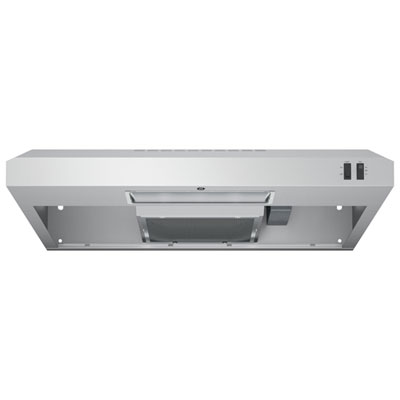 Your price for this item is $249.99
 -
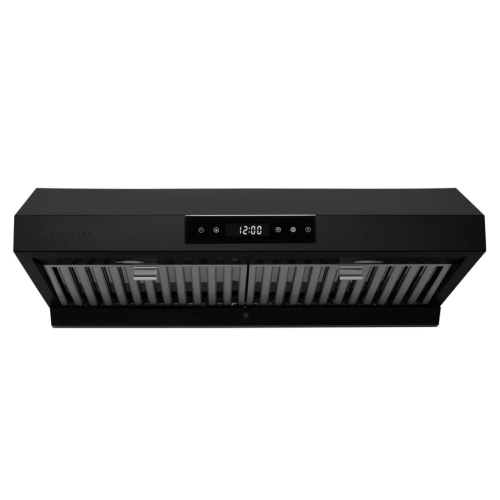 Your price for this item is $598.49
 -
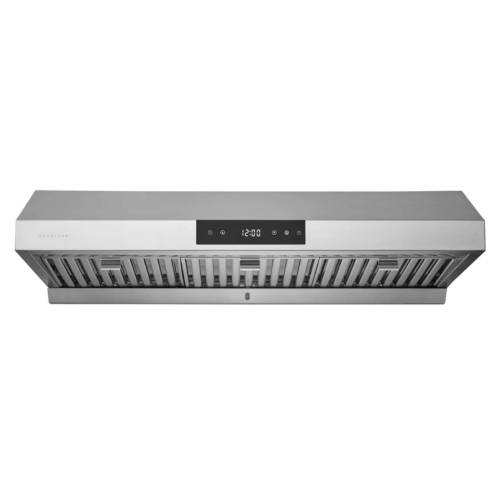 Your price for this item is $645.99
 -
 Your price for this item is $645.99
 -
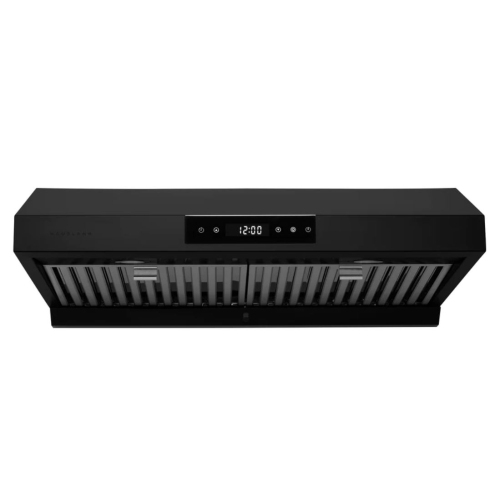 Your price for this item is $645.99
 -
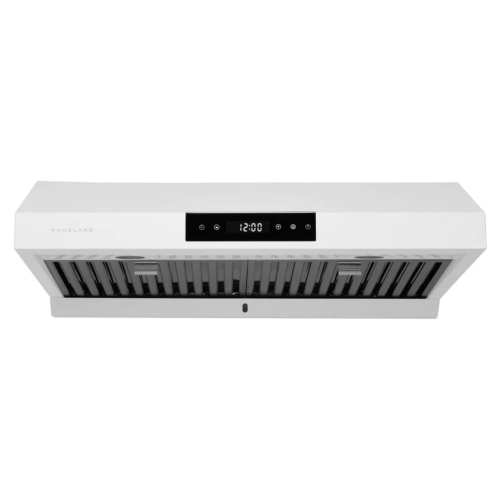 Your price for this item is $598.49
 -
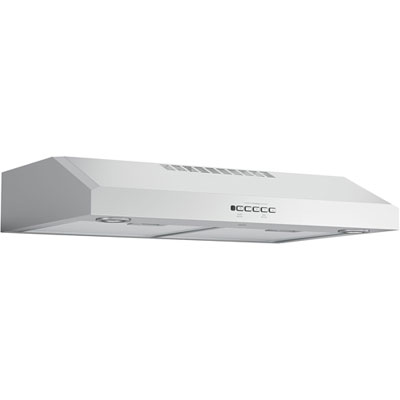 Your price for this item is $449.99
 -
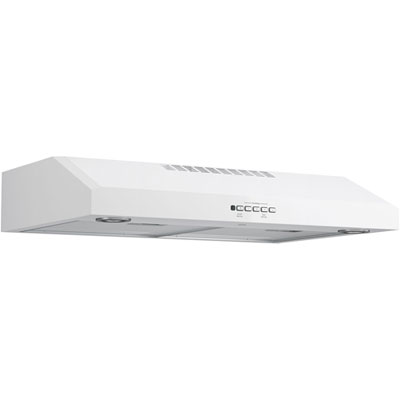 Your price for this item is $399.99
Discover more categories related to 36 Inches Under Cabinet Range Hood
Top Collections:
Pokemon Centers, Kindle Devices, Best Budget Office Chairs, Apple iPhones 16, Best Laptops for Writers, iPhone 15 Apple, Canon G7X Cameras, Refurbished Apple Laptops, Alarm Clock, Motorola Razr Phones
Some products may be subject to Environmental Handling Fees
(EHF) depending on your province.
Learn more about EHFs.