30 Inch Range Hoods
Looking for a powerful and efficient solution to keep your kitchen fresh and clean? Look no further than our selection of 30-inch range hoods. Designed to effectively remove smoke, odors, and grease from your cooking area, these range hoods are a must-have for almost any home chef. With various styles and features available, finding the perfect 30-inch range hood to suit your kitchen's needs has never been easier. Explore our collection today and discover the perfect addition to your kitchen setup.
Sort
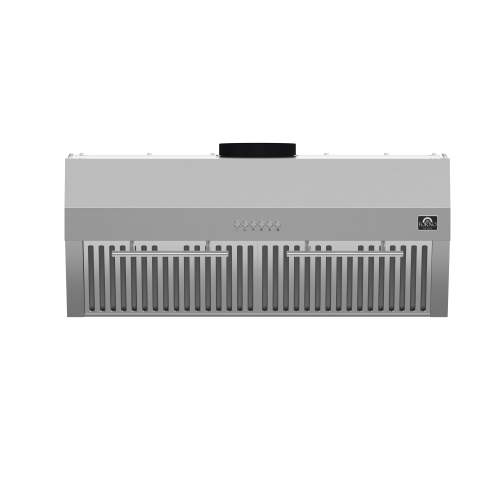
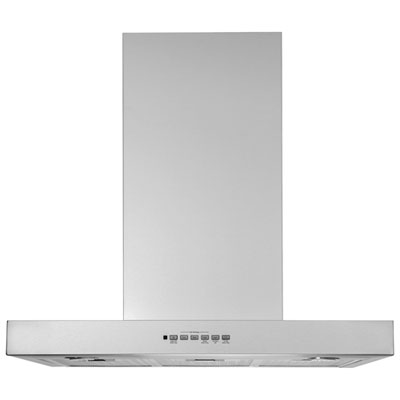
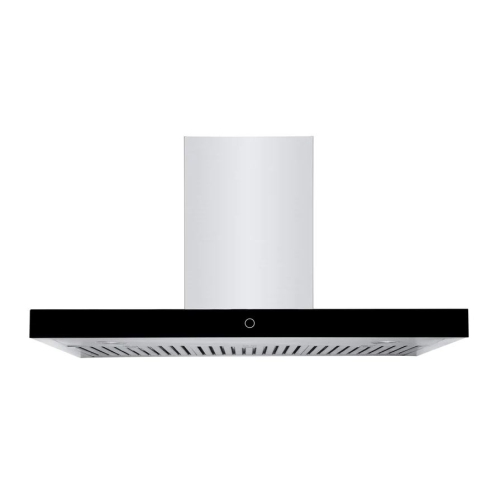
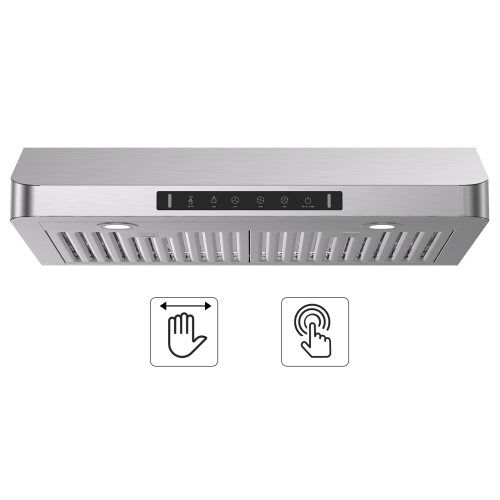

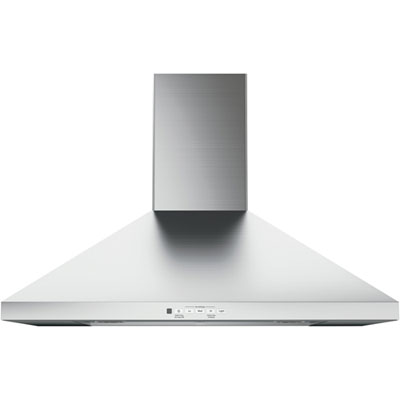
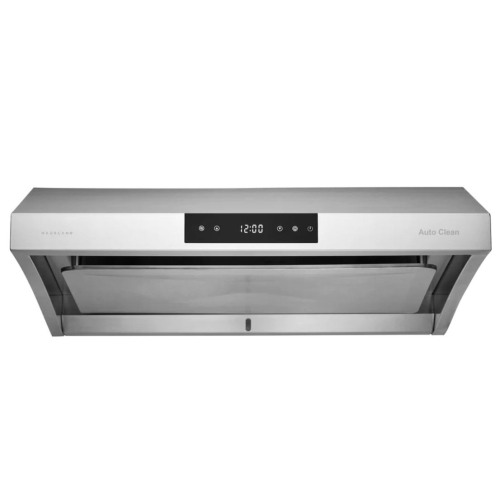
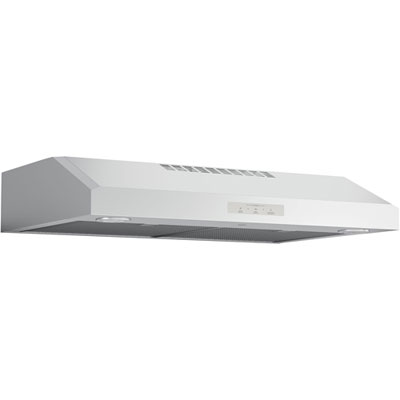
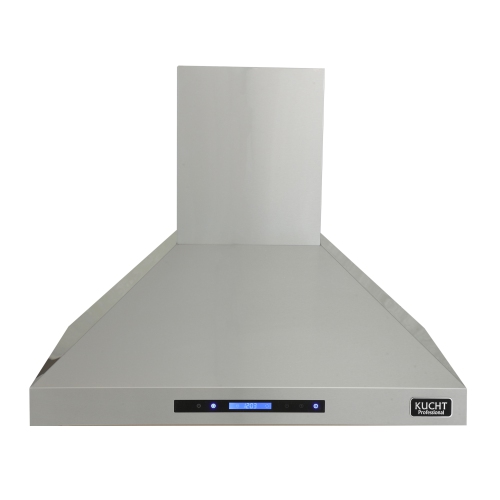

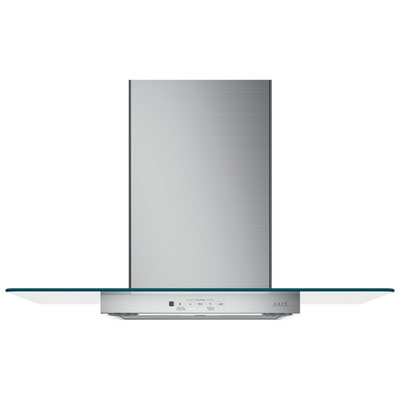
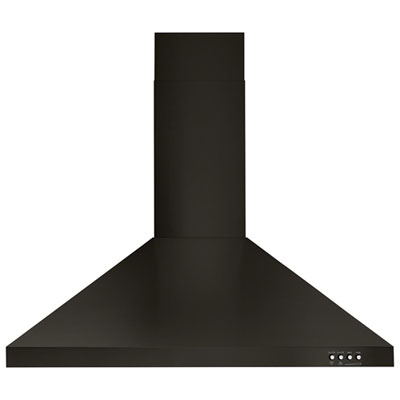
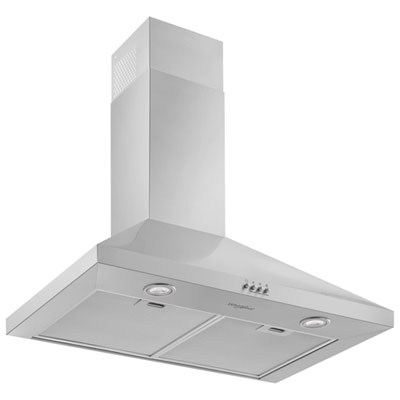
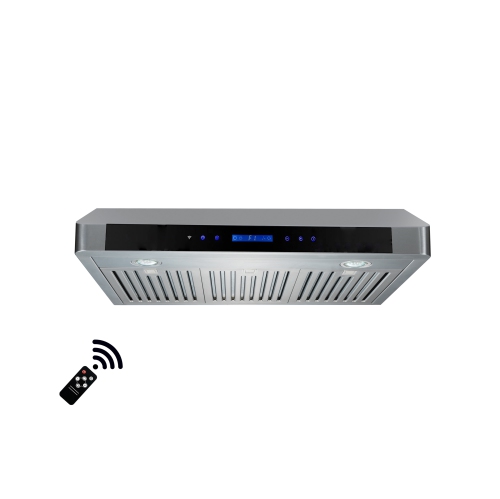
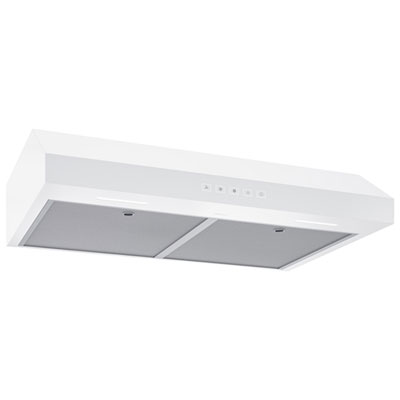
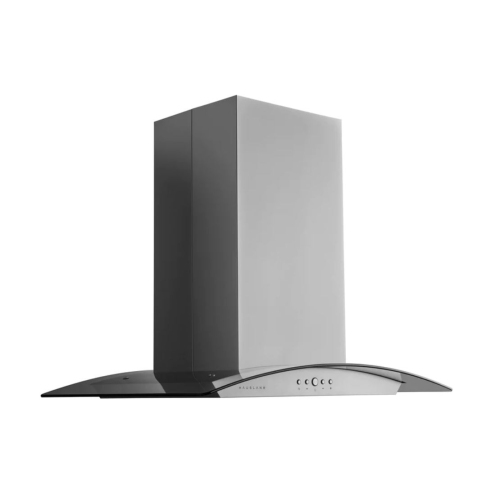
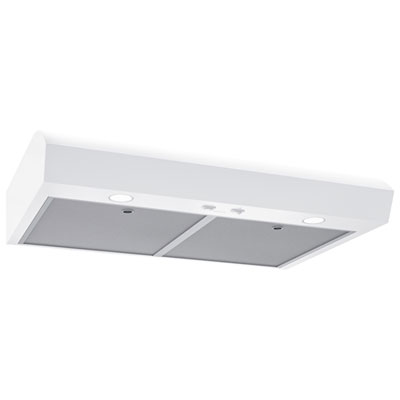
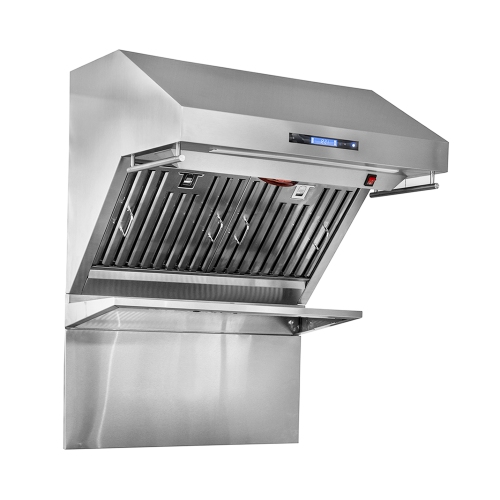
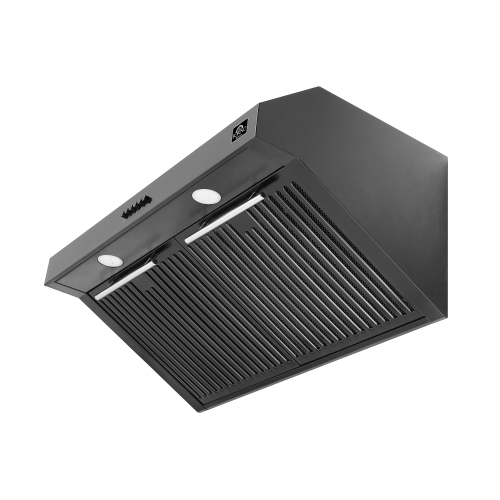
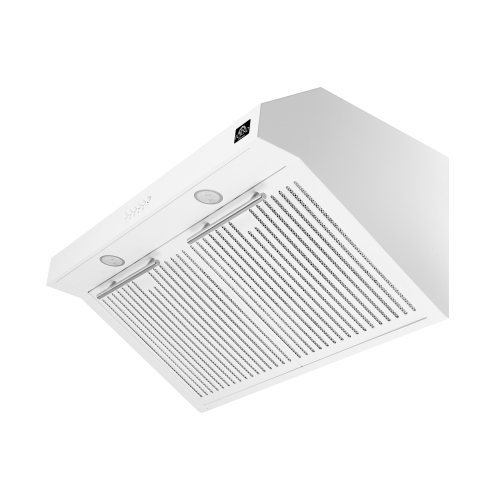
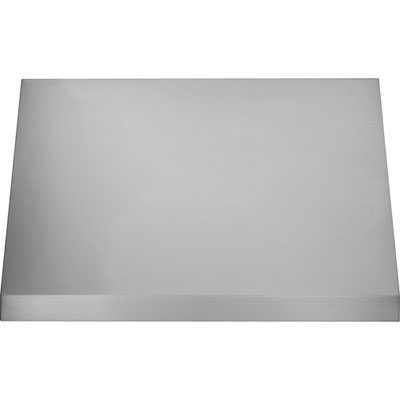
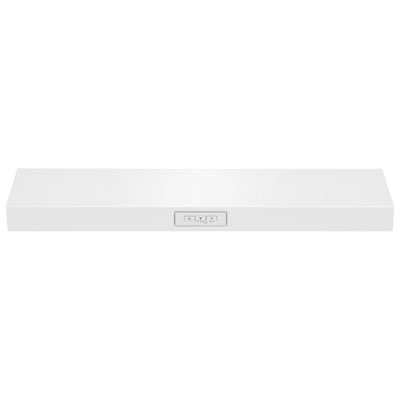
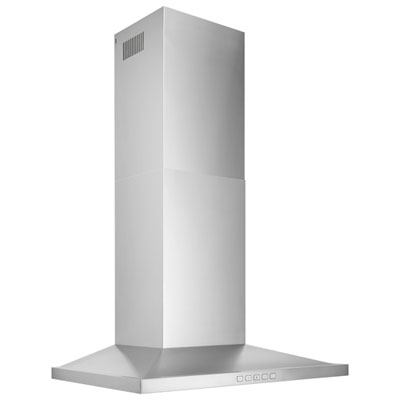
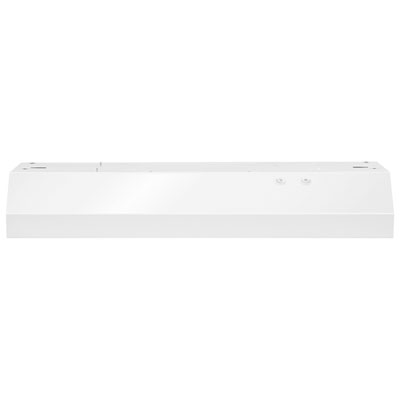
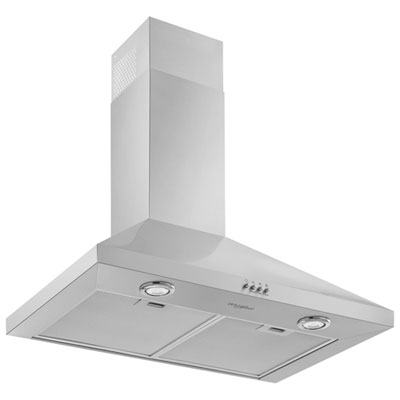
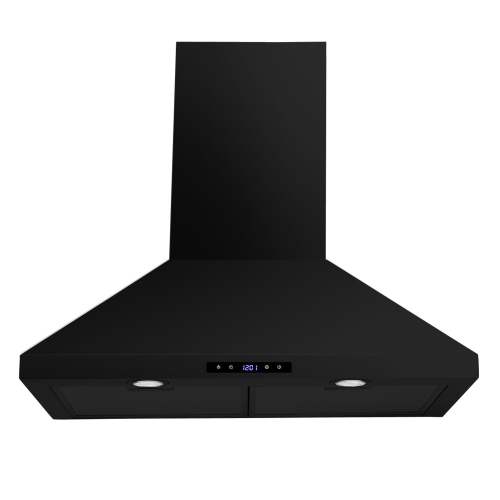

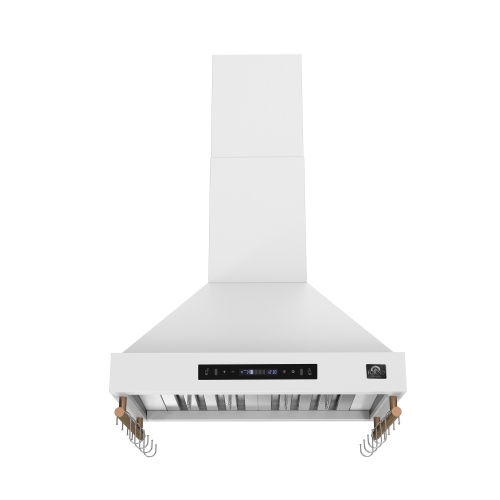
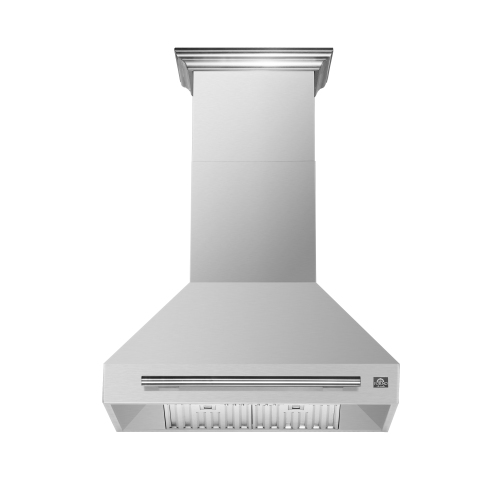
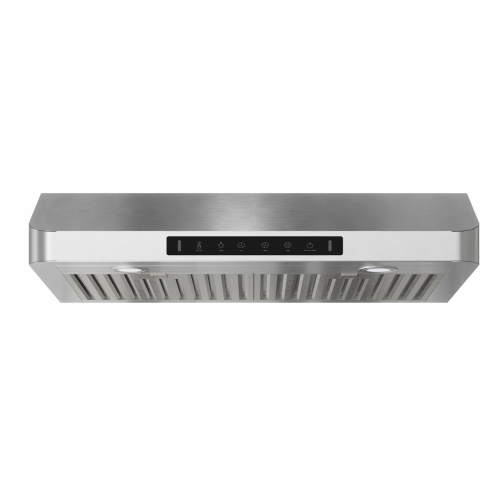
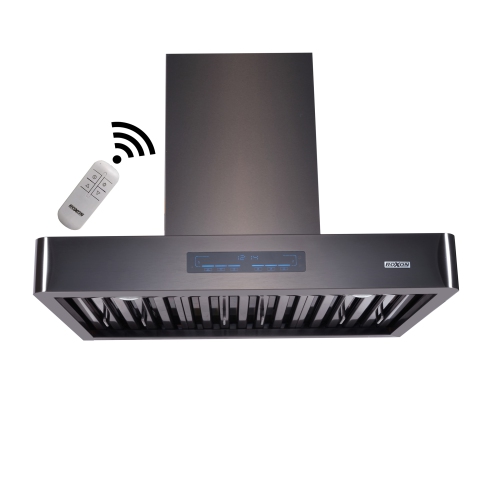
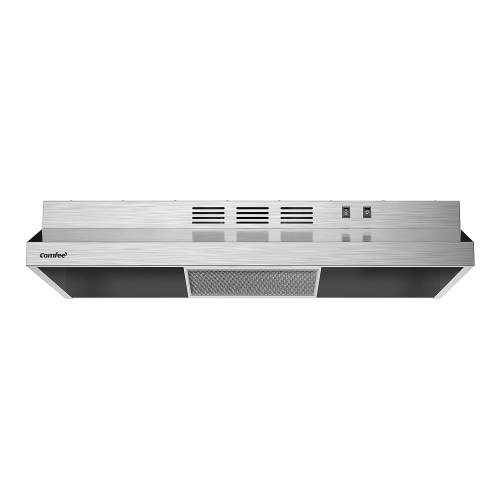
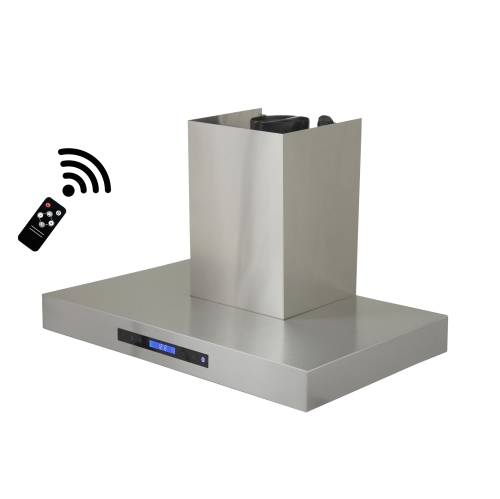
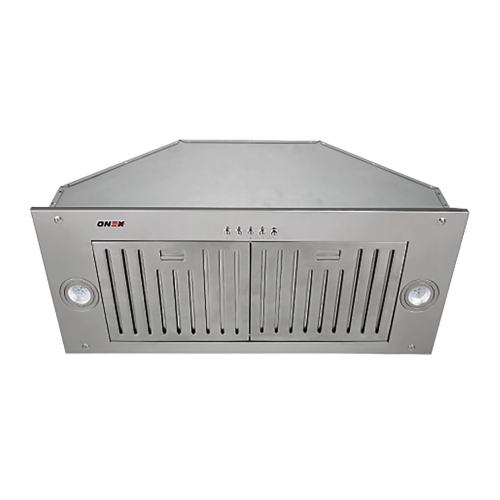
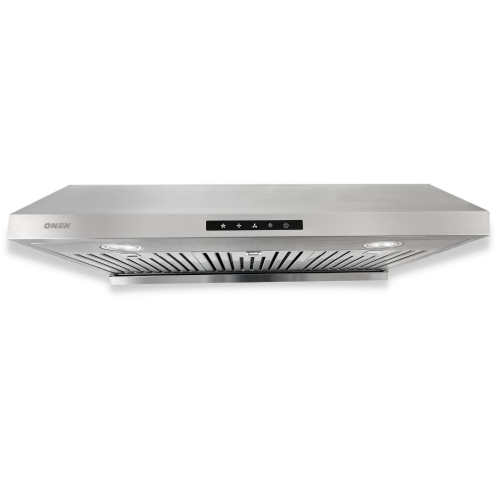
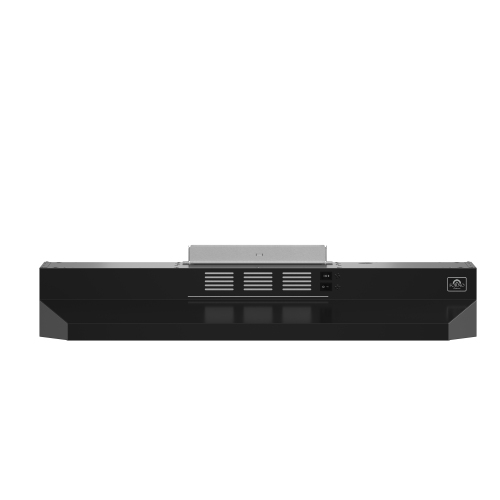
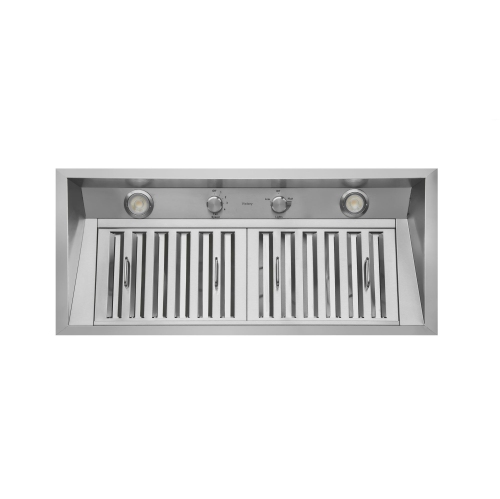
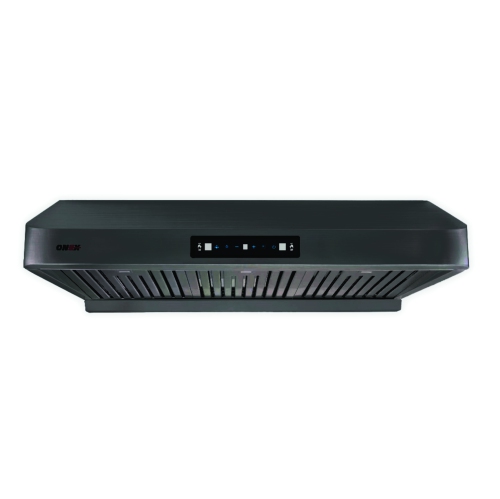
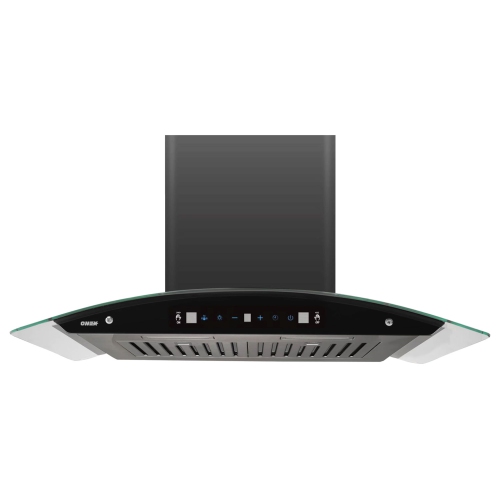

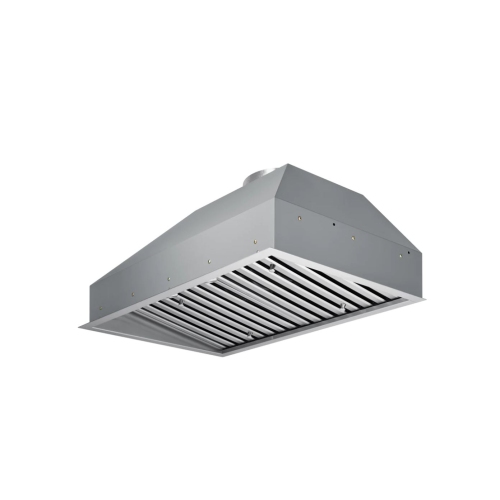
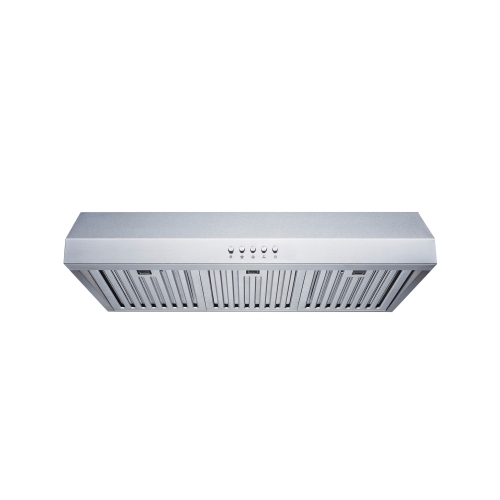
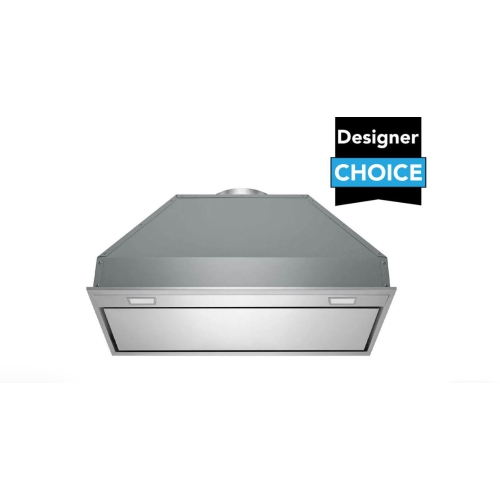
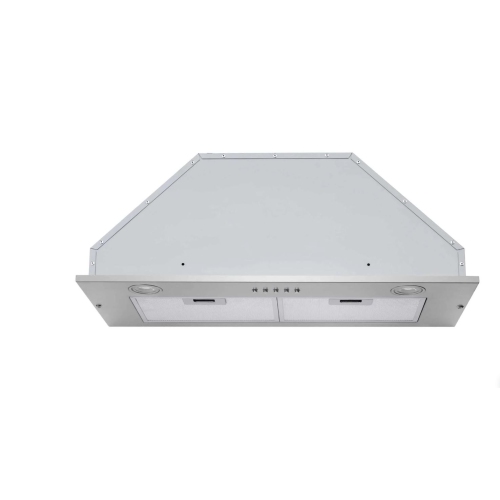
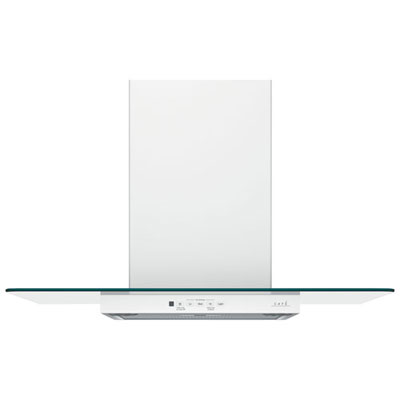
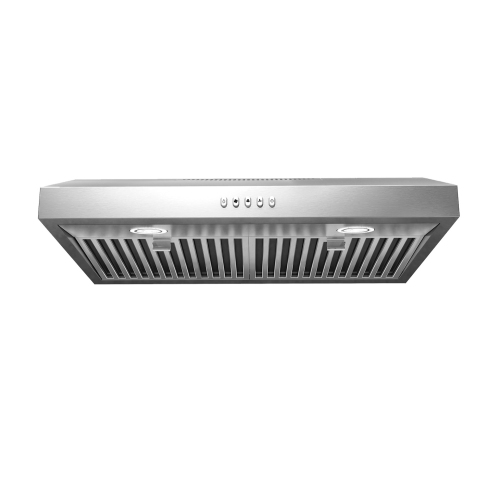
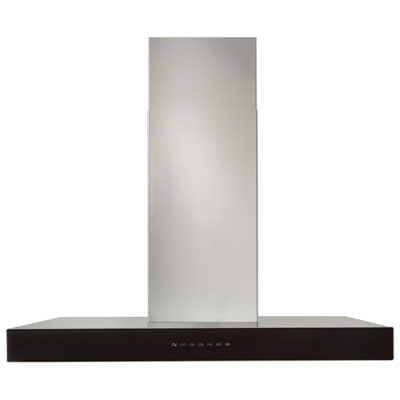
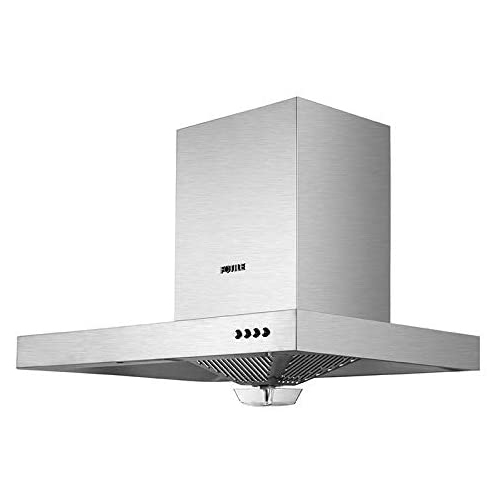
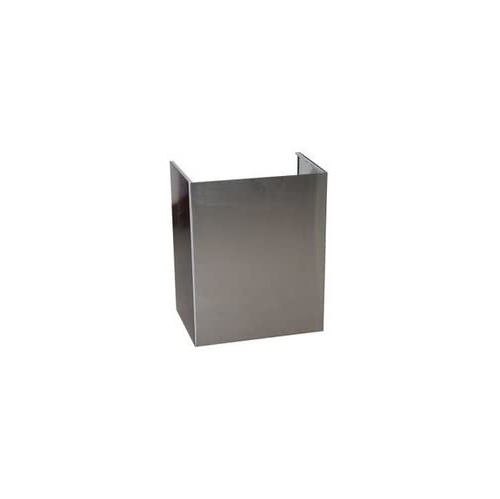
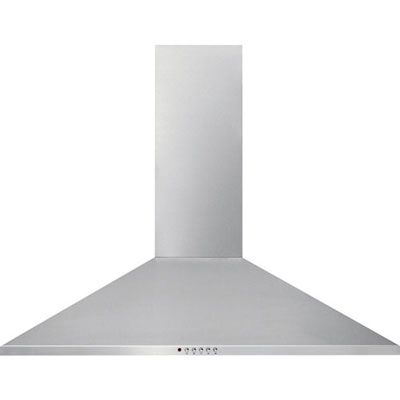
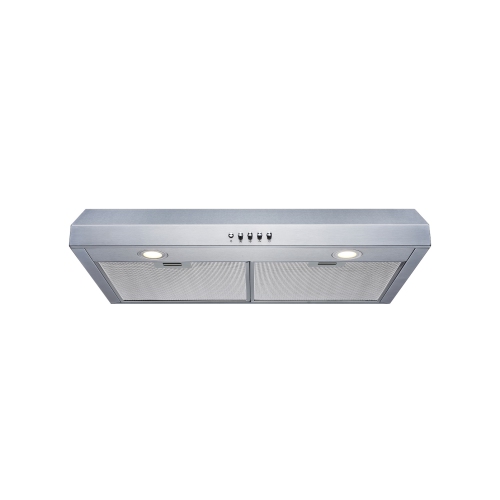
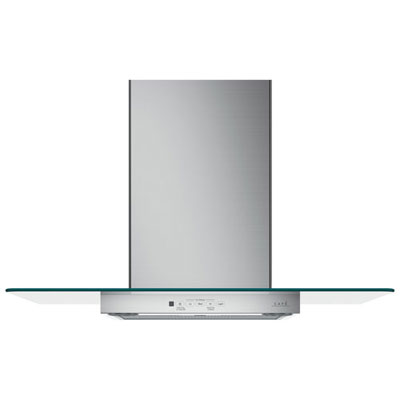

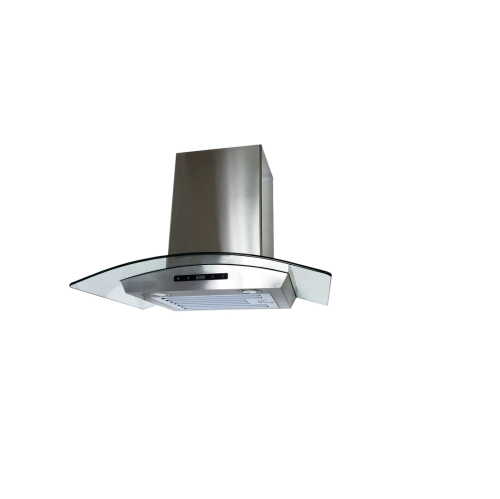
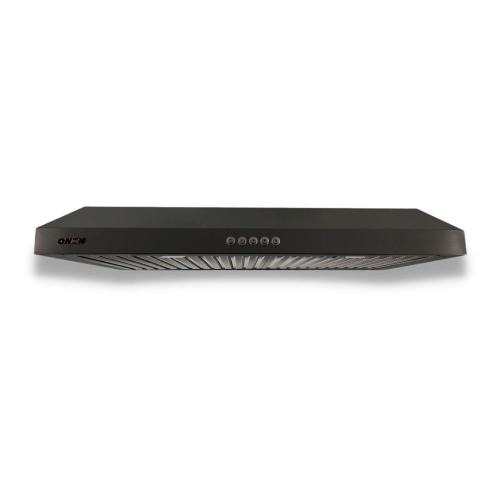
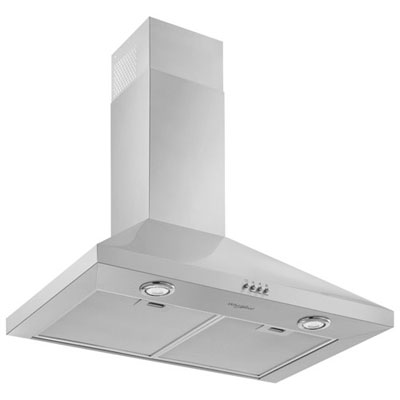
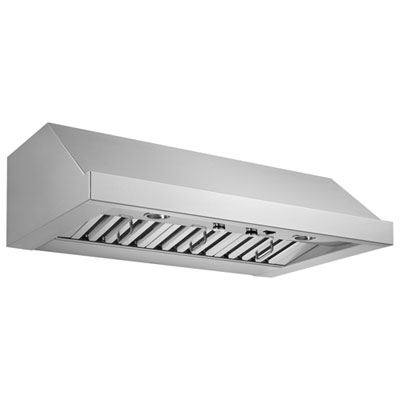
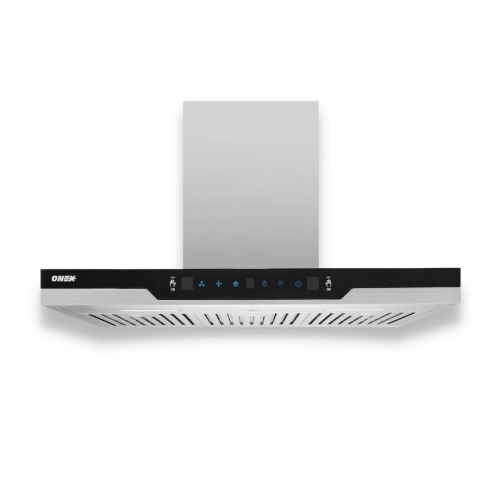
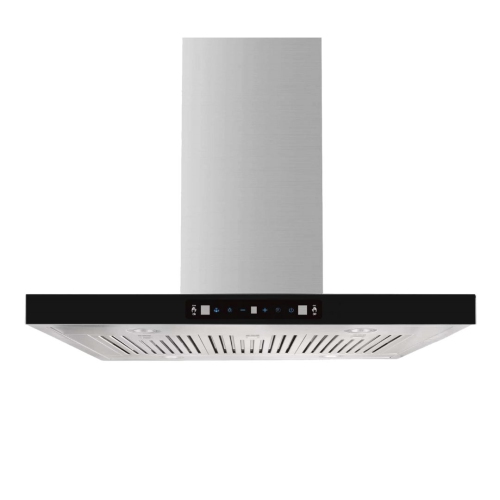

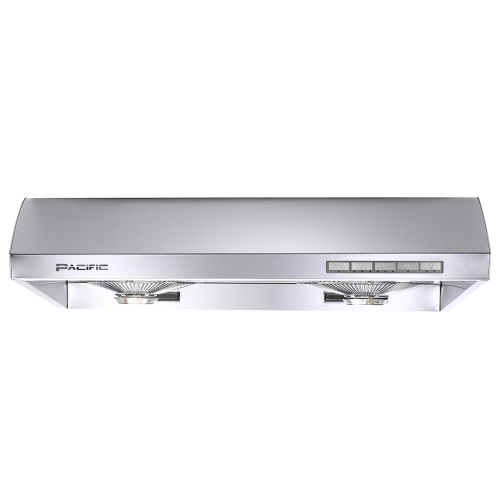


Sizing, airflow, installation, and everyday ventilation considerations
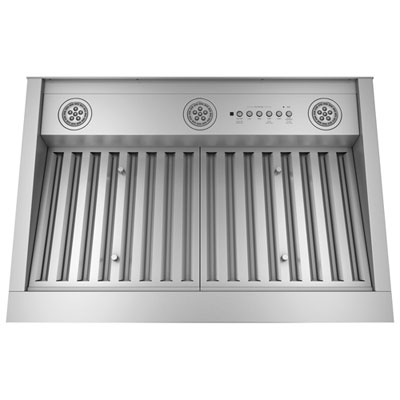
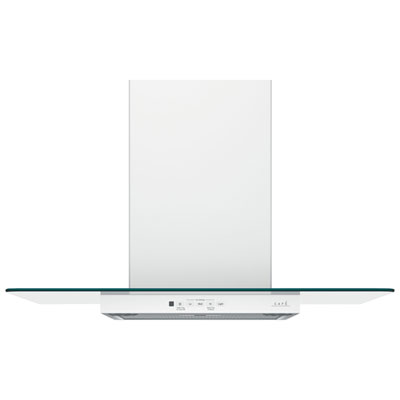
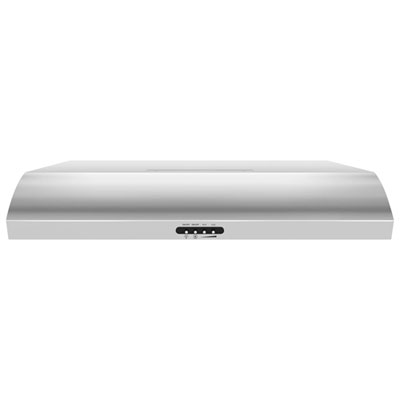
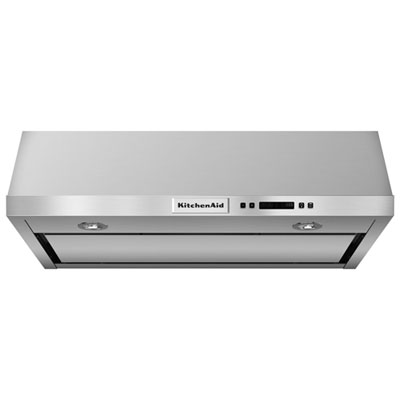
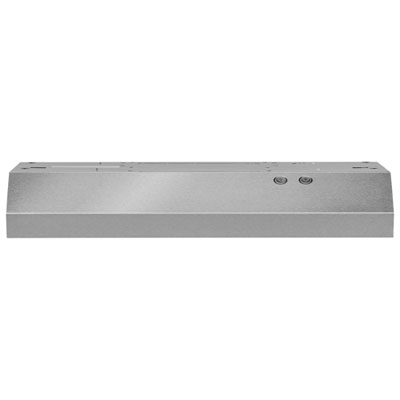
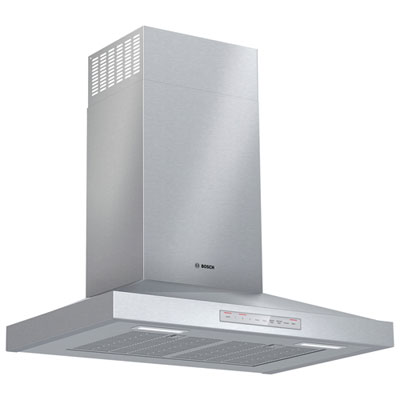
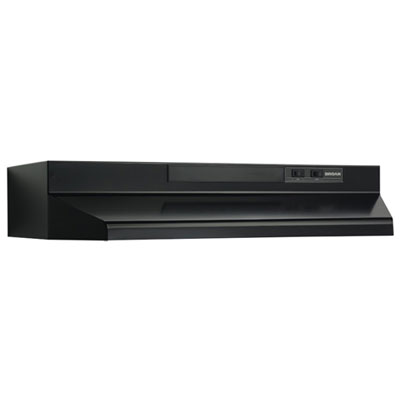
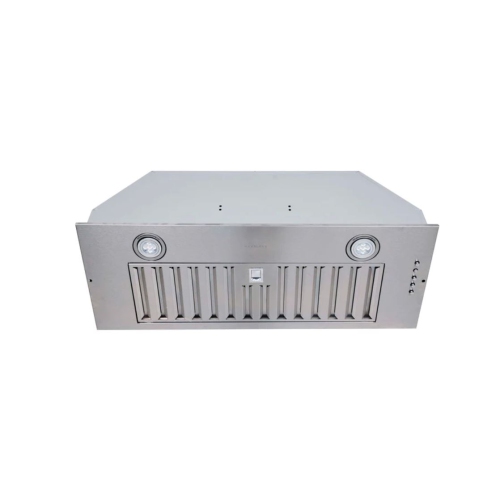
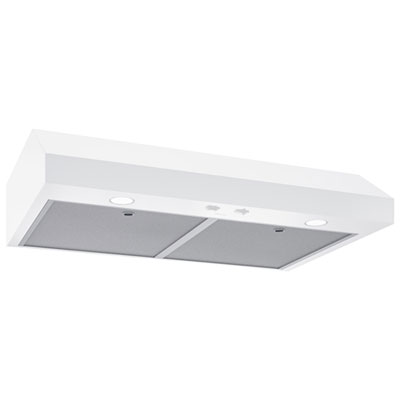
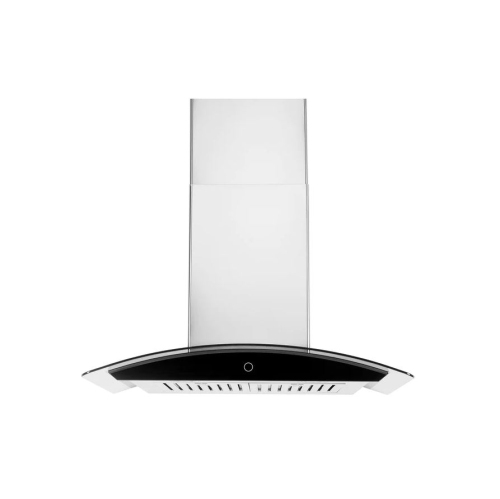
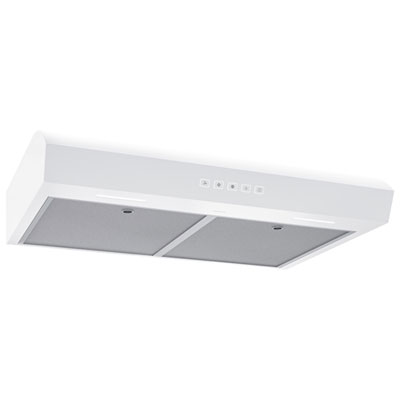
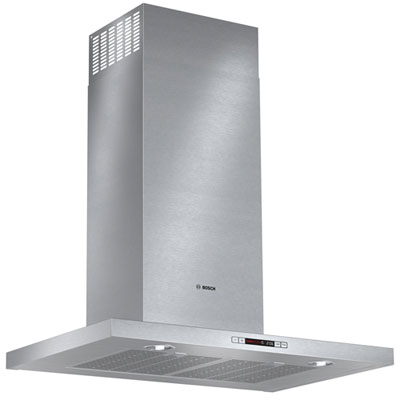
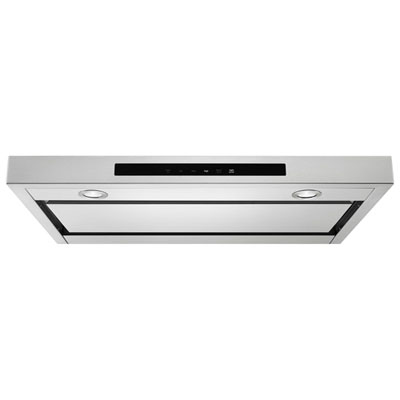
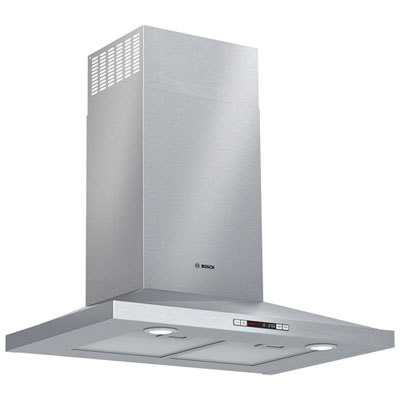
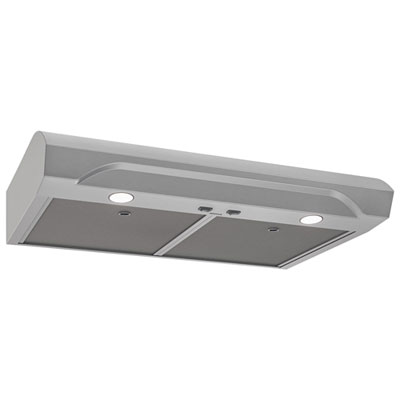
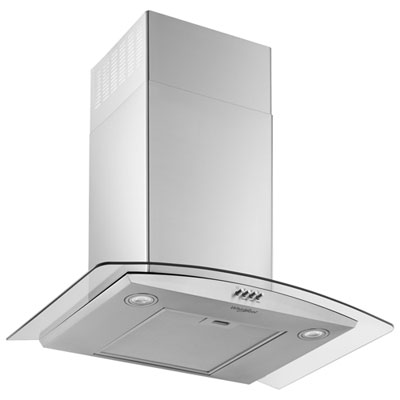
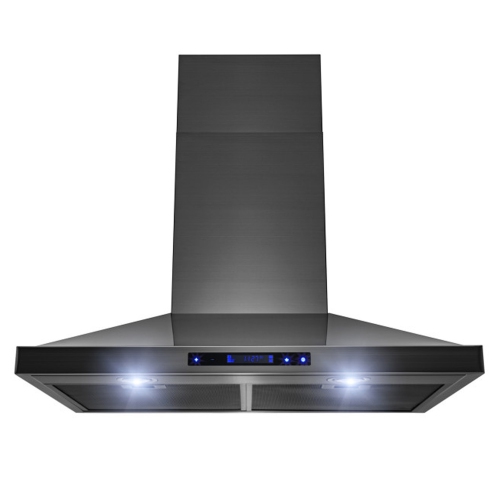
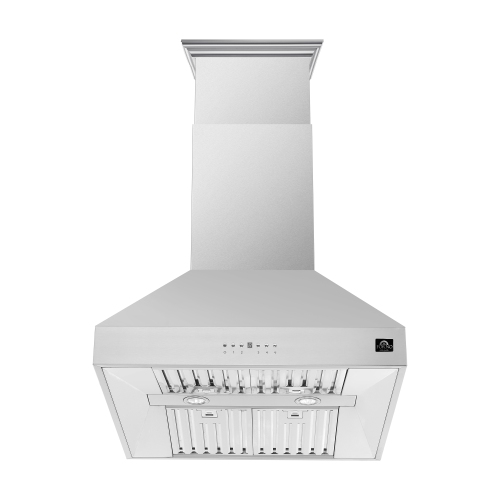
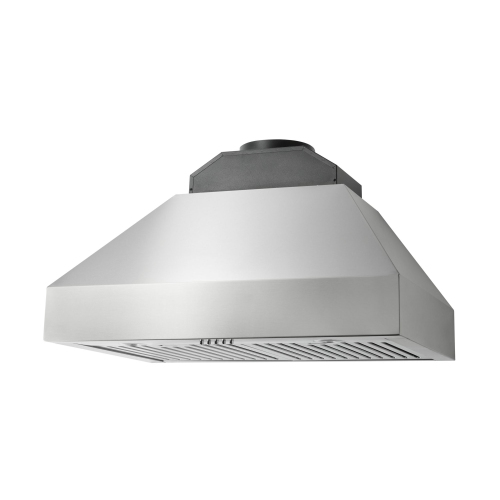
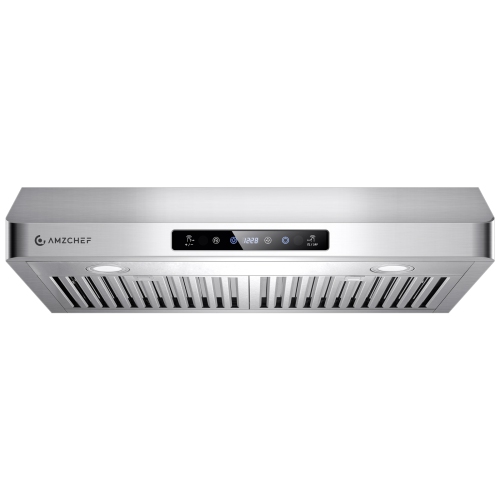
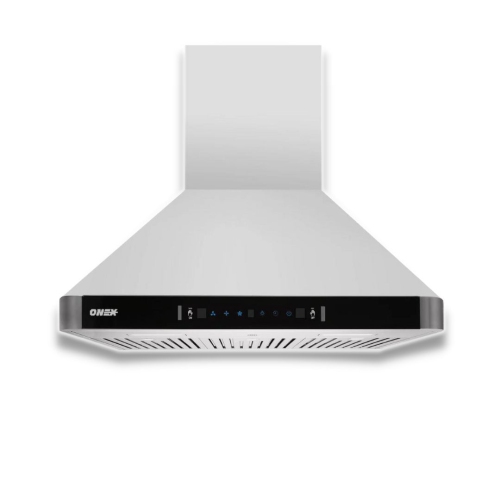
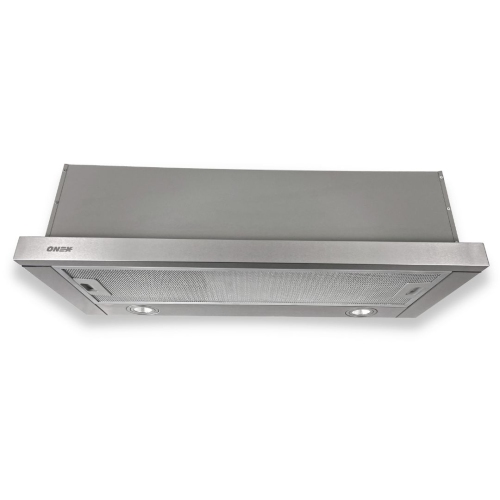
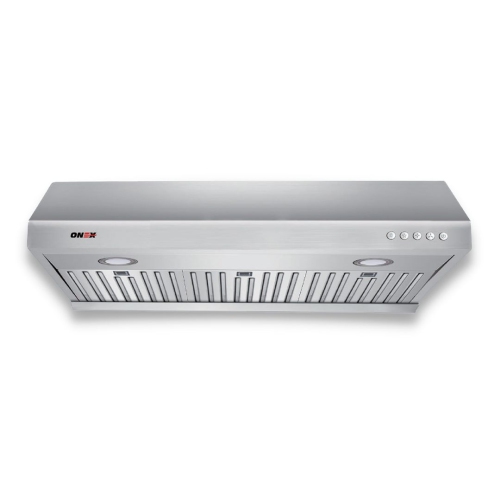
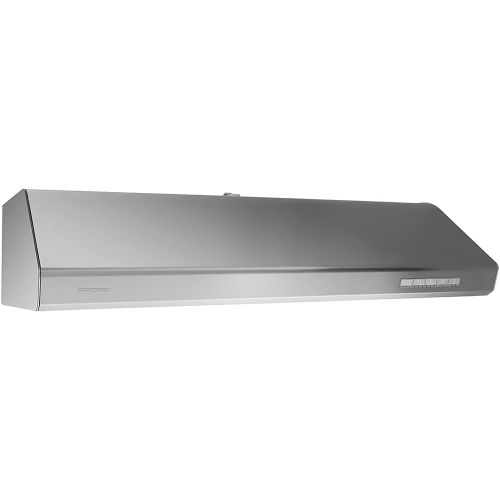
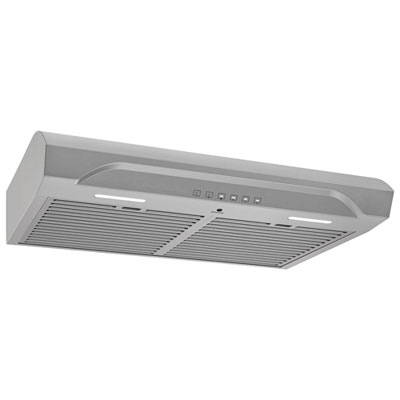
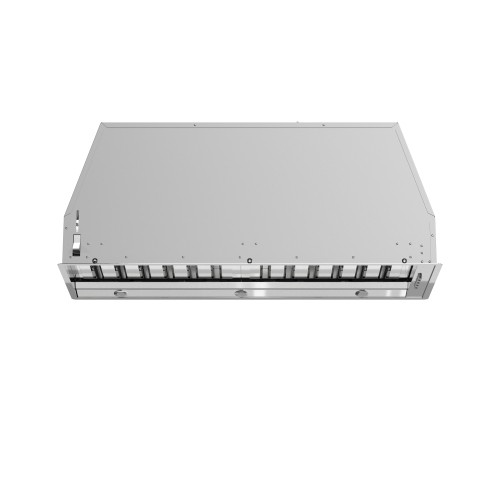
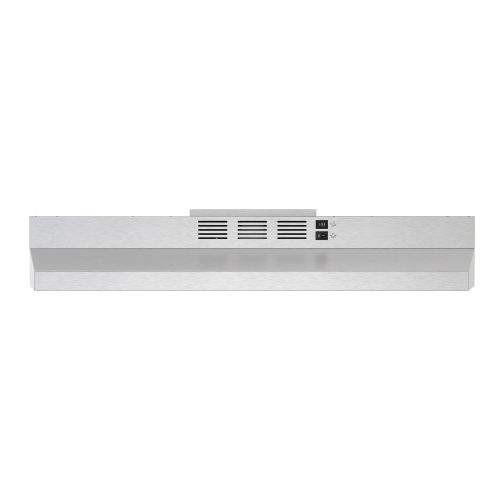
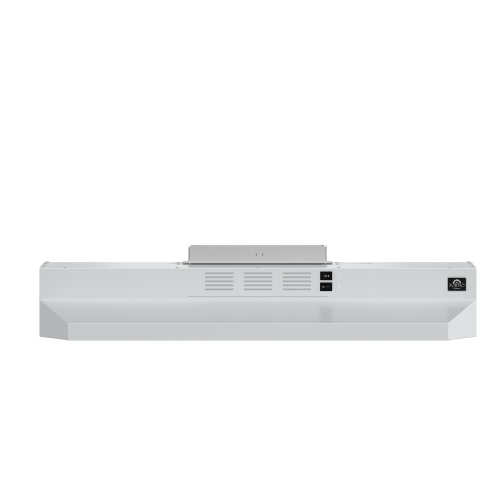
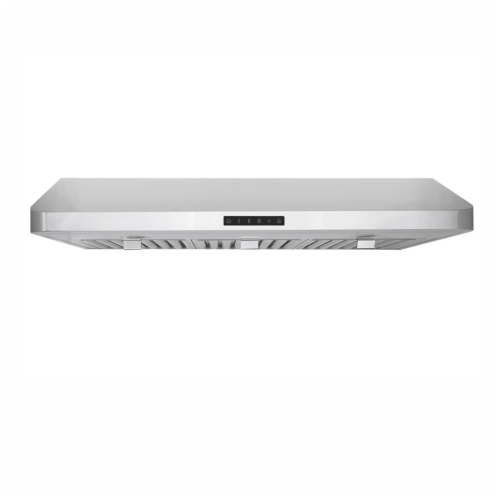
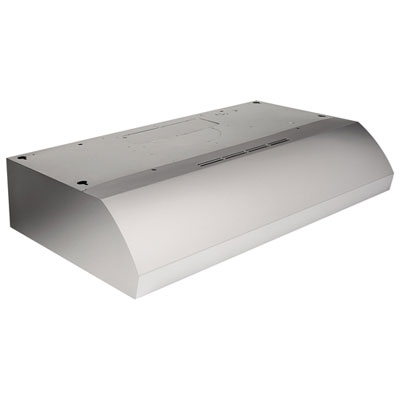
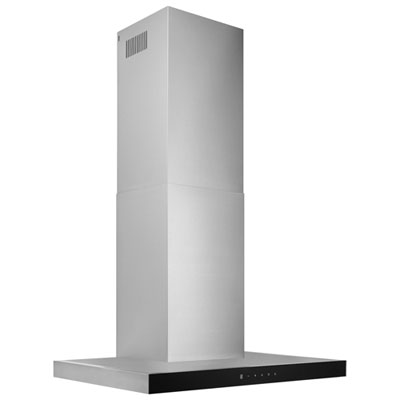
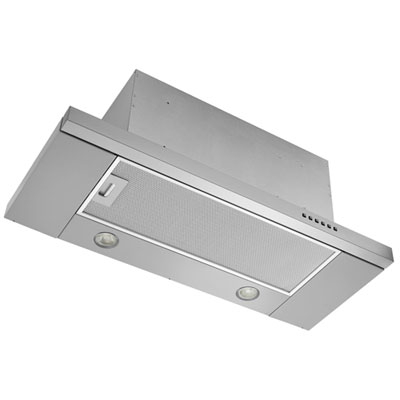
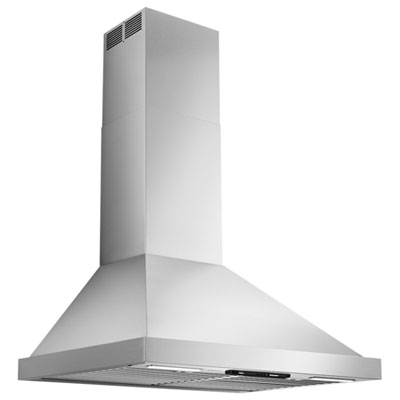
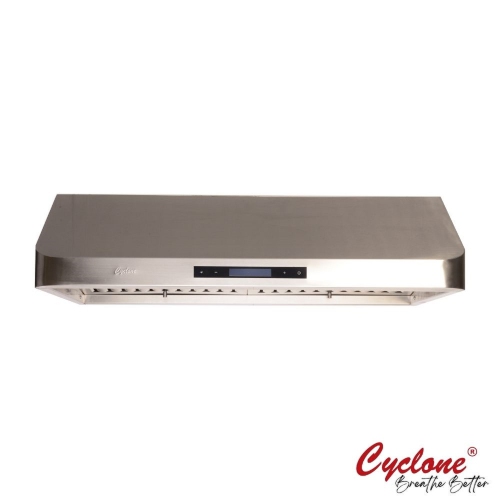
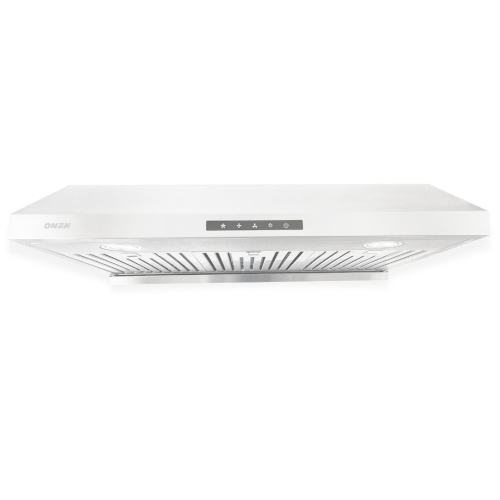
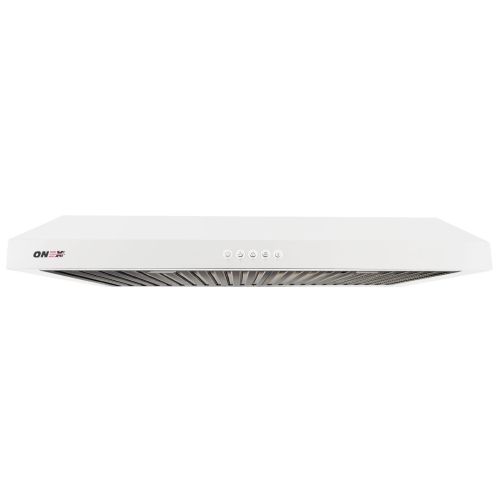
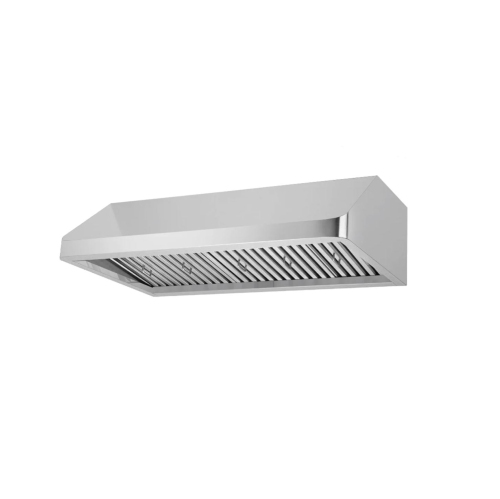
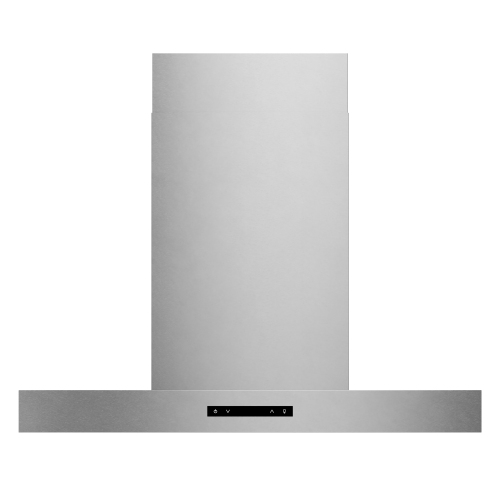
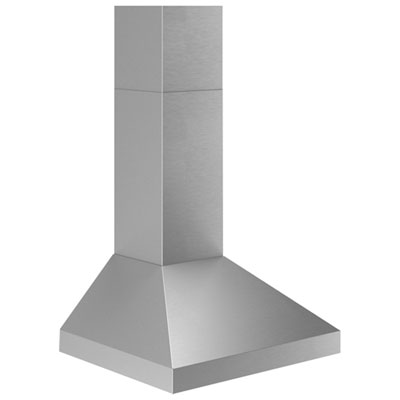
30 inch range hoods are designed to fit neatly above many standard cooktops and ranges, making them a practical choice for kitchens where width, ventilation, and cabinet layout all need to work together. A properly sized hood helps draw away steam, smoke, grease, and cooking odours before they spread through the room, which can be especially helpful when preparing pasta, simmering sauces, searing meat, or frying foods during the cooler months when windows and doors are more likely to stay closed. The right model depends on more than the width alone. Start by checking the exact width and depth of the cooking surface, the available space above it, and whether the hood will sit beneath a cabinet, mount against a wall, or fit inside custom cabinetry as an insert. Under-cabinet models are often a convenient choice for kitchens with existing cabinetry, while insert-style designs can provide a more integrated appearance. For a coordinated look, shoppers may also want to explore 30 Inches Under Cabinet Range Hood. Consider the hood’s airflow rating, measured in cubic feet per minute (CFM), along with the type of cooking you do most often. A common starting estimate for an electric cooktop is about 10 CFM for each inch of cooking width, meaning a 30-inch cooking surface may work well with approximately 300 CFM, although kitchen layout, duct length, and cooking habits can affect the final choice. Gas ranges require closer attention to burner output; a frequently used guideline is approximately 1 CFM for every 100 BTUs, and high-heat searing or frequent frying may call for stronger airflow. Always compare the hood’s specifications with the range manufacturer’s recommendations and local installation requirements.
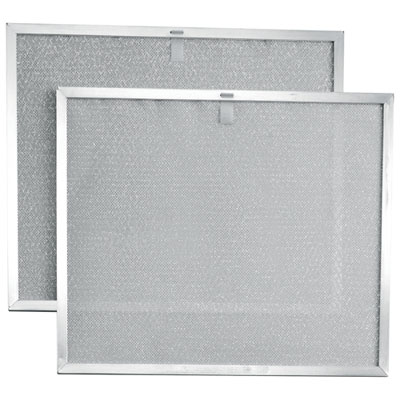
When choosing among 30 inch range hoods, decide whether a ducted or ductless configuration suits the kitchen. Ducted models move air through a vent and release it outdoors, but they require compatible ductwork, an exterior opening, and enough room for the ventilation path. A shorter, straighter duct run generally supports more effective airflow than a long route with multiple bends. Ductless models recirculate air through grease and charcoal filters before returning it to the kitchen, which can be useful in apartments, condominiums, older homes, or rooms where exterior venting is not practical. Filters need regular cleaning or replacement to maintain performance, and ductless ventilation may not remove heat and moisture as completely as a ducted setup. Mounting height also matters. Many installations place the bottom of a hood roughly 24 to 30 inches above an electric cooking surface and about 28 to 36 inches above a gas range, but the instructions for the hood and range should take priority. A hood mounted too close can interfere with cooking and may be exposed to excessive heat, while one mounted too high may not capture steam and smoke as effectively. Before ordering, measure from the cooking surface to the underside of the cabinet or the intended mounting point, confirm the available width, and check the electrical requirements. Some models use a standard plug, while others require hardwiring by a qualified professional. If the kitchen is part of a renovation, it is also worth confirming the duct diameter, wall or cabinet clearance, and whether make-up air provisions are required for a high-CFM installation. These details can prevent surprises once the hood arrives and help the finished installation look clean and purposeful.
The everyday experience of using a range hood comes down to airflow, noise, controls, lighting, and maintenance. Multiple fan speeds allow gentle ventilation for boiling water or warming food, while a stronger setting can help manage smoke from grilling, stir-frying, or cooking with cast iron. Noise ratings are useful when the kitchen opens into a dining or living area; a quieter hood may be easier to leave running while guests are nearby or while conversation continues over dinner. Push-button, rocker, touch, and gesture controls each offer a different feel, so consider whether you prefer tactile controls that are easy to operate with damp hands or a smooth surface that wipes clean. Integrated lighting can brighten the cooking surface, making it easier to check browning, read a recipe, or prepare a meal during darker afternoons. Stainless steel and other wipeable finishes can simplify daily care, while removable filters make it easier to deal with accumulated grease. Cleaning the filter according to the manufacturer’s instructions and wiping the underside of the hood regularly can help preserve airflow and reduce lingering odours. Prices vary by airflow, construction, controls, lighting, and installation style: everyday 30-inch models commonly fall around $120 to $350, while high-power or specialized insert options may range from roughly $250 to more than $800. A 30-inch hood can be a thoughtful housewarming gift for someone setting up a first kitchen, renovating a cottage, or replacing an older ventilation unit, provided the recipient’s cabinet dimensions, range type, ducting, and electrical setup are confirmed first. Whether it is used for quick weekday meals, baking on a cool afternoon, or preparing a large family dinner, choosing a hood that matches the cooking surface and the room’s ventilation needs can make the kitchen feel fresher, more comfortable, and easier to maintain.
When choosing among 30 inch range hoods, decide whether a ducted or ductless configuration suits the kitchen. Ducted models move air through a vent and release it outdoors, but they require compatible ductwork, an exterior opening, and enough room for the ventilation path. A shorter, straighter duct run generally supports more effective airflow than a long route with multiple bends. Ductless models recirculate air through grease and charcoal filters before returning it to the kitchen, which can be useful in apartments, condominiums, older homes, or rooms where exterior venting is not practical. Filters need regular cleaning or replacement to maintain performance, and ductless ventilation may not remove heat and moisture as completely as a ducted setup. Mounting height also matters. Many installations place the bottom of a hood roughly 24 to 30 inches above an electric cooking surface and about 28 to 36 inches above a gas range, but the instructions for the hood and range should take priority. A hood mounted too close can interfere with cooking and may be exposed to excessive heat, while one mounted too high may not capture steam and smoke as effectively. Before ordering, measure from the cooking surface to the underside of the cabinet or the intended mounting point, confirm the available width, and check the electrical requirements. Some models use a standard plug, while others require hardwiring by a qualified professional. If the kitchen is part of a renovation, it is also worth confirming the duct diameter, wall or cabinet clearance, and whether make-up air provisions are required for a high-CFM installation. These details can prevent surprises once the hood arrives and help the finished installation look clean and purposeful.
The everyday experience of using a range hood comes down to airflow, noise, controls, lighting, and maintenance. Multiple fan speeds allow gentle ventilation for boiling water or warming food, while a stronger setting can help manage smoke from grilling, stir-frying, or cooking with cast iron. Noise ratings are useful when the kitchen opens into a dining or living area; a quieter hood may be easier to leave running while guests are nearby or while conversation continues over dinner. Push-button, rocker, touch, and gesture controls each offer a different feel, so consider whether you prefer tactile controls that are easy to operate with damp hands or a smooth surface that wipes clean. Integrated lighting can brighten the cooking surface, making it easier to check browning, read a recipe, or prepare a meal during darker afternoons. Stainless steel and other wipeable finishes can simplify daily care, while removable filters make it easier to deal with accumulated grease. Cleaning the filter according to the manufacturer’s instructions and wiping the underside of the hood regularly can help preserve airflow and reduce lingering odours. Prices vary by airflow, construction, controls, lighting, and installation style: everyday 30-inch models commonly fall around $120 to $350, while high-power or specialized insert options may range from roughly $250 to more than $800. A 30-inch hood can be a thoughtful housewarming gift for someone setting up a first kitchen, renovating a cottage, or replacing an older ventilation unit, provided the recipient’s cabinet dimensions, range type, ducting, and electrical setup are confirmed first. Whether it is used for quick weekday meals, baking on a cool afternoon, or preparing a large family dinner, choosing a hood that matches the cooking surface and the room’s ventilation needs can make the kitchen feel fresher, more comfortable, and easier to maintain.
Top selling and popular products
-
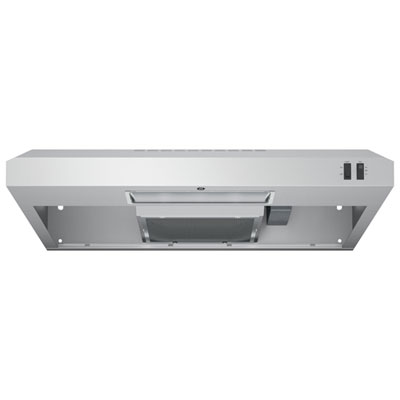 Your price for this item is $249.99
 -
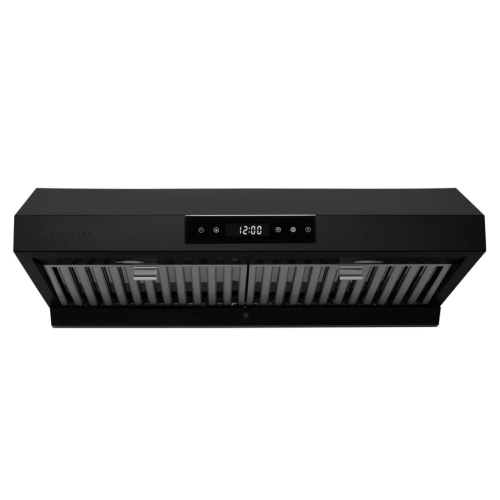 Your price for this item is $598.49
 -
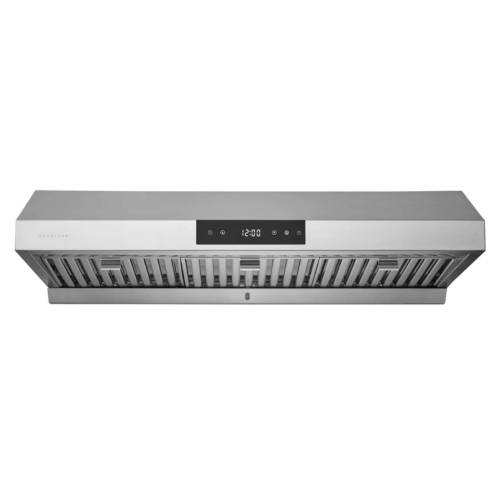 Your price for this item is $645.99
 -
 Your price for this item is $645.99
 -
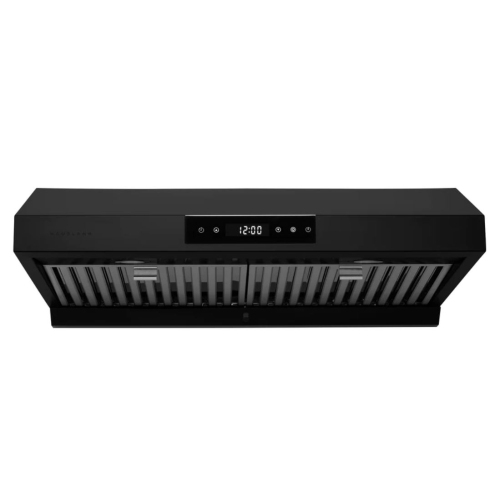 Your price for this item is $645.99
 -
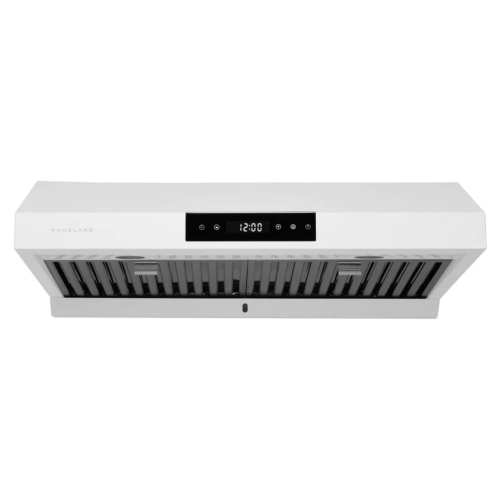 Your price for this item is $598.49
 -
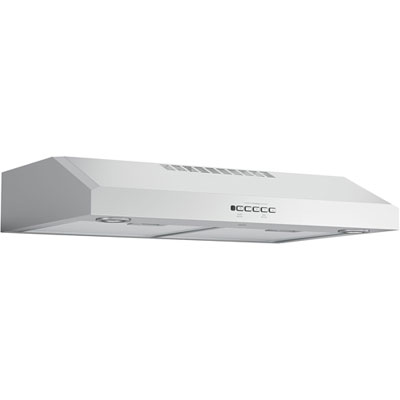 Your price for this item is $449.99
 -
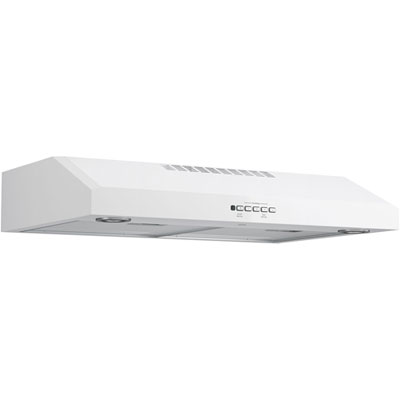 Your price for this item is $399.99
Discover more categories related to 30 Inch Range Hoods
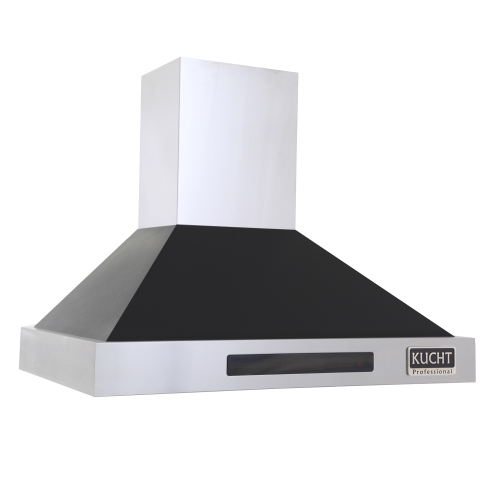
Top Collections:
Pokemon Centers, Kindle Devices, Best Budget Office Chairs, Apple iPhones 16, Best Laptops for Writers, iPhone 15 Apple, Canon G7X Cameras, Refurbished Apple Laptops, Alarm Clock, Motorola Razr Phones
Some products may be subject to Environmental Handling Fees
(EHF) depending on your province.
Learn more about EHFs.