42 Inch Range Hoods
Upgrade your kitchen with a sleek and efficient appliance with our selection of 42-inch range hoods. Whether you're a passionate home cook or simply want to enhance the aesthetics of your kitchen, our 42-inch range hoods are sure to meet your needs. Here are some great options for you.
Sort

Why range hood fit goes beyond width
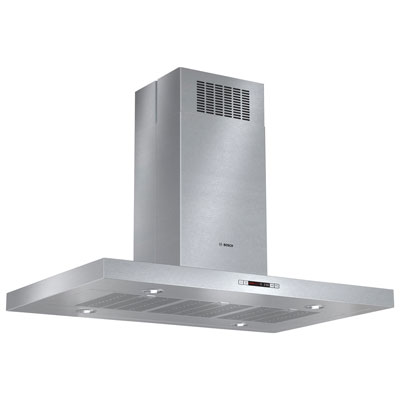
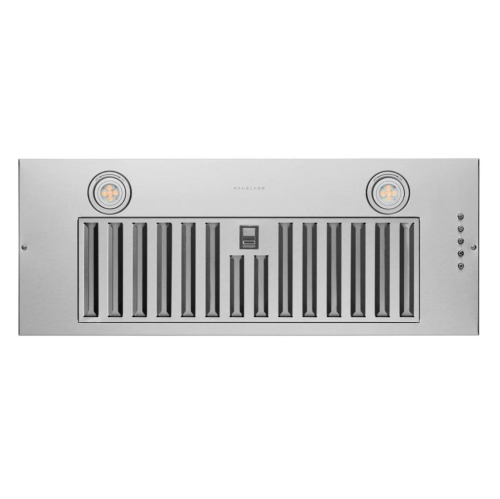
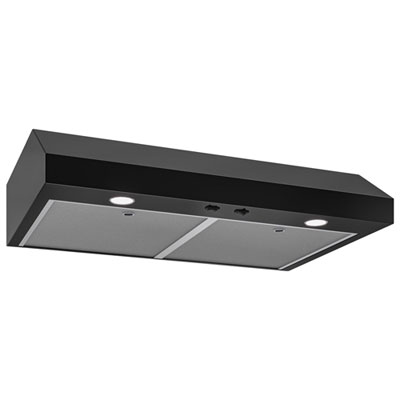
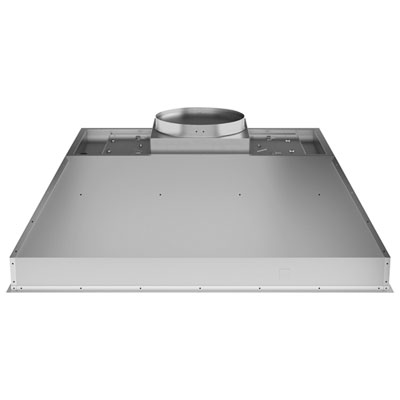
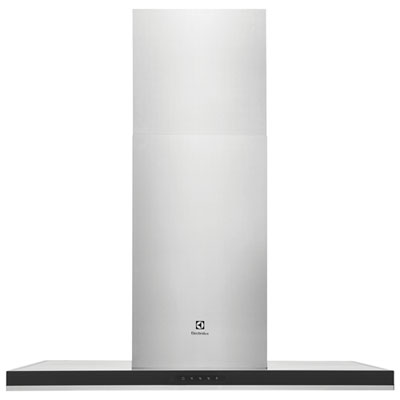
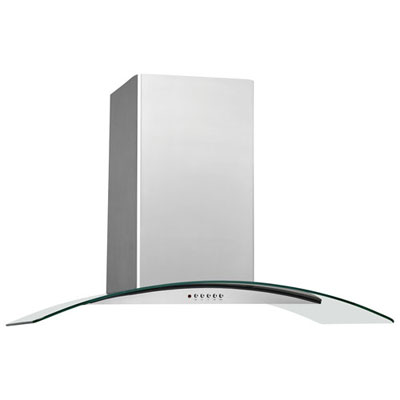
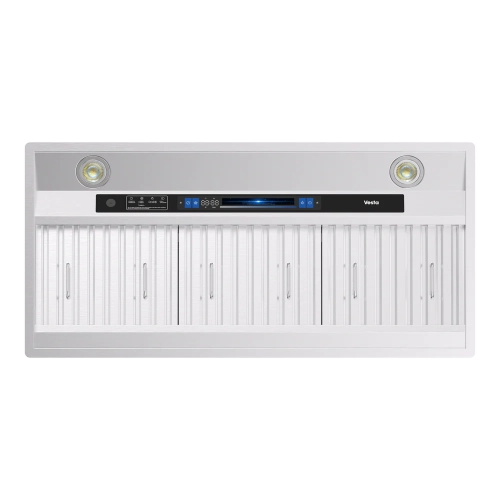
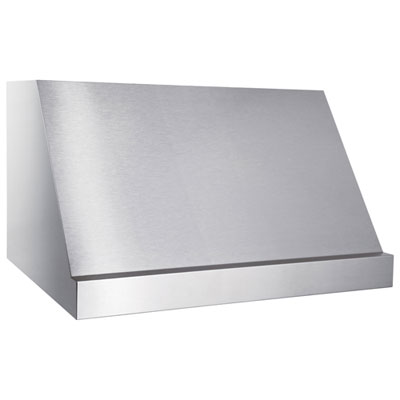
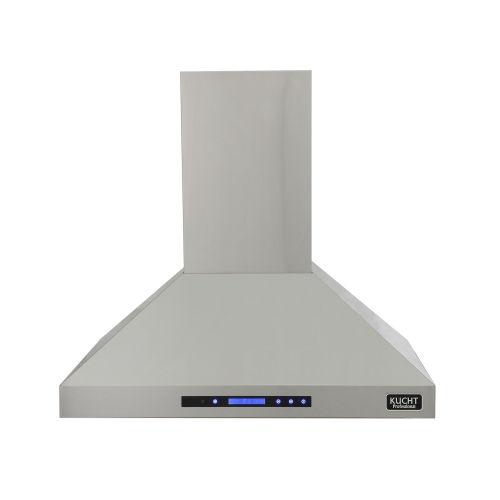
42-inch range hoods provide ventilation above a cooking surface while creating a substantial visual presence in the kitchen. Their wider profile can suit larger cooking areas, although the right fit depends on the hood’s actual dimensions, the cooktop or range beneath it, and the installation requirements for both appliances. Width alone does not establish compatibility: canopy depth, mounting height, and how well the hood covers the cooking surface also affect its ability to capture rising smoke, grease, and cooking odours. A deep canopy can be especially useful when pots and pans frequently occupy the front burners. These kitchen ventilation appliances come in several configurations, each suited to a different layout. Under-cabinet range hoods mount beneath upper cabinetry, keeping the cooking area visually connected to surrounding storage. Wall-mounted styles sit above a range or cooktop against a wall, often with a chimney-style cover that conceals the ductwork. Island range hoods hang above cooking surfaces positioned away from a wall and require suitable overhead support and a compatible ventilation route. Inserts fit inside a custom enclosure, allowing the visible surround to match cabinetry or become an architectural feature. For inserts, the enclosure’s outside width and the ventilation unit’s required cutout are separate measurements, so a nominal size is not enough to confirm the fit. A 42-inch range hood may suit a kitchen renovation, a replacement project, or a cooking space planned around frequent meal preparation. In a smaller kitchen with a narrower cooking surface, 24-inch range hoods offer a different size category to consider, subject to the same appliance-specific clearance and coverage requirements. Whether the kitchen features painted cabinets, natural wood, or a tiled backsplash, the hood’s proportions help determine how comfortably it fits into the overall design. Its placement should leave the cooking surface accessible while meeting the manufacturer’s specified clearance above the appliance.
Ventilation performance depends on more than the width of the hood or its highest fan setting. Airflow is commonly expressed in cubic feet per minute, or CFM, which describes the volume of air a fan moves under specified conditions. The appropriate airflow capacity depends on the cooking appliance, cooking habits, hood design, and installation. Someone who regularly sears meat in a cast-iron pan or stir-fries over high heat has different ventilation demands from someone who mainly simmers soups and reheats prepared meals. Multiple fan speeds allow airflow to be adjusted to the task, with a lower setting for lighter cooking and a stronger setting when smoke or odours increase. Sound ratings, sometimes expressed in sones or decibels, are most useful when compared at similar operating speeds and test conditions; a quiet low-speed rating does not describe the sound at maximum power. This matters in open-plan homes where conversation, television, and cooking share the same space. Ducted range hoods discharge captured air outdoors through a compatible duct system. Ductless, or recirculating, configurations pass air through grease and odour filters before returning it to the room, rather than exhausting cooking moisture and heat outside. Some hoods support either configuration, but conversion may require additional parts, and not every design allows recirculation. Duct diameter, the length of the duct run, and the number of bends can all influence installed performance. An existing wall or ceiling opening therefore needs to match more than the hood’s general location. Higher-capacity exhaust installations may also require make-up air under applicable building requirements, which an installer can assess alongside electrical connections and structural support. Built-in lighting adds another practical dimension, illuminating a saucepan’s contents or the edges of a frying pan without relying solely on overhead room lights. Depending on the design, features such as adjustable lighting, accessible controls, and delayed fan shutoff can make everyday cooking more comfortable without changing the basic need for correct sizing and installation.
Materials and construction shape both the appearance of a 42-inch range hood and the effort required to keep it clean. Stainless steel is a familiar choice because it coordinates with many kitchen appliances and offers a durable, wipeable surface, though fingerprints and grease marks may be more noticeable on some finishes. Painted metal can blend into cabinetry or provide contrast, while glass canopy details create a lighter visual profile but leave splashes and smudges more exposed. Seams, edges, and the underside of the hood deserve attention because cooking residue collects beyond the most visible front panel. A smooth surface with accessible corners is generally easier to wipe down than one with numerous tight crevices. Filters are another important part of routine care. Metal mesh filters capture grease across layers of fine material, while baffle filters use shaped channels to separate grease from the passing air. Cleaning methods vary: some removable metal filters are dishwasher-safe, while others require handwashing according to the manufacturer’s directions. Charcoal filters used for odour control in recirculating installations typically need periodic replacement unless their instructions specify another maintenance method. Filter access is especially relevant for a wide hood, since removable panels need enough room to slide or lift out safely without interfering with nearby cabinetry. Regular cleaning helps limit grease buildup and supports consistent airflow, while suitable cleaning products help protect decorative finishes. Abrasive pads and harsh chemicals can damage certain surfaces, so care requirements are worth considering alongside appearance. Long-term usability also depends on secure mounting, accessible service components, and lighting that can be maintained as directed. For households that cook daily, small details become noticeable: controls that are easy to reach, a fan setting that allows conversation, and lighting that makes food easier to see. A well-matched 42-inch range hood brings these practical qualities together with the right mounting style and ventilation configuration, creating a cooking area that feels thoughtfully arranged rather than simply filling the space above the range.
Ventilation performance depends on more than the width of the hood or its highest fan setting. Airflow is commonly expressed in cubic feet per minute, or CFM, which describes the volume of air a fan moves under specified conditions. The appropriate airflow capacity depends on the cooking appliance, cooking habits, hood design, and installation. Someone who regularly sears meat in a cast-iron pan or stir-fries over high heat has different ventilation demands from someone who mainly simmers soups and reheats prepared meals. Multiple fan speeds allow airflow to be adjusted to the task, with a lower setting for lighter cooking and a stronger setting when smoke or odours increase. Sound ratings, sometimes expressed in sones or decibels, are most useful when compared at similar operating speeds and test conditions; a quiet low-speed rating does not describe the sound at maximum power. This matters in open-plan homes where conversation, television, and cooking share the same space. Ducted range hoods discharge captured air outdoors through a compatible duct system. Ductless, or recirculating, configurations pass air through grease and odour filters before returning it to the room, rather than exhausting cooking moisture and heat outside. Some hoods support either configuration, but conversion may require additional parts, and not every design allows recirculation. Duct diameter, the length of the duct run, and the number of bends can all influence installed performance. An existing wall or ceiling opening therefore needs to match more than the hood’s general location. Higher-capacity exhaust installations may also require make-up air under applicable building requirements, which an installer can assess alongside electrical connections and structural support. Built-in lighting adds another practical dimension, illuminating a saucepan’s contents or the edges of a frying pan without relying solely on overhead room lights. Depending on the design, features such as adjustable lighting, accessible controls, and delayed fan shutoff can make everyday cooking more comfortable without changing the basic need for correct sizing and installation.
Materials and construction shape both the appearance of a 42-inch range hood and the effort required to keep it clean. Stainless steel is a familiar choice because it coordinates with many kitchen appliances and offers a durable, wipeable surface, though fingerprints and grease marks may be more noticeable on some finishes. Painted metal can blend into cabinetry or provide contrast, while glass canopy details create a lighter visual profile but leave splashes and smudges more exposed. Seams, edges, and the underside of the hood deserve attention because cooking residue collects beyond the most visible front panel. A smooth surface with accessible corners is generally easier to wipe down than one with numerous tight crevices. Filters are another important part of routine care. Metal mesh filters capture grease across layers of fine material, while baffle filters use shaped channels to separate grease from the passing air. Cleaning methods vary: some removable metal filters are dishwasher-safe, while others require handwashing according to the manufacturer’s directions. Charcoal filters used for odour control in recirculating installations typically need periodic replacement unless their instructions specify another maintenance method. Filter access is especially relevant for a wide hood, since removable panels need enough room to slide or lift out safely without interfering with nearby cabinetry. Regular cleaning helps limit grease buildup and supports consistent airflow, while suitable cleaning products help protect decorative finishes. Abrasive pads and harsh chemicals can damage certain surfaces, so care requirements are worth considering alongside appearance. Long-term usability also depends on secure mounting, accessible service components, and lighting that can be maintained as directed. For households that cook daily, small details become noticeable: controls that are easy to reach, a fan setting that allows conversation, and lighting that makes food easier to see. A well-matched 42-inch range hood brings these practical qualities together with the right mounting style and ventilation configuration, creating a cooking area that feels thoughtfully arranged rather than simply filling the space above the range.
Top selling and popular products
-
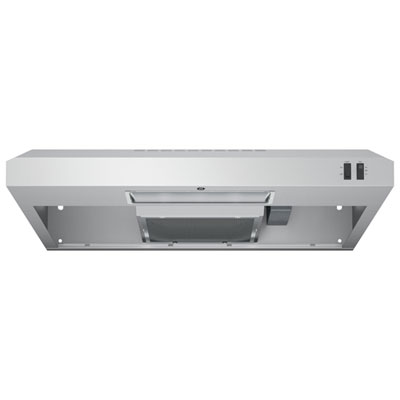 Your price for this item is $249.99
 -
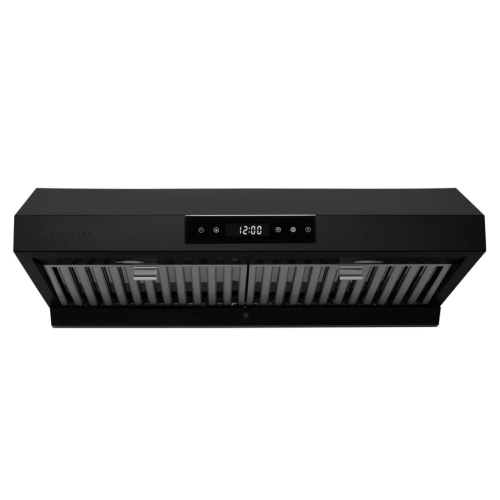 Your price for this item is $598.49
 -
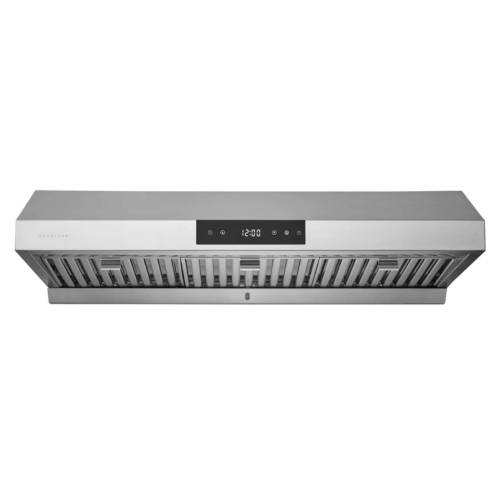 Your price for this item is $645.99
 -
 Your price for this item is $645.99
 -
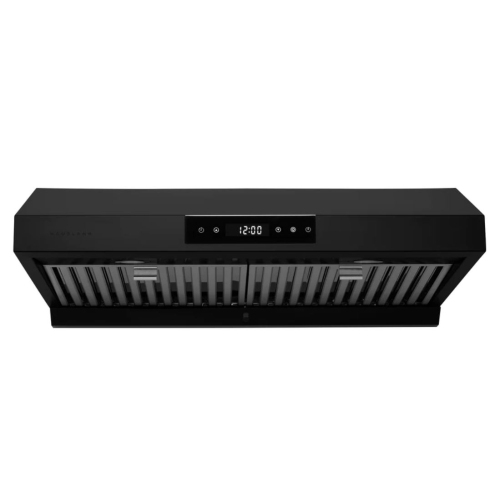 Your price for this item is $645.99
 -
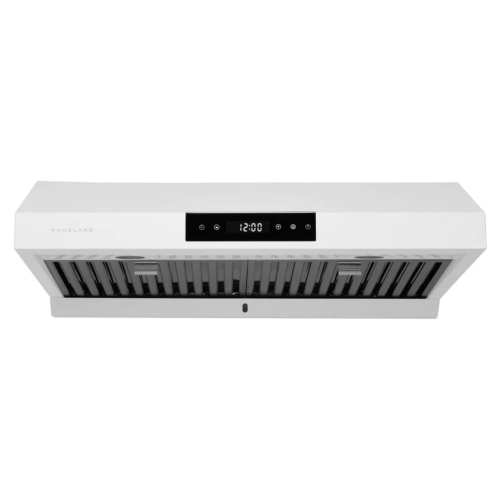 Your price for this item is $598.49
 -
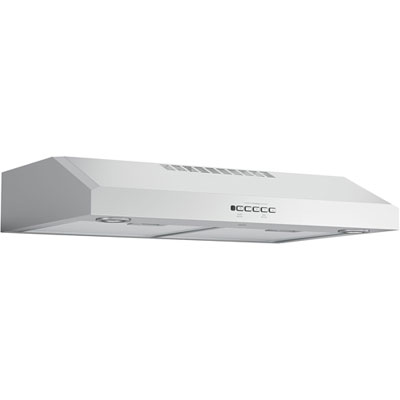 Your price for this item is $449.99
 -
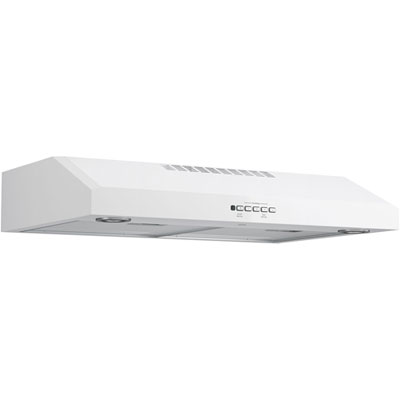 Your price for this item is $399.99
Discover more categories related to 42 Inch Range Hoods

Top Collections:
Pokemon Centers, Kindle Devices, Best Budget Office Chairs, Apple iPhones 16, Best Laptops for Writers, iPhone 15 Apple, Canon G7X Cameras, Refurbished Apple Laptops, Alarm Clock, Motorola Razr Phones
Some products may be subject to Environmental Handling Fees
(EHF) depending on your province.
Learn more about EHFs.