6 Quart Slow Cookers
Discover the perfect blend of convenience and culinary creativity with 6-quart slow cookers, a must-have for any modern kitchen. Ideal for families or gatherings, these versatile appliances allow you to effortlessly prepare delicious meals with minimal effort. Whether you're whipping up a hearty stew, savory soup, or tender roast, the 6-quart capacity provides ample space to accommodate your favorite recipes. With features designed to simplify cooking and enhance flavors, slow cookers are your go-to solution for stress-free meal planning. Embrace the ease of set-it-and-forget-it cooking and enjoy more time savoring every bite with family and friends.
Sort
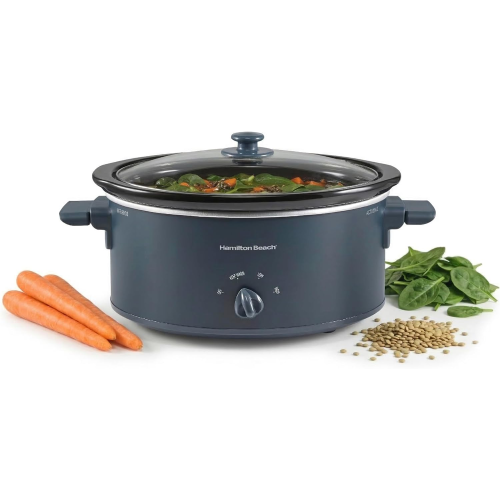
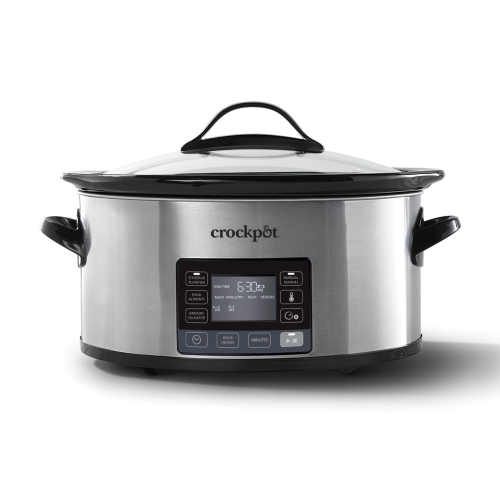
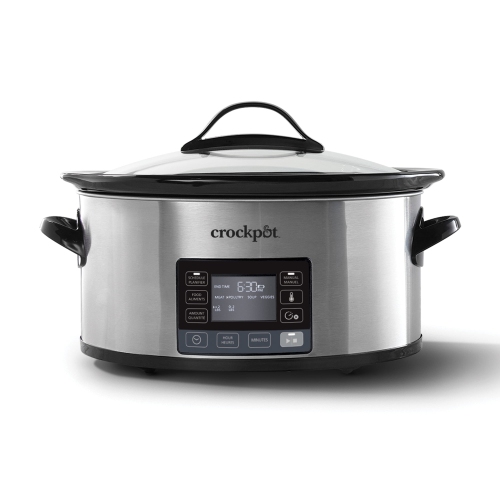
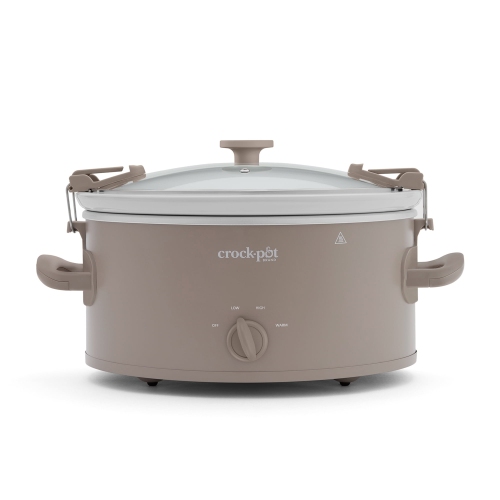
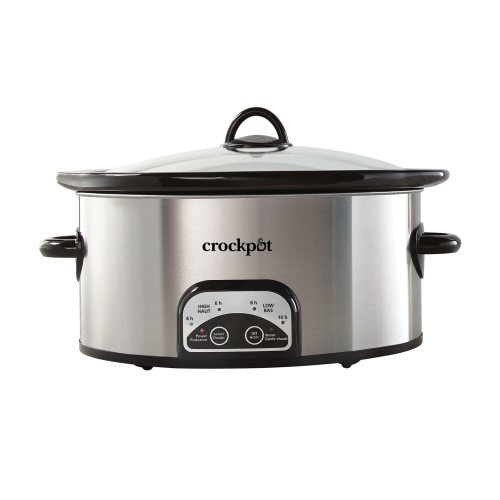


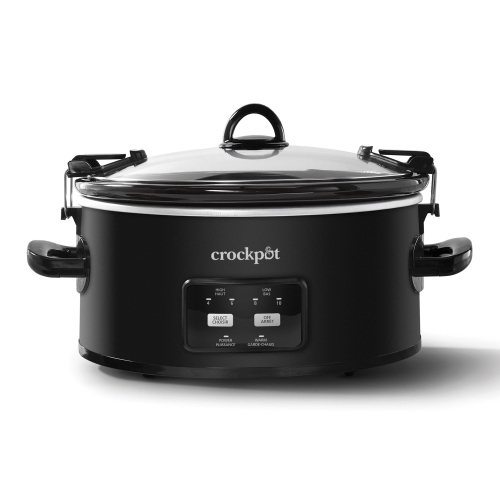


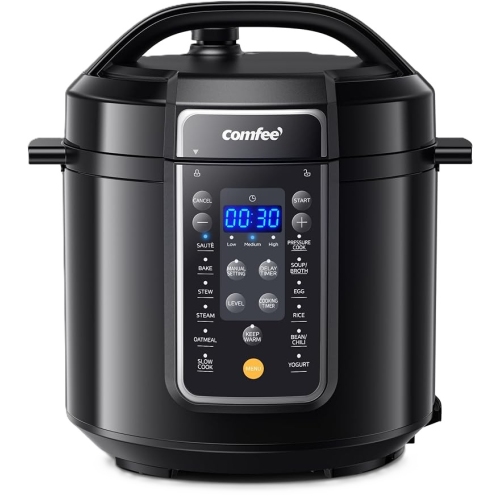
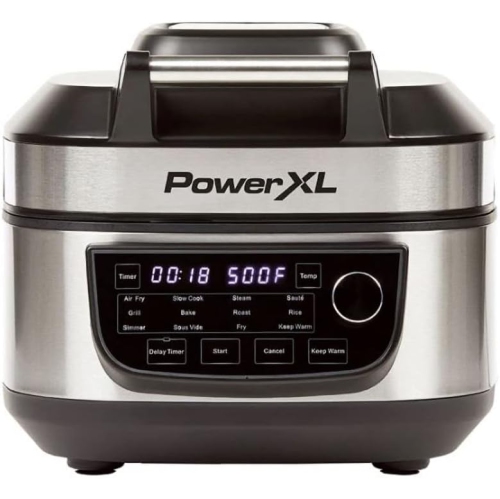








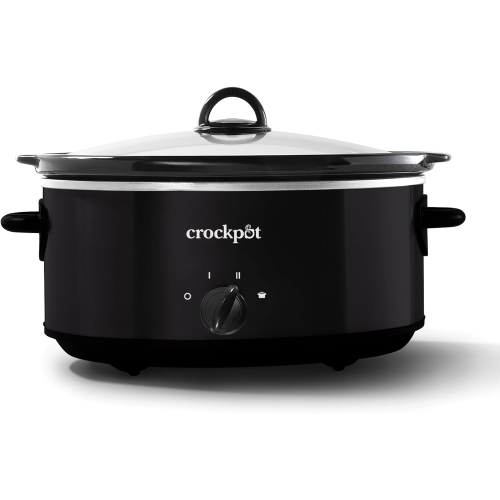

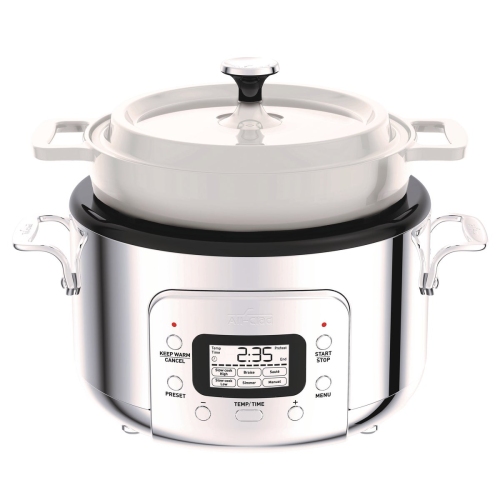

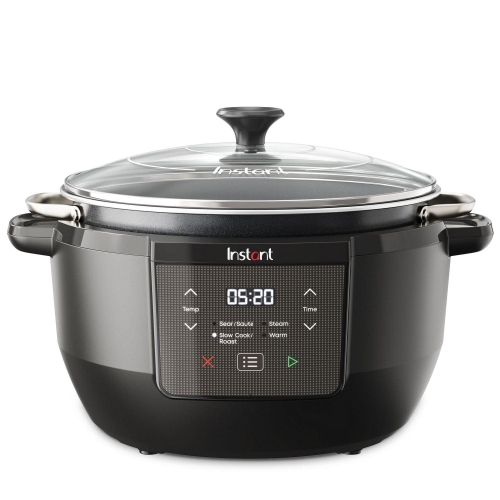



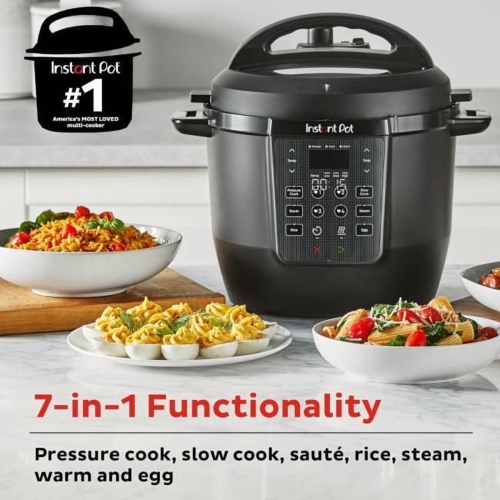


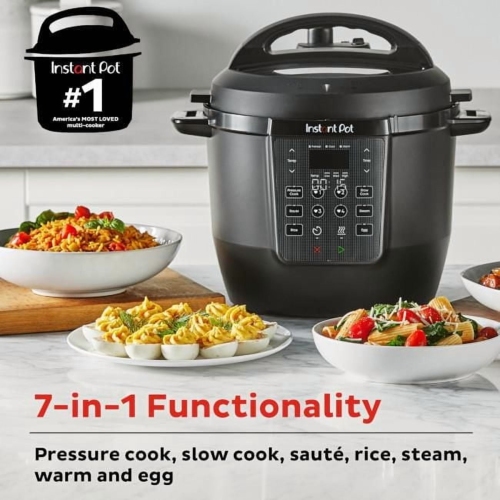

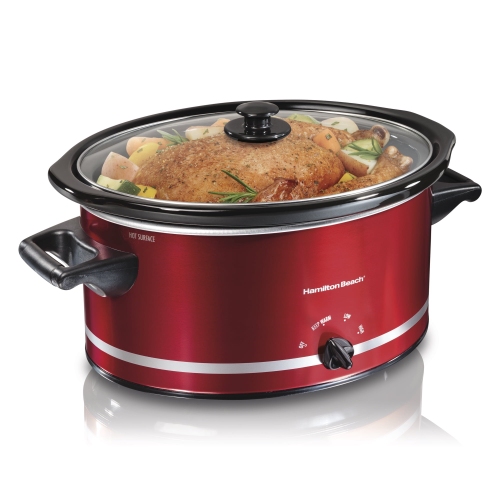
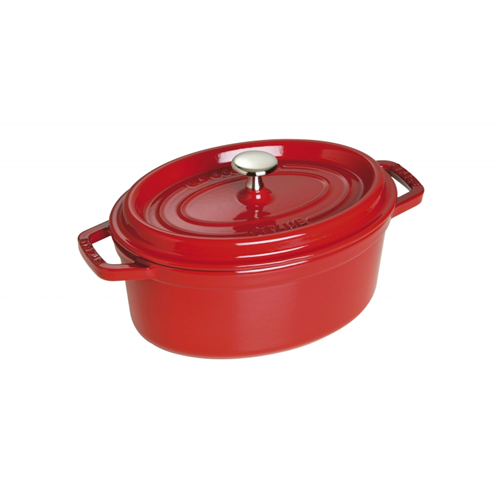
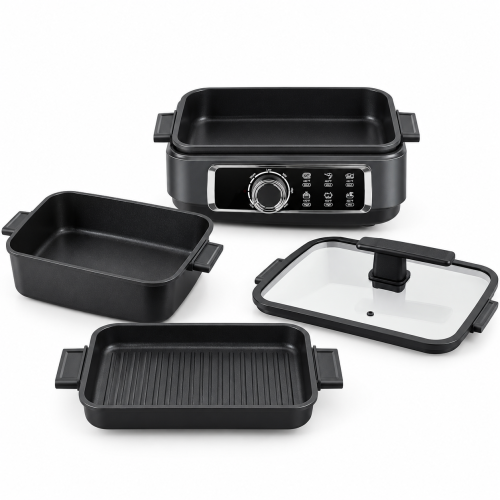


Room for family dinners and tomorrow’s lunch
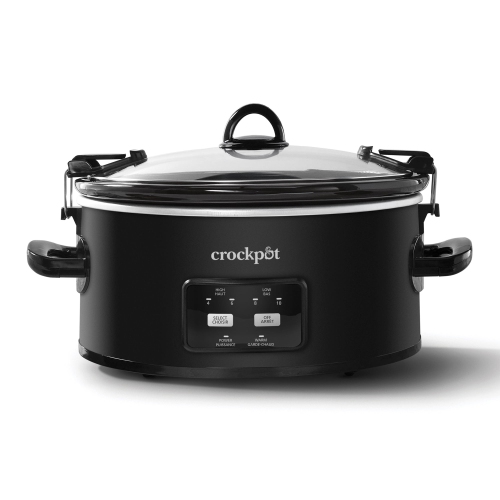
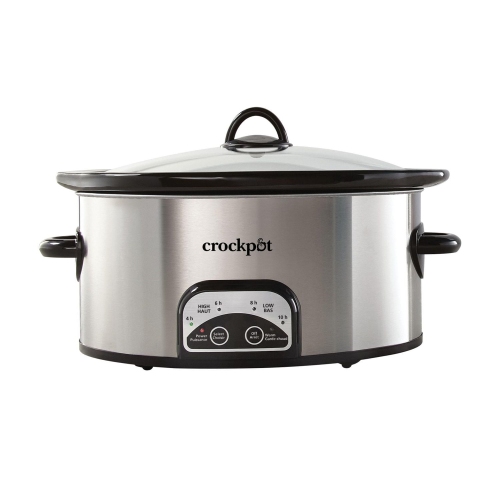
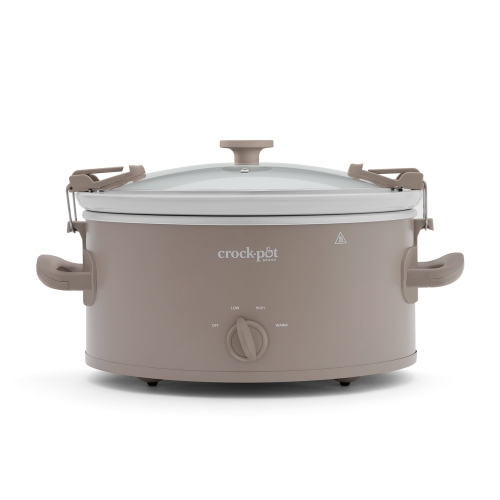
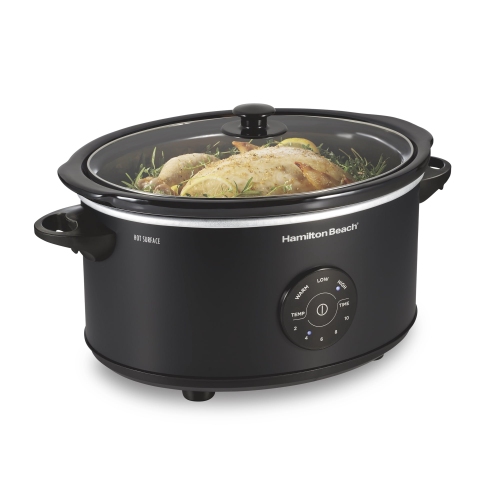
A 6-quart slow cooker offers a practical balance of family-sized capacity and everyday kitchen convenience, with room for hearty soups, tender braised meats, bean dishes, and meals prepared ahead for busy evenings. Six US quarts is approximately 5.7 litres, although the usable cooking volume is lower because the insert needs space above the food. Depending on the recipe and portion size, this capacity can suit a family meal with leftovers or a main dish for a small gathering; it does not guarantee a fixed number of servings. A thick beef stew served on its own will stretch differently from pulled pork tucked into buns alongside salads. The appeal of 6 Qt Slow Cookers lies in that flexibility: a generous batch can become dinner, lunch the next day, and a few portions for the freezer without requiring an unusually large appliance. During the cooler months, the gentle simmer of lentil soup or the aroma of onions, carrots, and pot roast makes this size especially useful for familiar, filling meals. Slow cooking uses steady, controlled heat over several hours, making it well suited to dishes that benefit from gradual softening and flavour development. Tougher cuts of meat with connective tissue can become tender, while vegetables and broth form a rich base with relatively little attention during cooking. It is not a substitute for every cooking method, however. Crisp skin, browned surfaces, and roasted edges generally require a separate browning or finishing step, and delicate ingredients such as cream, fresh herbs, and quick-cooking vegetables often belong near the end of the cooking time. For households balancing work, school, and evening activities, the benefit is less about cooking everything faster and more about moving the preparation to a convenient part of the day. Smaller households can also make good use of the capacity when batch cooking is part of the routine, while frequent hosts may value a dedicated vessel for a substantial side dish or a warm main course.
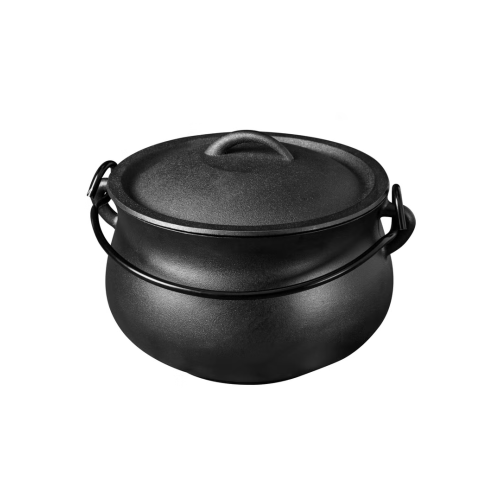
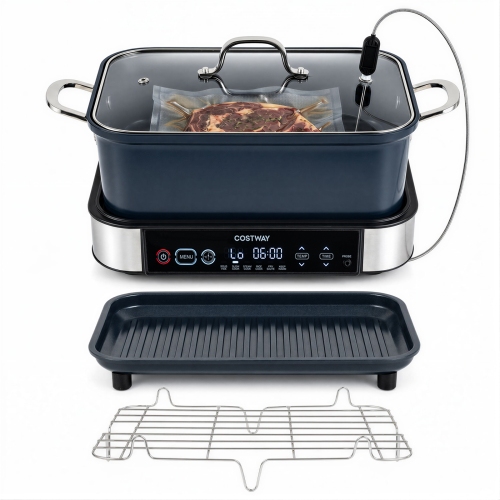
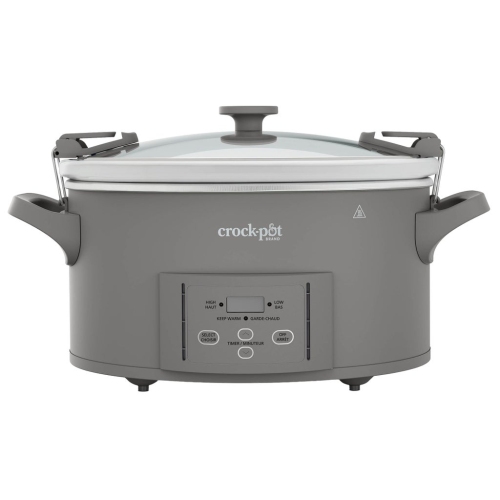
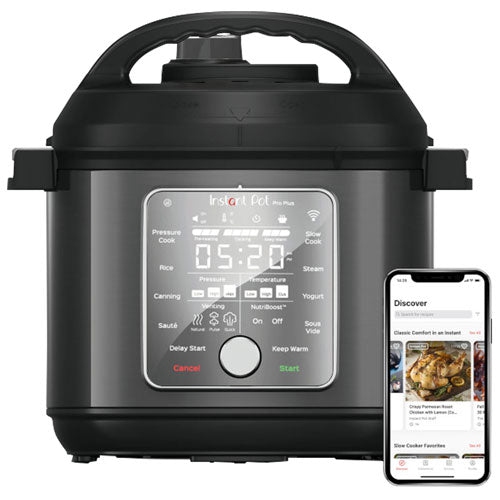
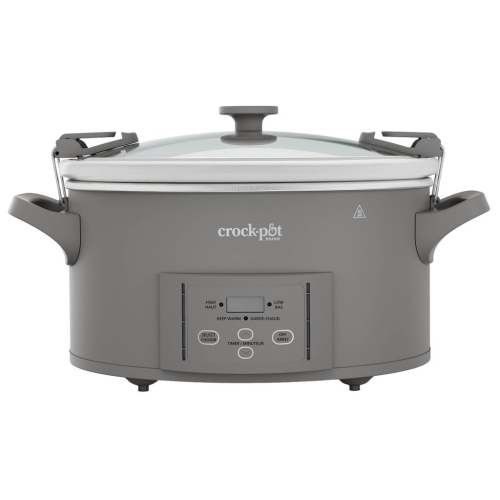
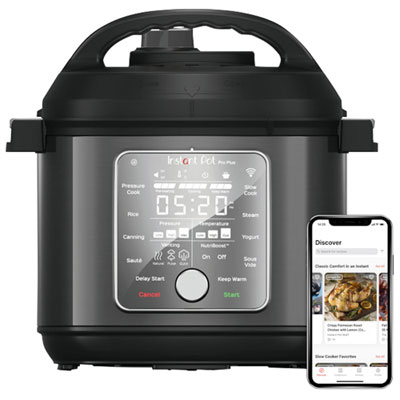
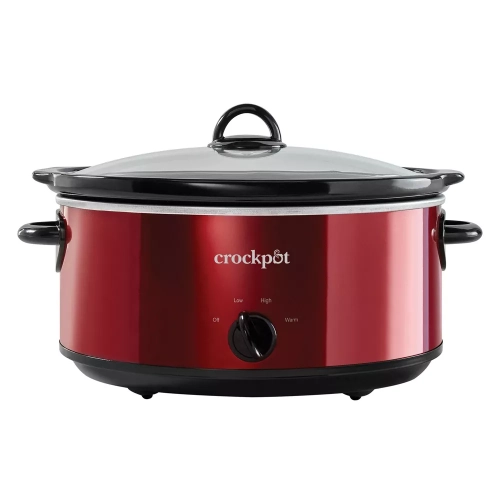
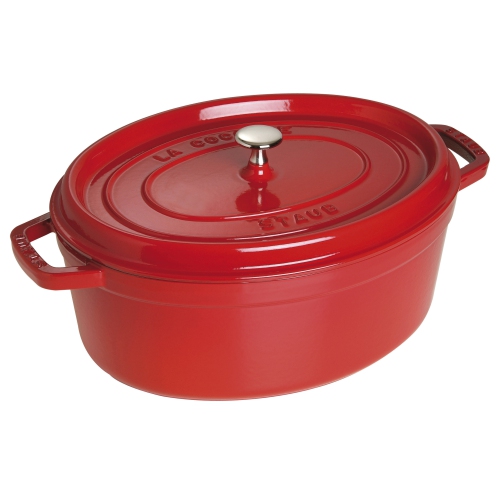
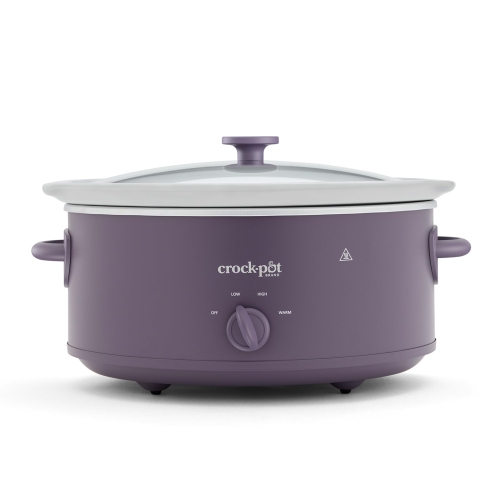
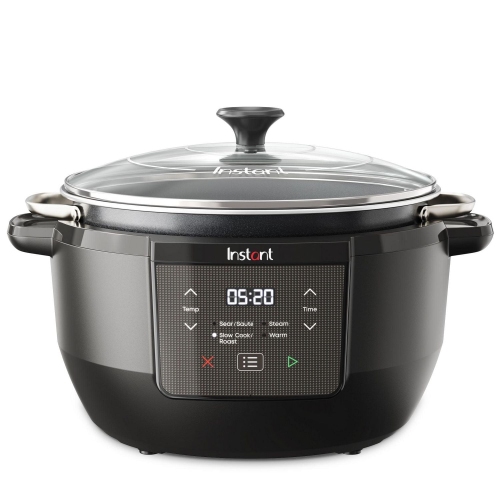
The size and shape of the insert influence how comfortably a 6-quart slow cooker fits both the recipe and the kitchen. An oval vessel can accommodate longer cuts of meat more easily, while a round vessel works well for soups, stews, and other dishes made from smaller pieces. Capacity alone does not establish whether a particular roast or whole chicken will fit: the food must sit below the lid with the clearance required by the appliance instructions. Many slow-cooker recipes work best with the vessel approximately half to two-thirds full, but the correct fill level depends on the model and recipe. A very small quantity in a large insert may cook differently from a full family-sized batch. Countertop fit matters just as much, particularly in kitchens where a coffee maker, toaster, and food preparation area already share limited space. The overall width includes the handles, and there should be suitable clearance around the appliance, a stable heat-resistant surface underneath, and access to a wall outlet without stretching the cord across a walkway. Removable stoneware or ceramic inserts are common and retain heat well, though they can feel heavy when filled. Some designs use metal inserts, which may be lighter; stovetop or oven compatibility should never be assumed from the material alone. A clear glass lid allows a quick look at the food without releasing heat, while substantial handles make a full vessel easier to manage with appropriate oven mitts. Controls range from straightforward dials with low, high, and warm settings to digital panels with adjustable cooking times. Programmable designs may switch to a keep-warm setting after the selected cooking period, which can help when dinner is served in stages. That feature holds cooked food rather than replacing the cooking cycle, and its duration and operation vary. Easy-to-read markings, intuitive buttons, and a display visible from a comfortable standing position can make a meaningful difference in daily use, especially when several people in the household share meal preparation.
Care, handling, and a few practical design details help determine how well a 6-quart slow cooker suits years of regular use. A removable insert makes serving and washing simpler, but dishwasher compatibility varies for both the vessel and the lid. Even when a part is dishwasher-safe, its weight and dimensions may make handwashing more convenient in a compact kitchen. Allowing a hot ceramic or stoneware insert to cool before washing helps avoid sudden temperature changes that can cause cracking; placing it directly into cold water is not suitable care. A soak in warm, soapy water can loosen sauce around the edges without aggressive scrubbing, while non-abrasive utensils and cleaning tools help protect glazed or coated surfaces. The electrical base should be unplugged and wiped clean rather than immersed. Durable construction includes secure handles, a well-fitting lid, and controls that remain easy to operate, but ceramic inserts and glass lids still need protection from knocks against taps, sinks, and cupboard edges. Storage is worth considering before the appliance becomes part of a weekly routine: a low, accessible shelf is often more manageable than lifting a heavy insert down from an overhead cupboard. For potlucks or shared meals, some designs include lid restraints intended to reduce spills during transport, though these do not make the appliance leakproof and should only be used as directed. The vessel should remain upright and secure, with hot surfaces handled carefully. Everyday food safety is equally important. Meat and poultry should generally be thawed before slow cooking, perishable ingredients should not sit waiting in the appliance before the heat is turned on, and doneness should be checked with a food thermometer where appropriate. Leftovers belong in shallow containers for prompt refrigeration rather than cooling slowly in a deep, full insert. With these habits, the generous capacity can support a satisfying rhythm of cooking once and enjoying several meals. It can also make a thoughtful housewarming or wedding gift for someone who enjoys home cooking, provided the recipient has the counter space, storage, and appetite for larger batches. From a bubbling tomato sauce for pasta night to a vegetable stew ladled over rice, this size is built around useful portions and unhurried cooking.
Top selling and popular products
-
 Your price for this item is $210.36
-
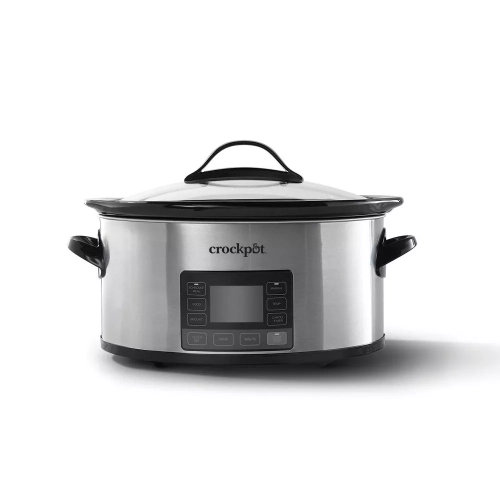 Your price for this item is $126.03
-
 Your price for this item is $272.49
-
 Your price for this item is $225.77
-
 Your price for this item is $389.99
-
 Your price for this item is $152
-
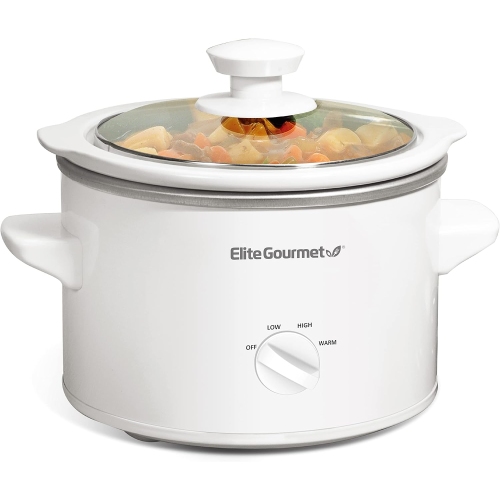 Your price for this item is $57.19
-
 Your price for this item is $215.81
Discover more categories related to 6 Quart Slow Cookers

Top Collections:
Pokemon Centers, Best Cameras for Sports Photography, Kindle Devices, Samsung Galaxy Phones, Canon G7X Cameras, Pokémon 30th Celebration Cards, Refurbished Apple Laptops, iPhone 15 Apple, Laptops for Students, Budget Smartphones
Some products may be subject to Environmental Handling Fees
(EHF) depending on your province.
Learn more about EHFs.