Air Fryers With Glass
Discover the perfect blend of style and functionality with an Air Fryer With Glass. These innovative kitchen appliances offer a sleek, modern look that complements any countertop while making meal preparation easy and efficient. Whether you’re looking to prepare crispy snacks, family dinners, or quick lunches, an Air Fryer With Glass provides a versatile solution for every home chef. Explore a wide selection to find the ideal addition to your kitchen setup and enjoy convenient cooking every day.
Sort
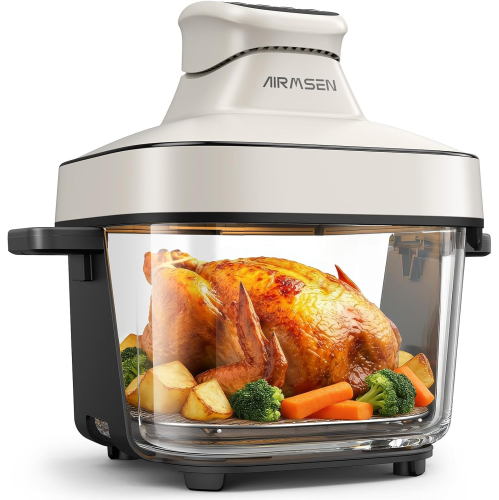

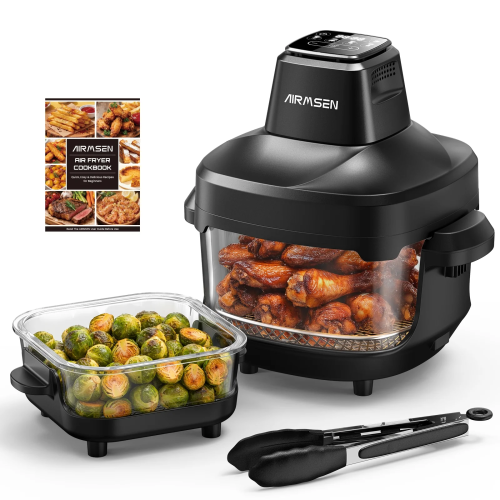
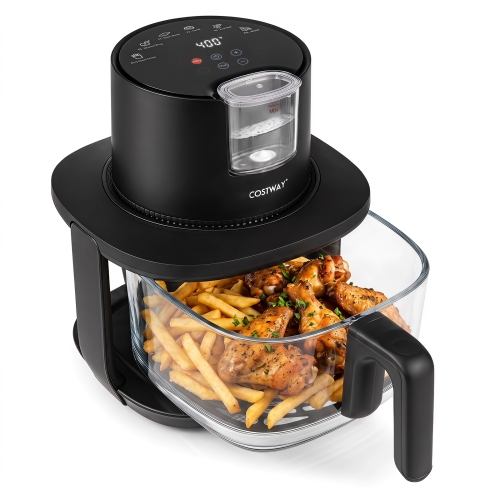
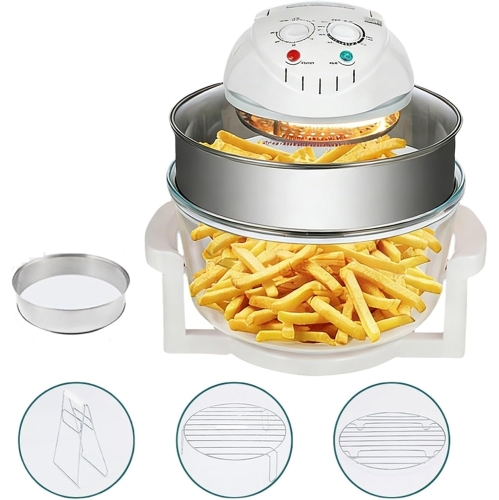


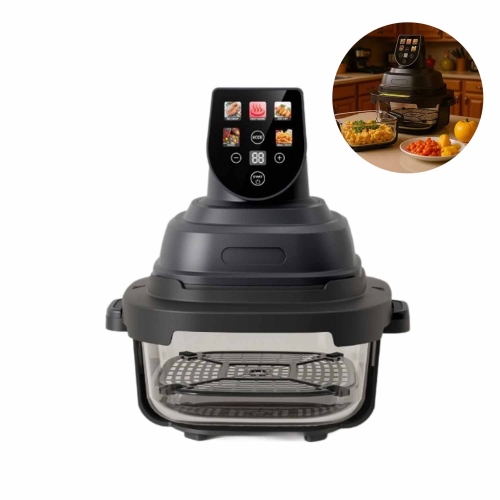


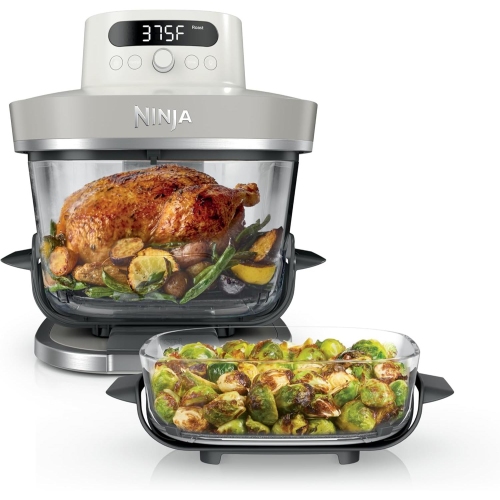

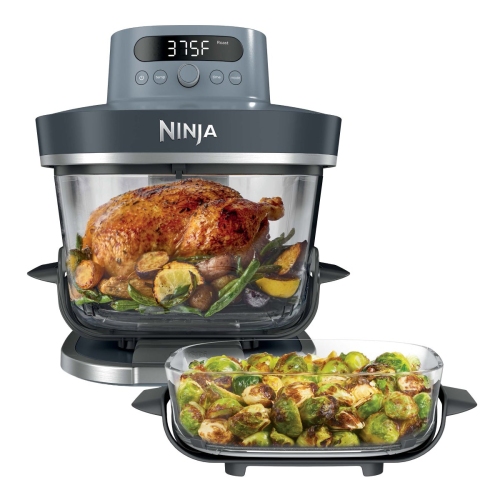
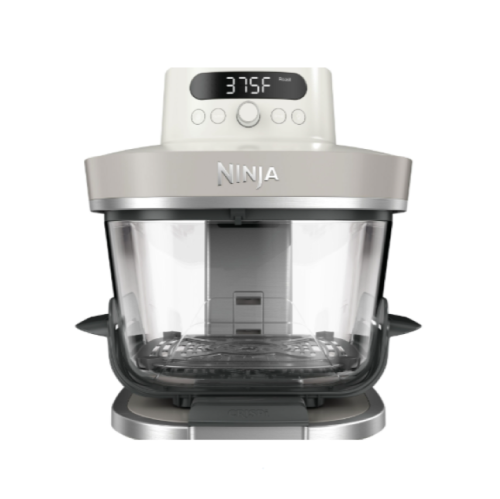
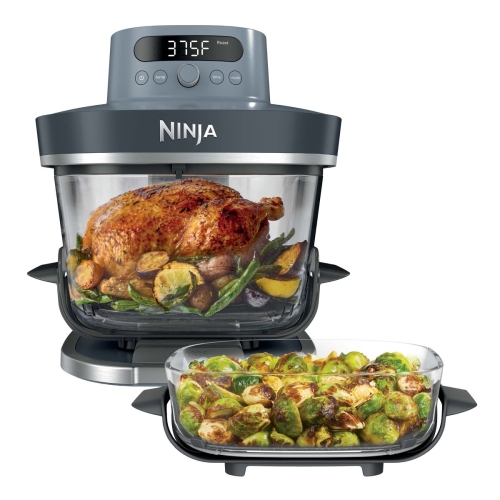


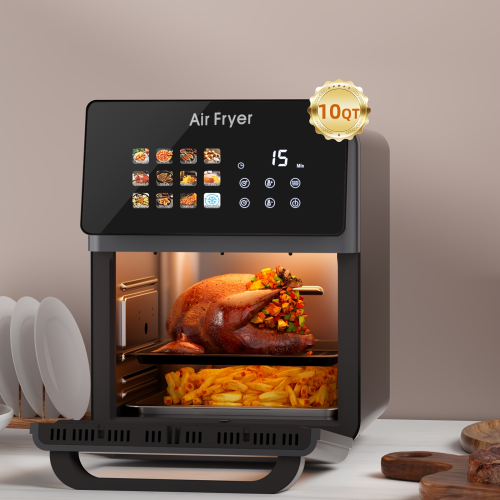


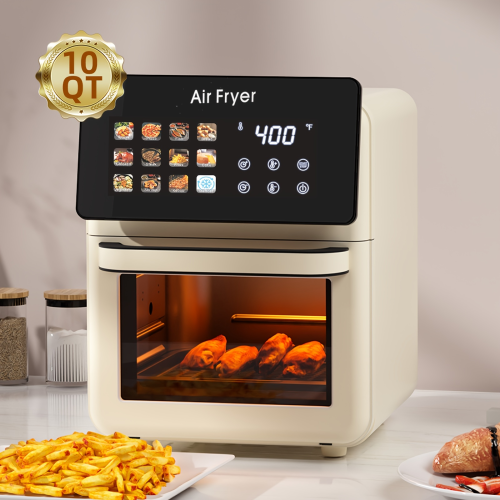
A clearer view of food as it crisps
Air fryers with glass combine hot-air cooking with a clear view of the food inside. The category includes appliances with glass cooking bowls as well as air fryers with glass viewing windows in an otherwise conventional drawer or oven-style door. That distinction matters: a glass bowl forms part of the cooking vessel, while a window provides visibility without necessarily changing the materials that touch the food. Both designs use a heating element and circulating air to brown surfaces and cook food, rather than relying on the glass itself as the heat source. Glass adds visibility, not a separate cooking method. Potato wedges turning golden at the edges, broccoli florets developing browned tips, and breaded chicken becoming crisp are easier to observe through a clear cooking chamber. An interior light, where included, can make those changes more visible without opening the appliance and interrupting airflow. Steam, splashes, and the position of the food can still affect the view, so a transparent bowl or window does not replace checking doneness with an appropriate food thermometer. Glass cooking vessels may be made from borosilicate or another heat-resistant glass, but their permitted uses and temperature limits depend on the appliance. A glass bowl should not automatically be treated as suitable for a stovetop, oven, freezer, or microwave. It also does not establish that the entire appliance is free of PTFE or PFAS: crisping plates, racks, and other food-contact components may contain different materials or coatings. For shoppers interested in an uncoated cooking surface, the construction of each food-contact part is more informative than the presence of glass alone. Within the broader selection of Air Fryers, glass designs offer a useful combination of visible cooking and familiar kitchen materials. They can suit everyday tasks such as roasting vegetables, preparing small portions of meat or fish, and reheating foods that benefit from a crisp exterior, with results depending on the appliance, the recipe, and how much food is loaded.
Capacity and countertop fit shape how comfortably an air fryer with glass becomes part of a kitchen routine. A stated capacity in litres describes the vessel’s volume, but the usable cooking area also depends on its width, depth, and any rack or crisping plate inside. A broad base can accommodate a single layer of vegetables or breaded pieces, while a deeper bowl may hold more food without providing the same exposed surface area. Crowding can limit airflow and leave some portions less evenly browned, making the cooking surface particularly important for households preparing several servings at once. A compact vessel may be practical for one person reheating a slice of pizza or cooking a portion of tofu; a larger cooking area may better suit a couple sharing salmon and potatoes or a family preparing a side dish. Even with a clear bowl, some foods need turning or shaking according to the recipe and appliance directions. Visibility makes it easier to notice uneven colouring, but it does not eliminate those steps. Temperature controls, timers, and preset programmes vary, and a straightforward interface can be more useful than a long list of functions that rarely get used. Features such as an interior light, an accessible handle, and removable cooking components can make a noticeable difference during everyday use. The appliance’s dimensions deserve attention alongside capacity, especially in a kitchen where a coffee maker, toaster, and food-preparation area already share the counter. Space is needed for ventilation, opening a drawer or lifting a heating unit, and safely setting down a hot vessel. Glass bowls can be heavier than similarly sized metal baskets, particularly when filled, so handle design and the weight of the loaded bowl matter for anyone with limited hand strength or mobility. A clear cooking chamber can also appeal to someone who prefers judging browning by sight rather than repeatedly opening a drawer. For regular meal preparation, the most useful design is one that fits the portions, workspace, and handling needs of the household.
Care and durability are closely connected to the way glass components are handled before, during, and after cooking. Heat-resistant glass is designed for specified cooking conditions, but it can still crack or break after an impact or an abrupt temperature change. A hot bowl belongs on a suitable dry, heat-resistant surface rather than a cold or wet countertop, and it should be allowed to cool as directed before washing. Pouring cold water into hot glass can create thermal stress. Exposed glass may become very hot during operation, so designated handles, suitable oven mitts, and a clear landing space are important when removing food. Keeping the appliance and its hot components away from counter edges is especially relevant in homes with children or pets. Cleaning requirements vary: some removable bowls are dishwasher safe, while others need handwashing, and the heating unit should be cleaned separately according to its instructions rather than immersed in water. Non-abrasive cleaning tools help avoid scratches on glass and damage to coated accessories. Food residue around a window or bowl can reduce visibility, so routine cleaning helps preserve one of the design’s main benefits. Chips, cracks, loose handles, or damaged seals warrant attention before the appliance is used again. Where a glass vessel is specifically designed for food storage, a compatible lid may allow leftovers to remain in the same container, but this feature should not be assumed for every bowl. Storage lids are not cooking lids and should only be used for their stated purpose; leftovers still require prompt refrigeration and safe food handling. Removable racks and plates also need enough storage space to avoid being knocked against the glass. These practical details make glass air fryers a thoughtful gift for someone setting up a kitchen, a home cook who enjoys watching food develop colour, or a household looking for a convenient way to prepare smaller meals. Matching the appliance to the recipient’s counter space, typical portions, and comfort with lifting glass is more meaningful than choosing by appearance alone. With appropriate handling and care, a glass bowl or viewing window can bring useful visibility to a familiar cooking routine.
Top selling and popular products
-
 Your price for this item is $229.99
-
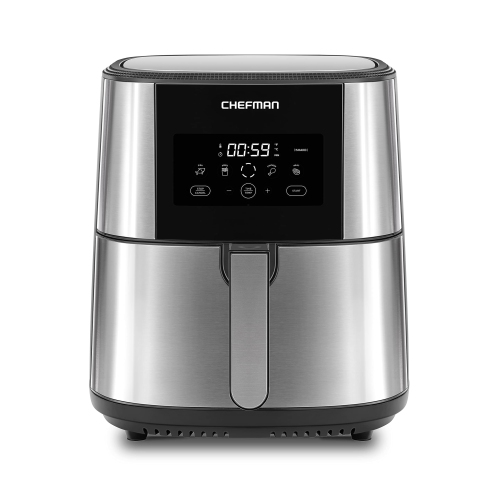 Your price for this item is $134.99
-
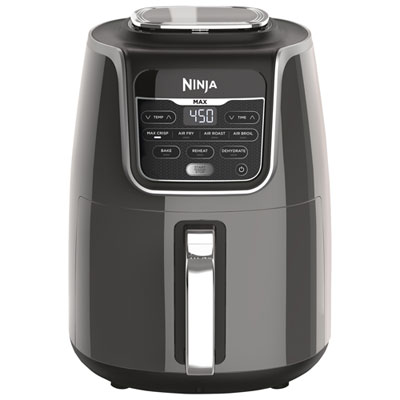 Your price for this item is $169.99
-
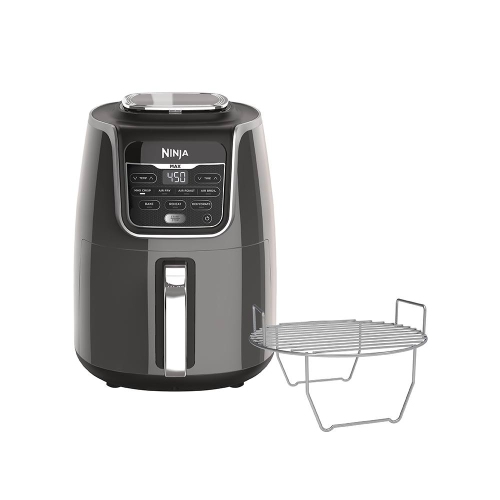 Your price for this item is $199
-
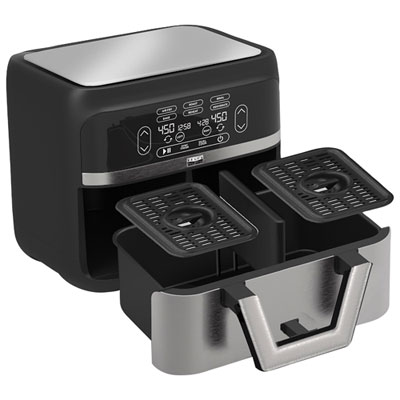 Your price for this item is $129.99
-
 Your price for this item is $239.99
-
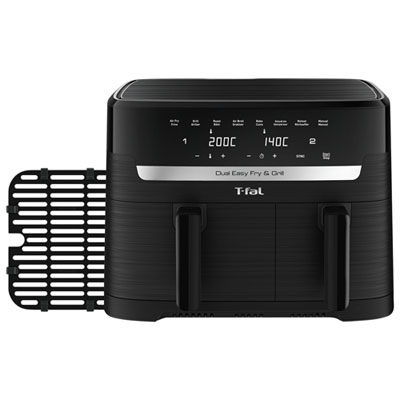 Your price for this item is $299.99
-
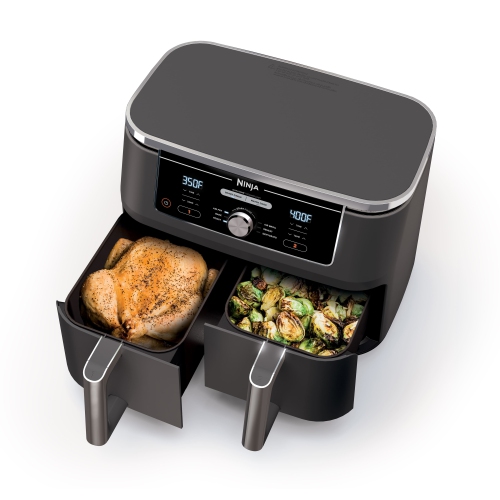 Your price for this item is $299
Discover more categories related to Air Fryers With Glass


Top Collections:
Pokemon Centers, Best Cameras for Sports Photography, Kindle Devices, Samsung Galaxy Phones, Canon G7X Cameras, Pokémon 30th Celebration Cards, Refurbished Apple Laptops, iPhone 15 Apple, Laptops for Students, Budget Smartphones
Some products may be subject to Environmental Handling Fees
(EHF) depending on your province.
Learn more about EHFs.