Air Purifiers for Allergic Rhinitis
If you have allergies, you may be looking for a way to improve your health. One option is to use an air purifier. Air purifiers can help reduce allergens in the air and help you breathe easier. They're also a great way to remove dust, pollen, and other airborne pollutants from the air in your home or office. Here are some of the best air purifiers on the market today for people with allergies.
Sort
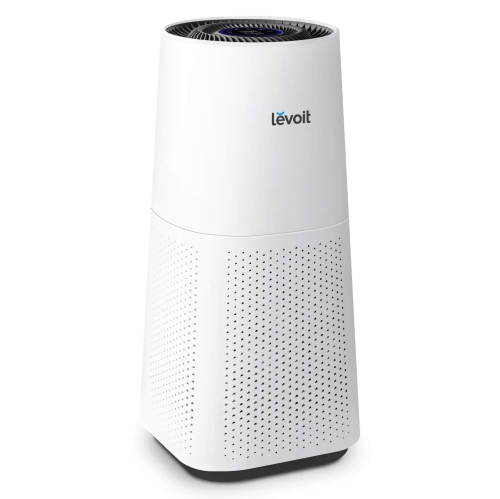
![LEVOIT Core 300 True Hepa Air Purifier In White [Employee of bestbuy] Still run great ,love it](https://multimedia.bbycastatic.ca/multimedia/products/500x500/171/17157/17157111.webp)
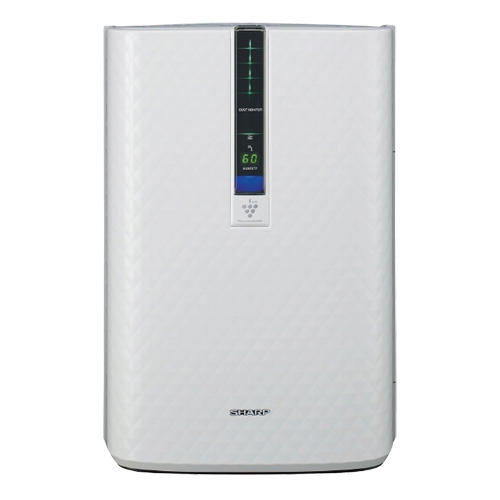
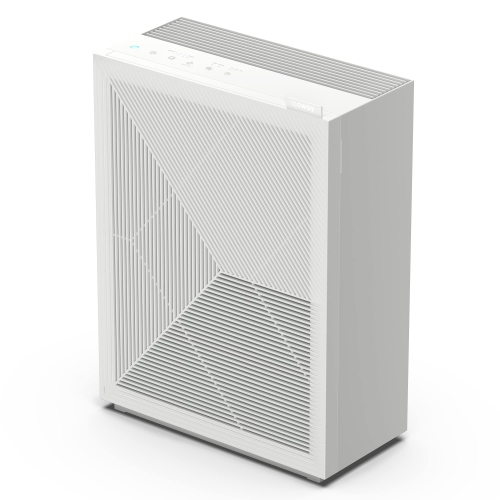
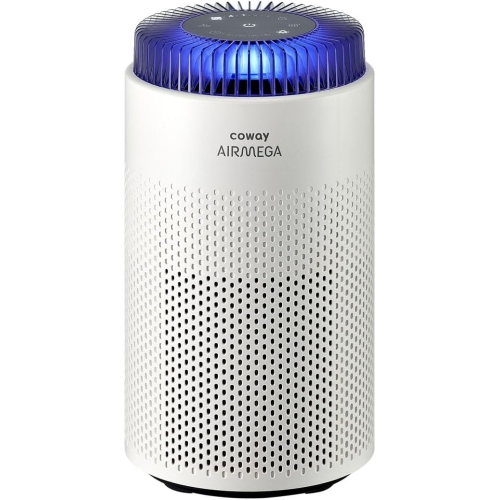
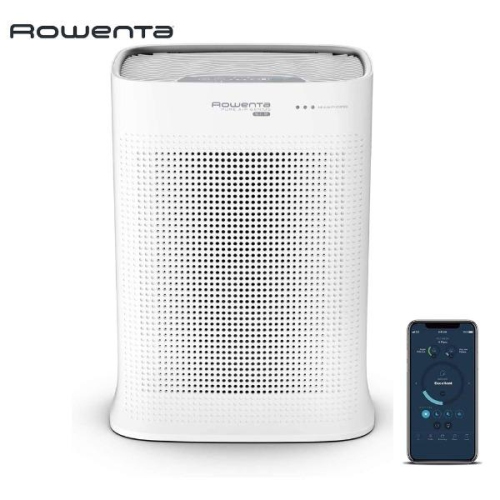
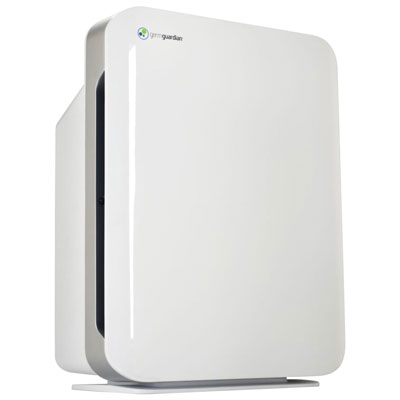
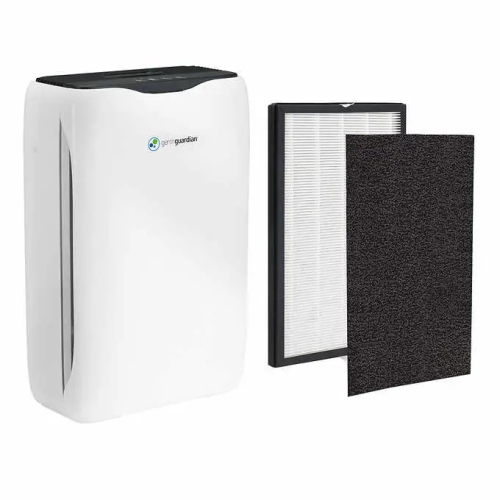
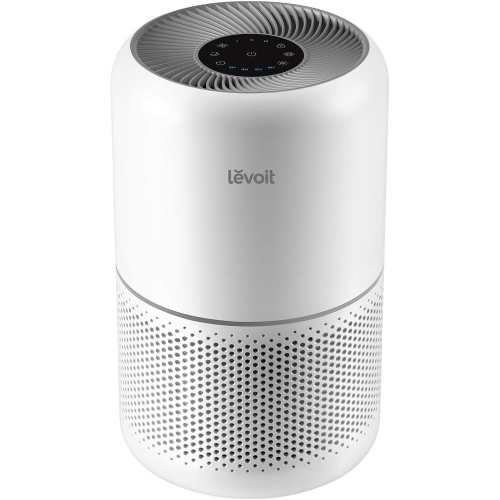
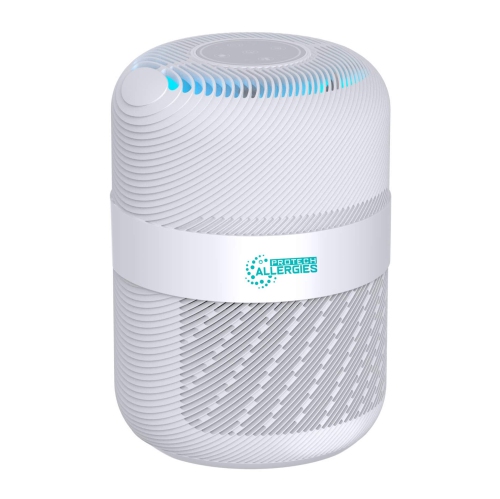
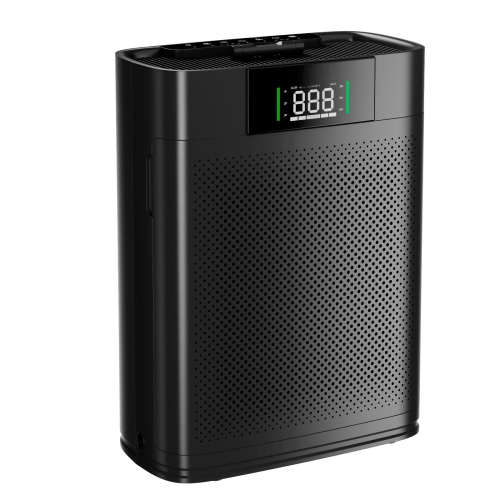
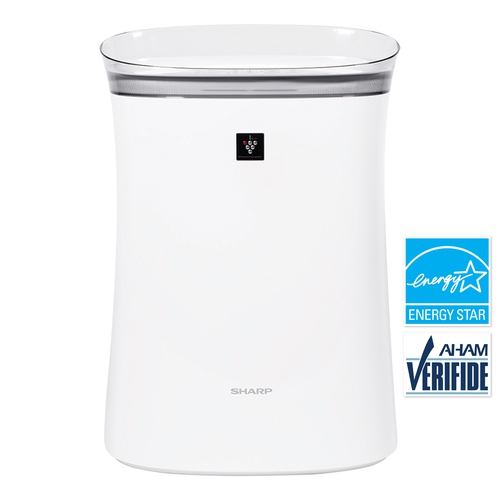
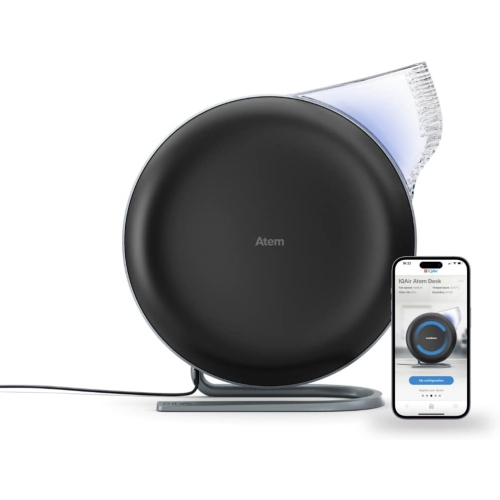
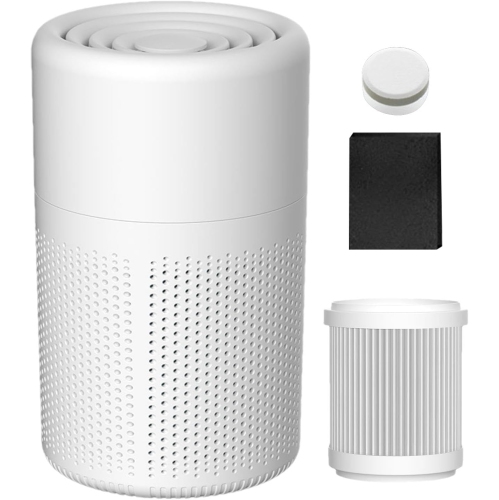
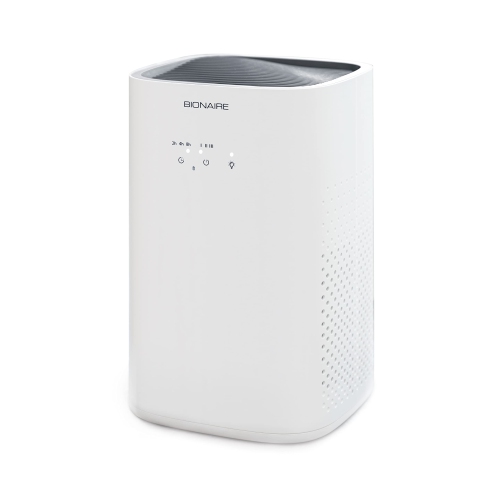
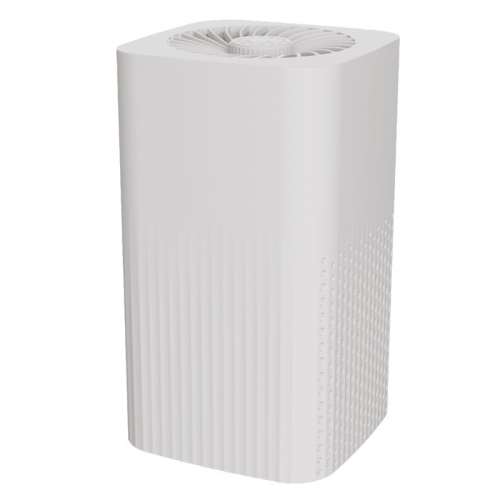
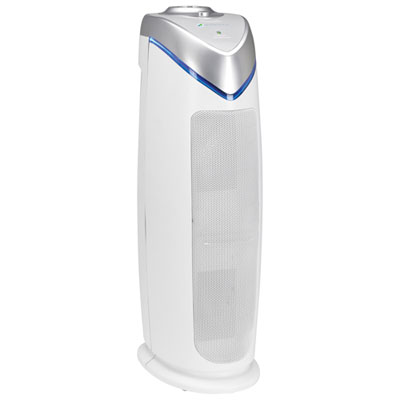
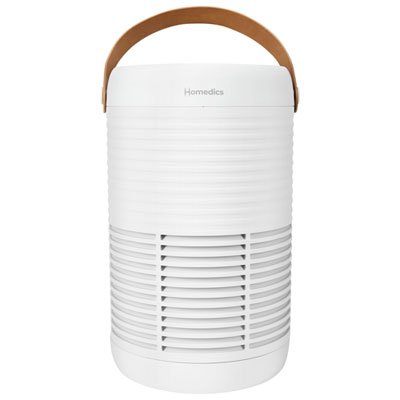
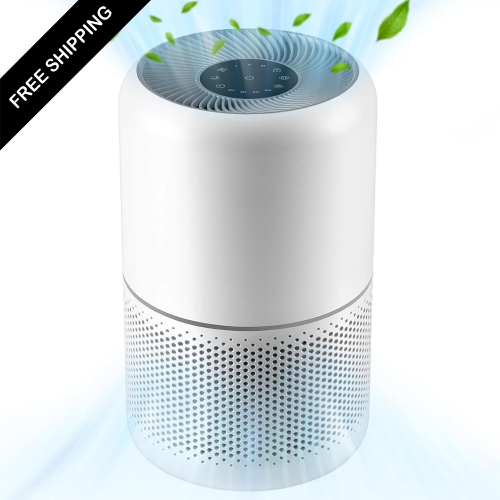
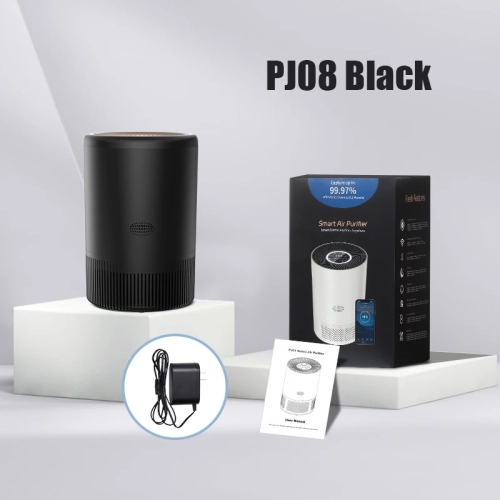
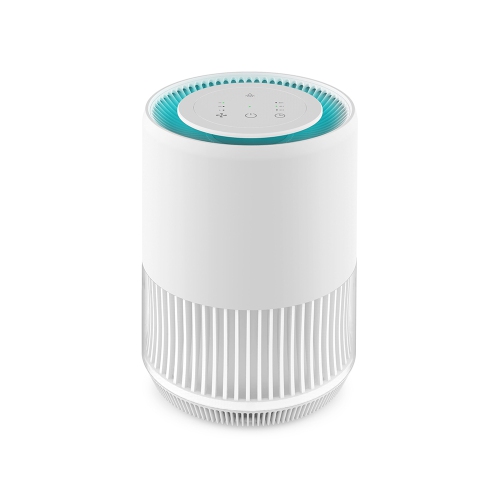
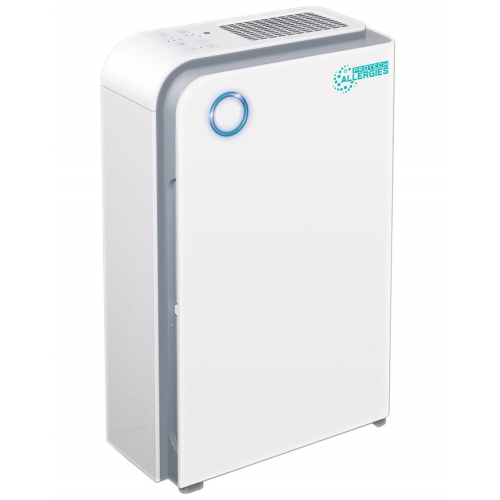
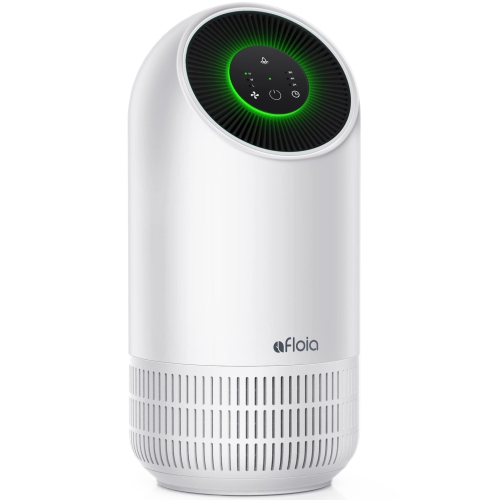
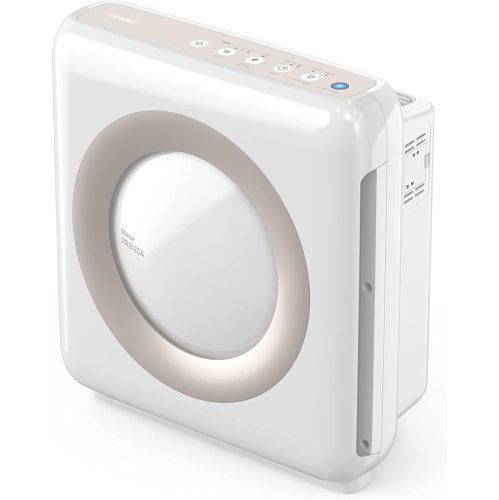
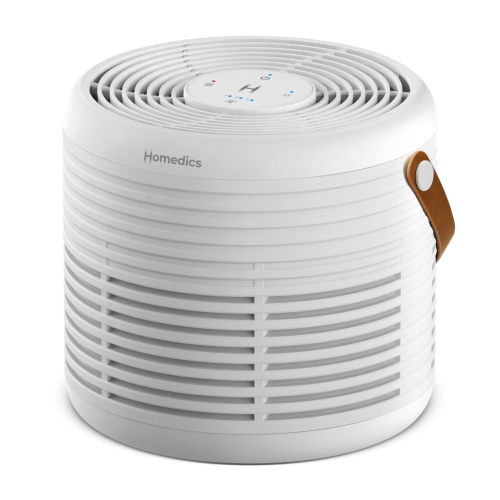
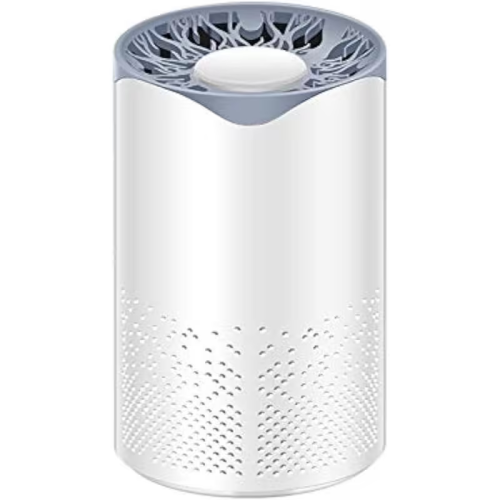
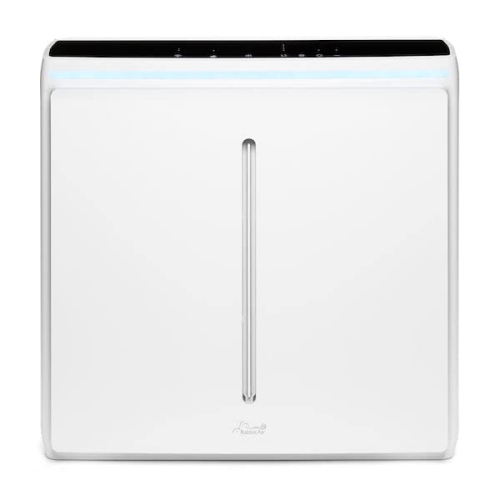
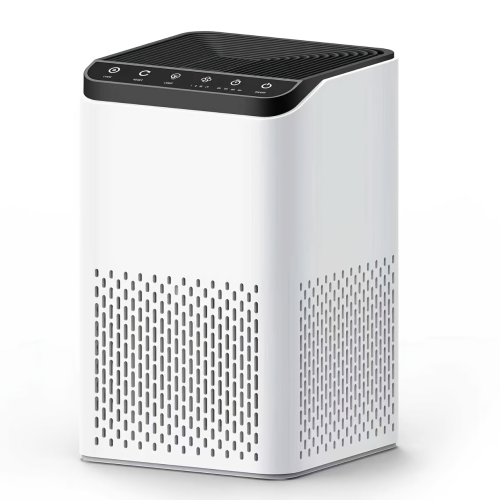
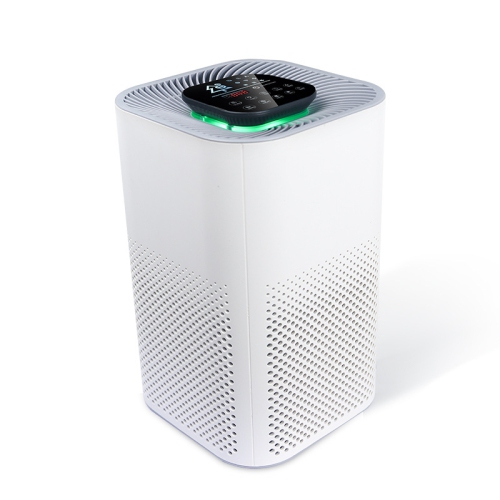
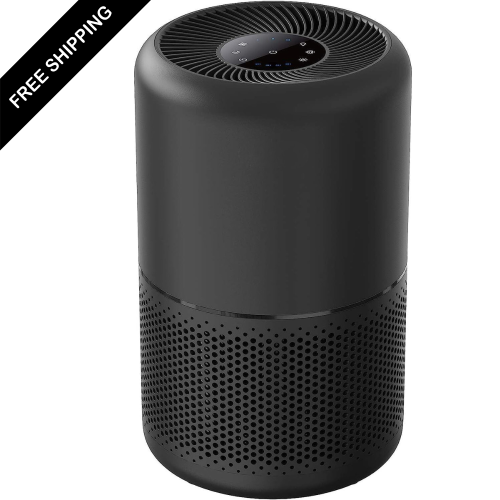
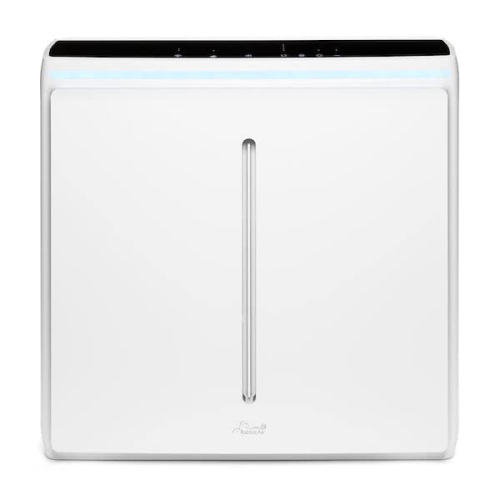
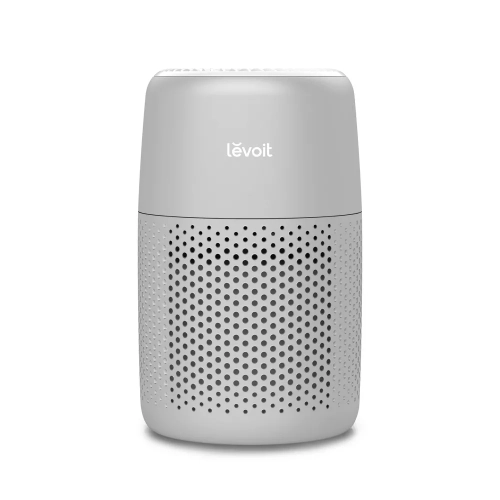
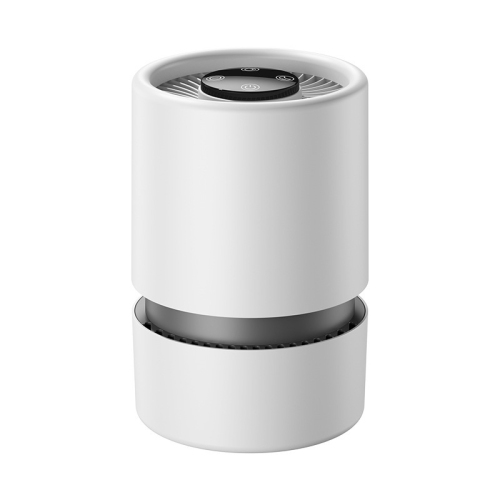
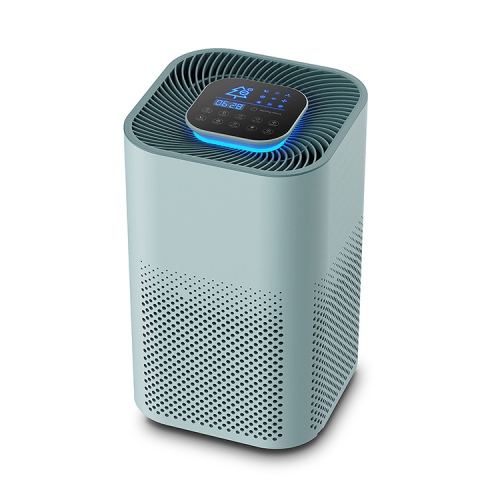
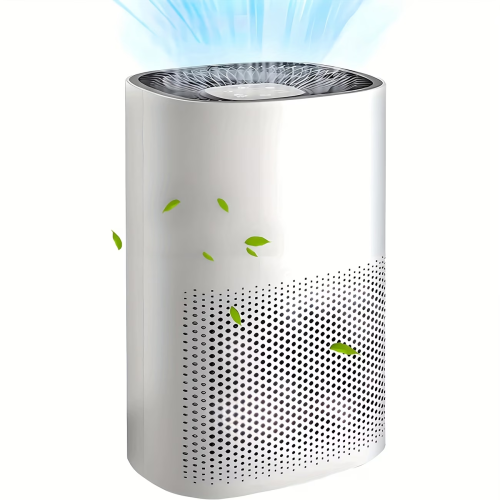
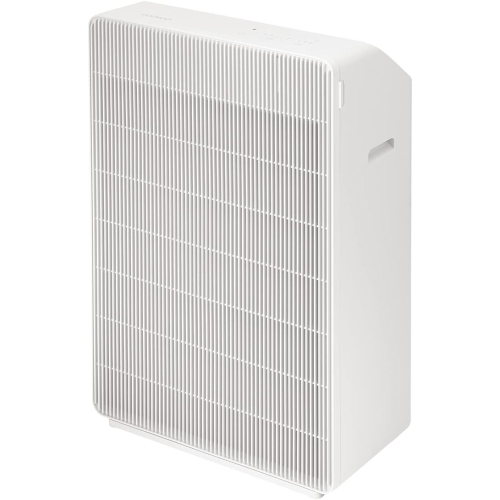
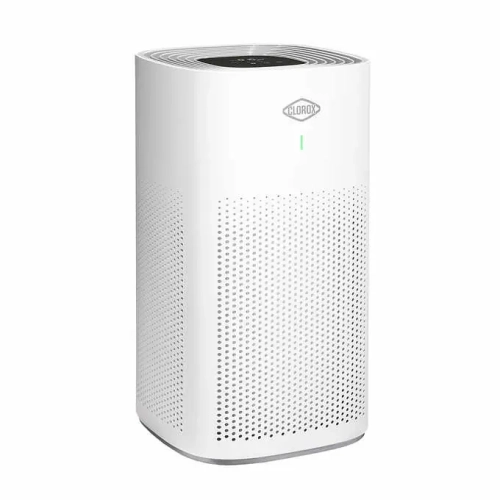
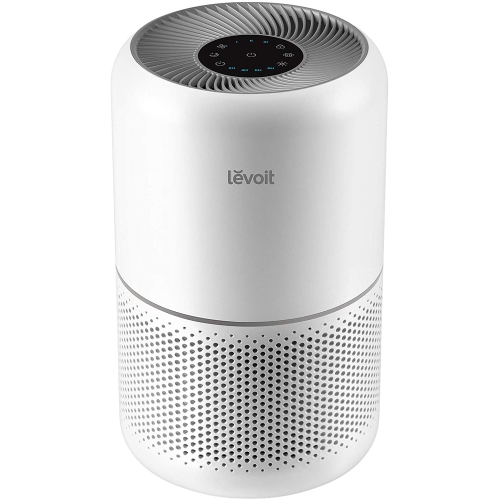
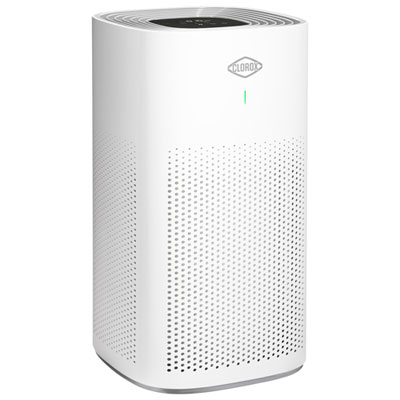
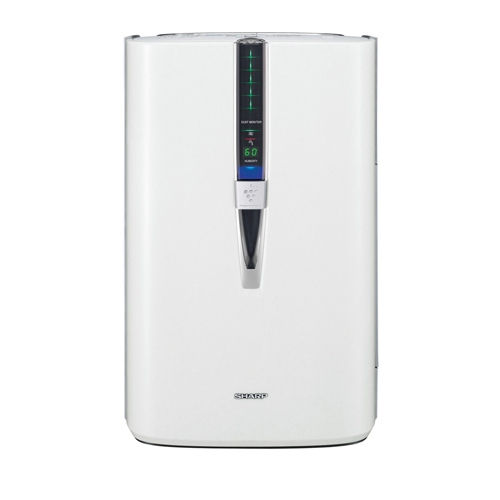
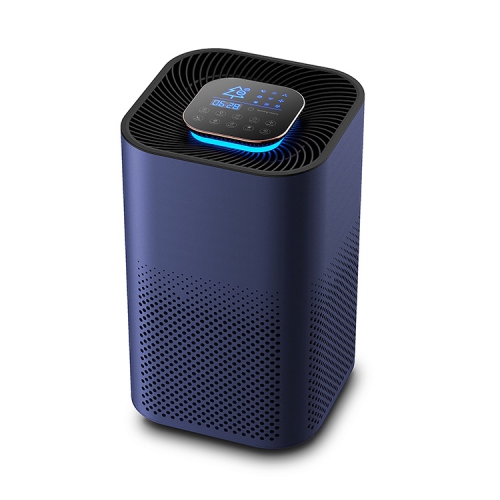
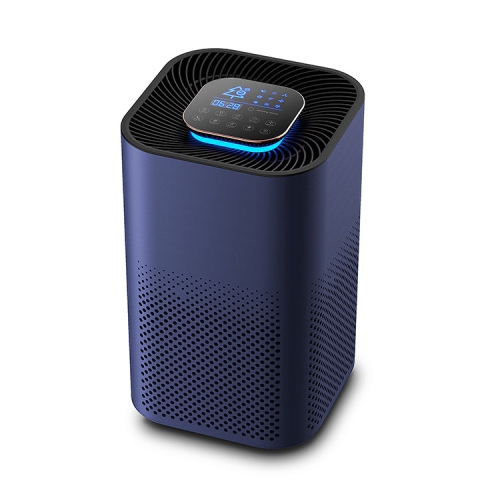
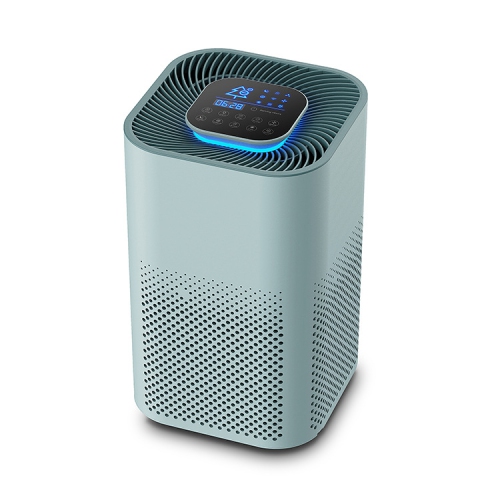
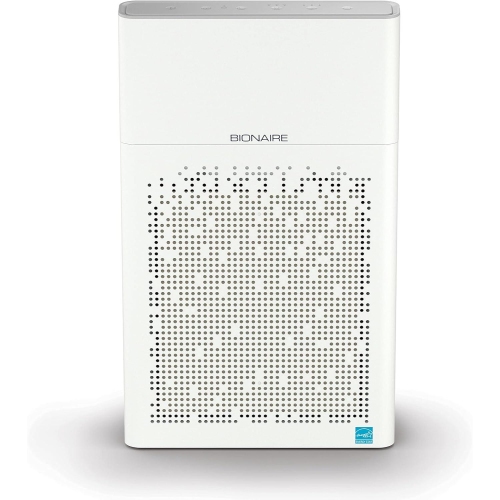
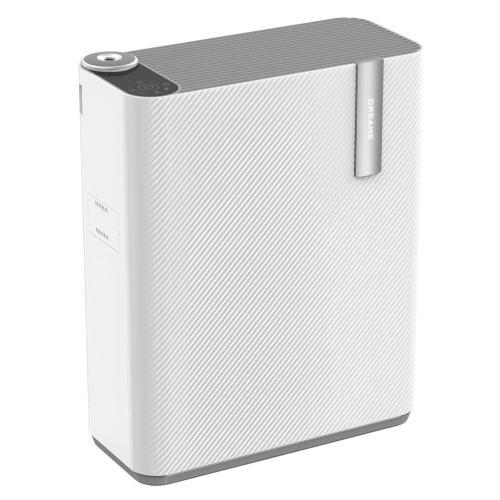
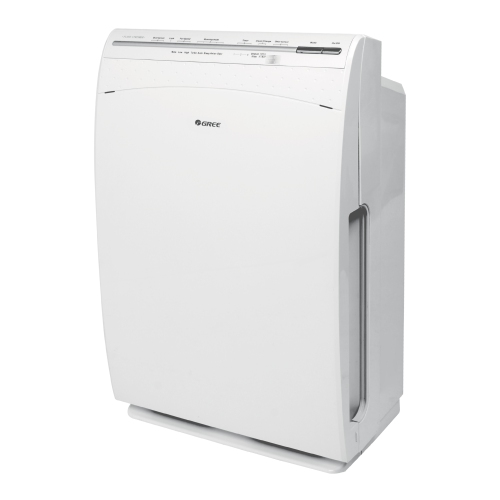
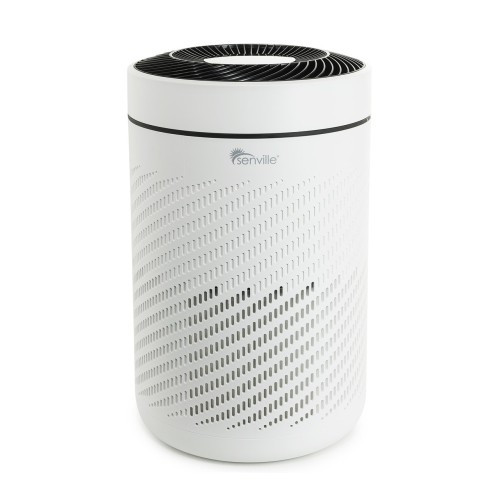
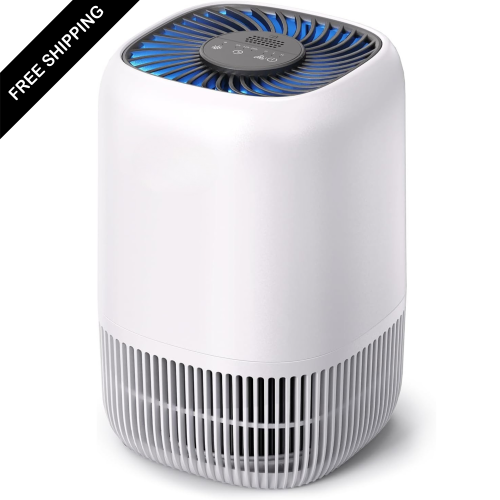
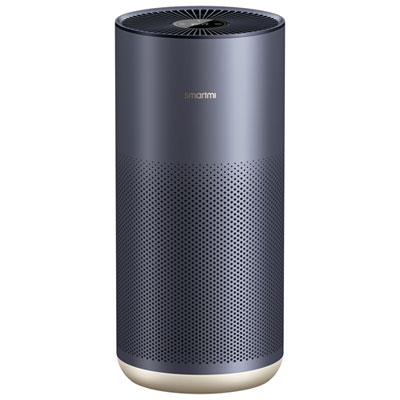
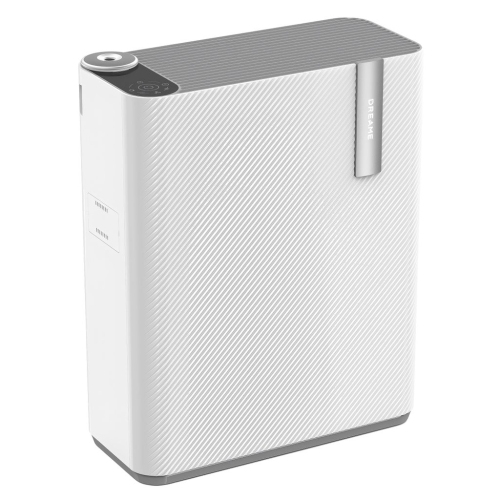
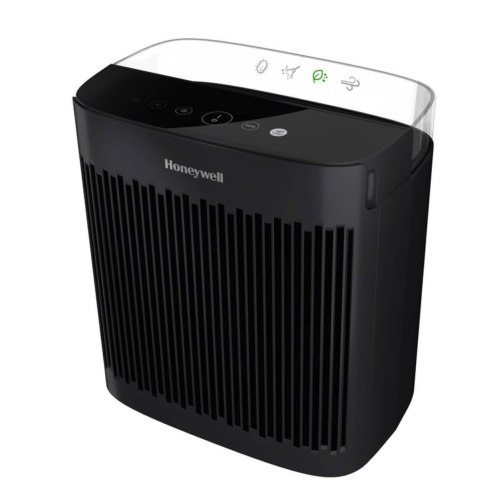
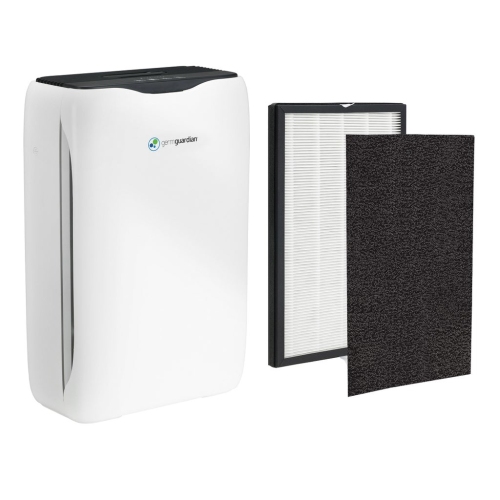
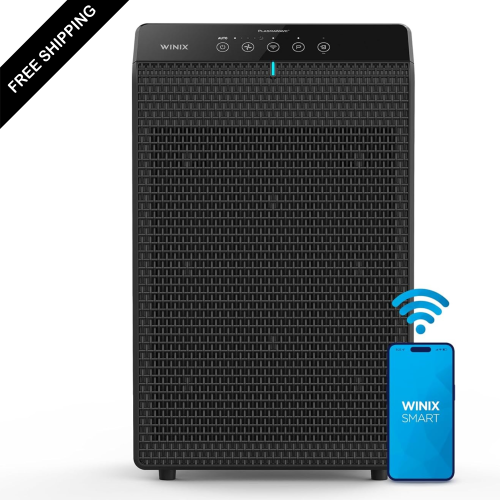
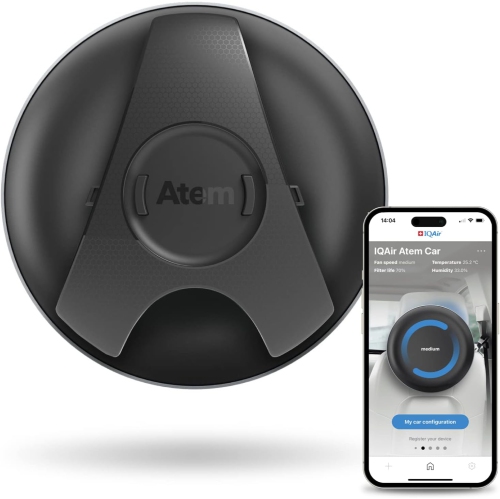
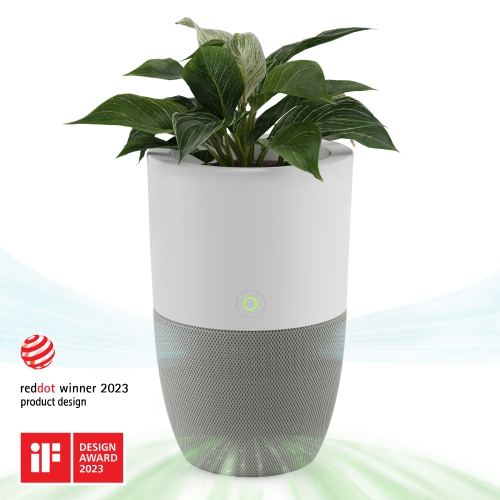
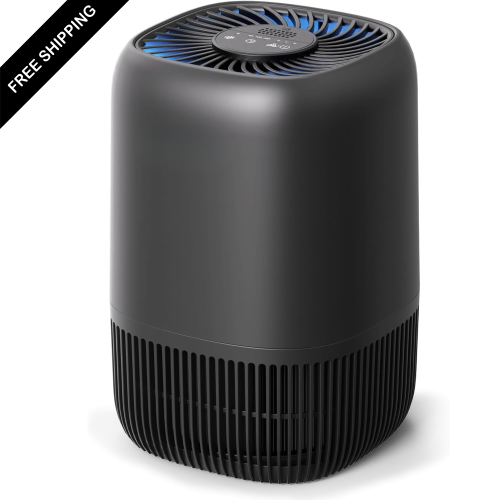
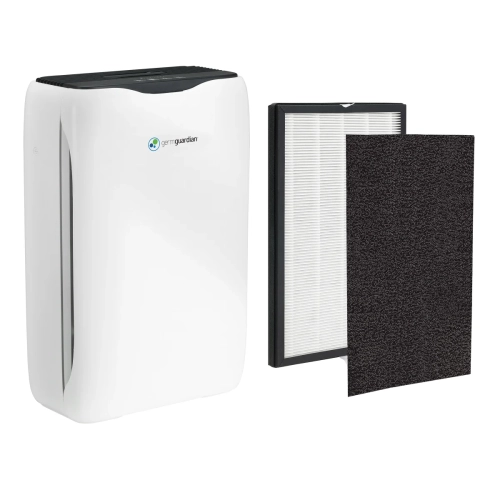
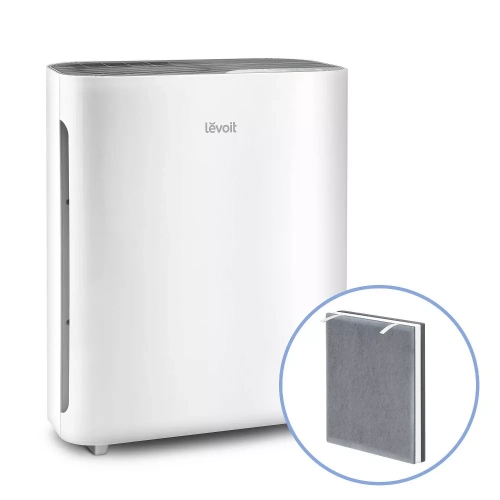
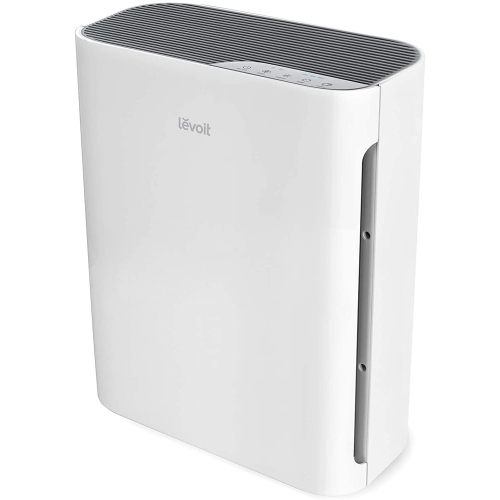
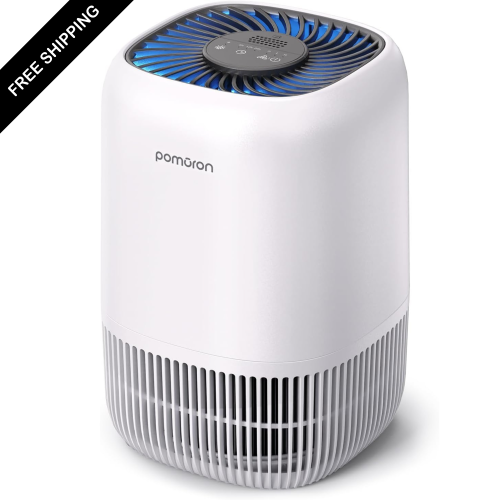
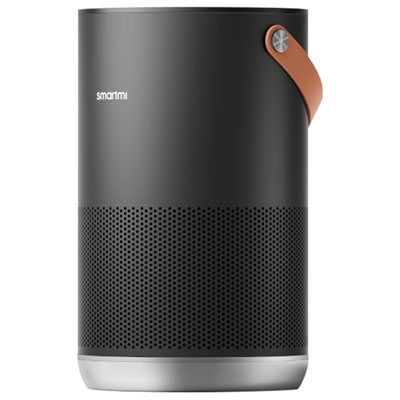
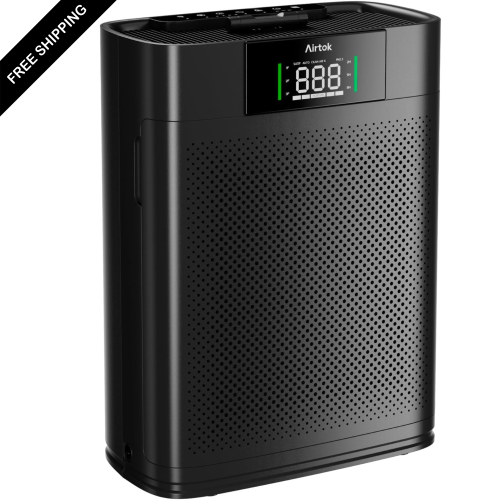
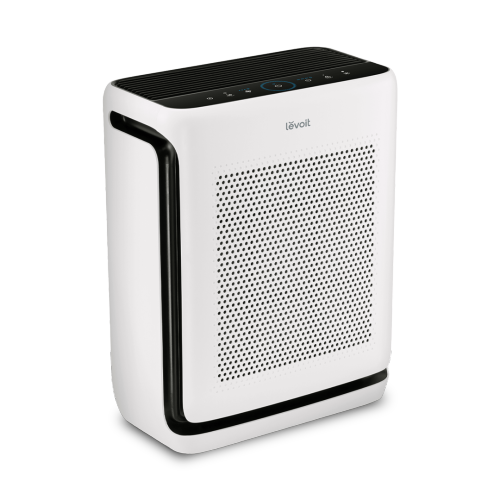
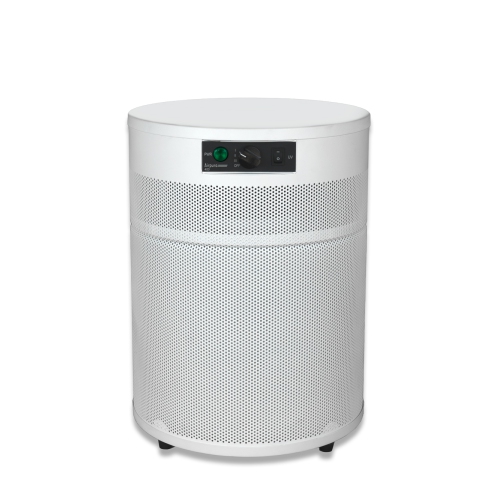
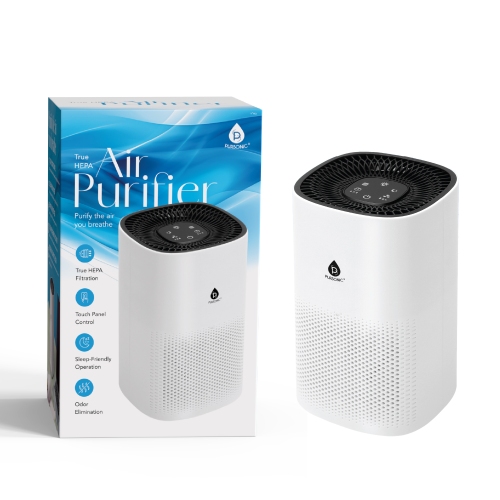
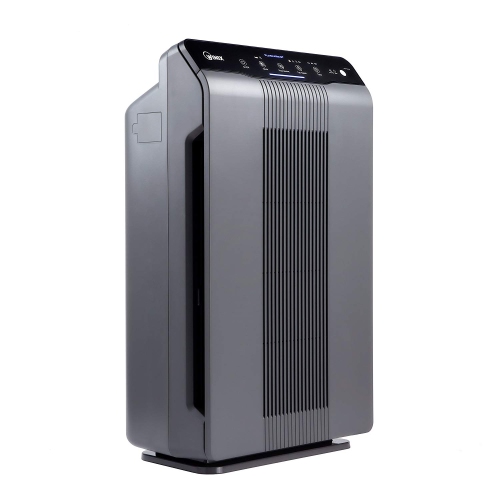

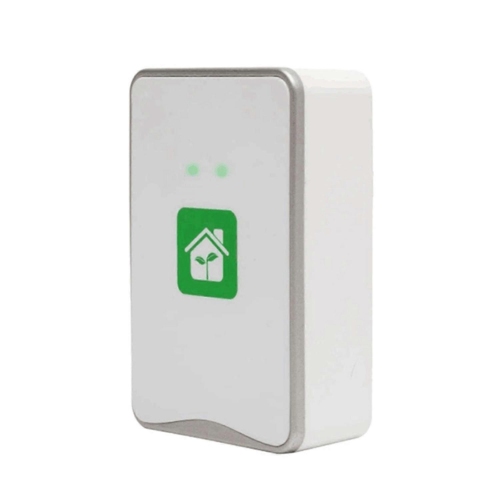
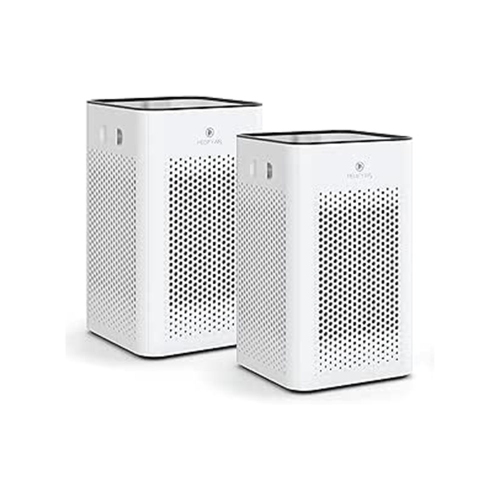
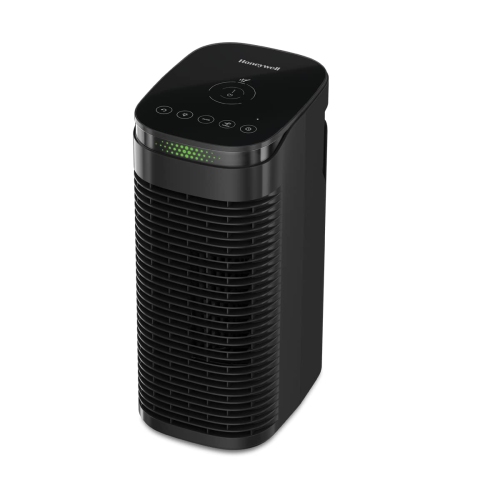
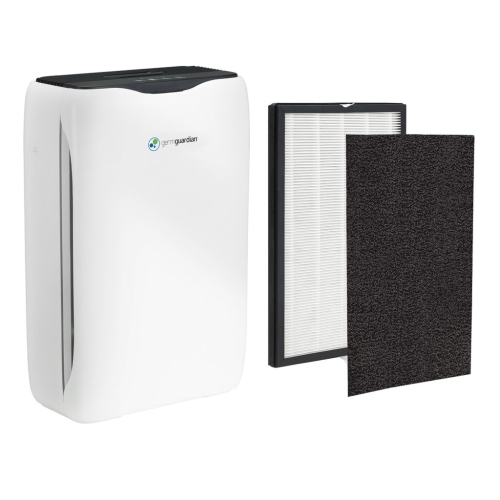
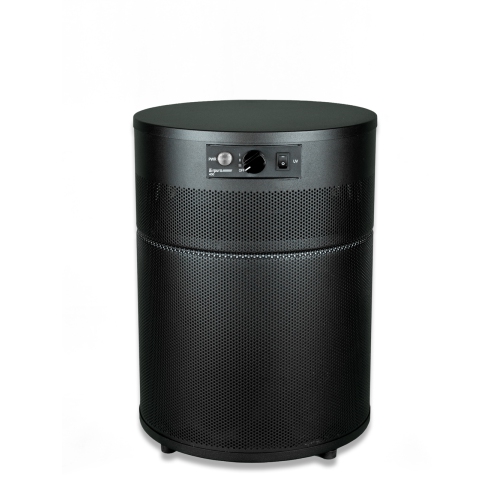
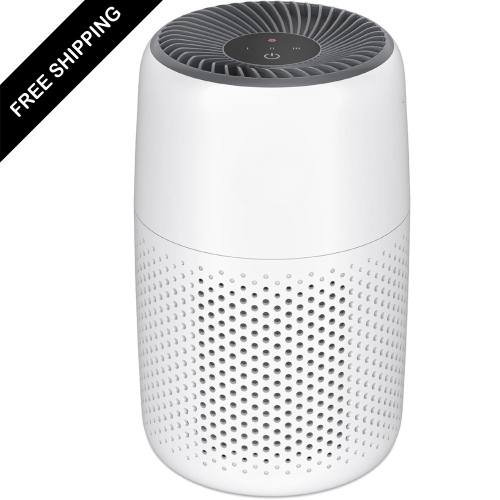
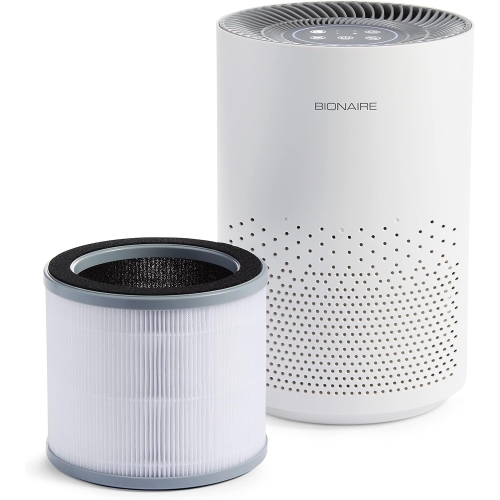
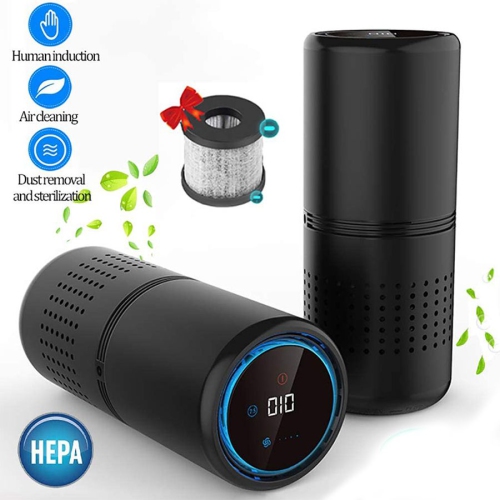
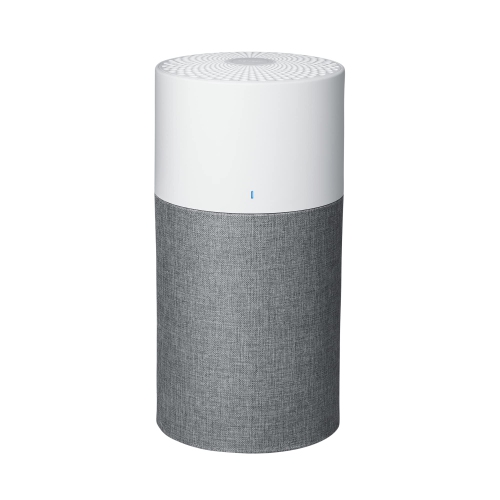

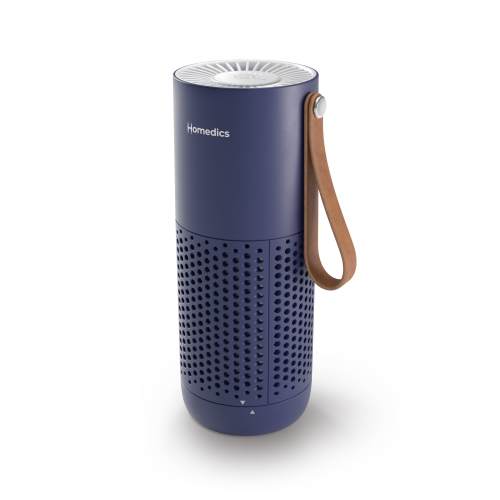
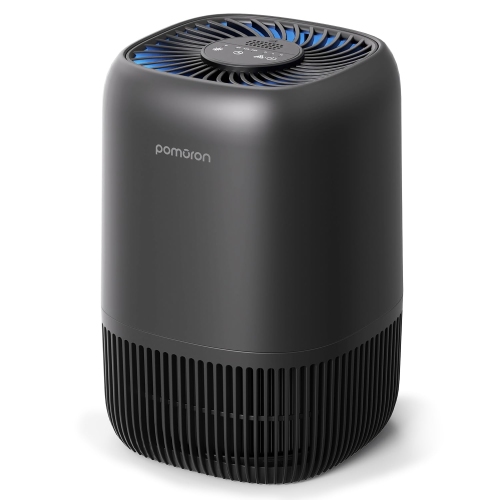
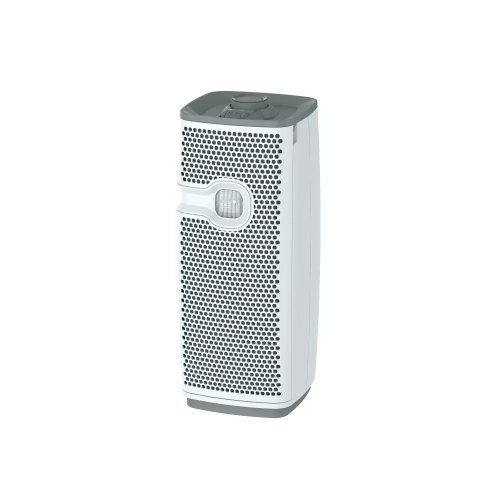
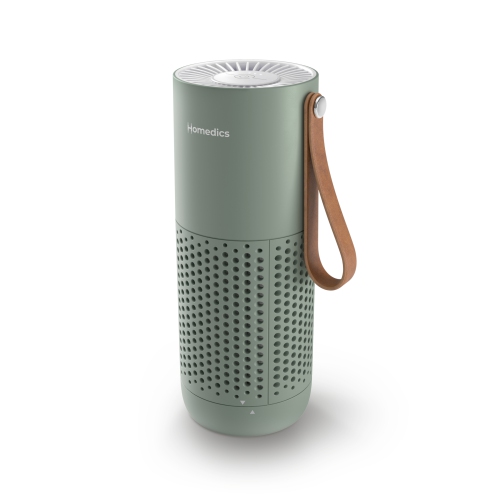
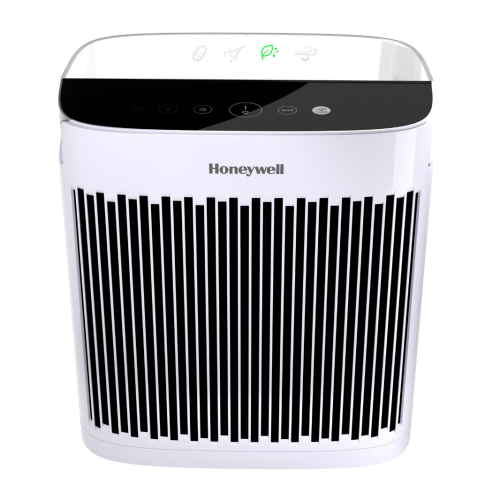
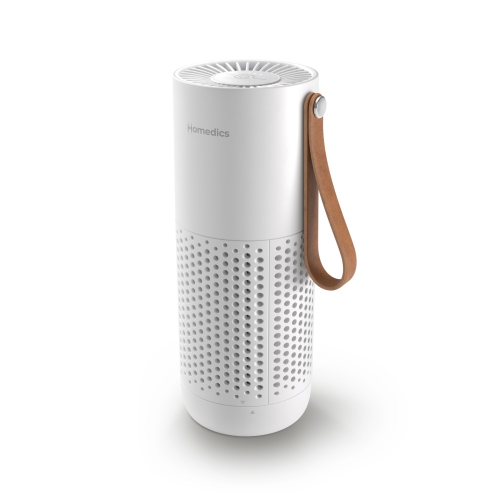
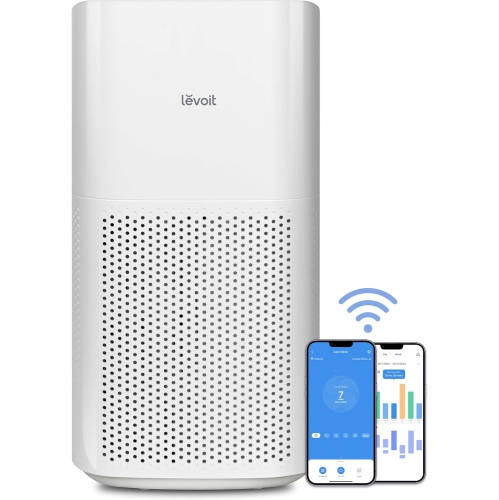
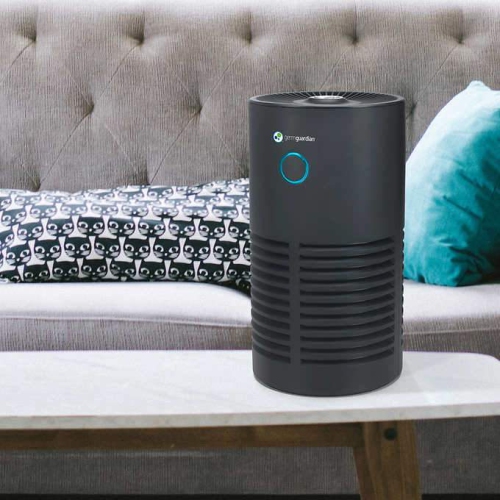
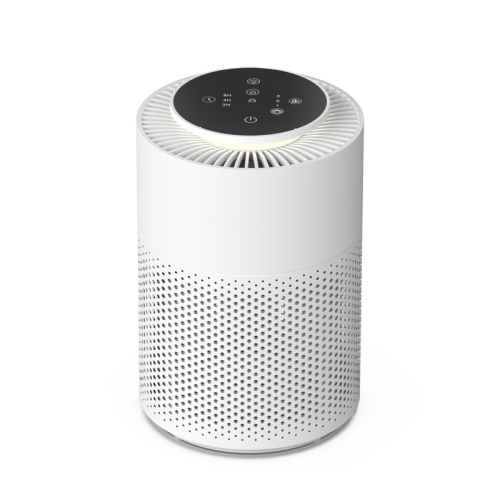
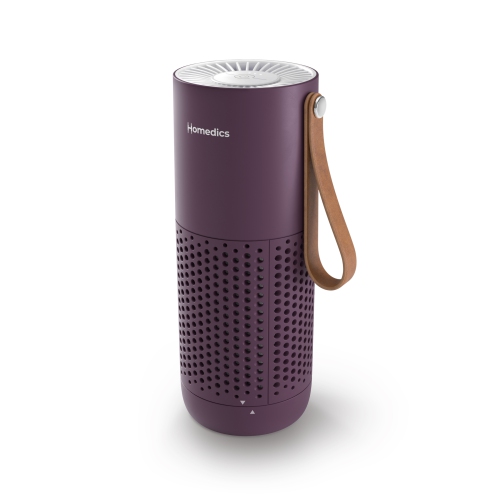
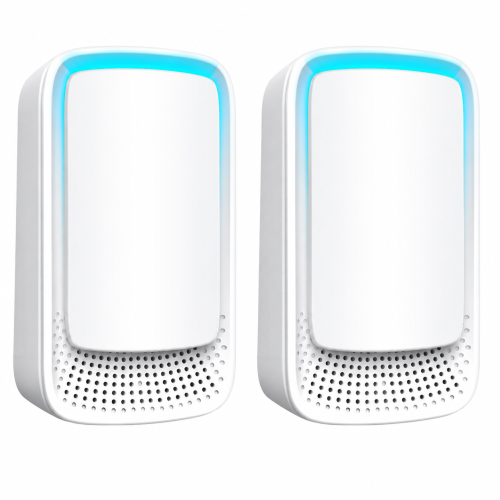
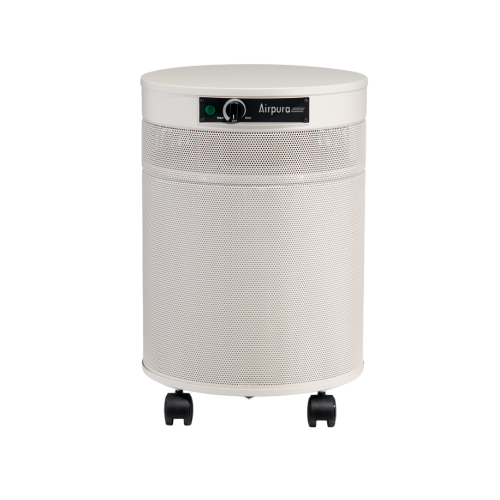
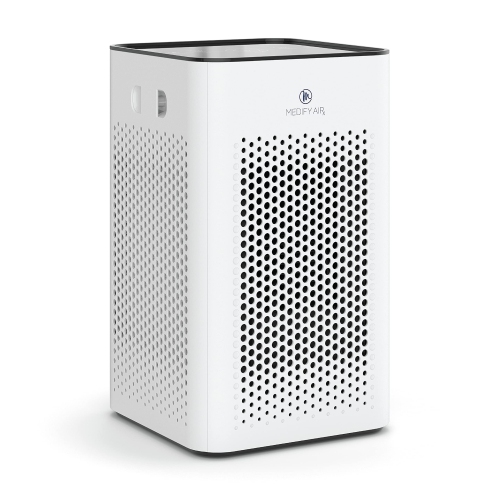

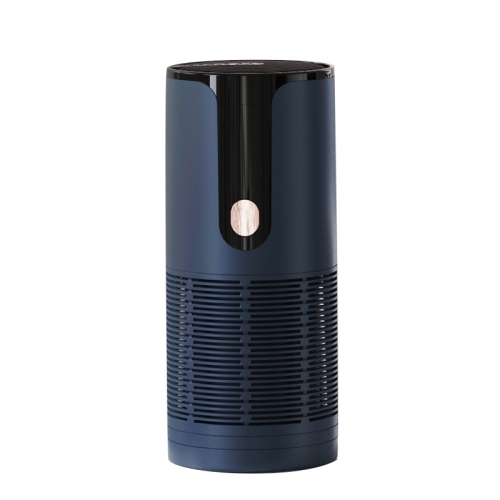
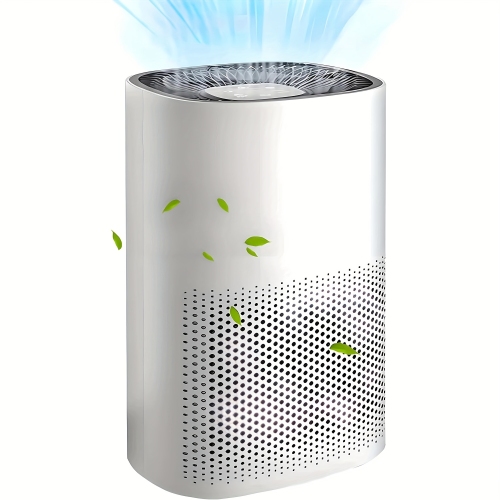
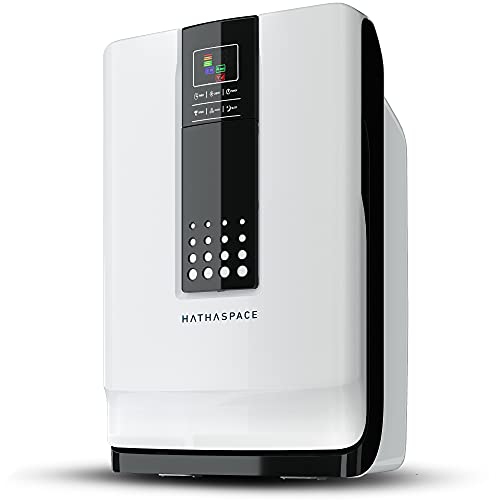
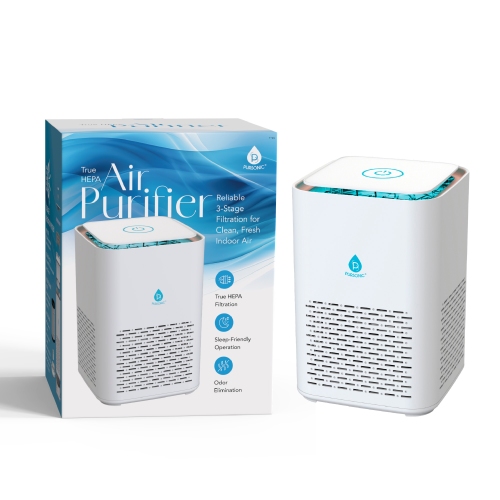
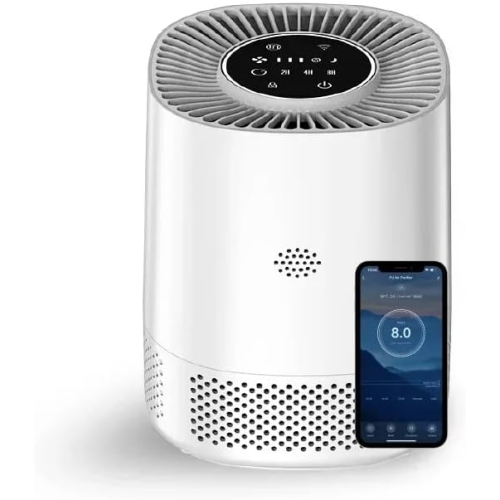
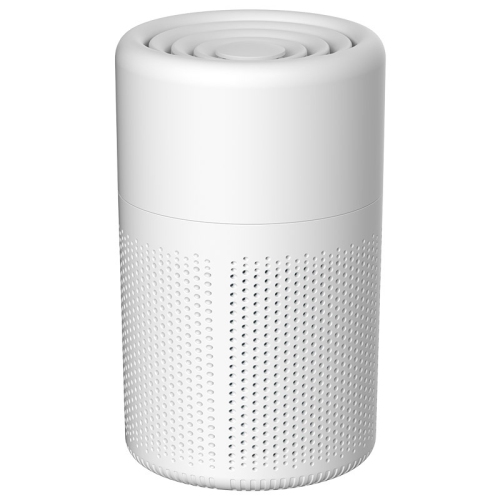
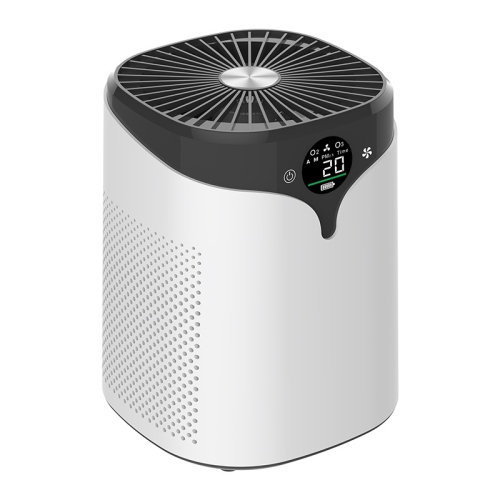
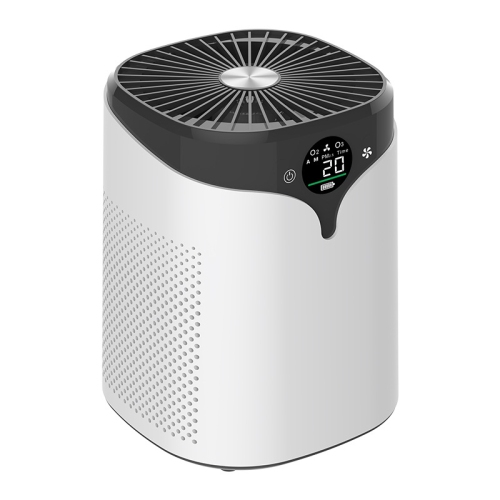
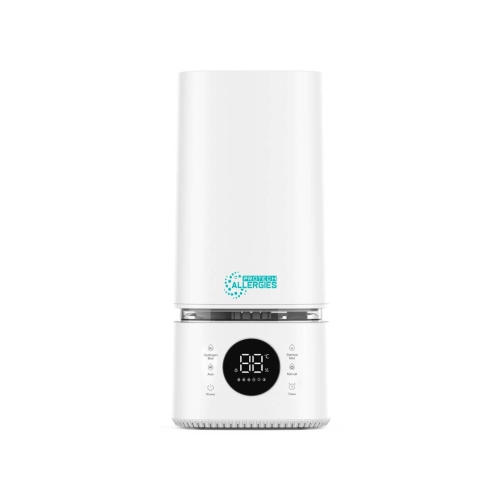
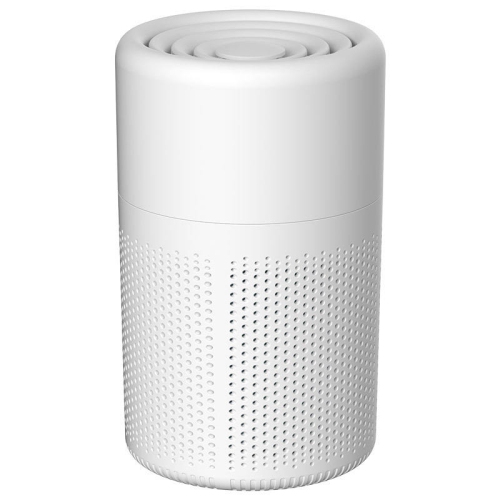
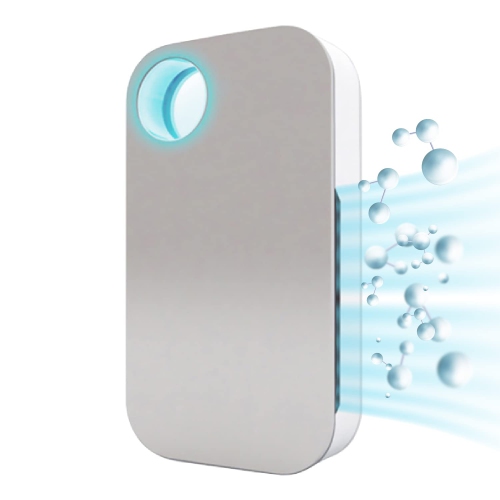
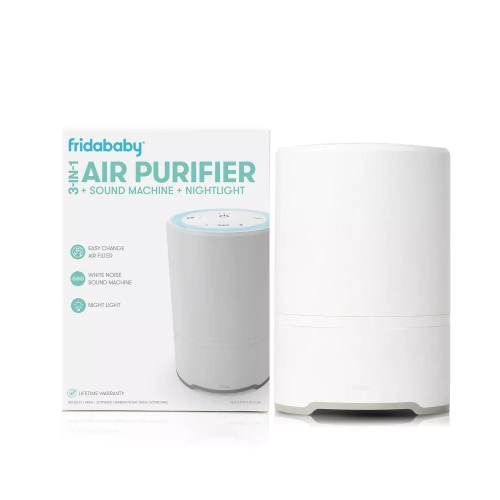

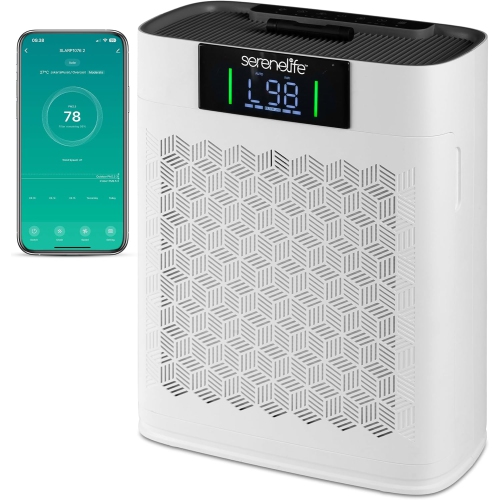
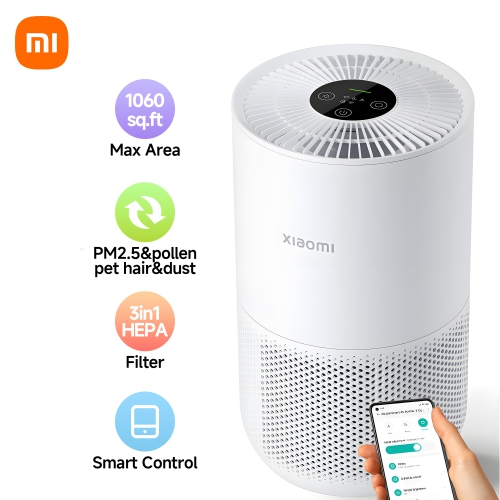
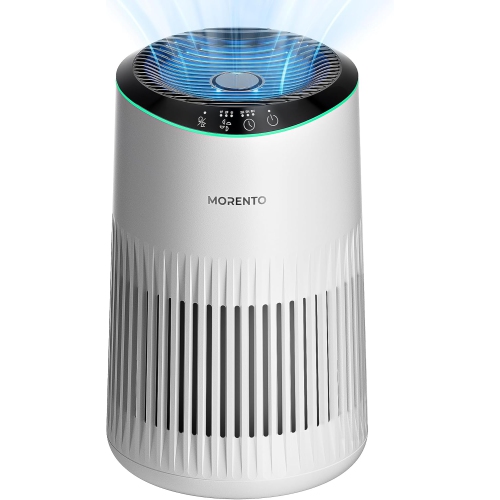
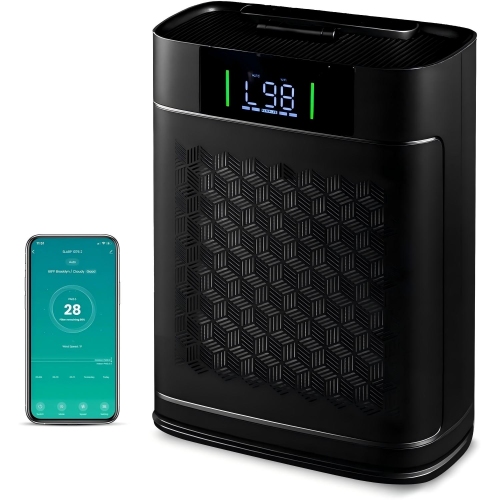
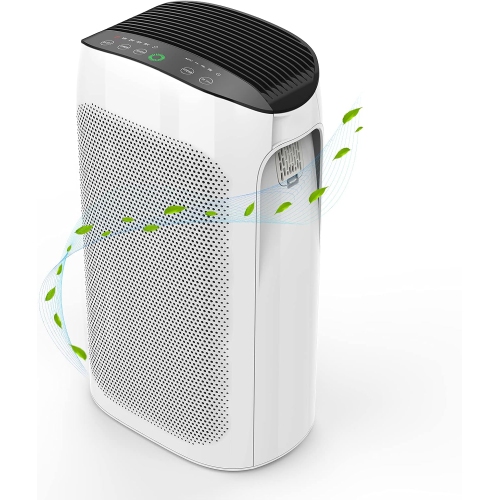
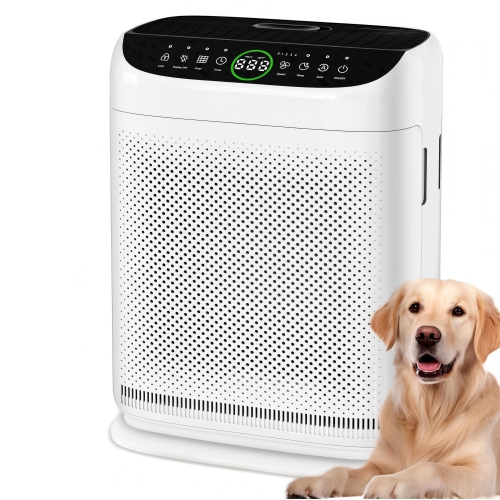
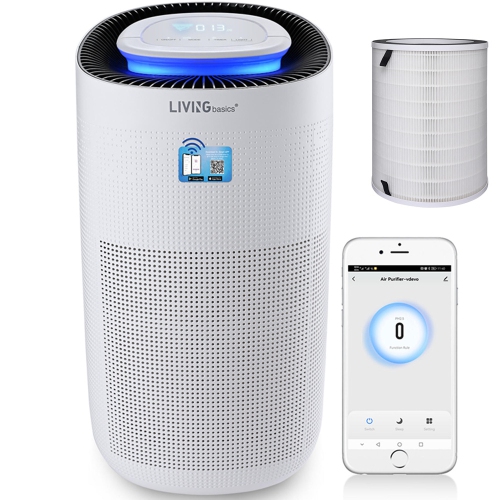
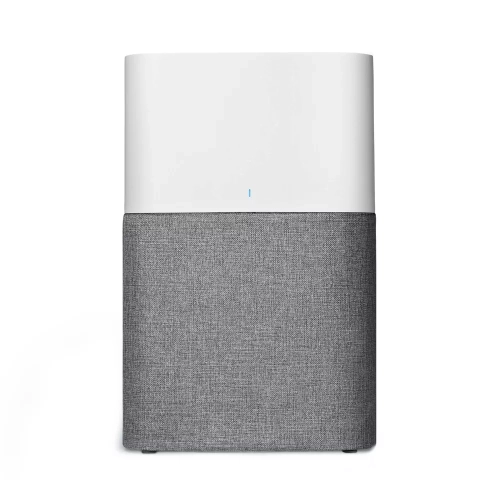
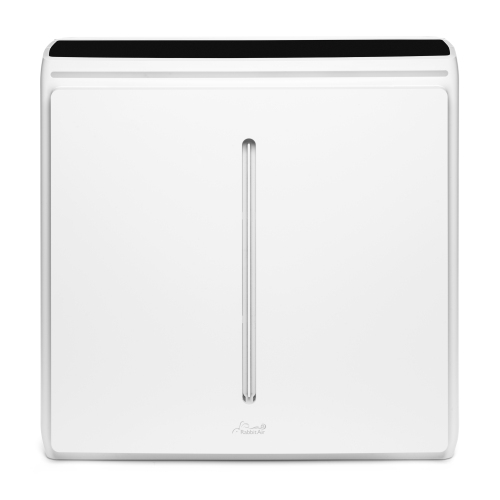
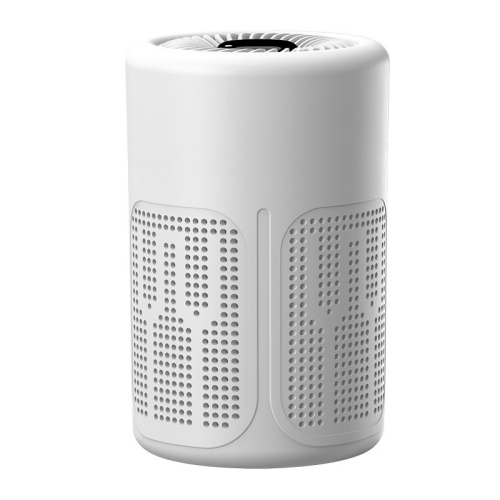
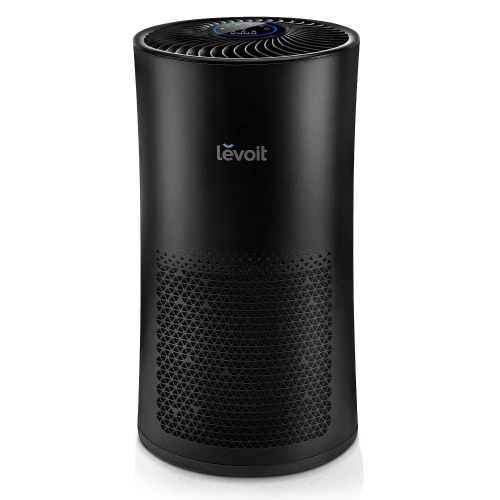
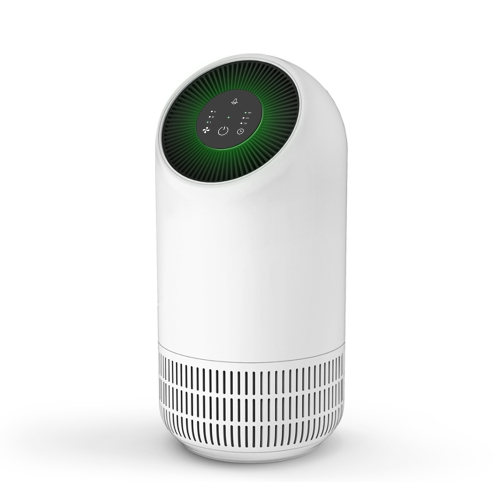
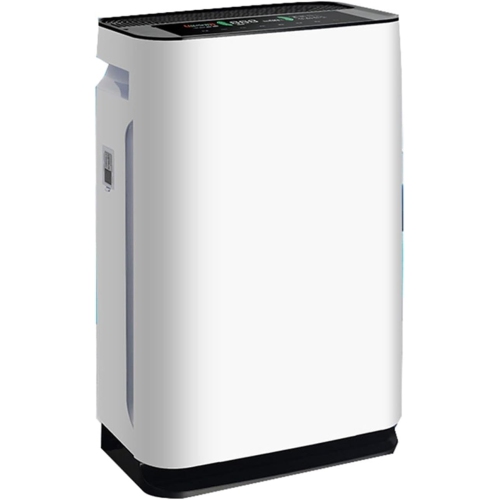
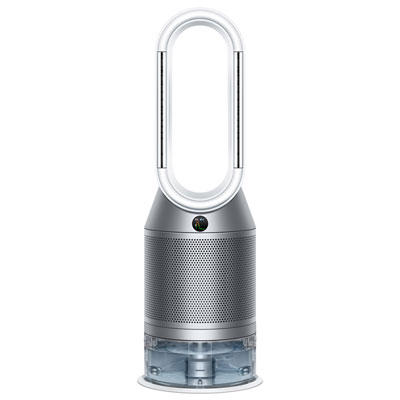
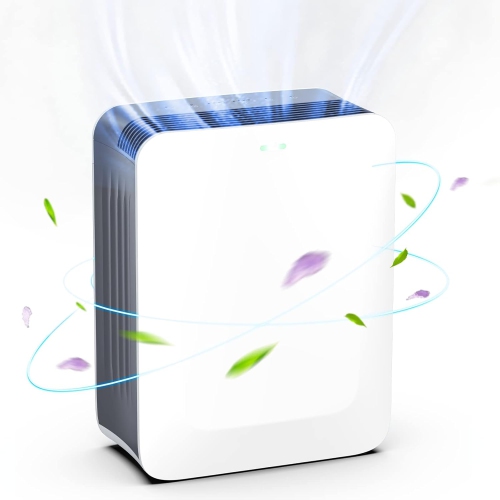

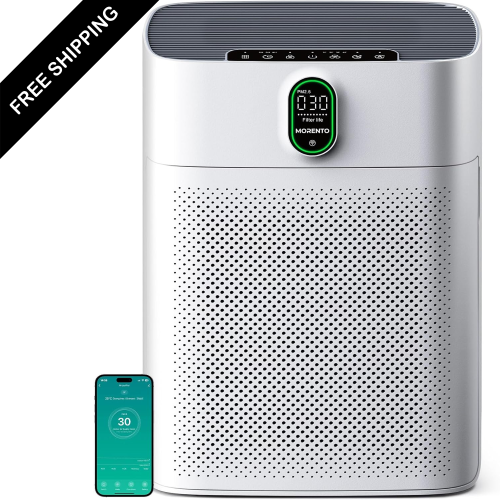
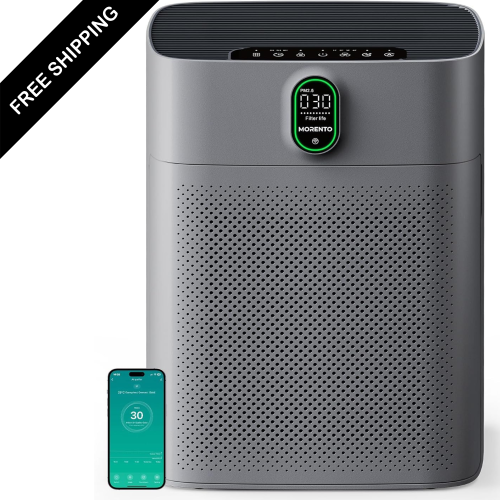
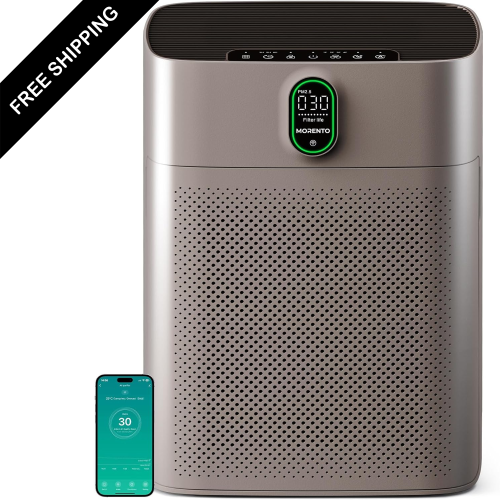
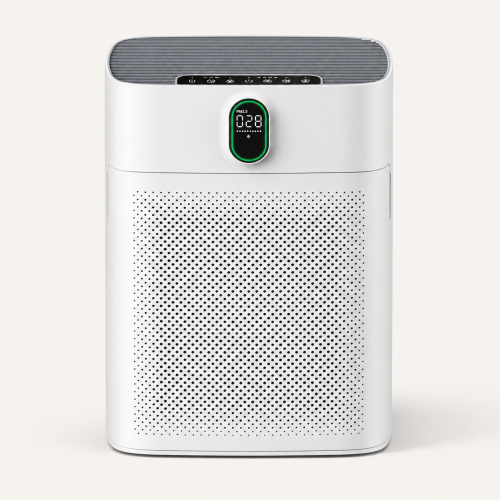

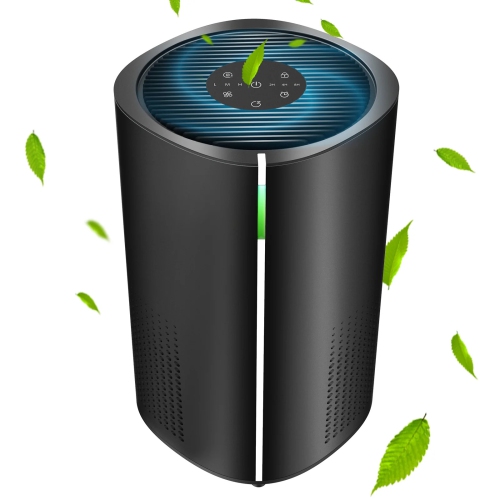
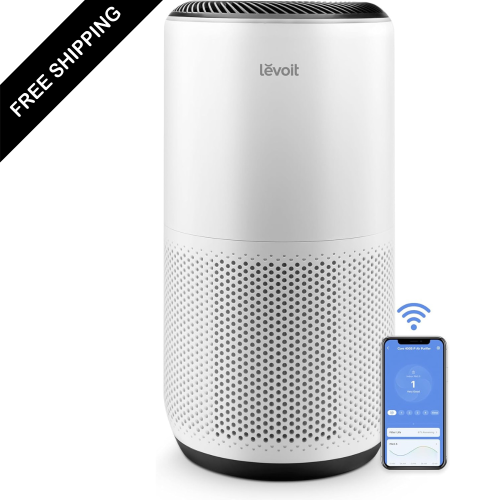
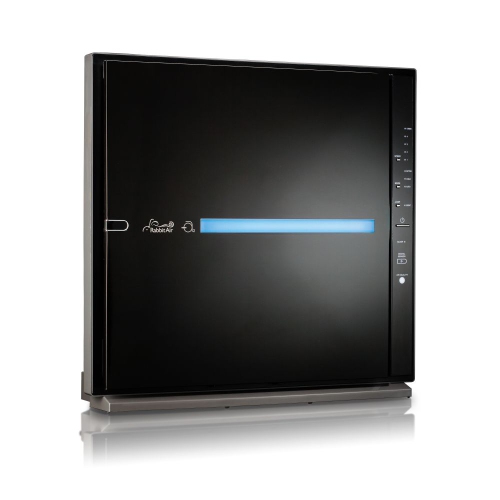
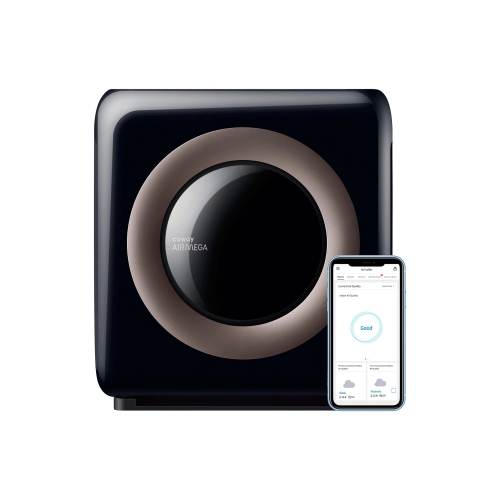

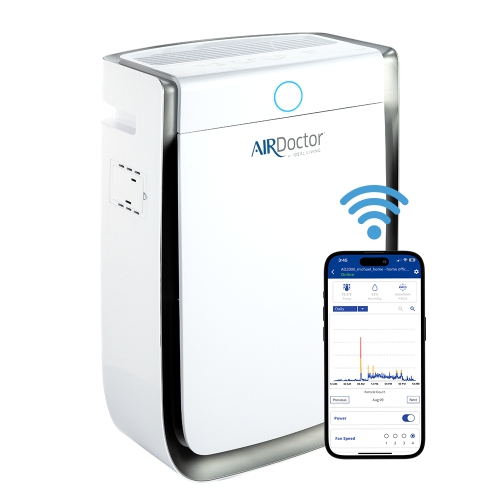
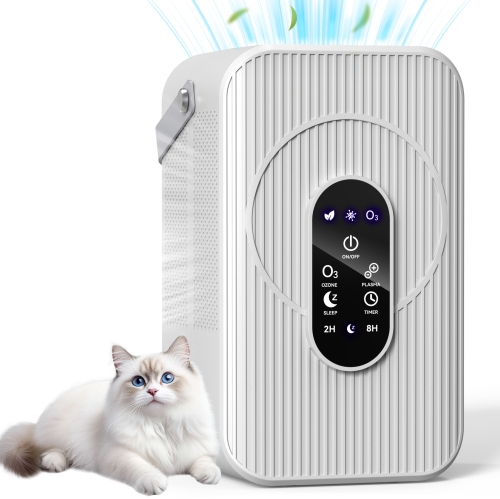
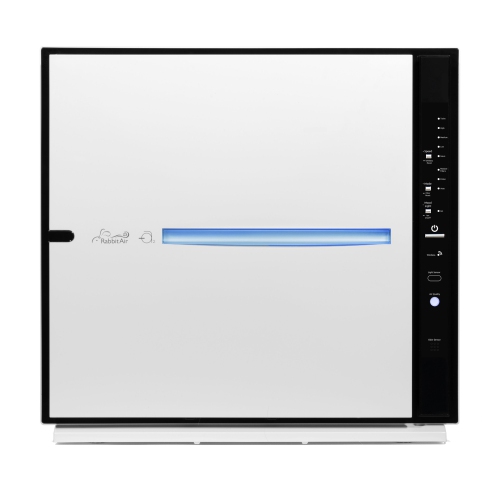
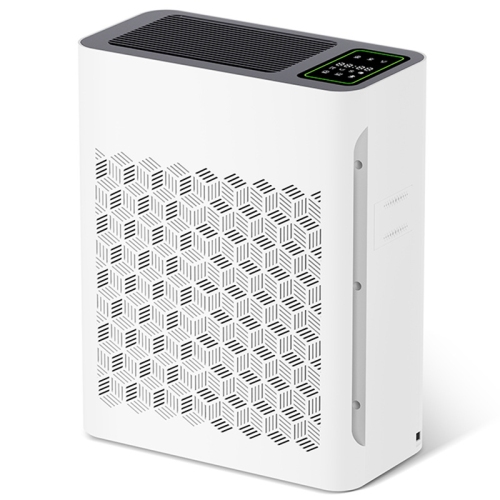
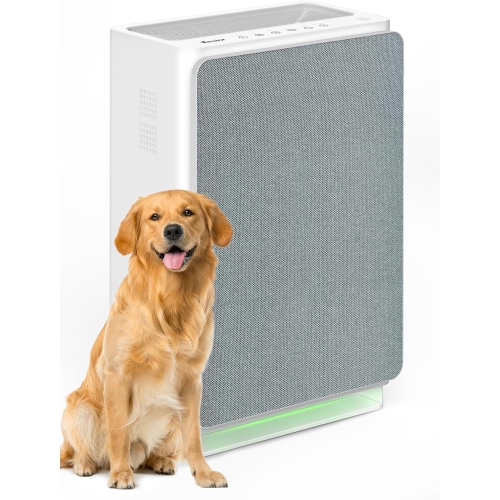
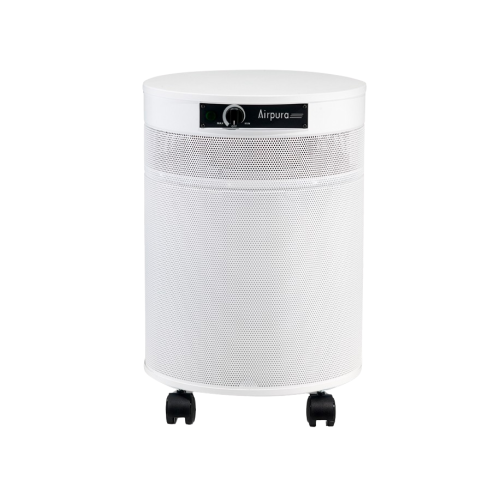
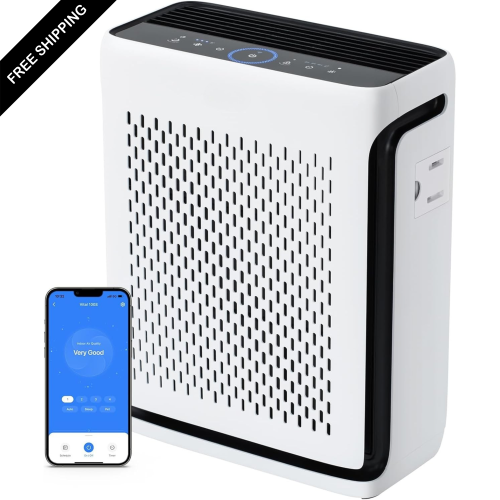
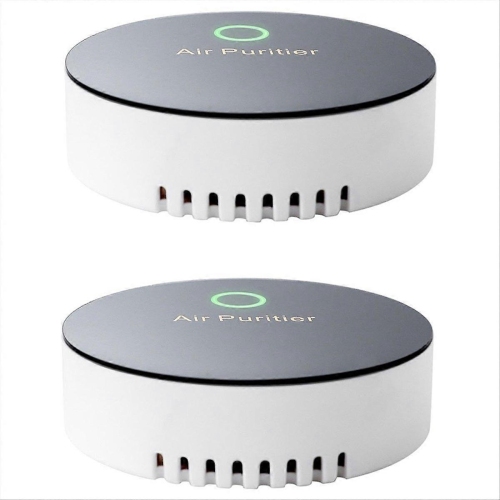
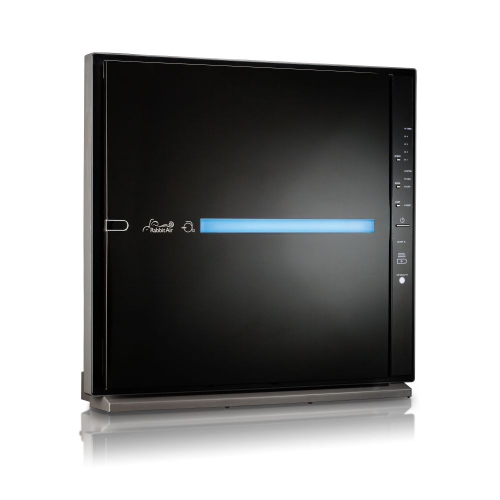
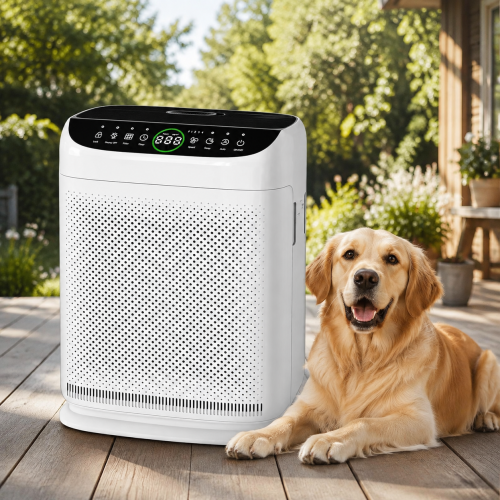
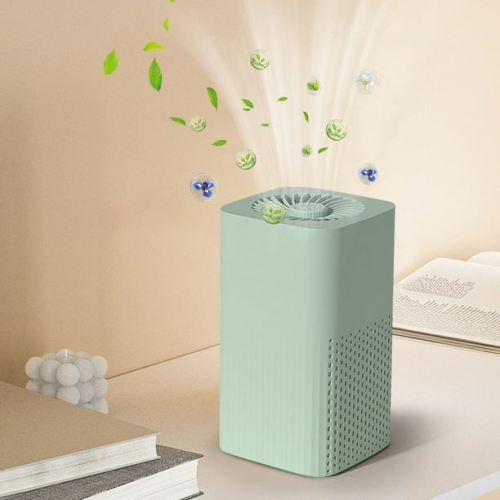
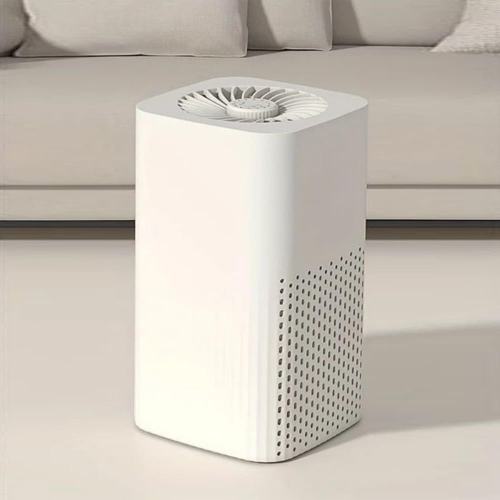
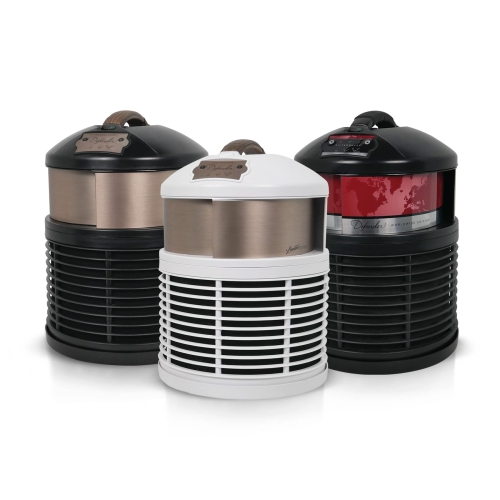
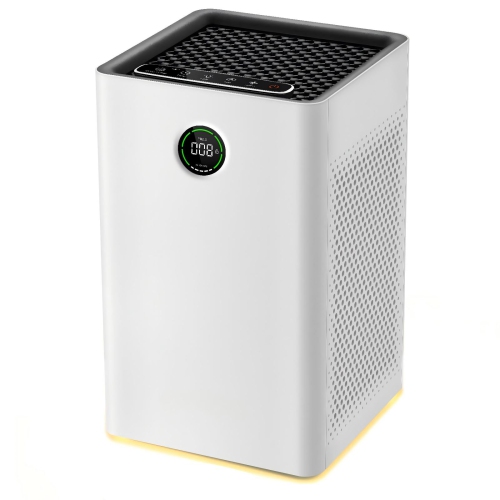
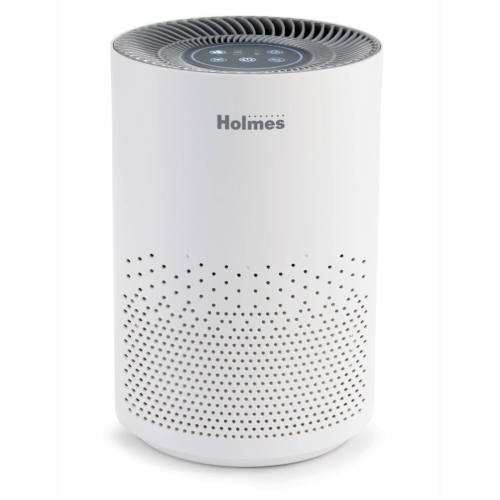

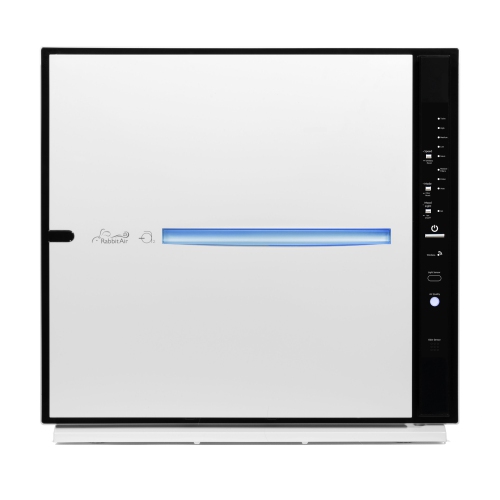
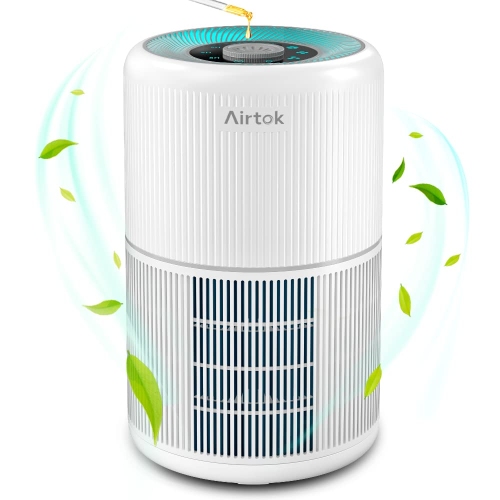
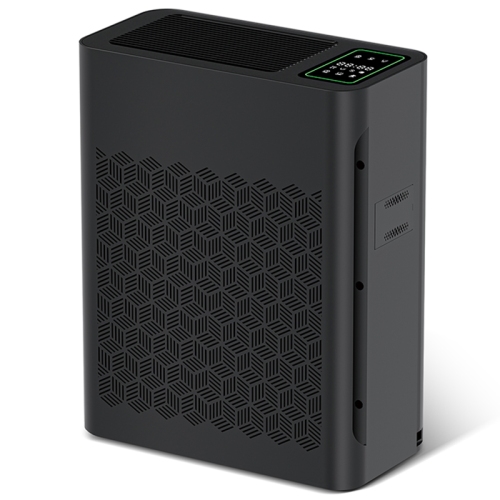
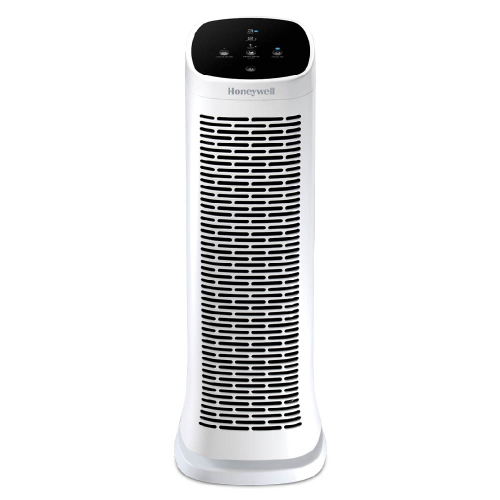
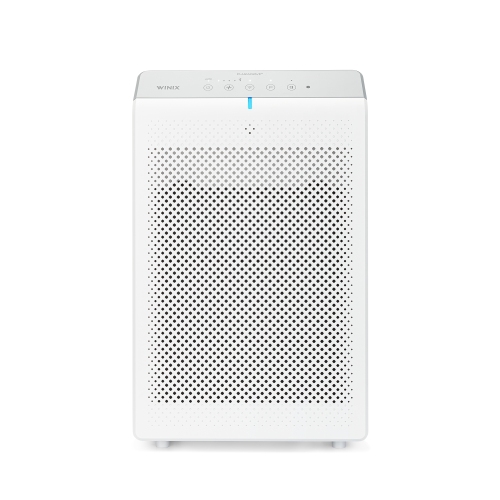
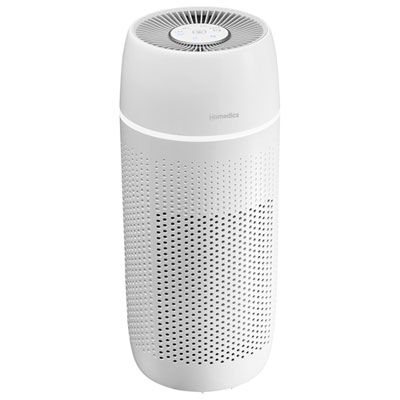
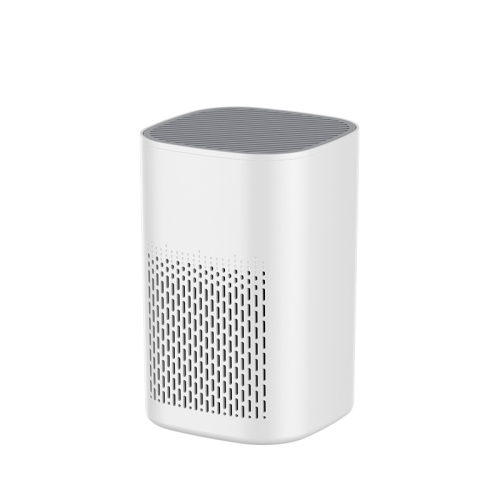
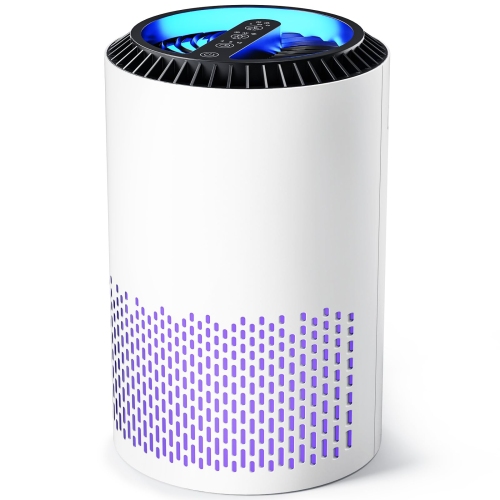
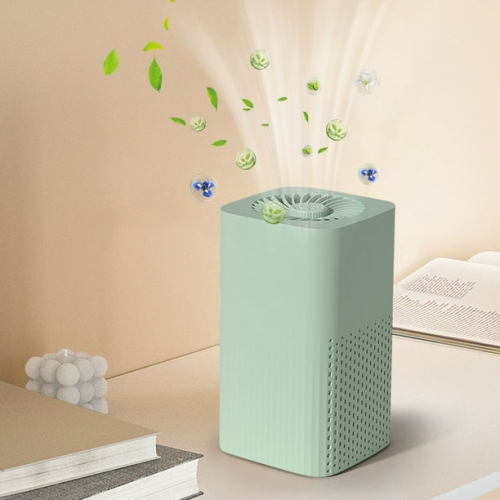
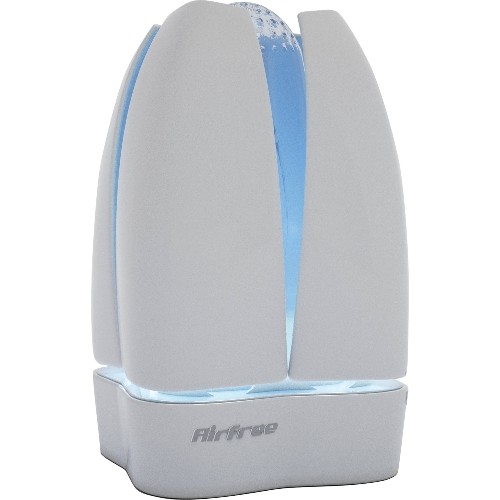
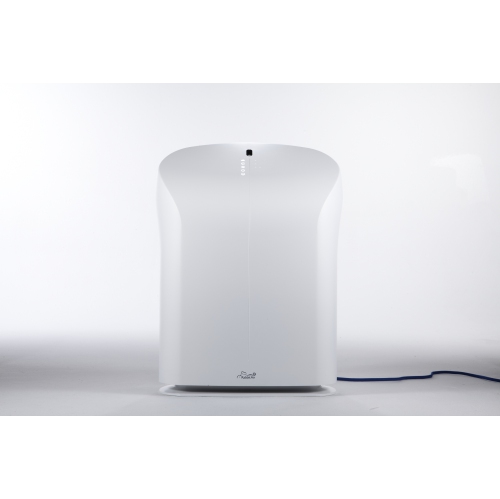
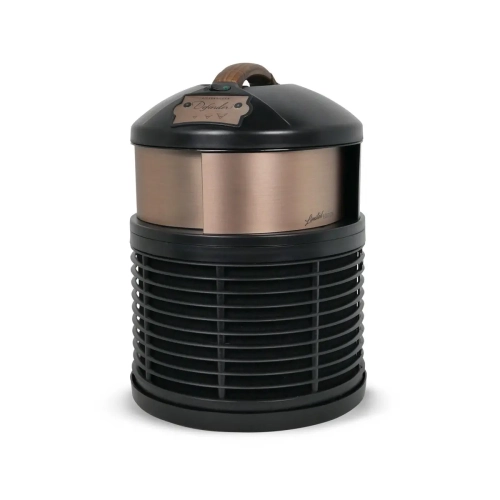
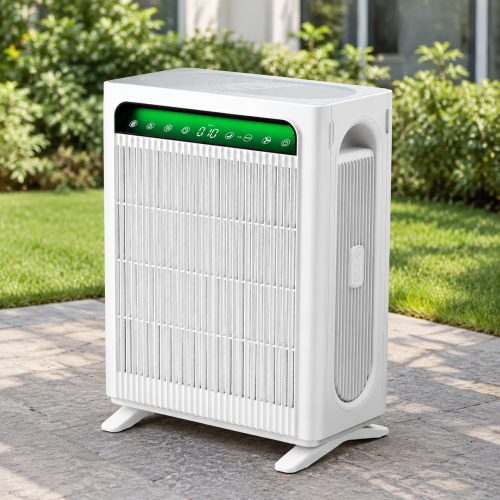
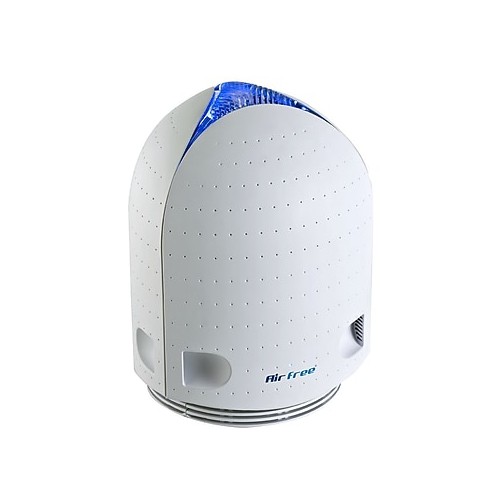
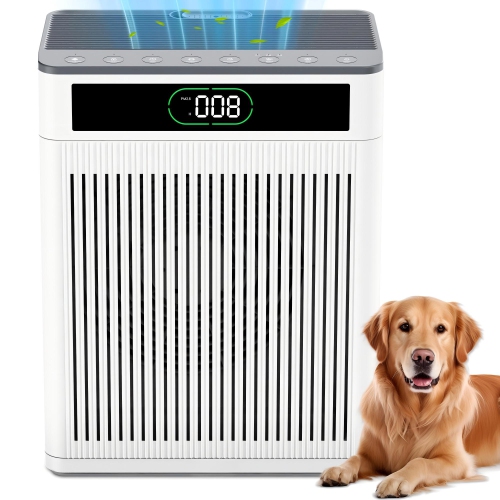
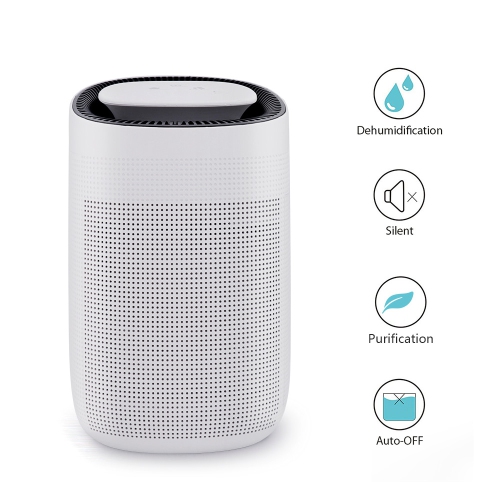
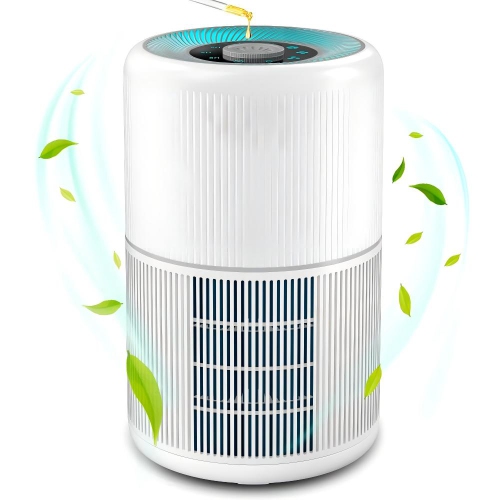
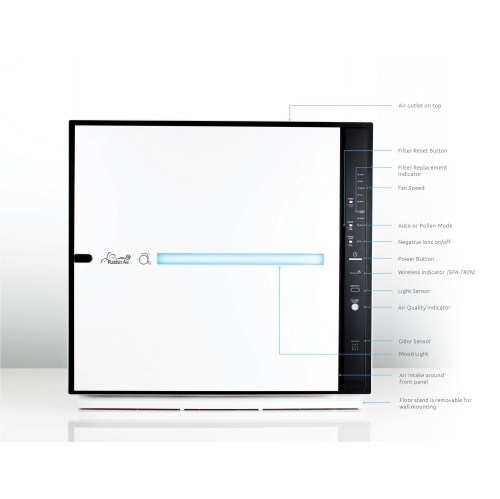
True HEPA filtration, room coverage and maintenance all matter
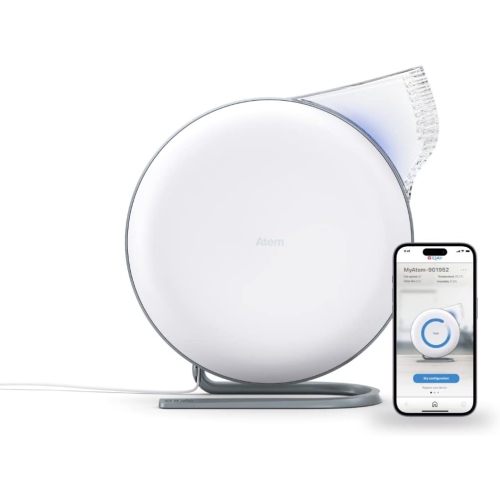
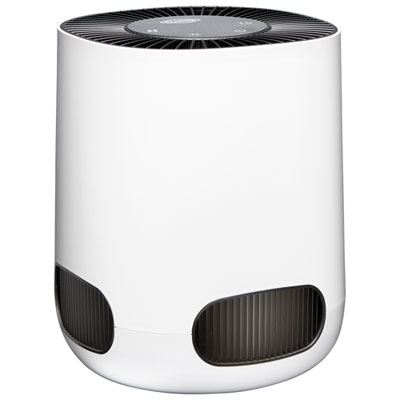
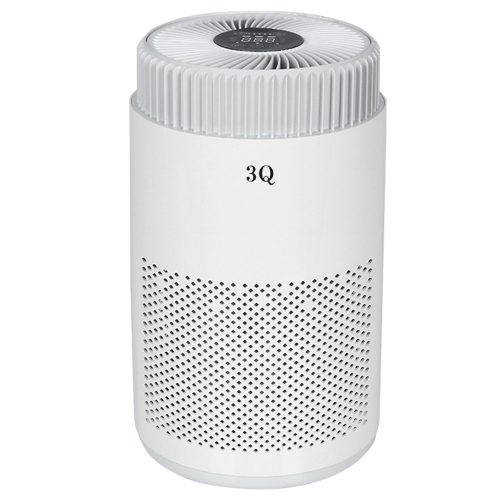
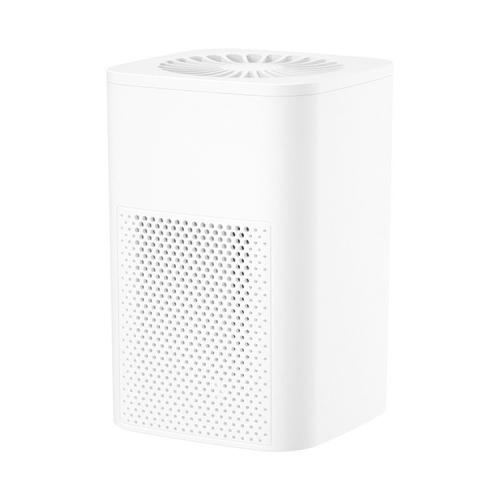
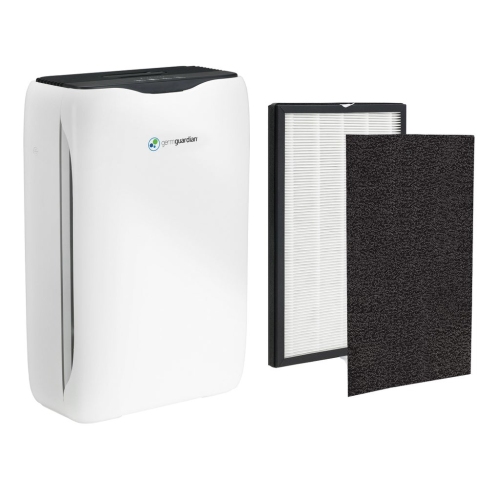
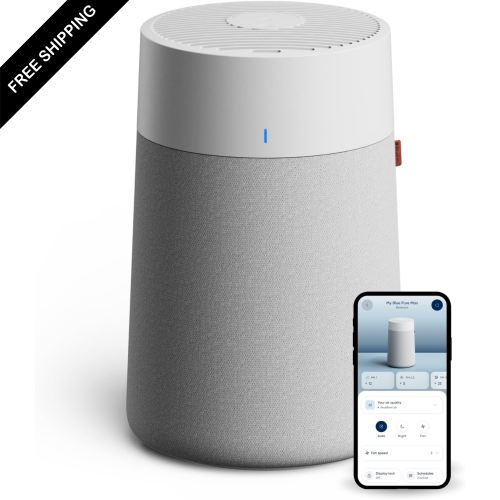
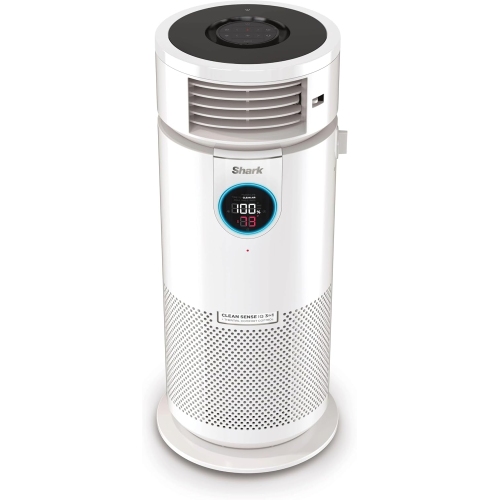
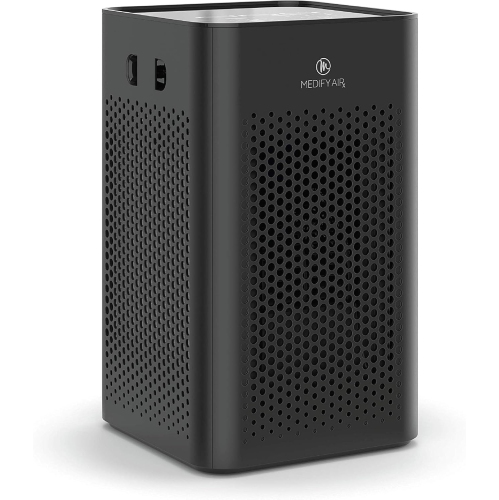
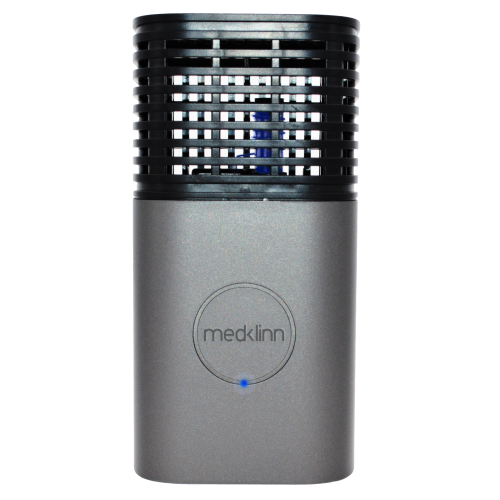
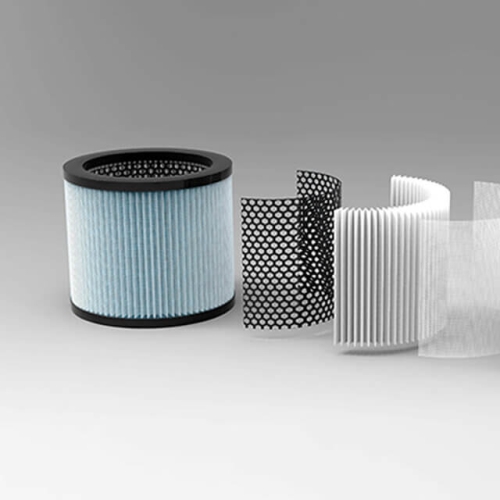
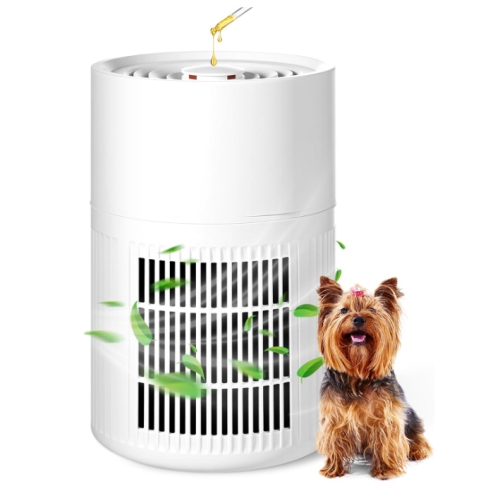
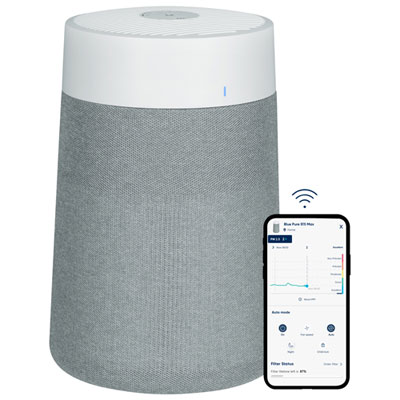
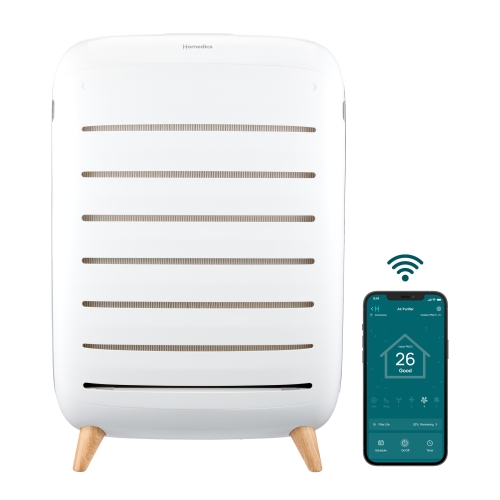
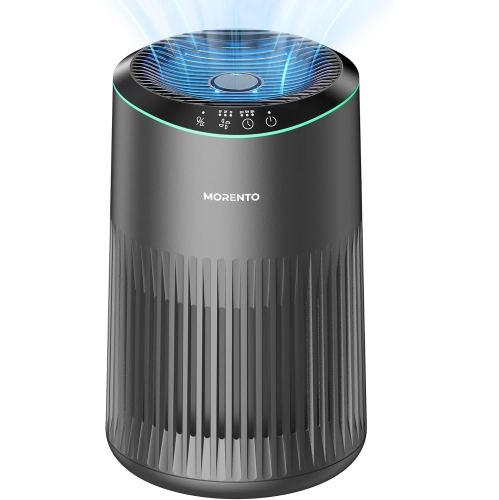
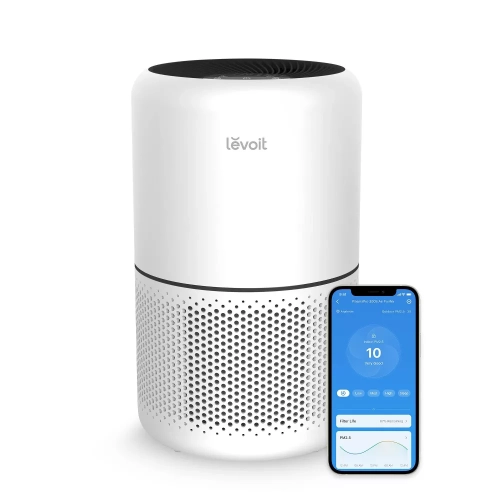
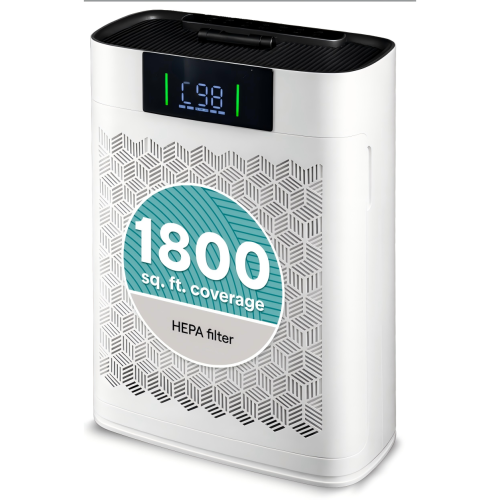
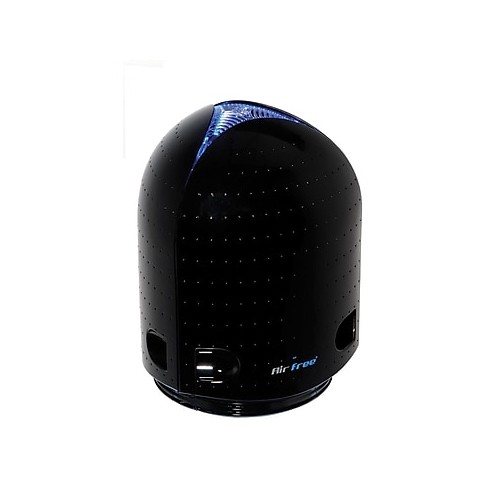
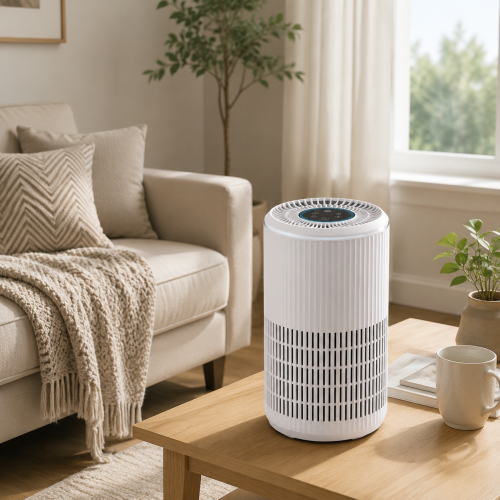
Air purifiers for allergic rhinitis can be a practical addition to a home where airborne particles contribute to sneezing, congestion, a runny nose, itchy eyes or throat irritation. These appliances work by drawing room air through filters and returning cleaner air to the space, helping reduce the amount of pollen, dust, dust mite debris, pet dander and mould spores circulating indoors. A True HEPA filter is an important feature to look for because it is designed to capture at least 99.97% of particles as small as 0.3 microns under standard test conditions. Be cautious with labels such as “HEPA-type” or “HEPA-like,” which may not meet the same filtration standard. Air purifiers do not remove every source of irritation and are not a replacement for medical advice, regular cleaning or prescribed allergy treatments, but they can make the air feel more comfortable, particularly in bedrooms, home offices, nurseries and other rooms where people spend extended periods. During the warmer part of the year, pollen can enter through open windows, doors, clothing and shoes; during cooler months, closed-up rooms can allow dust and pet dander to linger. A purifier that runs quietly in the background may help create a fresher-feeling sleeping environment, especially for someone who wakes with a blocked nose or notices symptoms after making the bed, vacuuming or spending time with a pet. For households where dust is the main concern, shoppers may also wish to compare these options with Air Purifiers for Dust Allergies.
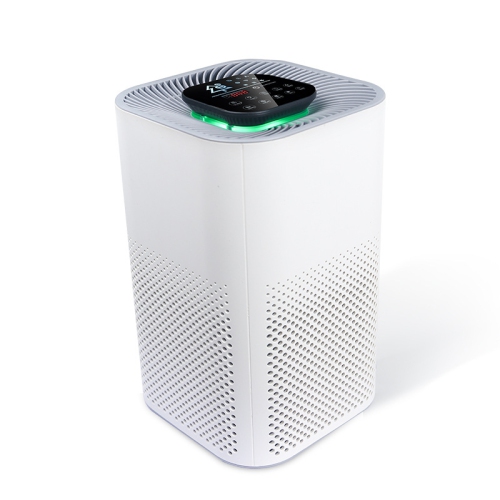
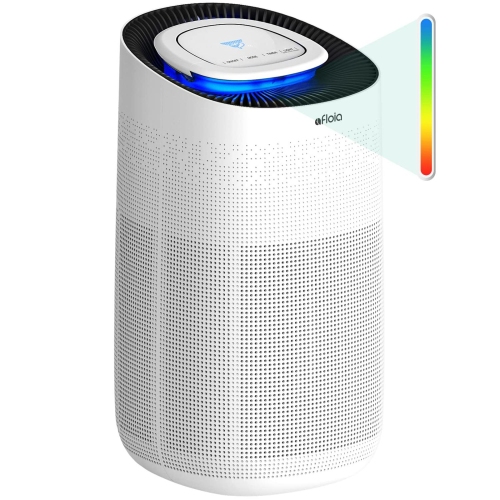
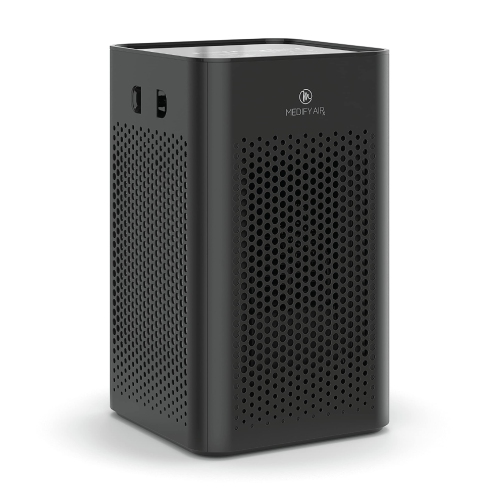
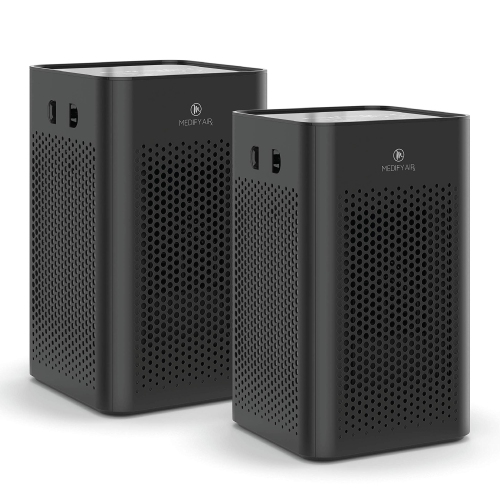
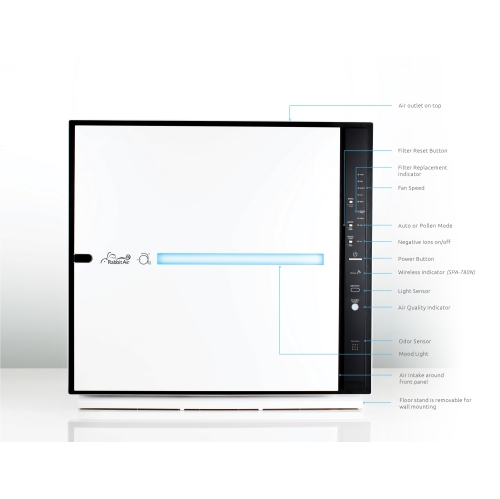
Room size and airflow are among the most important purchase considerations. Check the manufacturer’s recommended room coverage and compare it with the actual size of the room where the purifier will be used; a compact unit may be suitable for a bedroom or small office, while a larger living area may need a model with a higher Clean Air Delivery Rate, or CADR. CADR indicates how quickly a purifier can deliver filtered air, and a higher rating generally suits a larger space or a room with more frequent activity. A purifier placed in a bedroom should ideally be sized for that room rather than relying on a smaller unit moved from one area to another. Keep the air intake and outlet clear of curtains, furniture and walls so the appliance can circulate air effectively. Many people find it useful to run a purifier continuously on a low or automatic setting, particularly overnight, because the unit only filters the air that passes through it. Closing windows and exterior doors when outdoor pollen levels are high can limit new particles entering the room, while placing the purifier near a bed or a frequently used seating area can make it easier to maintain a consistent routine. Noise level matters as well: a quiet sleep setting may be appreciated by light sleepers, children or anyone who finds fan noise distracting. Features such as an air-quality indicator, timer, remote control and automatic fan adjustment can add convenience, but the basics—appropriate room coverage, dependable filtration and manageable operating noise—should remain the priority. An activated carbon filter can be useful alongside HEPA filtration when household odours, cooking fumes or some volatile organic compounds are a concern, although carbon filters vary in size and capacity. People with sensitive airways may also prefer to avoid air purifiers that intentionally produce ozone, including some ozone generators and ionizers, since ozone can irritate the lungs and may worsen respiratory symptoms.
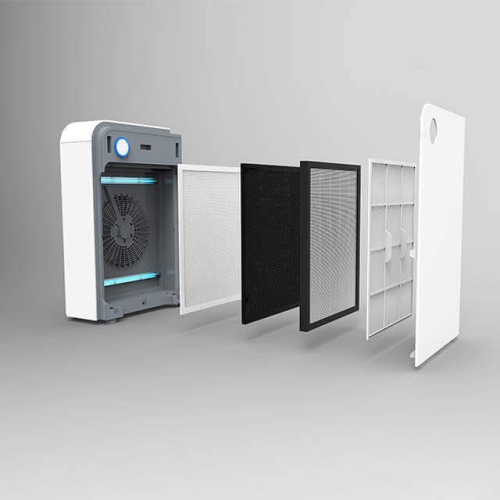
Maintenance has a direct effect on how well an air purifier continues to perform. Follow the manufacturer’s instructions for inspecting and replacing filters, with many HEPA filters requiring replacement approximately every 6 to 12 months depending on usage, room conditions and the type of filter. Homes with pets, frequent cooking, renovation dust or heavy seasonal pollen may need more frequent attention. A filter that looks grey or clogged can restrict airflow, while a filter that is overdue for replacement may not capture particles as effectively. If the purifier includes a washable pre-filter, clean it as directed and allow it to dry fully before reinstalling it; do not wash a filter unless it is specifically designed for washing. Regular household care works best alongside air purification. Washing bedding in hot water as appropriate for the fabric, vacuuming carpets and upholstered furniture, dusting with a damp cloth and grooming pets away from sleeping areas can help reduce the amount of allergen that becomes airborne. Keeping bedroom doors closed can also help maintain a cleaner zone while the purifier operates. These products can be thoughtful gifts for students moving into a first apartment, family members setting up a new bedroom, pet owners or anyone who spends long periods indoors and is sensitive to seasonal changes. A purifier is especially useful when matched to the recipient’s room size and paired with replacement filters that are easy to find. With the right capacity, True HEPA filtration, suitable placement and timely maintenance, an air purifier can become a simple part of a household routine designed to make indoor spaces feel cleaner and more comfortable through changing weather.
Room size and airflow are among the most important purchase considerations. Check the manufacturer’s recommended room coverage and compare it with the actual size of the room where the purifier will be used; a compact unit may be suitable for a bedroom or small office, while a larger living area may need a model with a higher Clean Air Delivery Rate, or CADR. CADR indicates how quickly a purifier can deliver filtered air, and a higher rating generally suits a larger space or a room with more frequent activity. A purifier placed in a bedroom should ideally be sized for that room rather than relying on a smaller unit moved from one area to another. Keep the air intake and outlet clear of curtains, furniture and walls so the appliance can circulate air effectively. Many people find it useful to run a purifier continuously on a low or automatic setting, particularly overnight, because the unit only filters the air that passes through it. Closing windows and exterior doors when outdoor pollen levels are high can limit new particles entering the room, while placing the purifier near a bed or a frequently used seating area can make it easier to maintain a consistent routine. Noise level matters as well: a quiet sleep setting may be appreciated by light sleepers, children or anyone who finds fan noise distracting. Features such as an air-quality indicator, timer, remote control and automatic fan adjustment can add convenience, but the basics—appropriate room coverage, dependable filtration and manageable operating noise—should remain the priority. An activated carbon filter can be useful alongside HEPA filtration when household odours, cooking fumes or some volatile organic compounds are a concern, although carbon filters vary in size and capacity. People with sensitive airways may also prefer to avoid air purifiers that intentionally produce ozone, including some ozone generators and ionizers, since ozone can irritate the lungs and may worsen respiratory symptoms.
Maintenance has a direct effect on how well an air purifier continues to perform. Follow the manufacturer’s instructions for inspecting and replacing filters, with many HEPA filters requiring replacement approximately every 6 to 12 months depending on usage, room conditions and the type of filter. Homes with pets, frequent cooking, renovation dust or heavy seasonal pollen may need more frequent attention. A filter that looks grey or clogged can restrict airflow, while a filter that is overdue for replacement may not capture particles as effectively. If the purifier includes a washable pre-filter, clean it as directed and allow it to dry fully before reinstalling it; do not wash a filter unless it is specifically designed for washing. Regular household care works best alongside air purification. Washing bedding in hot water as appropriate for the fabric, vacuuming carpets and upholstered furniture, dusting with a damp cloth and grooming pets away from sleeping areas can help reduce the amount of allergen that becomes airborne. Keeping bedroom doors closed can also help maintain a cleaner zone while the purifier operates. These products can be thoughtful gifts for students moving into a first apartment, family members setting up a new bedroom, pet owners or anyone who spends long periods indoors and is sensitive to seasonal changes. A purifier is especially useful when matched to the recipient’s room size and paired with replacement filters that are easy to find. With the right capacity, True HEPA filtration, suitable placement and timely maintenance, an air purifier can become a simple part of a household routine designed to make indoor spaces feel cleaner and more comfortable through changing weather.
Top selling and popular products
-
 Your price for this item is $139.99
 -
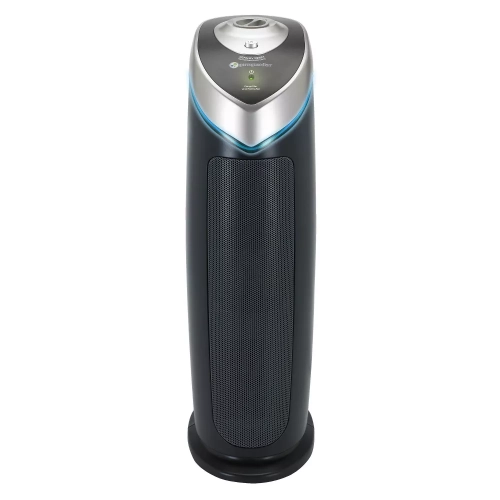 Your price for this item is $296.99
 -
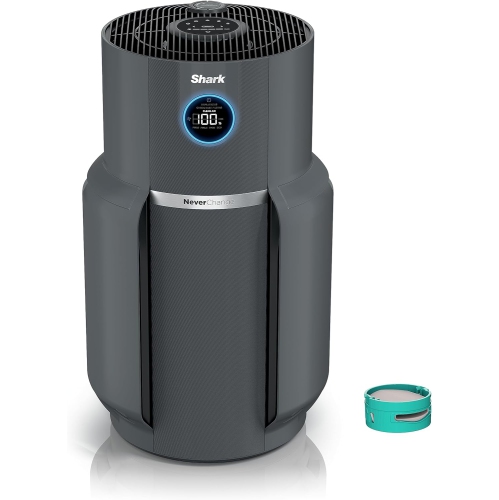 Your price for this item is $999.99
 -
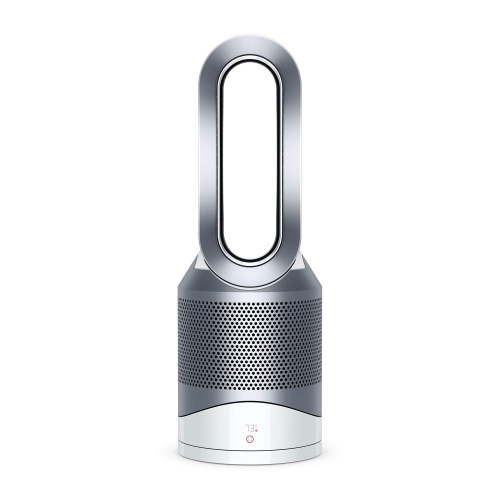 Your price for this item is $729.99
 -
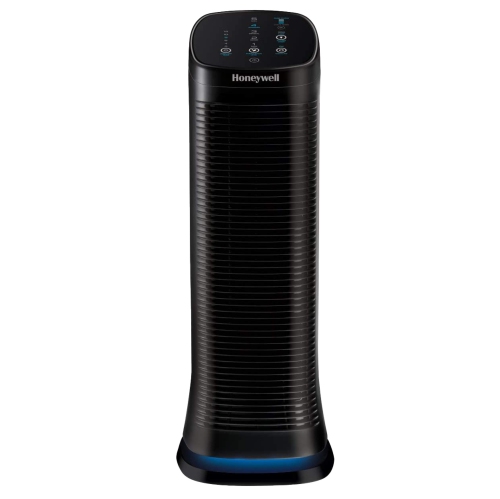 Your price for this item is $534.99
 -
 Your price for this item is $659.99
 -
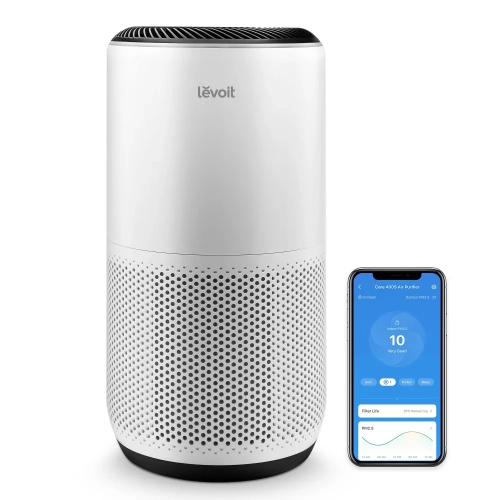 Your price for this item is $699.99
 -
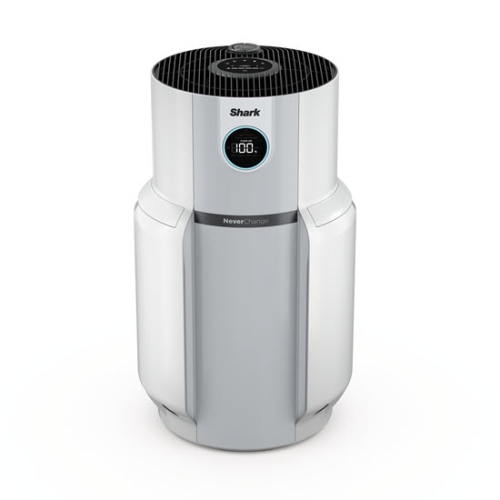 Your price for this item is $229.95
Discover more categories related to Air Purifiers for Allergic Rhinitis
Top Collections:
Pokemon Centers, Kindle Devices, Best Budget Office Chairs, Canon G7X Cameras, Apple iPhones 16, Samsung Galaxy Phones, Refurbished Apple Laptops, Laptops for Students, iPhone 15 Apple, Budget Smartphones
Some products may be subject to Environmental Handling Fees
(EHF) depending on your province.
Learn more about EHFs.