Baby Scale
Baby Scale options make it easy to track your little one’s growth with confidence and convenience. Whether you’re a new parent or caring for multiple children, finding the right Baby Scale helps you monitor weight changes and milestones at home. Explore a variety of designs that fit seamlessly into your nursery or bathroom, offering both accuracy and ease of use. With a selection tailored to meet different needs, choosing a Baby Scale has never been simpler.
Sort
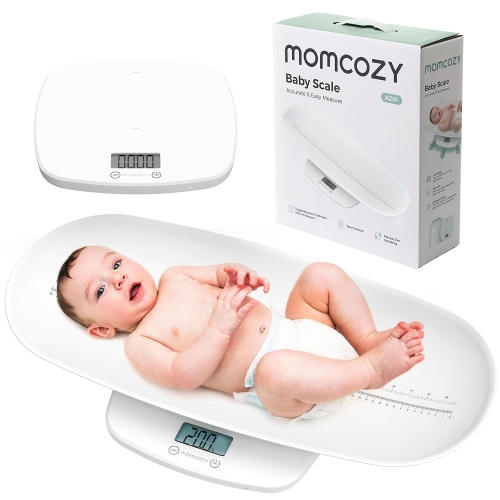

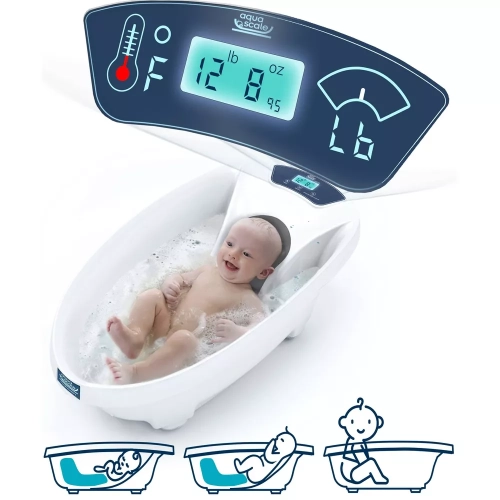


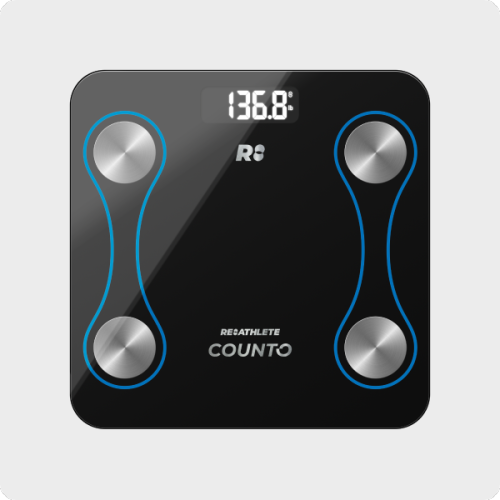
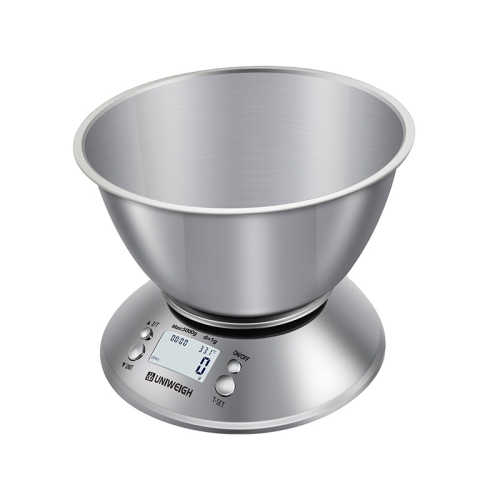
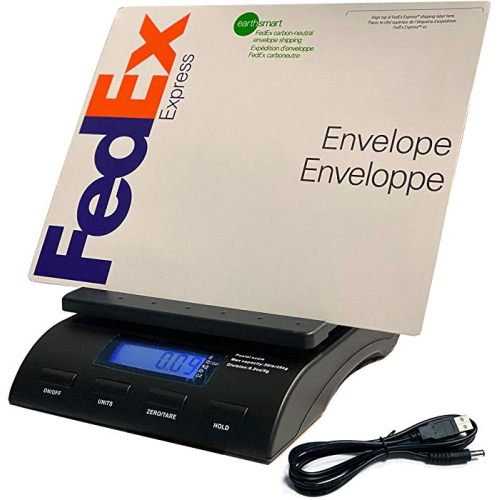
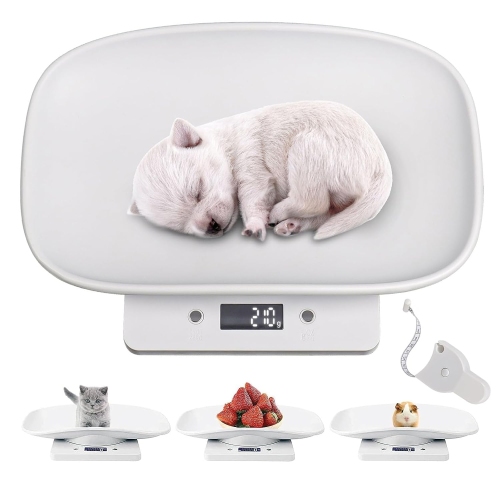

What matters when weighing your baby at home
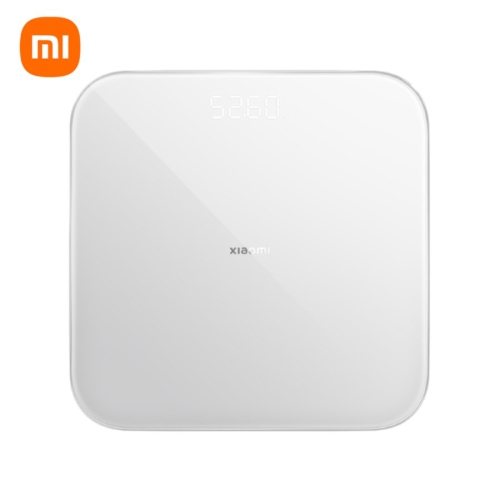
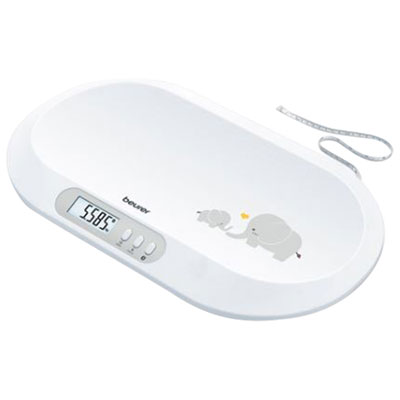
Baby scales are designed to measure an infant’s weight with finer increments than a standard adult bathroom scale. A digital baby scale typically combines a shallow, contoured weighing tray with an easy-to-read display, giving parents and caregivers a practical way to keep weight records between healthcare appointments when home monitoring is appropriate. Some models display changes as small as 1 to 5 grams, although the smallest displayed increment is not the same as verified accuracy. Measurement accuracy, minimum measurable weight, and maximum capacity are separate specifications worth considering together. A scale intended for newborns needs sensitivity at lower weights, while one used beyond infancy also needs enough capacity and space for a growing child. Displays that switch between grams, kilograms, pounds, and ounces can make it easier to record measurements in the units used by a healthcare professional. Clear unit labels matter, particularly when more than one caregiver is entering information into the same log. Common features include tare and hold functions, which address two familiar challenges: weighing a baby on a light covering and reading the display while little arms and legs are moving. Tare subtracts the weight of a towel or blanket placed on the tray before the baby, while a hold function retains a reading long enough to view it. Motion-compensating features may help stabilize the display, but they cannot make every moving measurement reliable. A baby stretching one heel beyond the tray or a caregiver resting a hand on the weighing surface can affect the result. Large digits, accessible controls, and a display positioned where it remains visible with the baby in place are useful details during an ordinary nappy change. Depending on the design, power may come from batteries or an adapter, and automatic shut-off can help preserve battery life. These everyday features often matter as much as extra functions, especially for caregivers who want a straightforward measurement without navigating several screens or connecting a phone.
The tray’s shape, dimensions, and surface are central to how a baby scale fits into daily care. A broad, gently curved platform gives a young infant room to lie down, while smooth edges and a stable base help make positioning more manageable. Raised sides are not restraints, however, and a weighing tray is not a sleep space or a place to leave a baby unattended. Adult supervision remains essential throughout weighing, with the scale on a firm, flat, level surface as specified by its manufacturer. Soft carpet, an uneven surface, or contact with nearby objects can interfere with readings. Materials also affect upkeep: smooth, non-porous plastic is generally easier to wipe clean after a diaper leak than a surface with deep seams or textured recesses. Where a removable liner or pad is included, its cleaning instructions and effect on weighing should be clear. Any covering used for comfort needs to sit fully on the platform without touching surrounding surfaces, and its weight should be accounted for using the scale’s tare function. Cleaning methods vary, so compatibility with a manufacturer-approved cleaner matters more than assuming every surface can tolerate the same disinfectant. Electronic components generally need protection from soaking and excess moisture. Durable construction includes a securely fitted tray, responsive buttons, a protected battery compartment, and feet that remain stable through repeated use. Storage deserves attention as well: a full-length infant tray takes up more room than a bathroom scale, and a slim profile or detachable tray may fit more easily in a cupboard. Convertible baby scales can extend use into the toddler years by allowing the tray to be removed, but the approved weighing positions, minimum weight, and capacity still govern their use. A child should only stand on a base designed for standing measurements, and only when able to do so safely. For households sharing care across different rooms or homes, manageable weight and simple setup can be more useful than a long list of connected features.
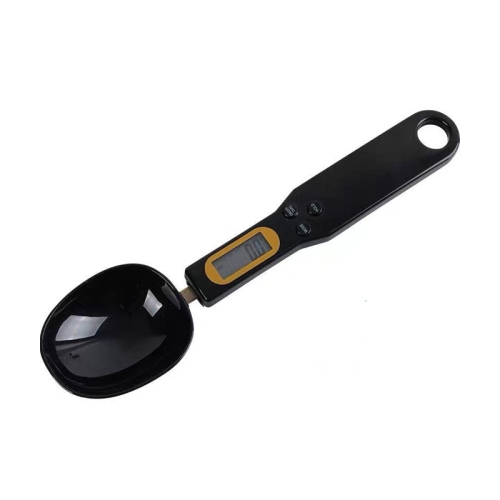
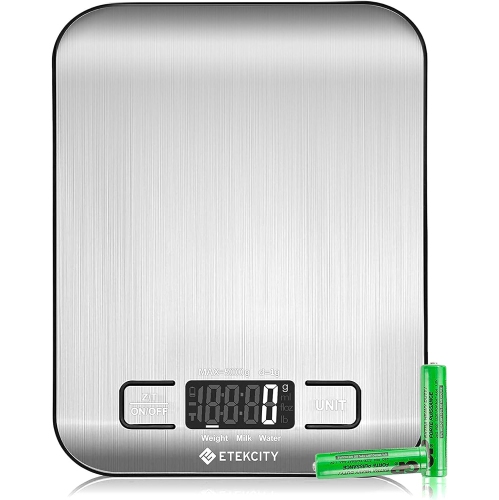
Weight tracking is most useful when the measurements have a clear purpose and enough context to be interpreted properly. A single number does not describe a baby’s overall health, feeding success, or growth pattern, and home measurements do not replace routine appointments or a healthcare professional’s assessment. For families asked to monitor weight at home, consistency in the scale, clothing, diaper status, and timing can make records easier to compare. Small differences may reflect movement, a recent feed, or a wet diaper rather than a meaningful change in growth. Recording the date, units, and relevant circumstances alongside a reading can help a clinician understand the information. Before-and-after feeding measurements require particular care: a scale’s advertised resolution alone does not establish that it is suitable for estimating milk intake. When this type of monitoring is recommended, a qualified healthcare or lactation professional can advise on appropriate equipment and interpretation. Some connected baby scales can transfer readings to a compatible app, while others leave record-keeping to a notebook or a separate tracking tool. Useful digital details include device compatibility, support for more than one child, clear identification of units, and the ability to review or export a history. It is also worth understanding how an app handles a child’s information and whether basic weighing remains possible without an account or internet connection. Integrated length measures may add convenience, though obtaining a dependable infant length measurement is a separate task from weighing. For a baby registry or a gift to new parents, a baby scale is most thoughtful when it suits the family’s preferences and any monitoring needs discussed with their care team; not every household needs frequent home weigh-ins. Purpose-built infant equipment is important here. A Food Scale is intended for kitchen measurements, not for supporting or safely weighing a baby, even when its display also shows grams. The right baby scale brings together suitable capacity, a stable infant-sized platform, readable measurements, and care requirements that fit the household’s routine.
Top selling and popular products
-
 Your price for this item is $49.99
-
 Your price for this item is $99.99
-
 Your price for this item is $74.95
-
 Your price for this item is $79.95
-
 Your price for this item is $117.97
-
 Your price for this item is $129.97
-
 Your price for this item is $19.99
-
 Your price for this item is $73.59
Discover more categories related to Baby Scale
Top Collections:
Pokemon Centers, Best Cameras for Sports Photography, Kindle Devices, Samsung Galaxy Phones, Canon G7X Cameras, Pokémon 30th Celebration Cards, Refurbished Apple Laptops, iPhone 15 Apple, Laptops for Students, Budget Smartphones
Some products may be subject to Environmental Handling Fees
(EHF) depending on your province.
Learn more about EHFs.