Food Scale
Achieve precision in your kitchen measurements with our selection of food scales. Whether you're a seasoned chef or a home cook looking to elevate your recipes, a reliable food scale is an essential tool for accurate portioning and baking. From compact digital scales to sleek glass platforms, our range offers options to suit every kitchen aesthetic and need. Say goodbye to guesswork and hello to precise cooking with our collection of food scales.
Sort
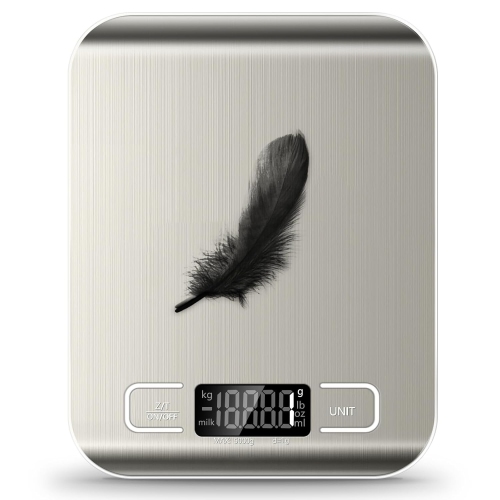
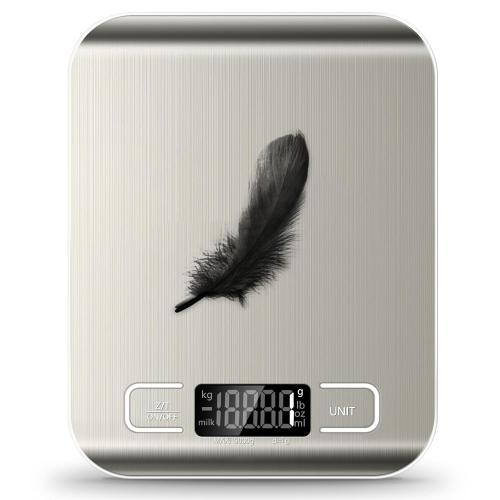
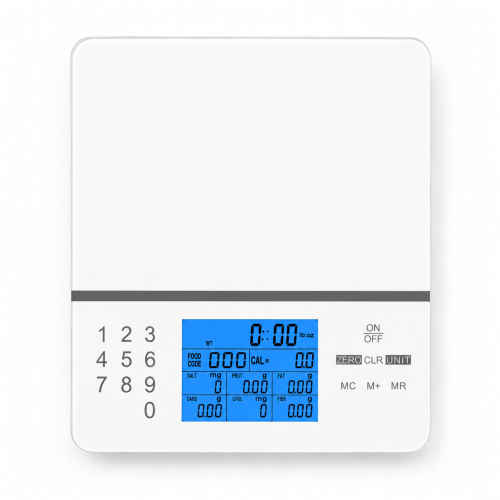
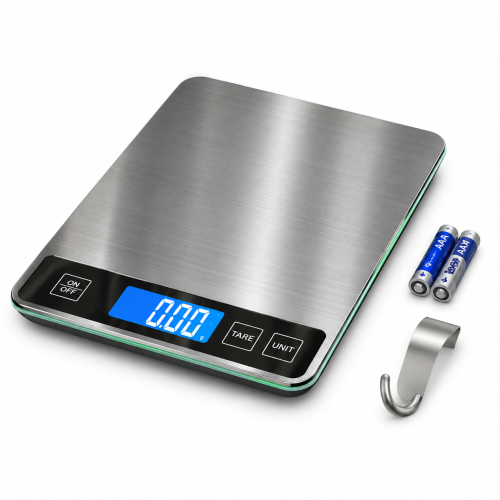
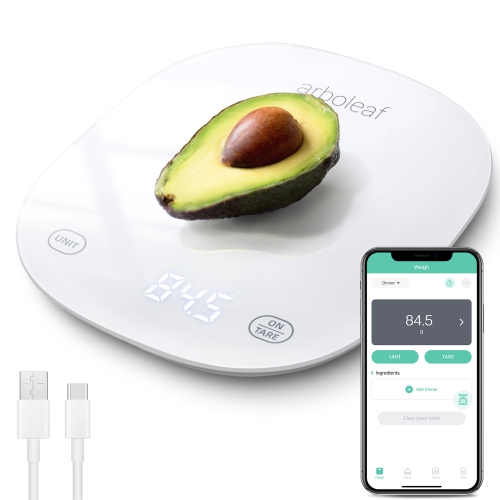
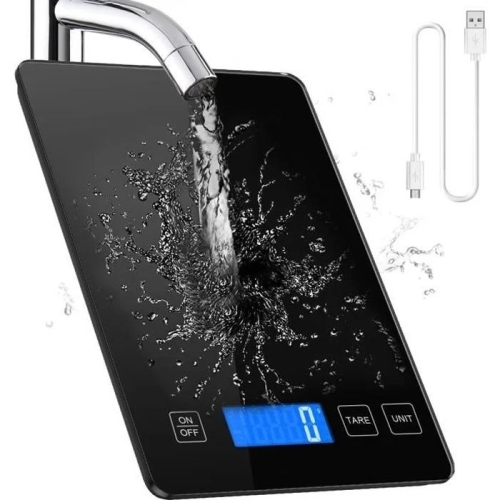
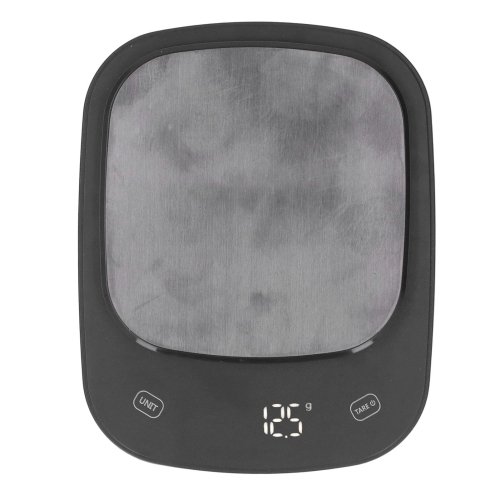
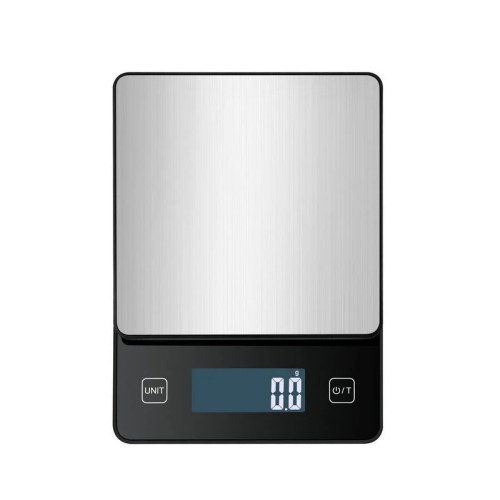
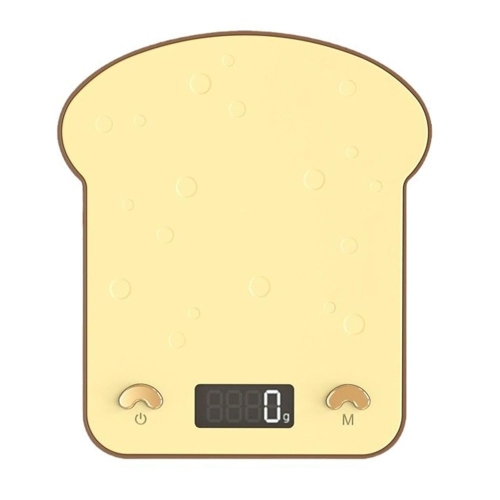
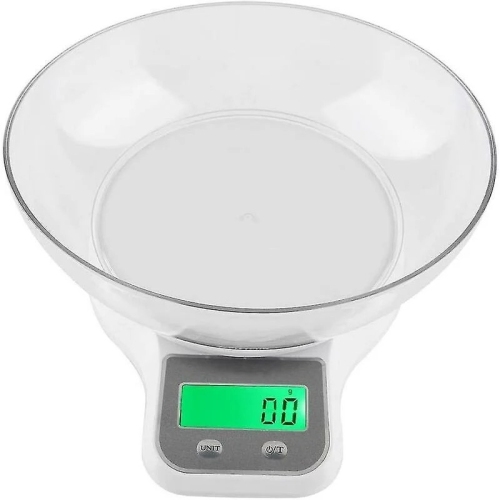
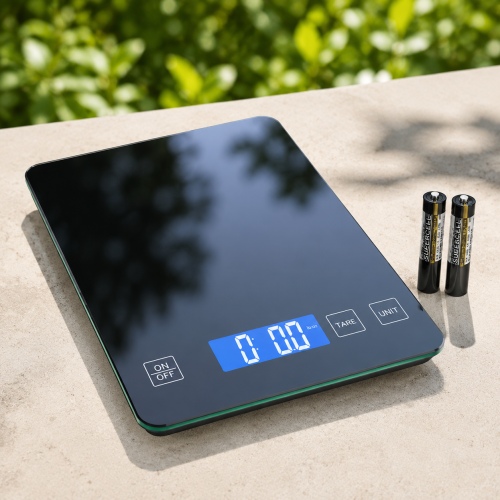
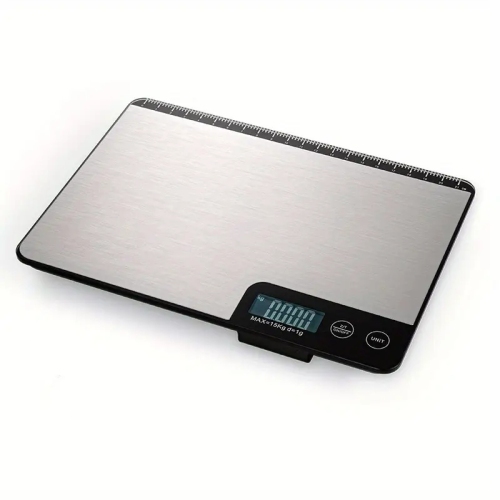
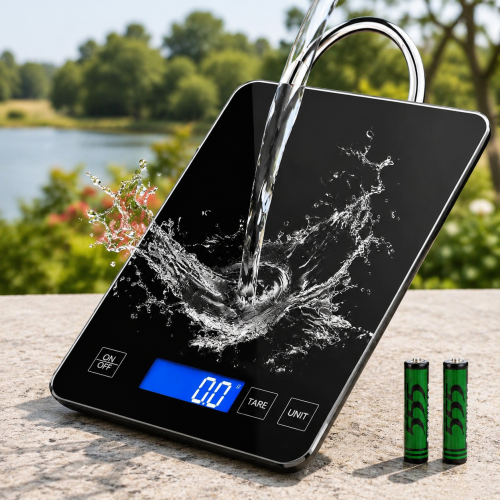
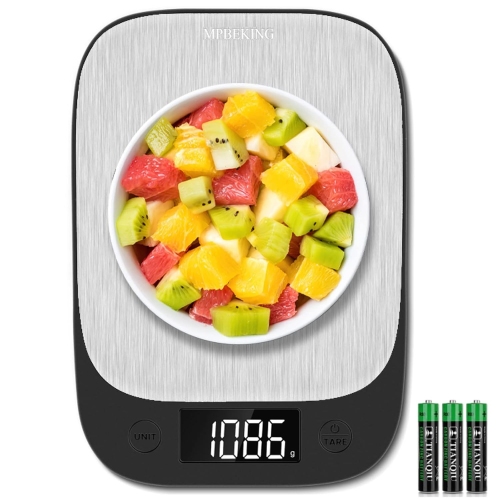
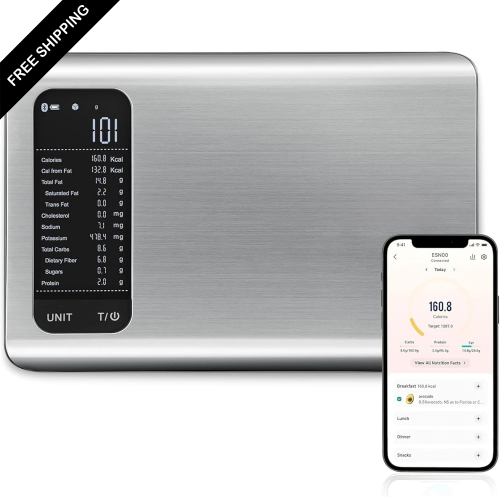
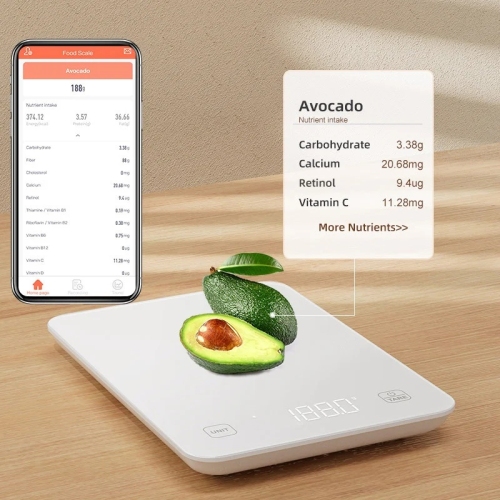
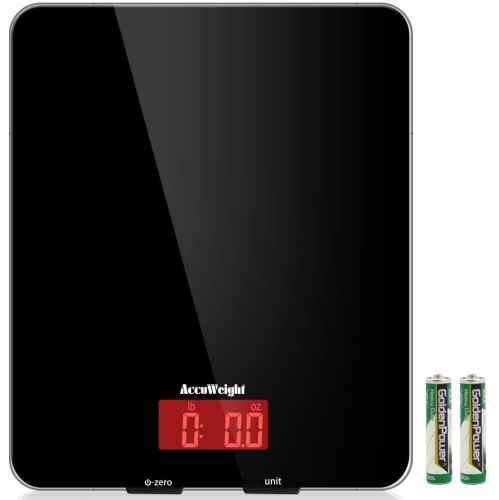
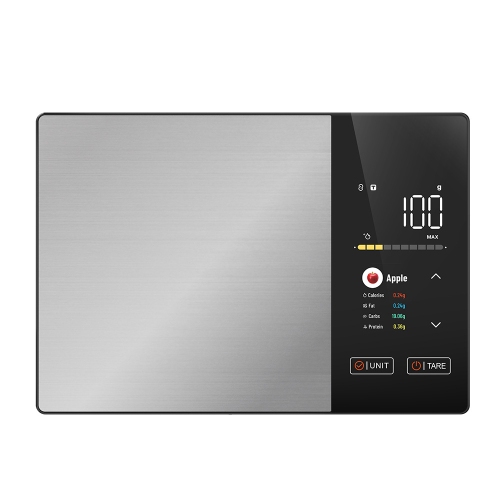
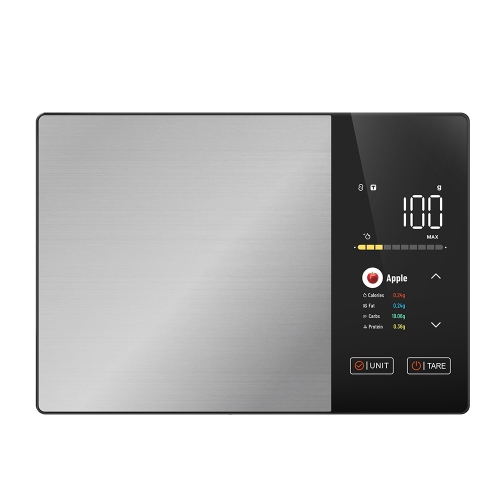
![GLOWWISE Smart Food Scale w Nutritional Calculator, [Tft Colorful Display] [5Kg] Diyife Digital Kitchen Scale w App, 25 Nutritional Metrics, Tare, 5](https://multimedia.bbycastatic.ca/multimedia/products/500x500/198/19831/19831567.jpeg)
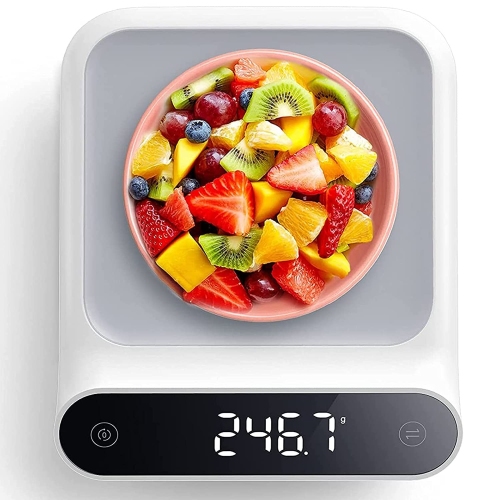
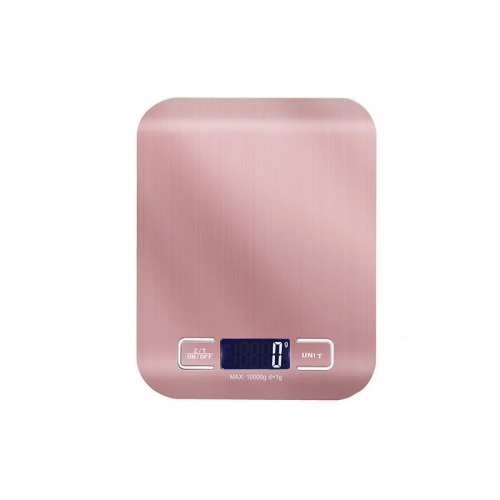
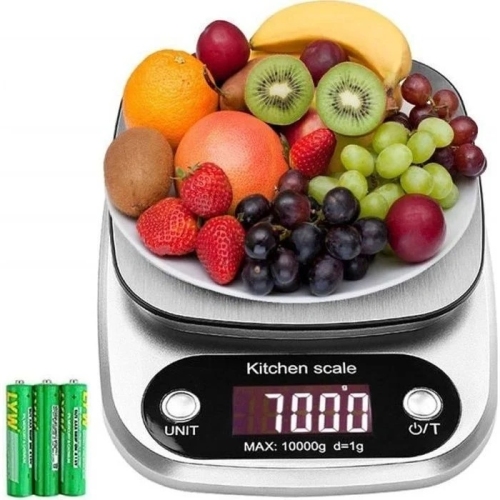
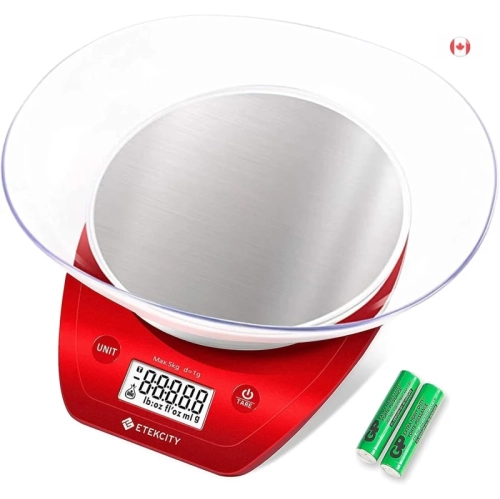
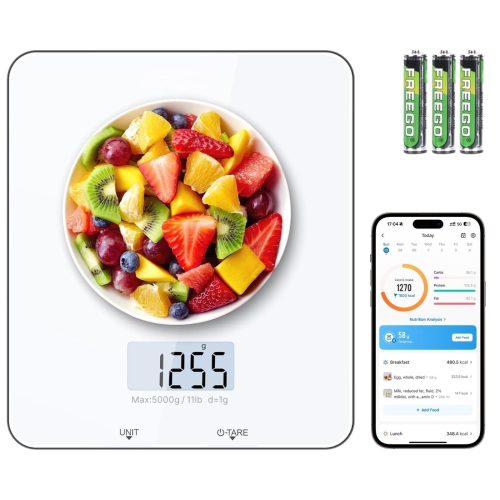
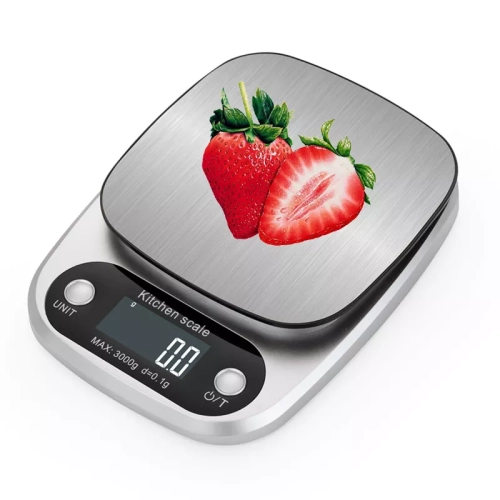
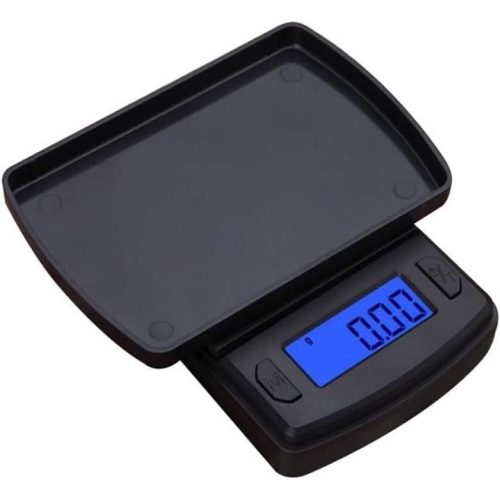
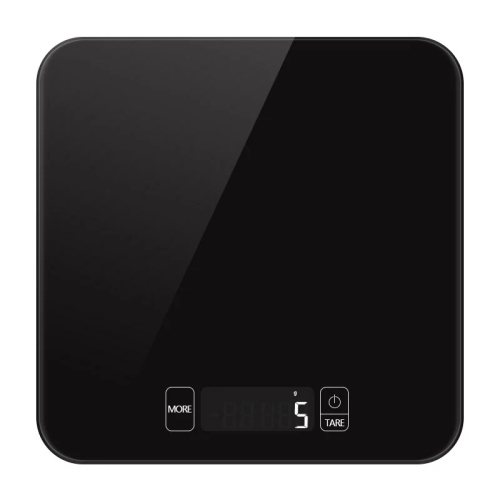
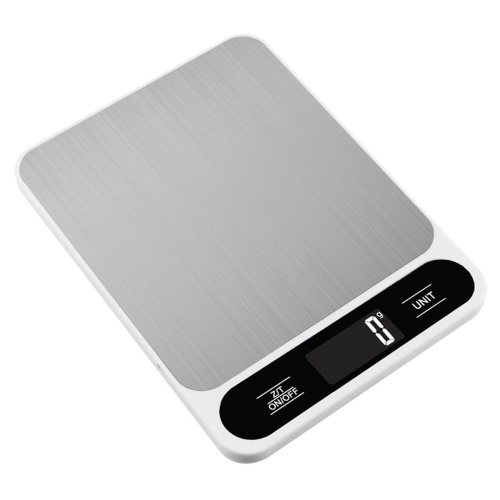
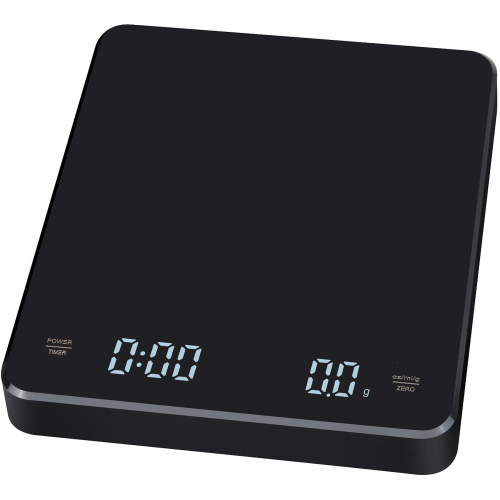
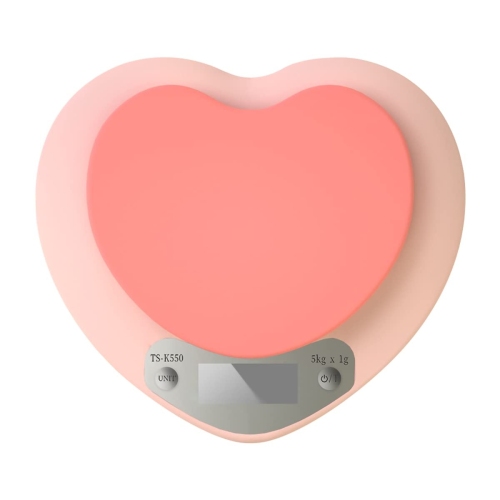
![NO BRAND Kitchen Scale Rechargeable, [15Kg] Magnetic Digital Food Scale](https://multimedia.bbycastatic.ca/multimedia/products/500x500/201/20135/20135336.png)
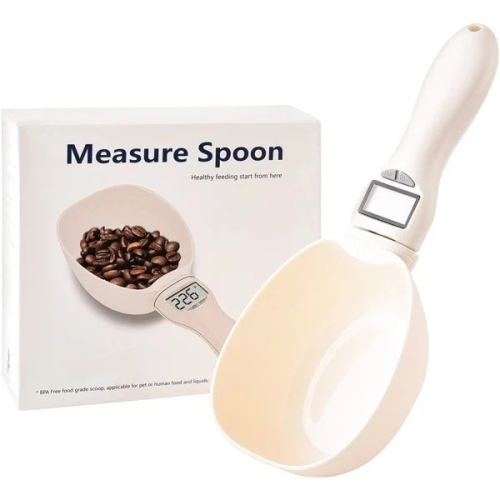
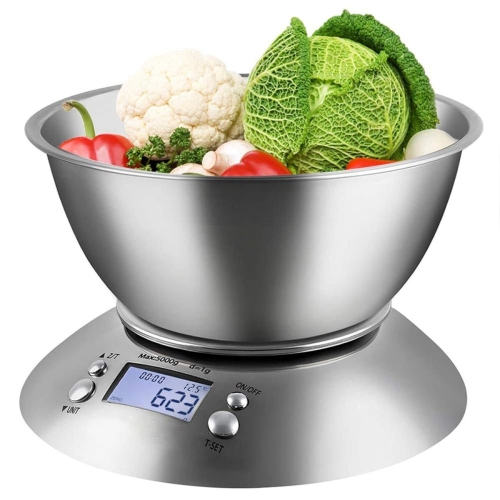
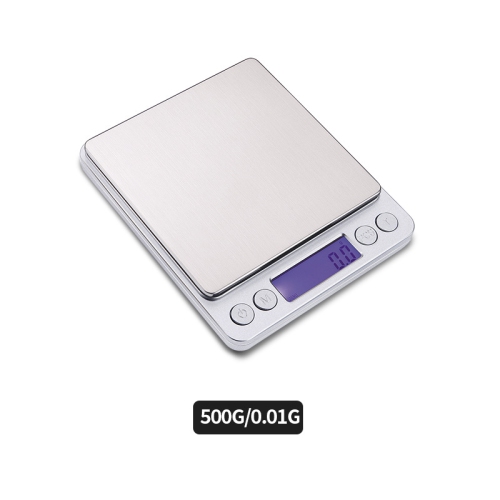
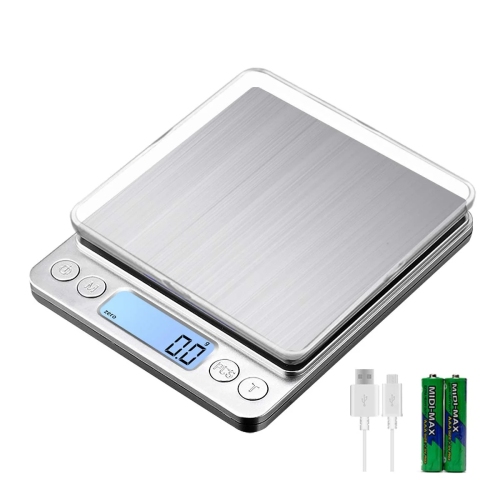
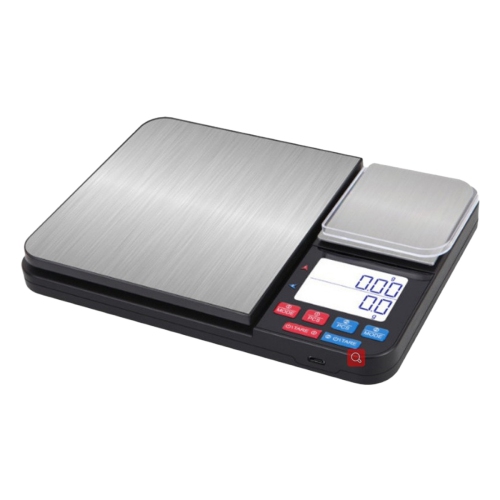
![GLOWWISE Dual Platform Kitchen Scale, [15Kg/33Lb-0.01G] Diyife High Precision Food Scale w Lcd Display, Tare, Accumulation Function, Auto Off, 7](https://multimedia.bbycastatic.ca/multimedia/products/500x500/198/19831/19831569.jpeg)
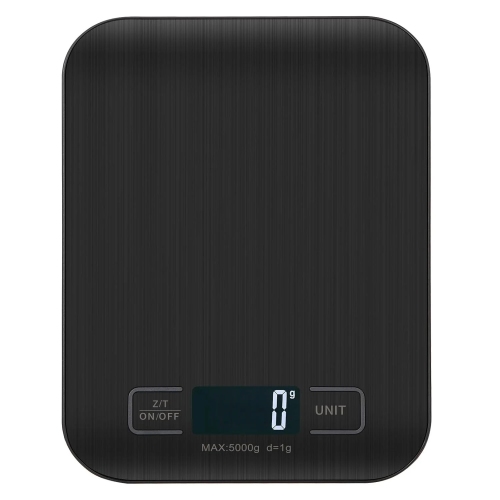
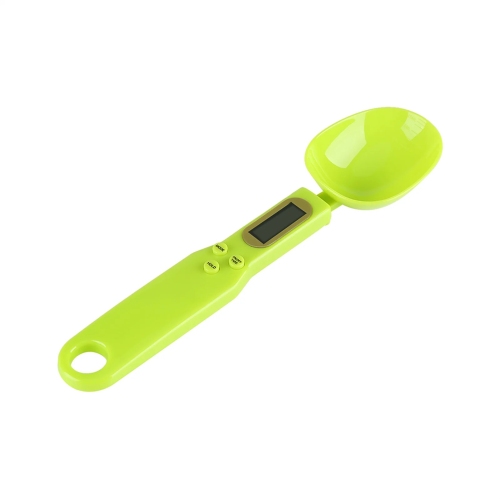
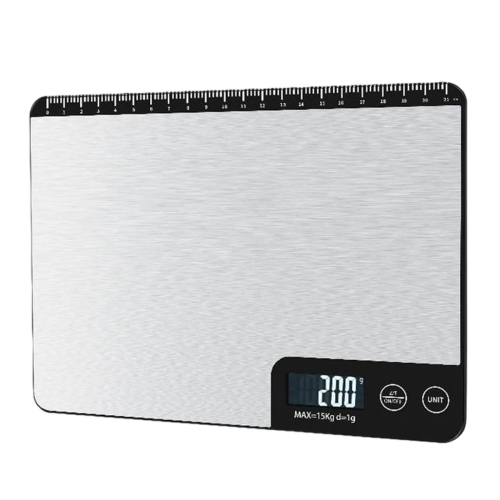
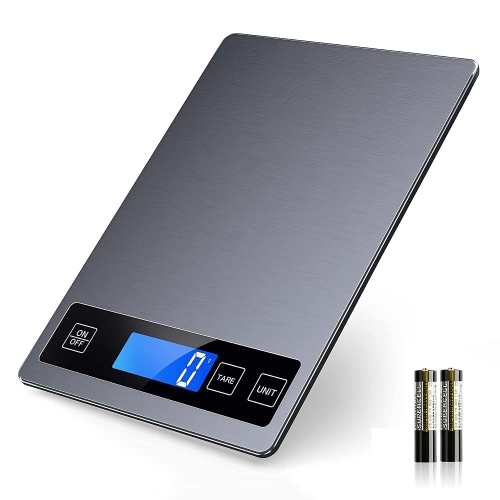
![NO BRAND Rechargeable Separate Kitchen Scale, [15Kg/33Lb] Magnetic Food Scale](https://multimedia.bbycastatic.ca/multimedia/products/500x500/201/20135/20135334.png)
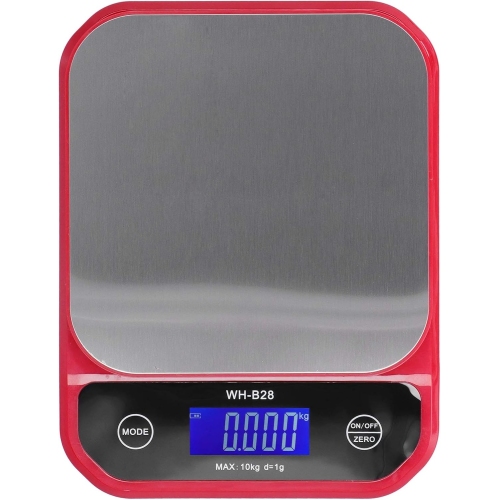
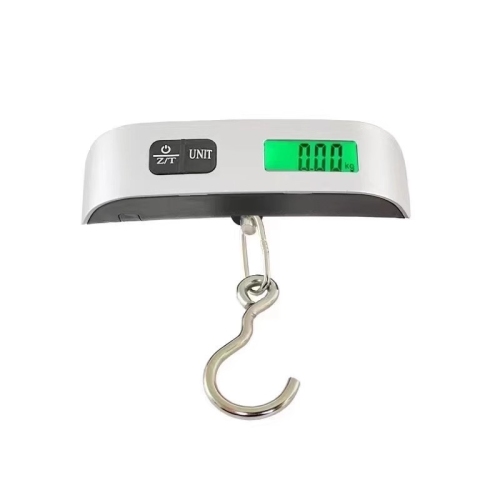
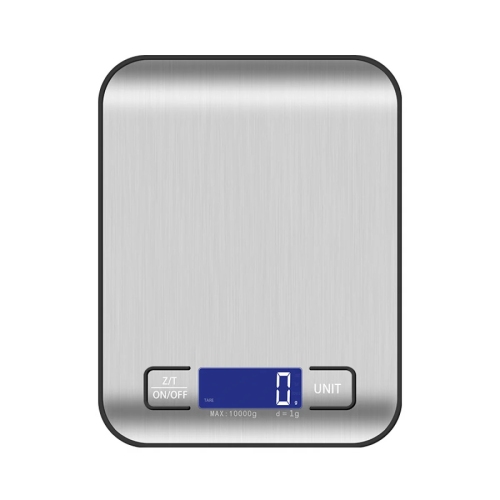
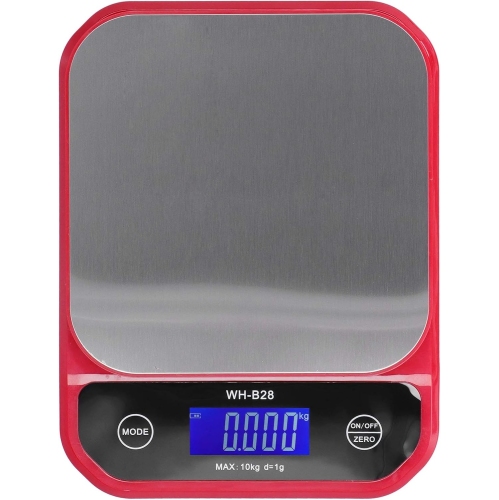
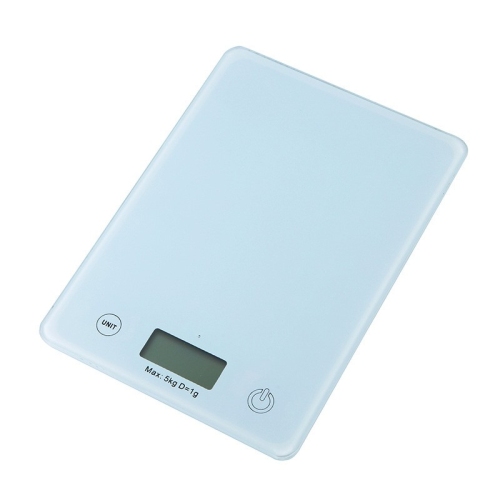
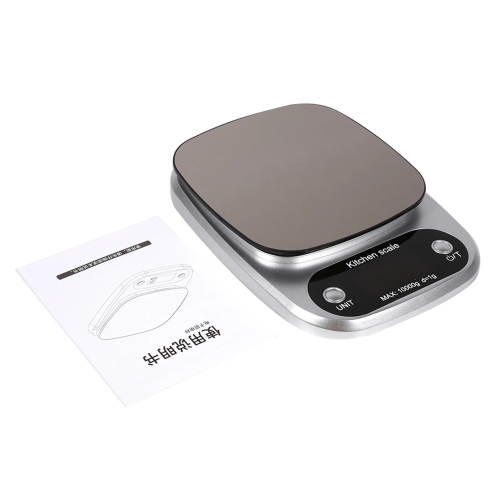
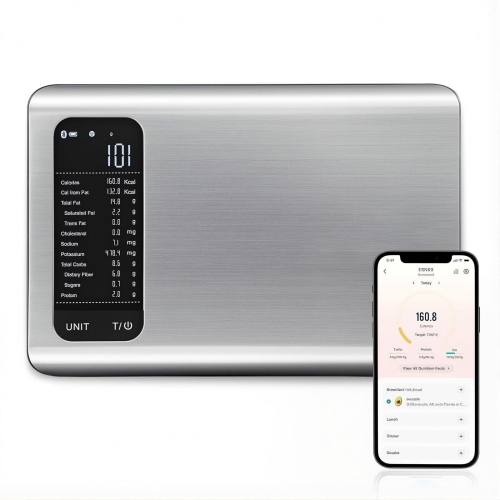
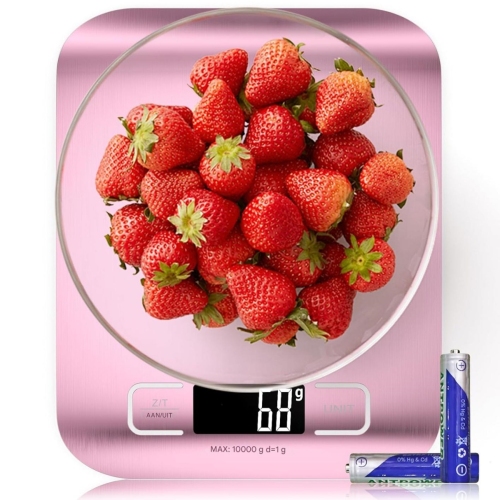
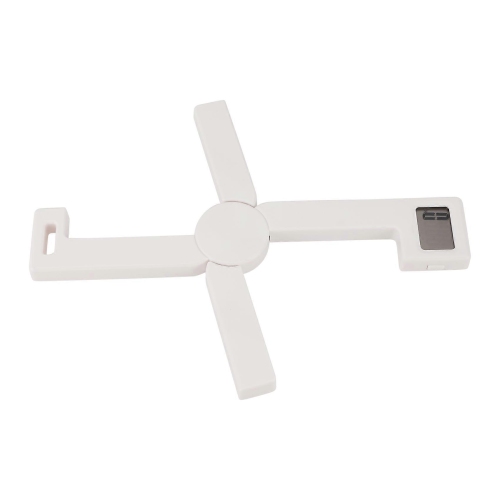
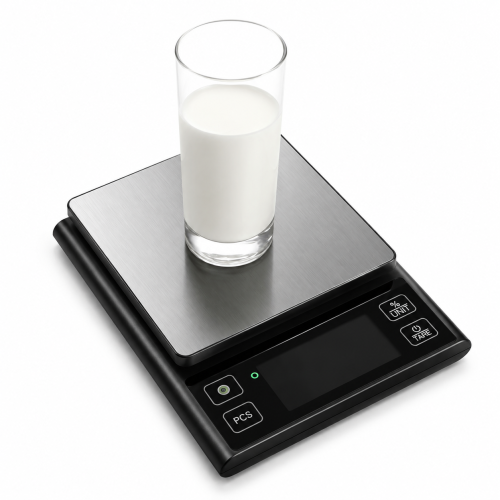
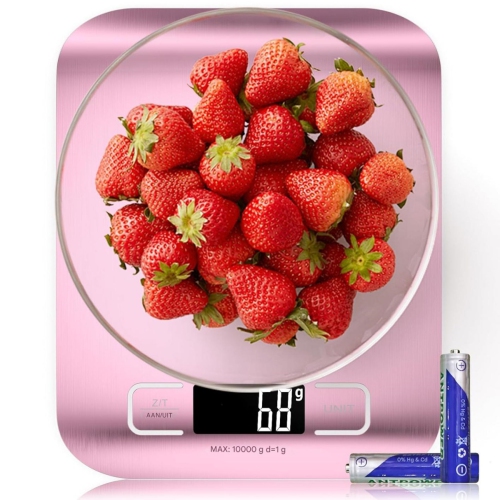
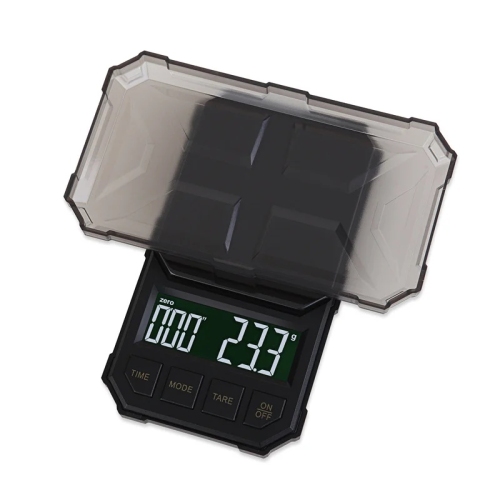
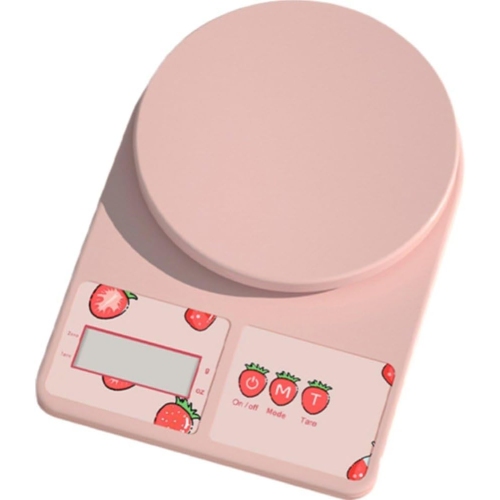
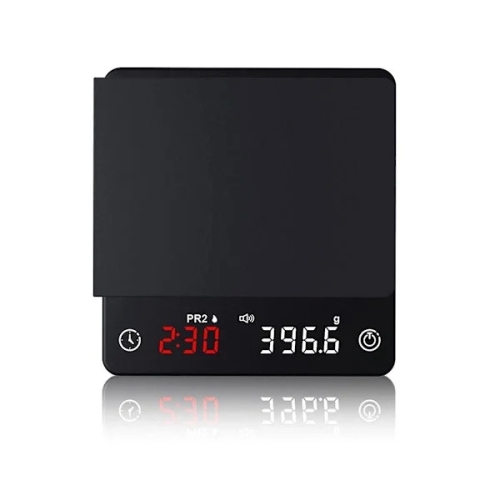
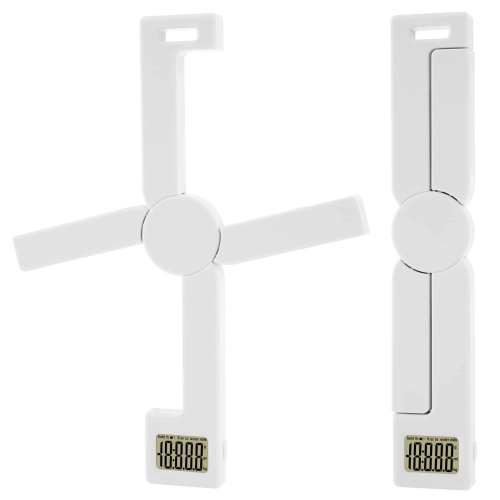
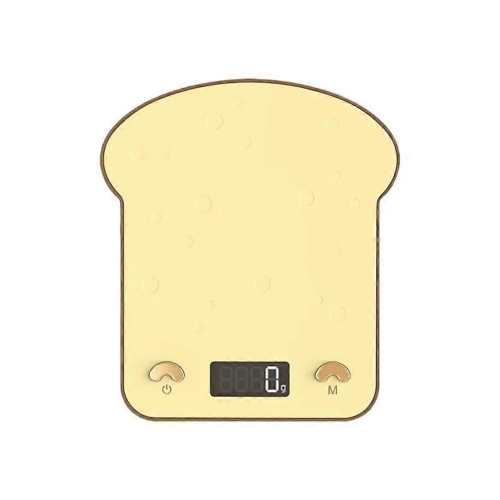
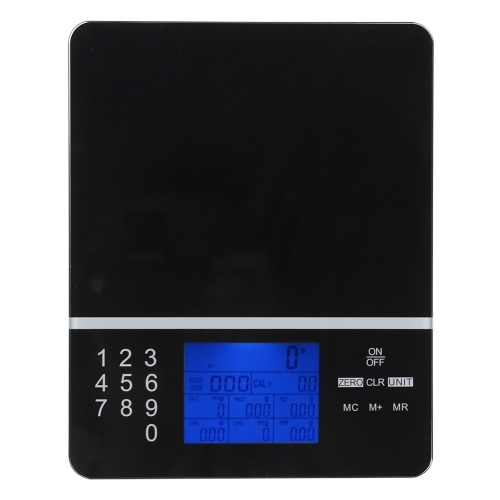
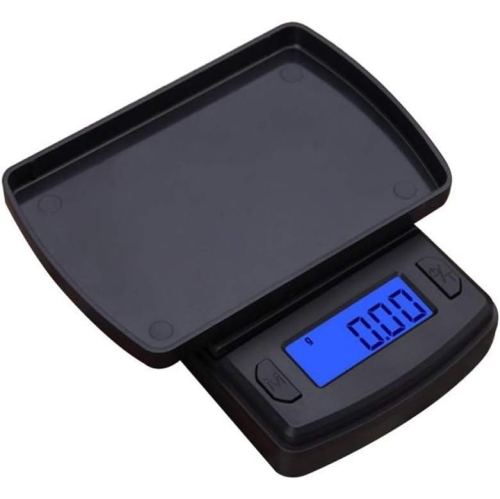
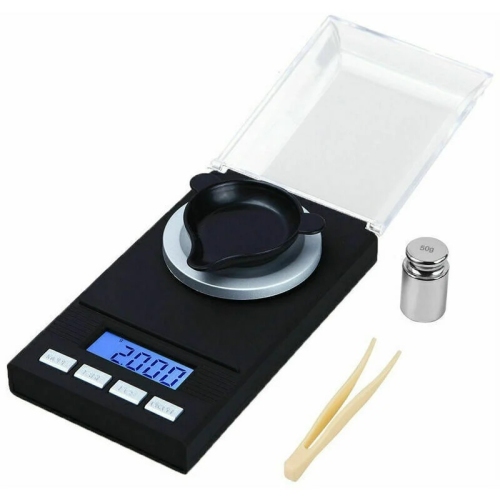
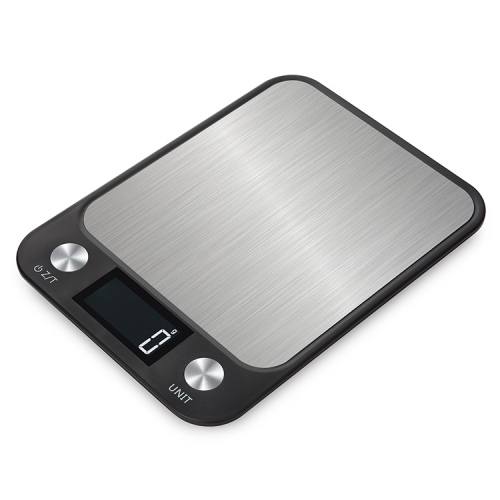
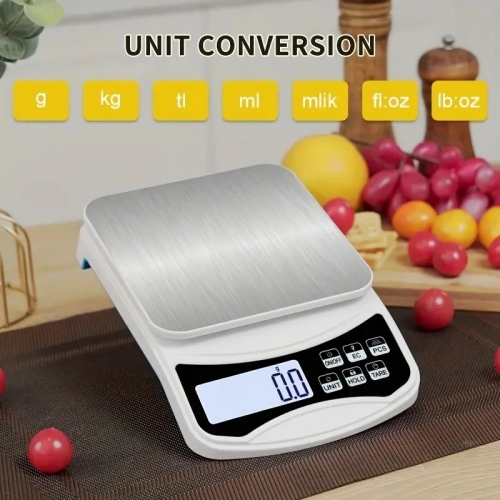
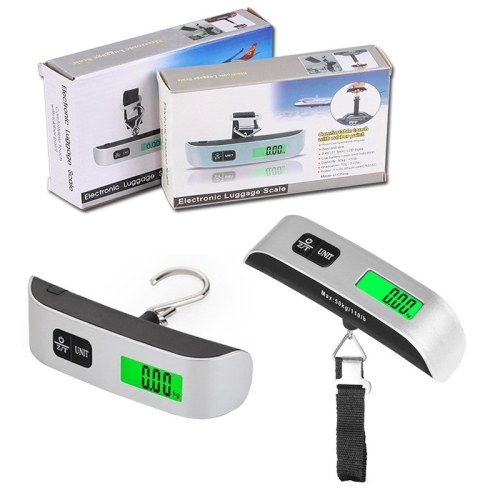
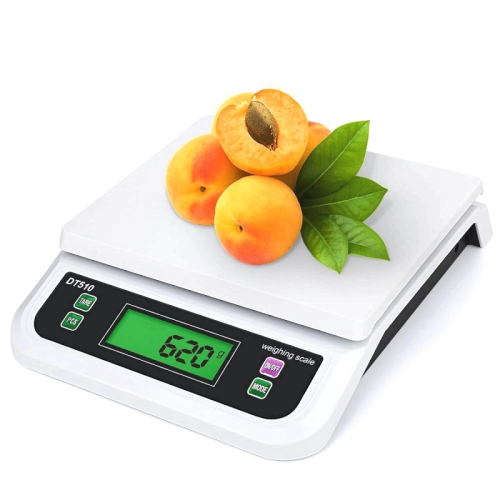
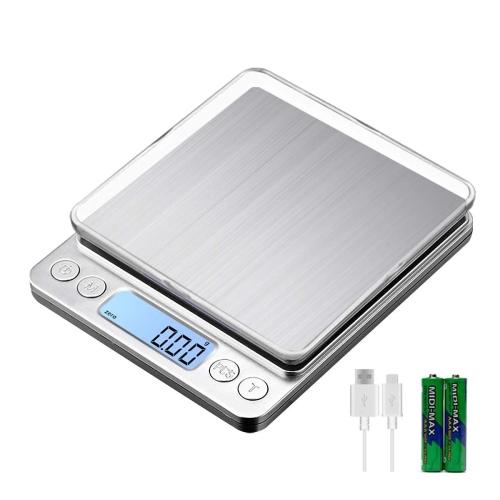
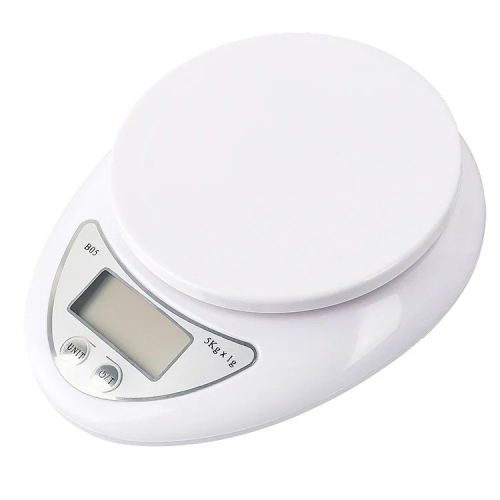
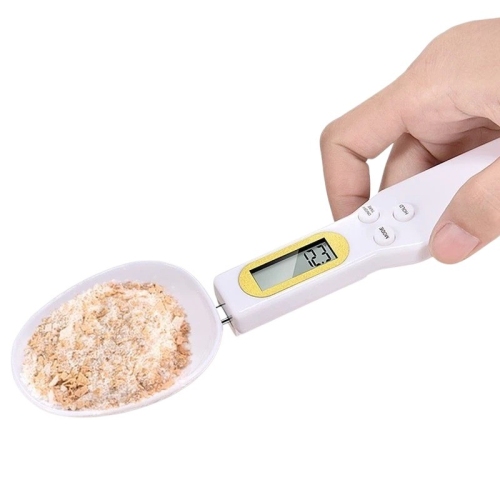
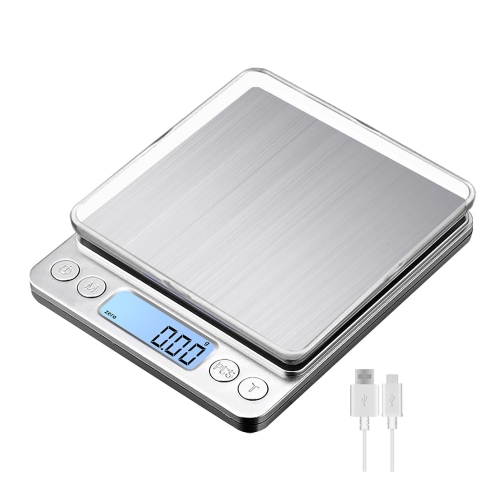
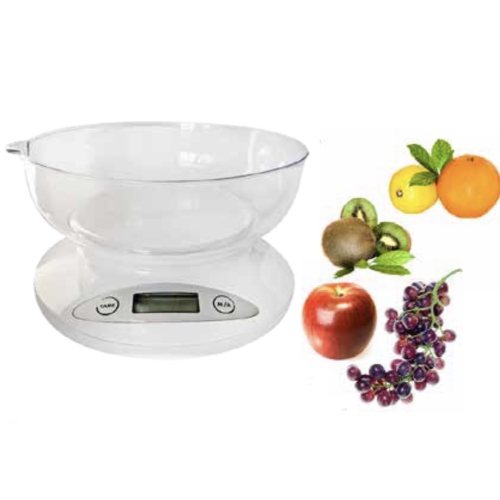
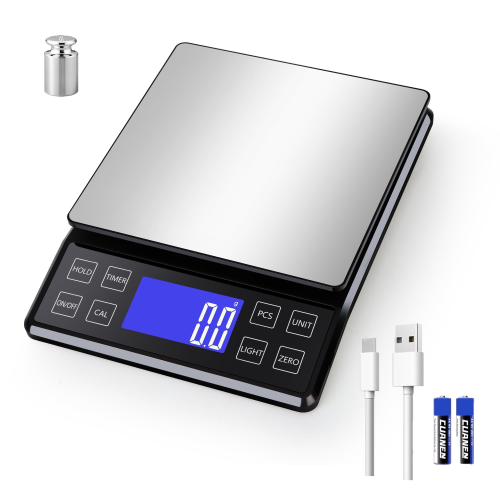
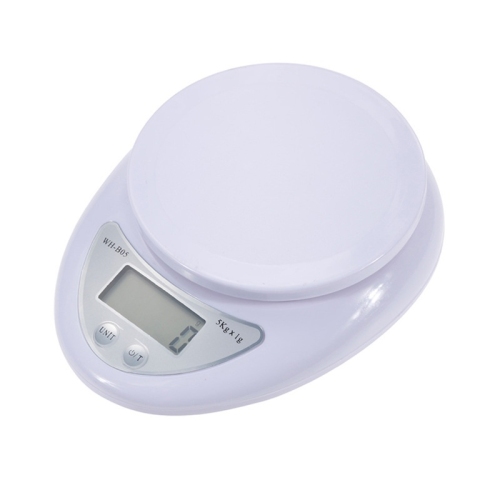
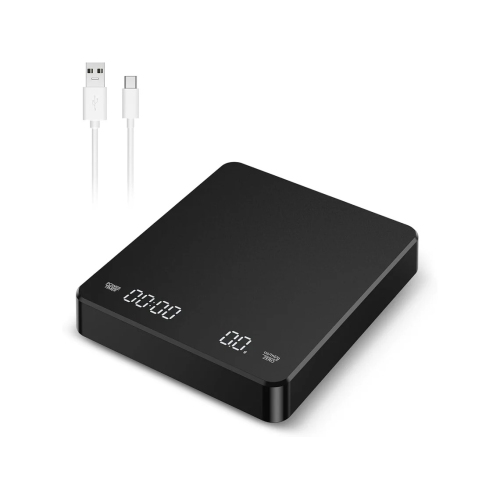
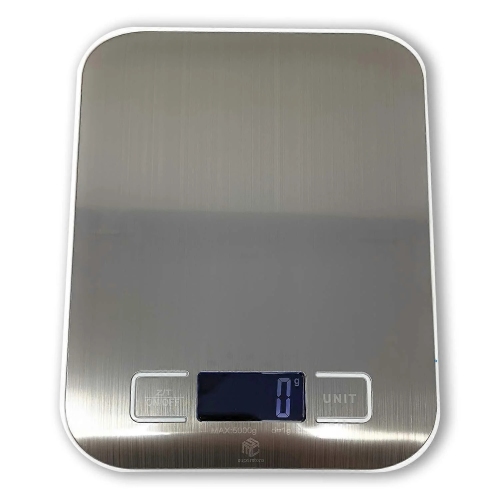
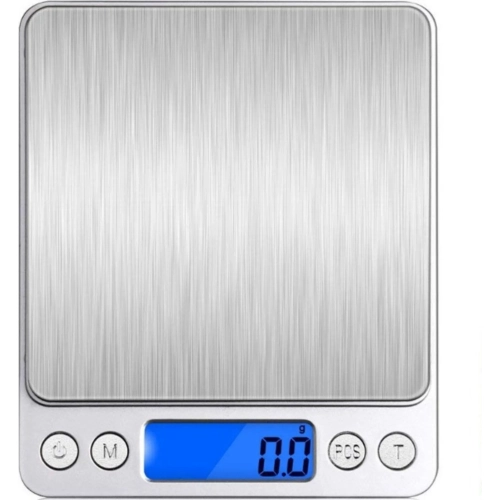
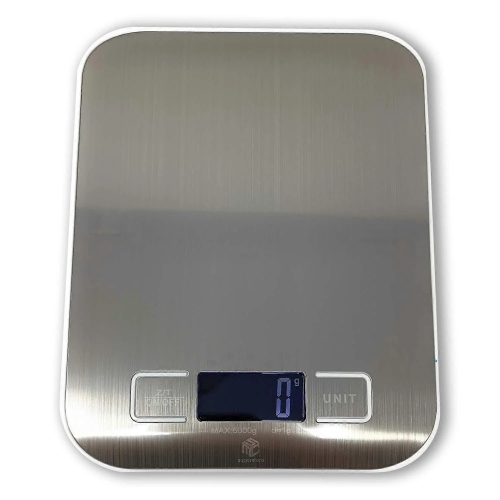
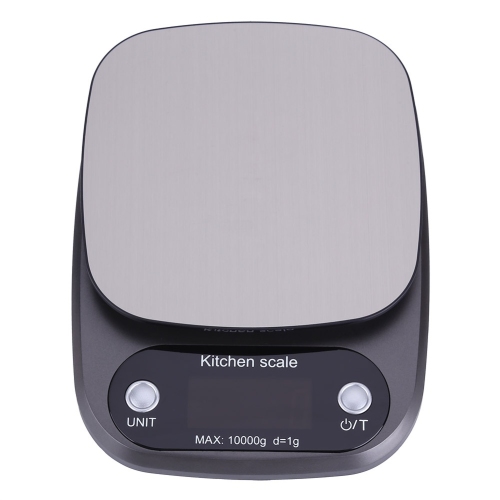
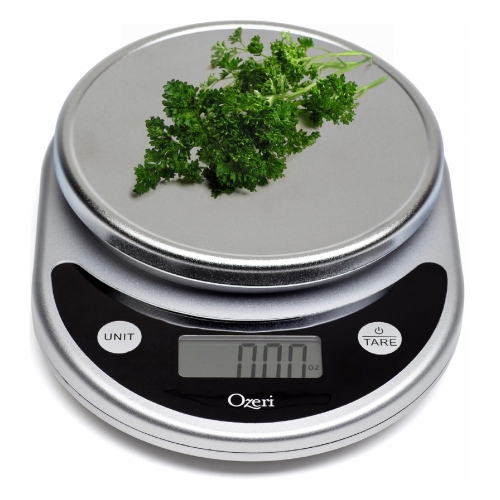
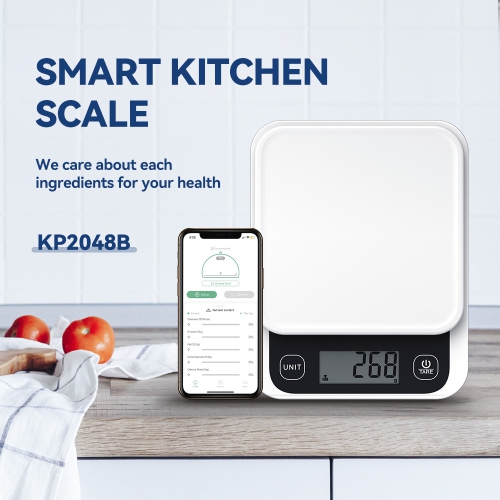
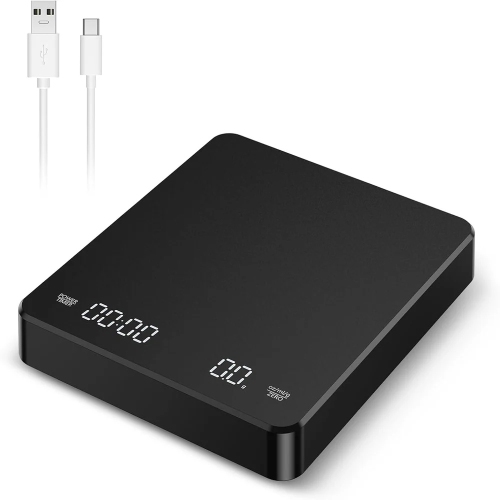
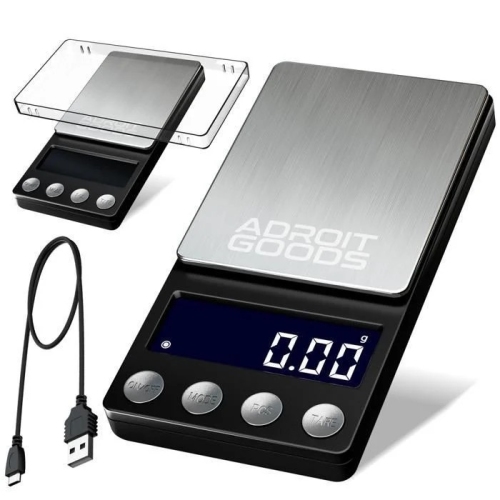
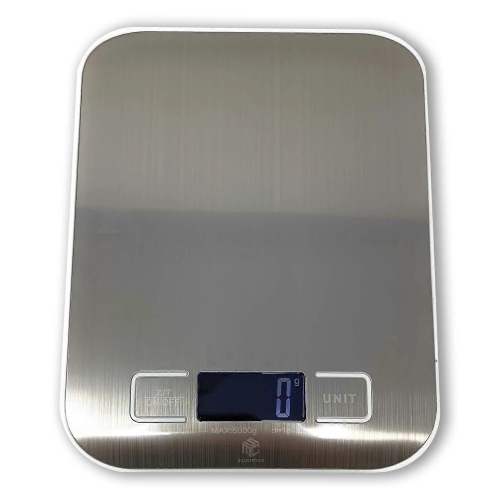
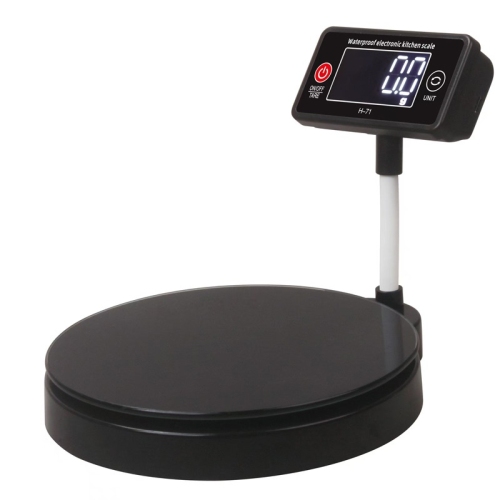
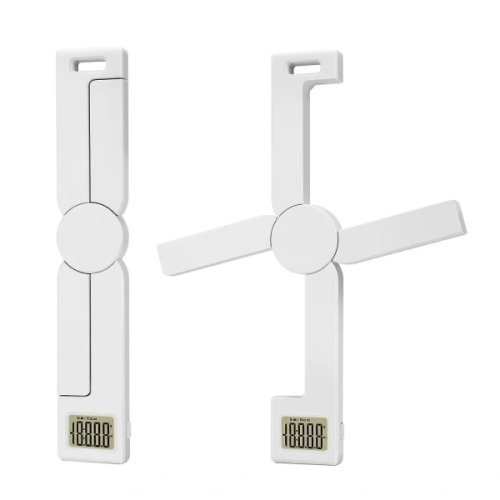
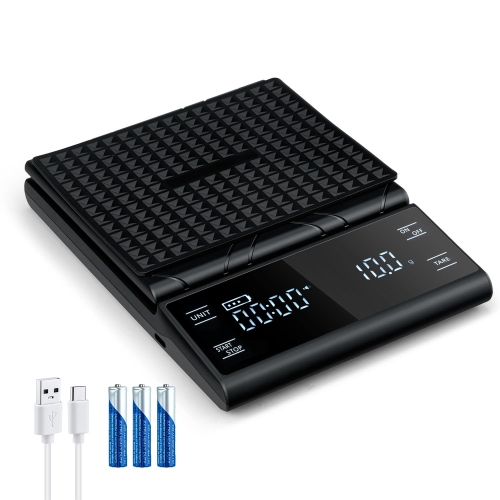
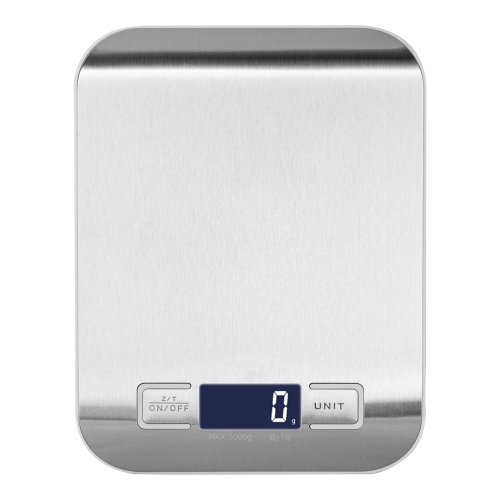
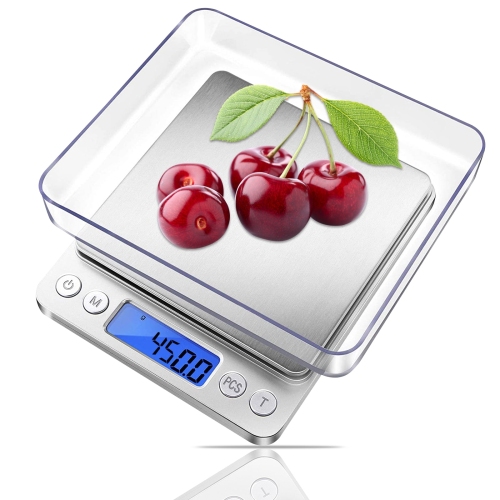
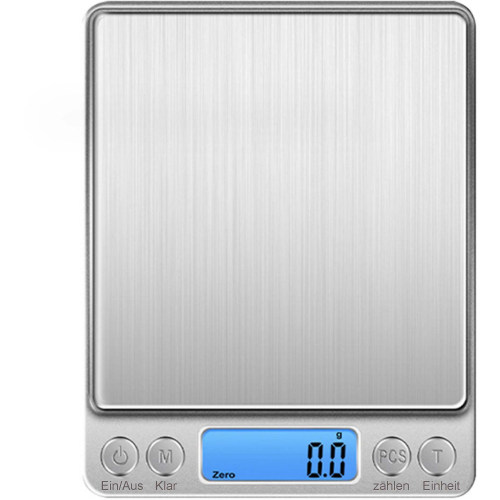
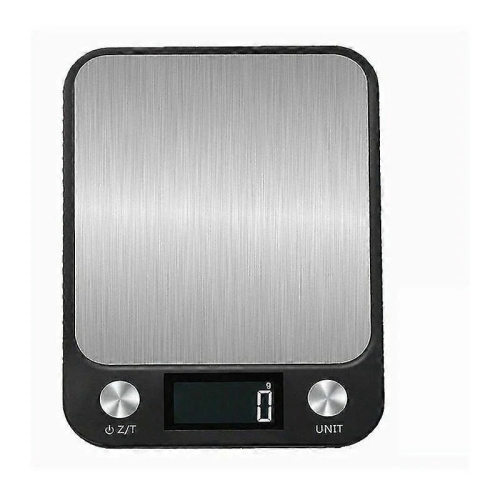
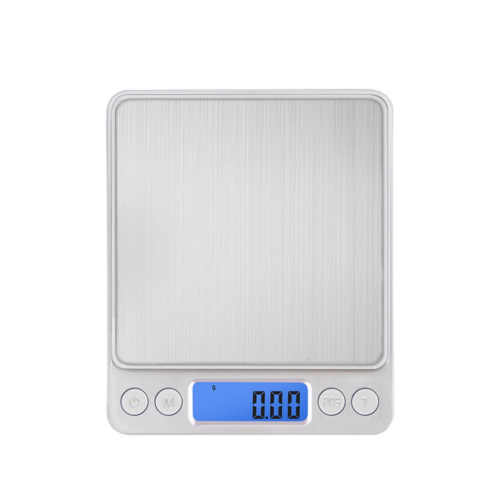
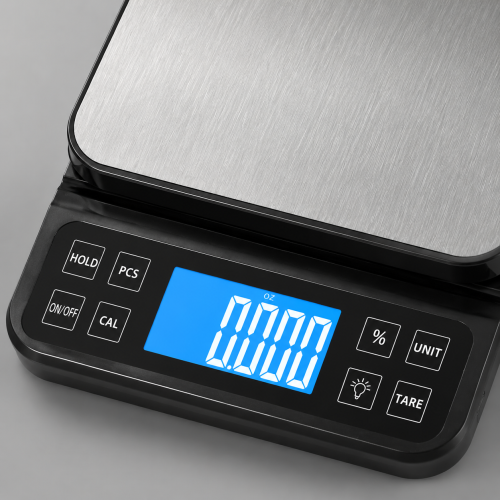
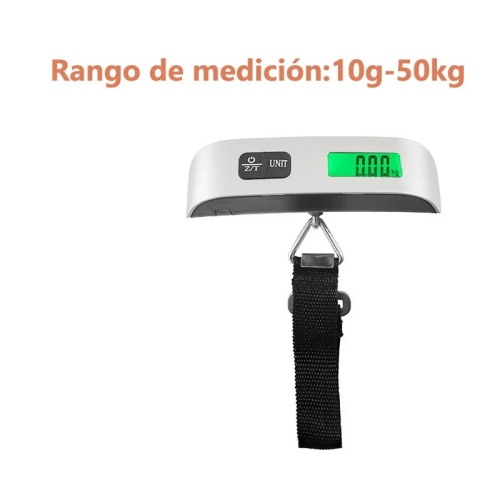
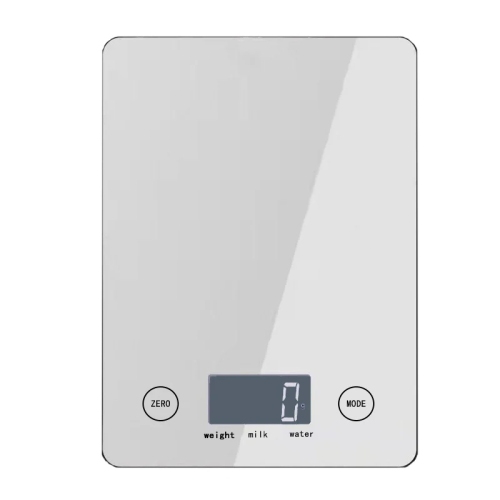
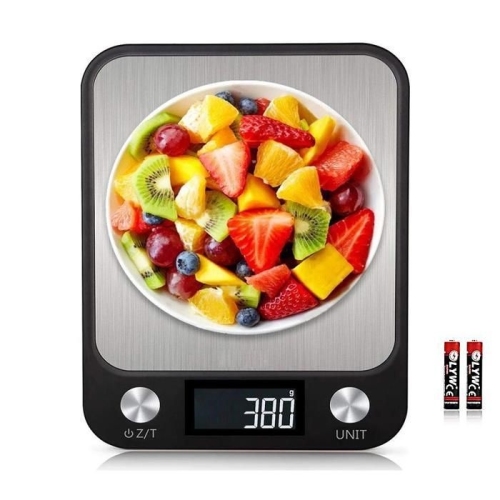
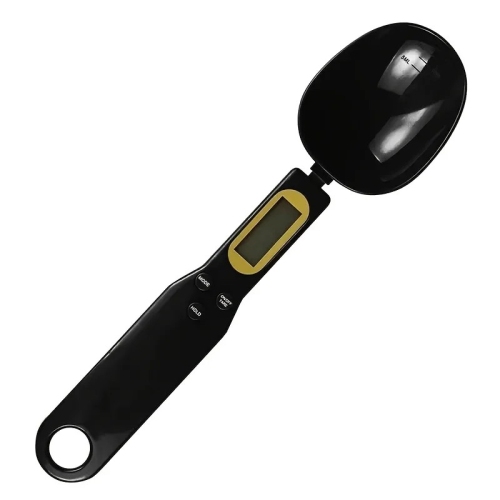
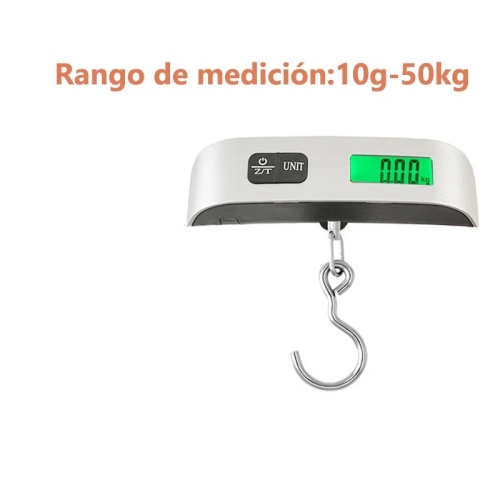
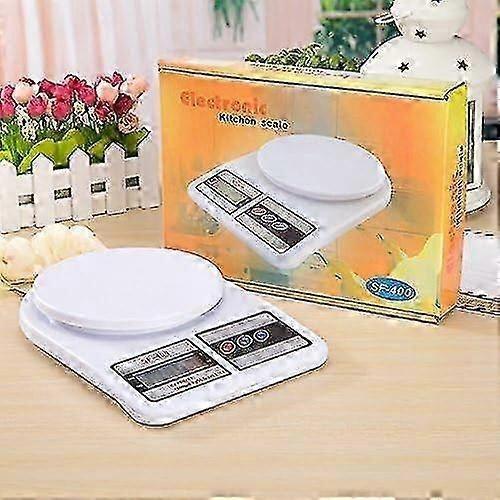
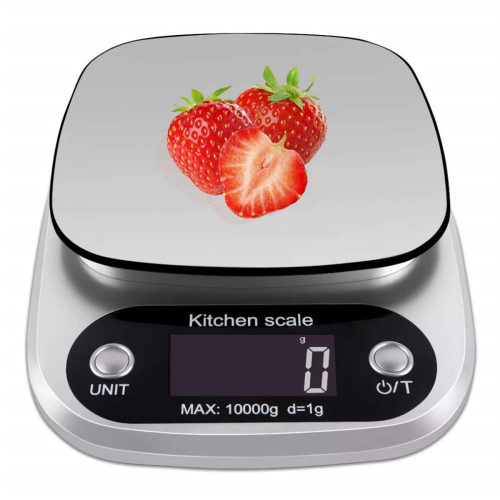
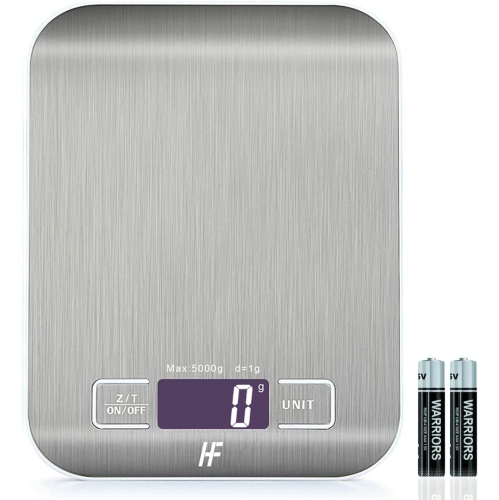
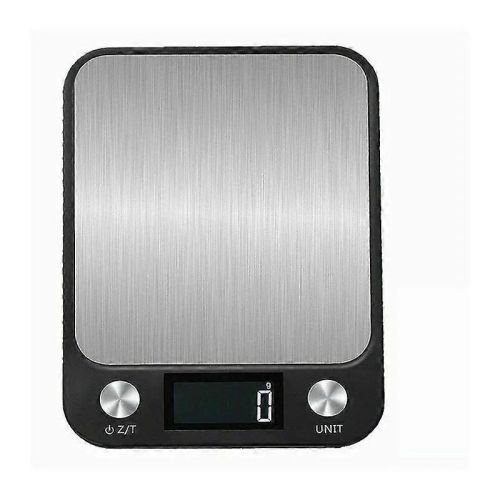
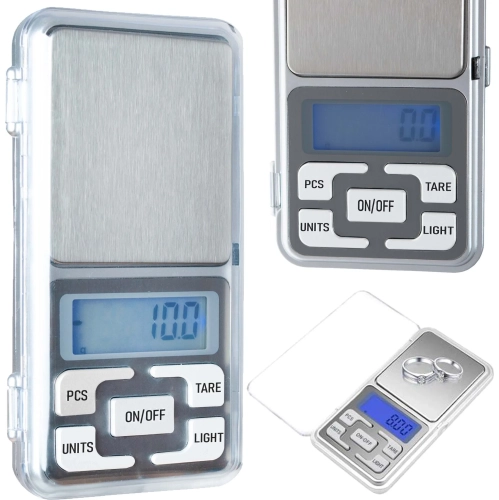
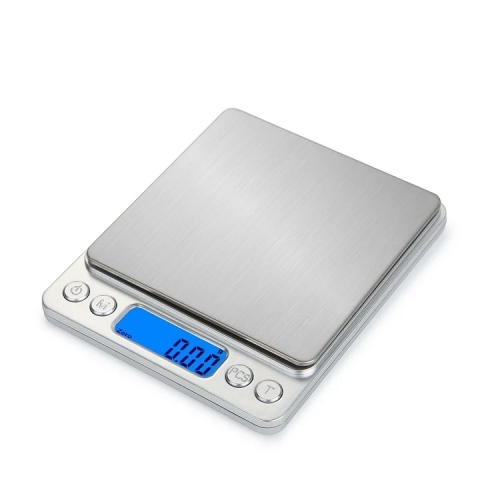
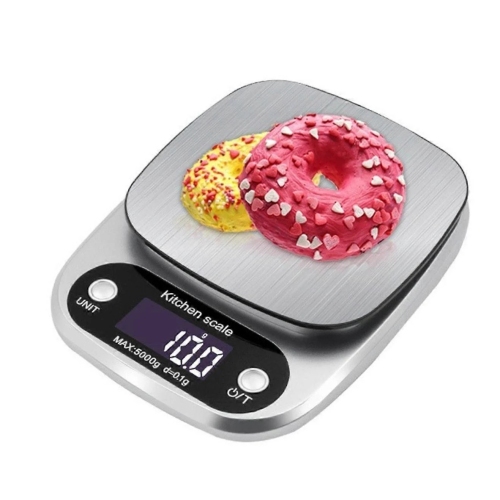
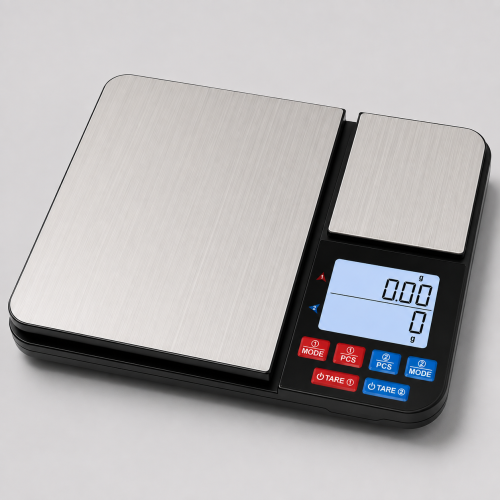
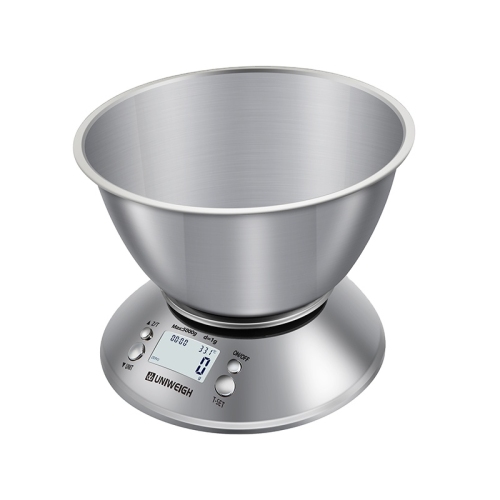
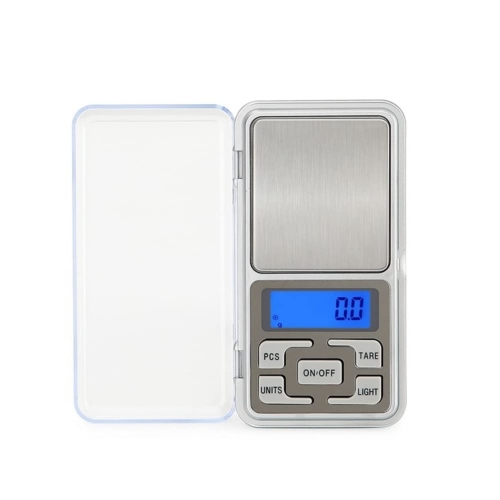
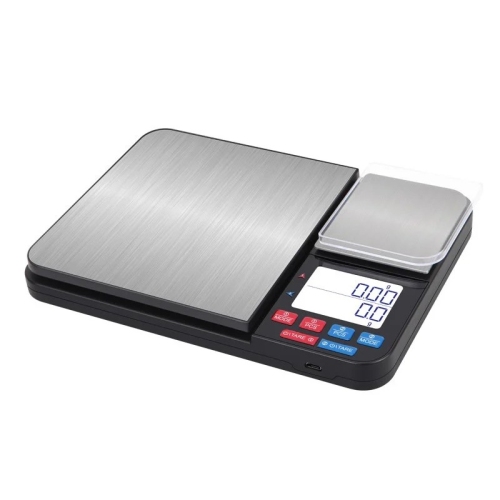
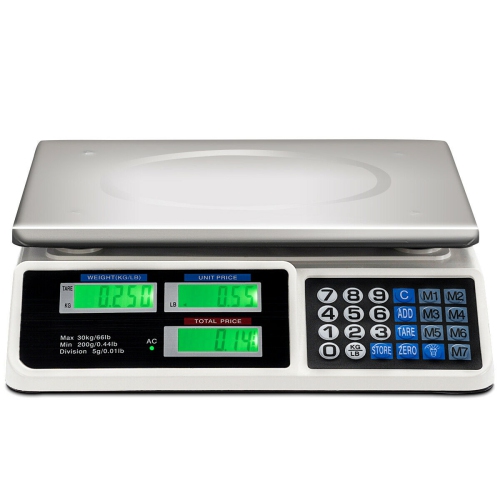
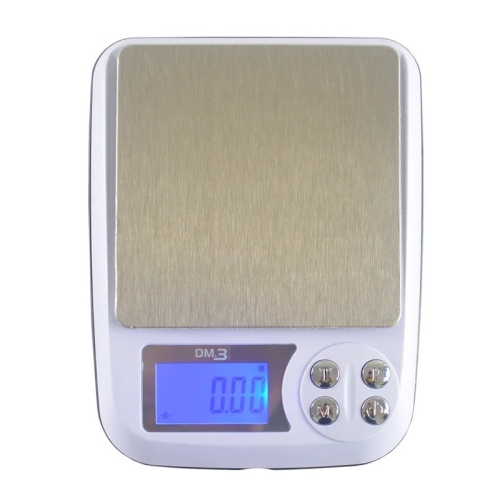
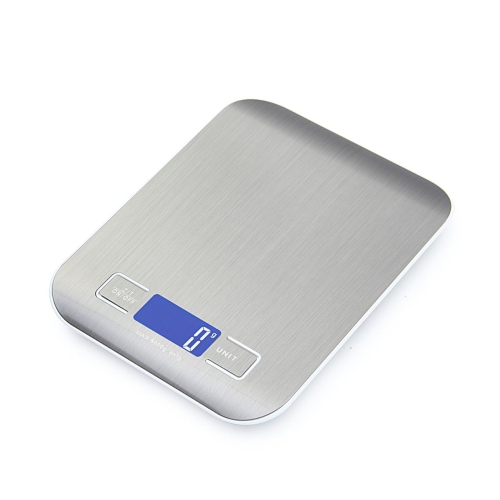
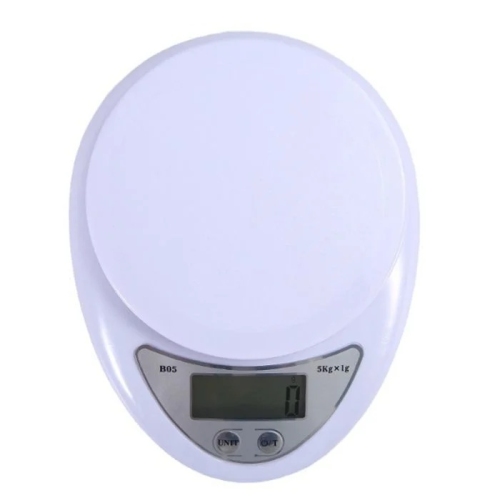
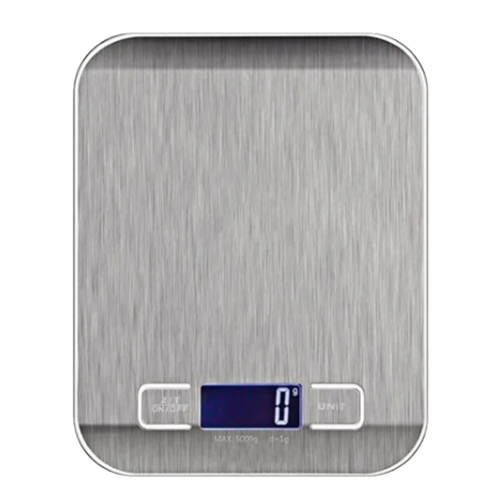
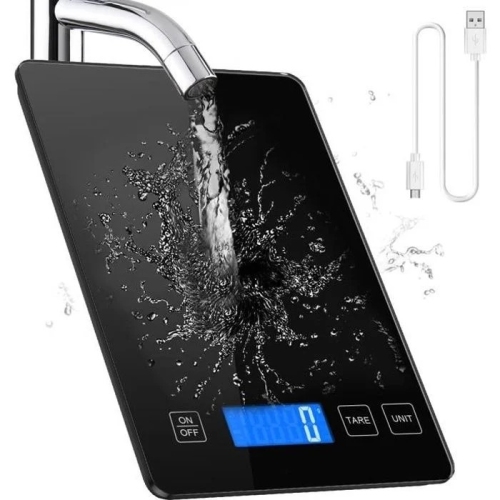
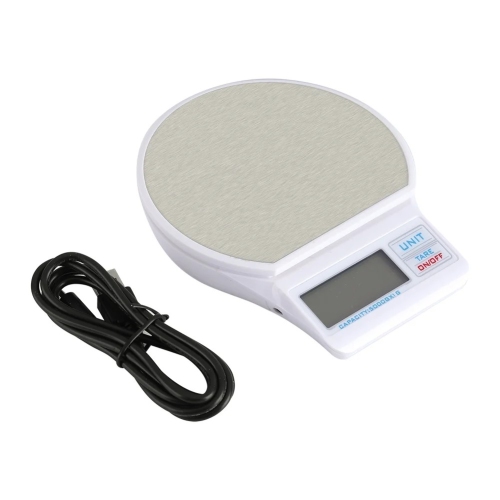
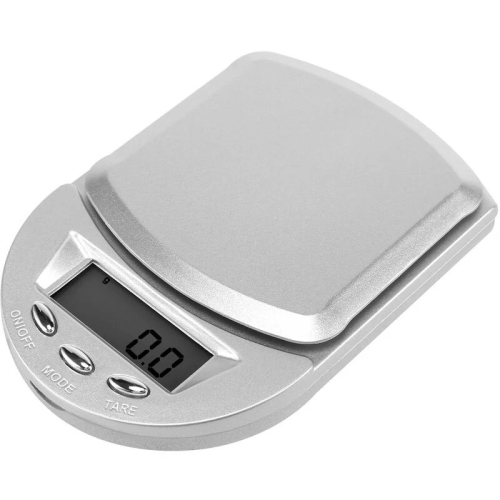
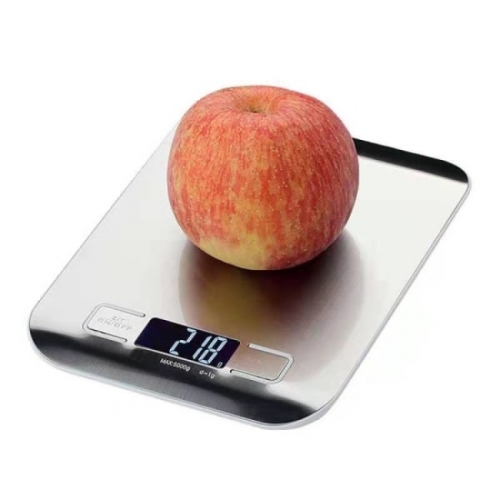
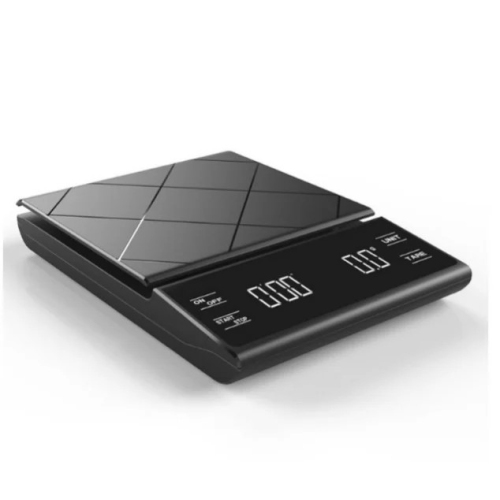
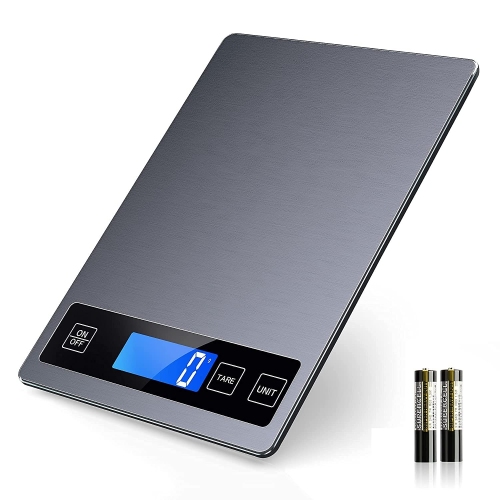
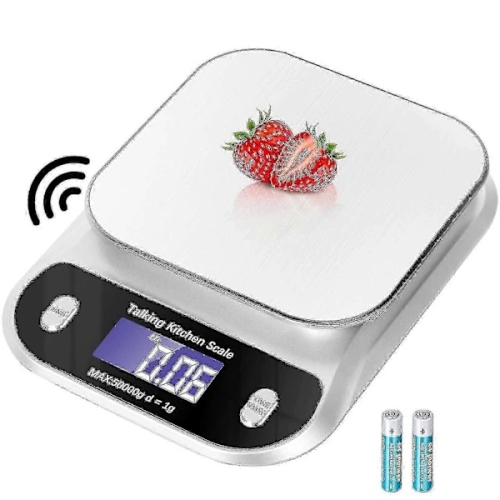
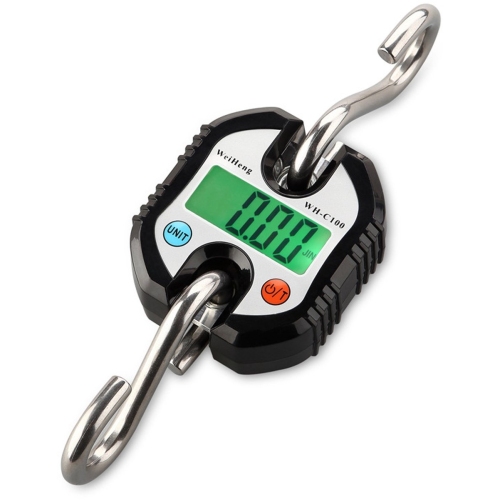
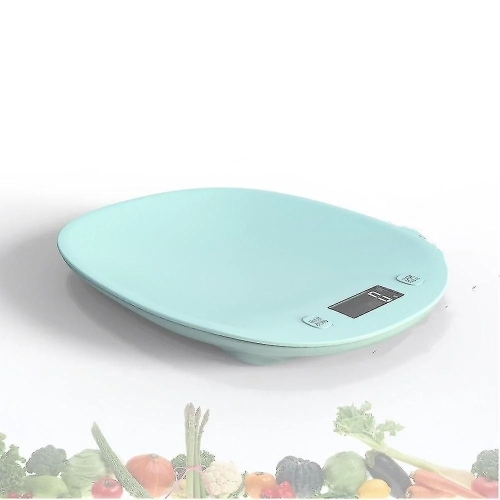
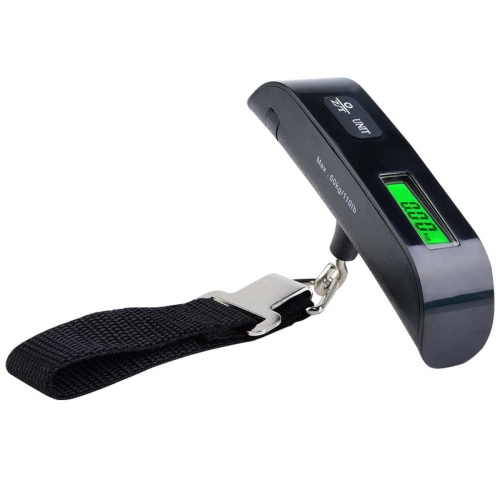
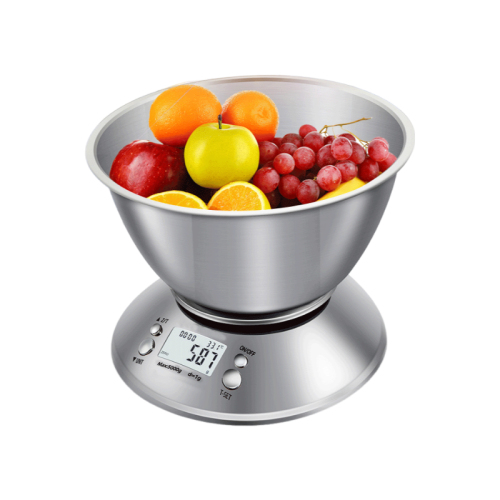
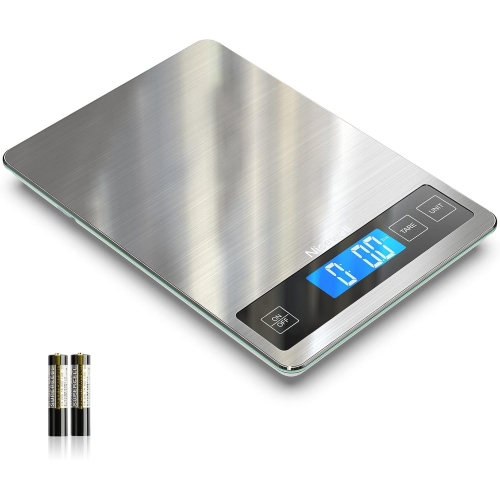
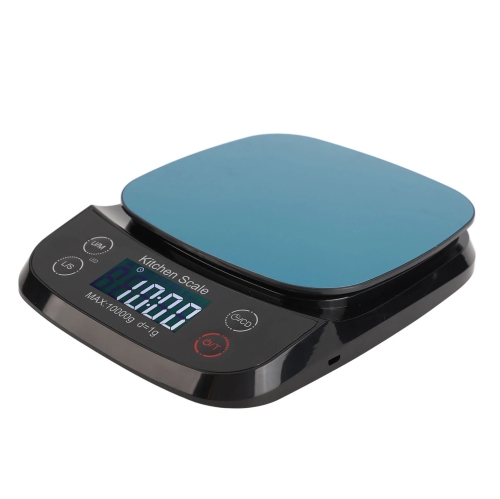
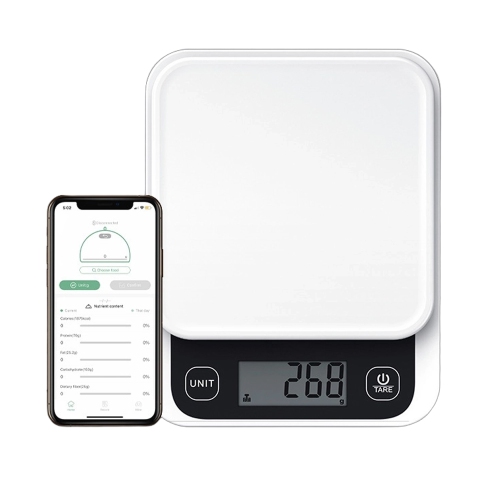
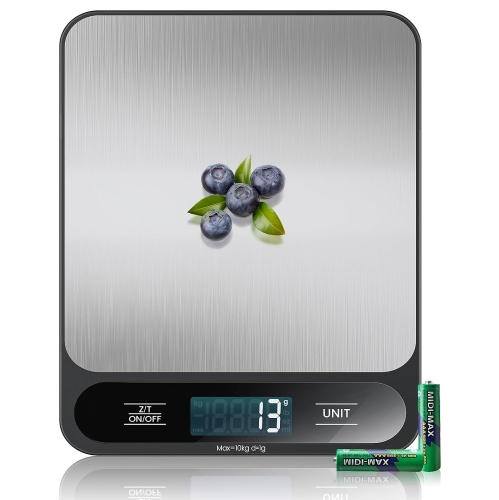
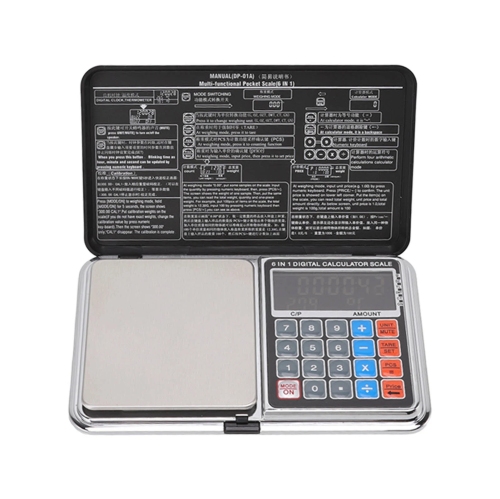
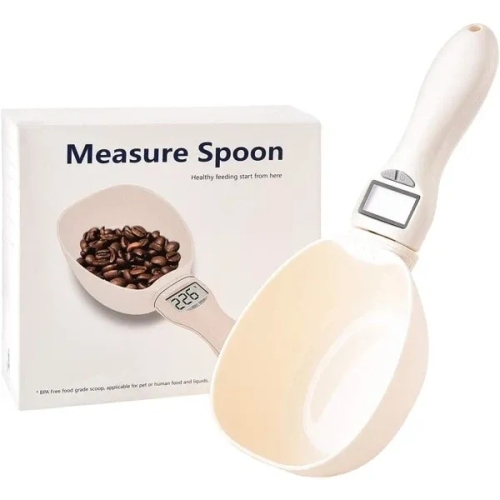
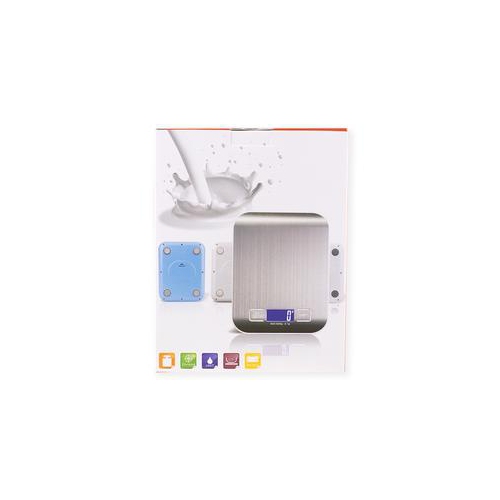
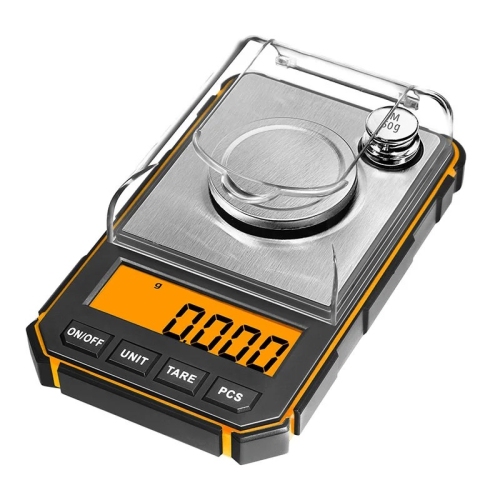
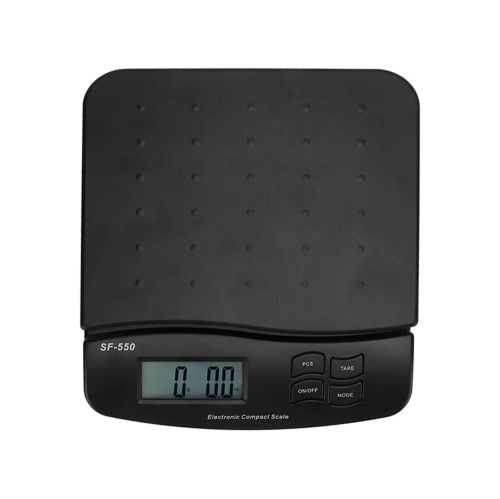
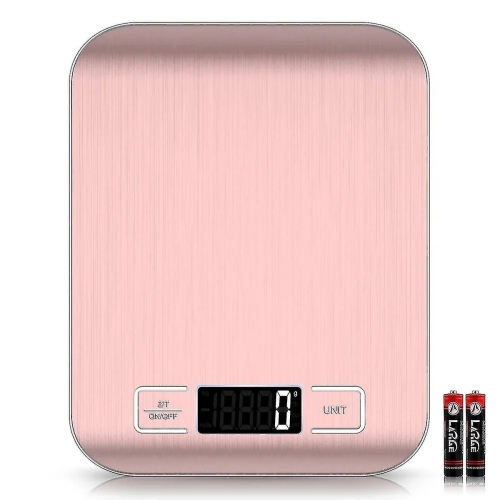
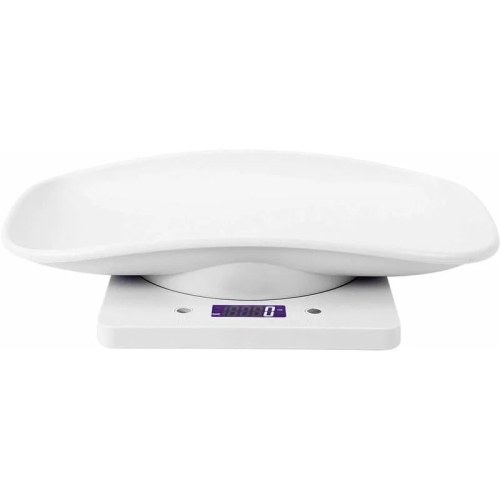
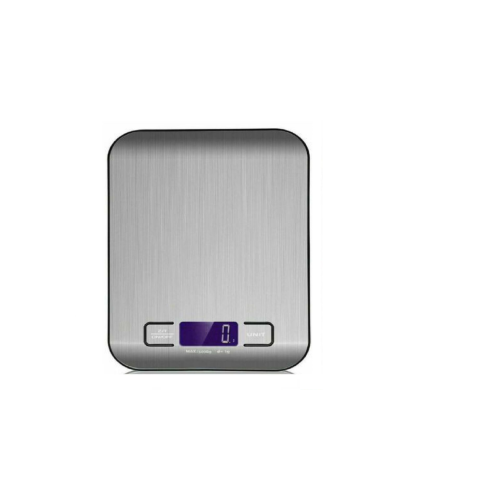
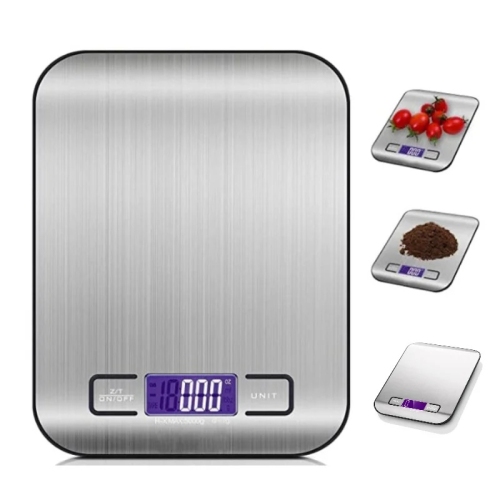
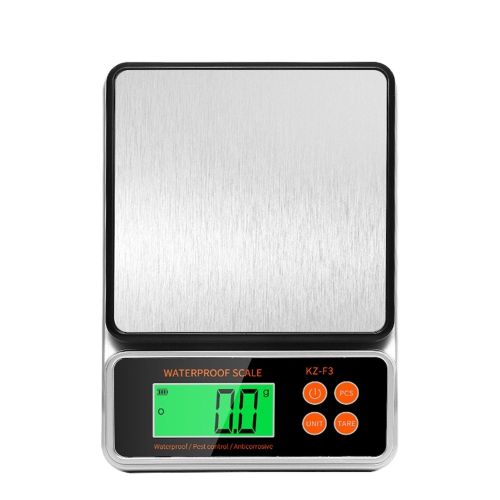
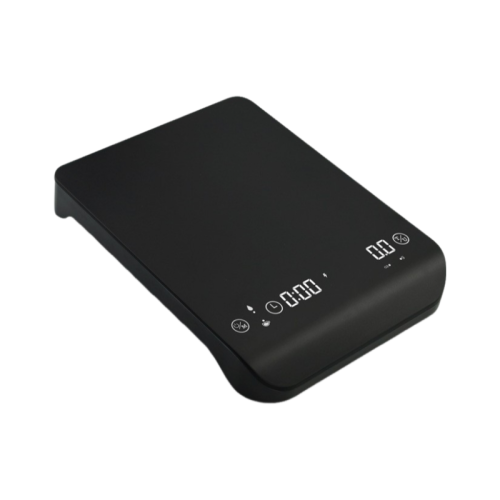

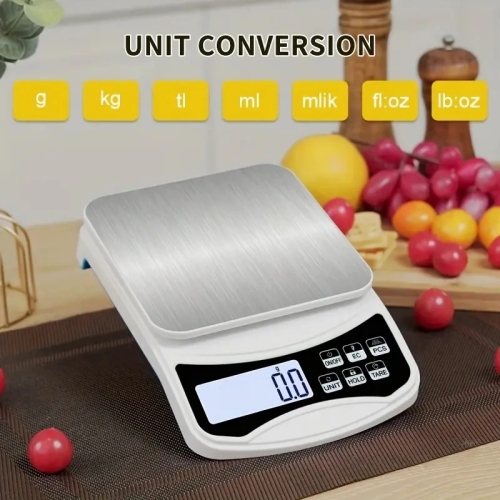
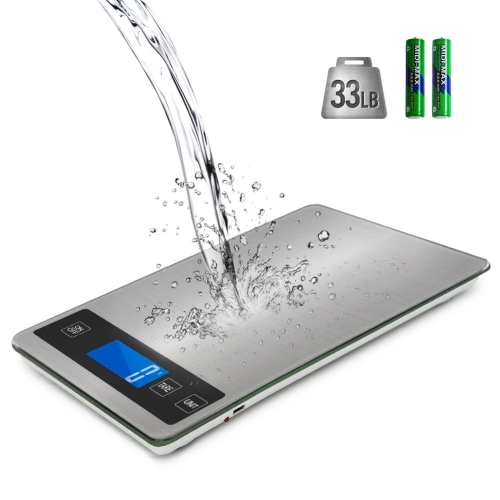
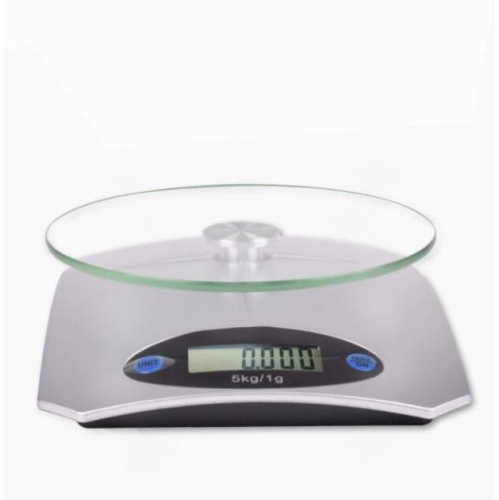
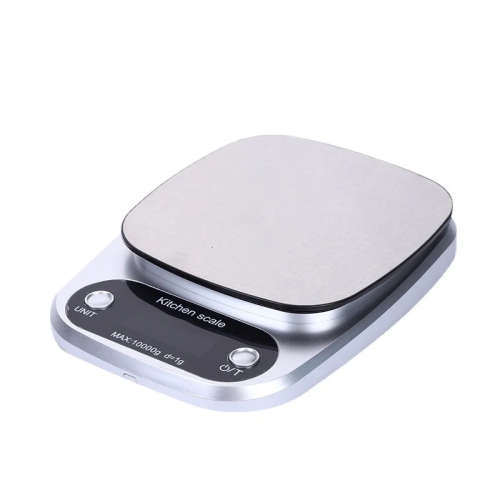

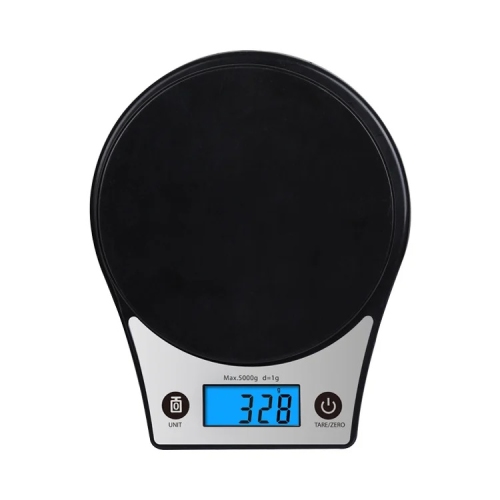
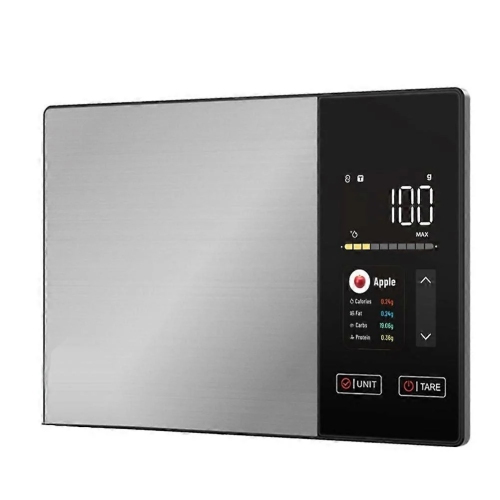
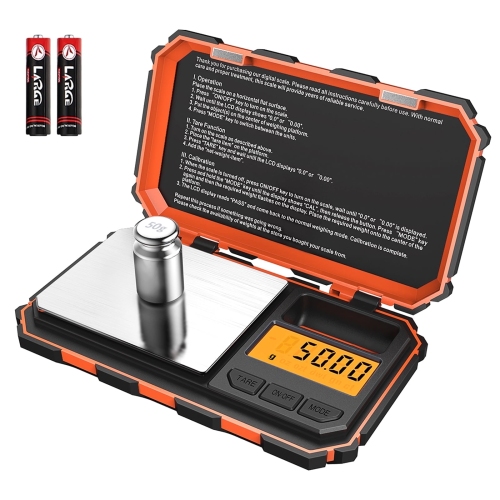
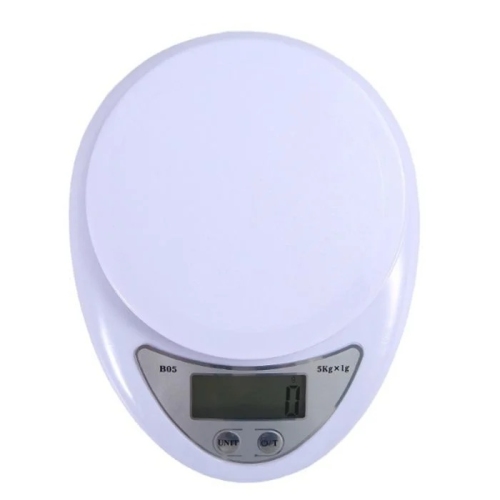
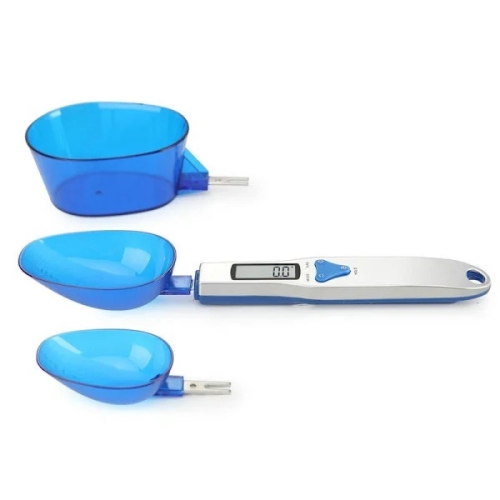
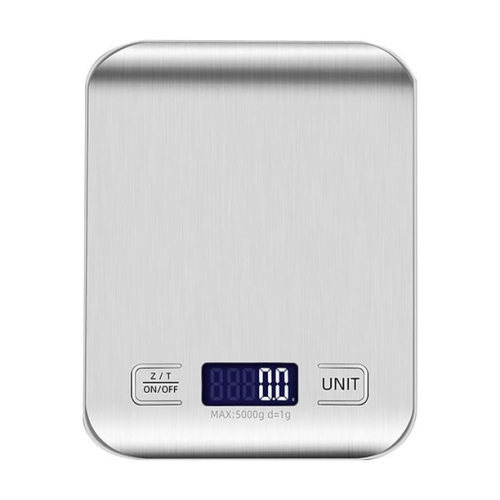
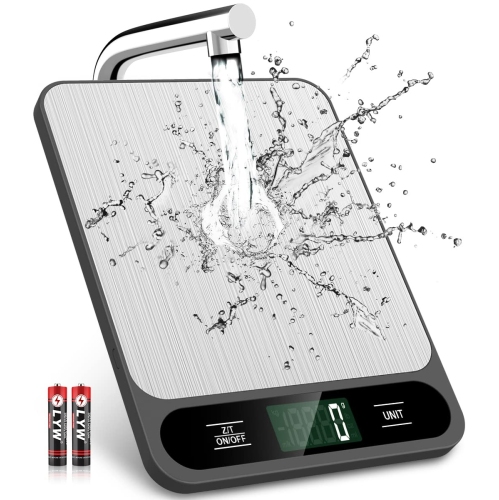
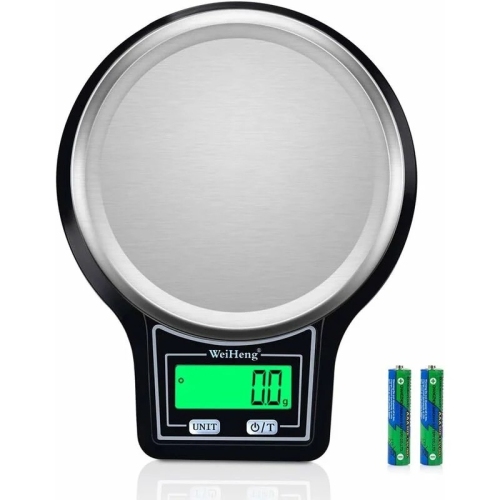
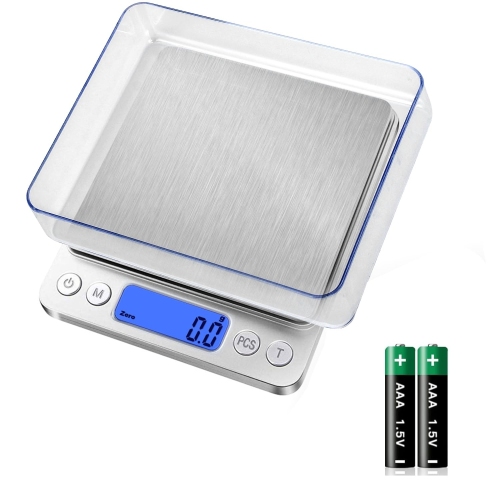
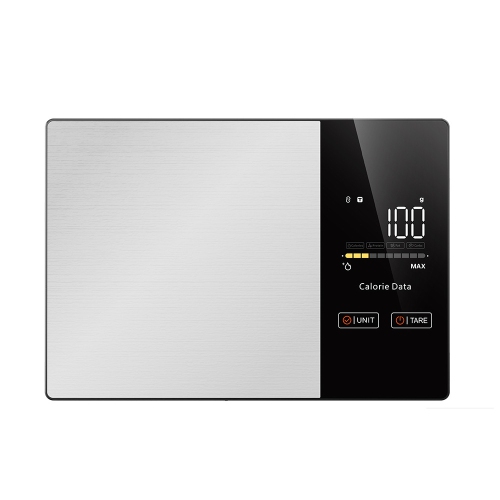
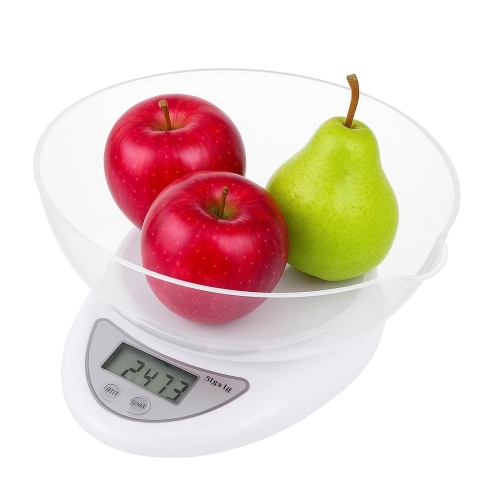
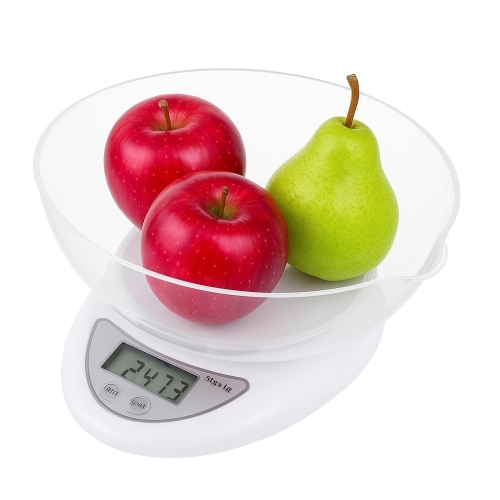
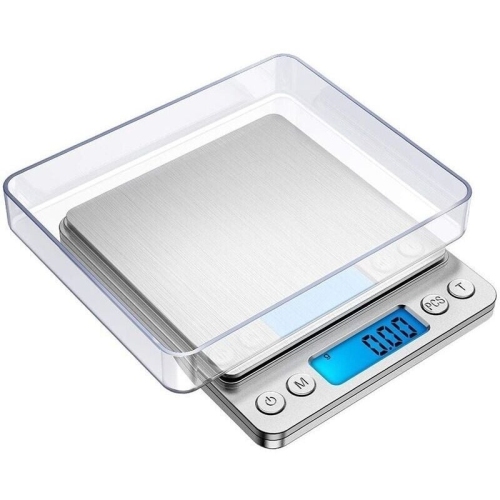
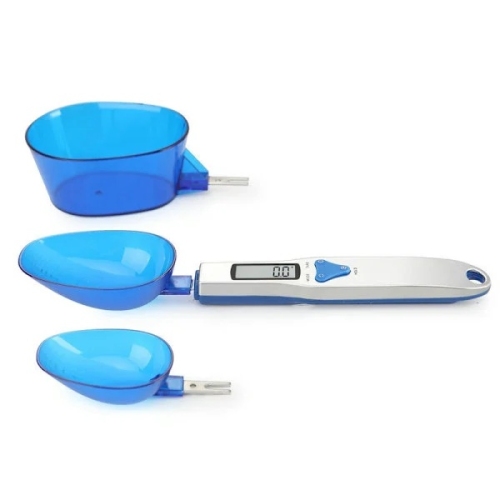
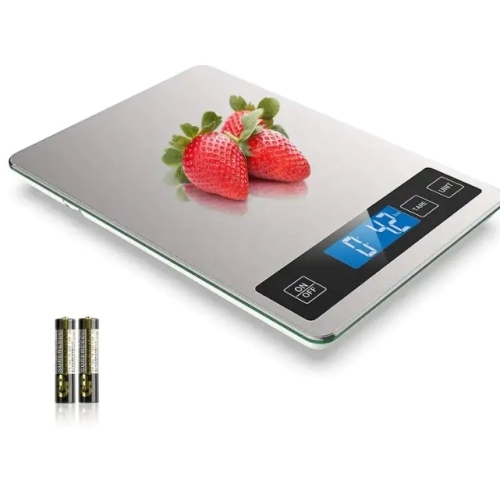
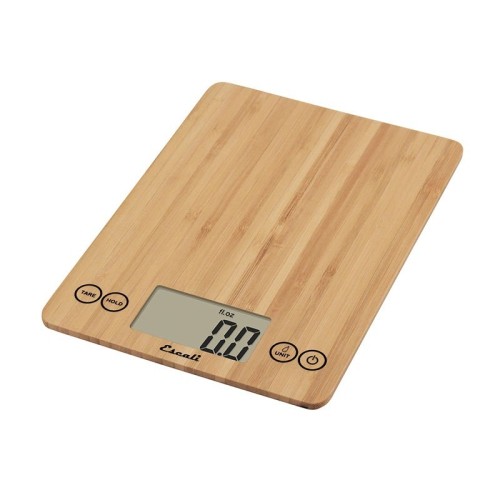
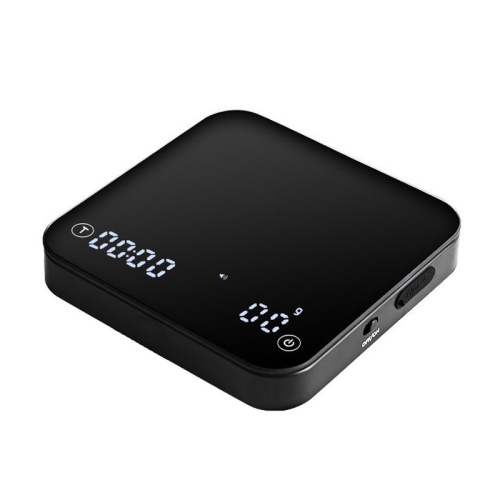
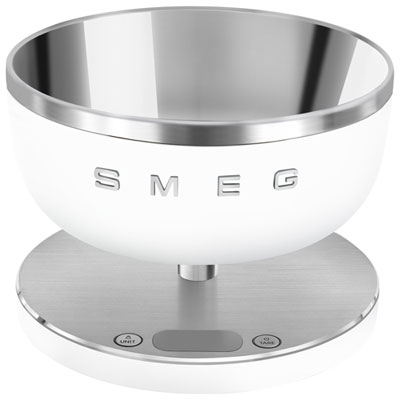
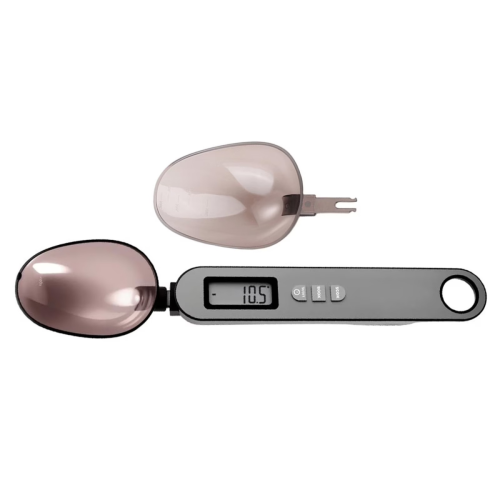
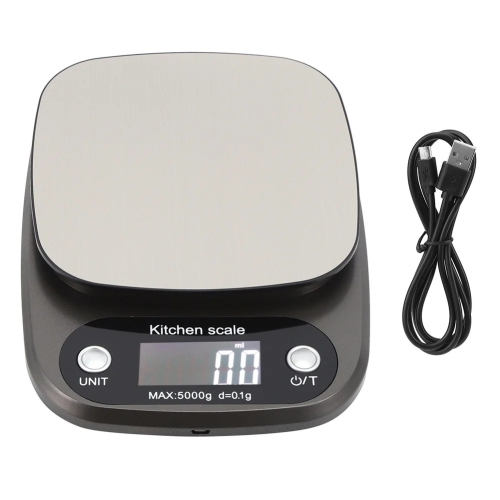
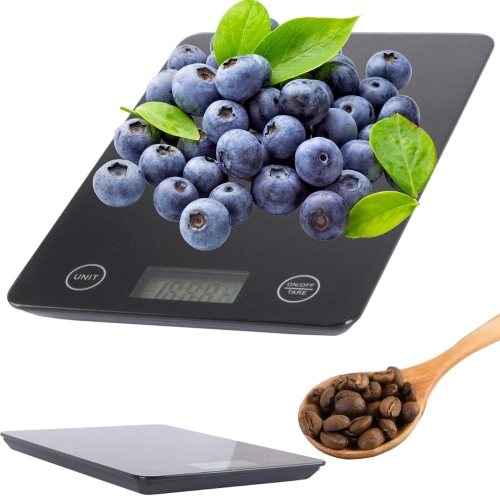
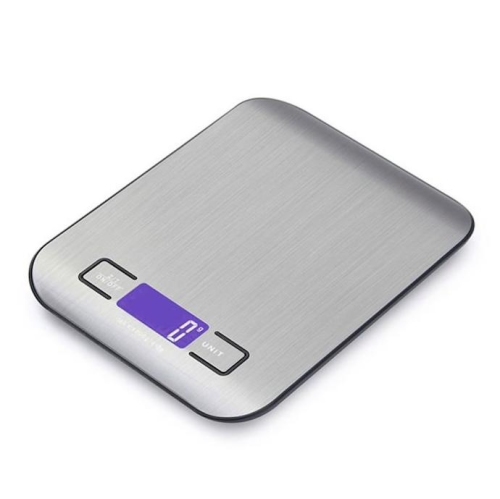
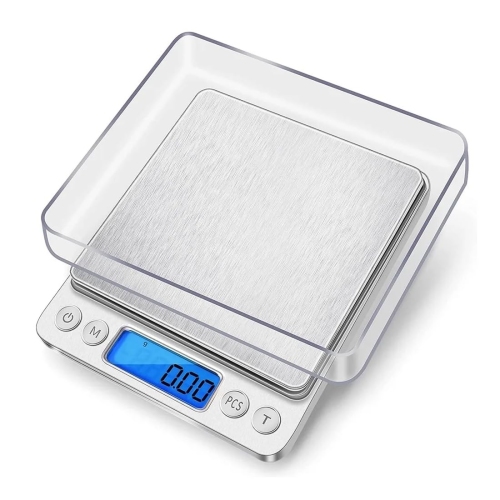
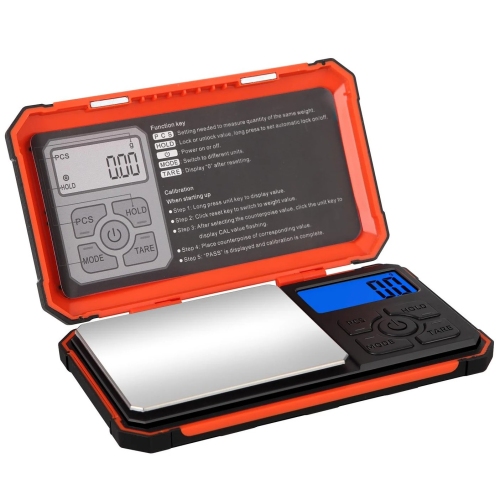
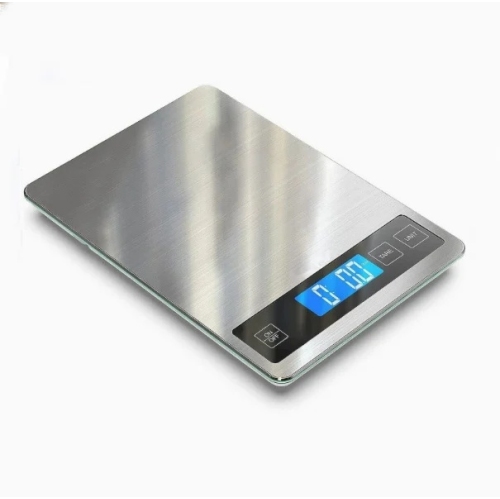
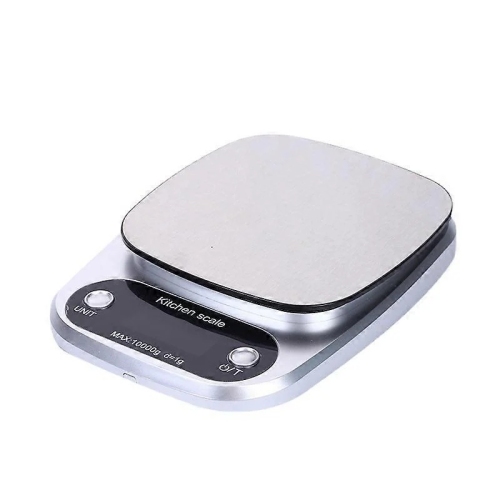
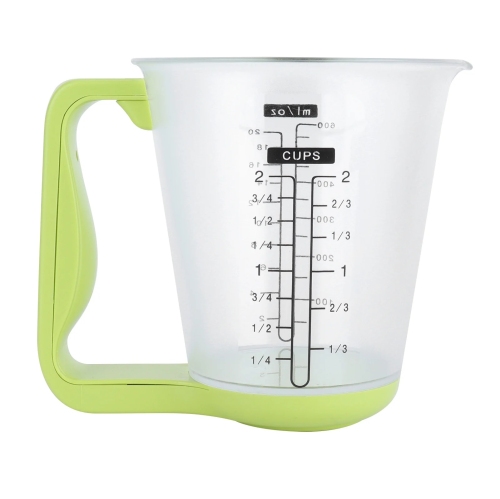
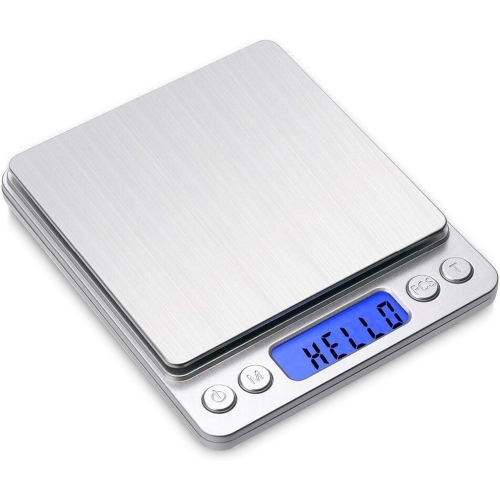
Accurate ingredient measurements for easier baking and everyday meals
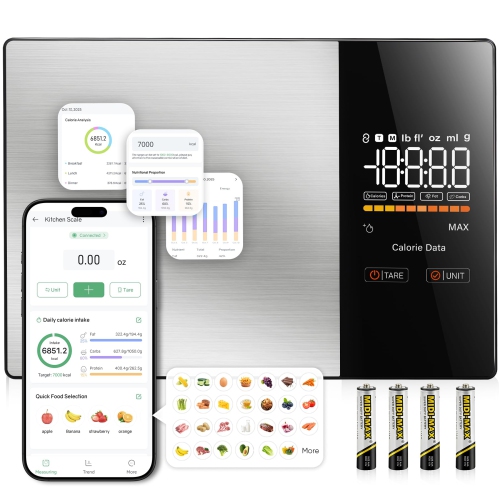
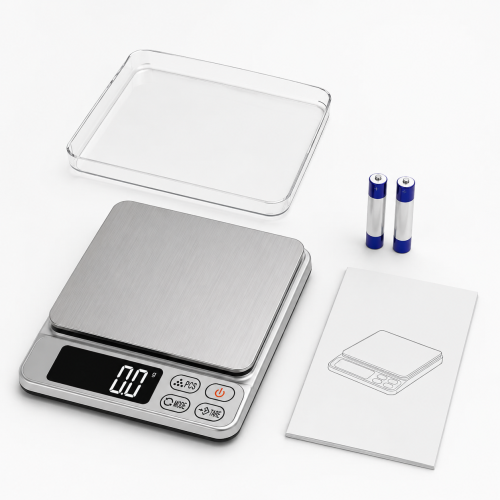
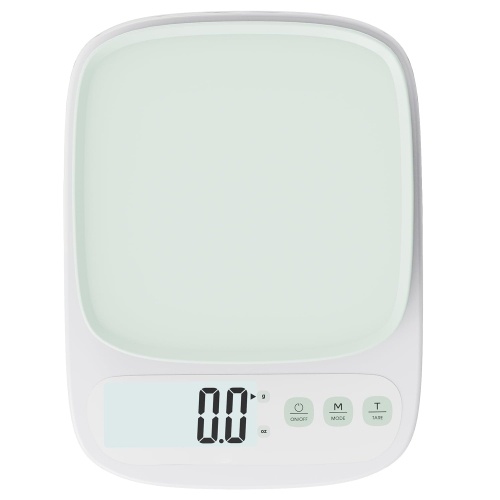
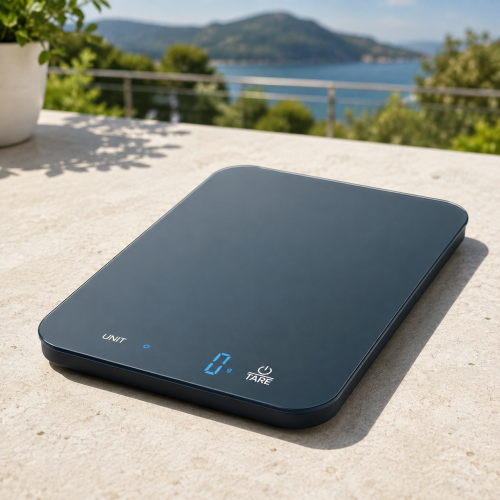
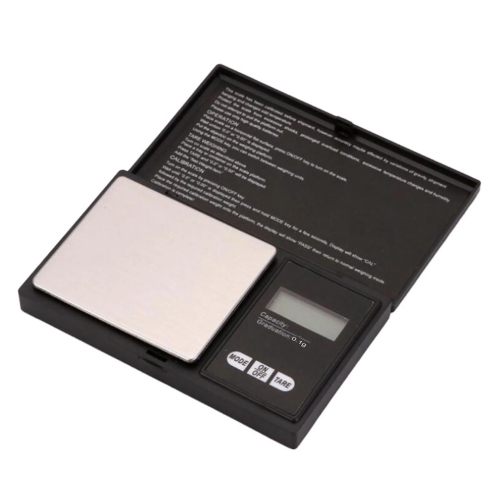
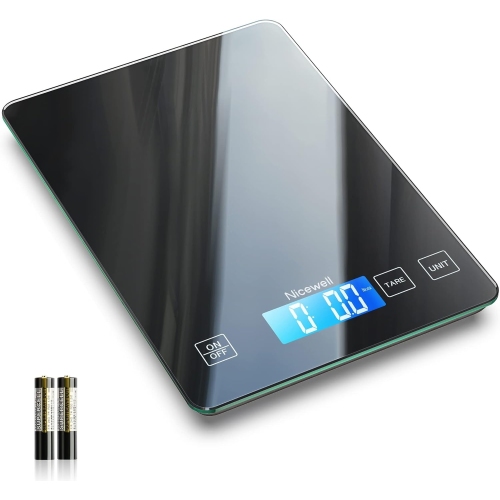
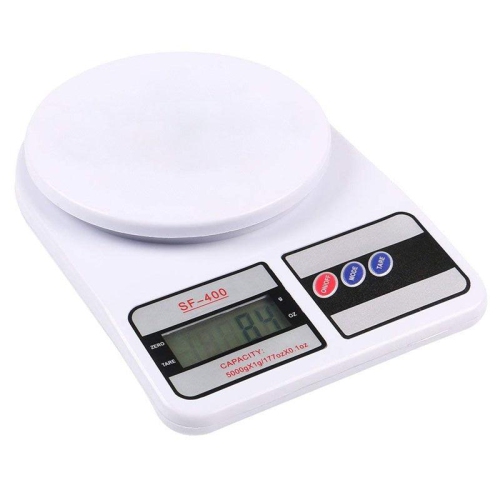
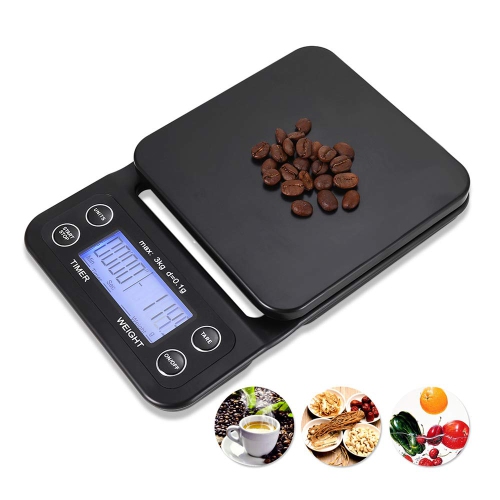
A food scale is a practical addition to any kitchen where accuracy matters, whether you are portioning ingredients for a familiar family recipe or learning the fundamentals of baking. Unlike measuring cups, which can produce different results depending on how an ingredient is packed or levelled, a digital food scale measures by weight for more consistent preparation. This is especially useful for flour, sugar, oats, rice, pasta, coffee, grated cheese, nuts and other ingredients that can vary considerably when measured by volume. A scale can also make recipes easier to follow when they list ingredients in grams, ounces or pounds, giving you the flexibility to work with instructions from cookbooks, websites and handwritten recipes from around the world. Many people appreciate the simple, uncluttered process: place a bowl on the platform, use the tare function to set the display to zero, then add each ingredient one at a time. This approach can reduce the number of measuring cups and spoons needed, while helping you build a clearer sense of how much food you are preparing. For bakers, the difference between a soft, airy loaf and a dense one can come down to the amount of flour added, while home cooks may use a scale to divide dough into evenly sized buns, shape consistent meatballs or portion homemade pizza dough. Compact designs are easy to keep in a drawer or cupboard, and a clear display, responsive buttons and a platform that accommodates common mixing bowls can make everyday use more comfortable. When comparing food scales, consider the maximum capacity, measurement units, display visibility and whether the surface is simple to wipe clean. A model with a tare feature is particularly convenient, as it allows you to weigh several ingredients in the same container without doing the mathematics between additions.
Food scales are useful well beyond baking. Anyone preparing lunches, planning balanced portions or trying to bring more structure to everyday meals may find it easier to understand serving sizes when ingredients are weighed directly. They can be helpful for students cooking in a small apartment, busy households preparing several portions at once, and people who enjoy meal preparation on a quiet afternoon before the week gets busy. A scale can help divide cooked grains, vegetables, pasta or protein into similar portions, making containers easier to organize and recipes easier to repeat. It is also handy for cooking projects that depend on dependable ratios, such as fresh pasta, bread, pastry, preserves and spice blends. During the warmer seasons, it can help with fruit-filled desserts, homemade granola and picnic-ready snacks; during the cooler months, it can bring precision to soups, stews, holiday baking and comfort-food recipes that are made in larger batches. Coffee enthusiasts may use one to measure beans and water more consistently, while people who make smoothies, trail mixes or protein snacks can use it to repeat a favourite combination without relying on guesswork. If you are buying one as a gift, a food scale can suit a new homeowner, an enthusiastic baker, a university student setting up a first kitchen or a friend who enjoys experimenting with recipes. It is also a thoughtful choice for someone who already has plenty of cookware but appreciates a small tool that improves the way they use it. Look for features that match the recipient’s habits: a slim profile for limited counter space, an easy-to-read screen for busy kitchens, or a larger weighing surface for mixing bowls and baking trays. Some cooks prefer touch controls for a smooth surface, while others value physical buttons that are easy to operate with flour-covered hands.
Choosing the right food scale comes down to how you expect to use it and where it will live between recipes. For occasional baking, a straightforward scale with gram and ounce measurements may be all that is needed. If you regularly prepare large batches, check the capacity so the scale can support a filled bowl without exceeding its limit. A stable base is important when adding ingredients gradually, and a removable or wipeable platform can make cleanup less of a chore after working with flour, sugar or sticky fruit. Battery life and automatic shut-off are also worth considering, particularly if the scale is stored away and brought out only when needed. Some people prefer a bright, high-contrast display that can be read from across the counter, while others prioritize a compact design that takes up very little room. For measurements that require a different level of precision, such as weighing small quantities for experiments or technical applications, you can explore dedicated Lab Scales; food scales are generally designed for the practical demands of kitchen preparation and portioning. Whichever features matter most, a dependable scale can become one of those quietly useful kitchen tools that earns its place through repetition. It may help turn a complicated recipe into a series of simple additions, make portions easier to manage and give new cooks the confidence to follow measurements carefully. As recipes change with the seasons and kitchens grow busier during the cooler months, having a clear, accurate way to weigh ingredients can make cooking feel more organized from the first scoop of flour to the final serving.
Food scales are useful well beyond baking. Anyone preparing lunches, planning balanced portions or trying to bring more structure to everyday meals may find it easier to understand serving sizes when ingredients are weighed directly. They can be helpful for students cooking in a small apartment, busy households preparing several portions at once, and people who enjoy meal preparation on a quiet afternoon before the week gets busy. A scale can help divide cooked grains, vegetables, pasta or protein into similar portions, making containers easier to organize and recipes easier to repeat. It is also handy for cooking projects that depend on dependable ratios, such as fresh pasta, bread, pastry, preserves and spice blends. During the warmer seasons, it can help with fruit-filled desserts, homemade granola and picnic-ready snacks; during the cooler months, it can bring precision to soups, stews, holiday baking and comfort-food recipes that are made in larger batches. Coffee enthusiasts may use one to measure beans and water more consistently, while people who make smoothies, trail mixes or protein snacks can use it to repeat a favourite combination without relying on guesswork. If you are buying one as a gift, a food scale can suit a new homeowner, an enthusiastic baker, a university student setting up a first kitchen or a friend who enjoys experimenting with recipes. It is also a thoughtful choice for someone who already has plenty of cookware but appreciates a small tool that improves the way they use it. Look for features that match the recipient’s habits: a slim profile for limited counter space, an easy-to-read screen for busy kitchens, or a larger weighing surface for mixing bowls and baking trays. Some cooks prefer touch controls for a smooth surface, while others value physical buttons that are easy to operate with flour-covered hands.
Choosing the right food scale comes down to how you expect to use it and where it will live between recipes. For occasional baking, a straightforward scale with gram and ounce measurements may be all that is needed. If you regularly prepare large batches, check the capacity so the scale can support a filled bowl without exceeding its limit. A stable base is important when adding ingredients gradually, and a removable or wipeable platform can make cleanup less of a chore after working with flour, sugar or sticky fruit. Battery life and automatic shut-off are also worth considering, particularly if the scale is stored away and brought out only when needed. Some people prefer a bright, high-contrast display that can be read from across the counter, while others prioritize a compact design that takes up very little room. For measurements that require a different level of precision, such as weighing small quantities for experiments or technical applications, you can explore dedicated Lab Scales; food scales are generally designed for the practical demands of kitchen preparation and portioning. Whichever features matter most, a dependable scale can become one of those quietly useful kitchen tools that earns its place through repetition. It may help turn a complicated recipe into a series of simple additions, make portions easier to manage and give new cooks the confidence to follow measurements carefully. As recipes change with the seasons and kitchens grow busier during the cooler months, having a clear, accurate way to weigh ingredients can make cooking feel more organized from the first scoop of flour to the final serving.
Top selling and popular products
-
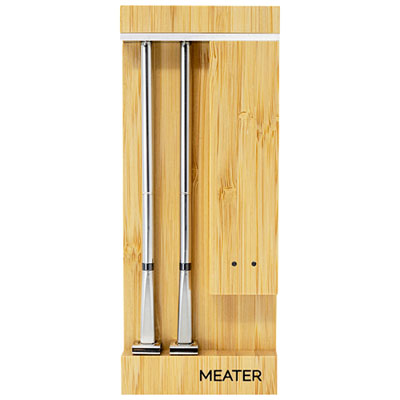 Your price for this item is $249.98
 -
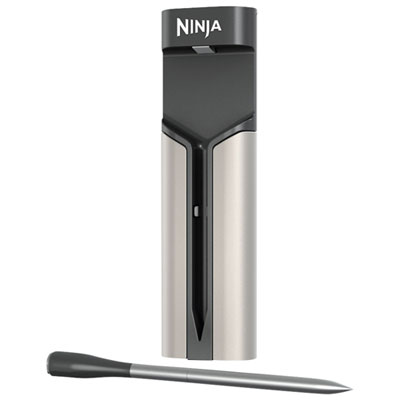 Your price for this item is $129.99
 -
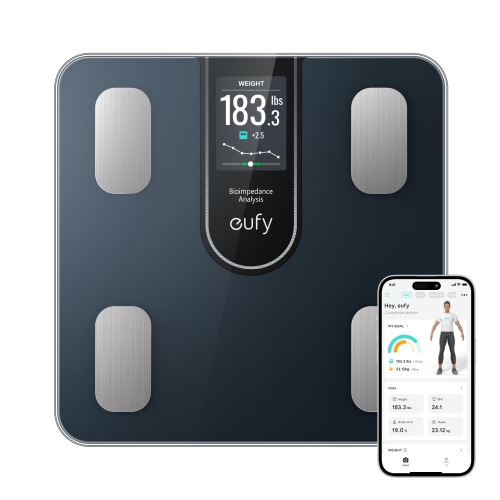 Your price for this item is $69.74
 -
 Your price for this item is $149.99
 -
 Your price for this item is $12.99
 -
 Your price for this item is $479.99
 -
 Your price for this item is $21.99
 -
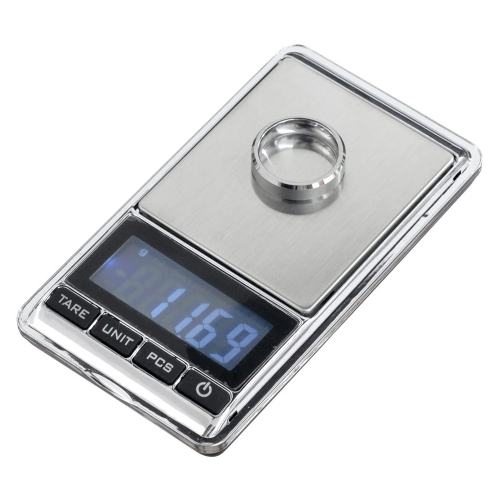 Your price for this item is $17.99
Discover more categories related to Food Scale
Top Collections:
Pokemon Centers, Best Cameras for Sports Photography, Kindle Devices, Samsung Galaxy Phones, Canon G7X Cameras, Pokémon 30th Celebration Cards, Refurbished Apple Laptops, iPhone 15 Apple, Laptops for Students, Budget Smartphones
Some products may be subject to Environmental Handling Fees
(EHF) depending on your province.
Learn more about EHFs.