Best Commercial Coffee Machines

Find the best commercial coffee machines for your café, restaurant, or office, ranked by customer review ratings. Whether you’re serving a morning rush or keeping your team fuelled throughout the day, explore options with the brewing capacity, ease of use, and features to suit your space and daily demand.

Read More

What to look for in commercial coffee machines

1. Capacity and Output

Consider how many cups you serve each day and during your busiest periods. Compare batch sizes, brewing speed and hot water capacity to find a machine that can keep up with demand.

2. Brewing Options and Controls

Choose a machine that suits your menu, whether you serve brewed coffee, espresso or milk-based drinks. Automatic models can simplify preparation, while semi-automatic espresso machines give trained staff more control over extraction and milk steaming.

3. Installation and Space

Measure your counter space, including clearance for filling, cleaning and accessories such as a grinder. Check electrical, water supply and drainage requirements, as some commercial coffee machines need a dedicated circuit or a direct water connection.

4. Cleaning and Service Support

Look for accessible components and cleaning features that fit your daily workflow. Compare warranty coverage for commercial use, local service availability and replacement part access to help limit downtime.
  1. 1

    KEURIG K3500 4OZ Commercial Coffee Maker With Plumbed Connection

    About this product

    A commercial coffee maker with intuitive technology and a modern design, perfect for a busy break room.

    (18)
    $1,349.99 Your price for this item is $1349.99
  2. 2

    KEURIG - K-2500 5-Cup Commercial Coffee Maker With Plumbed Connection - In Black

    About this product

    A compact commercial coffee maker with quick brew options and intuitive technology for small office coffee stations.

    What customers like

    • Great-tasting coffee with easy-to-use controls
    • Adjustable brew strength and cup sizes
    • Quiet and reliable operation
    • Fast, convenient brewing with quick heating
    • Compact design for small office spaces
    (140)
    $479.99 Your price for this item is $479.99
  3. 3

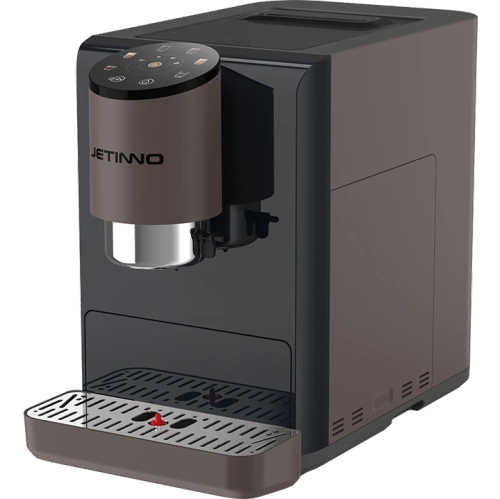
    JETINNO Jl06B Fresh Milk Fully Automatic Espresso Machine Bean-To-Cup - Bronze

    About this product

    A bronze-finished automatic coffee maker that grinds beans, uses fresh milk, and offers hot or cold brew.

    (1)
    $1,719.00
    SAVE $80
    Your price for this item is $1719
  4. 4

    VEVOR 15 L Commercial Coffee Urn, 100 Cup Hot Beverage Dispenser w Dripless Faucet, Quick-Brewing Stainless Steel Large Commercial Coffee Maker

    About this product

    A stainless steel hot beverage dispenser featuring quick heating, dripless faucet, and reusable mesh filter for convenience.

    (1)
    $125.90
    SAVE $54
    Your price for this item is $125.90
  5. 5

    COMMERCIAL CHEF Coffee Machine, Single Serve Coffee Maker, Portable Coffee Maker Single Serve w 13 Ounce Water Tank & One Touch Button for Coffee

    About this product

    A portable single-serve coffee maker featuring a 13-ounce water tank and convenient one-touch operation.

    (1)
    $49.99
    SAVE $30
    Your price for this item is $49.99

Why peak demand matters more than daily cup totals

The best commercial coffee machines match a business’s busiest service period, drink menu, and staffing needs, rather than simply offering the largest capacity. A café serving espresso, cappuccinos, and flat whites needs different equipment from an office providing self-serve coffee or a restaurant filling several cups alongside breakfast orders. Commercial espresso machines use pressure to extract concentrated coffee and may include steam wands for preparing milk, while commercial batch brewers produce larger quantities of filter coffee for service from carafes or insulated dispensers. Bean-to-cup machines combine grinding and brewing in one unit, with some also handling milk preparation, making them useful where straightforward operation matters more than hands-on barista control. Traditional espresso machines suit businesses that want trained staff to adjust extraction and milk texture throughout service. A compact single-group machine may suit a lower-volume coffee counter, while multiple group heads allow staff to prepare more espresso drinks at once. Group count alone does not determine output: boiler capacity, heating performance, grinder speed, and the time needed to steam milk all affect how quickly orders move across the counter. For a lunch rush dominated by lattes, sustained steam performance can matter as much as espresso brewing capacity. In a meeting centre, the ability to brew a fresh batch before a scheduled break may be more useful than a broad menu of individual drinks. Peak demand is therefore more meaningful than a daily cup total when comparing commercial coffee equipment. A hundred drinks spread across a full working day place different demands on a machine than the same number ordered during a short interval. Published output figures are most useful when considered alongside serving size, drink type, and the manufacturer’s testing conditions. Consistent brewing, manageable operation, and capacity suited to the actual service pattern are the qualities that make a machine a strong fit for a café, bakery, hotel breakfast area, catering operation, or shared workplace.

Construction and installation details help distinguish equipment that fits a commercial counter from equipment that merely fits its dimensions. Stainless steel panels, sturdy cup trays, secure controls, and accessible drip trays are practical features in spaces where surfaces are wiped frequently and cups move continuously between preparation and pickup. Exterior materials are only part of durability, however; internal component quality, duty rating, and access for servicing also influence long-term performance. Commercial suitability should be confirmed through the machine’s stated intended use, applicable certifications, and warranty terms, since a premium home machine is not automatically designed for business use. Physical fit includes clearance above the machine for filling bean hoppers or water reservoirs, room beside it for a grinder, and access to connections without dismantling the whole workstation. Staff also need space for milk pitchers, cup storage, and a knock box without crossing the path of finished drinks. A tall dispensing area can accommodate takeaway cups, while adjustable cup supports help position smaller cups closer to the outlet. Plumbed machines can reduce interruptions for refilling, but they require a suitable water connection and may need drainage; reservoir-fed machines offer greater placement flexibility within their specified operating limits. Electrical requirements vary, so voltage, amperage, plug type, and any dedicated-circuit requirements need to match the installation site. Boiler design matters particularly for espresso service. Heat-exchanger and dual-boiler arrangements can support brewing and steaming, although their control systems and performance differ by design. Independent brew and steam boilers can provide separate temperature adjustment, while other configurations balance the two functions differently. Consistency also depends on the grinder, coffee freshness, dose, and preparation technique, not just the machine. Programmable shot volumes can simplify repeated orders, while manual controls give experienced staff more direct involvement. For self-serve settings, clear displays, understandable drink names, and easily reached dispensing areas help make everyday operation approachable for a wider range of users.

Care requirements are part of everyday ownership, especially when coffee oils, milk residue, and mineral deposits can affect flavour and operation. Accessible brew components, removable drip trays, and clearly described cleaning cycles make routine maintenance easier to fit around opening and closing tasks. A steam wand needs prompt wiping and purging according to the manufacturer’s directions after milk preparation, while automatic milk systems require their specified cleaning process even when the machine handles drink preparation at the touch of a button. Espresso machines may require backflushing where supported, and batch brewers need regular cleaning of brew baskets and serving vessels to prevent stale flavours from carrying into fresh coffee. Water treatment should match both local water conditions and the equipment manufacturer’s specifications. Excessively hard water can contribute to scale, but filtration and softening are not interchangeable, and treatment that removes too many minerals may also fall outside the recommended water range. Descaling methods and intervals vary, with some commercial equipment requiring a qualified technician rather than a routine user-run treatment. Service access, replacement-part support, and a clear maintenance schedule matter most when a machine is central to daily operations. In a busy bakery, an accessible drip tray and straightforward closing routine can be just as valuable as an extra drink setting; in an office, an easy-to-clean milk system can determine how practical specialty drinks remain after the initial setup. Noise is another everyday consideration, particularly where grinding and steaming happen near desks, reception seating, or conversations. Businesses comparing espresso-focused equipment can also explore Premium Coffee Espresso Machines, with commercial duty ratings and installation needs remaining important distinctions. A well-matched commercial coffee machine supports the drinks people actually order, gives staff enough capacity during concentrated demand, and fits the available workspace without creating awkward preparation steps. Reliable results come from that combination of appropriate equipment, compatible water, consistent coffee preparation, and regular care. Whether the setting calls for quick cups of filter coffee or carefully textured milk drinks, the strongest fit is equipment whose capabilities and upkeep make sense for the people using it every day.
Read More

FAQ

Some products may be subject to Environmental Handling Fees (EHF) depending on your province. Learn more about EHFs.