Black And Chrome Microwaves
Microwaves are a modern convenience that can be found in almost every kitchen. They are used to heat food, but they also have other uses, such as warming up leftovers or even thawing frozen foods. Here are some of the best black and chrome microwaves on the market today.
Sort
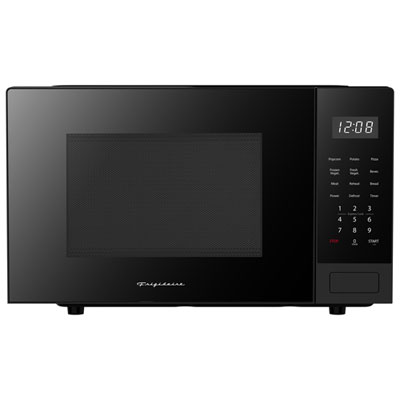
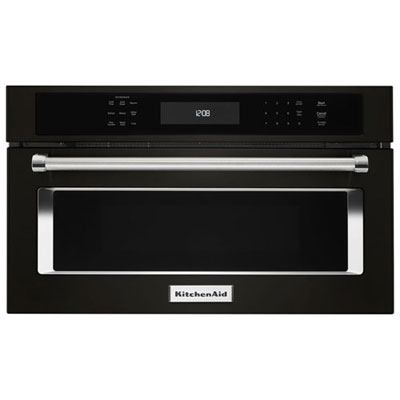
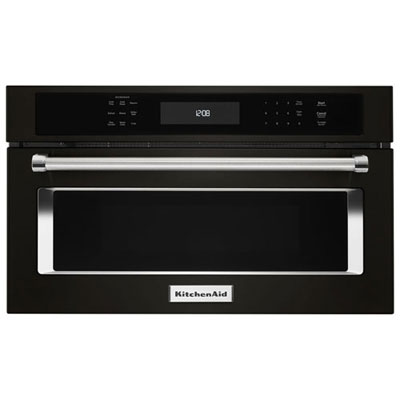
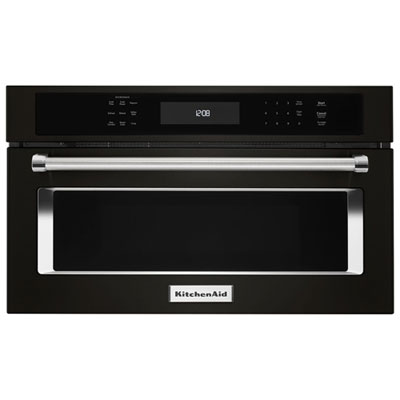
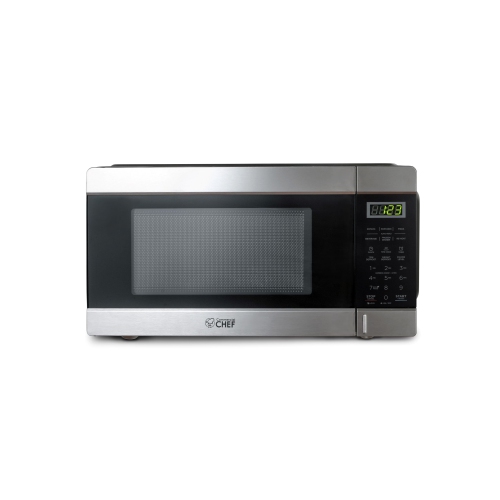
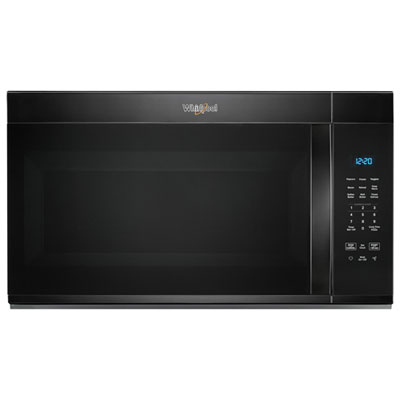
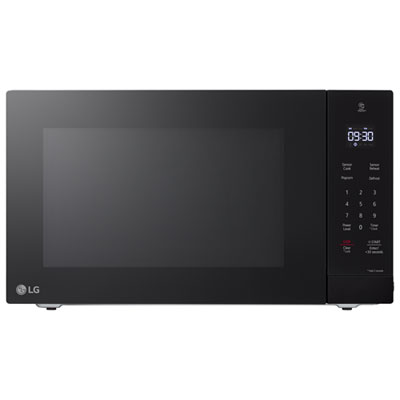
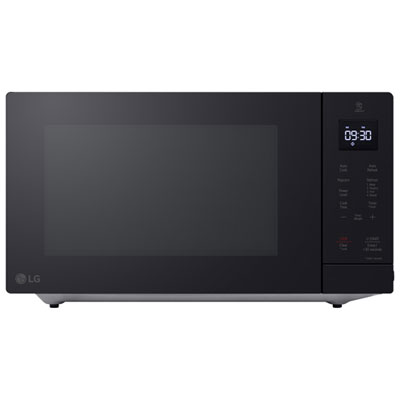
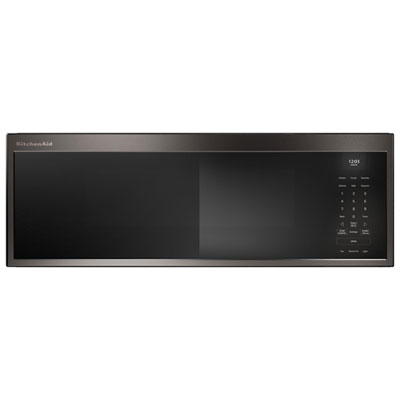
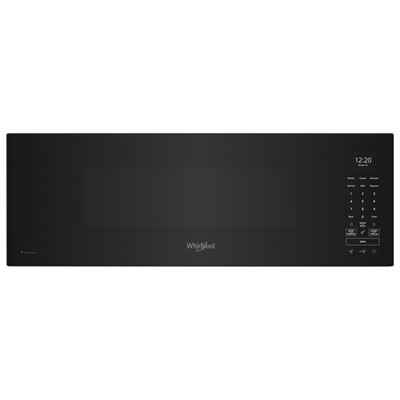

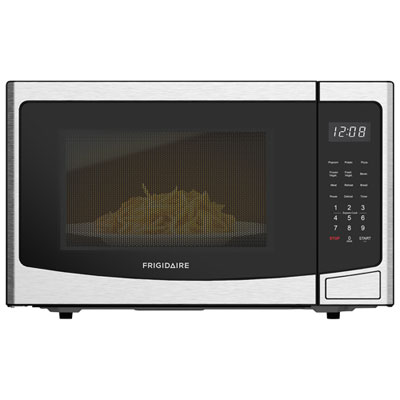
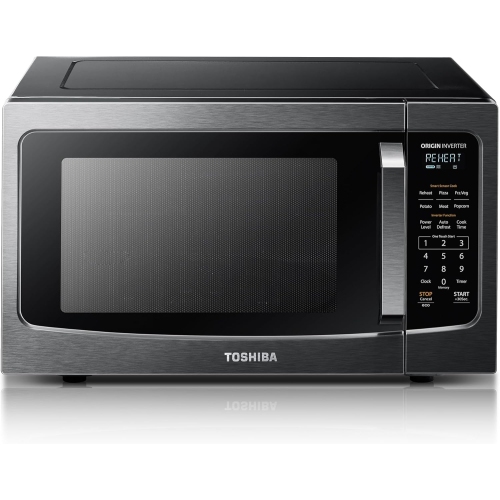
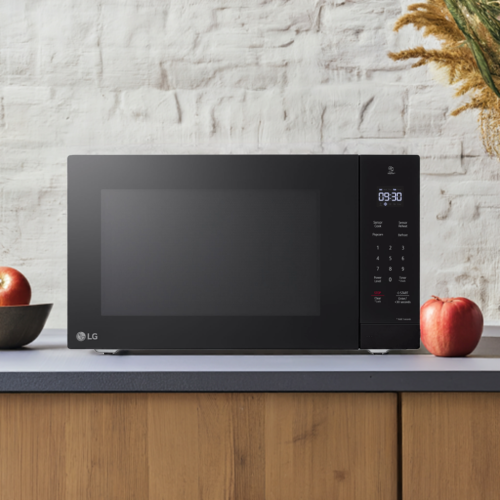
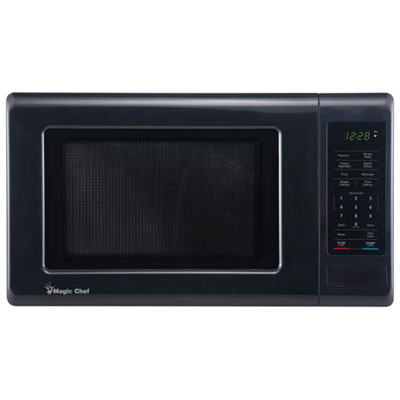
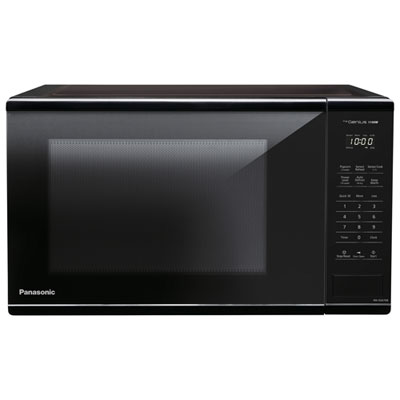
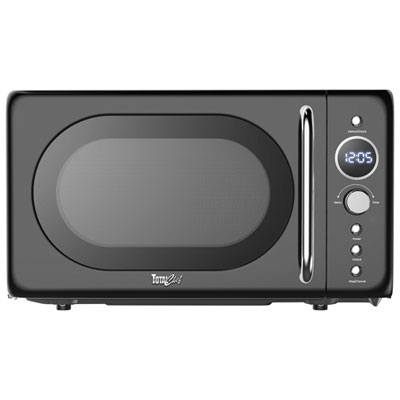
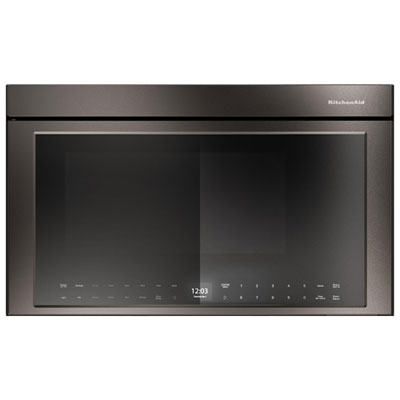
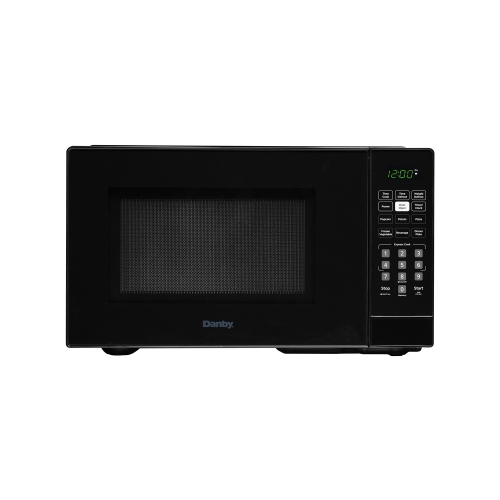
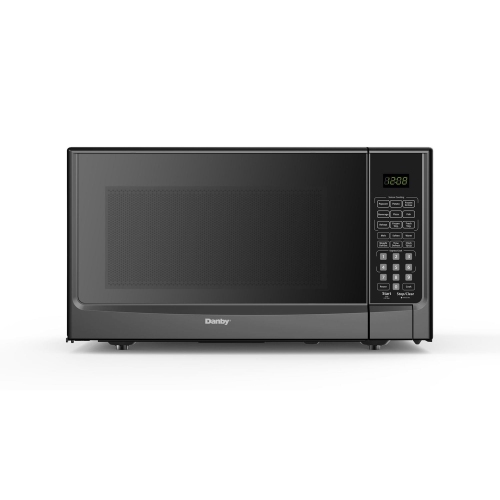
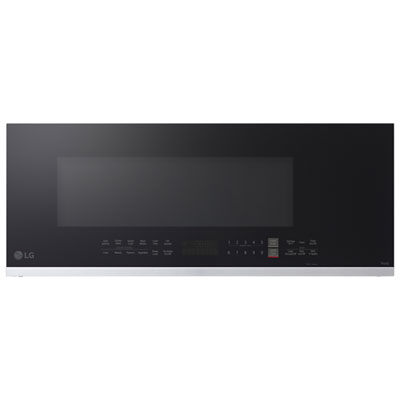
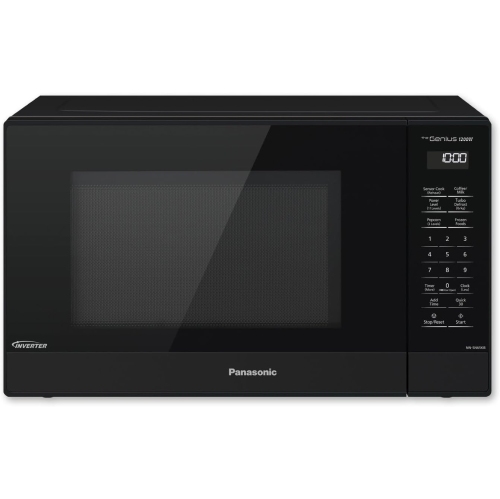
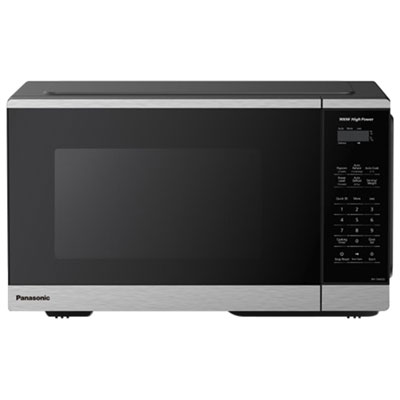
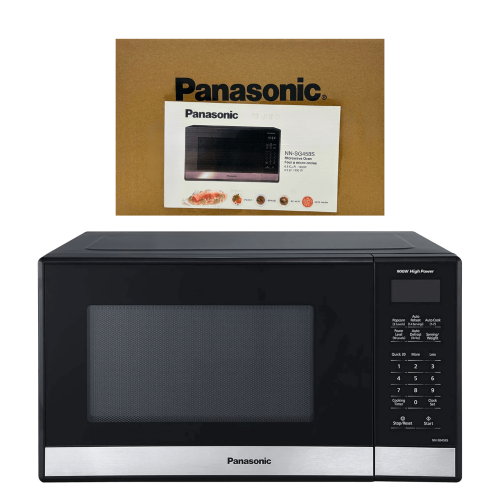
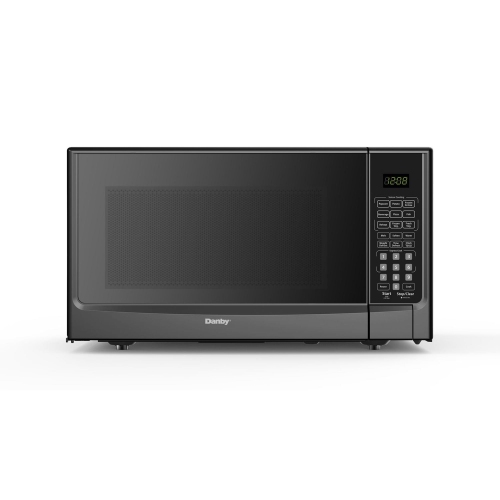
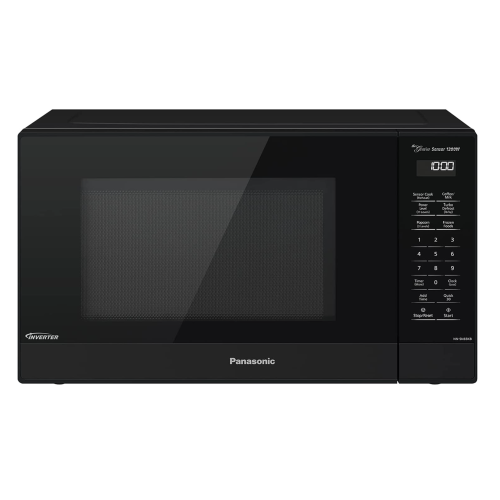
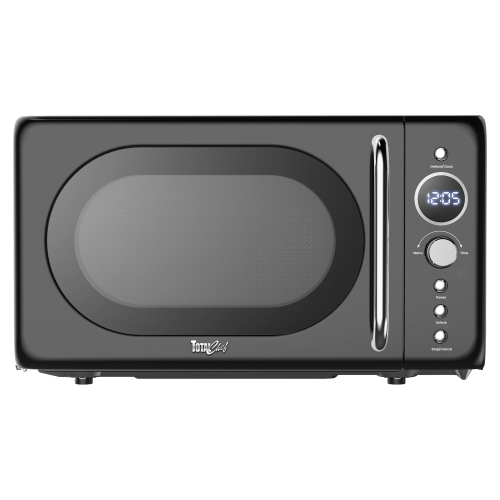
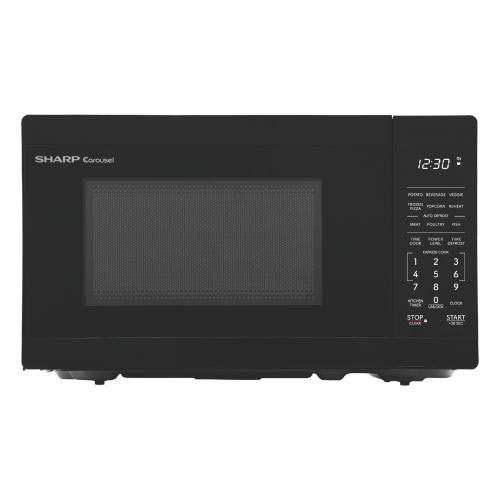
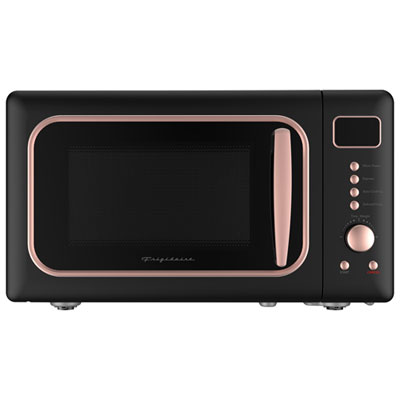
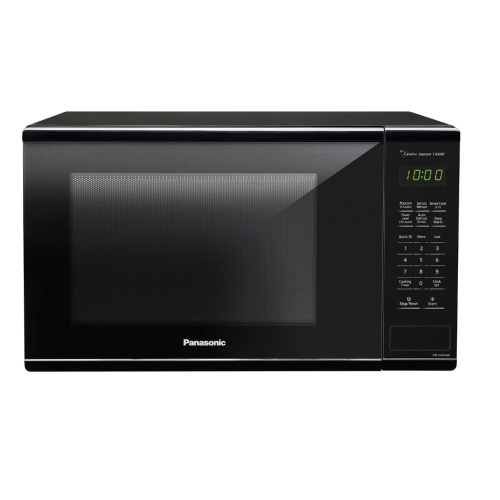
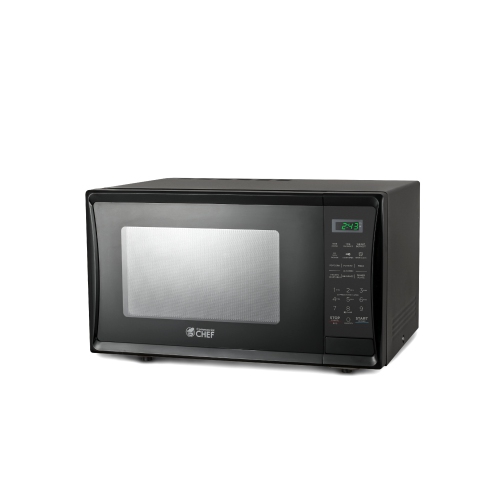
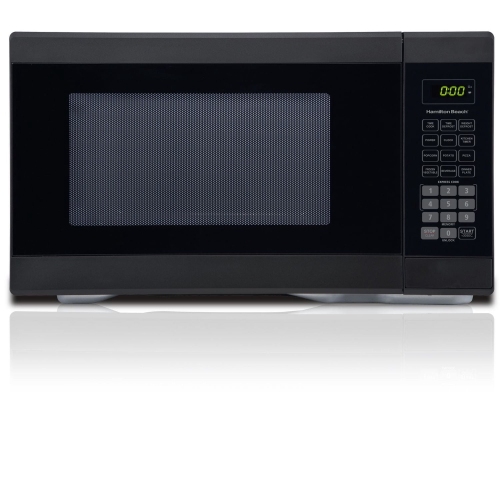
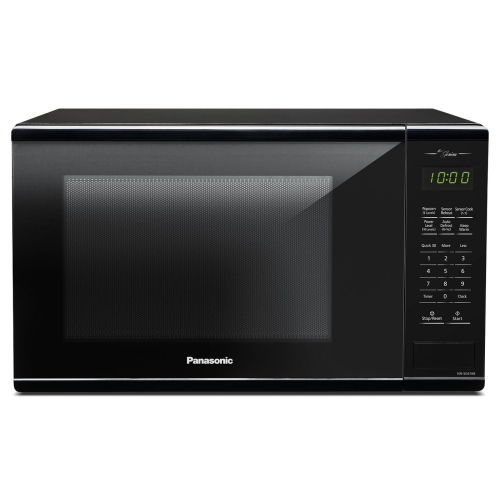
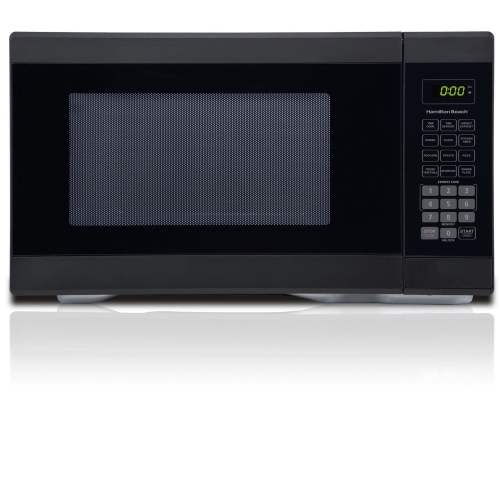
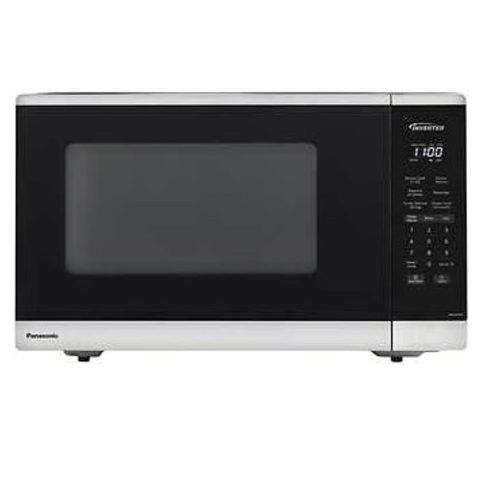
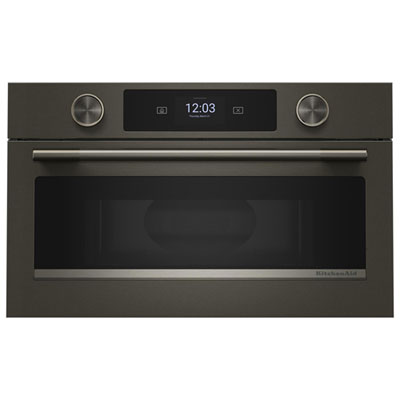
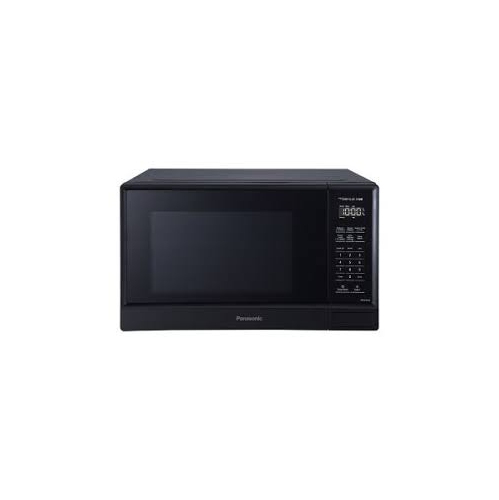
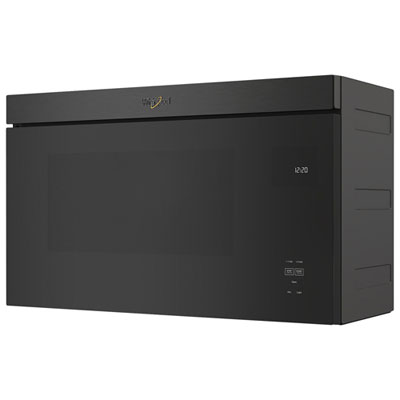
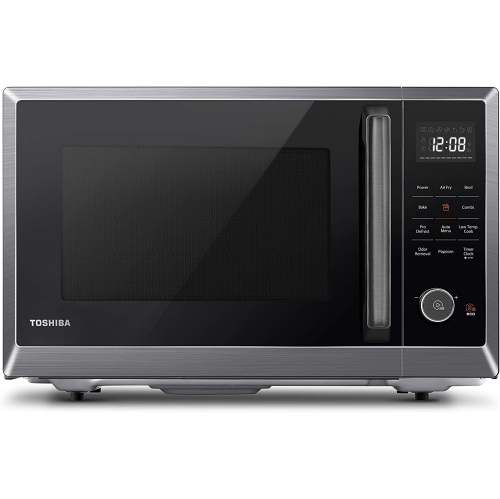
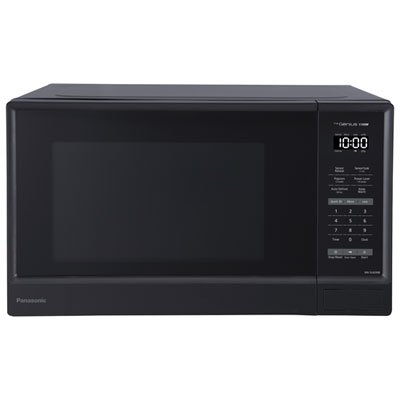
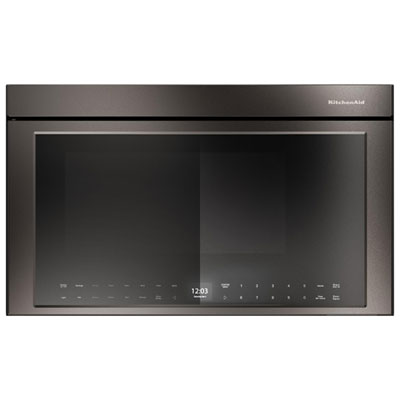
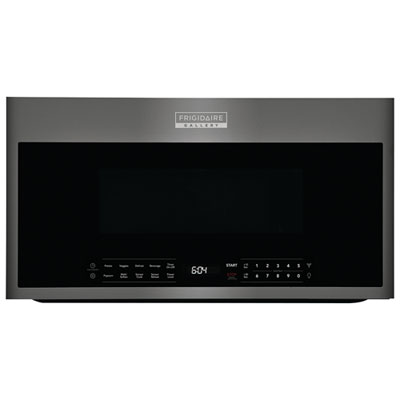
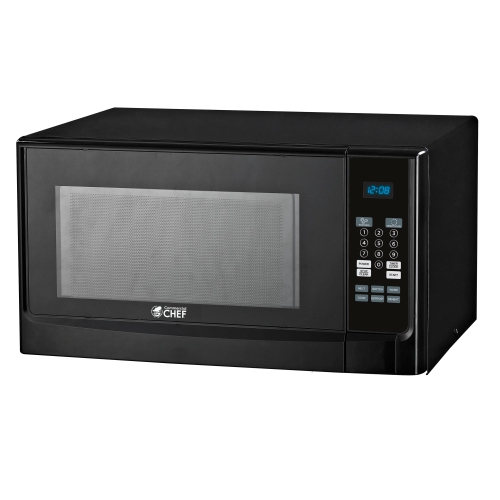
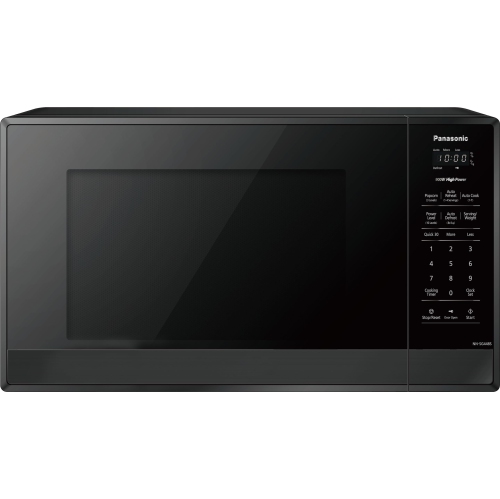
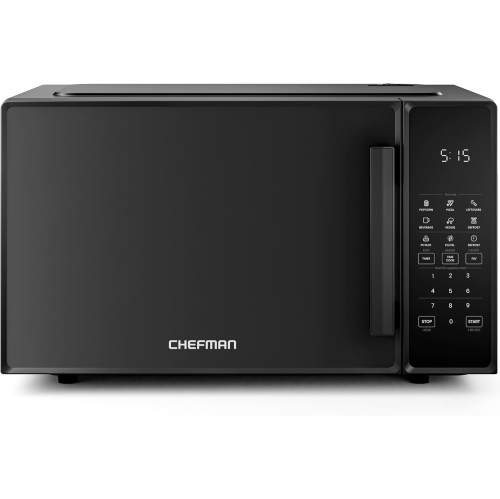
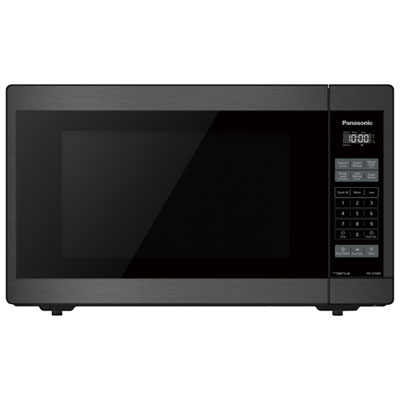
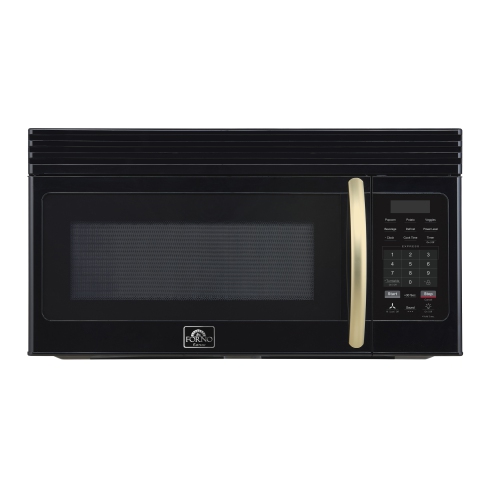
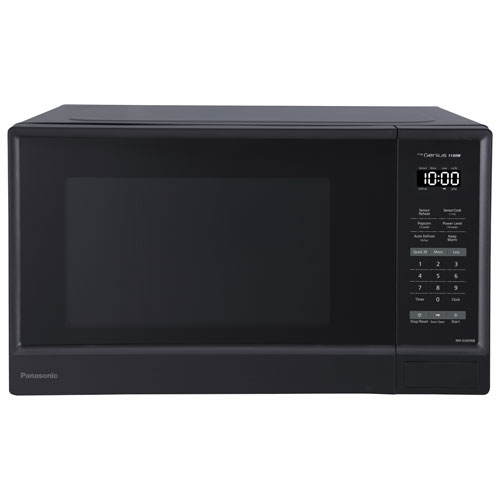
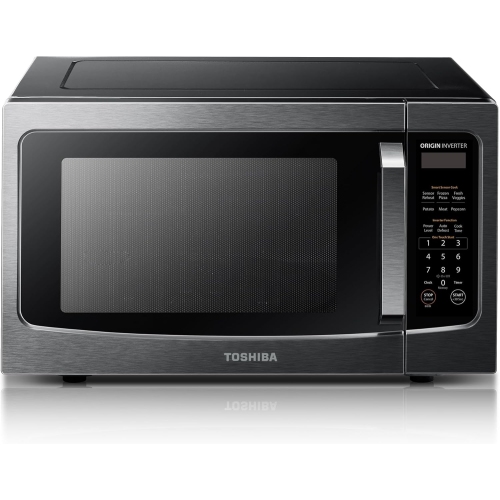
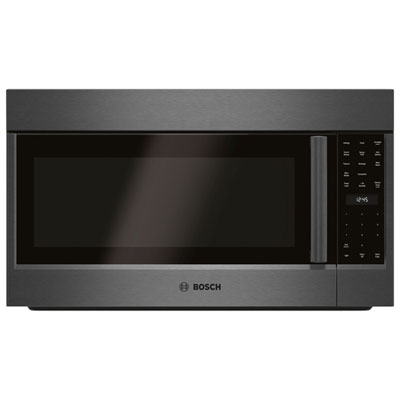
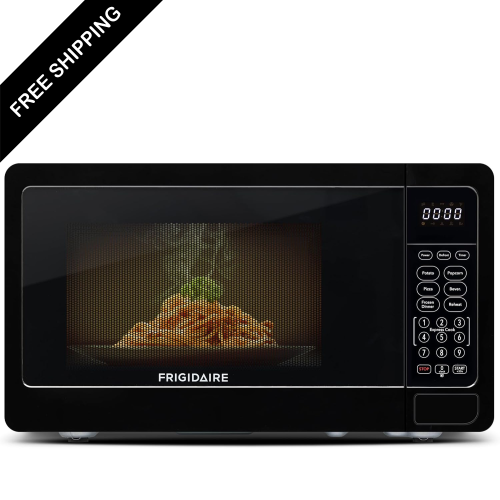
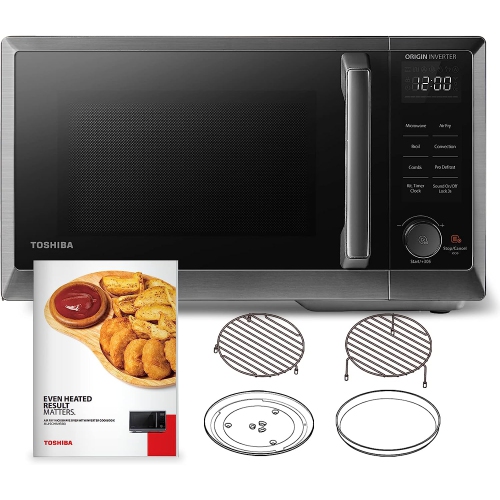

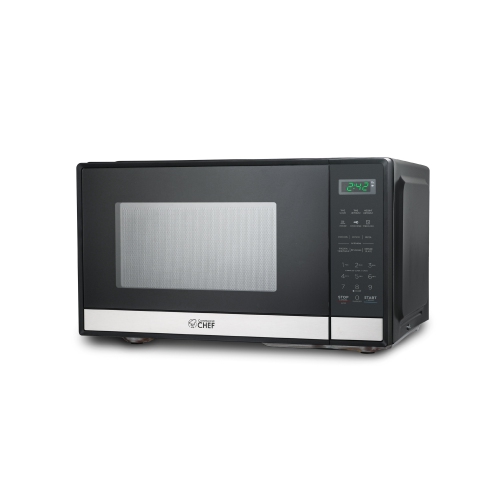
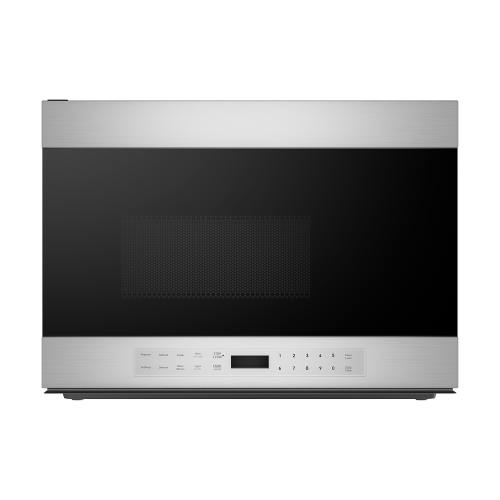
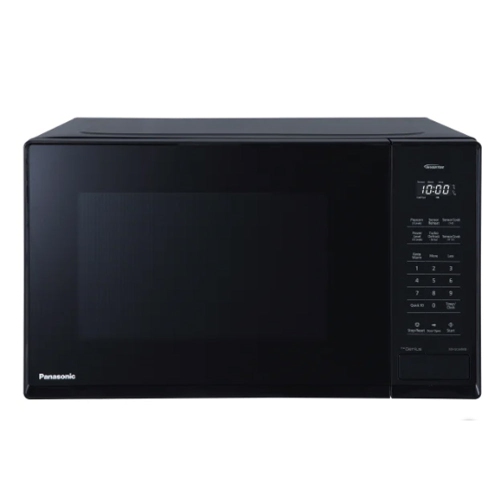
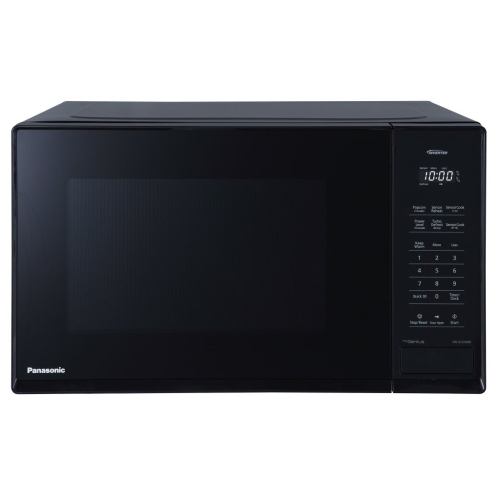
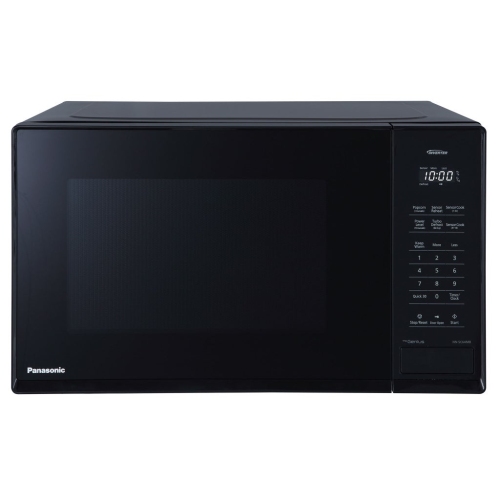
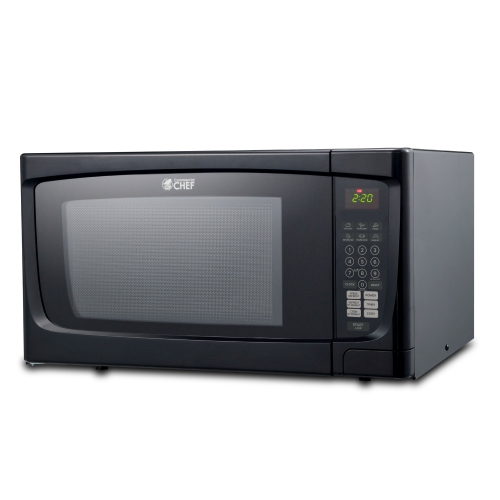
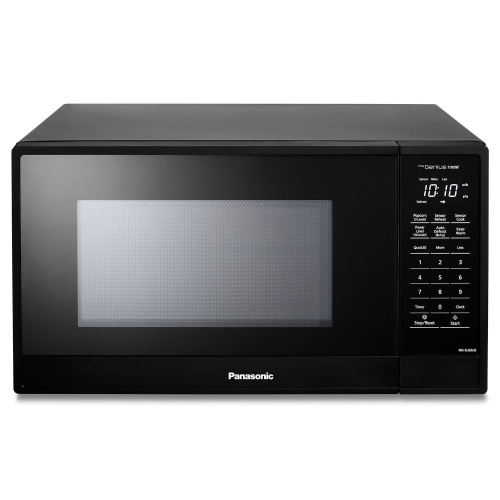
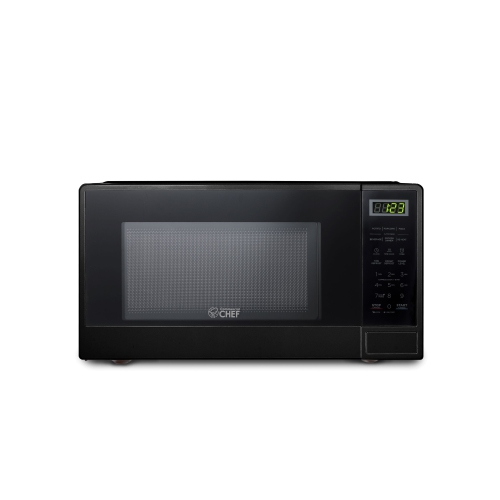
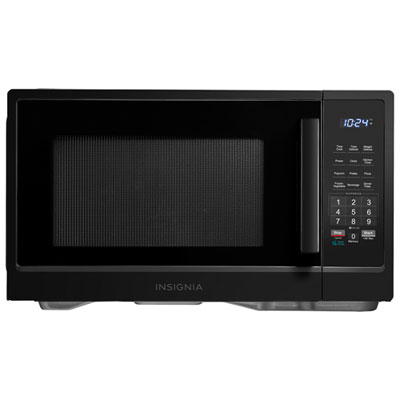
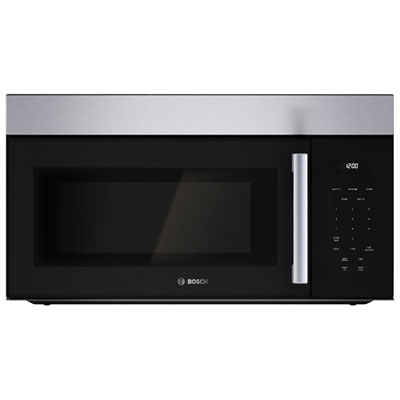
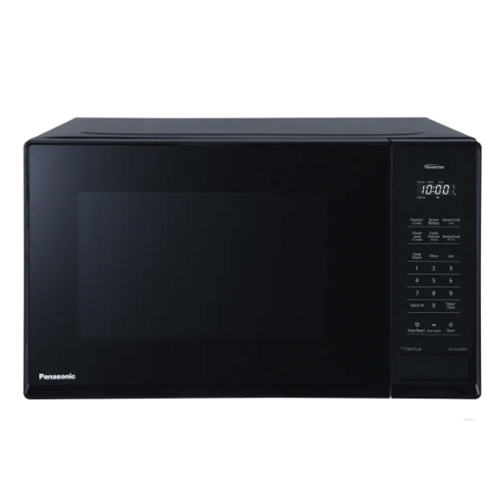

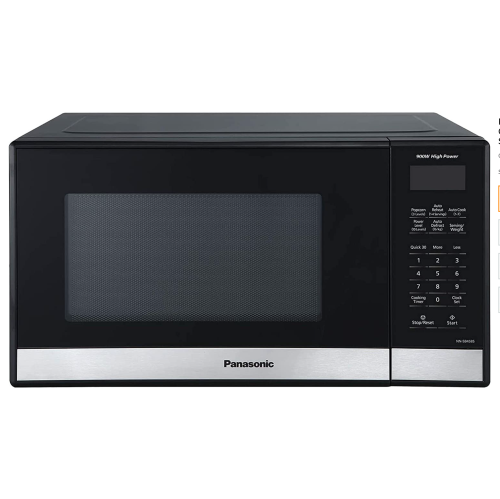
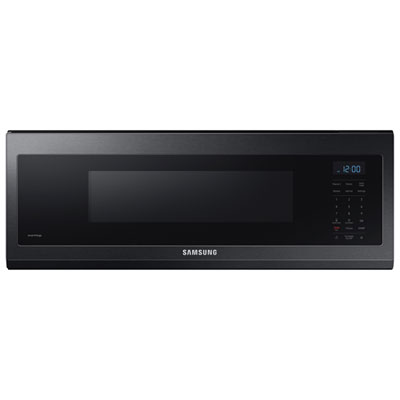
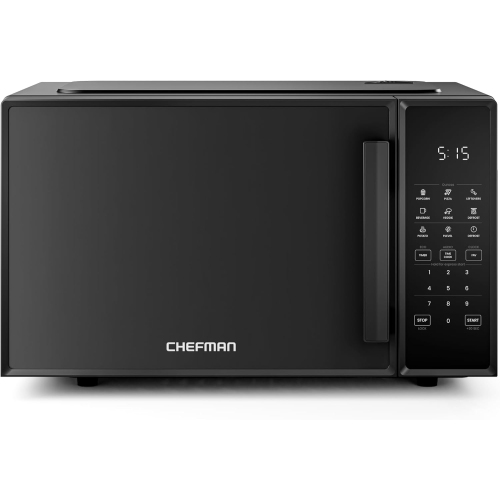
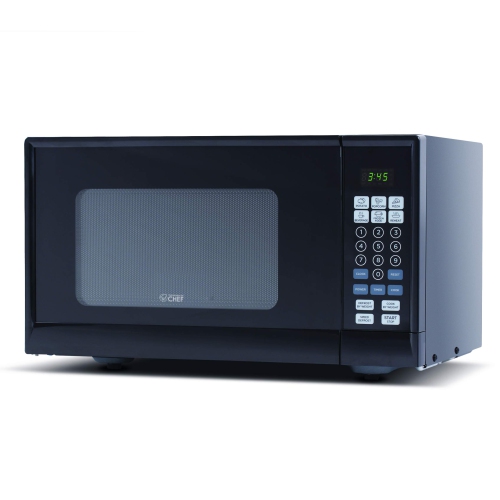
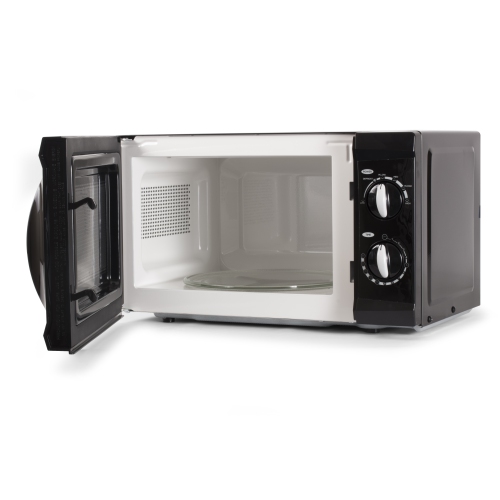
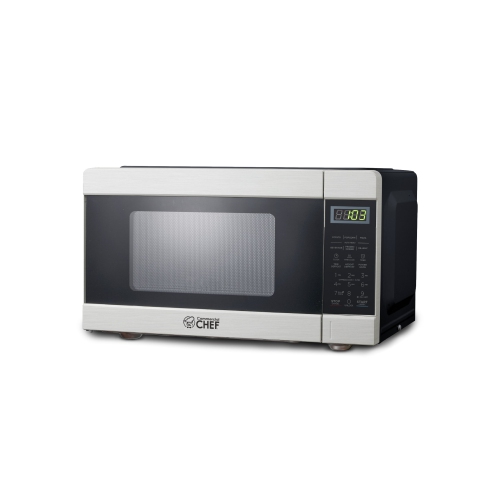
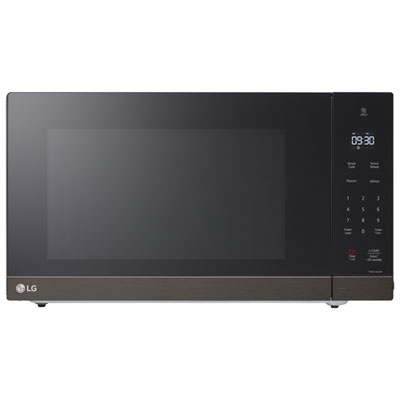
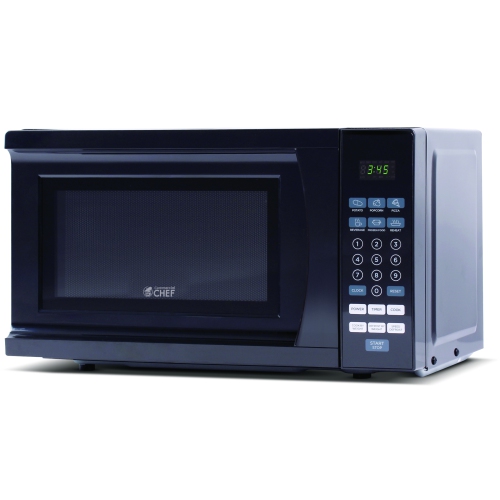
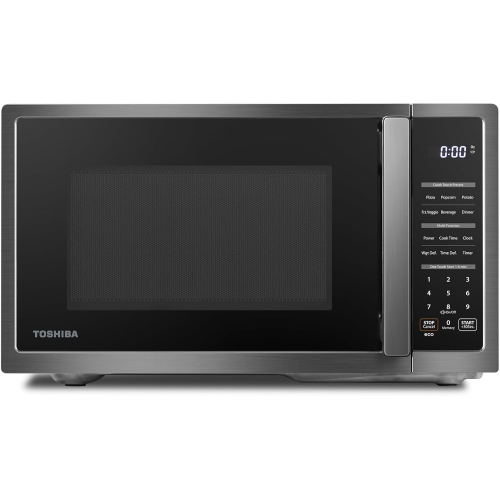
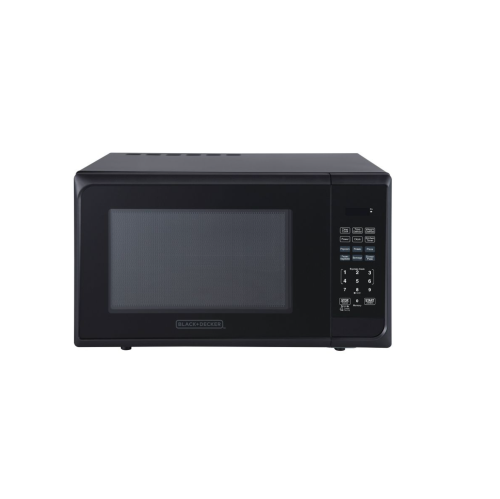
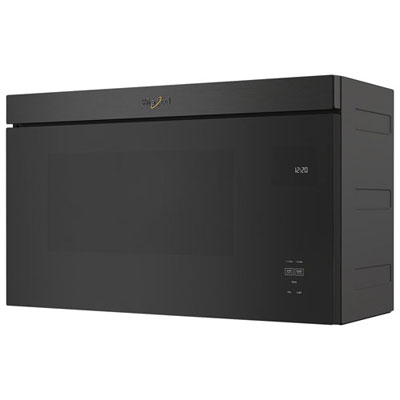
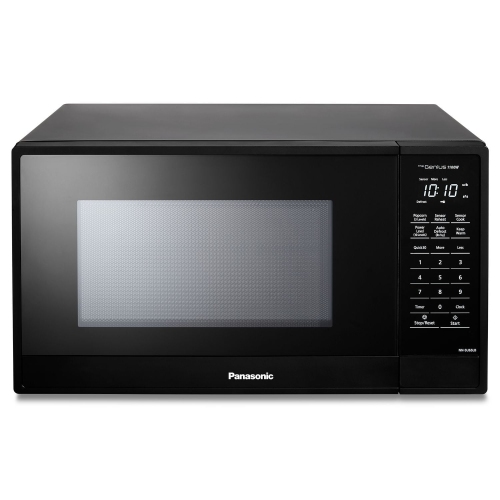
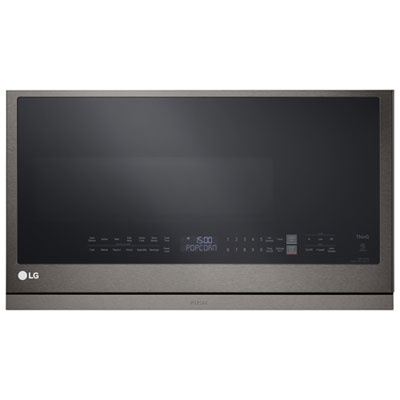

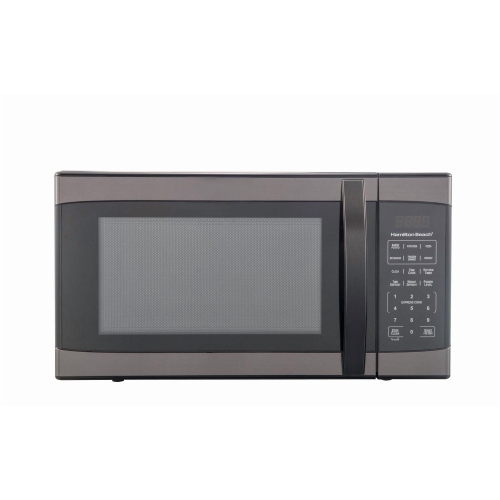

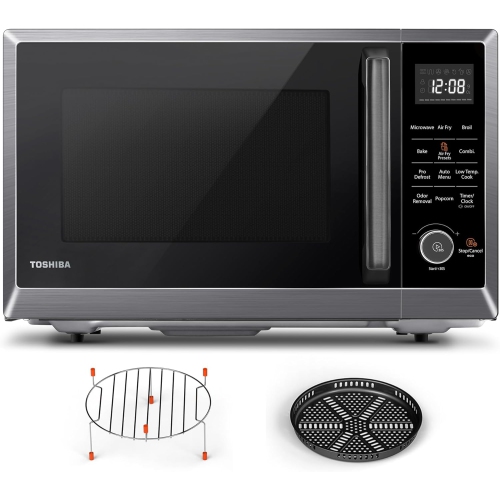
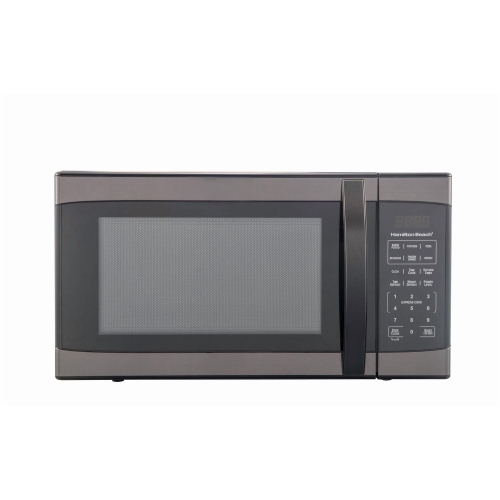
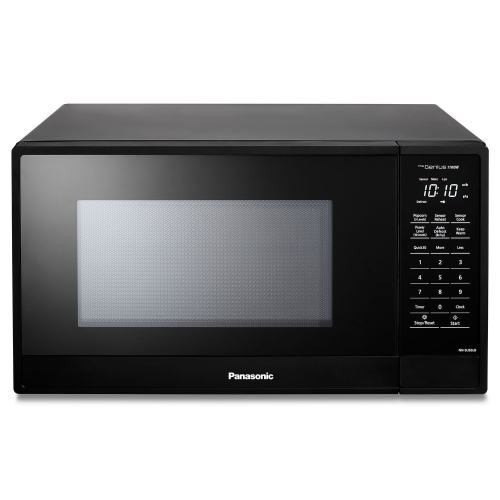
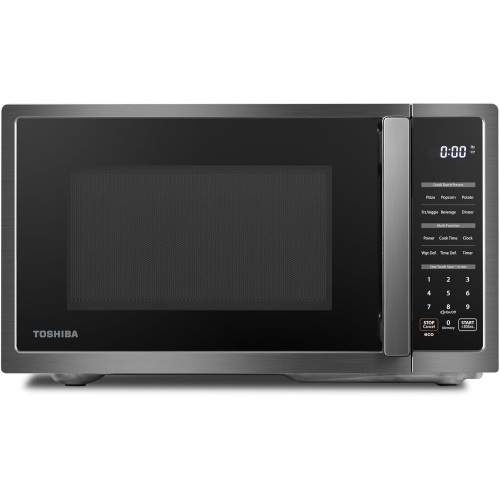
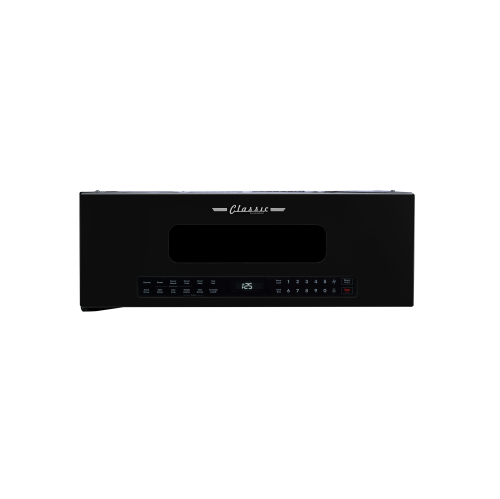
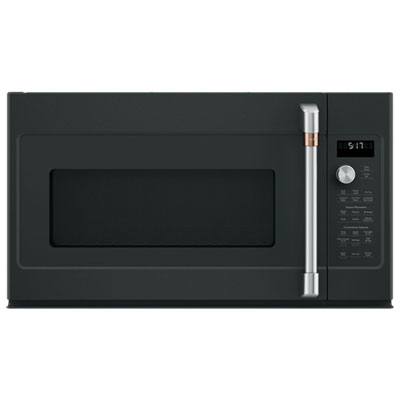

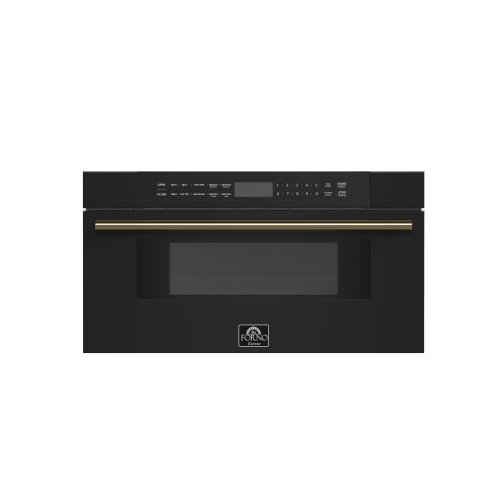

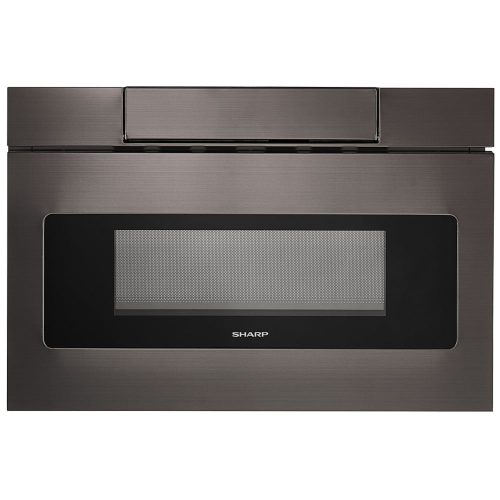
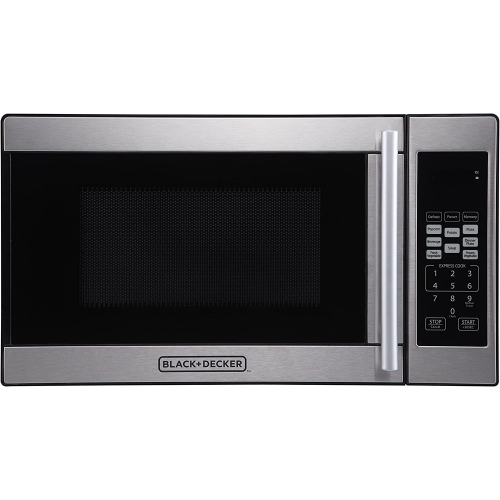
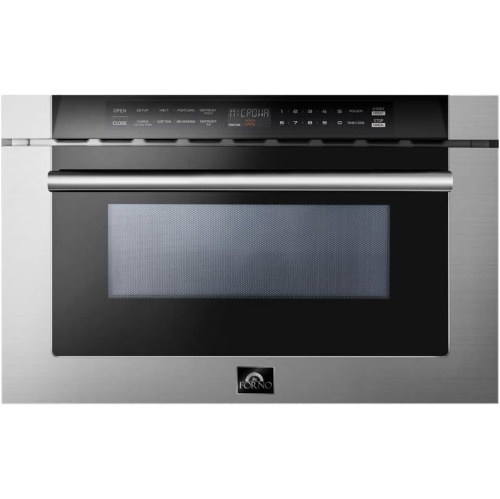
Striking contrast meets the practical side of everyday cooking
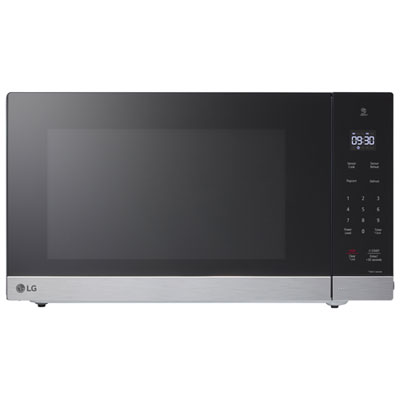
Black and chrome microwaves pair a dark exterior with bright metallic accents, bringing a defined contrast to kitchen counters, coffee stations, and small dining spaces. The combination can feel crisp and contemporary when the door has a broad glass panel and a simple digital display, or more nostalgic when rounded corners, a prominent pull handle, and rotary controls shape the design. Chrome details catch the light, while black panels provide a visual anchor beside pale cabinetry, patterned tile, or natural wood. These finishes also sit comfortably alongside black appliances and other metallic kitchen hardware without requiring every surface to match exactly. The material behind that appearance matters: chrome plating, polished stainless steel, painted metal, and metallic-look trim can have different textures and cleaning requirements. A stainless steel accent is not necessarily chrome, even when both create a silver-toned effect, and a glossy black door will reflect light differently from a matte cabinet. Finish descriptions help distinguish the look from the underlying material. Handles and control panels also affect how the appliance feels in everyday use. A substantial pull handle offers a different experience from a push-button door release, particularly when the microwave is used frequently for breakfast, lunch, and evening meal preparation. Clear markings, an easy-to-read display, and controls that make sense at a glance can be just as important as the exterior styling. For a first apartment, a shared household, or a refreshed kitchen, this colour combination offers a distinctive appearance without dictating the rest of the room. As a housewarming gift, a microwave is most useful when its size and controls suit the recipient’s space and routine. For a similar dark finish with a warmer metallic accent, Black And Bronze Microwaves offer another direction for coordinating with cabinet handles, lighting, and nearby appliances.
Size and cooking capacity determine how naturally a microwave fits into daily life. Compact countertop formats often have an interior capacity around 0.7 cubic feet, while larger formats may provide 1.1 cubic feet or more. Those figures describe the cooking cavity rather than the space the appliance occupies on the counter. Exterior width, depth, and height, along with the ventilation clearances specified by the manufacturer, determine the actual footprint. Door swing deserves attention too: a microwave tucked beside a wall may fit within the available width yet leave too little room to open the door comfortably. Countertop appliances also need a suitable supporting surface and should not be enclosed in cabinetry unless their installation requirements expressly allow it. Inside, turntable diameter and cavity shape affect whether a dinner plate, soup bowl, or microwave-safe casserole dish can move freely. A compact unit may suit someone who mainly reheats individual portions, while a larger interior can be more practical for a household using broad plates or preparing several servings of vegetables. Wattage influences cooking speed, with lower-powered microwaves generally needing longer heating times than higher-powered models. A 700-watt appliance and a 1000-watt appliance can therefore call for different timing even when their exterior dimensions look similar. Adjustable power levels are useful for tasks that benefit from gentler heating, such as softening butter or warming a sauce without bringing it rapidly to a boil. Features vary by model, but timed cooking, defrost settings, quick-start controls, and preset programmes can simplify familiar routines. Sensor cooking, where included, adjusts operation using information such as moisture released during heating; it does not remove the need to check food before serving. A dial can make adding time feel straightforward, while a numeric keypad allows direct entry of a specific cooking duration. Accessible controls and a comfortable door position help turn a good visual match into an appliance that is pleasant to use every day.
The everyday appeal of a black and chrome microwave comes from how well it handles ordinary kitchen moments: warming a bowl of soup between meetings, reheating leftovers after a late shift, or preparing porridge before a busy morning. Its role is usually to complement other cooking appliances rather than replace them, although combination models may include additional functions such as grilling or convection cooking. Those capabilities depend on the appliance and should not be assumed from the finish or exterior style. For conventional microwave cooking, food arrangement and suitable cookware have a noticeable effect on results. A shallow, evenly spread portion generally heats more predictably than a dense mound, and stirring or turning food where appropriate helps distribute heat. Microwave-safe covers can limit splashes while allowing steam to escape as directed, keeping the cavity easier to maintain. Containers should be intended for microwave use, and decorative metallic rims or foil should not be treated as safe simply because the appliance itself has chrome accents. Heated food and steam can make bowls and lids hot even when the surrounding surfaces feel cool. Care also plays a part in preserving both appearance and dependable operation. Fingerprints may be more visible on glossy black panels and bright trim, while dried splashes inside can make routine cleaning harder. A soft cloth and a manufacturer-approved cleaning method help protect finishes; abrasive pads and harsh chemicals can scratch or dull some surfaces. Removable glass turntables and roller rings, where fitted, make it easier to reach spills beneath the cooking area, but their cleaning instructions still matter. Door edges, seals, and ventilation openings need care consistent with the appliance manual, without dismantling protective components. Households with young children may appreciate a control lock or a child-resistant door mechanism, depending on the design, though neither replaces supervision. Durable construction, readable controls, a door that opens smoothly, and an interior that accommodates familiar dishes all contribute to lasting usefulness. Together with the contrasting finish, these practical details make black and chrome microwaves a distinctive part of a kitchen used for real meals and everyday routines.
Top selling and popular products
-
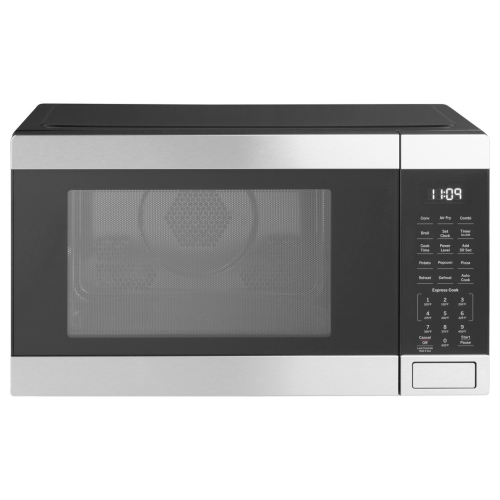 Your price for this item is $599.99
-
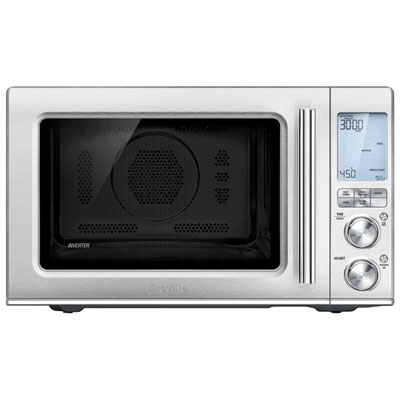 Your price for this item is $499.99
-
 Your price for this item is $95.49
-
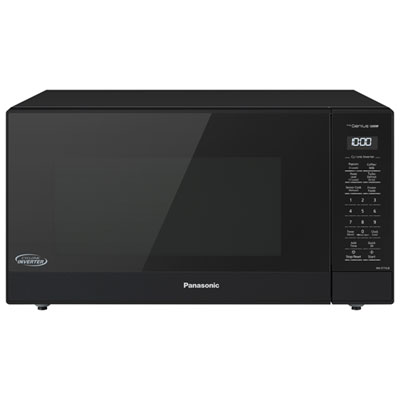 Your price for this item is $309.99
-
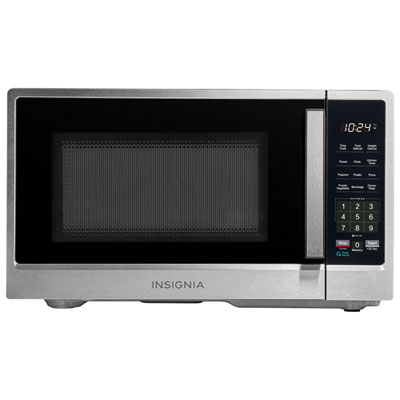 Your price for this item is $89.99
-
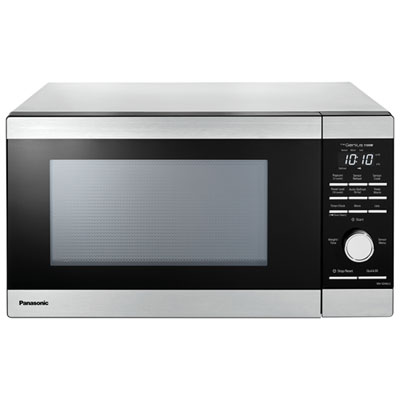 Your price for this item is $179.99
-
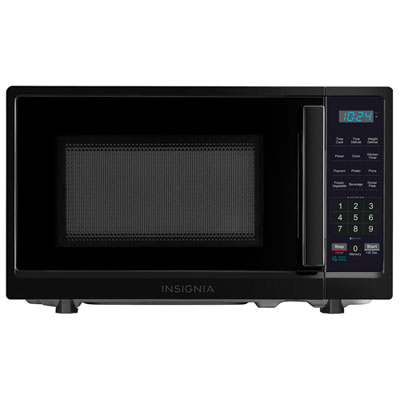 Your price for this item is $69.99
-
 Your price for this item is $299.99
Discover more categories related to Black And Chrome Microwaves
Top Collections:
Best Black Friday Deals This Year, Best Black Friday Deals On Electronics, Kindle Devices, Best Black Friday Deals On Apple Products, Best Budget Office Chairs, Best Cameras for Sports Photography, Dyson Airwrap, Canon G7X Cameras, Best Laptops for Writers, Samsung Galaxy Phones
Some products may be subject to Environmental Handling Fees
(EHF) depending on your province.
Learn more about EHFs.