Black Mini Fridges With Freezer
Add a compact and stylish solution to keep your food and beverages cool with our collection of black mini fridges with freezers. Whether you need to store snacks, drinks, or frozen treats, our black mini fridges with freezers are designed to meet your needs while fitting seamlessly into your lifestyle. Here are some great options for you.
Sort

Why mini fridge capacity tells only half the story
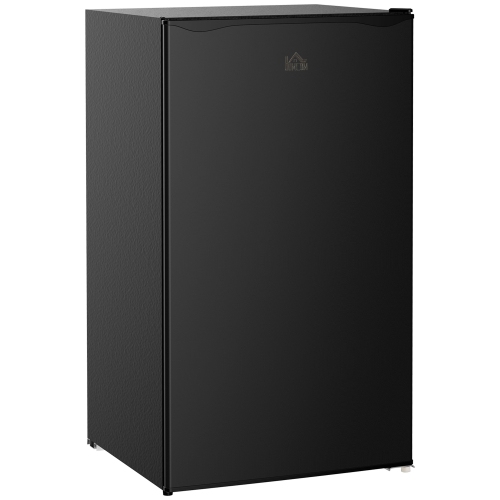
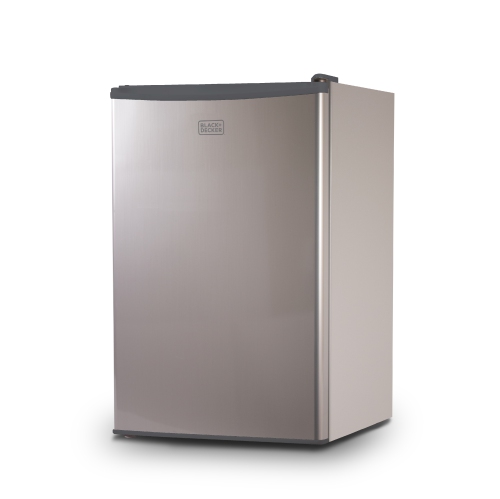
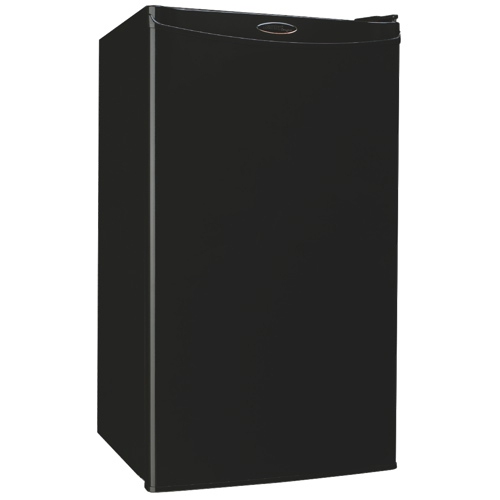
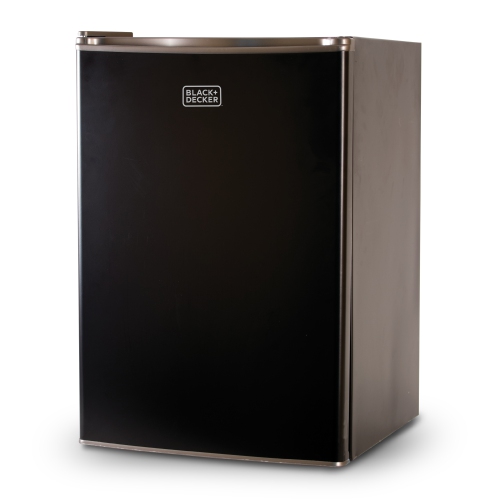
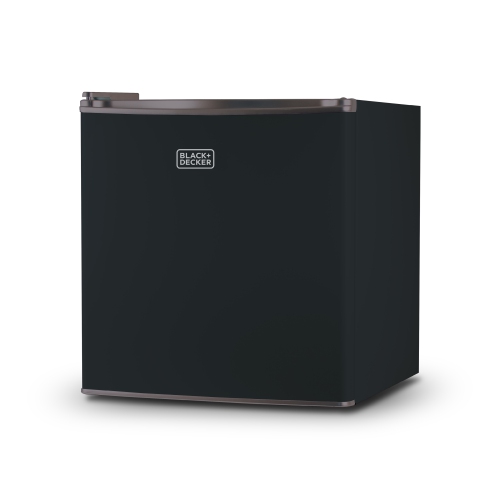
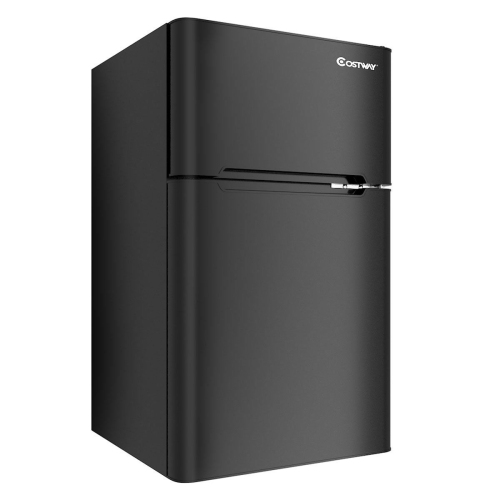
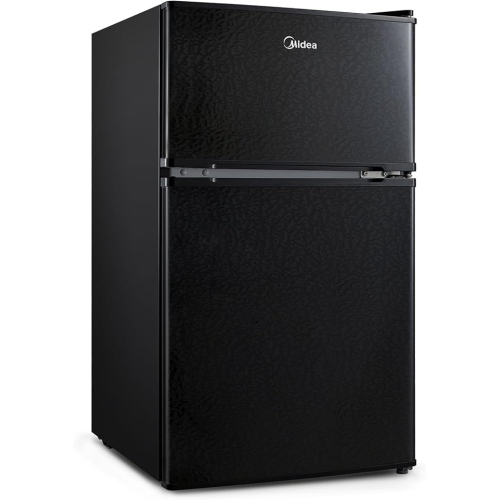
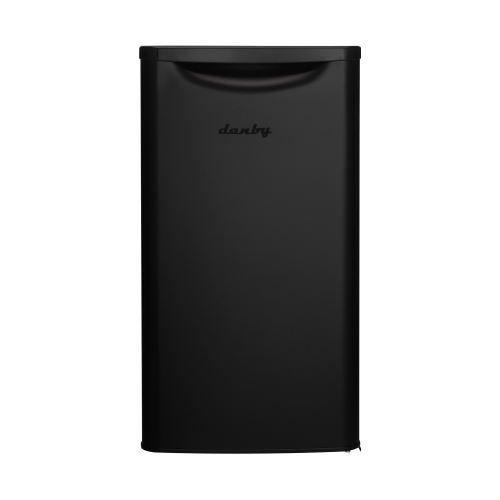
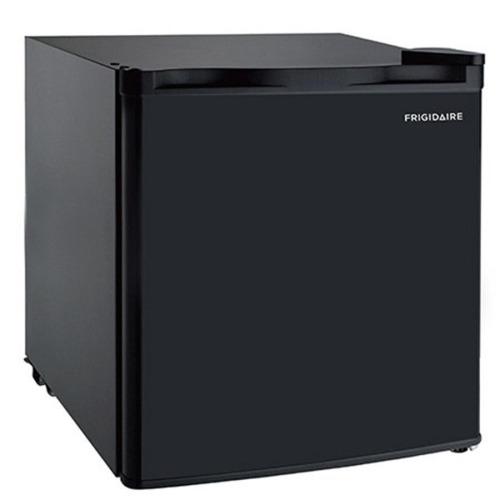
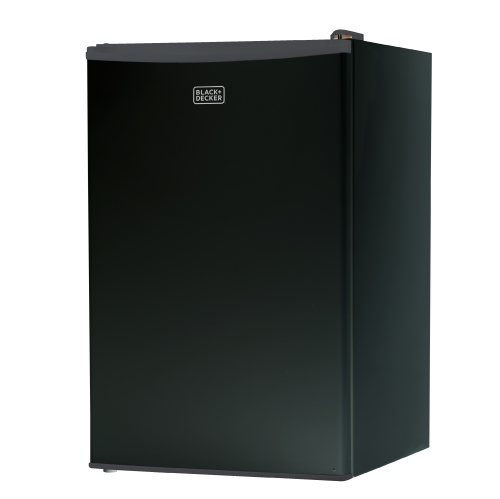
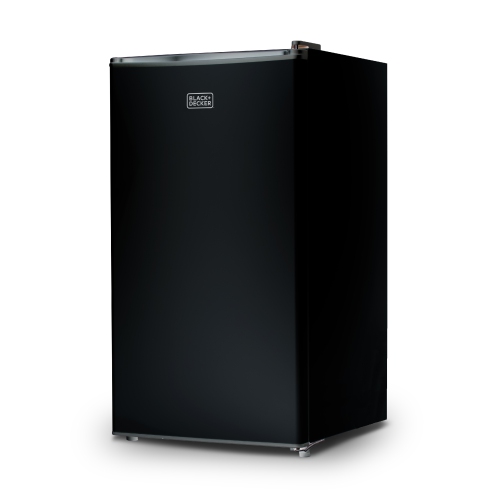
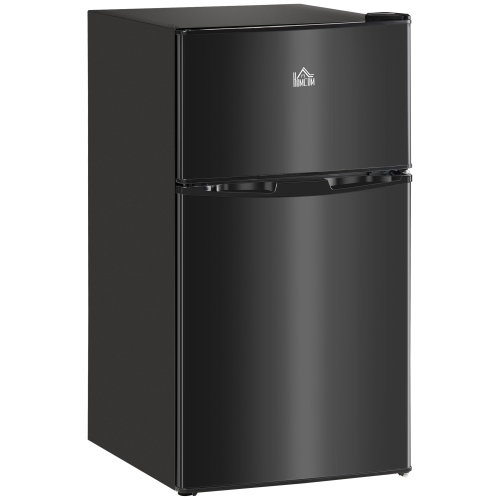
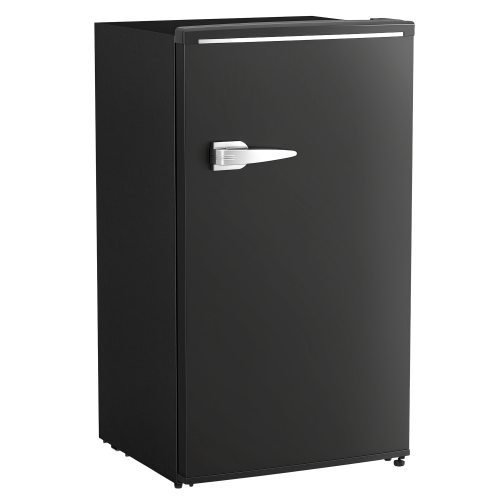
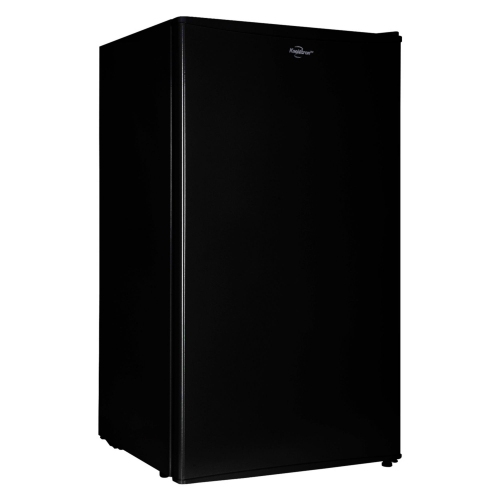
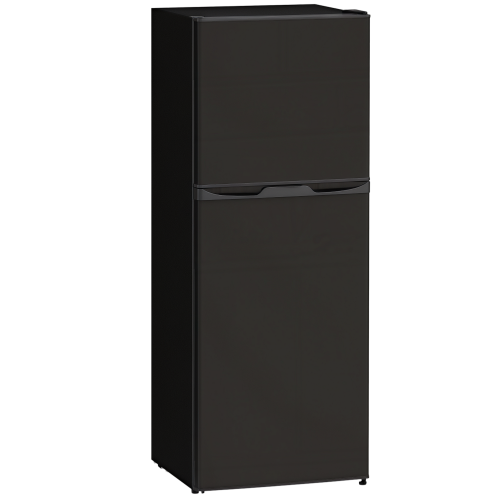
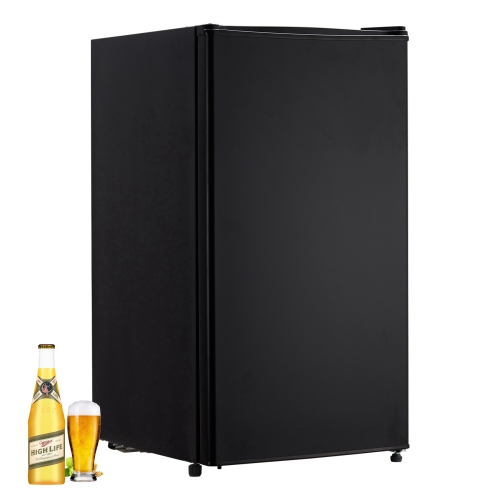
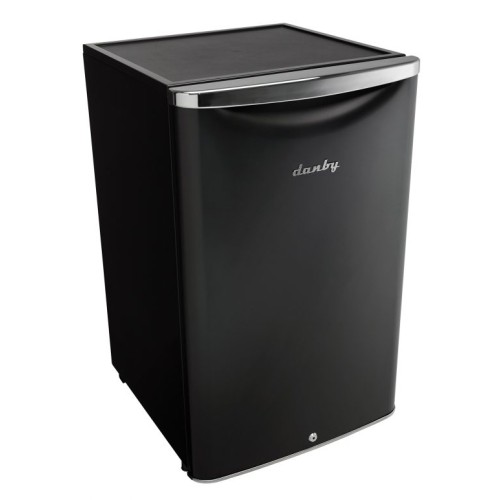
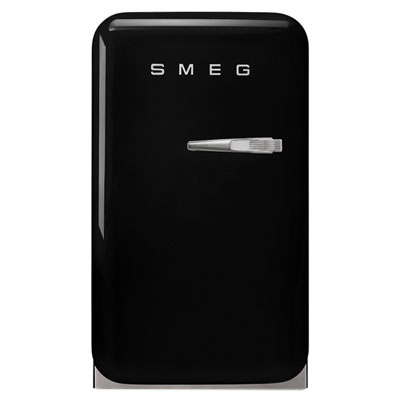
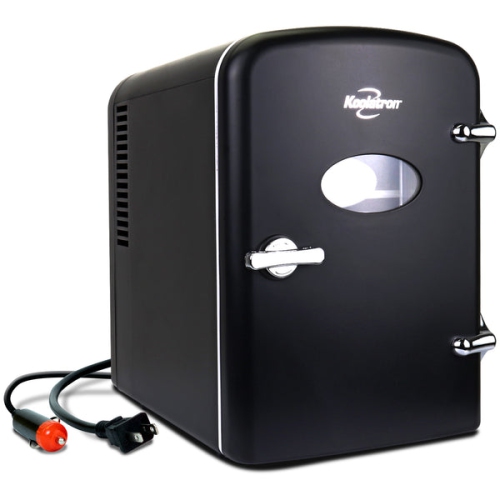
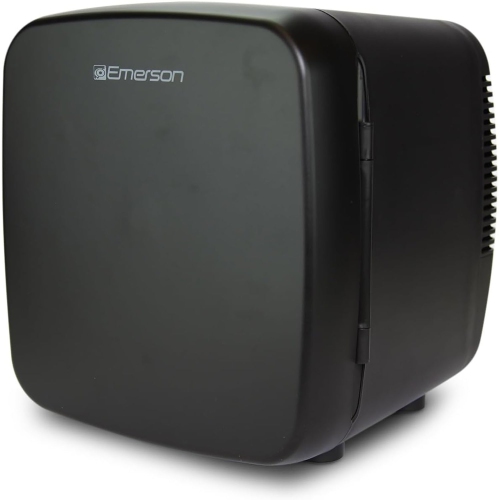
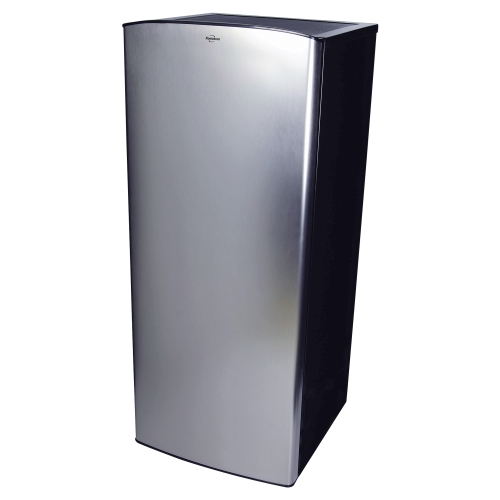
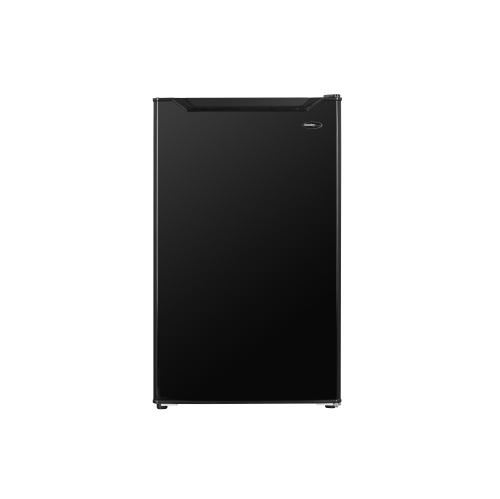
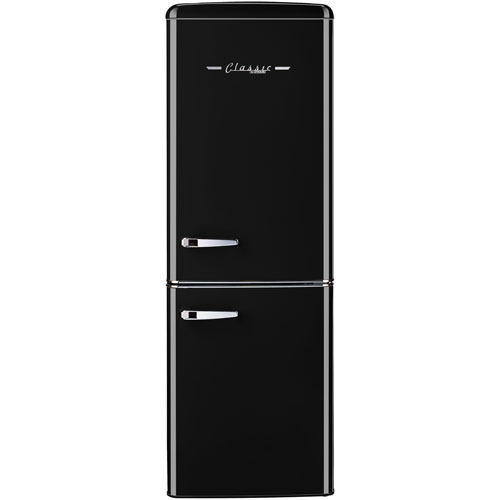
Black mini fridges with freezer compartments bring chilled drinks, fresh snacks, and a small amount of frozen storage into spaces that do not need a full-size refrigerator. Their dark finish works comfortably beside a desk, against wood cabinetry, or alongside other black appliances, making them a practical fit for student rooms, home offices, shared staff rooms, and smaller living areas. A compact fridge in the 3.2 to 3.3 cubic foot size range can hold everyday essentials without taking over a room, although usable space depends on how the interior is divided between refrigeration and freezing. Total capacity includes both sections, so a larger freezer leaves less room for milk, lunch containers, and produce. The distinction between freezer designs matters just as much as size. A single-door mini fridge may have a small internal freezing or chilling compartment, while a two-door design has a freezer behind its own exterior door. An internal compartment is not automatically suitable for long-term frozen food storage; its rated temperature and the manufacturer’s intended use determine whether it can hold frozen meals or is better suited to making ice. A separate freezer compartment generally offers more distinct storage, but its temperature rating still needs to match what will go inside. For someone keeping a few frozen lunches near a workspace, that difference is more useful than an extra door shelf. For a student storing yoghurt, fruit, and drinks, the refrigerator layout may matter more. Adjustable shelves help accommodate a tall carton or a deep food container, while door bins keep smaller bottles from crowding the main shelves. A small crisper drawer can separate produce from packaged snacks, though it also uses space that might otherwise hold a larger container. Black mini fridges with freezers suit these varied routines best when their internal layout matches the food and drinks used most often, rather than capacity alone.
Fit involves more than finding an empty patch of floor. The fridge’s width, height, and depth need to work with the available space, including the handle, the open door, and the ventilation clearances specified by the manufacturer. A unit that slides neatly beneath a desk may still be unsuitable there if warm air cannot escape around it. Freestanding mini fridges should not be enclosed in cabinetry unless they are specifically approved for that installation. Door clearance also affects daily use: the door may need to open beyond a narrow angle before a shelf or drawer can slide out for cleaning. A reversible door, where supported, can make a compact refrigerator easier to position beside a bed, at the end of a counter, or in a room with a tight doorway. Reversing the hinge does not reduce the required ventilation space, and some designs need tools or additional steps to complete the change. A firm, level surface helps the door seal properly and limits vibration, with adjustable feet offering useful flexibility on slightly uneven floors. In a sleeping or study area, operating sound deserves attention too. Compressor cycles, occasional clicks, and the movement of refrigerant can be noticeable in a quiet room; a black finish and small footprint do not indicate how quietly an appliance will run. The exterior may be painted metal or another manufacturer-specified finish, with matte and glossy surfaces each giving a different look. Glossy black can catch reflections and show fingerprints, while textured finishes may make everyday marks less obvious. Inside, removable glass shelves provide a flat surface for small containers and can make spills easier to contain, depending on their edge design. Wire shelving allows airflow but may be less convenient for narrow bottles or small packages. Shelf supports, door bins, hinges, and a well-fitting gasket all contribute to durability, particularly in shared spaces where the door opens frequently. An accessible outlet and a cord positioned away from walkways complete a setup that feels tidy without sacrificing safe installation.
Everyday performance depends on temperature, loading, and care as much as the appliance’s dimensions. Refrigerated perishable foods should be kept at 4°C or below, while a freezer intended for long-term frozen food storage should maintain −18°C or below. An appliance thermometer helps confirm conditions inside, especially when the controls use numbered settings rather than a temperature display. A colder setting is not always better for the refrigerator section: food pressed against a cold surface may freeze, and tightly packed shelves can restrict airflow. Leaving space around food and keeping vents clear helps the compartment cool as intended. Compact freezers have limited room and freezing capacity, so several bulky packages or a large quantity of unfrozen food can be a poor match for a small compartment. Flat, clearly labelled portions are easier to arrange, and a shallow container of leftovers fits more neatly than an oversized pot. Many compact designs require manual defrosting, making frost care part of ownership rather than an occasional surprise. When buildup reaches the point specified in the manual, food needs to be moved to suitable cold storage before the appliance is switched off and defrosted as directed. Sharp tools can damage cooling components and should never be used to chip away ice. Removable shelves, accessible corners, and door bins that lift out make routine cleaning easier; a soft cloth and an approved mild cleaner help protect the interior and black exterior finish. Door seals also benefit from regular wiping so crumbs and sticky spills do not interfere with closure. Placement remains important through the cooler months, since many indoor mini fridges are not designed for unheated garages or rooms outside their stated operating temperature range. For households that need frozen storage only, rather than a refrigerator and freezer combination, White Mini Freezers offer a different storage format and finish. A black mini fridge with a freezer remains a useful choice when the priority is keeping both fresh essentials and a modest frozen selection close at hand, whether that means breakfast supplies in a student room or lunch within reach of a home office.
Fit involves more than finding an empty patch of floor. The fridge’s width, height, and depth need to work with the available space, including the handle, the open door, and the ventilation clearances specified by the manufacturer. A unit that slides neatly beneath a desk may still be unsuitable there if warm air cannot escape around it. Freestanding mini fridges should not be enclosed in cabinetry unless they are specifically approved for that installation. Door clearance also affects daily use: the door may need to open beyond a narrow angle before a shelf or drawer can slide out for cleaning. A reversible door, where supported, can make a compact refrigerator easier to position beside a bed, at the end of a counter, or in a room with a tight doorway. Reversing the hinge does not reduce the required ventilation space, and some designs need tools or additional steps to complete the change. A firm, level surface helps the door seal properly and limits vibration, with adjustable feet offering useful flexibility on slightly uneven floors. In a sleeping or study area, operating sound deserves attention too. Compressor cycles, occasional clicks, and the movement of refrigerant can be noticeable in a quiet room; a black finish and small footprint do not indicate how quietly an appliance will run. The exterior may be painted metal or another manufacturer-specified finish, with matte and glossy surfaces each giving a different look. Glossy black can catch reflections and show fingerprints, while textured finishes may make everyday marks less obvious. Inside, removable glass shelves provide a flat surface for small containers and can make spills easier to contain, depending on their edge design. Wire shelving allows airflow but may be less convenient for narrow bottles or small packages. Shelf supports, door bins, hinges, and a well-fitting gasket all contribute to durability, particularly in shared spaces where the door opens frequently. An accessible outlet and a cord positioned away from walkways complete a setup that feels tidy without sacrificing safe installation.
Everyday performance depends on temperature, loading, and care as much as the appliance’s dimensions. Refrigerated perishable foods should be kept at 4°C or below, while a freezer intended for long-term frozen food storage should maintain −18°C or below. An appliance thermometer helps confirm conditions inside, especially when the controls use numbered settings rather than a temperature display. A colder setting is not always better for the refrigerator section: food pressed against a cold surface may freeze, and tightly packed shelves can restrict airflow. Leaving space around food and keeping vents clear helps the compartment cool as intended. Compact freezers have limited room and freezing capacity, so several bulky packages or a large quantity of unfrozen food can be a poor match for a small compartment. Flat, clearly labelled portions are easier to arrange, and a shallow container of leftovers fits more neatly than an oversized pot. Many compact designs require manual defrosting, making frost care part of ownership rather than an occasional surprise. When buildup reaches the point specified in the manual, food needs to be moved to suitable cold storage before the appliance is switched off and defrosted as directed. Sharp tools can damage cooling components and should never be used to chip away ice. Removable shelves, accessible corners, and door bins that lift out make routine cleaning easier; a soft cloth and an approved mild cleaner help protect the interior and black exterior finish. Door seals also benefit from regular wiping so crumbs and sticky spills do not interfere with closure. Placement remains important through the cooler months, since many indoor mini fridges are not designed for unheated garages or rooms outside their stated operating temperature range. For households that need frozen storage only, rather than a refrigerator and freezer combination, White Mini Freezers offer a different storage format and finish. A black mini fridge with a freezer remains a useful choice when the priority is keeping both fresh essentials and a modest frozen selection close at hand, whether that means breakfast supplies in a student room or lunch within reach of a home office.
Top selling and popular products
-
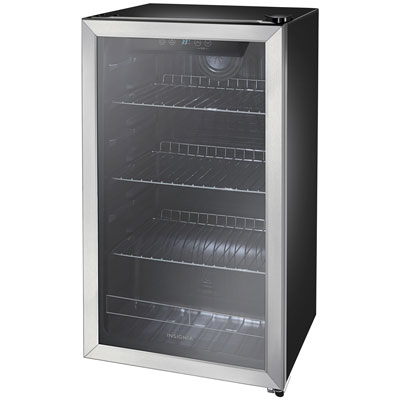 Your price for this item is $349.99
 -
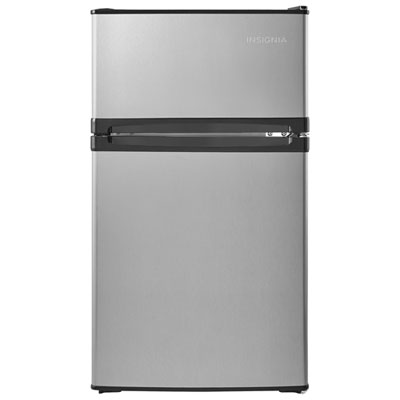 Your price for this item is $299.99
 -
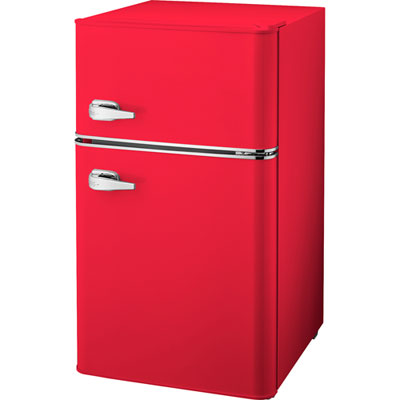 Your price for this item is $199.97
 -
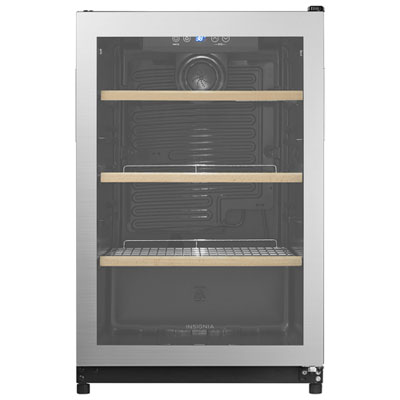 Your price for this item is $329.99
 -
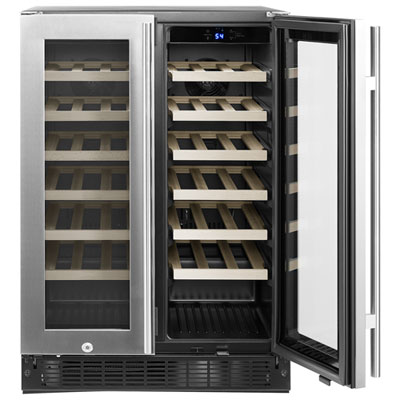 Your price for this item is $999.99
 -
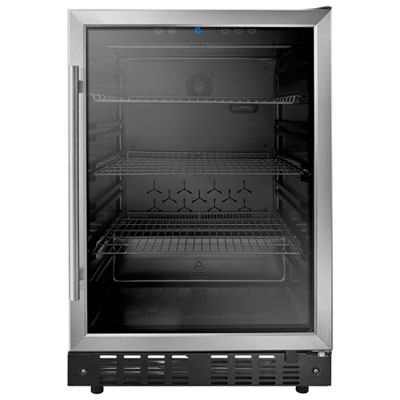 Your price for this item is $699.99
 -
 Your price for this item is $599.99
 -
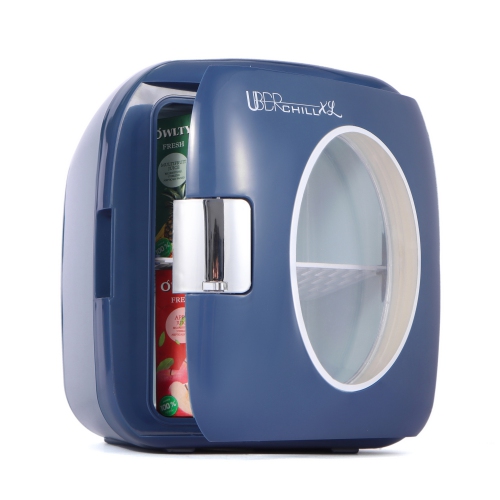 Your price for this item is $169.99
Discover more categories related to Black Mini Fridges With Freezer
Top Collections:
Pokemon Centers, Kindle Devices, Best Budget Office Chairs, Apple iPhones 16, Best Laptops for Writers, iPhone 15 Apple, Canon G7X Cameras, Refurbished Apple Laptops, Alarm Clock, Motorola Razr Phones
Some products may be subject to Environmental Handling Fees
(EHF) depending on your province.
Learn more about EHFs.