Black Stainless Steel Wall Mounted Range Hoods for Contemporary Kitchens
Create a sleek and modern look in your contemporary kitchen with black stainless steel wall-mounted range hoods. These sophisticated and stylish appliances are designed to not only enhance the aesthetic appeal of your kitchen but also provide efficient ventilation and eliminate cooking odors. With their sleek black finish and wall-mounted design, these range hoods seamlessly blend into any modern kitchen decor.
Sort
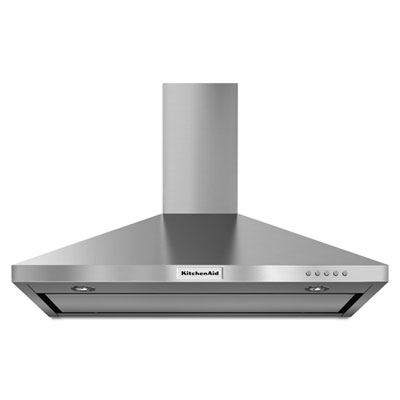
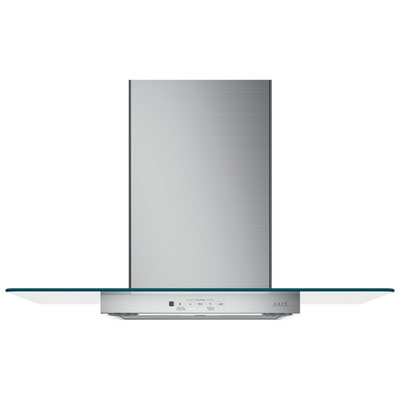
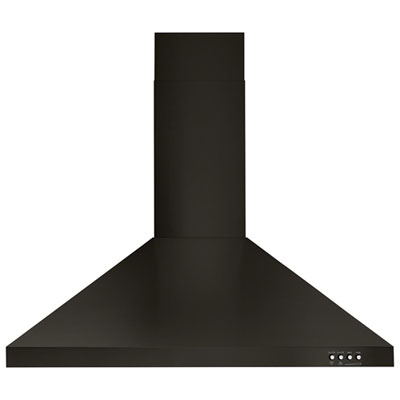
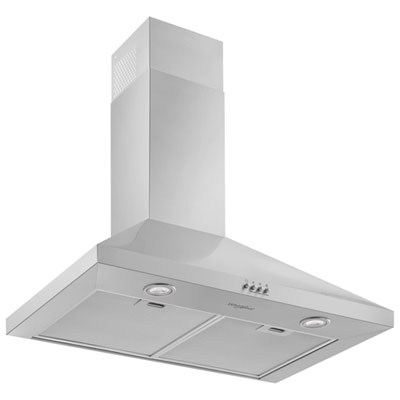
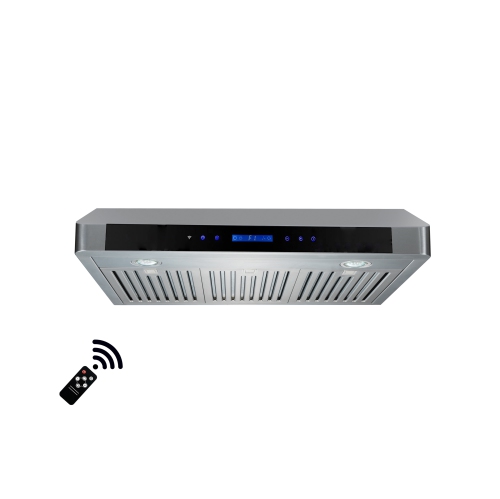
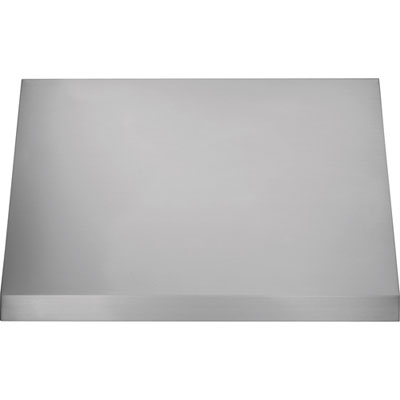
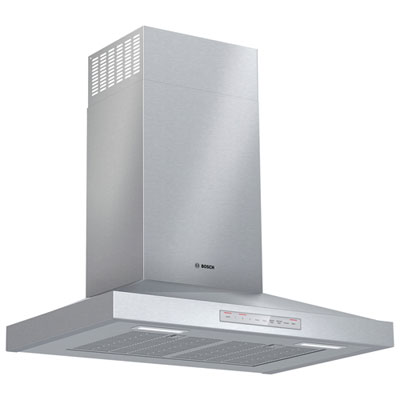
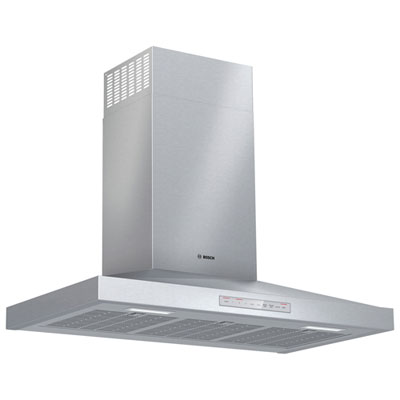

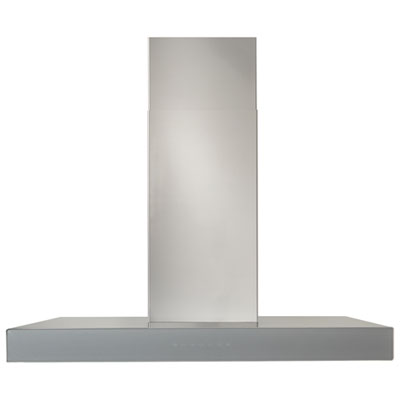

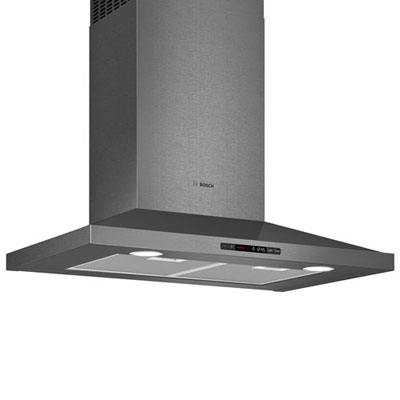
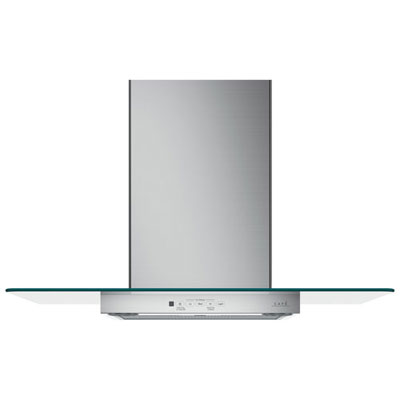
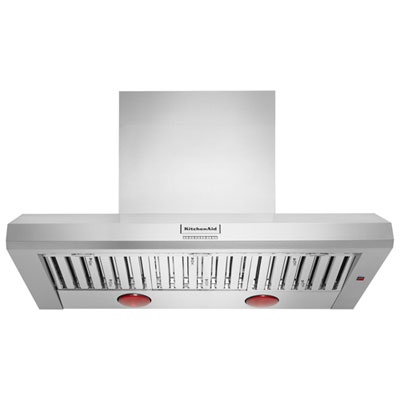
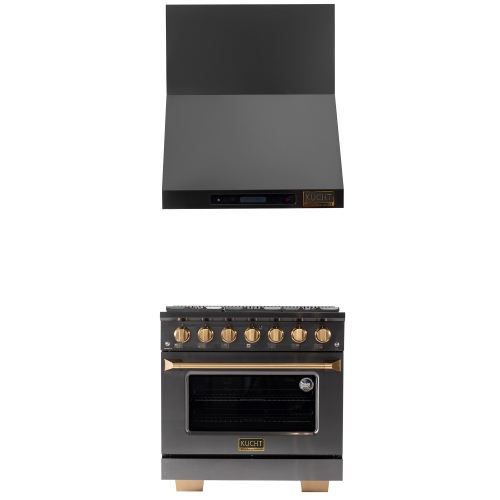
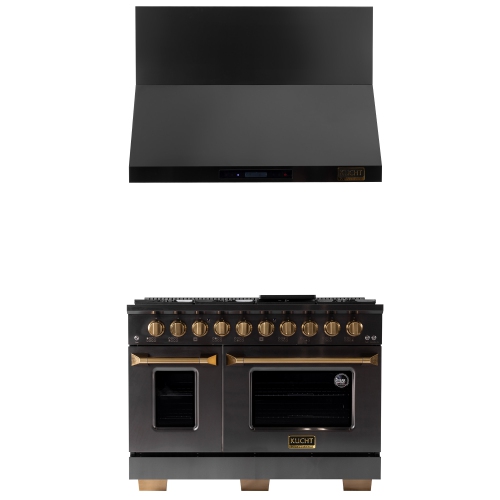
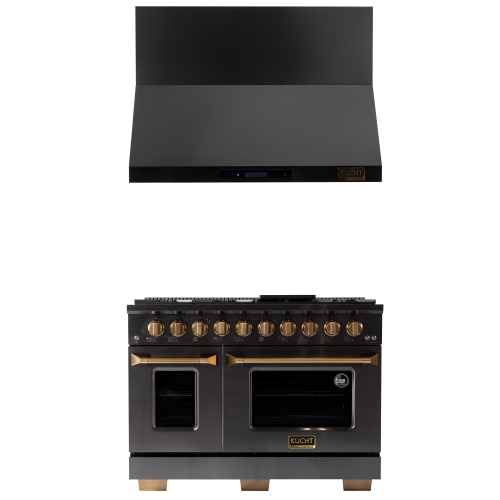
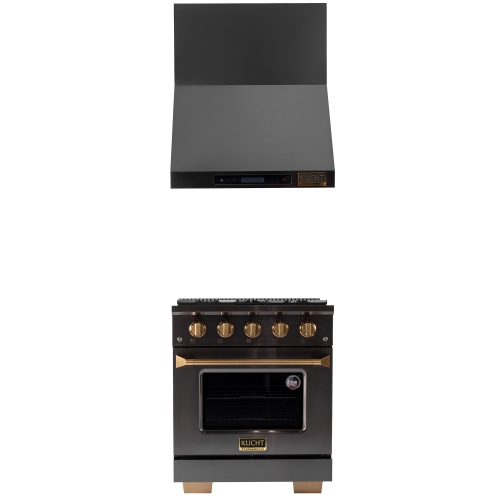


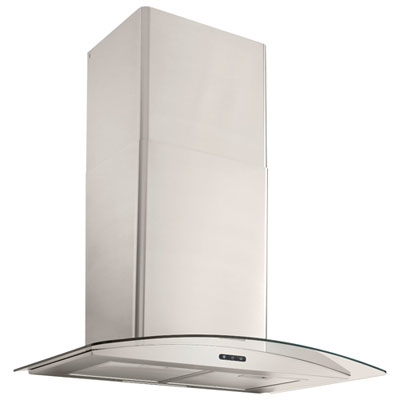

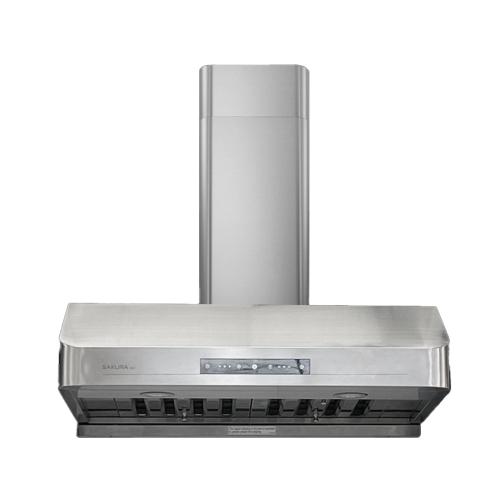
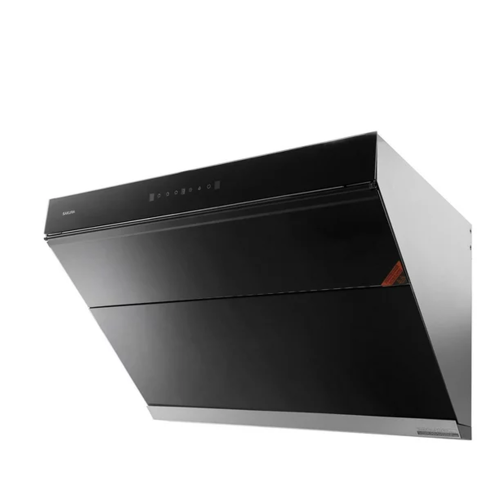
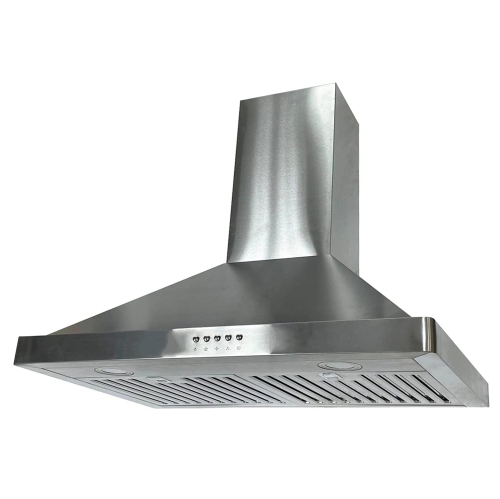


Key considerations for effective ventilation and a polished kitchen
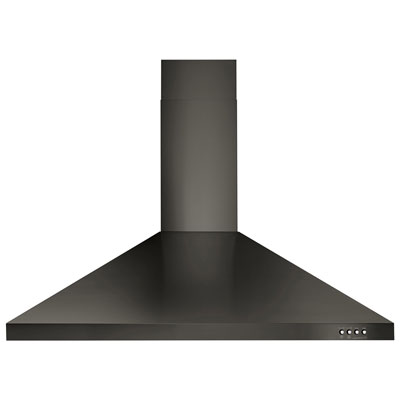
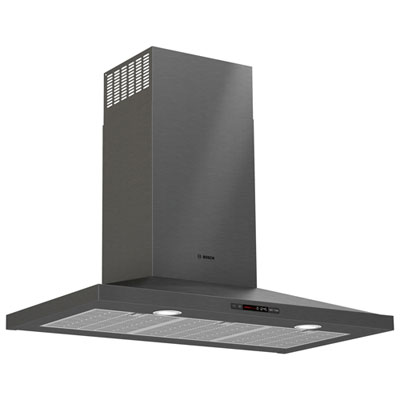
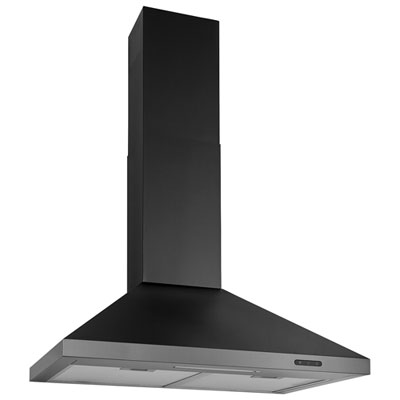
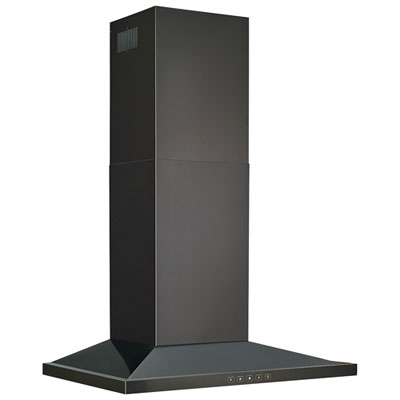
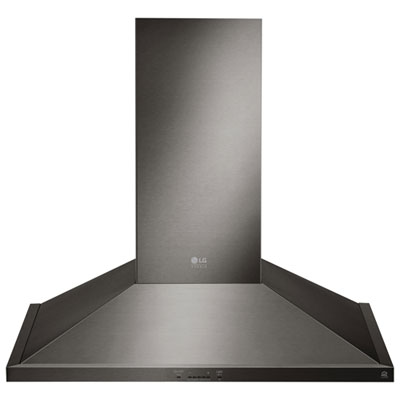
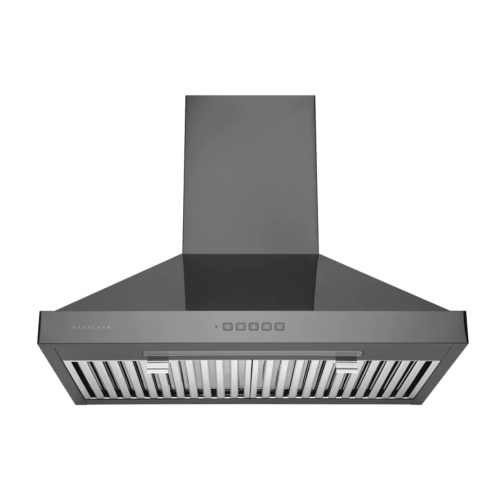
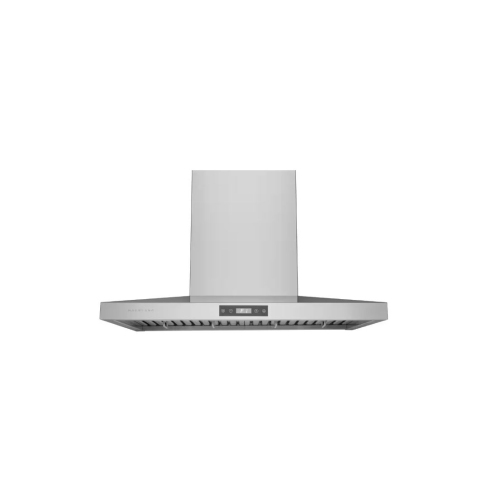
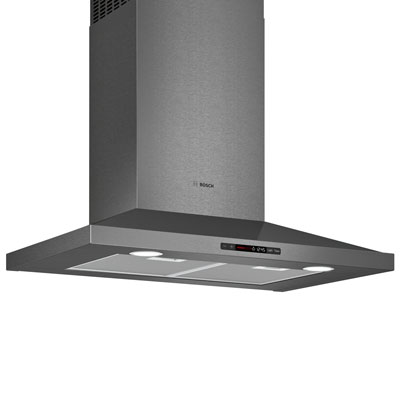
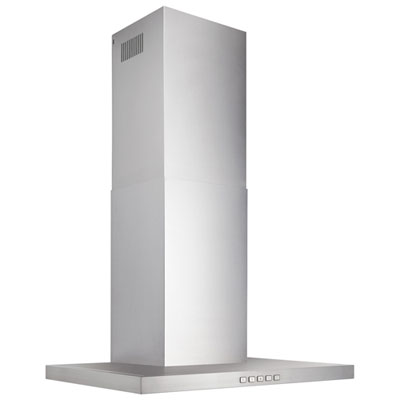
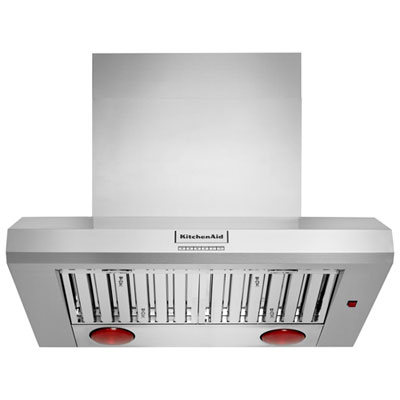
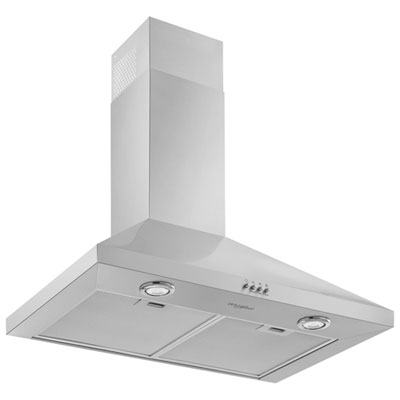
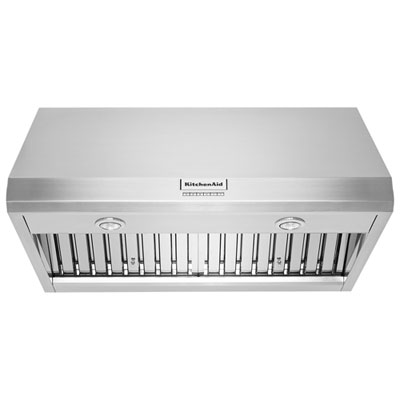
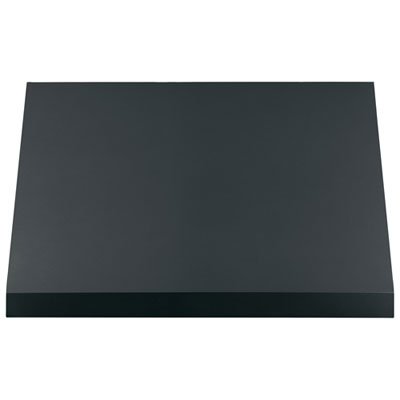
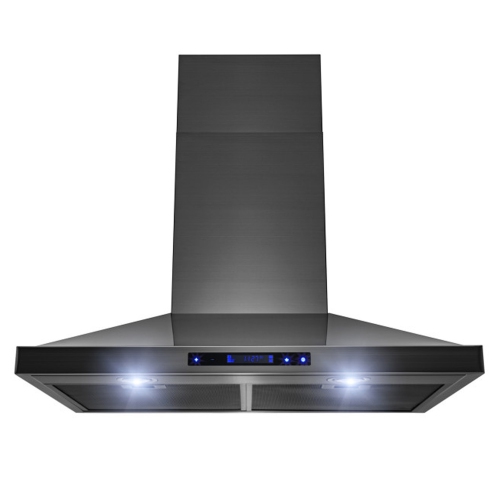
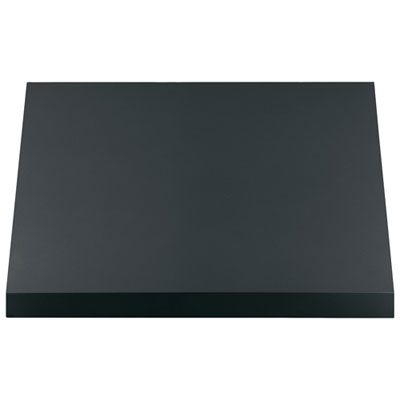
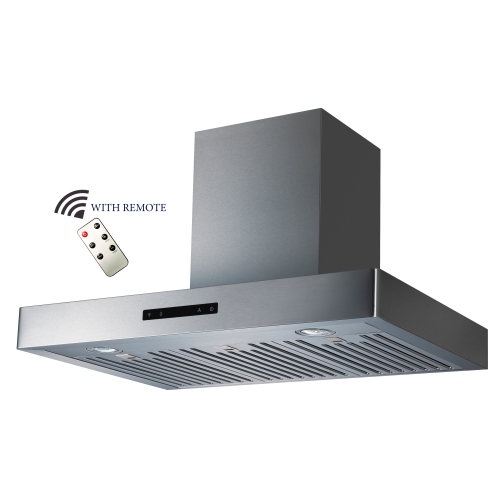
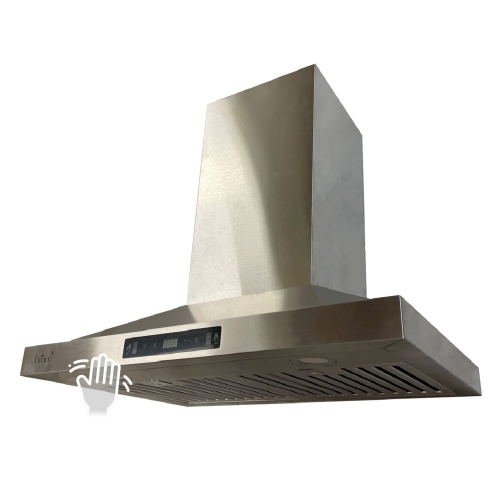
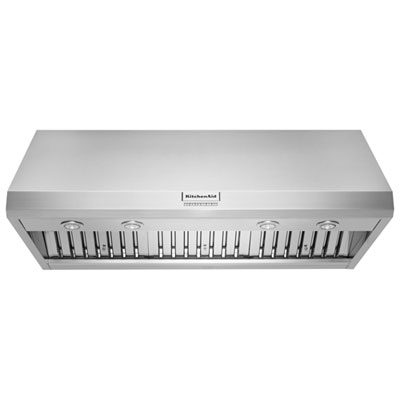
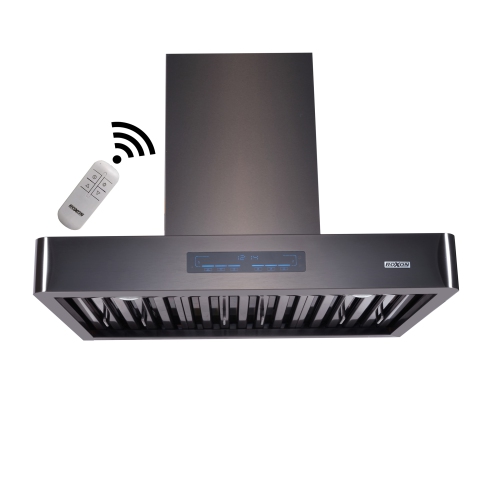
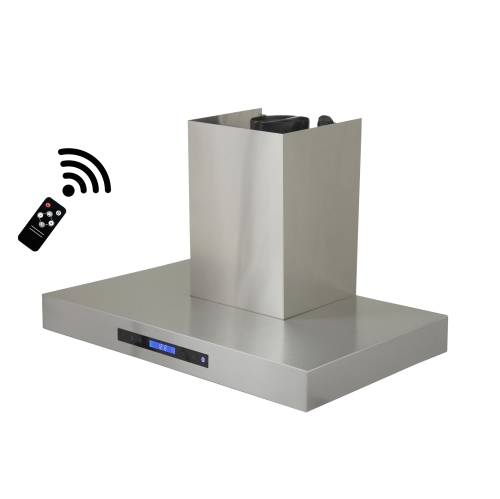
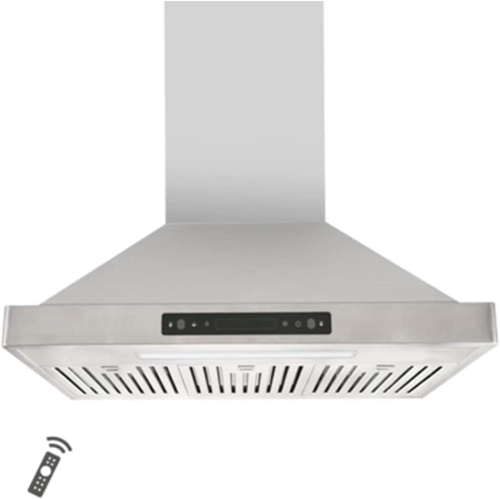
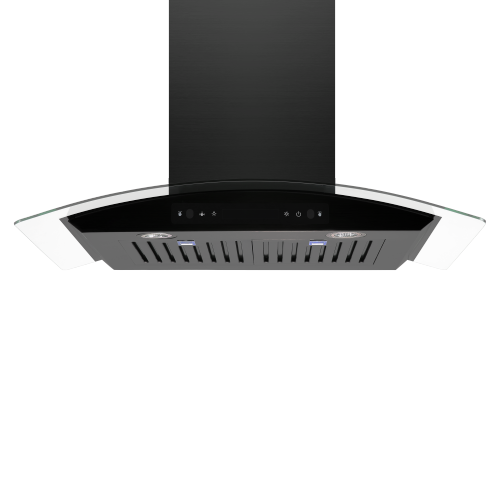
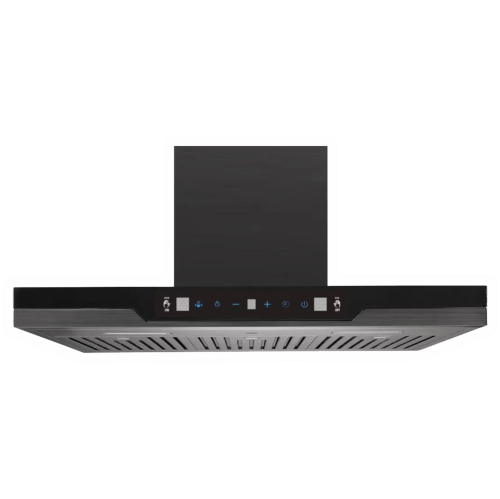
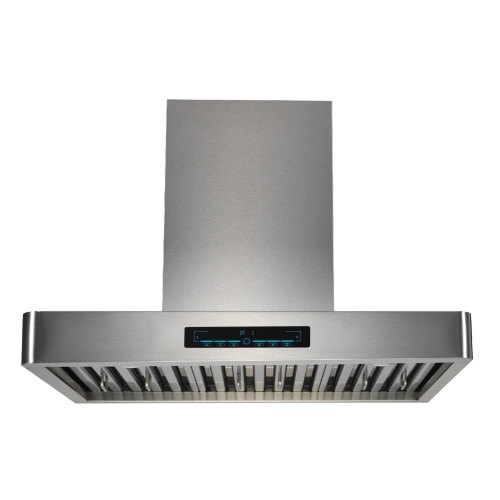
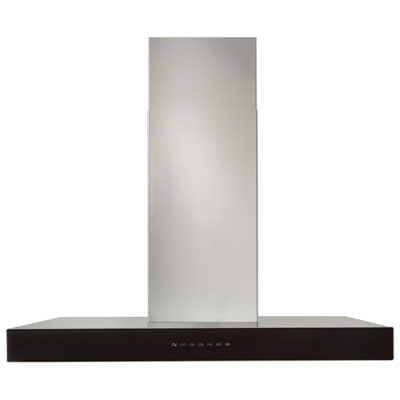
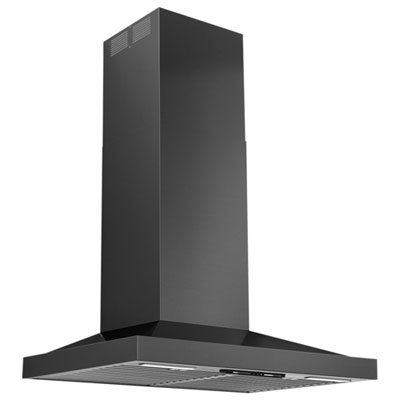
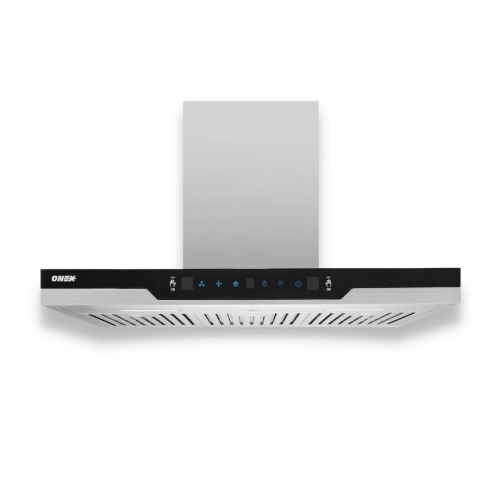
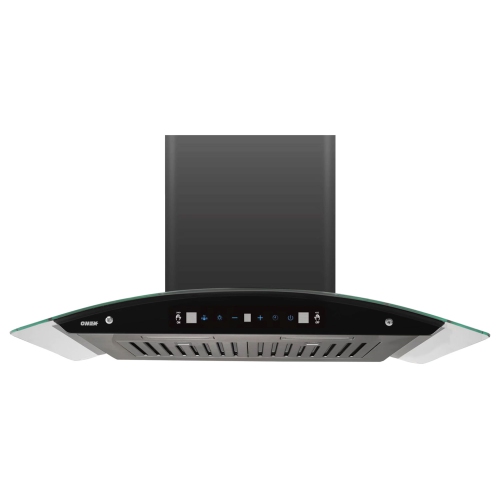
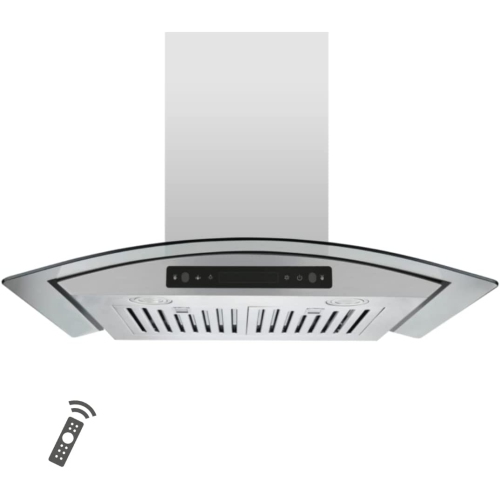
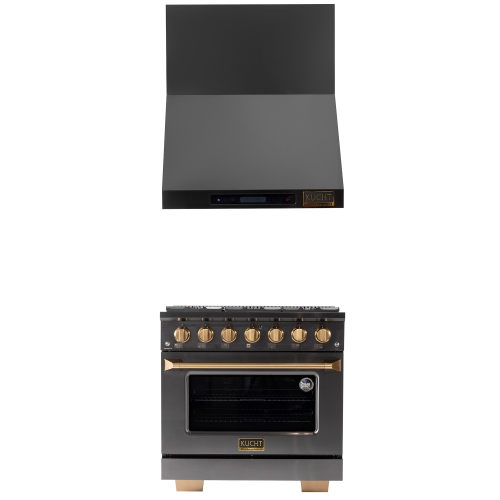
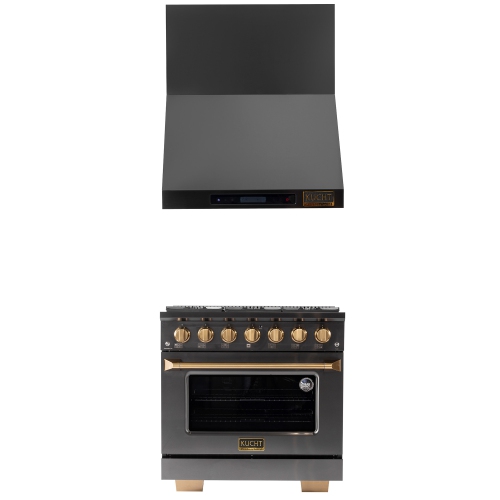
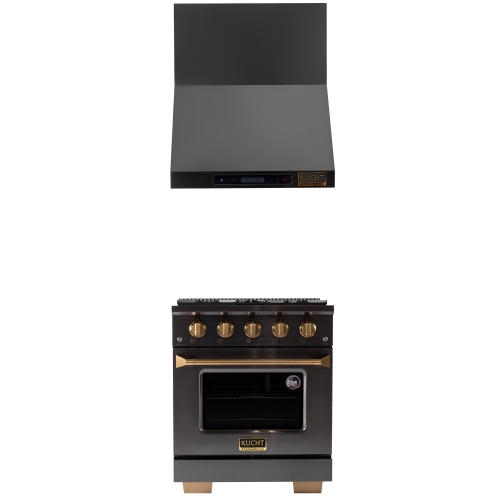
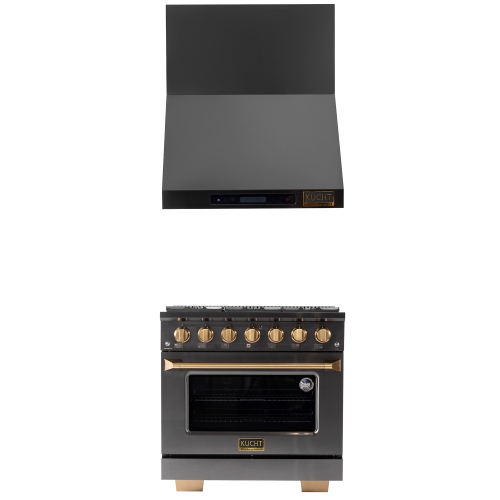
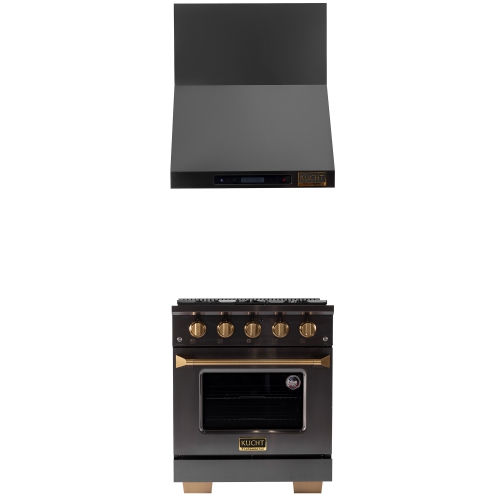
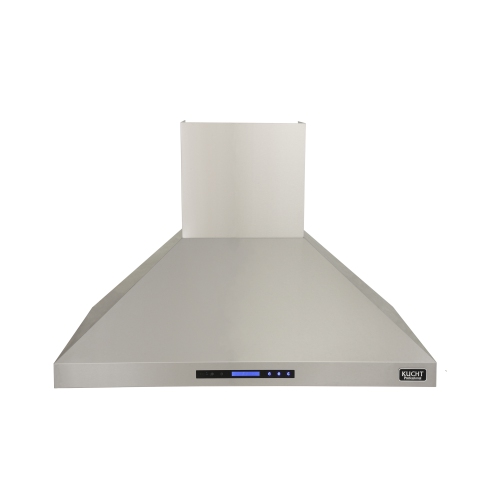
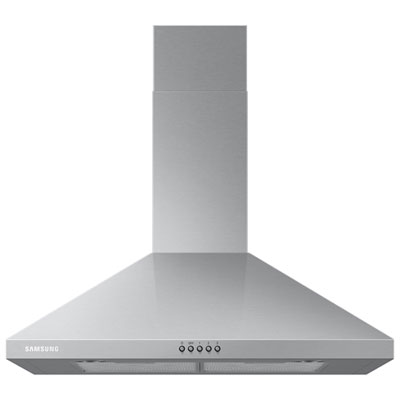
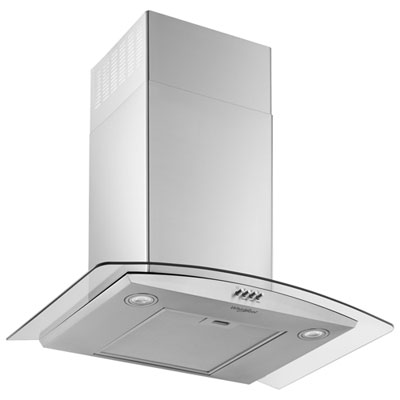
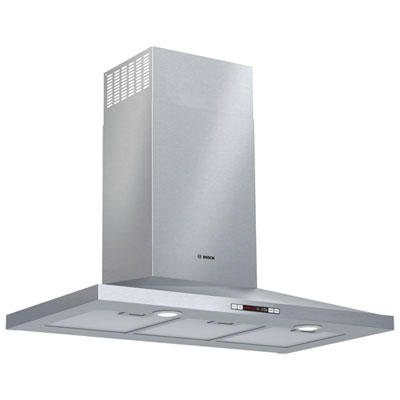
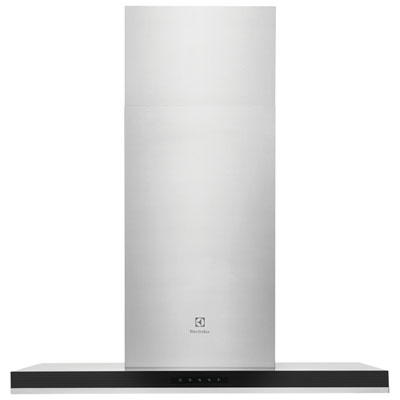
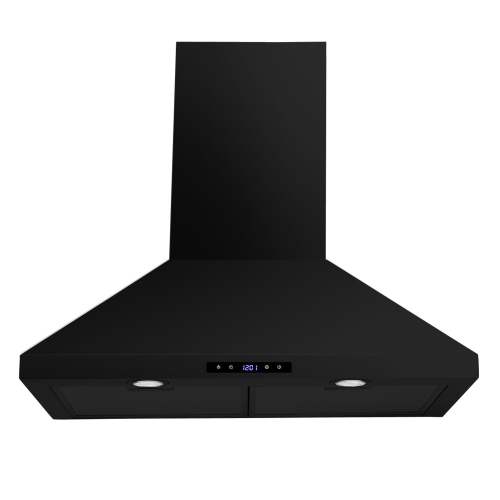
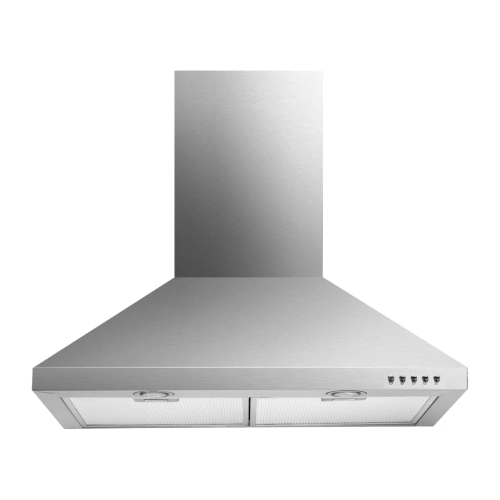
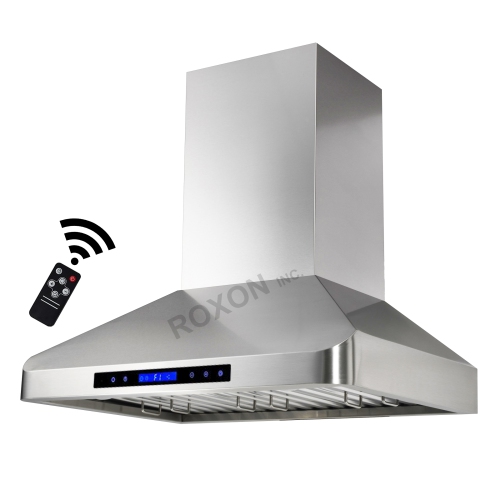
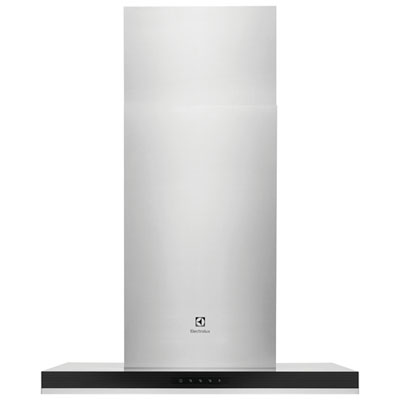
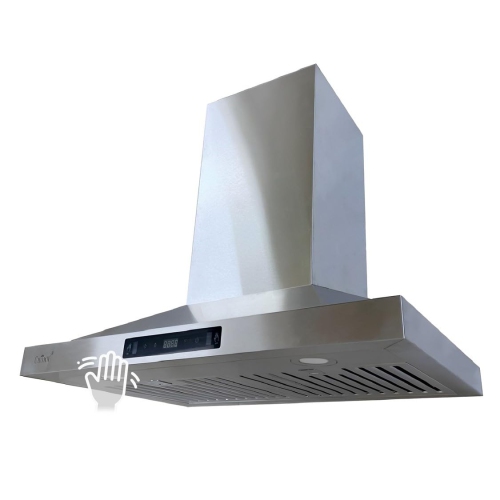
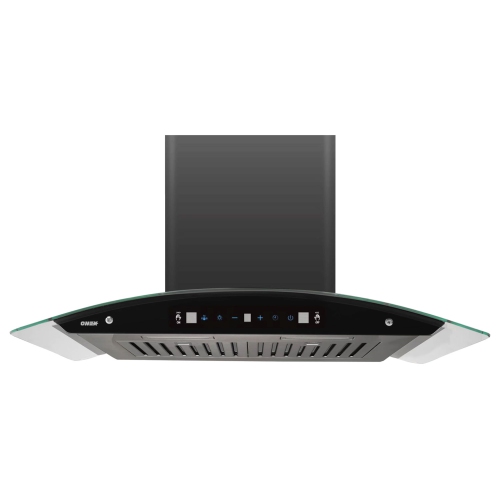
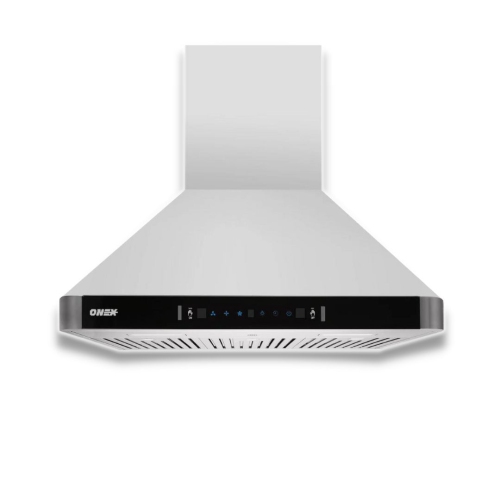
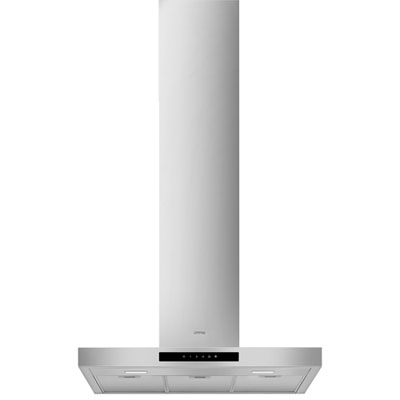
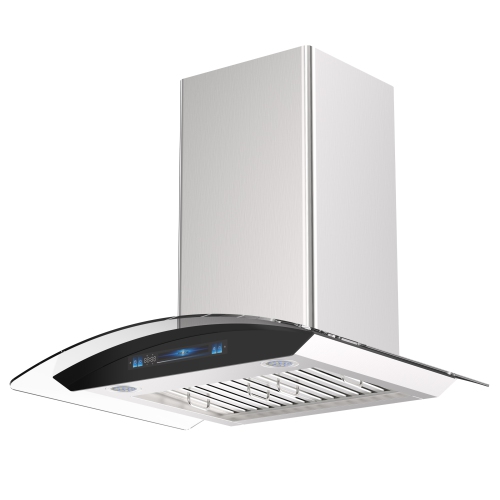
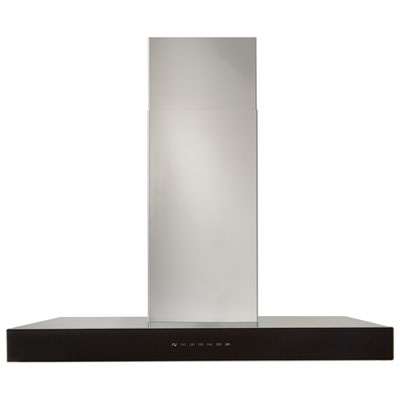
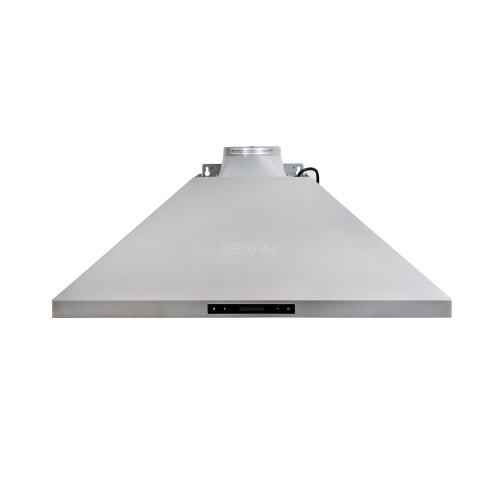
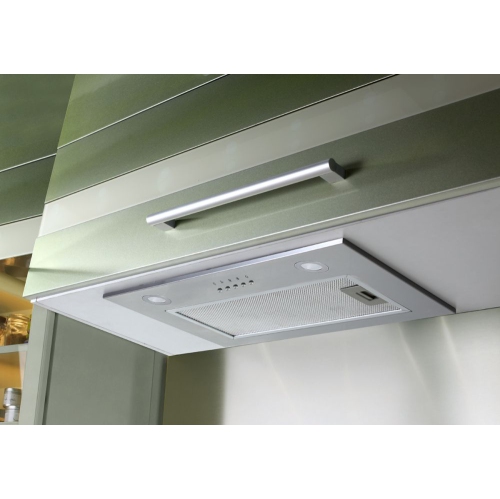
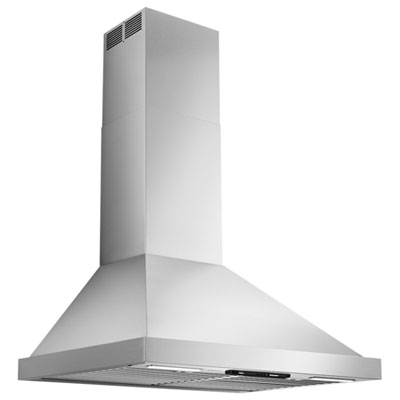
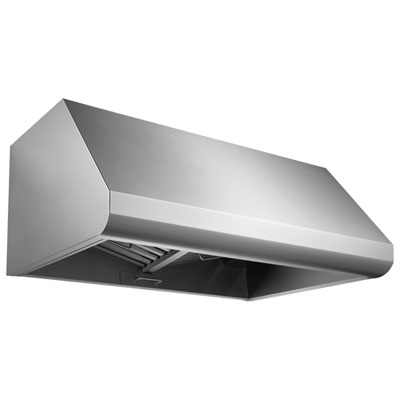
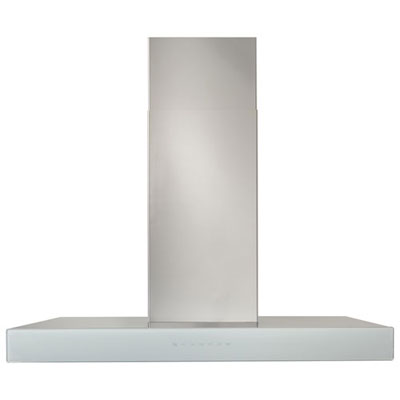
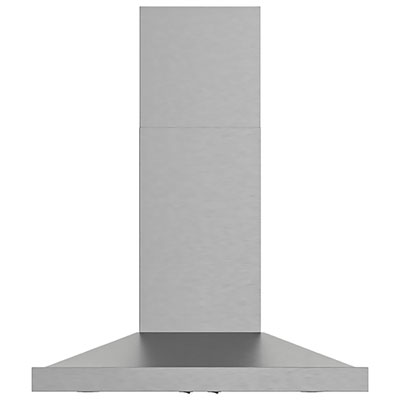
Black stainless steel wall mounted range hoods bring together practical ventilation and a strong contemporary look, making them a natural choice for kitchens with flat-panel cabinetry, stone counters, statement backsplashes, and modern appliances. Unlike an under-cabinet hood that sits beneath cabinetry, a wall mounted design is installed above the cooking surface and becomes part of the room’s visual composition. The dark metallic finish can echo black hardware, faucets, lighting, or cabinet accents while adding warmth and depth without the reflective brightness of traditional stainless steel. It also suits a range of contemporary styles, from streamlined urban kitchens to softer spaces that combine wood tones with charcoal, graphite, or matte finishes. A hood is especially useful for anyone who regularly sears steak, sautés onions, simmers rich sauces, cooks with spices, or prepares meals that produce lingering aromas. During the cooler months, when windows may stay closed and more meals are prepared indoors, effective ventilation helps keep cooking odours, steam, and airborne grease from settling on nearby surfaces. These hoods can also make a thoughtful housewarming gift for someone renovating a kitchen, moving into a new home, or creating a more polished cooking area, although the recipient’s cabinet layout, cooktop size, and ventilation setup should be confirmed before choosing one. For a broader look at coordinated finishes and available configurations, explore Black Stainless Steel Range Hoods.
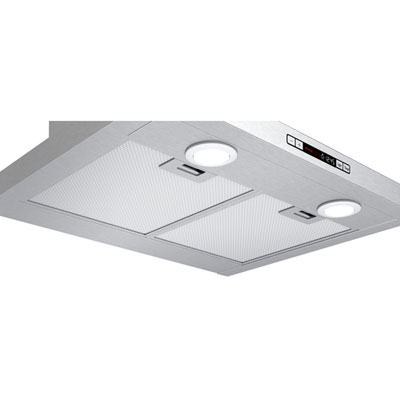
The first consideration is size. The hood should generally be at least as wide as the cooktop or range beneath it, with 30-inch and 36-inch widths being common choices for residential kitchens. A wider hood can provide more coverage when several burners are used at once, particularly on a larger cooking surface. Height and depth matter as well: the hood must be positioned according to the manufacturer’s installation requirements, with enough clearance above gas or electric cooking surfaces and adequate room for the chimney or upper housing. Airflow is another important specification. Measured in cubic feet per minute, or CFM, airflow indicates how much air the hood can move. A lower setting may be suitable for boiling water or gently warming food, while higher settings are useful for high-heat cooking, frying, grilling, or preparing several dishes at once. Many households find a range around 400 to 900 CFM appropriate, depending on cooking habits, cooktop output, kitchen size, and local installation requirements. More power is not automatically better for every home; a properly sized hood should provide effective ventilation without creating unnecessary noise or affecting the balance of indoor air. Speed controls allow the airflow to be adjusted to the task, and some models offer three or four settings for more precise control. Noise ratings can also influence everyday enjoyment. A hood that is too loud may be left switched off, so look for a design with a comfortable operating level, especially if the kitchen opens into a dining or living area. Wall mounted models often include LED lighting to illuminate pots, pans, and cutting boards beneath the hood. Bright, focused task lighting is useful when preparing dinner in the evening or checking the colour of food while it cooks, and it can help reduce shadows across the cooking surface.
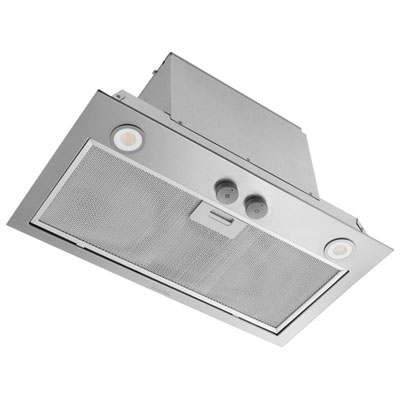
Venting style should be settled before installation. A ducted range hood moves air through a vent and releases it outdoors, which is generally the most direct way to remove smoke, steam, heat, grease, and cooking aromas from the kitchen. This configuration requires suitable ductwork, an exterior connection, and enough space for the installation route. A recirculating or ductless setup draws air through filters, then returns the filtered air to the room. This can be a practical option in apartments, condos, older homes, or kitchens where exterior ducting is not feasible. Convertible models can support either arrangement, giving homeowners more flexibility when planning a renovation or replacing an existing hood. Filter design also affects ongoing care. Baffle filters, mesh filters, and charcoal filters each have different cleaning or replacement requirements, so it is worth checking how they are removed and maintained. Dishwasher-safe metal filters can make routine grease cleanup less demanding, while charcoal filters in recirculating installations typically need periodic replacement to maintain odour control. Wiping the black stainless steel exterior with a soft cloth and a suitable cleaner helps preserve its even appearance; abrasive pads and harsh products can leave marks or dull the finish. Digital touch controls provide a clean contemporary appearance, while push-button controls may appeal to households that prefer straightforward operation. Features such as delayed shutoff, filter reminders, adjustable lighting, and multiple fan speeds can add convenience without changing the hood’s central purpose. Choosing the right black stainless steel wall mounted range hood ultimately comes down to matching the hood’s width, airflow, venting method, controls, lighting, and maintenance needs with the kitchen and the way it is used. With the right fit, it can keep the cooking area feeling fresher while giving a contemporary kitchen a confident, finished focal point.
The first consideration is size. The hood should generally be at least as wide as the cooktop or range beneath it, with 30-inch and 36-inch widths being common choices for residential kitchens. A wider hood can provide more coverage when several burners are used at once, particularly on a larger cooking surface. Height and depth matter as well: the hood must be positioned according to the manufacturer’s installation requirements, with enough clearance above gas or electric cooking surfaces and adequate room for the chimney or upper housing. Airflow is another important specification. Measured in cubic feet per minute, or CFM, airflow indicates how much air the hood can move. A lower setting may be suitable for boiling water or gently warming food, while higher settings are useful for high-heat cooking, frying, grilling, or preparing several dishes at once. Many households find a range around 400 to 900 CFM appropriate, depending on cooking habits, cooktop output, kitchen size, and local installation requirements. More power is not automatically better for every home; a properly sized hood should provide effective ventilation without creating unnecessary noise or affecting the balance of indoor air. Speed controls allow the airflow to be adjusted to the task, and some models offer three or four settings for more precise control. Noise ratings can also influence everyday enjoyment. A hood that is too loud may be left switched off, so look for a design with a comfortable operating level, especially if the kitchen opens into a dining or living area. Wall mounted models often include LED lighting to illuminate pots, pans, and cutting boards beneath the hood. Bright, focused task lighting is useful when preparing dinner in the evening or checking the colour of food while it cooks, and it can help reduce shadows across the cooking surface.
Venting style should be settled before installation. A ducted range hood moves air through a vent and releases it outdoors, which is generally the most direct way to remove smoke, steam, heat, grease, and cooking aromas from the kitchen. This configuration requires suitable ductwork, an exterior connection, and enough space for the installation route. A recirculating or ductless setup draws air through filters, then returns the filtered air to the room. This can be a practical option in apartments, condos, older homes, or kitchens where exterior ducting is not feasible. Convertible models can support either arrangement, giving homeowners more flexibility when planning a renovation or replacing an existing hood. Filter design also affects ongoing care. Baffle filters, mesh filters, and charcoal filters each have different cleaning or replacement requirements, so it is worth checking how they are removed and maintained. Dishwasher-safe metal filters can make routine grease cleanup less demanding, while charcoal filters in recirculating installations typically need periodic replacement to maintain odour control. Wiping the black stainless steel exterior with a soft cloth and a suitable cleaner helps preserve its even appearance; abrasive pads and harsh products can leave marks or dull the finish. Digital touch controls provide a clean contemporary appearance, while push-button controls may appeal to households that prefer straightforward operation. Features such as delayed shutoff, filter reminders, adjustable lighting, and multiple fan speeds can add convenience without changing the hood’s central purpose. Choosing the right black stainless steel wall mounted range hood ultimately comes down to matching the hood’s width, airflow, venting method, controls, lighting, and maintenance needs with the kitchen and the way it is used. With the right fit, it can keep the cooking area feeling fresher while giving a contemporary kitchen a confident, finished focal point.
Top selling and popular products
-
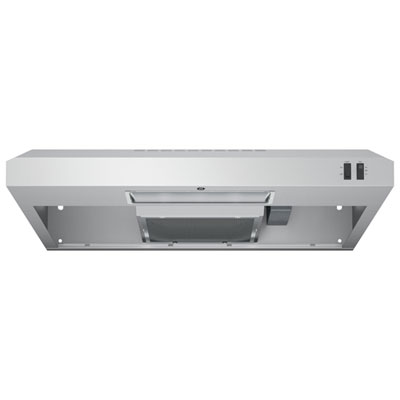 Your price for this item is $249.99
 -
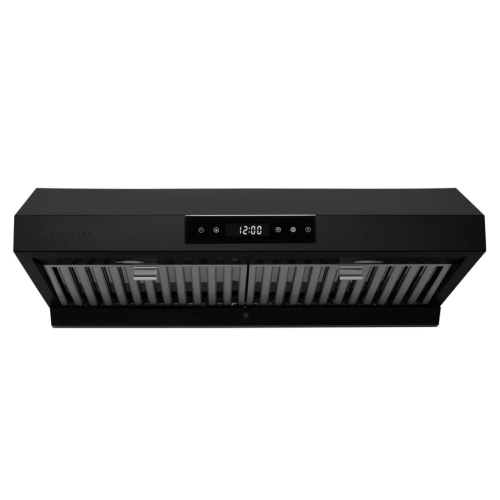 Your price for this item is $598.49
 -
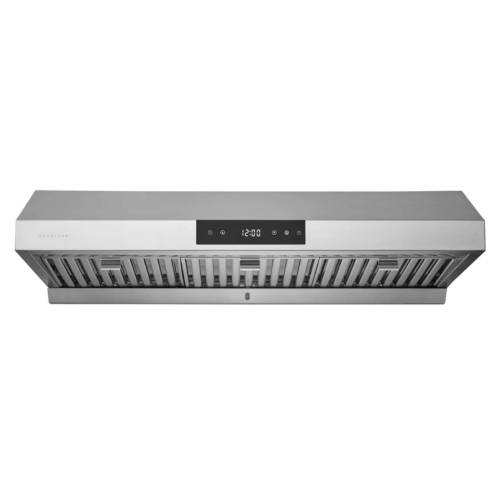 Your price for this item is $645.99
 -
 Your price for this item is $645.99
 -
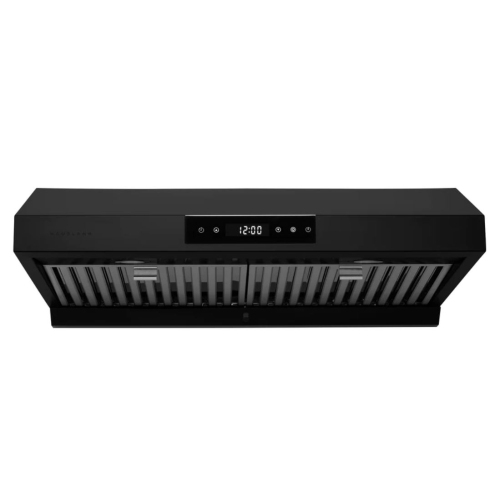 Your price for this item is $645.99
 -
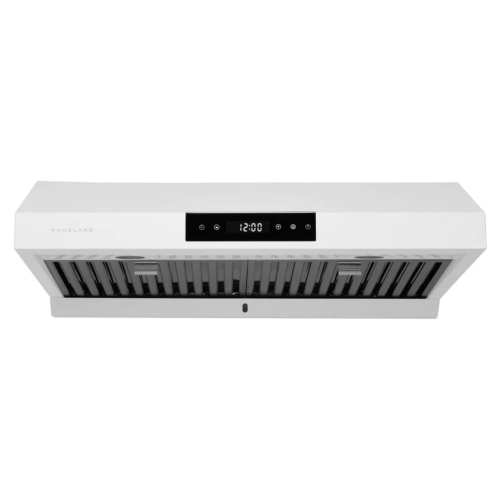 Your price for this item is $598.49
 -
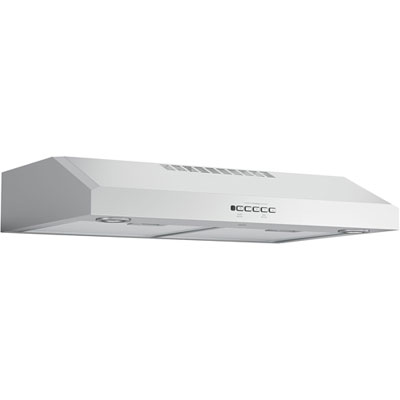 Your price for this item is $449.99
 -
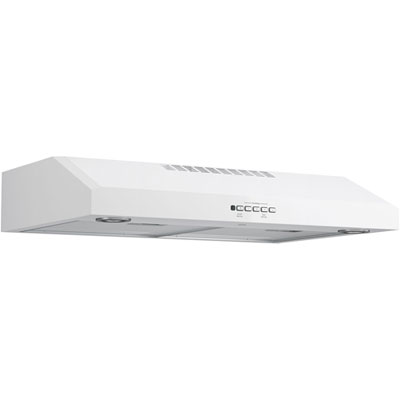 Your price for this item is $399.99
Discover more categories related to Black Stainless Steel Wall Mounted Range Hoods for Contemporary Kitchens

Top Collections:
Pokemon Centers, Kindle Devices, Best Budget Office Chairs, Apple iPhones 16, Best Laptops for Writers, iPhone 15 Apple, Canon G7X Cameras, Refurbished Apple Laptops, Alarm Clock, Motorola Razr Phones
Some products may be subject to Environmental Handling Fees
(EHF) depending on your province.
Learn more about EHFs.