Black Stainless Steel Range Hoods
A range hood is a must-have for any kitchen. It keeps the air clean and free of grease and smoke, as well as looking stylish in your kitchen. These range hoods are available in different styles and designs, so you can choose one that will match the look and feel of your kitchen. Here are some great stainless steel range hoods in black on the market today.
Sort
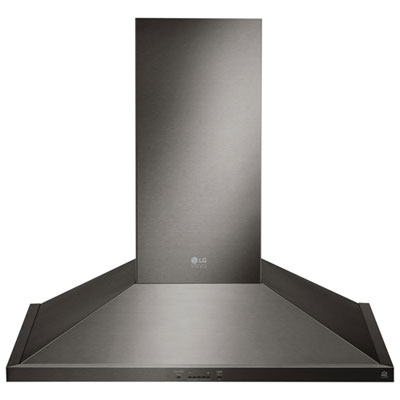
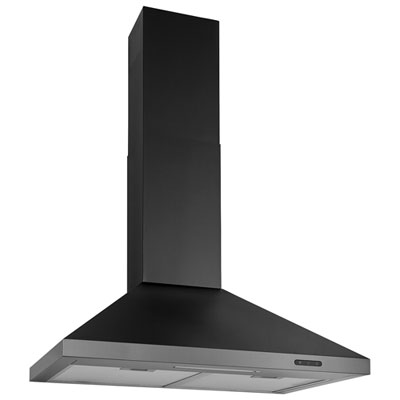
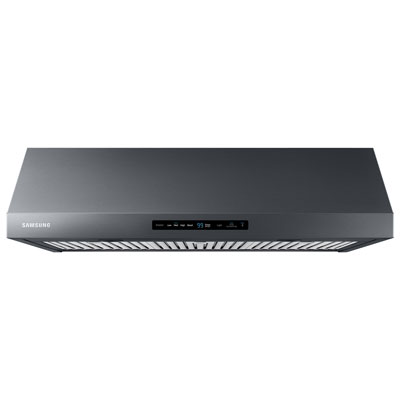
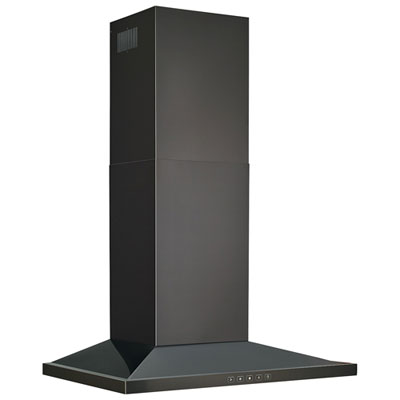
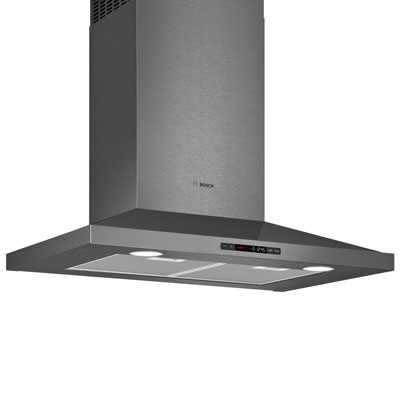
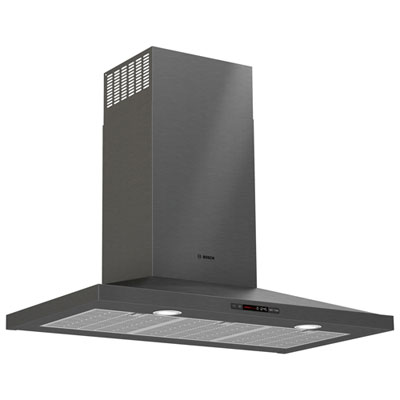
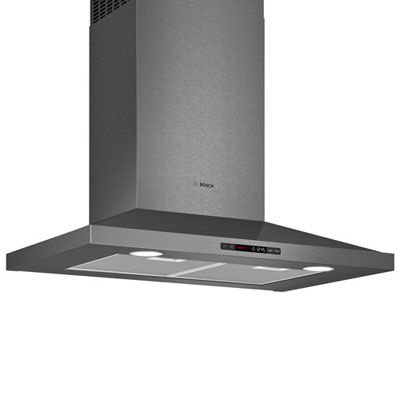
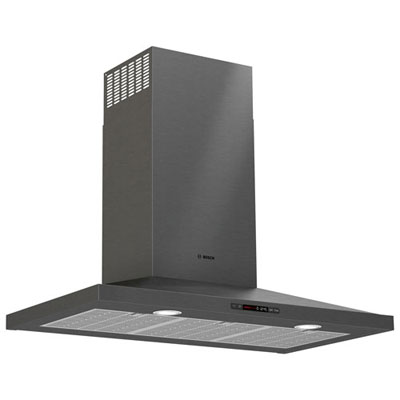
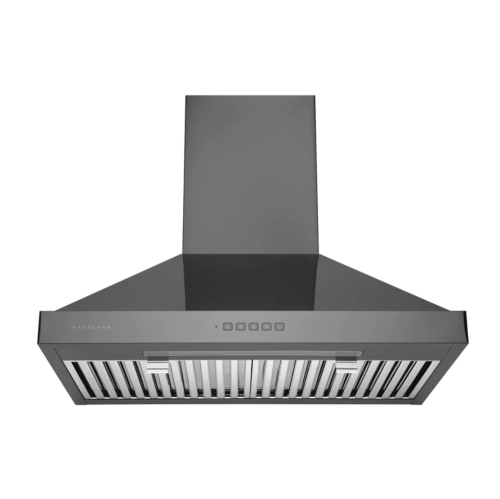
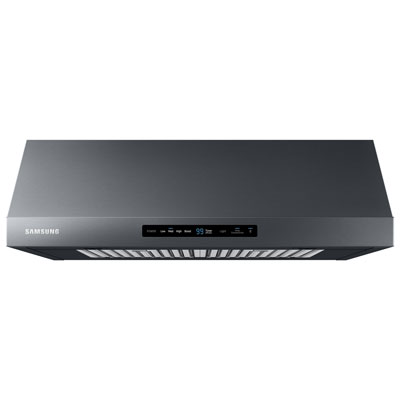
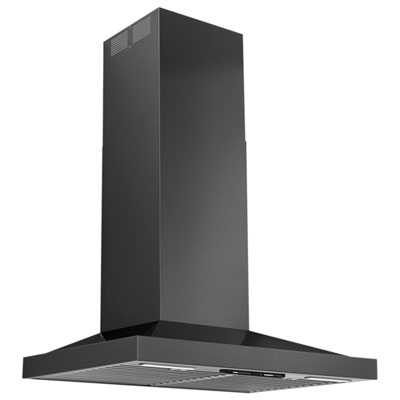
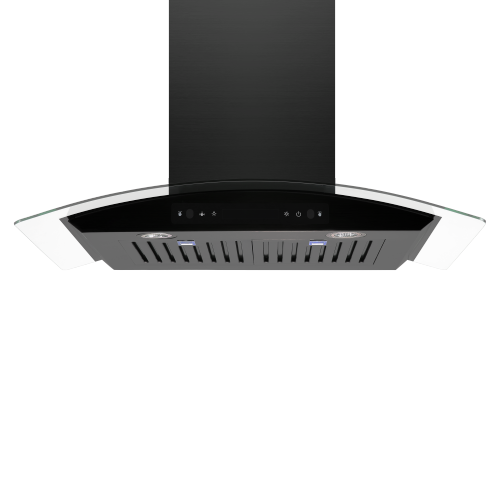
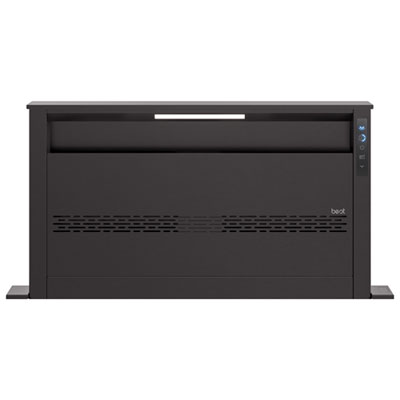
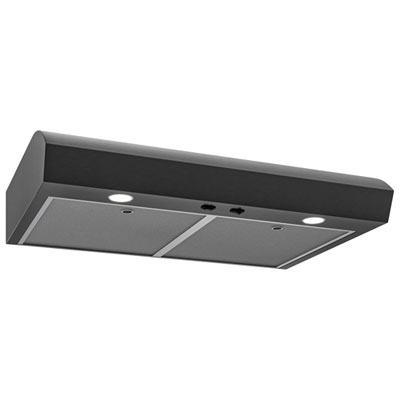
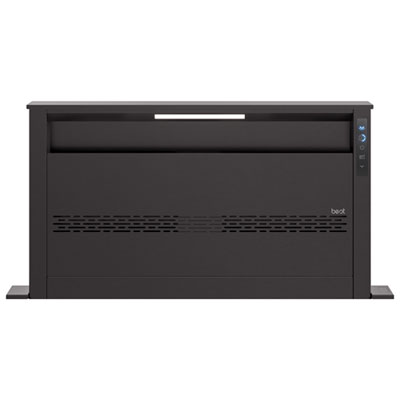
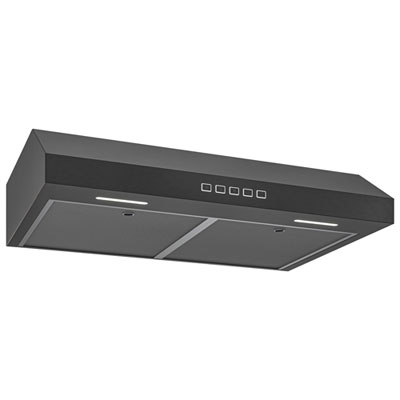
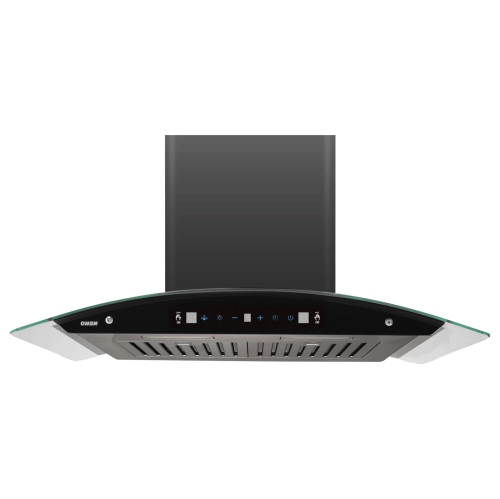
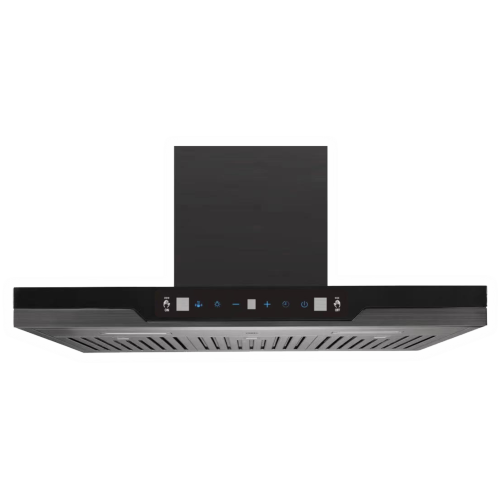
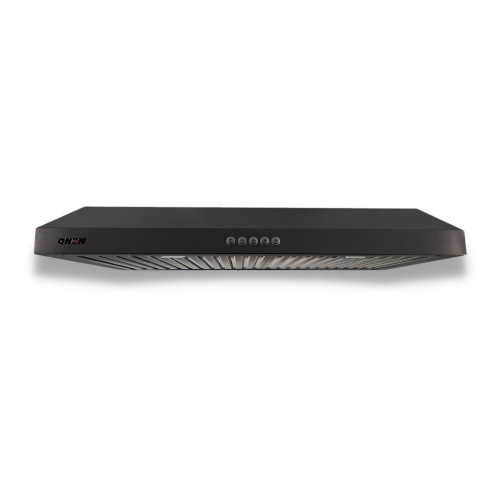
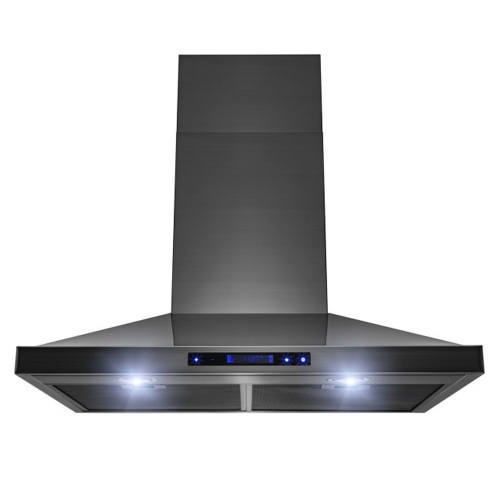
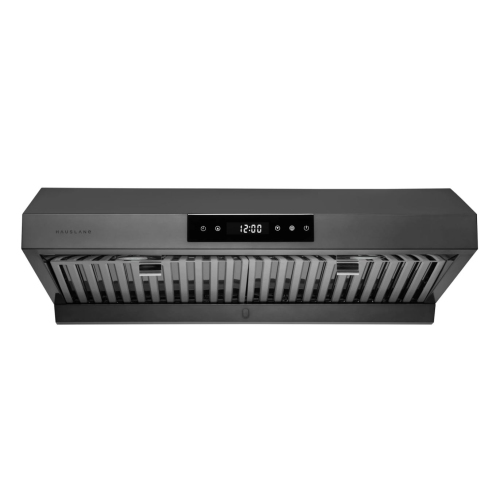
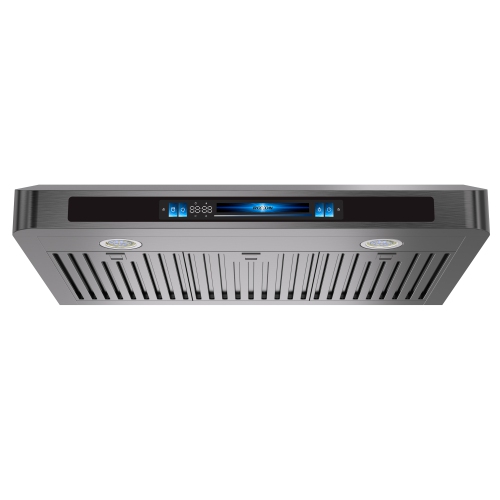
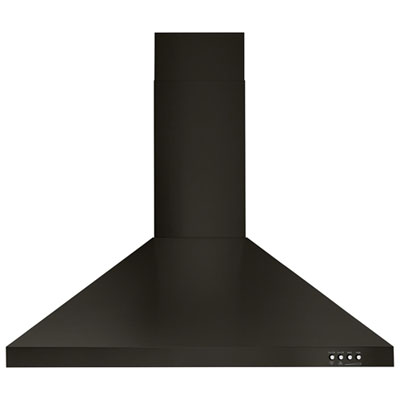
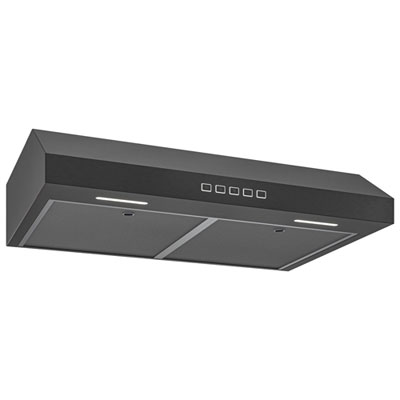
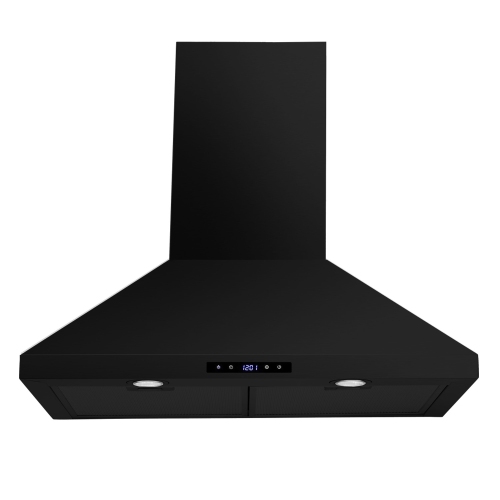
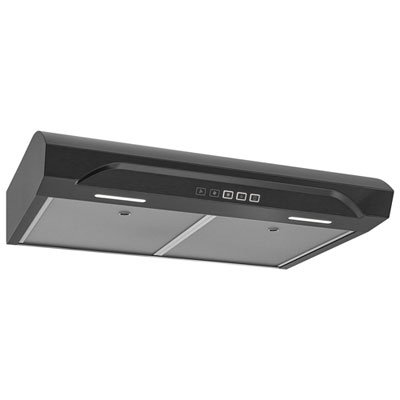

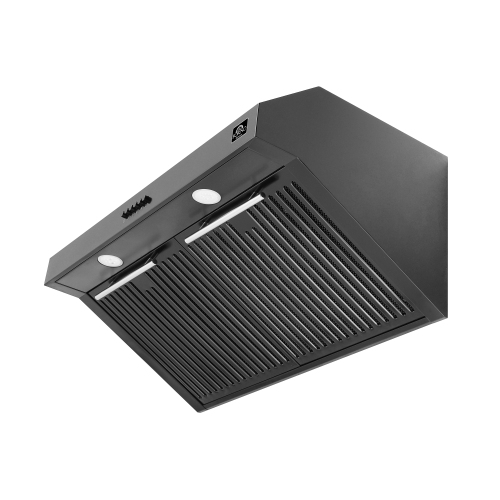
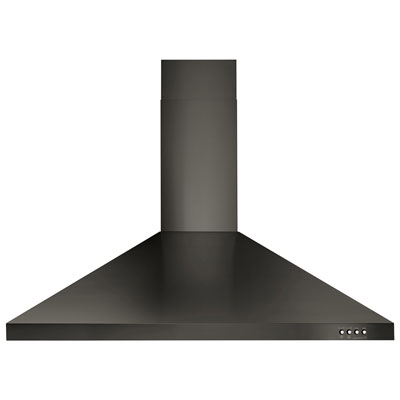
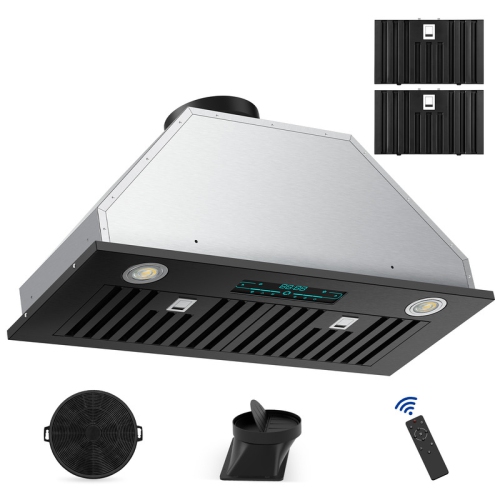
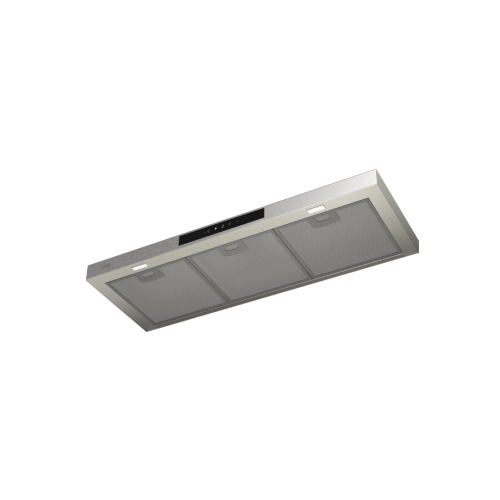
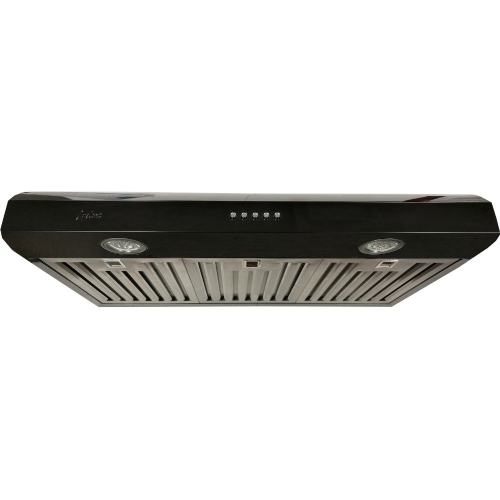
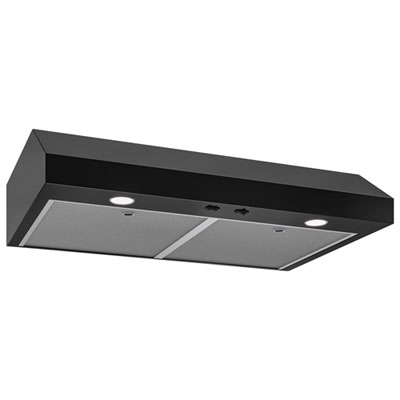
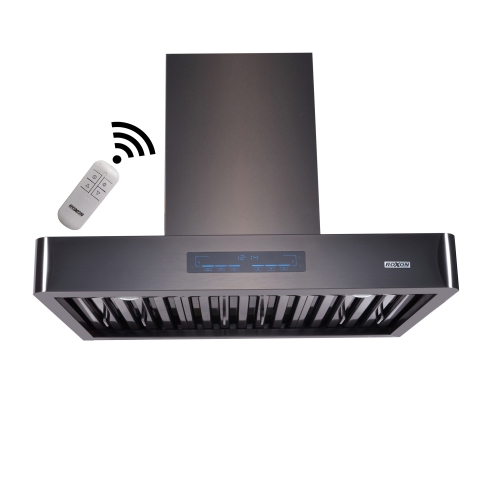
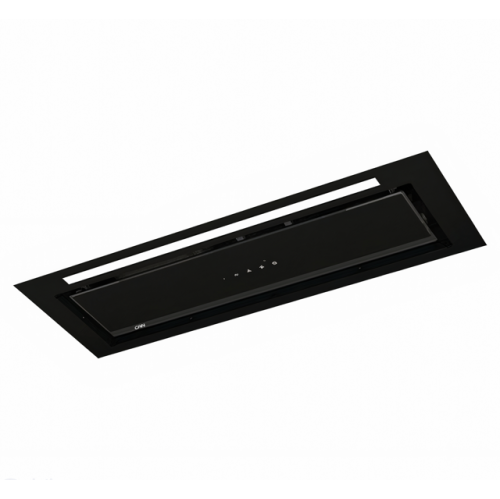
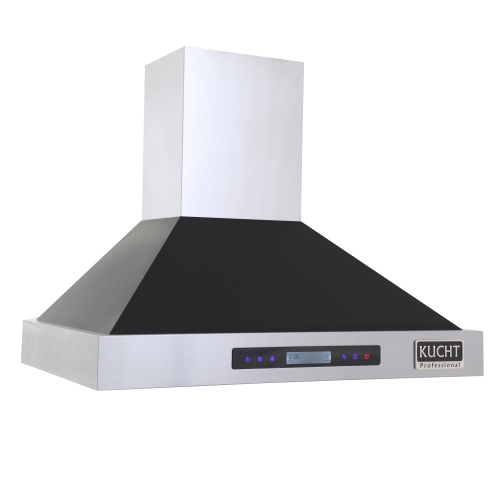
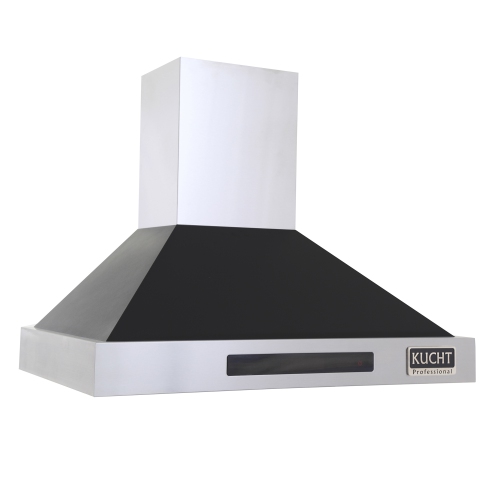
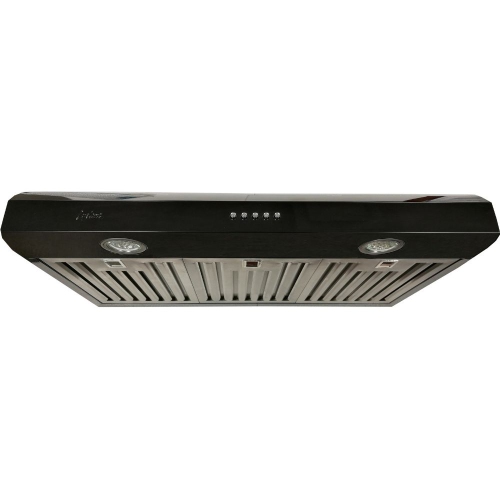
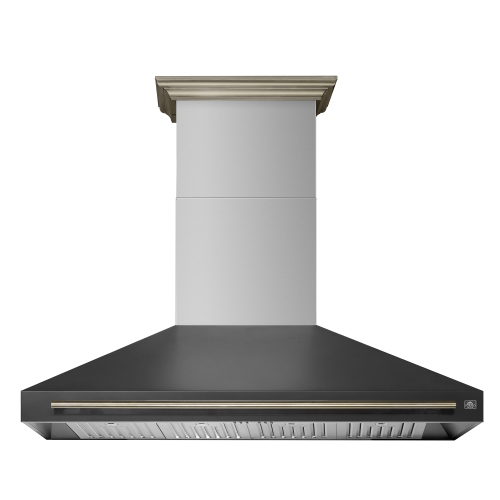
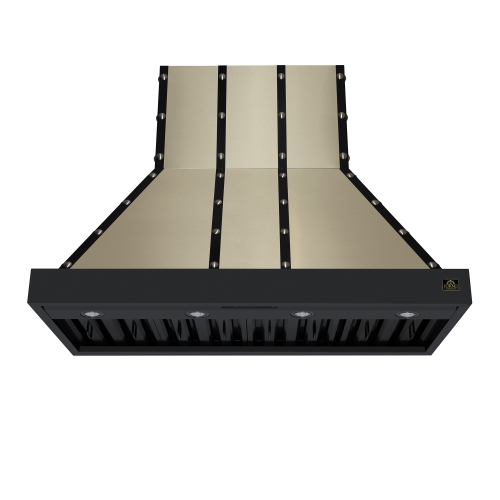
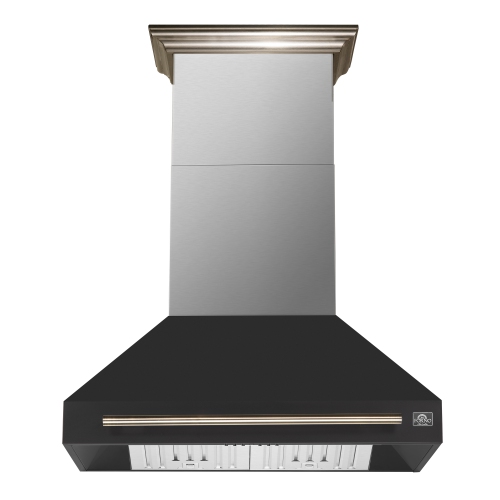
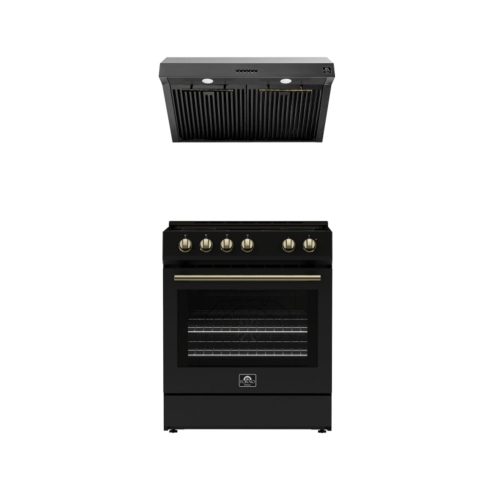
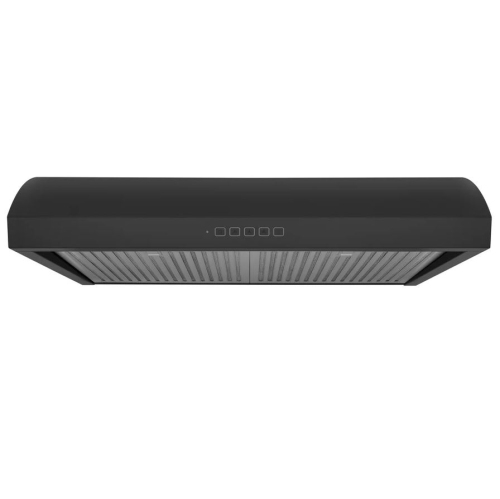
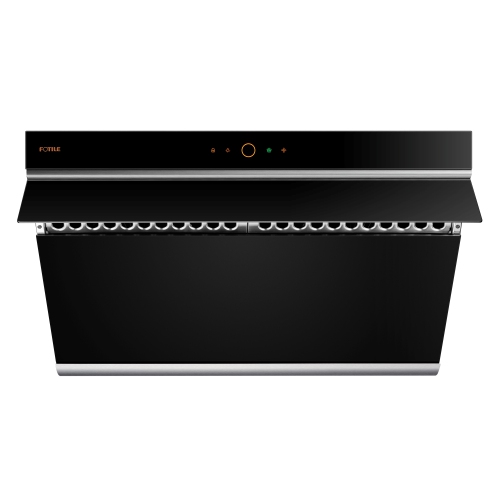
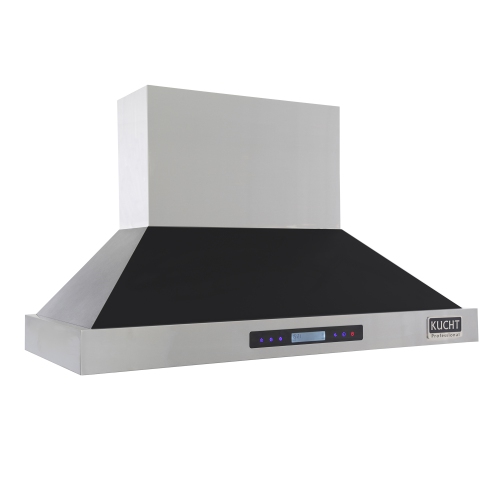
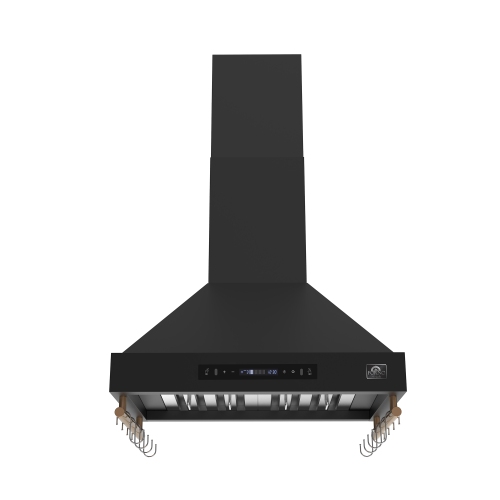
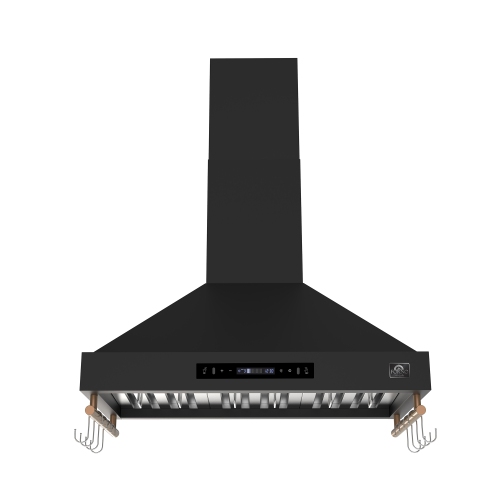
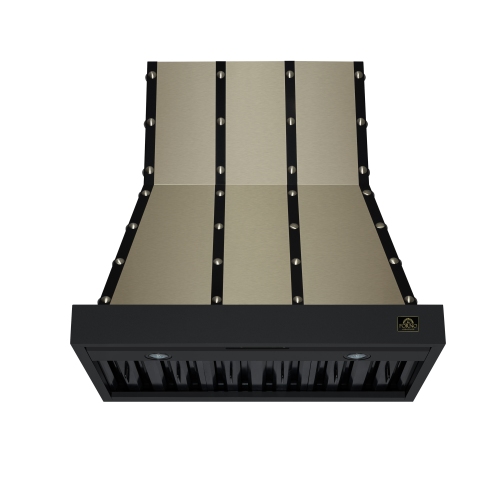
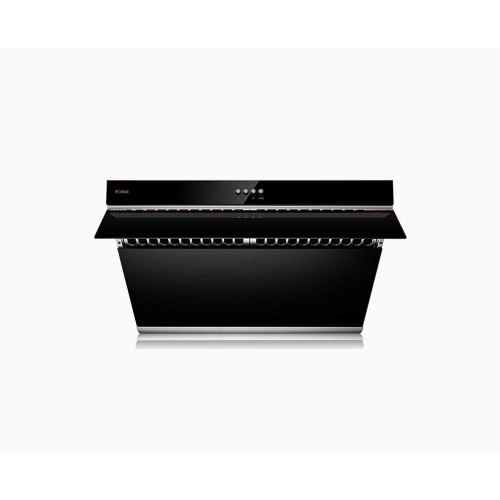
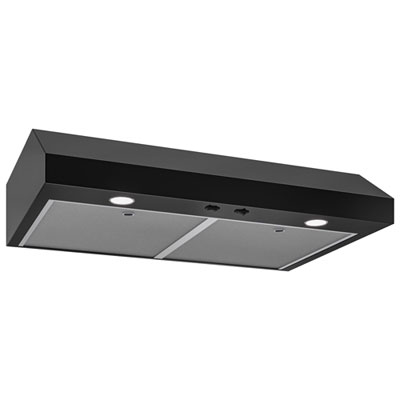
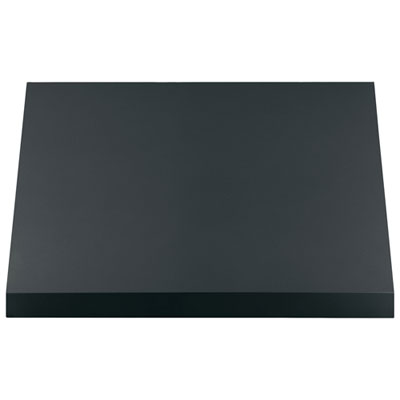
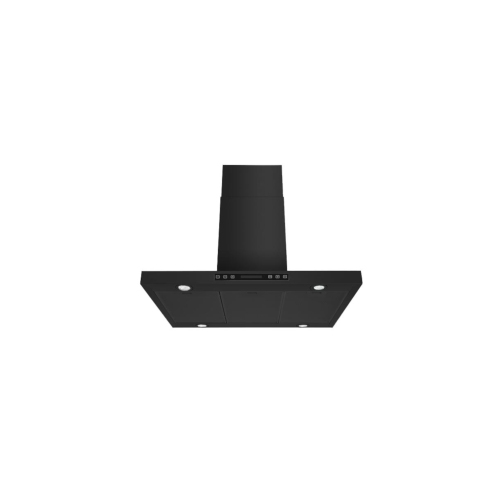
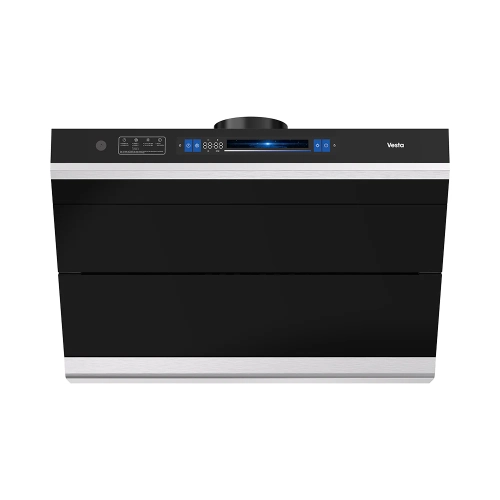
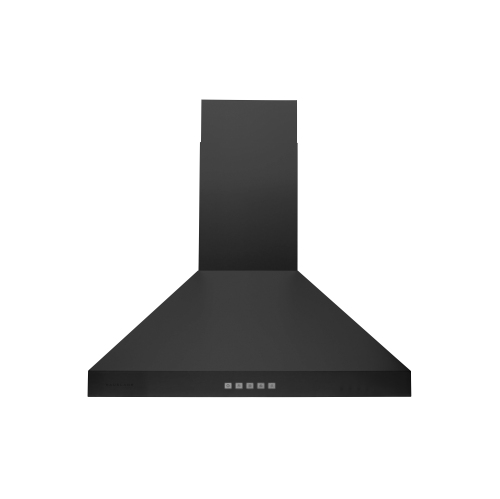
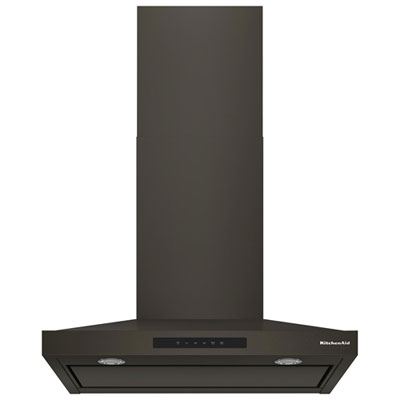
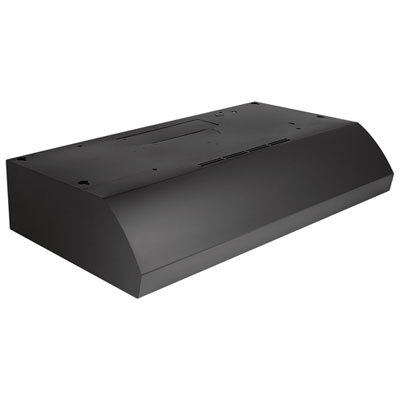
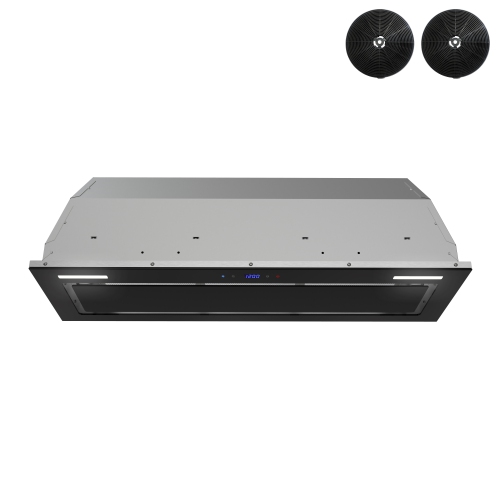
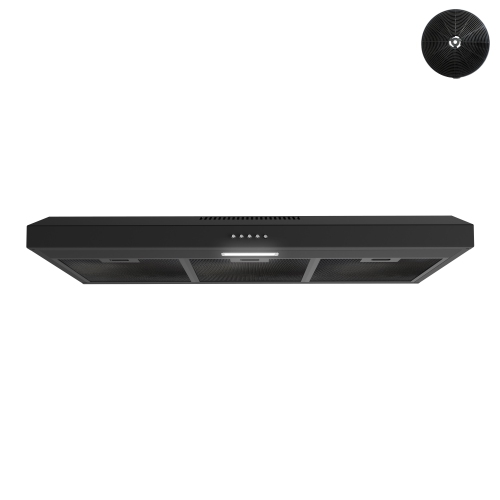
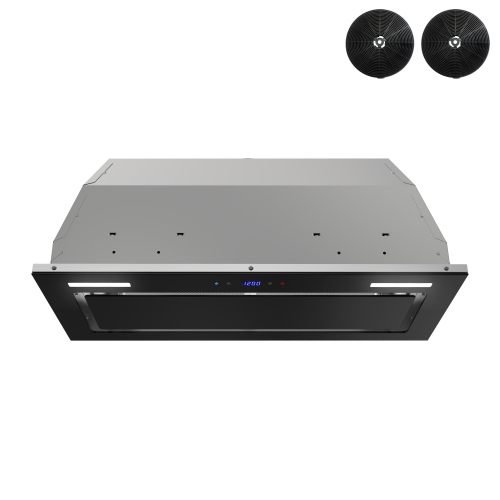
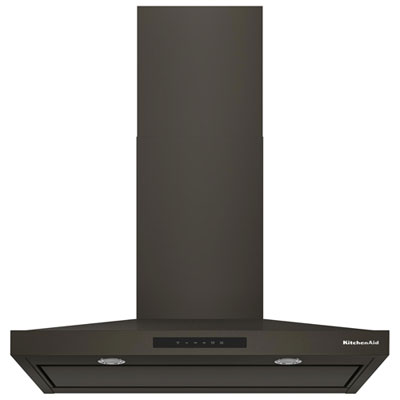
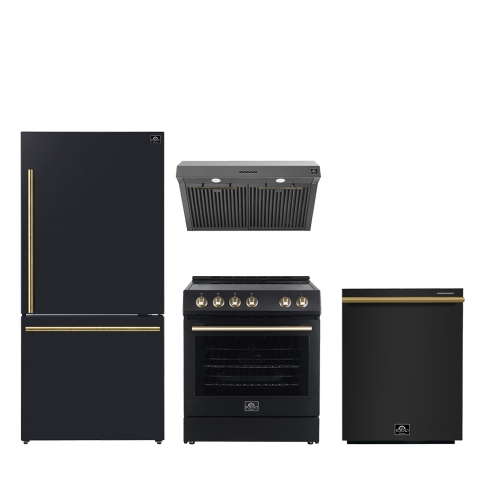
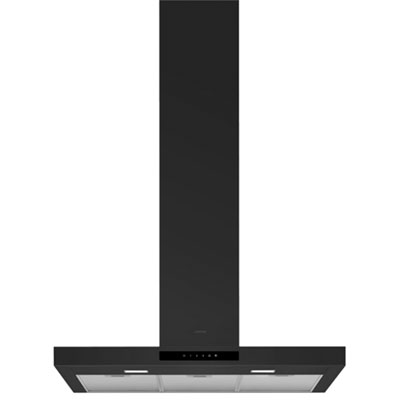
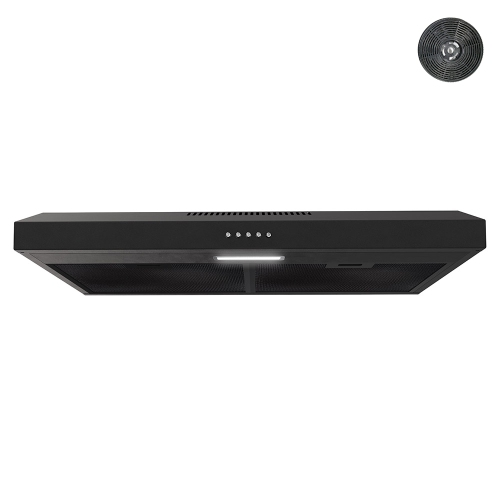
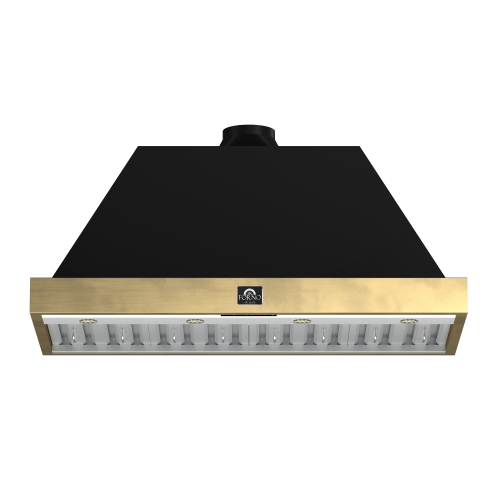
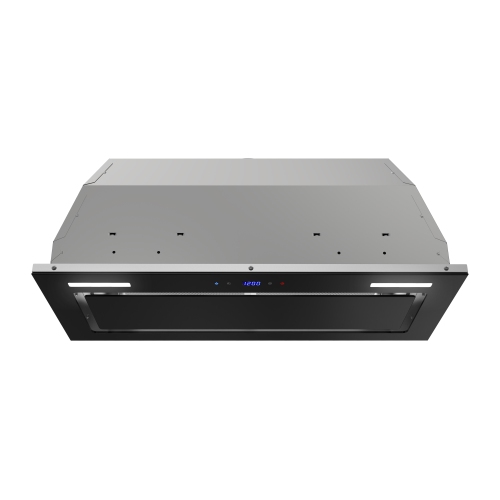
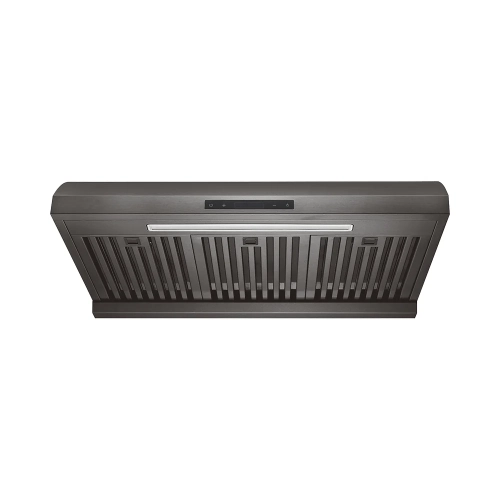
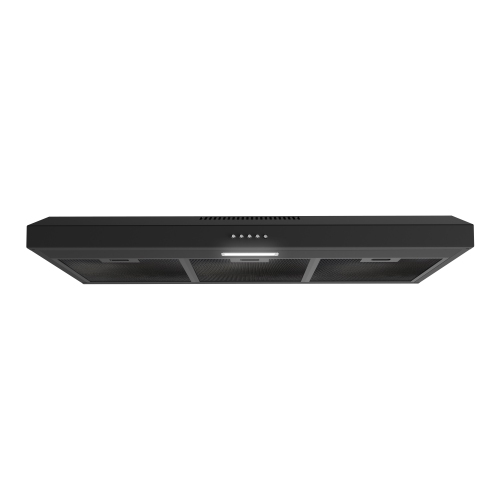
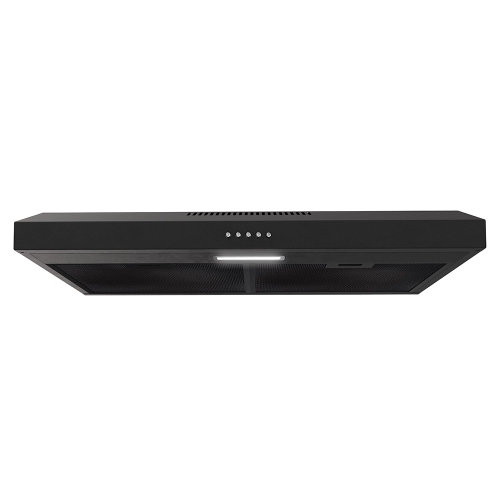
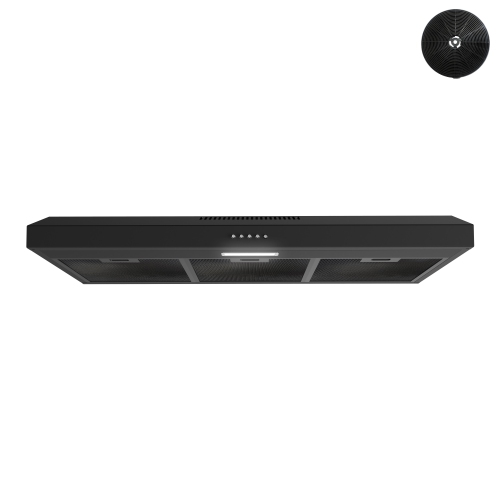
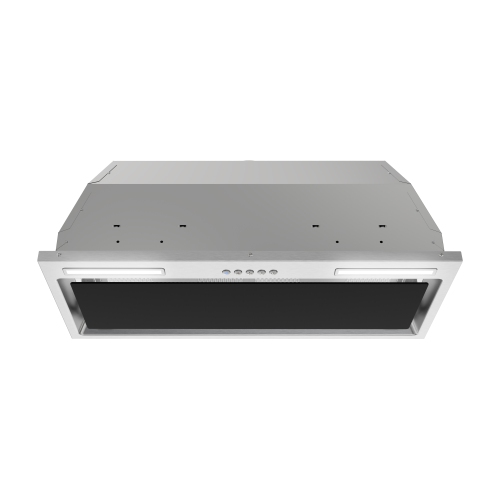
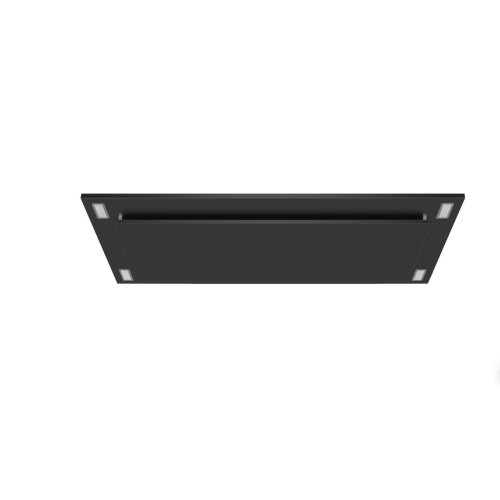
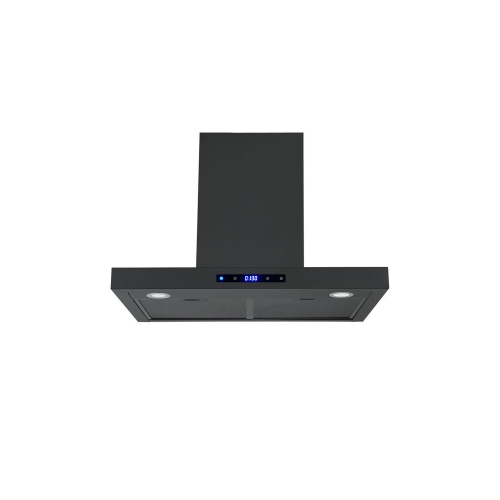
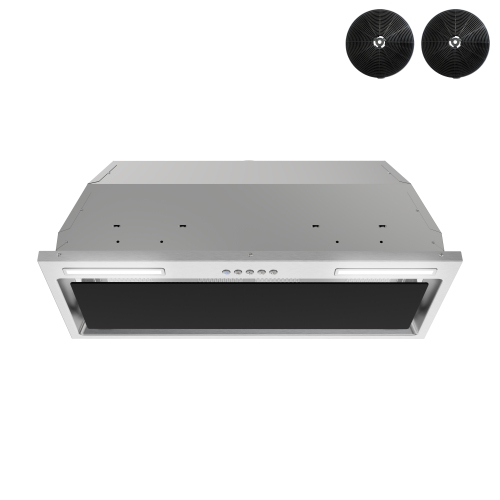
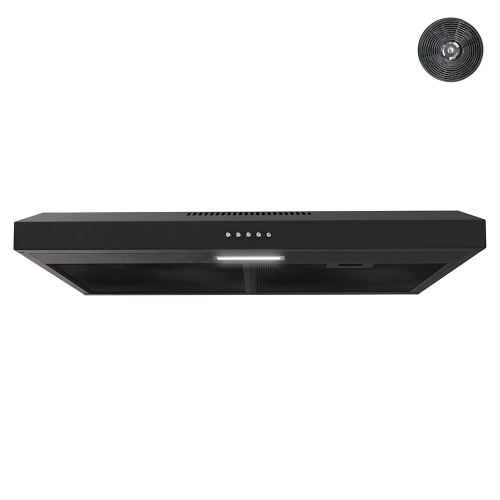
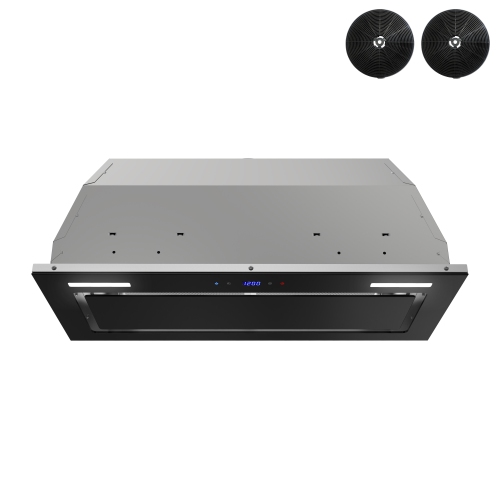

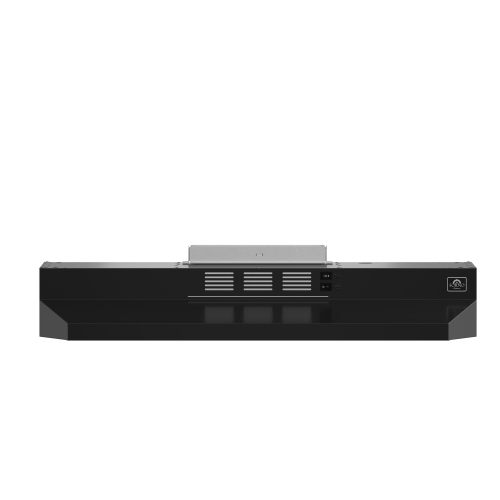
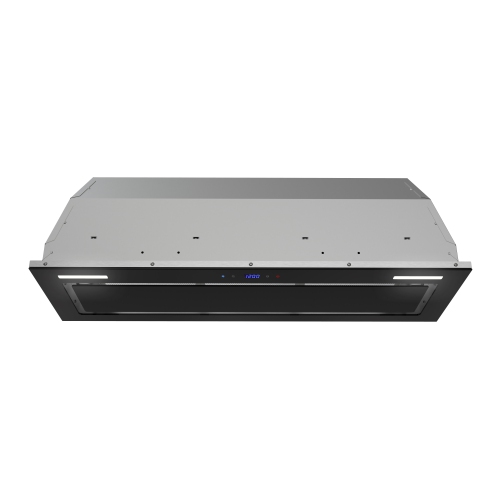
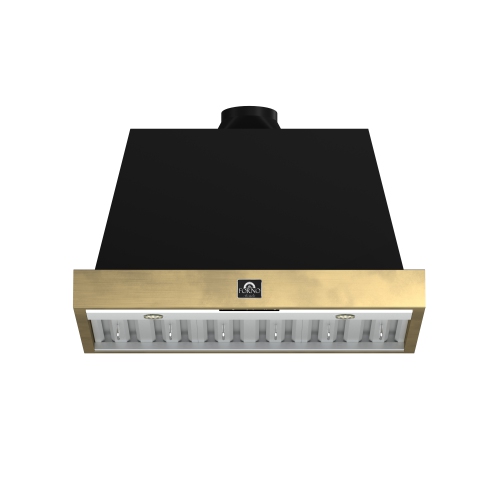
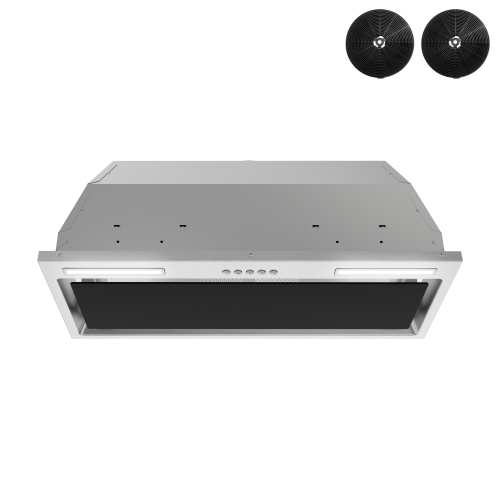
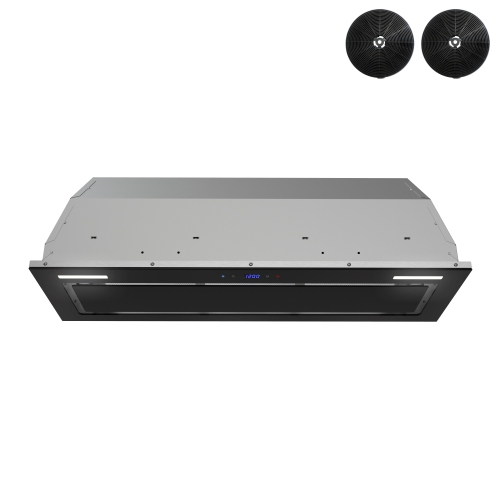
Dark metallic style meets the demands of everyday cooking
Black stainless steel range hoods pair kitchen ventilation with a dark metallic finish that brings definition to the cooking area. Positioned above a range or cooktop, they capture rising cooking fumes, grease particles and odours, helping keep nearby surfaces cleaner and the kitchen more comfortable to use. The finish typically comes from a treatment or coating over stainless steel, creating a softer, darker appearance than conventional silver stainless steel. Depending on the finish and lighting, it can look charcoal grey, nearly black or subtly brushed. Fingerprint-resistant treatments are a feature of some designs, but resistance to smudges and ease of cleaning vary rather than being guaranteed by the colour alone. These hoods suit kitchens with dark appliances, contrasting white cabinetry, warm wood tones or mixed metal accents. An exact colour match is not automatic: black stainless steel can differ in sheen and undertone between manufacturers, so finish samples or detailed images can help clarify how adjoining appliances will look together. The shape matters just as much as the colour. Under-cabinet designs sit beneath overhead cupboards and can preserve a compact appearance, while wall-mounted chimney hoods create a more prominent feature above a cooking surface installed against a wall. Island hoods are designed for cooking areas away from the wall and need suitable ceiling support and a planned ventilation route. A slim canopy can blend into straightforward cabinetry; a broader, angular hood gives the cooking area a stronger visual presence. For a different metallic finish with a similarly defined silhouette, Stainless Steel Chimney Range Hoods offer a related style to consider. Whether the kitchen is compact or open to a dining area, the right hood balances its visual proportions with the practical demands of everyday cooking.
Fit involves more than choosing a hood that looks the same width as the stove. Common widths include 30-inch and 36-inch designs, but the appropriate size depends on the cooking surface, surrounding cabinetry and installation requirements. A hood generally needs to be at least as wide as the range or cooktop, with sufficient coverage to capture fumes from the front burners as well as the back. Canopy depth is particularly relevant when a large frying pan sits near the front edge: a shallow hood may leave more of the rising plume outside its capture area. The required mounting height must follow the hood and cooking appliance instructions, with clearance requirements that may differ for gas and electric cooking surfaces. Ceiling height also affects chimney sections, while existing cabinets, wall framing and duct openings can limit where a hood fits. Ventilation type is another important distinction. Ducted hoods discharge air outdoors through compatible ductwork. Ductless or recirculating hoods pass air through grease filters and suitable odour filters before returning it to the kitchen; they do not carry cooking heat, moisture or combustion gases outside. Some convertible designs support either arrangement when installed with the required components. Airflow is commonly expressed in cubic feet per minute, or CFM, but a larger number does not by itself guarantee better capture. Hood dimensions, mounting position, duct diameter, bends and duct length all influence performance. Frequent searing, stir-frying or cooking across several burners places different demands on ventilation than gently simmering a single saucepan. Higher airflow can also bring additional installation considerations, including make-up air requirements under applicable local rules. A qualified installer can assess the duct route, electrical connection and mounting support, especially when replacing a hood with a different configuration. Sound ratings deserve attention too, particularly where conversation, television viewing or homework happens close to the kitchen. Compare ratings at equivalent fan settings, since maximum-speed figures alone may not reflect everyday use.
Daily convenience often comes down to details that are easy to overlook until cooking begins. Several fan speeds let the hood respond to different tasks, from steady steam above a pasta pot to the stronger plume released when food meets a hot pan. A lower setting may suit quieter meal preparation, while a brief higher setting can help manage more intensive cooking. Starting ventilation before cooking allows airflow to establish, and leaving it running for a short period afterwards can help clear lingering odours. Built-in lighting makes the cooking surface easier to see, especially beneath deep cabinets; the position and spread of the lights matter as much as their brightness. Straightforward buttons, readable touch controls and accessible filter releases can make a noticeable difference when hands are busy and dinner is underway. Cleaning access is equally important for long-term use. Grease filters need regular attention according to the manufacturer’s instructions, with cleaning frequency influenced by how often the kitchen is used and how much frying takes place. Some metal filters are dishwasher-safe, while others require handwashing. Charcoal filters used for recirculation usually need replacement rather than washing unless specifically described as reusable. The black stainless steel exterior also benefits from finish-specific care. A soft cloth and an approved mild cleaner can remove everyday marks without the abrasion of scouring pads or gritty powders. Stainless steel cleaners intended for an uncoated silver finish are not automatically suitable for a dark coating, and scratches may expose a lighter surface underneath. Checking care instructions before cleaning helps protect the appearance around handles, edges and frequently touched controls. Accessible filters, replaceable lighting components where applicable and suitable installation all contribute to a hood that remains practical beyond its first impression. For households that cook daily, share an open-plan living space or want a coordinated appliance finish, a well-matched black stainless steel range hood combines useful ventilation with a distinctive, cohesive look.
Top selling and popular products
-
 Your price for this item is $566.99
-
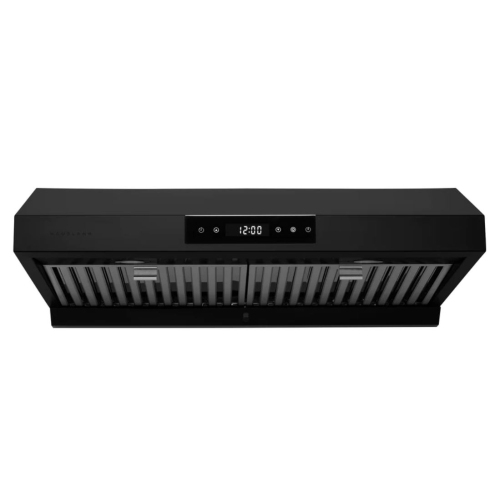 Your price for this item is $611.99
-
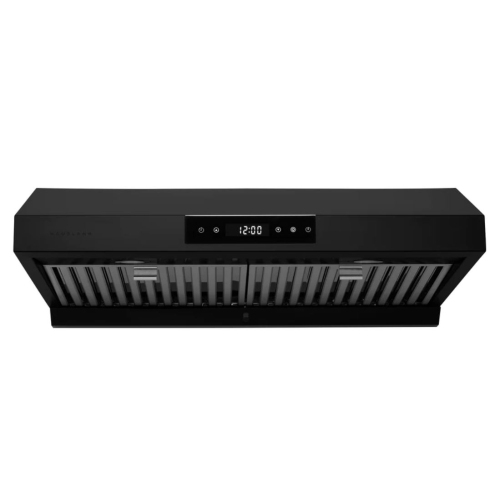 Your price for this item is $566.99
-
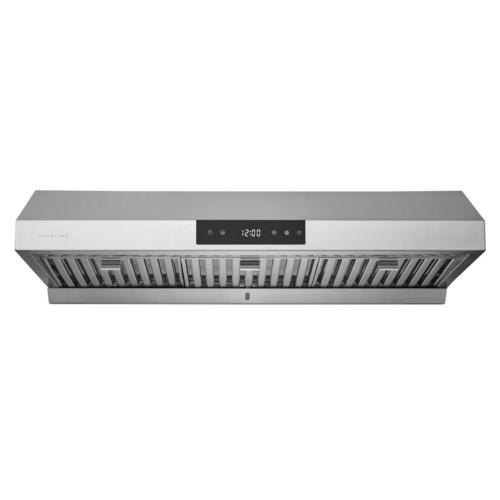 Your price for this item is $611.99
-
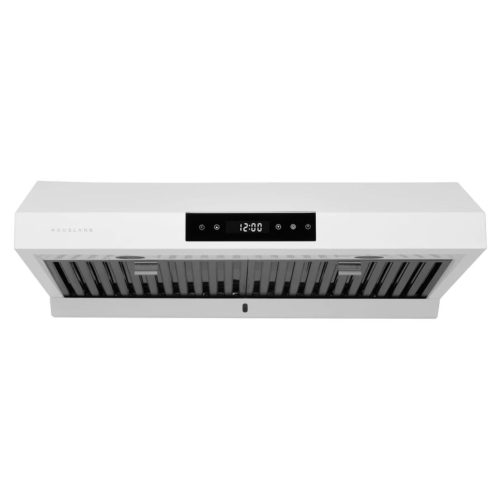 Your price for this item is $566.99
-
 Your price for this item is $611.99
-
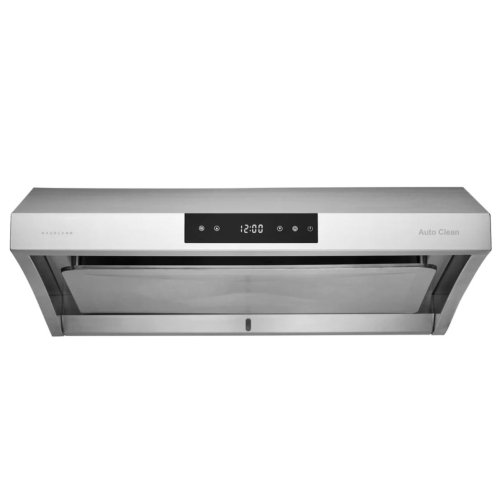 Your price for this item is $701.99
-
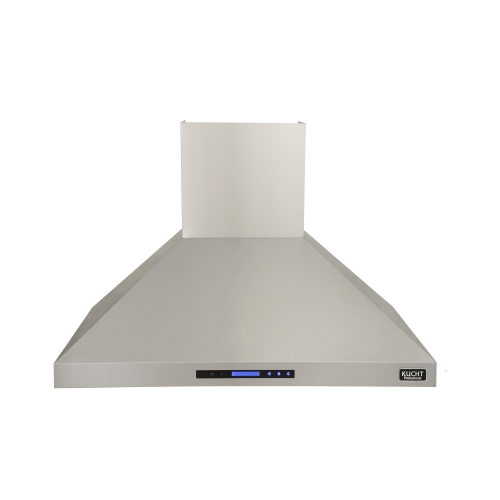 Your price for this item is $2455
Discover more categories related to Black Stainless Steel Range Hoods
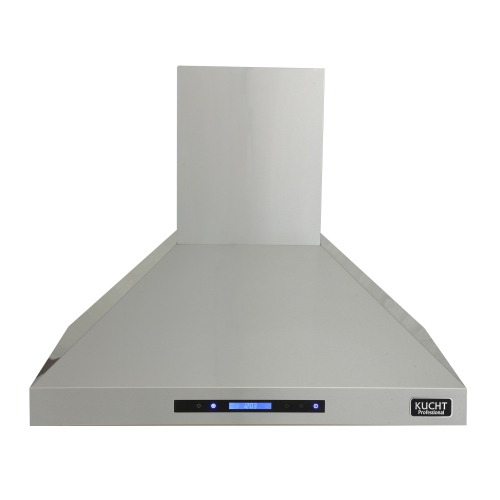
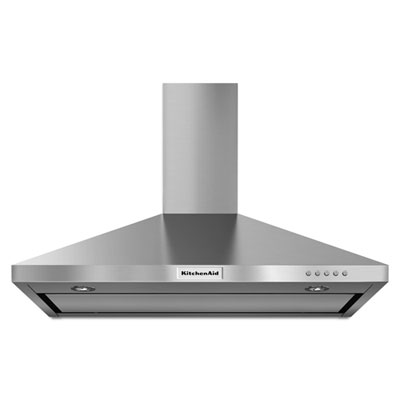
Top Collections:
Best Black Friday Deals This Year, Best Black Friday Deals On Electronics, Kindle Devices, Pokemon Centers, Best Black Friday Deals On Apple Products, Best Cameras for Sports Photography, Dyson Airwrap, Pokémon 30th Celebration Cards, Apple iPhone 17 Pro, Canon G7X Cameras
Some products may be subject to Environmental Handling Fees
(EHF) depending on your province.
Learn more about EHFs.