Blenders For Protein Shake Preparation
Blender For Protein Shake Preparation offers a convenient solution for anyone looking to mix up smooth, delicious shakes at home or on the go. Whether you’re starting your morning with a nutritious boost or refueling after a workout, these blenders are designed to help you achieve the perfect consistency every time. Explore a wide selection of options that make it easy to prepare your favorite protein shakes with minimal effort and maximum taste. Find the right blender to fit your routine and enjoy quick, hassle-free shake preparation whenever you need it.
Sort
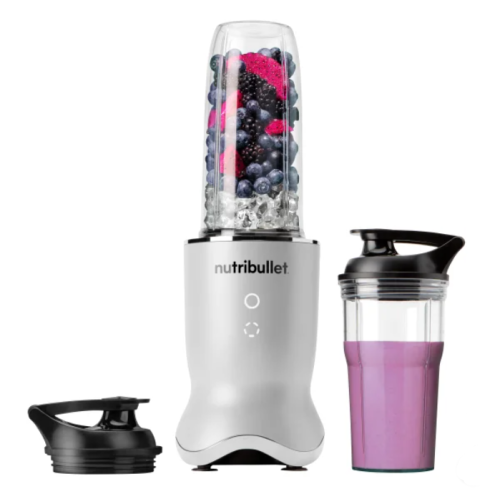

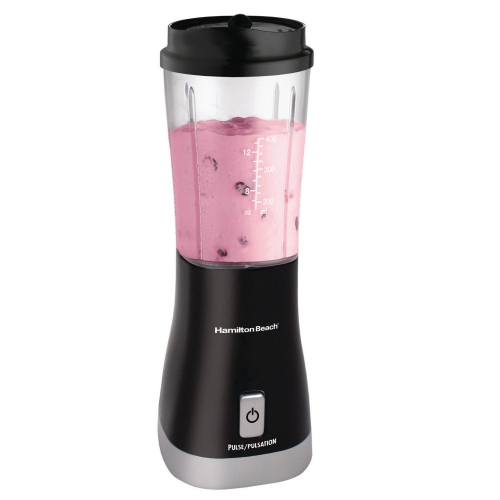
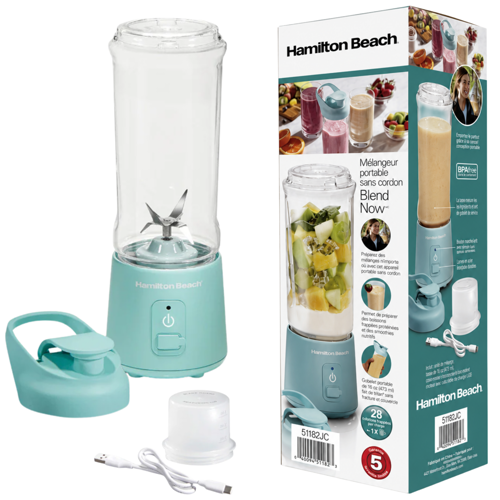
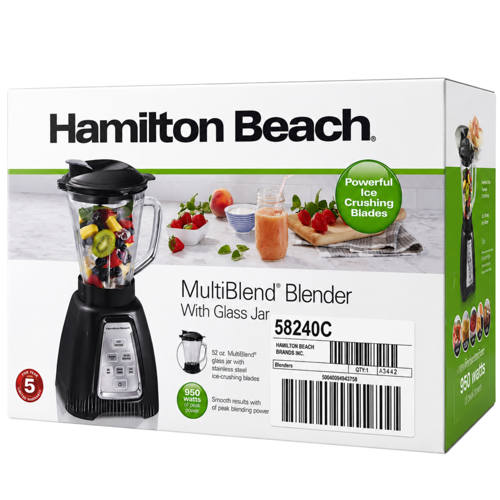
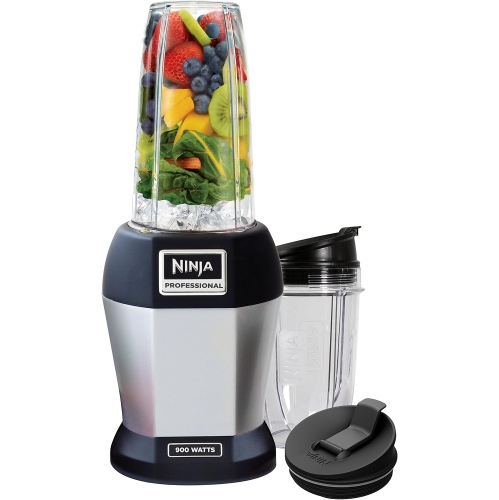
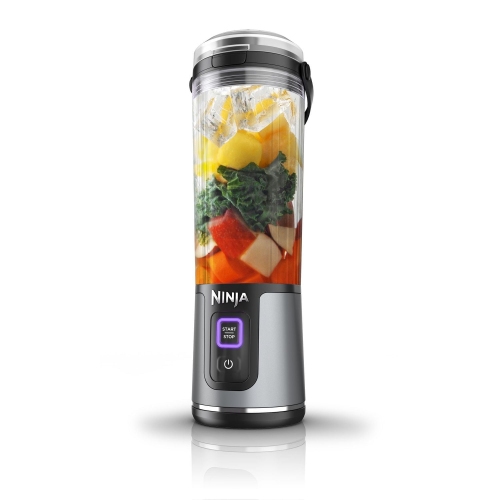
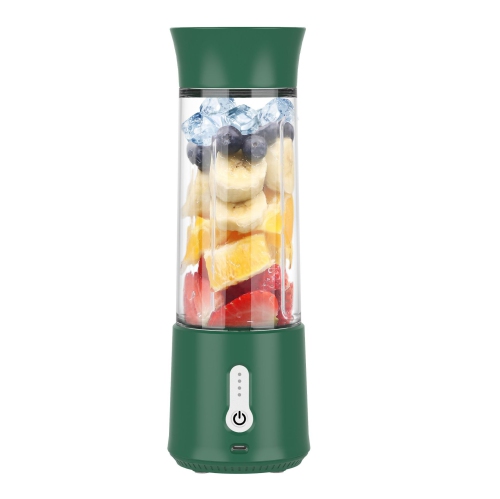

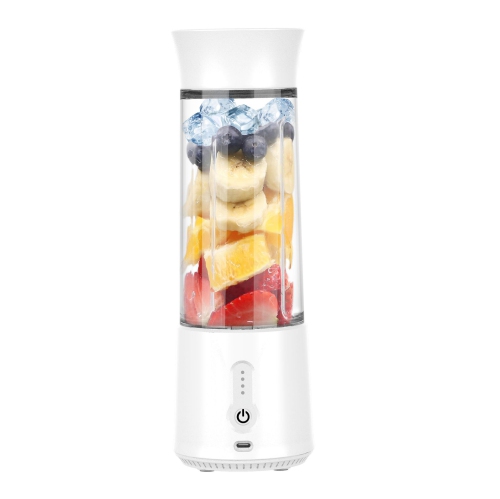
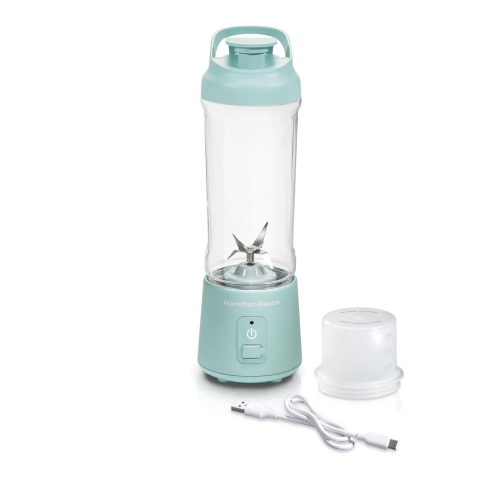
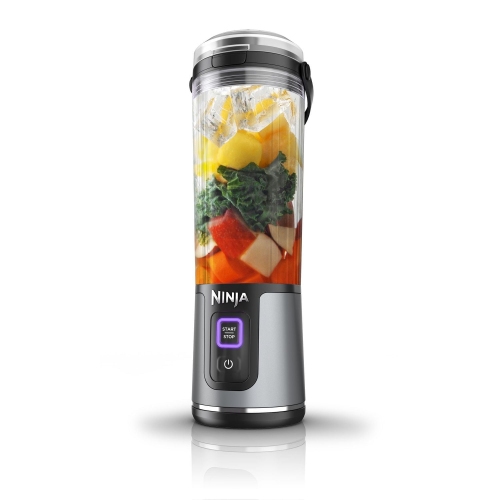
Smooth shakes depend on more than motor power
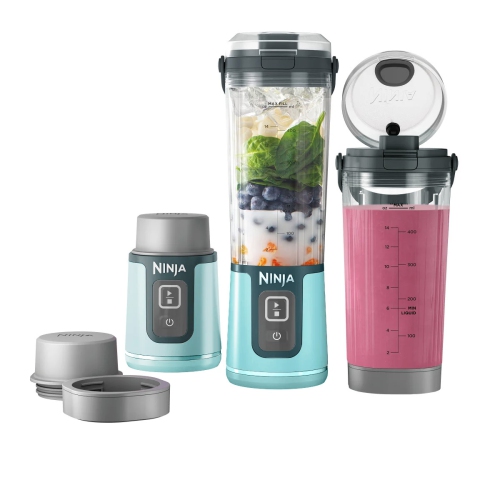
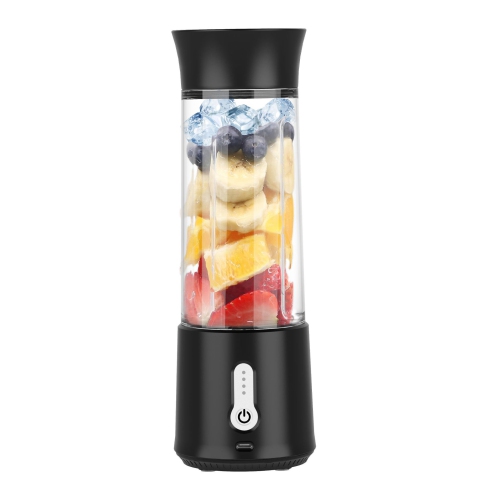
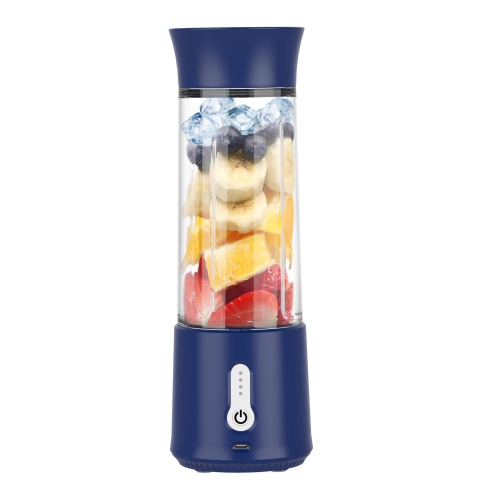
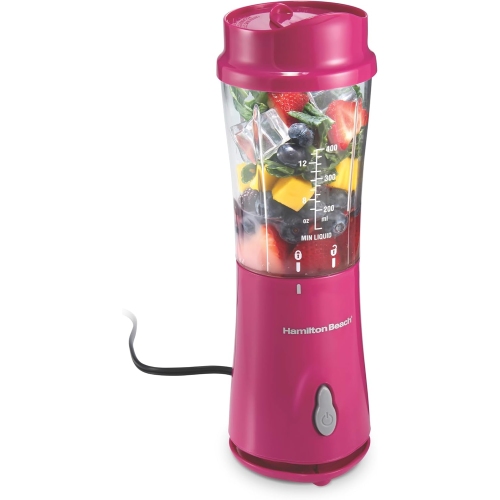
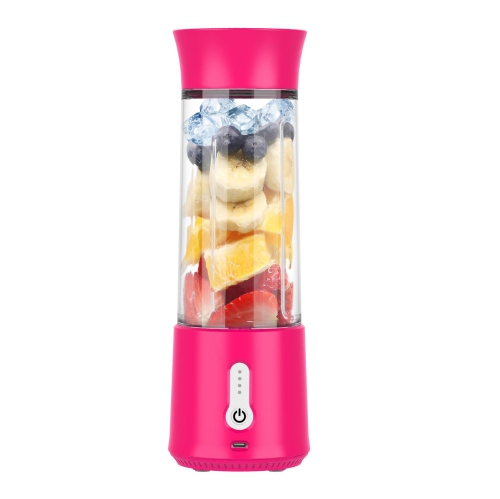
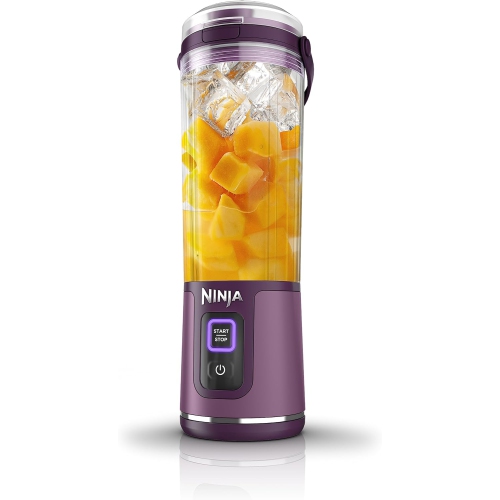
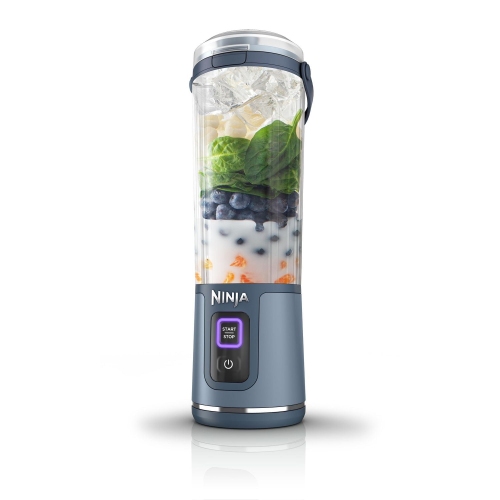
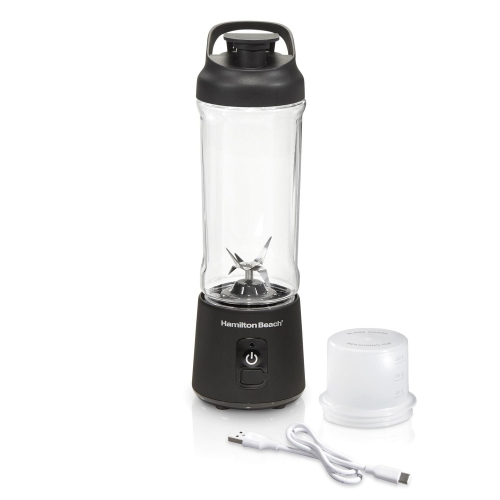
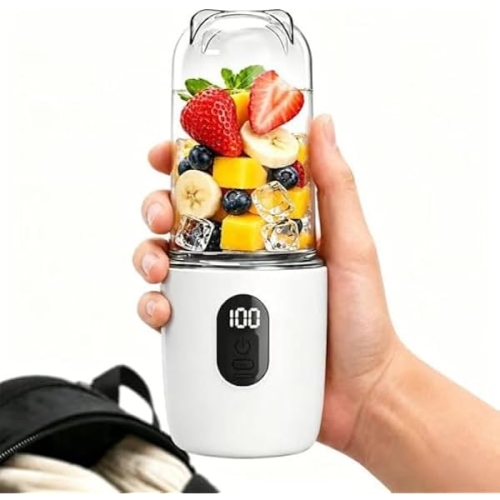
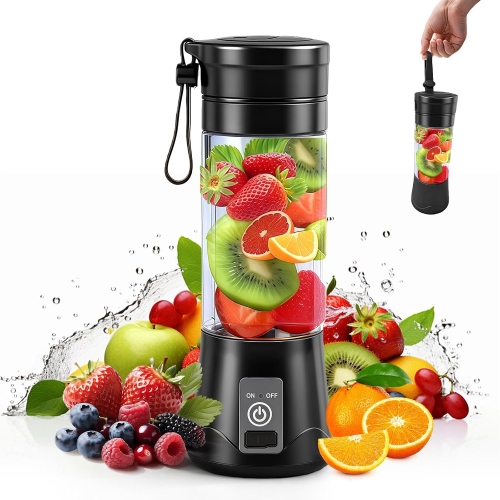
Blenders for protein shake preparation bring powders, liquids, fruit, and other ingredients together in a drink that suits an everyday routine. A simple shake made with milk or a plant-based beverage and protein powder needs a different level of blending than a thick mixture of frozen berries, oats, nut butter, and ice. The ingredients used most often are a useful starting point when comparing blender designs. Soft banana and yoghurt blend readily, while fibrous greens, seeds, and frozen fruit call for a machine designed to handle tougher ingredients. Motor wattage is one specification, but blade design, container shape, and the way ingredients circulate also influence the finished texture. A powerful motor alone does not guarantee a smooth result. Variable speeds offer control over consistency, and a pulse setting can help break up larger pieces before a longer blend. Some designs include timed programs that run through a set blending sequence, making it easier to repeat a favourite recipe without watching the controls throughout. Personal blenders suit individual portions, especially when the blending cup also accepts a drinking lid. That arrangement can mean fewer containers to wash after breakfast or before heading to the gym. Full-size countertop blenders offer more room for larger shakes or several servings, though their minimum blending quantities matter just as much as their maximum capacity. A large jug may be less practical for a small amount of liquid if the ingredients do not reach the blades effectively. Portable, battery-powered designs serve another purpose, offering flexibility away from a kitchen outlet, but their ingredient limits, charging requirements, and operating instructions deserve attention. Some are intended mainly for liquids, powders, and softer additions rather than ice or large frozen pieces. Across these formats, usable capacity should be judged by the marked fill line rather than the container’s total volume, leaving the space required for ingredients to move during blending. The best fit is a blender whose capabilities match both the recipe and the portion that will actually be made.
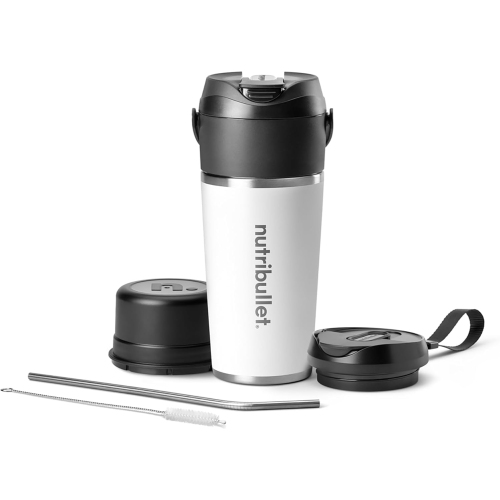
Container materials, everyday handling, and cleaning arrangements all affect how comfortably a blender fits into shake preparation. Glass jugs tend to feel substantial and resist retaining odours, although their weight can be noticeable when lifting a full batch or washing them in the sink. Plastic cups and jugs are generally lighter, making them practical for carrying and frequent handling; material specifications and care instructions help clarify their suitability for different ingredients and cleaning methods. Stainless steel containers offer another option, with an opaque body that keeps the contents out of view during blending. For any material, a comfortable grip, readable measurement markings, and a lid that seats securely are details that matter with daily use. A personal blending cup also needs to fit the places it will go, whether that is a backpack side pocket, a desk, or a vehicle cup holder. A drinking lid and a carry lid may have different sealing features, so a cup intended for upright use should not automatically be treated as suitable for tossing into a bag. On the countertop, a stable base and enough clearance beneath cupboards can make the difference between leaving a blender within easy reach and storing it after every use. Controls that are straightforward to operate are helpful when preparing the same shake each morning, while noise may be a consideration in a shared home. Cleaning deserves equal attention because protein powder, yoghurt, and nut butter can cling around lids, seals, and blade assemblies. Removable components can make these areas easier to reach, but dishwasher suitability varies by part. A rinse soon after blending helps prevent residue from drying in place; a blending rinse does not necessarily replace the cleaning specified by the manufacturer. Blade edges require careful handling, and motor bases should be cleaned without immersion. Keeping seals clean, allowing washed components to dry, and checking for cracks or worn parts supports dependable use. Sealed personal cups should only be used with ingredients and liquid temperatures permitted by the manufacturer, since hot liquids can create pressure inside a closed container.
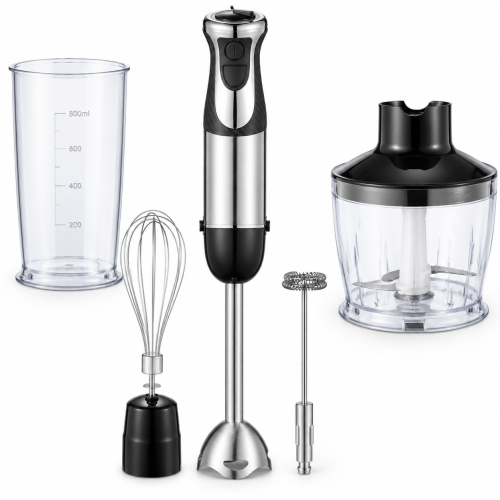
The right blender also reflects how protein shakes fit into meals, exercise routines, and the rest of the kitchen. Someone who mixes a small shake before commuting may value a compact base and a cup that becomes the drinking vessel, while a household preparing different recipes may benefit from multiple compatible cups. A larger jug can suit shared breakfasts, provided the total mixture stays within the recommended capacity. Texture preferences are equally personal: a pourable shake needs a different balance of liquid and solids than a spoonable blend topped with fruit. Extra capacity can be useful for bulky spinach leaves or frozen ingredients, but it should not encourage overfilling. Powders also behave differently, with some thickening as they stand, so consistency depends on the recipe as well as the appliance. Oats can add body, nut butter can make a mixture richer, and frozen fruit can create a thicker texture without relying entirely on ice. Suitability for crushing ice should always be confirmed rather than assumed. Where food allergies are a concern, easy access to lids, seals, and other food-contact surfaces is particularly important, along with cleaning appropriate to the household’s needs. For kitchens where one appliance takes on several jobs, blenders for meal prep offer a related category to explore alongside shake-focused designs. Broader uses might include blending dressings, sauces, or purées, depending on the machine’s stated capabilities. A blender can also be a thoughtful gift for a student setting up a kitchen, someone establishing a regular fitness routine, or a household that enjoys blended breakfasts. In each case, counter space, storage, preferred portion size, and willingness to clean extra attachments matter more than a long list of settings. A well-matched design makes familiar recipes convenient to prepare, with the capacity, controls, and care requirements suited to the person using it.
Top selling and popular products
-
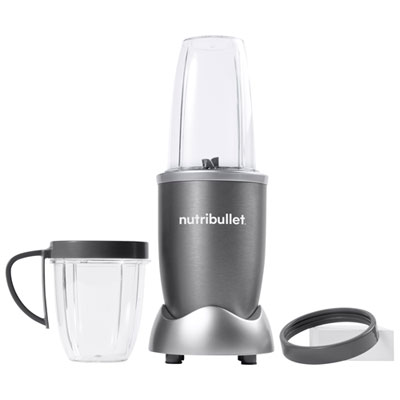 Your price for this item is $99.99
-
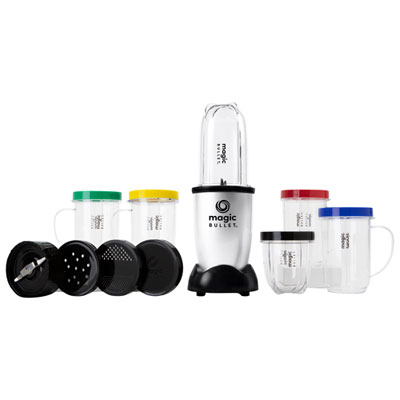 Your price for this item is $59.99
-
 Your price for this item is $55.97
-
 Your price for this item is $199.99
-
 Your price for this item is $89.99
-
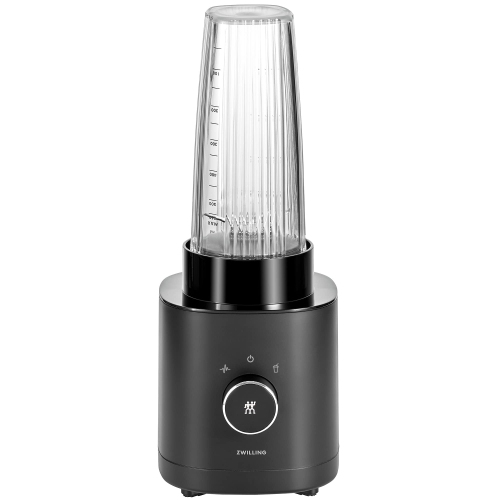 Your price for this item is $201.99
-
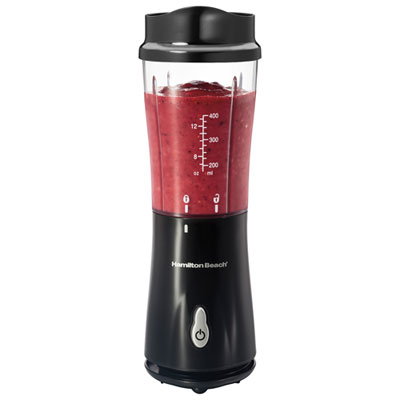 Your price for this item is $22.98
-
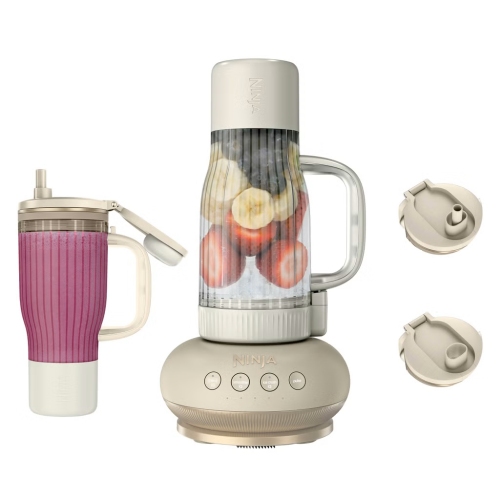 Your price for this item is $199.91
Discover more categories related to Blenders For Protein Shake Preparation
Top Collections:
Best Black Friday Deals This Year, Best Black Friday Deals On Electronics, Kindle Devices, Pokemon Centers, Best Black Friday Deals On Apple Products, Best Cameras for Sports Photography, Dyson Airwrap, Pokémon 30th Celebration Cards, Apple iPhone 17 Pro, Canon G7X Cameras
Some products may be subject to Environmental Handling Fees
(EHF) depending on your province.
Learn more about EHFs.