Blenders for Juicing
Blenders for juicing options are designed to help you create delicious, nutrient-packed beverages at home with ease. Whether you're looking to whip up fresh fruit smoothies, blend leafy greens, or make your favorite juice recipes, you'll find a variety of blenders suited for all your juicing needs. Explore models that fit every kitchen and lifestyle, making it simple to enjoy flavorful drinks any time of day. Find the perfect blender for juicing and elevate your daily routine with convenient, healthy options.
Sort
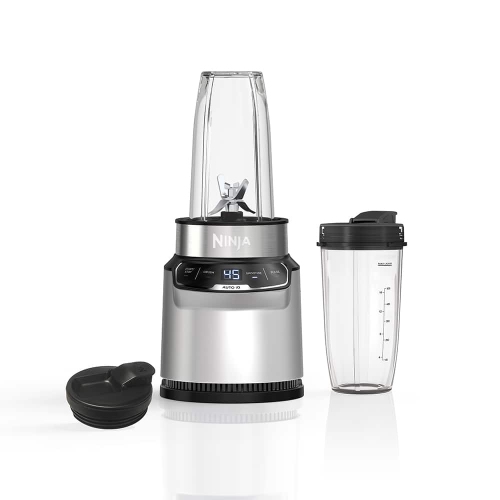
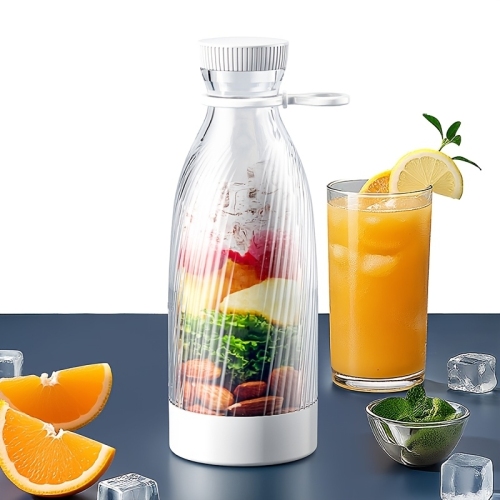
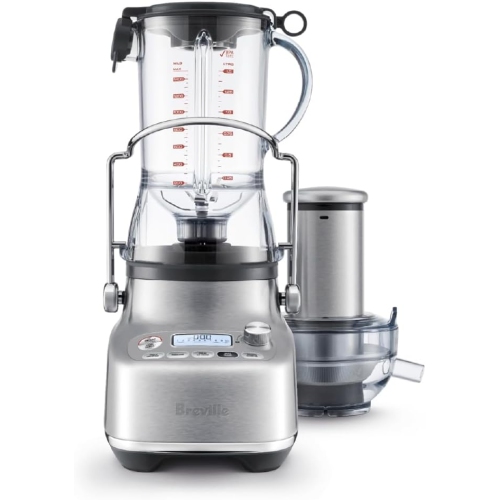
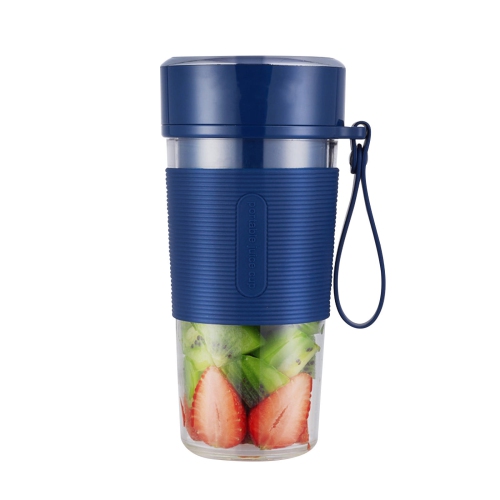
What sets blended drinks apart from extracted juice
Blenders for juicing turn whole fruits and vegetables into pourable drinks, but a standard blender works differently from a dedicated juicer. A blender breaks ingredients down together, keeping the pulp and fibre in the drink, while a juicer separates much of the liquid from the solid material. The result from a blender is usually closer to a smoothie or thick fruit drink than a clear juice. Adding water or another suitable liquid can create a lighter consistency, and passing the blend through a fine mesh strainer or a food-safe straining bag can remove some pulp. Straining is an extra preparation and cleanup step, however, and it does not make a standard blender function like a juice extractor. For anyone who enjoys the flavour of fresh produce but prefers to keep the pulp, blending offers a straightforward way to combine ingredients in one container. Peeled orange segments, ripe pineapple and a little water make a different style of drink from cucumber, spinach and apple, even when both are blended until smooth. Ingredient proportions, blending time and the amount of liquid all affect the finished texture. Soft fruit tends to blend readily, while fibrous greens and firm vegetables can require more capable equipment, smaller pieces or additional liquid. Hard pits, unsuitable seeds and tough peels need to be removed as appropriate for the ingredient and the appliance instructions. Some combination appliances include separate blending and juice-extraction functions, making them relevant to households that want both thicker drinks and juice with less pulp. The distinction matters because a juice or smoothie program on a blender does not, by itself, mean the appliance separates pulp. For everyday use, the most useful starting point is the drink itself: a substantial breakfast blend, a thin fruit drink served alongside a meal, or extracted juice prepared with equipment designed for that purpose. Each calls for a different balance of texture, capacity and preparation.
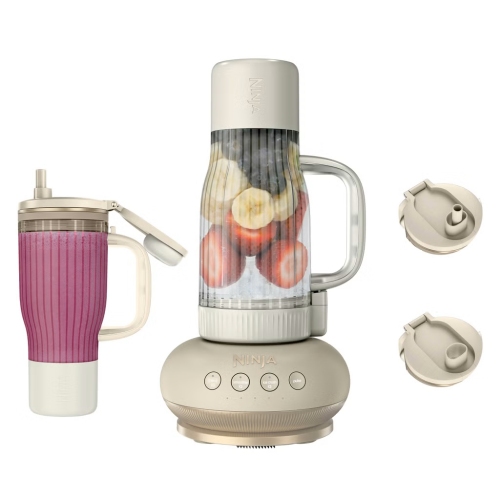
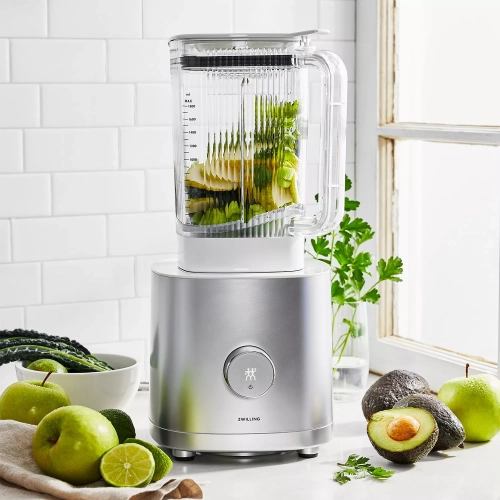
The physical design of a blender makes a noticeable difference when juicing-style drinks become part of a regular kitchen routine. A full-size jug provides room for several servings, while a personal blending cup can suit one person making a drink before leaving home. Maximum working capacity matters more than the amount a container holds to the brim, since ingredients need space to circulate without overflowing. Minimum quantities can matter too; a small serving may not blend effectively in a wide jug if the ingredients sit below the blades. Variable speeds and a pulse function provide control over the progression from roughly chopped produce to a more uniform mixture. Motor wattage is only one specification, rather than a guarantee of smooth results, because blade design, container shape, ingredient movement and the appliance’s intended uses also contribute. Frozen fruit, ice and dense vegetables should only be processed by equipment rated for them. A compatible tamper can help move thick mixtures towards the blades without adding excessive liquid, but it must be used with the correct lid and according to the manufacturer’s directions. Container materials also shape the everyday experience. Glass generally resists odours and staining, though it can be heavy to lift and needs protection from impacts and sudden temperature changes. Plastic containers are often lighter, which can make pouring and handling easier, but their care requirements vary and abrasive cleaning can mark the surface. A comfortable handle, readable measurement markings and a well-fitting lid are useful details when preparing a full jug over the countertop. Personal cups add another consideration: the blending attachment and the drinking lid may be separate pieces, and a travel lid is not necessarily leakproof unless described that way. Overall height, base width, cord storage and access beneath upper cabinets all affect how comfortably an appliance fits into its intended space. Noise is another practical consideration in shared kitchens, especially when crushing ice or processing firm ingredients.
Daily convenience often comes down to what happens before and after the blending cycle. A household making several drinks may value a jug that pours neatly into different glasses, while someone preparing a single serving may prefer a cup that reduces transfers between containers. A wide opening can make it easier to add chopped produce and reach accessible surfaces during cleaning. Removable blade assemblies, lid seals and drinking spouts need attention because pulp can collect in small gaps; fixed blades require particular care when cleaning around sharp edges. A rinse soon after use helps prevent fruit residue from drying onto the container. Dishwasher compatibility varies by component, so a dishwasher-safe cup does not necessarily mean that its blade attachment or lid belongs in the same cycle. Some blenders offer a cleaning program, but seals and other crevices may still need separate cleaning according to the instructions. The motor base should not be immersed. Durability involves more than a sturdy-looking jug: correct assembly, respect for fill limits and operating times, and care of threads, seals and drive connections all help support dependable use. Access to compatible replacement containers, lids or gaskets can also matter over the life of the appliance. For students, busy parents, home cooks or someone furnishing a first kitchen, a blender can serve several food-preparation tasks as well as fruit and vegetable drinks, provided those uses are supported by its design. It can also be a thoughtful housewarming gift when its size and functions suit the recipient’s habits. Related options on the Ninja Blender Juicers page provide another way to explore this appliance category, with each model’s specifications clarifying whether it blends, extracts juice or offers separate functions. Across these formats, the important distinction remains consistent: blending keeps the produce together, while juice extraction separates liquid from pulp. Matching that distinction to the preferred drink helps make capacity, features and care requirements easier to assess.
Top selling and popular products
-
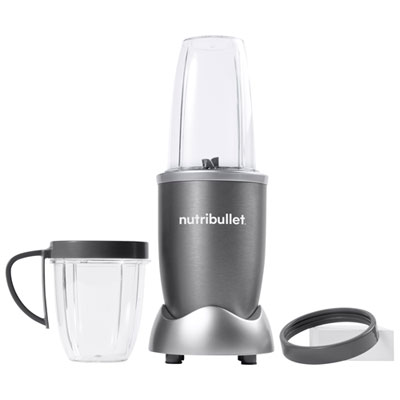 Your price for this item is $99.99
-
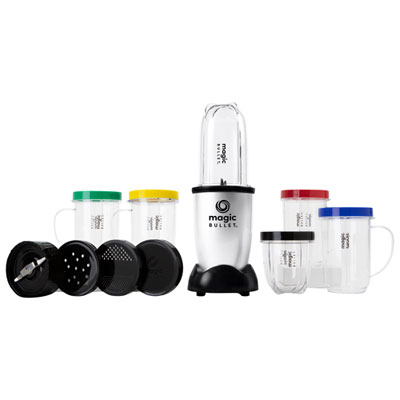 Your price for this item is $59.99
-
 Your price for this item is $55.97
-
 Your price for this item is $199.99
-
 Your price for this item is $89.99
-
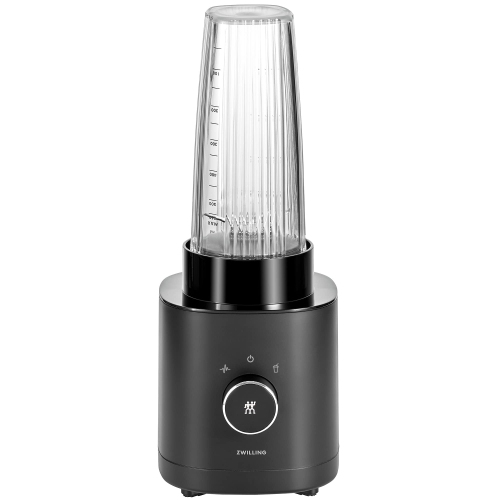 Your price for this item is $201.99
-
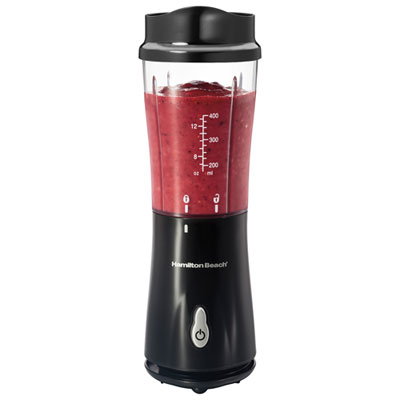 Your price for this item is $22.98
-
 Your price for this item is $199.91
Discover more categories related to Blenders for Juicing
Top Collections:
Best Black Friday Deals This Year, Best Black Friday Deals On Electronics, Kindle Devices, Pokemon Centers, Best Black Friday Deals On Apple Products, Best Cameras for Sports Photography, Dyson Airwrap, Pokémon 30th Celebration Cards, Apple iPhone 17 Pro, Canon G7X Cameras
Some products may be subject to Environmental Handling Fees
(EHF) depending on your province.
Learn more about EHFs.