Blenders for Ice Cream
Looking to whip up delicious frozen treats right at home? Look no further than our collection of blenders for ice cream. Whether you're craving a creamy milkshake, a refreshing sorbet, or velvety homemade ice cream, these blenders are designed to handle the task with ease. With their powerful motors and versatile features, you can effortlessly blend your favorite ingredients into smooth and creamy concoctions. From simple single-serve options to high-capacity blenders perfect for entertaining, our selection has something for every ice cream enthusiast.
Sort
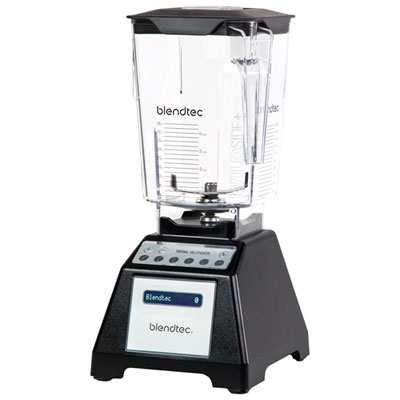
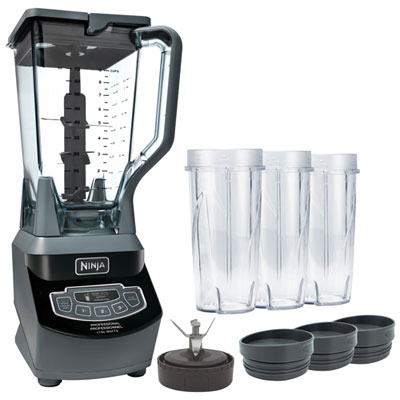
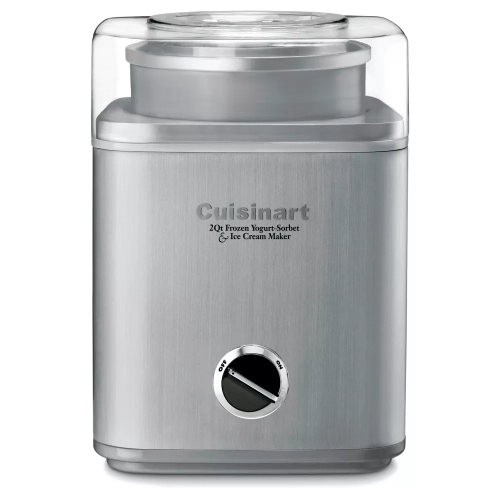
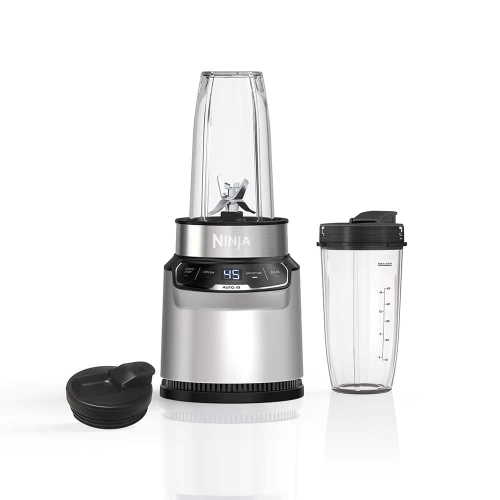
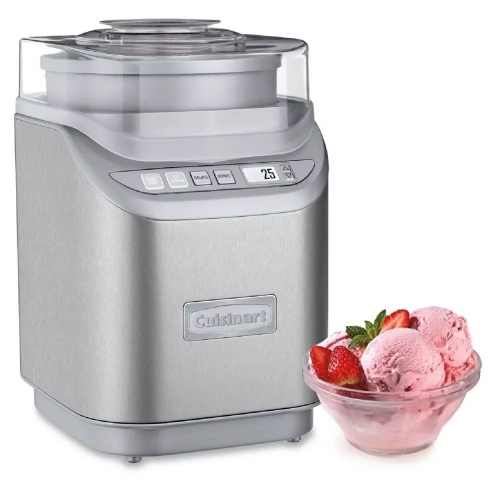
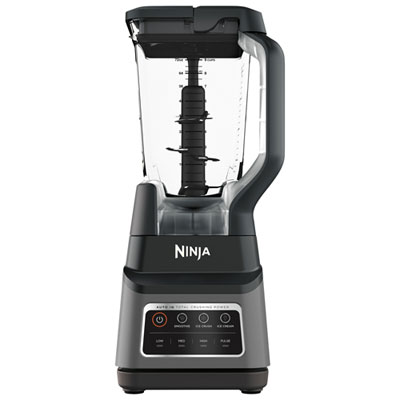
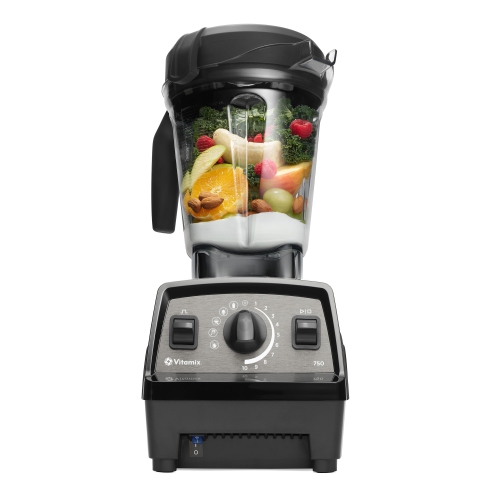
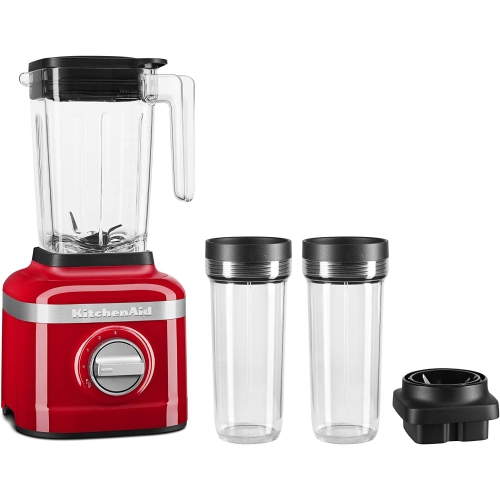
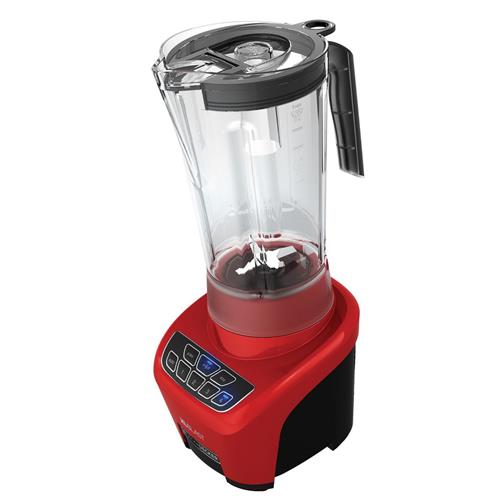
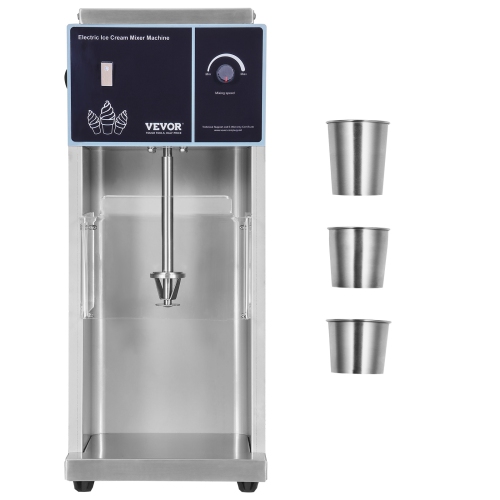
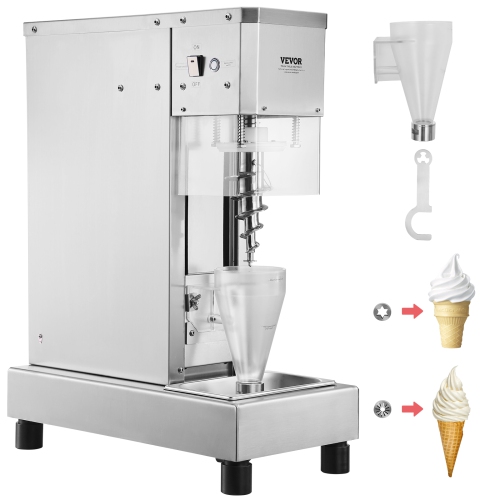
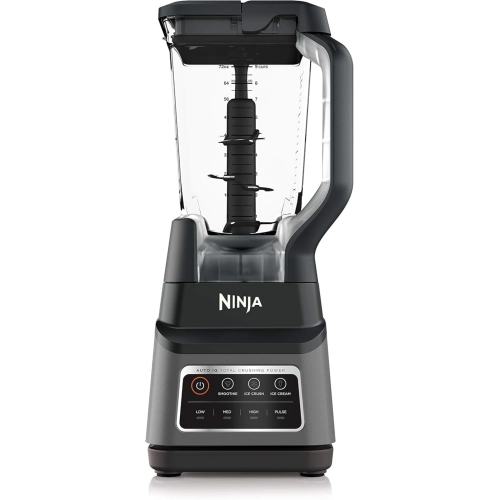
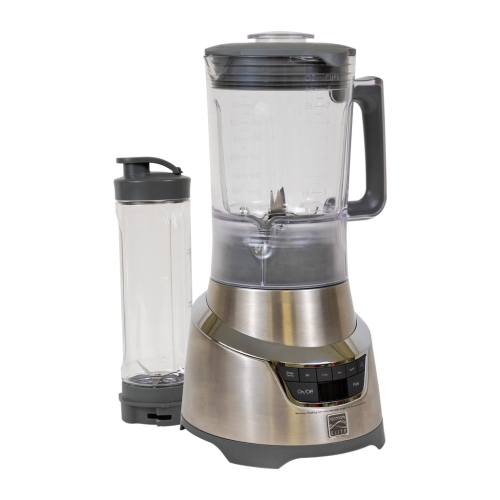
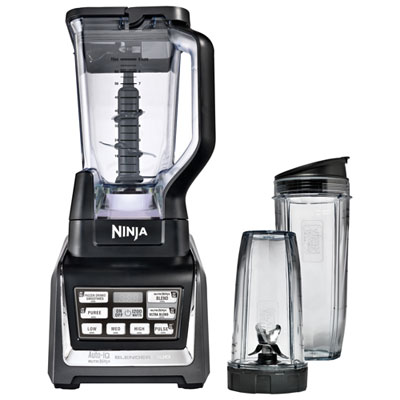
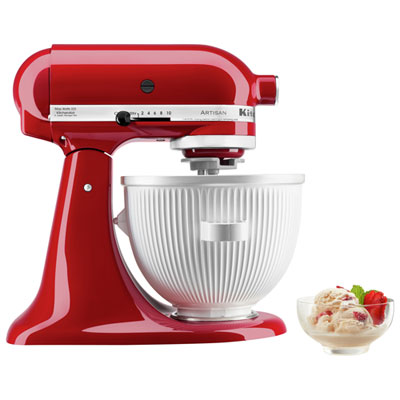
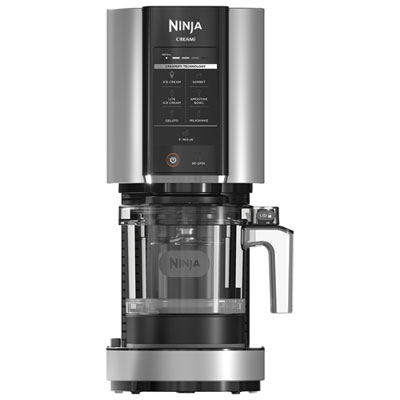
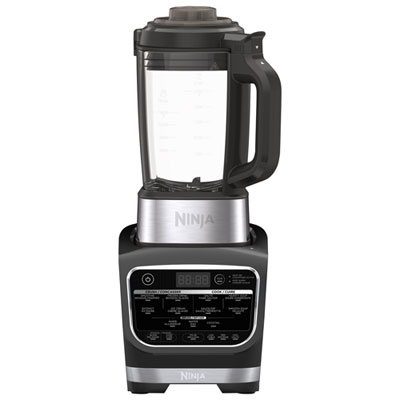
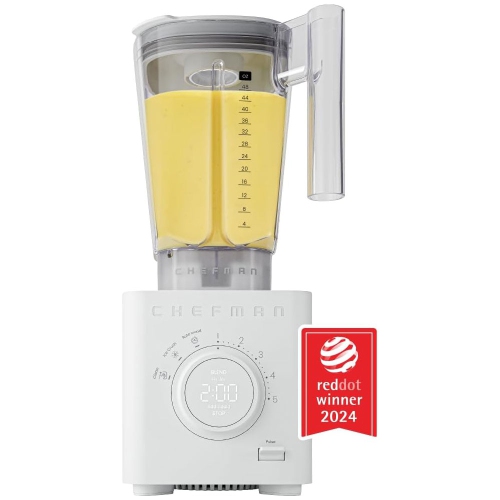
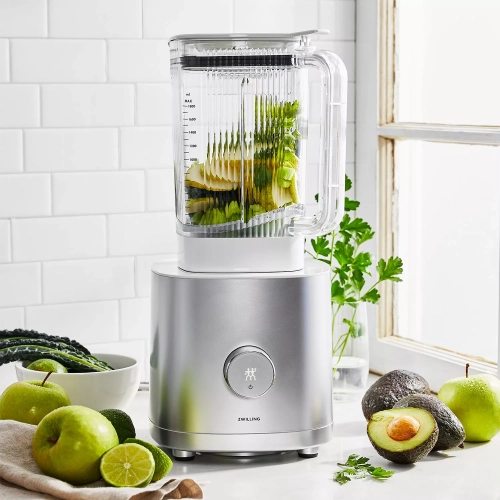

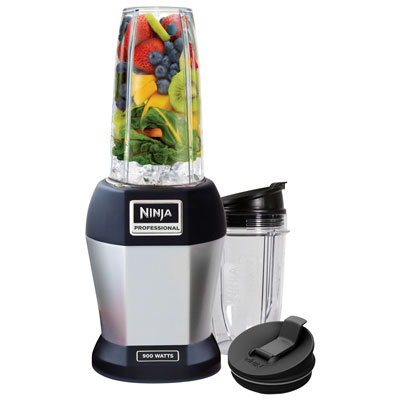

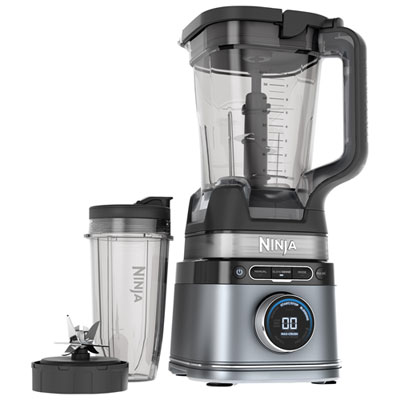
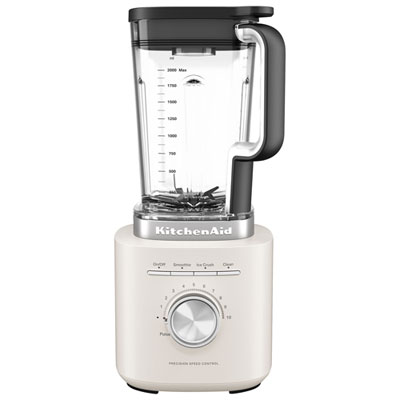
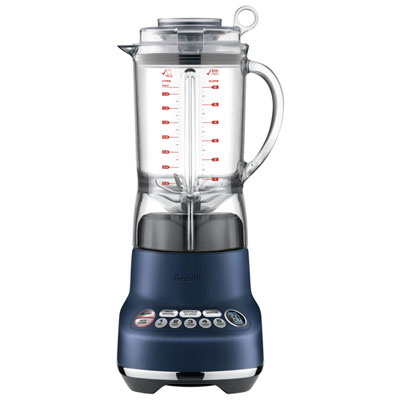
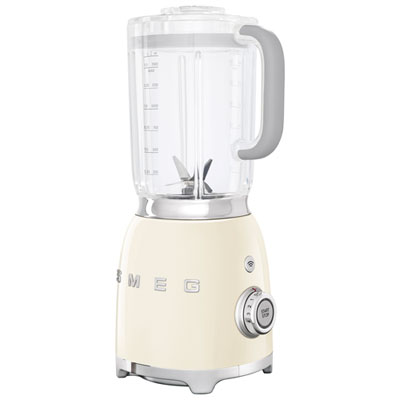
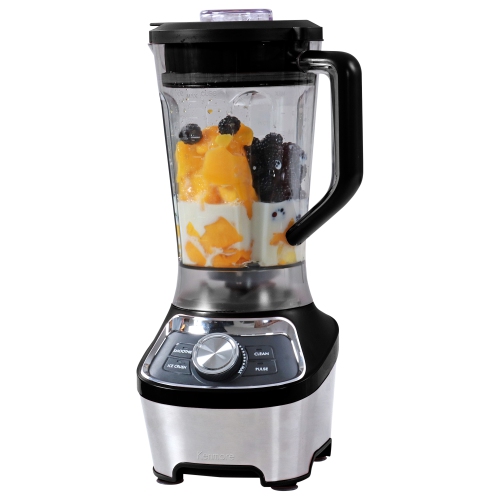
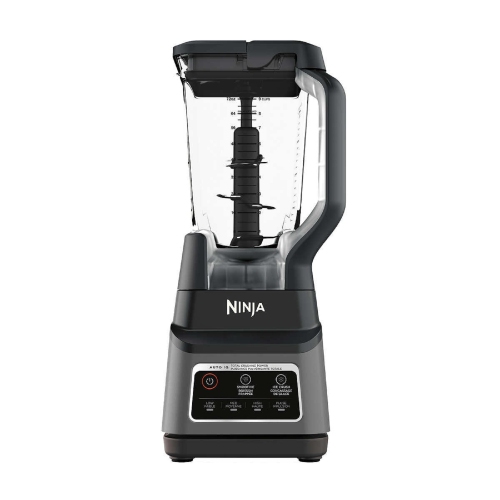
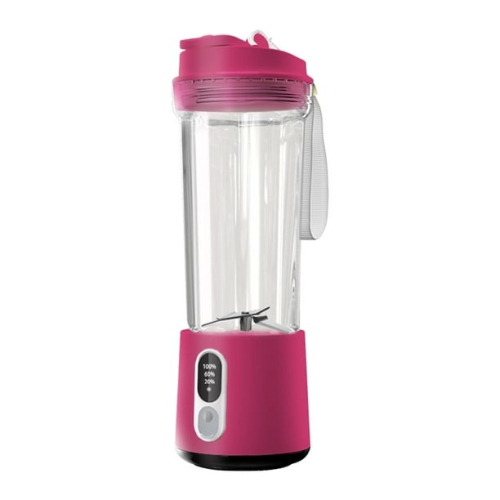
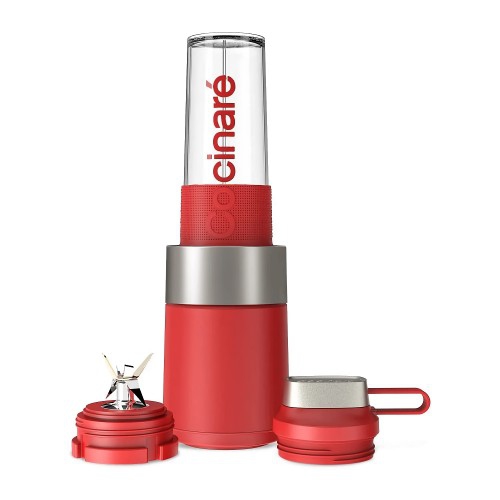
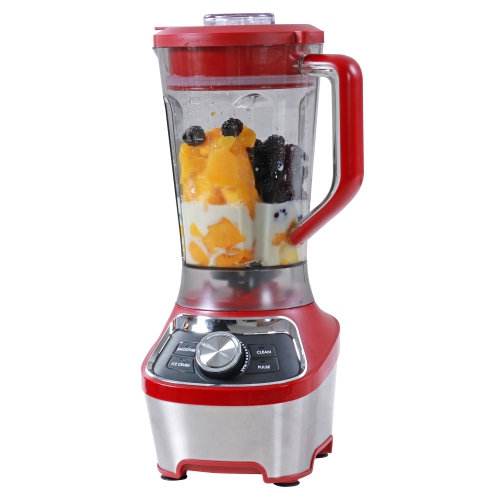
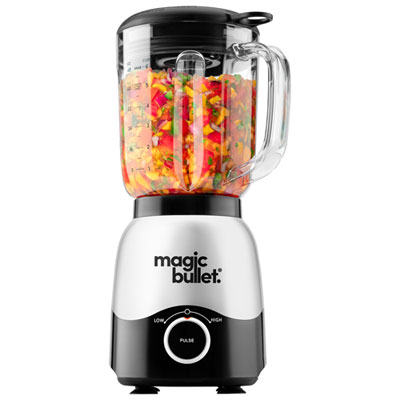
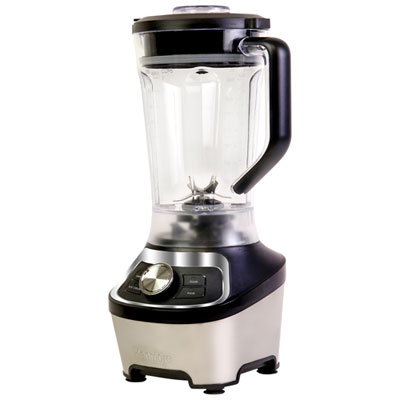
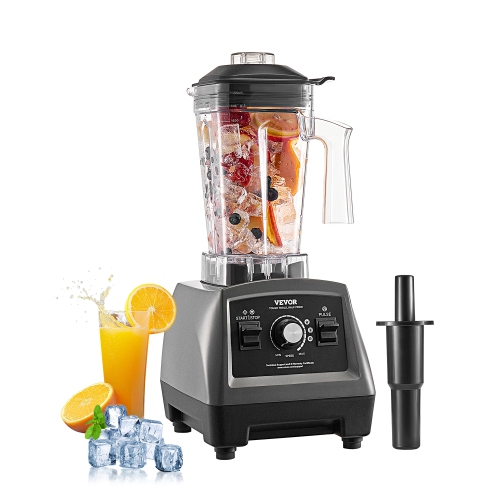
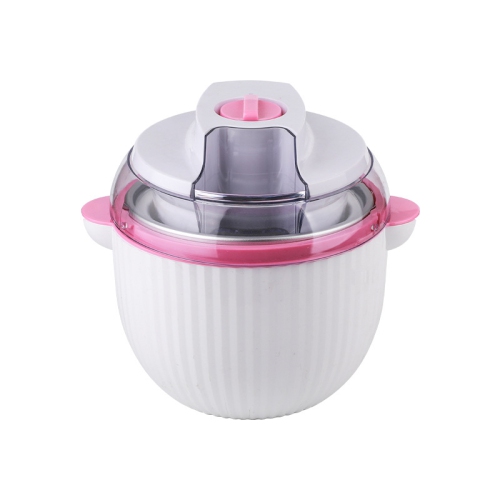
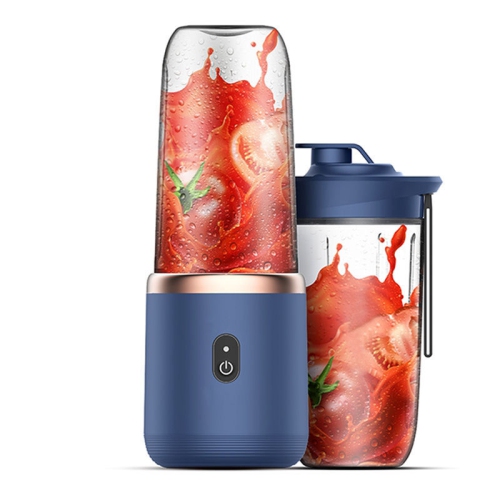
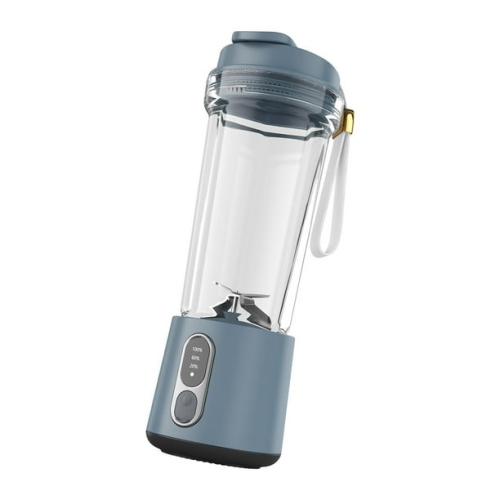
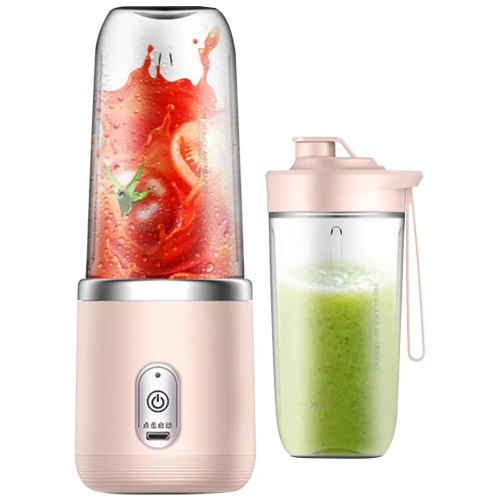
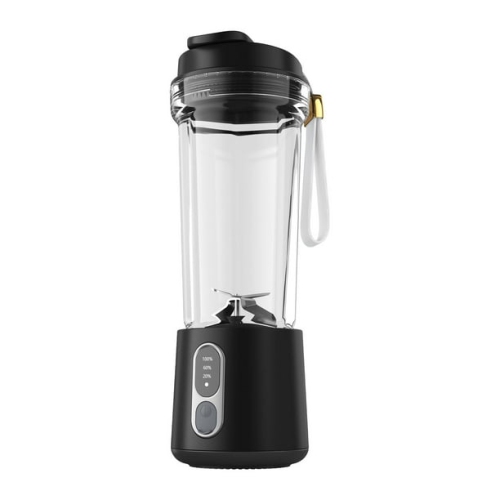
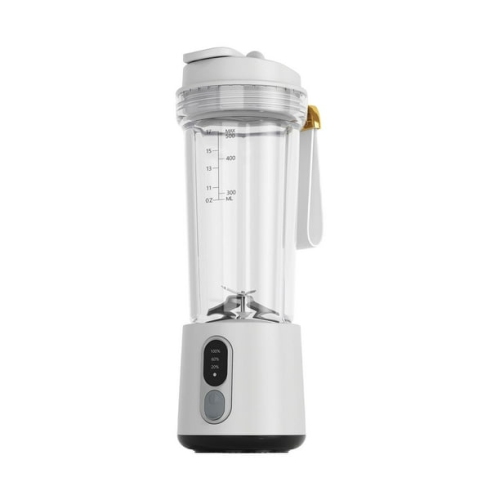
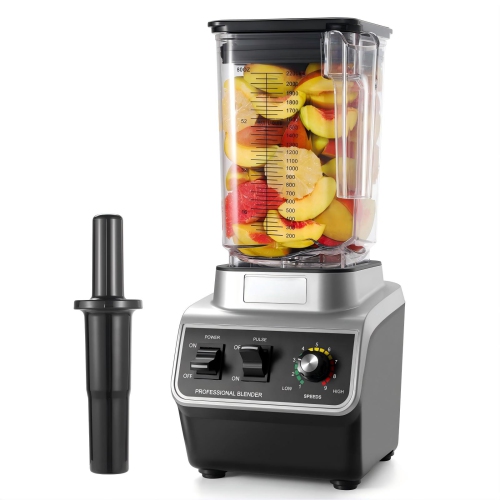
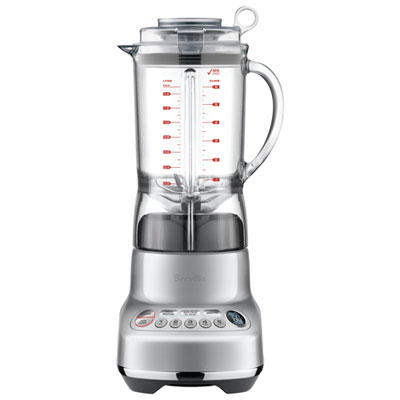
Thick frozen treats start with the right blender
Blenders for ice cream bring frozen fruit, chilled dairy, and other dessert ingredients together into thick, creamy treats, with the best results coming from appliances designed to handle dense frozen mixtures. A capable countertop blender can make soft-serve-style desserts, blend an ice cream base before freezing, or turn finished ice cream into a milkshake. It does not usually freeze a liquid mixture on its own, so the distinction between a blender and an ice cream maker matters when choosing an appliance. For a dessert that is ready to enjoy straight from the jug, frozen ingredients supply the cold and much of the texture. Frozen banana pieces, for example, blend into a smooth, spoonable base, while berries add colour and a sharper fruit flavour. Cream, milk, yoghurt, or a suitable plant-based alternative can help ingredients circulate, although too much liquid moves the result closer to a smoothie than ice cream. Traditional churned ice cream has a different structure, with controlled freezing and air incorporation contributing to its texture. Blender-made versions are often softer when freshly prepared and may become quite firm after storage in the freezer. That makes these appliances especially appealing for small batches served soon after blending: a bowl of chocolate-banana dessert after dinner, a tart berry topping for a warm crumble, or vanilla ice cream blended into a thick shake. During the cooler months, a cold scoop alongside a warm baked dessert still has plenty of appeal. For households that want more than a single-purpose appliance, a blender suitable for frozen desserts can also earn its counter space with smoothies, sauces, and other recipes supported by its design. The key purchase consideration is not simply whether an appliance can crush ice, but whether it is intended to process thick frozen food mixtures consistently without requiring so much added liquid that the dessert loses its body.
Motor capability, blade design, jug shape, and controls all influence how well a blender handles ice cream-style mixtures. Higher-powered countertop blenders are often better suited to demanding frozen recipes, but wattage alone is not a reliable measure of performance. Manufacturer guidance on frozen ingredients and thick mixtures is more useful than choosing by the largest number on the box. A jug that keeps ingredients moving towards the blades can make a noticeable difference when a dense mixture starts to form pockets of air. Variable speed gives you more control over texture, while a pulse function can help break up ingredients in short bursts. A frozen dessert setting may offer a convenient programmed cycle, though results still depend on the recipe, ingredient temperature, and batch size. Some blenders include a tamper designed to move food towards the blades through the lid while keeping a safe distance from them; that can be particularly helpful for mixtures too thick to circulate freely. Only the compatible tamper should be used as directed, never an ordinary utensil while the blender is running. Capacity deserves just as much attention as power. A large jug suits shared desserts and family milkshakes, but a small portion may sit below the area where the blades work effectively. A smaller compatible container can be useful for individual servings, provided it is approved for the intended ingredients and consistency. The maximum working capacity may also be lower for frozen mixtures than for liquids. Jug weight, handle comfort, and access around the blades affect everyday use, especially when scraping out a thick dessert. Wide openings and straightforward lid designs can make serving and cleaning less awkward. Dishwasher-safe parts are convenient where specified, while clear care instructions help protect seals and containers over time. Noise, appliance height, cord storage, and the space needed to remove the lid are practical details worth considering before giving a powerful blender a permanent place beneath kitchen cupboards.
Choosing between a versatile blender and a dedicated frozen dessert appliance comes down to the texture you enjoy and how you like to prepare food. Some dedicated machines process a base that has been frozen in a purpose-designed container, while other ice cream makers churn a chilled mixture as it freezes. Those approaches are not interchangeable with a standard blender: a solid block of frozen base should not go into a blender unless the manufacturer expressly permits it. For shoppers who prefer spontaneous, modest portions made from frozen fruit, a suitable countertop blender offers flexibility without committing every batch to a lengthy preparation routine. For those seeking a more traditional ice cream texture or particular dessert programmes, a purpose-built appliance may be a closer fit. Ingredient preferences also shape the choice. Homemade frozen desserts let households adjust sweetness and choose dairy or dairy-free ingredients, but changing fat and sugar levels affects softness as well as flavour. Lower-sugar mixtures can freeze harder, and different plant-based drinks vary in richness, so a recipe developed for the appliance is a useful starting point. Smooth nut butters can add body where allergies are not a concern, while biscuit pieces or chocolate chunks are often better stirred in after blending if you want to keep their texture. For shared kitchens, thorough cleaning remains important when preparing food for someone with an allergy; separate equipment may be needed depending on their requirements. These blenders can make thoughtful gifts for enthusiastic home cooks, smoothie drinkers branching into desserts, or households that enjoy choosing their own ingredients. A manageable jug and simple controls may matter more to an occasional user than a long list of programmes, while frequent users may appreciate finer speed adjustments and readily available replacement parts. If icy drinks are also part of the appeal, Blenders for Slushies offers a related selection to explore, though ice-crushing ability alone does not establish suitability for thick desserts. An appliance matched to your usual portions, preferred textures, and available kitchen space is more likely to become part of everyday cooking rather than something brought out only for special occasions.
Motor capability, blade design, jug shape, and controls all influence how well a blender handles ice cream-style mixtures. Higher-powered countertop blenders are often better suited to demanding frozen recipes, but wattage alone is not a reliable measure of performance. Manufacturer guidance on frozen ingredients and thick mixtures is more useful than choosing by the largest number on the box. A jug that keeps ingredients moving towards the blades can make a noticeable difference when a dense mixture starts to form pockets of air. Variable speed gives you more control over texture, while a pulse function can help break up ingredients in short bursts. A frozen dessert setting may offer a convenient programmed cycle, though results still depend on the recipe, ingredient temperature, and batch size. Some blenders include a tamper designed to move food towards the blades through the lid while keeping a safe distance from them; that can be particularly helpful for mixtures too thick to circulate freely. Only the compatible tamper should be used as directed, never an ordinary utensil while the blender is running. Capacity deserves just as much attention as power. A large jug suits shared desserts and family milkshakes, but a small portion may sit below the area where the blades work effectively. A smaller compatible container can be useful for individual servings, provided it is approved for the intended ingredients and consistency. The maximum working capacity may also be lower for frozen mixtures than for liquids. Jug weight, handle comfort, and access around the blades affect everyday use, especially when scraping out a thick dessert. Wide openings and straightforward lid designs can make serving and cleaning less awkward. Dishwasher-safe parts are convenient where specified, while clear care instructions help protect seals and containers over time. Noise, appliance height, cord storage, and the space needed to remove the lid are practical details worth considering before giving a powerful blender a permanent place beneath kitchen cupboards.
Choosing between a versatile blender and a dedicated frozen dessert appliance comes down to the texture you enjoy and how you like to prepare food. Some dedicated machines process a base that has been frozen in a purpose-designed container, while other ice cream makers churn a chilled mixture as it freezes. Those approaches are not interchangeable with a standard blender: a solid block of frozen base should not go into a blender unless the manufacturer expressly permits it. For shoppers who prefer spontaneous, modest portions made from frozen fruit, a suitable countertop blender offers flexibility without committing every batch to a lengthy preparation routine. For those seeking a more traditional ice cream texture or particular dessert programmes, a purpose-built appliance may be a closer fit. Ingredient preferences also shape the choice. Homemade frozen desserts let households adjust sweetness and choose dairy or dairy-free ingredients, but changing fat and sugar levels affects softness as well as flavour. Lower-sugar mixtures can freeze harder, and different plant-based drinks vary in richness, so a recipe developed for the appliance is a useful starting point. Smooth nut butters can add body where allergies are not a concern, while biscuit pieces or chocolate chunks are often better stirred in after blending if you want to keep their texture. For shared kitchens, thorough cleaning remains important when preparing food for someone with an allergy; separate equipment may be needed depending on their requirements. These blenders can make thoughtful gifts for enthusiastic home cooks, smoothie drinkers branching into desserts, or households that enjoy choosing their own ingredients. A manageable jug and simple controls may matter more to an occasional user than a long list of programmes, while frequent users may appreciate finer speed adjustments and readily available replacement parts. If icy drinks are also part of the appeal, Blenders for Slushies offers a related selection to explore, though ice-crushing ability alone does not establish suitability for thick desserts. An appliance matched to your usual portions, preferred textures, and available kitchen space is more likely to become part of everyday cooking rather than something brought out only for special occasions.
Top selling and popular products
-
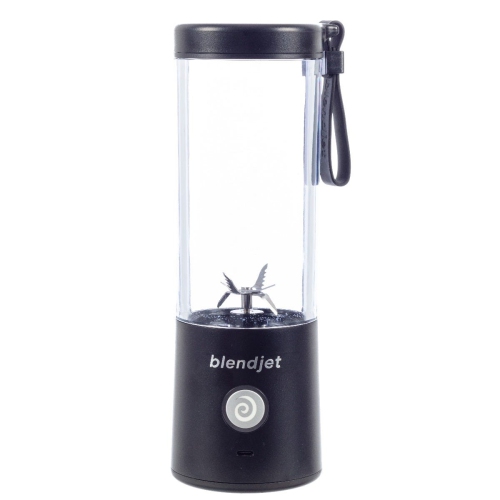 Your price for this item is $29.99
 -
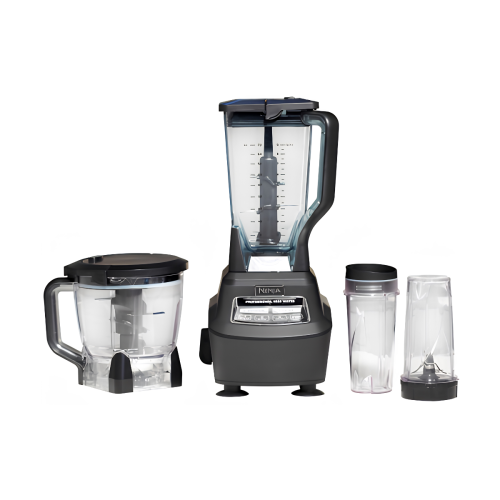 Your price for this item is $239.99
 -
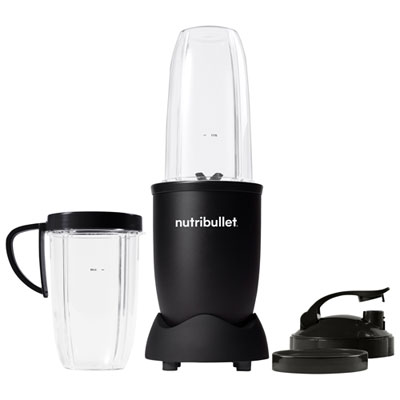 Your price for this item is $99.99
 -
 Your price for this item is $79.99
 -
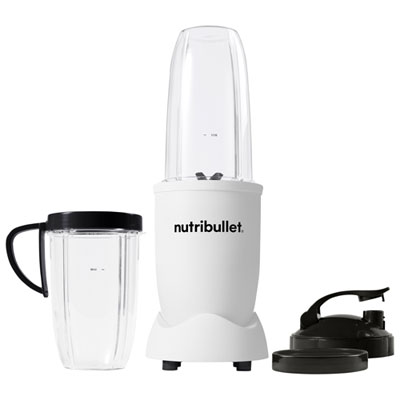 Your price for this item is $99.99
 -
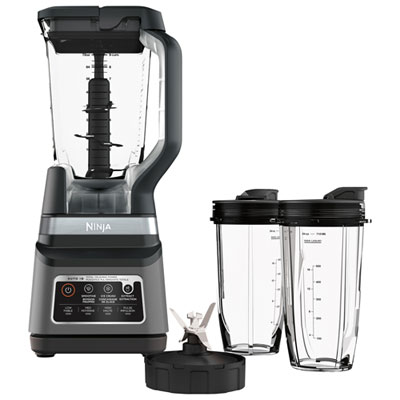 Your price for this item is $169.99
 -
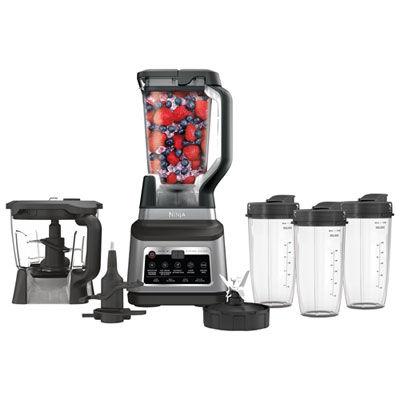 Your price for this item is $299.99
 -
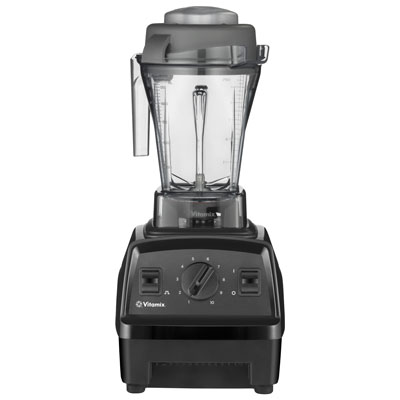 Your price for this item is $499.99
Discover more categories related to Blenders for Ice Cream
Top Collections:
Pokemon Centers, Kindle Devices, Best Budget Office Chairs, Apple iPhones 16, Best Laptops for Writers, iPhone 15 Apple, Canon G7X Cameras, Refurbished Apple Laptops, Alarm Clock, Motorola Razr Phones
Some products may be subject to Environmental Handling Fees
(EHF) depending on your province.
Learn more about EHFs.