Built In Vacuum Systems
Discover the convenience and efficiency of built-in vacuum systems for your home or business. Say goodbye to lugging around heavy vacuum cleaners and dealing with tangled cords - these centralized systems offer a sleek and powerful solution for keeping your space clean with minimal effort. Enjoy the benefits of improved indoor air quality, reduced allergens, and a quieter cleaning experience. Explore our range of built-in vacuum systems to find the perfect fit for your needs and elevate your cleaning routine to the next level.
Sort
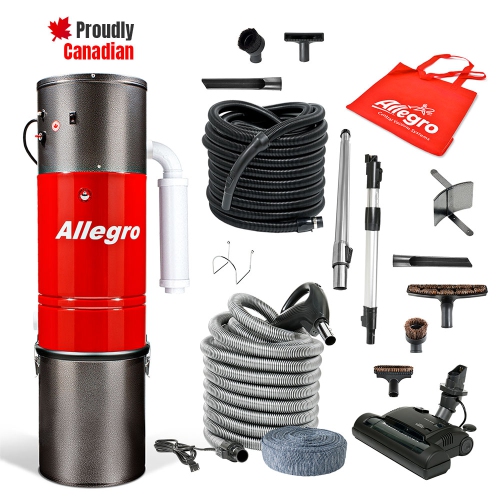
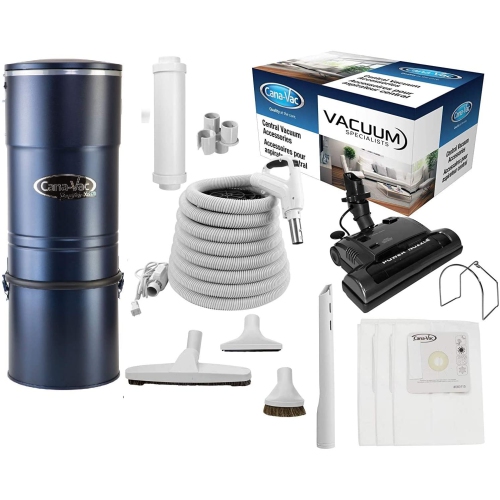
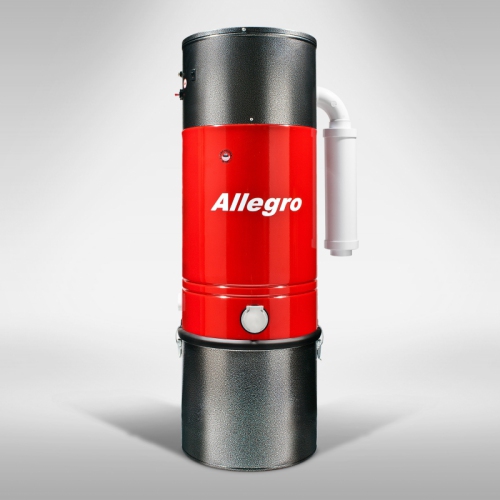
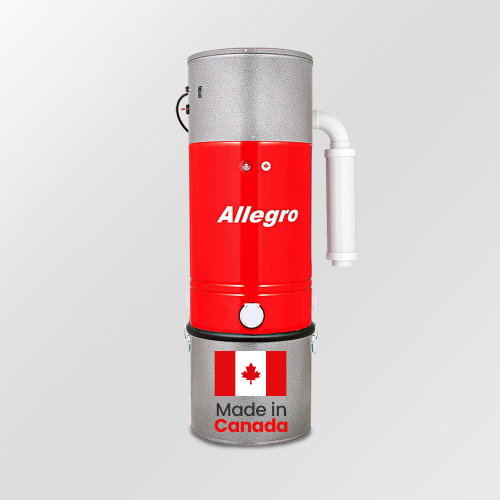
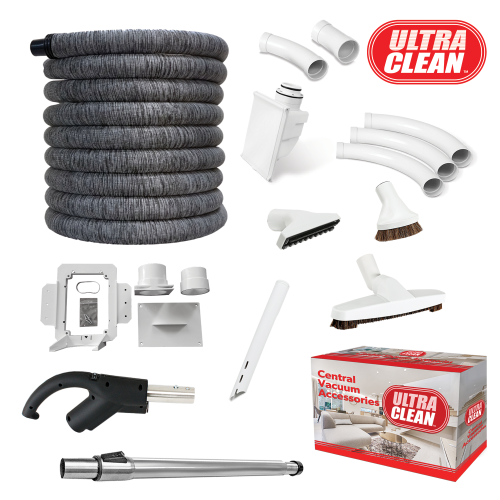
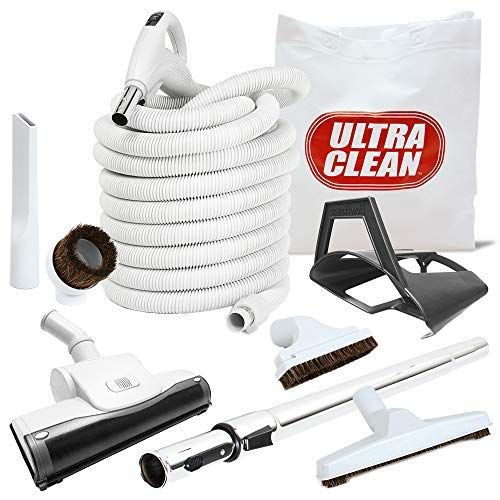
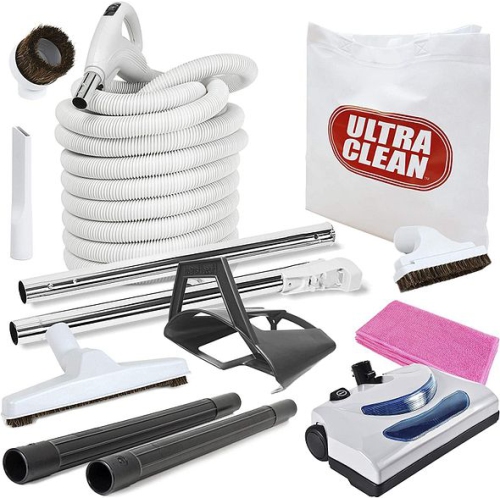
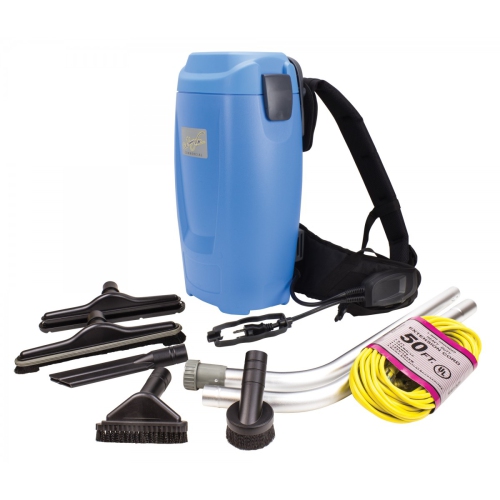


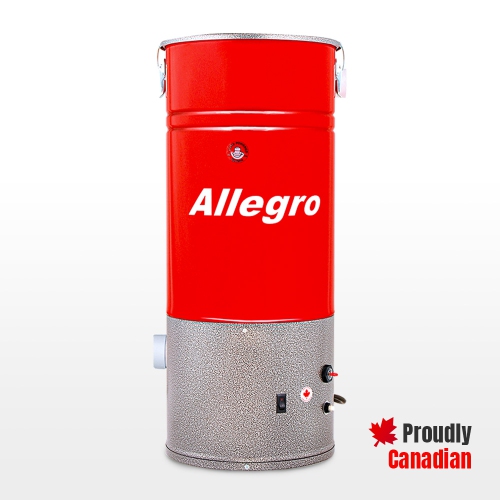
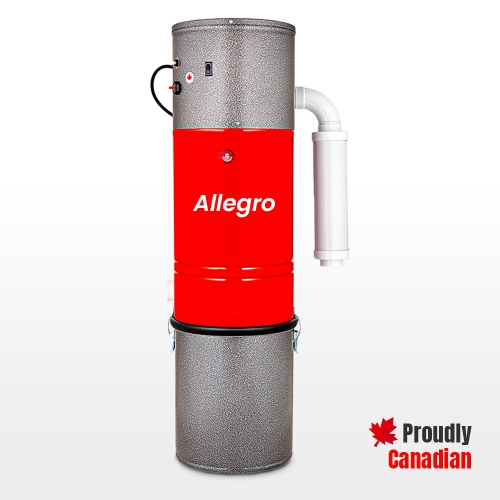
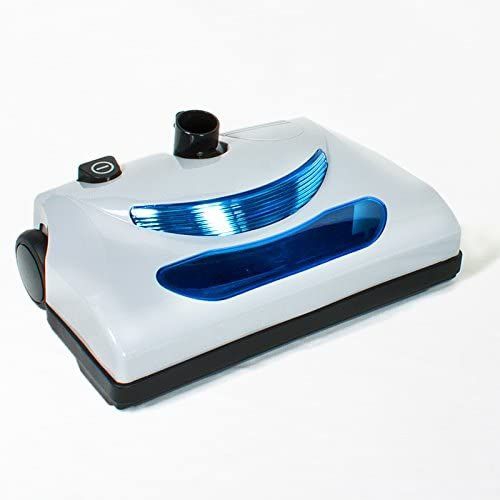
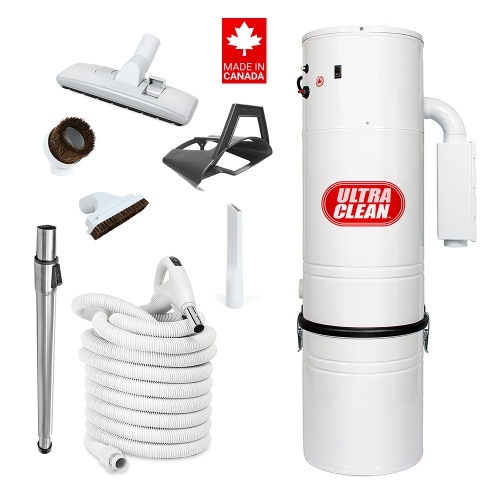

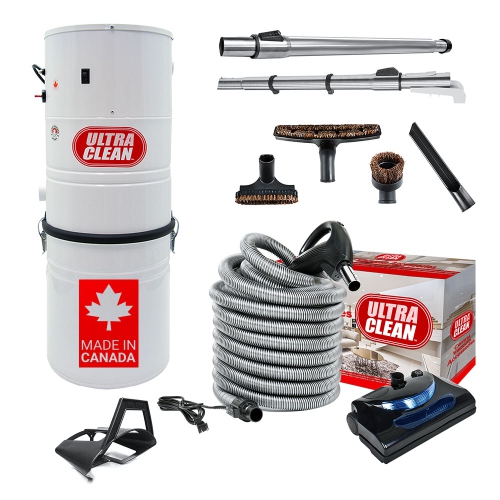
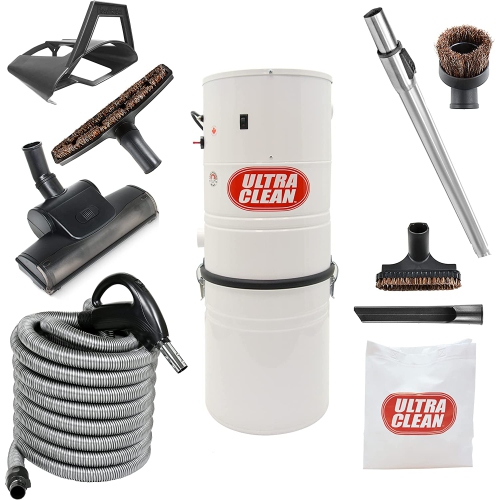
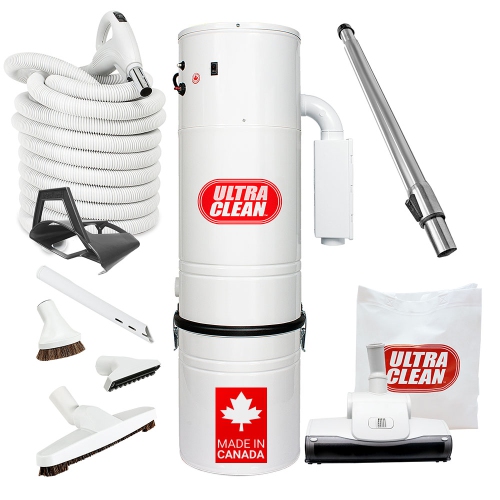
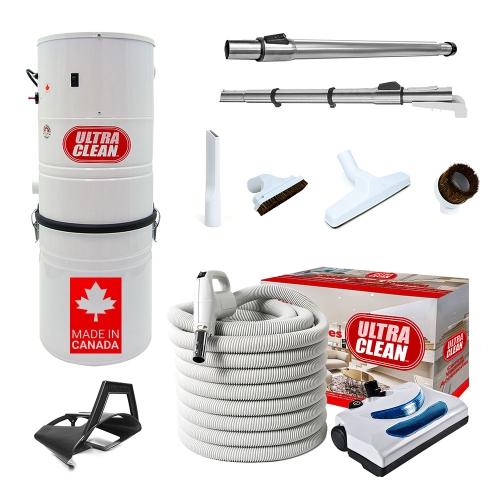
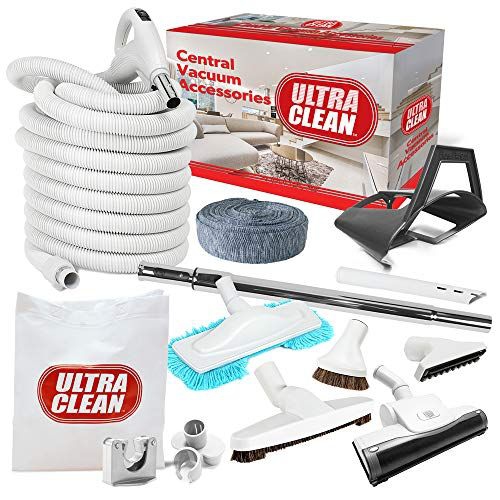
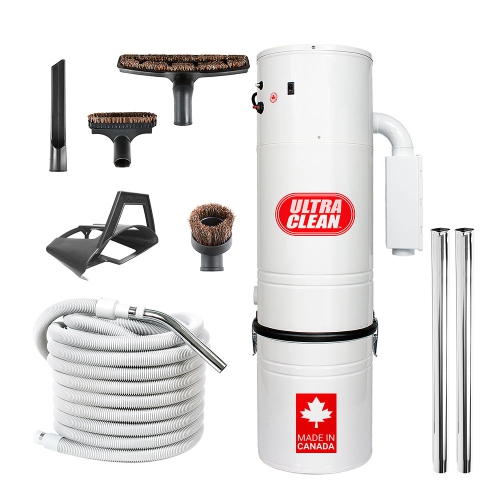
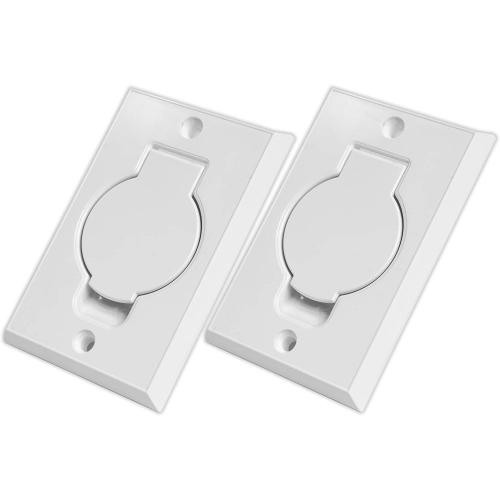
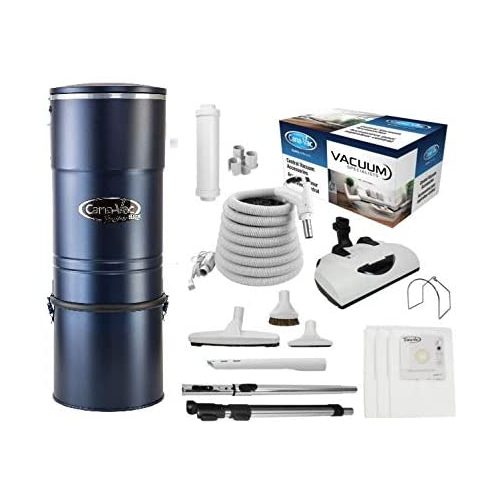
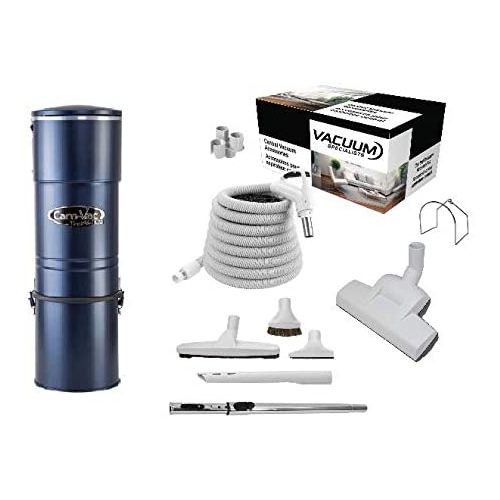
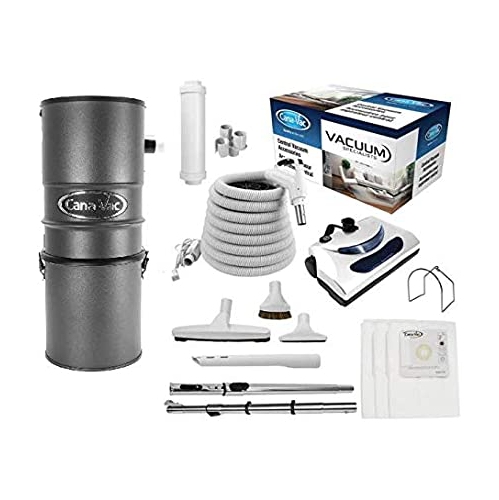
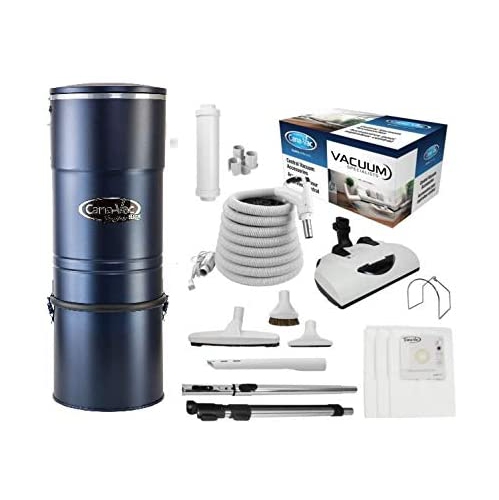
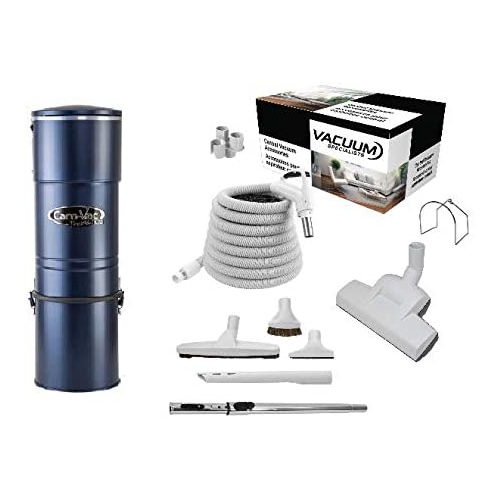
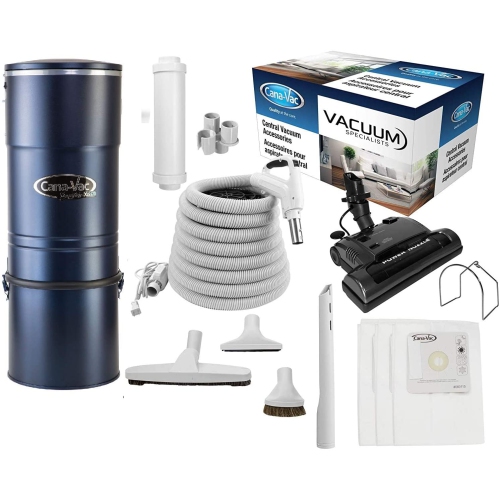
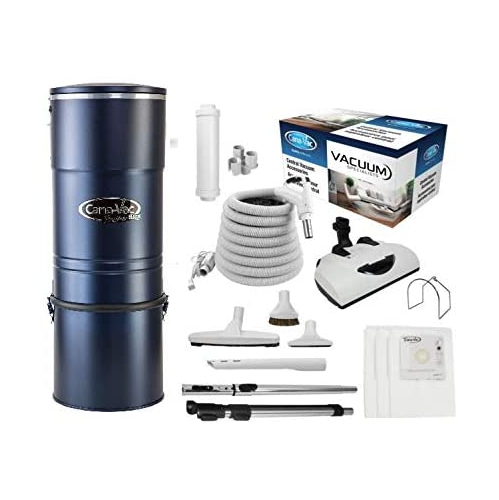
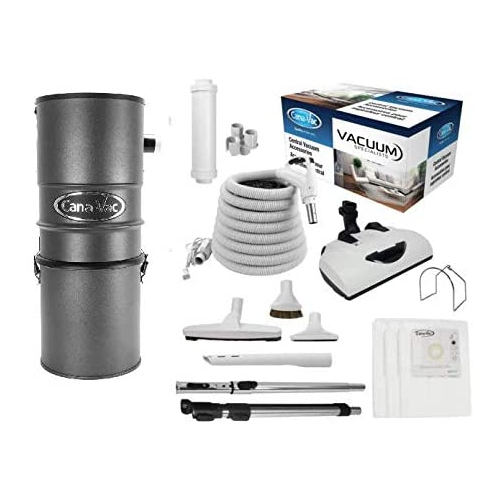
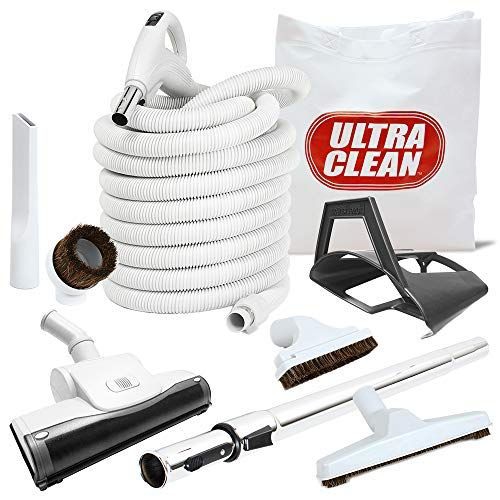
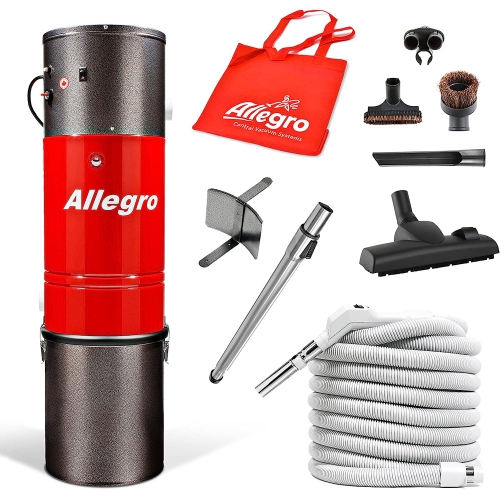
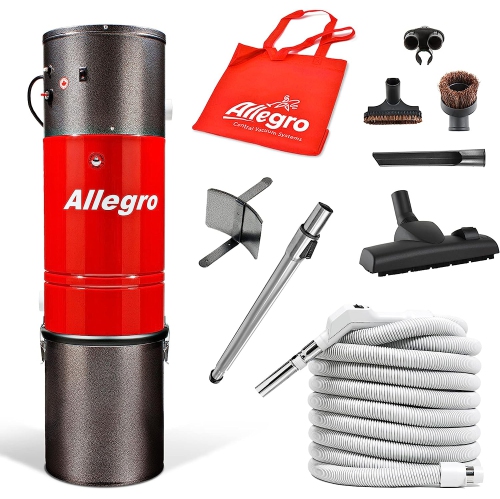
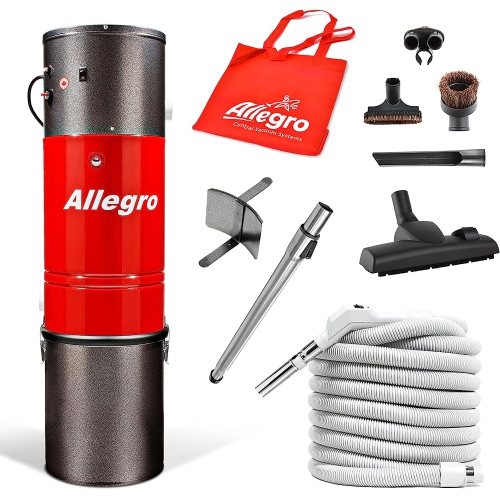
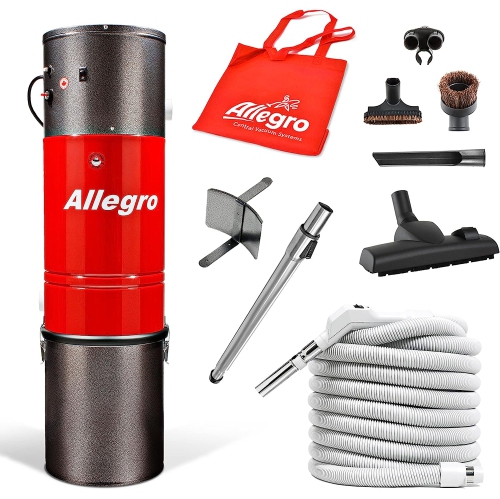
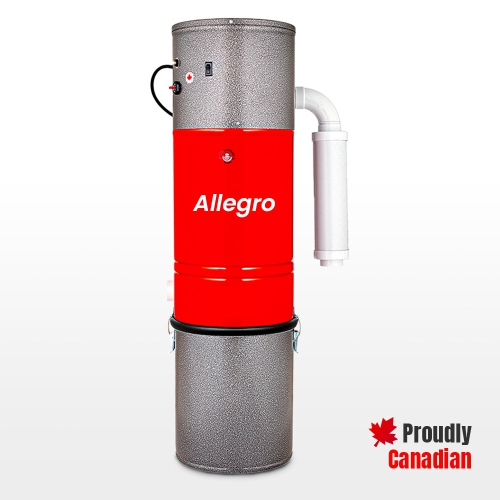
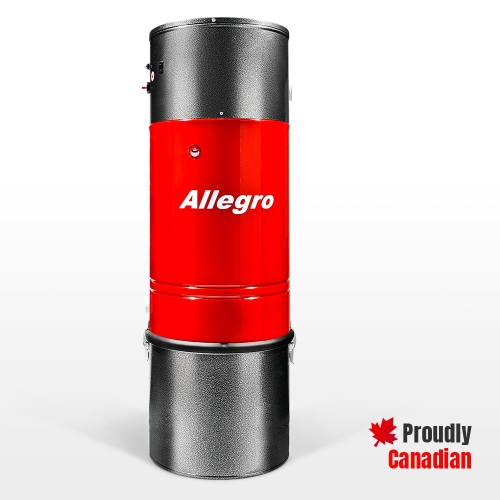
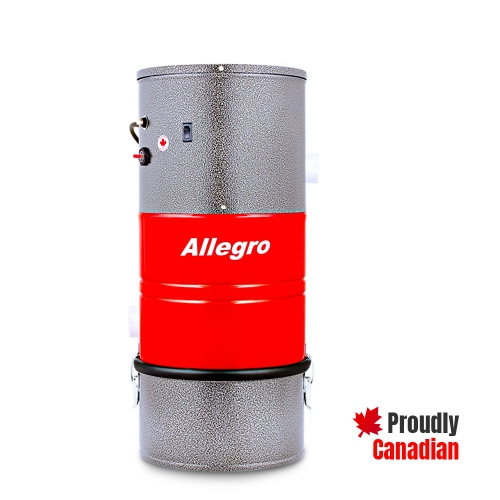
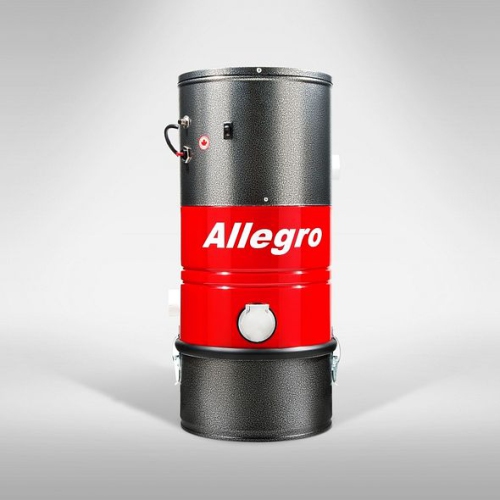
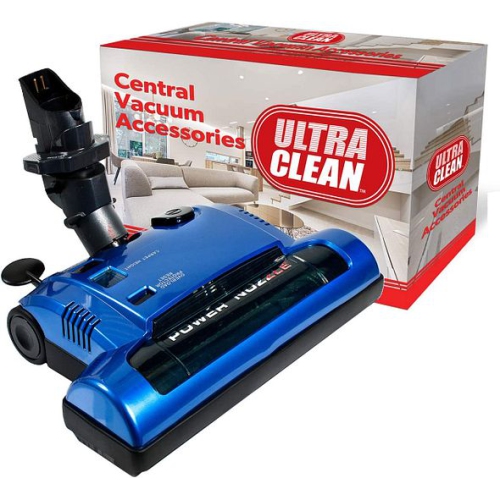
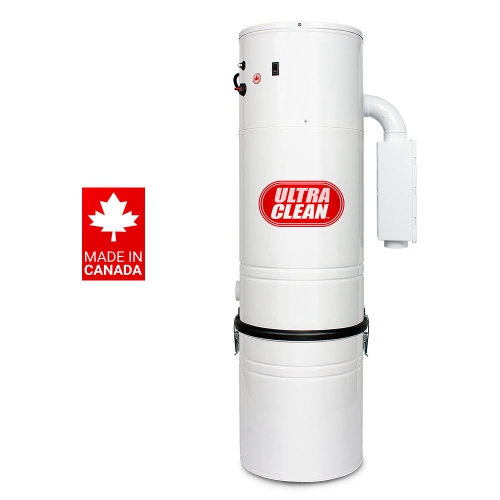
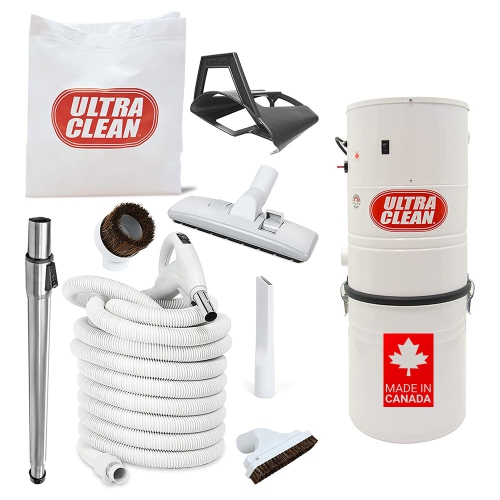
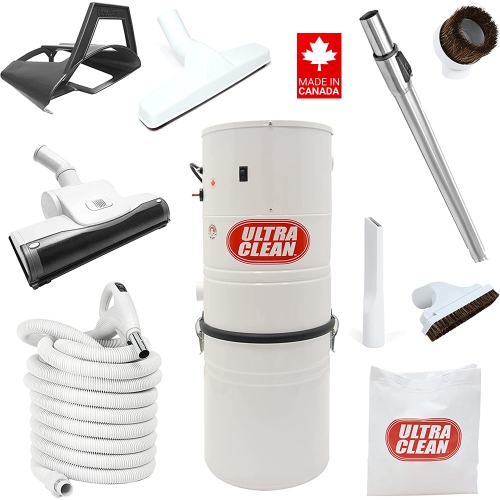
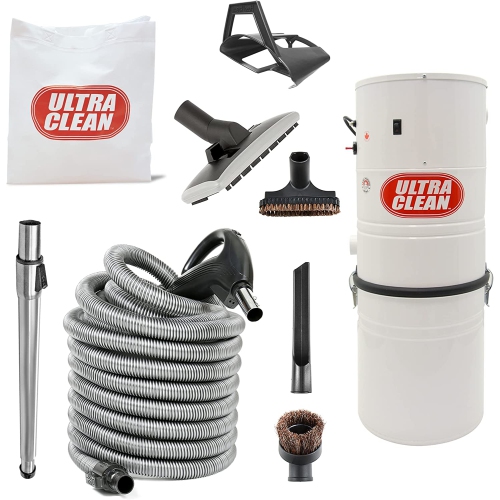
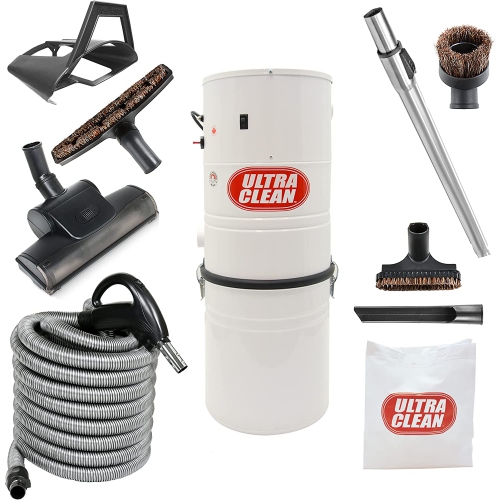
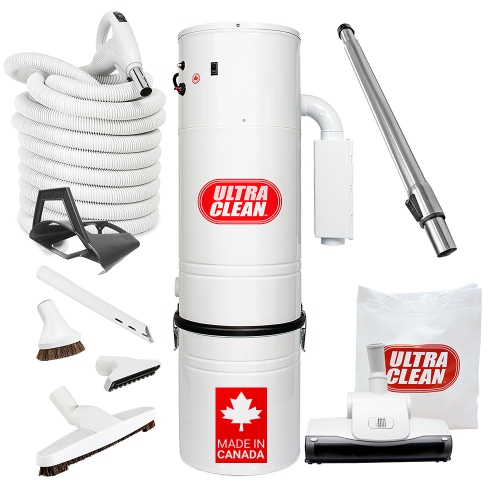
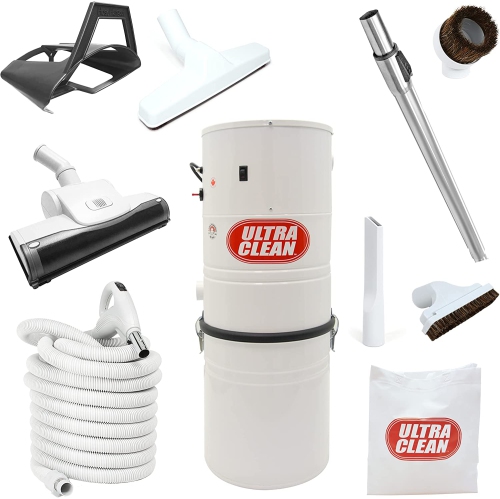
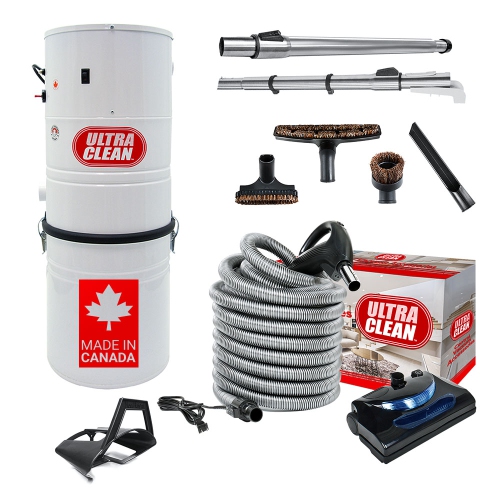
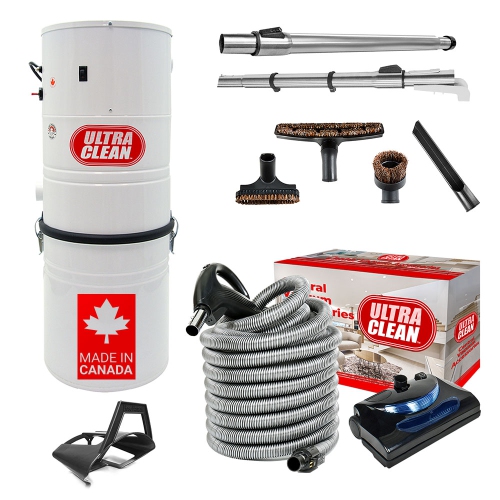
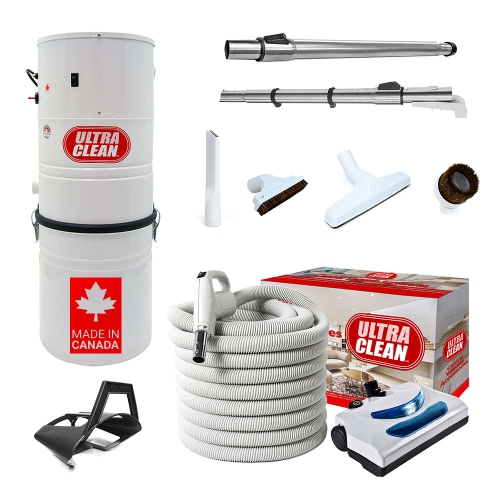
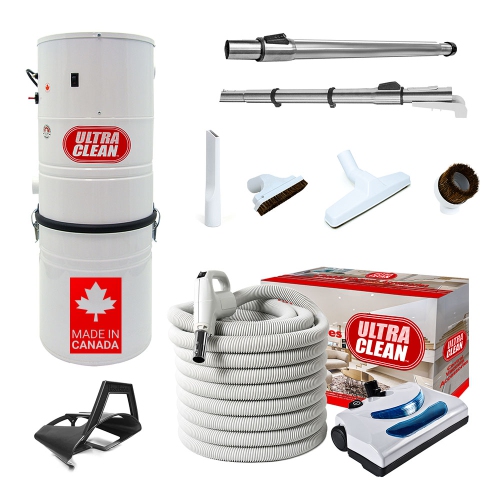
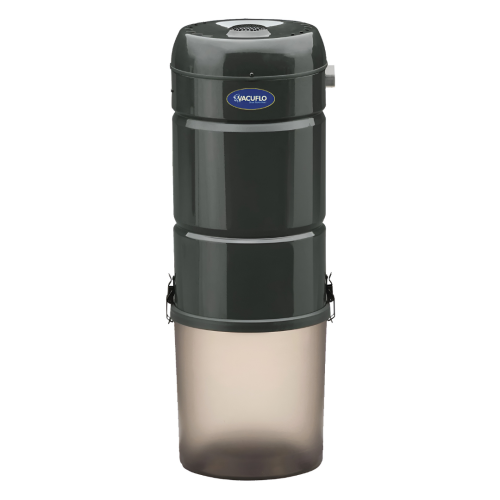
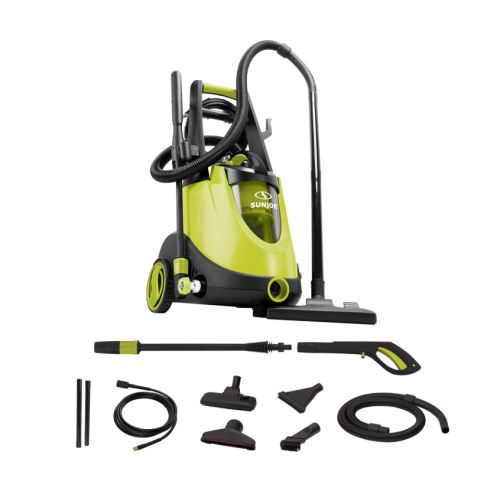
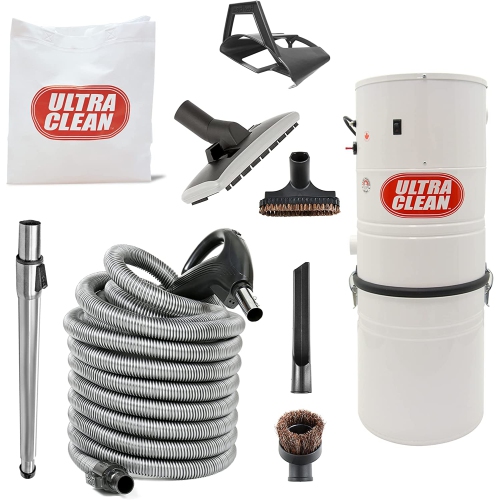
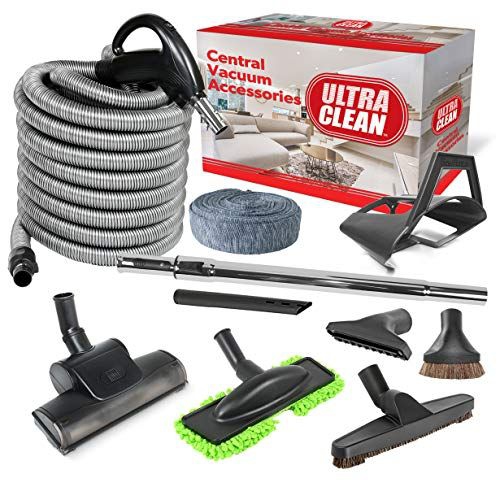
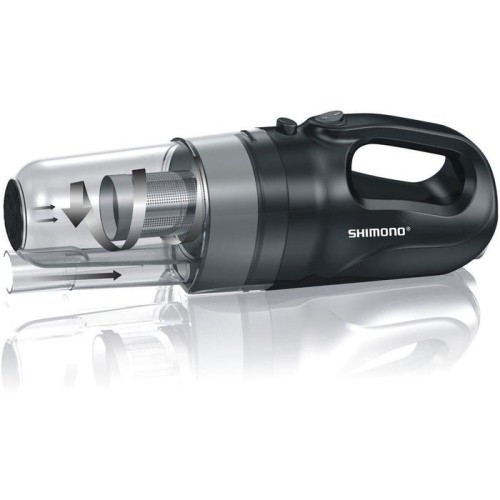
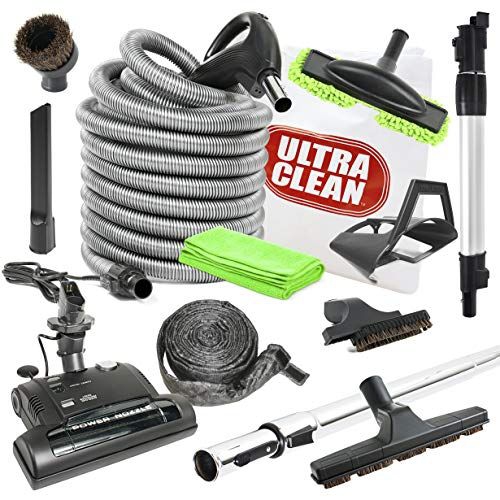
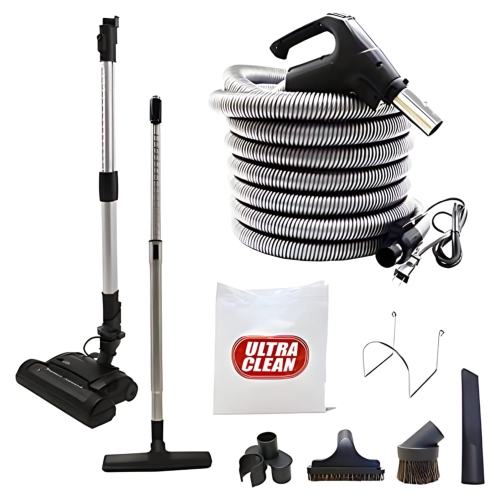
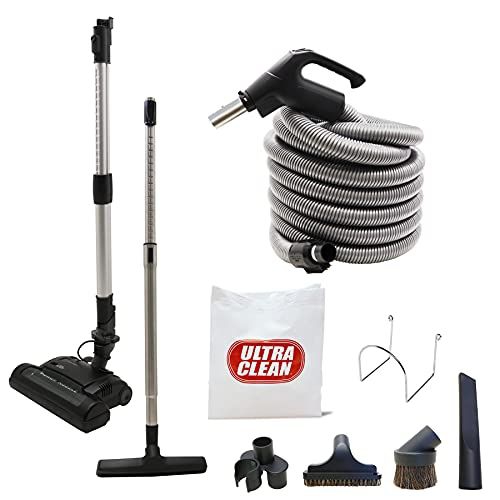
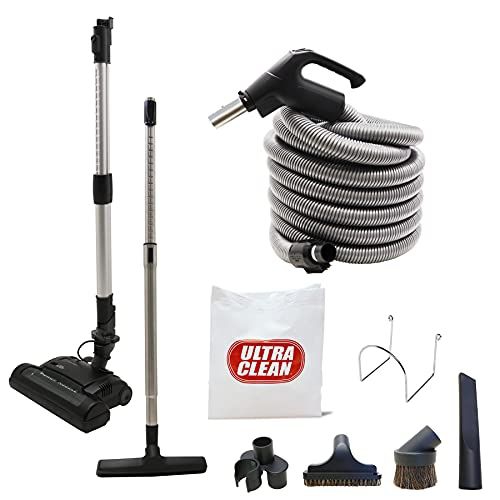
Remote motors and lighter hoses simplify whole-home cleaning
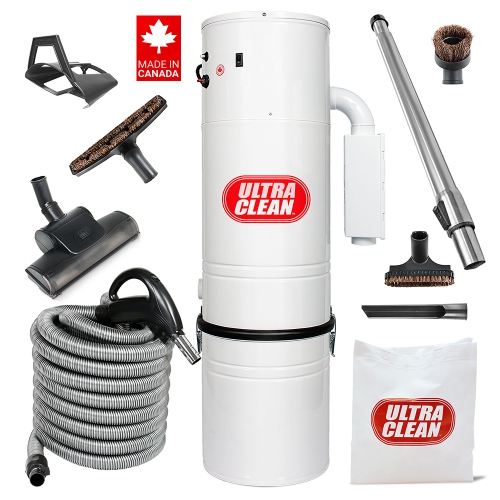
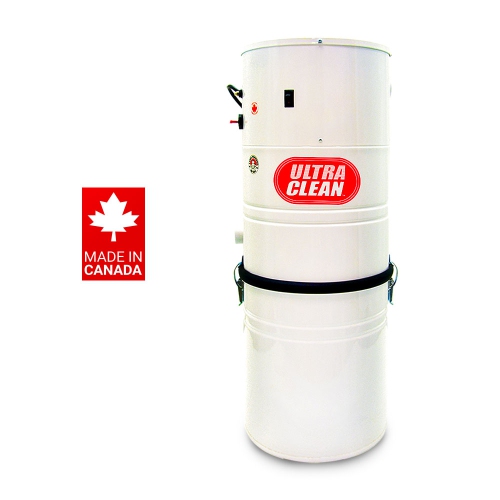
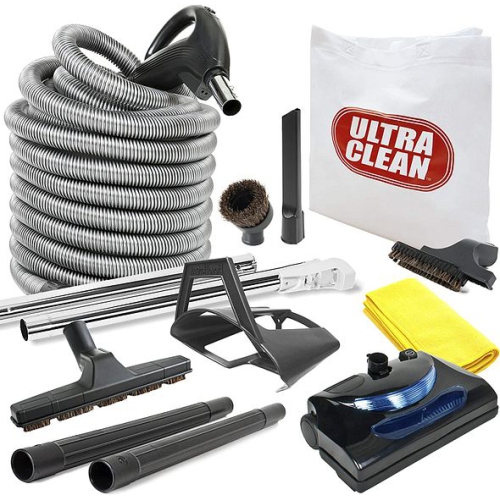
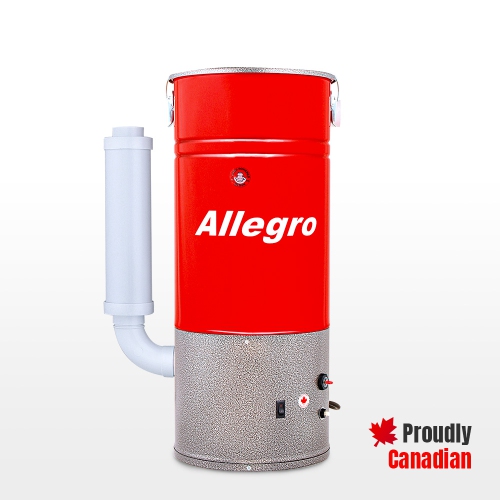
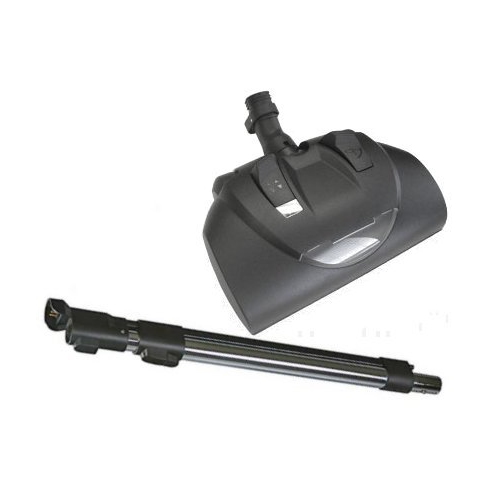
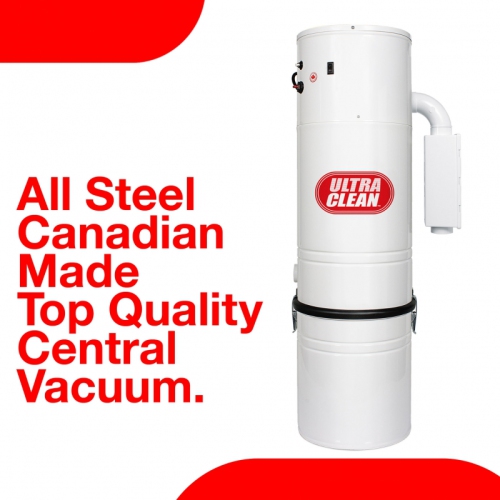
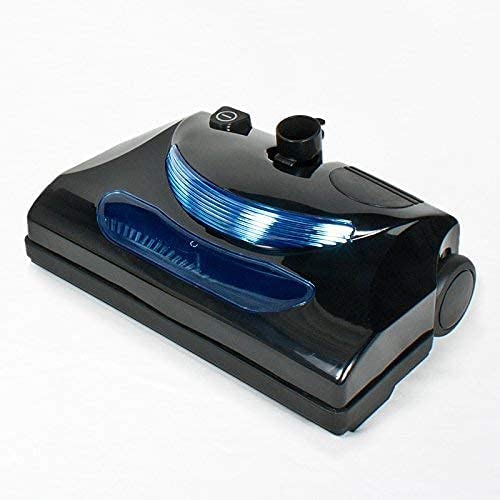
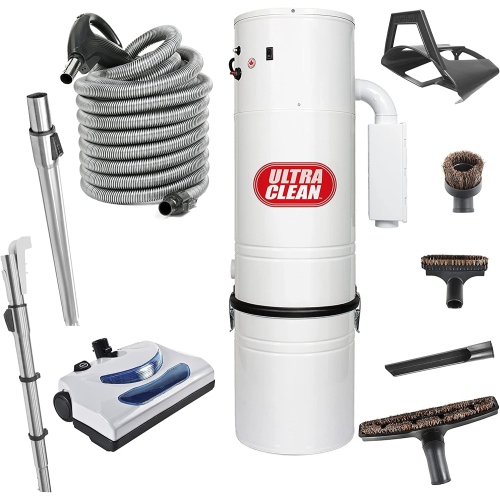
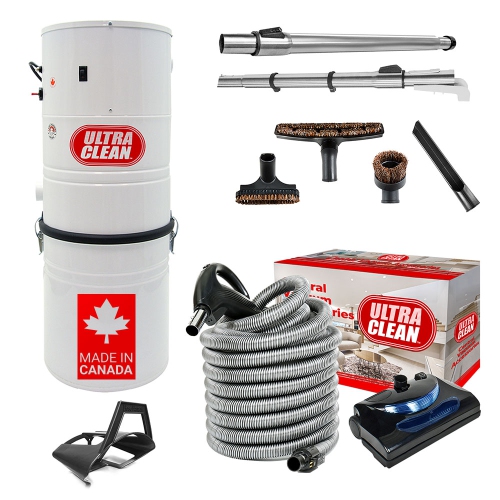
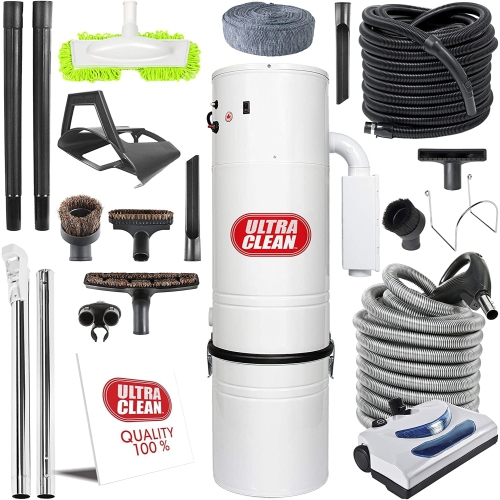
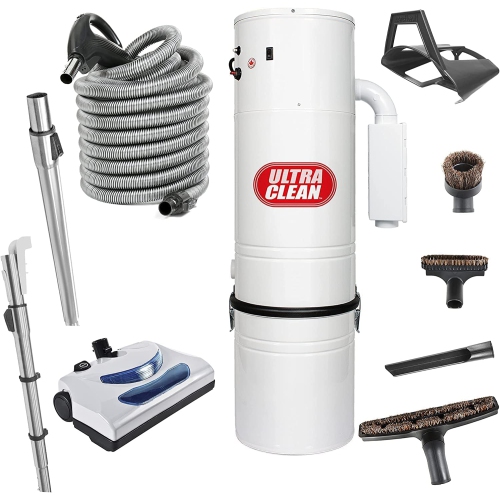
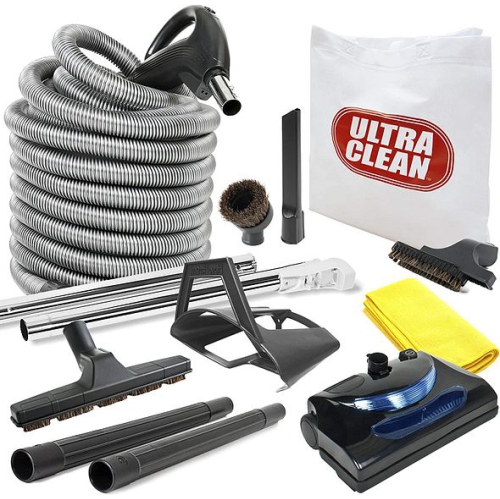
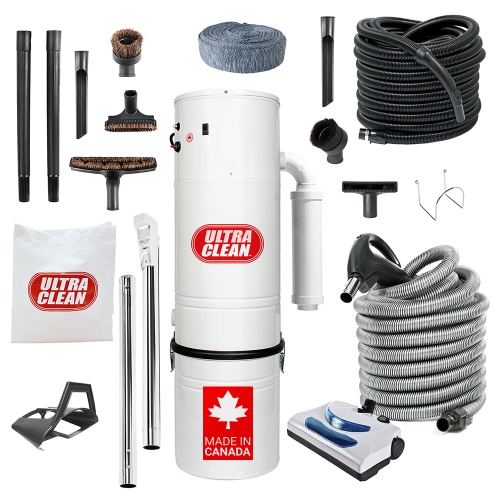
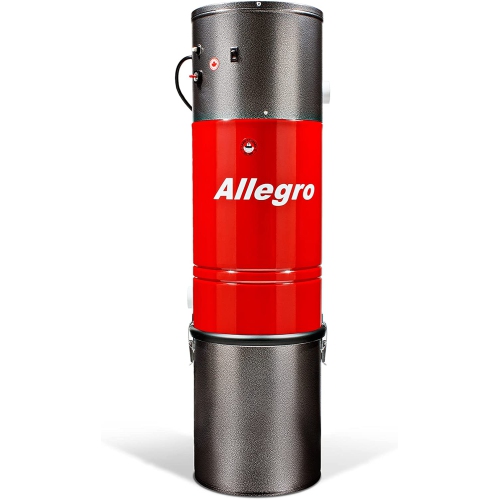
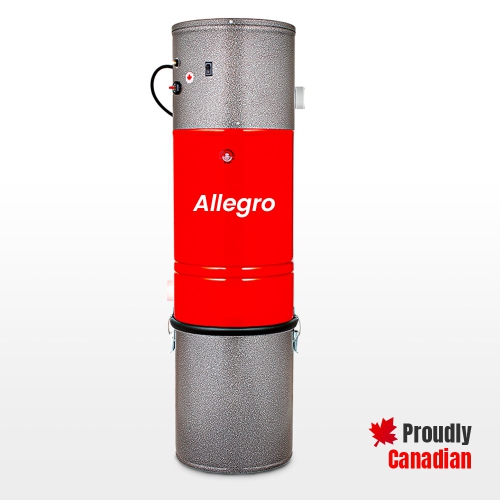
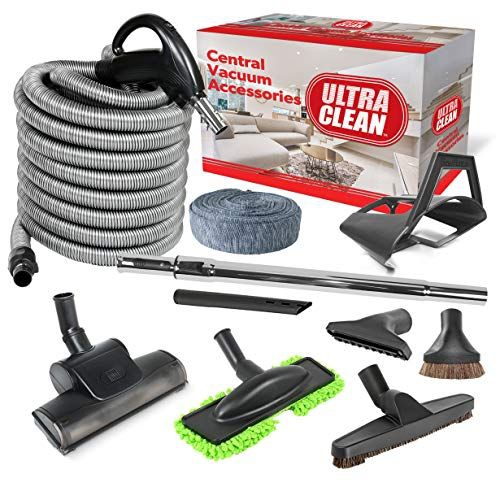
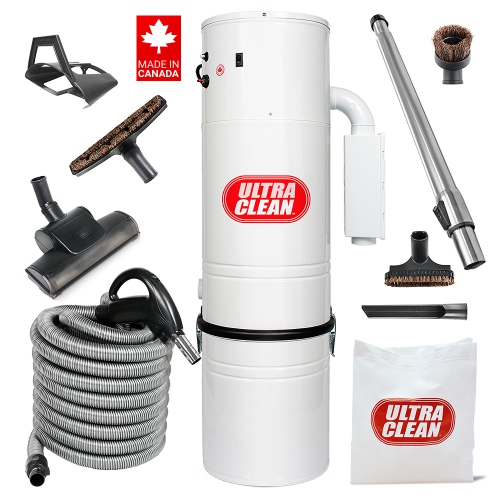
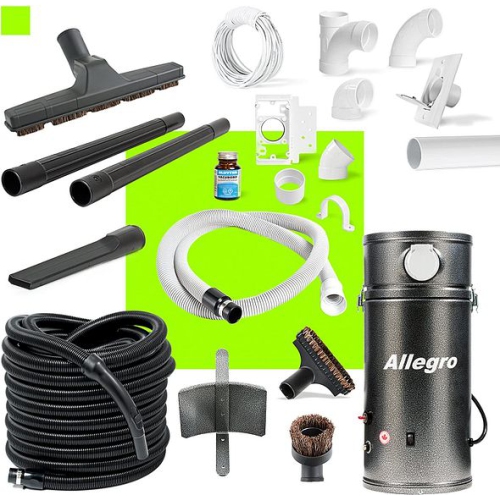
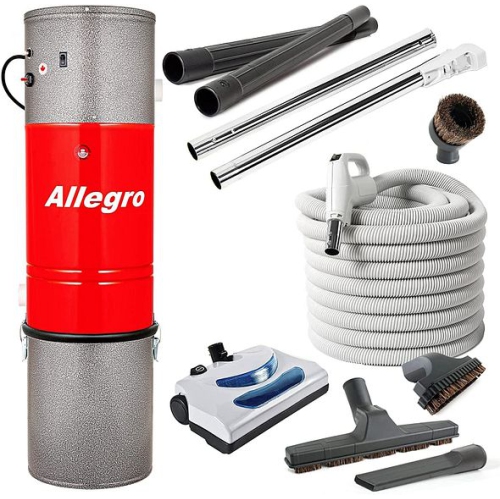
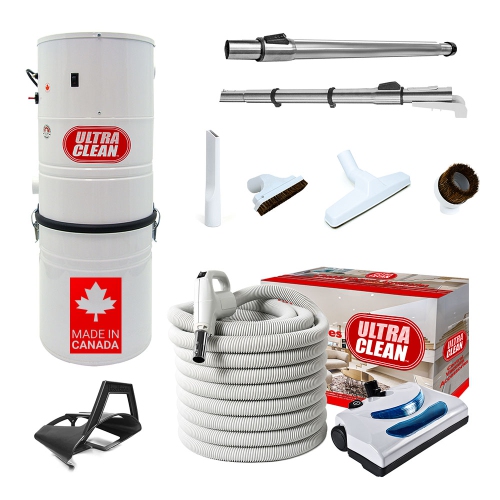
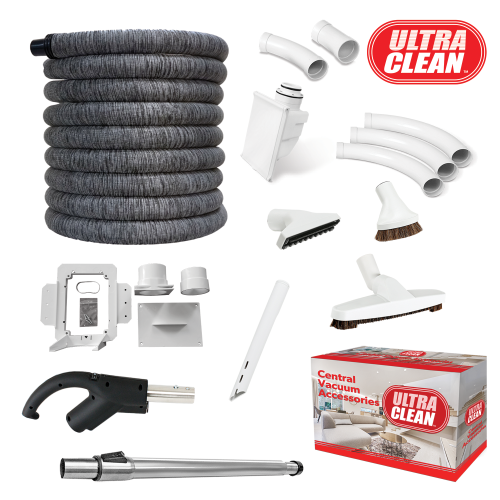
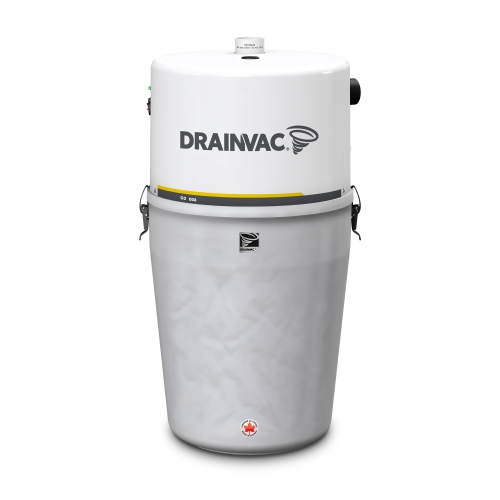
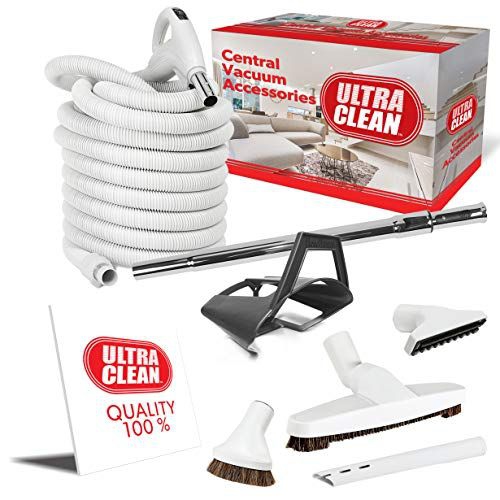
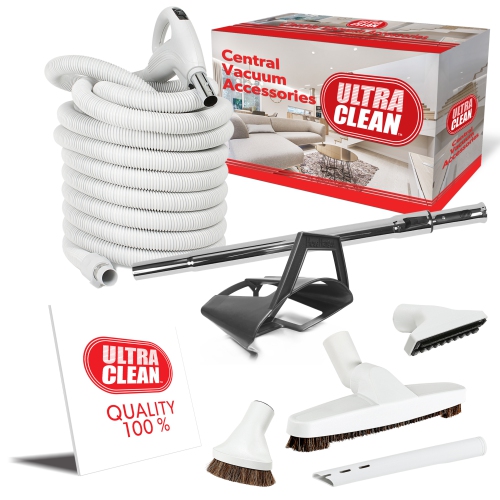
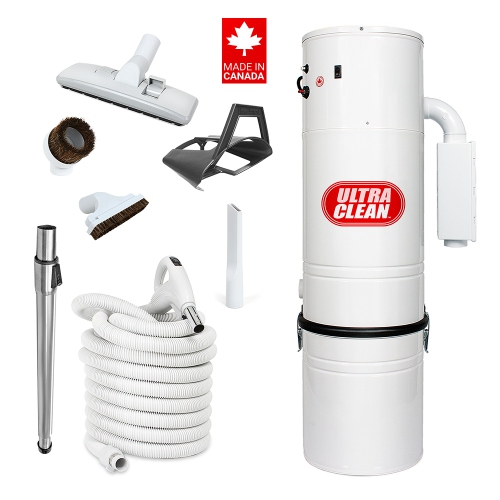
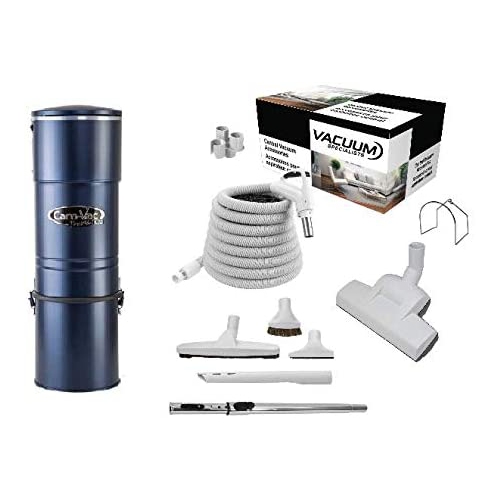
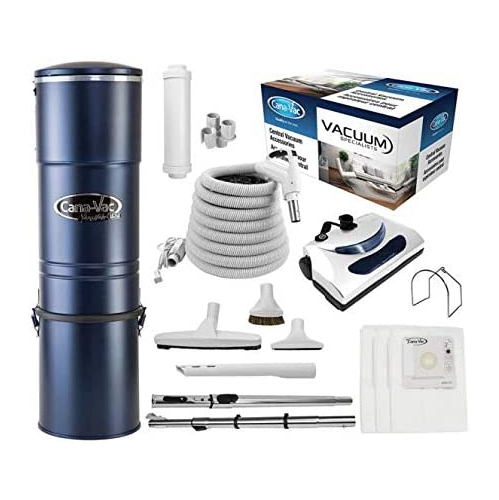
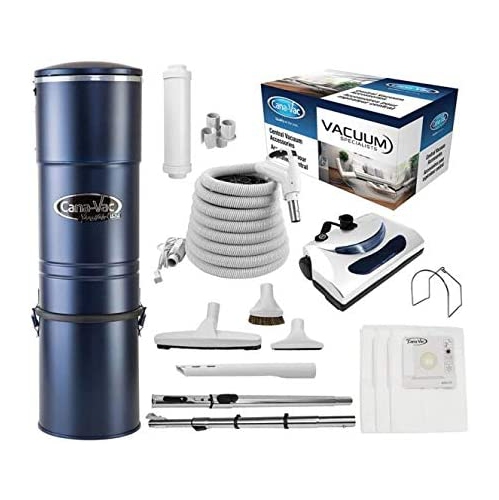
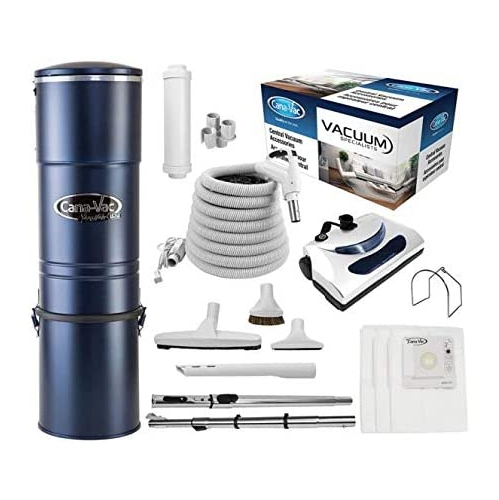
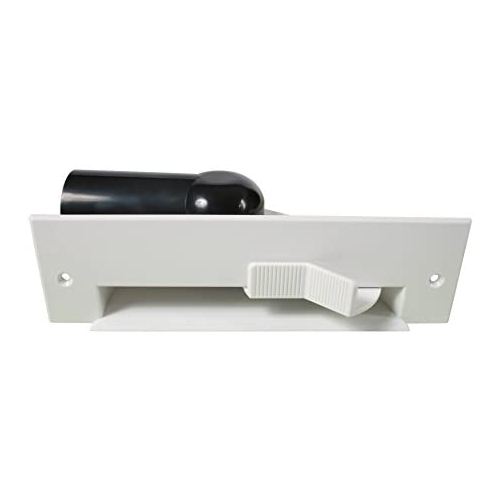
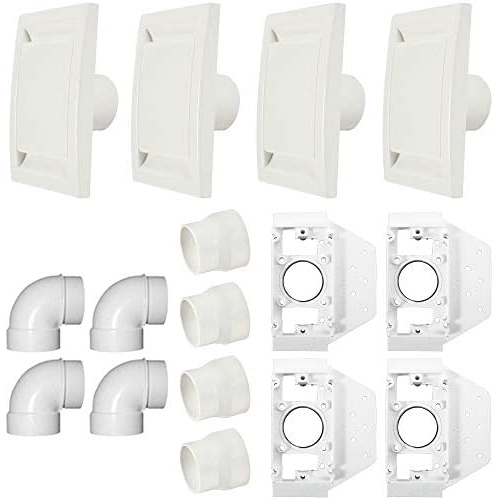
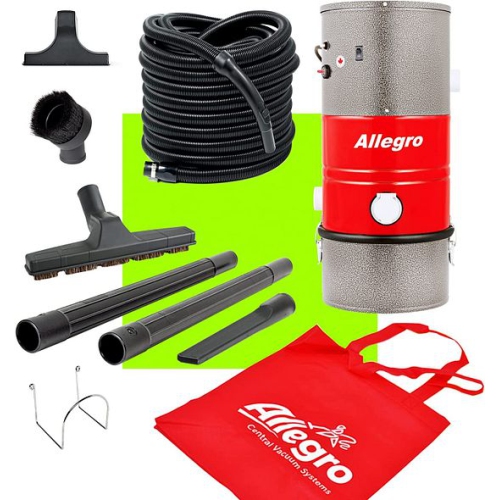
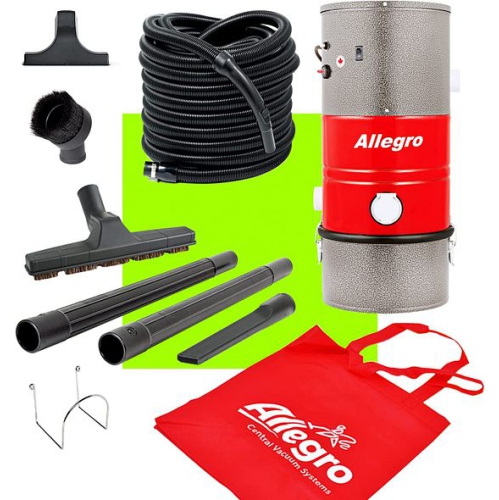
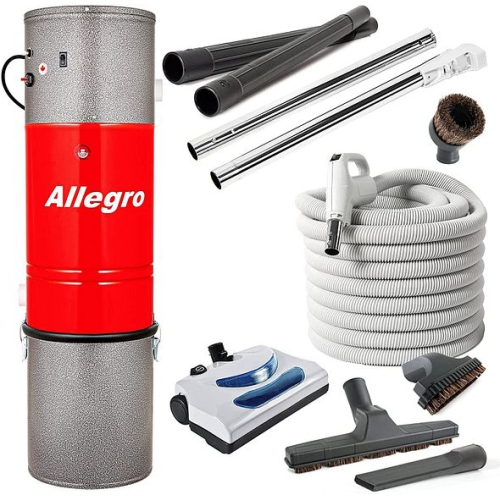
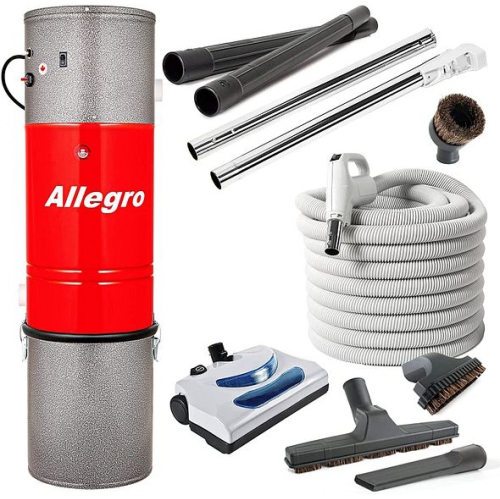
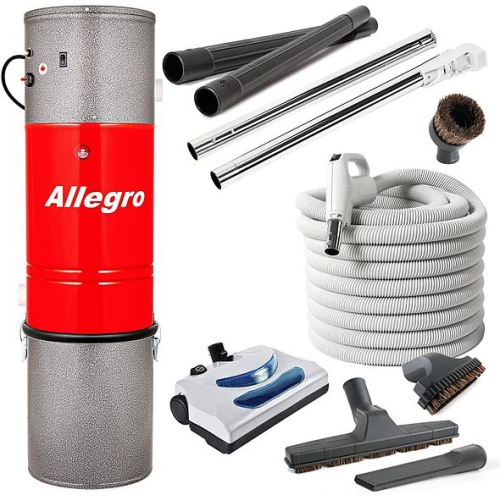
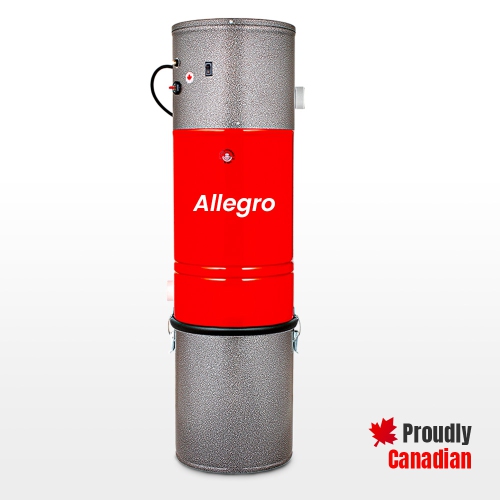
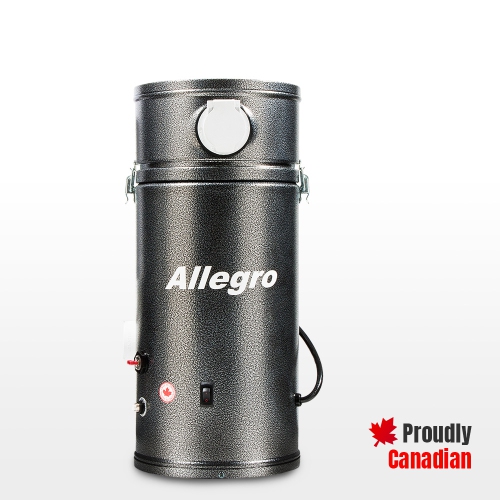
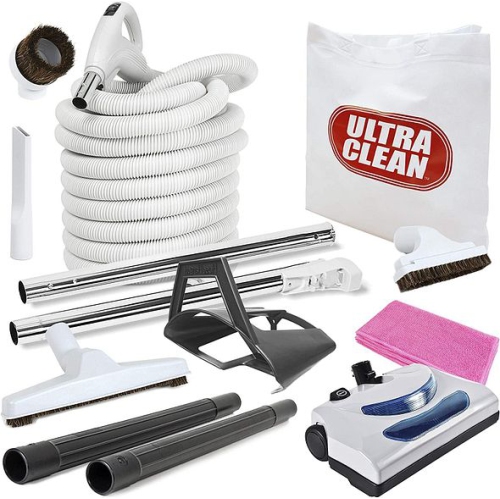
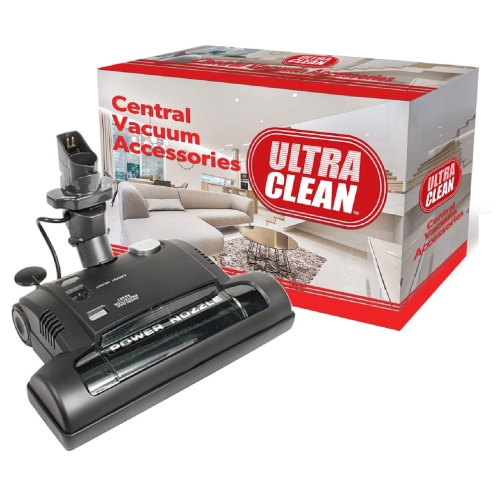
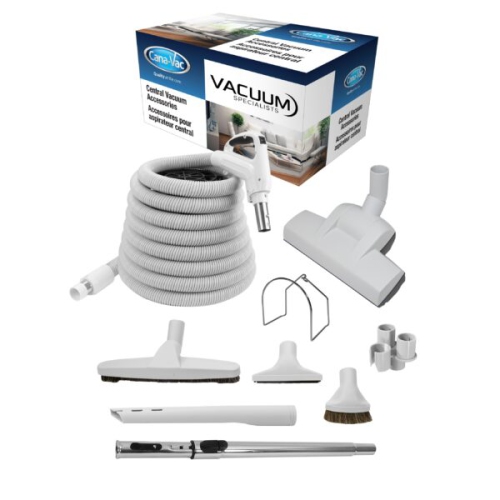
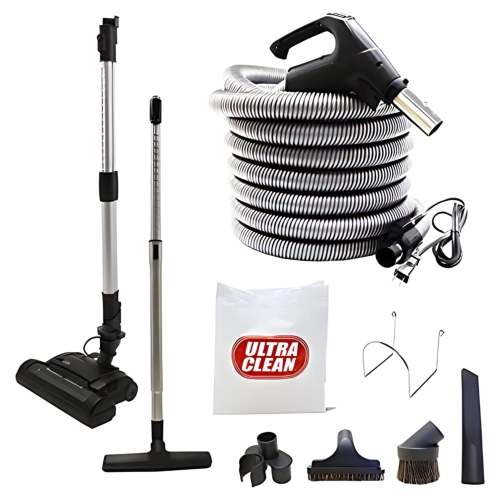
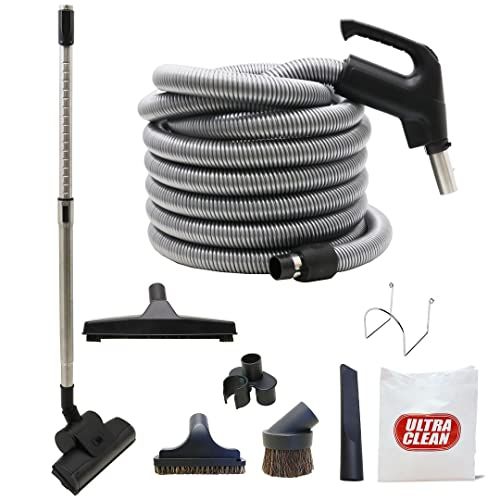
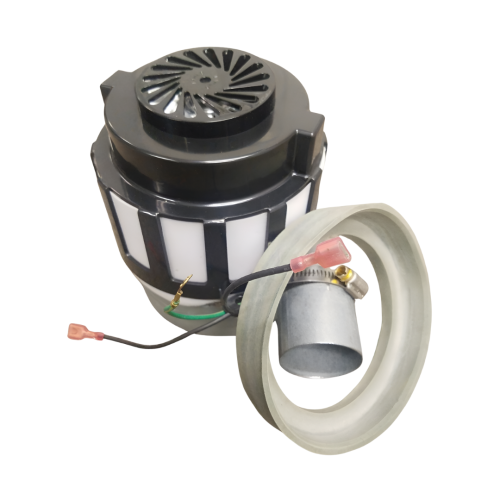
Built-in vacuum systems, also called central vacuum systems, are designed to make whole-home cleaning more convenient by placing the main motor and debris canister in a remote location rather than inside the living area. A typical setup includes a powerful power unit installed in a garage, basement, utility room or other suitable space, along with a network of PVC tubing hidden behind walls, above ceilings or through accessible crawlspaces. Wall inlets connect this tubing network to the rooms throughout the home. When a lightweight hose is plugged into an inlet, suction travels through the concealed pipes to collect dirt, crumbs, dust and pet hair in the central canister. Instead of carrying a heavy upright vacuum up stairs or from room to room, you carry the hose and cleaning attachment. That difference can be especially helpful in multi-level homes, open-concept spaces, homes with stairs, and households where cleaning happens frequently. The remote motor can also help keep operating noise away from bedrooms, family rooms and other areas where people gather. For shoppers comparing Central Vacuums, the most important details include the power unit’s suction performance, the size and capacity of its collection container, the number and placement of wall inlets, the length and flexibility of the hose, and the included floor tools. A system should be matched to the size and layout of the home rather than selected on motor power alone. Larger homes may need more carefully planned inlet placement, longer tubing runs or additional accessories, while a smaller home may benefit from a compact setup with straightforward controls and easy canister access. Consider the surfaces you clean most often as well. Smooth floors, low-pile carpets, thick rugs, stairs, upholstery and tight corners may each call for a different attachment, and a powered brush can be useful for lifting embedded debris from carpeted areas.
Installation planning is a major part of choosing a built-in vacuum system. New construction usually offers the simplest opportunity because tubing can be routed before drywall, flooring and cabinetry are finished. In an existing home, installation may still be possible by using closets, unfinished basements, attics, utility chases or crawlspaces to create practical pipe routes. A professional installer can assess the home’s structure, identify suitable locations for the power unit and map the tubing path to reduce sharp bends, unnecessary distance and difficult access points. Wall inlets are typically positioned in hallways or larger rooms so one hose can reach several areas, although the ideal arrangement depends on furniture placement, doorways and floor plan. It is worth measuring the distance from each proposed inlet to the farthest corner that needs cleaning, including stairs and nearby rooms. Some systems support retractable hose designs, where the hose is pulled from a wall inlet for use and drawn back into the tubing after cleaning. Other helpful options include a low-profile floor-level inlet, sometimes called a vacpan, installed beneath or near a kitchen cabinet. Sweeping dry crumbs and small bits of dirt towards the opening can send them directly into the system, which is handy after meal preparation or around an entryway. Before installation, confirm the required electrical connection, available clearance around the power unit, tubing and inlet compatibility, and the location of serviceable filters, bags or collection bins. Even when the motor is tucked away, the system still needs regular care. Empty the canister or replace the collection bag as directed, check filters, inspect the hose for blockages and keep floor brushes free of wrapped hair and fibres. A properly planned system should provide clear airflow through the pipe network without forcing the motor to work harder than necessary.
Built-in vacuum systems can suit homeowners who want a permanent cleaning setup that blends into the structure of the home rather than taking up storage space in every room. They are practical for families managing frequent spills, pet owners dealing with fur near furniture and entryways, and anyone who finds it tiring to lift a portable vacuum between floors. They can also be useful for people with limited strength or mobility because the hose and attachments are generally lighter to carry than a full-size vacuum body. In homes with children, a central hose can make quick cleanups less cumbersome after crafts, snacks or outdoor play, while a kitchen vacpan can help collect dry debris before it gets tracked through the rest of the house. During the warmer seasons, open doors and increased time spent outdoors can bring in grass, sand and soil; during the cooler months, coats, boots and indoor gatherings may contribute their own mix of crumbs and fibres. A central system gives these everyday messes a designated cleaning solution without requiring the main unit to be dragged through the home. When comparing options, look beyond the initial installation and think about long-term usability: whether the hose reaches the rooms you use most, whether controls are simple to operate, whether accessories can be stored neatly, and whether replacement filters, bags or parts are easy to find. A built-in system is a considered home improvement rather than an impulse gift, but it can be a thoughtful choice for someone renovating, planning a new build or preparing a home for easier maintenance. The best match will combine suitable suction, convenient inlet placement, manageable upkeep and accessories that reflect the floors, rooms and routines of the household.
Installation planning is a major part of choosing a built-in vacuum system. New construction usually offers the simplest opportunity because tubing can be routed before drywall, flooring and cabinetry are finished. In an existing home, installation may still be possible by using closets, unfinished basements, attics, utility chases or crawlspaces to create practical pipe routes. A professional installer can assess the home’s structure, identify suitable locations for the power unit and map the tubing path to reduce sharp bends, unnecessary distance and difficult access points. Wall inlets are typically positioned in hallways or larger rooms so one hose can reach several areas, although the ideal arrangement depends on furniture placement, doorways and floor plan. It is worth measuring the distance from each proposed inlet to the farthest corner that needs cleaning, including stairs and nearby rooms. Some systems support retractable hose designs, where the hose is pulled from a wall inlet for use and drawn back into the tubing after cleaning. Other helpful options include a low-profile floor-level inlet, sometimes called a vacpan, installed beneath or near a kitchen cabinet. Sweeping dry crumbs and small bits of dirt towards the opening can send them directly into the system, which is handy after meal preparation or around an entryway. Before installation, confirm the required electrical connection, available clearance around the power unit, tubing and inlet compatibility, and the location of serviceable filters, bags or collection bins. Even when the motor is tucked away, the system still needs regular care. Empty the canister or replace the collection bag as directed, check filters, inspect the hose for blockages and keep floor brushes free of wrapped hair and fibres. A properly planned system should provide clear airflow through the pipe network without forcing the motor to work harder than necessary.
Built-in vacuum systems can suit homeowners who want a permanent cleaning setup that blends into the structure of the home rather than taking up storage space in every room. They are practical for families managing frequent spills, pet owners dealing with fur near furniture and entryways, and anyone who finds it tiring to lift a portable vacuum between floors. They can also be useful for people with limited strength or mobility because the hose and attachments are generally lighter to carry than a full-size vacuum body. In homes with children, a central hose can make quick cleanups less cumbersome after crafts, snacks or outdoor play, while a kitchen vacpan can help collect dry debris before it gets tracked through the rest of the house. During the warmer seasons, open doors and increased time spent outdoors can bring in grass, sand and soil; during the cooler months, coats, boots and indoor gatherings may contribute their own mix of crumbs and fibres. A central system gives these everyday messes a designated cleaning solution without requiring the main unit to be dragged through the home. When comparing options, look beyond the initial installation and think about long-term usability: whether the hose reaches the rooms you use most, whether controls are simple to operate, whether accessories can be stored neatly, and whether replacement filters, bags or parts are easy to find. A built-in system is a considered home improvement rather than an impulse gift, but it can be a thoughtful choice for someone renovating, planning a new build or preparing a home for easier maintenance. The best match will combine suitable suction, convenient inlet placement, manageable upkeep and accessories that reflect the floors, rooms and routines of the household.
Top selling and popular products
-
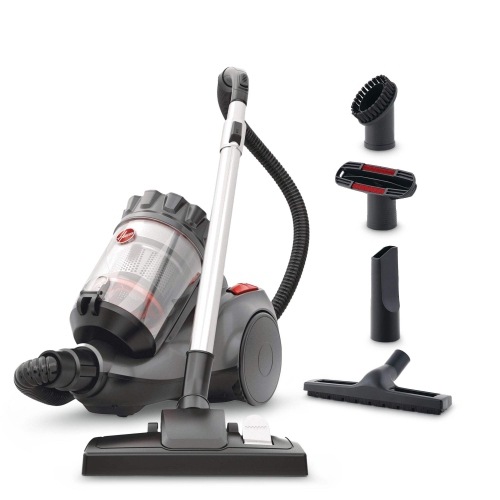 Your price for this item is $204.72
 -
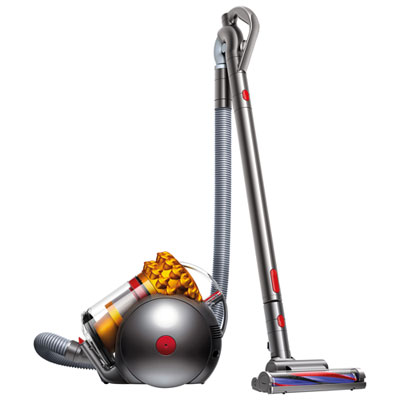 Your price for this item is $499.99
 -
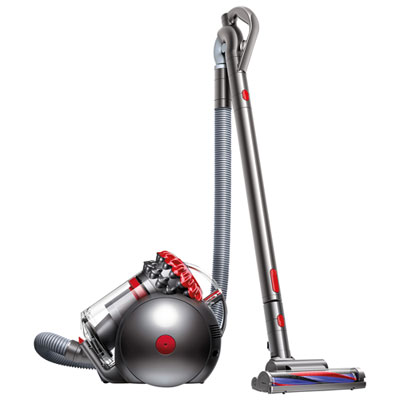 Your price for this item is $699.99
 -
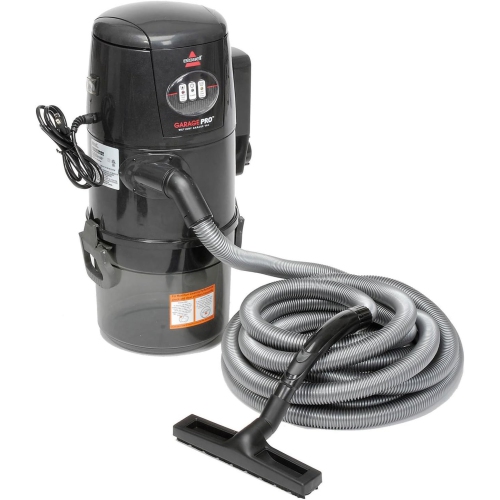 Your price for this item is $312
 -
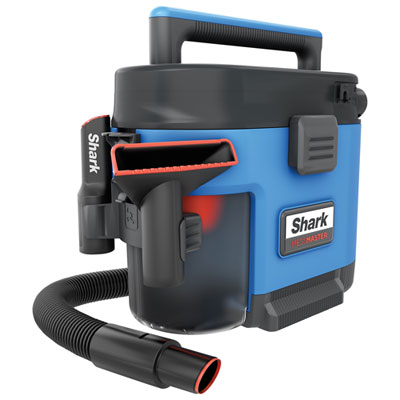 Your price for this item is $159.99
 -
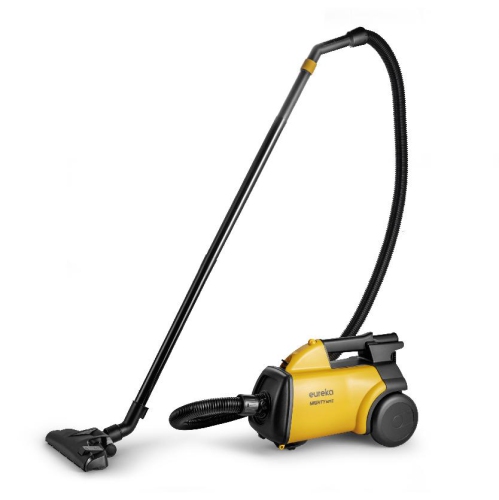 Your price for this item is $90
 -
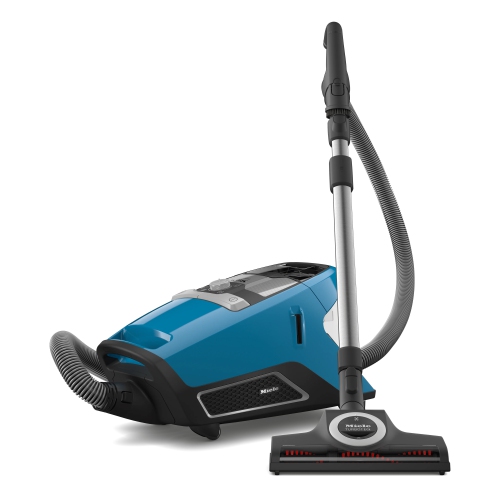 Your price for this item is $799.99
 -
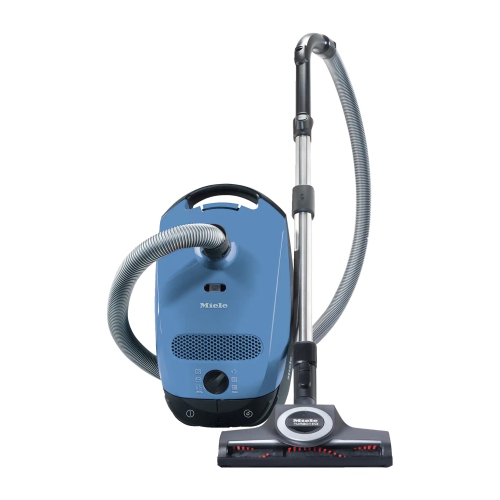 Your price for this item is $599.99
Discover more categories related to Built In Vacuum Systems
Top Collections:
Pokemon Centers, Kindle Devices, Best Budget Office Chairs, Apple iPhones 16, Best Laptops for Writers, iPhone 15 Apple, Canon G7X Cameras, Refurbished Apple Laptops, Alarm Clock, Motorola Razr Phones
Some products may be subject to Environmental Handling Fees
(EHF) depending on your province.
Learn more about EHFs.