Central Vacuums
Upgrade your cleaning routine with the convenience and power of a central vacuum system. Say goodbye to lugging around heavy upright vacuums or dealing with cords that limit your reach. Central vacuums offer a more efficient and thorough way to clean your home, as they are built directly into the walls, eliminating the need to store a bulky vacuum cleaner in your living space. Experience the ultimate cleaning solution that provides powerful suction and improved air quality throughout your home with a central vacuum system.
Sort



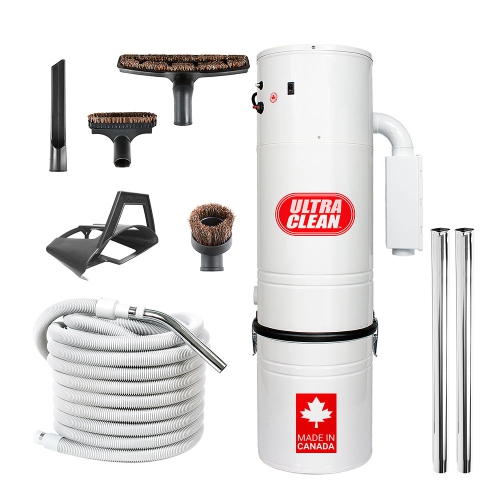
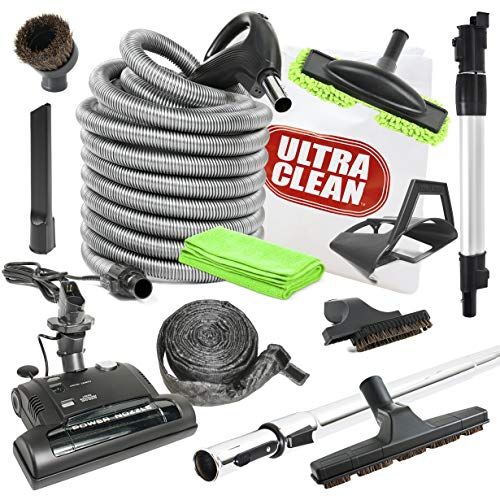
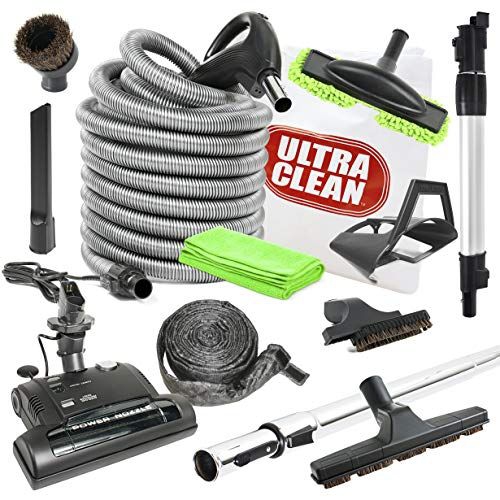

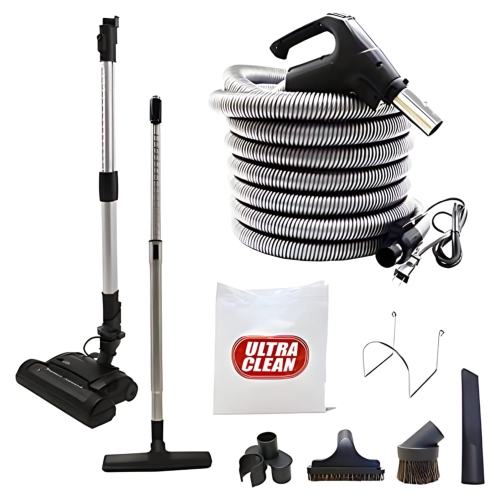
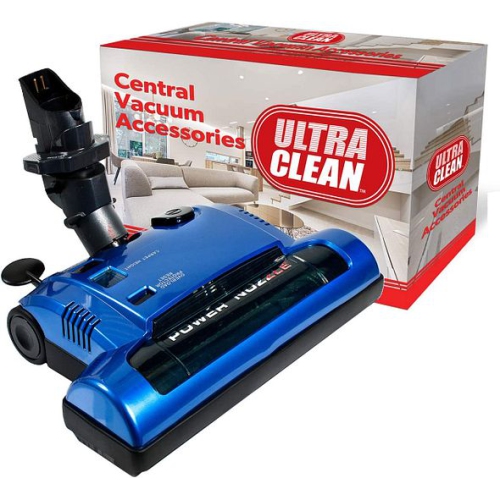
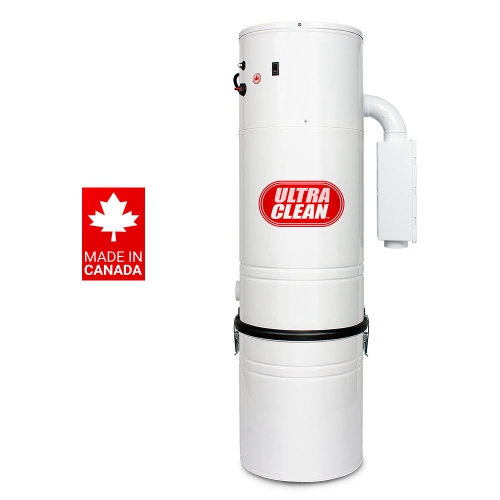
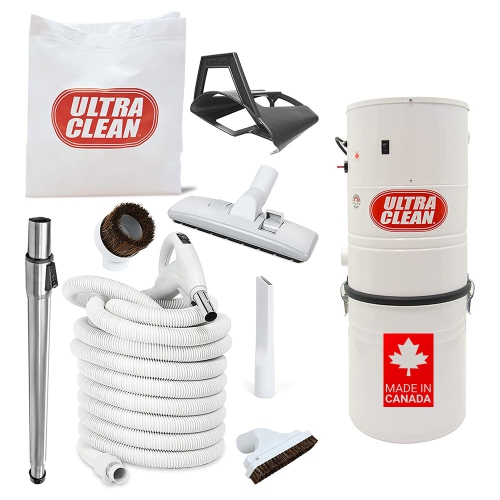
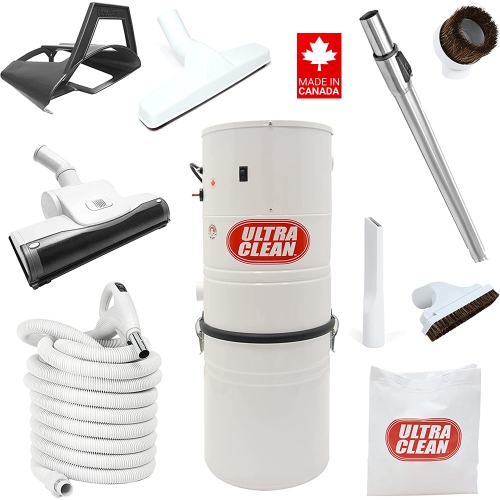
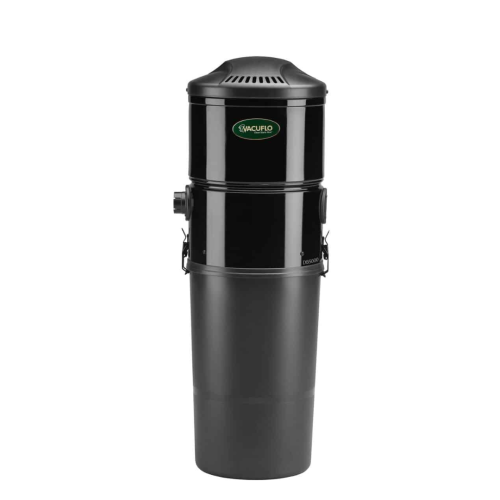
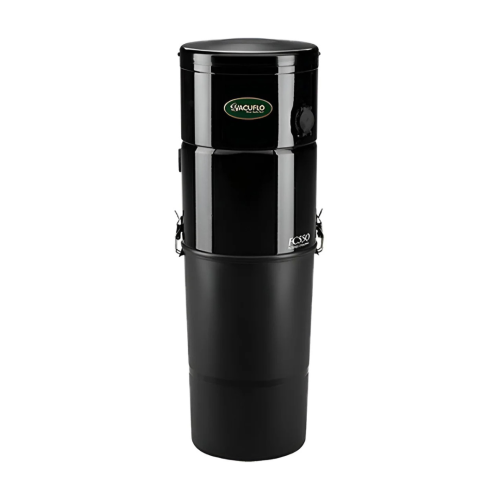
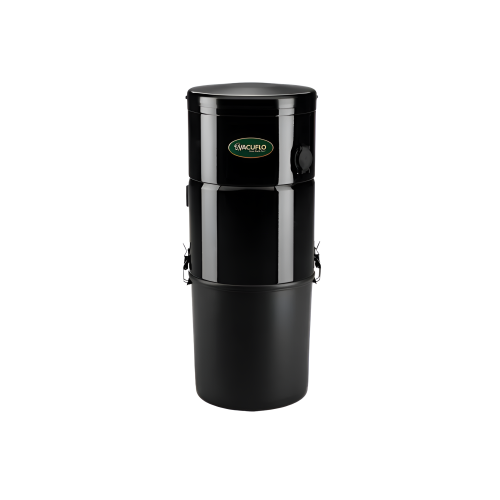
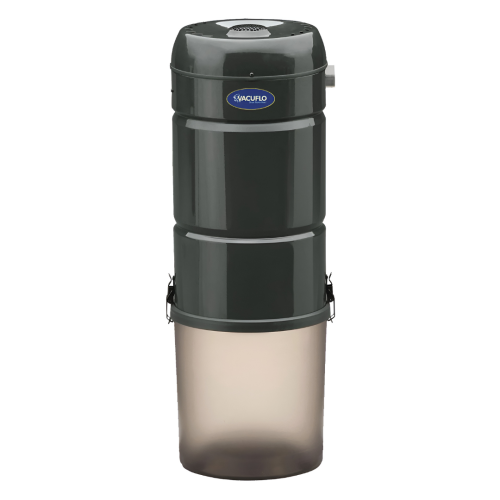



How whole-home cleaning systems fit your space and routine
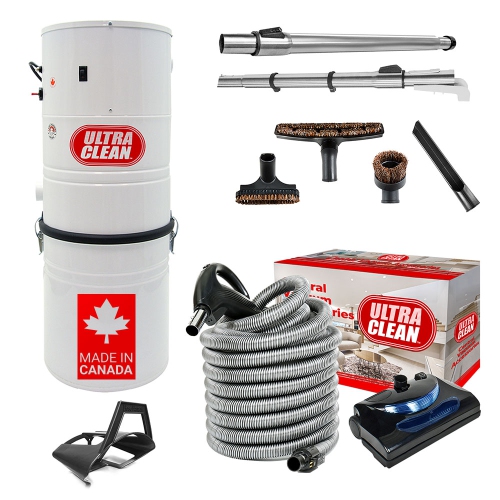
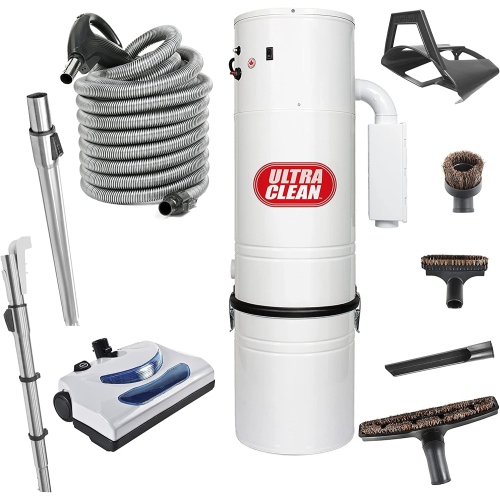
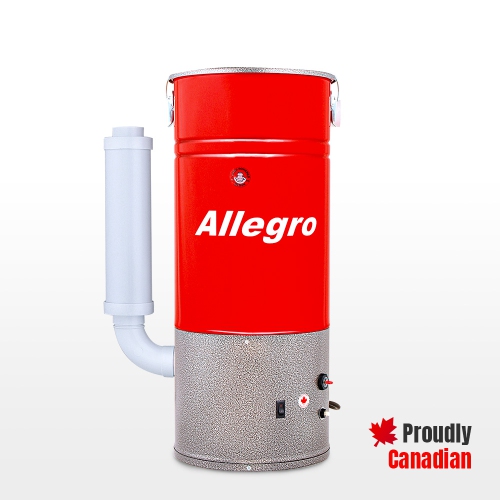
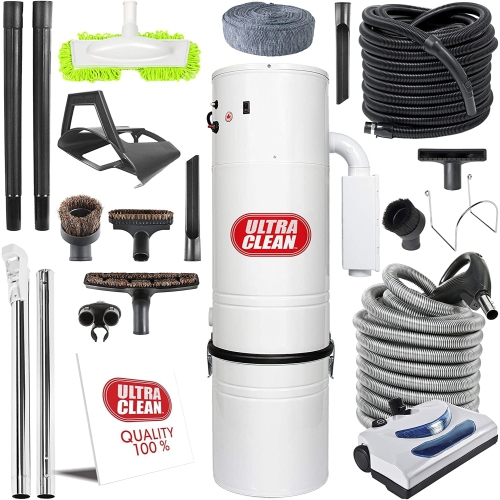
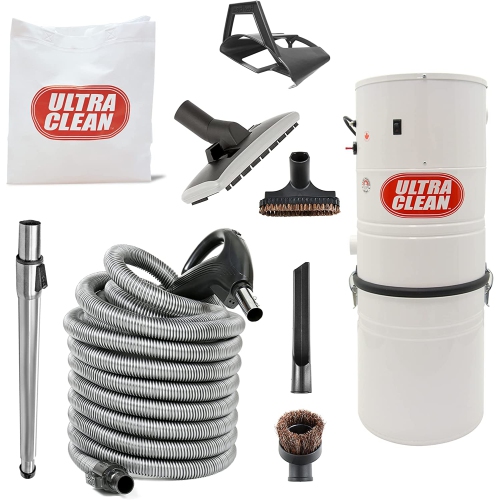
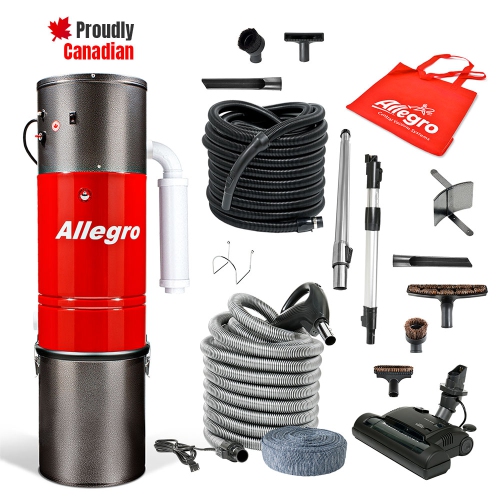
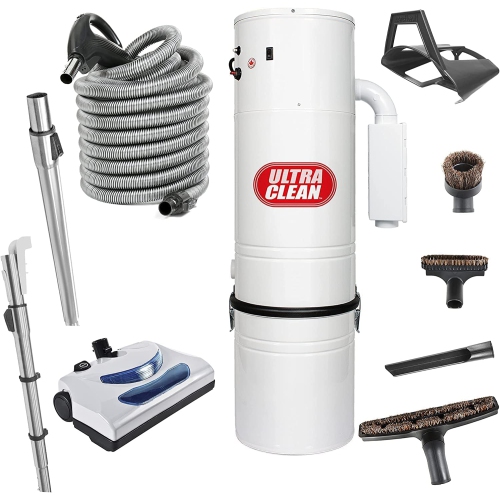
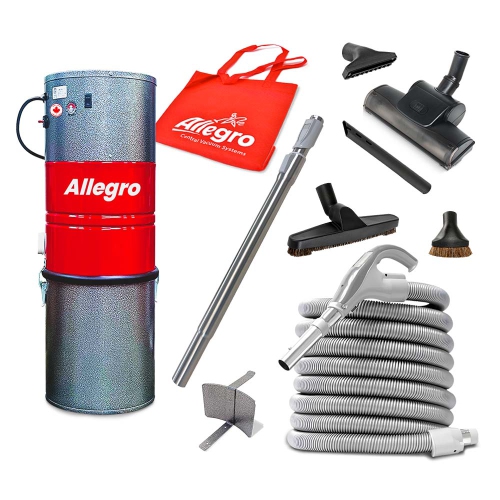
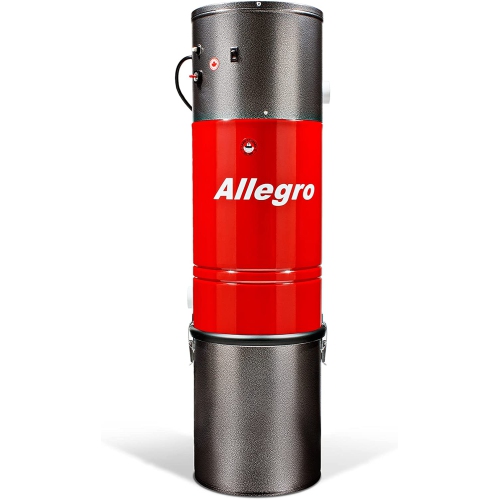
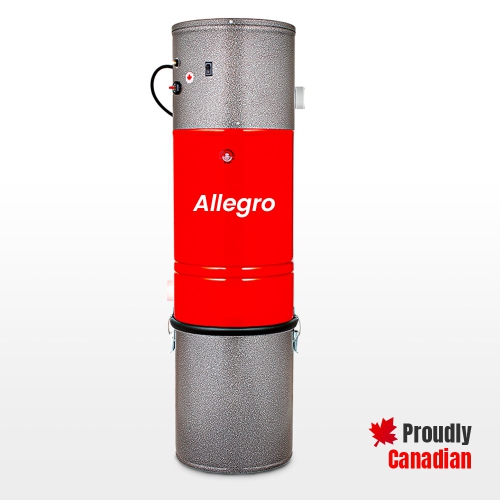
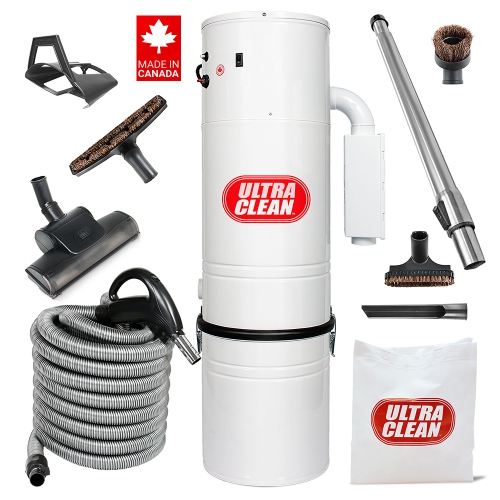
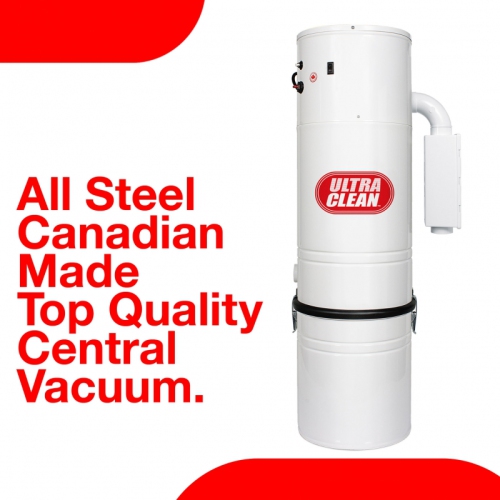
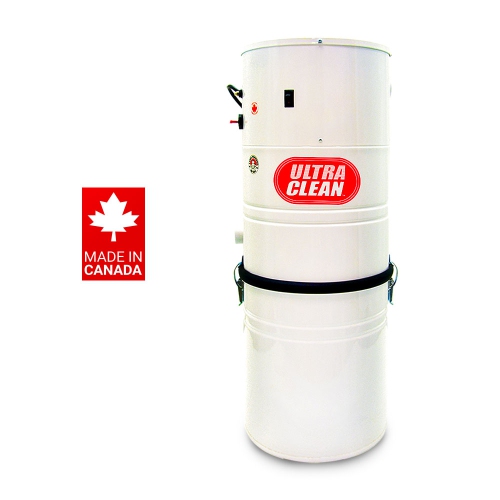
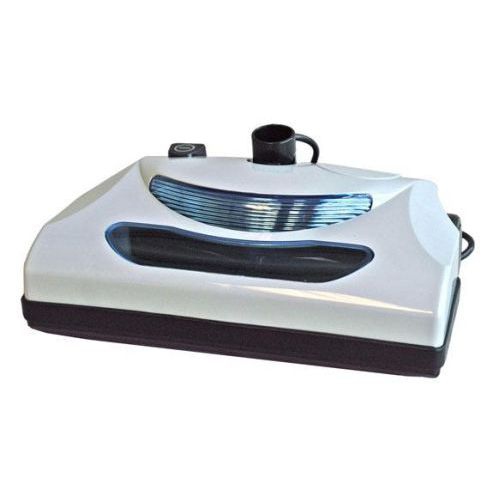
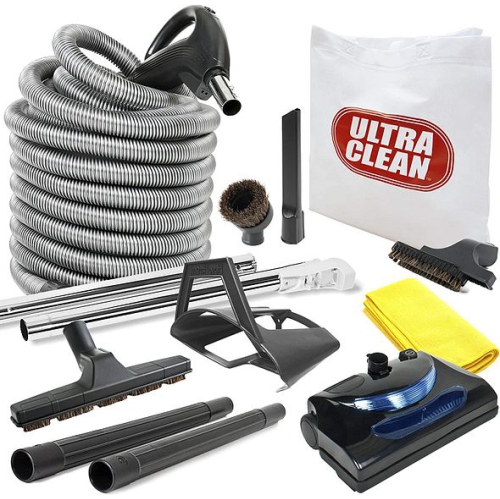
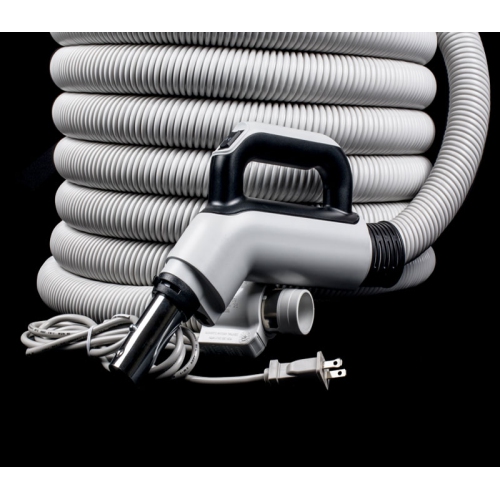
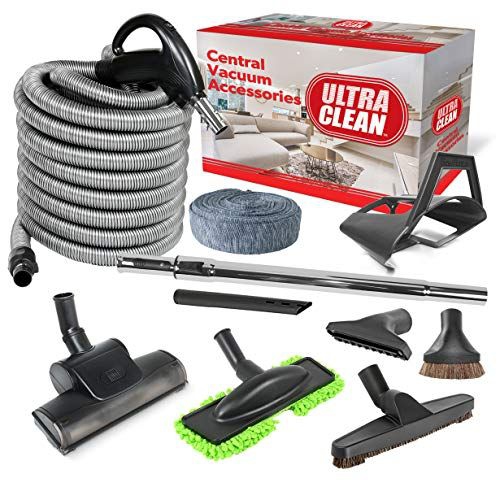
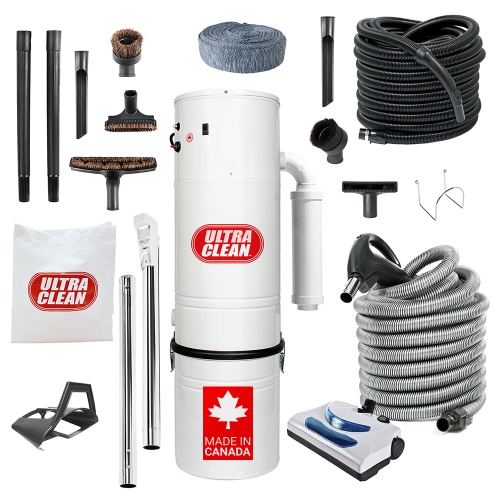
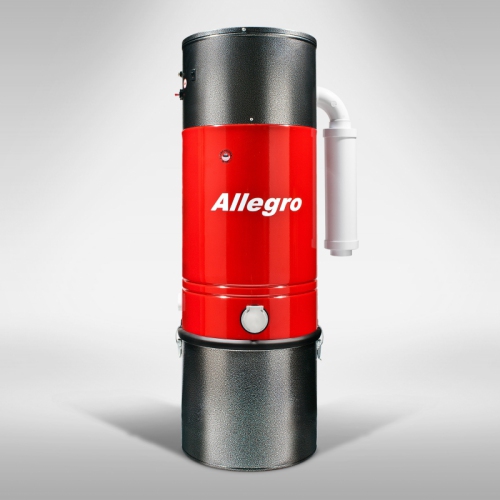
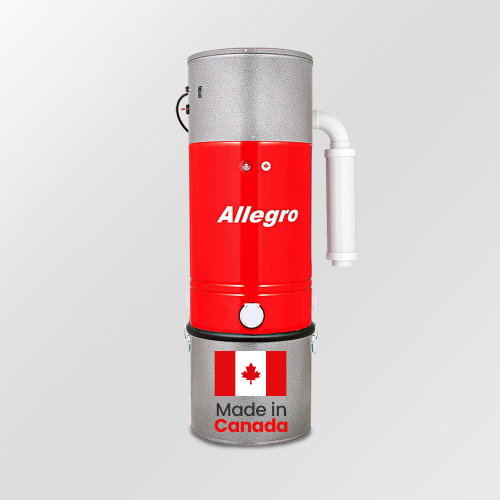
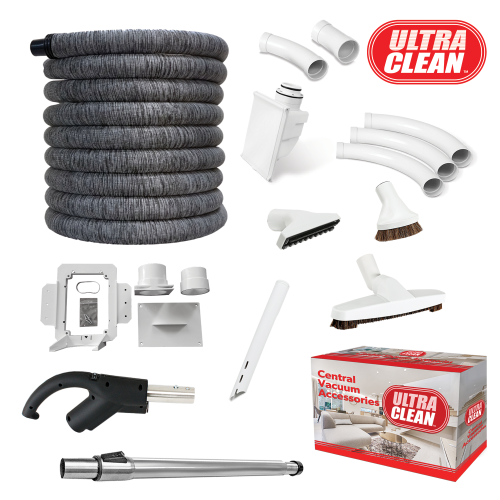
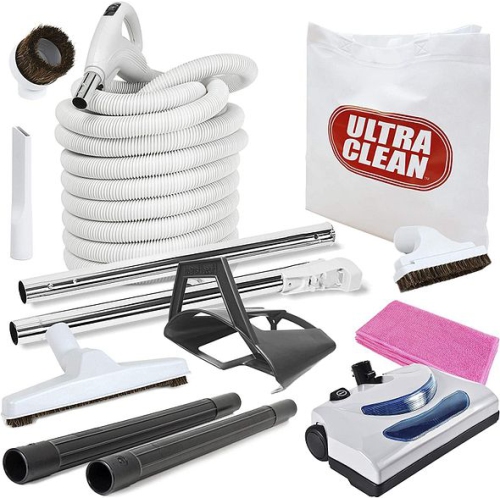
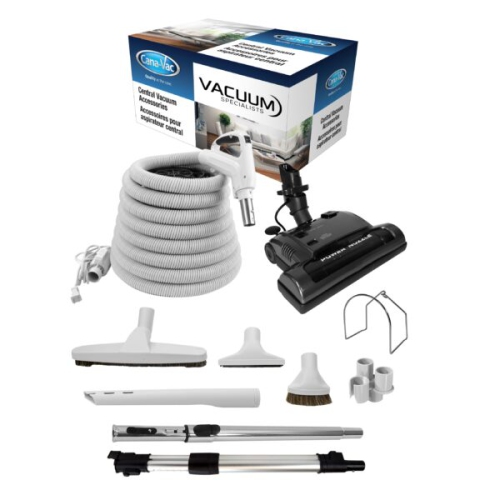
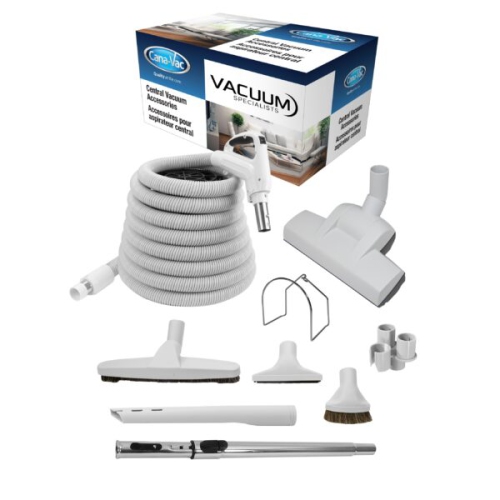
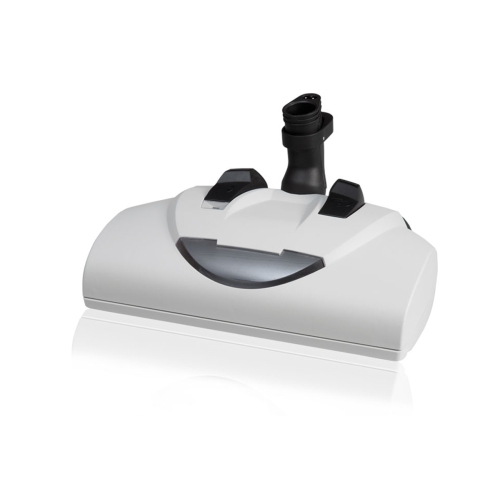
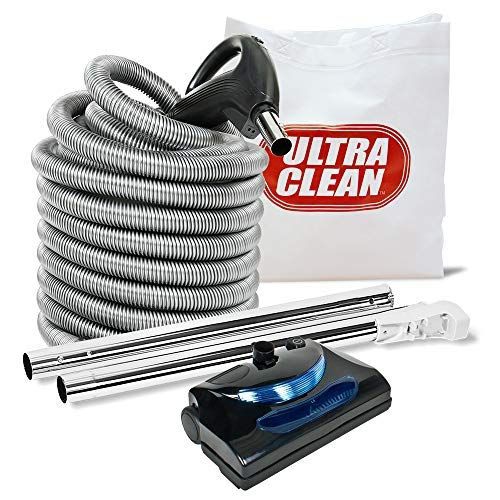
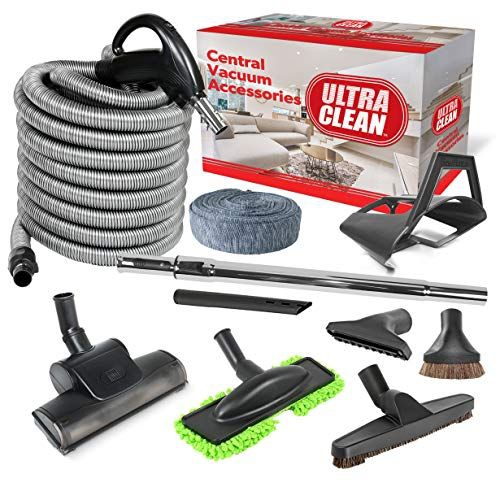
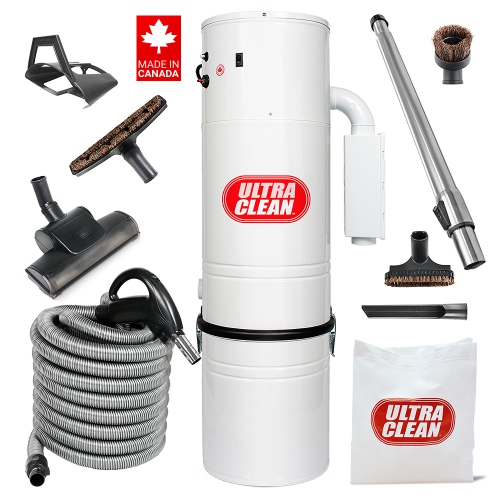
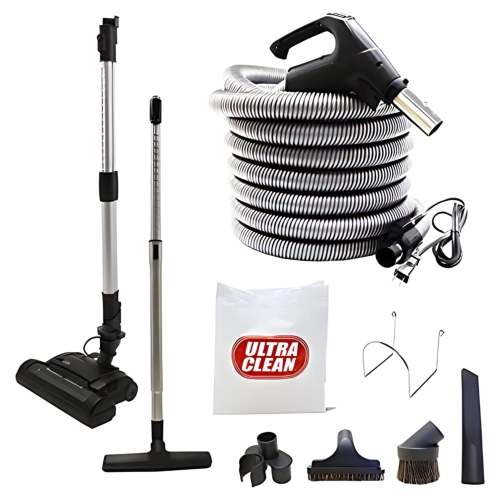
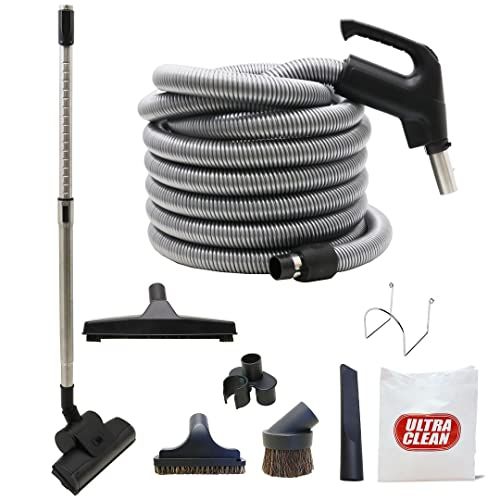
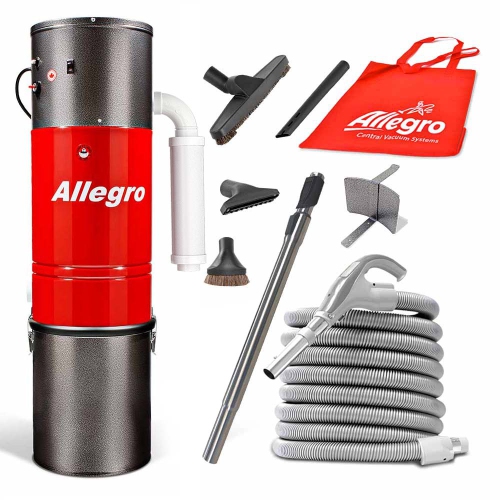
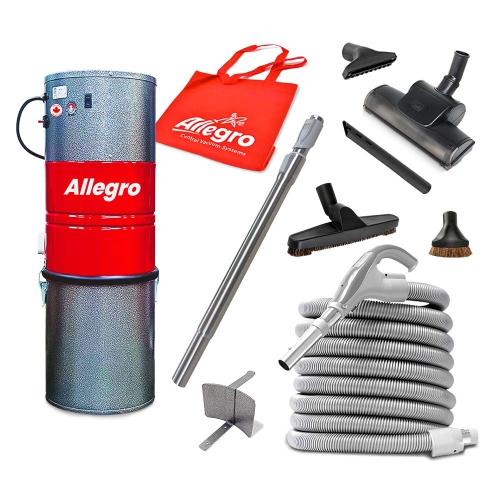
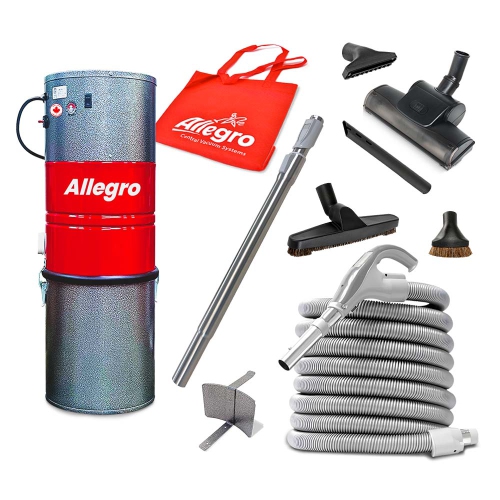
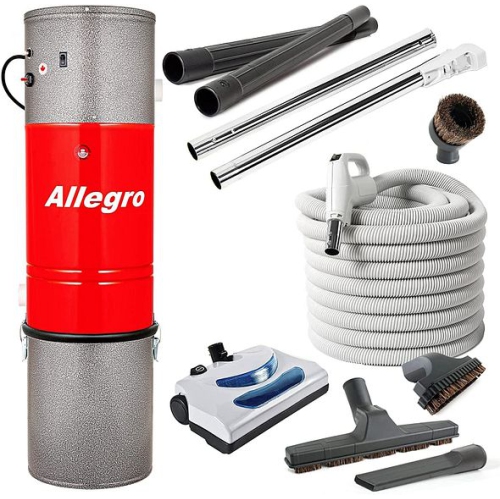
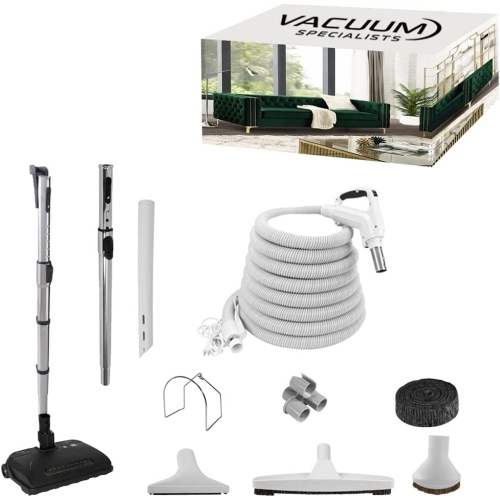
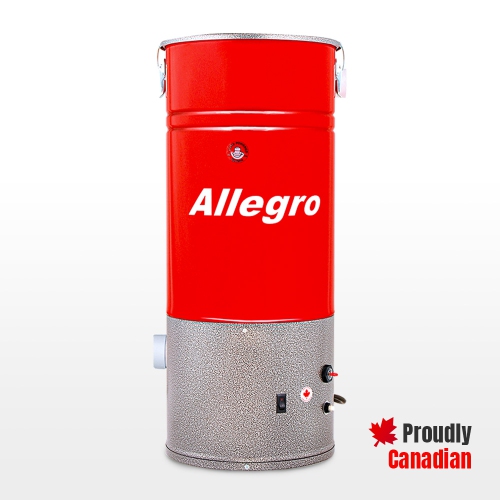
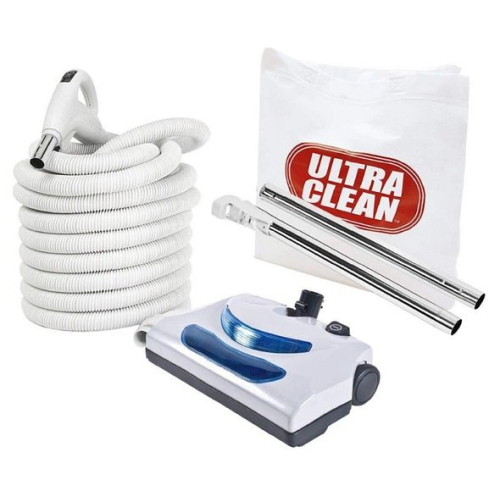
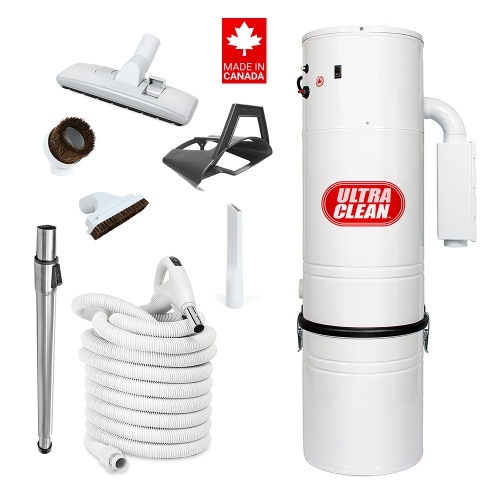
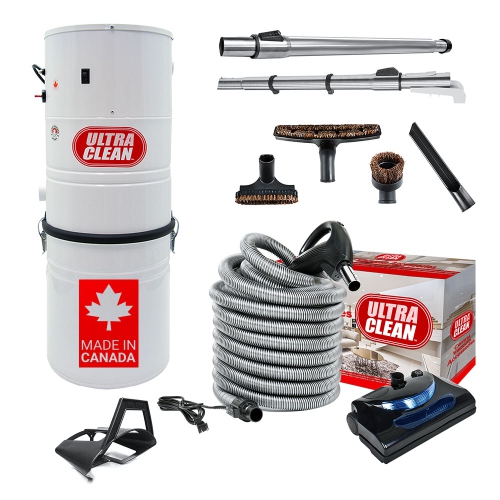
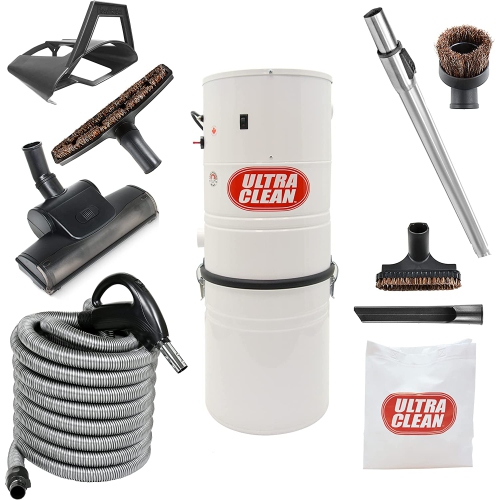
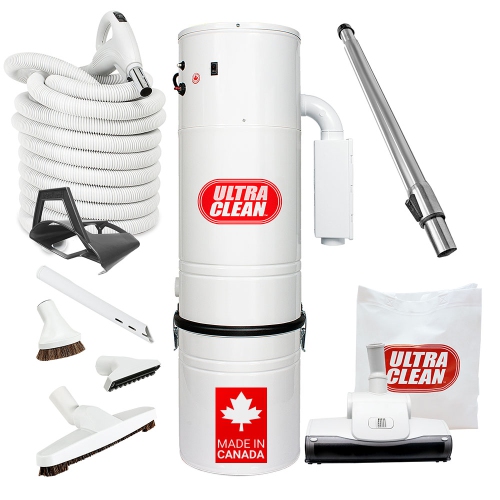
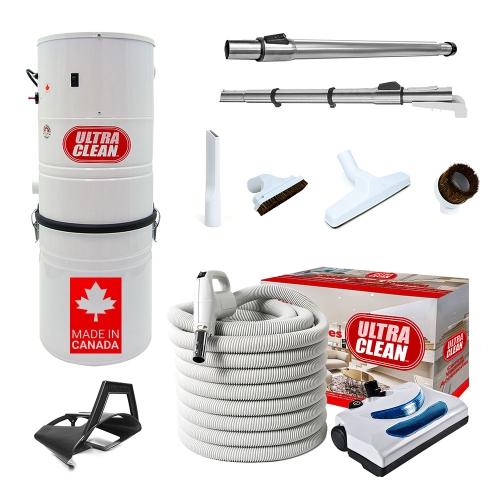
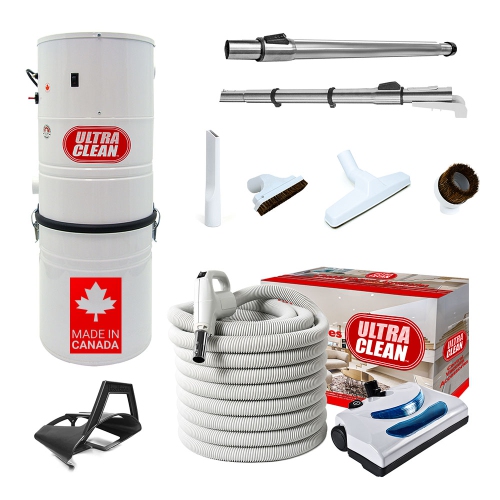
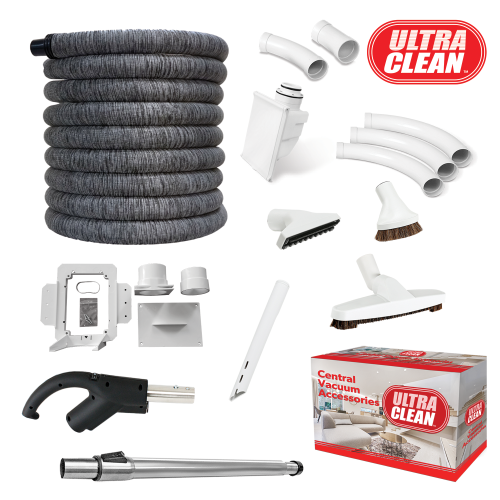
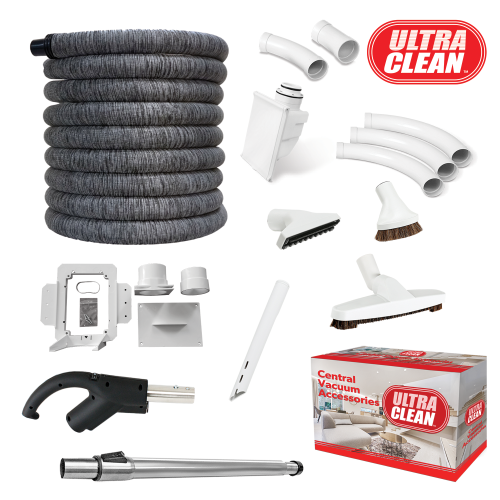
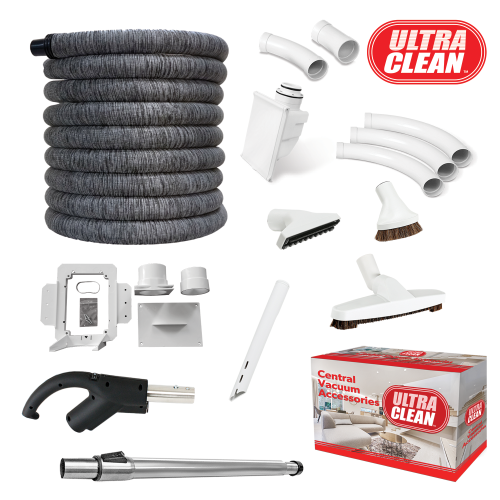
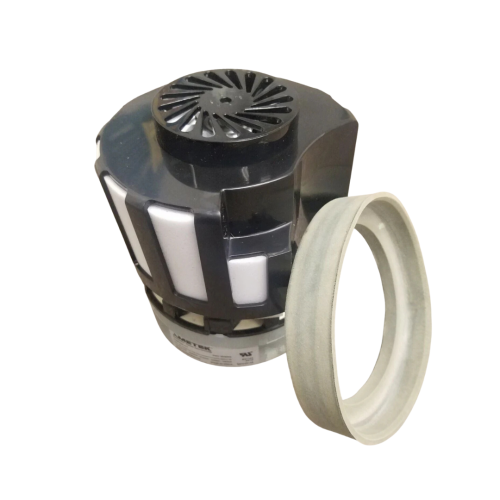
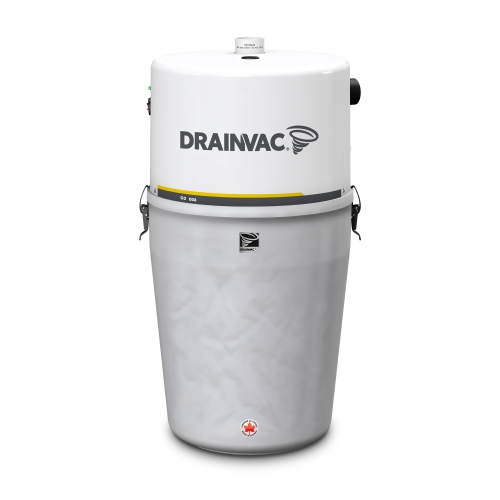
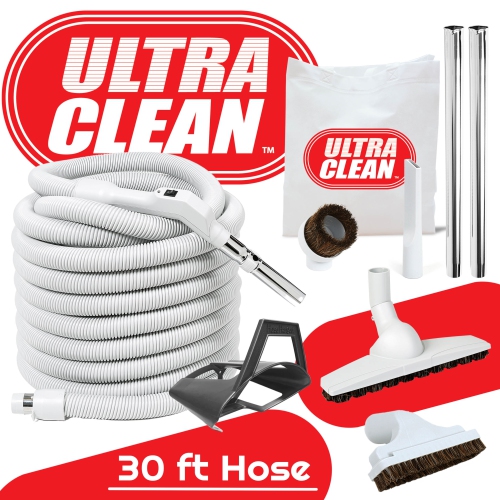
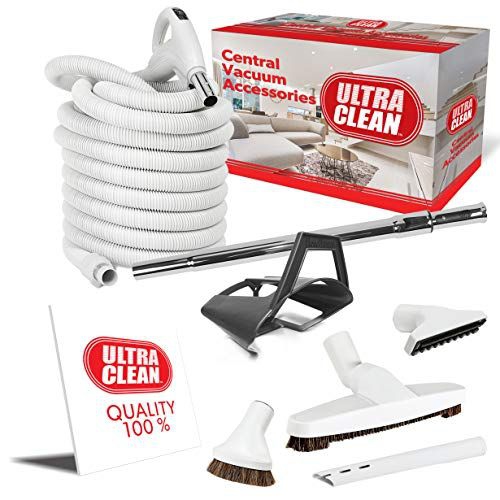
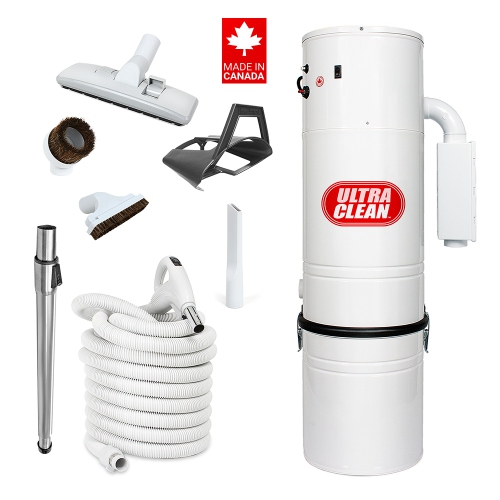
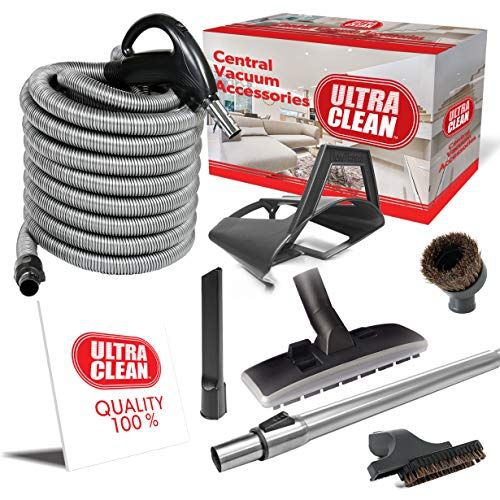
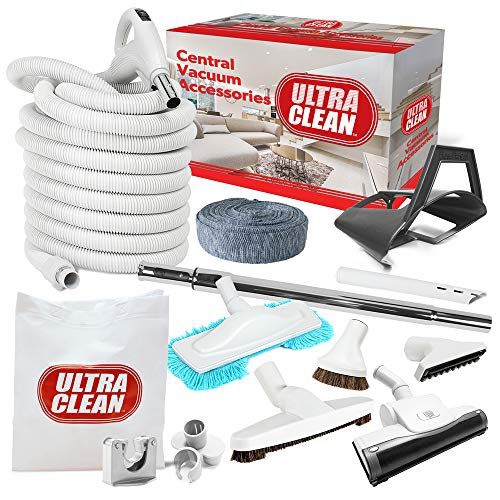
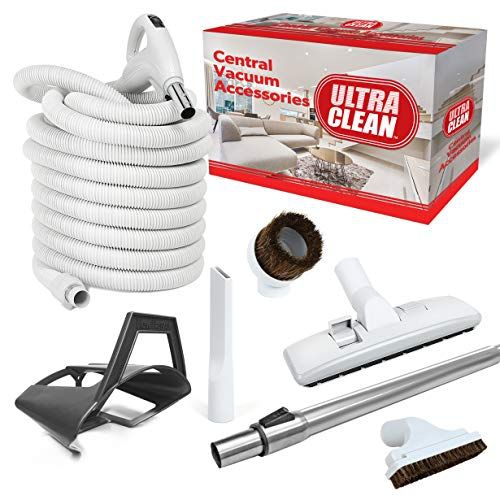
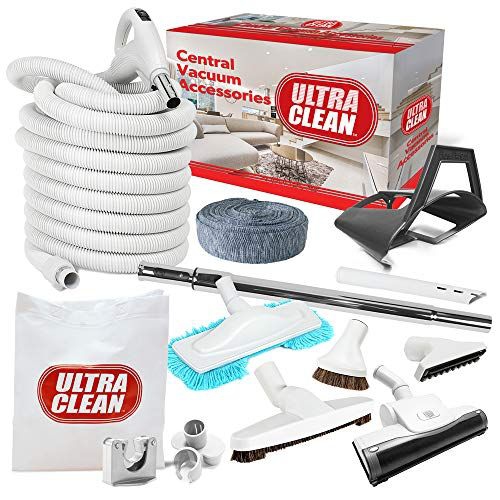
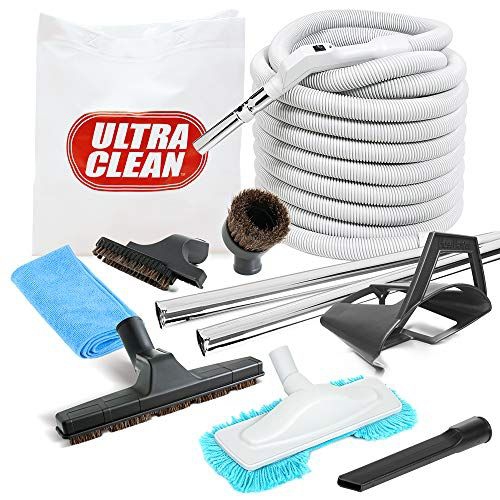
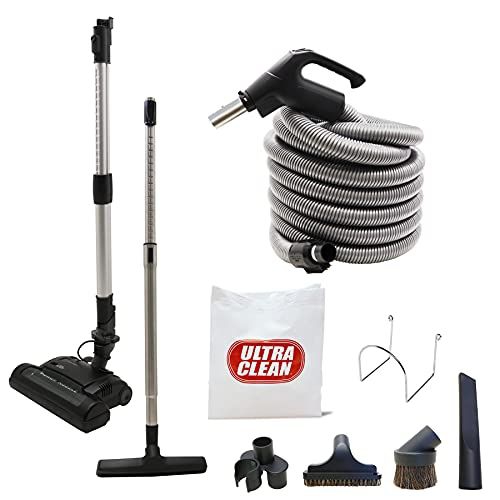
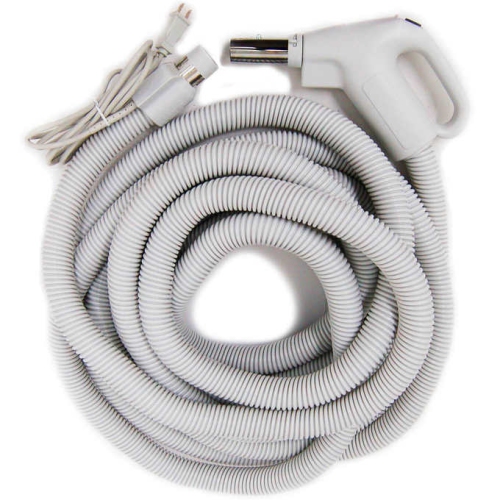
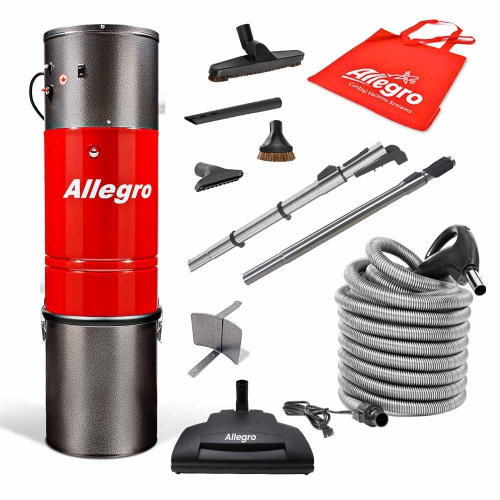
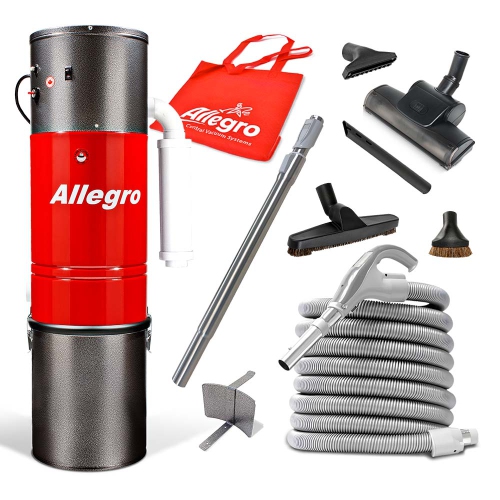
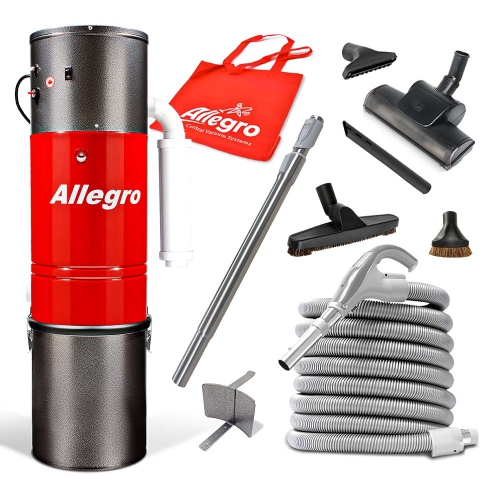
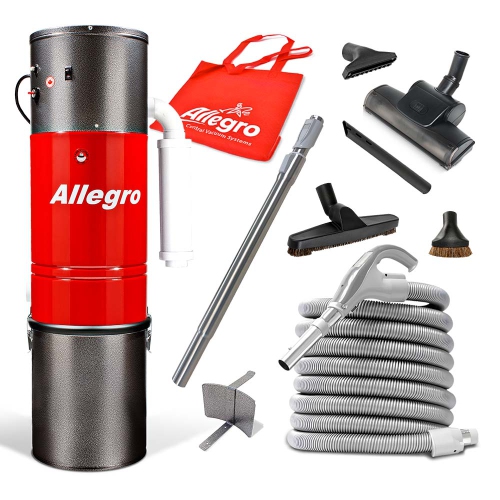
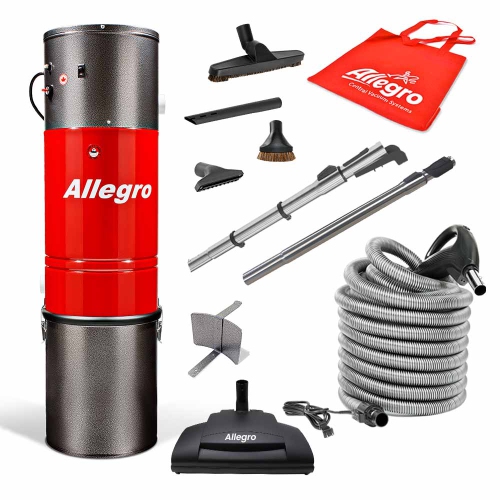
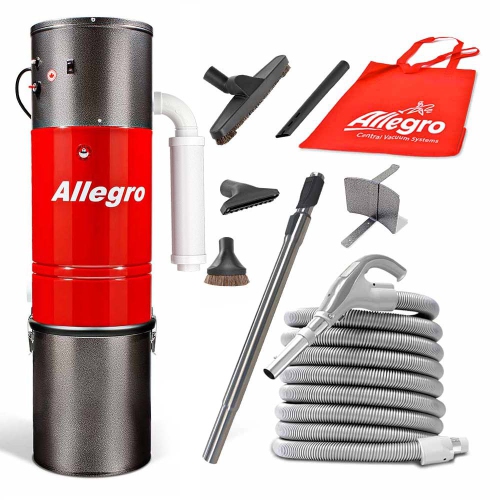
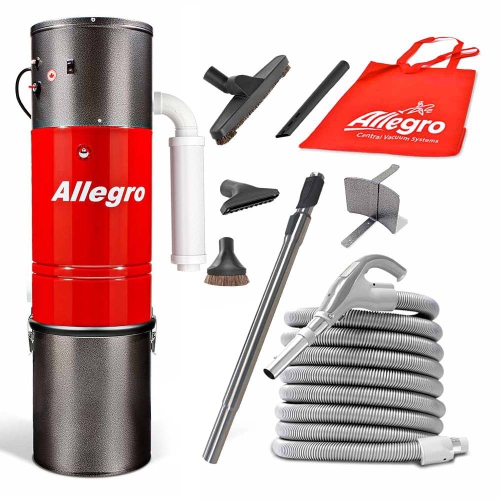
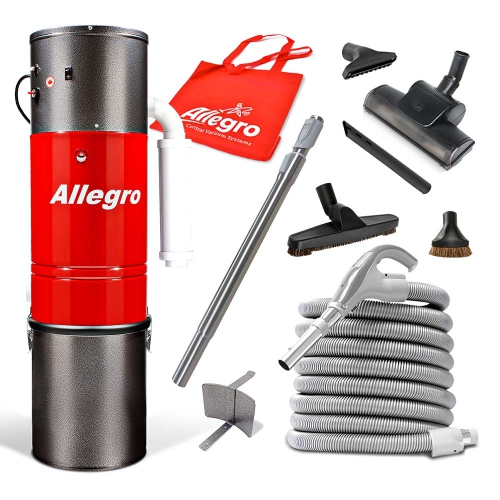
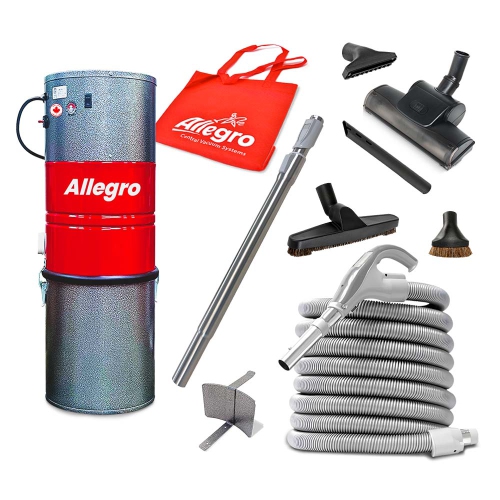
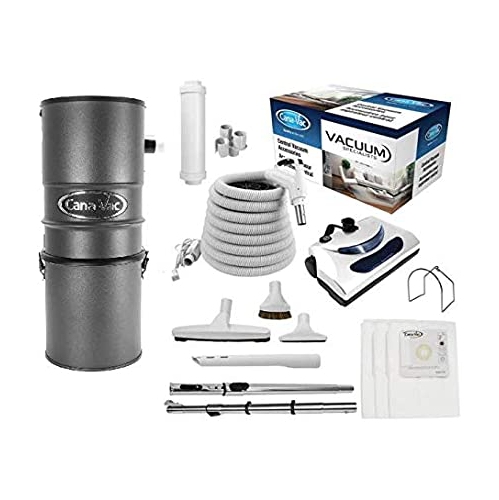
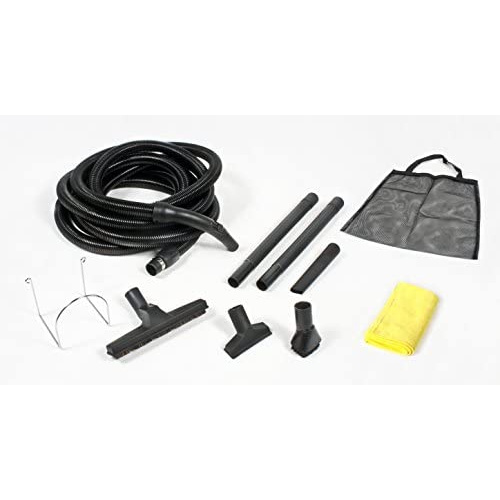
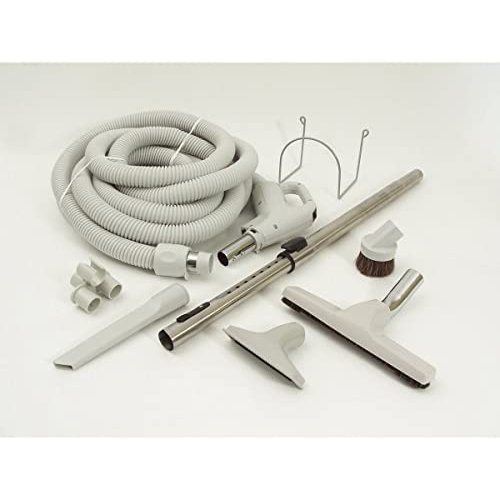
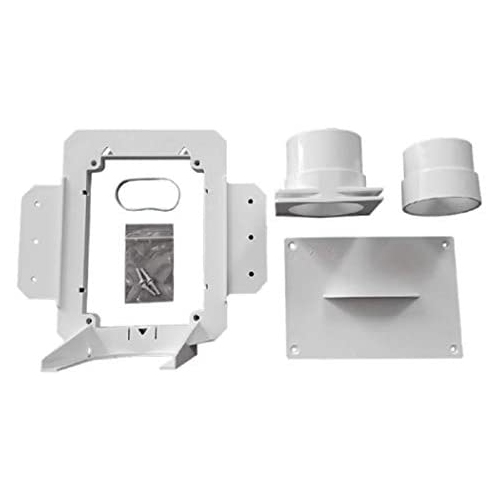
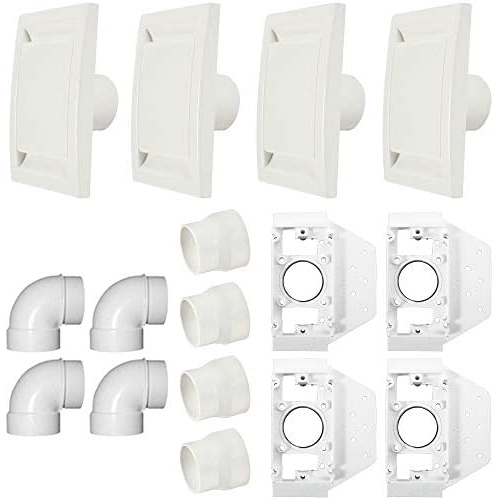
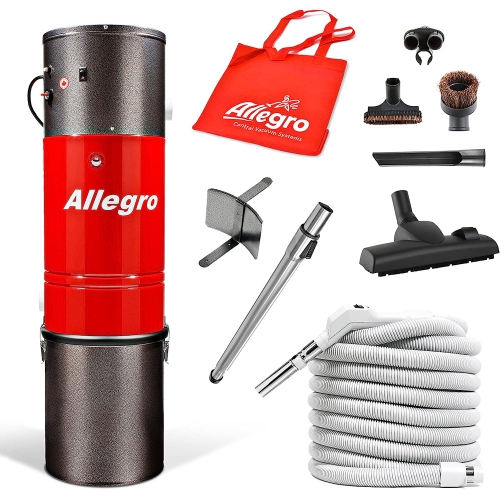
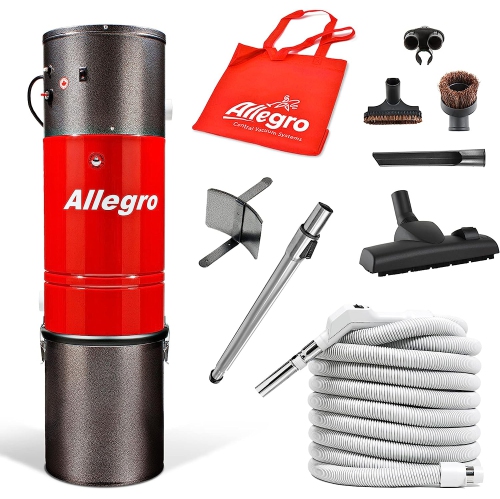
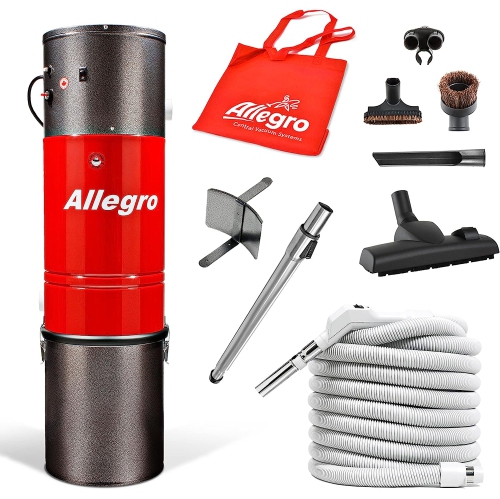
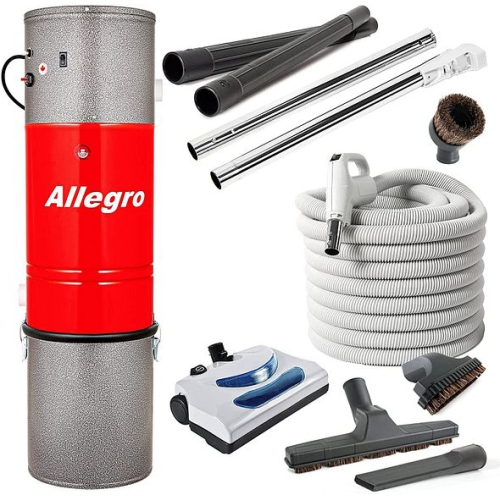
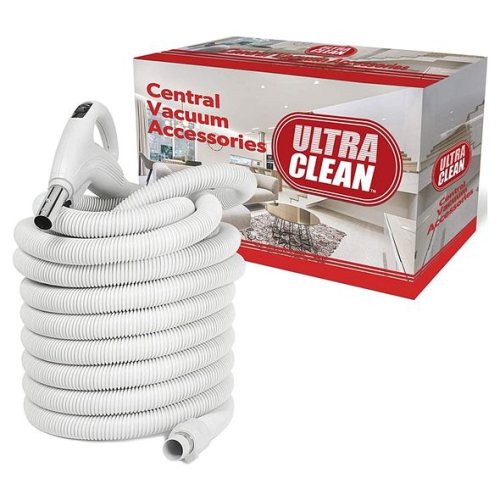
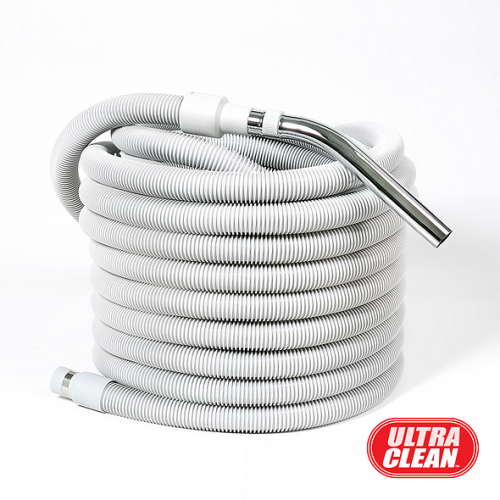
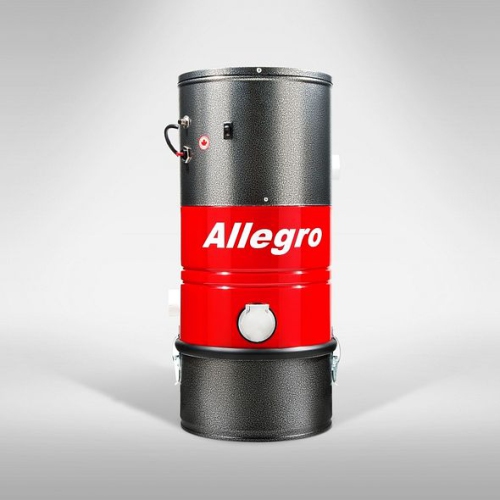
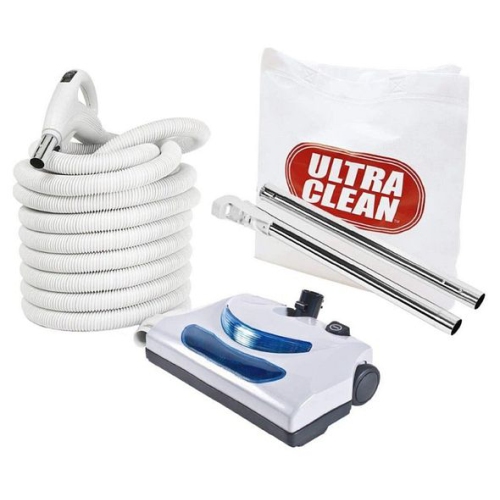
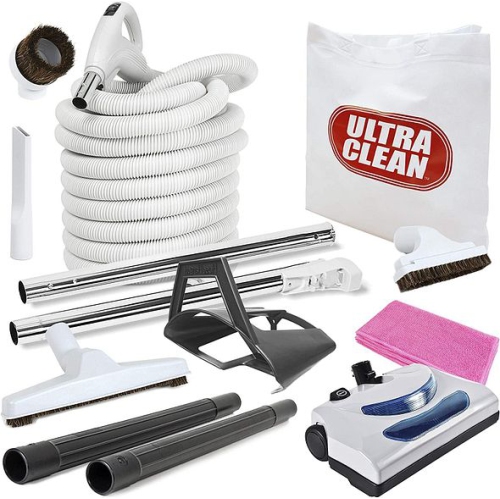
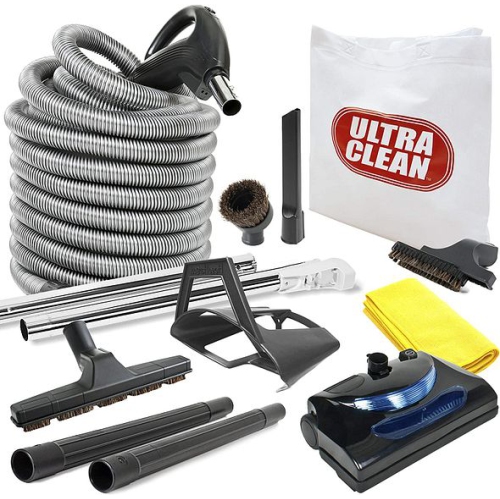
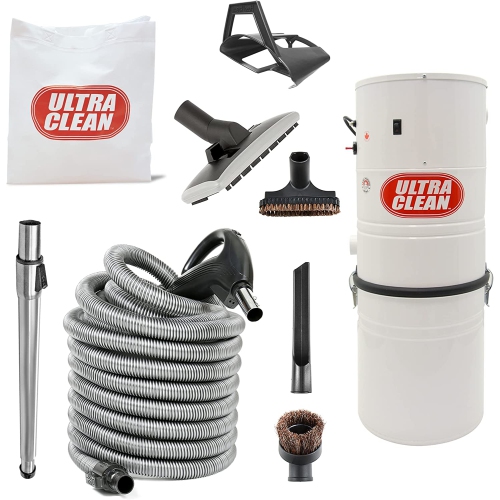
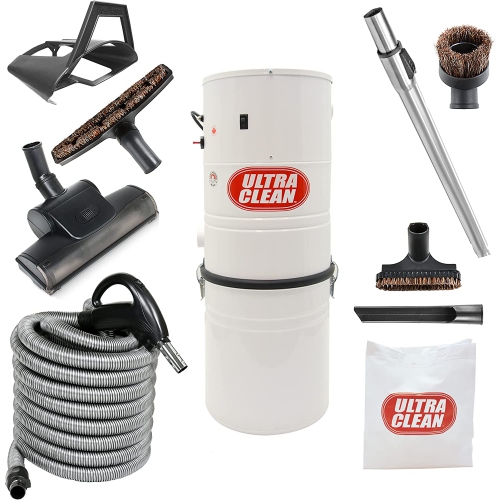
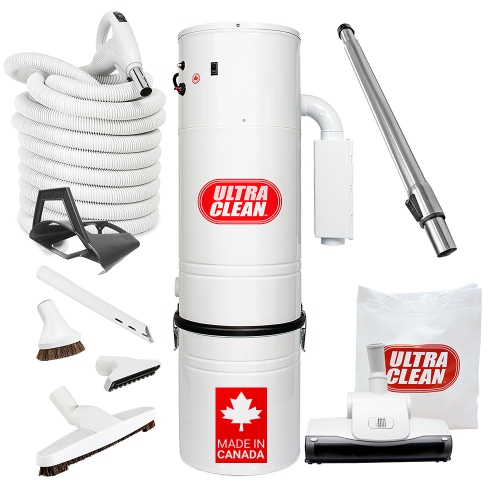
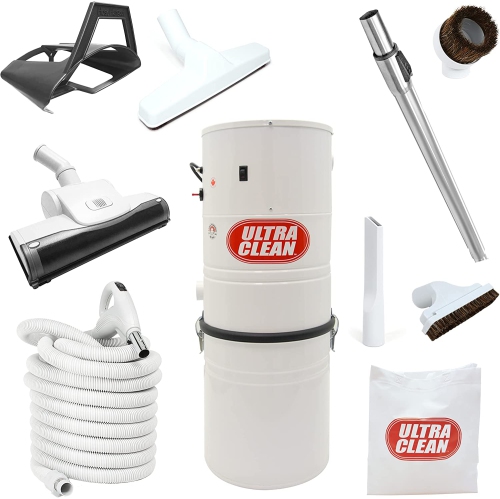
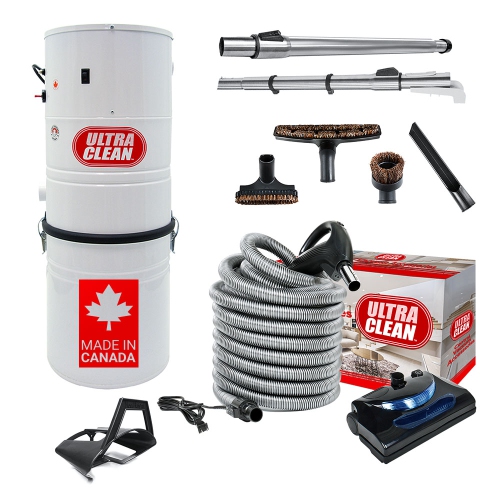
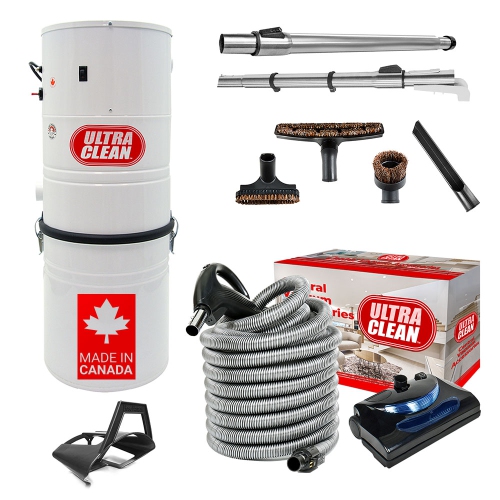
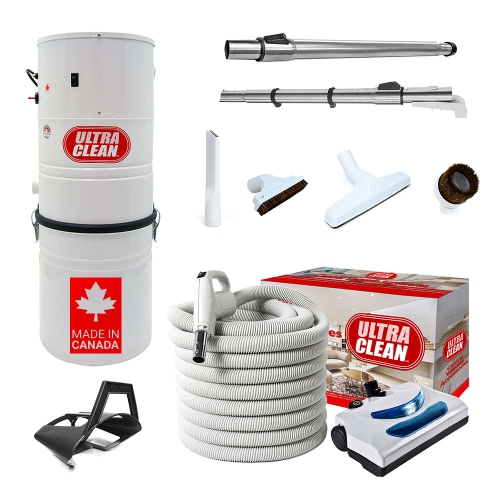
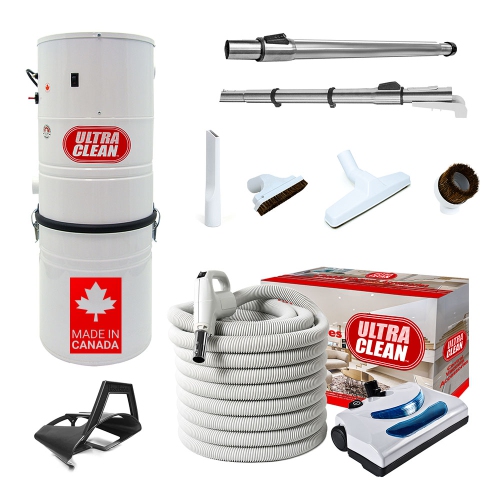
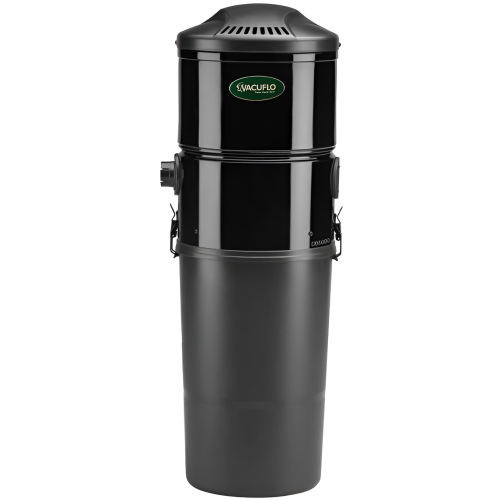
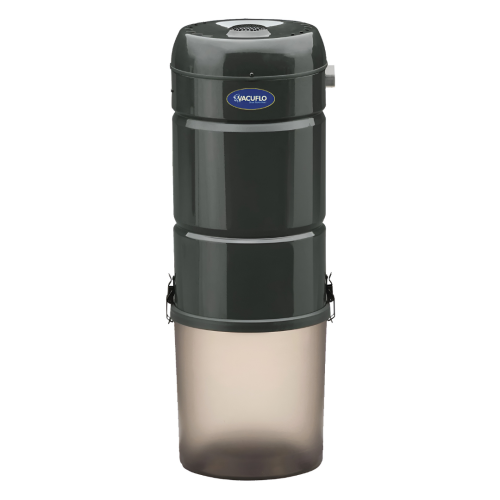
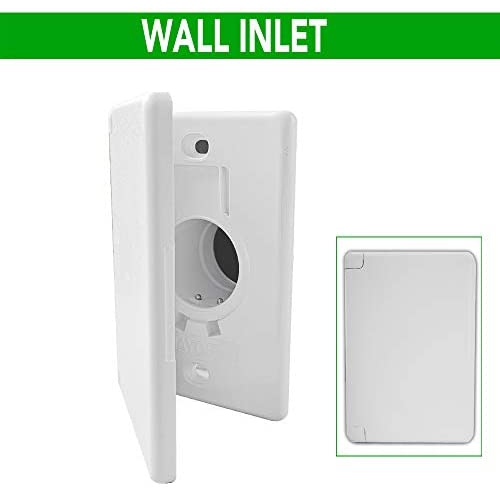
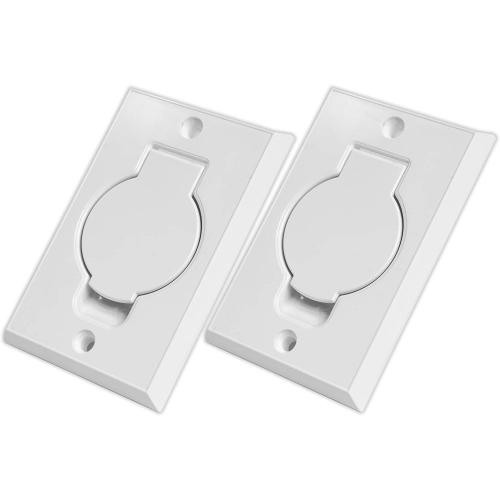
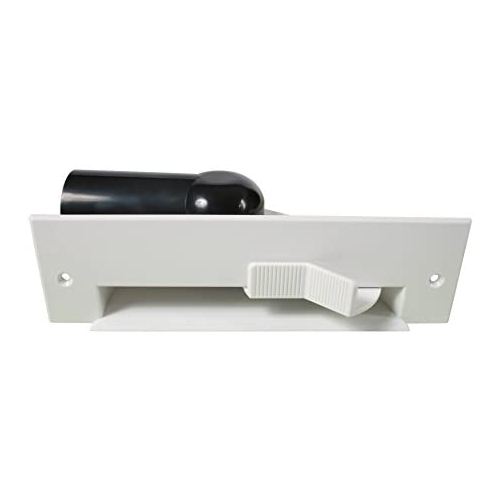
Central vacuums are semi-permanent home appliances designed to make regular floor and surface cleaning more convenient. Unlike a portable vacuum that combines the motor, dust container, hose, and cleaning head in one body, a central vacuum system separates these components throughout the home. The main power unit is typically installed in a garage, basement, utility room, or another out-of-the-way area, while PVC piping runs through walls and connects to strategically placed wall inlets. To clean, you attach a flexible hose to an inlet and use the connected tools to reach floors, stairs, baseboards, upholstery, and other surfaces. This arrangement means you generally carry only the hose and cleaning attachment rather than a heavy vacuum body. A central vacuum can be especially appealing in a larger house, a multi-level home, or a space where moving a full-size portable vacuum from room to room feels cumbersome. Because the motor is located away from living areas, the sound level in the room being cleaned is often lower than with a conventional vacuum running beside you. Depending on the system design, exhaust air may also be directed outside the main living space, while dust and debris are collected in a larger bin at the power unit. These features can make central vacuums a practical choice for homeowners who want a permanent cleaning setup that is easy to access from several rooms. A well-planned system can also reduce the number of trips to empty a small canister and provide a consistent connection point for everyday cleaning. For a broader look at options for different areas of the home, explore Home Vacuum Systems.
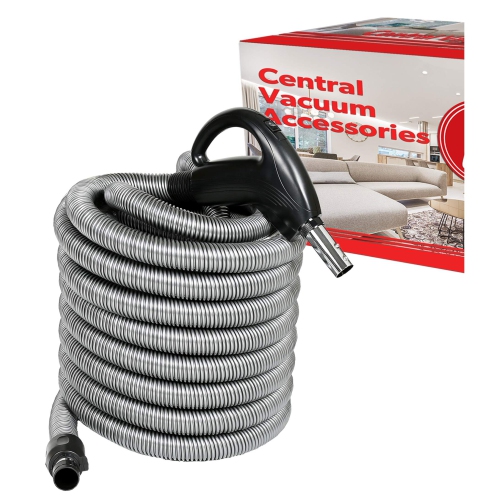
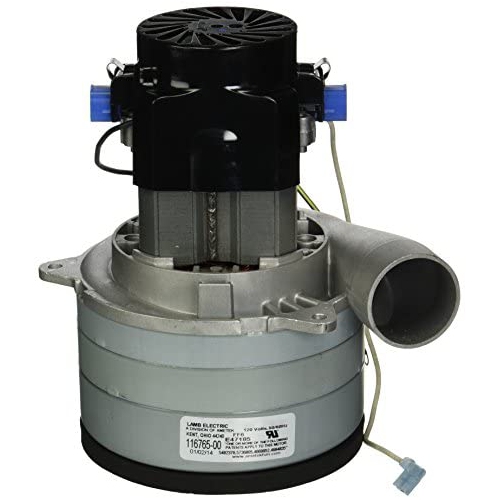
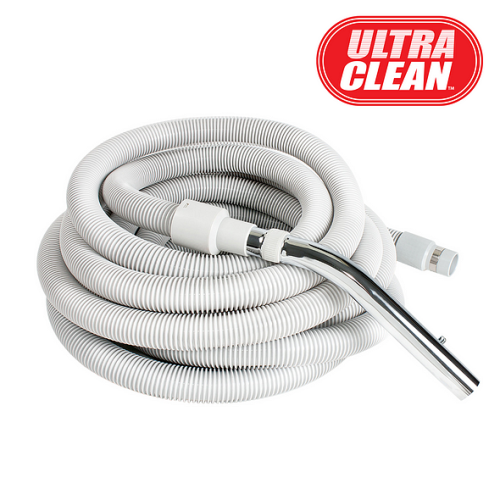
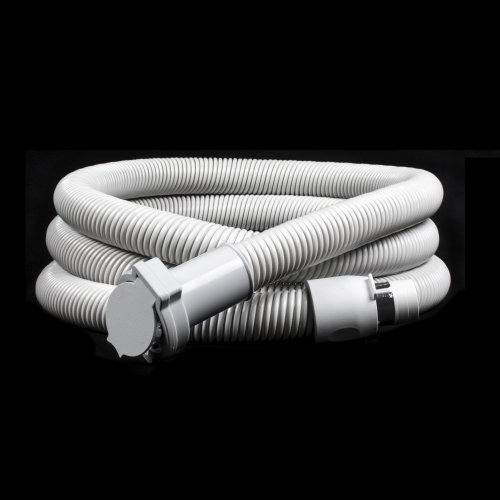
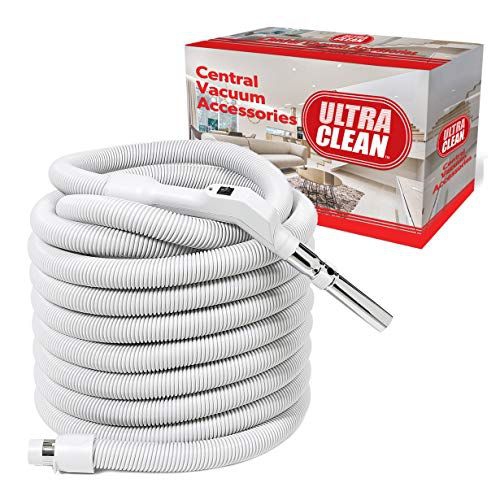
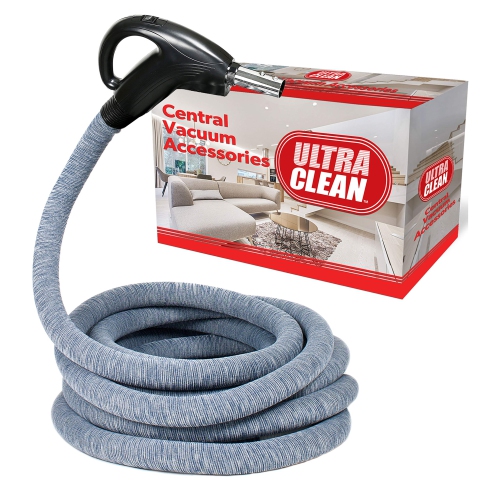
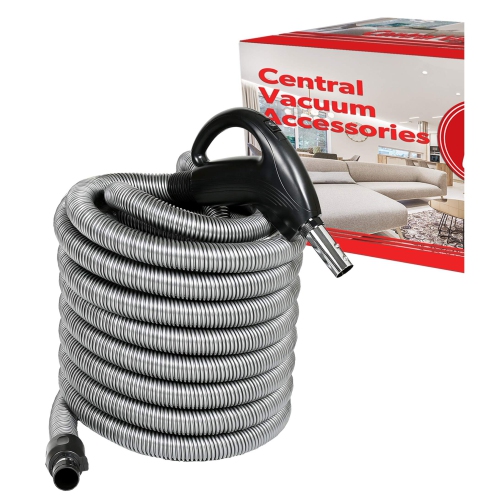
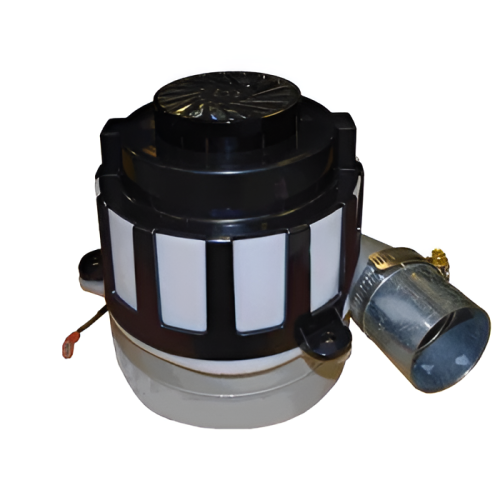
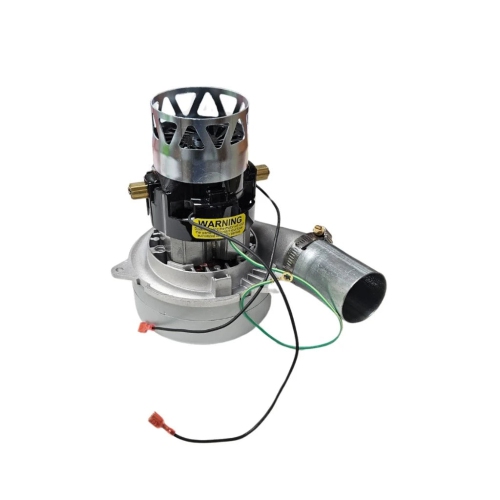
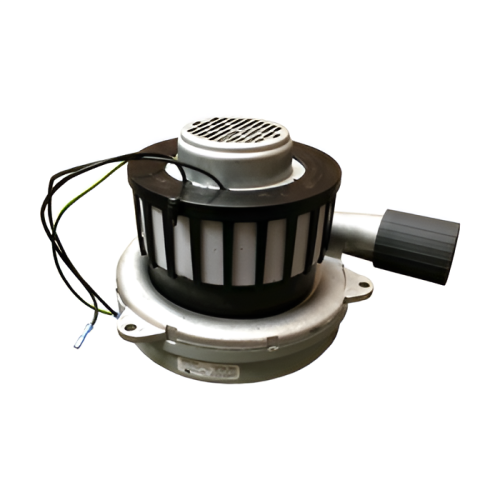
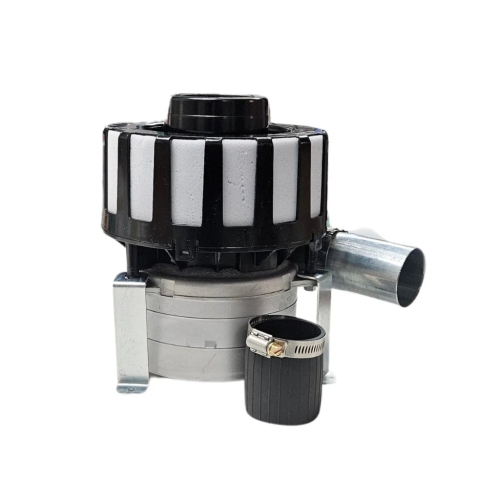
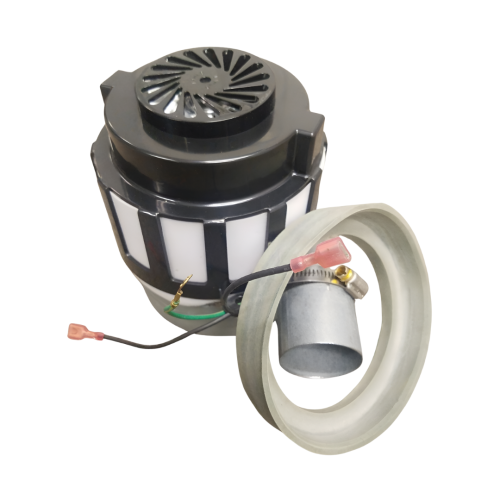
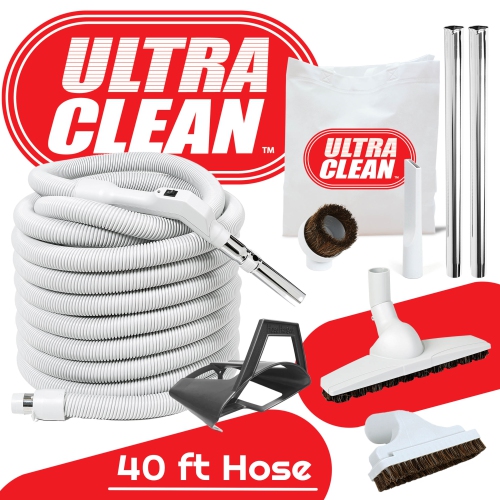
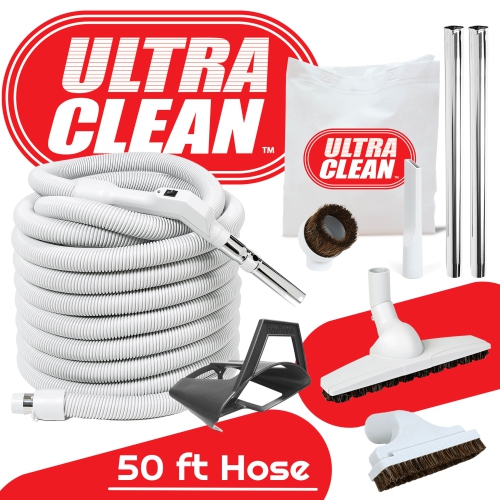
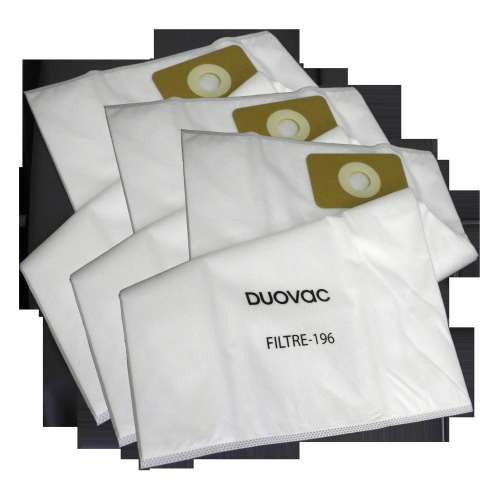
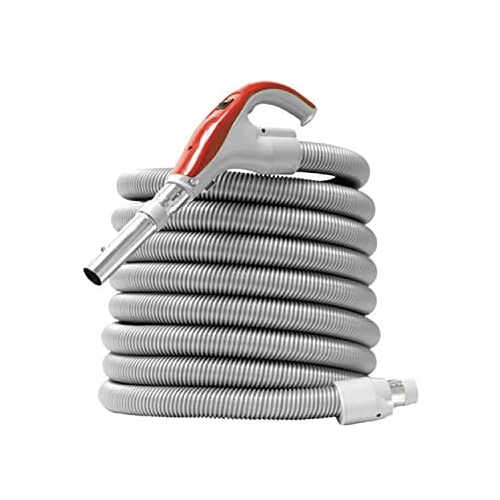
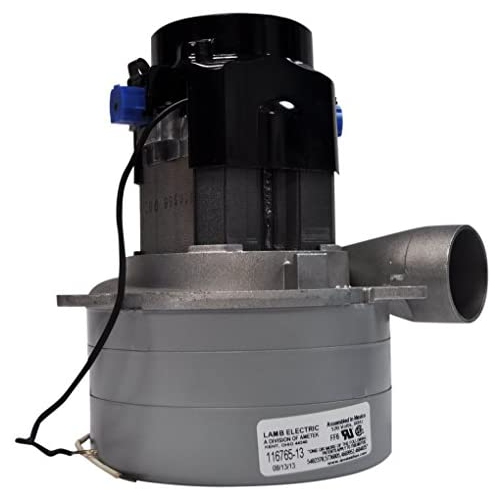
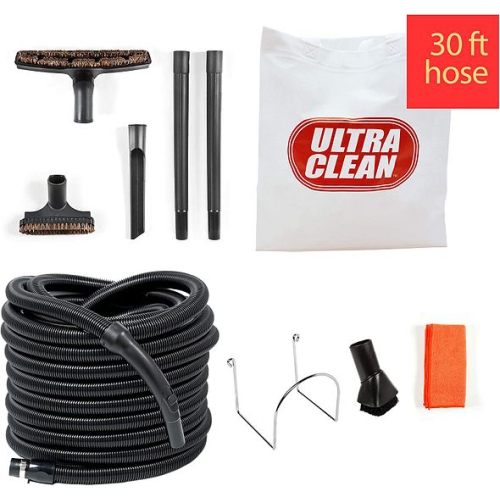
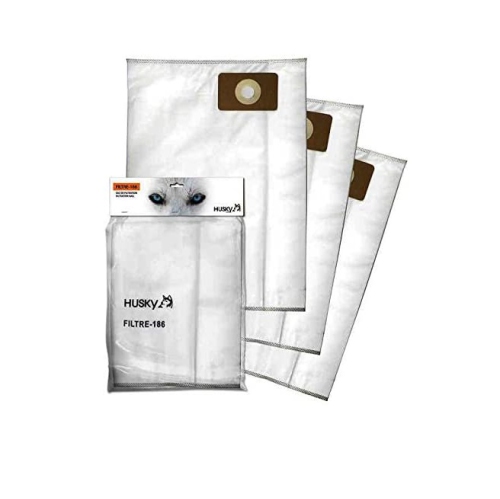
Choosing a central vacuum starts with the layout of the home and the installation requirements. In a new build or during a major renovation, tubing can often be routed through open walls, floors, or unfinished ceilings before the surfaces are completed. Installation in an existing home may require more planning, particularly when deciding how to connect rooms without creating difficult access points or unnecessary bends in the piping. Before selecting a system, consider the total square footage, number of floors, floor plan, and distance between the proposed power unit and the furthest inlet. Inlets should be placed where the hose can reach a broad area without stretching across doorways or furniture; a simple way to plan is to map the hose radius from each possible inlet and account for stairs, built-in cabinetry, and corners. Hose lengths can vary, commonly falling in the 30-foot to 50-foot range, so matching hose reach to the room arrangement is important. The motor is another key consideration. A central vacuum motor is generally larger and more powerful than the motor in a compact portable vacuum, but higher power alone does not determine how well a system will suit your home. Look at the system’s airflow, sealed suction, filtration method, and recommended coverage area, and consider whether the manufacturer specifies a single-motor or dual-motor configuration. Homes with many occupants, pets, frequent foot traffic, or extensive carpeting may benefit from a system designed for more demanding use, while a smaller home with mostly hard flooring may have different requirements. Collection capacity matters as well. A larger debris bin can reduce how often it needs to be emptied, although the bin should still be checked regularly so airflow is not restricted. Depending on the design, central vacuum systems may use a bag, a bagless canister, or another collection method, and each option has different emptying and maintenance routines.
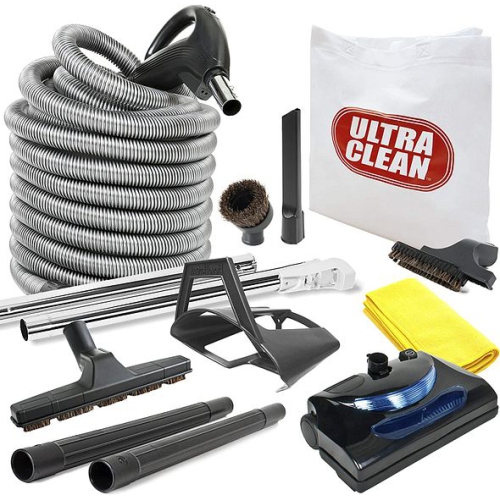
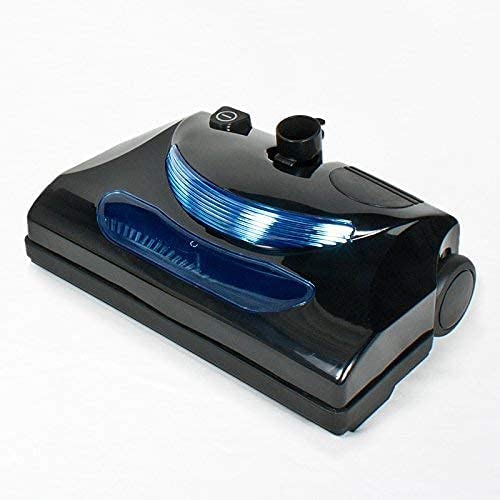
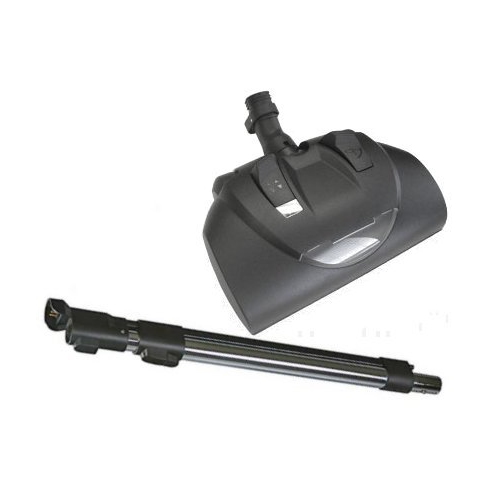
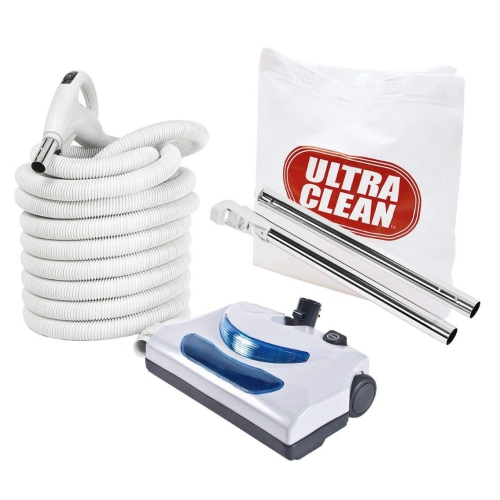
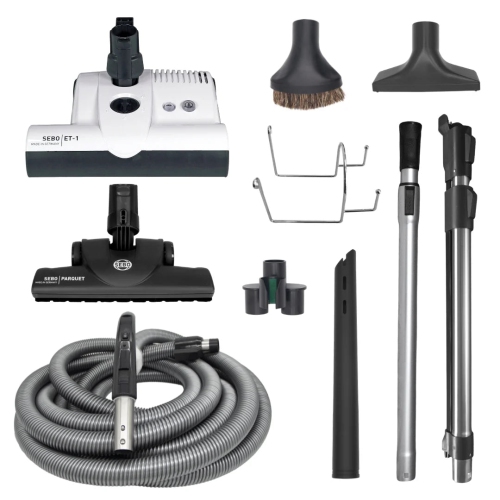
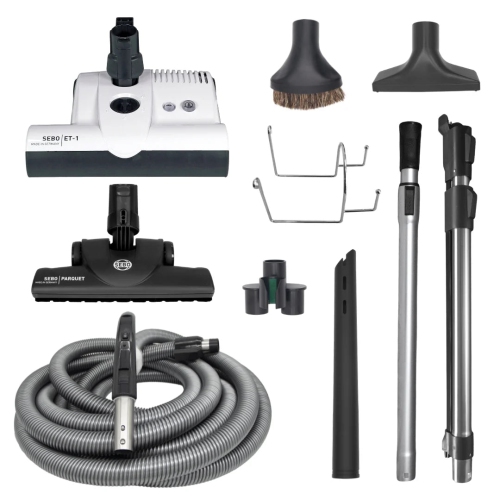
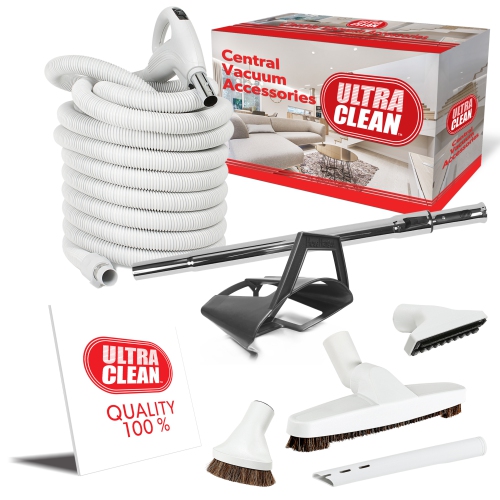
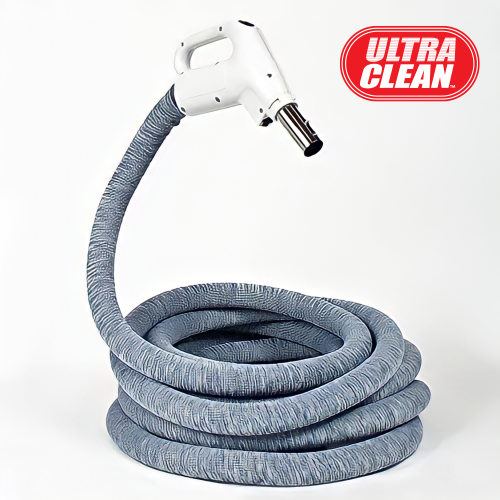
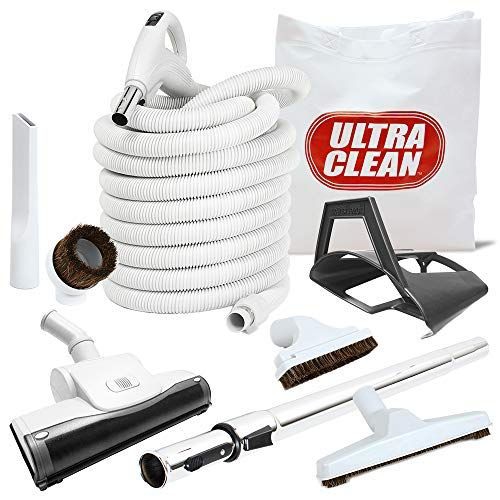
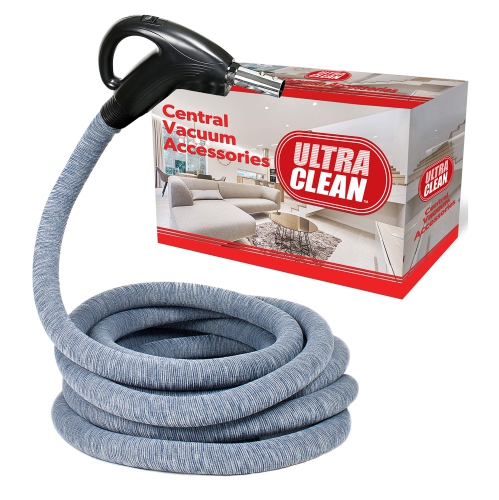
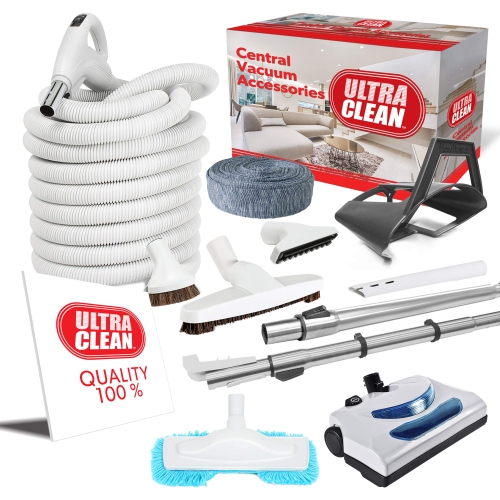
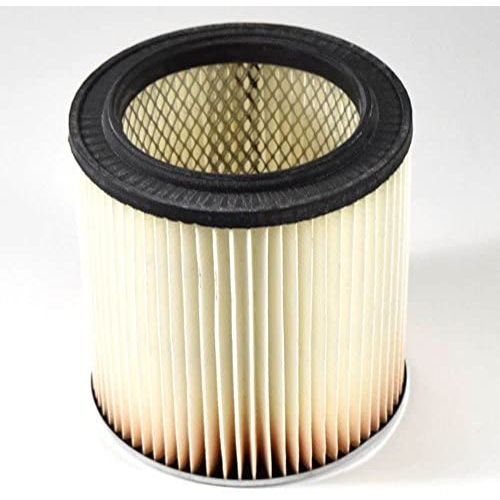
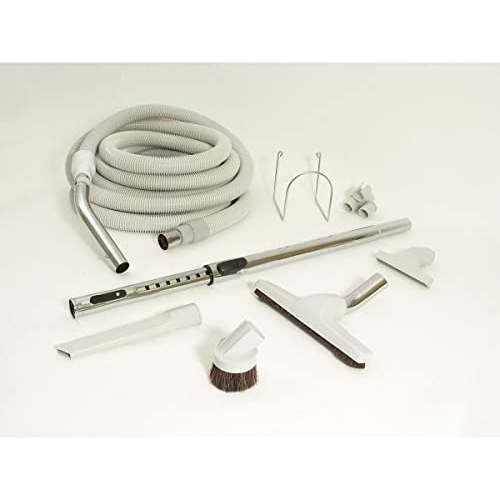
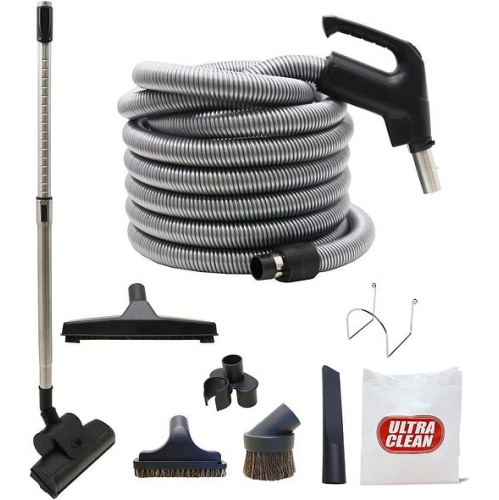
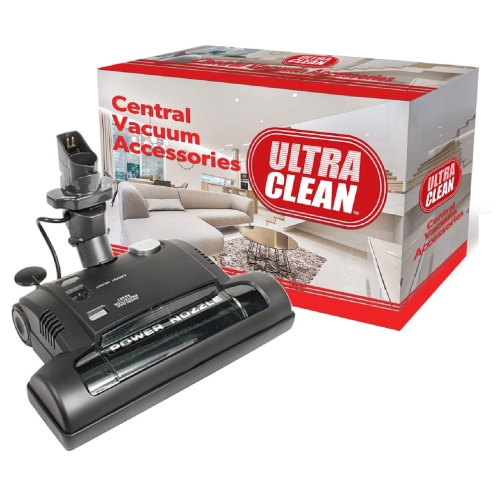
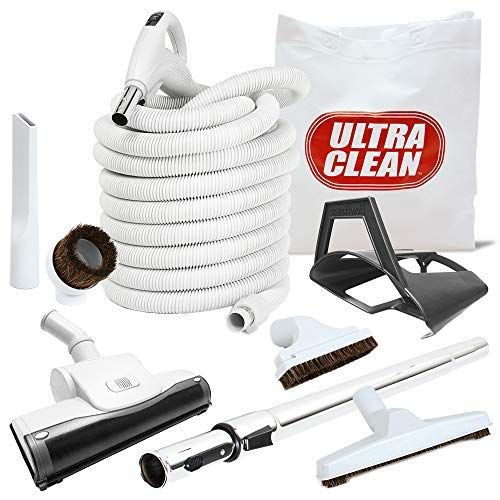
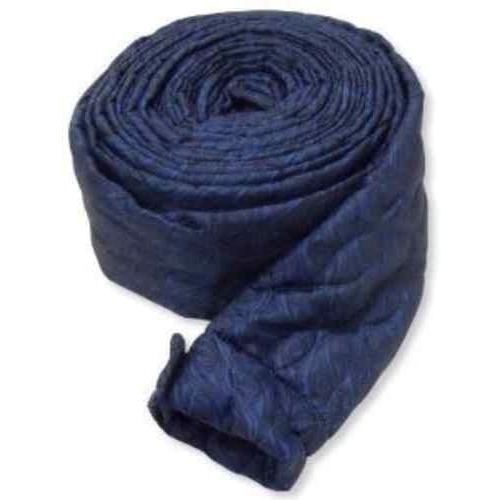
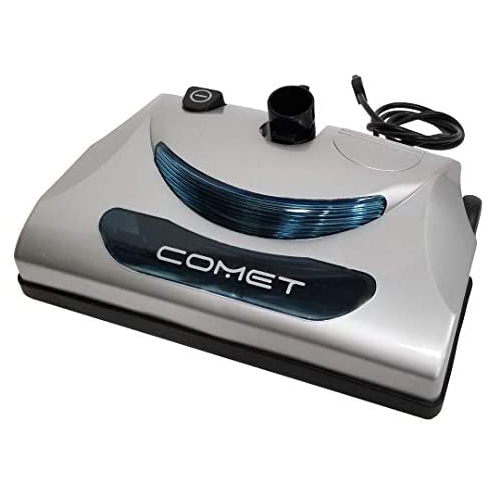
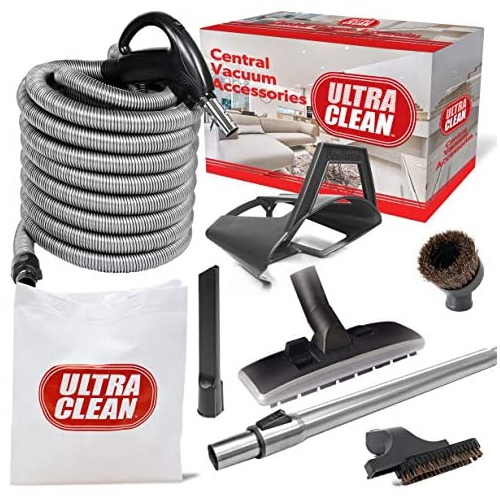
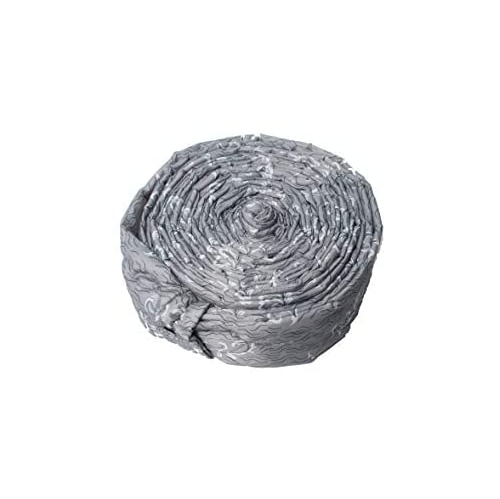
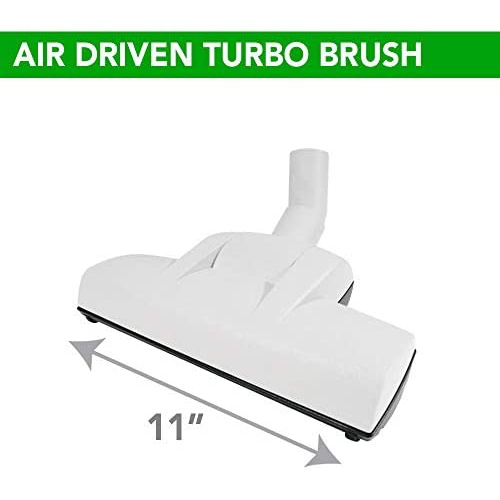
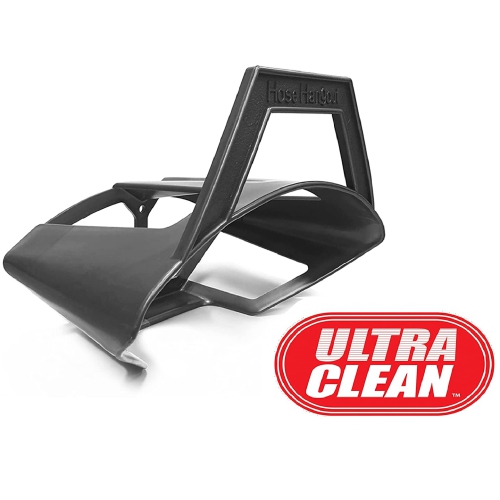
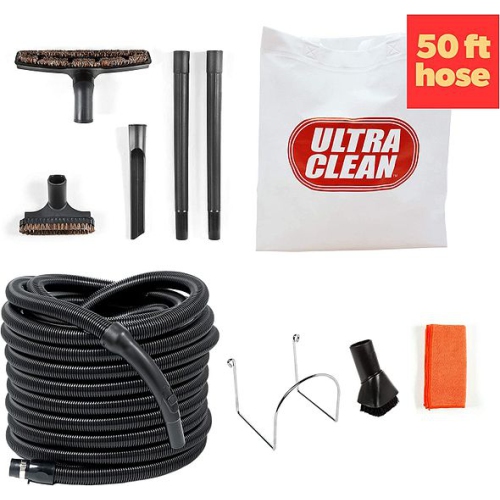
Accessories and filtration can shape the day-to-day experience just as much as the main power unit. A basic floor tool may be suitable for hard surfaces, while a motorized or air-driven brush can help lift debris from carpets and area rugs. A crevice tool can reach along baseboards and between furniture cushions, and a dusting brush is useful for shelves, blinds, vents, and delicate surfaces. Homes with stairs may benefit from a hose that is easy to manoeuvre and a compact attachment that can be carried comfortably between levels. If the household includes pets, look for tools intended to pick up hair from upholstery, rugs, and other fabric surfaces. Consider how the hose will be stored, too: a wall-mounted holder, retractable arrangement, or dedicated closet space can keep it from becoming tangled in a hallway. Filtration is worth reviewing when occupants are sensitive to dust or when the system will be used frequently. Some designs use replaceable filters, while others rely on bags or washable components; check the recommended cleaning and replacement schedule before purchasing. Installation, inlet placement, tubing, electrical requirements, and any exhaust routing should be reviewed with a qualified professional when needed, especially in an existing home. Central vacuums are most often purchased for the homeowner or as part of a new-home or renovation project rather than as a traditional gift, but they can be a thoughtful choice for someone settling into a larger house and planning long-term improvements. With the right configuration, the hose and tools can make quick cleanups after cooking, crafts, busy family routines, or cooler-month indoor activities less disruptive, while the remote motor and generous collection capacity support a more comfortable cleaning routine throughout the home.
Choosing a central vacuum starts with the layout of the home and the installation requirements. In a new build or during a major renovation, tubing can often be routed through open walls, floors, or unfinished ceilings before the surfaces are completed. Installation in an existing home may require more planning, particularly when deciding how to connect rooms without creating difficult access points or unnecessary bends in the piping. Before selecting a system, consider the total square footage, number of floors, floor plan, and distance between the proposed power unit and the furthest inlet. Inlets should be placed where the hose can reach a broad area without stretching across doorways or furniture; a simple way to plan is to map the hose radius from each possible inlet and account for stairs, built-in cabinetry, and corners. Hose lengths can vary, commonly falling in the 30-foot to 50-foot range, so matching hose reach to the room arrangement is important. The motor is another key consideration. A central vacuum motor is generally larger and more powerful than the motor in a compact portable vacuum, but higher power alone does not determine how well a system will suit your home. Look at the system’s airflow, sealed suction, filtration method, and recommended coverage area, and consider whether the manufacturer specifies a single-motor or dual-motor configuration. Homes with many occupants, pets, frequent foot traffic, or extensive carpeting may benefit from a system designed for more demanding use, while a smaller home with mostly hard flooring may have different requirements. Collection capacity matters as well. A larger debris bin can reduce how often it needs to be emptied, although the bin should still be checked regularly so airflow is not restricted. Depending on the design, central vacuum systems may use a bag, a bagless canister, or another collection method, and each option has different emptying and maintenance routines.
Accessories and filtration can shape the day-to-day experience just as much as the main power unit. A basic floor tool may be suitable for hard surfaces, while a motorized or air-driven brush can help lift debris from carpets and area rugs. A crevice tool can reach along baseboards and between furniture cushions, and a dusting brush is useful for shelves, blinds, vents, and delicate surfaces. Homes with stairs may benefit from a hose that is easy to manoeuvre and a compact attachment that can be carried comfortably between levels. If the household includes pets, look for tools intended to pick up hair from upholstery, rugs, and other fabric surfaces. Consider how the hose will be stored, too: a wall-mounted holder, retractable arrangement, or dedicated closet space can keep it from becoming tangled in a hallway. Filtration is worth reviewing when occupants are sensitive to dust or when the system will be used frequently. Some designs use replaceable filters, while others rely on bags or washable components; check the recommended cleaning and replacement schedule before purchasing. Installation, inlet placement, tubing, electrical requirements, and any exhaust routing should be reviewed with a qualified professional when needed, especially in an existing home. Central vacuums are most often purchased for the homeowner or as part of a new-home or renovation project rather than as a traditional gift, but they can be a thoughtful choice for someone settling into a larger house and planning long-term improvements. With the right configuration, the hose and tools can make quick cleanups after cooking, crafts, busy family routines, or cooler-month indoor activities less disruptive, while the remote motor and generous collection capacity support a more comfortable cleaning routine throughout the home.
Top selling and popular products
-
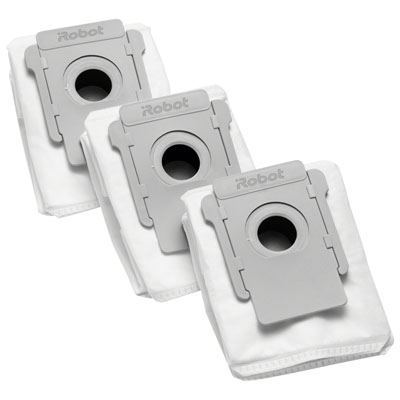 Your price for this item is $19.99
 -
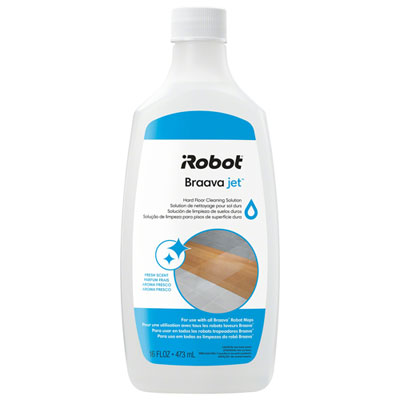 Your price for this item is $9.99
 -
 Your price for this item is $129
 -
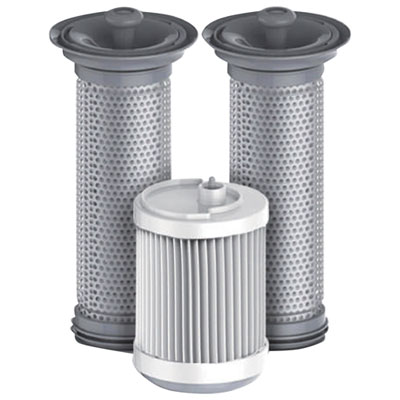 Your price for this item is $39.99
 -
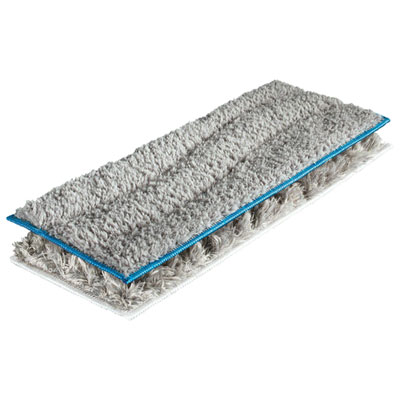 Your price for this item is $25.99
 -
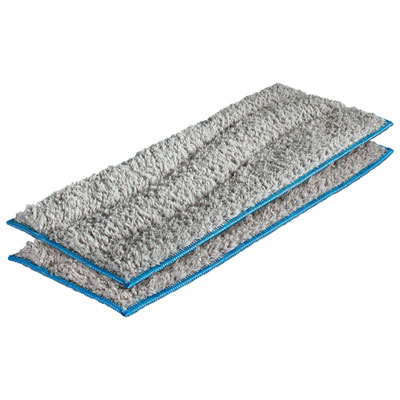 Your price for this item is $14.95
 -
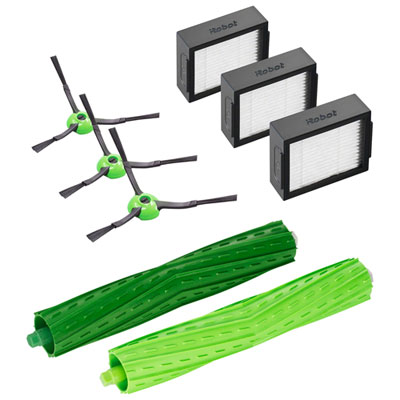 Your price for this item is $69.99
 -
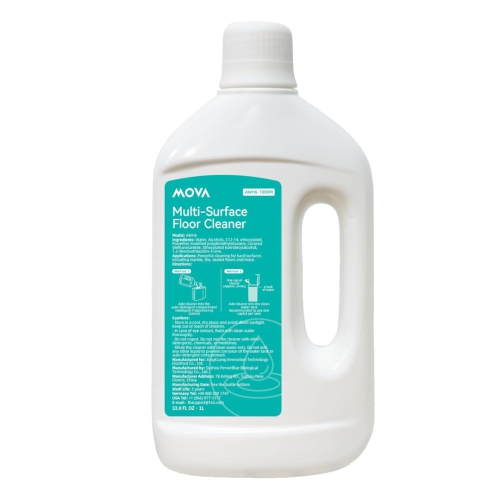 Your price for this item is $39
Discover more categories related to Central Vacuums
Top Collections:
Pokemon Centers, Kindle Devices, Best Budget Office Chairs, Apple iPhones 16, Best Laptops for Writers, iPhone 15 Apple, Canon G7X Cameras, Refurbished Apple Laptops, Alarm Clock, Motorola Razr Phones
Some products may be subject to Environmental Handling Fees
(EHF) depending on your province.
Learn more about EHFs.