Central Vacuum Parts
Our collection of central vacuum parts has everything you need to maintain and enhance the performance of your system. From replacement hoses and powerheads to filters and accessories, we have a wide selection of high-quality parts that are compatible with various central vacuum models. Whether you need to replace a worn-out component or upgrade your system, our range of central vacuum parts is designed to meet your needs and help you enjoy a cleaner and more efficient home.
Sort
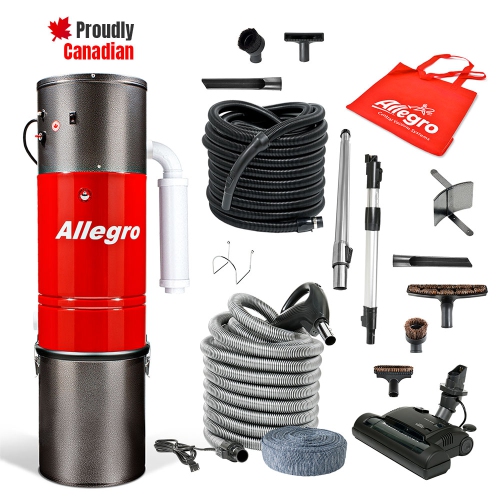

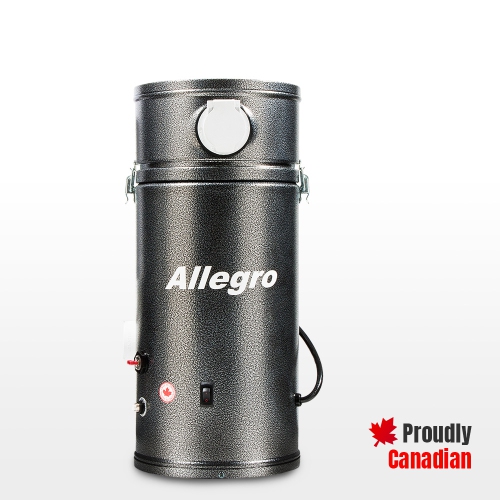
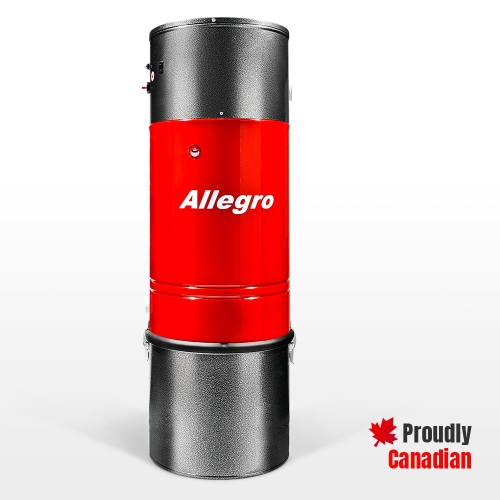
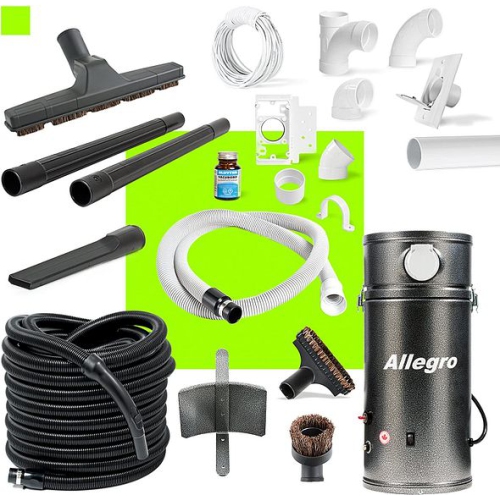
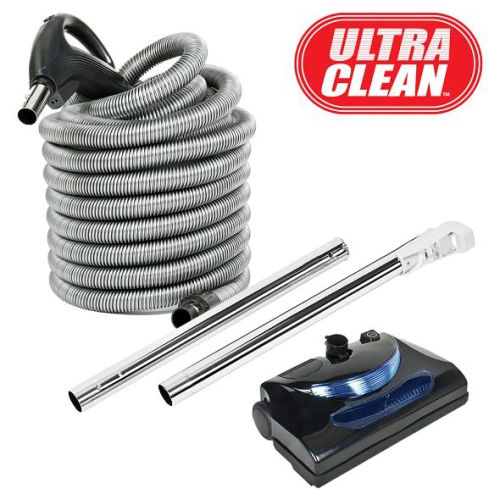
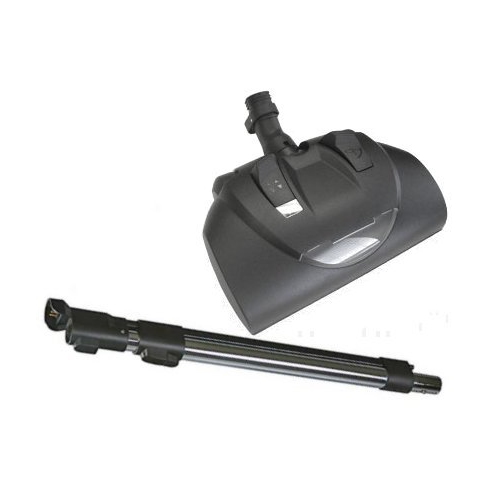
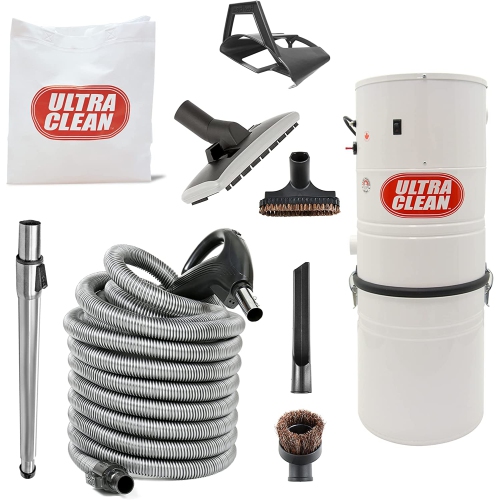
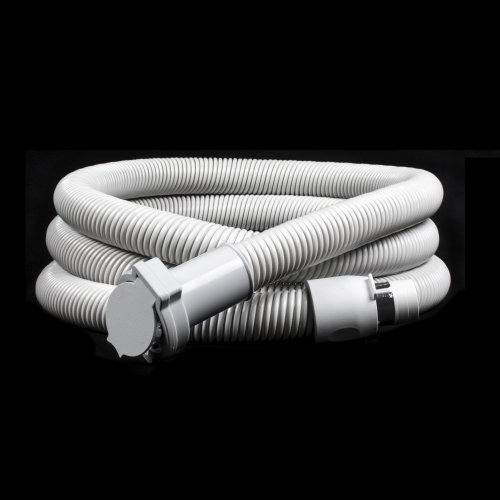
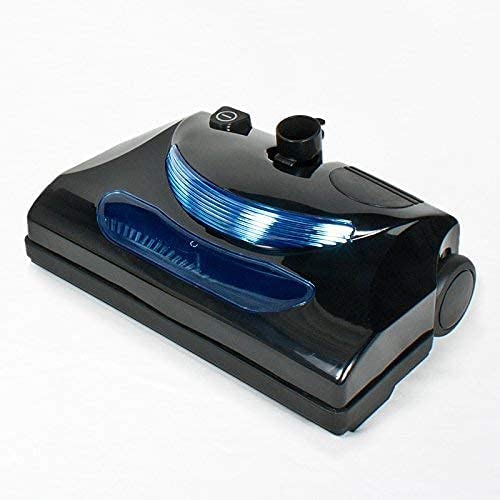
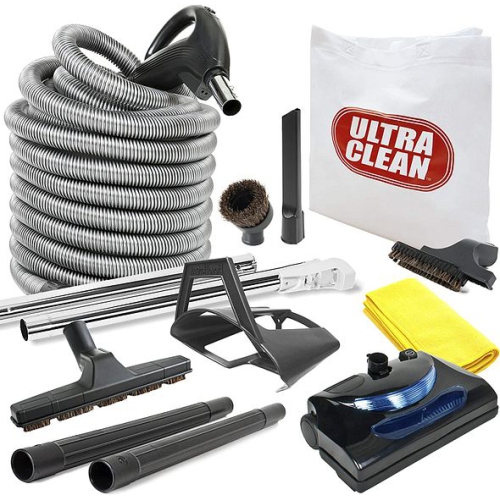
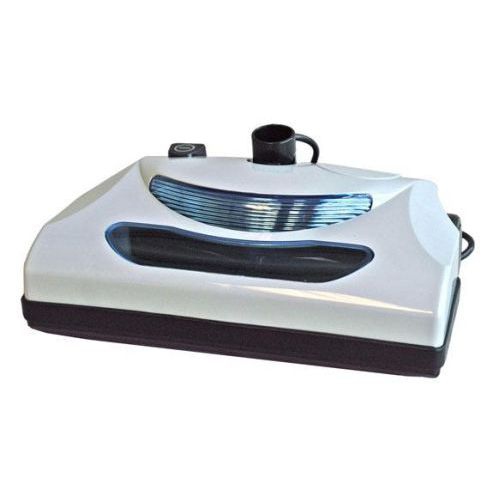
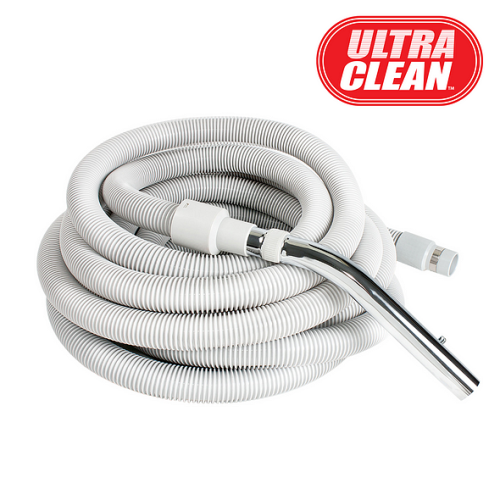
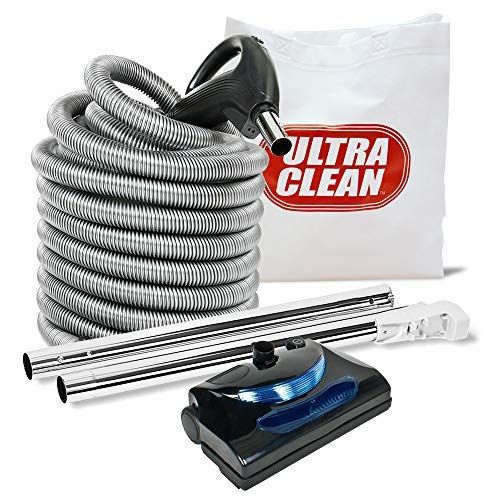
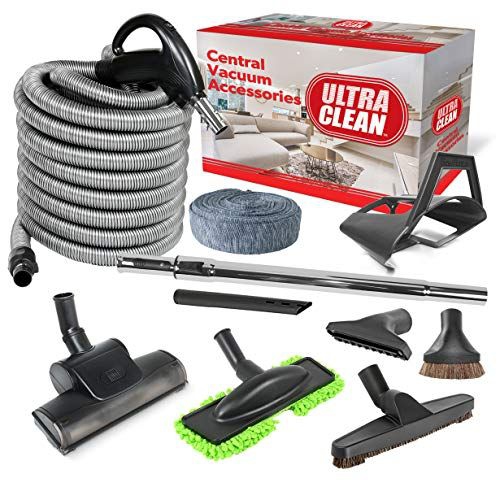
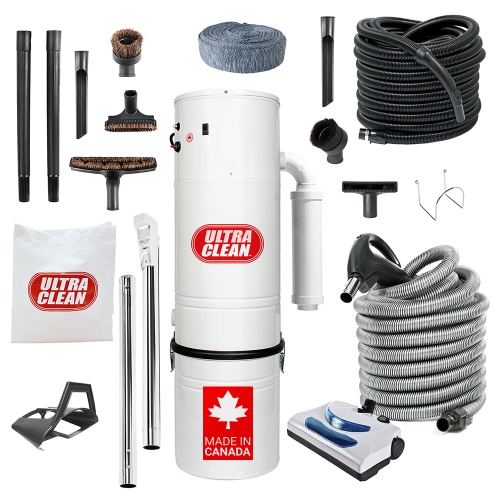
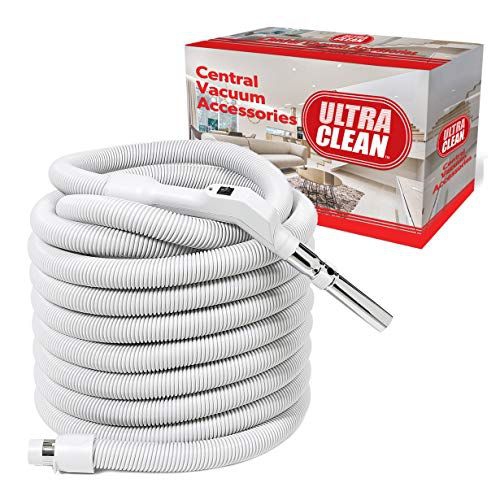

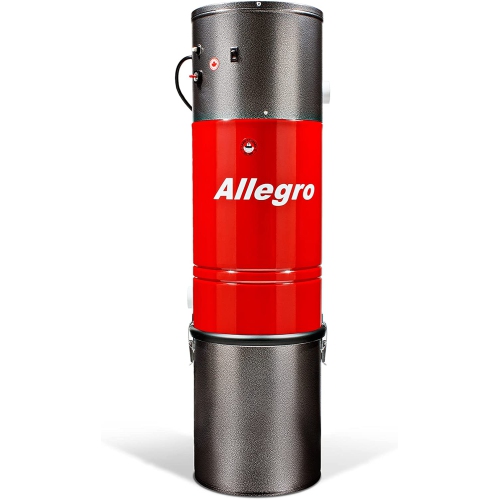
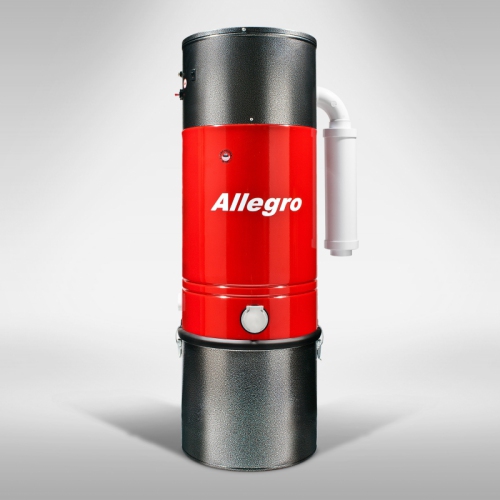
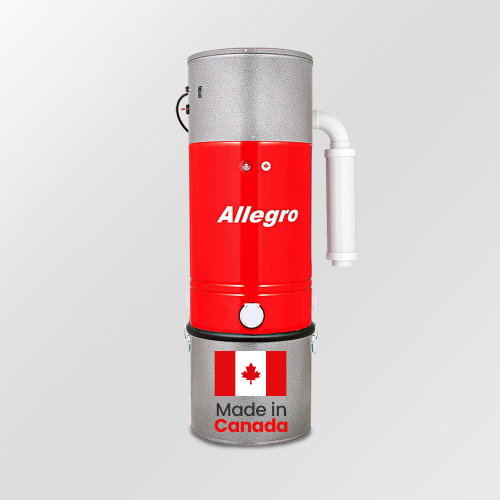
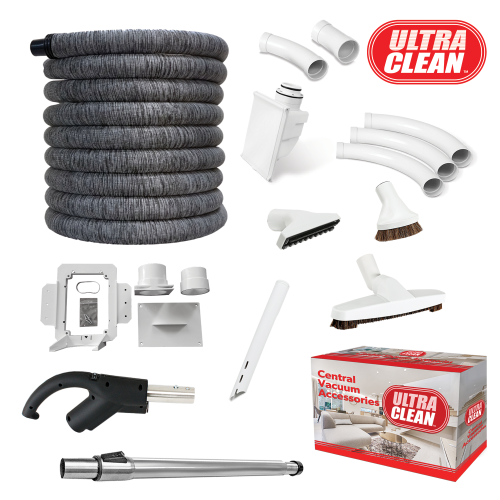
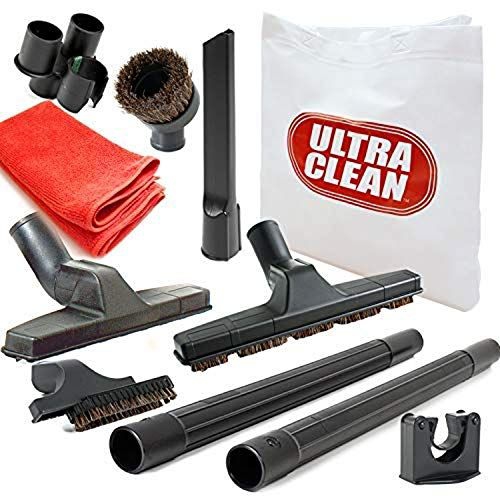
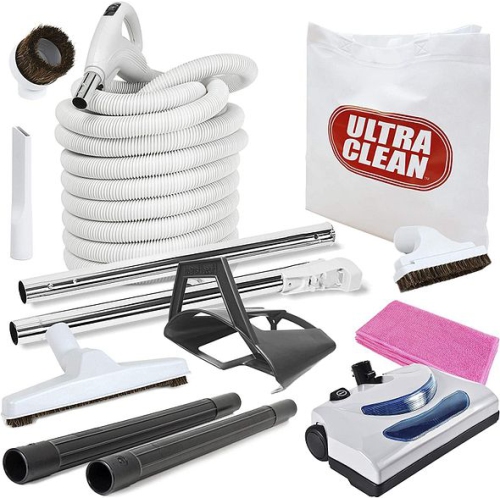
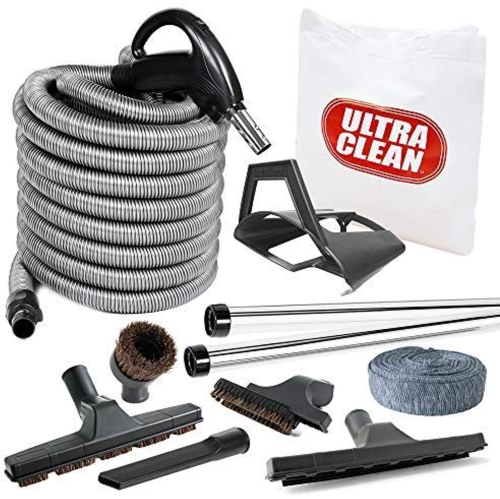
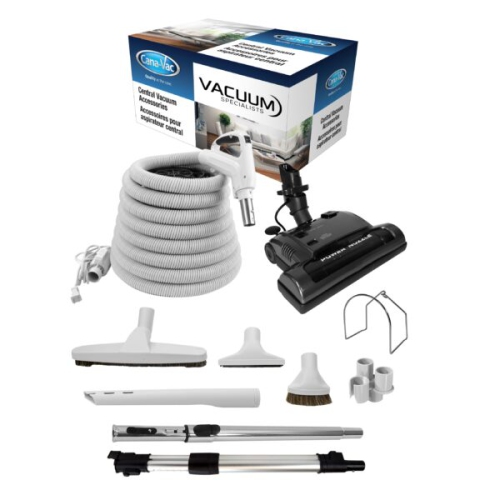
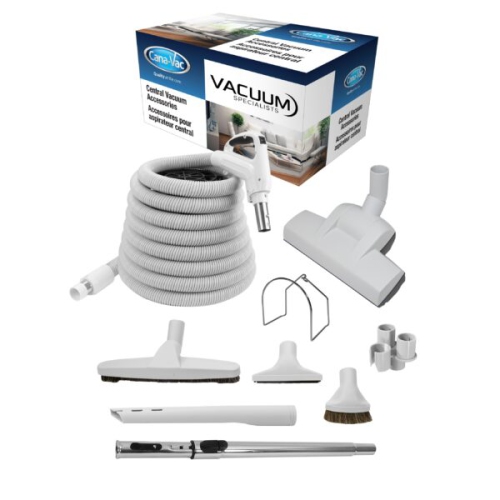
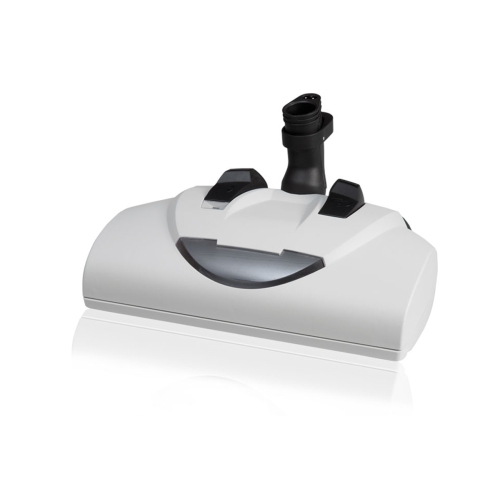
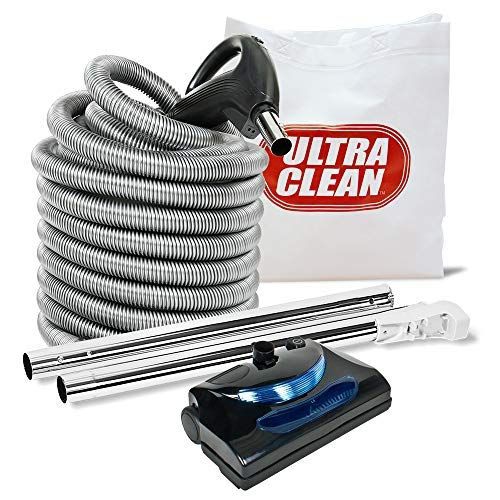
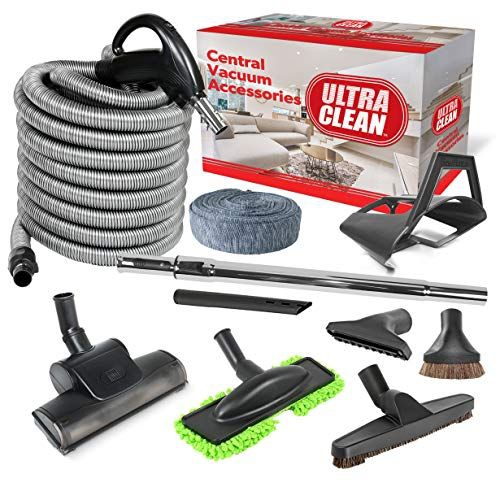
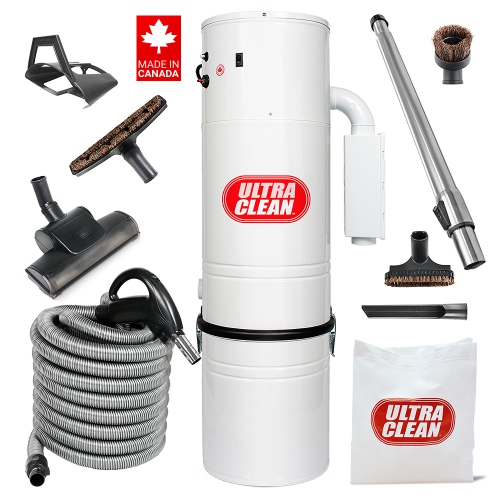
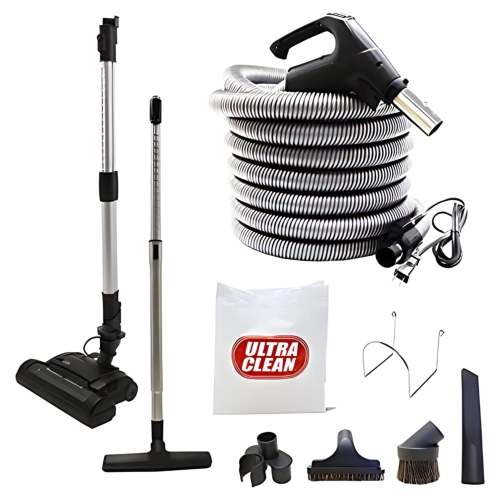
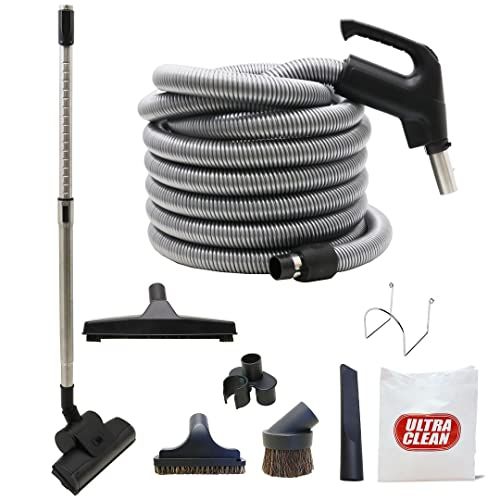

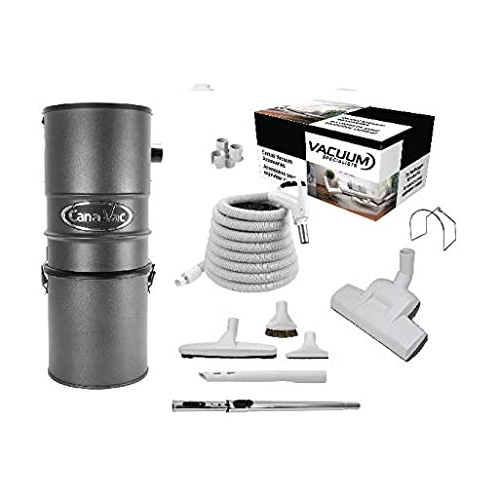
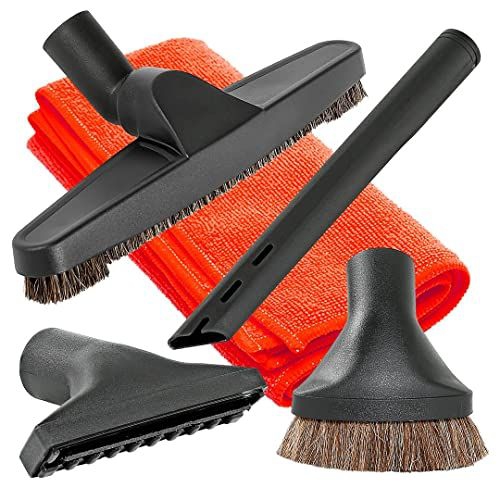
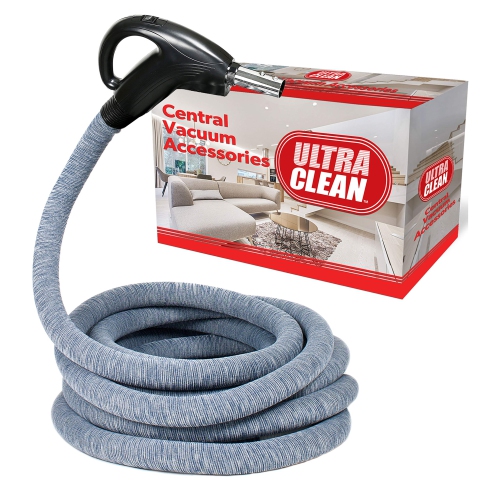
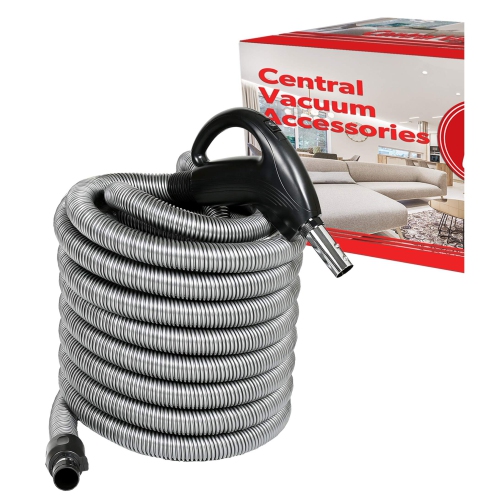
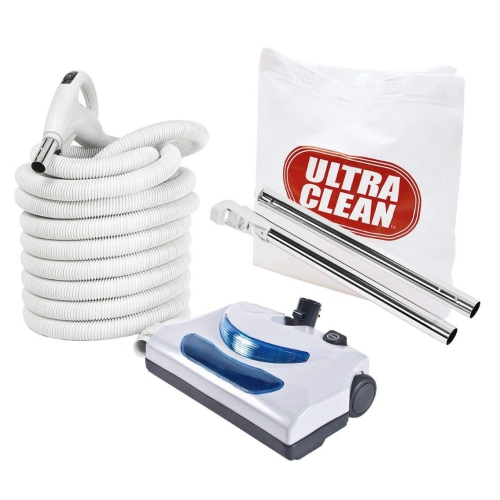

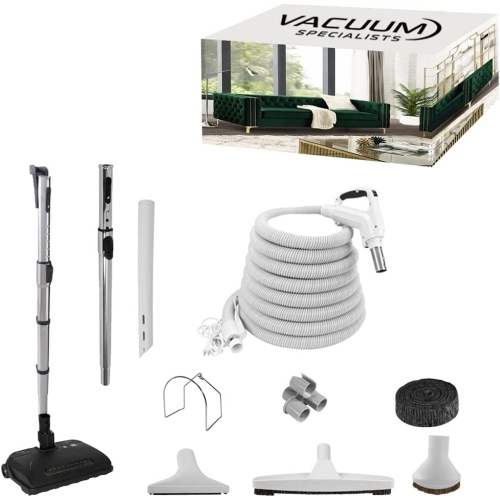
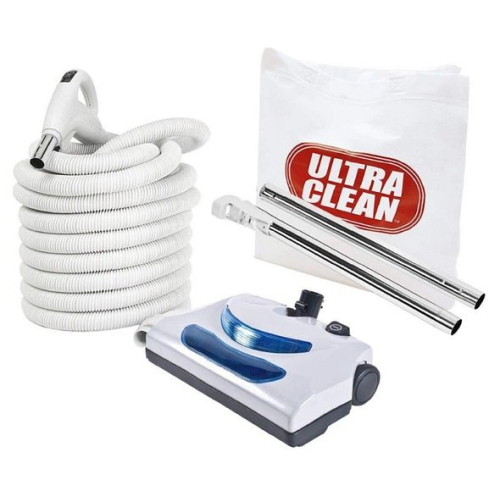
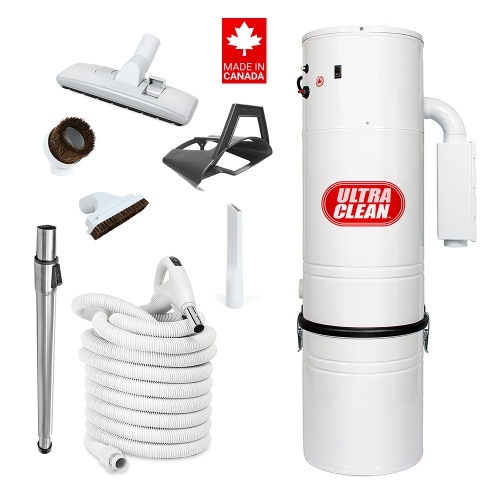
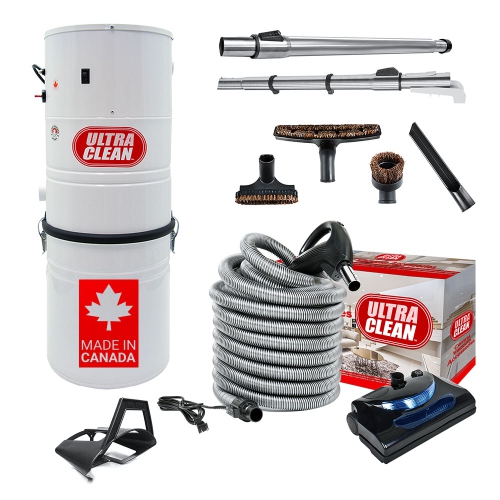
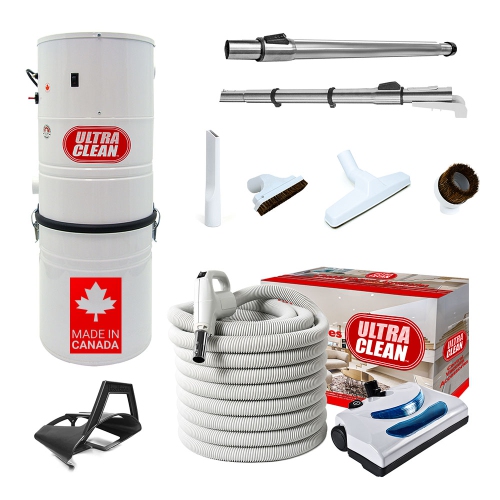
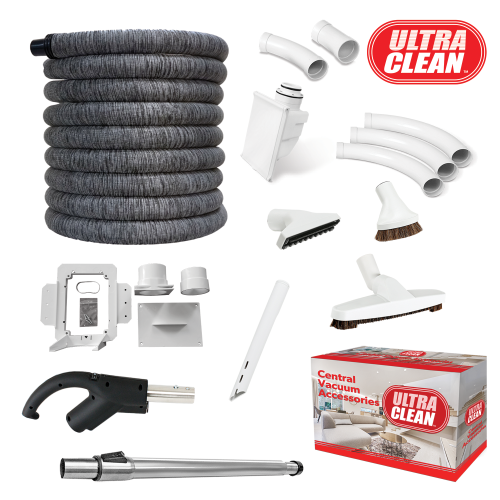
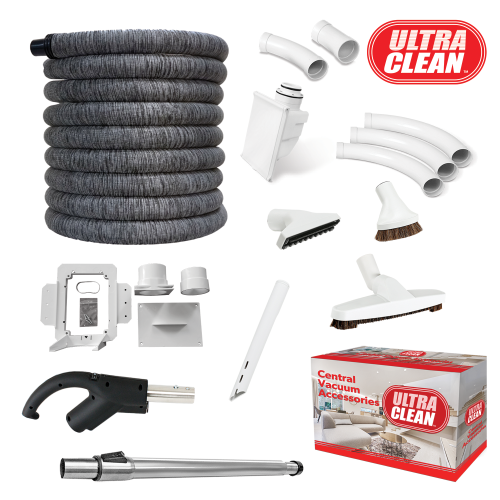
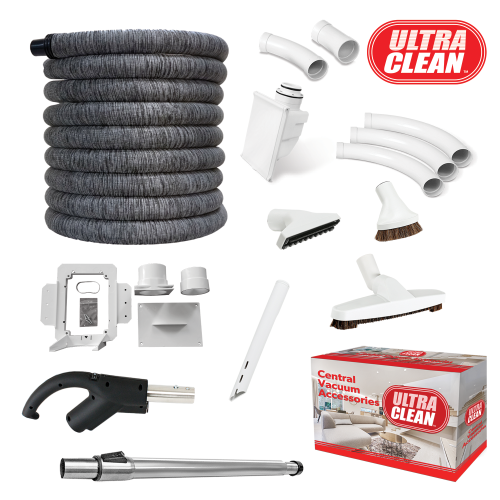
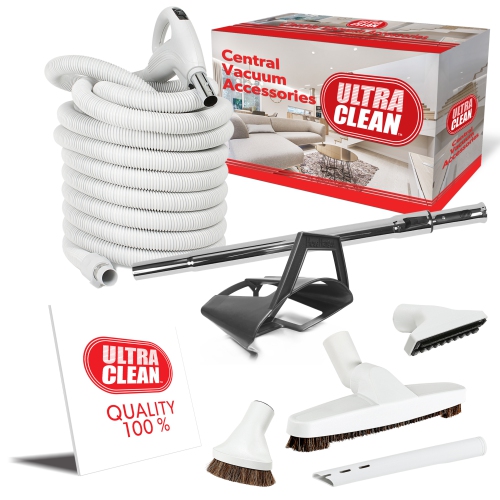
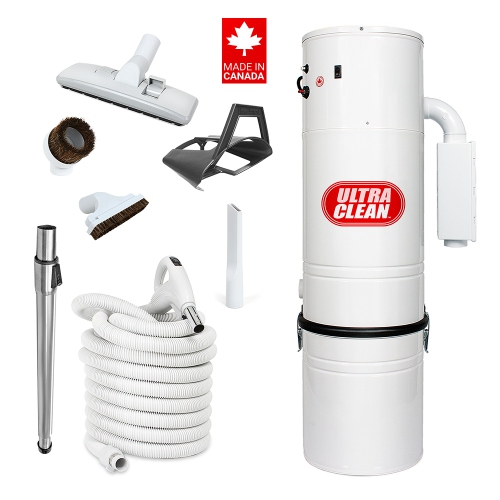
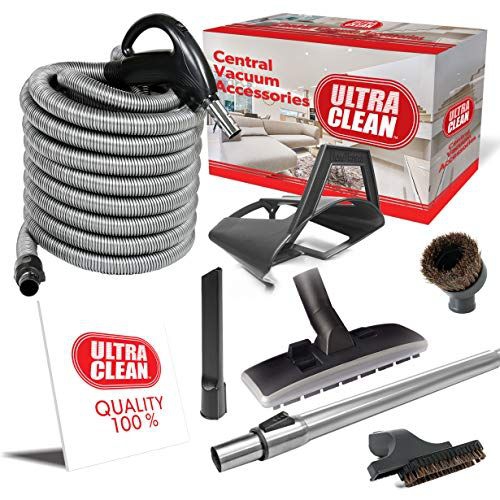

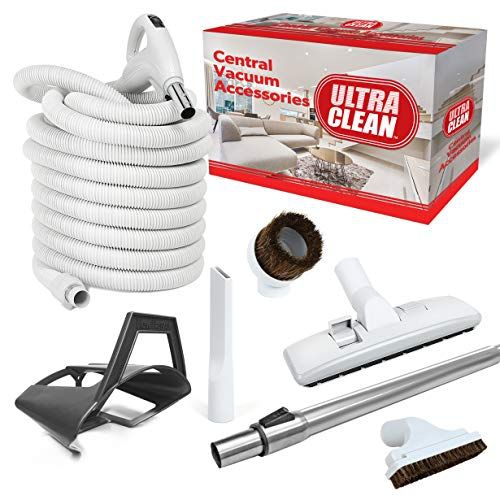
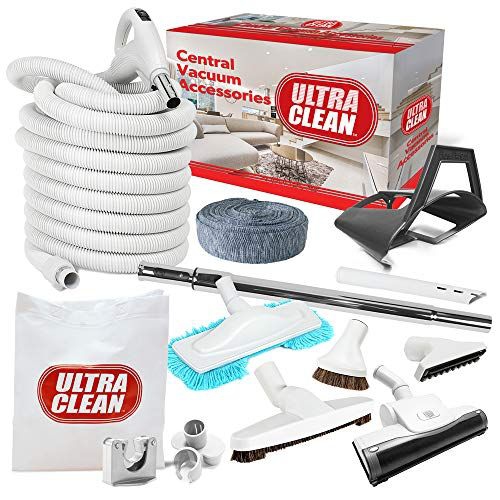
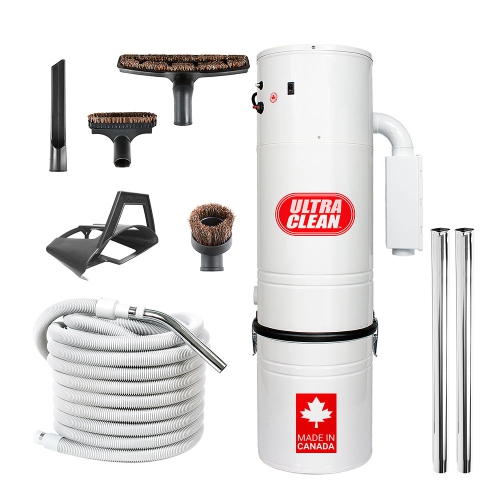
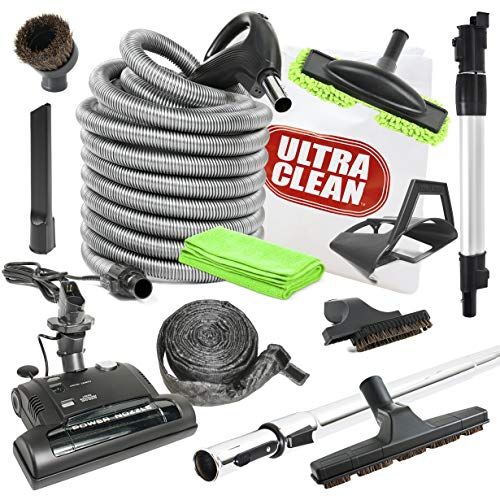
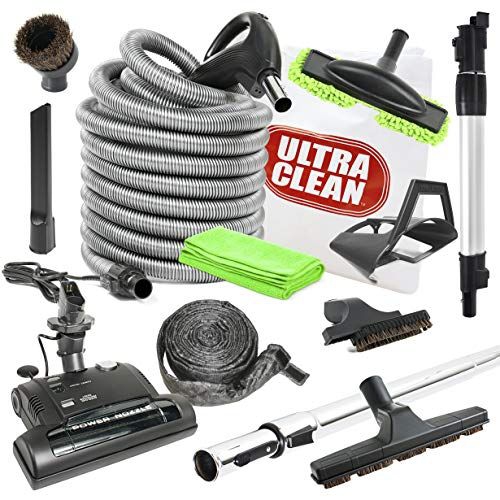

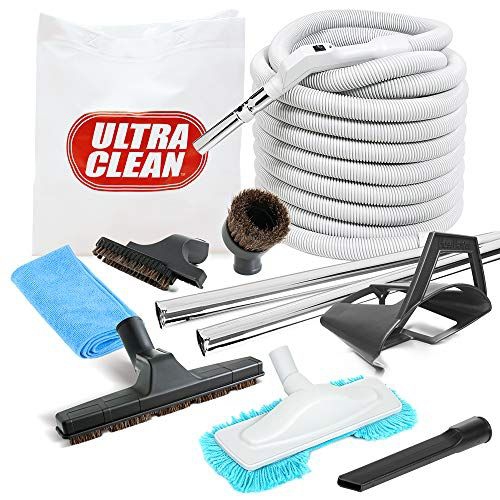
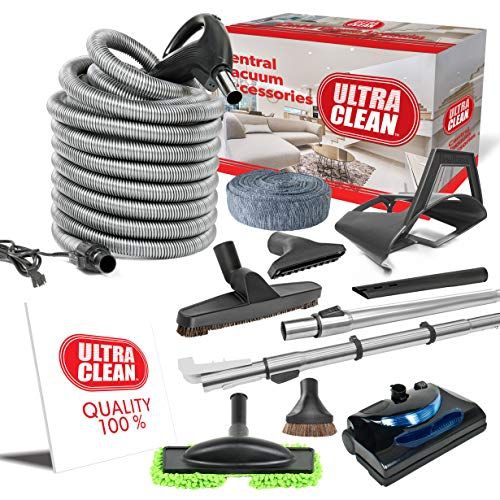
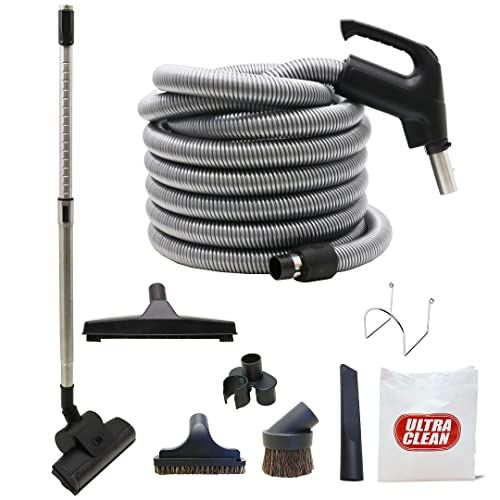
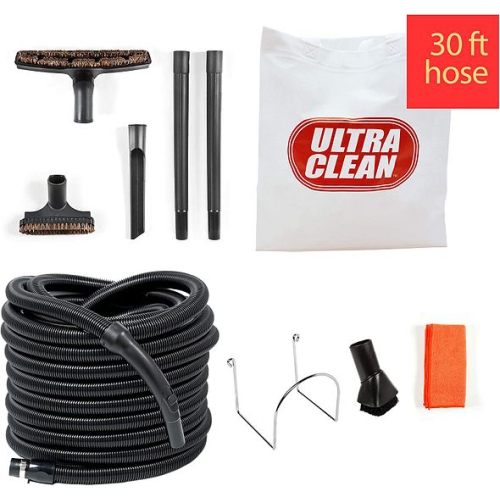
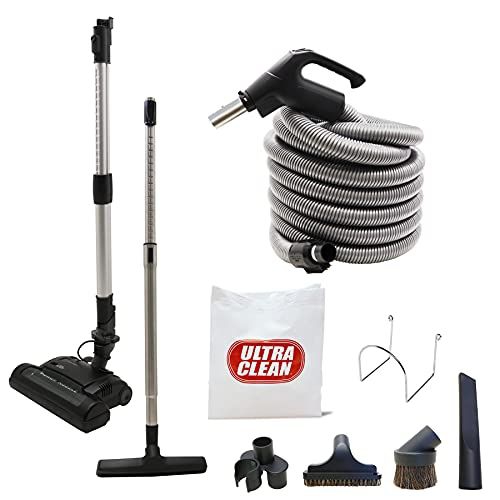
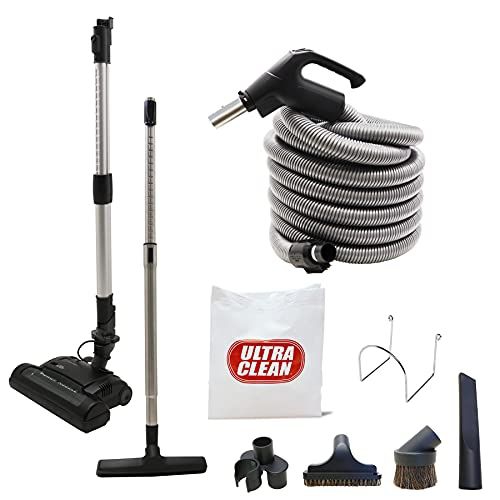
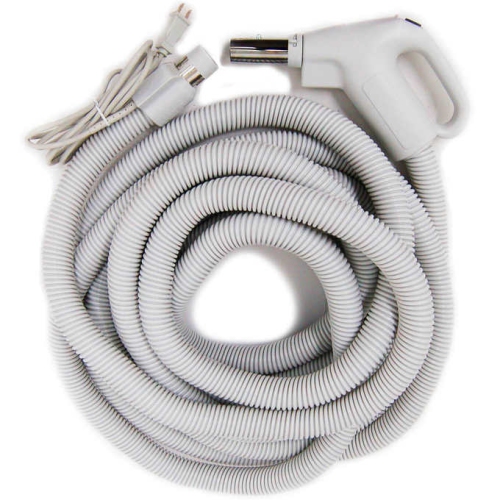
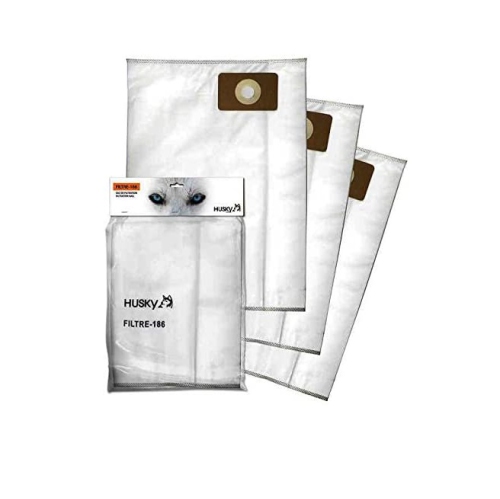
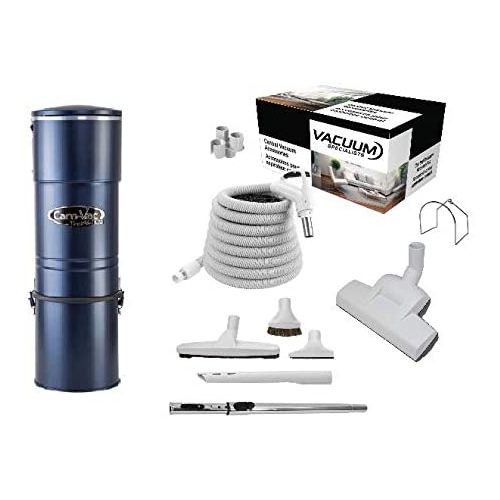
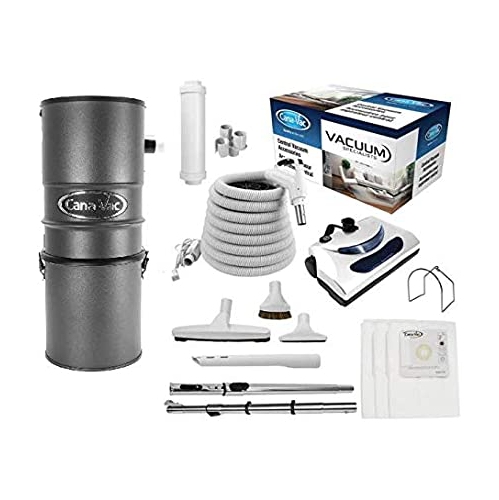
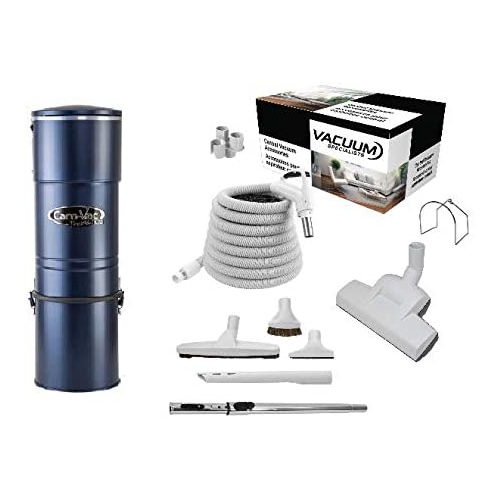

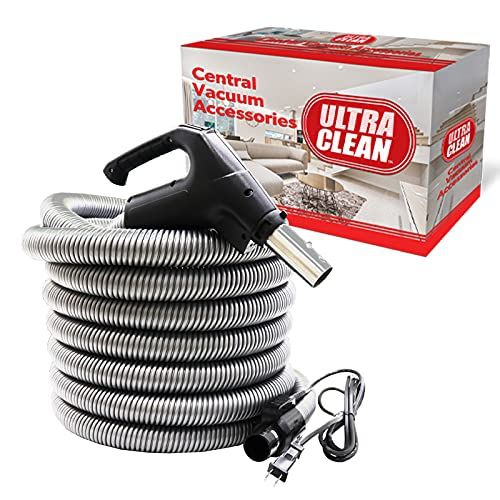
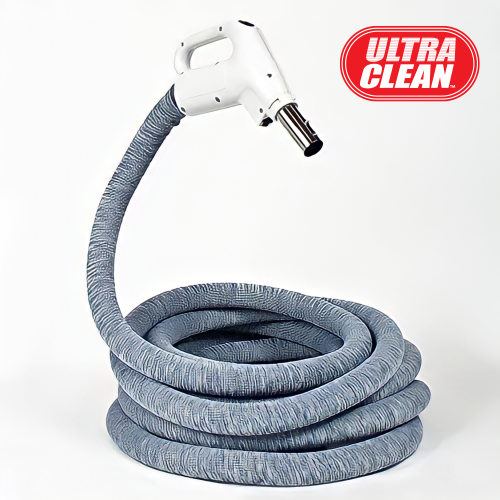
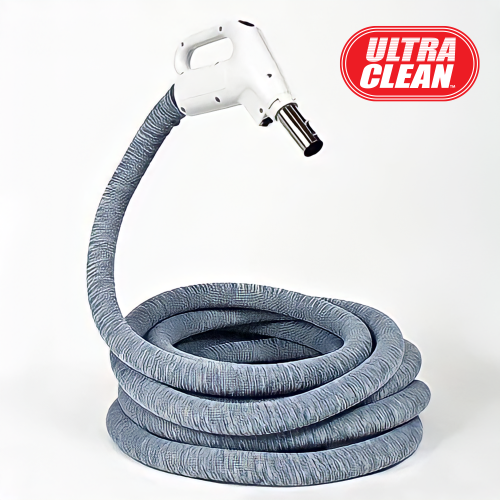
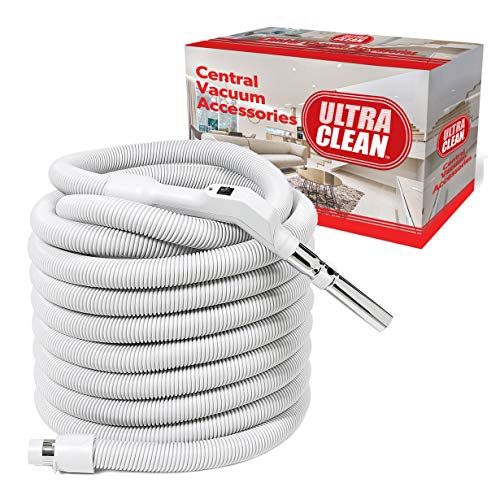
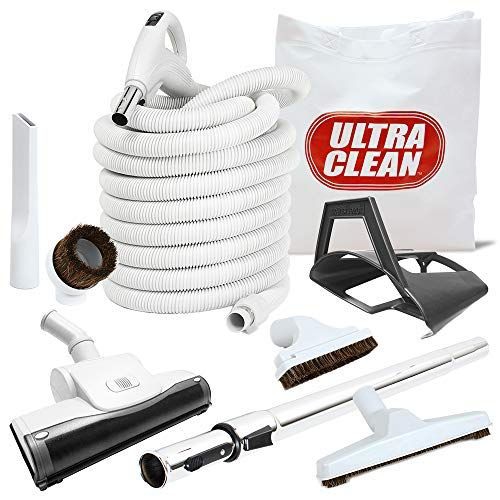
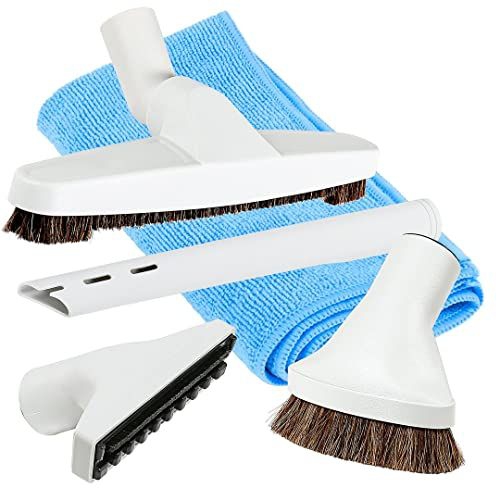
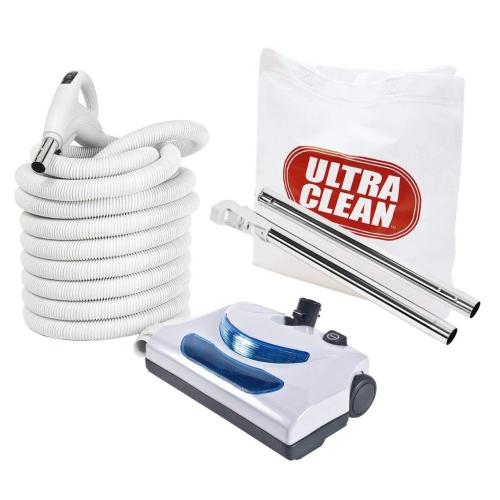
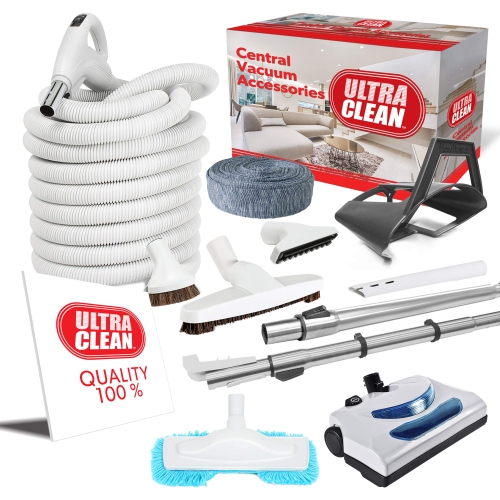
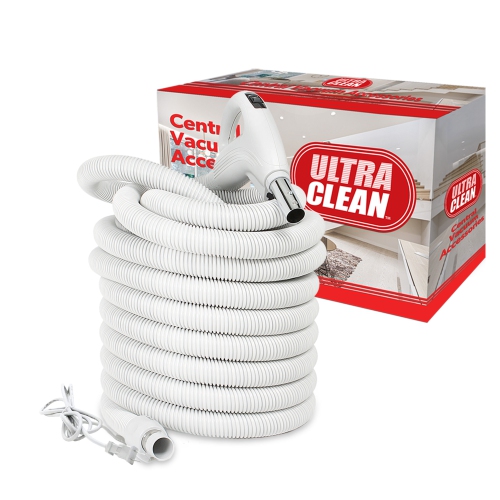
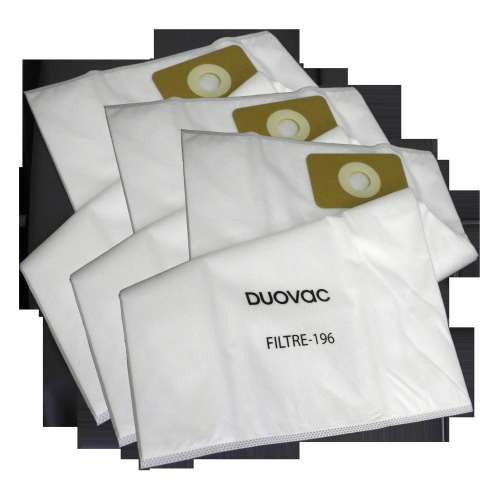
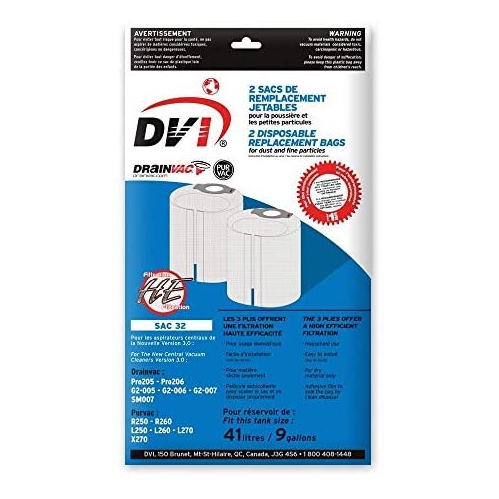
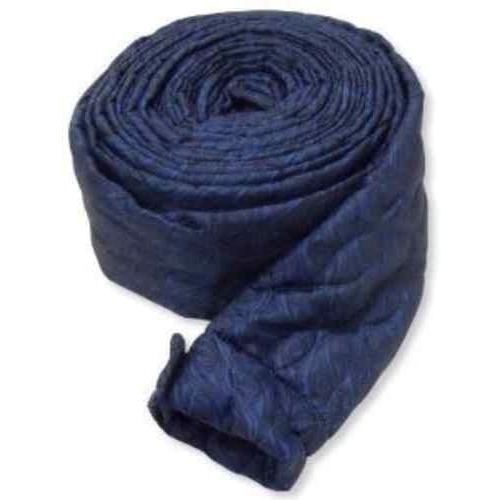
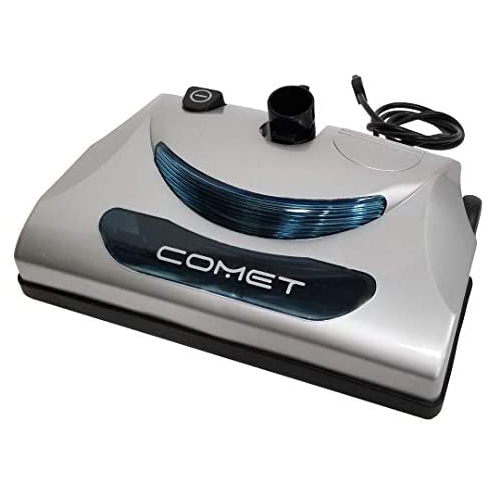

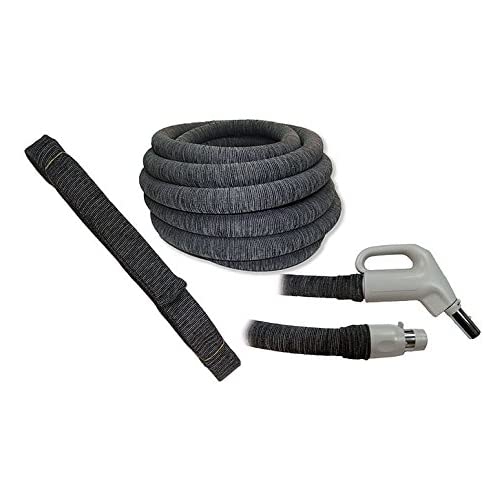
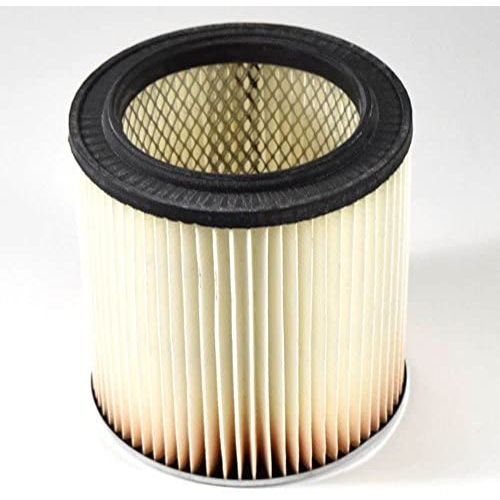
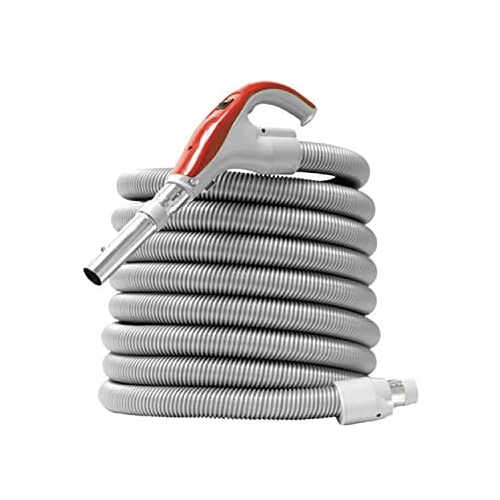
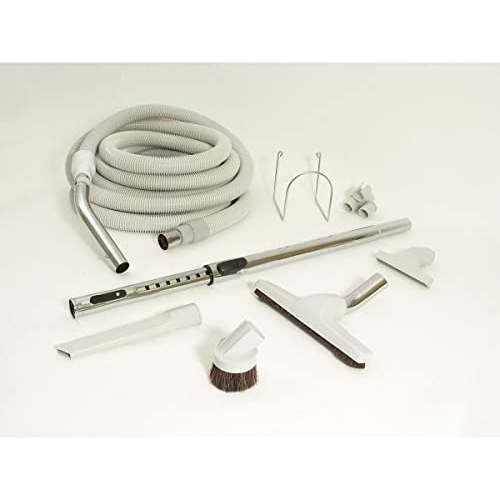
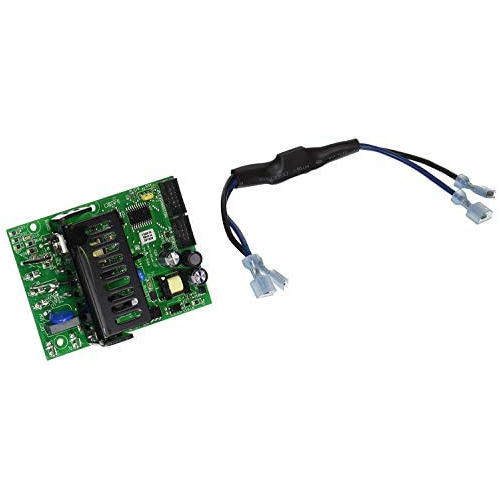

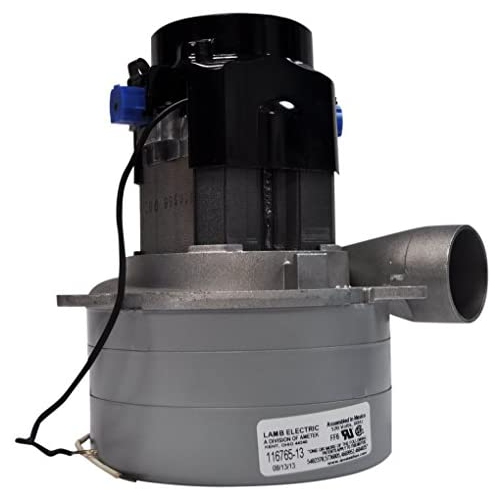
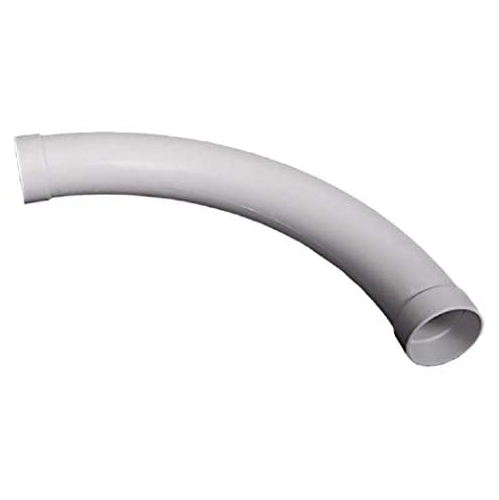
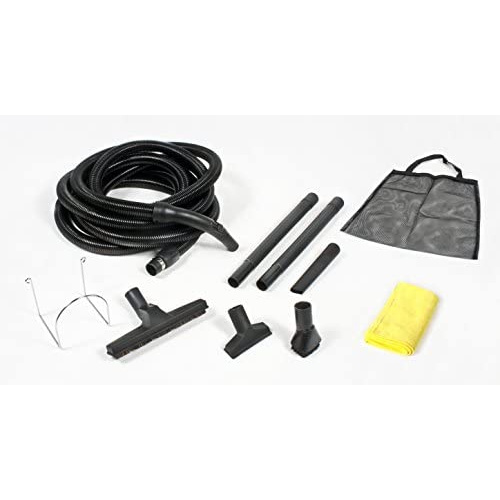
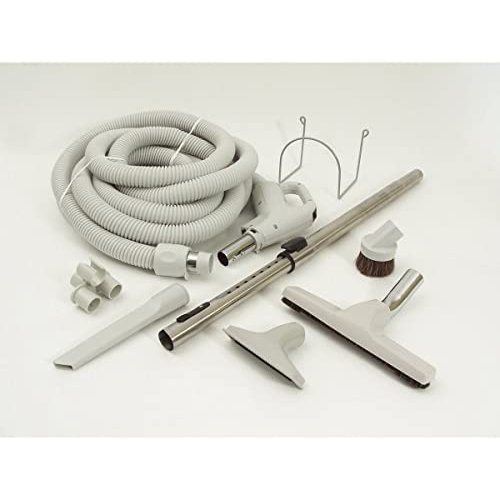
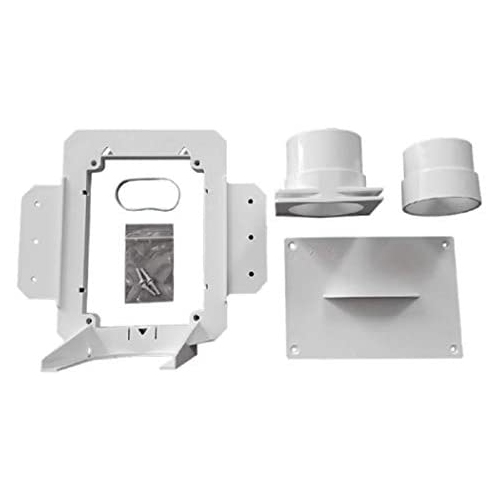
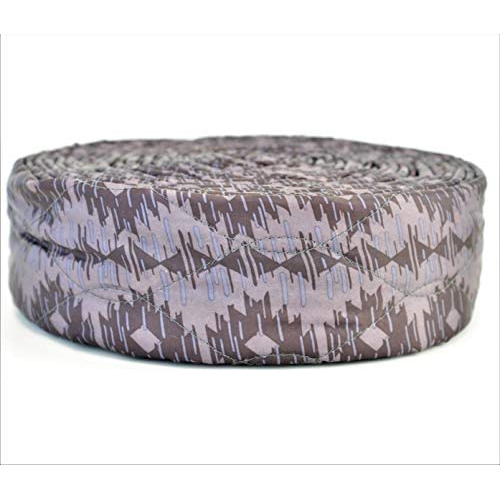
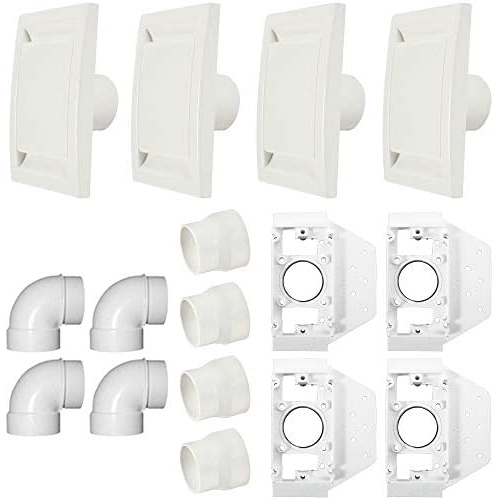
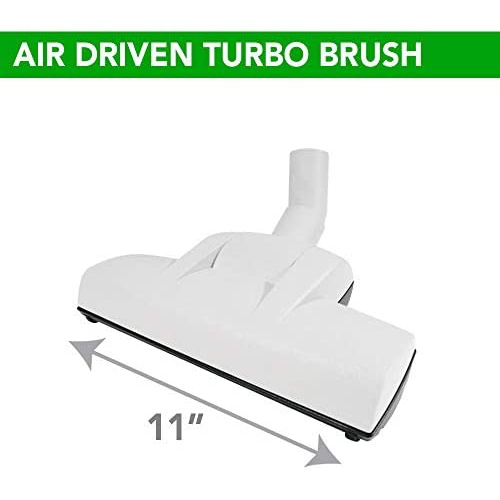
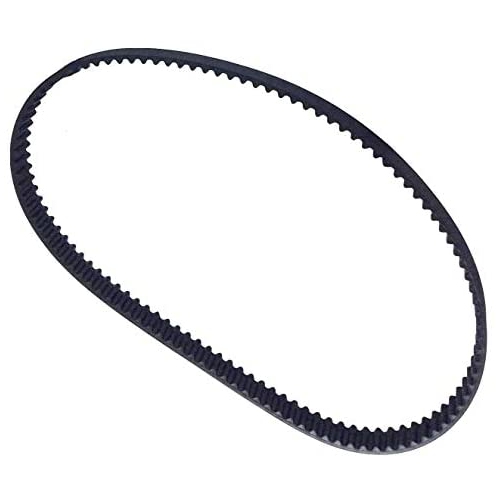
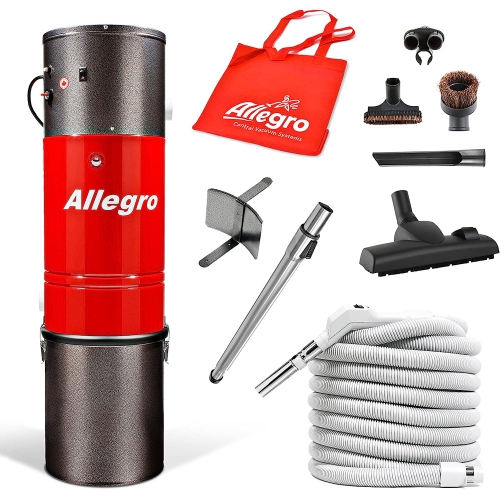
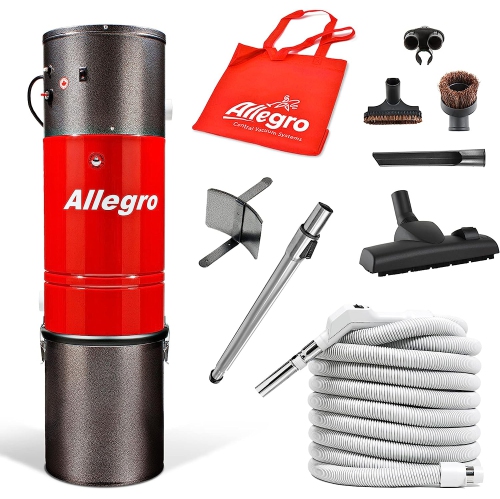
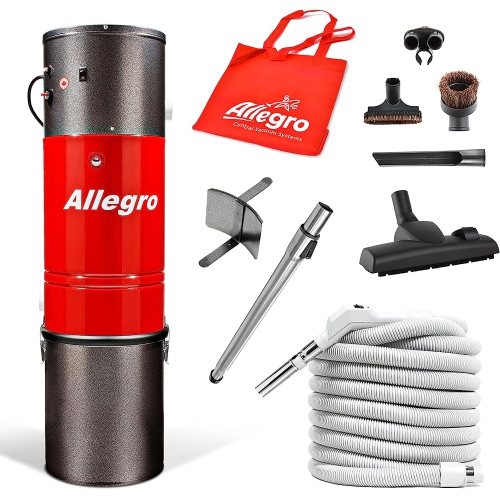
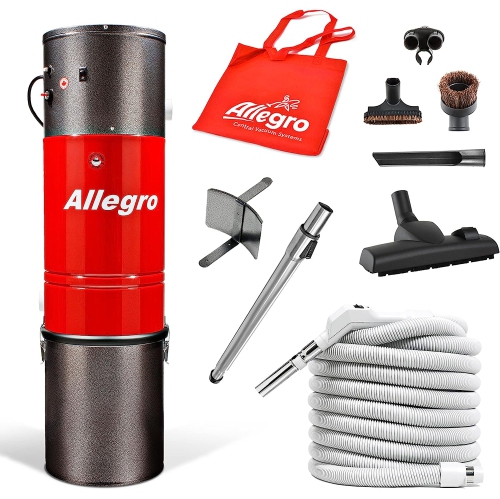
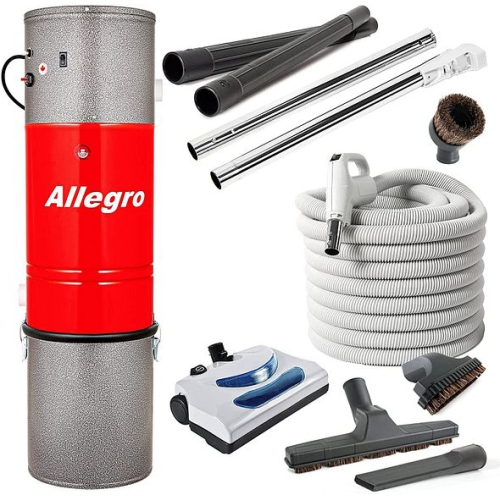
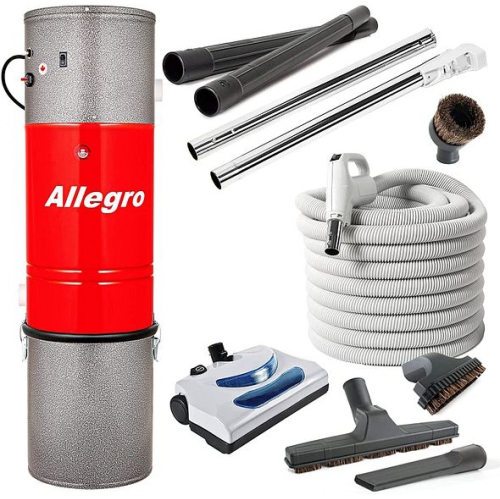
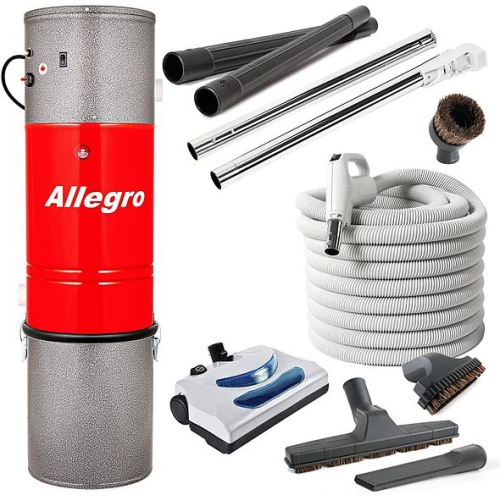
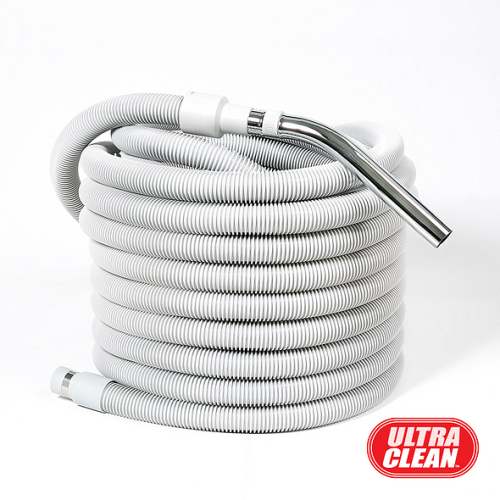
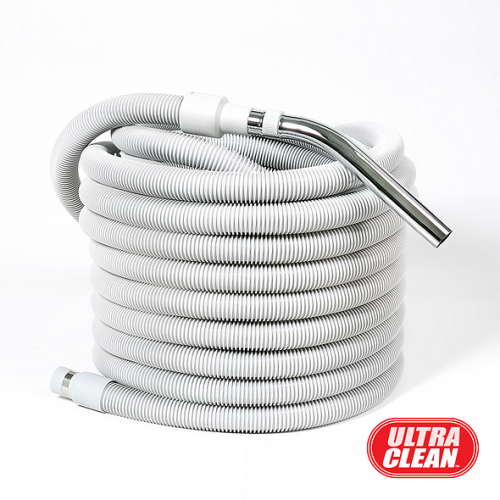
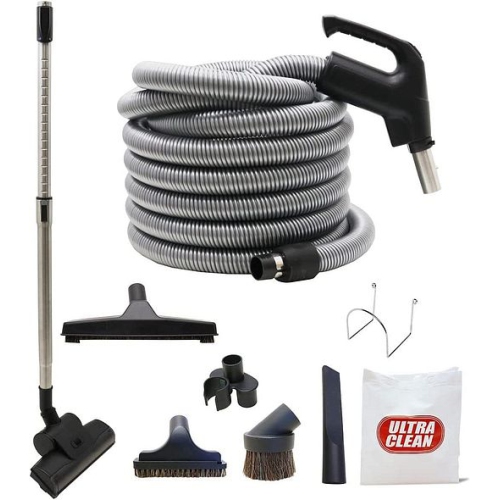
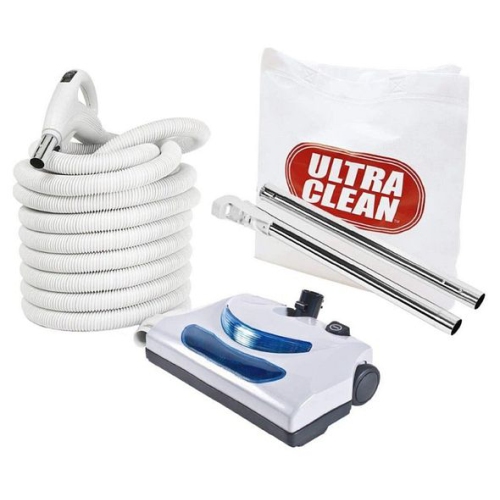
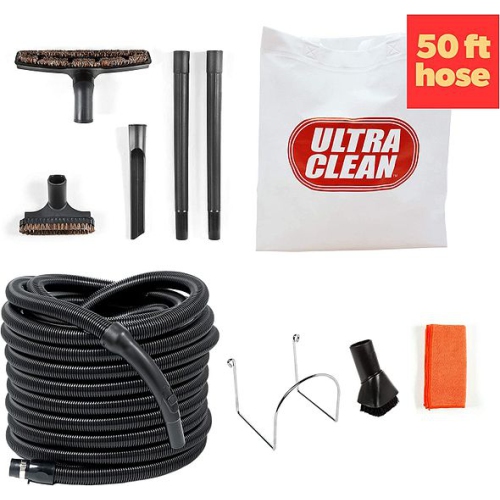
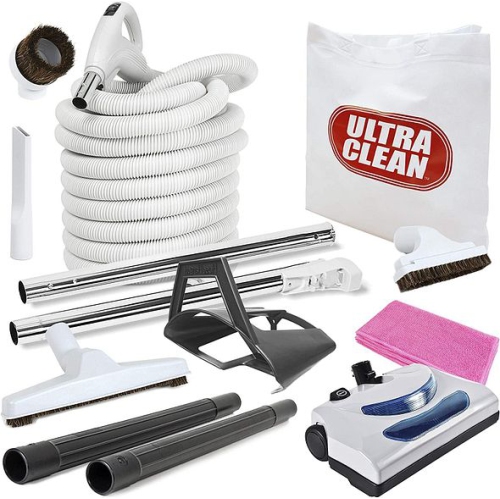
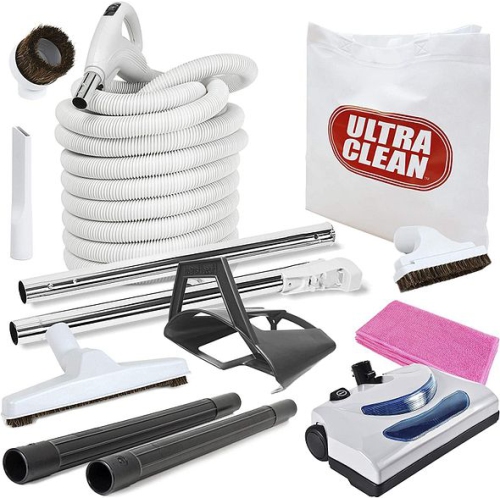
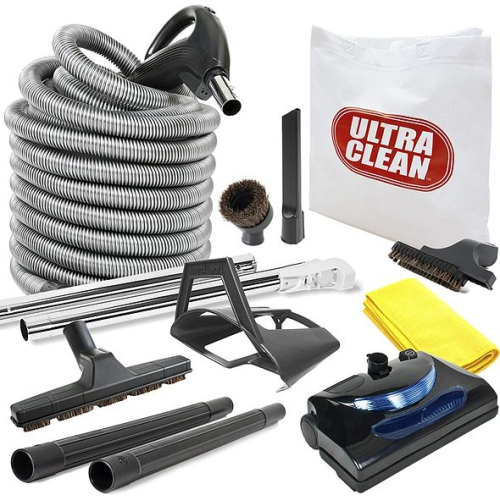
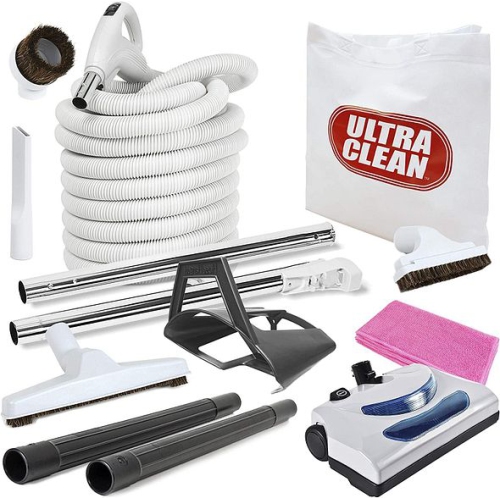
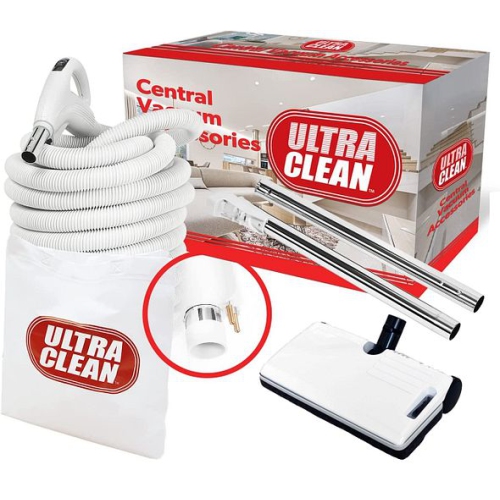
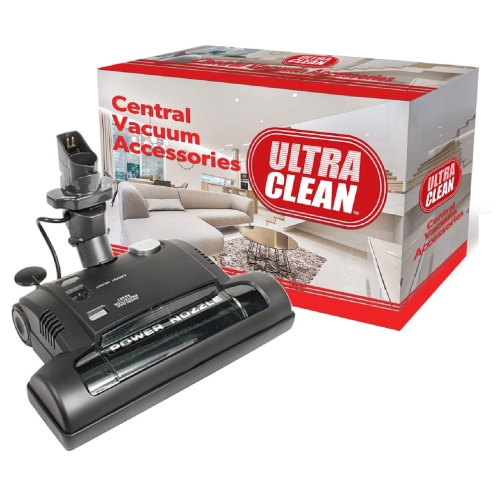
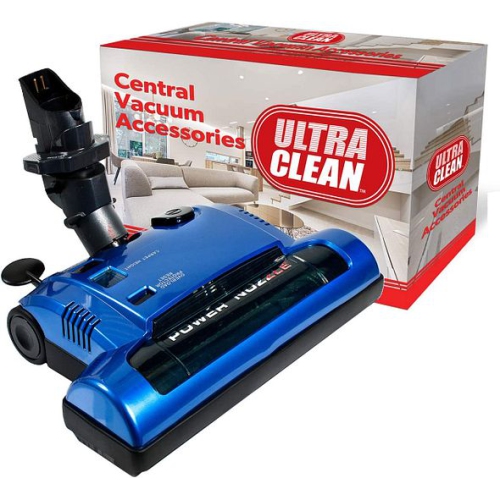
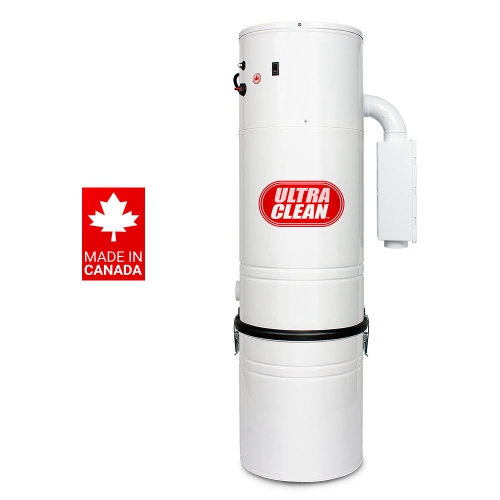
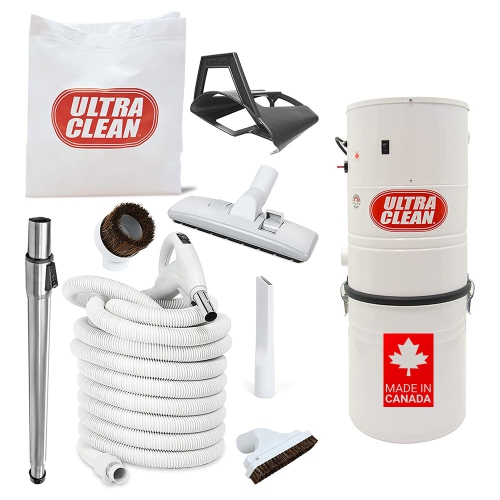
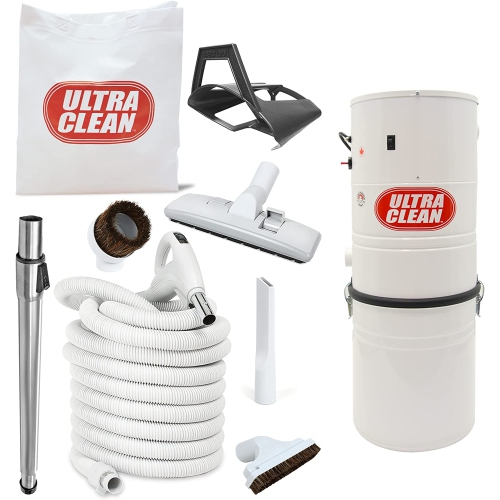
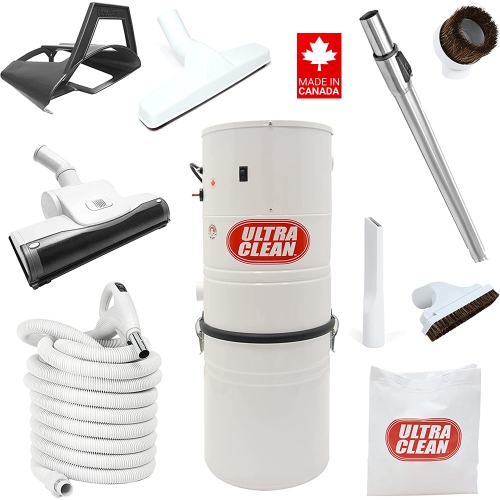
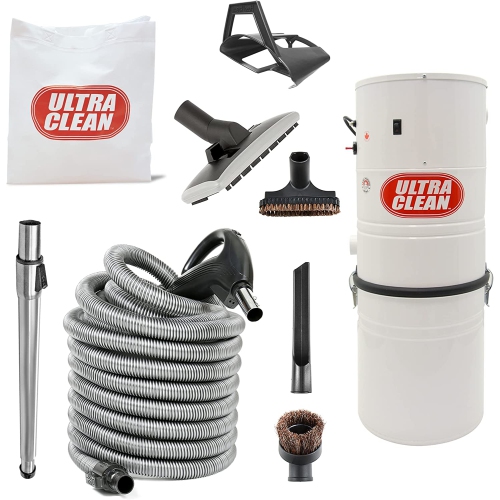
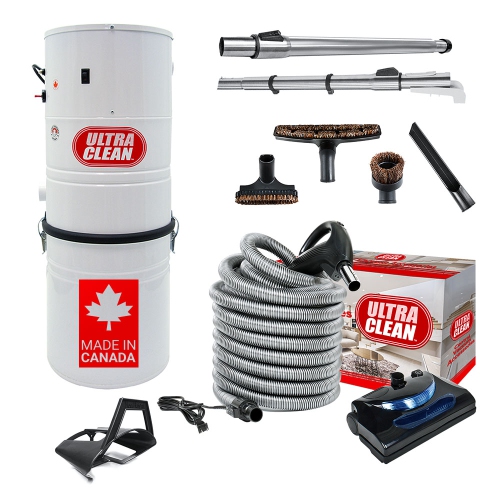
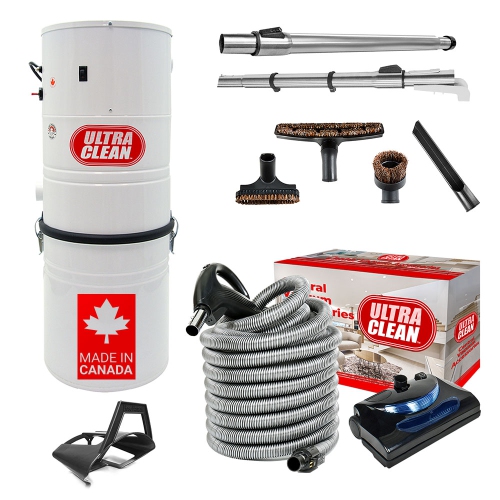
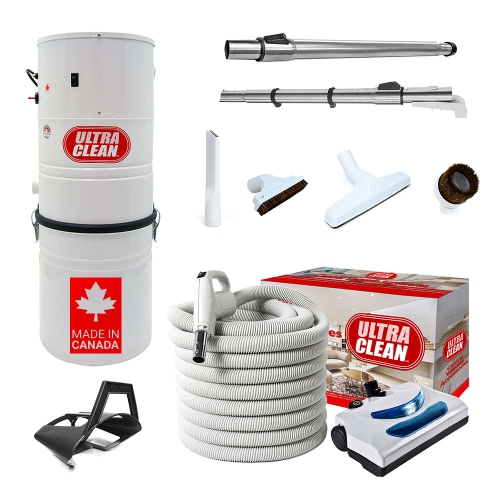
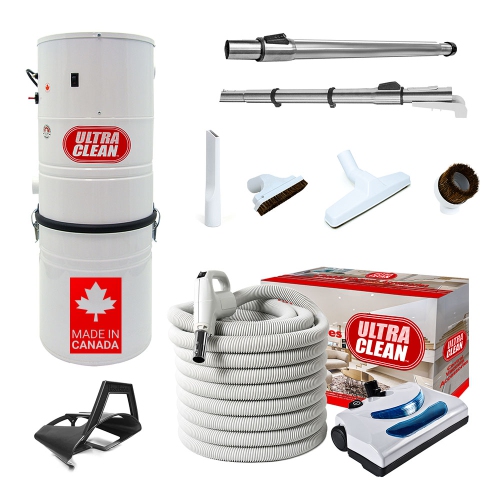
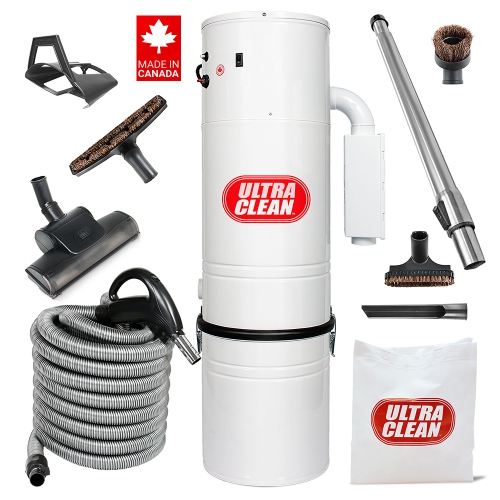
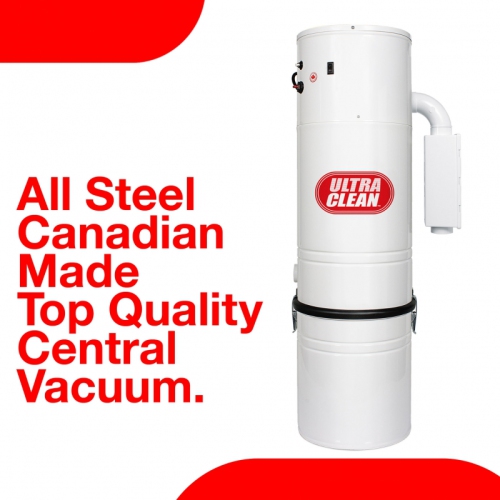

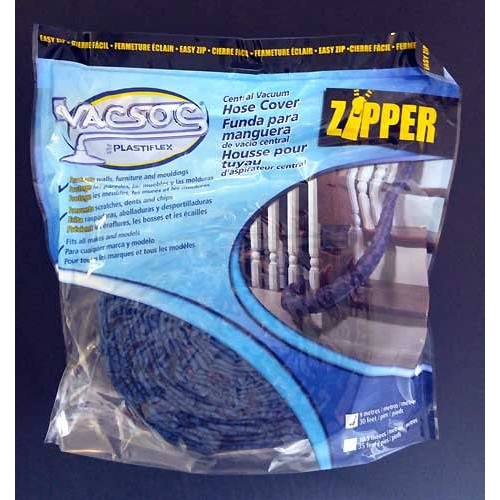
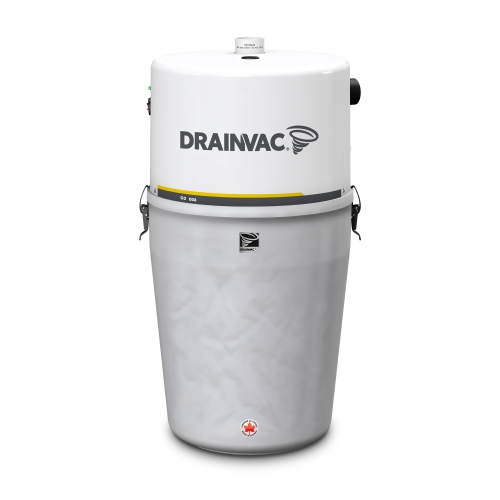
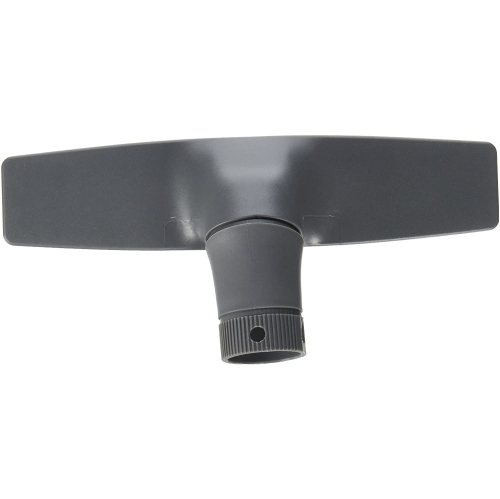
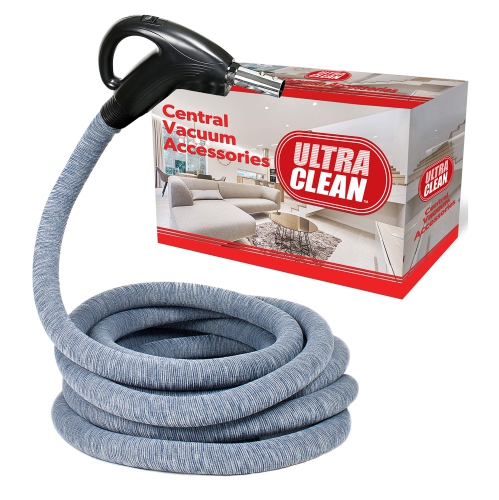
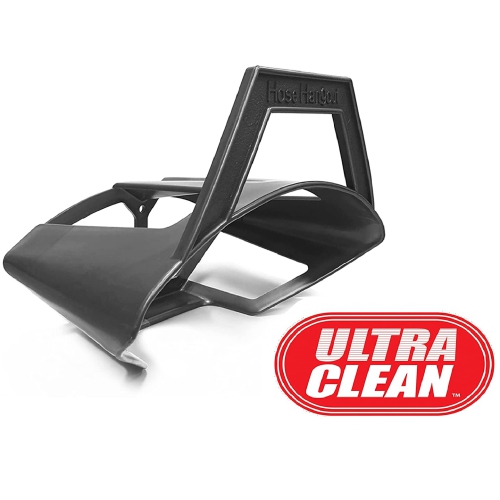
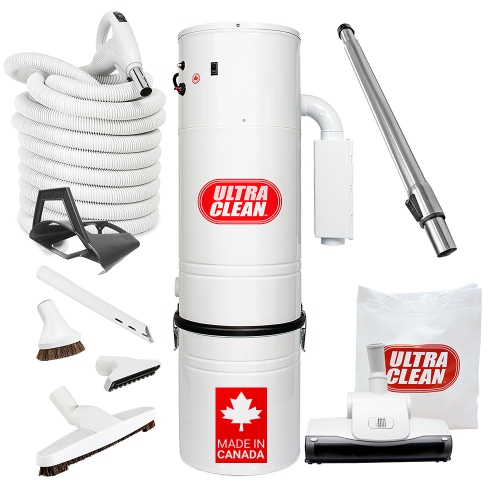
Parts for maintaining airflow, reach, and everyday cleaning
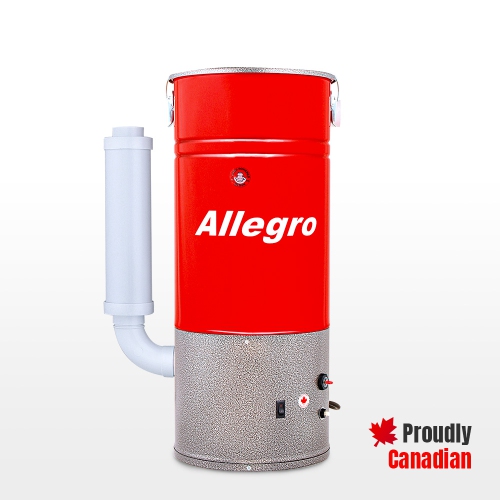
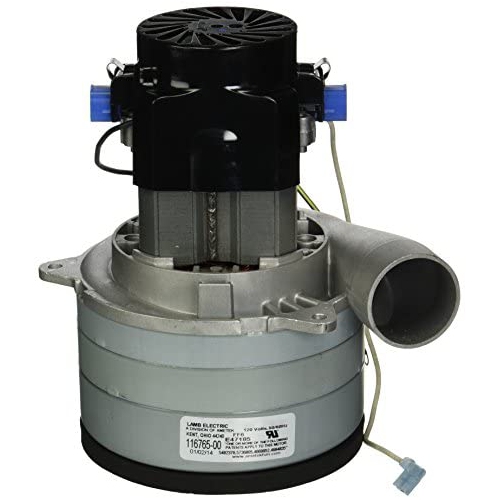
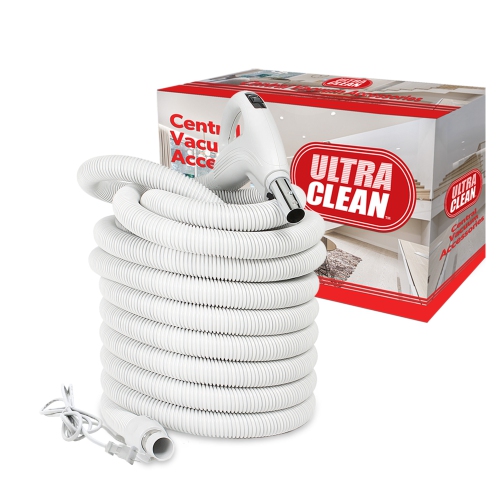
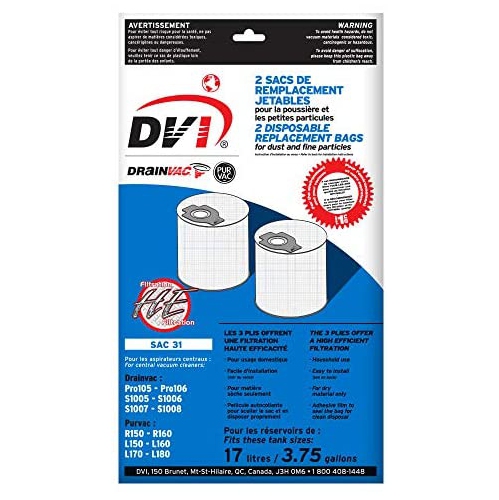
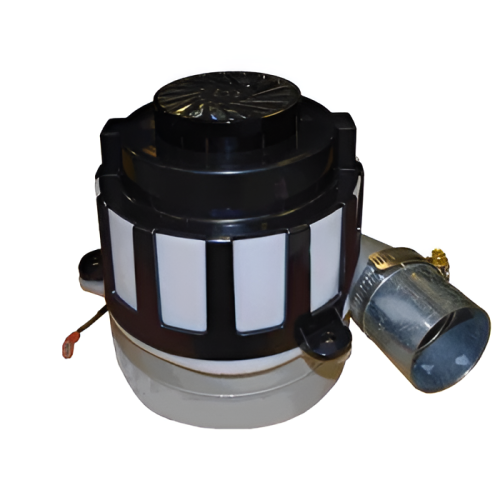
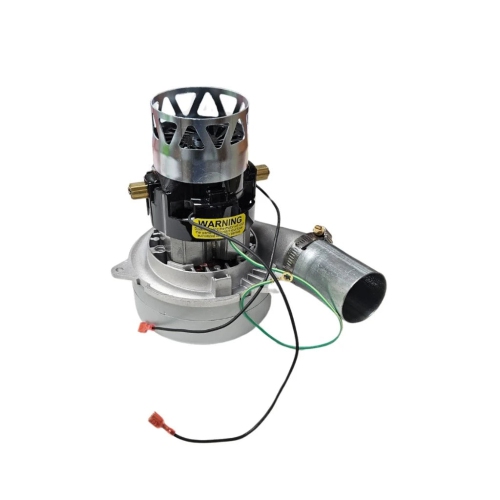
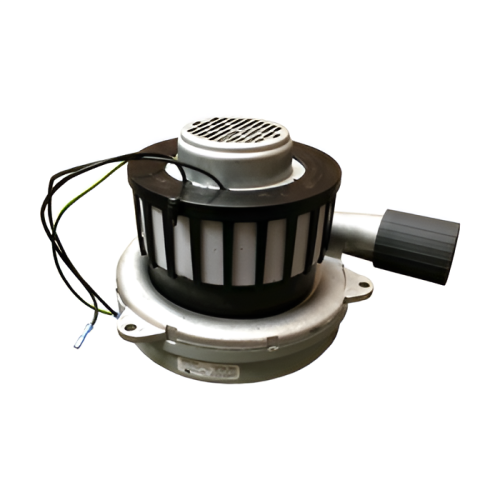
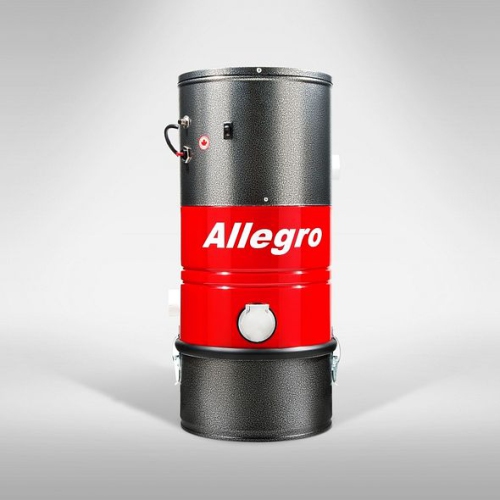
Central vacuum parts help keep a built-in cleaning system working smoothly, whether you are replacing a worn component, refreshing an older installation, or adding tools for different surfaces around the home. Unlike a portable vacuum, a central system separates the power unit from the cleaning area: the motor and collection canister are usually installed in a utility room, garage, basement, or other out-of-the-way space, while wall inlets connect to tubing throughout the home. When a hose is inserted into an inlet, low-voltage wiring activates the motor and suction travels through the piping to collect dust and debris. The right replacement part can restore everyday performance without requiring a complete system change. Common maintenance items include filters, disposable bags, motor brushes, gaskets, inlet covers, hose cuffs, and other fittings that may become worn through regular use. Filters and bags are especially important because they help capture dust before air reaches the motor or is exhausted from the power unit. A clogged filter or overfilled bag can make the system sound strained and reduce the suction you feel at the end of the hose. Checking these components as part of a regular cleaning routine can help maintain consistent airflow during busy periods, such as after summer projects, back-to-school activity, or the cooler months when more time is spent indoors. Motor brushes are another service part to consider when a power unit shows signs of age, unusual noise, intermittent operation, or reduced performance. Since these components are located inside the motor assembly, it is important to follow the manufacturer’s service instructions and confirm that a replacement is suitable for the specific power unit. For broader replacement needs, you can also explore Vacuum Cleaner Parts to find components for other vacuum systems.
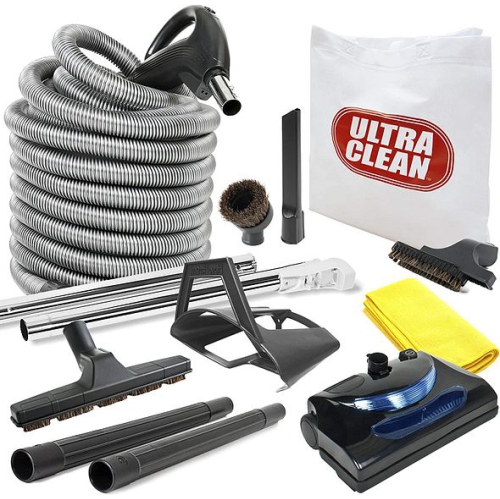
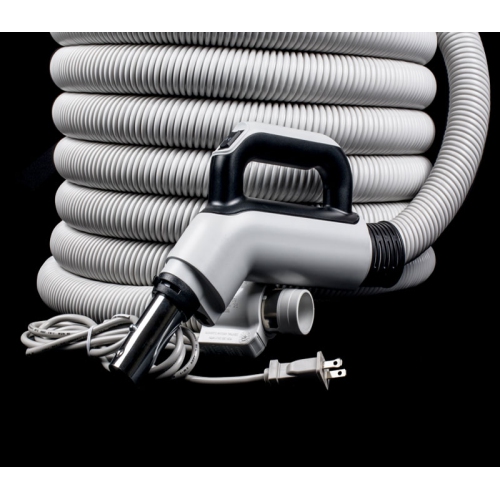
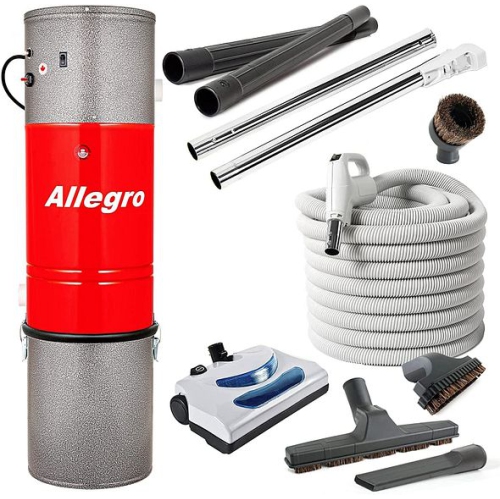
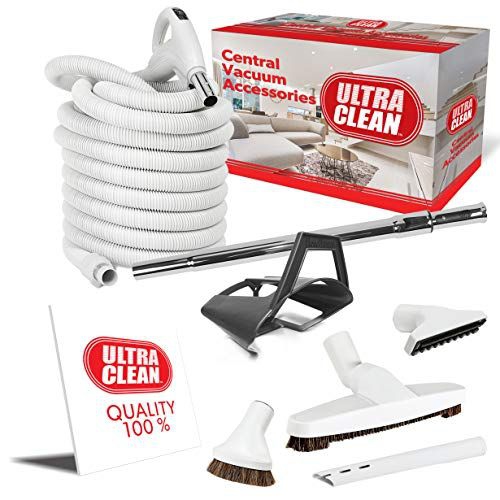
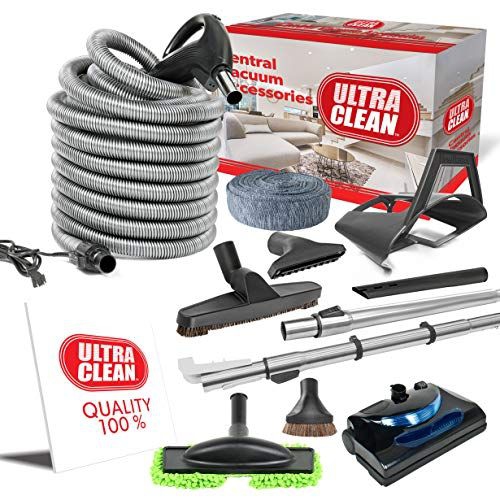
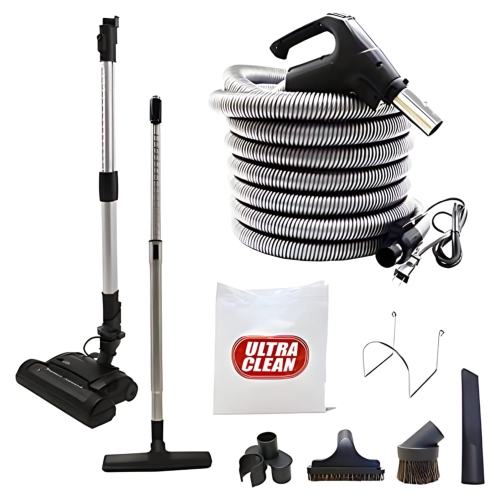
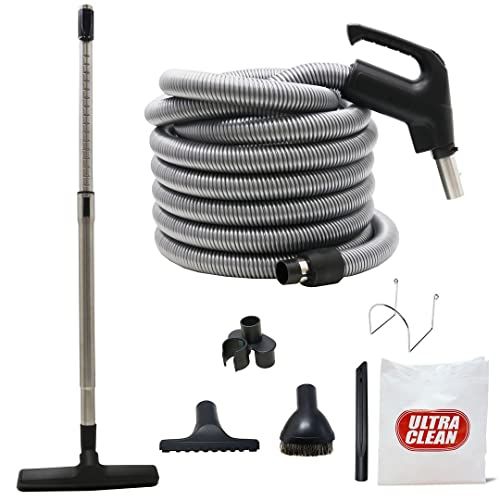
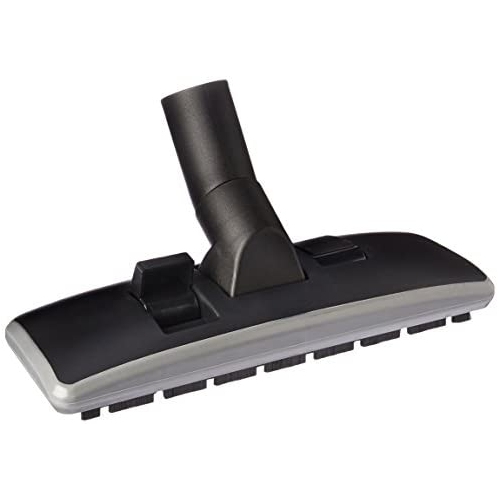
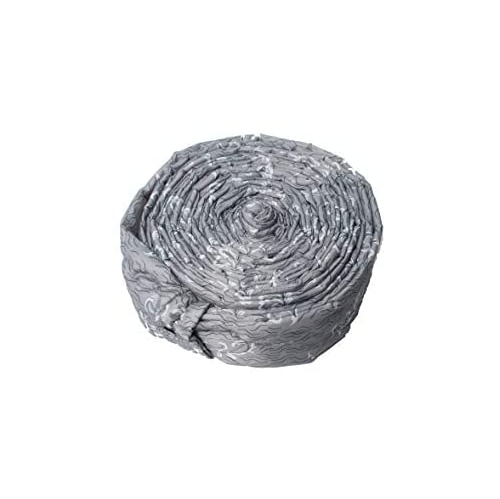
Compatibility is one of the most important considerations when shopping for central vacuum parts. Many hoses, wands, floor tools, and attachment accessories use a standard 1 1/4-inch fitting, but connection styles can vary between installations, particularly in older homes or systems that have been modified over time. Before ordering, check the diameter of the hose or wand opening, the shape of the cuff, and whether the accessory requires an electrical connection or uses suction only. An electric hose may include an on/off switch at the handle and may be designed to power a motorized floor head, while a non-electric hose is suited to air-driven tools, crevice tools, dusting brushes, upholstery tools, and other lightweight accessories. Hose length also affects convenience: a longer hose can reach further across open rooms and hallways, while a shorter option may be easier to store and handle in compact spaces. Crush-proof construction can help a hose maintain airflow when it bends around furniture or is temporarily stepped on, and a swivel connection may reduce twisting as you move from room to room. Telescopic wands are useful for adjusting reach to suit different users, cleaning high corners, or reaching beneath beds and low furniture. Floor brushes can be selected according to the surfaces in your home, with gentle bristles for hard flooring and more agitating designs for carpets and area rugs. Narrow crevice tools help collect crumbs along baseboards and between cushions, while dusting and upholstery tools are handy for shelves, lampshades, stairs, fabric furniture, and vehicle interiors. If a fitting does not match, an adapter may resolve the connection, although it is better to verify the exact dimensions and system requirements rather than relying on an assumed universal fit.
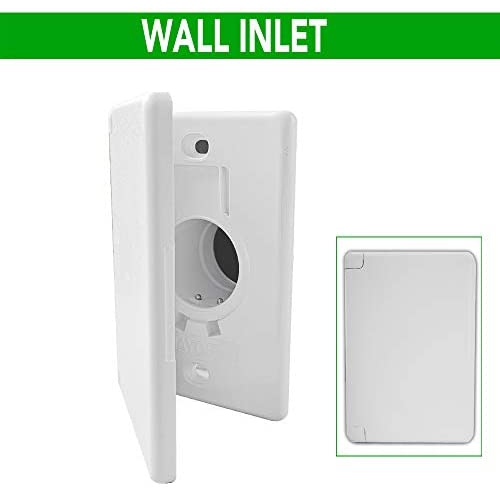
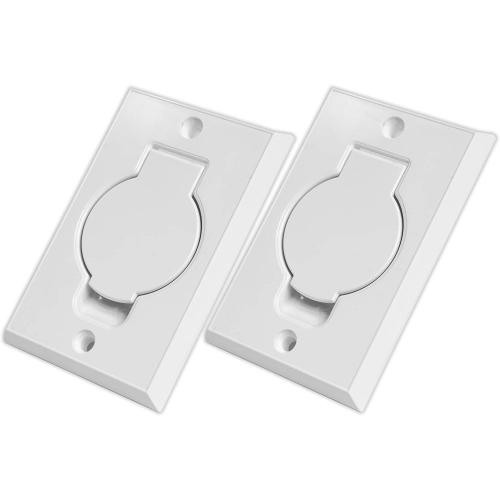
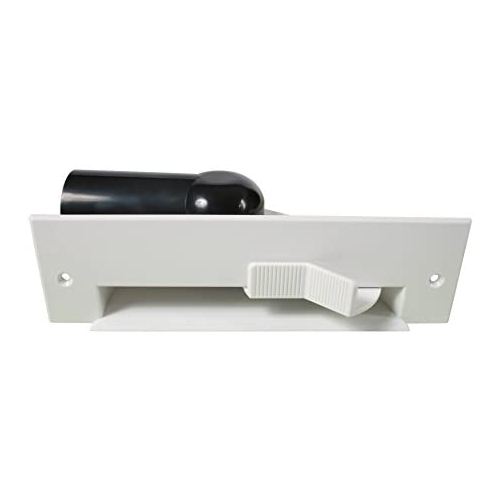
Central vacuum parts can also support installation updates and practical changes to the way a home is cleaned. Wall inlets are available as replacement components when a cover is cracked, a latch no longer closes securely, or the appearance no longer suits a renovated room. Because inlets may connect to low-voltage wiring as well as the vacuum tubing, installation should be approached carefully, with the power unit disconnected and the existing connection identified before work begins. PVC piping, elbows, couplings, and inlet fittings are used when extending a system, repairing a damaged section, or completing a new run, but the layout needs to preserve smooth airflow and avoid unnecessary bends or restrictions. A retractable hose arrangement can reduce storage clutter by allowing the hose to be drawn from the tubing inside the wall, while an auxiliary hose installed in a kitchen, laundry area, workshop, or mudroom can make quick cleanups more convenient. These additions may be useful for households with pets, children, hobby areas, frequent visitors, or high-traffic entryways where sand, crumbs, and tracked-in dirt collect throughout the day. Replacement accessories can also make a thoughtful practical gift for someone moving into a home with a built-in vacuum system, renovating a property, or preparing a workshop or recreational space for regular use. Before making a purchase, compare the part with the original by checking measurements, electrical contacts, fitting type, hose diameter, attachment style, and the specifications listed for the central vacuum system. Choosing compatible filters, bags, hoses, inlets, motors, brushes, and tools helps protect the system’s airflow and makes routine cleaning feel less cumbersome, from gathering grit by the front door to brushing dust from shelves on a quiet afternoon.
Compatibility is one of the most important considerations when shopping for central vacuum parts. Many hoses, wands, floor tools, and attachment accessories use a standard 1 1/4-inch fitting, but connection styles can vary between installations, particularly in older homes or systems that have been modified over time. Before ordering, check the diameter of the hose or wand opening, the shape of the cuff, and whether the accessory requires an electrical connection or uses suction only. An electric hose may include an on/off switch at the handle and may be designed to power a motorized floor head, while a non-electric hose is suited to air-driven tools, crevice tools, dusting brushes, upholstery tools, and other lightweight accessories. Hose length also affects convenience: a longer hose can reach further across open rooms and hallways, while a shorter option may be easier to store and handle in compact spaces. Crush-proof construction can help a hose maintain airflow when it bends around furniture or is temporarily stepped on, and a swivel connection may reduce twisting as you move from room to room. Telescopic wands are useful for adjusting reach to suit different users, cleaning high corners, or reaching beneath beds and low furniture. Floor brushes can be selected according to the surfaces in your home, with gentle bristles for hard flooring and more agitating designs for carpets and area rugs. Narrow crevice tools help collect crumbs along baseboards and between cushions, while dusting and upholstery tools are handy for shelves, lampshades, stairs, fabric furniture, and vehicle interiors. If a fitting does not match, an adapter may resolve the connection, although it is better to verify the exact dimensions and system requirements rather than relying on an assumed universal fit.
Central vacuum parts can also support installation updates and practical changes to the way a home is cleaned. Wall inlets are available as replacement components when a cover is cracked, a latch no longer closes securely, or the appearance no longer suits a renovated room. Because inlets may connect to low-voltage wiring as well as the vacuum tubing, installation should be approached carefully, with the power unit disconnected and the existing connection identified before work begins. PVC piping, elbows, couplings, and inlet fittings are used when extending a system, repairing a damaged section, or completing a new run, but the layout needs to preserve smooth airflow and avoid unnecessary bends or restrictions. A retractable hose arrangement can reduce storage clutter by allowing the hose to be drawn from the tubing inside the wall, while an auxiliary hose installed in a kitchen, laundry area, workshop, or mudroom can make quick cleanups more convenient. These additions may be useful for households with pets, children, hobby areas, frequent visitors, or high-traffic entryways where sand, crumbs, and tracked-in dirt collect throughout the day. Replacement accessories can also make a thoughtful practical gift for someone moving into a home with a built-in vacuum system, renovating a property, or preparing a workshop or recreational space for regular use. Before making a purchase, compare the part with the original by checking measurements, electrical contacts, fitting type, hose diameter, attachment style, and the specifications listed for the central vacuum system. Choosing compatible filters, bags, hoses, inlets, motors, brushes, and tools helps protect the system’s airflow and makes routine cleaning feel less cumbersome, from gathering grit by the front door to brushing dust from shelves on a quiet afternoon.
Top selling and popular products
-
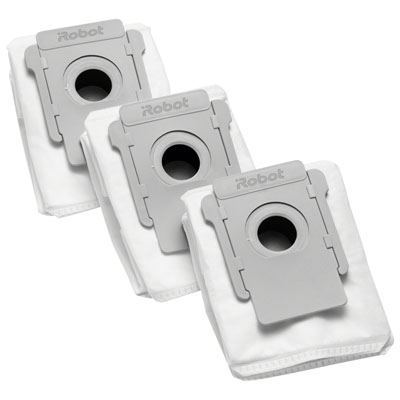 Your price for this item is $19.99
 -
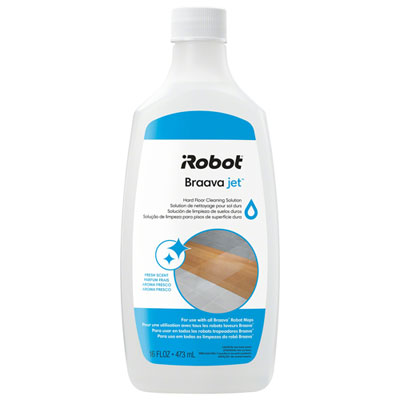 Your price for this item is $9.99
 -
 Your price for this item is $129
 -
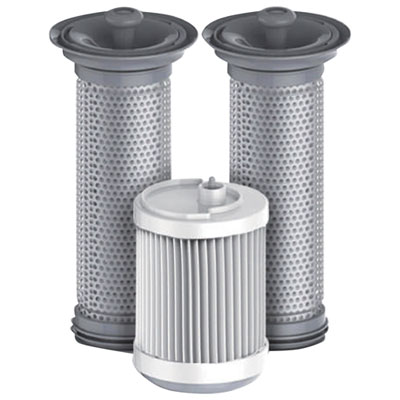 Your price for this item is $39.99
 -
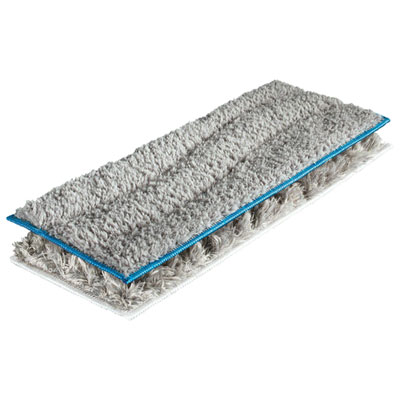 Your price for this item is $25.99
 -
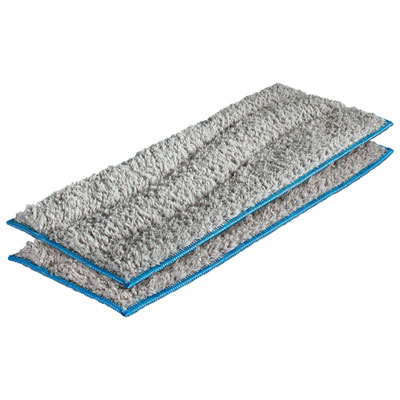 Your price for this item is $14.95
 -
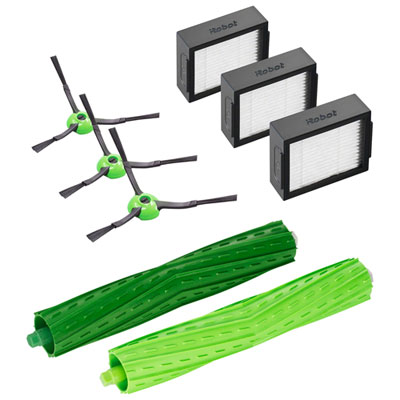 Your price for this item is $69.99
 -
 Your price for this item is $39
Discover more categories related to Central Vacuum Parts
Top Collections:
Pokemon Centers, Kindle Devices, Best Budget Office Chairs, Apple iPhones 16, Best Laptops for Writers, iPhone 15 Apple, Canon G7X Cameras, Refurbished Apple Laptops, Alarm Clock, Motorola Razr Phones
Some products may be subject to Environmental Handling Fees
(EHF) depending on your province.
Learn more about EHFs.