Ceramic Cookers
Ceramic Cookers offer a versatile solution for preparing delicious meals with ease. Designed to fit seamlessly into any kitchen, these cookers provide an efficient way to handle a variety of recipes, from slow-cooked stews to perfectly cooked grains. With their sleek appearance and user-friendly controls, Ceramic Cookers are a popular choice for both beginners and experienced home chefs looking to enhance their cooking experience. Explore the selection to find the ideal option that matches your culinary needs and kitchen style.
Sort


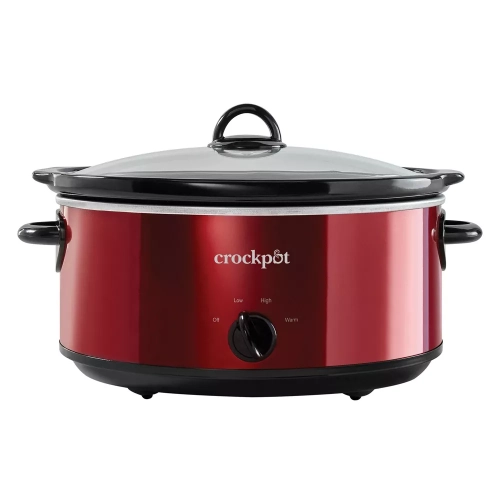


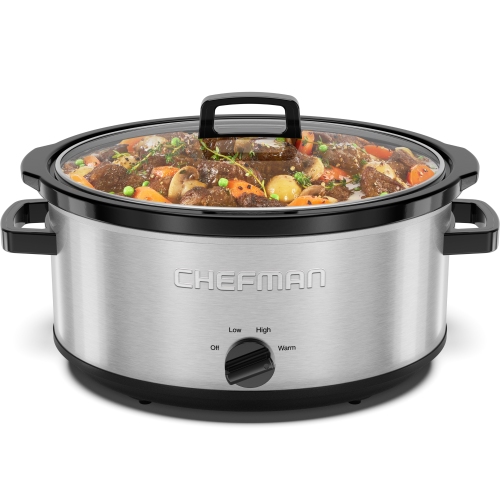
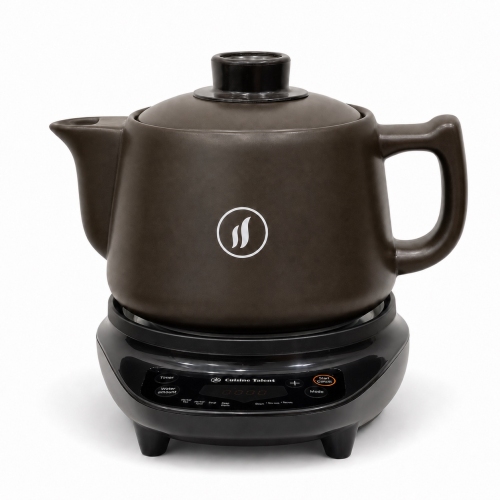
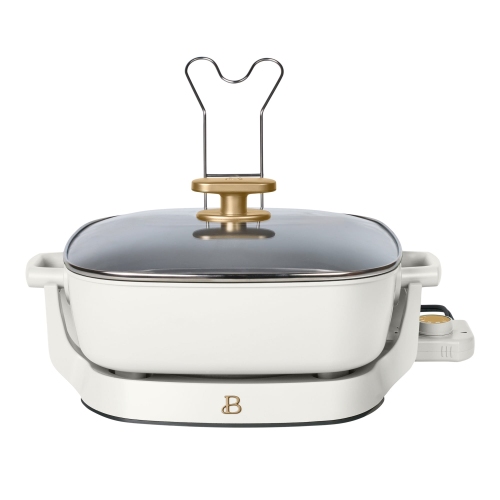
How glass-ceramic surfaces heat your pots and pans
Ceramic cookers use electric heating elements beneath a smooth glass-ceramic surface to heat pots and pans. In a radiant ceramic cooker, the element heats the surface, which transfers heat to the cookware above it. This construction creates a flat cooking area without exposed coils, with marked zones that show where cookware should sit. Portable countertop cookers bring this cooking method to a compact appliance, while built-in ceramic cooktops integrate it into a kitchen work area. Although induction cooktops can have a similar glass-ceramic finish, their heating method is different: induction generates heat within compatible magnetic cookware, while radiant ceramic cooking relies on heat passing through the cooking surface. That distinction matters when pairing an appliance with an existing collection of pots and pans. Many radiant ceramic cookers accommodate several cookware materials, including stainless steel and suitable aluminum, but compatibility still depends on the appliance and cookware manufacturers’ requirements. A flat, stable base helps maintain contact with the surface; warped bottoms can heat unevenly or sit unsteadily. Glass, ceramic, copper and cast-iron cookware require particular attention to manufacturer guidance, since not every vessel is suitable for every glass-ceramic surface. In everyday use, ceramic cookers can handle familiar tasks such as boiling pasta, frying eggs, warming soup and simmering a tomato sauce. Their response is not identical to gas or induction: the surface takes time to heat and retains heat after the element switches off. A sauce that has reached a gentle simmer may continue bubbling after the setting is reduced, so heat adjustments benefit from a little anticipation. Low-temperature performance varies with the controls and how the heating element cycles. The glass-ceramic surface itself is distinct from a ceramic coating inside a pan. Suitable Ceramic Cookware can be paired with a radiant cooker when both manufacturers confirm compatibility, but the shared name alone does not establish that the two are a match.
The right ceramic cooker format depends on the meals being prepared and the space available for cooking. A single-zone countertop cooker can provide a dedicated place for a saucepan or frying pan, making it useful in a small kitchen or as a supplementary cooking surface where permitted. A two-zone format allows separate tasks, such as keeping a sauce warm while cooking rice, although the spacing between zones determines whether two larger vessels can sit comfortably together. The marked cooking-zone diameter is more useful than the appliance’s overall width when assessing pan fit. A wide frying pan needs adequate support and a suitable heating area, while a small saucepan should sit securely over the intended zone. Countertop models also need a level, heat-resistant surface and the clearances specified by the manufacturer. Their footprint includes more than the space beneath the appliance: handles, the power cord and room to lift a pot safely all affect how comfortably the setup works. Electrical requirements deserve equal attention. A portable cooker must suit the available outlet and circuit, and its power rating does not necessarily describe how quickly every meal will cook. Cookware construction, the quantity of food and the selected setting all influence results. Built-in ceramic cooktops have installation dimensions, ventilation clearances and electrical requirements that must be confirmed before installation, with qualified installation where required. Controls shape daily use as well. Clearly marked settings, readable displays and straightforward adjustments are helpful when moving between a quick boil and a gentle simmer. Depending on the design, features may include timers, control locks, automatic shut-off functions and residual-heat indicators. These serve different purposes, and a timer does not always switch off the heat. For someone furnishing a first kitchen, a ceramic cooker may make a practical housewarming gift when the available space, electrical setup and preferred cooking habits are already known. Frequent cooks may place greater value on zone spacing and precise adjustments than on a long list of preset functions.
A smooth cooking surface gives ceramic cookers a tidy appearance, but lasting performance depends on how the glass-ceramic top is treated. The material is designed to withstand cooking heat, not careless impacts or every kind of cookware movement. Lifting a heavy pot instead of sliding it helps limit scratches, particularly when the base is rough or has grit underneath it. Clean, dry pan bottoms also help prevent residue from baking onto the surface. A pot should rest flat without rocking, and oversized cookware should not extend beyond the appliance’s permitted dimensions or cover the controls. Everyday care generally involves switching the appliance off, allowing it to cool as directed and using cleaning products approved for glass-ceramic surfaces. Abrasive pads, unsuitable powders and excessive force can damage the finish. Some spills, particularly melted sugar or plastic, need special handling before the surface has fully cooled; the appliance manual should determine the method and any tool used. Portable cookers also contain electrical components, so cleaning usually means wiping the exterior rather than immersing the appliance in water. Durability includes more than the visible surface: stable feet, securely fitted controls and a housing suited to repeated handling all contribute to comfortable everyday use. A countertop cooker that moves between a cupboard and a cooking area needs to be manageable to lift and stored only after it has cooled completely. Residual heat deserves particular care around children, pets and anyone unfamiliar with the appliance. A dark cooking zone can still be hot, and an indicator is a warning aid rather than permission to touch the surface. The cooker should not double as a storage shelf, even between meals. With suitable cookware and thoughtful placement, ceramic cooking fits a broad range of routines, from reheating a favourite soup to preparing vegetables and a main dish in separate pans. The most useful combination is an appliance with enough cooking space for those routines, controls that are easy to understand and care requirements that fit the household.
Top selling and popular products
-
 Your price for this item is $192.99
-
 Your price for this item is $122.82
-
 Your price for this item is $249.99
-
 Your price for this item is $64.99
-
 Your price for this item is $152
-
 Your price for this item is $44.99
-
 Your price for this item is $197.99
-
 Your price for this item is $104.99
Discover more categories related to Ceramic Cookers


Top Collections:
Best Black Friday Deals This Year, Best Black Friday Deals On Electronics, Kindle Devices, Pokemon Centers, Best Black Friday Deals On Apple Products, Best Cameras for Sports Photography, Dyson Airwrap, Pokémon 30th Celebration Cards, Apple iPhone 17 Pro, Canon G7X Cameras
Some products may be subject to Environmental Handling Fees
(EHF) depending on your province.
Learn more about EHFs.