Ceramic Dishes
Elevate your dining experience with our collection of ceramic dishes, designed to add a touch of elegance and style to your table setting. Crafted from high-quality materials, these dishes are not only durable but also versatile, making them perfect for everyday use or special occasions. Whether you're serving up a family meal or hosting a dinner party, our range of ceramic dishes offers a variety of shapes, sizes, and designs to suit your personal taste and elevate the presentation of your culinary creations. Browse our selection today and discover the perfect pieces to enhance your dining decor.
Sort
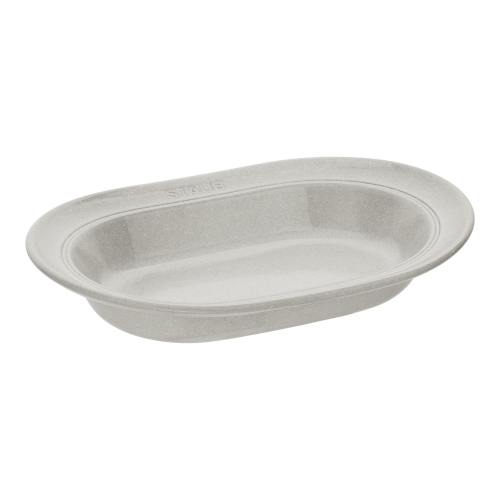
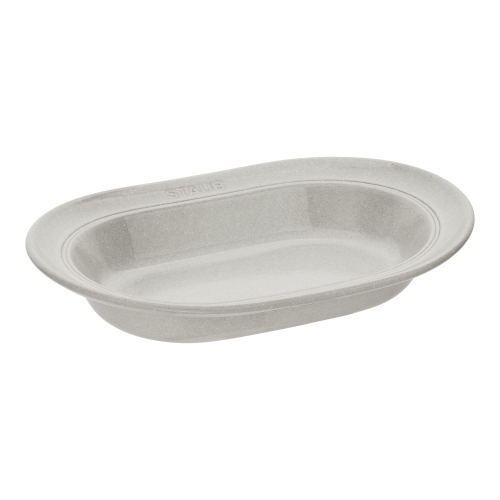


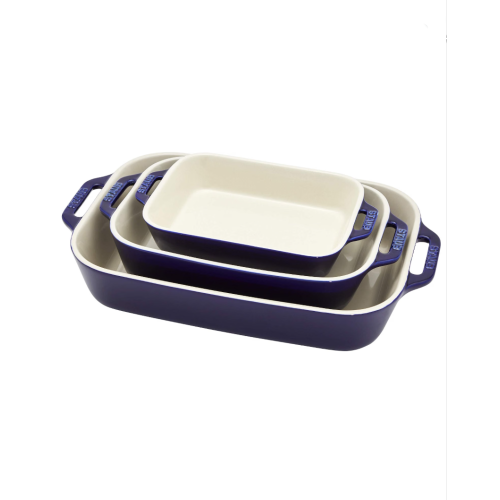
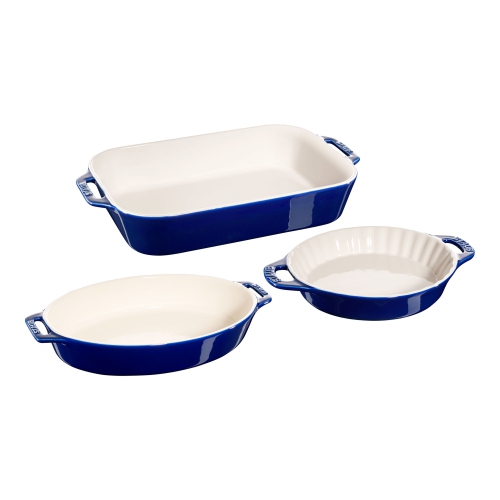















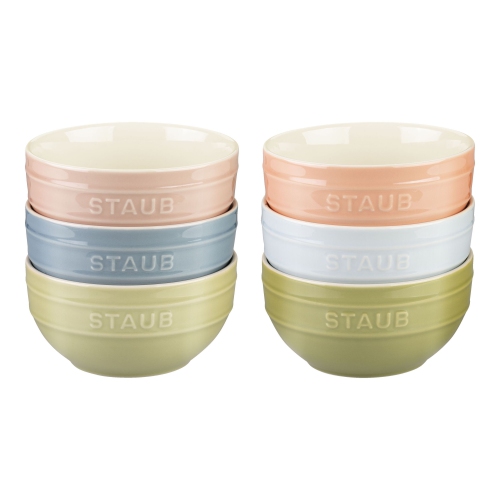


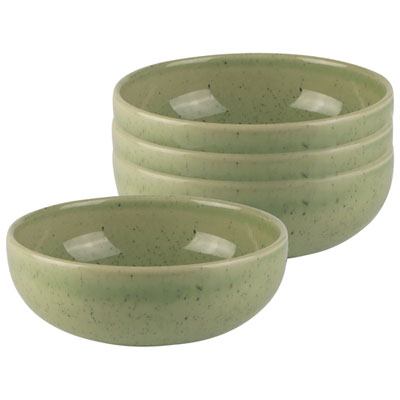
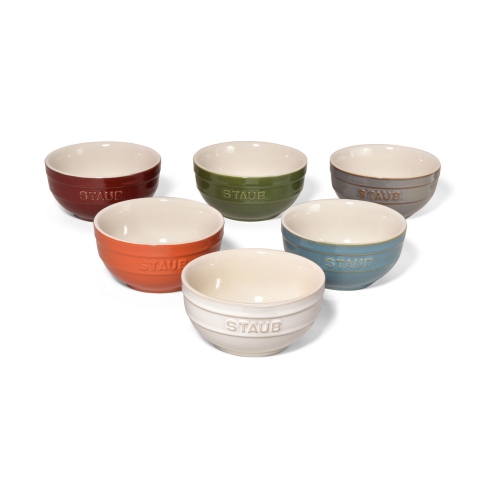


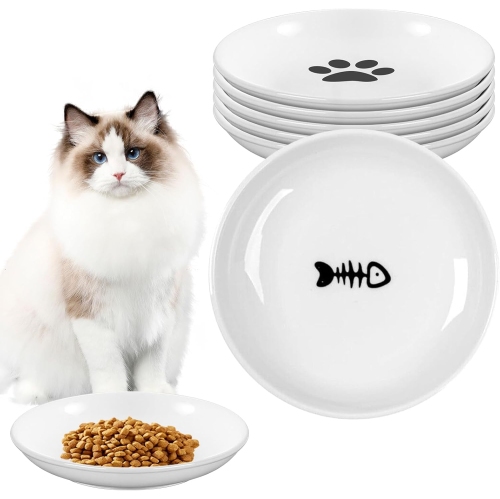


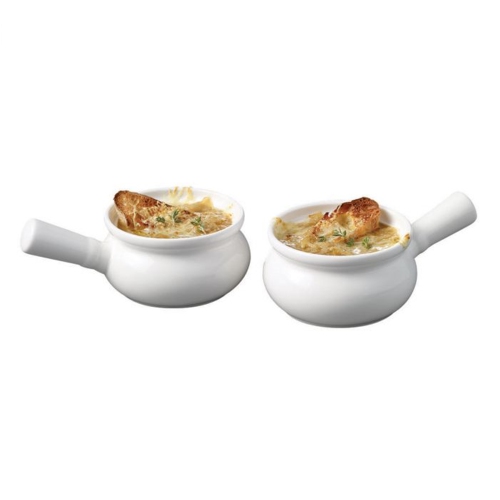

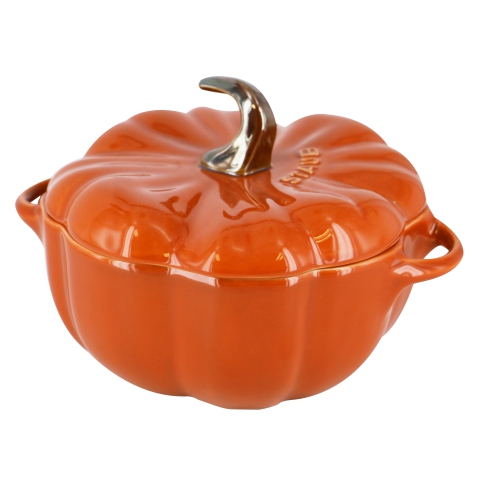
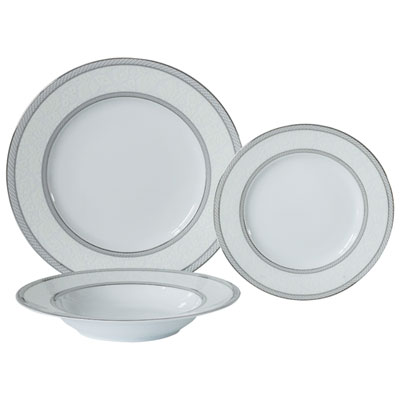


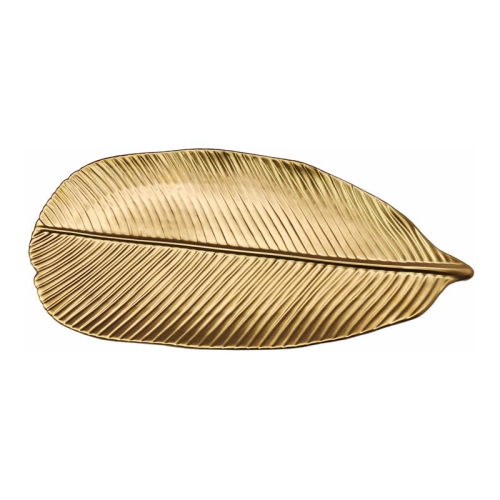




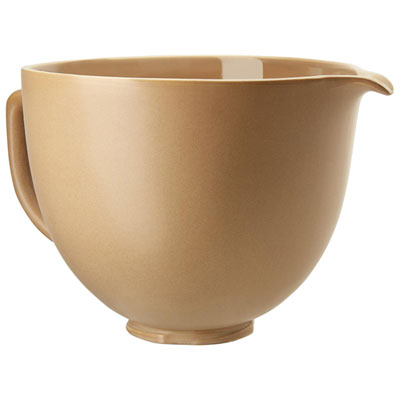

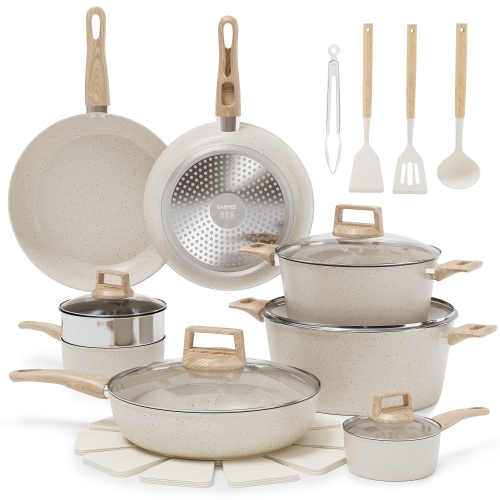

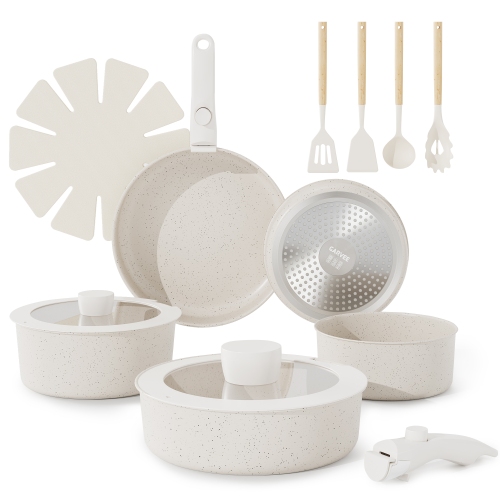

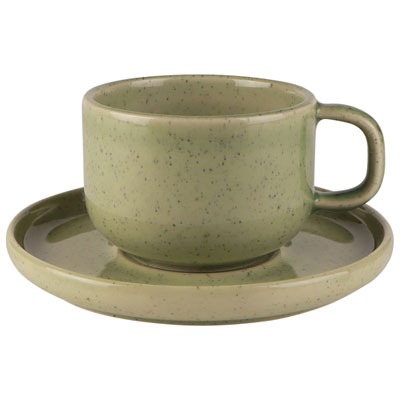


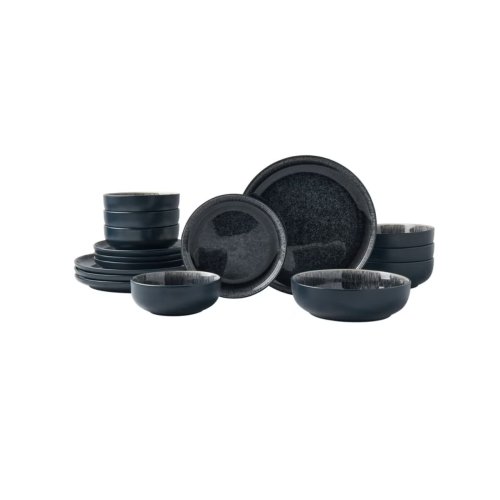
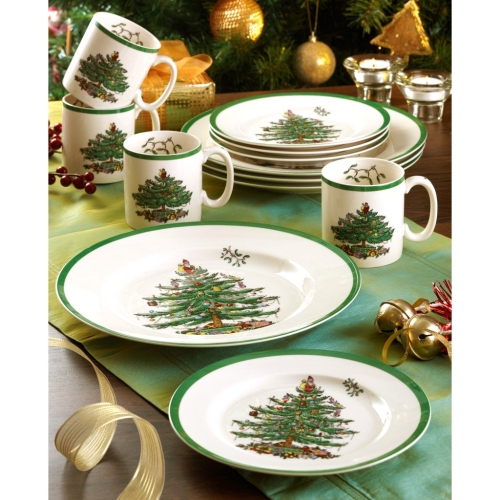
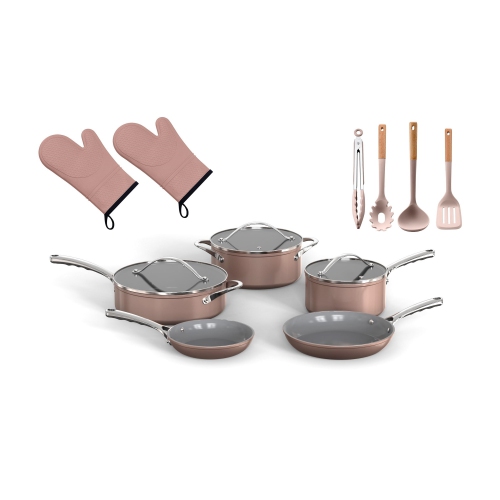

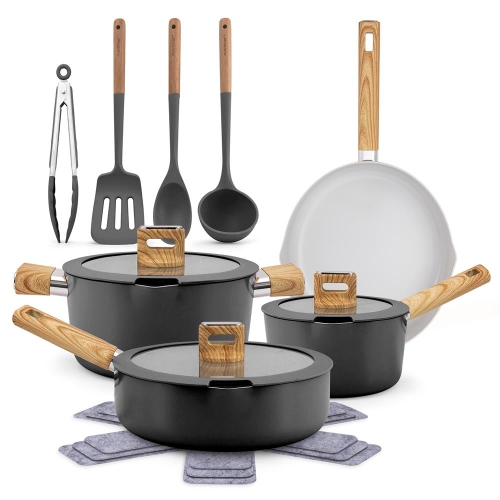
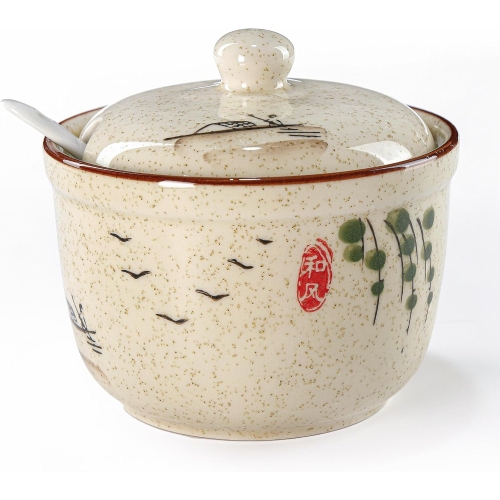
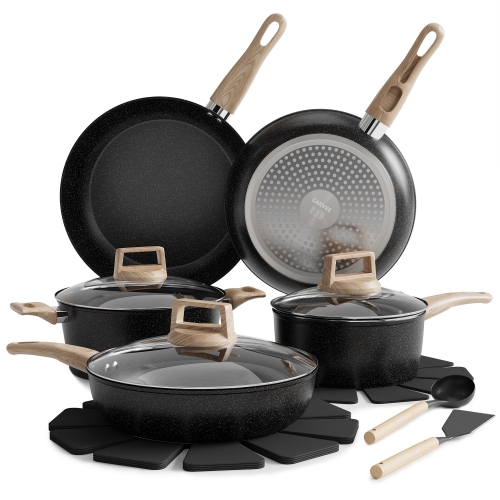


How materials and glazes shape your everyday table
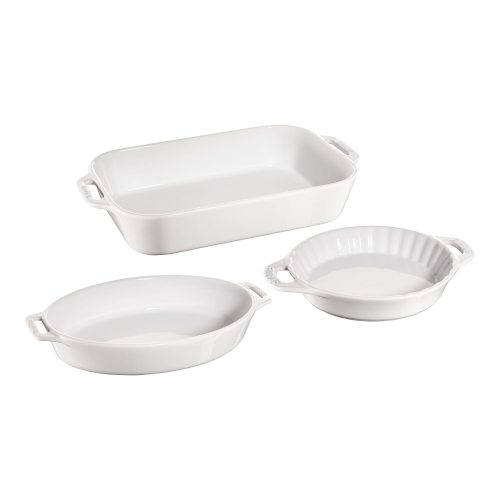
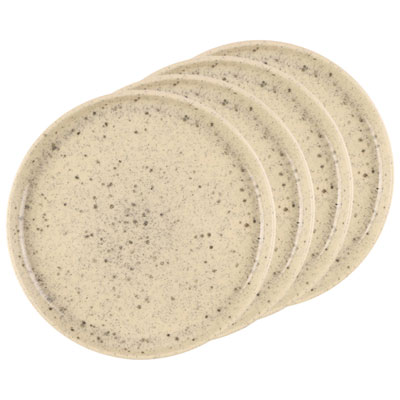
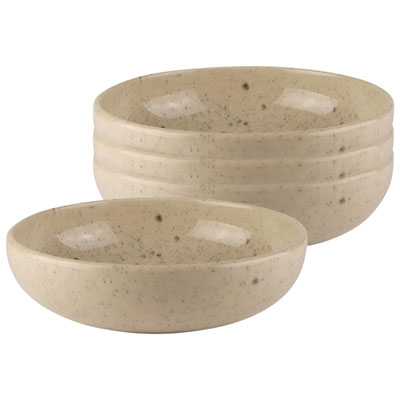
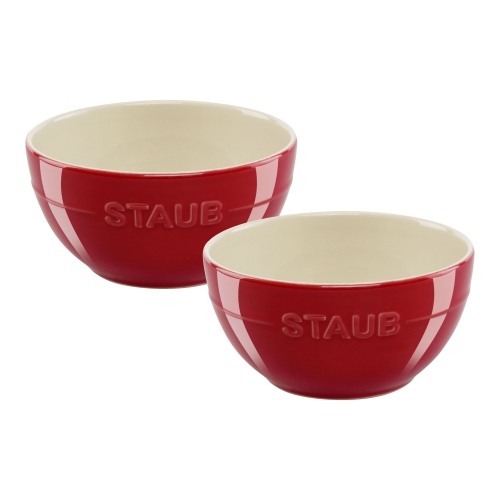
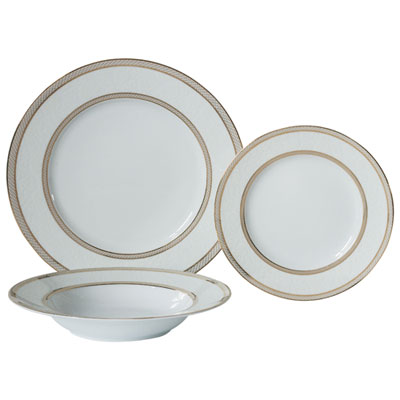
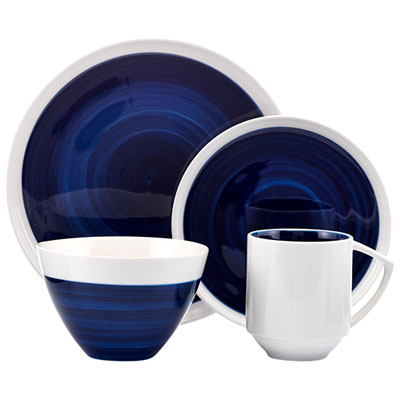
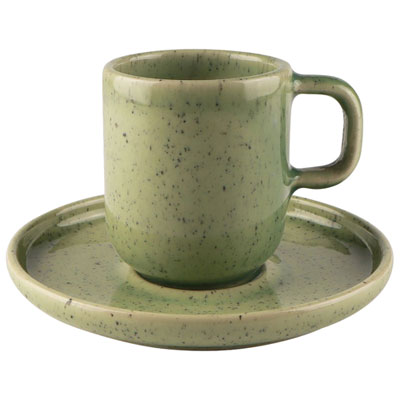
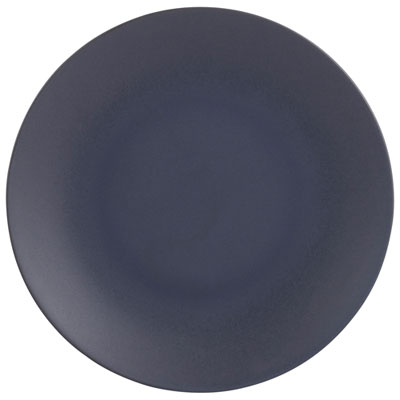
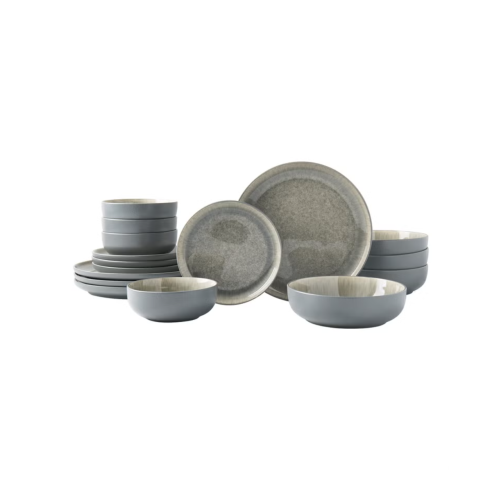
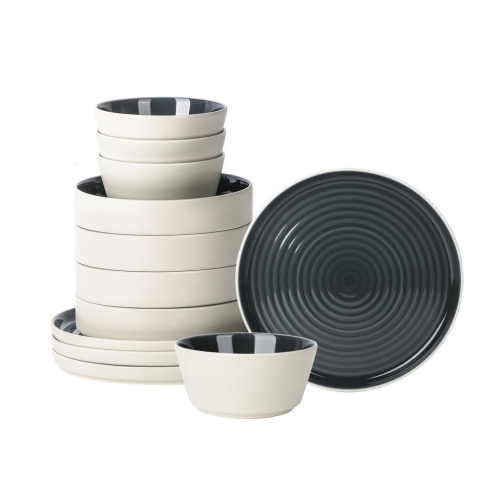
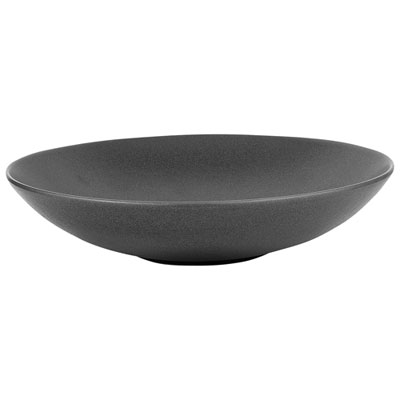
Ceramic dishes bring together practical tableware and a wide range of colours, textures, and shapes, making them suitable for everyday meals as well as a thoughtfully arranged dinner table. Made from clay that is shaped and fired, ceramic dinnerware includes earthenware, stoneware, and porcelain, each with a different balance of weight, finish, and durability. Earthenware often has a substantial, relaxed appearance and typically relies on a glaze to seal its more porous body. Stoneware is generally dense and sturdy, with a comfortable heft that suits frequent use. Porcelain is fired to create a hard, dense body that can be formed into thinner profiles, offering a lighter feel without necessarily being delicate. The material alone does not determine how a dish will perform; its construction, glaze, and manufacturer’s care specifications matter too. Across these materials, glossy finishes reflect light and can emphasize rich colour, while matte surfaces create a softer look. Reactive glazes may produce variations in shading, speckling, or pattern, so pieces within the same design can have subtle differences. Those variations can add character to a table, particularly when paired with simple glassware and neutral linens. White and cream dishes provide a quiet backdrop for colourful salads, roasted vegetables, and sauced main courses, while deeper shades create contrast with pale foods such as rice or pasta. Shape also influences the experience of a meal. A wide, flat plate leaves room to separate different foods, a gently raised rim helps contain sauces, and a shallow bowl can accommodate everything from a grain bowl to a generous serving of spaghetti. Coordinated ceramic dinnerware creates a consistent look, but a mix of compatible colours and silhouettes can feel equally considered. A shared glaze tone, rim shape, or surface texture helps different pieces sit comfortably together without requiring every place setting to be identical.
For daily use, the best fit depends as much on kitchen routines as on appearance. A broad dinner plate may offer ample serving space yet feel awkward in a narrow cupboard or a dishwasher rack with closely spaced tines. Overall diameter, height, and rim width are useful considerations because two plates with similar outside dimensions can have noticeably different eating surfaces. Bowls deserve the same attention: a deep cereal bowl, a wide soup bowl, and a low pasta bowl may hold similar amounts while serving quite different purposes. Stable bases are helpful on the table, while comfortable edges make dishes easier to carry from counter to dining area. Weight becomes especially noticeable when several plates are stacked together or when a full bowl is carried with one hand. Lighter pieces may be easier for some children, older adults, or people with limited hand strength, although breakable ceramic tableware still requires appropriate handling. Storage is another practical detail. Dishes that nest neatly can make better use of limited shelf space, and a consistent shape helps keep stacks level. For households starting a coordinated collection, Ceramic Dish Sets bring several tableware essentials together in a shared design. Set descriptions distinguish between the total number of pieces and the number of place settings, which are not interchangeable. For example, a place setting might include a dinner plate, a smaller plate, and a bowl, while another configuration may also include a mug. The most useful combination reflects actual meals rather than a larger piece count alone. A household that serves soup and cereal regularly may value deeper bowls more than extra cups, while frequent hosts may prefer enough matching plates for guests. A few additional settings can also keep meals running smoothly when some dishes are in the dishwasher. For shared kitchens and smaller dining spaces, versatile shapes that work across breakfast, lunch, and dinner can simplify both storage and table setting.
Care and durability are closely connected with how ceramic dishes are used. Dishwasher-safe, microwave-safe, and oven-safe are separate designations, so suitability for one appliance does not establish suitability for another. Metallic decoration may rule out microwave use, and ordinary ceramic dinnerware should not be treated as bakeware unless the manufacturer expressly permits it. Even dishes approved for oven use have stated limits, and sudden changes in heat can cause thermal shock. Moving a cold dish directly into a hot oven, or placing a hot dish on a cold or wet surface, can put unnecessary stress on the material. Microwave-safe dishes can also become hot from the food they contain, making careful handling important. For cleaning, the recommended detergent, wash method, and dishwasher placement help protect the glaze and any decorative finish. Leaving space between pieces reduces contact during washing, while gentle stacking limits knocks along rims and edges. Matte glazes and lighter surfaces may show grey marks from metal cutlery; these marks can be metal transfer rather than scratches, but cleaning methods should still follow the maker’s advice. Abrasive pads and harsh cleaners can damage some finishes. Chips, cracks, and damaged glazed surfaces deserve attention, particularly where they create sharp edges or make cleaning difficult. Dishes intended for food contact should be identified as such, since an ornamental ceramic piece is not automatically suitable for serving meals. With appropriate care, ceramic tableware can become a familiar part of daily routines, from toast at the kitchen counter to a shared meal with friends. It can also make a useful housewarming or wedding gift when the recipient’s habits, storage space, and preferred style are considered. Neutral colours are easy to pair with existing tableware, while distinctive glazes suit someone who enjoys setting a more expressive table. A manageable weight, comfortable shape, and care requirements that suit the household often matter more over time than an elaborate finish. The most satisfying ceramic dishes combine the look someone enjoys with the proportions and everyday practicality that make them pleasant to reach for again.
Top selling and popular products
-
 Your price for this item is $129.99
-
 Your price for this item is $64.99
-
 Your price for this item is $69.99
-
 Your price for this item is $69.99
-
 Your price for this item is $129.99
-
 Your price for this item is $69.99
-
 Your price for this item is $49.99
-
 Your price for this item is $49.99
Discover more categories related to Ceramic Dishes
Top Collections:
Best Black Friday Deals This Year, Best Black Friday Deals On Electronics, Kindle Devices, Pokemon Centers, Best Black Friday Deals On Apple Products, Best Cameras for Sports Photography, Dyson Airwrap, Pokémon 30th Celebration Cards, Apple iPhone 17 Pro, Canon G7X Cameras
Some products may be subject to Environmental Handling Fees
(EHF) depending on your province.
Learn more about EHFs.