Ceramic Space Heaters for Winter Bedroom Comfort
Browse ceramic space heaters for extra bedroom warmth during winter. Compare models by recommended room size, dimensions, and temperature controls, and check product details for noise levels and safety features. For bedroom use, follow the manufacturer’s placement instructions, including clearance from bedding and curtains.

Sort

How your bedroom layout changes where warmth goes

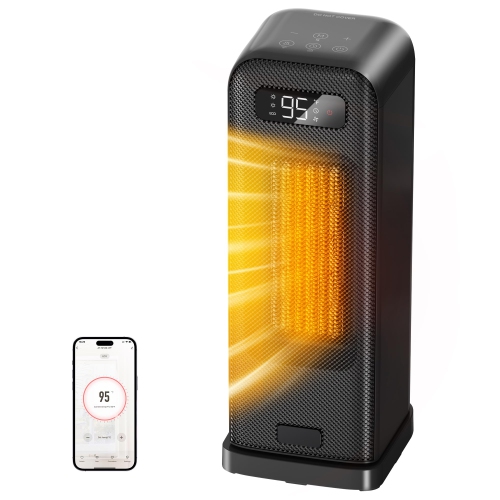
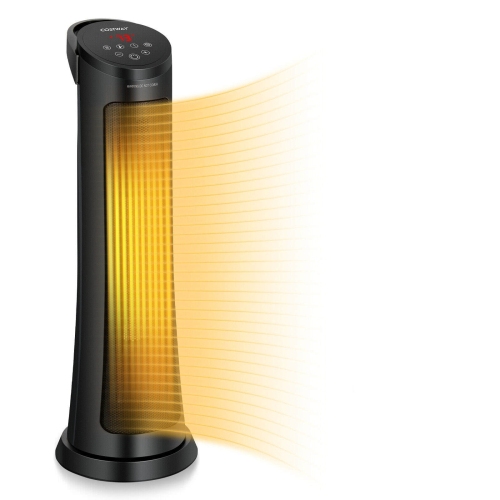
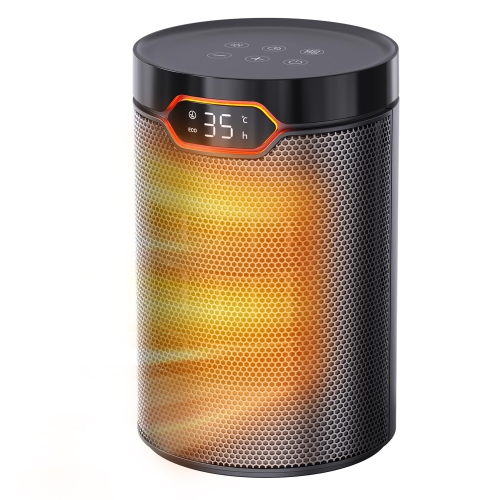
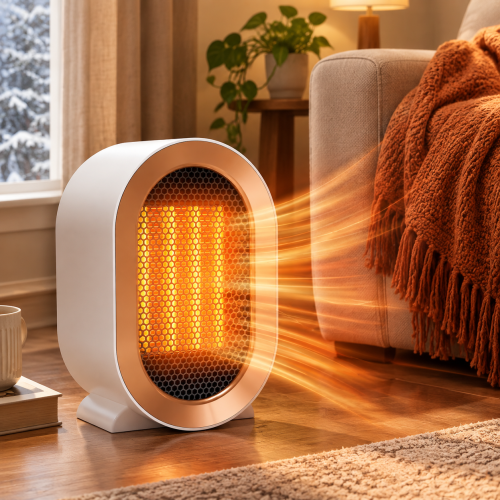
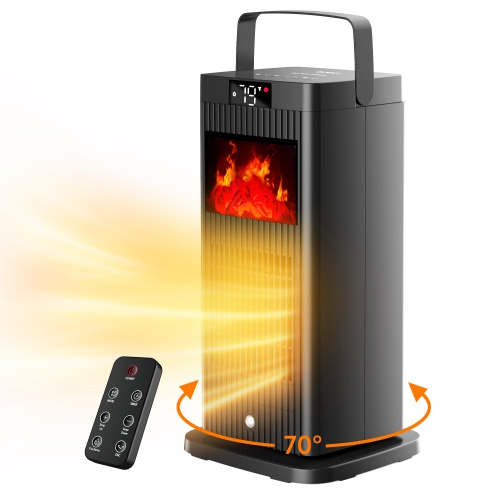
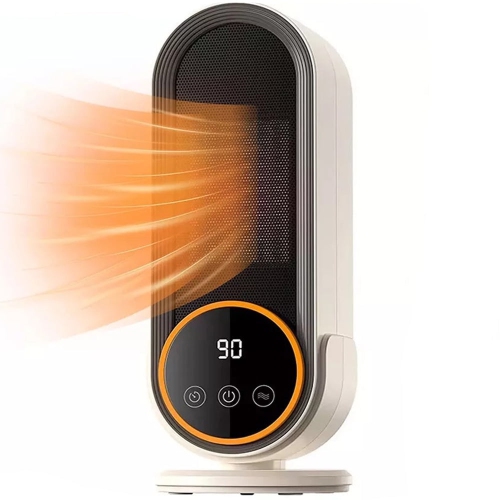
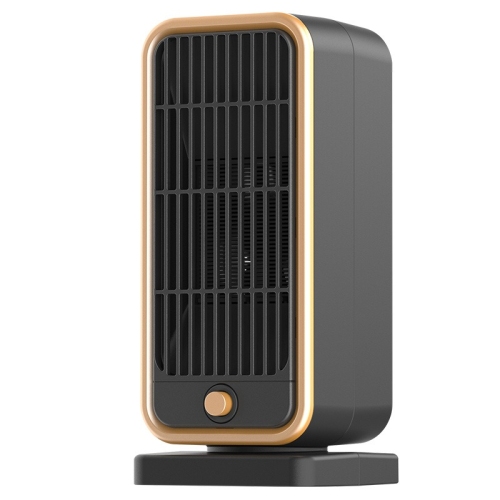
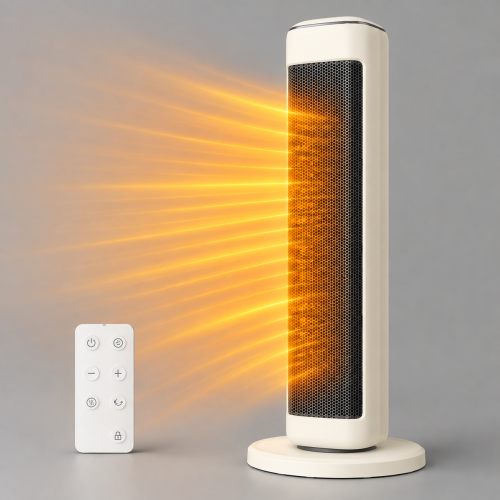
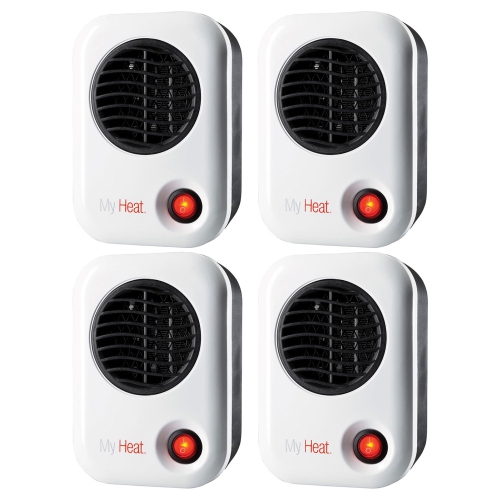
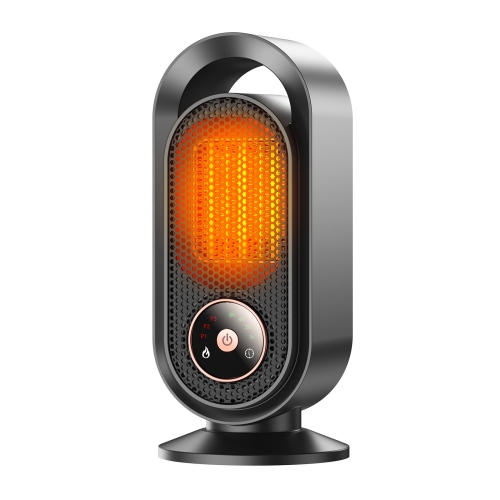
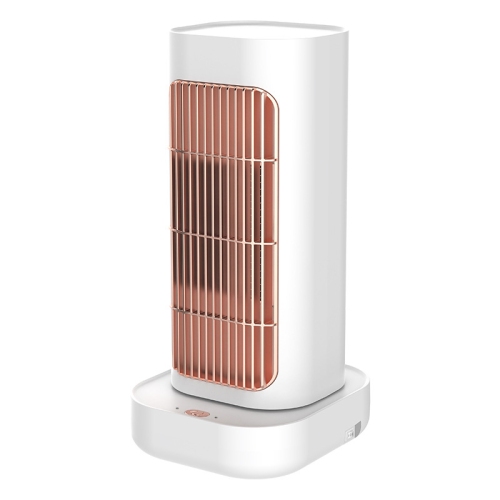
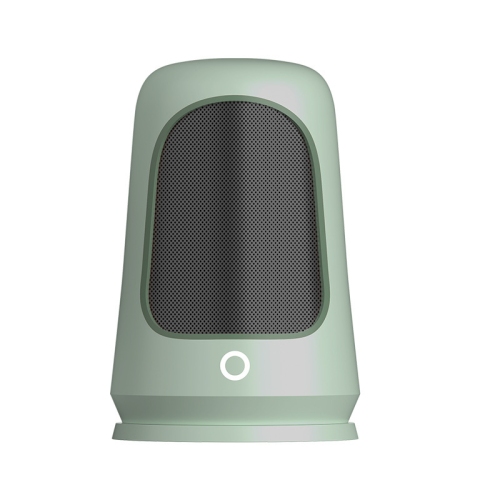
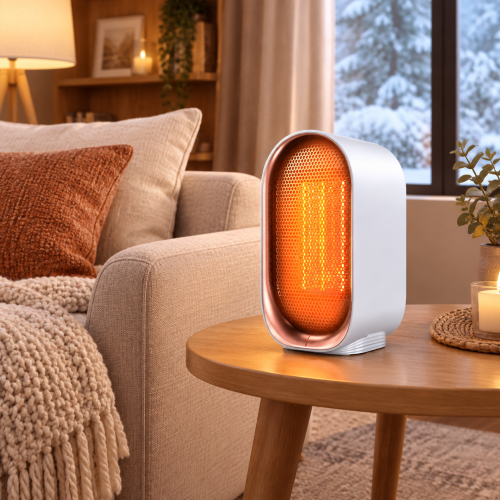
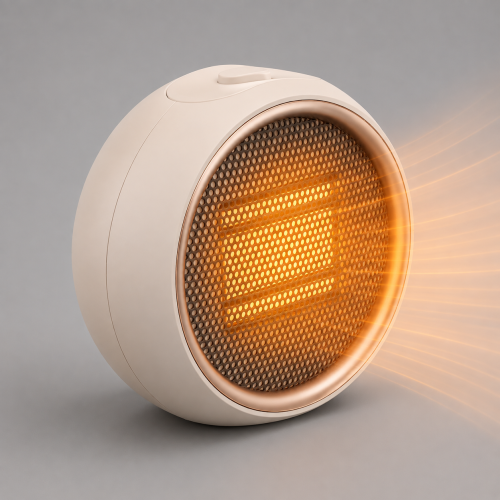
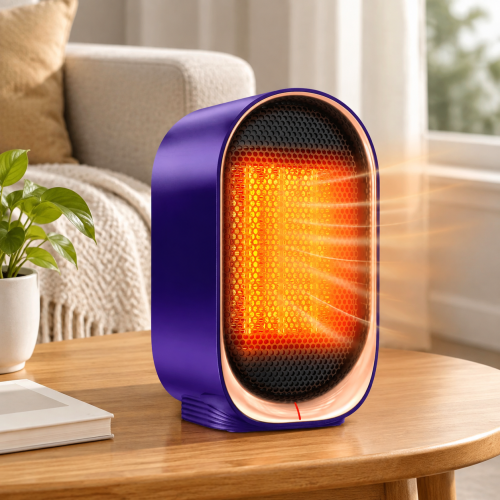
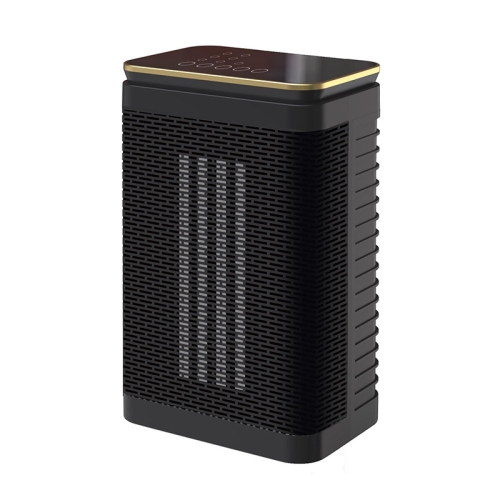
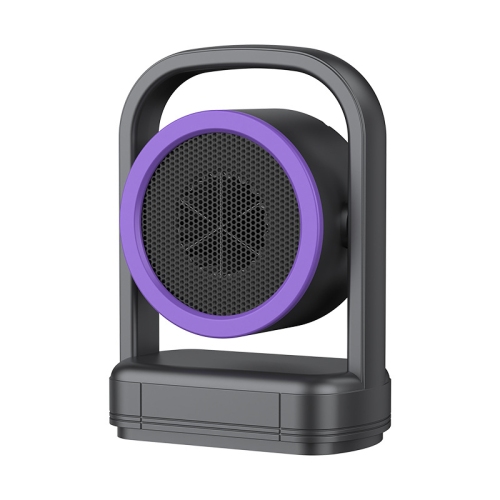
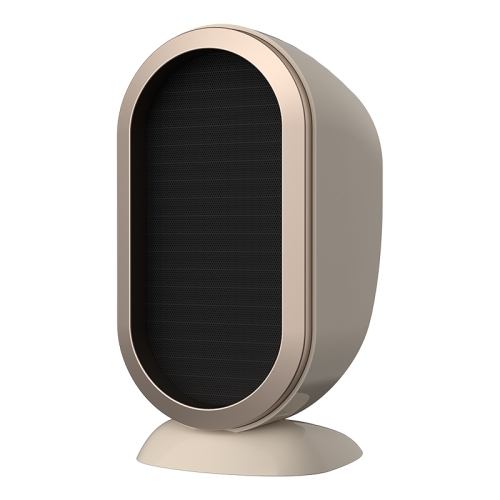
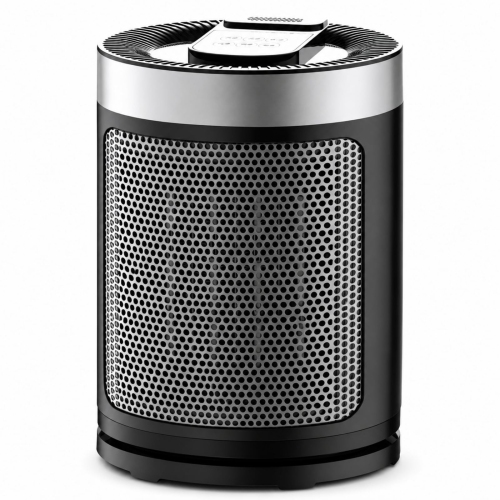
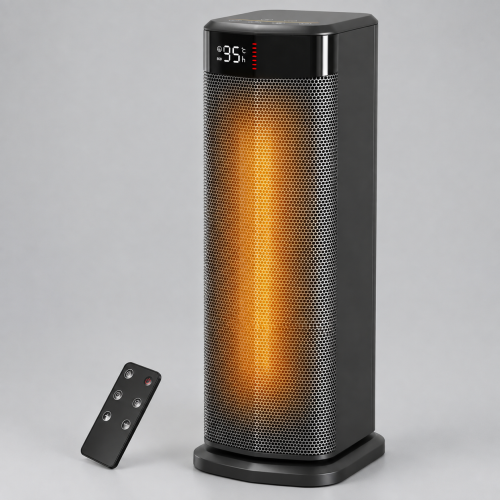
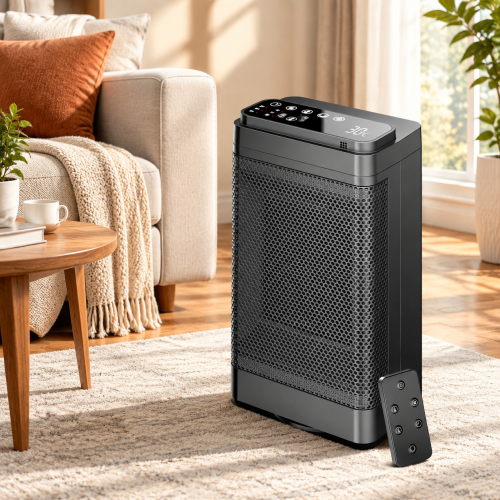
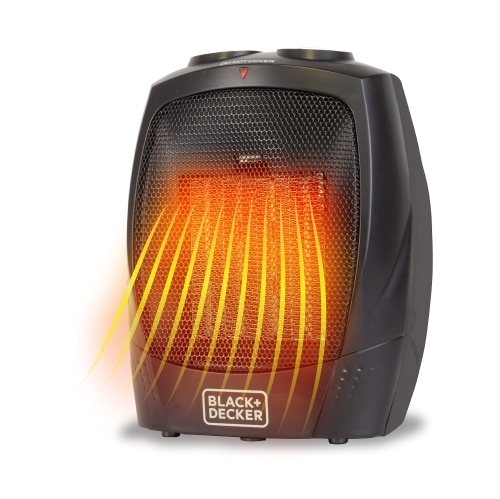
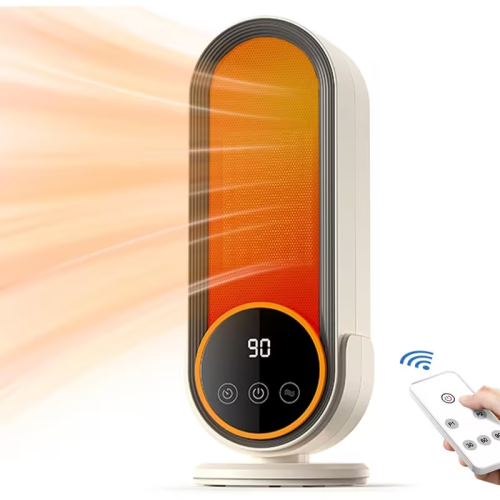
Ceramic space heaters can take the chill off a bedroom while someone gets dressed on a winter morning or reads before bed. They’re designed to provide supplemental heat in an occupied room rather than replace the home’s main heating system. Many use a positive temperature coefficient (PTC) ceramic heating element. As the ceramic heats up, its electrical resistance increases, helping limit the element’s temperature. A fan pushes air across the element, so the warmth is often noticeable soon after the heater is switched on. Where that warmth goes depends on the shape of the heater, the direction of its outlet and the room layout. A compact model with a fixed outlet can direct warmth toward one part of a small bedroom, such as an open dressing area. An oscillating tower sweeps warm air from side to side, which can be useful when a reading chair and dresser sit on opposite sides of a room. A tower may take up little floor space, but it still needs an open spot with room for the air to circulate. A tall unit tucked between a dresser and a curtain won’t make good use of that wider airflow, and a compact heater isn’t a good fit if the only spot for it is under a desk or beside hanging bedding. Ceiling height, drafts and the amount of open space also affect how the room feels. In a larger bedroom, a heater may make the area around a chair comfortable well before the far corners feel any different. For a fair sense of fit, picture the room as it’s used: drawers open, curtains hanging and a duvet that sometimes drapes past the edge of the bed. Those details matter more than whether the heater itself fits neatly into a narrow gap.

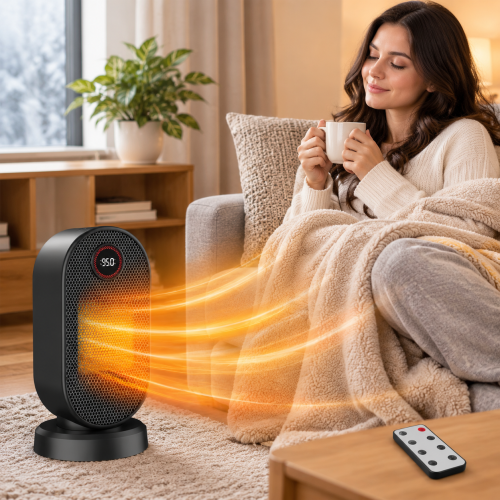
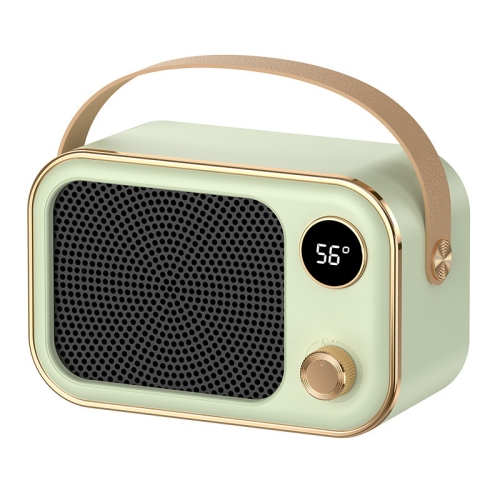
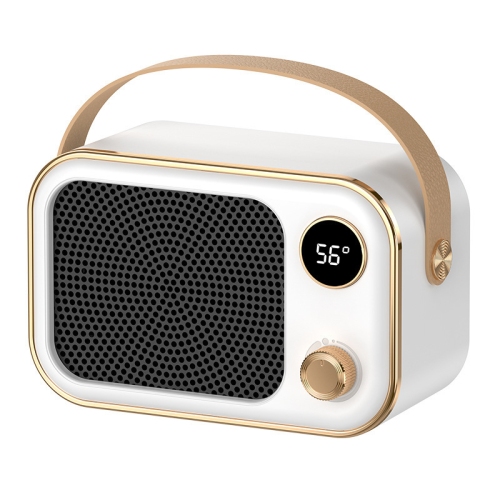
Bedroom comfort is as much about sound and controls as it is about warmth. A fan-driven ceramic heater makes some sound, and the change in pitch when the fan speeds up or cycles off can be more noticeable than a steady hum. If a decibel rating is listed, check which setting it describes; a reading taken on low may not reflect how the heater sounds on high. Oscillation can make airflow feel less direct, while a fixed outlet may be preferable for someone who doesn’t like a moving stream of air across a chair. An adjustable thermostat lets the heater cycle or reduce its output as the room warms, depending on the design. If the display shows a room temperature, the reading reflects the air near the heater’s sensor rather than the temperature at the opposite wall. Straightforward controls with clear markings can be easier to use in low light, and a dimmable display can reduce glare during an evening reading session. A shut-off timer can be handy for a short stretch of supervised use, but it isn’t a reason to leave a portable heater running while asleep. For a bedroom that also serves as a study or a place to fold laundry, simple controls can matter more than a long list of settings. A ceramic heater can also be a practical gift for someone who regularly uses a chilly spare room, provided there’s a safe place to set it up. A sturdy base, a well-fitted grille and a carry handle are useful details if the heater will move from room to room once it’s off and cool. For a broader look at designs with different airflow and operating sounds, see Space Heaters for Bedrooms.

Safe placement starts with a flat, stable floor and a spot where the heater and cord won’t be in anyone’s path. Keep the heater at least one metre from anything that can burn, including blankets, curtains, upholstered furniture and clothing, and follow any greater clearances specified in the manual. A spot that looks clear when the curtains are open may not be suitable once they’re drawn. Plug the heater directly into a wall outlet rather than an extension cord or power bar, and keep the cord out from under rugs. When comparing designs, look for a recognized certification mark for use in Canada, along with features such as tip-over shut-off and overheat protection. These are backups, not substitutes for clear space around the unit and someone in the room while it’s running. Even if the housing is designed to stay cooler, the outlet grille can still get hot. Switch the heater off before leaving the room or going to sleep. A fan can stir up settled dust, which is worth considering in a room with rugs and plenty of fabric. Lint can also collect around the intake grille. For routine care, switch the heater off, unplug it and let it cool before cleaning the outside and clearing dust from the vents according to the manual. Avoid spraying cleaner into the grille or opening the housing to remove dust. Check the cord and plug periodically, especially after moving the unit, and stop using it if either is damaged. When the heater isn’t needed, store it somewhere dry where the grille won’t be crushed and the cord won’t be pinched. For regular winter use, the right fit is a heater that warms the part of the bedroom people actually use, runs at a sound level they find comfortable and can be placed with enough clearance every time.

FAQ

Some products may be subject to Environmental Handling Fees (EHF) depending on your province. Learn more about EHFs.