Ceramic Space Heaters
Ceramic Space Heater options provide a convenient way to keep your home or office comfortable during chilly days and nights. Designed to fit seamlessly into a variety of spaces, these heaters offer an effective solution for adding warmth wherever you need it most. Whether you're looking to enhance your living room, bedroom, or workspace, the Ceramic Space Heater selection offers styles and sizes to suit any setting. Explore the range and discover how easy it is to create a cozy atmosphere with the right heating solution.
Sort
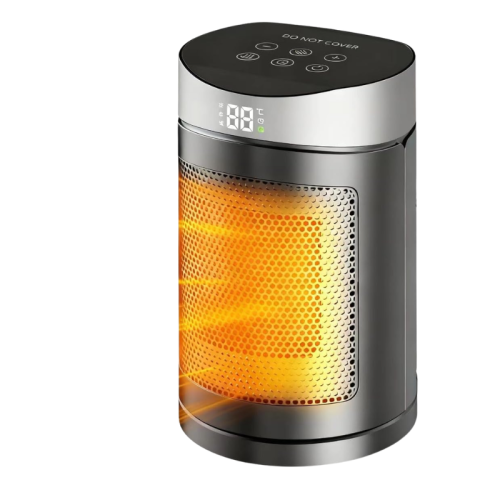
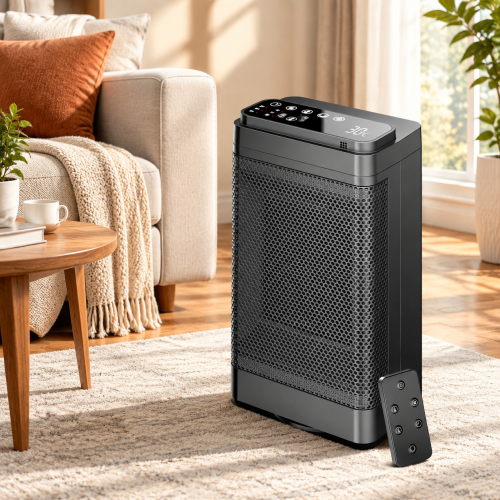
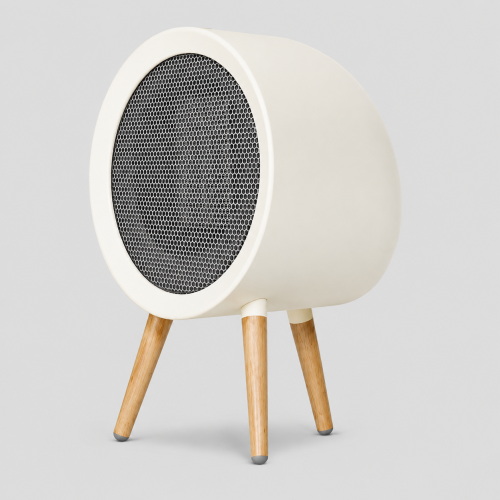
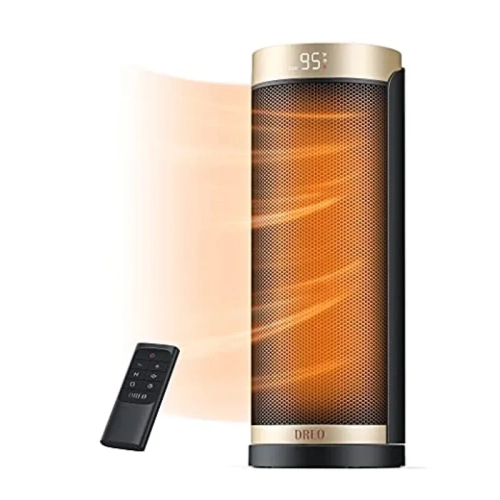
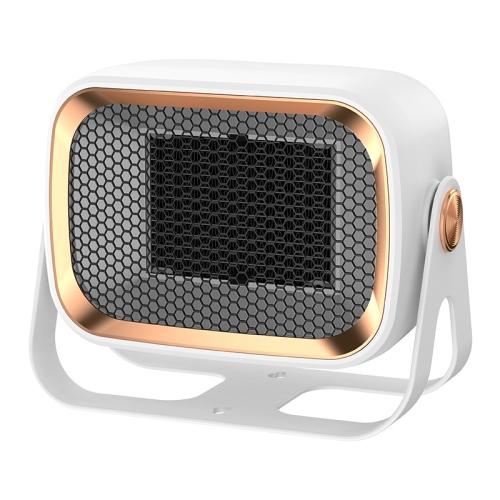

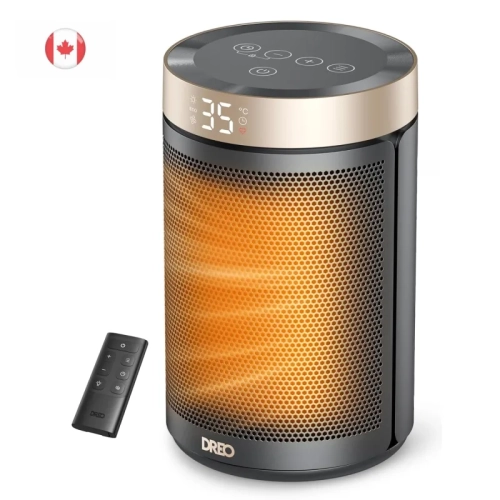
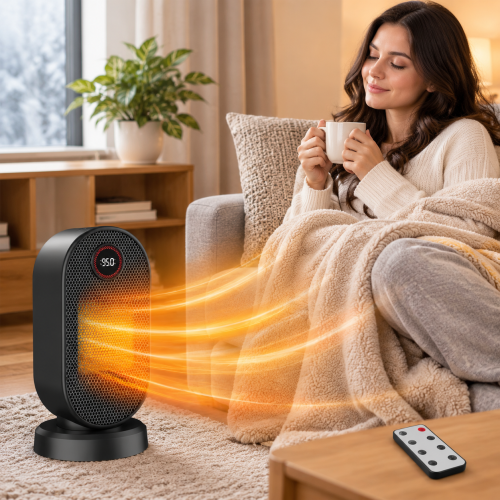
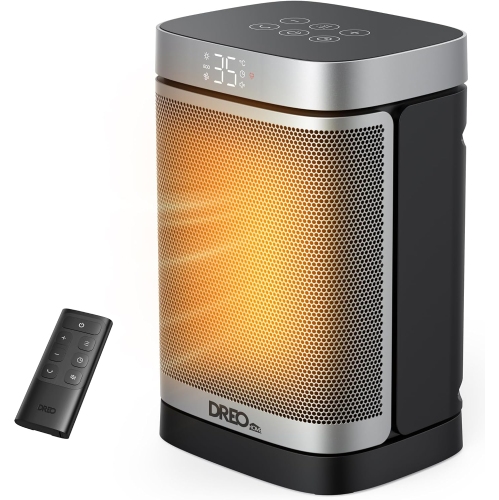
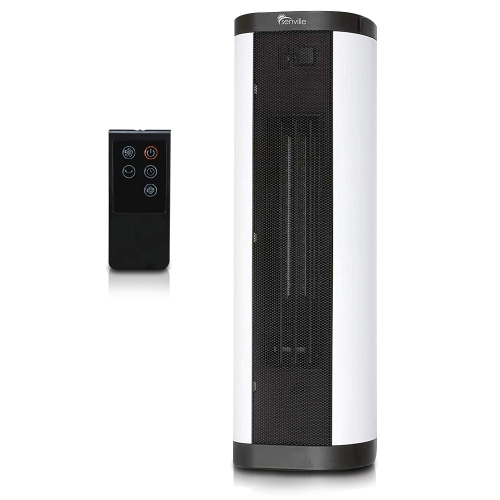
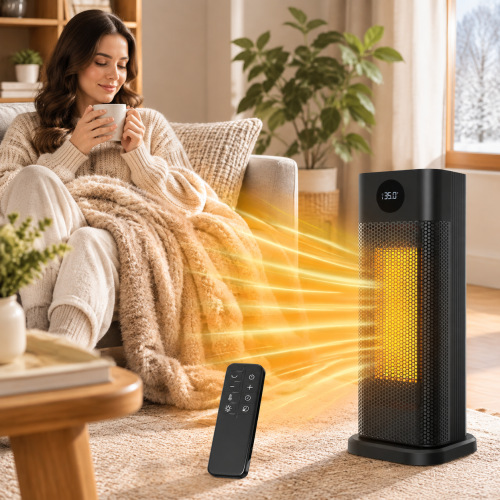
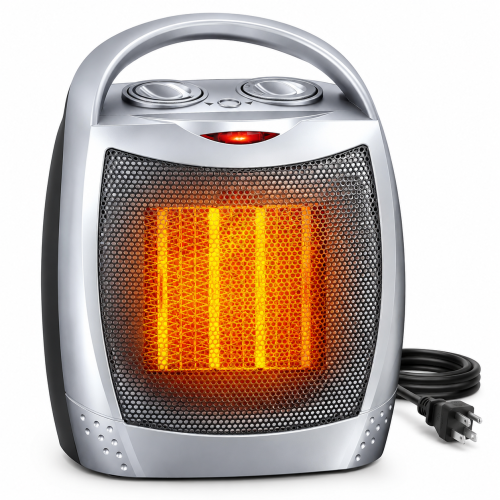
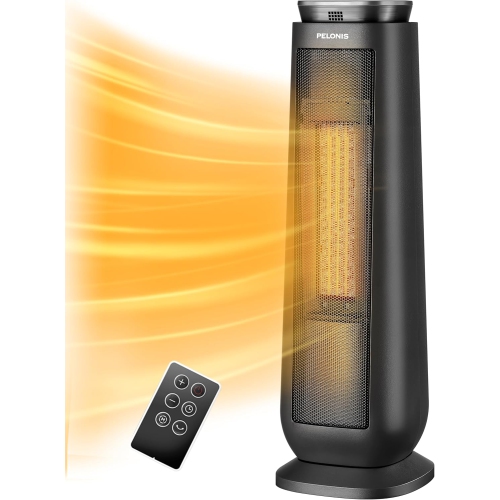
Targeted warmth for the spots your heating misses
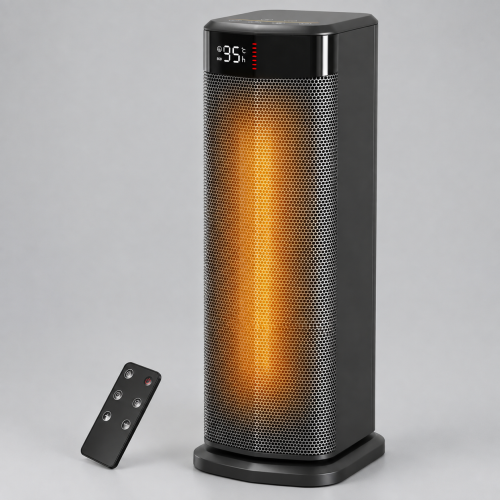
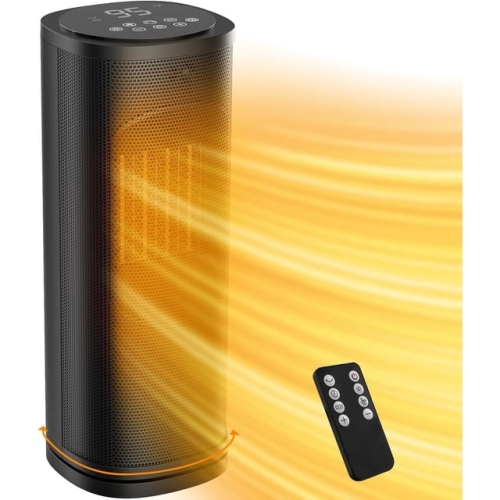
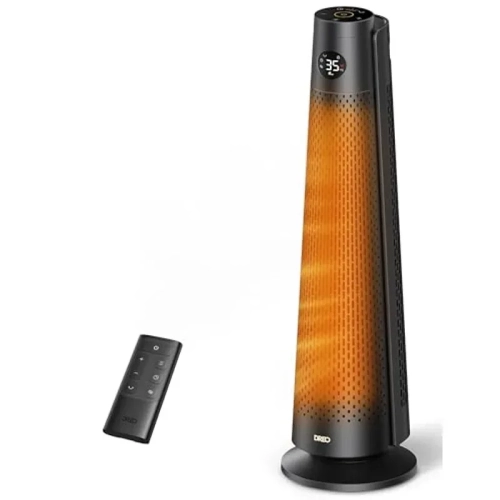
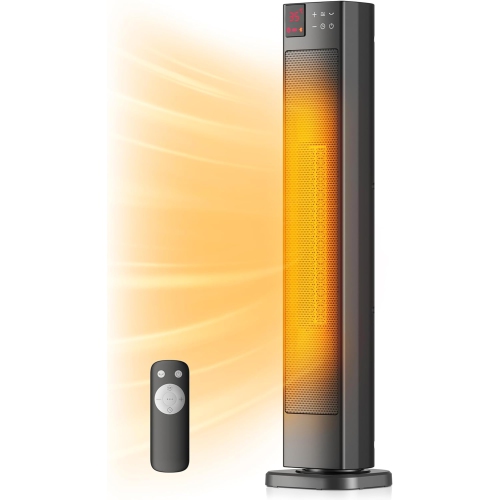
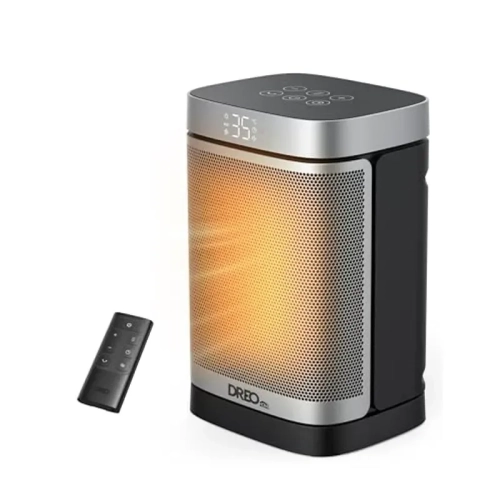
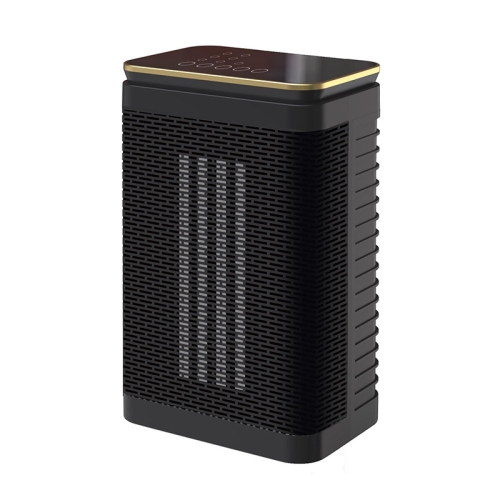
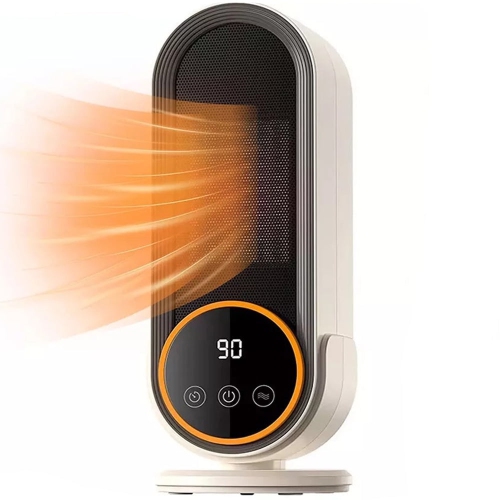
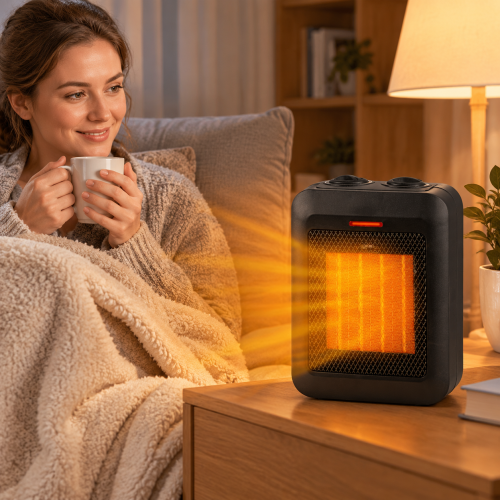
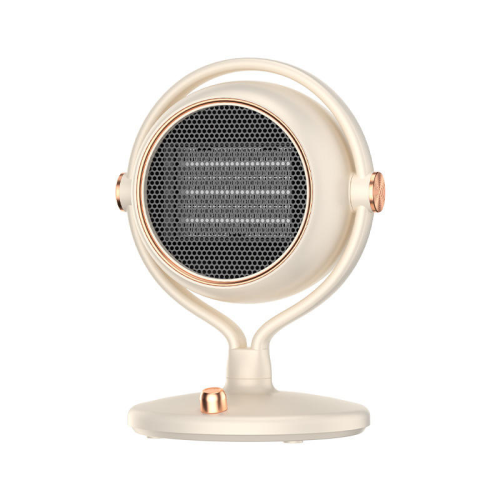
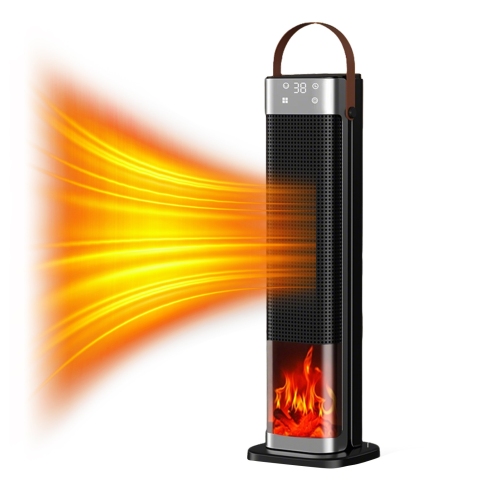
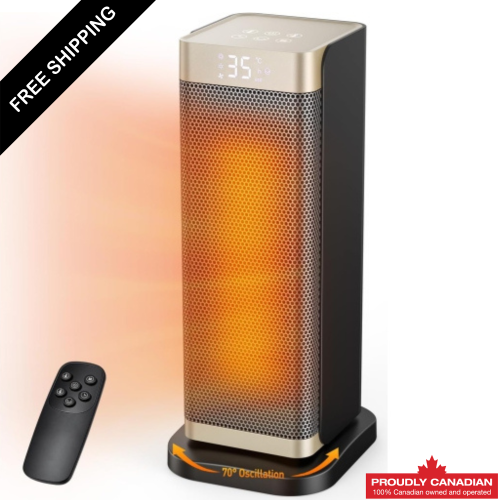
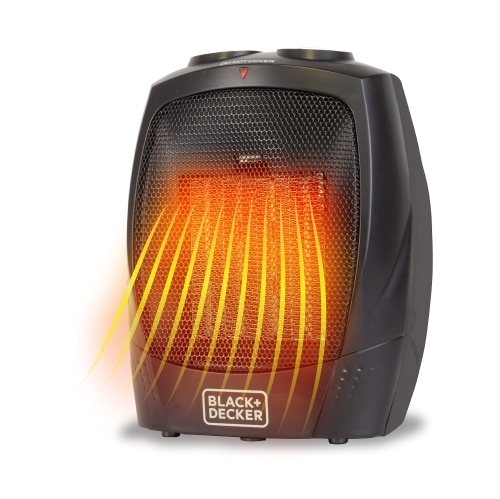
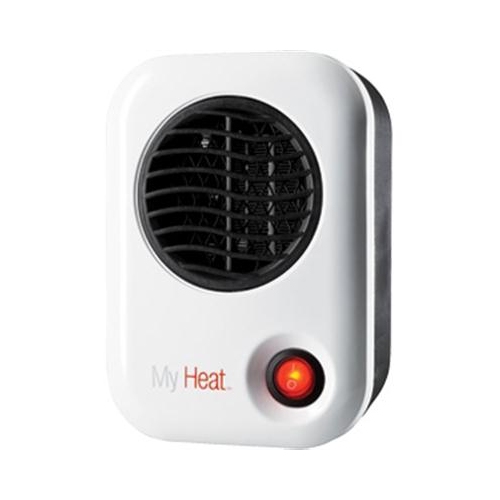
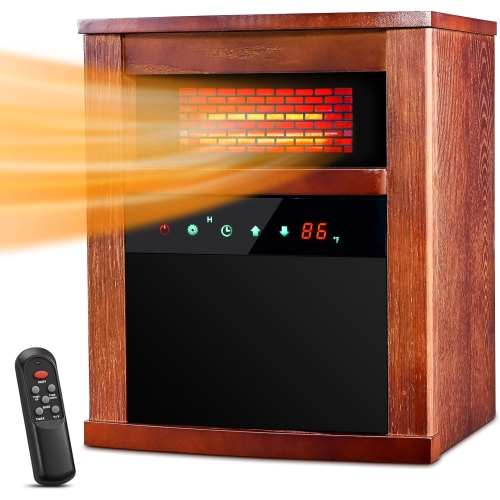
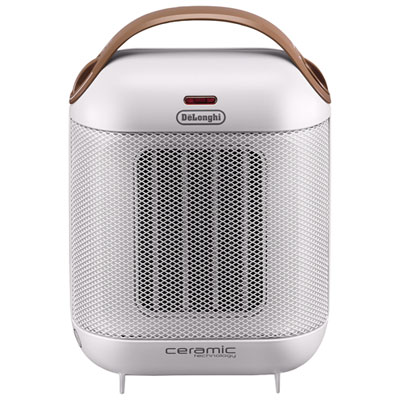
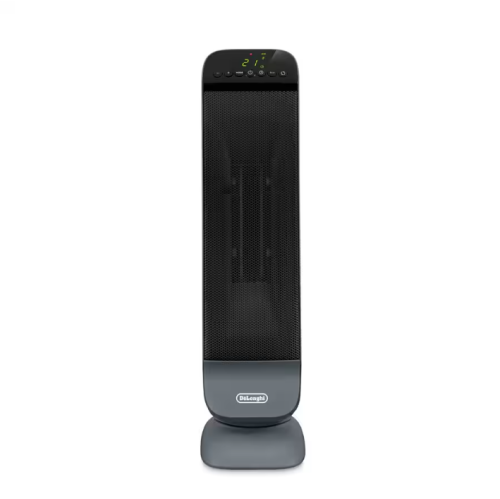
Ceramic space heaters deliver targeted warmth by using electricity to heat a ceramic element, with a fan moving air across that element and into the room. They are commonly used as supplementary heat in home offices, bedrooms, and living areas where the main heating system leaves an occupied spot feeling chilly. Many use positive temperature coefficient, or PTC, ceramic elements, which increase their electrical resistance as they heat up, helping regulate the element’s temperature. That characteristic does not replace a thermostat or built-in safety protection, but it explains how this heating technology differs from an exposed glowing coil. Many full-size portable models offer a maximum setting of 1,500 watts, while smaller personal heaters may use less power. Wattage describes electrical input, not a guaranteed room size: ceiling height, insulation, windows, drafts, and an open doorway all affect how warm a space becomes. A compact heater can be useful near a workstation, while a taller tower format may distribute airflow across a broader seating area. Oscillating designs sweep the airflow from side to side rather than keeping it pointed in one direction. For a reading nook or a home office used for several hours at a time, the useful distinction is often between focused warmth and wider air circulation. Ceramic space heaters generally begin delivering warm air quickly, although warming the whole room takes longer. Their relatively lightweight construction makes many designs practical to move between suitable locations once switched off, unplugged, and cooled. Unlike oil-filled radiators, they usually retain little heat after being turned off, so their warmth is most noticeable while operating. Comparing Electric Ceramic Heaters by dimensions, airflow, and stated room coverage helps distinguish a personal heating format from one intended for a larger occupied area. For renters, students, and homeowners alike, the appeal is supplementary warmth where people spend time, rather than a substitute for a properly functioning primary heating system.
The right fit involves the room layout as much as the heater’s shape. A slim tower occupies a different footprint from a low, wide housing, but both need unobstructed intake and outlet grilles, a stable supporting surface, and the clearance specified in the manual. Compact does not automatically mean suitable for a desktop, shelf, or the space beneath a crowded desk; placement needs to match the design and its instructions. In a home office, fan noise can matter as much as heat output, particularly during calls or concentrated work. Sound descriptions are most useful when they identify the operating setting, since a low fan setting may sound noticeably different from maximum heat. Adjustable heat levels provide flexibility, while a thermostat cycles or adjusts heating around a chosen temperature. The sensor measures conditions near the heater, so a display reading may differ from the temperature beside a window or across the room. Digital controls can make settings easy to read, and straightforward buttons or dials may suit people who prefer a simpler interface. A remote control offers convenient adjustments from a chair, while a timer can limit a heating session without making unattended use appropriate. Bedroom use also brings display brightness and control sounds into consideration, especially when the heater is used while reading or getting ready for bed. Housing materials vary, including heat-resistant plastics, metal grilles, and combinations of both. A sturdy base, secure handle, and well-fitted controls contribute to everyday practicality, but any exterior can become warm during operation. A cool-touch description should not be treated as a promise that every surface stays safe to touch. For a shared family room, clearly marked settings and controls that resist accidental changes can be useful. For someone moving a heater between a study and a sitting room, manageable weight and a comfortable carrying point may matter more than extra display functions. In either case, easy access for cleaning helps support reliable airflow over time.
Safe operation and routine care are central to owning a ceramic space heater. Look for a recognized electrical safety certification mark valid in Canada, along with features such as automatic shut-off if the unit tips over and protection against overheating. These protections provide a safeguard, not permission to place a heater close to combustible materials or leave it running without supervision. Keep it at least about 90 centimetres, or three feet, from curtains, bedding, upholstered furniture, paper, and other materials that could catch fire, and follow any greater clearance required by the manufacturer. Position it on a firm, level surface away from walkways, with the cord where it will not be pinched, covered by a rug, or become a tripping hazard. Plug it directly into a suitable wall outlet rather than an extension cord, power strip, or multi-outlet adapter. A high-output heater places a substantial load on a household circuit, so other high-wattage appliances sharing that circuit can cause problems. A loose outlet, scorching, unusual smell, damaged plug, or a cord that becomes hot warrants stopping use and having the issue assessed. Keep portable heaters away from water unless the model is specifically rated for the intended location, and never use one to dry clothing or towels. Children and pets need separation from the unit and its airflow outlet. Switch the heater off and unplug it before leaving the room or going to sleep; a timer does not change that precaution. For cleaning, unplug the unit, let it cool completely, and follow the manual’s directions for removing dust from accessible grilles or a removable filter. Some filters can be cleaned in particular ways, while others require replacement, so washing should never be assumed appropriate. Avoid spraying liquid into the housing or opening it for household repairs. Once clean and dry, store the heater where its grille and cord will not be crushed. These habits help preserve airflow, reduce dust buildup, and keep a portable heater ready for its intended role: comfortable, supervised supplementary warmth.
Top selling and popular products
-
 Your price for this item is $549.99
-
 Your price for this item is $549.99
-
 Your price for this item is $41.99
-
 Your price for this item is $136.99
-
 Your price for this item is $159.95
-
 Your price for this item is $159.95
-
 Your price for this item is $219.95
-
 Your price for this item is $159.95
Discover more categories related to Ceramic Space Heaters
Top Collections:
Best Black Friday Deals This Year, Best Black Friday Deals On Electronics, Kindle Devices, Pokemon Centers, Best Black Friday Deals On Apple Products, Best Cameras for Sports Photography, Dyson Airwrap, Pokémon 30th Celebration Cards, Apple iPhone 17 Pro, Canon G7X Cameras
Some products may be subject to Environmental Handling Fees
(EHF) depending on your province.
Learn more about EHFs.