Coffee Makers for Small Kitchens
Finding the perfect coffee maker for small kitchens is all about maximizing convenience without sacrificing your daily brew. Whether you have limited countertop space or are outfitting a cozy apartment, there are compact options designed to fit seamlessly into your kitchen layout. Explore a range of coffee makers that blend style and functionality, allowing you to enjoy freshly brewed coffee even in the most space-conscious settings. Discover how easy it can be to bring café-quality coffee into your home with a coffee maker for small kitchens.
Sort

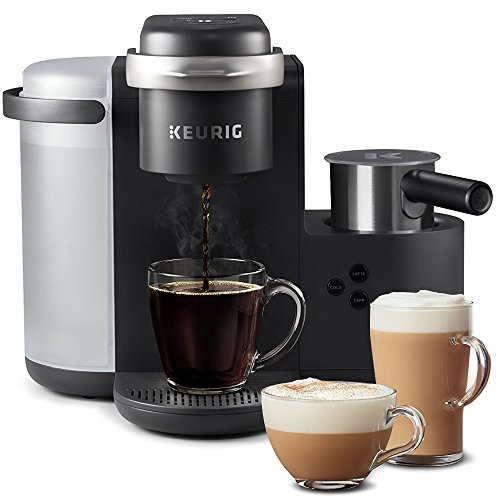
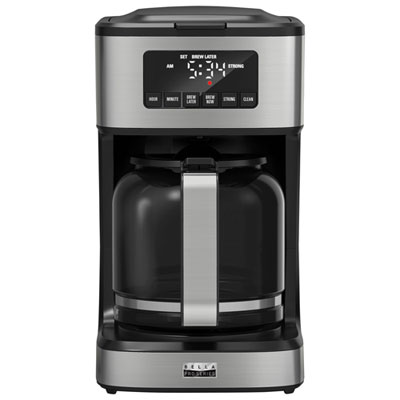

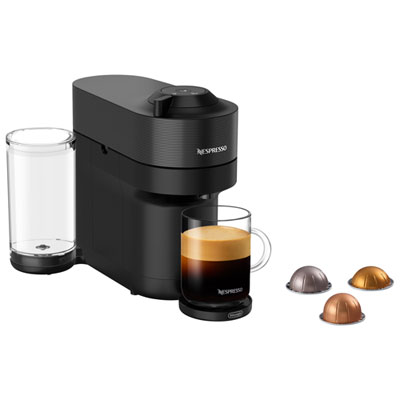

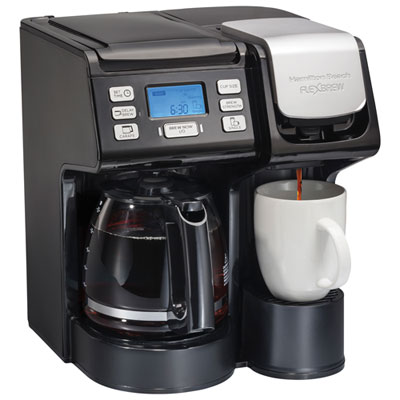

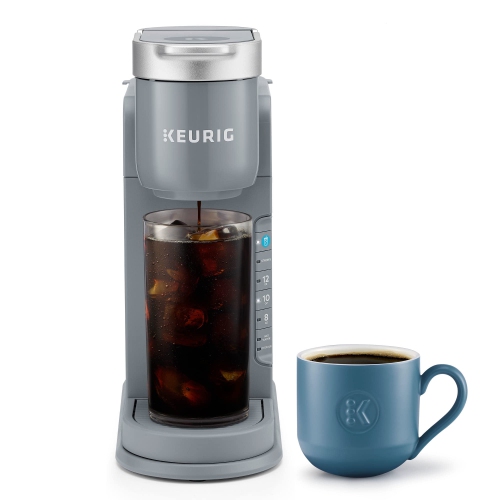

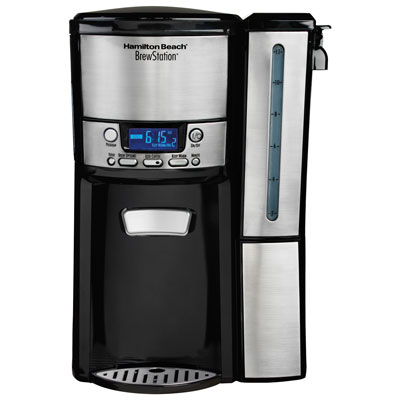

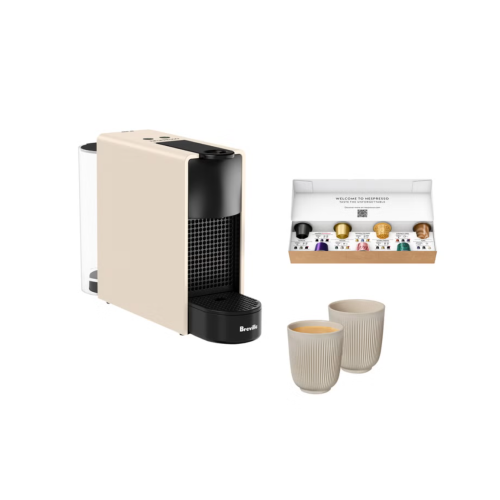


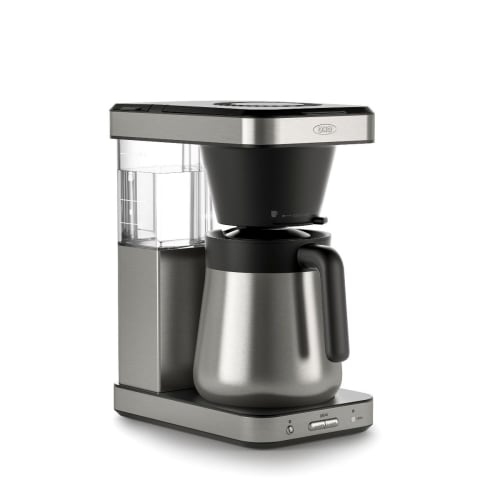
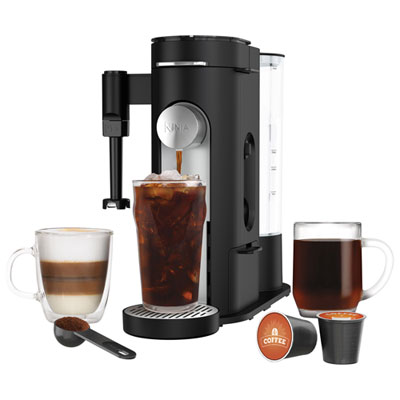
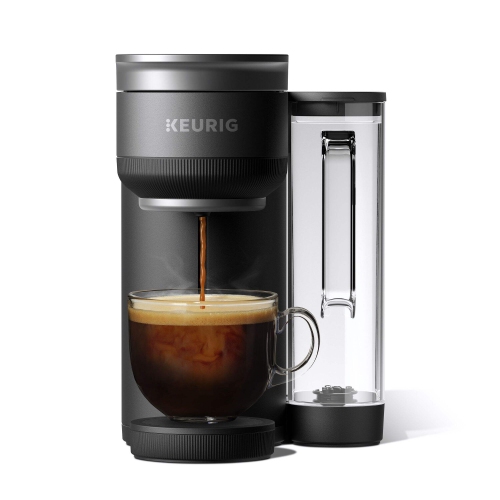

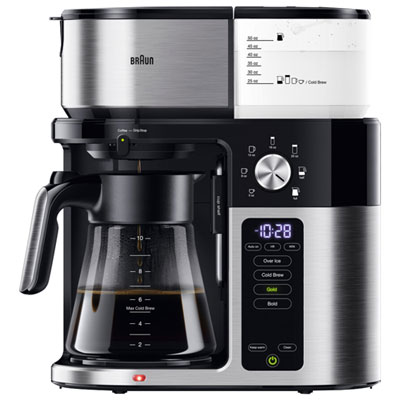

The right brewer fits your counter and your routine
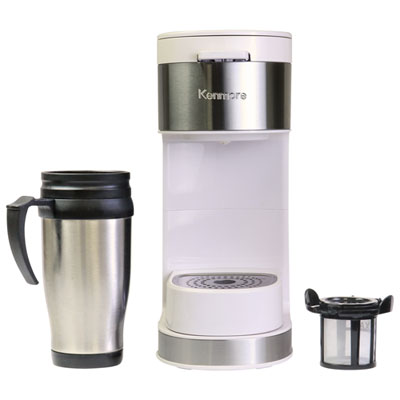
Coffee makers for small kitchens bring everyday brewing into spaces where the counter also needs to accommodate meal prep, dishes, and other appliances. A compact footprint matters, but so does the way the machine fits a household’s coffee routine. Small drip coffee makers suit people who prefer brewing several servings together, with a carafe that can move easily from the kitchen to a breakfast table or desk. Single-serve coffee makers prepare one mug at a time, making them practical for solo coffee drinkers or households whose schedules rarely overlap. Pod-based machines simplify portioning, while models designed for ground coffee offer flexibility in the beans and grind used. Compatibility varies, so a single-serve design does not necessarily accept both formats. Manual brewers, including pour-over drippers and coffee presses, offer another approach: their brewing pieces can often be stored in a cupboard between uses, although a kettle and space for preparing the coffee are still part of the setup. Compact espresso machines suit those who prefer concentrated coffee or milk-based drinks, but their working area may need room for a milk pitcher and accessories as well as the machine itself. The most useful capacity depends on what gets poured each day, rather than the largest number printed on a carafe. A coffee maker’s stated cup capacity may represent smaller servings than a typical mug, so the capacity in millilitres provides a clearer comparison for someone filling a large breakfast cup. For a couple sharing coffee before leaving home, a small carafe may be more convenient than preparing separate servings. For someone making a single afternoon coffee, a machine that brews directly into a mug can keep the routine simple. Small kitchens do not all need the same type of brewer; the right balance comes from matching the brewing method, batch size, and daily handling to the space.
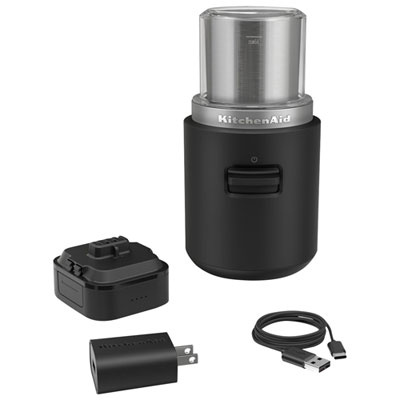
The usable footprint of a coffee maker includes more than its base. Width and depth determine how much counter it occupies, while lid movement, reservoir access, and the direction a filter basket opens affect how comfortably it works beneath upper cupboards. A slim machine with a top-filling tank may need more overhead clearance than a slightly wider model with a removable reservoir. Front-facing controls can be easier to reach on a narrow stretch of counter, and a clearly marked water window helps make filling less awkward. Where a machine sits near a backsplash, the plug and cord also need space without forcing the appliance towards the counter’s edge. Manufacturer-specified clearances remain important, particularly around steam outlets; a brewer that fits beneath a cabinet is not necessarily intended to operate directly under it. Mug clearance is another practical detail. A removable drip tray may accommodate a taller travel mug, but the available height and width still need to match the drinkware being used. Carafe models need enough room to lift and replace the pot without knocking a cupboard handle or neighbouring appliance. In a galley kitchen, a brewer that stays in its usual position for filling, brewing, and cleaning can be easier to live with than one that must be pulled forward every morning. The surrounding accessories deserve the same attention. Filters, pods, beans, and scoops can take up as much useful space as the brewer if they spread across the counter. A small tray or cupboard shelf can keep those pieces together without turning the preparation area into permanent storage. For a ground-coffee setup, coffee grinders for small kitchens are a related consideration, with their own requirements for storage and access to power. Espresso preparation may also involve removing a portafilter, reaching a steam wand, and setting down a pitcher. These everyday movements explain why a compact coffee maker’s layout can matter just as much as its dimensions.
Materials and construction influence how a small coffee maker feels in daily use and how much attention it needs between brews. Glass carafes make the remaining coffee easy to see, while insulated carafes can retain heat without relying on a warming plate throughout serving. Their lids, openings, and pouring spouts differ, which affects how easily they can be rinsed and dried. Stainless steel surfaces can be straightforward to wipe down, although brushed and polished finishes show fingerprints differently. Plastic housings help keep many compact machines light enough to reposition, but durability also depends on the hinges, basket supports, handle attachment, and other parts handled every day. A water tank that lifts out easily and a filter basket with accessible corners can make routine care less fiddly in a kitchen with a small sink. Removable components are not automatically dishwasher-safe; the manufacturer’s care directions determine which parts can go in the dishwasher and which need handwashing. Coffee oils and fine grounds can collect around baskets, lids, and drip trays, while mineral buildup inside the water system can affect flow and brewing performance. Regular cleaning and descaling at the recommended intervals help maintain consistent operation. Day-to-day features matter alongside that upkeep. A programmable start can suit a predictable morning routine, automatic shut-off adds convenience, and straightforward controls can be welcome in a shared household. Adjustable brew volume is useful when different people use different mugs, though a larger serving is not always equivalent to the same strength in a smaller cup. For gifting, a compact coffee maker can be a thoughtful choice for someone furnishing a first apartment, moving into a condo, or setting up a smaller shared kitchen. The recipient’s preferred coffee style and willingness to clean extra parts matter more than a long feature list. A well-matched brewer leaves room for chopping vegetables, setting out breakfast, and using the kitchen comfortably, while making the daily cup of coffee feel like an easy part of the routine.
Top selling and popular products
-
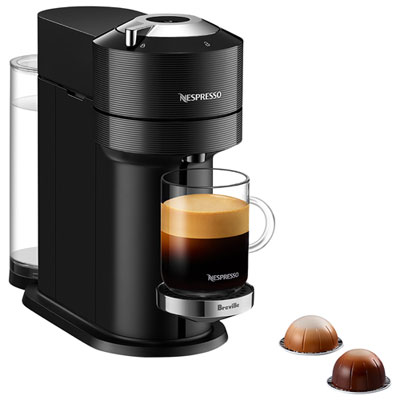 Your price for this item is $249.99
-
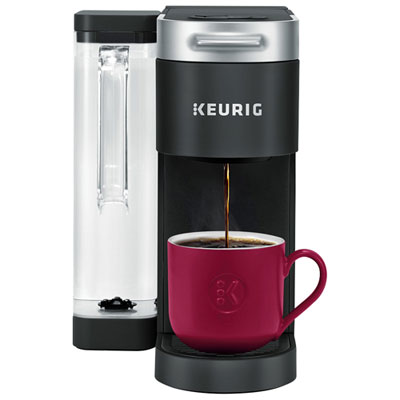 Your price for this item is $129.98
-
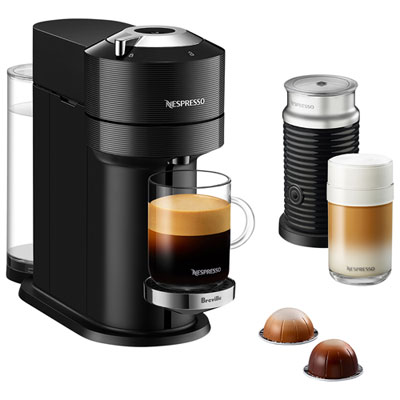 Your price for this item is $319.99
-
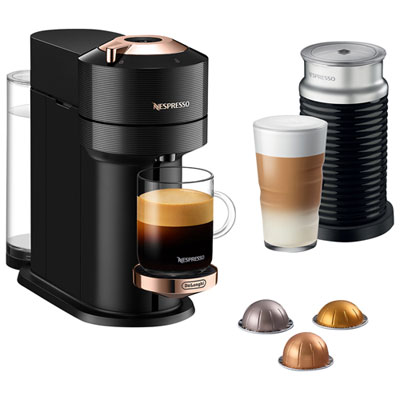 Your price for this item is $319.99
-
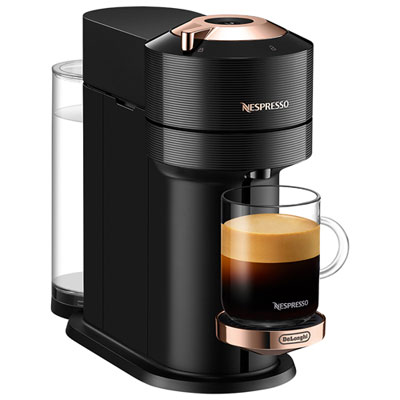 Your price for this item is $249.99
-
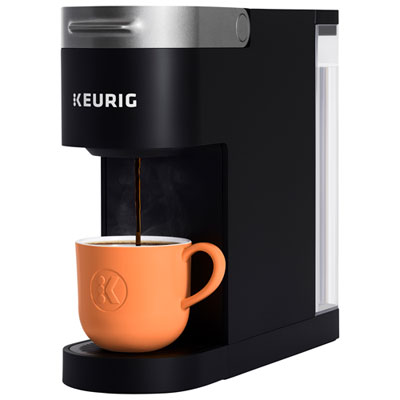 Your price for this item is $169.99
-
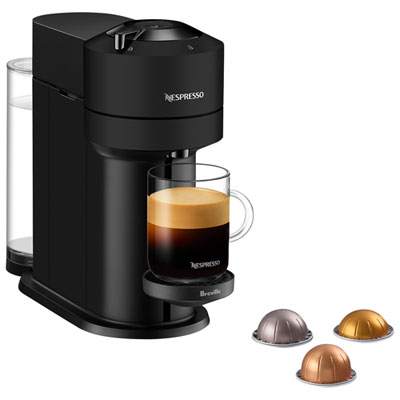 Your price for this item is $229.99
-
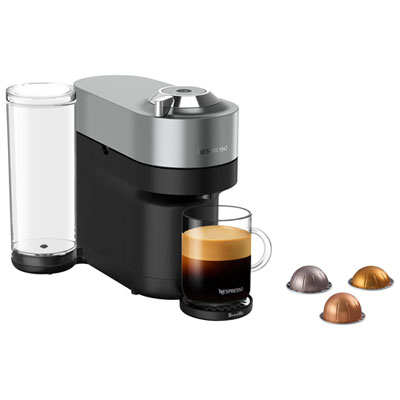 Your price for this item is $94.99
Discover more categories related to Coffee Makers for Small Kitchens
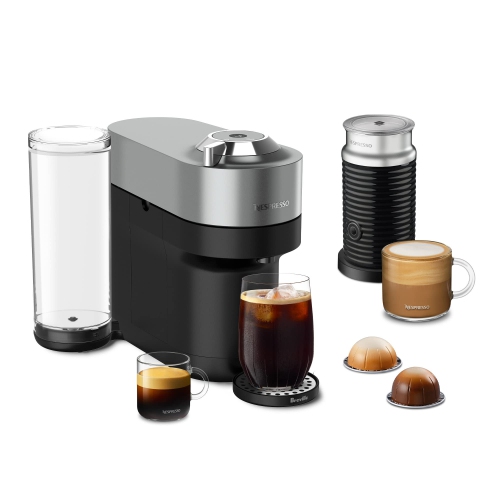
Top Collections:
Best Black Friday Deals This Year, Best Black Friday Deals On Electronics, Kindle Devices, Pokemon Centers, Best Black Friday Deals On Apple Products, Best Cameras for Sports Photography, Dyson Airwrap, Pokémon 30th Celebration Cards, Apple iPhone 17 Pro, Canon G7X Cameras
Some products may be subject to Environmental Handling Fees
(EHF) depending on your province.
Learn more about EHFs.