Compact Dishwashers for Student Apartments
Compact dishwashers for student apartments offer a practical solution for busy student lifestyles and limited kitchen space. Designed to fit seamlessly into smaller areas, these appliances help keep dishes clean and organized without taking up valuable counter or floor space. Whether you’re living in a dorm, studio, or shared apartment, compact dishwashers for student apartments provide convenient cleaning power to support your daily routine. Explore a range of options that suit your needs and budget, making it easier to maintain a tidy kitchen throughout the semester.
Sort

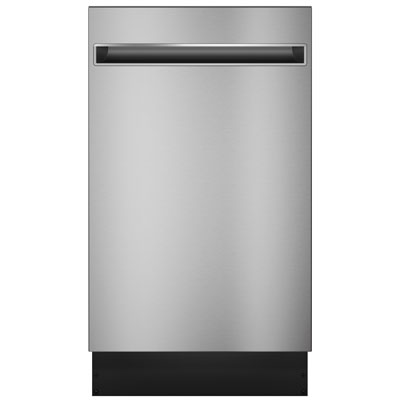

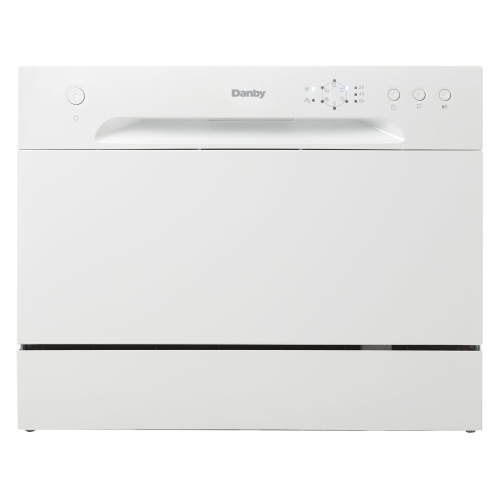
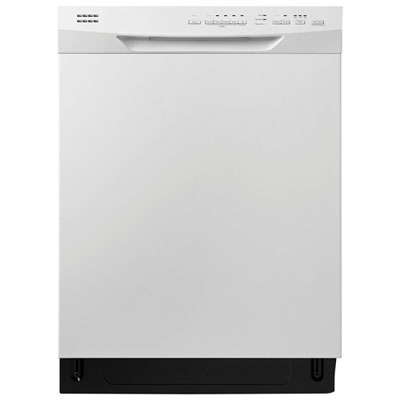
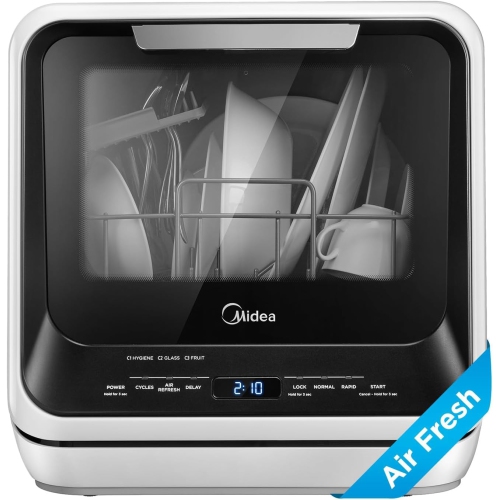
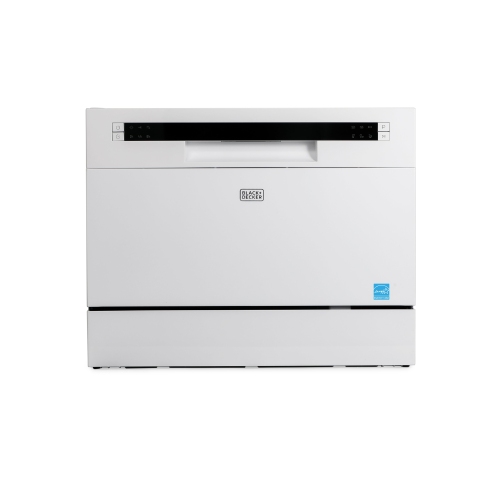

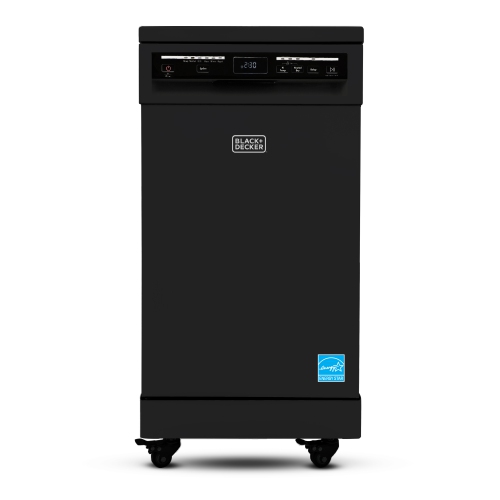

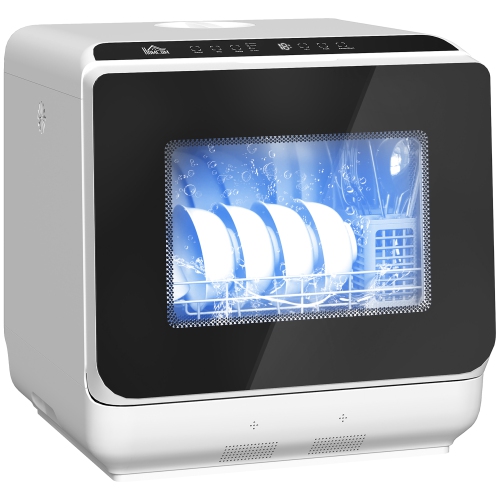

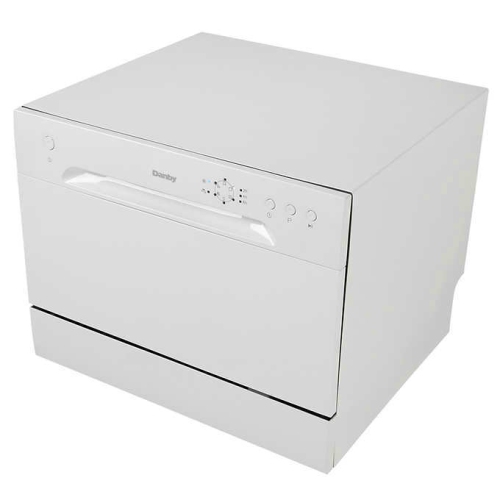

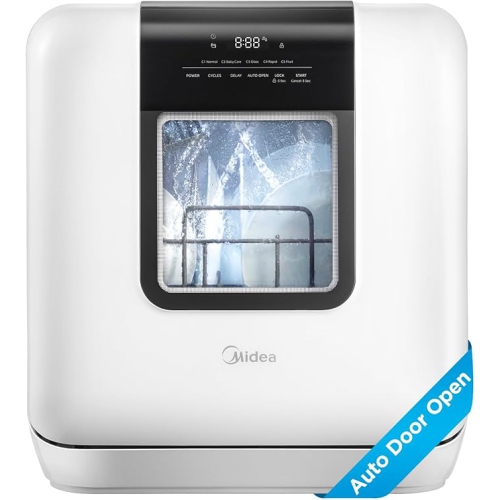

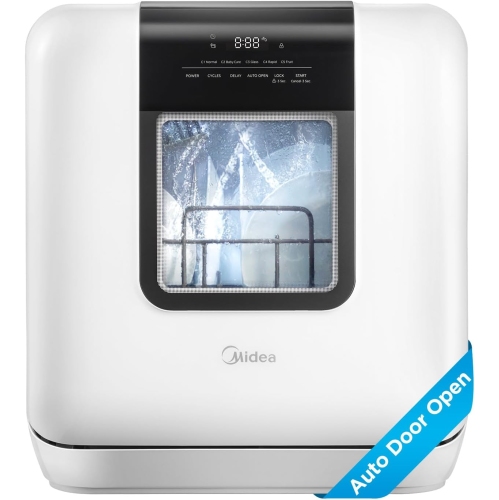
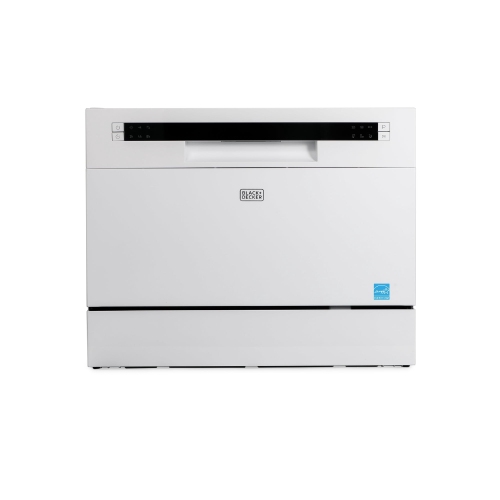

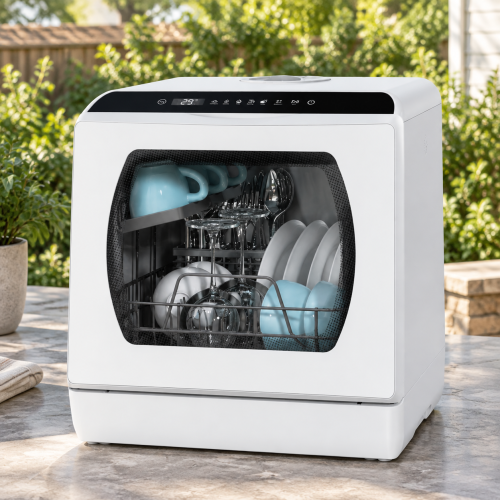
A small dishwasher’s fit goes beyond its footprint
Compact dishwashers for student apartments bring machine dishwashing into kitchens where countertop space, storage and plumbing options are limited. The category includes countertop dishwashers, freestanding portable dishwashers and slim built-in dishwashers, with different requirements for each format. Countertop models sit on a stable kitchen surface and may connect to a compatible faucet or use a manually filled water tank. Tank-fed designs still need a suitable drainage arrangement, so they are not entirely independent of the sink or another approved drain location. Portable floor-standing models generally offer a larger wash compartment and can often be moved into position for use, while slim built-in models require a dedicated opening and permanent connections. For students renting an apartment, that distinction matters: a compact appliance does not automatically mean installation-free operation. Faucet compatibility, lease conditions and building rules can all affect which format suits the space. A small dishwasher can make sense for one person washing breakfast dishes and dinner plates, or for roommates who share enough everyday dishes to fill a load regularly. Capacity is usually described in place settings, but that figure is only a starting point. A cereal bowl, wide mug and deep meal-prep container take up space differently from the dishes used in a standard capacity rating. Interior rack dimensions and the arrangement of plate supports are often more useful than the capacity number alone when matching an appliance to daily habits. The footprint also extends beyond its stated width and depth. A countertop model needs enough room for ventilation, hose routing and an open door, along with clearance beneath upper cupboards. Its position should leave a practical area for preparing food and using the sink. In a narrow apartment kitchen, a dishwasher that fits neatly beside the sink but blocks a cupboard or the main work surface may be less convenient than a different compact format.
Inside a compact dishwasher, rack design has a noticeable effect on how much useful washing space is available. Fold-down supports, removable cutlery baskets and adjustable racks, where included, can help accommodate different combinations of plates, bowls and food-storage containers. A student who cooks several meals at once may need room for mixing bowls and reusable containers, while someone preparing simpler meals may mostly wash mugs, utensils and small plates. Compact capacity does not guarantee that a frying pan, baking dish or tall water bottle will fit, and larger cookware may still need handwashing. Spray-arm clearance matters as much as rack height: a utensil or container that projects below the rack can interrupt the wash action. Wash programs vary by model and may include everyday, intensive, quick or delicate options. A quick program can suit lightly soiled dishes, but it may have different loading and drying expectations from a full-length cycle. Drying methods also differ, and lightweight plastic containers may retain droplets even when ceramic dishes are dry. Dishwasher-safe markings remain important for reusable containers, travel mugs and utensils; wood, some coated cookware and certain decorative finishes may require separate care. Interior materials are another consideration for an appliance expected to handle frequent use. Stainless steel tubs can offer resistance to staining and odours, while polymer tubs have their own care requirements and performance characteristics. The tub material alone does not determine cleaning quality or service life. Sturdy racks, smooth-running wheels, accessible filters and a door that opens comfortably are practical details that become noticeable over repeated loads. Noise is particularly relevant in studio apartments, where the kitchen may share a room with a desk and bed. Published sound ratings provide a useful comparison, though cabinet placement, level installation and dishes touching one another can affect what is heard during operation. Straightforward controls and clearly labelled cycle options can also make a shared appliance easier for roommates to use consistently.
The best fit for student apartment living often comes down to how the dishwasher works within an ordinary day. A countertop unit may suit someone who wants a dedicated place for dishes without giving up a floor-level storage cabinet. A portable model on casters may suit an apartment with an accessible storage spot and a clear route to the sink, provided its dimensions and connection requirements match the kitchen. Students considering that format can also explore Portable Dishwashers for Apartments for options suited to a rental kitchen layout. Access to the faucet during a cycle is worth considering in a shared home, since a connected appliance may limit sink use until it is disconnected according to its instructions. Tank capacity, filling access and drain-hose placement deserve similar attention with manually filled designs. A grounded electrical connection that meets the appliance requirements is essential, and the power cord and hoses should reach their intended connections without being stretched, pinched or routed across a walkway. Everyday care is generally straightforward but still part of ownership. Removing larger food scraps before loading, keeping the filter clean and checking the spray arms for blockages help maintain wash performance. Automatic dishwasher detergent is required rather than hand dishwashing liquid, which can create excessive suds. Rinse aid and, where specified, dishwasher salt may also be part of the appliance’s routine care, particularly where local water hardness affects results. Door seals benefit from regular wiping, and removable baskets and racks need cleaning as directed by the manufacturer. For roommates, a simple shared routine can prevent dirty dishes from piling up beside an empty machine: consistent loading, prompt unloading and agreement about which cookware stays out of the dishwasher make the appliance easier to share. Students who move between rentals may also value manageable dimensions, accessible connections and a layout that is not tied to one kitchen, although portability does not mean every model is easy to lift. A well-matched compact dishwasher supports everyday cooking and tidier shared spaces without taking over the kitchen, leaving more room for the food, dishes and small appliances that student apartment life already involves.
Top selling and popular products
-
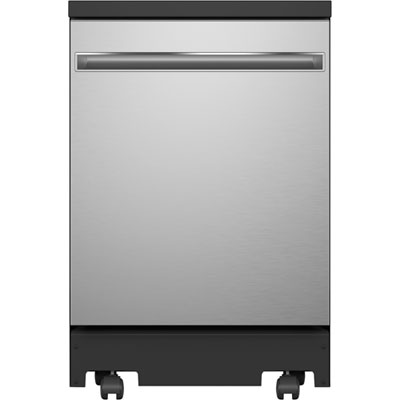 Your price for this item is $849.99
-
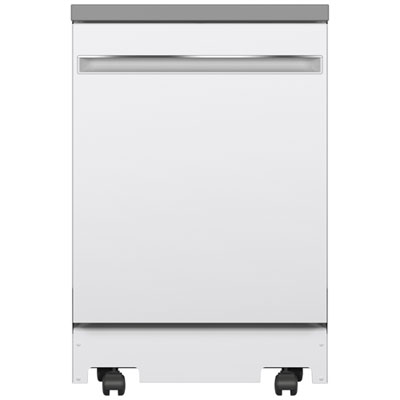 Your price for this item is $799.99
-
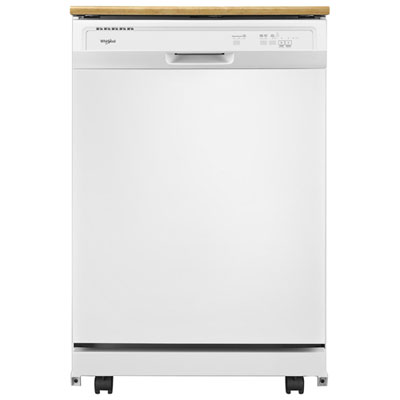 Your price for this item is $1099.99
-
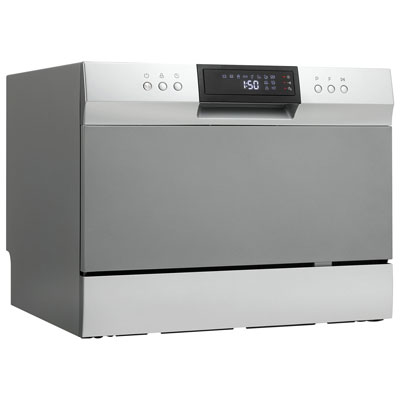 Your price for this item is $369.99
-
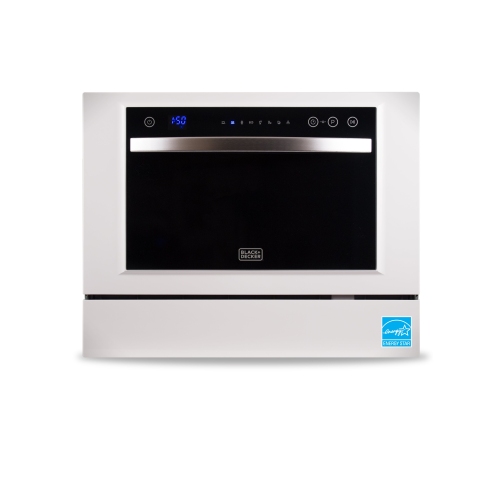 Your price for this item is $431.99
-
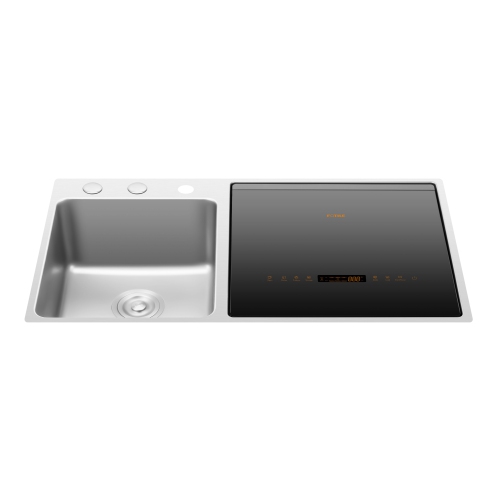 Your price for this item is $2099
-
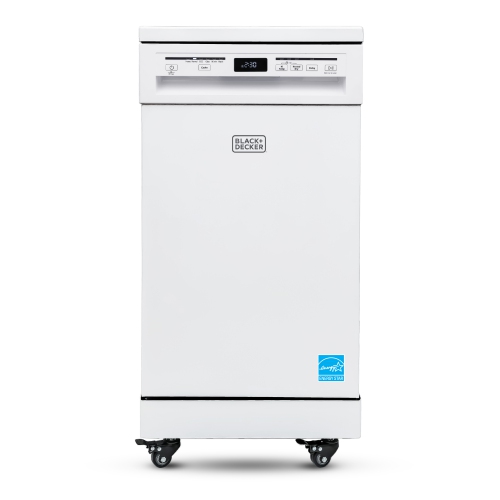 Your price for this item is $676.19
-
 Your price for this item is $5499
Discover more categories related to Compact Dishwashers for Student Apartments

Top Collections:
Best Black Friday Deals This Year, Best Black Friday Deals On Electronics, Kindle Devices, Pokemon Centers, Best Black Friday Deals On Apple Products, Best Cameras for Sports Photography, Dyson Airwrap, Pokémon 30th Celebration Cards, Apple iPhone 17 Pro, Canon G7X Cameras
Some products may be subject to Environmental Handling Fees
(EHF) depending on your province.
Learn more about EHFs.