Compact Microwaves for Student Apartments
Compact microwaves for student apartments are designed to fit seamlessly into smaller spaces while providing essential convenience for busy lifestyles. Whether you need to reheat leftovers, prepare quick snacks, or save time between classes, these microwaves offer practical solutions for students with limited kitchen space. Explore a variety of options to find the right compact microwave that suits your apartment and daily routine.
Sort

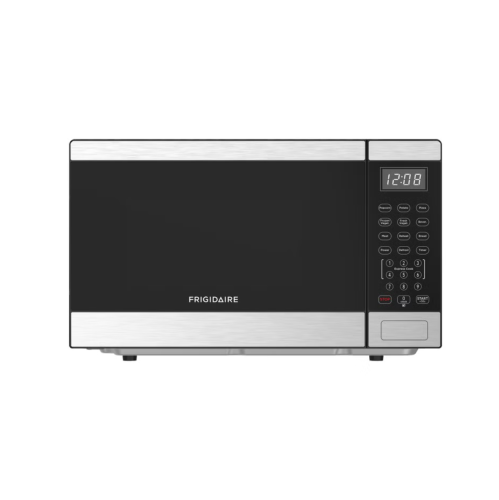
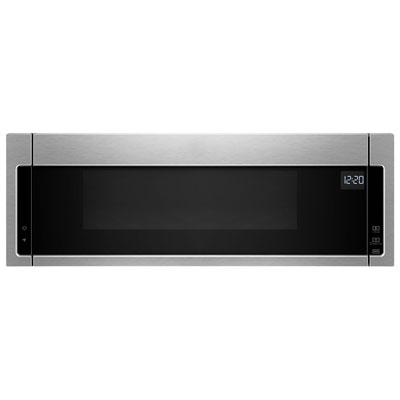
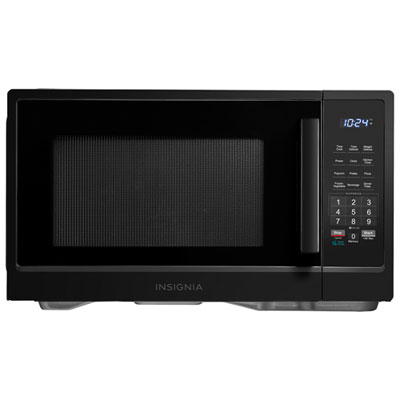
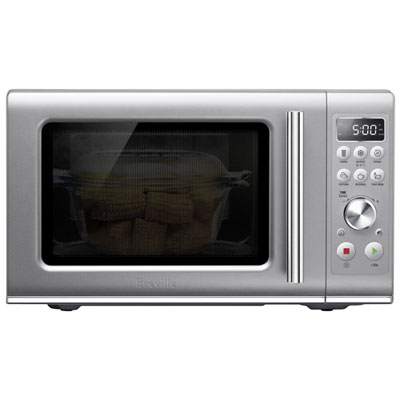
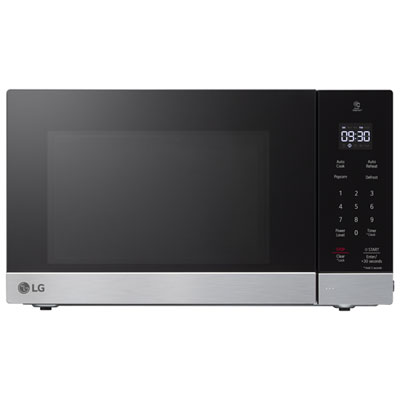
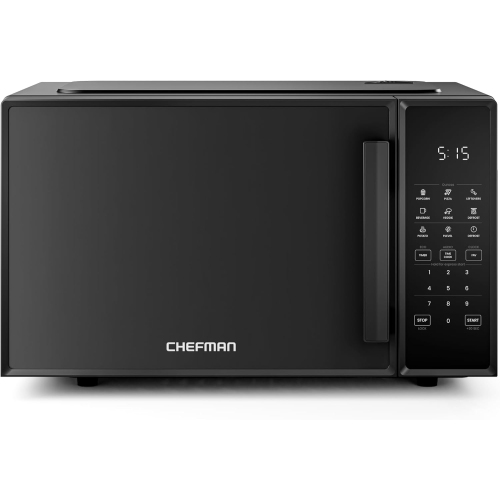
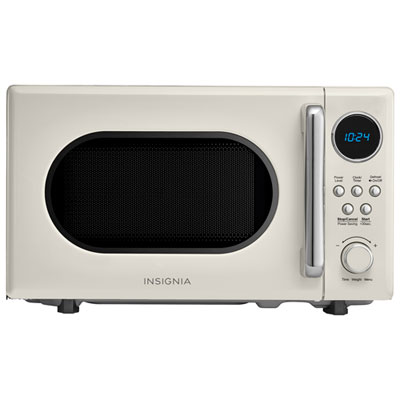
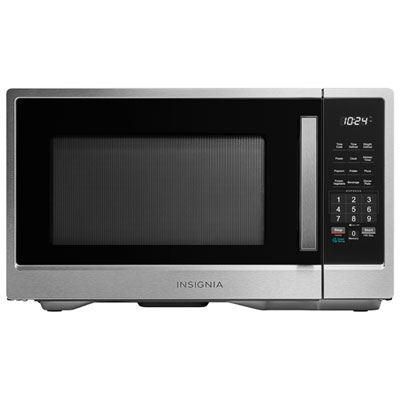


A microwave’s fit goes beyond its countertop footprint
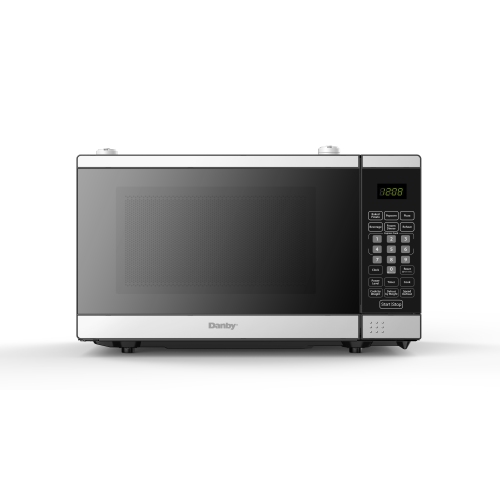
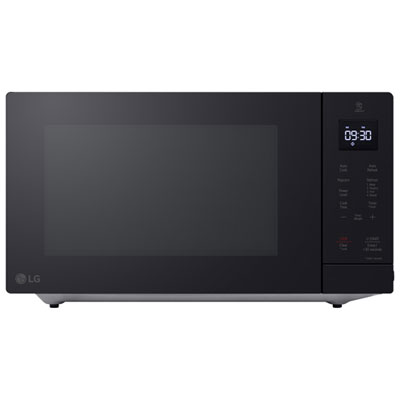
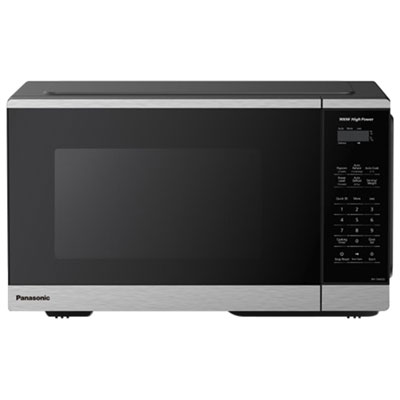
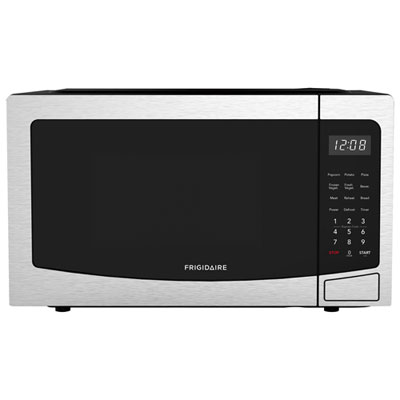
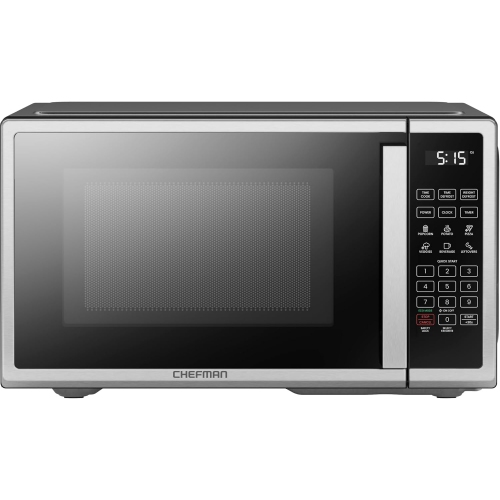
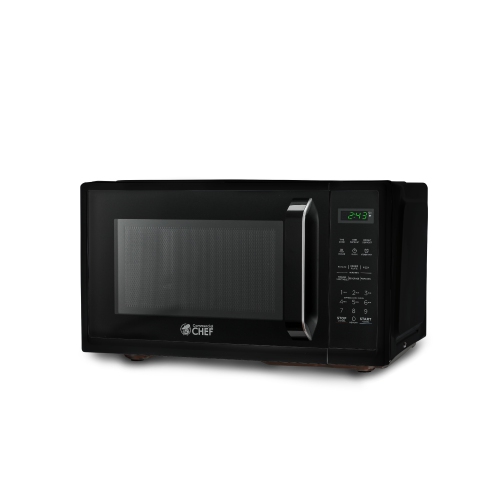
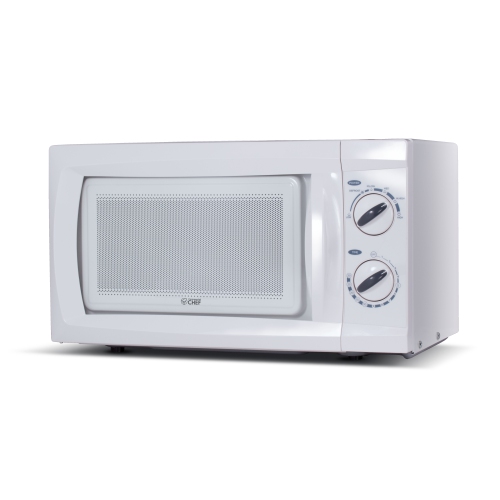
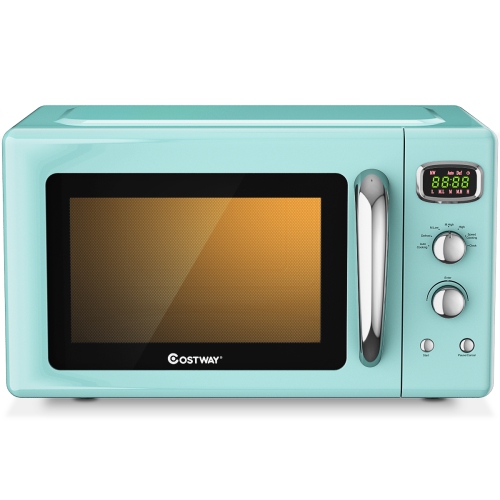
Compact microwaves for student apartments make everyday food preparation more manageable when a kitchen has limited countertop space and several jobs to do. A compact microwave commonly offers about 0.7 to 0.9 cu. ft. of interior capacity, with cooking power often ranging from 700 to 900 watts. That size can suit reheating leftovers, preparing oatmeal, warming a mug of milk or cooking a portion of frozen vegetables without the footprint of a larger appliance. Capacity is only part of the fit, though: exterior width, depth and height determine how much room the microwave occupies, while the usable interior and turntable diameter determine whether a favourite dinner plate will fit. A shallow lunch container may work comfortably where a wide plate or tall travel mug will not. Door movement matters in a narrow kitchenette, particularly beside a wall, refrigerator or sink. There also needs to be enough clearance around the appliance for ventilation, following the manufacturer’s installation requirements rather than fitting it tightly into an unused gap. A freestanding countertop microwave should not be enclosed in cabinetry or mounted underneath a cabinet unless it is specifically approved for that installation. For students sharing a small kitchen, leaving enough work surface for a cutting board and a place to set down a heated bowl can be just as important as choosing the smallest appliance. Electrical requirements deserve the same attention as physical dimensions. Advertised cooking wattage describes microwave output, not total electricity drawn from the outlet, so a 700-watt microwave can require more than 700 watts of electrical input. The appliance rating label and building rules provide the relevant details for assessing suitability. A lower cooking wattage does not, by itself, guarantee that a shared circuit will avoid overloading. Connection should follow the manufacturer’s instructions, typically using a properly grounded wall outlet rather than an extension cord or power bar. These practical details help distinguish an appliance that merely fits on the countertop from one that fits comfortably into daily apartment life.
Within that compact footprint, the most useful features are often the ones that make familiar meals simpler. Adjustable power levels allow gentler heating for foods that can splatter, dry out or become unevenly heated at full power. A bowl of pasta with sauce, for example, benefits from a suitable microwave-safe cover, a pause to stir and enough standing time for heat to spread. A higher-output microwave can generally heat the same portion faster than a lower-output model, but the result also depends on food quantity, starting temperature, container shape and the program used. Directions written for a higher-wattage appliance may require more time in a smaller, lower-output microwave. Preset programs for common tasks can reduce button presses, although they do not remove the need to check the food. Sensor cooking, where included, adjusts operation using feedback such as moisture released during heating; simpler automatic programs may use a selected portion size or a fixed cooking sequence. Clearly labelled controls, an easy-to-read display and a straightforward add-time button can be especially convenient during a quick breakfast before class or a short meal break between study sessions. Defrost settings are useful for planning meals from frozen ingredients, but defrosted food may need prompt cooking according to food-safety directions. A rotating turntable helps expose food to microwave energy from different positions, while stirring and rearranging remain important for many dishes. Microwave-safe glass or ceramic containers offer a practical way to heat individual portions, provided they fit without touching the cavity walls and have no metallic decoration. Plastic containers should be specifically labelled for microwave use, and lids need to be vented as directed. Compact interiors are generally better suited to individual bowls and smaller dishes than large casserole pans or family-sized platters. For a student who already uses a stovetop or another permitted cooking appliance, a small microwave can fill a distinct role: reheating prepared meals and handling quick, contained tasks without needing to serve as the kitchen’s only cooking appliance.
Materials, finish and everyday care influence how a compact microwave holds up in a busy shared space. Many have painted metal exteriors, while others use stainless steel or stainless-look finishes; the interior surface and cleaning requirements vary by model. Stainless steel can coordinate with other kitchen appliances, although fingerprints and splashes may be more noticeable on some finishes. Black, white and other colour options can blend into a simple kitchenette or add personality without taking up additional room. Beyond appearance, a door that opens comfortably, controls that respond clearly and a removable turntable that is easy to wash all contribute to regular use. A handle may be easier for some people to grip, while a push-button release creates a different front profile; either design needs enough space for the door to open freely. In a shared apartment, an optional sound-off setting can be useful when one roommate prepares breakfast while another studies nearby. Cleaning is more manageable when splashes are wiped away promptly, once the appliance has cooled, using a soft cloth and cleaning products permitted by the manufacturer. Removable glass trays and support rings should be cleaned according to their care instructions, and vents should remain unobstructed. Abrasive pads can damage surfaces, while food residue around the door area deserves particular attention. A microwave with a damaged door, hinge or seal should not remain in use pending appropriate assessment. For students moving between an apartment and campus housing, keeping the appliance’s dimensions and electrical requirements on hand makes it easier to assess the next kitchen; Small Microwaves for Student Residences offers a related category for residence-focused needs, where appliance permissions may differ. A compact microwave can also be a practical gift for someone setting up a first apartment, especially when the available space and household requirements are already known. The strongest fit is an appliance sized around the meals, dishes and routines it will actually support, with controls that feel straightforward and construction that can stand up to regular use.
Top selling and popular products
-
 Your price for this item is $79.97
-
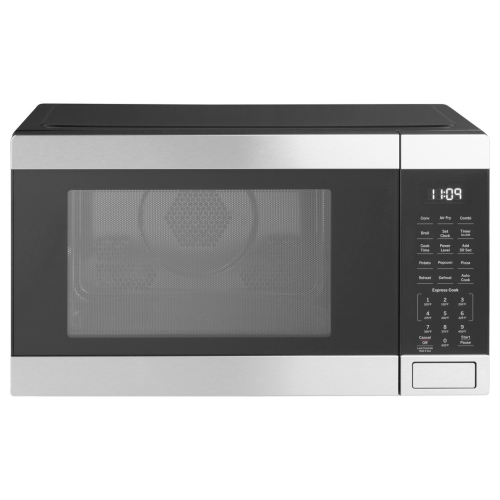 Your price for this item is $599.99
-
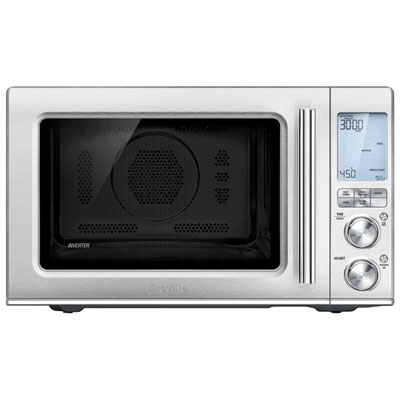 Your price for this item is $699.99
-
 Your price for this item is $95.49
-
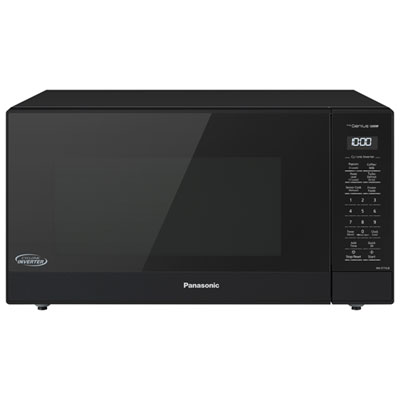 Your price for this item is $309.99
-
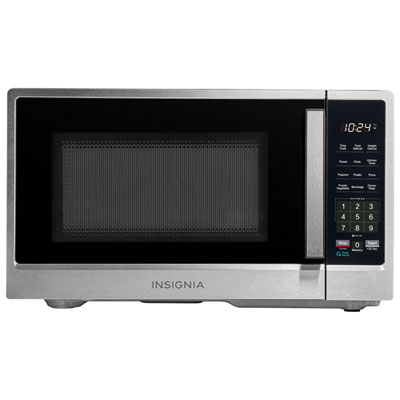 Your price for this item is $149.99
-
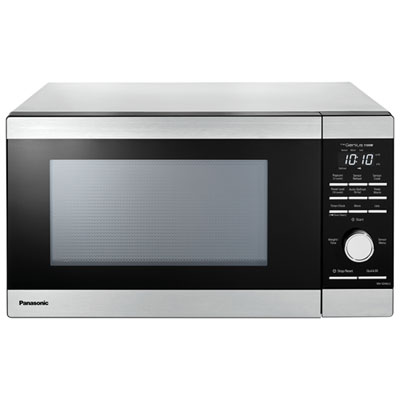 Your price for this item is $249.99
-
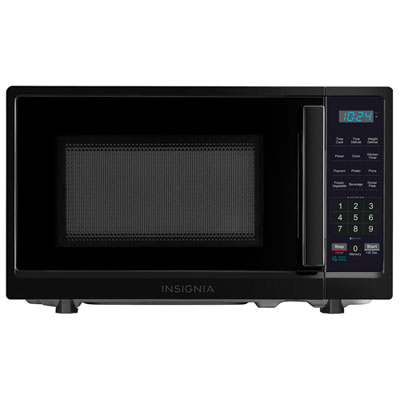 Your price for this item is $109.99
Discover more categories related to Compact Microwaves for Student Apartments
Top Collections:
Best Black Friday Deals This Year, Best Black Friday Deals On Electronics, Kindle Devices, Pokemon Centers, Best Black Friday Deals On Apple Products, Best Cameras for Sports Photography, Dyson Airwrap, Pokémon 30th Celebration Cards, Apple iPhone 17 Pro, Canon G7X Cameras
Some products may be subject to Environmental Handling Fees
(EHF) depending on your province.
Learn more about EHFs.