Convection Oven Stoves
Upgrade your kitchen with a Convection Oven Stove, designed to bring efficiency and versatility to your cooking routine. Ideal for home chefs and busy families alike, these appliances offer the convenience of baking, roasting, and more in one streamlined unit. Explore a wide selection of Convection Oven Stove options to find the perfect fit for your culinary needs, whether you're preparing everyday meals or entertaining guests. Discover models that complement any kitchen style while helping you create delicious dishes with ease.
Sort
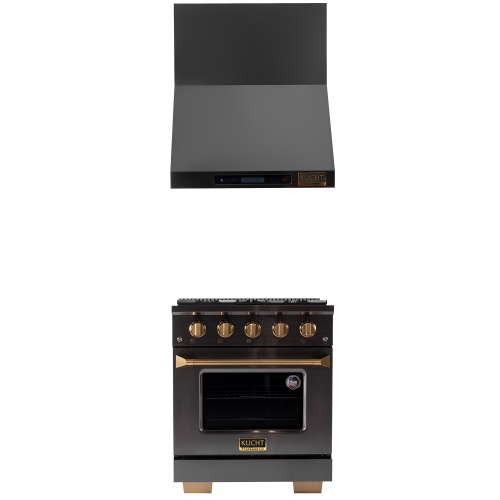
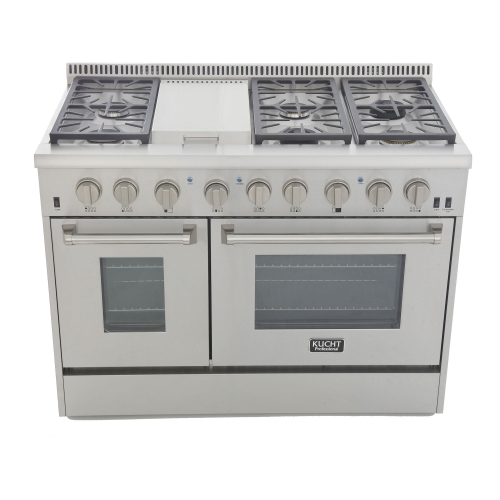
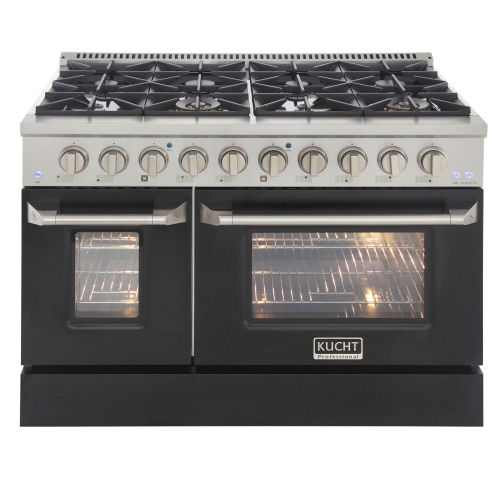
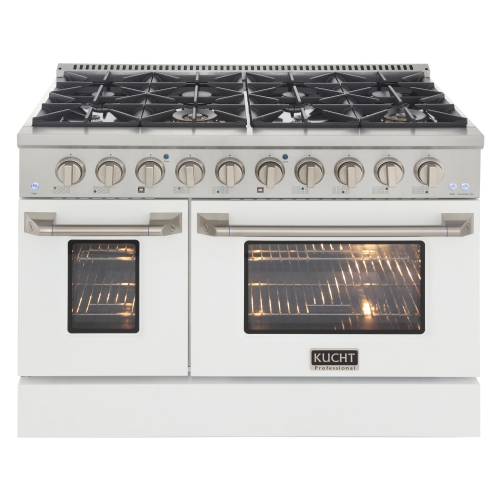
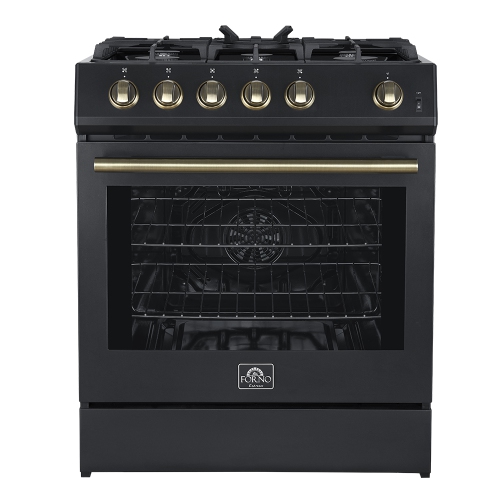
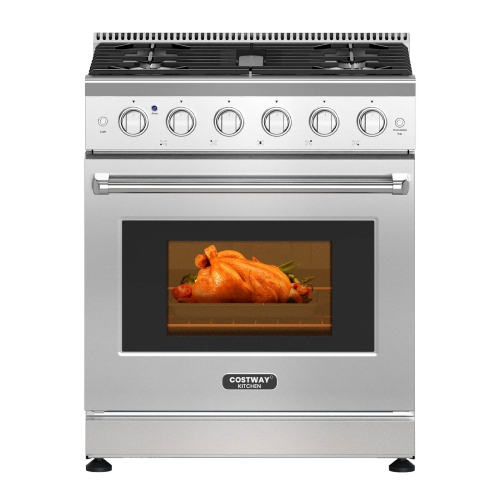
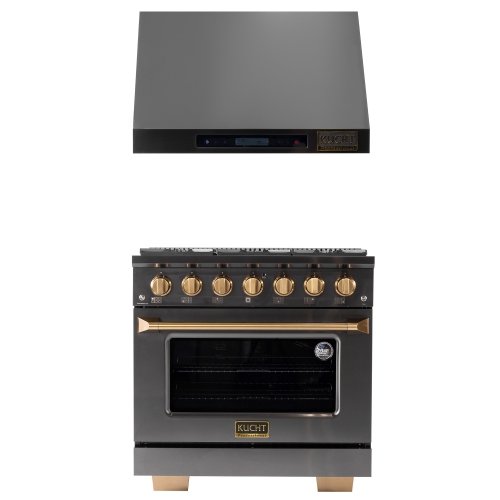
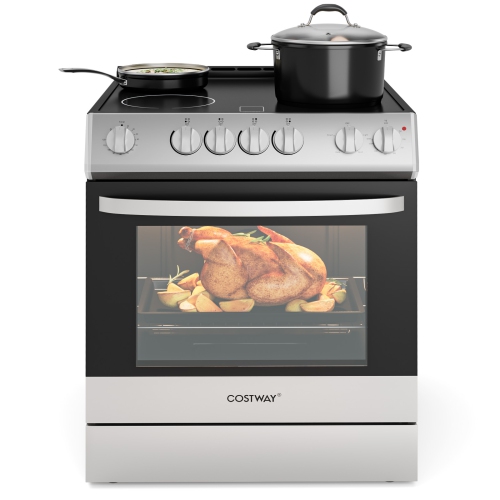
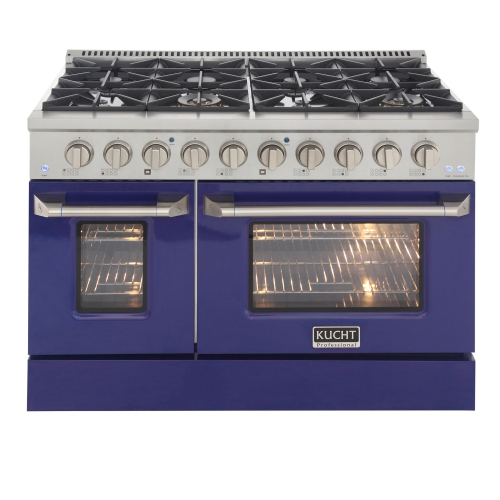
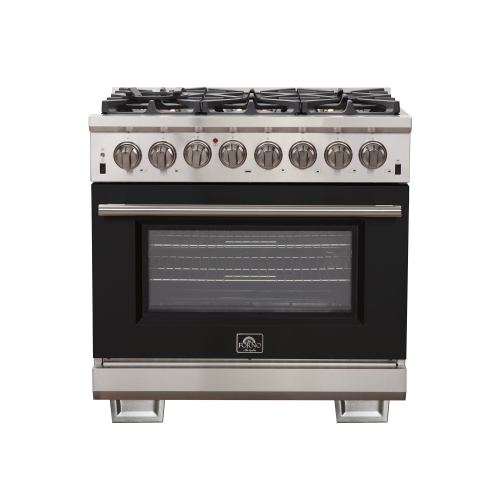

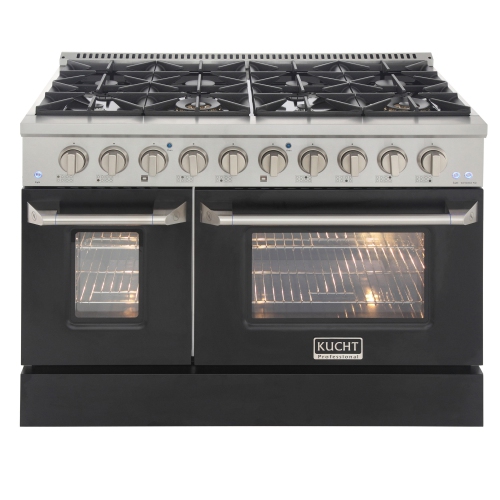
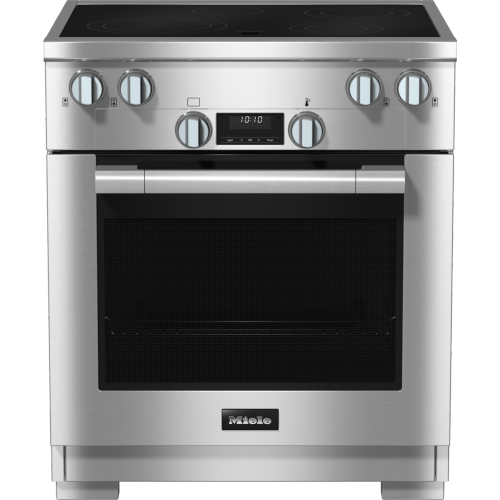
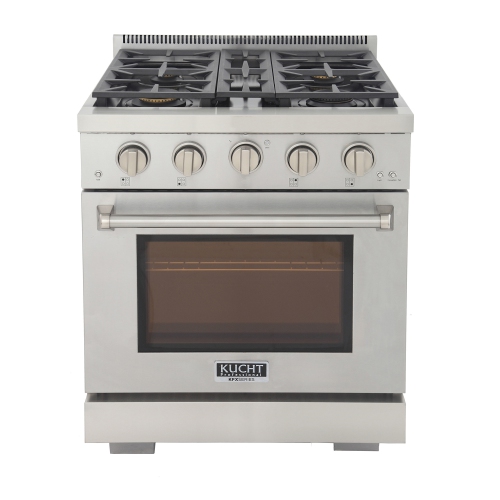
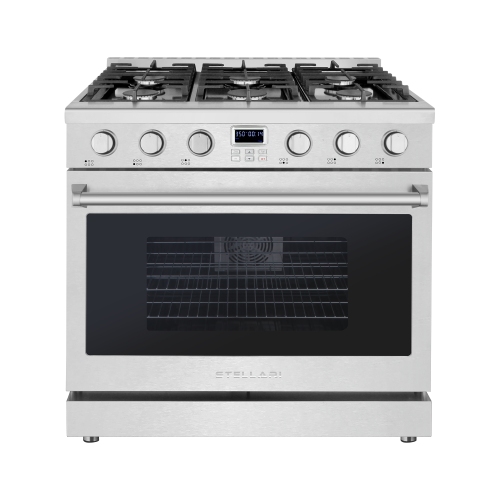

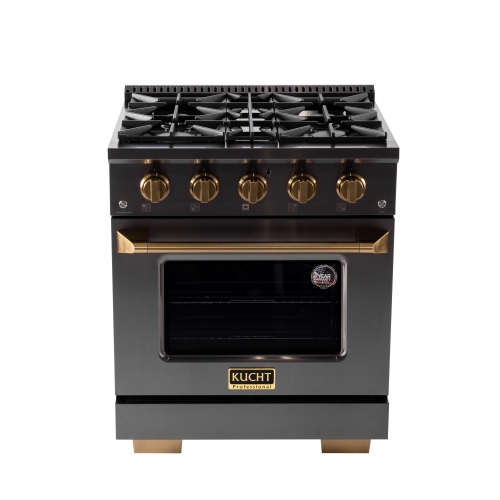
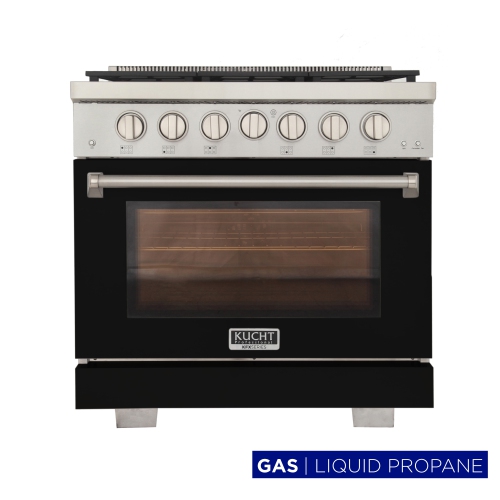
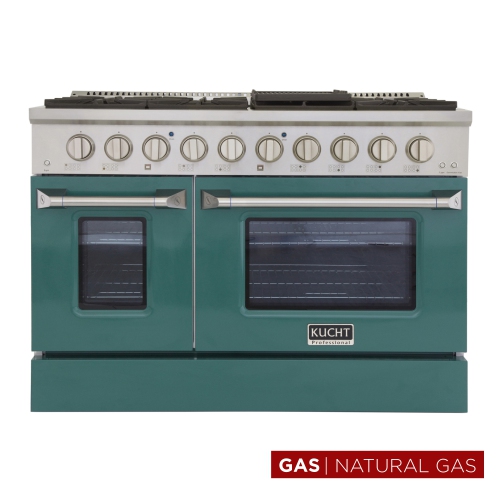
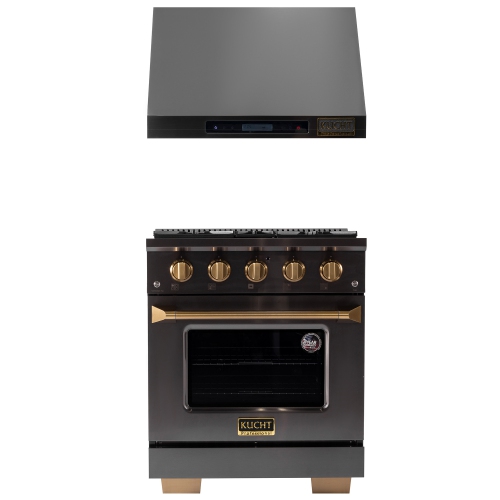

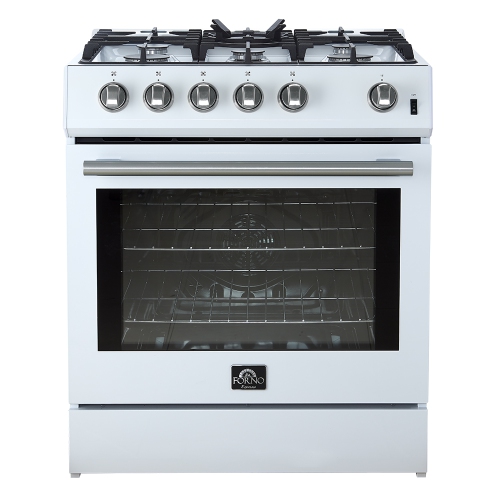
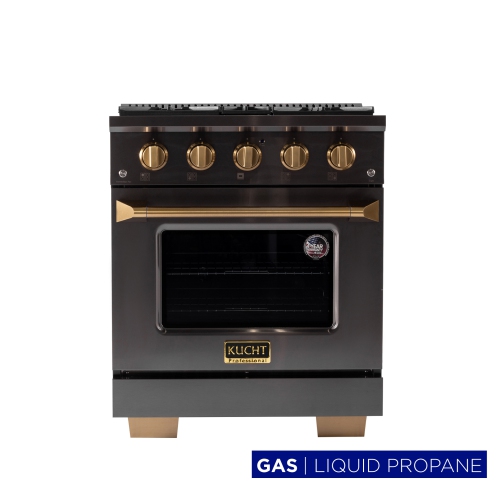
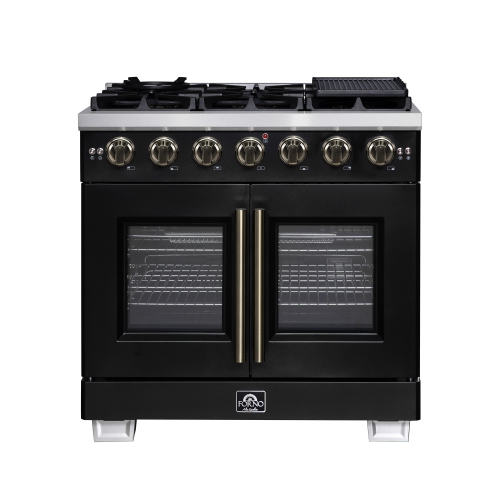
How circulating hot air helps food brown more evenly
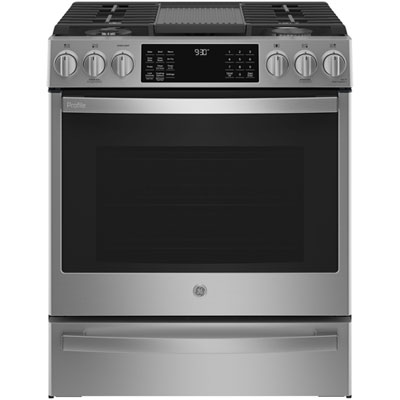
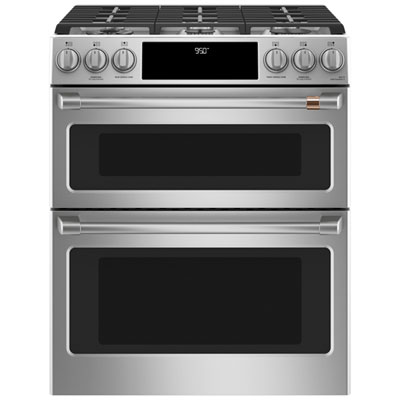
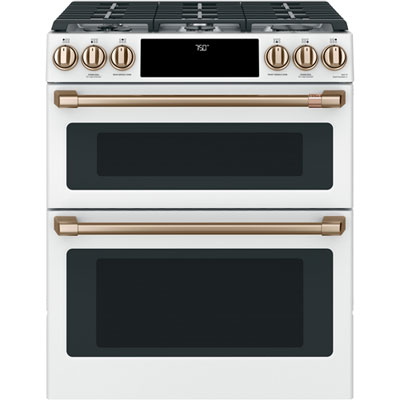
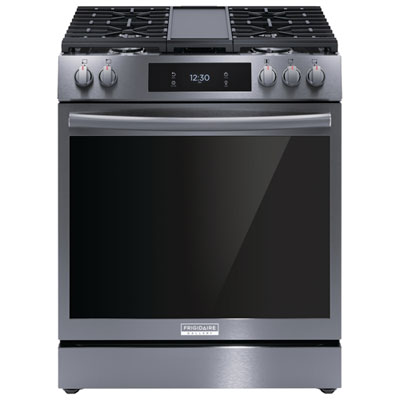
Convection oven stoves combine a cooktop with an oven that uses a fan to circulate hot air around food. Often called convection ranges, these appliances bring stovetop simmering, frying, and boiling together with fan-assisted baking and roasting. That moving air helps distribute heat throughout the oven cavity and can encourage more even browning, particularly when cooking on multiple racks. A tray of roasted potatoes can develop crisp edges, while several sheets of biscuits can bake with less variation between rack positions. Results still depend on the recipe, cookware, rack placement, and oven design; convection improves air circulation rather than making every spot in the oven identical. Standard fan convection circulates air heated by the oven’s main elements or burners. True convection, sometimes called European convection, adds a dedicated heating element near the fan to heat the circulating air. Neither term alone describes every detail of an oven’s performance, so the available cooking modes matter alongside the convection label. For recipes written for a conventional oven, a common starting adjustment is to lower the temperature by about 25°F, or roughly 15°C, or begin checking the food earlier. Some recipes finish around 20% to 25% sooner, but the difference varies, and temperature and time reductions should not automatically be applied together. Some ovens handle temperature conversion through their controls, making it important to check whether an adjustment has already been made. Low-sided roasting pans and shallow baking sheets leave room for air to move around food; tightly packed trays and tall-sided dishes can restrict that movement. Convection is useful for browned vegetables, roast meats, pastries, and batches of cookies, while a conventional bake setting may be preferable for delicate custards or cakes that benefit from gentler air movement. A food thermometer remains the dependable way to check the internal temperature of meat and poultry, regardless of how browned the surface looks.
The right convection range also needs to suit the kitchen’s layout, utility connections, and everyday cooking habits. While separate Convection Ovens can work alongside an existing cooktop, a stove combines both cooking areas within one appliance footprint. Freestanding ranges generally have finished sides and can fit between cabinets or at the end of a cabinet run, subject to installation requirements. Slide-in designs typically place controls at the front and create a more integrated appearance between surrounding countertops, though side finishes and installation details vary. Overall width is only part of the fit: depth, height, handle projection, door clearance, and the space needed to pull out racks all affect daily use. An open oven door should not block a frequently used passage or strike an island. Delivery access matters too, including narrow doorways, stairs, and turns between the entrance and kitchen. Fuel type is a separate consideration from convection. Electric ranges pair an electric oven with a cooktop that may use exposed coils, a smooth radiant surface, or induction. Induction cooktops require compatible cookware with a magnetic base, while gas cooktops require a suitable gas connection. Dual-fuel ranges typically combine a gas cooktop with an electric oven. Electrical supply, gas connections, ventilation, clearances, and anti-tip installation must match the appliance’s requirements, with qualified installation where required. Beyond fit, usable oven space deserves attention: a large cavity is helpful only if favourite roasting pans and baking sheets sit comfortably on the racks with room for airflow. Adjustable rack positions offer flexibility for taller dishes, and a divided or double-oven layout can suit households that often cook foods at different temperatures. Cooktop layout is equally practical. A wide frying pan, a stockpot, and a small saucepan should have enough room without crowding one another. Stainless steel exteriors, enamelled oven interiors, and glass cooking surfaces each bring different care needs, so finish choice is as much about cleaning habits and frequent use as appearance.
Everyday convenience often comes down to details that are easy to overlook until dinner is underway. Clear controls, readable displays, effective interior lighting, and a large viewing window make it easier to monitor browning without repeatedly opening the door and releasing heat. A smooth-gliding rack can make a heavy casserole easier to handle, provided its load limit and operating instructions are followed. Households that bake several times a week may value flexible rack placement more than a long list of preset programs, while someone who frequently prepares a roast with side dishes may appreciate a temperature probe and space for more than one pan. Air fry settings, where included, generally use strong convection airflow and may call for a particular tray or basket; they should not be assumed to perform identically across ovens. Durable construction is reflected in well-supported racks, secure handles, sound door hinges, and finishes that can tolerate regular cleaning when cared for correctly. For a glass cooktop, lifting rather than dragging heavy cookware helps limit scratches, and flat-bottomed pans provide stable contact. Stainless steel usually responds best to a soft cloth and an appropriate cleaner used with the grain, while abrasive pads can damage decorative surfaces. Inside the oven, wiping spills once the appliance has cooled helps keep residue from baking onto the cavity during later use. Steam-clean and high-temperature self-clean cycles serve different purposes and have different preparation requirements, including whether racks or accessories need to be removed. Oven liners and foil should only be used where the manufacturer permits them, since covering vents or the oven floor can interfere with heat movement or damage surfaces. Keeping fan openings unobstructed and door seals clean supports normal operation. For shared households, frequent entertainers, and home cooks moving beyond basic baking, the most useful convection oven stove is one whose capacity, cooktop arrangement, controls, and care requirements fit the meals made most often.
Top selling and popular products
-
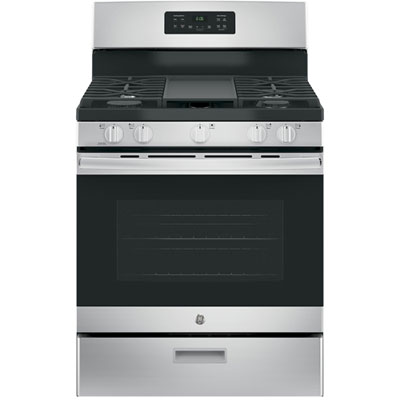 Your price for this item is $849.99
-
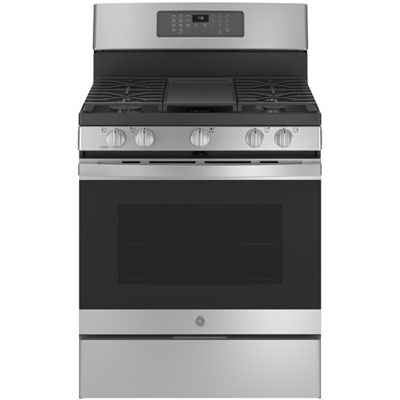 Your price for this item is $1099.99
-
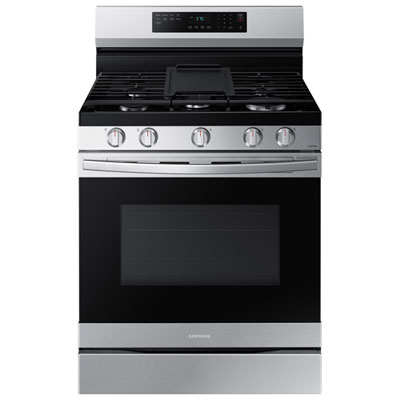 Your price for this item is $1395.99
-
 Your price for this item is $1799.99
-
 Your price for this item is $3599.99
-
 Your price for this item is $3499.99
-
 Your price for this item is $2099.99
-
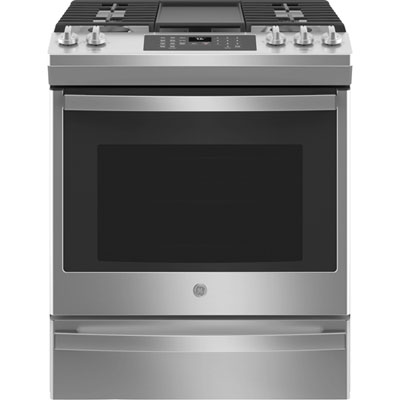 Your price for this item is $1299.99
Discover more categories related to Convection Oven Stoves


Top Collections:
Best Black Friday Deals This Year, Best Black Friday Deals On Electronics, Kindle Devices, Pokemon Centers, Best Black Friday Deals On Apple Products, Best Cameras for Sports Photography, Dyson Airwrap, Pokémon 30th Celebration Cards, Apple iPhone 17 Pro, Canon G7X Cameras
Some products may be subject to Environmental Handling Fees
(EHF) depending on your province.
Learn more about EHFs.