Countertop Ovens
Countertop ovens offer a convenient and versatile solution for preparing a wide range of meals in any kitchen. Perfect for saving space while still delivering impressive performance, these compact appliances are ideal for busy households, dorm rooms, or anywhere you need extra cooking power. With a variety of styles and sizes available, finding the right countertop oven to suit your cooking needs is simple. Explore the selection of countertop ovens to enhance your kitchen setup and enjoy effortless meal preparation every day.
Sort
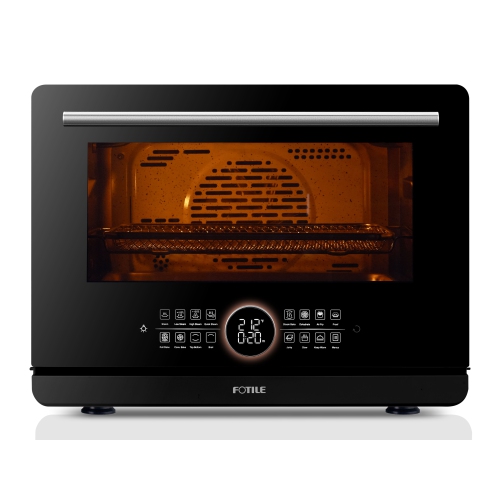
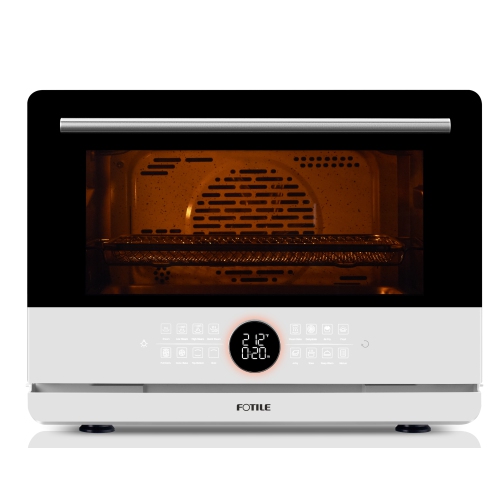


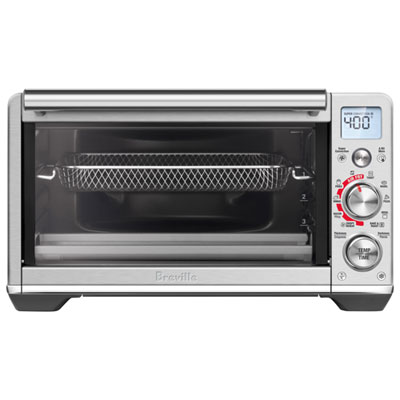
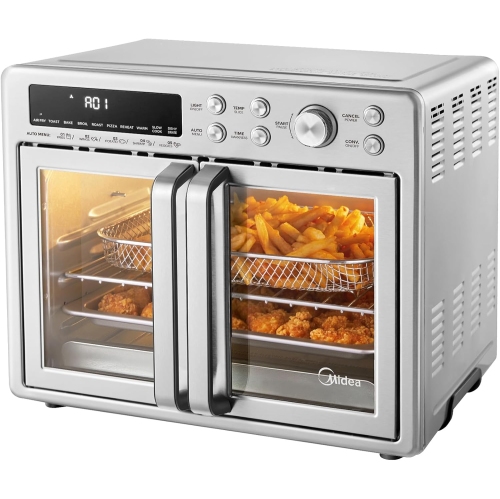
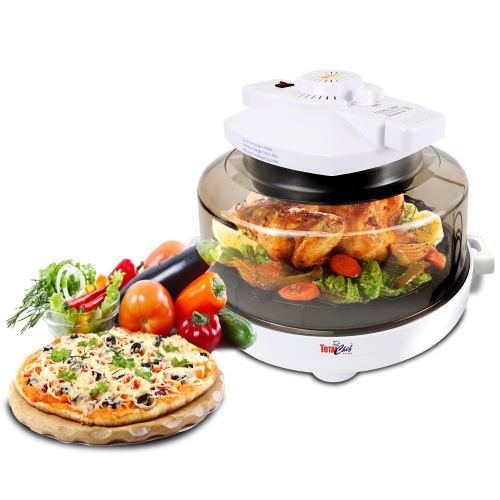
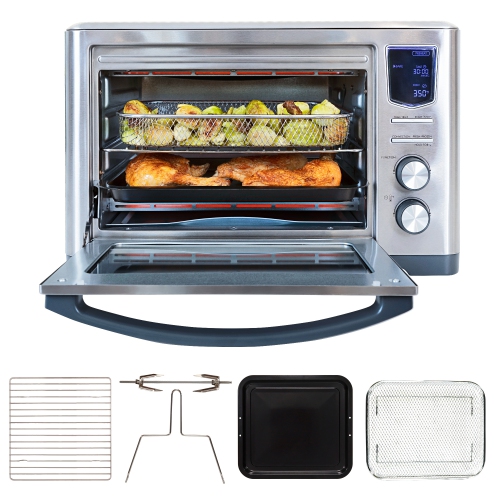
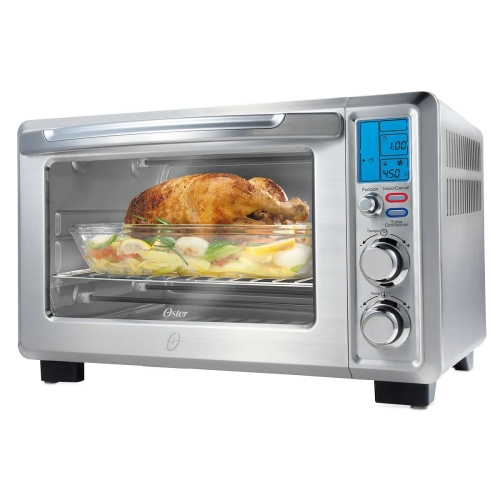
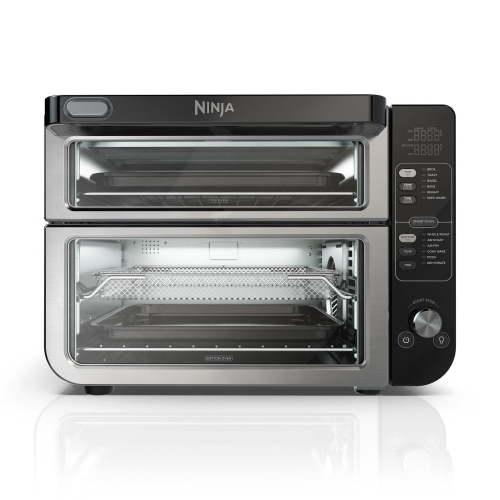
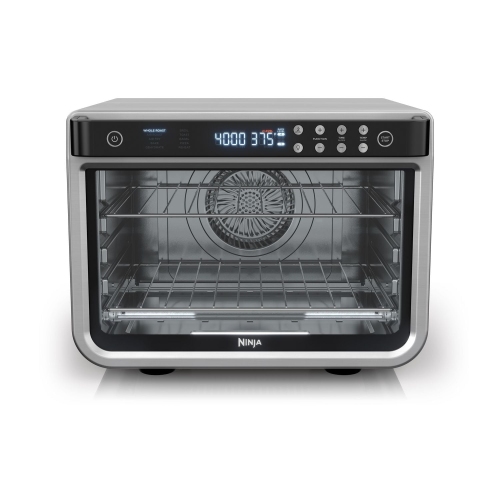
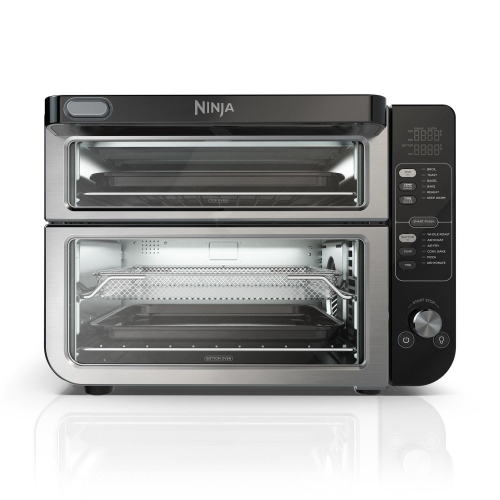
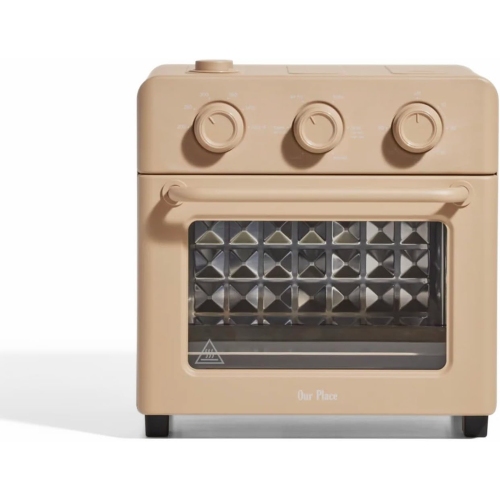

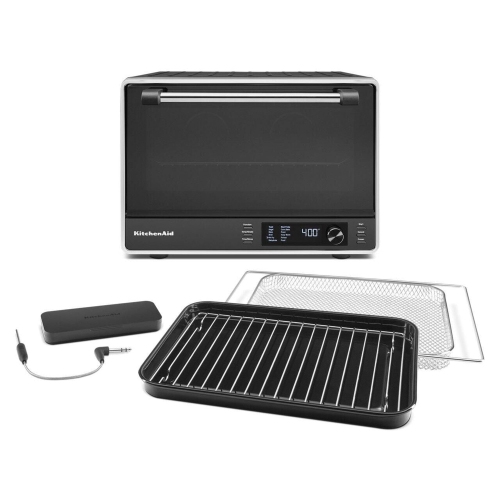
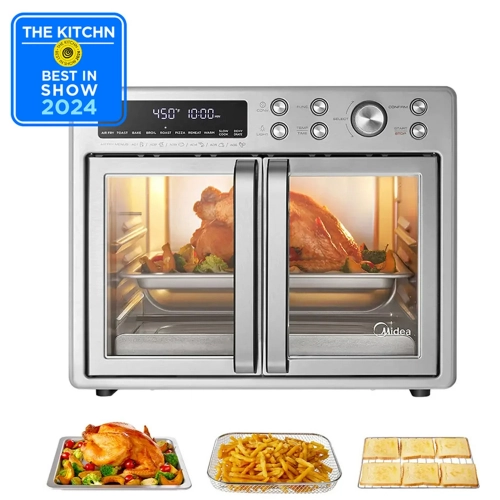
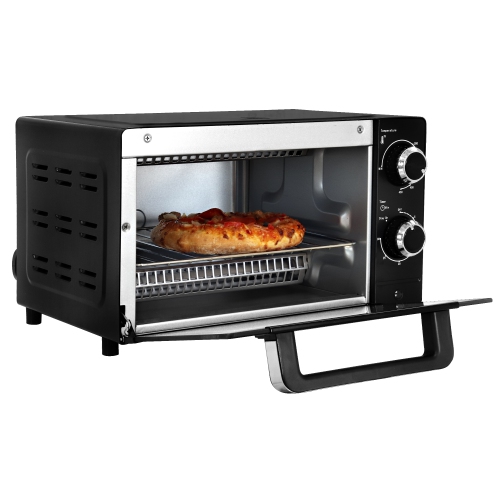
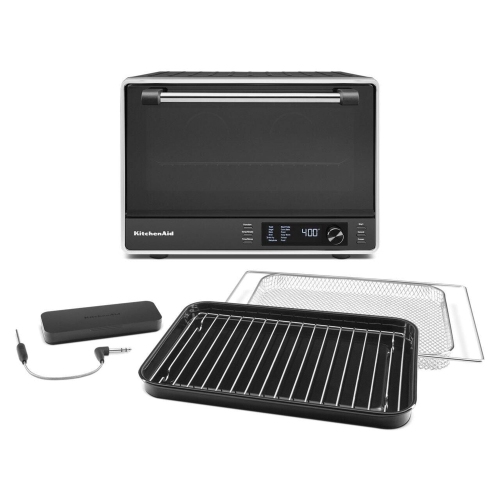
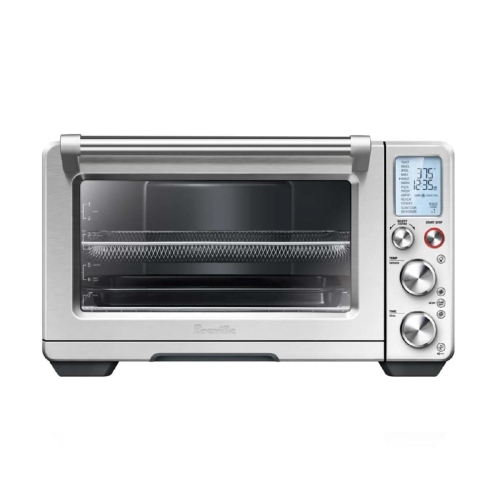


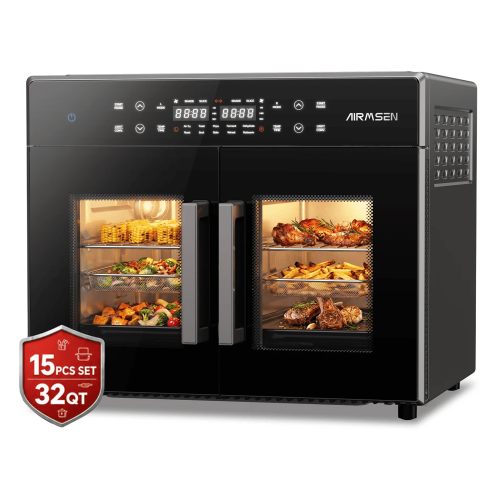
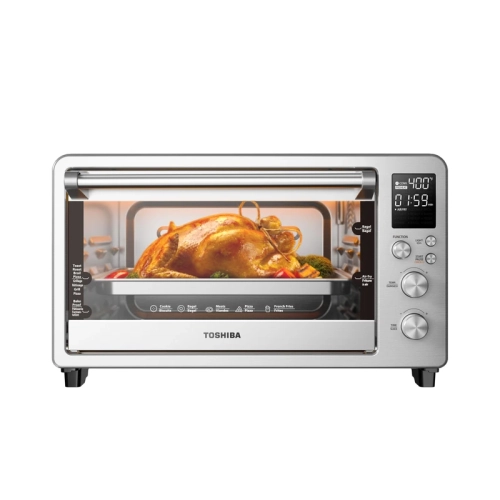
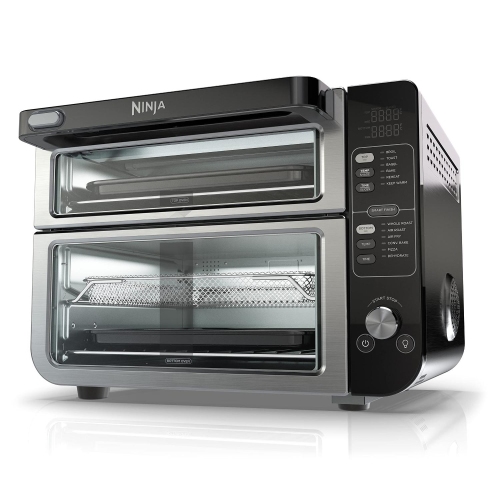
From morning toast to bubbling lasagna at dinner
Countertop ovens are compact electric ovens designed to sit on a kitchen work surface and handle everyday tasks such as toasting, baking, roasting and broiling. Depending on the design, they can supplement a full-sized oven or provide a practical cooking option where a larger appliance is not needed for every meal. Their appeal is easy to picture: two slices of toast at breakfast, a tray of roasted vegetables at lunch, or a small lasagna bubbling under a browned cheese topping at dinner. Basic toaster ovens focus on straightforward heating and browning, while multifunction countertop ovens may add convection, air frying, dehydrating, proofing or other specialized settings. Convection uses a fan to circulate heated air around food, helping promote more even cooking and browning when dishes are positioned correctly. Air-frying modes typically pair moving hot air with a perforated basket or tray, allowing air to reach more of the food’s surface. The results still depend on the recipe, portion size and spacing; a basket crowded with potato wedges will cook differently from a single, loosely arranged layer. Broiling directs intense heat toward the top of a dish, making it useful for finishing an open-faced sandwich or adding colour to a casserole. Baking settings suit foods such as muffins, biscuits and small cakes, provided the oven accommodates the required bakeware and temperature range. Some designs also offer steam-assisted cooking, which can help retain moisture, although water tanks and related components add their own cleaning requirements. Automatic programs can simplify familiar tasks, but adjustable time and temperature controls remain useful for adapting recipes and personal preferences. For households preparing different meals at different times, a countertop oven can handle a single portion without occupying the main oven. It can also create a separate cooking space for side dishes while a larger meal is underway. The most relevant functions are usually the ones that match familiar routines, whether that means crisp toast each morning, reheated pizza with a firmer base, or regular batches of roasted vegetables.
Capacity and placement shape how comfortably a countertop oven fits into daily life. Exterior dimensions describe the space an appliance occupies, while interior dimensions determine which pans, dishes and foods it can accommodate. A stated pizza diameter or toast-slice capacity offers a useful reference, but neither tells the whole story. A round pizza pan, a rectangular baking dish and a tall covered casserole each need a different amount of usable space. Pan handles also matter, as does the distance between food and the upper heating elements. A 12-inch pizza fitting inside does not necessarily mean every 12-inch baking dish will fit, particularly when its handles extend beyond the rim. Multiple rack positions provide flexibility for moving toast closer to the elements or giving a taller dish more headroom. Large Countertop Convection Ovens can be useful for households that regularly cook larger portions or want room for broader bakeware, although cooking on more than one level may require tray rotation according to the appliance instructions. Compact formats suit smaller batches and kitchens where preparation space is limited. Beyond the footprint, practical placement includes the clearance required above, behind and beside the oven, enough room for the door to open fully, and access to a suitable electrical outlet. Heat-sensitive surfaces and nearby objects need particular attention because exterior panels and glass doors can become hot during use. Construction details also affect the experience. Stainless steel exteriors offer a familiar kitchen finish, glass doors make food easier to monitor, and accessible handles help when opening a hot oven. Interior lights, clear displays and easy-to-read markings reduce the need to open the door repeatedly. Dial controls may feel straightforward for quick adjustments, while digital controls can offer more precise settings and visible timers. For someone who cooks frequently, a stable rack, a secure door and controls that remain easy to operate can be more meaningful than a long list of rarely used presets.
Care and everyday handling help keep a countertop oven dependable and pleasant to use. Removable crumb trays collect loose toast crumbs and small food particles, but spills on racks, pans and interior surfaces still need attention. Once the appliance has cooled and been unplugged, routine cleaning according to its care instructions helps prevent baked-on residue from building up. Greasy splashes left behind after roasting can produce smoke during later cooking, while crumbs near heating elements can scorch. Accessories vary in material and finish: metal racks, coated baking pans and mesh air-frying baskets may each have different washing requirements. A dishwasher-safe claim should apply to the particular accessory, rather than being assumed for every removable part. Non-abrasive cleaning tools help protect coated surfaces, and avoiding metal utensils on non-stick trays can reduce scratching. Durable construction is also reflected in small details, including racks that slide without tipping, trays that sit securely and doors that close properly. In use, leaving space around food supports airflow, while using the recommended rack position helps balance surface browning with cooking through the centre. Recipes written for a full-sized oven may need adjustments because food can sit closer to the heating elements in a smaller cavity. Checking progress early is especially useful with delicate baking or foods that brown quickly. A food thermometer remains the reliable way to confirm safe internal temperatures for meat and poultry; a browned surface alone is not enough. For a person setting up a first kitchen, a couple preparing smaller meals or an experienced cook wanting an additional oven, these appliances can serve quite different roles. They can also make thoughtful housewarming gifts when the recipient’s counter space, cooking habits and preferred bakeware are known. An oven that comfortably holds a favourite dish, offers useful cooking settings and is manageable to clean is more likely to become part of the daily routine than one selected for capacity or features alone.
Top selling and popular products
-
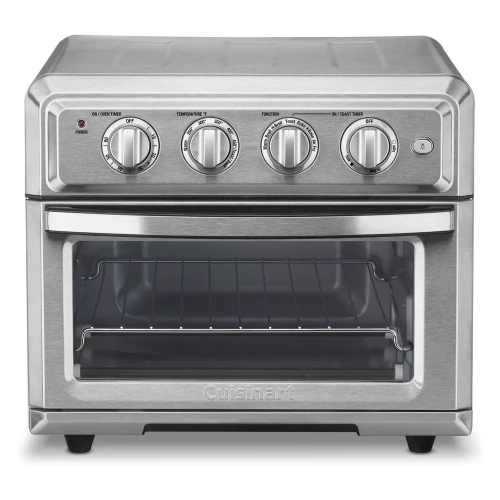 Your price for this item is $395.99
-
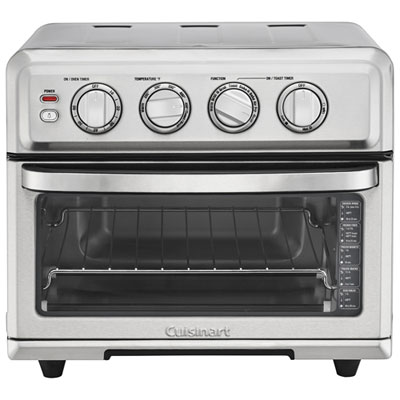 Your price for this item is $499.99
-
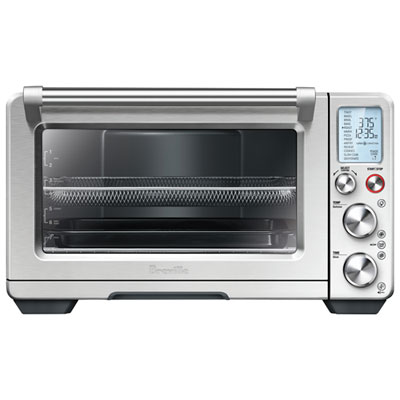 Your price for this item is $479.99
-
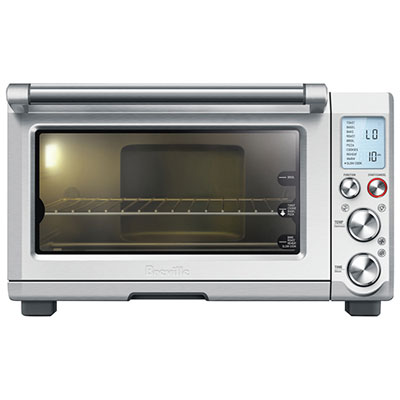 Your price for this item is $399.99
-
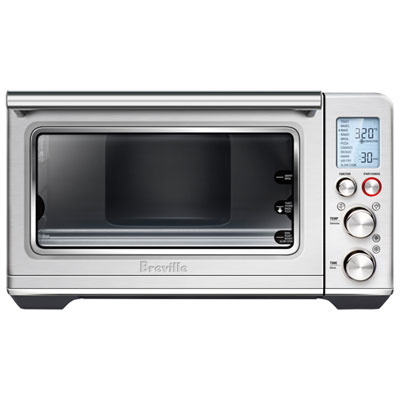 Your price for this item is $399.99
-
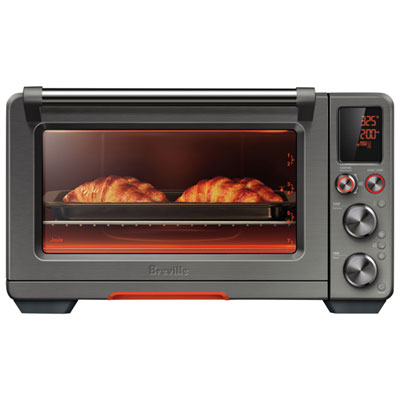 Your price for this item is $799.99
-
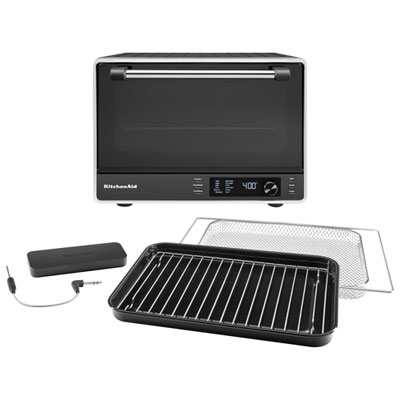 Your price for this item is $419.99
-
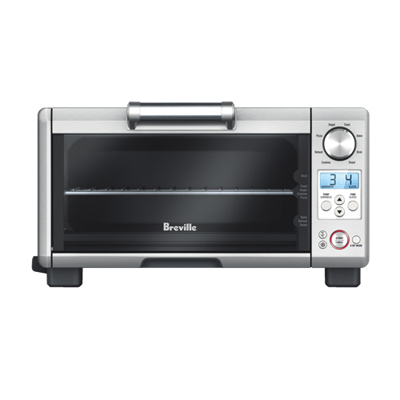 Your price for this item is $229.98
Discover more categories related to Countertop Ovens
Top Collections:
Best Black Friday Deals This Year, Best Black Friday Deals On Electronics, Kindle Devices, Pokemon Centers, Best Black Friday Deals On Apple Products, Best Cameras for Sports Photography, Dyson Airwrap, Pokémon 30th Celebration Cards, Apple iPhone 17 Pro, Canon G7X Cameras
Some products may be subject to Environmental Handling Fees
(EHF) depending on your province.
Learn more about EHFs.