Cuisinart Kettles Electric
Discover the perfect addition to your kitchen with the Cuisinart Kettle Electric collection. These kettles are designed to make boiling water quick and convenient, whether you're preparing tea, coffee, or instant meals. With sleek designs that complement any countertop, the Cuisinart Kettle Electric range offers reliable performance and modern style. Explore a variety of options to find the ideal kettle for your daily routine.
Sort


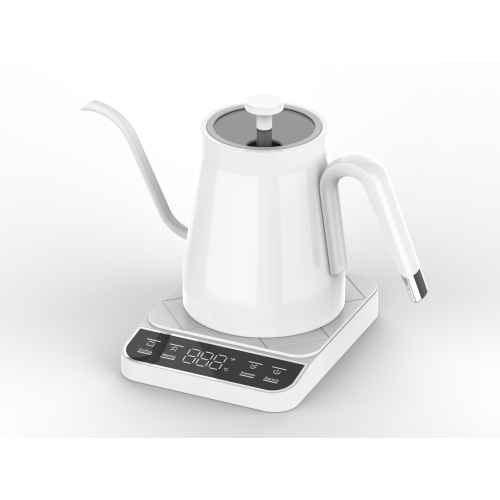
Why water temperature matters for tea and coffee
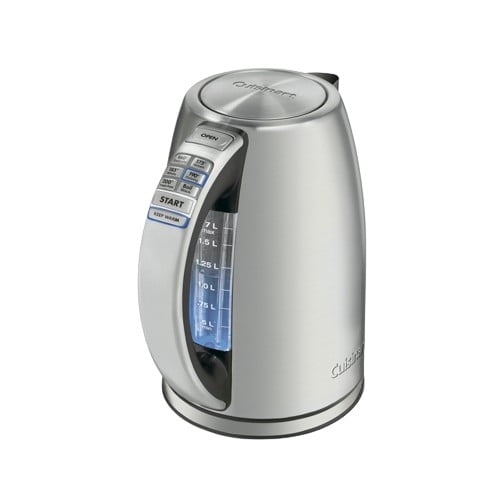
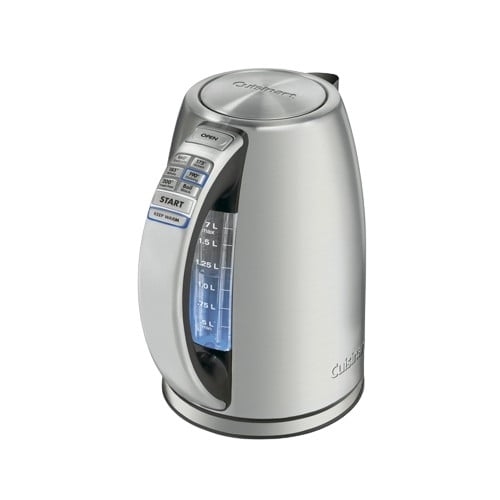
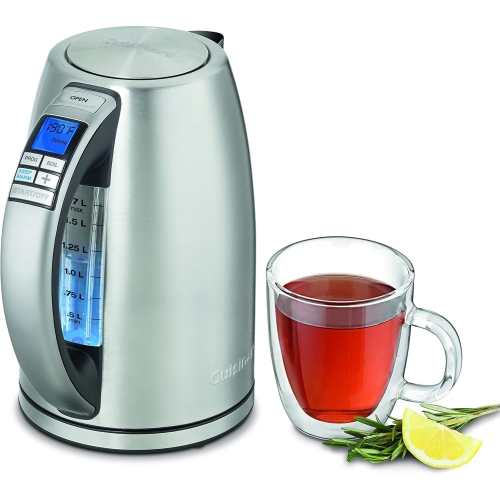
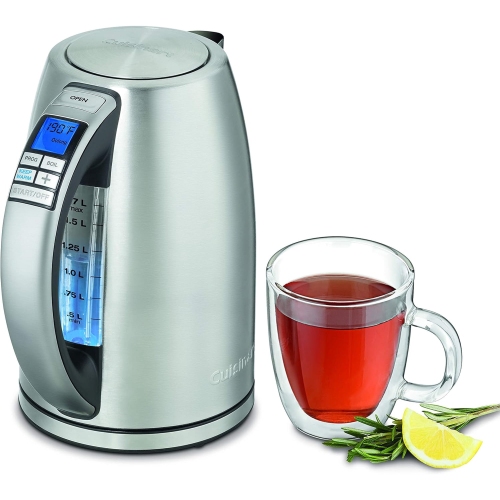
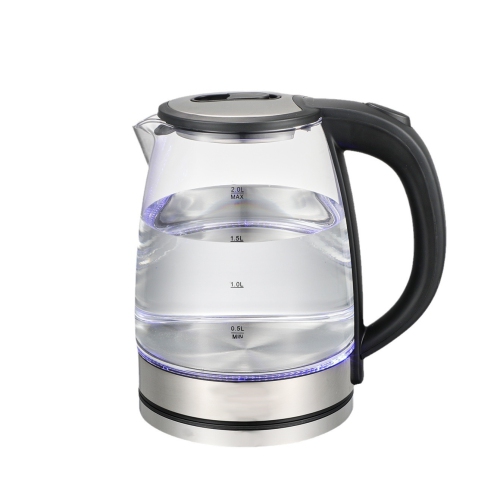
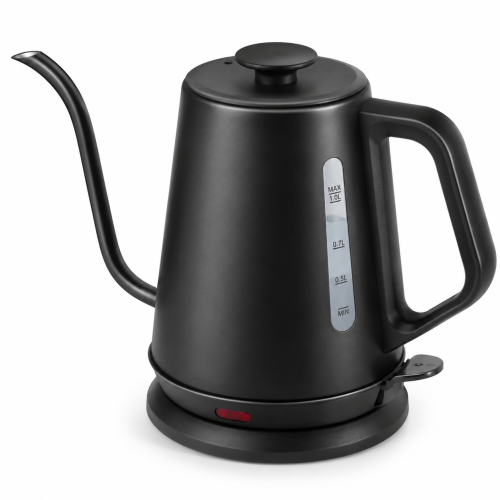
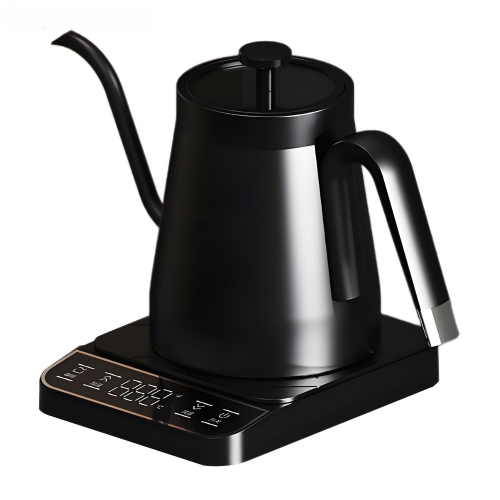
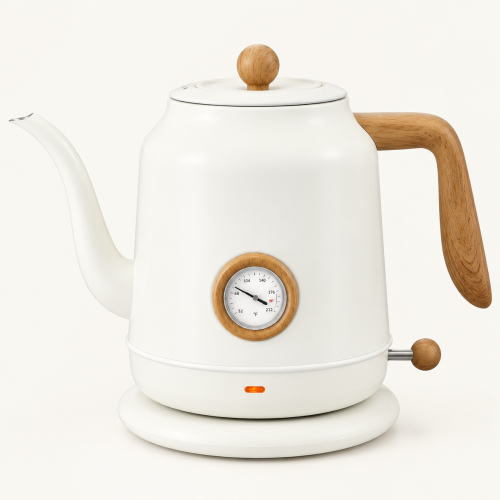
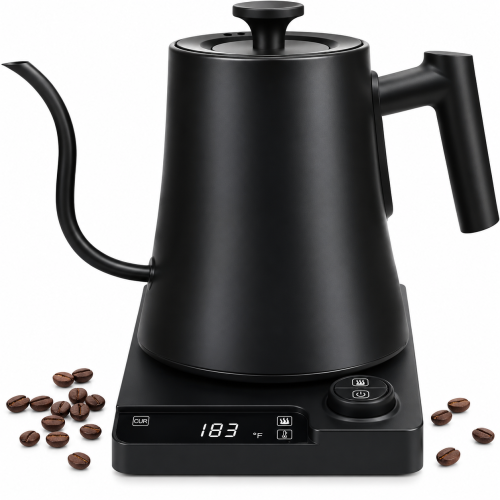
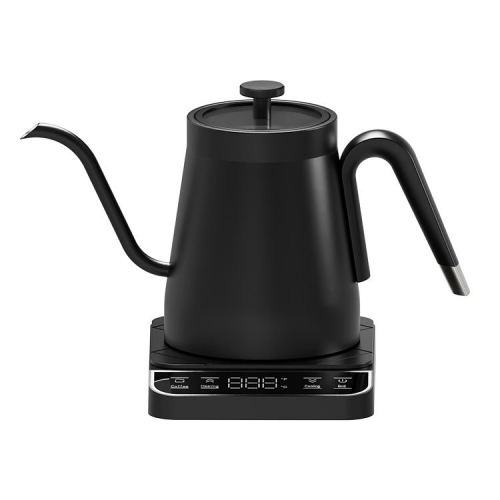
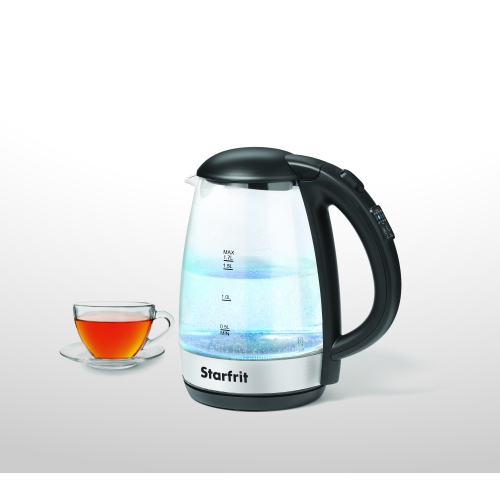
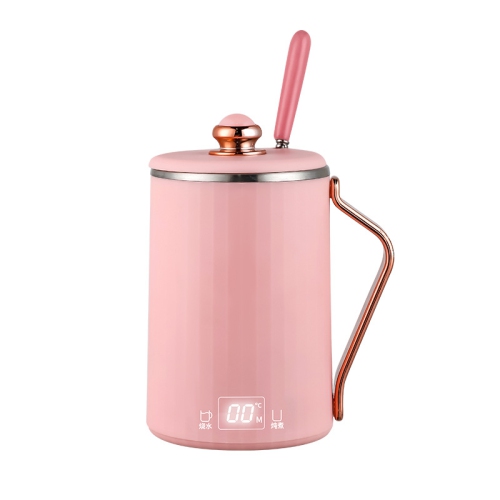
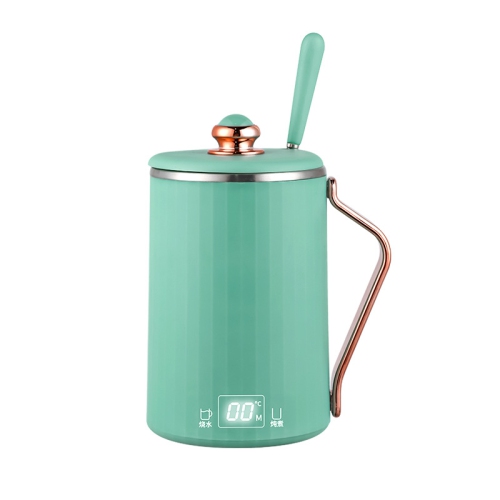
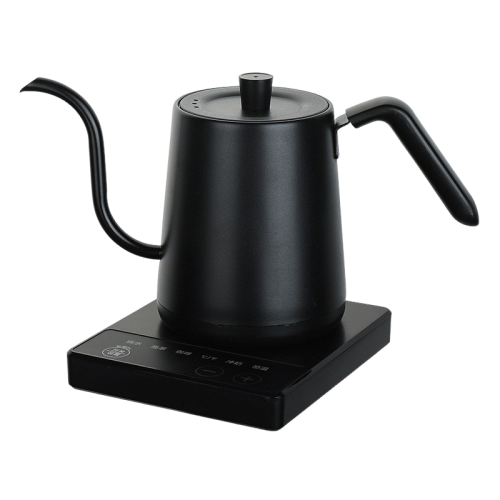
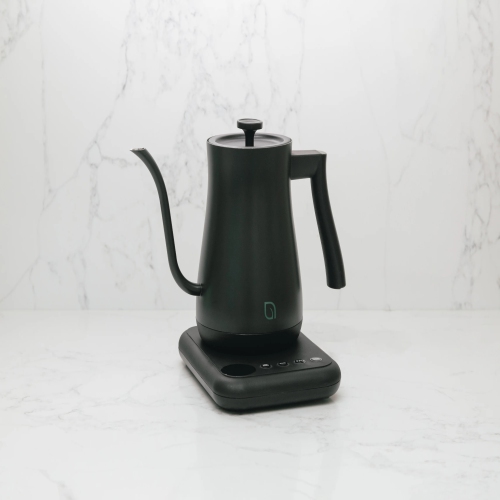
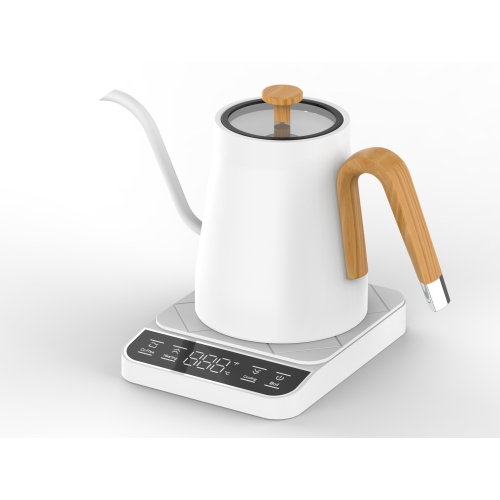
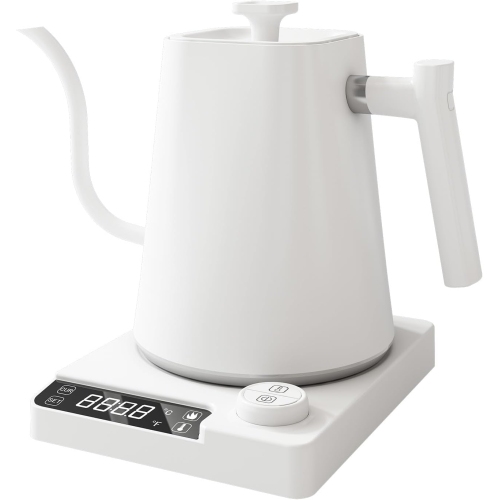
Electric kettles make hot water a convenient part of everyday routines, from preparing a morning cup of tea to filling a French press or mixing instant oatmeal. Fast-heating elements, variable temperature controls, and cordless pouring designs are useful features within this category, although the combination of functions differs by model. A straightforward kettle with a single boiling setting suits households that mainly need freshly boiled water, while adjustable settings offer more flexibility for different drinks. Green and white teas often benefit from water below boiling, and coffee preparation can also call for a specific temperature rather than a rolling boil. Preset controls take some of the guesswork out of these routines, especially when several people share a kitchen and prefer different beverages. A temperature display, where included, makes the heating process easier to follow, while a ready signal can let someone know when the water has reached the selected setting. Keep-warm functions can be helpful when a second cup follows the first, though their duration and operation vary. For someone preparing loose-leaf tea, the kettle works alongside an infuser or teapot; for pour-over coffee, the shape of the spout matters as much as the heating controls. A narrower spout can support a more measured stream, whereas a broader pouring lip is practical for filling mugs and larger vessels. These differences affect how a kettle feels in daily use, not simply how it looks on the counter. Heating time also depends on the amount of water and the appliance’s power rating, so a small fill and a full kettle will not necessarily be ready at the same pace. Electric kettles are generally intended to heat water rather than milk, soup, or other liquids, unless the manufacturer expressly states otherwise. That clear purpose makes them a useful companion to other kitchen appliances: a dedicated way to prepare hot water without occupying a stovetop burner or requiring a separate saucepan.
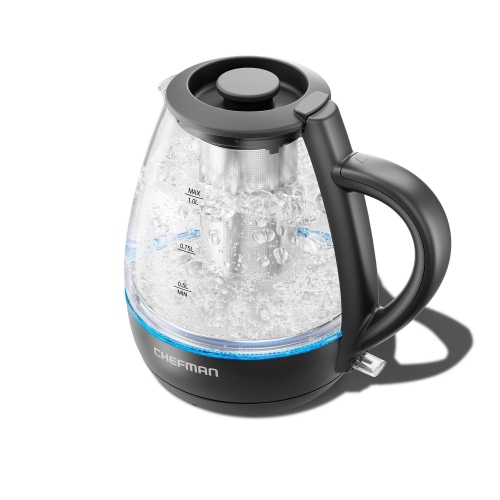
Materials, capacity, and handling all influence how comfortably an electric kettle fits into a kitchen. Stainless steel offers a familiar appearance and a sturdy feel, while glass makes the water level easy to see and gives the heating process a visible presence on the countertop. Plastic may be used for handles, lids, bases, or outer housings to reduce weight and provide a comfortable grip. The exterior material does not always describe every surface that touches the water, so construction details matter for anyone with a particular material preference. Double-wall designs may help reduce heat transfer to the outer surface, but no kettle should be assumed safe to touch everywhere while heating. Capacity is another practical distinction. A smaller vessel can be easier to lift for a single mug, while a larger one may better suit several tea drinkers or a table set for guests. The minimum and maximum fill markings define the intended operating range; filling above the maximum can lead to splashing or overflow. A clearly visible water window helps make that range easier to judge before switching the kettle on. Balance is particularly noticeable when a kettle is full, and a well-positioned handle, secure lid, and predictable pouring angle can make the movement from base to cup more comfortable. Cordless pouring usually means that the vessel lifts away from a powered base, not that the kettle heats without an electrical connection. A rotating base can make it easier to return the handle to a convenient position, particularly on a shared counter. The base footprint, cord length, and space beneath upper cupboards also affect placement. There needs to be room to open the lid, fill the vessel, and allow steam to escape away from cabinetry. Automatic shut-off and boil-dry protection are useful safety features where provided, but they do not replace correct filling, a stable surface, or care around hot water and steam.
Everyday care plays an important role in keeping an electric kettle pleasant to use over time. Minerals naturally present in water can leave deposits inside the vessel, particularly in areas with harder water. A pale film or chalky build-up does not necessarily mean the kettle is worn out, but accumulated scale can affect heating performance and may leave particles in poured water. Regular descaling according to the manufacturer’s directions helps address this build-up without exposing seals, finishes, or heating components to unsuitable cleaning methods. A wide lid opening can make the interior easier to inspect, and a removable spout filter, where fitted, may help catch loose mineral particles. Such a filter is not a substitute for a drinking-water treatment system. Cleaning instructions also differ by construction: an electrical base or powered vessel should not be immersed unless explicitly permitted, and a dishwasher-safe claim should never be assumed. A soft cloth is generally kinder to exterior finishes than abrasive pads, while thorough rinsing after an approved descaling treatment helps prevent unwanted tastes. Durability is reflected in details that receive repeated use, including the lid hinge, handle attachment, switch, and contact between the kettle and its base. Ease of opening, readable markings, and controls that remain comfortable to operate can matter more over hundreds of uses than an elaborate display. Appearance still has a place, especially for an appliance that often stays within view. Stainless finishes can coordinate with other kitchen appliances, glass can create a lighter visual impression, and Black Electric Kettles offer a darker finish that works with many cabinetry and countertop colours. As a gift, an electric kettle can suit a tea enthusiast, a coffee drinker, or someone setting up a first kitchen. The most useful match reflects the recipient’s routine: manageable weight for frequent pouring, enough capacity for their household, and temperature controls only as detailed as their favourite drinks require. Those practical qualities help make the kettle a dependable part of the kitchen rather than an appliance reserved for occasional use.
Top selling and popular products
-
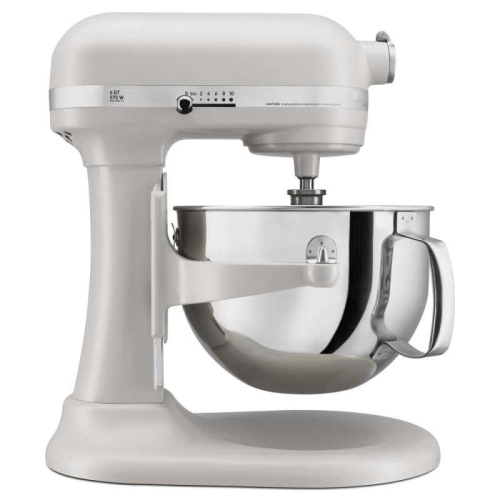 Your price for this item is $669.95
-
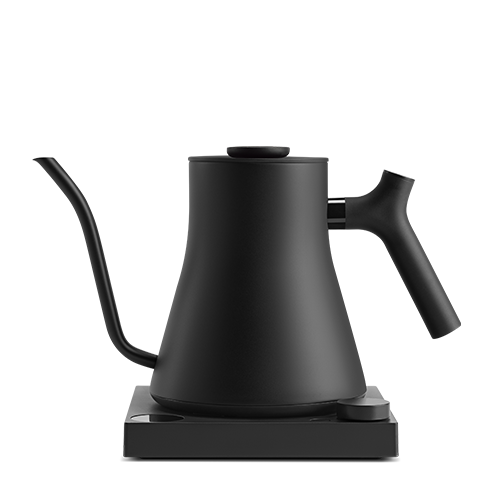 Your price for this item is $239
-
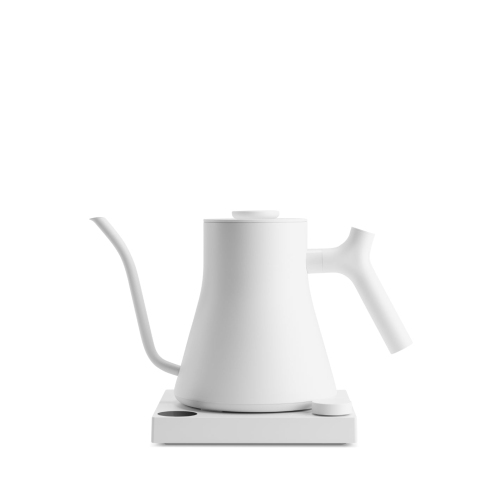 Your price for this item is $239
-
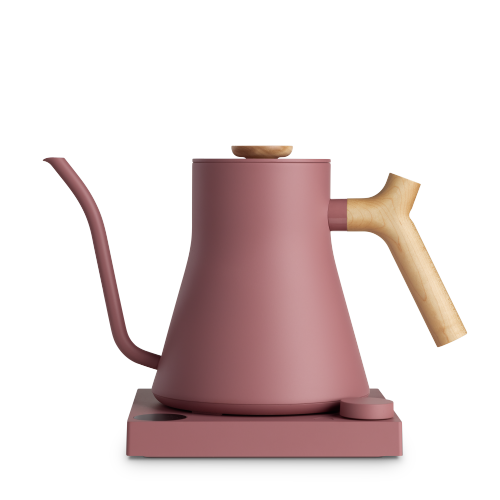 Your price for this item is $280
-
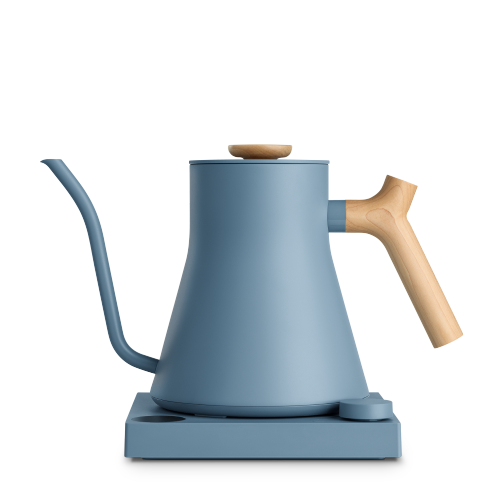 Your price for this item is $280
-
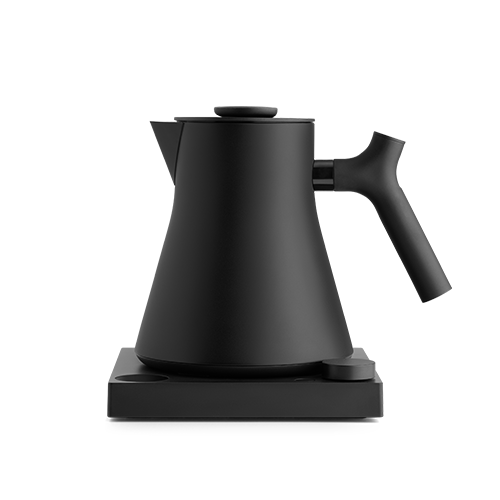 Your price for this item is $239
-
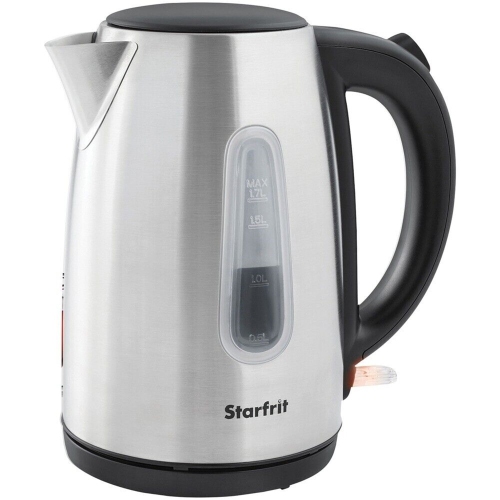 Your price for this item is $39.99
-
 Your price for this item is $39.99
Discover more categories related to Cuisinart Kettles Electric
Top Collections:
Best Black Friday Deals This Year, Best Black Friday Deals On Electronics, Kindle Devices, Pokemon Centers, Best Black Friday Deals On Apple Products, Best Cameras for Sports Photography, Dyson Airwrap, Pokémon 30th Celebration Cards, Apple iPhone 17 Pro, Canon G7X Cameras
Some products may be subject to Environmental Handling Fees
(EHF) depending on your province.
Learn more about EHFs.