Danby Wine Coolers
Danby wine coolers are an excellent choice for storing and serving wine. They can be placed on a countertop or built into a cabinet, and they can be used for white, red, or sparkling wines. Wine coolers are also available in a variety of sizes, from small enough to fit on a kitchen countertop to large enough to store several bottles of wine in the basement. They feature adjustable temperature controls, allowing you to set the ideal temperature for your wine. Here are some of the best wine coolers made by Danby.
Sort
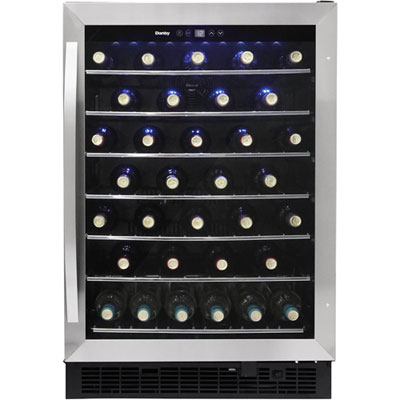
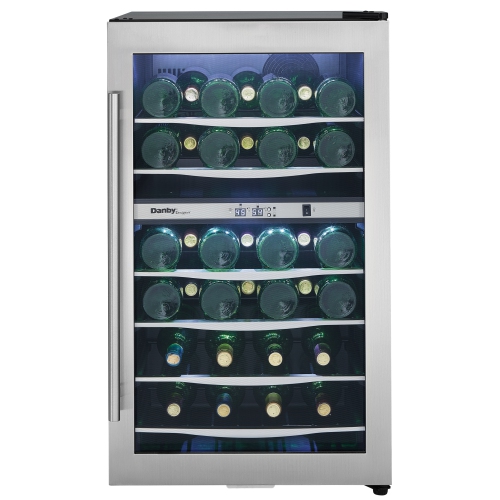
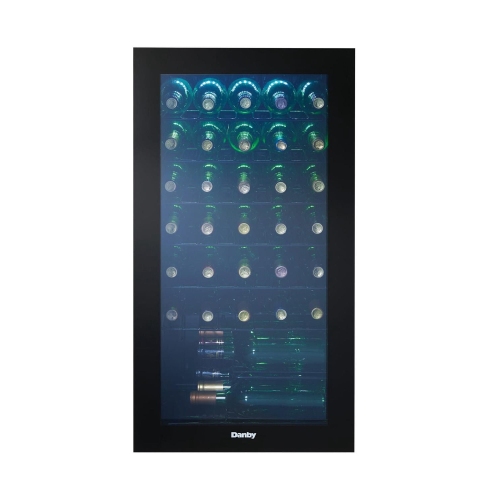
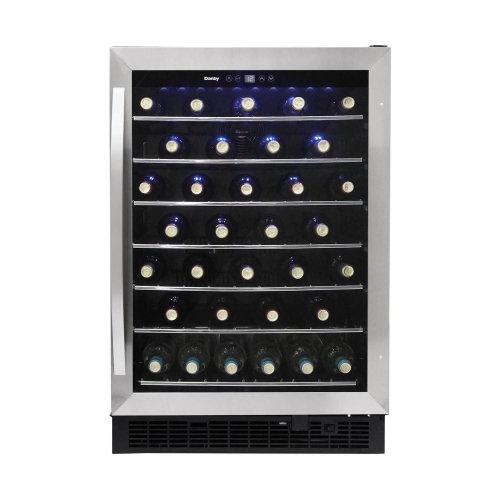
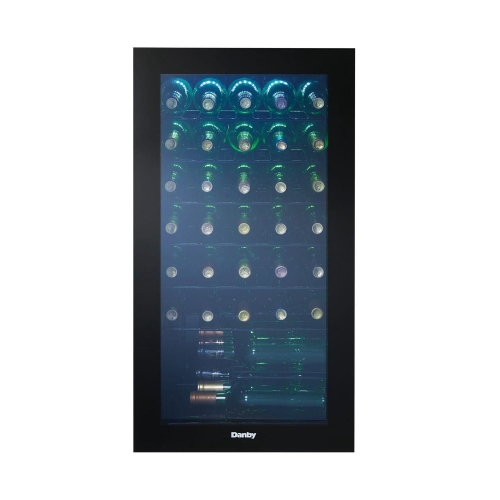
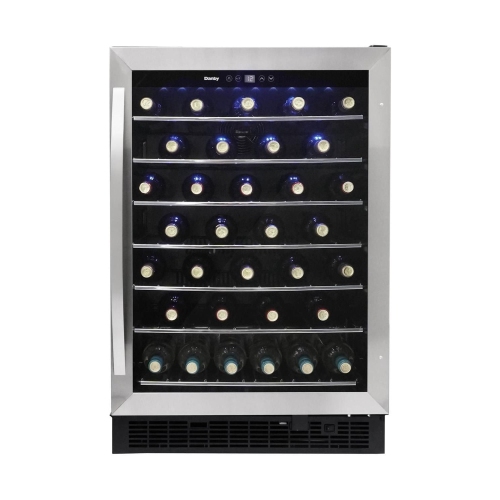
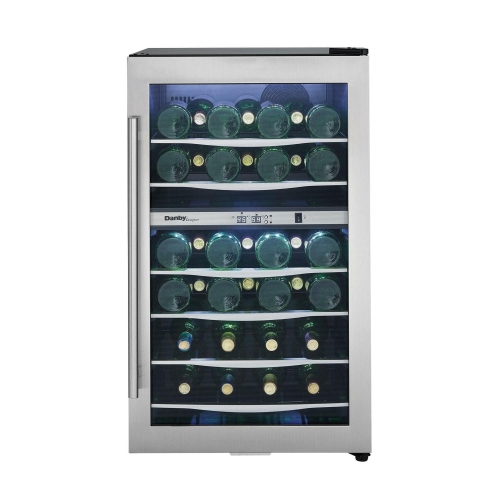
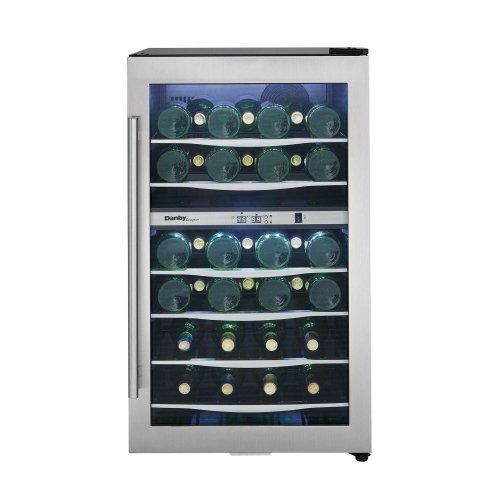
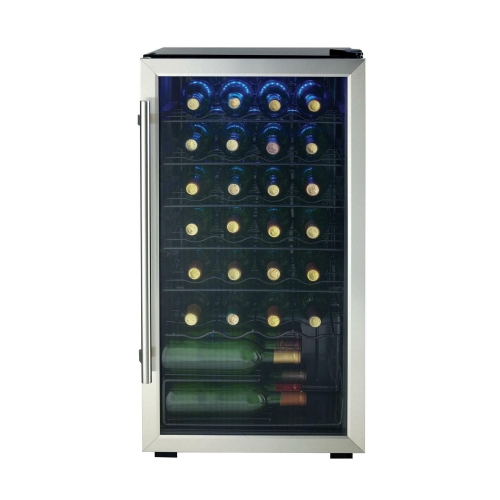
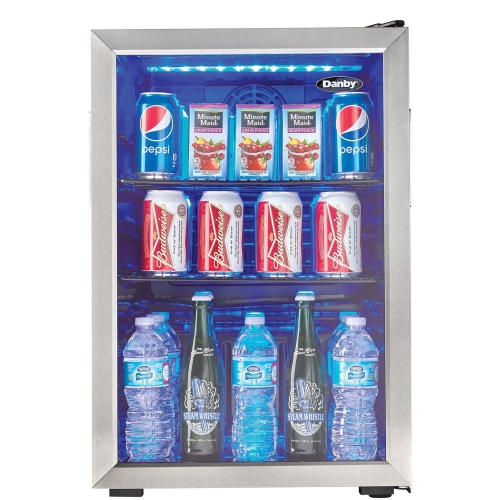
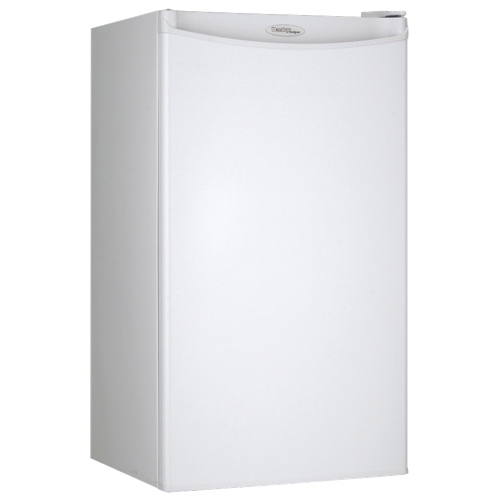
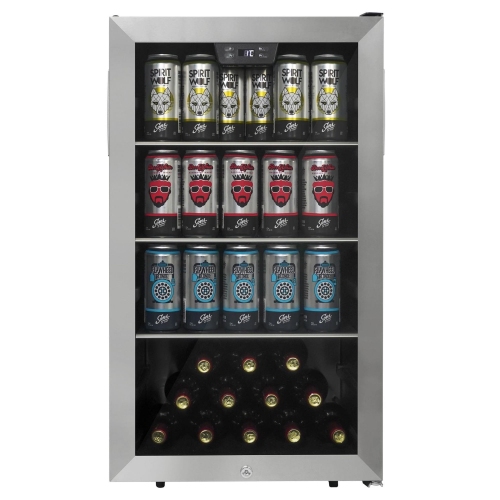
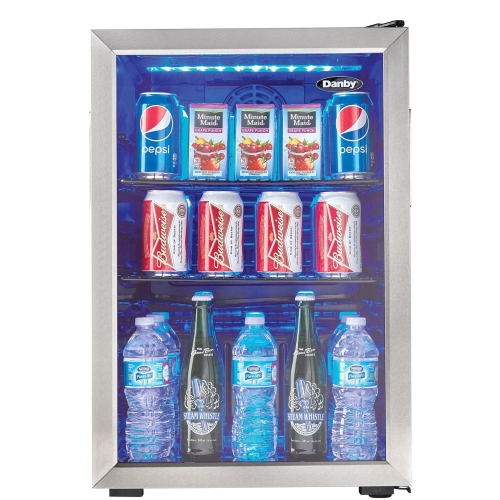
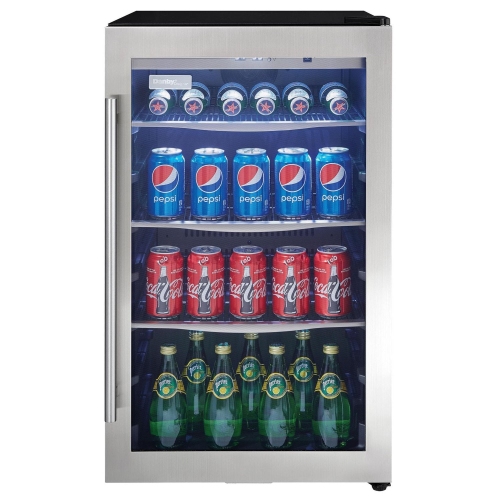
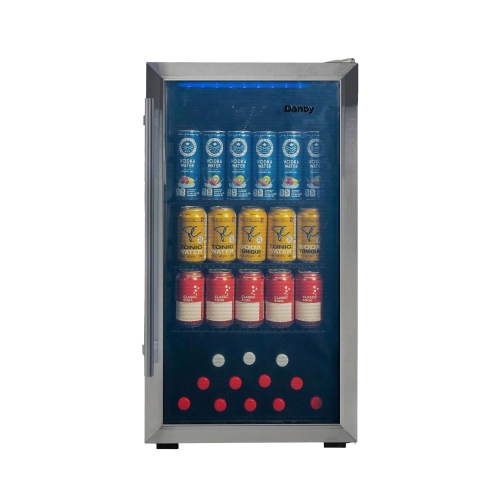
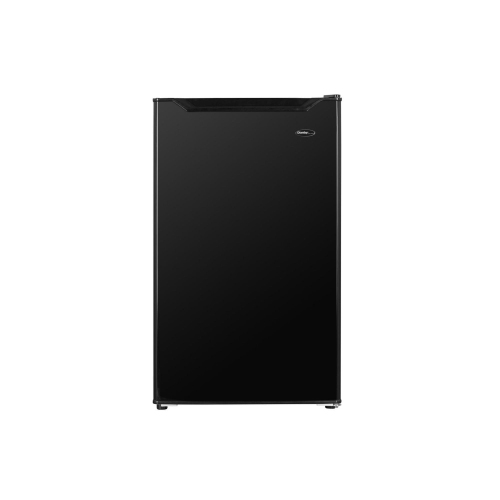
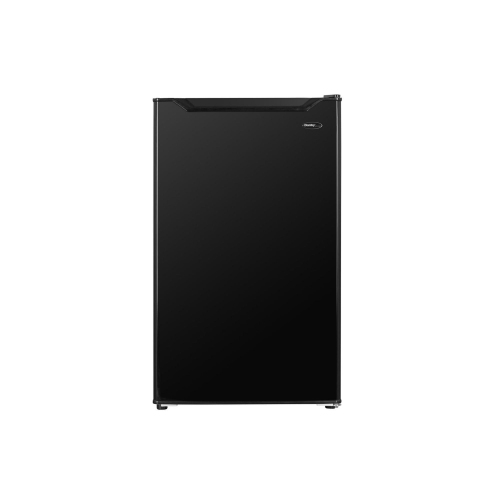
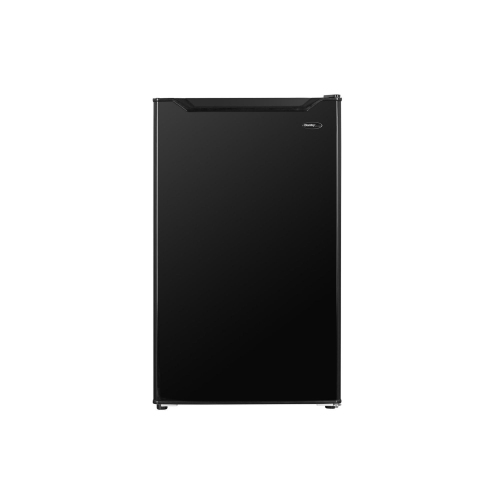
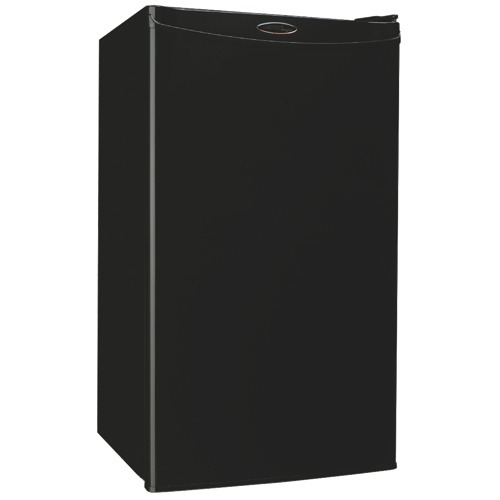
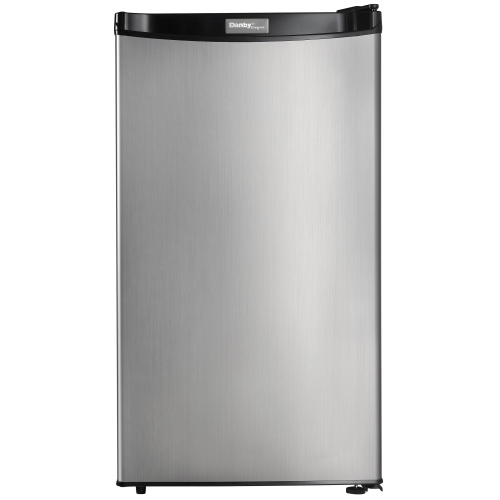
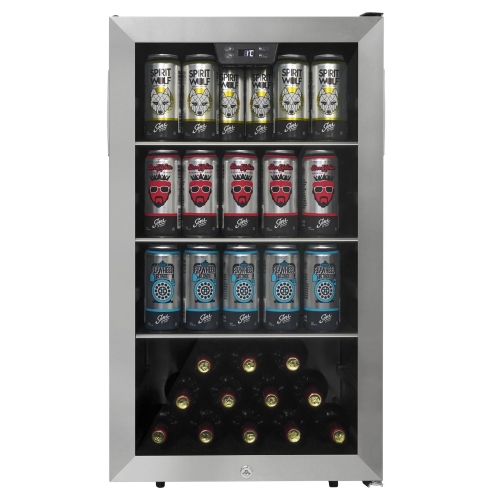
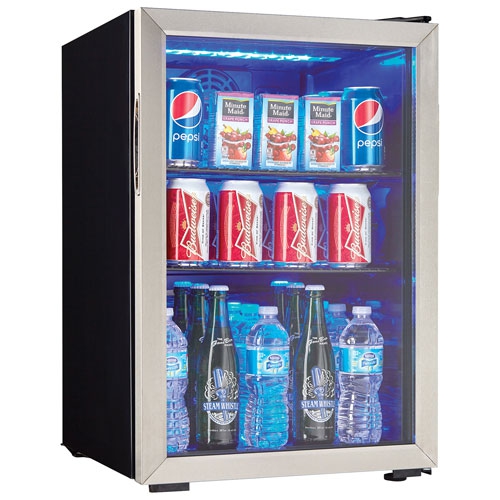
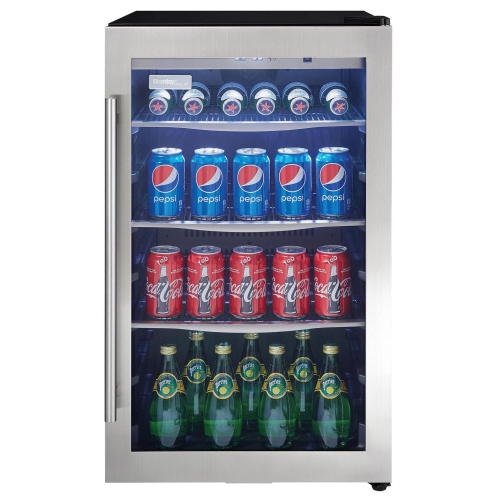
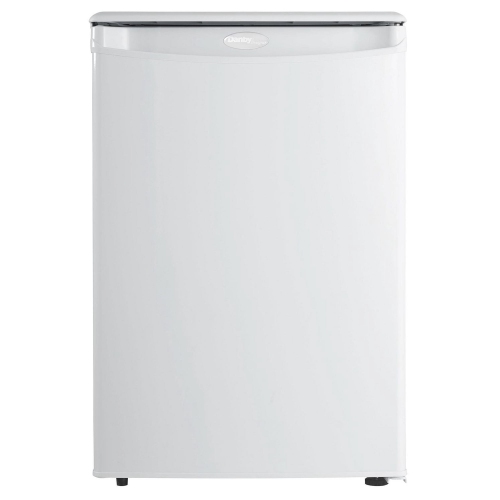
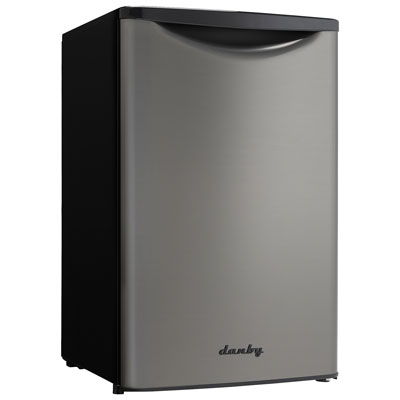
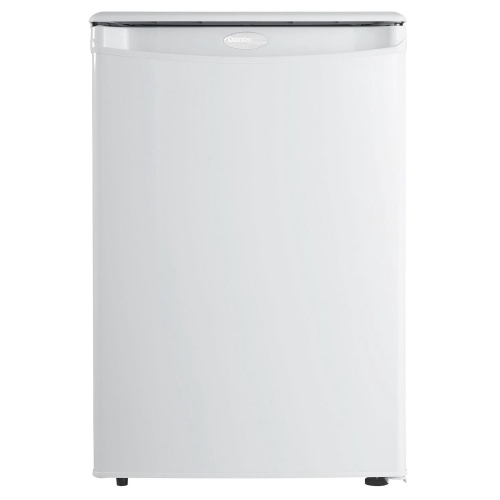
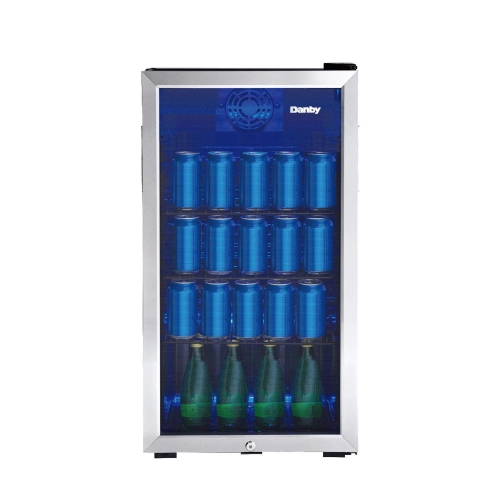
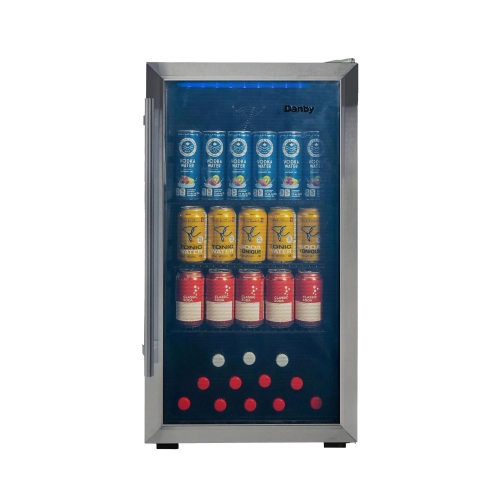
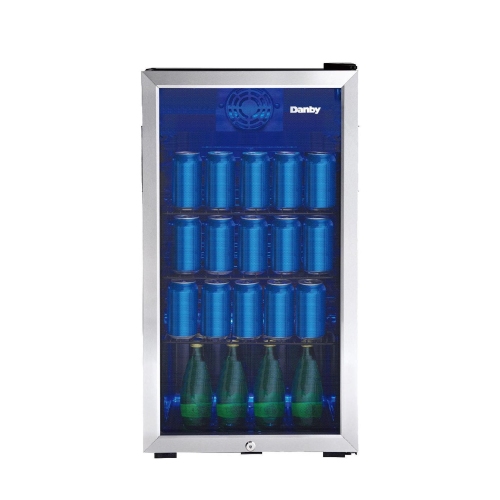
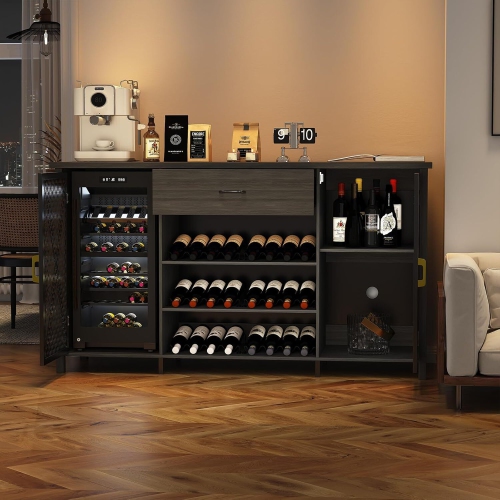
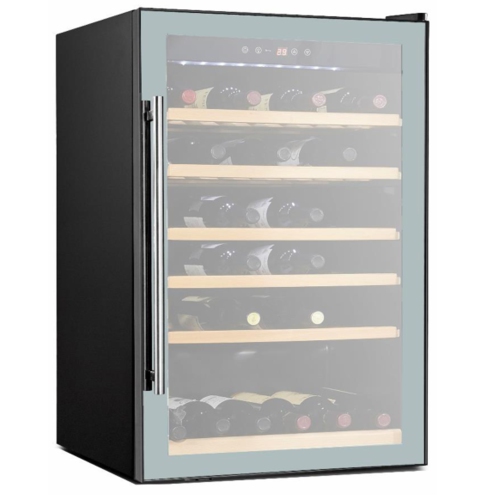
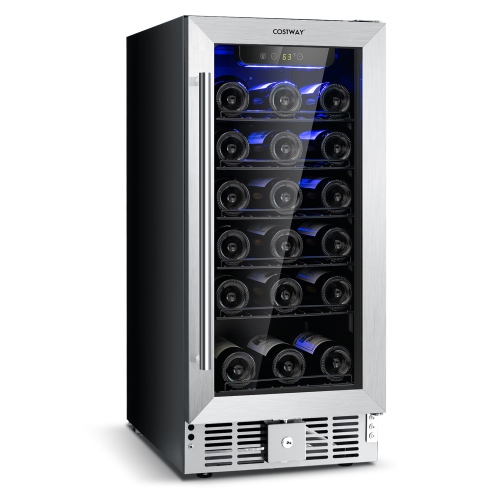

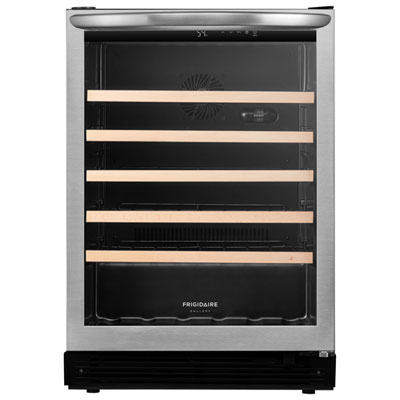


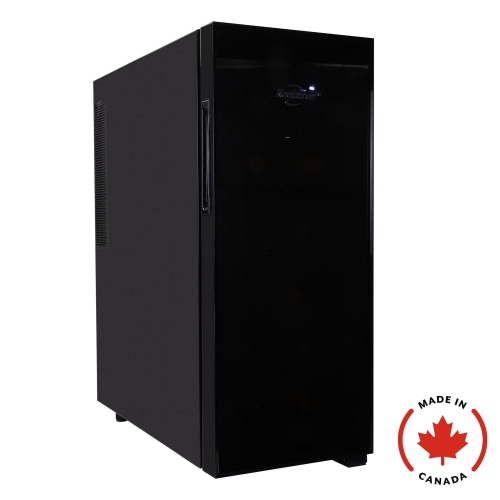

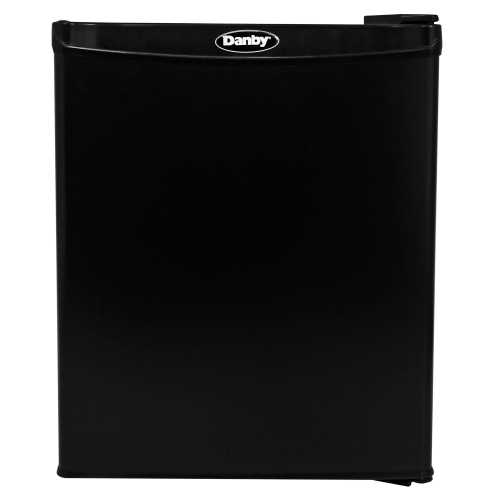
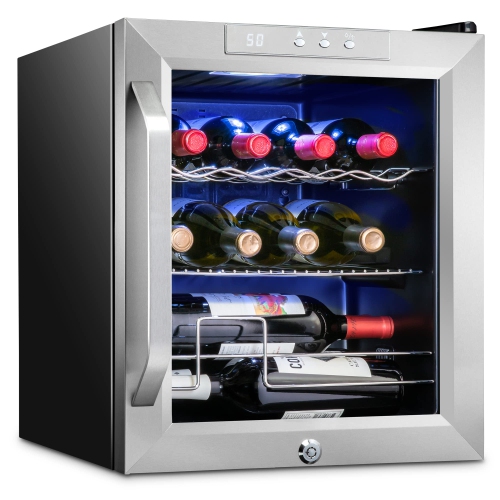

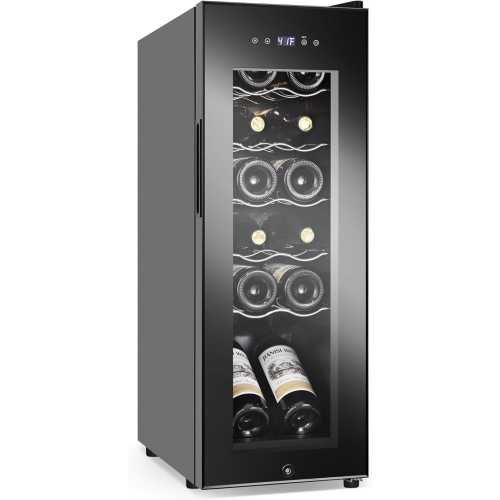
Wine storage that fits your collection and your space
Wine coolers are refrigerated cabinets designed to store wine bottles at controlled temperatures, with shelving and interior layouts suited to keeping a collection organized and easy to access. A dedicated cooler gives everyday favourites, bottles reserved for dinner guests, and wines being saved for a special occasion their own space, rather than sharing shelves with groceries. The most useful configuration depends on the kinds of wine being stored and how often bottles are opened. Single-zone wine coolers maintain one selected temperature throughout the cabinet, making them a straightforward option for a collection with similar storage needs. Dual-zone designs provide separately controlled sections, which can be helpful when keeping different wine styles closer to their preferred serving temperatures. Storage temperature and serving temperature are not always the same, so a bottle may still benefit from a little time outside the cooler or additional chilling before pouring. Temperature ranges and the degree of control between zones vary by model. Bottle capacity also needs a practical interpretation: published capacities typically use standard 750 mL Bordeaux-style bottles, while wider Burgundy bottles, Champagne bottles, and unusually shaped glass can reduce the number that fits. A household that enjoys several different wine styles may find shelf spacing just as important as the stated bottle count. Removable or adjustable shelves, where included, can accommodate larger bottles, though changing the layout may reduce overall capacity. Shelves that support bottles securely help prevent rolling, while smooth access makes it easier to retrieve a selection without disturbing neighbouring bottles. Horizontal storage can help keep natural corks in contact with the wine; bottles with other closures may have different storage requirements. For longer-term storage, consistent conditions matter more than simply making bottles cold. A wine cooler can support those conditions, but its suitability for extended cellaring depends on its specifications, placement, and the needs of the wine itself. Some households need space for a small, frequently refreshed selection, while others benefit from room to organize bottles by style, producer, or occasion.
Physical fit matters as much as bottle capacity, particularly in kitchens, dining rooms, condos, and multipurpose entertaining spaces. Freestanding and built-in wine coolers have different installation requirements and should not be treated as interchangeable. A freestanding unit generally needs open space around the cabinet for heat to disperse, while a model specifically approved for built-in installation is designed for the ventilation arrangement described in its instructions. Sliding a freestanding cooler into a tight cabinet opening can restrict airflow and affect performance. The appliance dimensions are only part of the space required: ventilation clearances, the power connection, handle projection, and room for the door to open also count. A door that opens far enough to let shelves slide out is especially useful when loading a full cabinet or cleaning the interior. Reversible hinges, where supported, can make a difference beside a wall or at the end of a counter, but hinge configuration and installation requirements vary. A level, stable surface helps the door close properly and keeps bottles resting securely. Placement away from direct sunlight and nearby heat sources supports more consistent operation, while the appliance’s permitted room-temperature range determines where it can be used. A garage or enclosed porch should not be assumed suitable simply because there is enough floor space. In open-plan rooms, operating sound is another consideration, since fans and cooling components may be more noticeable near seating or a home office. Exterior finishes contribute to how the cooler fits into the room: stainless steel, dark finishes, and glass-front designs each create a different look and require slightly different cleaning habits. Glass doors make labels and shelf arrangements visible, but protection from light depends on the glazing and the manufacturer’s specifications. Interior lighting can make bottles easier to identify without prolonged searching. Shelf materials, edge finishing, handle construction, and the feel of the door seal all contribute to day-to-day usability, especially when the cooler is opened frequently.
A wine cooler can suit adults who enjoy pairing wine with meals, keeping a few dependable bottles ready for guests, or separating a personal collection from the main kitchen refrigerator. In a dining area, it can keep bottles close to the table without occupying food-storage space; in a larger kitchen, it can form part of a dedicated drinks area. For spaces that also need everyday refrigeration, Danby Fridges offer a related option, while a wine cooler provides storage arranged specifically around wine bottles. The distinction is useful when planning space for groceries, mixers, and wine, since a wine cooler should not be assumed suitable for perishable foods unless the manufacturer explicitly permits that use. As a housewarming, wedding, or anniversary gift for an adult wine enthusiast, a cooler is most practical when its dimensions, installation type, and capacity match the recipient’s home and habits. A compact collection does not necessarily need a large cabinet, while a household that regularly hosts dinner parties may appreciate extra room for several bottle shapes and styles. Ongoing care is generally centred on clean surfaces, unobstructed ventilation, and a door that seals correctly. Spills should be wiped up promptly, and shelves should be cleaned using methods appropriate to their materials. Mild cleaning products and a soft cloth are often suitable, but the appliance instructions take precedence, particularly for wood shelving, coated finishes, and glass treatments. Door gaskets benefit from gentle cleaning so residue does not interfere with the seal. Accessible vents and other serviceable areas should be maintained as directed, with the appliance disconnected from power whenever the instructions require it. Keeping bottles within shelf load limits and avoiding pressure against the door help protect the fittings over time. With suitable placement and routine care, a dedicated wine cooler provides an orderly home for bottles, whether the collection is built around familiar favourites or a changing selection for shared meals.
Top selling and popular products
-
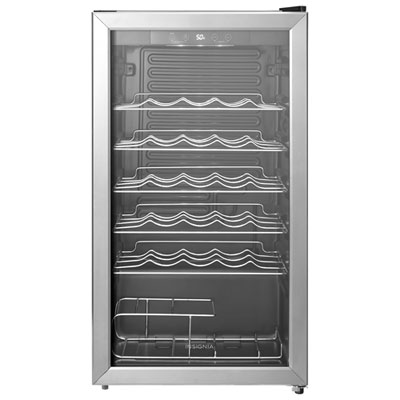 Your price for this item is $249.99
-
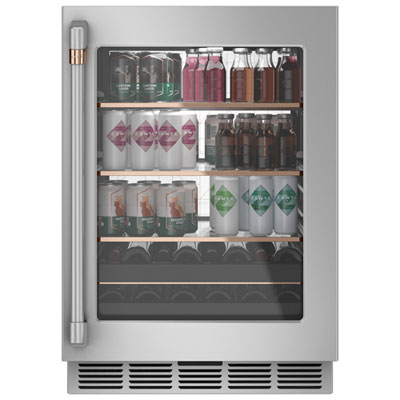 Your price for this item is $2499.99
-
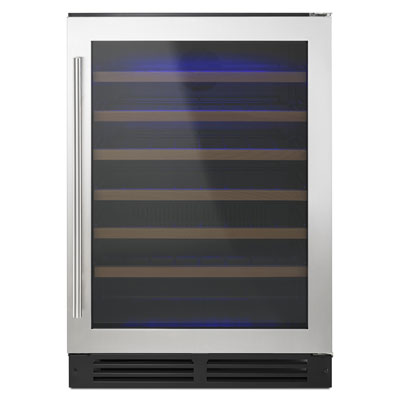 Your price for this item is $1699.99
-
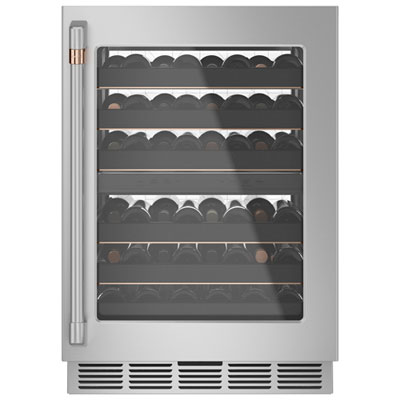 Your price for this item is $2599.99
-
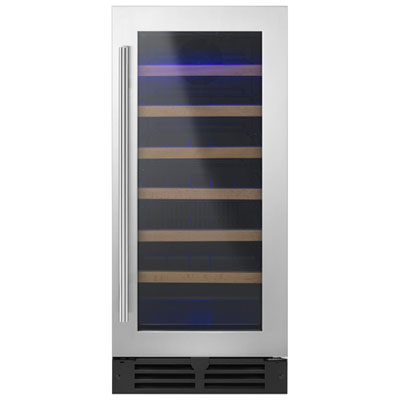 Your price for this item is $1599.99
-
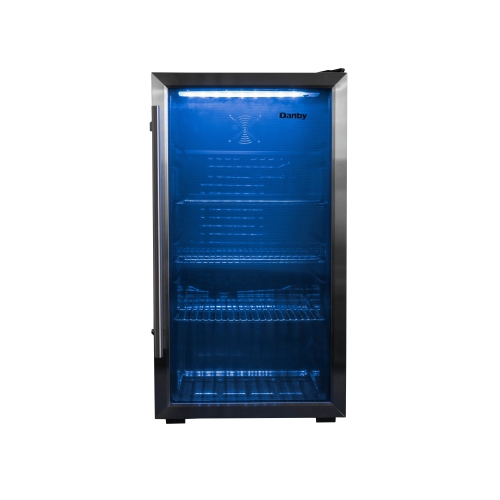 Your price for this item is $499.99
-
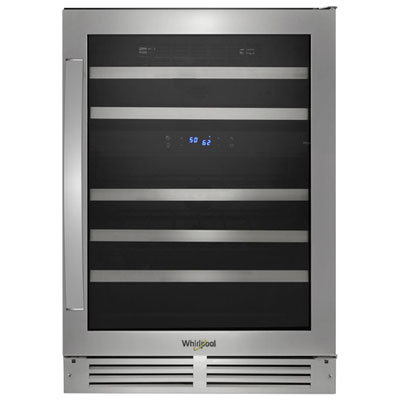 Your price for this item is $1749.99
-
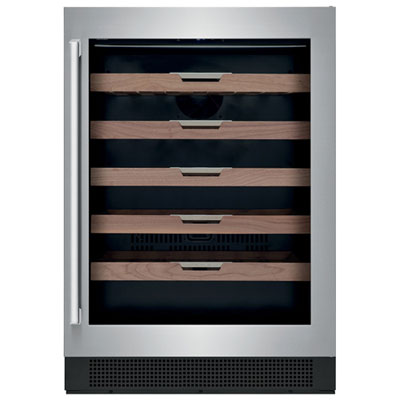 Your price for this item is $1794.98
Discover more categories related to Danby Wine Coolers
Top Collections:
Best Black Friday Deals This Year, Best Black Friday Deals On Electronics, Kindle Devices, Best Black Friday Deals On Apple Products, Best Budget Office Chairs, Best Cameras for Sports Photography, Dyson Airwrap, Canon G7X Cameras, Best Laptops for Writers, Samsung Galaxy Phones
Some products may be subject to Environmental Handling Fees
(EHF) depending on your province.
Learn more about EHFs.