Dark Roast Coffees
Indulge in the rich and bold flavors of dark roast coffees, where every sip transports you to a world of deep aromas and full-bodied tastes. Perfect for those who appreciate the intensity of a robust brew, dark roast coffees are crafted to bring out the complex notes that coffee enthusiasts love. Whether you're starting your day with a powerful punch or seeking an afternoon pick-me-up, these expertly roasted beans promise a satisfying experience. Explore our selection and discover how dark roast coffees can elevate your daily coffee ritual to new heights.
Sort
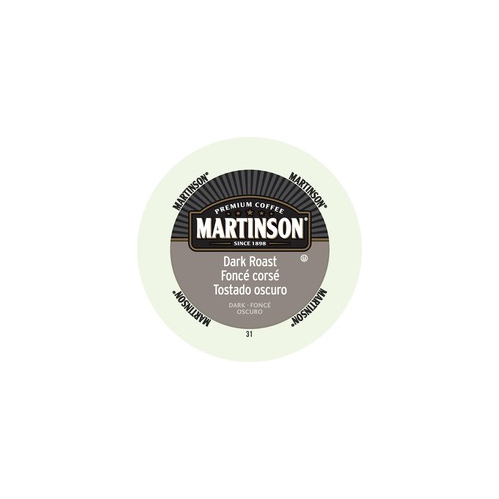
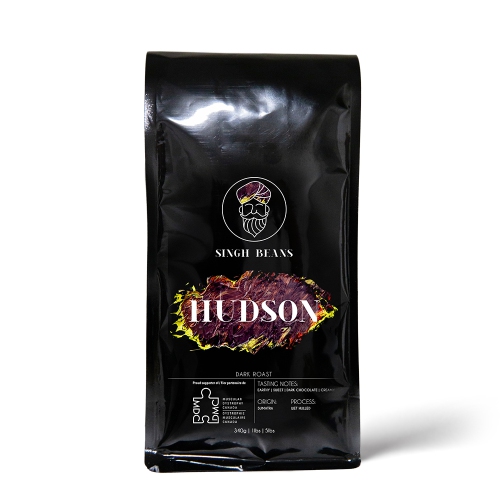
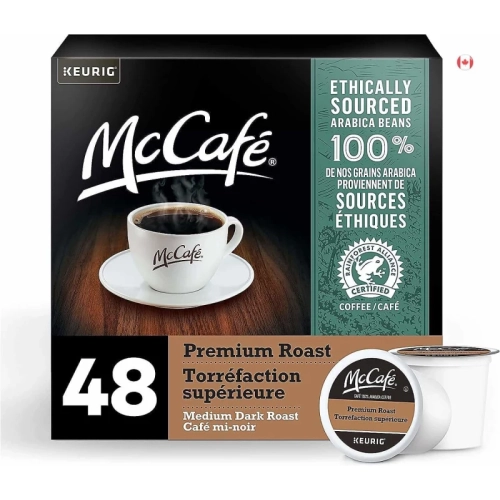
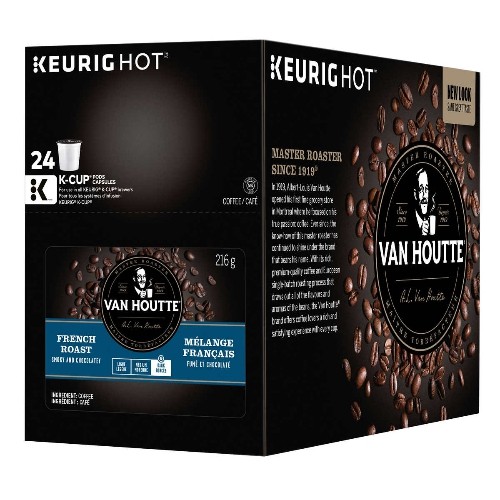
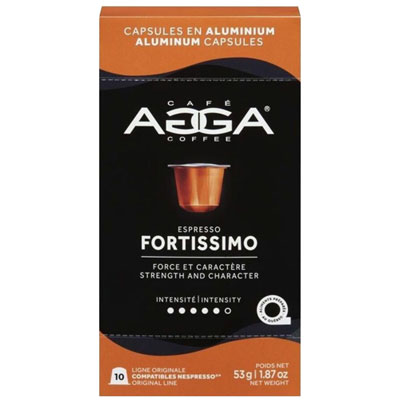
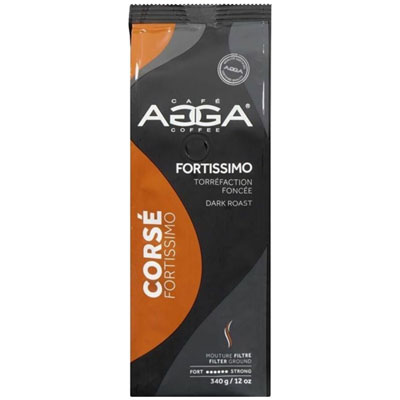
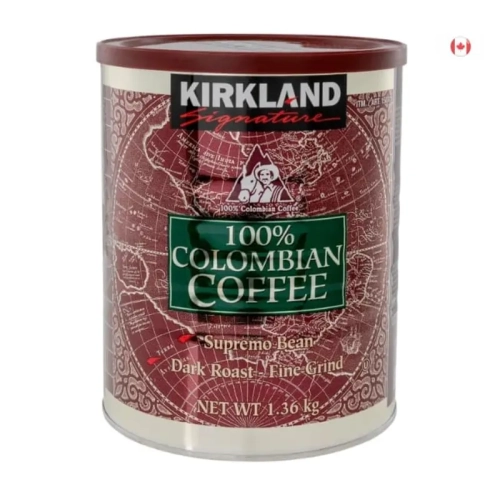
Why a darker roast brings a bolder flavour
Dark roast coffees are known for their deep brown beans, bold aroma, and pronounced roasted flavour. Compared with lighter roasts, they are generally roasted longer, to a higher final bean temperature, or both, allowing bittersweet chocolate, toasted nuts, and smoky notes to become more prominent. Natural oils may rise to the bean’s surface, creating a sheen, although not every dark roast looks equally glossy. In the cup, these coffees often have a full-bodied character and less noticeable brightness than light or medium roasts. That lower perceived acidity describes how the coffee tastes; it does not mean the drink is acid-free or necessarily easier on a sensitive stomach. The appeal is often in the balance between sweetness and bitterness: a cocoa-like finish, a hint of caramelized sugar, or a lingering roasted edge that remains distinct after milk is added. These tasting notes describe characteristics of the coffee and do not necessarily indicate added flavourings or ingredients. Bean variety, growing region, blending, and roasting all influence the result, so dark roast is a broad flavour category rather than a promise that every cup will taste the same. Some blends lean towards rounded chocolate notes, while others have a drier, more intense finish. Arabica beans often contribute aromatic complexity, and robusta can bring additional bitterness, body, and caffeine to a blend. Roast names such as French and Italian commonly signal a darker style, but their meaning can vary between roasters. Comparing dark roast with Medium Roast Coffee can help clarify the distinction: medium roasts generally retain more of the bean’s original fruit or nut character, while darker roasts put greater emphasis on flavours developed during roasting. Neither style is automatically stronger in caffeine. Bean type, the amount of coffee used, and the brewing method matter more than roast colour alone, making flavour preference a better starting point than assumptions about caffeine strength.
Whole bean, ground, and single-serve dark roast coffees suit different routines, with the best fit depending on the equipment and time involved. Whole beans allow the grind to be adjusted for each brewing method and are useful for households that alternate between a drip coffee maker, French press, and espresso machine. Grinding shortly before brewing helps retain the aromas released when the beans are broken apart. A burr grinder provides more consistent particles than a blade grinder, which can make it easier to avoid a cup that tastes simultaneously harsh and thin. Ground dark roast coffee removes that extra step and works well for a straightforward breakfast routine, shared kitchen, or office coffee station, provided the grind suits the brewer. A coarse grind is generally appropriate for a French press, a medium grind for many drip machines, and a fine grind for espresso, though individual brewers may call for adjustments. Very fine grounds can pass through some mesh filters or slow water flow, while overly coarse grounds may produce a weak result in a quick brewing cycle. Single-serve formats offer measured portions and minimal preparation, but capsule or pod compatibility must match the exact brewing system; similar shapes do not guarantee a proper fit. Dark roast is also not interchangeable with espresso. Espresso is a brewing method, and dark roasted beans can be used for drip coffee, immersion brewing, or concentrated shots when prepared appropriately. For an automatic espresso machine, the manufacturer’s guidance matters, particularly where very oily beans are discouraged because residue can build up in the grinder or bean-feeding mechanism. Cup texture also depends on filtration. Paper filters hold back more oils and fine particles, often producing a cleaner finish, while metal filters allow more of those components through for a heavier mouthfeel. A dark roast with chocolate-like notes can suit a latte drinker who wants the coffee to remain noticeable through milk, while someone drinking it black may prefer a blend with a rounded finish rather than an aggressively smoky edge. Decaffeinated dark roasts offer a similar flavour direction with substantially less caffeine, although decaffeinated does not mean completely caffeine-free.
Freshness, storage, and everyday preparation have a considerable effect on how dark roast coffee tastes over time. Coffee is best kept in a tightly closed package or airtight container, away from direct light, moisture, and heat sources such as an oven or the side of a coffee machine. An opaque, food-safe container with a reliable seal is useful, but transferring beans is not essential if the original packaging closes securely. A one-way valve on a coffee bag lets gases escape without leaving the contents openly exposed to air. Whole beans generally retain their character longer than ground coffee because less surface area is exposed, so the amount a household typically brews is worth considering when choosing a package size. Frequent opening and prolonged storage can dull the aroma, and surface oils can develop stale flavours with time. Refrigeration is usually unhelpful for coffee opened daily, since condensation and nearby food odours can affect it. Clean equipment matters just as much: old oils left in a grinder, filter basket, or carafe can introduce bitterness that has little to do with the beans themselves. Follow the appliance’s cleaning directions, rinse removable brewing components as appropriate, and let them dry before reassembly. For a dependable starting point with filter coffee, roughly 60 grams of coffee per litre of water provides a useful baseline, with adjustments for personal taste and brewer design. Measuring by weight is more consistent than counting scoops because bean size, roast level, and grind affect how much coffee fits into a spoon. Dark roasts can taste harsh when extraction goes too far; a slightly coarser grind or shorter contact time may soften that edge, depending on the method. Water with an unpleasant taste or odour can also carry through into the finished cup. For gifting, the recipient’s brewing setup is more useful than choosing by roast intensity alone: whole beans suit someone with a grinder, while correctly matched ground coffee or capsules fit a simpler routine. Whether served black alongside breakfast, paired with a chocolate dessert, or used as the base for a milk drink, a well-matched dark roast brings a distinct, satisfying roasted character to an everyday cup.
Whole bean, ground, and single-serve dark roast coffees suit different routines, with the best fit depending on the equipment and time involved. Whole beans allow the grind to be adjusted for each brewing method and are useful for households that alternate between a drip coffee maker, French press, and espresso machine. Grinding shortly before brewing helps retain the aromas released when the beans are broken apart. A burr grinder provides more consistent particles than a blade grinder, which can make it easier to avoid a cup that tastes simultaneously harsh and thin. Ground dark roast coffee removes that extra step and works well for a straightforward breakfast routine, shared kitchen, or office coffee station, provided the grind suits the brewer. A coarse grind is generally appropriate for a French press, a medium grind for many drip machines, and a fine grind for espresso, though individual brewers may call for adjustments. Very fine grounds can pass through some mesh filters or slow water flow, while overly coarse grounds may produce a weak result in a quick brewing cycle. Single-serve formats offer measured portions and minimal preparation, but capsule or pod compatibility must match the exact brewing system; similar shapes do not guarantee a proper fit. Dark roast is also not interchangeable with espresso. Espresso is a brewing method, and dark roasted beans can be used for drip coffee, immersion brewing, or concentrated shots when prepared appropriately. For an automatic espresso machine, the manufacturer’s guidance matters, particularly where very oily beans are discouraged because residue can build up in the grinder or bean-feeding mechanism. Cup texture also depends on filtration. Paper filters hold back more oils and fine particles, often producing a cleaner finish, while metal filters allow more of those components through for a heavier mouthfeel. A dark roast with chocolate-like notes can suit a latte drinker who wants the coffee to remain noticeable through milk, while someone drinking it black may prefer a blend with a rounded finish rather than an aggressively smoky edge. Decaffeinated dark roasts offer a similar flavour direction with substantially less caffeine, although decaffeinated does not mean completely caffeine-free.
Freshness, storage, and everyday preparation have a considerable effect on how dark roast coffee tastes over time. Coffee is best kept in a tightly closed package or airtight container, away from direct light, moisture, and heat sources such as an oven or the side of a coffee machine. An opaque, food-safe container with a reliable seal is useful, but transferring beans is not essential if the original packaging closes securely. A one-way valve on a coffee bag lets gases escape without leaving the contents openly exposed to air. Whole beans generally retain their character longer than ground coffee because less surface area is exposed, so the amount a household typically brews is worth considering when choosing a package size. Frequent opening and prolonged storage can dull the aroma, and surface oils can develop stale flavours with time. Refrigeration is usually unhelpful for coffee opened daily, since condensation and nearby food odours can affect it. Clean equipment matters just as much: old oils left in a grinder, filter basket, or carafe can introduce bitterness that has little to do with the beans themselves. Follow the appliance’s cleaning directions, rinse removable brewing components as appropriate, and let them dry before reassembly. For a dependable starting point with filter coffee, roughly 60 grams of coffee per litre of water provides a useful baseline, with adjustments for personal taste and brewer design. Measuring by weight is more consistent than counting scoops because bean size, roast level, and grind affect how much coffee fits into a spoon. Dark roasts can taste harsh when extraction goes too far; a slightly coarser grind or shorter contact time may soften that edge, depending on the method. Water with an unpleasant taste or odour can also carry through into the finished cup. For gifting, the recipient’s brewing setup is more useful than choosing by roast intensity alone: whole beans suit someone with a grinder, while correctly matched ground coffee or capsules fit a simpler routine. Whether served black alongside breakfast, paired with a chocolate dessert, or used as the base for a milk drink, a well-matched dark roast brings a distinct, satisfying roasted character to an everyday cup.
Top selling and popular products
-
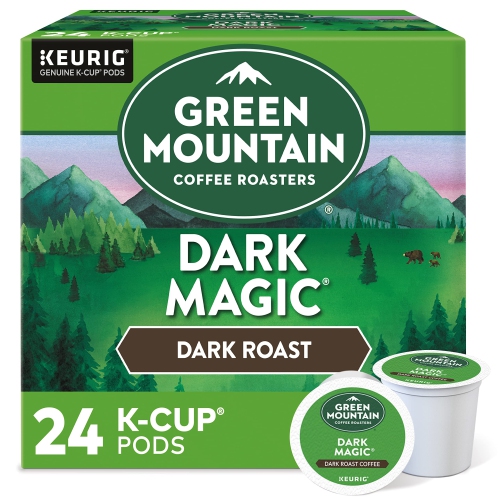 Your price for this item is $28.99
 -
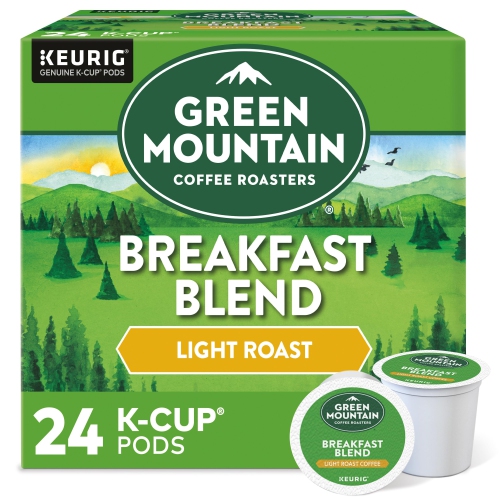 Your price for this item is $41.95
 -
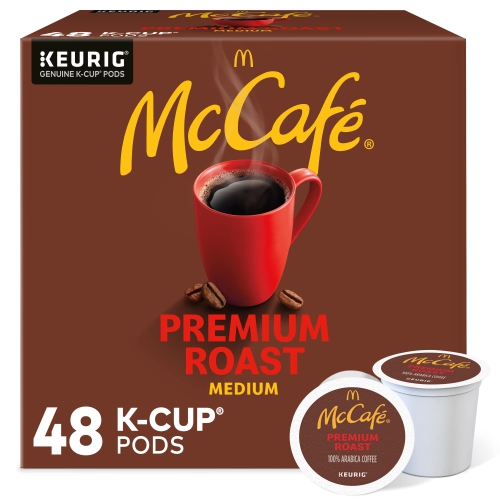 Your price for this item is $63.54
 -
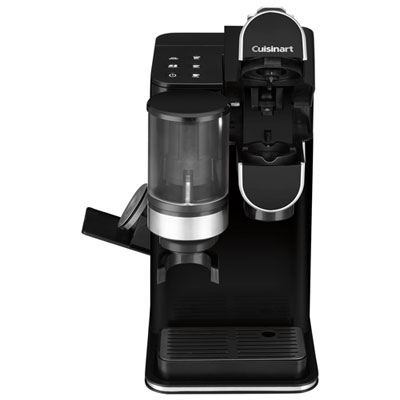 Your price for this item is $349.99
 -
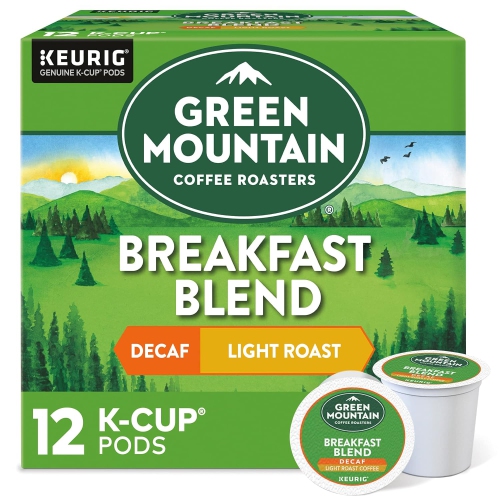 Your price for this item is $47.95
 -
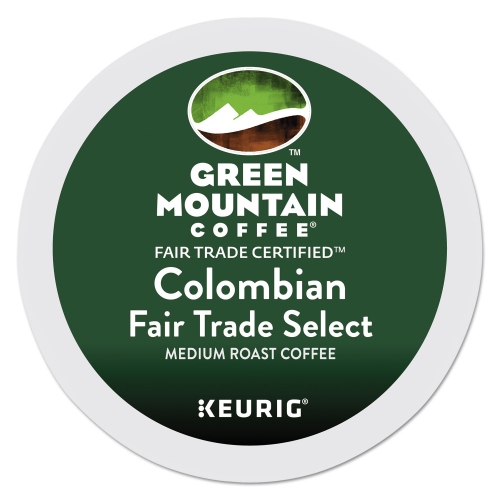 Your price for this item is $47.95
 -
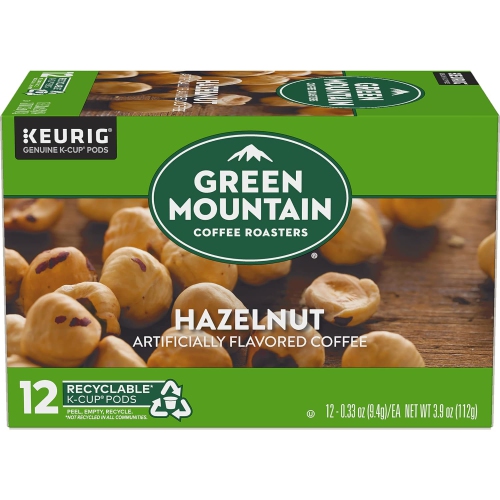 Your price for this item is $47.95
 -
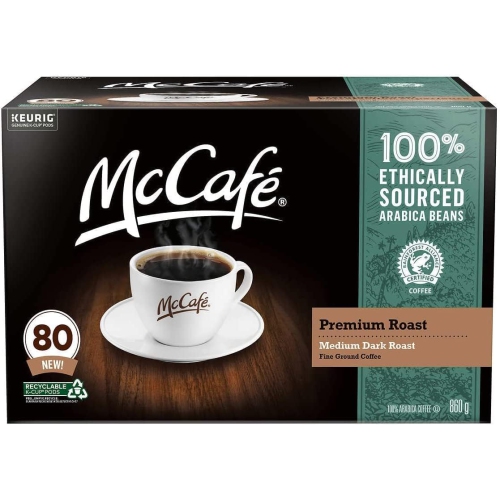 Your price for this item is $69.97
Discover more categories related to Dark Roast Coffees
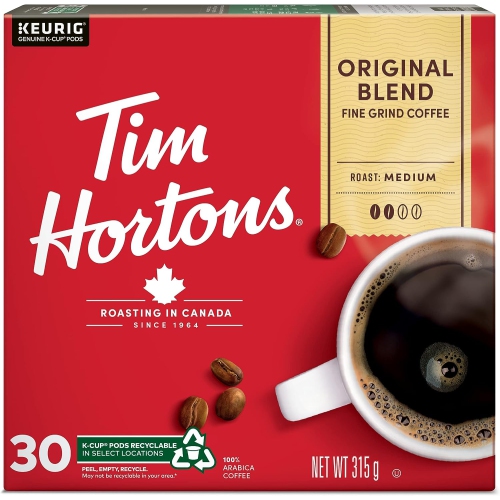
Top Collections:
Pokemon Centers, Kindle Devices, Best Budget Office Chairs, Apple iPhones 16, Canon G7X Cameras, iPhone 15 Apple, Alarm Clock, Refurbished Apple Laptops, Flip Phones, Best Laptops for Writers
Some products may be subject to Environmental Handling Fees
(EHF) depending on your province.
Learn more about EHFs.